Severe Delays At Blackwall Tunnel, Woolwich Ferry And Dartford
The title of this post is the same as that of this article on Murky Depths.
These three paragraphs give more details.
There are severe delays at all crossings of the Thames between east and south east London and beyond this afternoon after a collision on the Dartford crossing.
Miles of queues are in place at the approach to the Blackwall crossing with traffic backed up for the entire length of the A2 and A102 between the M25 and Greenwich then back into east London.
Extremely long waits for the Woolwich ferry are also seen, with numerous bus routes delayed.
It appears to have been caused by a crash on the Dartford Crossing, that required extensive repairs to the road and barriers.
In 2015, I published No To Silvertown Tunnel.
Since the tunnel opened, I have written Is The Silvertown Tunnel A Silver Elephant?
I am certainly keeping an open mind, after yesterday’s article in Murky Depths.
Silvertown Tunnel Easing Congestion, TfL Says
The title of this post, is the same as that of this article on the BBC.
This is the sub-heading.
Transport for London (TfL) has shared the first insights about the impact on traffic of the new Silvertown Tunnel, as part of commissioner Andy Lord’s latest report to the TfL Board.
These two initial paragraphs gives a summary of about three weeks traffic.
Analysis of data between 21 April and 11 May shows the Silvertown and Blackwall tunnels are being used by an average of about 88,000 vehicles on a typical weekday. Of these, about 20,000 are using the Silvertown Tunnel.
Before the tunnel opened on 7 April, about 100,000 vehicles used the Blackwall Tunnel on weekdays.
TfL are claiming that this 12,000 drop in traffic is helping to ease congestion.
Logically, a drop in traffic will ease congestion, but the BBC article also says this.
However, it said it was aware of some increased traffic volumes at other river crossings, including the Woolwich Ferry.
The only other river crossings in the area are the Rotherhithe Tunnel and the Woolwich Ferry, both of which are free to all users.
So is the drop in traffic through the Blackwall and Silvertown Tunnels, due to drivers objecting to paying a toll and taking a free route instead?
On The Buses
The BBC article says this about bus passengers.
Mr Lord’s report also provided ridership data about the three bus services that operate through both tunnels: the new Superloop SL4, the extended route 129 and the 108, which already ran through the Blackwall Tunnel before 7 April.
Across the routes there is a daily average of more than 20,000 passengers making use of these services, of which typically about 7,000 are crossing the river using one of the two tunnels. In March 2025, there were about 2,700 crossings a day made using route 108.
The increase in bus passengers is not surprising.
Before the opening of the Silvertown Tunnel, there was just this bus service through the Blackwall Tunnel.
- London Bus 108 – Stratford and Lewisham via North Greenwich.
This has now been joined by, these bus services through the Silvertown Tunnel.
- London Bus 129 – Great Eastern Quay and Lewisham via City Airport and North Greenwich.
- London Bus SL4 – Canary Wharf and Grove Park via East India, Blackheath and Lee.
Note how the buses call at rail stations, an airport and other important traffic interchanges.
In Could The Silvertown Tunnel Handle More Buses?, I asked if buses through the Silvertown Tunnel should be increased?
Given that traffic through the combined Silvertown/Blackwall complex has dropped by 12,000 vehicles per day, that must leave space for a few buses or coaches.
- Assuming, that one bus or coach takes up the space of four cars, that would be space for 3,000 buses/coaches per day.
- Also assuming the bus and coach services are run on a twenty-four hour basis, that would be 125 buses/coaches per hour.
If the bus and coach services ran every ten minutes, that would say, there is space in the tunnel for up to a dozen new bus or coach routes.
There could develop a virtuous circle and feedback loop, which drives the tunnel to a state of equilibrium, where traffic grows through the tunnels, until it is maximised.
Consider.
- Research shows a bus route from A to B through the tunnel would attract passengers.
- Drivers and their passengers decide that on balance a bus ride is more convenient, no slower and more affordable than driving.
- Congestion charges and other charges for non-electric vehicles will play their part.
- Green issues will also will play their part.
- Fewer cars will use the tunnels.
- Increasing tunnel charges will only drive more car users to the buses.
- More free space in the tunnel, will allow more bus and coach routes.
- More bus and coach routes will attract drivers from their cars.
Eventually, equilibrium will be reached.
A similar effect happens, when a new bypass is opened and as if by magic it fills up.
When it happens with train services I call it, London Overground Syndrome.
On Your Bike
The BBC article says this about cyclists.
There is also a cycle shuttle service, enabling cyclists to take their bikes free of charge on a bus through the Silvertown Tunnel. TfL said some 100-150 people were using it on a typical day.
While this is below its capacity, TfL believes usage will grow as cyclists adapt their routes to benefit from this safer crossing option.
When I used to cycle around London in the 1970s, I never cycled under the Thames, but I did generally cycle as fast as I could across the city. I wouldn’t have put my bicycle on a free bus.
So, is this why the cycle shuttle service is below capacity?
The BBC article says this.
TfL believes usage will grow as cyclists adapt their routes to benefit from this safer crossing option.
I believe, that if TfL should ever charge for the cycle shuttle service, they’d kill it.
In my opinion, they’d be better off providing secure bike parking, but even some of that seems lightly used.
Tunnel Performance
The BBC article says this about tunnel charging and performance.
TfL said it intended to publish quarterly factsheets on the operational performance of the tunnels’ toll scheme.
This will include information about how many people pay the charge, the compliance rates for vehicles using the tunnels and the number of Penalty Charge Notices that are issued.
The first of these factsheets will be published later this year, but initial data shows that compliance has steadily increased, with about 90% of motorists either paying a charge or benefiting from an exemption.
Surprisingly, so far, I haven’t met anybody who has driven through the Silvertown Tunnel, except for a couple of bus drivers.
Council’s Concerns Over Suggested Tunnel Charges
The title of this post, is the same as that of this article on the BBC.
This is the sub-heading.
Concerns have been raised by a county council over suggested charges at the Silvertown and Blackwall tunnels in London.
These are the first two paragraphs.
Kent County Council (KCC) said the proposed charges could impact on the county’s traffic, including at the Dartford Crossing.
The council said although it supported TfL’s ambition to improve journey reliability and reduce air pollution, it believed the proposed changes could “significantly affect” drivers from Kent.
I can’t see that the charges on the two tunnels won’t affect drivers habits.
Thirty years ago, before satellite-navigation had been invented, when my family and myself lived in East Suffolk, if I was returning from Brighton or Gatwick, I would make a choice about, whether to use the Dartford Crossing or the Blackwall Tunnel. Sometimes traffic was so bad, that I had to take the longer Western route using the M11 and the A14.
I didn’t really bother about the toll on the Dartford Tunnel, as it was then, but often the free Blackwall route was quicker.
In those days, I was relying on radio reports, but now with satellite-navigation, drivers will be taking more intelligent decisions, that take account of tolls.
The BBC article also says this.
The council says Kent drivers make up 10% of the Blackwall Tunnel’s users.
So it looks like the drivers of Kent will be paying tolls to London.
These are my thoughts.
How Can The Tolls Be Avoided?
There will still be two free crossings, to the East of Tower Bridge; the Rotherhithe Tunnel and the Woolwich Ferry, but how long will they remain free, if they drain money from the tolled tunnels?
What About The Trains?
Trains from somewhere like Ebbsfleet international station can be used.
Ebbsfleet international station has a lot of parking, but at some stations parking is distinctly limited.
I doubt though, that Transport for London have done a professional survey of the amount of parking that is needed.
They tend to believe if people live out of London, that parking for trips to London is not a Transport for London problem.
Are there any plans to increase the train frequencies, if more people use them?
Note that Off Peak Day Return tickets can be purchased with a Railcard, from Dartford to London for under a tenner, and from Ebbsfleet international to London for under fifteen pounds.
If Built, Will The Lower Thames Crossing Help?
The first paragraph of the Wikipedia entry for the Lower Thames Crossing, describes it like this.
The Lower Thames Crossing is a proposed road crossing of the Thames estuary downstream of the Dartford Crossing that links the counties of Kent and Essex, and its proposed approaches. If built it would pass through the districts of Thurrock and Gravesham, supplementing the Dartford route. The approximately 14.3-mile (23.0 km) route is being assessed by the Planning Inspectorate.
As it is likely to cost nine billion pounds and take six years to build, I can’t see the current Government building it.
But it would certainly make it easier for traffic to go between the Channel Tunnel and North of London.
Conclusion
I can see the UK muddling through, when we should be bold and create the transport infrastructure for the Twenty-First Century.
For instance, I would extend the Elizabeth Line in the North-East to Southend and in the South-East to Ebbsfleet and Gravesend. With the existing cross-platform interchange at Whitechapel, I believe, it could pick up much of the cross-river passenger traffic close to London.
I also feel that there will need to be improved connections between the fast-expanding London Gateway freight port and the Channel Tunnel.
Through The Blackwall Tunnel In A 108 Bus
Around lunchtime today, I took a 108 bus from North Greenwich station on the Jubilee Line to Bow Church station on the DLR. It’s rather a roundabout way to get home from Bow Church station, so I walked to Bow Road station to get a train to Moorgate for a bus home.
I took these pictures of the journey.
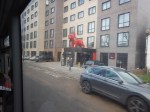
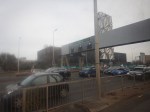
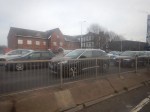
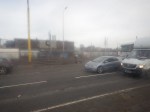

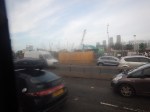

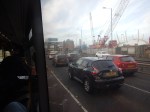
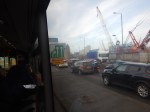
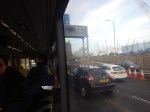
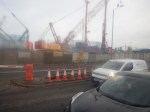
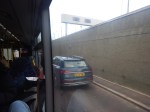
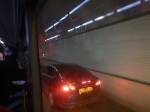
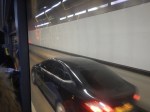
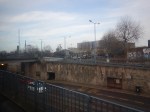
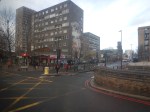
Note.
- The first picture shows the Radisson Red hotel on Tunnel Avenue.
- The Northbound bus travelled through the old tunnel, which was built in 1897.
- It looks in good condition for its age in my pictures.
- Even at lunchtime on Christmas Eve, there are queues of traffic waiting to go through the tunnel from both directions.
- The dog in the last picture is better and less-threatening street art, than you get in some parts of the UK
Taking good pictures from inside a dirty single-deck bus is not the easiest task.
This paragraph from the Wikipedia entry for the Blackwall Tunnel, gives a snapshot of the tunnel’s development.
The tunnel was originally opened as a single bore in 1897 by the Prince of Wales, as a major transport project to improve commerce and trade in London’s East End, and supported a mix of foot, cycle, horse-drawn and vehicular traffic. By the 1930s, capacity was becoming inadequate, and consequently a second bore opened in 1967, handling southbound traffic while the earlier 19th century tunnel handles northbound.
Note.
- Both tunnels are not open to pedestrians, cyclists or non-motorised traffic.
- There is a four metre height limit on the Northbound tunnel, which also has sharp bends.
- The Southbound tunnel is straight and has a height limit of 4.72 metres.
- London’s iconic Routemaster and New Routemaster buses are 4.38 and 4.39 metres high respectively.
- The tunnel will be tolled, when the Silvertown Tunnel opens in a few years time.
- It looks like both Blackwall and Silvertown tunnels will have the same charge as the Dartford Crossing, which is currently two pounds if you pre-pay for a car.
The pictures and words give clues to why the Mayor has decided to build the Silvertown Tunnel.
It is very rare to get through the tunnel without being delayed in a queue of traffic.
Double deck buses can’t go through the Northbound Tunnel.
As a non-driver, who doesn’t need to use the Blackwall Tunnel, I don’t listen to traffic reports, but perhaps once a week whilst waiting for the news on Radio 5, I hear of problems at the tunnel. Sometimes, these are caused by over-height or over-long vehicles, which have got stuck in the Northbound tunnel.
Incidentally, my earliest memory of the tunnel is probably from about 1953, when my family was stuck in the tunnel for several hours in my father’s Y-type MG.

, My father’s car had the registration BNH 368.
I doubt I’ve driven through the tunnel this century, as I have rarely driven to South and South-East London since the 1970s, as I’ve generally taken the train across London. I can remember one trip in about 2008 though, when I took the Woolwich Ferry for the Southbound crossing.
As I was living near the top of the M11 in Suffolk, I may have gone home via the Blackwall Tunnel.
On The New Woolwich Ferry
These pictures show my crossing on the new Woolwich Ferry; Ben Woollacott.
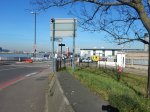
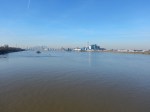
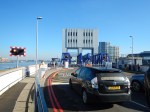
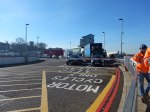

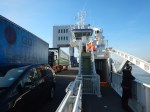
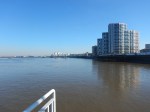
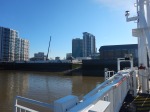
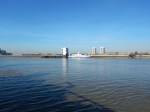
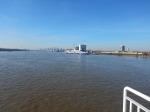
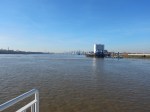

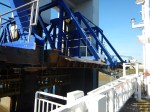
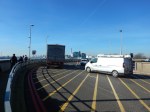
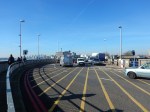
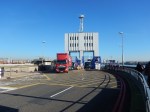
It was a nice sunny day to go for a cruise.
In The Woolwich Ferry By Foot, I went across on the old ferry.
The new ferry doesn’t have the same quality of passenger cabin, but it can transport a few more vehicles.
Match Nineteen – Charlton 0 – Ipswich 1
Unlike Bournemouth, Charlton was only a short trip across the Thames. I actually crossed on the Emirates Air Line.
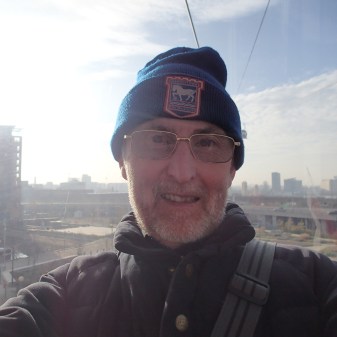
On The Emirates Air Line
It was then a short ride on a 486 bus to Charlton station.
As I set out, I thought we might have had a chance of a win, but hopes were beginning to fade as a close fought match, which had produced 40 shots according to the BBC, was coming to the end.
But then substitute, Noel Hunt playing his first match for Ipswich, came on and a few minutes after suffering a blood injury, he managed to drill home his first goal for nearly two years.
We certainly all celebrated long after the match.
Getting home everything seemed to be locked solid, so I walked to Woolwich and got the ferry to my side of the River.
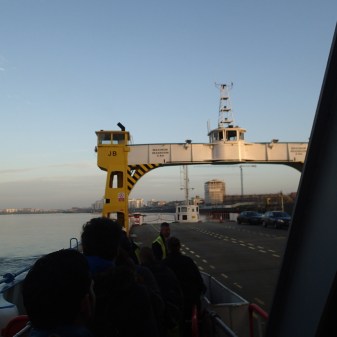
On The Woolwich Ferry
I wonder how many people have flown to a football match and then taking a ferry home.
At least, when I got home around five, I had the pleasure of knowing that Ipswich are now up to second in the Championship.
I also looked at the map after I got home.
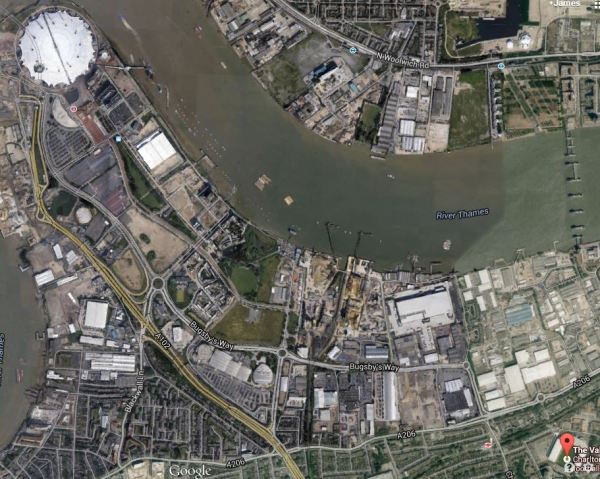
The O2 To The Valley
Note the O2 in the top left, with North Greenwich station just below and The Valley in the bottom right, with Charlton station close by.
I would estimate that next time, I get stuck there, it will take about half-an-hour to walk to North Greenwich station for the Jubilee line.
The Woolwich Ferry By Foot
In some ways, I can’t go anywhere near the Woolwich Ferry without laughing, as one of the funniest things I ever saw was a sketch on Michael Bentine‘s It’s A Square World called the Night the Woolwich Ferry Sank.
Today, I crossed the Thames as one of a surprising numbers of foot passengers and took these pictures.
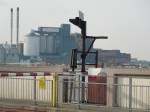
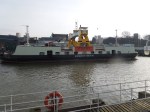
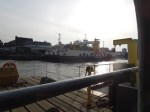
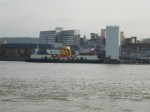

If I have a complaint, it’s that you can’t get on deck like you can on a Mersey Ferry and taking good pictures is difficult. I did take some other pictures five years ago, when I last drove across using the ferry.
The Woolwich Ferry – 2
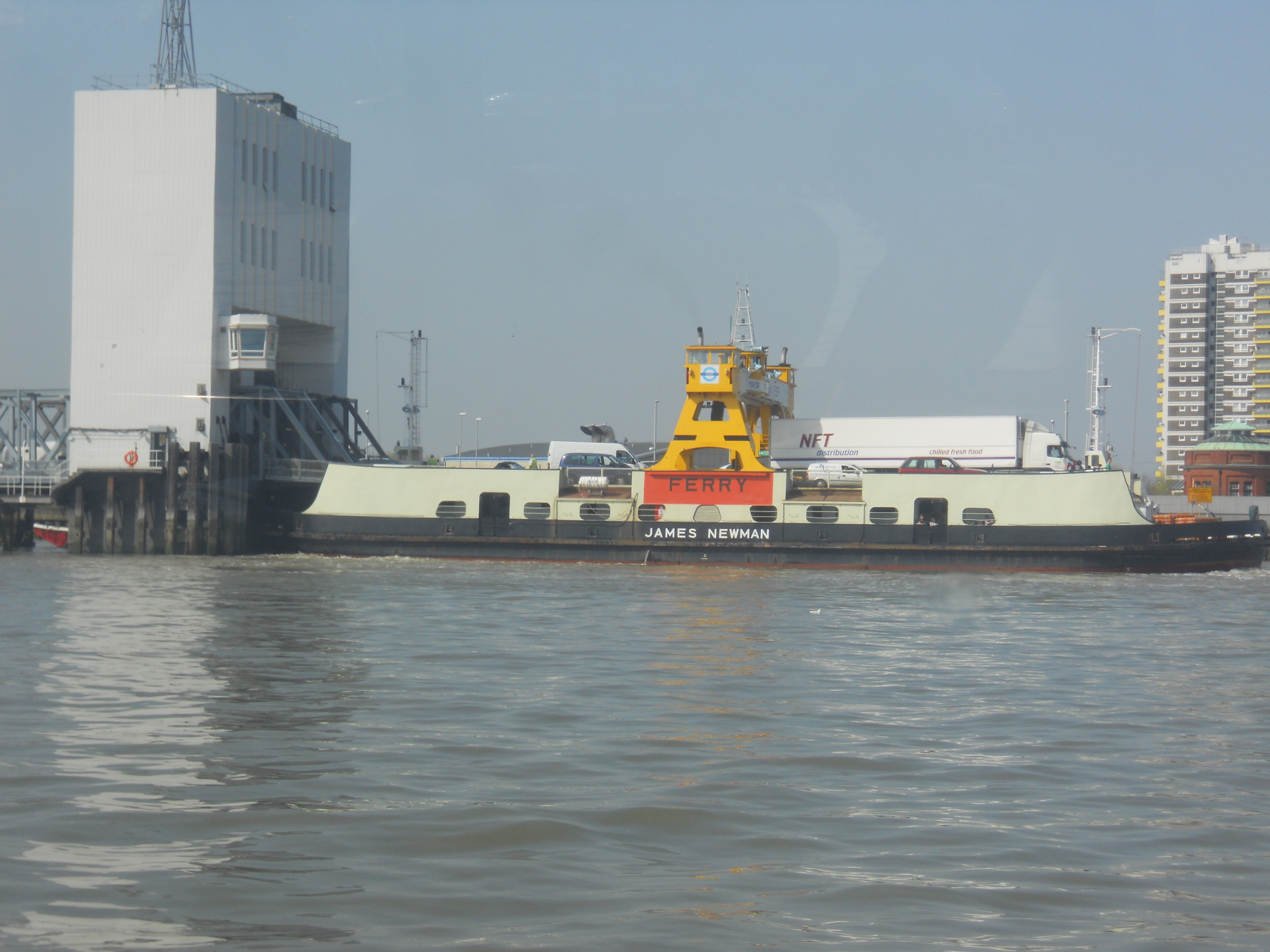
This is the Woolwich Ferry.
The Woolwich Ferry
There are more pictures of crossing the river by Woolwich Ferry here.
The Woolwich Ferry
The Woolwich Ferry is one of London’s oddities.

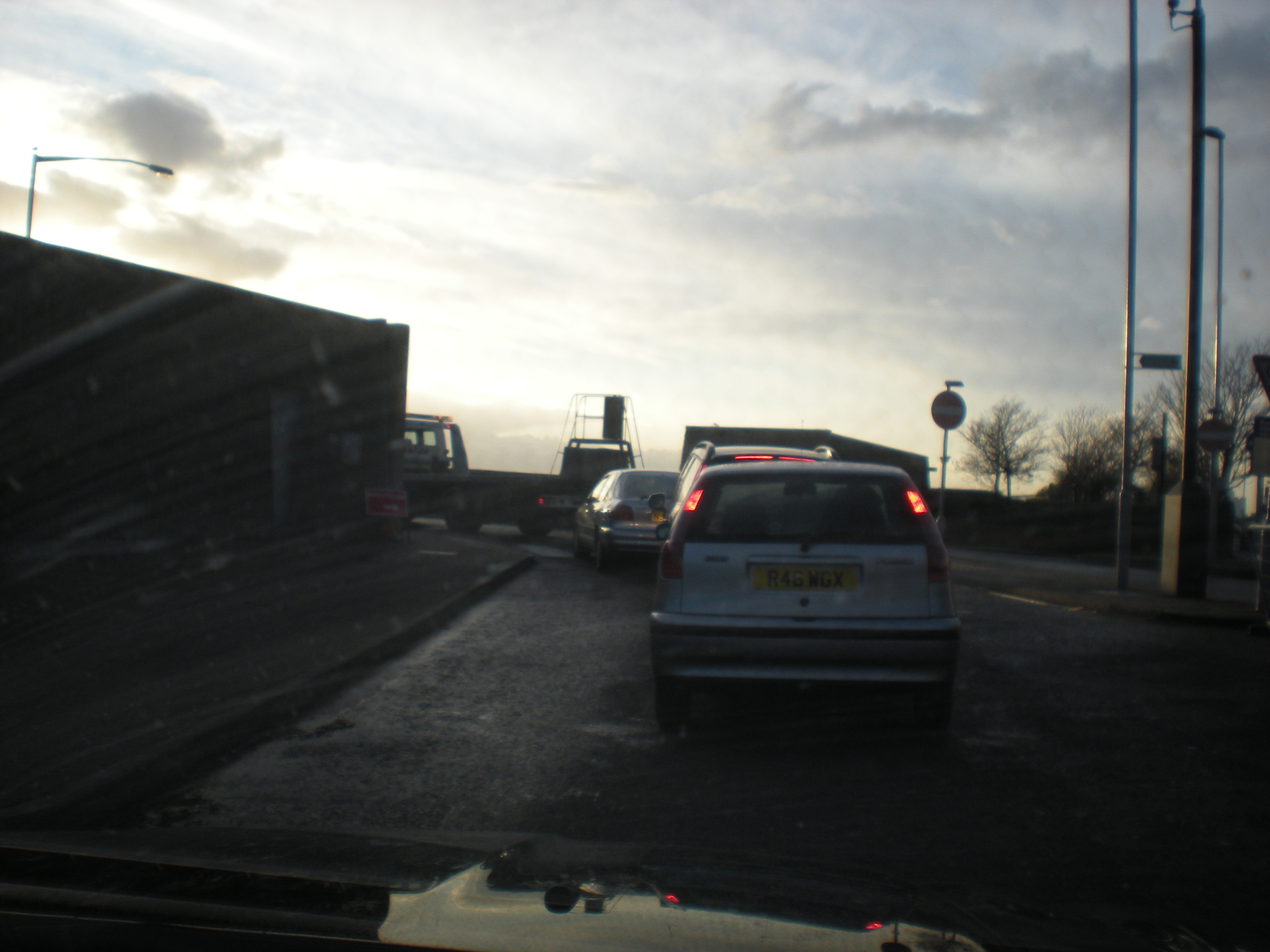
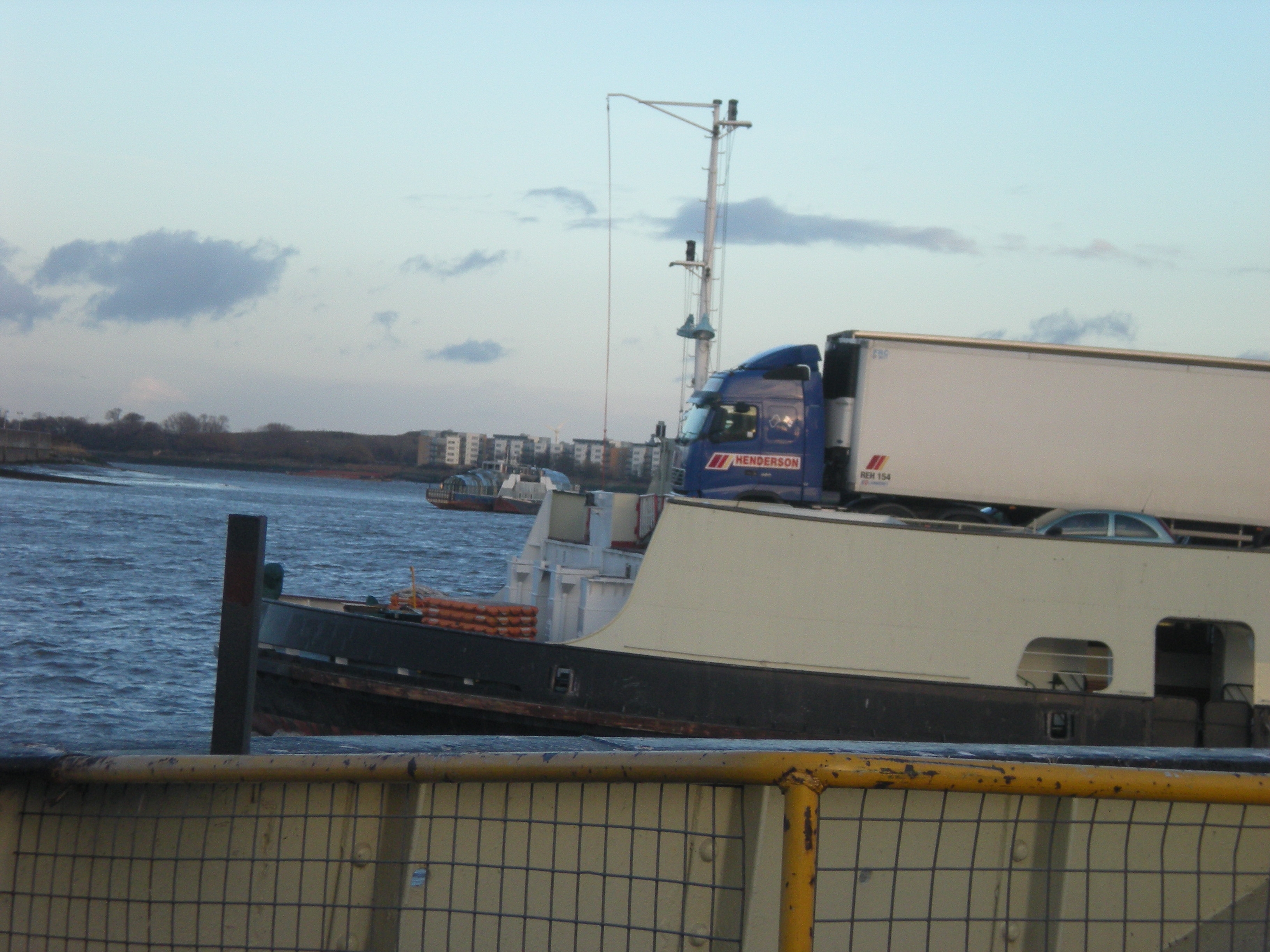
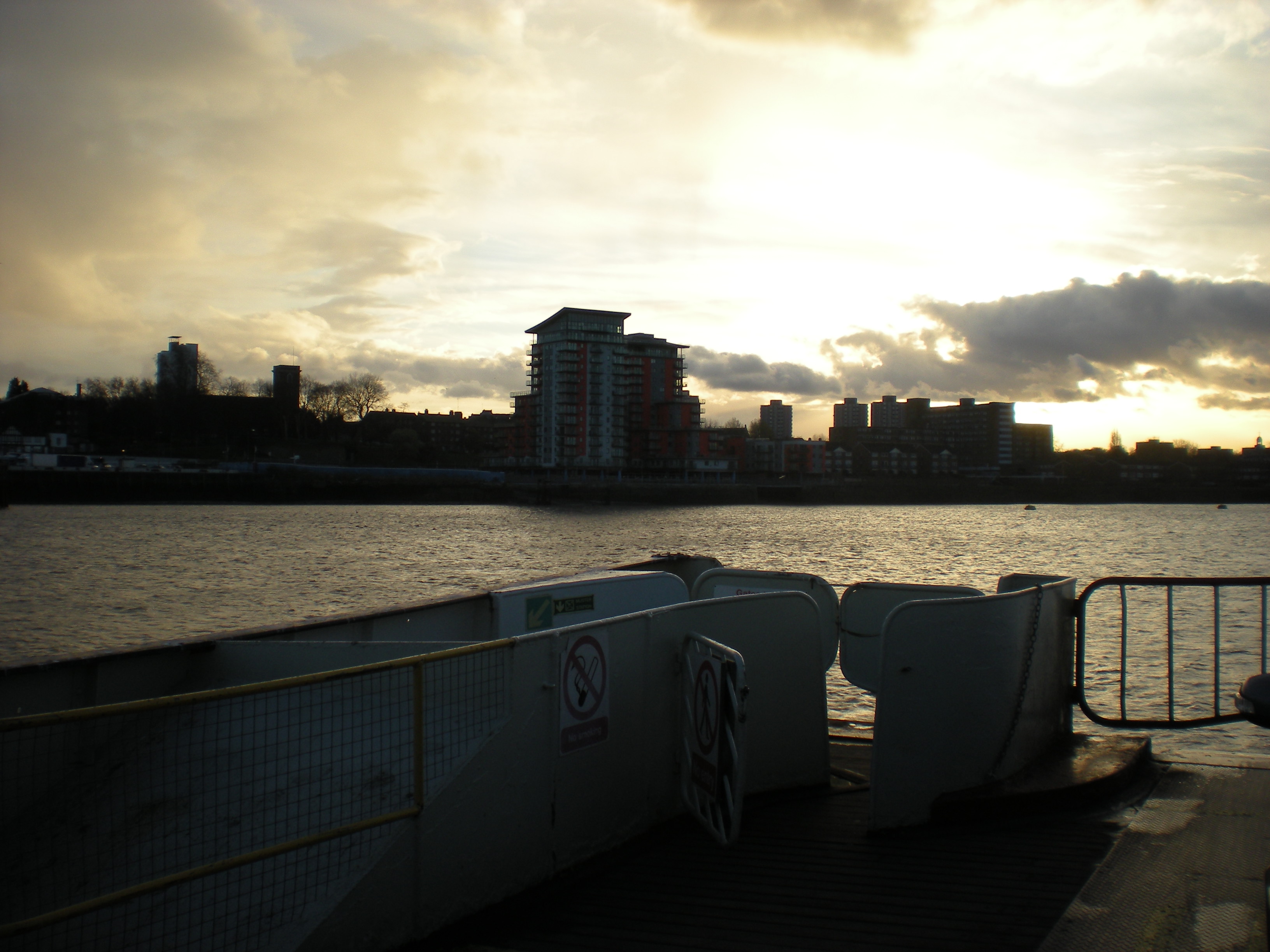
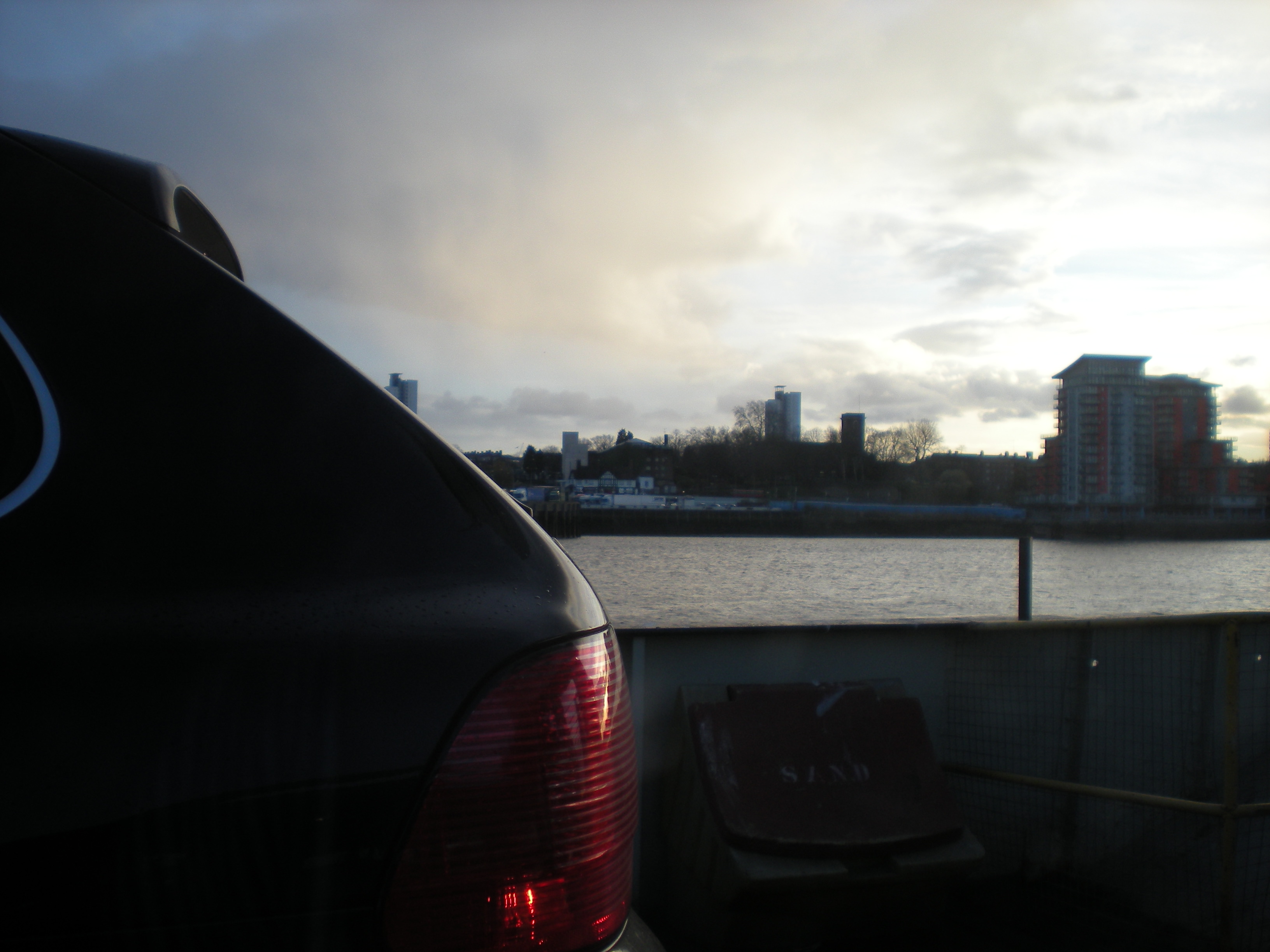
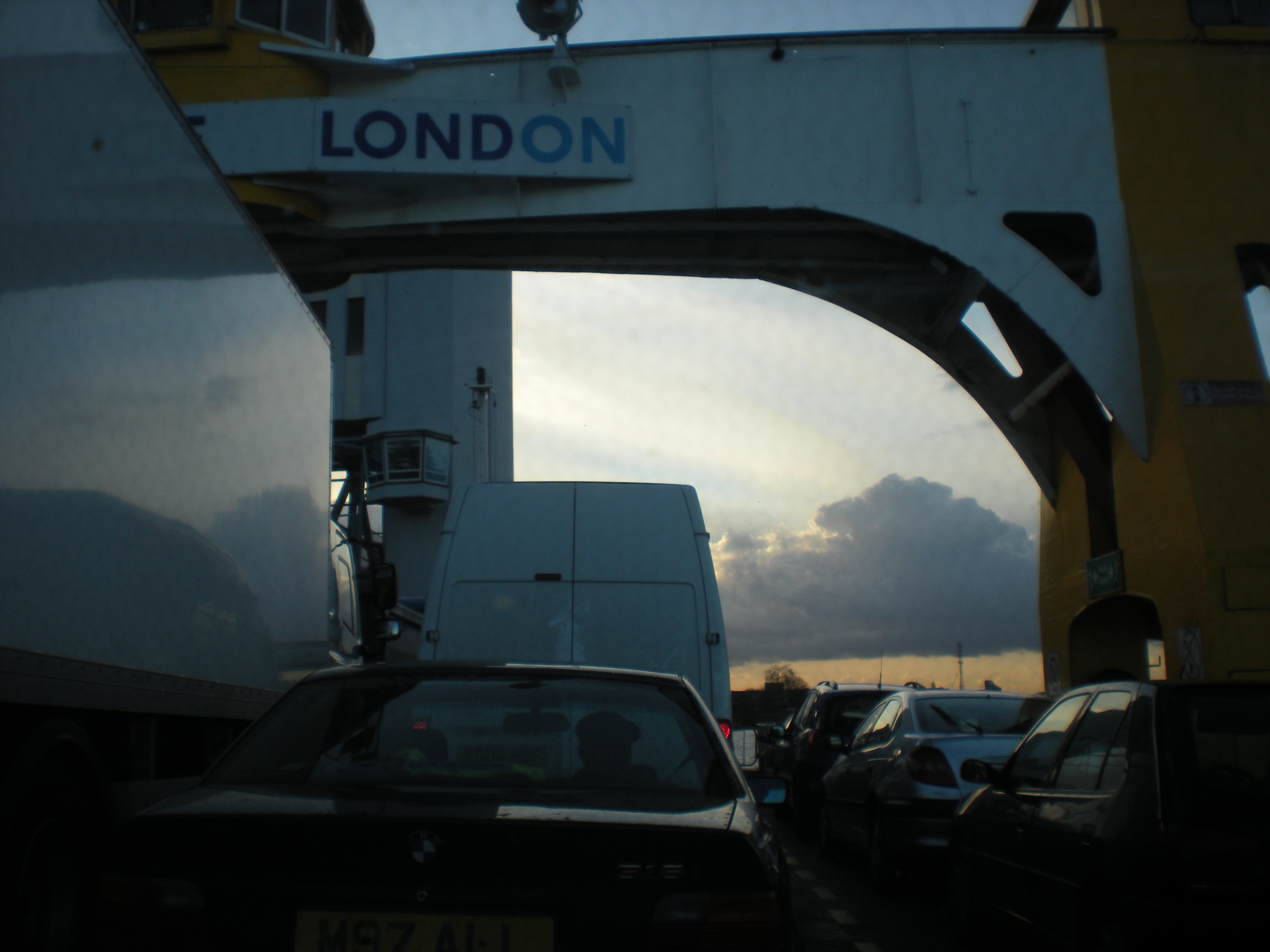

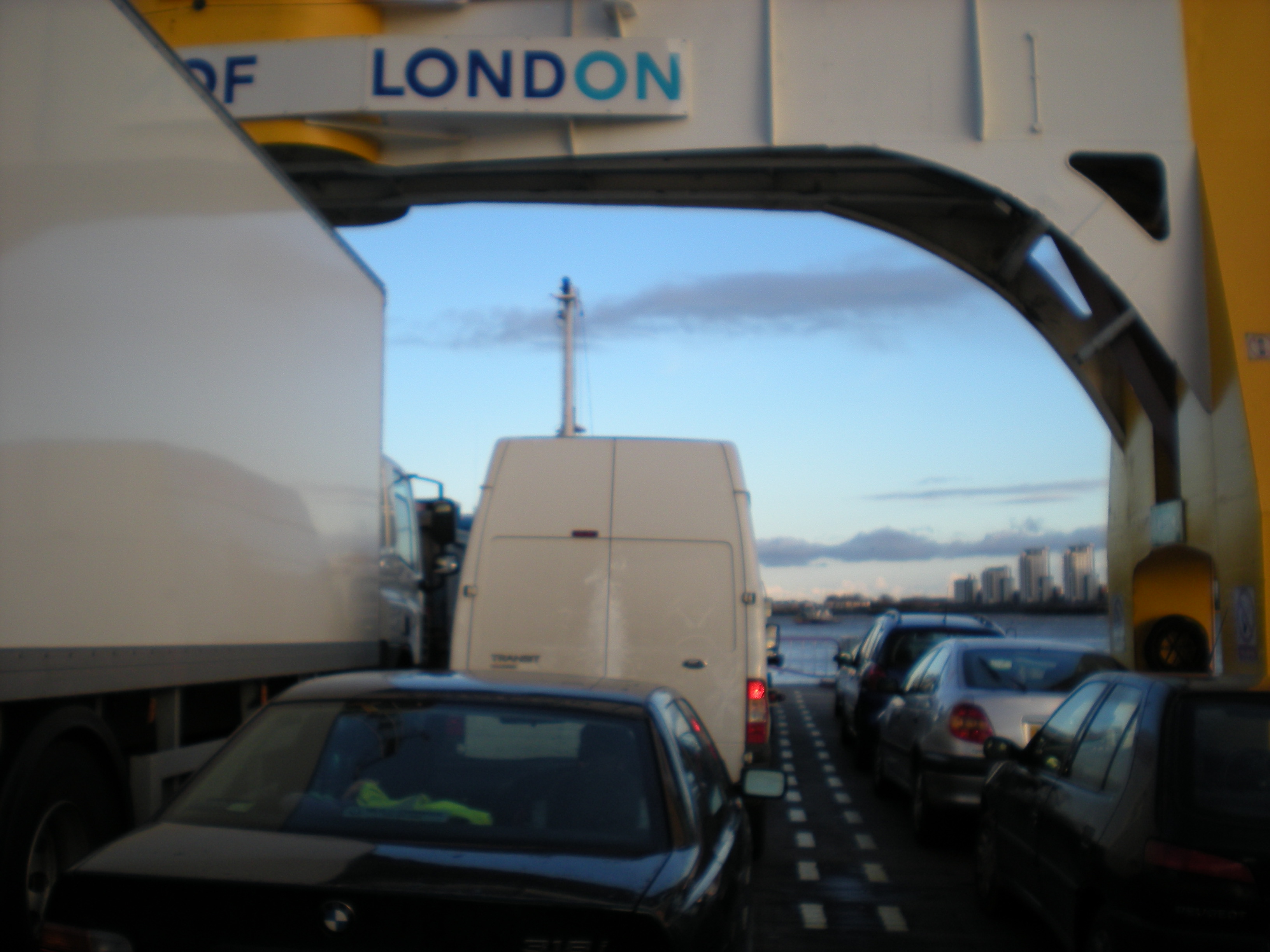
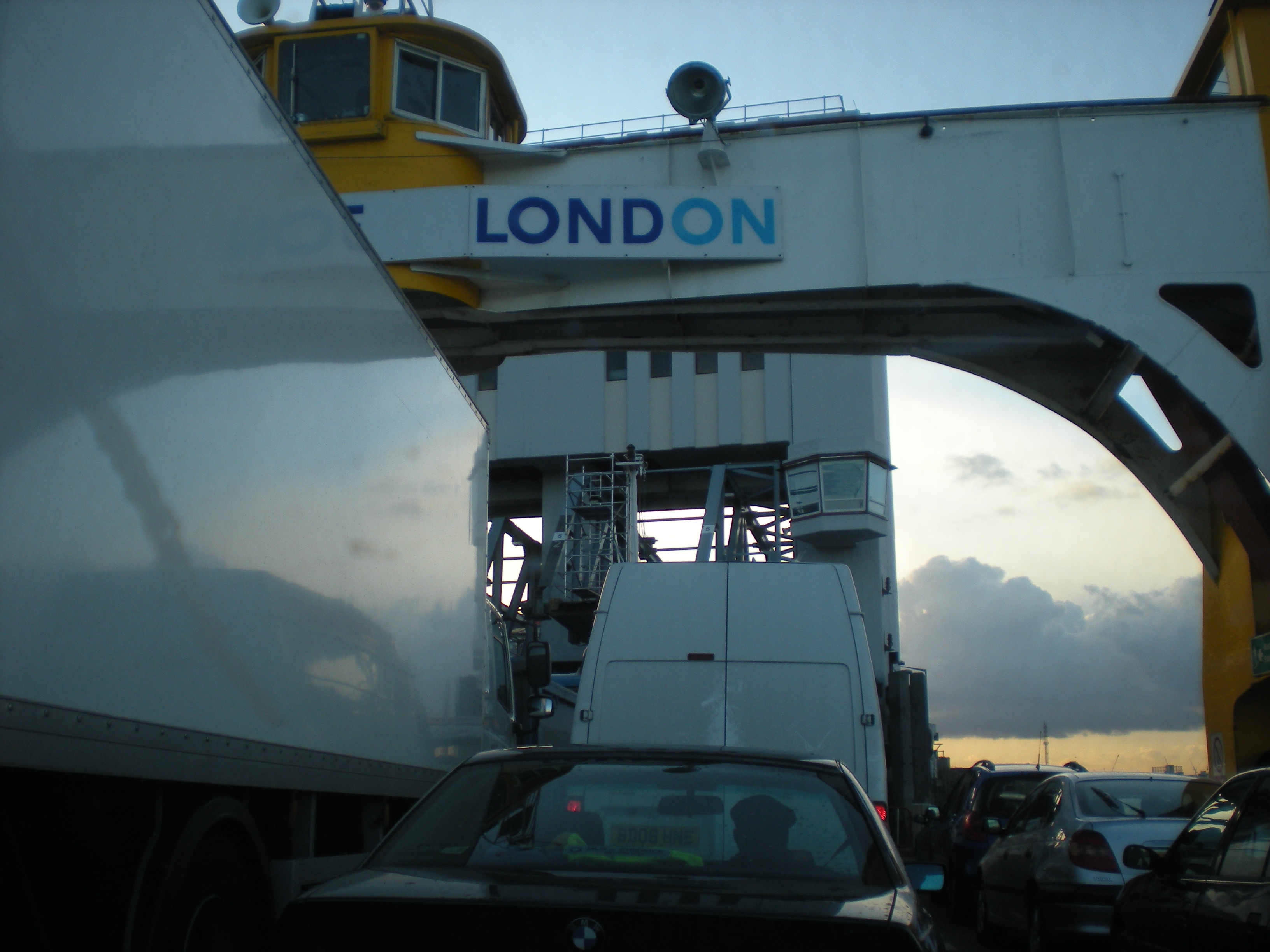
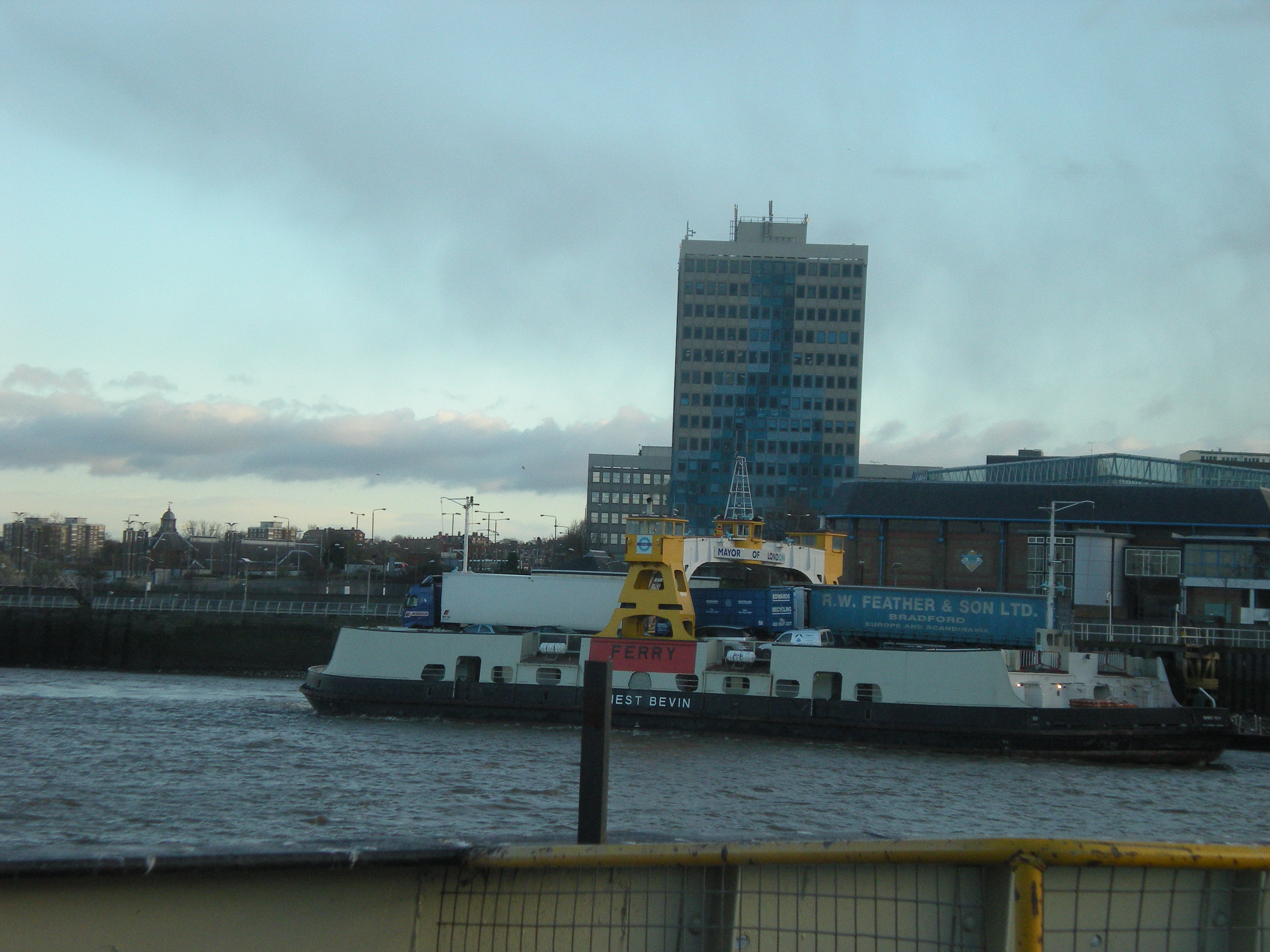
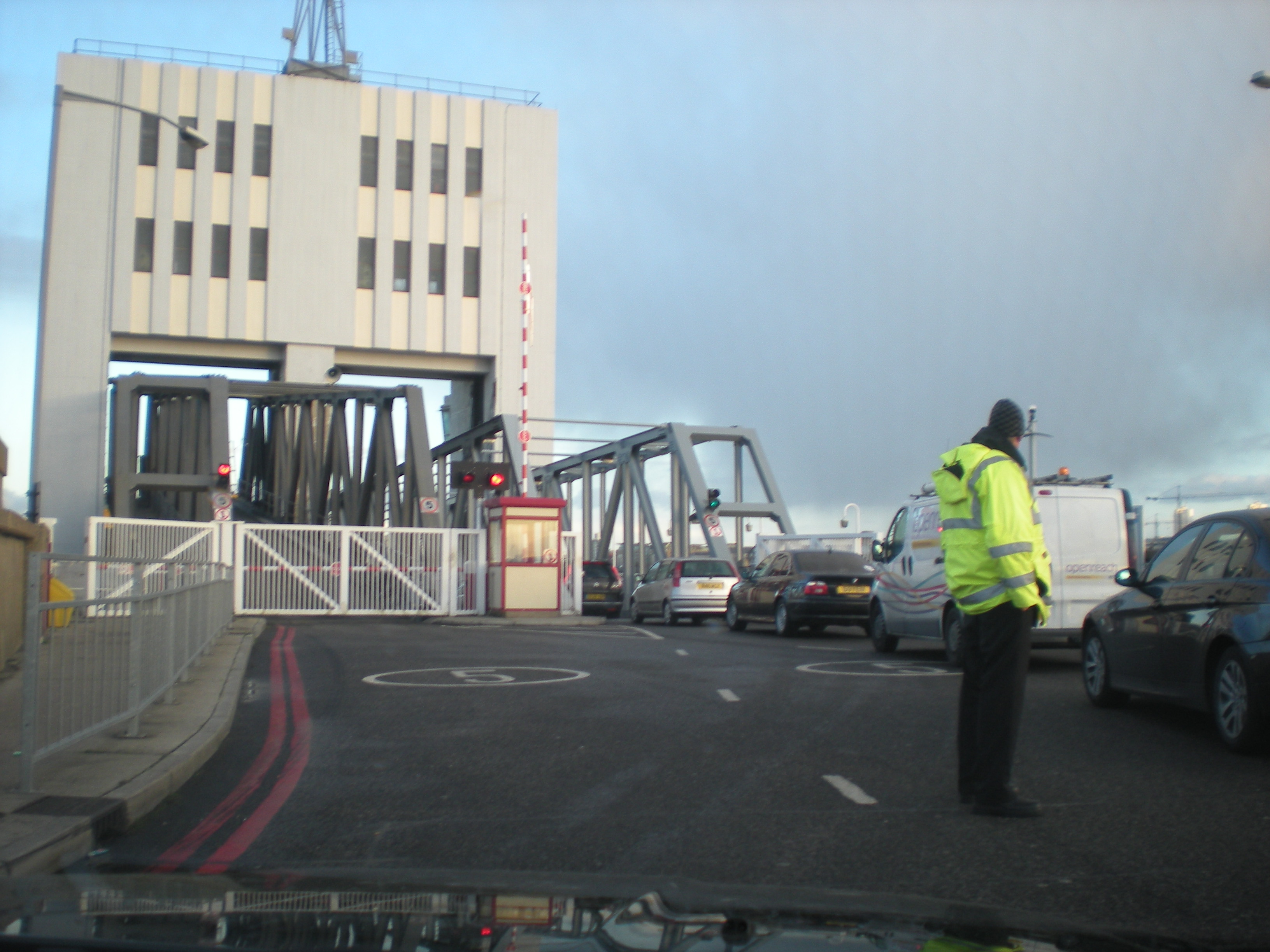
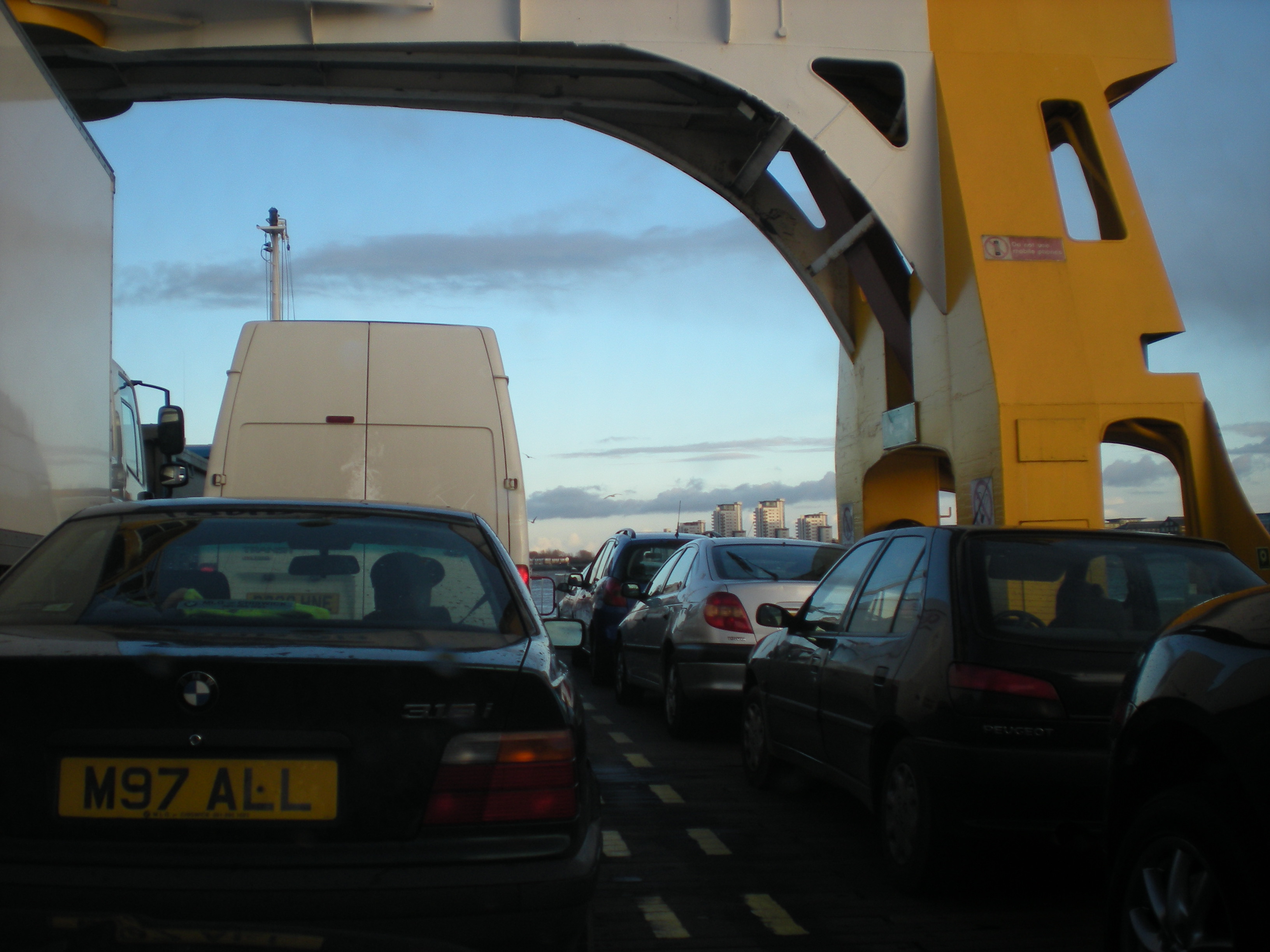
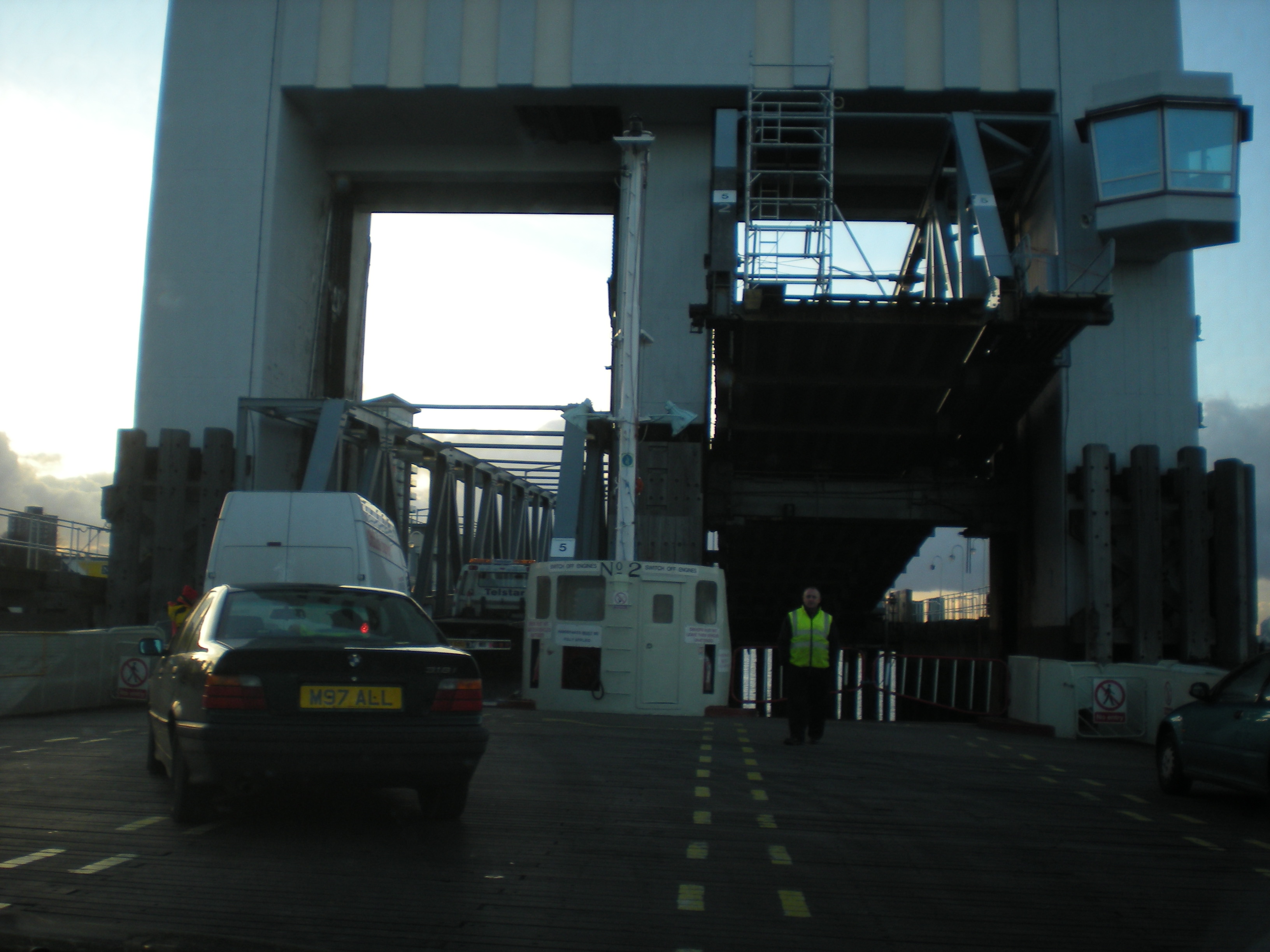
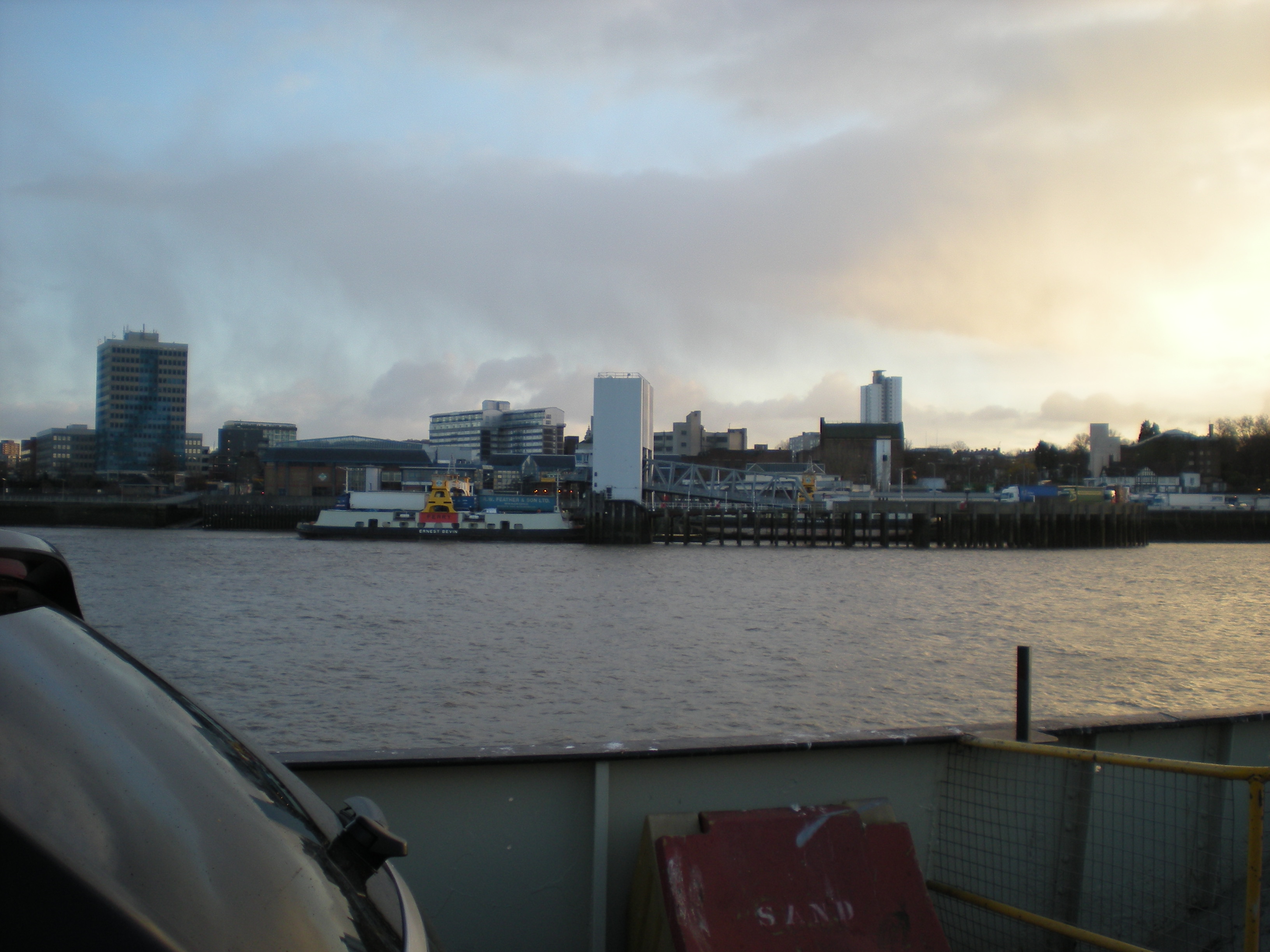
I think I first used the ferry soon after I learned to drive in 1964 and I’ve used it every ten years or so. The pictures here were taken in November 2008, when I was travelling to visit someone in South London.
 The Anonymous Widower