Spanish Practices
I don’t think queuing in your underwear to get free clothes will catch on in the UK.
But who knows!
The Joy of Engineering
In many ways I am an engineer first, second and all the way to last.
In my troubles over the last couple of years, my reasoning and problem solving abilities have got me through it to a certain extent. I even cook like an engineer. And these skills I learned in my long training and experience as an engineer, from helping my father in his print works, through the vacation jobs at Enfield Rolling Mills, my degree at Liverpool University, the experience at ICI and then my years of programming, where I wrote planning and data management systems for a variety of industries.
So why are engineers different?
Many people like doctors have a theory and try to prove it, whereas engineers have a problem and try to solve it, whilst sticking to the best scientific and management principles. One of my principles is that you can’t ignore scientific correctness at any time. This is probably, why if you want to louse up a project, you just let politicians get their sticky fingers on it. Everywhere around you, you see good engineering ideas, that work, that probably had to overcome difficult obstacles from ignorant politicians to come to fruition.
There is a simple idea from close to me. Imagine the outcry if today, an electricity company said that they were going to lay 400 thousand volt cables underneath the towpaths of the Regent’s Canal and then cool them with water from the canal. After all water and electricity don’t mix! Do they? But that is what was done in the 1960s and as far as I can tell, there have been no problems. It would appear too, that the cooling system is being upgraded judging by signs beside the canal. So engineers are making a good idea even better.
Yesterday, the Head of the Electrical Engineering Department at Liverpool University invited me for a coffee and I spent an enjoyable hour with him discussing the problems of the world, that engineers could solve.
Few were controversial, but time and again engineering ignorance of the great and good came up as the reason a proven idea wasn’t implimented.
We must give everybody at least a basis of a scientific or engineering education, so that when someone says he’s going to do something, the idea can be properly discussed and the correct decisions taken. As an example, the public in this country is very much against waste incinerators, whereas in some countries like Austria, they have had serious discussions and use the best engineering designs to get rid of the waste that can’t be easily recycled, often by incineration in plants designed to advertise what they do.
So it is to be welcomed in the news today, that JCB have got involved in an academy to give young people a proper science, engineering and business education.
Let’s hope it’s not the only one.
I’ve enjoyed my time as an engineer so far and I’m not going to give up on it yet.
Gluten-Free on Hope Street
Hope Street is the street that links Liverpool’s two cathedrals. It is also one of the best places to eat gluten-free I’ve found. I ended up eating in a restaurant called Host, but there were several places with gluten-free offerings. I probably made the wrong choice of meal, as I had a lamb shank in a curried sauce with root vegetables, as it was so difficult to cut up with my gammy left hand. But it was lovely!
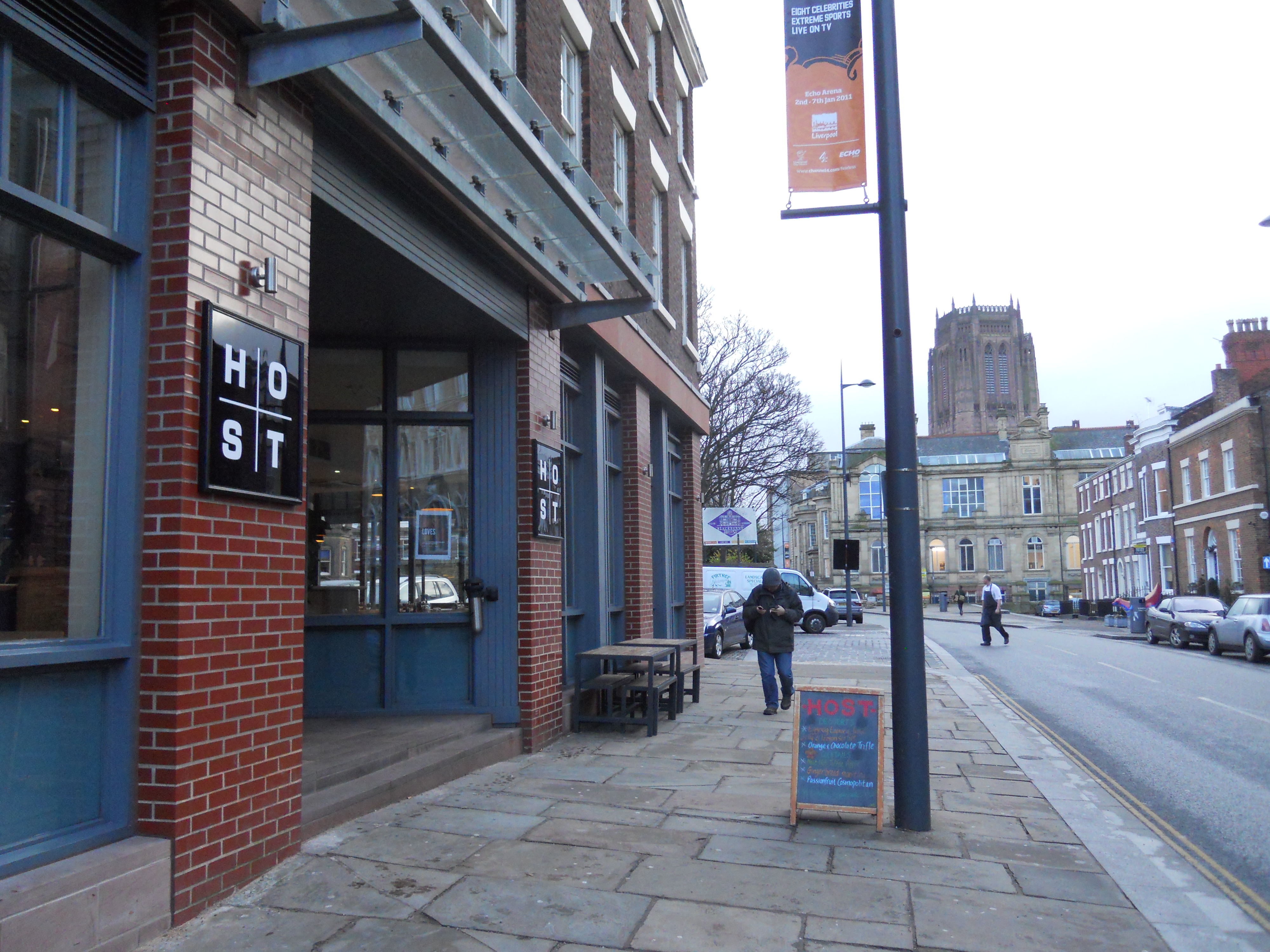
Host on Hope Street
The Power of Research
I’ve always been a great believer in research. This came home to me in spades, when as an engineer at ICI, I was investigating the dynamics of a particular chemical reaction. In the end, I found a lot of the information I required by going back to the 1900s, where a Chinese researcher working in Canada had obtained the rate constants I needed. So when you have a problem, there’s probably someone out there who has the information you need. But it may be extremely difficult to find, like my rate constants.
When C died, I needed help and as I was in touch with Liverpool University at the time, I asked if they had an expert on bereavement. They do in Kate Bennett and several times, I’ve talked things through with her and her research has shown me the way forward. So yesterday, as I had time to spare, I popped in on Kate for a coffee and a chat. All her publications are on her web site. There is a link there so that you can participate in her research as I have done, and that to me is better than any therapy, as by doing so, you’re not just helping yourself, but others too.
If you think about it, perhaps a million people lose their spouse or partner to death every year in the UK and how much does all this cost the taxpayer through the NHS and in ruined lives? But little research is done into the subject in reputable instutions to find ways to overcome problems in a constructive way.
I’ve asked Kate simple questions and got simple answers, which have been invaluable.
So thank you Kate for your help and support, these last three years.
I and Bridie
I and Bridie were one of the stalwarts of the Liverpool folk scene in the 1960s along with The Spinners and perhaps later on, The Scaffold.
I saw this poster outside the Philharmonic Hall and took a picture.
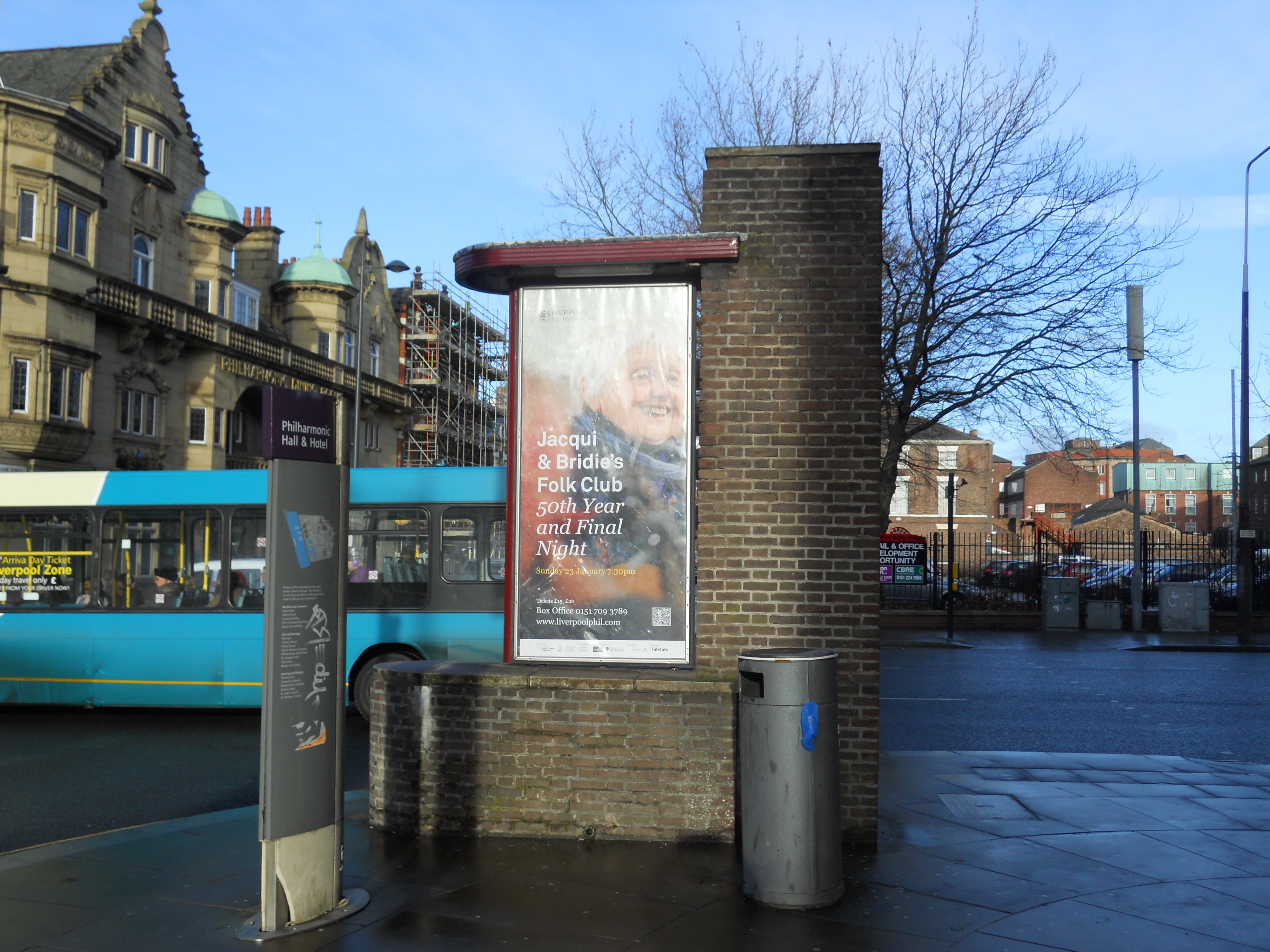
Jacqui and Bridie's Folk Club
The Three Graces
The Three Graces is the collective term for the buildings on the Liverpool waterfront. It’s changed a lot since I first went there in the 1960s to get the Crosville buses to my digs at Huyton. It’s now even got a canal connecting the Leeds and Liverpool canal to the Albert Dock.

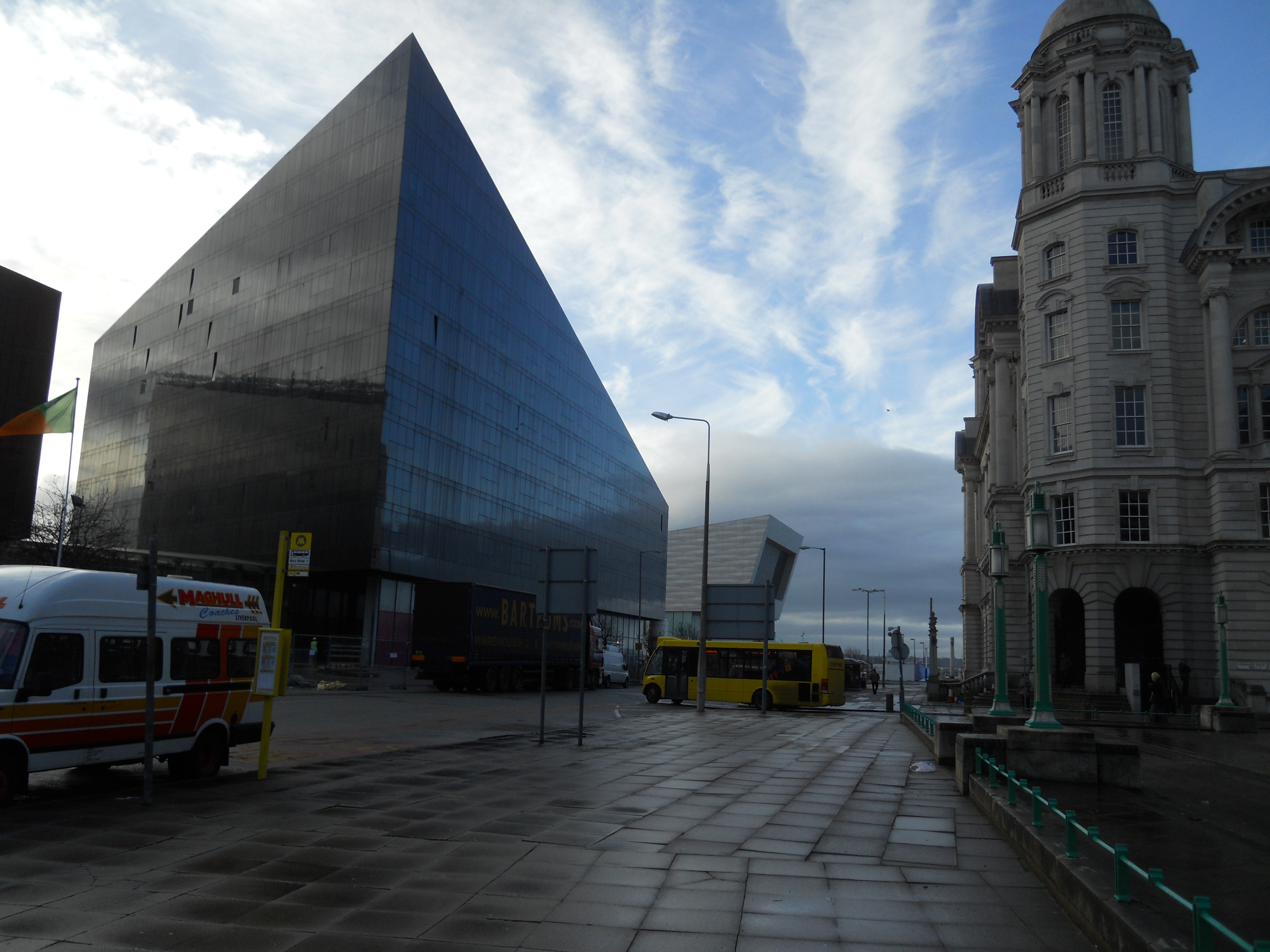
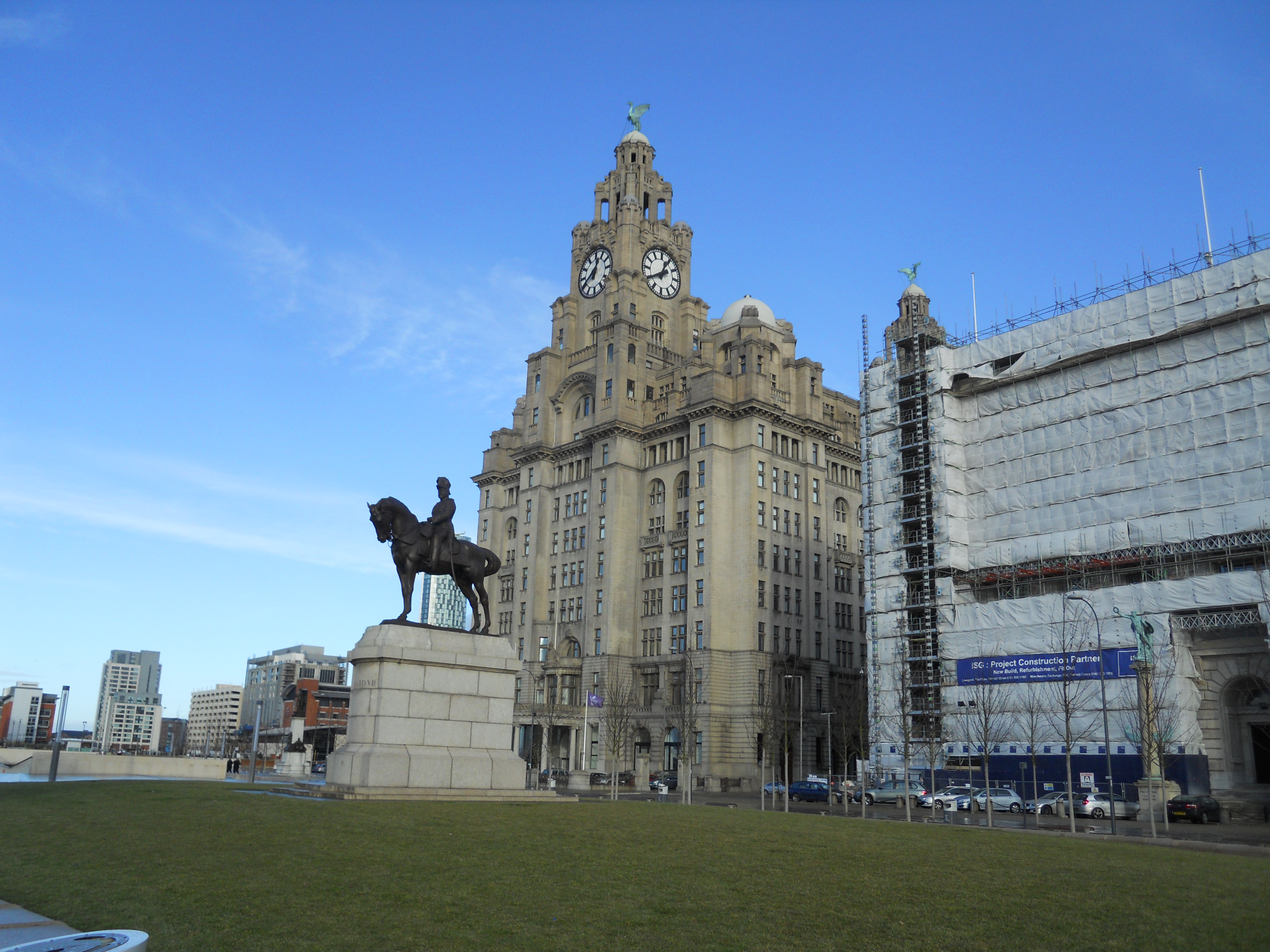
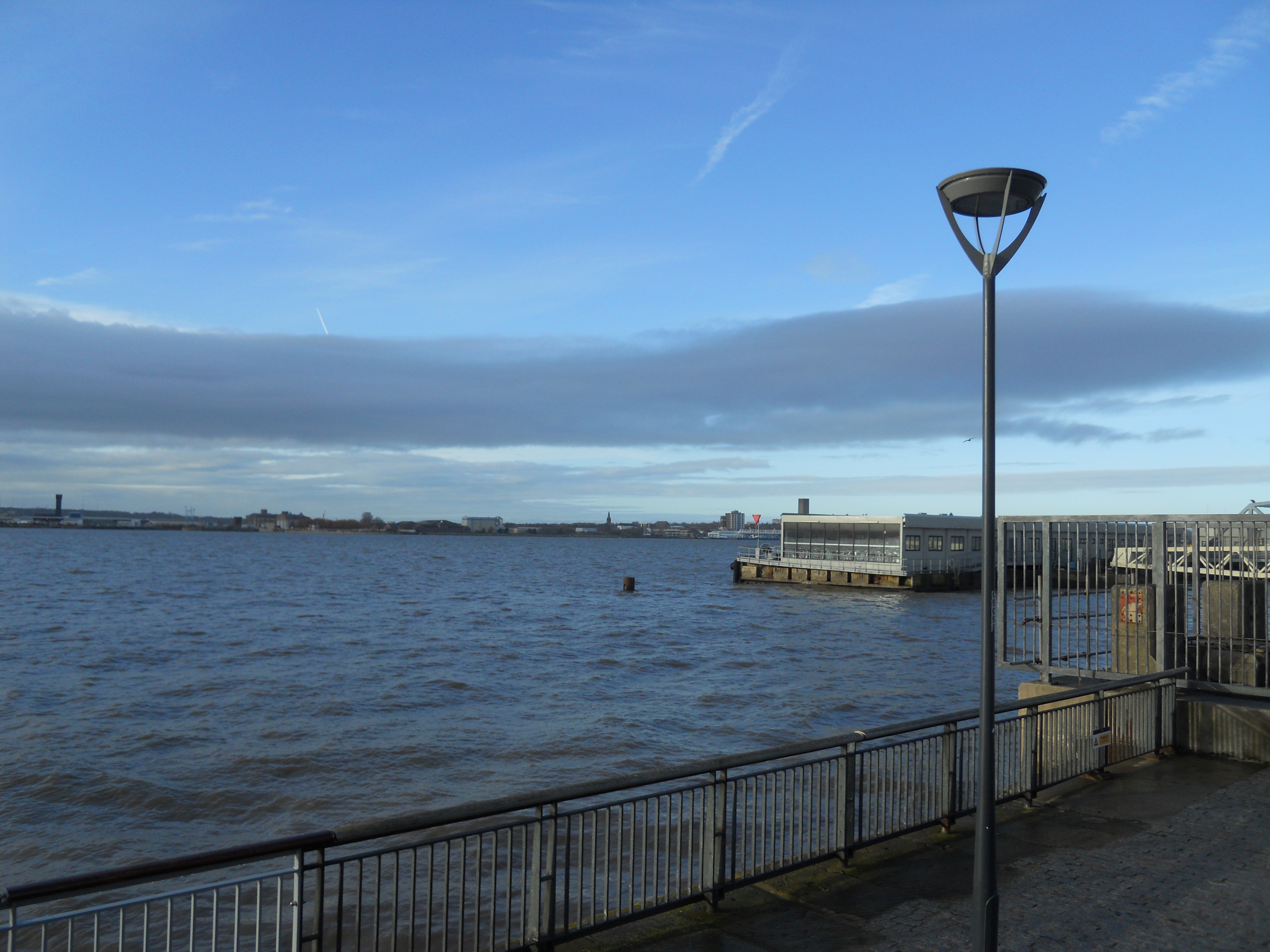
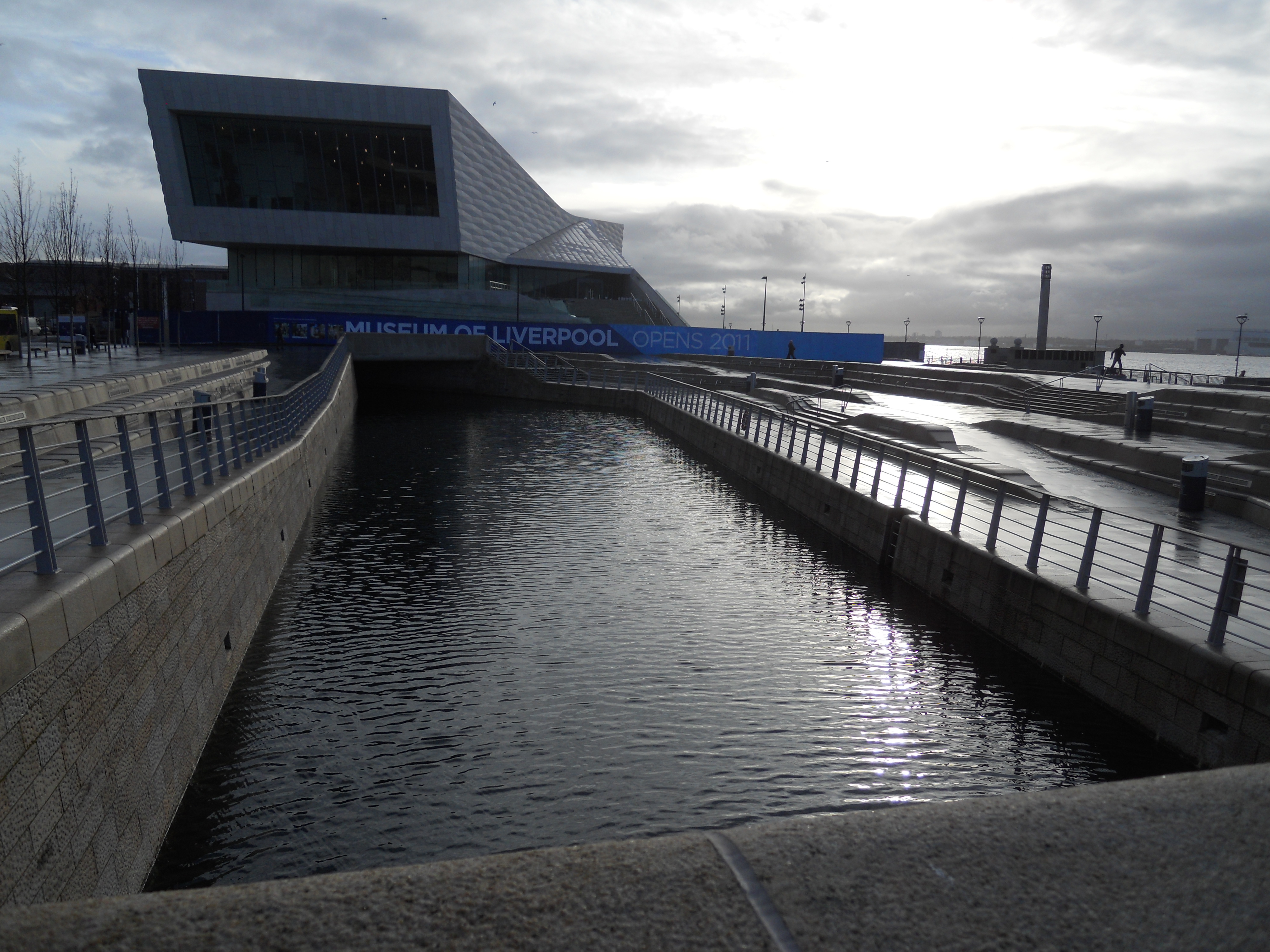
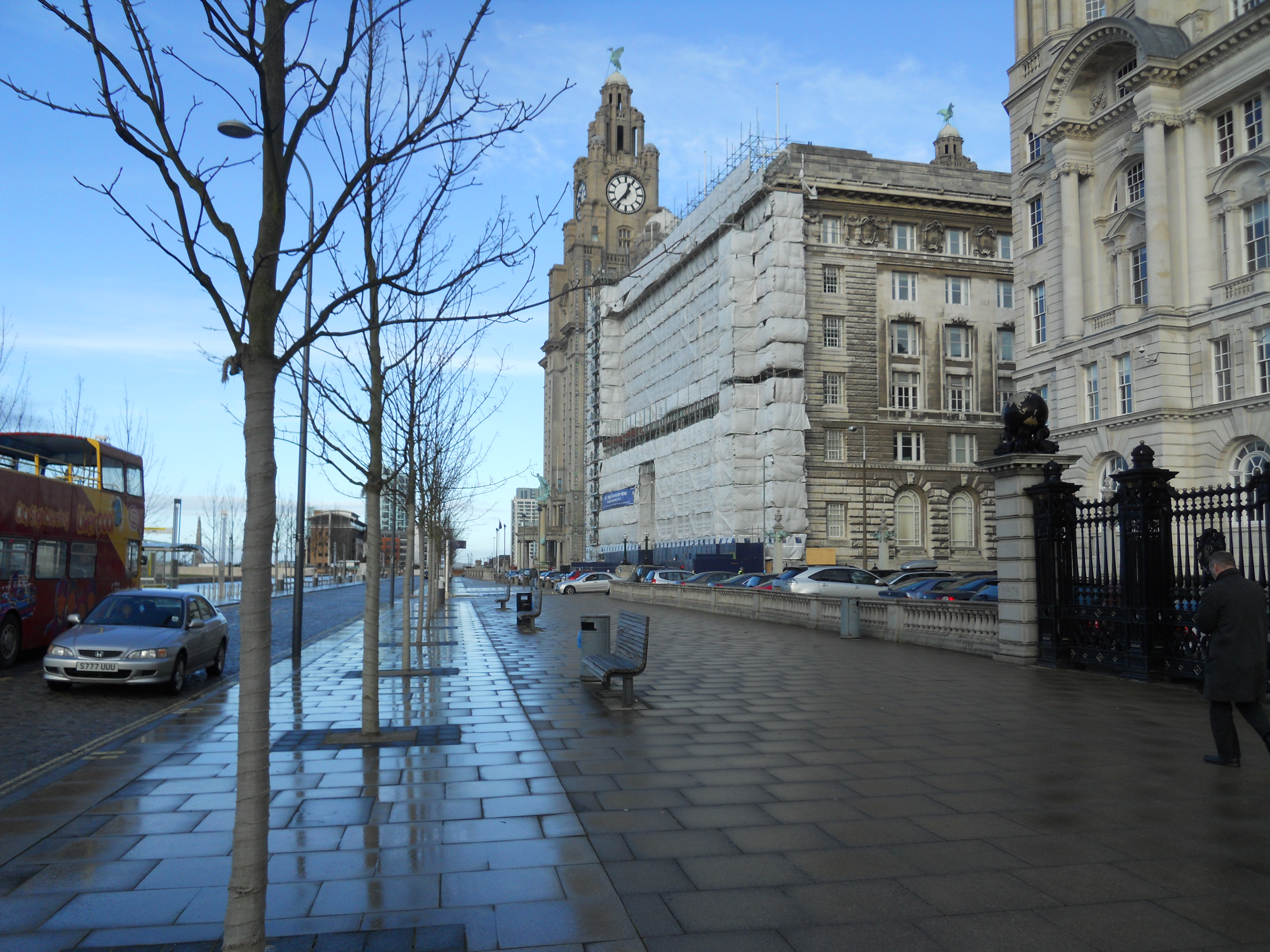
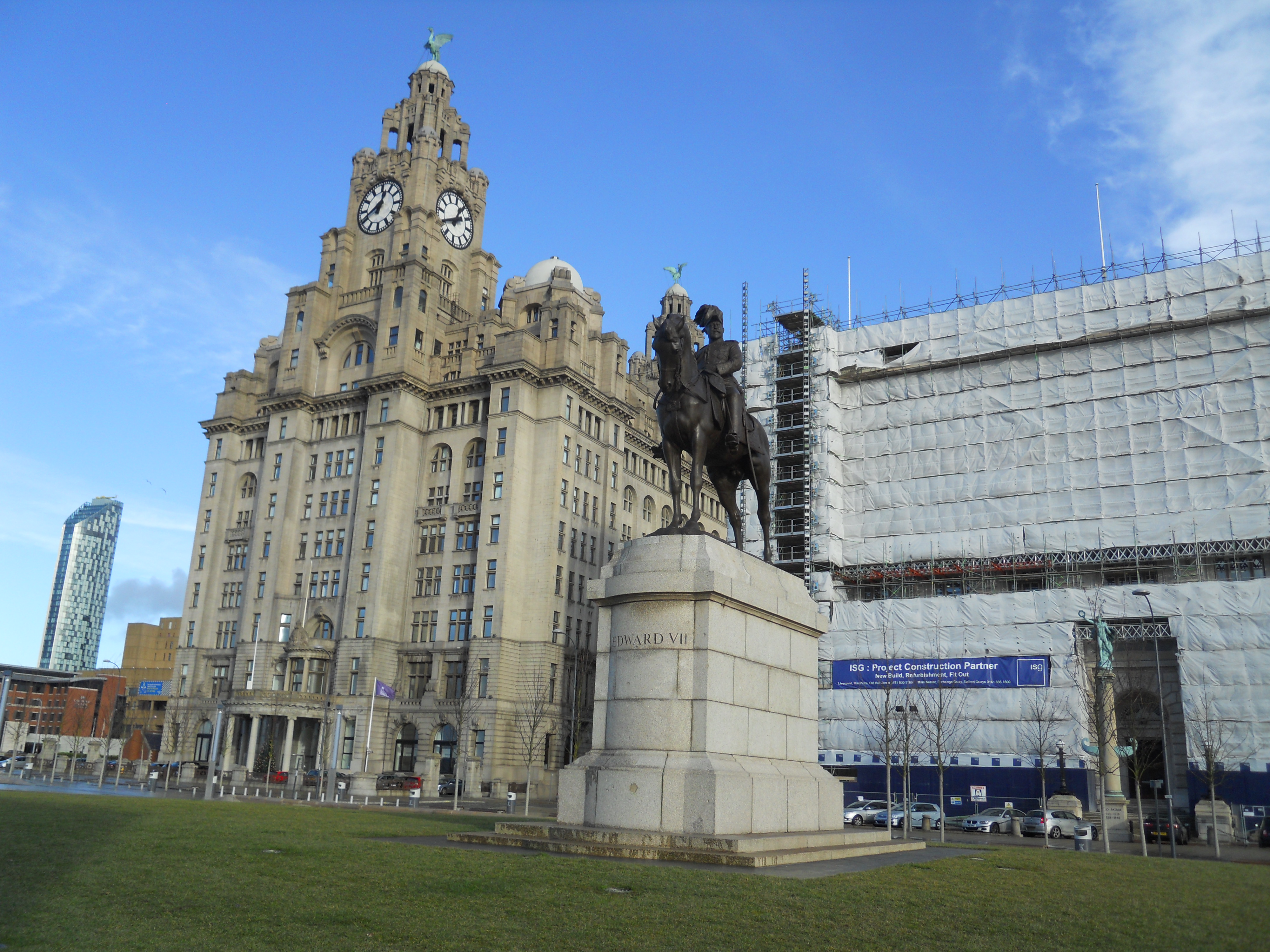

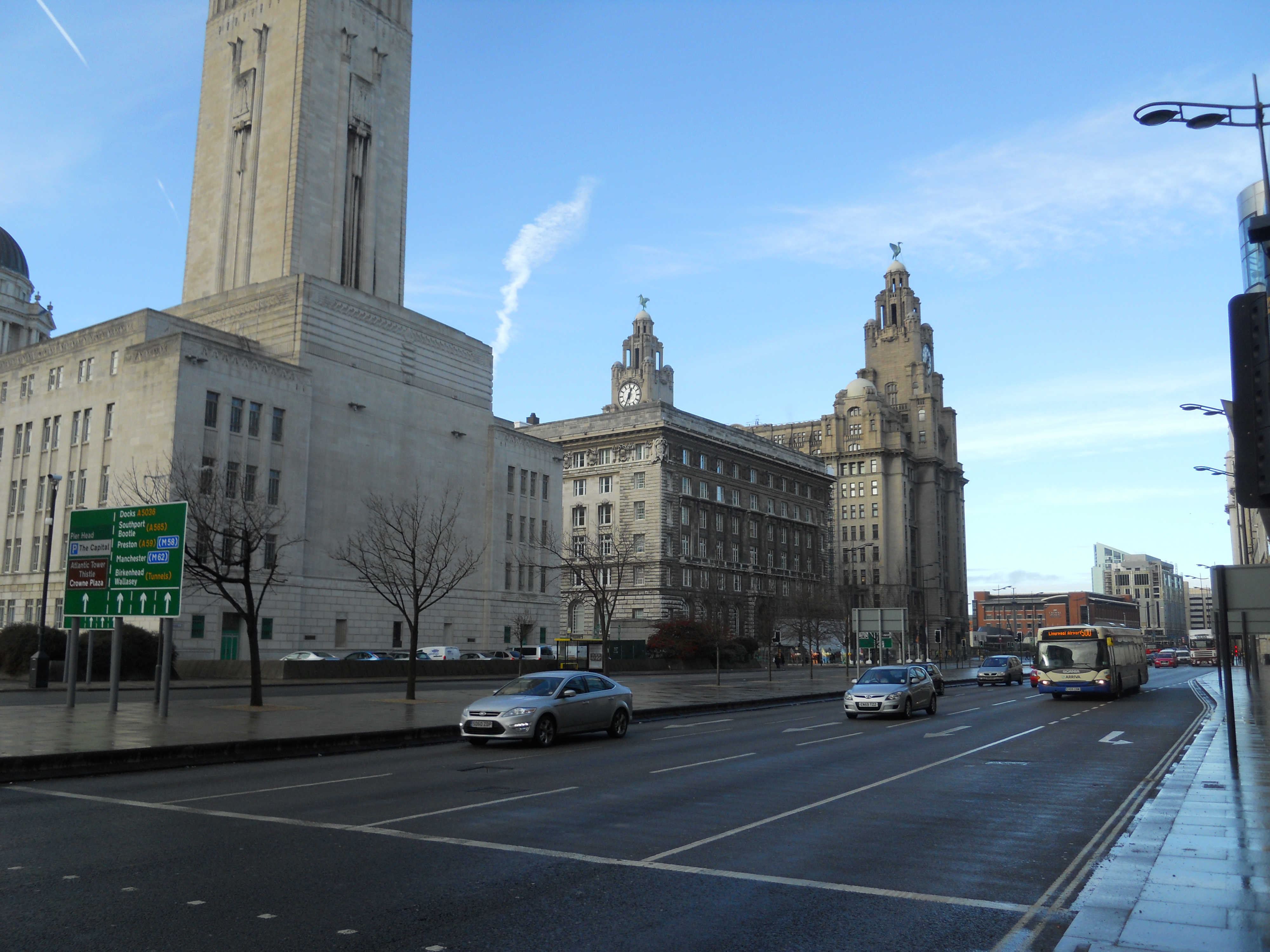
To get to the Pierhead from Lime Street, you take the Wirral Line of another of Liverpool’s unique features, a proper Underground railway to James Street and then walk a couple of hundred metres.
Train Across the Mersey
Everybody knows about the Mersey Ferries, in part due to Gerry Marsden‘s song of the same name. The train though crosses the river at Runcorn on one of my favourite bridges, the Ethelfreda or Britannia Bridge, depending on your preference.
The bridge lies alongside the Runcorn-Widnes road bridge, which was built in the 1960s. I remember after a party once in Cheshire getting C to stop the car on the bridge as I was feeling unwell. I then proceeded to puke my guts into the river below. After that incident, she nearly didn’t marry me! I never went to another party, where ICI’s Petrochemicals and Polymer Laboratory, were responsible for the punch.
There is an interesting footnote to the design of the bridge and that is why it is not a suspension bridge. It is hinted at in the Wikipedia entry for the bridge.
The next idea was for a suspension bridge with a span of 1,030 feet (314 m) between the main towers with a 24 feet (7 m) single carriageway and a 6 feet (2 m) footpath. However aerodynamic tests on models of the bridge showed that, while the bridge itself would be stable, the presence of the adjacent railway bridge would cause severe oscillation.
But the true story is all about how good engineers know their subjects.
The designers of the bridge made a presentation before the design was finalised to the ICI Merseyside Scientific Society. One of those attending was Mond Division’s vibration expert, who supposedly had a fearsome knowledge of the subject, even if he was slightly eccentric. After the presentation, he rose to his feet and said that he’d done some quick calculations and because of the proximity of the two bridges, the proposed suspension bridge would shake itself to pieces at a particular windspeed.
The bridge designer was not amused.
But ICI’s vibration expert was proved to be right in wind tunnel tests and we now have the steel arch bridge. Here are some notes on the design from Wikipedia.
The design of the bridge is similar to that of Sydney Harbour Bridge but differs from it in that the side spans are continuous with the main span rather than being separate from them. This design feature was necessary to avoid the problem of oscillation due to the railway bridge.
So good design avoided creating another Galloping Girtie.
I took a video as the train crossed and you can see the road bridge and some of the details of the railway bridge, with the large Fiddlers Ferry power station in the distance.
A Day in the Second City
To me, Liverpool is England’s second city, despite the claims of Birmingham and Manchester, which are pretty weak really.
If I was to show you pictures of Birmingham or Manchester cathedrals, would you recognise them? Probably not, but most people know both of Liverpool’s two iconic and world-class ones; Anglican and Catholic.
Liverpool too, has a compact centre behind the world famous waterfront which together make up the Liverpool Maritime Mercantile City, a UNESCO World Heritage Site. Liverpool also has some of the best collections of art in the UK outside London.
Then too, we all know musicians, actors and comedians from Liverpool, but lists of those from Manchester and Birmingham are noted for being rather short. The latter may have produced Tony Hancock, but I can’t name a second comedian for Birmingham. A lot of people think that Beryl Reid was from the city, but she was born in Hereford.
I’d actually sold the tool-kit for an XJ-S on eBay to someone in the city, who is restoring one of these classic Jaguars and as I always like an excuse to visit, I used the proceeds to deliver them personally.
So at 10:07 yesterday morning, I boarded the Virgin express for the city. A few minutes over two hours later I was in Lime Street Station. I’m a great believer in what I would call destination stations, where you could go to meet a friend, client or business colleague and have a meeting or a meal. St. Pancras is obviously that type of station, Euston and Edinburgh are definitely not and Kings Cross is getting there fast. In a couple of years, Lime Street will be a place to visit in its own right, especially, as it is opposite one of England’s greatest buildings, St. George’s Hall. Pevsner rated that building one of the finest neo-Grecian buildings in the world.
So the evidence that Liverpool is the second city is overwhelming and now that Virgin Trains have a very good service from London, I’d add it to the must-see list for any visitor to the UK.
I’d first arrived in Liverpool with a tatty cardboard suitcase containing my clothes and a few books in 1965 to start my course in Control Engineering at Liverpool University. Then the station was grimy and dirty and as the train crawled into the station after a four hour journey from London, I did wonder what I’d let myself in for. But in a way it started a love affair that has lasted nearly fifty years.
I should also say, that I had been given an unconditional offer by the University of a place, so I’d never even had a visit or an interview. In those days you either accepted those offers immediately or you might lose them.
 The Anonymous Widower