Where My Friend David Goes To Let Off Steam
I just had to take this picture of a tram destination in Dresden.
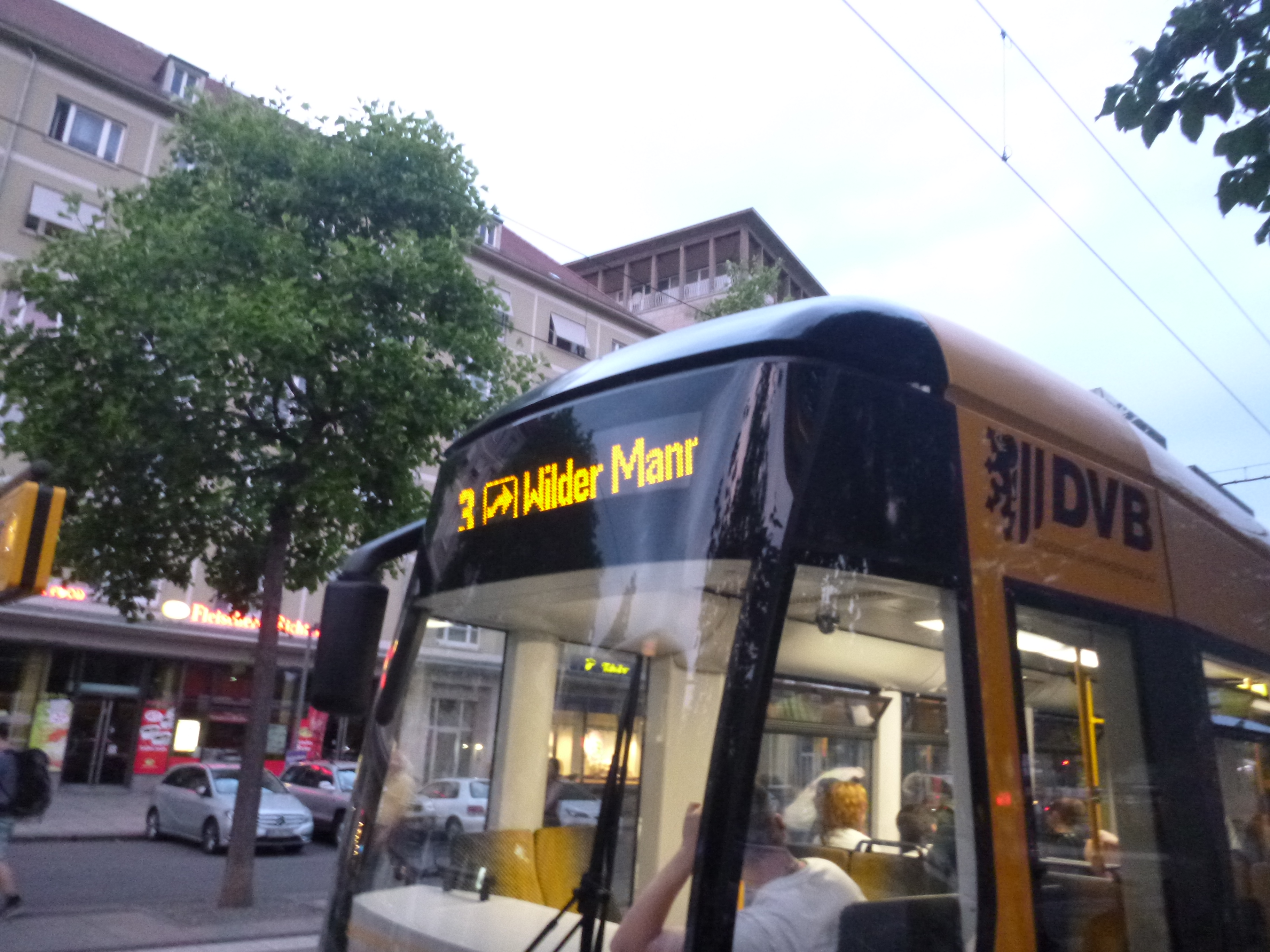
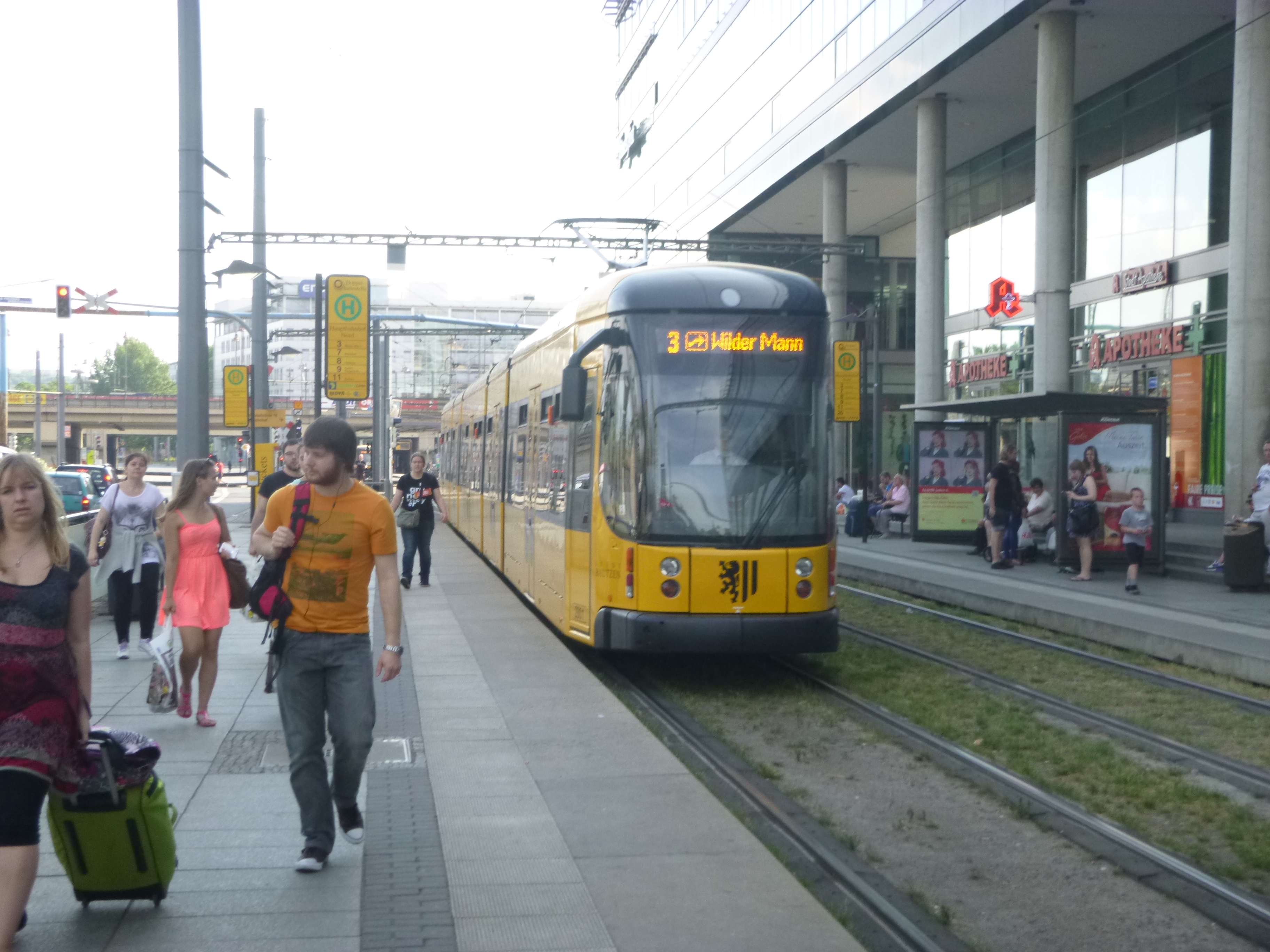
I’ve no idea what’s there! Perhaps it’s a Zoo?
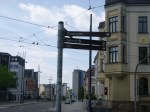
An Impressive Structure In Dresden
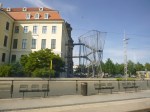
It may only be a shelter for a number of lines at a tram interchange in Dresden, but I like it.

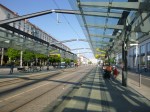
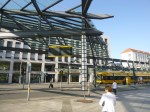
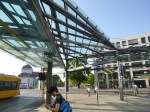
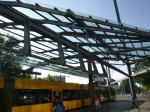
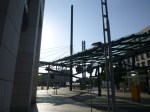
We should create more structures like this that combine engineering, art, beauty and practicality in suitable proportions.
Riding Dresden’s Trains
Dresden’s Trams are an impressive network.
I took these pictures as I roamed around the city.
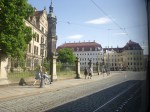
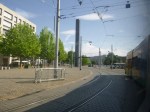
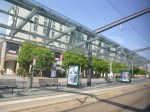
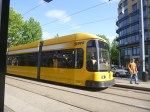
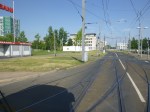
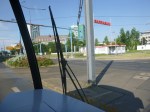
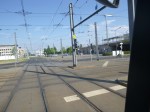
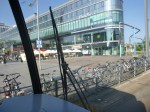
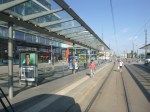
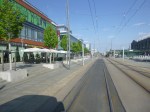
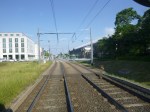
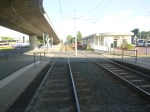
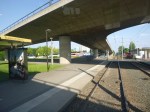
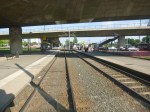
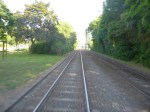
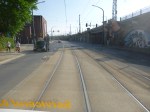
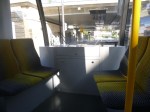
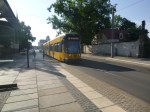
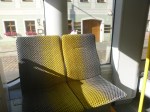
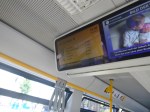
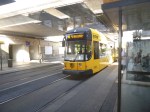
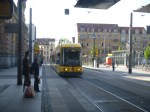
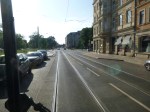
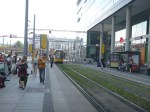
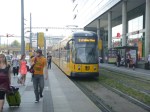
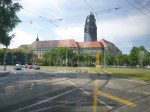
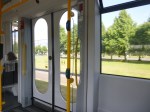
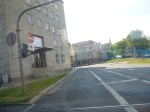
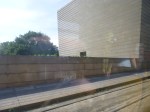
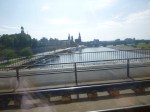
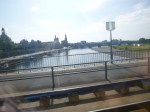
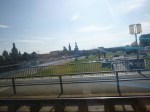
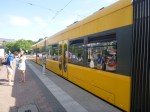
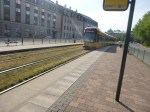

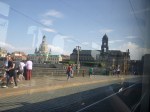
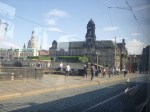
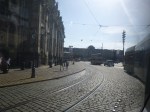

The trams are single-ended, with the rear of each tram configured so several people can sit in the tail. Many of these pictures were taken looking backwards.
I didn’t go to the end of a line, so do they go round in a loop or is each end of the tram convertible from driving position to four seats for tail-gunners? If it’s the latter, they would surely be ideal for somewhere like Blackpool, which runs another variant of Bombardier’s Flexity trams.
Note that nearly all Dreseden’s trams are low-floor models and unlike many other systems I have ridden, getting in and out is easy for all. I would say, that if you are in a wheel-chair and want to go to a historic city, then Dresden would be a place to put on your list. But make sure you check the arrangements, if you’re using the trains.
I didn’t see one, but Dresden’s tram network is possibly unique in allowing cargo trams to use the network. I think that we’ll see more developments around the world, where trams or even tram-trains are used to transport commercial loads. Look at a city like Manchester or Sheffield with an extensive tram netwqrk, that in future will call at major industrial parks and shopping centres. Would it be easier and cheaper to deliver goods for shops say to an outlying depot and then wheel them on to a low-floor tram for delivery to the shopping centre, where they are then wheeled off to the shop. This could be done at night, just as freight for shops and businesses is now delivered into Euston station.
An Inscription In The Pavement
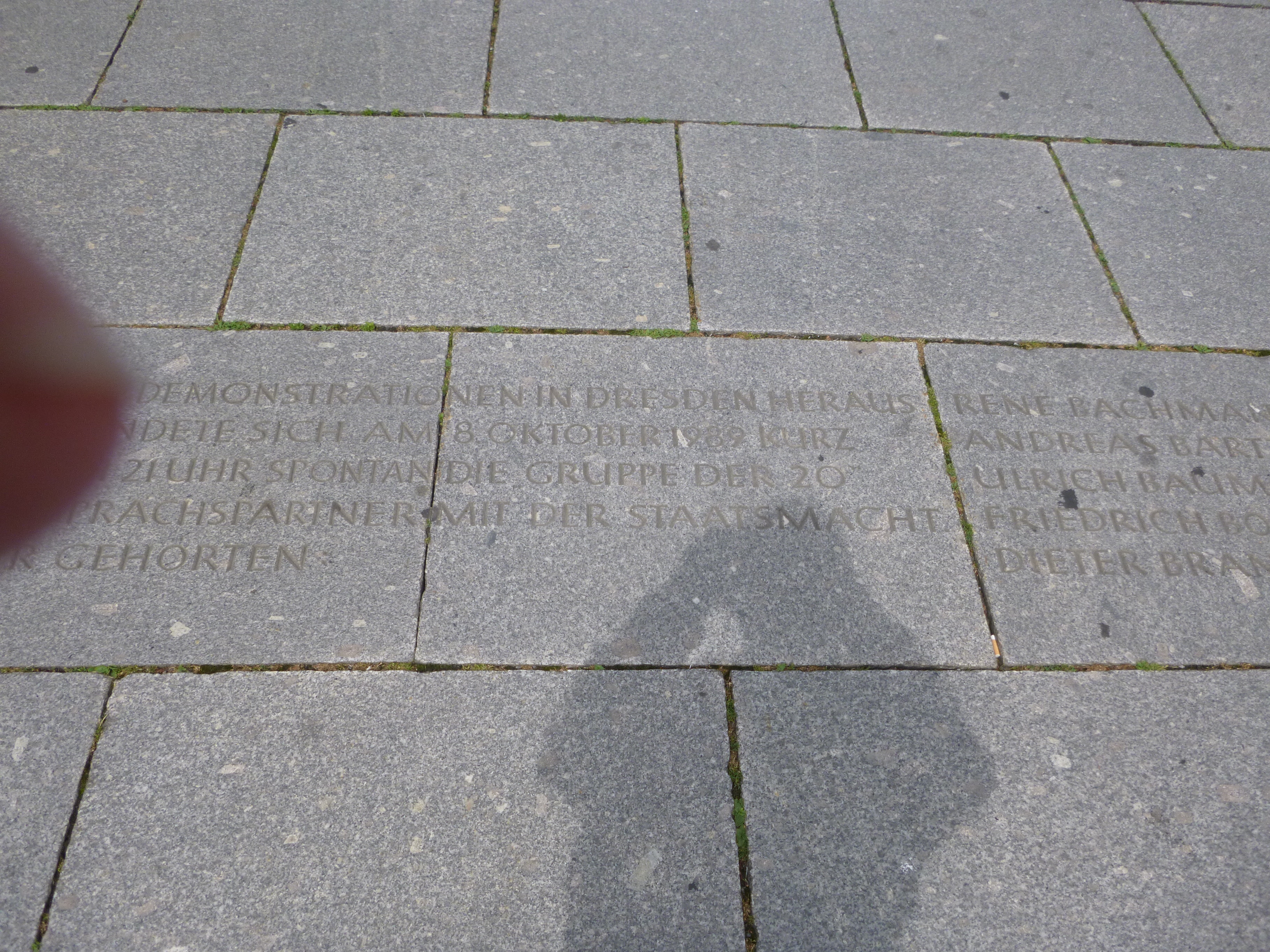
I came across this inscription in the pavement dated to the 8th October 1989 by the Dresden Hauptbahnhof.
An Inscription In The Pavement
I can’t find anything about it directly on the web, but it is probably connected to this section in Wikipedia’s entry for the Monday Demonstrations In East Germany, which says this.
A major turning point was the events in the West German Embassy of Prague, where thousands of East Germans had fled in September, living there in conditions reminiscent of the Third World. Hans-Dietrich Genscher had negotiated an agreement that allowed them to travel to the West, in trains that had to pass first through the GDR. Genscher’s speech from the balcony was interrupted by a very emotional reaction to his announcement. When the trains passed Dresden’s central station in early October, police forces had to stop people from trying to jump on the trains.
I should have taken more pictures.
Chemnitz Trams And The Chemnitz Model
Like most German cities Chemnitz has an extensive tram network, which even runs a few vintage trams.
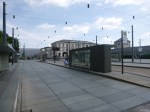
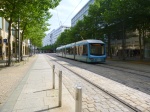
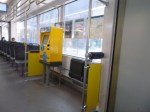
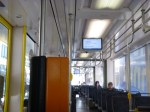
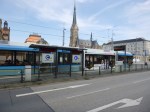


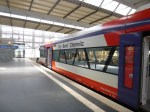
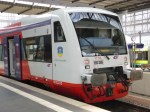
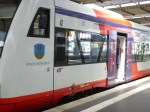
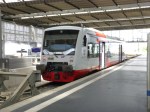
One of the reasons, I went to Chemnitz was that they are extending the system, by using tram-train technology in reverse. Normally in the Karlsruhe model, the city’s trams venture out into the surrounding area, by joining the heavy rail lines. I took pictures of this system, working in Karlsruhe, Kassel and Mulhouse. In Chemnitz, the City-Bahn Chemnitz allows trains to turn into trams at the Hauptbahnhof. In the pictures the red-and-white trams are train-trams.
In some ways the only difference between a train-tram and a tram-train, is whether the original vehicle is based on tram or train technology. But in the end the objective is the same and that is to have a vehicle that is capable of running on both tram and train tracks, with the crash-worthiness of a train. The Germans have ascribed the Chemnitzer model to what they are doing in Chemnitz. This is part of the first psaragraph of the article on the Chemnitzer model.
A special feature of the pilot line of the Chemnitzer model for Stollberg is the low platform height of 20 centimeters above the top of rail , while according to the Railway Construction and Operating Regulations (EBO) in new buildings and conversions actually at least 38 centimeters high platform are required. The vehicles ordered for the 1st stage of the CityLink family have doors with different entry heights, which both the inner city and the railway lines a barrier-free allows passenger access to platforms that are 38 or 55 centimeters high.
It illustrates the tortuous thinking that applies to some tram systems and it would appear tram-train systems. In Sheffield the Class 399 tram-trains will be low-floor , which will be compatible with the Sheffield Supertram, which is worked by trams that are 40% low-floor. But then in Sheffield, they have chosen to run tram-trains on a route where only one station will be shared with heavy rail. So will the trams have different door heights like Chemnitz or some other solution. This article from Rail Engineer explains.
Network Rail will also be building a turn back siding with a tram stop at Parkgate and low level platform extensions to Rotherham Central station.
So it sounds like one section of the platform will be used for trains and a lower one will be used for the tram-trains. It is an arrangement similar to the Clapham Kiss, where passengers walk down the platform to change trains.
Lunch In Chemnitz
It is probably interesting to compare my lunch in the Ratskeller in Chemnitz with the scraps I scrounged in Middlesbrough a few months ago, on a day when Ipswich lost and the trains screwed me up rotten.
I only had a tuna salad.


I’ve tasted worse, but it lacked a certain tastiness, although it was very unlikely to do me any harm.
At least the menu indicated gluten, which is very difficult to detect in many places in the UK. The German system of a series of letters and numbers would be welcomed here.
Chemnitz
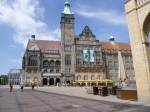
I wasn’t in Chemnitz long, as there isn’t much to see. But I did walk to the centre from the train station, have a reasonable gluten-free lunch and then get a tram back to the station.
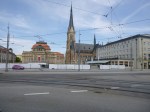
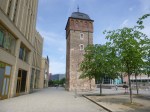
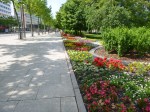



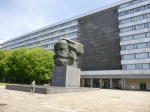
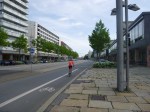

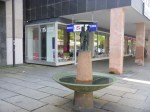
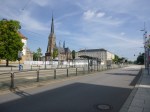
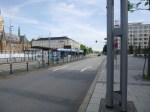
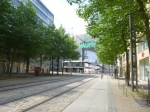
The enormous head of Karl Marx in the main square is a real compliment to his philosophy. I’ve not seen the one in Highgate Cemetery on his grave, but judge for yourself which is the best.
An Excursion From Dresden To Chemnitz
I started early and caught an early train to Chemnitz or Karl Marx Stadt as was.
These pictures tell the story of the journey.
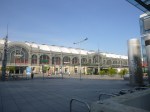
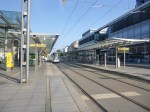
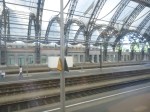
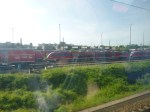
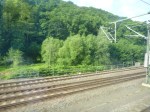
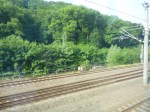
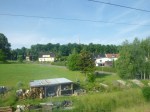

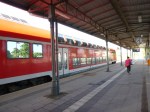
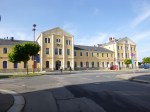

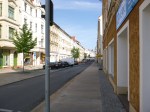
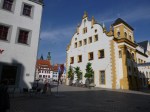
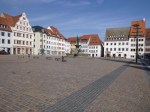
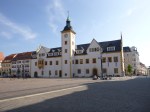
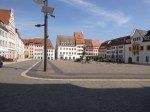
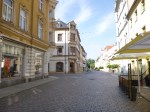
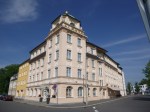
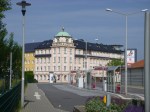
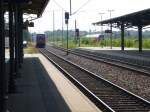
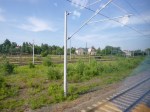
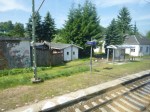
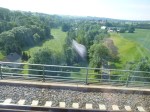
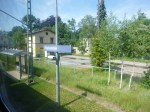
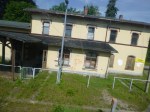
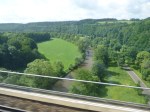
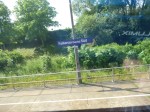
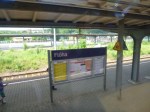
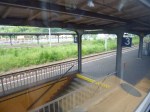
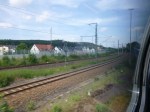
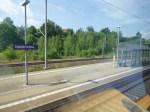
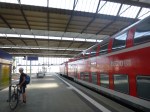
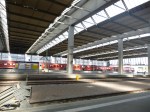
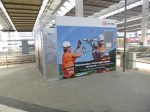
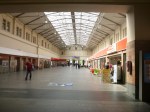
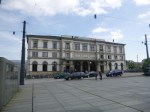
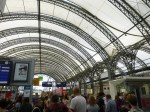
Note the following.
1. I took a break on the way out at Freiberg. It looked a pleasant small town in Germany and there’s the Alekto hotel by the station, that is on the Internet. Wikipedia says this about the town.
Its historic town centre has been placed under heritage conservation and is a chosen site for the proposed UNESCO World Heritage Site known as the Ore Mountain Mining Region. Until 1969, the town was dominated for around 800 years by the mining and smelting industries. In recent decades it has restructured into a high technology site in the fields of semiconductor manufacture and solar technology, part of Silicon Saxony.
So things are looking up for Freiberg and perhaps in a few years time, it will be a good base from which to explore.
2. The quaintly named Frankenstein Station.
3. It is quite a scenic line and is much more so than the line from Dresden to Leipzip, that I rode the next day.
4. It is undergoing a lot of refurbishment, which judging by the wooden sleepers and some of the other things I saw, hasn’t been done for years.
5. As it’s Germany, all the clocks seem to be working. Network Rail take note!
 The Anonymous Widower