A New Curvy Path At Highbury Corner
The results of the consultation on Highbury Corner are on this page on the TfL web site.
Two options are presented for the arboretum in the middle of the roundabout.
- 14 per cent chose Option 1 (keep the arboretum closed to the public)
- 56 per cent chose Option 2 (open up the arboretum for public use)
I voted for Option 2, as it will be a more pleasant walk from bus to train station, on a new path through the trees.

Note.
- The station is in the top-left with a large pedestrian area in front.
- I would walk to the station along the leading through the trees
Both options include a new curvy path between the original arboretum and the pedestrian area in front of the pub and McDonalds.
One picture shows a possible cafe on the curvy path.

I like that idea! But no anonymous foreign-registered unhealthy tax-avoiding chain! Please!
Thoughts On The Camden High Line
Last night, I was made aware of the Camden High Line proposal.
On their web site, they say this is their mission.
Our mission is to transform the disused railway into a sustainable green space and transport link that is open for and used by everyone.
Here are my thoughts.
The Railway Line In Question
This map from carto.metro.free.fr shows the disused railway tracks.
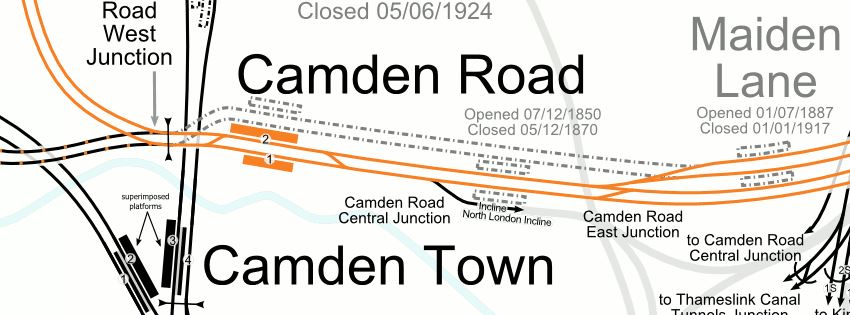
Note.
- The line shown in orange is the North London Line of the London Overground.
- Camden Road is a two-platform station, with full step-free access.
- Maiden Lane is a disused station, that closed a hundred years ago.
I would assume that the two dotted lines between the two stations, will be converted into the Camden High Line.
This Google Map shows the North London Line between Camden Road and Maiden Lane stations.
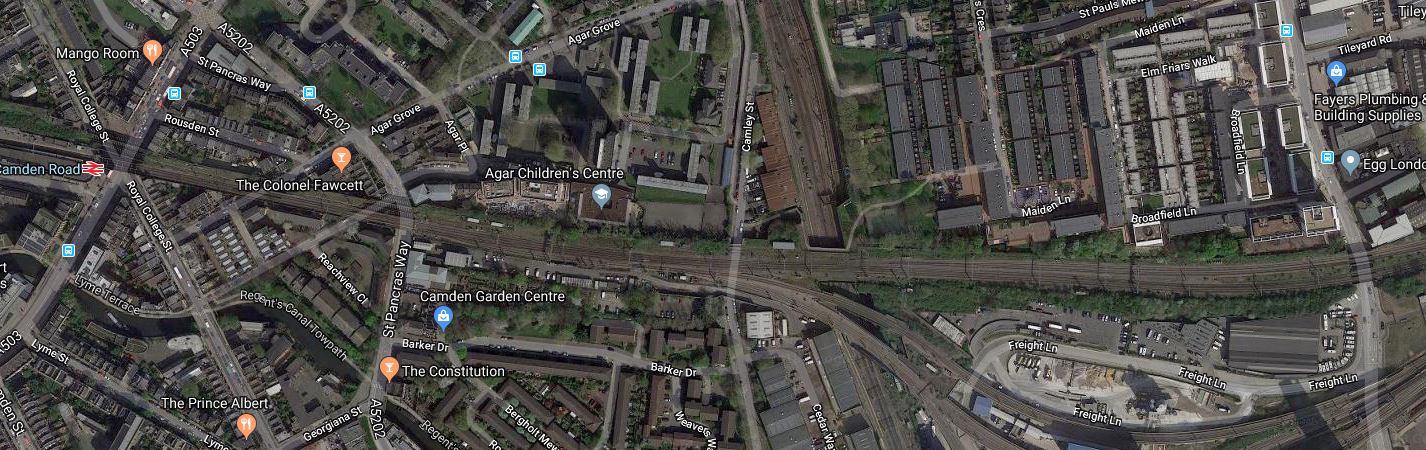
One of the most striking features visible from this map, is the large amount of development going on to the South of the North London Line.
The new residents and workers could probably do with a good walking and cycling route between Camden Town and Kings Cross.
Plans For The North London Line
The North London Line is a heavily-used passenger and freight route and it is unlikely, that traffic levels will drop.
Freight Traffic
There are now two electrified rail routes across North London; the North London Line and the Gospel Oak to Barking Line.
As two of the UK’s main container ports; Felixstowe and London Gateway, are not served by electrified railways, this still means that large numbers of diesel-hauled freight trains have to pass through North London to get to the Midlands, North and Scotland, despite the routes from Ipswich and Tilbury being fully-electrified.
These diesel-freight trains are boosted because the alternative route via Ipswich, Ely and Peterborough is not electrified.
The following needs to be done to seriously cut the number of diesel-hauled freight trains through North London.
- Electrify Ipswich to Felixstowe.
- Electrify to London Gateway.
- Electrify Ipswich to Peterborough.
- Replace a large fleet of polluting diesel Class 66 locomotives with modern electric units.
In some ways, the replacement of the locomotives by private freight companies is the largest stumbling block.
However, I think that the two shorter lengths of electrification will happen, which will mean that less diesel-hauled freight trains will pass through London, as they will go via Peterborough.
On the other hand, the need for freight trains will increase.
- More traffic to and from the ports.
- Freight to and from the Channel Tunnel, which must go through London.
- Trains carrying vehicles seem to be becoming more numerous.
I wouldn’t be surprised to see calls from the rail freight industry for improvements to the two freight routes through London.
One thing that will help freight trains, would be extra passing loops, where freight trains can wait for the passenger trains to overtake.
The double track of the Camden High Line is one of the few places, where another freight loop could possibly be installed.
Passenger Traffic
Sometime this year, two extra passenger trains per hour (tph) will run on the North London Line between Stratford and Clapham Junction stations.
This will bring the frequency to six tph.
On the past history of the London Underground, this will mean more full trains and pressure for longer trains and more services.
Old Oak Common Station
But the biggest changes will come in the next few years with a new Old Oak Common station, which will connect the North London Line to HS2, Crossrail, Chiltern, Great Western Railway and the West Coast Main Line.
Remember too, that the North London Line will be connected to Crossrail at Stratford.
Will these developments create a demand for extra trains on the North London Line?
Camden Town Station
Camden Town station on the Northern Line is being extended, with a new Northern entrance closer to the North London Line.
Will better routes be provided between Camden Road and Camden Town stations?
Interchange Between Camden Town And Camden Road Stations
Camden Town station’s new entrance will be to the North of the current entrance just off Kentish Town Road.
This Google Map, shows the Western end of Camden Road station.
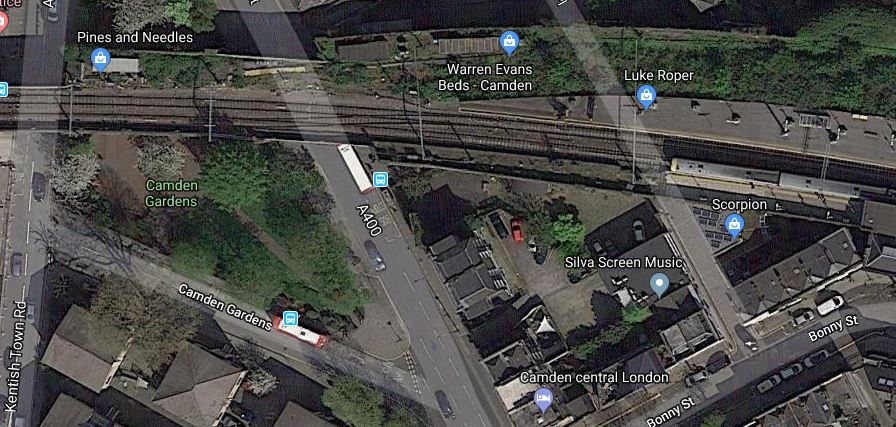
Note.
- There is a train in the Westbound platform.
- Kentish Town Road meets the station by Camden Gardens.
- The overgrown unused tracks to the North of the current station.
- The green space of Camden Gardens, with the 88 bus stand.
Could a second entrance to Camden Road station be built within the viaduct, perhaps with a ground-level entrance in Camden Gardens?
- It would be a short walk to the new entrance to Camden Town station.
- It would be convenient for walking to Camden Lock and the other attractions along the Regents Canal.
If the Camden High Line is created, access to the Eastbound platform could be directly to and from the High Line, which would be a garden to the North of the station.
Maiden Lane Station
Wikipedia says this about the re-opening of Maiden Lane station.
Camden Council has suggested this station could be rebuilt and reopened, in conjunction with the King’s Cross Central redevelopment project.
In June 2017, the Council were talking with Tfl on the possible reopening of Maiden Lane & York Road stations which it wished to reopen with Maiden Lane more likely to reopen then York Road.
I suspect, if the station is reopened, it will be on the Southern pair of lines, currently used by the London Overgr4ound.
One of the problems of reopening Maiden Lane station, is that a stop at the station would decrease capacity on the North London Line, through the area.
Plans For The East London Line
The East London Line is one of the UK’s rail successes of the last few years.
An outpost of the London Underground, through a tunnel, built by the Brunels, was turned into a modern railway with new trains and sixteen tph all day.
But this is only a start!
Plans exist for more new trains, an extra fout tph through the tunnel and a possible uprating of the signalling to handle a frequency to 24 tph.
If the latter should happen, I feel that another Northern terminal will be needed for the East London Line.
The obvious terminal is Willesden Junction station.
- Willesden Junction was certainly mentioned, when the London Overground was opened.
- There is a bay platform at the station.
- ,The station can be reached via Camden Road, Primrose Hill, South Hampstead, Kilburn High Road, Queen’s Park and Kensal Green stations.
- It will have good connections to an extended Bakerloo Line.
It would create another route across North London.
Would it mean extra platforms at Camden Road station?
Conclusion
I think that there will be a very large demand for using the two old tracks for rail purposes.
Thoughts On The Sutton Loop Line
The Sutton Loop Line is a bit of a problem.
- It runs two trains per hour (tph) in both directions.
- Trains are eight-cars.
- It is not the most heavily-used of lines.
It is deeply political and difficult to make any changes.
Network Rail’s original plan is described under Political Developments in the Thameslink entry in Wikipedia. This is said.
Network Rail had planned to terminate Sutton Loop Thameslink trains at Blackfriars station, rather than have them continue through central London as at present. This would increase the capacity of the central core as the Sutton Loop could only accommodate shorter trains. This upset many residents in South London and their local politicians, who saw it as a reduction in services rather than an improvement. In response to pressure, government has ordered Network Rail to reverse the decision.
Was this design by those, who don’t understand the complexity of designing and running a train service?
On the other hand, the line has some strengths.
- It is a double-track railway.
- It is fully-electrified using 750 VDC third-rail.
- Stations have long platforms.
- There seems to be quite a bit of housing and other development.
But in some ways, the line’s biggest strength, is the wide margins at both sides of the tracks.
This section between Hackbridge and Carshalton stations is not untypical.
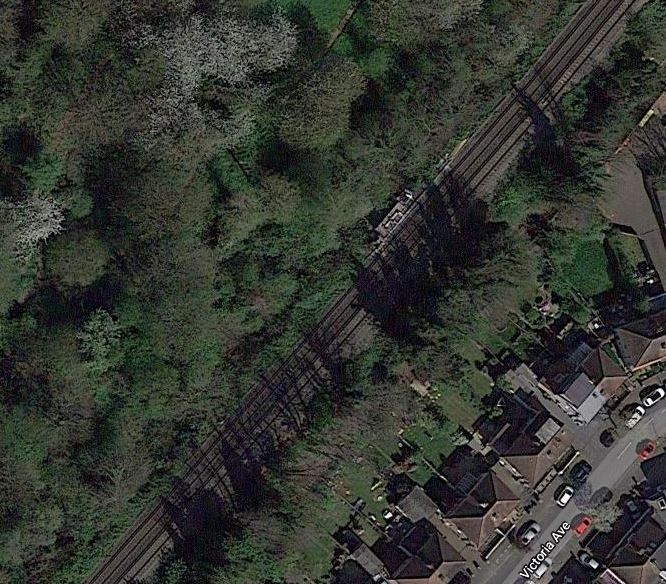
Adding extra platforms or complete stations would not be difficult.
What solutions are available to improve train services on the Sutton Loop Line, for both passengers and train operators?
Splitting And Joining Trains
In Has Thameslink Got The Wrong Length Of Train?, I proposed the following.
- Using twelve- and six-car trains on Thameslink.
- Allowing two six-car trains to work as a twelve-car unit.
- Trains would be able to join and split automatically, as Hitachi’s Class 395 trains are able to do.
I also proposed the following method of operation for the Sutton Loop Line.
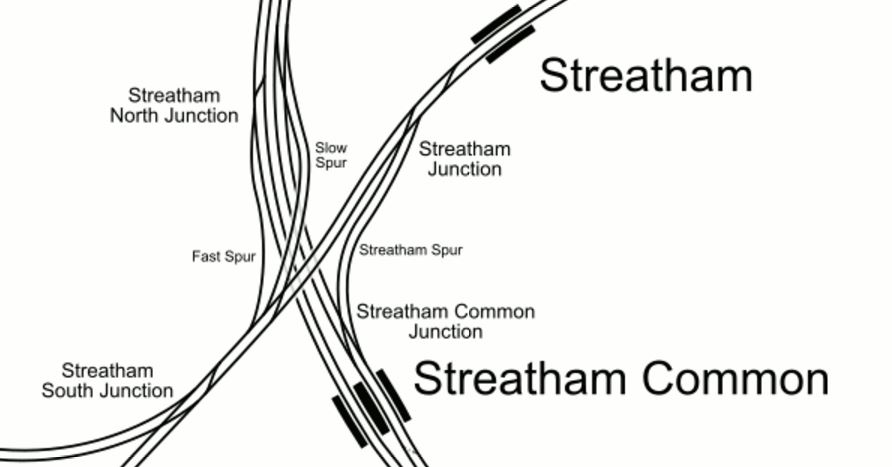
The Sutton Loop Line could be run by using six-car trains that split and join in the area of Streatham station.
This map from carto.metro.free.fr shows the track layout at Streatham, at the start of the loop.
Note.
- Streatham South Junction is the gateway to the Sutton Loop, with the tracks to the West going via Tooting station and those to the South via Mitcham Eastfields station.
- There is a lot of spare land in this area.
- Transport for London keep talking about creating an interchange at this point.
I think, if and when the interchange is built, it could be designed, so that it increased traffic around the Sutton Loop Line.
- Two six-car trains running as a twelve-car could split at the interchange.
- One train would go round the loop clockwise and the other anti-clockwise.
- The trains would rejoin together at the interchange.
The same procedure could be done at Streatham, without creating the interchange, but it would block the station, if trains got delayed on the loop.
Currently, two trains per hour (tph) are proposed to run in both directions on the Sutton Loop Line.
This requires four eight-car trains and four paths through the central core.
If four six-car trains were to be used, running in pairs splitting at Streatham station or a new Streatham Common interchange, there would still be two tph in both directions round the Sutton Loop, but only two paths would be needed in the central core.
Travellers to and from stations on the loop would see six-car, rather than the current eight-car.
If the number of six-car trains were to be doubled and four paths used in the central core, the Sutton Loop Line would see four tph in both directions.
It sounds complicated but it would work and it has the following advantages.
- Train frequency could be increased as required.
- Paths are released in the central core.
- Twelve-car trains would go through the central core, where the capacity is needed.
The service would need a few more drivers and other staff.
Loop Only Services To A New Streatham Common Interchange
If a new interchange station is built at Streatham Common, then extra services could easily be run round the loop.
- Thameslink services could be reduced to perhaps one tph in each direction.
- These would be augmented by perhaps a four tph shuttle around the loop starting and finishing at Streatham Common.
- The shuttle trains could be any suitable unit, but surely a four-car would suffice.
I suspect that this wouldn’t work, as it would upset the natives.
The German Solution
I can’t help feeling that the Germans and especially those in Karlsruhe would look at the Sutton Loop Line and because there are both trams and trains, in the area, they would come up with a solution based on trains and tram-trains.
As fsr as I know, no-one has ever built a third-rail-powered tram-train!
But I don’t think that a tram-train powered by third-rail electrification, when running as a train is an impossibility. I lay out my ideas in The Third-Rail Tram-Train.
Safety
As to safety, look at this picture taken at Mitcham Junction station.
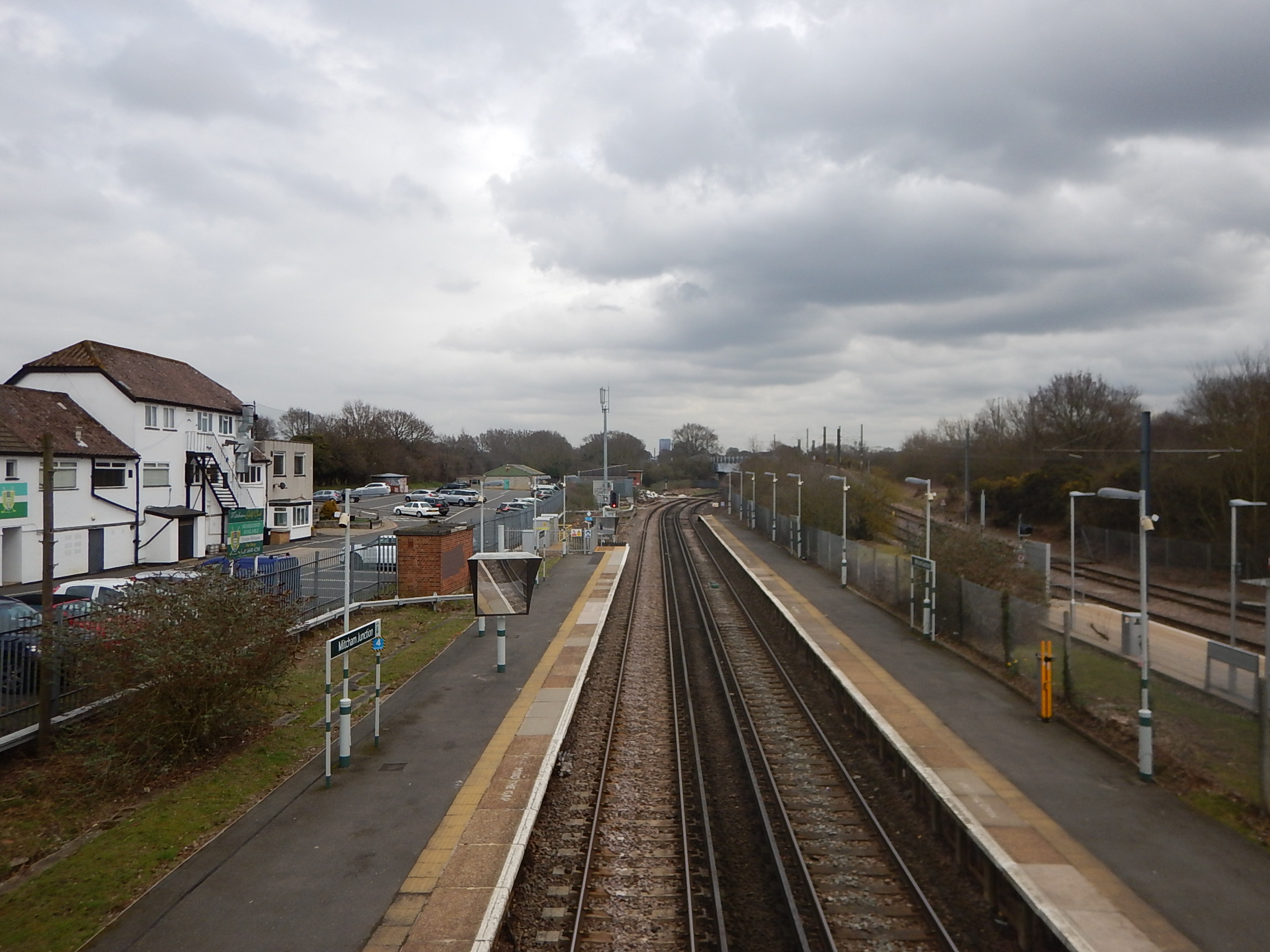
Note how the third electrified rails are in the middle away from the platforms. This is standard practice with this form of electrification.
So if it is deemed to be safe for trains now, it will surely be safe for third-rail train-trams.
When running as trams, the tram-trains will use 750 VDC overhead electrification.
Changing Networks
Tram-trains will need to change between the tram and rail networks.
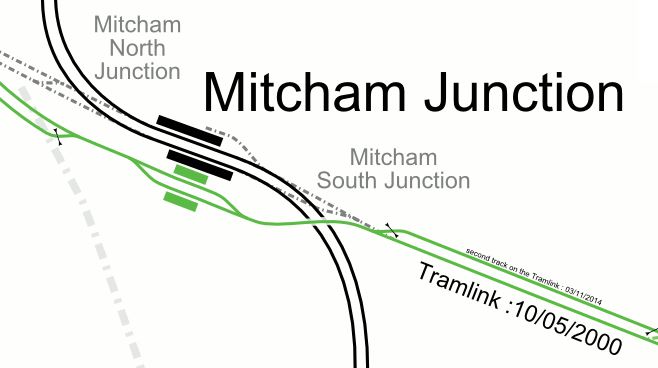
This map from carto.metro.free.fr shows the track layout at Mitcham Junction station.
Note.
- Wimbledon is to the West and Croydon is to the East.
- With the addition of some extra tracks, it should be possible for tram-trains to pass between the networks.
- As trams can take tight curves, a chord could allow Westbound tram-trains from Croydon to turn South to Sutton.
- Tram-trains will probably change networks using a couple of ininutes of battery power.
I doubt any of the engineering will be too difficult.
Adding The Sutton Loop Line To Tramlink Using Tram-Trains
Tram-trains would take the following route.
- Arrive from Croydon at Mitcham Junction, where they would turn South onto the Sutton Loop Line.
- Pass through Hackbridge and Carshalton stations.
- Call in Sutton station for interchange with trams and National Rail.
- Continue to Wimbledon station calling in Platform 9 for interchange with trams in Platform 10 and 10b and National Rail.
- Pass through Hatdons Road and Tooting.
- Take new chord to cross to the other leg of the Sutton Loop Line.
- Pass through Itcham Eastfields station.
- Rejoin the tram route at Micham Junction station.
Tram-trains could also travel in the reverse direction.
Trams And Tram-Trains At Wimbledon
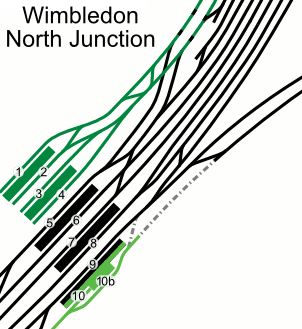
This map from carto.metro.free.fr shows the track and platform layout at Wimbledon station.
Note.
- Currently, Thameslink services on the Sutton Loop Line use Platform 9 in both directions.
- Hayons Road station is to the North-East and |Wimbledon Chase station is to the South.
- Tram-trains on the Sutton Loop Line would do the same.
- Platform 9 probably defines the capacity of the Sutton Loop Line.
Access to the trams in Platforms 10 and 10b, is just a walk across the platform.
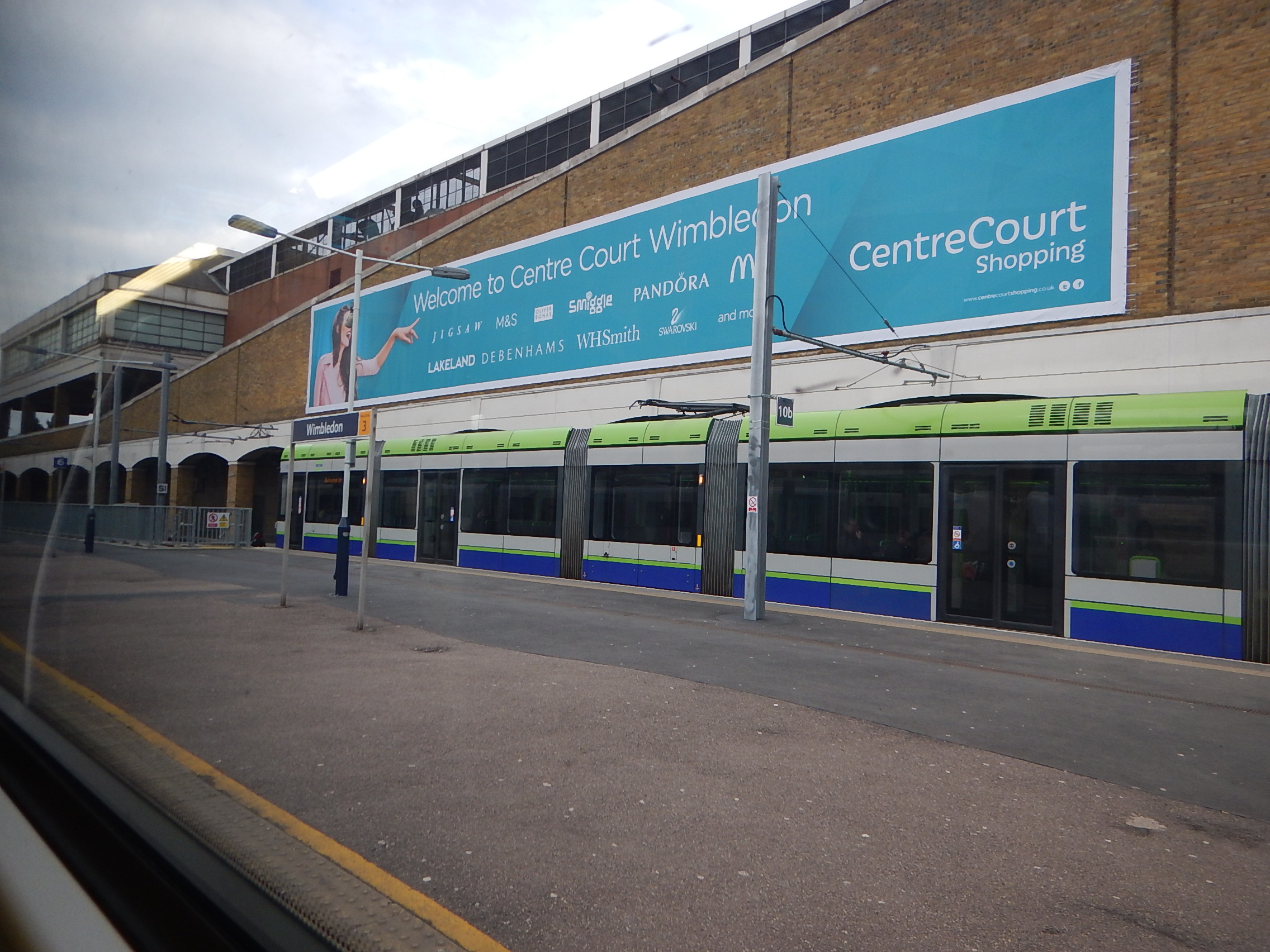
The picture was taken from a Thameslink train.
There might even be space for another tram platform, that can be accessed from the Haydons Road direction.
Trams And Tram-Trains At Sutton
This map from carto.metro.free.fr shows the track and platform layout at Sutton station.
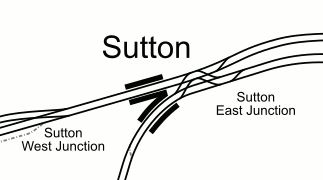
Note.
- The Sutton Loop Line is the Northernmost pair of tracks.
- Carshalton station is to the East and West Sutton station is to the West.
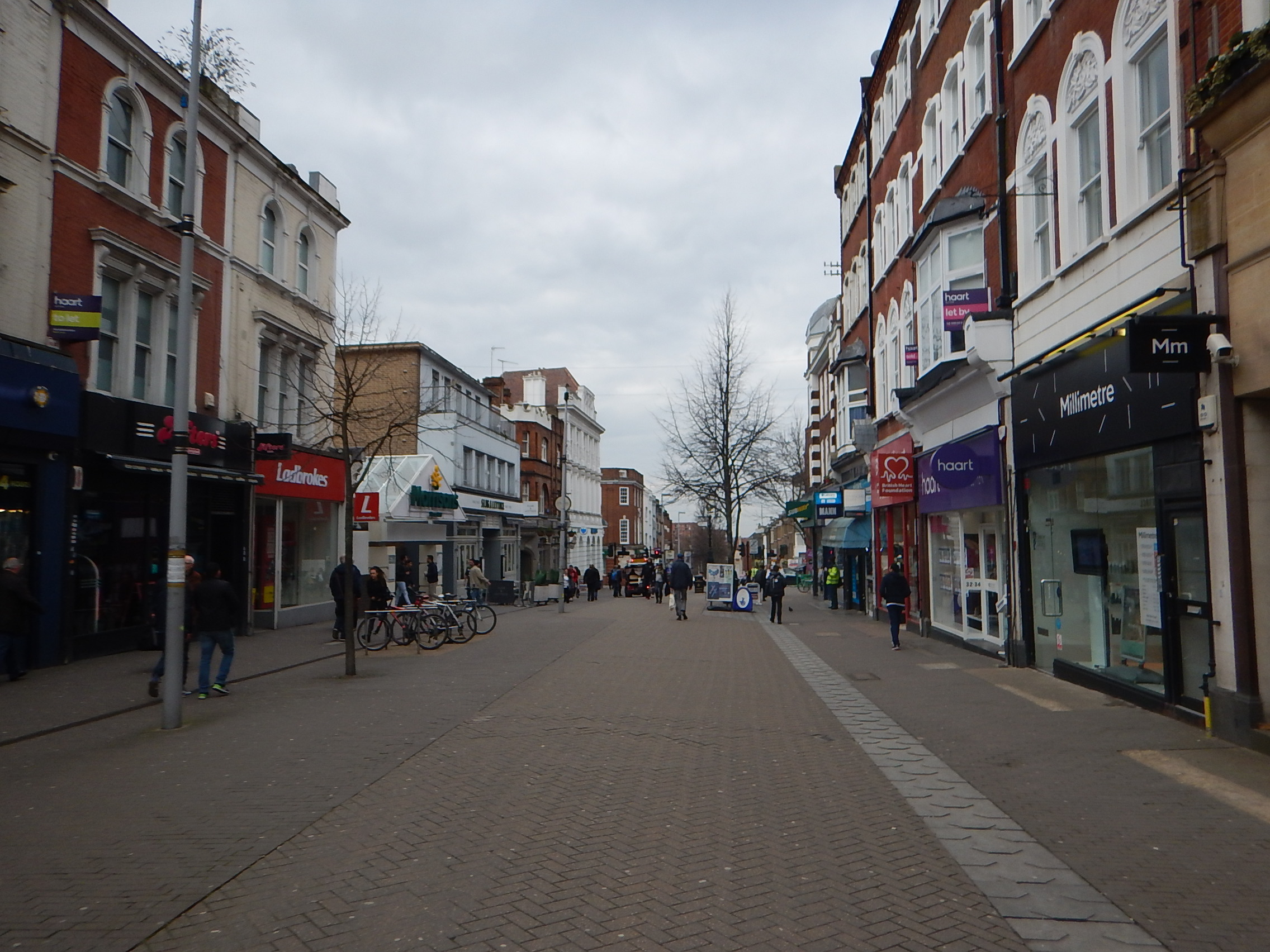
- It could be possible for tram-trains to by-pass Sutton station and run on the streets of Sutton.
This picture shows Sutton High Street.
Is it going to be easy to bring the planned tram extension from Wimbledon to Sutton?
Dual Platform Issues
Platforms at the stations on the Sutton Loop Line are long and are certainly capable of taking eight-car trains.
But are they long enough to have a lower section of platform, so that tram-trains can have step-free access?
This is one of the problems, that should be solved in the tram-train trial in Sheffield.
The Split At Streatham Common
This Google Map shows, where the two routes of the Sutton Loop Line meet near Streatham Common station.
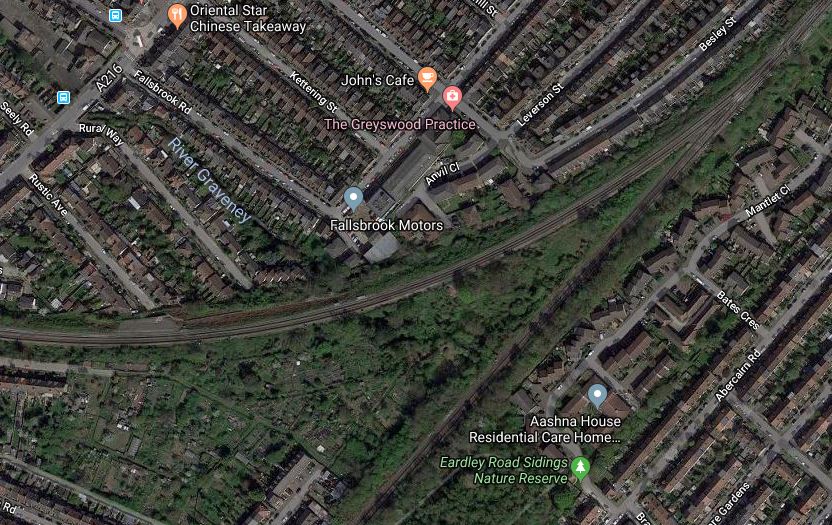
This picture shows a train going towards Mitcham, from one having passed through Tooting station.
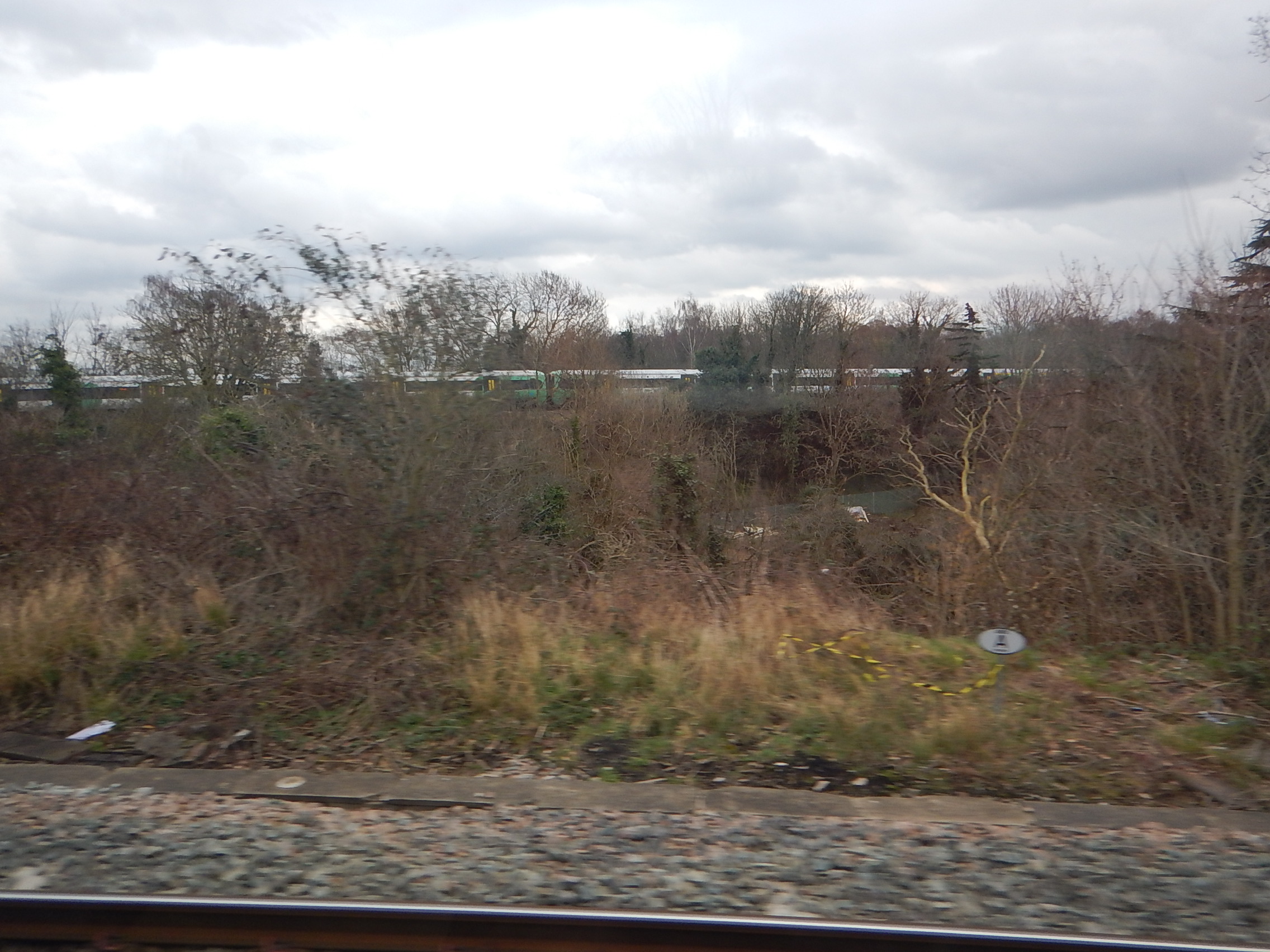
I don’t think it would be the most difficult engineering project to create a chord, that would allow tram-trains to go directly between Tooting and Mitcham Eastfields stations.
A Possible Service
As I said earlier, Platform 9 at Wimbledon station. is probably the limiting factor on services round the Sutton Loop Line.
Thameslink is planning two tph in both directions.
I suspect that this could be supplemented by two tph services run by tram-trains, if a signalling solution can be implemented to allow four tph in each direction, through the platform.
Conclusion
There are several ways to improve the Sutton Loop Line.
Vivarail D-Train To Be Tested In US Cities
The title of this post, is the same as that of this article in the International Railway Journal.
Why not?
Thameslink Should Be On The Tube Map
Consider.
- Cambridge and Gatwick Airport are two of the most important destinations within an hour of Central London.
- The outer branches of Thameslink to East Croydon, St. Albans, Welwyn Garden City and Wimbledon act in a similar manner to Underground Lines.
- The central core of Thameslink will be used by many as just another Underground Line.
- The London Overground is on the Tube Map.
- Crossrail will be on the Tube Map.
For these and other reasons, the London sections of Thameslink should be on the Tube Map.
If Thameslink should be added, what about the Northern City Line?
A Connection Between City Thameslink Station And The Docklands Light Railway
In the Wikipedia entry for the Docklands Light Railway, there is a section describing a proposed Euston/St. Pancras Extension.
This is said.
In 2011, strategy documents proposed a DLR extension to Euston and St Pancras. Transport for London have considered driving a line from City Thameslink via Holborn north to the rail termini. The main benefit of such an extension would be to broaden the available direct transport links to the Canary Wharf site. It would create a new artery in central London and help relieve the Northern and Circle lines and provide another metro line to serve the High Speed line into Euston.
This map from Transport for London, shows the possible Western extension of the DLR.
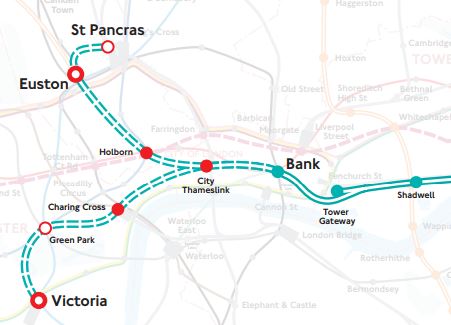
With all the problems of the funding of Crossrail 2, that I wrote about in Crossrail 2 Review Prompts Fresh Delays, could this extension of the DLR, be a good idea?
Consider,
- Victoria, Euston and St. Pancras are prosposed Crossrail 2 stations.
- It would link Canary Wharf and the City of London to Eurostar, Northern and Scottish services and High Speed 2.
- It would give all of the Docklands Light Railway network access to Thameslink.
- A pair of well-designed termini at Euston and St. Panras would probably increase frequency and capacity on the Bank branch of the system.
- The DLR is getting new higher capacity trains.
- Bank station is being upgraded with forty percent more passenger capacity.
- Holborn station is being upgraded and hopefully will be future-proofed for this extension.
- One big advantage at City Thameslink, is that Thameslink and the proposed DLR extension will cross at right-angles, thus probably making designing a good step-free interchange easier.
- The Bank Branch of the DLR currently handles 15 tph, but could probably handle more, if they went on to two terminal stations at St Pancras and Victoria..
- Waterloo and City Line can run at twenty-four tph.
Cinderella she may be, but then she always delivers, when there is a desperate need, just as she did magnificently at the 2012 Olympics.
The only problem with this extension of the DLR, is that compared to the rest of the system, the views will be terrible.
For myself and all the others living along the East London Line, with a step-free change at Shadwell, we would get excellent access to Euston, Saint Pancras and Victoria
But could the line still be called the Docklands Light Railway, as it spreads its tentacles further?
A Pedestrian Connection Between City Thameslink Station And St. Paul’s Tube Station
In the Wikipedia entry for City Thameslink station, there is a section called Future Proposals.
This is said.
An underground passageway linking City Thameslink to St Pauls tube station to provide an interchange between the London Underground Central line and National Rail services on the Thameslink (route) has been suggested by London TravelWatch in a report in 2014 which suggested it would benefit passengers travelling from the Central Line catchment to Gatwick and Luton Airports.
St. Paul’s tube station does not have the best access, with two sets of escalators to get to the Easttbound platform, which is underneath the Westbound one.
This picture shows the lobby at the bottom of the second set of escalators.
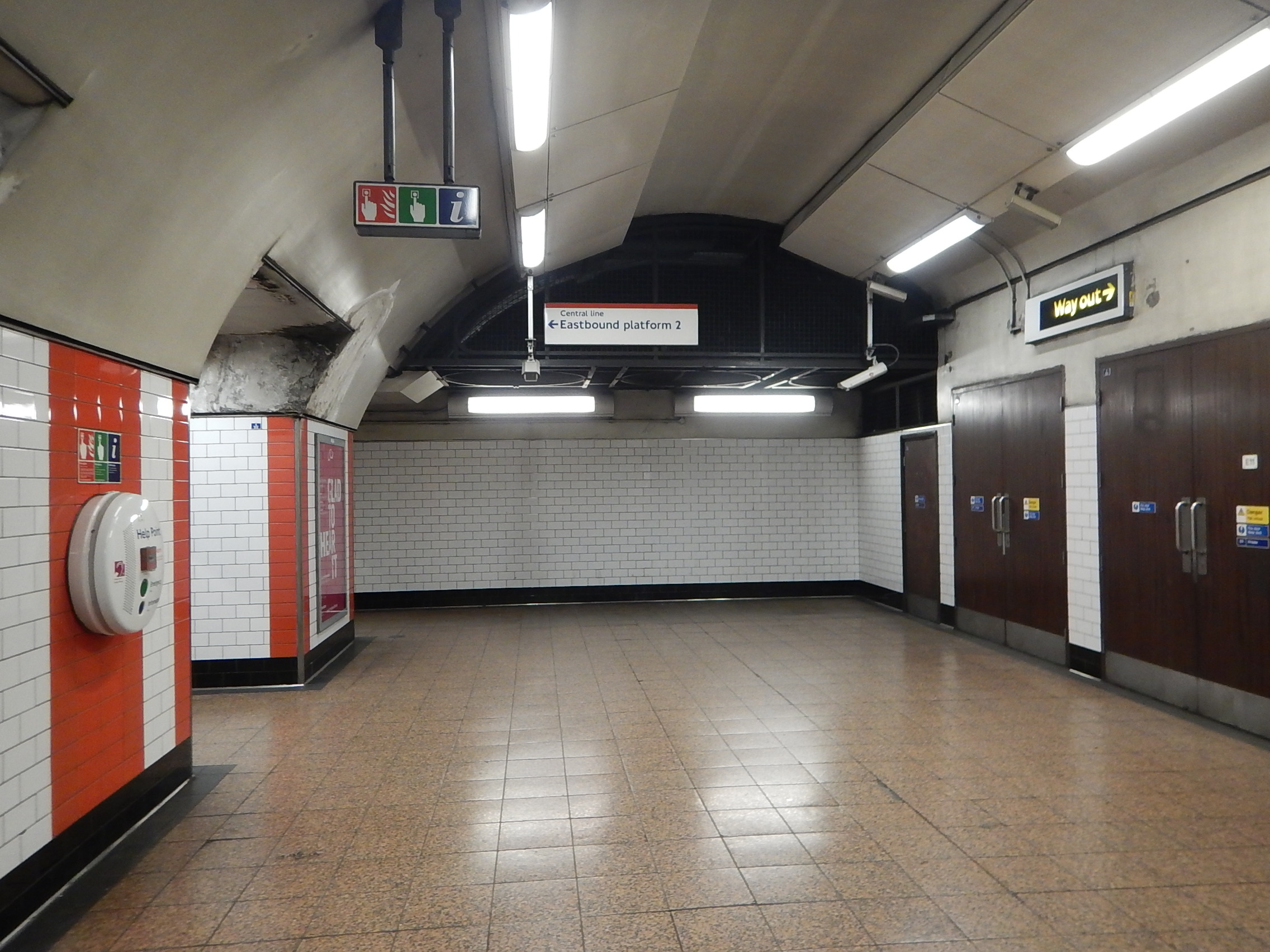
The Eastbound platform is through the opening on the left.
Could a tunnel to the West be built from this lobby?
This map from carto.metro.free.fr shows the layout of lines at City Thameslink and St. Paul’s.
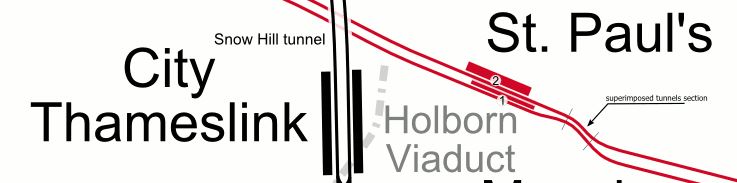
It would appear that a pedestrian tunnel could be bored from the Western end of the platforms at St. Paul’s to connect to the Northern end of City Thameslink.
- A travelator could be included.
- It would create an accessible route into St. Paul’s station.
- Intermediate entrances could be provided to give access to important sites like the Western end of St. Paul’s cathedral.
Property development between the two stations will probably be the catalyst to get this link built.
These pictures show Paternoster Square, which lies to the North of St. Paul’s cathedral.








I wonder if provision was made for an entrance, when the area was redeveloped around twenty years ago.
It would surely be an ideal place for an intermediate step-free entrance to any pedestrian tunnel linking St. Paul’s and City Thameslink stations.
Conclusion
Done properly, it would do the following.
- Add step-free access at one of London’s most important stations for tourists.
- Create a link between Thameslink and the Central Line.
- Create a shared entrance to both stations in the Paternoster Square area.
Obviously, the figures would have to add up.
Thameslink’s Sutton Loop Services Appear To Be Starting From Luton
I just looked at Thameslink’s core traffic on nationalrail.co.uk and it appears that services on the Sutton Loop Line are now starting from Luton.
Are there operational issues or are Thameslink changing the timetable?
It was operational, as a passenger had been taken seriously ill!
Finland And Norway To Explore Building Arctic Rail Link
The title of this post is the same as that of this article on the Reuters web site.
This is the first two paragraphs.
Finland and Norway agreed on Friday to explore constructing an Arctic rail link from northern Finland to the Barents Sea coast to develop trade routes and business opportunities in the region.
The proposed link would run from Finland’s northern city of Rovaniemi to Norway’s ice-free deep-water port of Kirkenes, located some 15 km from the border with Russia.
I didn’t know that ports, that far North could still be ice-free.
It is an interesting concept.
My only worry, is what will Vlad think of it all!
But then the Finns have stood up to the Russians before!
Could The Waterloo And City Line Have An Intermediate Station At Blackfriars?
The Waterloo and City Line between Bank and Waterloo stations, is London’s shortest Underground Line.
In the Wikipedia entry for the line, there is a section entitled A Blackfriars Station Proposed. This is said.
In 1934 the LPTB, which now operated most of the London Underground system, proposed that the Waterloo & City should have a new intermediate station at Blackfriars, connecting with the District line station there. They further proposed that the Waterloo & City line should be extended to Liverpool Street station and Shoreditch, the trains there continuing over the East London Railway to New Cross and New Cross Gate. It is not clear whether the scheme had been costed, but nothing came of it.
So have things changed since 1934?
The Problem Of An Intermediate Station
The line is only a mile and a half long and trains take about three minutes to go from end-to-end.
Even allowing for the turn-round time at each end of the route, it must be very difficult with the current rolling stock to accommodate the time needed for an intermediate station.
Thameslink Has Been Built
Thameslink didn’t exist in the 1930s and when it is completed, there will be 24 trains per hour (tph) passing through Blackfriars station.
Consider.
- The Thameslink frequency could increase to 30 tph.
- How many Thameslink passengers want to go to Bank and Waterloo stations?
- Blackfriars station is fully step-free.
I certainly think, that a Blackfriars station on Thameslink would be used by passengers.
Trains Can Be Fully Automated
As a Control Engineer, I believe that with the right automation, that capacity on the line can be increased.
I know the Unions attitude to driverless trains, but if ever there was a line, that would benefit, it is the Waterloo and City Line.
Perhaps, the driving position should be in the middle of the train, so the driver wouldn’t have to change ends and drove the train using CCTV.
New Trains Are Coming
London Underground has a plan to renew a lot of the trains, starting with the Piccadilly Line.
These trains will have the following characteristics.
- Walk-through cars.
- Shorter stopping times at station.
- Improved performance.
- Air-conditioning and other improved passenger features.
Would these trains and improved signalling enable an intermediate stop at Blackfriars to be added to be added to the line?
Conclusion
I obviously haven’t seen Transport for London’s figures, but I’m sure, there will come a time, when an intermediate station at Blackfriars will be a project worth doing.
 The Anonymous Widower