London Has A New Underground Line
On Friday, I went between Brighton and Cambridge stations on one of the first Thameslink services on the route.
I wrote about it in Observations On Thameslink Between Brighton And Cambridge.
That journey took me on London’s new Underground Line between London Bridge and Finsbury Park stations.
The following trains are going North from London Bridge to Finsbury Park.
- 11:29 – Horsham to Peterborough – Arrives at Finsbury Park at 11:52
- 12:49 – Brighton to Cambridge – Arrives at Finsbury Park at 13:13
- 15:04 – Horsham to Peterborough – Arrives at Finsbury Park at 15:27
- 15:34 – Brighton to Cambridge – Arrives at Finsbury Park at 15:57
And the following trains are going South from Finsbury Park to London Bridge.
- 10:59 – Peterborough to Horsham – Arrives at London Bridge at 11:24
- 12:09 -Cambridge to Brighton – Arrives at London Bridge at 12:37
- 14:29 – Peterborough to Horsham – Arrives at London Bridge at 14:55
- 15:11 – Cambridge to Brighton – Arrives at London Bridge at 15:37
All journeys take around 23-25 minutes, with stops at Blackfriars, City Thameslink, Farringdon and St. Pancras International stations.
It may officially be part of Thameslink, but it will function like a convewntional Underground Line, but with bigger trains.
The Underground Alternative
If you look at Transport for London’s Journey Planner, this give a time of twenty minutes for a journey between London Bridge and Finsbury Park, using the Northern and Victoria lines with a change at Euston.
That is also not a step-free or wheel-chair friendly route.
Obviously, at the moment, most passengers have no choice, as there is only four trains per day in each direction on the new Thameslink route.
But when a Full Service is running, with a train every ten minutes, things will be very different.
My Access To Thameslink
Timings to Thameslink stations from my house are as follows.
- Finsbury Park – 15 mins by 141 Bus and Piccadilly Line
- London Bridge – 25 mins by 21 or 141 Bus
- London Bridge – 31 mins using Transport for London’s Journey Planner’s recommended route via Dalston Junction and Canada Water.
The latter probably explains why Londoners are generally Grade 1 Duckers-And-Divers!
I suspect, when I go to Gatwick Airport, I’ll go via Finsbury Park, using the mini-cab from around the corner or a black cab, as both will be quicker.
I suspected right. Returning from Finsbury Park station to home this evening, took ten minutes and cost a tenner.
A Preview Service
Thameslink are only running a preview service between London Bridge and Finsbury Park at the current time.
On my Friday trip, it was particularly noticeable, that passengers were thin on the ground between the two stations.
- But then passengers probably didn’t know about the service and may have been confused seeing a train going to Cambridge.
- It’s also not shown on the Tube Map.
- I didn’t notice any advertising for the new route.
So how do you use something that you don’t know about?
The Full Service
This route will have the following characteristics, when Thameslink open it fully.
The Route Will Serve The City of London Well
These factors will help this section of Thameslink serve the City of London.
- Step-free stations at Farringdon, City Thameslink and London Bridge ring the South and West of the City of London.
- Crossrail with an interchange with Thameslink at Farringdon also gives a quick route to the East of the City of London and Canary Wharf.
- The City of London is also planning a lot of pedestrianisation.
Other developments like Crossrail and the expansion of Bank station and the Docklands Light Railway, will make London’s financial district, one of the best connected by public transport in the World.
The Route Will Have Tourist Attractions
The route could have been designed for tourists.
- London Bridge station has London and Tower Bridges, Southwark Cathedral, Borough Market, HMS Belfast and the Shard.
- But the most spectacular modern architecture at London Bridge, is the station itself, with its lifts, escalators, fifteen platforms and a shopping centre.
- Blackfriars is a unique station, as it spans the Thames with entrances on both banks, and it is the world’s largest solar-powered bridge.
- Blackfriars station is a short walk along the river from the Tate Modern and the Millennium Bridge.
- Many good walks along the river start from Blackfriars.
- City Thameslink station dates from 1990 and it shows, but it is close to St. Paul’s Cathedral, the Old Bailey, so it attracts visitors at both ends of the moral spectrum.
- Farringdon station will be a major interchange, where Crossrail and Thameslink connect, so don’t let unsuitable organisations build all the hotels this area will attract.
- Farringdon is close to two of London’s iconic markets; Smithfield meat market and the attached wife market.
- Saint Pancras International station is a fur coat and no knickers station, as although it looks good, it’s practicality is suspect.
- If they’d given the job to the architect, who updated Kings Cross station next door, they would have got a a more practical station.
- Finsbury Park station is a place, where you go and explore the local area, which is vibrant and full of history.
- You may even get as far as Alexandra Palace or Manor House, where I saw John Mayall and the Bluesbreakers with a very drunk Eric Clapton in the 1960s.
It is a line to explore London.
Six Trains Per Hour
There will be six trains per hour (tph), which will run All Day.
- Two tph – Peterborough to Horsham – twelve-car
- Two tph – Cambridge to Brighton – twelve-car
- Two tph – Cambridge to Maidstone East – eight-car
This gives a six tph service between Finsbury Park and London Bridge and also a four tph service to East Croydon and Gatwick Airport.
Two Additional Trains Per Hour In The Peak
In the Peak, there will be two tph, that run from Welwyn Garden City to Sevenoaks.
But they will go via Elephant and Castle rather than London Bridge.
Thameslink must have their reasoning behind this service, but I have some questions.
- Would commuters in the Peak prefer to go to London Bridge?
- Would passengers from Sevenoaks and Welwyn Garden City like an All Day service?
These questions and others will be answered in the next few years, as hameslink develops.
Full Step-Free Access At London Bridge Station
London Bridge station has full step-free access for all the following services.
- Thameslink
- Services to and from Cannon Street station
- Services to and from Waterloo East and Charing Cross stations.
- Jubilee and Northern Lines of the Underground
- Terminating services at London Bridge
- Several bus routes, including my bus home!
Note.
- Passengers will use the escalators to get to the right destination.
- Thameslink passengers will use the island platform to reverse direction.
- It took me just two minutes to change from Platforms 2/3 to Platforms 8/9.
- Going from Platform 6/7 to the bus station was under three minutes and a 141 Bus was just getting ready to leave.
- Passengers can walk across London Bridge to the City of London.
There are few stations better than London Bridge anywhere in the world!
Full Step-Free Access at Finsbury Park Station
Finsbury Park station is being updated to have full step-free access for the following services.
- Thameslink
- Great Northern Services to Cambridge, Kings Lynn and Peterborough
- Northern City Line services to and from Moorgate station
- Piccadilly and Victoria Lines. of the Underground.
There will also be same-platform interchange between Thameslink and Northern City Line services.
The Improved Northern City Line At Finsbury Park Station
The Northern City Line will be substantially improved.
- New Class 717 trains have been ordered.
- This could mean an increased All Day service of perhaps 10-12 tph.
- Moorgate station will be on Crossrail.
- There will be a same-platform interchange with Thameslink at Finsbury Park station.
- Hopefully, the terrible stations on the route will be improved.
This line will change from being a crowded, outdated backwater of the UK rail system to an important modern link to the City of London and Crossrail from large parts of North and North-East London.
The Link To Crossrail
The link between Thameslink and Crossrail at Farringdon station will probably be heavily used, if it is well-designed and fully-step free. Which I suspect it will be, until proven otherwise!
Don’t forget too, the link to the Metropolitan and Circle Lines at this key station, which is much better than the link at St. Pancras
Step-Free Access At All The Intermediate Stations Between London Bridge and Finsbury Park
Access at Blackfriars, City Thameslink, Farringdon and St. Pancras stations are all fully step-free.
The Fastest Way To Gatwick Airport And Brighton From North London
My friend lives in Walthamstow and always goes to Gatwick Airport by using the Victoria Line and Gatwick Express.
- This takes twenty-three minutes for the Victoria Line and thirty minutes for the train.
- The Thameslink route via Finsbury Park, takes nine minutes for the Victoria Line and an hour for the train.
Note.
- Both trains will run every fifteen minutes, when the full Thameslink service is running.
- The Thameslink timing is only the time of the Preview Service. Will the Full Service be faster?
- Finsbury Park and Victoria will both be fully step-free within a year or so.
- The trains on Gatwick Express will be more comfortable.
- The walk at Finsbury Park is shorter than at Victoria.
- The Thameslink route will be more affordable.
Everybody will have their own preference.
The biggest winners will be.
- Those living on the Northern reaches of the Piccadilly Line, who will have a full step-free interchange to Thameslink at Finsbury Park
- Those living on the Northern City Line, who will have a same-platform interchange to Thameslink at Finsbury Park.
- Those who walk, cycle or take a bus or cab to Finsbury Park.
Gatwick Airport could be a big winner, as a whole area of North London and Hertfordshire now has a new excellent direct connection to the Airport.
What Still Needs To Be Done?
It is a well-thought out route, but some things still need to be done.
Is Six Tph Enough Trains Between London Bridge And Finsbury Park?
I ask this question, with my scheduling hat on!
At the moment of the 24 tph through the Snow Hill Tunnel, two-thirds of the trains go up the Midland Main Line, with just a third on the East Coast Main Line.
I think that, when Thameslink increase the frequency through the central core, that they will increase the frequency through Finsbury Park.
Could Two Tph From The Sutton Loop Go To Welwyn Garden City?
Curremtly, four tph start at St. Albans City station, go through London, then round the Sutton Loop, before returning to St. Albans City.
Would it be desirable to start two of these services from Welwyn Garden City station?
It will all depend on operational issues and the routes passengers take.
City Thameslink And St. Paul’s Stations Need A Connection
I believe this is possible and I wrote about it in A Pedestrian Connection Between City Thameslink Station And St. Paul’s Tube Station.
Should The Docklands Light Railway Be Extended To City Thameslink, Euston And St. Pancras?
I wrote about this extension in detail in A Connection Between City Thameslink Station And The Docklands Light Railway.
Could Thameslink Connect To The Waterloo And City Line?
I wrote about this connection in Could The Waterloo And City Line Have An Intermediate Station At Blackfriars?
Development of new trains for the Underground, will make this link possible.
Should Thameslink Be On The Tube Map
I wrote about this in Thameslink Should Be On The Tube Map.
All Of Thameslink Should Be In The Oystercard Area
Gatwick Airport is already in the Oystercard area, but it is silly that Oyster cards and contsctless cards can’t be used on all Thameslink services.
Conclusion
The possibilities for Thameslink and the effects it will have will be enormous.
Observations On Thameslink Between Brighton And Cambridge
Yesterday, Thameslink opened the first of their services up the East Coast Main Line.
I gave more details in Thameslink Is Now Serving Peterborough And Cambridge.
Today, I did the following trips.
- Dalston Junction to Brighton, by Overground, tram and Thameslink.
- Brighton to Cambridge, leaving at 11:32 and arriving at 14:14, which was a journey time of two hours, forty-two minutes.
- Cambridge to Finsbury Park, leaving at 14:24 and arriving at 15:10, which was a journey time of forty-six minutes.
These are pictures, I took along the Brighton to Cambridge part of the route.
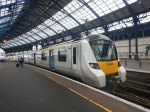
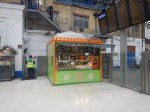

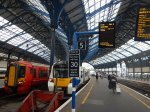
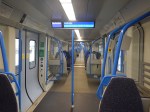
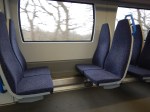



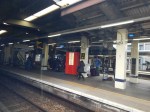

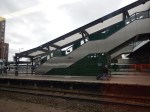
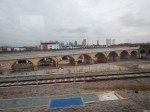
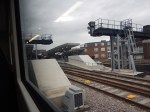
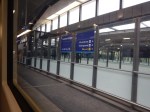



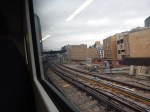








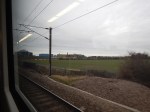



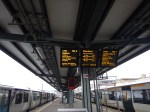
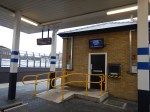
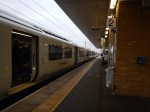
These are some of my observations.
Are The Class 700 Trains Fast Enough?
There didn’t seem to be any problems today, but usually, when an electric train runs with the 125 mph trains on a High Speed Line like the East Coast, West Coast and Great Western Main Lines, they are a little bit faster than the hundred mph of the Class 700 trains.
Both, Class 350 trains and Class 387 trains are 110 mph trains and they have run successfully on High Speed Lines with 125 mph trains.
Interestingly, TransPennine Express has bought Class 397 trains, to work the West Coast Main Line. These are 125 mph trains, but they will have to work with uprated trains at 140mph, when in-cab signalling is installed.
In-Cab Signalling On The Main Lines
When modern in-cab signalling is installed on the Brighton, Midland and East Coast Main Lines will the current in-cab signalling of the Class 700 trains be able to be quickly updated?
I suspect it will not be a difficult project.
The Updating Of The Midland Main Line
In OLE Changes To Boost Midland Main Line Speeds, I said this.
The title of this post is the same as that of an article in Issue 840 of Rail Magazine.
Currently, the overhead line equipment (OLE) between St. Pancras and Bedford is rated at 100 mph.
But the new OLE between Bedford and Corby via Kettering is going to be built to a standard that will allow 125 mph running.
The article goes on to say that to make the best use of 125 mph bi-mode trains, the possibility of upgrading the St. Pancras to Bedford electrification to the 125 mph standard.
This must give advantages.
Are the Class 700 trains able to to take full advantage?
And are they fast enough to work with 125 mph bi-mode trains?
Are The Class 700 Trains Powerful Enough?
I ask this question, as surely changing from a slow line to a fast line, needs some acceleration and acceleration needs power.
The power available divided by the number of cars for the three trains is as follows.
- Class 387 train – 420 kW/car
- Class 350 train – 375 kW/car
- Class 700 train – 417 kW/car
These figures are not that different.
By comparison, the Class 319 trains, which worked Thameslink for many years had just 247.5 kW/car.
The Class 700 Trains Aren’t Passenger Friendly For Long Distances
I regularly use Class 700 trains for short journeys on Thameslink around London. But going between say West Hampstead Thameslink and Blackfriars, is more of the sort of journey you would take on an Underground train.
- They are perfectly adequate for short journeys in Central London.
- The trains are generally lightly loaded, with seats often available.
- There are plenty of hand-holds for safe standing.
- The on train information is good.
- I’ve even used the trains for their toilets.
On the other hand, taking an hour’s journey around London, there are several journeys, where you get a train with much better seats and a higher level of comfort.
- Aldgate to Uxbridge on the Metropolitan Line, riding on a S8 Stock train.
- Highbury and Islington to West Croydon on the London Overground, riding on a Class 378 train.
- Liverpool Street to Shenfield, riding on a Class 345 train.
- Liverpool Street to Bishops Stortford on a Class 317 train.
- Paddington to Reading, riding on a Class 387 train.
- Waterloo to Windsor, riding in a Class 455 train.
Note the presence of two seriously-old trains; Classes 317 and 455, and a train designed for the Underground.
Some of these journeys will get better, as new trains are introduced.
If you look at your new car, passenger features are much better than what you had twenty years ago.
The same can be said for some of London’s commuter trains, but can it be said for the Class 700 trains, when compared with the previous Class 319 trains.
- Standing is a better experience on a Class 700 train.
- Sitting is a better experience on a Class 319 train.
- Entry and exit is better on a Class 700 train.
- The toilets are better on a Class 700 train.
- There is no wi-fi or power sockets on either train.
- The Class 700 train is a better train to serve an Airport.
- The Class 700 train uses the colours of a nuclear submarine, to calm passengers down!
After my trip of two hours forty-two minutes yesterday, between Brighton and Cambridge, I’m convinced the Class 700 train is unsuitable for this length of journey.
- The seats are not comfortable enough for this distance.
- By Cambridge, my phone was in desperate need of a re-charge.
- At least I don’t generally use wi-fi.
The train was not very crowded, so with a more comfortable seat and a power-socket I’d have been a lot happier.
Passenger Loading Of The Train
For most of the journey, the train was virtually empty and I had four seats to myself.
Incidentally, I suspect that a lot of groups travelling all the way, will put their feet on the seats opposite for comfort.
The only time, the train had more than a few passengers was between Gatwick Airport and London Bridge stations, when it was almost completely full.
Various factors probably contribute.
- Between London and Brighton, you can take one of Southern’s comfortable Class 377 trains.
- Between London and Bedford, you can still take one of East Midland’s comfortable trains.
- Between London and Cambridge, you can take one of Great Northern’s comfortable Class 387 trains.
- Between London and Cambridge, you can take one of Greater Anglia’s comfortable Class 379 trains.
Competition may work in the Off Peak, but surely commuters have no choice.
But it was interesting, that the only crowded part of the route was the section, where there is no competition.
Take the standard grandparents living in Cambridge wanting to go to see their grandchildren in Brighton.
Will they take a two hours forty-two minutes journey in an uncomfortable train, when you can break the journey in a pleasant cafe in Central London?
Regular travellers on long Thameslink routes will work out their best strategies.
I’d love to analyse Thameslink’s passenger statistics.
But then Thameslink didn’t specify the trains.
Summing Up Brighton To Cambridge
These thoughts can probably be applied to Bedford to Brighton as well.
On the plus side, there is the following.
- The journey time.
- Entry and exit to the train.
- Standing space, which makes it an excellent extra Underground Line in Central London.
- Toilets
On the negative side, there is the following.
- The seats.
- The lack of passenger-friendly features like tables, power sockets and wi-fi.
But, I suspect that for Thameslink, these trains will not be welcoming to Off Peak travellers, where the competition is other operators and the car.
Is Thameslink An Extended Underground Line?
Crossrail has been designed as an extended Underground Line from Reading and Heathrow in the West to Abbey Wood and Shenfield in the East.
- Between Whitechapel and Paddington, the line functions as a high-capacity Underground Line.
- Crossrail will appear on the Tube Map.
- Crossrail stations will have excellent connections to the Undeground.
- By linking services from Paddington and Liverpool Street together back-to-back, platform space is released at two major stations, which can be used to increase capacity on other routes.
- Crossrail’s stations are seen as locations to create commercial and residential developments.
- All stations on the route are being improved and made step-free.
- Crossrail’s trains appear to have been designed to function as both Underground trains and commuter trains, borrowing heavily from the successful S8 Stock of the Metropolitan Line.
So how does Thameslink compare?
- Thameslink seems to have been designed as a series of main routes across London, that go through a Central Tunnel.
- Between London Bridge and Finsbury Park/West Hapstead Thameslink, Londonders will use the line as a high-capacity Underground Line.
- Thameslink will not appear on the Tube Map.
- Thameslink stations have mixed connections to the Underground, that were designed by that useless designer called Topsy.
- Platform space has been released at St. Pancras and London Bridge and the latest remodelling has improved matters.
- Are Thameslink’s stations seen as development hubs?
- Are Thameslink’s stations being given the right level of improvement and step-free access?
- Thameslink’s trains were not designed for the job they are doing.
Thameslink is most certainly not an extended Underground Line!
A Comparison With The Great Eastern Main Line
The Great Eastern Main Line is a line I know well.
- It has a long-distance service from Liverpool Street to Norwich via Colchester and Ipswich.
- It has an extensive commuter network from Liverpool Street.
- Crossrail will increase capacity at Liverpool Street.
When Greater Anglia decided to replace the fleet, they could have gone for a unified fleet.
But they decided on a split fleet.
- Stadler Class 745 trains for long-distance and Stansted Airport services.
- Stadler Class 755 bi-mode trains for rural services in Suffolk and Norfolk.
- Bombardier Class 720 trains in five- and ten-car formations for London commuter services..
Note.
- It was a pragmatic decision, that provided the right train for each service.
- Particular attention has been paid to the interior design.
- The interior design has been shown to passengers, before any trains have been built.
- All trains will have toilets.
- First Class will be eliminated on the Class 720 trains.
- The Class 720 trains could share tracks and platforms with Crossrail’s Class 345 trains.
It looks like Greater Anglia took a lot of care.
Did the Department for Transport take a similar amount of care to get the design for the Thameslink trains?
Obviously not!
What Needs To Be Done
These are my ideas.
Split The Train Fleet
Greater Anglia’s decision to split their fleet is a telling one.
- Express services between London and Norwich and Stansted Airport services will be run by twelve-car Class 745 trains with First Class seats.
- London commuter services will be run by five- and ten-car high-capacity Class 720 trains with no First Class.
- Both trains have 100 mph operating speeds.
- Both trains appear to have well-designed interiors.
- Both trains will be compatible with respect to station, track and signalling.
Additionally, their Class 755 trains for secondary routes will have similar performance, opening up the possibility of other direct services to London.
I believe that eventually, Thameslink services will be run by two sets of compatible trains.
If they borrowed from Greater Anglia’s logic, this could see.
- A sub-fleet suitable for long-distance services with twelve-car trains, First Class, tables and better seats for steerage.
- A sub-fleet suitable for London commuter services with eight-car trains and no First Class.
Note.
- The current seats may be acceptable for eight-car trains running short commuter routes.
- All trains would be fitted with wi-fi, power-sockets, cup holders, seat-back tables and other passenger-friendly equipment where appropriate.
- Of the long-distance routes, only Cambridge to Maidstone East is proposed to be run by an eight-car train.
- The long-distance trains would have the ability to run at 110 mph, where possible and needed.
I believe with a bit of sorting and remanufacturing, the current fleet could do a much better job.
- Passengers would get better seats and other facilities.
- Thameslink would get faster services on long routes.
- Would a more passenger-friendly train attract more passengers, especially in the Off Peak?
- Services on the Brighton, East Coast and Midland Main Lines would allow faster running of other services.
I don’t think I’m talking about anything that is too difficult.
Would It Be Advantageous To Allow Some Twelve-Car Trains To Split And Join?
In Has Thameslink Got The Wrong Length Of Train?, I showed how if the trains were twelve- and six-car units and the latter had the ability to split and join automatically, this would lead to the following.
- More efficient use of trains.
- Better operation on the Sutton Loop Line.
- The creation of extra services by splitting at the ends of a route.
I also showed how it may be possible to adjust the lengths of the current fleet into twelve- and six-car units.
Put Thameslink On The Tube Map
I know it was an initial service, but passenger numbers on my journey from Brighton to Cambridge , must have been well below Thameslink’s forecast for the route.
I doubt more than a handfull did the whole route, like I did.
It was particularly noticeable, that passengers were thin on the ground between London Bridge and Finsbury Park stations.
And yet this route will have the following characteristics, when Thameslink is fully open.
- Six trains per hour (tph). Running all day.
- Two extra tph in the Peak.
- Full step-free access at London Bridge station.
- Full step-free access at Finsbury Park station, including to the Piccadilly and Victoria Lines.
- Same platform interchange with services to and from Moorgate on the Northern City Line at Finsbury Park.
- Step-free access at all the intermediate stations between London Bridge and Finsbury Park.
I think that Finsbury Park could become a well-used interchange for Thameslink passengers.
But like other interchanges, it needs to be shown on the Tube map, so passengers know it’s there.
On the other hand, if you ask National Rail’s timetable, the best route from Brighton to Oakliegh Park at 11:30 on a Monday, it advises using Thameslink to Finsbury Park and then a local train on the Northern City Line.
More And Better Interchanges on Thameslink
Thameslink doesn’t have many interchanges with the Underground.
- West Hampstead Thameslink
- Kentish Town
- Finsbury Park
- Kings Cross St. Pancras
- Farringdon
- London Blackfriars
- London Bridge
- Elephant and Castle
Some are fairly rudimentary and involve some walking, that is not easy.
There is also two interchanges with the Overground.
- Peckham Rye
- Denmark Hill
But the Thameslink frequency at these stations, is only four tph, with two extra in the Peak.
Various plans have been floated in the last few years.
- New stations at Camberwell and Loughborough Junction have been proposed.
- A new transport hub linking Catford and Catford Bridge stations has been proposed.
- A pedestrian link between City Thameslink and St. Paul’s stations.
- An extension to the Docklands Light Railway to City Thameslink and on to Charing Cross, Euston and Victoria.
Thameslink will only get bigger and better.
Could Crossrail And Thameslink Serve Clapham Junction Station?
This may seem a silly question, but I believe it is a valid one for the following reasons.
Clapham Junction Is A Major Interchange
Wikipedia says this about Clapham Junction station.
Routes from London’s south and south-west termini, Victoria and Waterloo funnel through the station, making it the busiest in Europe by number of trains using it: between 100 and 180 per hour except for the five hours after midnight. The station is also the busiest UK station for interchanges between services.
It is also the tenth busiest station measured by passenger numbers in Great Britain.
Clapham Junction Is Step-Free
Clapham Junction station has both a bridge and a subway between the seventeen platforms.
The bridge is fully step-free with lifts to all platforms.
Clapham Junction Has A Wide Bridge
The bridge between platforms is not only step-free, but very wide.
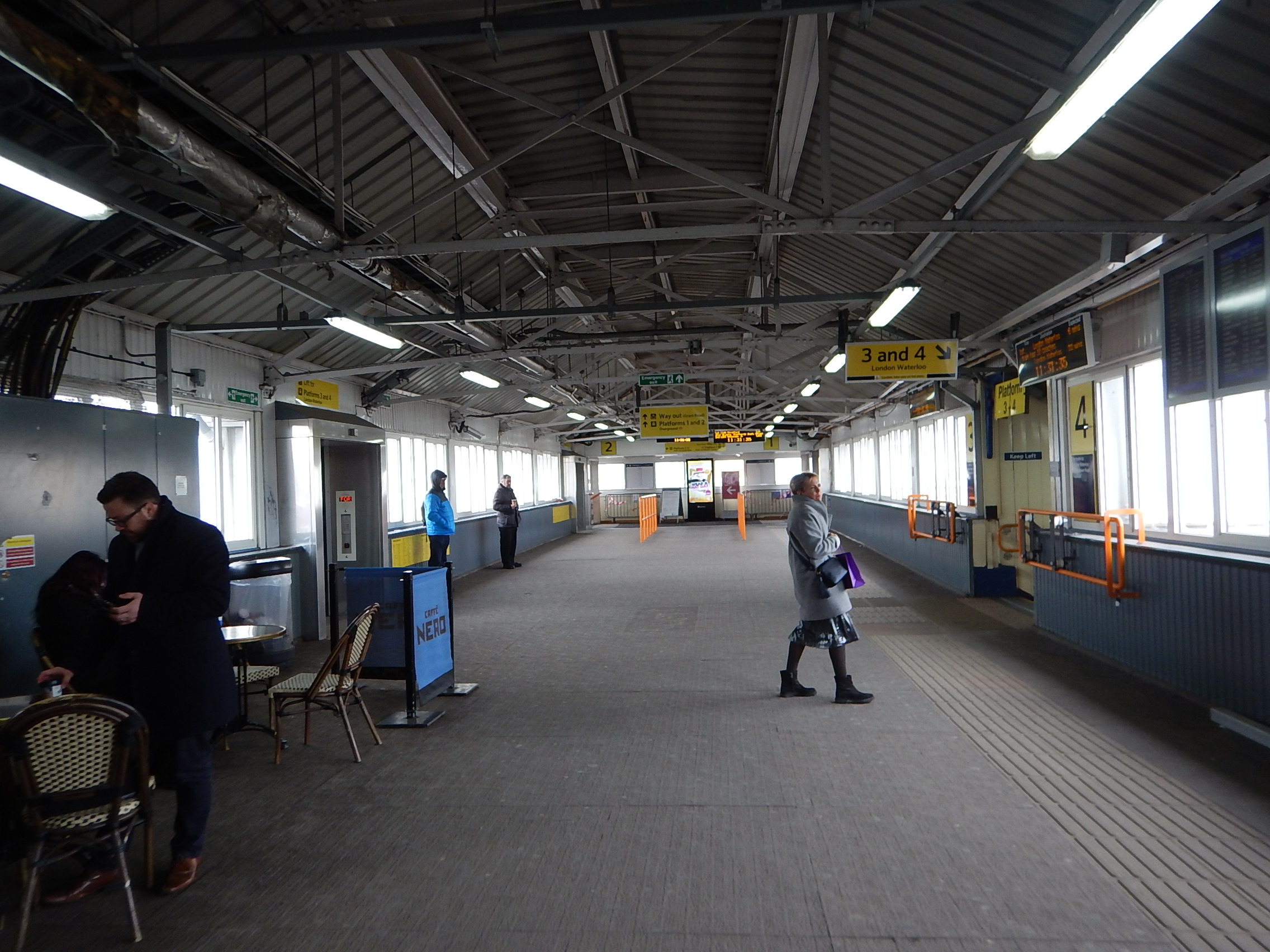
rchitects have copied this Victorian design at Leeds and Reading stations.
Clapham Junction Is Often A Convenient Place to Change Trains
When I go to Portsmouth or Southampton, I will often avoid Waterloo, by using the Overground between Dalston Junction and Clapham Junction stations.
It may be slower, but it is a very easy interchange, especially if I go step-free on the wide bridge.
Perhaps this explains why interchange passengers at Clapham Junction, are almost as many as those entering or leaving the rail network.
With some journeys like say Southampton to Wembley Stadium, changing at Clapham Junction is probably the most convenient.
Clapham Junction Links To The Overground
This interchange, is something I use a lot, as I have four trains per hour (tph) on the London Overground, from my nearest station at Dalston Junction.
As there are thirty-one stations on London’s circular railway, the interchange probably generates a lot of traffic.
Clapham Junction Seems To Be Well-Organised
If you want to go to say Gatwick, then generally the same platform will be used.
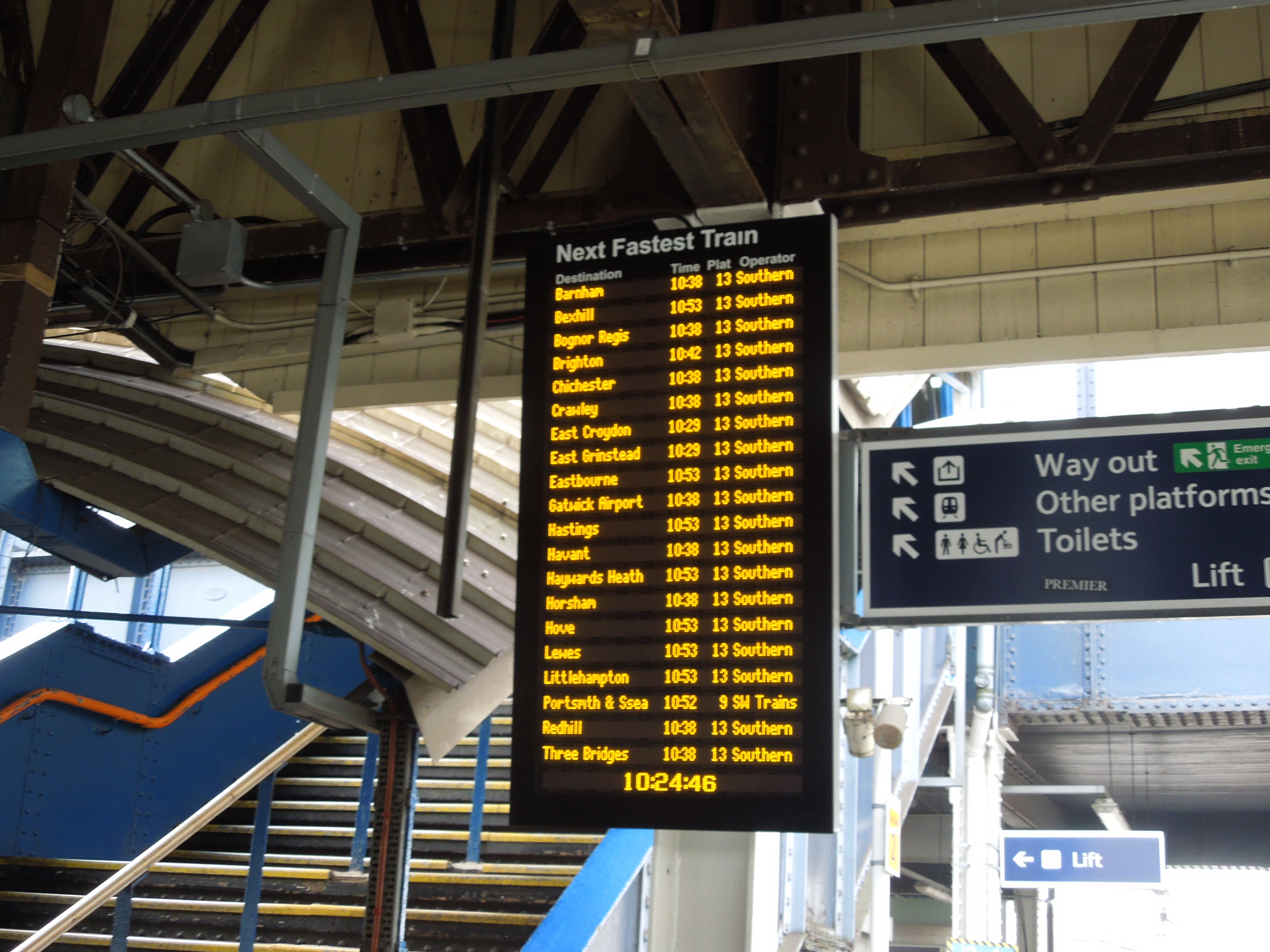
All Trains To Gatwick Go From 13
This can’t be said for many stations.
The station even has lists of stations and the platform to use.
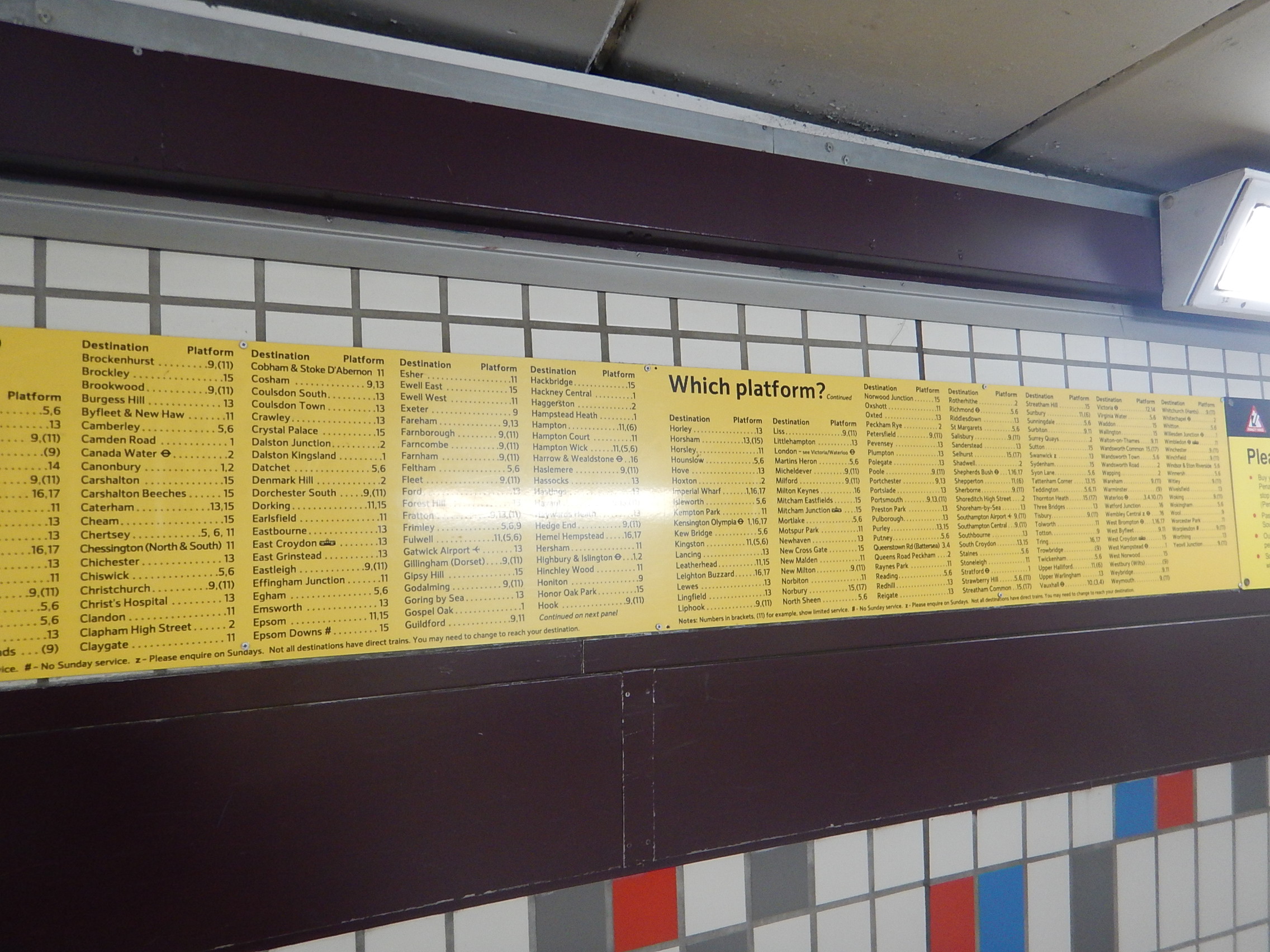
This would be impossible at most large stations!
But this is the busiest station in Europe by the number of trains using it!
The Victorians certainly got the design right!
Does this passenger-friendly design attract passengers?
Crossrail, Thameslink And Clapham Junction Station
Crossrail and Thameslink don’t call at Clapham Junction station.
But some services do directly link Crossrail and Thameslink to Clapham Junction station.
London Overground From Stratford To Clapham Junction Via Willesden Junction
This West London Line service has a frequency of four tph, which from some time this year will be raised to six tph or one train every ten minutes.
It will have the following interchanges in the future.
- Thameslink at West Hampstead
- Crossrail at Old Oak Common
It will also have interchanges with the Bakerloo, Central, District, Jubilee and Victoria Lines.
London Overground From Stratford To Clapham Junction Via Canada Water
This South London Line service has a frequency of four tph, which from some time this year will be raised to six tph.
It will have the following interchanges in the future.
- Thameslink at Denmark Hill and Peckham Rye
- Crossrail at Whitechapel
It will also have interchanges with the District, Docklands Light Railway, Hammersmith and City,Jubilee and Northern Lines.
Southern From East Croydon To Milton Keynes
This West London Line service has a frequency of one tph.
It will have the following interchanges in the future.
- Thameslink at East Croydon
- Crossrail at Old Oak Common
If Crossrail is extended along the West Coast Main Line, there will be additional interchange stations.
It will also have interchanges with the Bakerloo, Central, District and Northern Lines.
Southern From Clapham Junction To Brighton Main Line
There is a high-frequency service from Clapham Junction along the Brighton Main Line.
- 3 tph – Brighton
- 1 tph – Hastings
- 2 tph – Eastbourne
- 2 tph – Littlehampton
- 4 tph – Horsham
- 4 tph – Haywards Heath
- 4 tph – Three Bridges
- 6 tph – Gatwick Airport
- 12 tph – East Croydon
Most of these services terminate at Victoria.
The named stations, except for Hastings and Eastbourne, will also be served by Thameslink.
From the passenger point of view, those going to and from London from the Brighton Main Line and South Coast stations, have a choice of London terminus.
- Thameslink – London Bridge, Blackfriars, City Thameslink, Farringdon, St. Pancras and Thameslink’s Northern stations.
- Southern – Clapham Junction and ictoria.
The two separate routes have Central London fully covered.
Deficiencies Of The Current System
Suppose you want to travel from the extremities of Crossrail and Thameslink to say somewhere like Basingstoke, Bournemouth, Exeter, Portsmouth or Southampton, that is served by Waterloo and Clapham Junction in Central London.
- From Brighton and other stations on the South of Thameslink, there is a high-frequency Southern service.
- From Luton and other stations on the North of Thameslink, you will probably use the Jubilee Line between London Bridge and Waterloo.
- From Shenfield and other stations on the East of Crossrail, you will probably use the Jubilee Line between Bond Street and Waterloo.
- From Heathrow, Reading and other stations on the West of Crossrail, you will probably use the Bakerloo Line between Paddington and Waterloo.
All the Underground interchanges will be fully step-free with lifts and lots of escalators, but the connections could be simpler.
The Arrival Of Old Oak Common Station
The building of the new mega-hub station at Old Oak Common will tie together the following lines.
- Crossrail
- HS2
- North London Line
- West Coast Main Line
- West London Line
There is also the possibility of the West London Orbital Railway linking Old Oak Common to Hendon and West Hampstead Thameslink.
Old Oak Common and Clapham Junction stations will be two mega-hub stations, that for obvious reasons will need a high-frequency connection service.
Currently, that is planned to be the following services.
- 6 tph – London Overground from Stratford to Clapham Junction.
- 1 tph – Southern from Milton Keynes to East Croydon.
It is not enough, especially, if either connection at Old Oak Common and Clapham Junction is a long walk.
But there are easy ways to increase the numbers of connections.
Improve The Southern Service
In his report, Chris Gibb recommended that this Milton Keynes to East Croydon route be transferred to the London Overground. I wrote about this in Gibb Report – East Croydon – Milton Keynes Route Should Be Transferred To London Overground.
In my view Chris Gibb is right for the following reasons.
- All passenger services on the West London Line would then be run by London Overground.
- London Overground have a reputation for running a good train service.
- The Milton Keynes to East Croydon service could be integrated with the Watford DC Line, the North London Line and a possible West London Orbital Railway to produce an integrated frequent local service in an area of West London, that needs a greatly improved train service.
- Frequency between Old Oak Common and Clapham Junction could be raised to as high as ten or twelve tph.
- It would improve connections between Watford and the expanding Wembley Stadium complex with South London.
I doubt it would be an expensive and difficult project to move this service between operators.
Build The West London Orbital Railway And Extend It To Clapham Junction
In this article on Ian Visits, this is said about the service on the proposed West London Orbital line.
Phase 1: 4 trains per hour from West Hampstead to Hounslow, calling at West Hampstead, Cricklewood, Neasden, Harlesden, OOC, Acton Central, South Acton, Brentford, Syon Lane, Isleworth, Hounslow.
Phase 2: additional 4 trains per hour from Hendon to Kew Bridge, calling at Hendon, Brent Cross/Staples Corner, Neasden, Harlesden, OOC, Acton Central, South Acton, Kew Bridge.
The track is all in place and with a new bay platform at Hounslow, trains running on batteries could work Phase 1 with ease. The batteries would be charged South of Acton Central station.
Because of the importance of Clapham Junction as an interchange,, would it be a sensible idea to extend Phase 2 from Kew Bridge to Clapham Junction, by way of Chiswick, Barnes Bridge, Barnes, Putney and Wandsworth Town stations?
This may not be possible, as the route may not be able to accept four extra trains.
This map from carto.metro.free.fr shows the track layout around the two Overground platforms at Clapham Junction.

I also took these pictures of Platform 2.
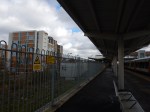
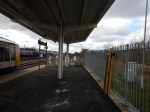
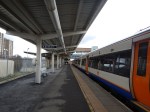
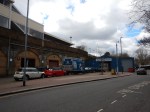
I suspect that a bay platform could be added, opposite to Platform 2.
- There would appear to be plenty of space.
- The platform would share the lift, facilities and staff with Platforms 1 and 2.
- It would make a good interchange, with simple connections to Platforms 1 and 2.
There could even be the possibility of making Platform 2 bi-directional so that a loop service from Hendon to Dalston Junction could be created, if that was considered the best solution.
One advantage of extending the Phase 2 Kew Bridge route, would be that it would give more electrified running to charge a battery train.
Luton/Bedford to Clapham Junction
If this route from Hendon to Clapham Junction via Old Oak Common and Kew Bridge can be successfully created, it establishes the important link between the Luton/Bedford branch of Thameslink and Clapham Junction.
Cambridge/Peterborough to Clapham Junction
There is no direct route, but probably the fastest is to dive into the Victoria Line at Finsbury Park and go to Vauxhall, from where it’s a single stop to Clapham Junction.
Just avoid changing to the Victoria Line at St. Pancras, unless you like long walks.
Crossrail to Clapham Junction
Three factors will determine how good using a double change at Old Oak Common and Clapham Junction to get between Crossrail and Clapham Junction will be.
- The frequency of trains between Old Oak Common and Clapham Junction.
- The quality of the interchange at Old Oak Common. As it will also involve HS2, I suspect it should be good.
- The quality of the interchange at Clapham Junction. It probably needs improvement, but it’s not bad for something designed by the Victorians.
It could be a very good link.
Could Thameslink Serve Clapham Junction Directly?
From the Brighton Main Line, there is a frequent service, but going North to Thameslink is not easy.
It could be possible to use the West London Orbital Railway to get to and from Hendon, but whether anything other than a local route is needed is open to doubt.
Could Crossrail Serve Clapham Junction Directly?
This Google Map shows the Old Oak Common area.
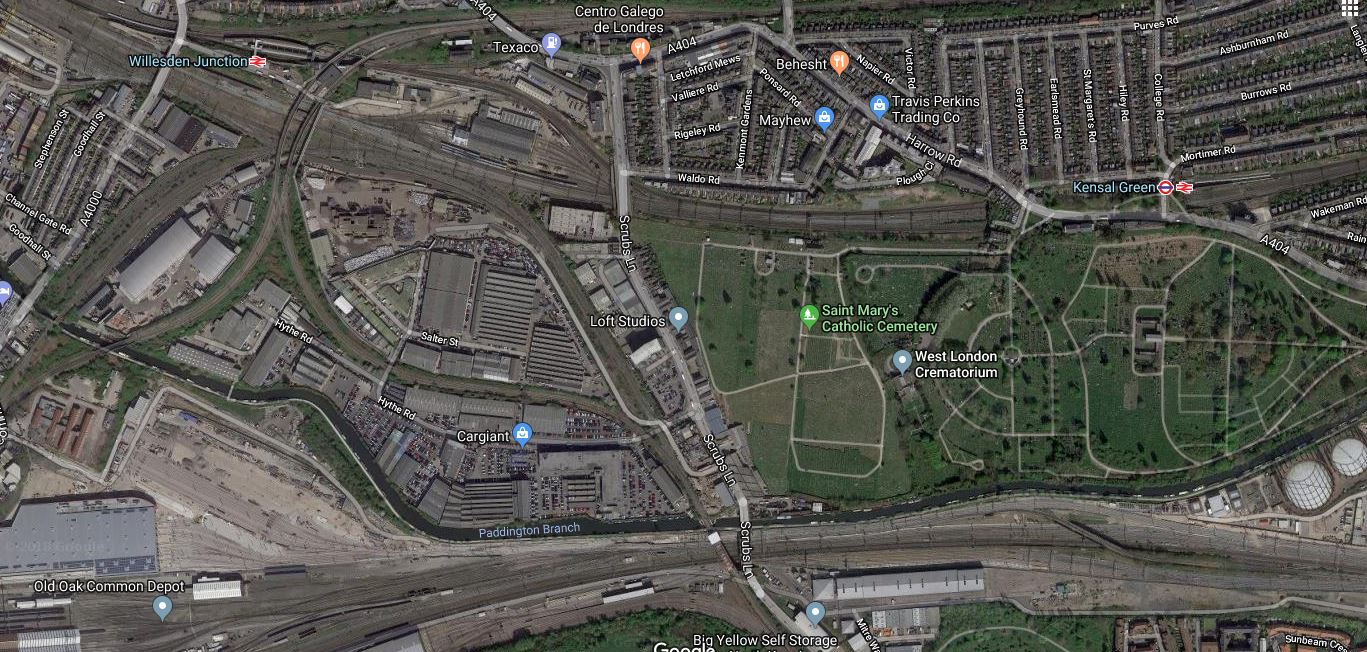
The railway running across the map to the North is the West Coast Main Line, whilst the Great Western Main Line goes across the bottom.
Looking at the map in detail, it might be possible to thread flyovers or dive-unders into the area to allow Crossrail trains to take the West London Line to the North or South from the East or West.
Consider
- There are certainly some large industrial sites that could be cleared.
- There are a couple of cemetries too.
- There are Central, Chiltern, Crossrail, Great Western Main Line, HS2, North London Line, West Coast Main Lines to connect together.
- A Heathrow to Gatwick Link could be threaded through.
It all depends on how much can be spent!
And Then There’s The Heathrow Southern Railway!
This is a bit different, as it’s a privately-funded railway that aims to sneak into Heathrow by following and hiding by the M25 and the use of the odd tunnel.
This map is a schematic of the proposed railway, which is caused the Heathrow Southern Railway.
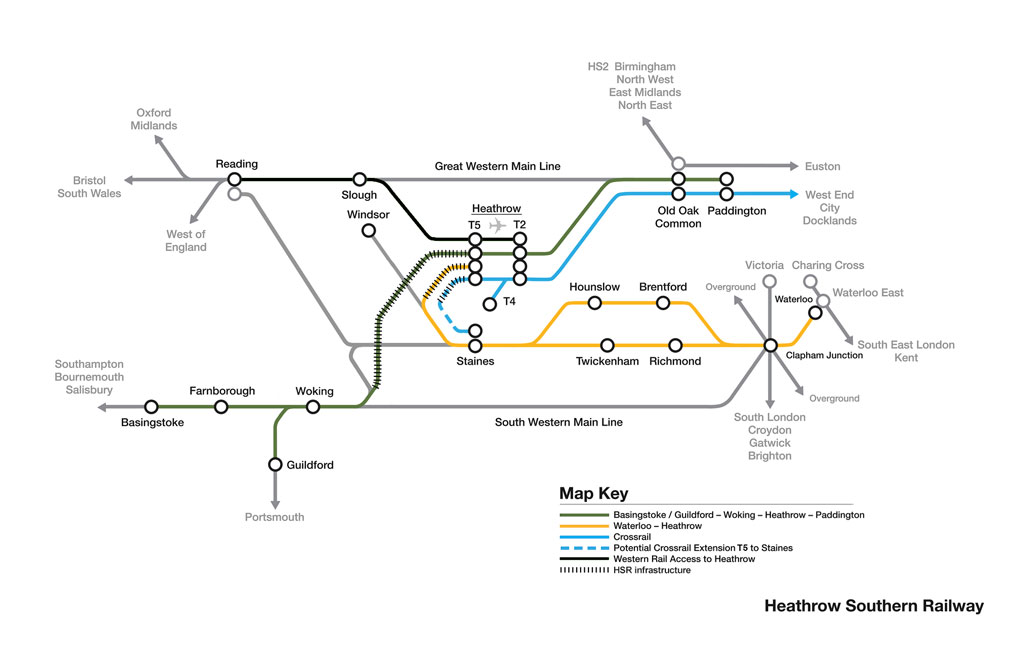
Note.
- The blue line is Crossrail.
- The yellow line is a direct link from Waterloo to Heathrow.
- The station in a six pointed star is Clapham Junction.
On the Heathrow Southern Railway web site there is a section called Service Opportunities.
It details two routes.
Heathrow – Staines – Clapham Junction – Waterloo
- Most track is existing.
- New track will run along the M25.
- Trains will be fully-integrated with South Western Railway.
- Four tph should be possible with planned capacity improvements.
- A bay platform will be added at Staines, within the current railway.
- Xrossrail could be extended from Terminal 5 to Staines.
Heathrow Southern Railway envisage that a lot of passengers from Staines will use Crossrail for London.
Basingstoke/Guildford – Woking – Heathrow – Paddington
The web site says this about the route.
An exciting additional benefit of Heathrow Southern Railway is the scope to introduce half-hourly services from Basingstoke and Guildford to Heathrow and Paddington. These trains would provide a 15-minute frequency from Woking, with stops at Farnborough Main (Basingstoke services), Woking, Terminal 5, Terminal 2 and 3 and Old Oak Common.
I like the ideas and the tone of the project.
Conclusion
With all the ideas in the West of London, I think that some very good things will happen to the railways in the area, whether Heathrow Airport builds another runway or not.
In
Thameslink Is Now Serving Peterborough And Cambridge
This article in the Standard is entitled First Direct Trains From Cambridge To Brighton Via Central London Launch.
This is said about the initial service.
There will be one return service from Brighton to Cambridge, departing at 11.32am from Brighton and 2.14pm from Cambridge, and two between Horsham and Peterborough. These will depart at 10am and 1.30pm from Horsham and 9.46am and 1.17pm from Peterborough.
Do it looks like things are getting started.
Unfortunately, they’re not running on Saturday, when Greater Anglia is employing the dreaded buses.
Kensington (Olympia) Station Full Tube Service Restoration Petition Signed By More Than 10,000
The title of this post is the same as the title of this article on getwestLondon.
The article states that advantages of restoring a full Tube service include.
- Better Tube service for local residents and business.
- Ease congestion.
- Improve air quality.
- Provide a step-free station for everybody.
But this paragraph is surely the most relevant.
Footfall at Olympia London has risen from 700,000 to 1.6m since 2011 (when the full Tube service was removed), and is likely to increase over the coming years. Only by having a full Tube service can local transport options meet this increasing demand.
The more the footfall increases, the greater the need for a full Tube service.
Service on the District Line
The Wikipedia entry for Kensington(Olympia) station, has a section detailing the District Line Service.
This is said.
The District line shuttle to Earl’s Court and High Street Kensington runs at weekends and a very limited service also operates during the early morning and evening each weekday. There is no service New Year’s Eve or New Year’s Day when these days fall on or partly on a weekend.
Prior to 2011, it was much more frequent.
Service On The West London Line
The Wikipedia entry for Kensington (Olympia) station, has a section detailing the West London Line Service.
This is said.
The London Overground services in trains per hour are:
- 4 northbound to Willesden Junction, of which 2 continue to Stratford during the off-peak and all 4 during the peak.
- 4 southbound to Clapham Junction.
Southern operate between Milton Keynes Central and East Croydon, typically once an hour.
London Overground have plans to increase their service by two trains per hour, starting in 2018.
Kensington ( Olympia ) Station Is Not Fully Step-Free
This Google Map shows the track and platform layout at Kensington (Olympia) station.
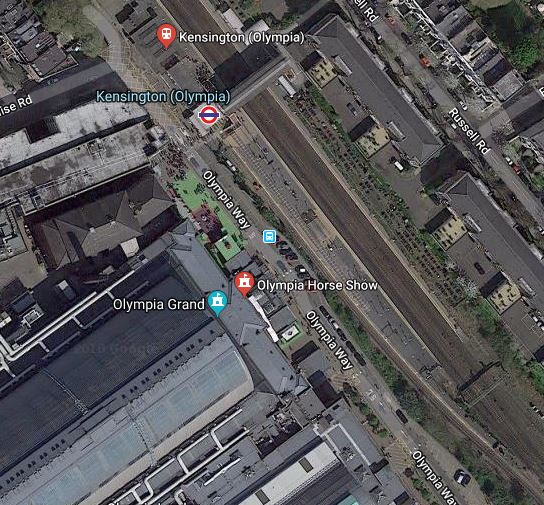
Platforms are as follows from West to East.
- 1 – Terminus for District Line
- 2 – Northbound West London Line
- 3 – Southbound West London Line
Note the footbridge linking the island platform 1 and 2, with the other platform 3.
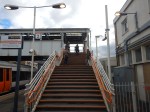
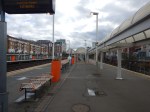
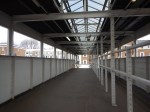
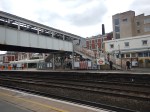

It is not step-free, which means that platforms 1 and 2 have step-free access to Olympia, but platform 3 does not.
Surely, whatever happens to the train service, this bridge must be replaced with one that is step-free.
Getting To And From Kensington (Olympia) Station
It’s easy for me to get to Kensington (Olympia) station, as I just walk to Dalston Kingsland station and get a direct train.
But what fastest routes do you use from these major Underground stations?
- Bank – Change at Shepherd’s Bush
- Canary Wharf – Change at Bond Street and Shepherd’s Bush
- Euston – Change at Willesden Junction
- Finsbury Park – Change at Oxford Circus and Shepherd’s Bush
- Kings Cross St. Pancras – Change at Oxford Circus and Shepherd’s Bush
- Liverpool Street – Change at Shepherd’s Bush
- Paddington – Change at High Street Kensington to a bus.
- Waterloo – Change at Clapham Junction
These routes all used Transport for London’s journey planner.
For some less important stations, you can get some complicated routes.
Marylebone is a classic, which involves two walks, two buses and the Circle Line.
For those, who went to Olympia before 2011, when there was a shuttle from Earl’s Court, will find they will need to change at West Brompton to get from Earl’s Court to Kensington (Olympia).
Wikipedia describes the pre-2011 service like this.
For a period before December 2011 the District line had an irregular short shuttle service of two or three trains per hour to High Street Kensington via Earl’s Court. One late evening train ran daily to Upminster.
To be charitable, you would say it is not a passenger-friendly system for most going to Olympia.
Conclusion
The petitioners would appear to have a very valid point.
Victorian Tunnelling Uncovered At Bank Station
I took these pictures on the Southbound platform of the Northern Line at Bank station.


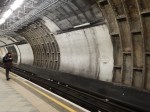

They show the old Victorian lining to the tunnel.
This visualisation, shows what the new Bank station will look like.
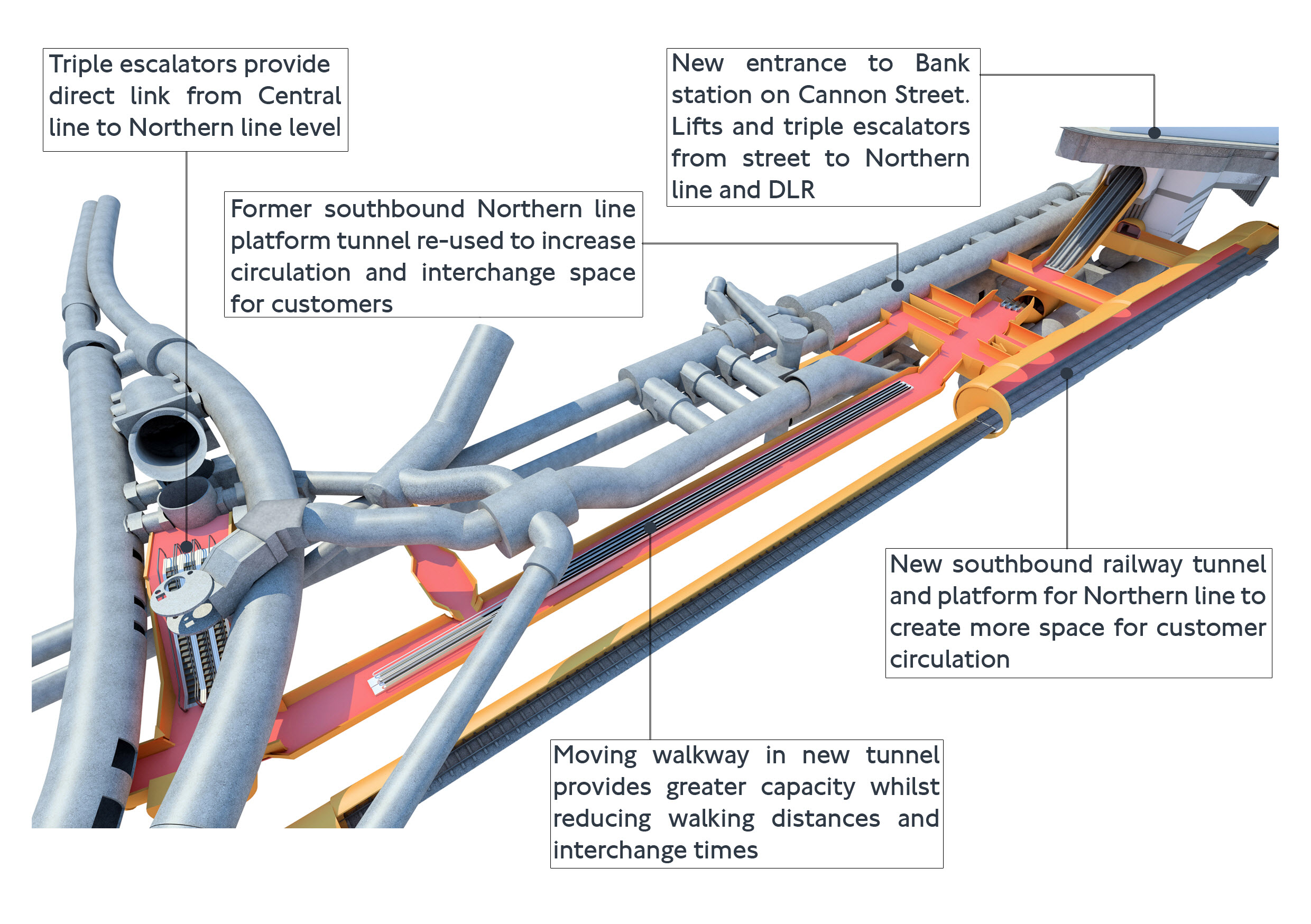
Note.
- The current two Northern Line tunnels are furthest away in the visualisation, with the Northbound one on the outside.
- The lines are aligned left sides together, which is opposite to normal British practice.
- The stairs that lead down from the passageways in the middle, where the tunnel size changes to accommodate the current platforms.
The plan looks to be as follows.
- A new Southbound tunnel will be dug to by-pass the current station. This tunnel is shown in the foreground.
- The current Southbound tunnel will be closed to trains.
- Southbound trains will be diverted to the new tunnel and possibly pass through Bank station without stopping for some time.
- The former Northern tunnel will be used to increase space for the Northbound platform.
Could the fitting out of all the tunnels in the middle be done last, with trains passing through on the outside?
A similar procedure was used at Angel, which explains the extra wide Southbound platform.
TfL Drives Forward With ‘Hugely Exciting’ Tube Station Development
The title of this post, is the same as the title of this article in Rail Technology Magazine.
The station involved is South Kensington station,
Work to be done includes.
- New housing will be added.
- Upgrading of the Grade II listed shopping arcade.
- A second entrance developed via the pedestrian subway will be developed.
- Facilities will be improved for current and new residents.
- Step-free access will be provided to the District and Circle Lines.
This article in the Architects Journal gives more details.
- Rogers Stirk Harbour are the architects.
- Native Land are the developers.
The article also hopes everything can be completed by 2022.
Is this development the shape of things to come?
You have the following.
- A tube station which is not in the best condition.
- There is space to add much-needed housing.
- It is an important transport location.
- Annual passenger entry and exit in 2016 was 33.6 million.
- It is a building with a partial Grade II Listing.
- TfL have appointed a world-class firm of architects.
A successful property developer, with access to finance, could turn this into something that benefits all stakeholders; local residents;TfL, London taxpayers, staff and passengers.
Within walking distance or a short bus ride of my house, there are seven stations.
- Dalston Junction is a new station with step-free access and high-rise housing on top.
- Haggerston station is a new step-free station, that is probably fully developed.
- Canonbury station is an older station, that has been made step-free. It is fully-developed.
But, the other four need development.
Dalston Kingsland
Dalston Kingsland station was rebuilt in the last couple of years with a new gate line and booking office.
- The station has narrow platforms, not much shelter and no step-free access.
- Passenger entry and exit for 2016-17 were over six million.
- Next door, Taylor Wimpey are building a residential tower called 57 East.
Full development of this station is probably waiting for a decision about Crossrail 2.
Essex Road
Essex Road station is a station out of another era, but what era is hard to say.
- It is a solid red brick building, built around the start of the Twentieth Century.
- The building has little architectural merit.
- Underground, the history of the station is echoed by faded Underground and Network Southeast liveries.
- It could do with a good clean.
- Access to the trains is by lifts and could probably stand-in for access to one of London’s Second World War bunkers.
- It may have lifts, but it is not step-free.
- Passenger entry and exit in 2016-17 was under a million.
It is a seriously neglected station.
This Google Map shows the location of the station.
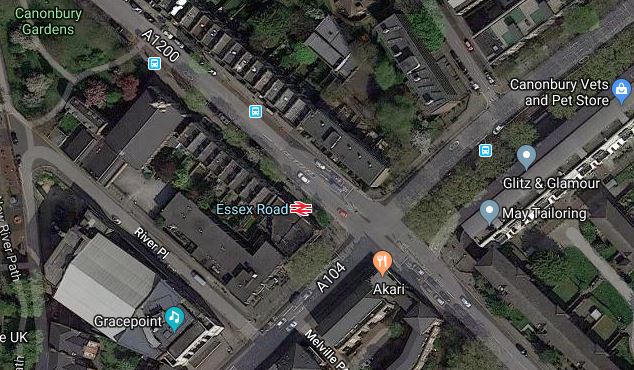
It is on a junction of two major roads, with some gardens, a few local stops and several important bus routes.
If the train-related parts of the building were updated with modern decor and lighting, full step-free access, this station could see a serious increase in passenger traffic.
The following, should also be born in mind.
- The rather rudimentary forty-year old Class 313 trains will be replaced by brand-new Class 717 trains designed for the unique operation of the Northern City Line.
- The new trains should bring an increase in frequency in trains through Essex Road station.
- At the end of 2018, the Northern City Line will have a step-free connection to Crossrail and a dry underground waking route to Liverpool Street station at Moorgate station.
There is also the possibility, that was raised by Chris Gibb, of transferring the Northern City Line to the London Overground. I wrote about this in Gibb Report – Moorgate Services Could Be Transferred To The London Overground.
So it would appear that whatever happens, the train service and station will be improved and Essex Road station will become a lot more important.
Surely, the obvious way to pay for the improvements at Essex Road station, is to develop the building into some housing in keeping with the area.
Highbury and Islington
Highbury and Islington station is the fifteenth busiest station in the UK and is busier than Manchester Piccadilly and Edinburgh Waverley.
It is a major interchange between the following lines.
- East London Line
- North London Line
- Victoria Line
- Northern City Line
Currently, it handles nearly thirty million passengers a year.
But that number is surely going to increase.
- The East London Line is adding another four trains per hour (tph)
- Extra trains will be running on the North London Line.
- Dear Old Vicky will cram more passengers in.
- The improved Northern City line will have more and better trains.
- The Northern City Line will provide a step-free connection for Victoria Line passengers to Crossrail.
Highbury and Islington station is a station where the below-ground platforms are in desperate need of improvement and step-free access.
At least there should be no problems demolishing the station buildings at Highbury and Islington, as a flying bomb did that in 1944.
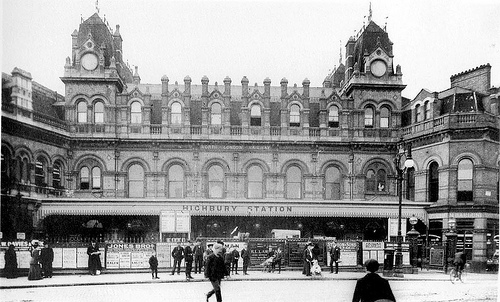
It was an impressive building.
However, there are factors that will help an architect, after the Nazi damage and some unsympathetic 1960s development, when the Victoria Line was built.
- The flying bomb destroyed all parts of the station with architectural merit.
- The Victorian bridge over the Overground lines is being replaced.
- The traffic is being sorted.
- Pedestrian areas are being created to link the station entrance to the green space in the middle of Highbury Corner.
- There is already an unused and intact second entrance to the station on the other side of Holloway Road.
This could be one of the best stations in London, with perhaps some of the best places to live in London on top.
Old Street
Old Street station is another bad station.
- It sits in the middle of a roundabout called Silicon Roundabout.
- The roundabout is surrounded by tower blocks, which are both residential and commercial.
- It is owned by Transport for London.
- It is served by the Northern and Northern City Lines.
- Passenger entrances and exits are amos thirty million a year.
- The station has escalators, but is not step-free.
This is surely, a site, where a tall residential block should be built above an improved station.
But getting the right building and mix will be difficult.
Conclusion
These four could all be redeveloped by imaginative architects and property developers to create better transport hubs and a sensible amount of useful housing development.
I hope TfL, architects and developers are scouring London for suitable sites.
Minister Confirms There Are ‘No Plans’ To Extend Crossrail To Basingstoke
The title of this post is the same as the title of this article on Rail Technology Magazine.
This is the first two paragraphs.
Jo Johnson has confirmed that there are no plans to lengthen Crossrail to Basingstoke despite speculation from other MPs.
Following questioning from North East Hampshire Conservative MP Ranil Jayawardena, the rail minister said the government’s priority was to see the current project delivered on time before considering any additional work
It is my view that Basingstoke, is one of several places, which have been mentioned as possible terminals for Crossrail.
A list could include.
- Basingstoke
- Beaulieu
- Chelmsford
- Ebbsfleet
- Gravesend
- High Wycombe
- Milton Keynes
- Oxford
- Southend Airport
- Southend Victoria
- Tring
Note.
- Some are safeguarded.
- Some have been promoted stronger than others and it is reasonable to assume that MPs will want Crossrail to turn up in their constituency.
These facts about Crossrail, say to me that extra destinations will be added.
- The current provisional schedule is twenty-four train per hour (tph), through the central tunnel.
- The capacity of the central tunnel is sometimes stated as thirty tph.
- Twelve tph are scheduled to be terminated at Paddington.
The initial infrastructure doesn’t seem to be pushed too hard.
This probably gives speculation to where the spare trains will go.
T
Is Hydrogen The Answer?
This excellent article on Rail Engineer, is a very good analysis of using hydrogen to power trains.
It is also crammed full of facts!
A Class 700 Train In Platform 5 At London Bridge Station
I took these pictures of a Class 700 train in Platform 5 at London Bridge station.

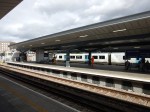

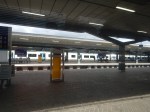
I assume it was there for driver training and was waiting to pass through the central section of Thameslink.
According to the March 2018 Edition of Modern Railways services through the Central London core will be.
May 2018: 18 Thameslink trains per hour (tph) through central London core (12 tph via London Bridge and six via Elephant & Castle)
At least drivers and other staff seem to be getting trained.
Distilling the report in Modern Railways, gives the following service from May 2018.
Via London Bridge
- 2 tph – Bedford – Brighton – semi-fast/fast – 12-car – All Day
- 2 tph – Bedford – Gatwick Airport- semi-fast/semi-fast – 12-car – All Day
- 2 tph – Peterborough – Horsham – semi-fast/semi-fast – 12-car – All Day
- 1 tph – Cambridge – Brighton – semi-fast-fast – 12-car – All Day
- 2 tph – Bedford – East Grinstead – fast/stopping – 12-car – Peak Only
- 1 tph – Bedford – Littlehampton – fast/fast – 12-car Peak Only
- 2 tph – Luton – Rainham – all stations/all stations – 12-car – All Day
Note.
- This means seven tph all day between central London and Gatwick.
- semi-fast/fast means semi-fast North of the Thames and fast South of the Thames etc.
Via Elephant & Castle
- 4 tph – St. Albans – Sutton – all stations/all stations – 8-car – All Day
- 2 tph – Luton/Kentish Town – Orpington – 8 car – All Day
Note.
- The four tph St. Albans – Sutton go round the Sutton Loop, with two tph in each direction.
 The Anonymous Widower