Islington to the M25 By Public Transport
I had to go back to Suffolk to pick some bits and pieces up and thought that the easiest way to do this was to get to Cockfosters Station, which is just a few minutes from Junction 24 on the M25.
So I took the 141 bus to Manor House taking a few pictures and a video on the way, where I got the Piccadilly Line to Cockfosters.
The journey from the Balls Pond Road took just 35 minutes and that included a delay of two minutes at Arnos Grove station, where they changed drivers. I could even have got a bus to the M25 from Cockfosters.
As I was running early, I did make a detour at Southgate Station to take a few pictures.
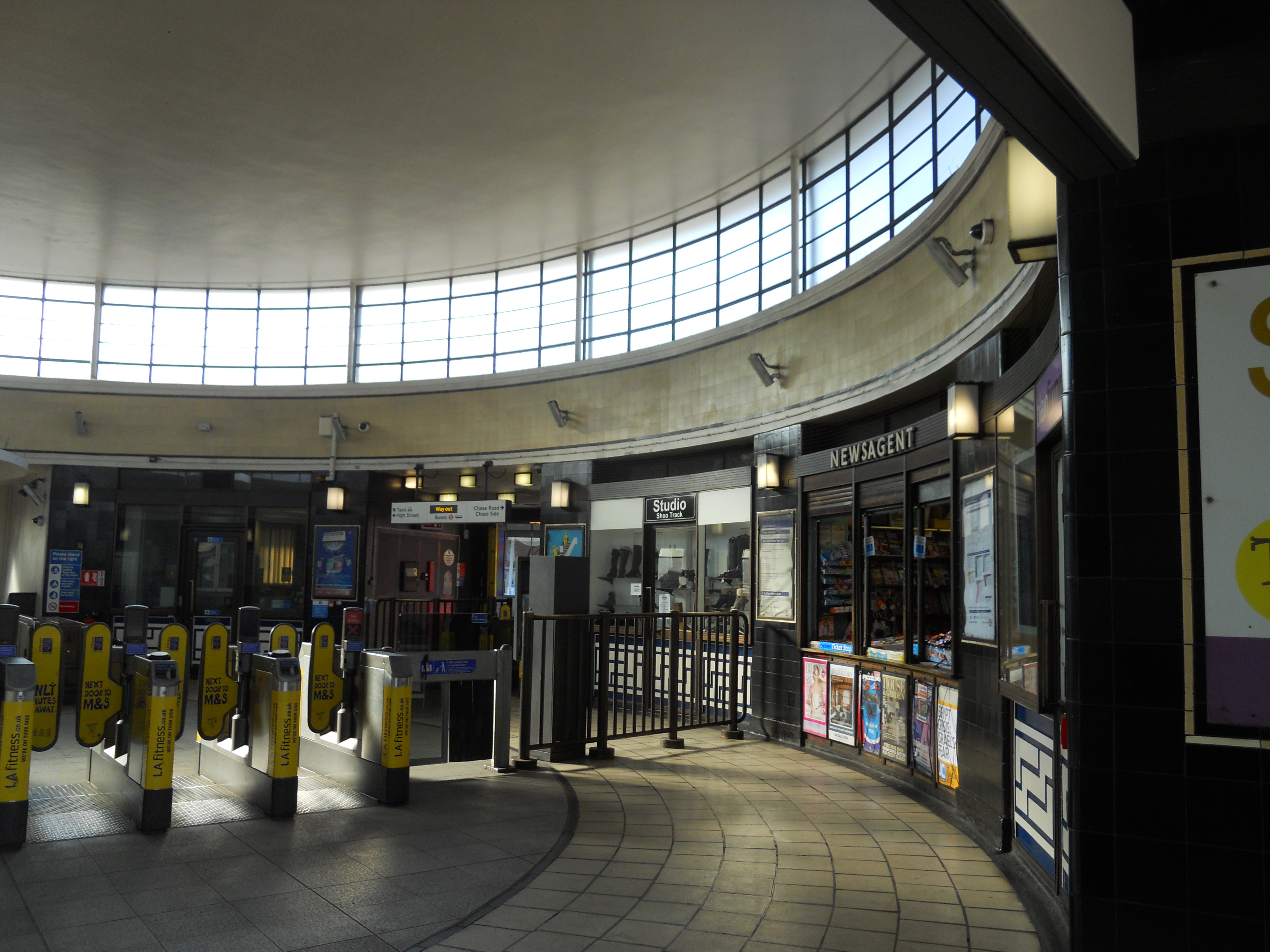

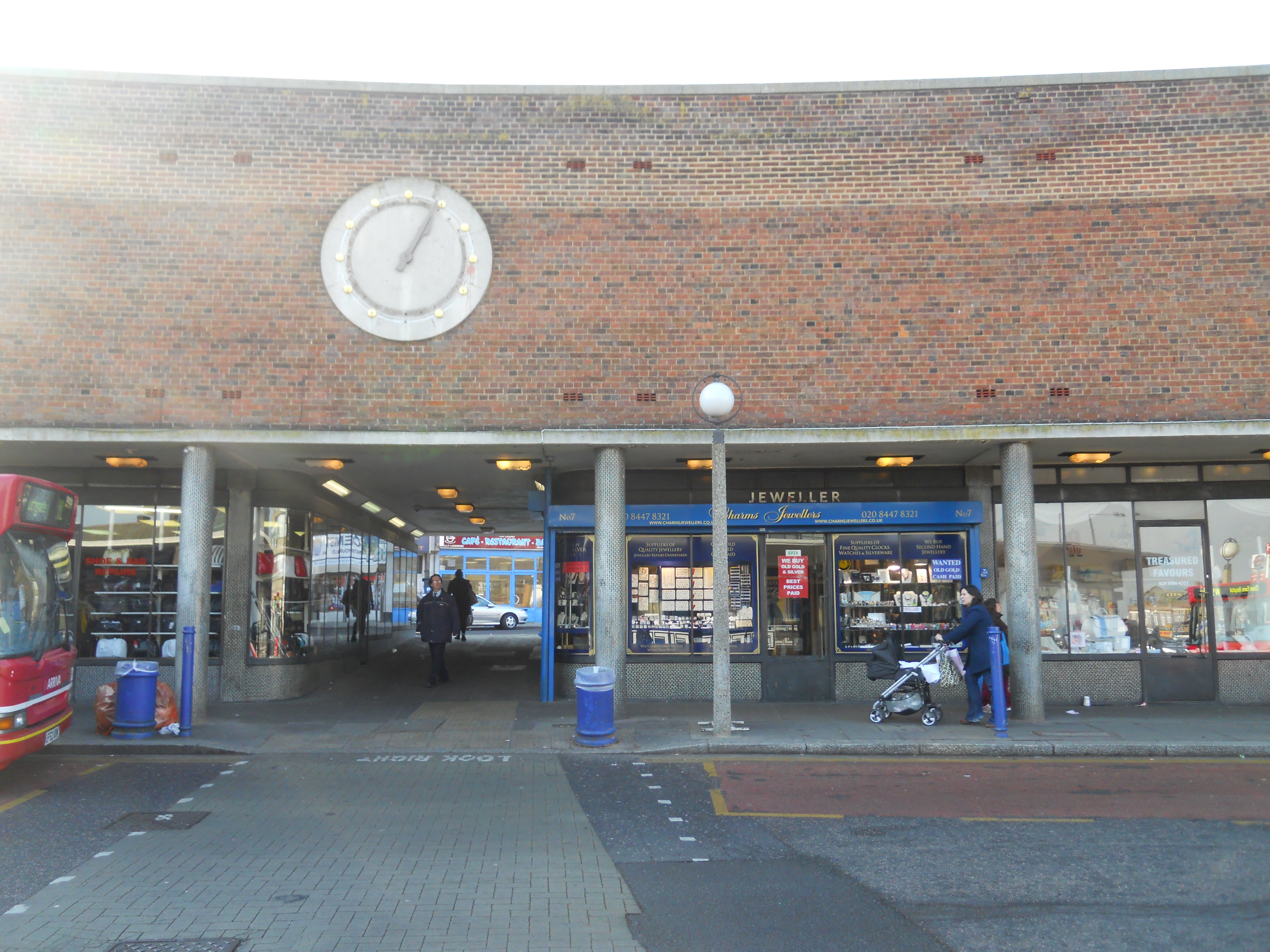
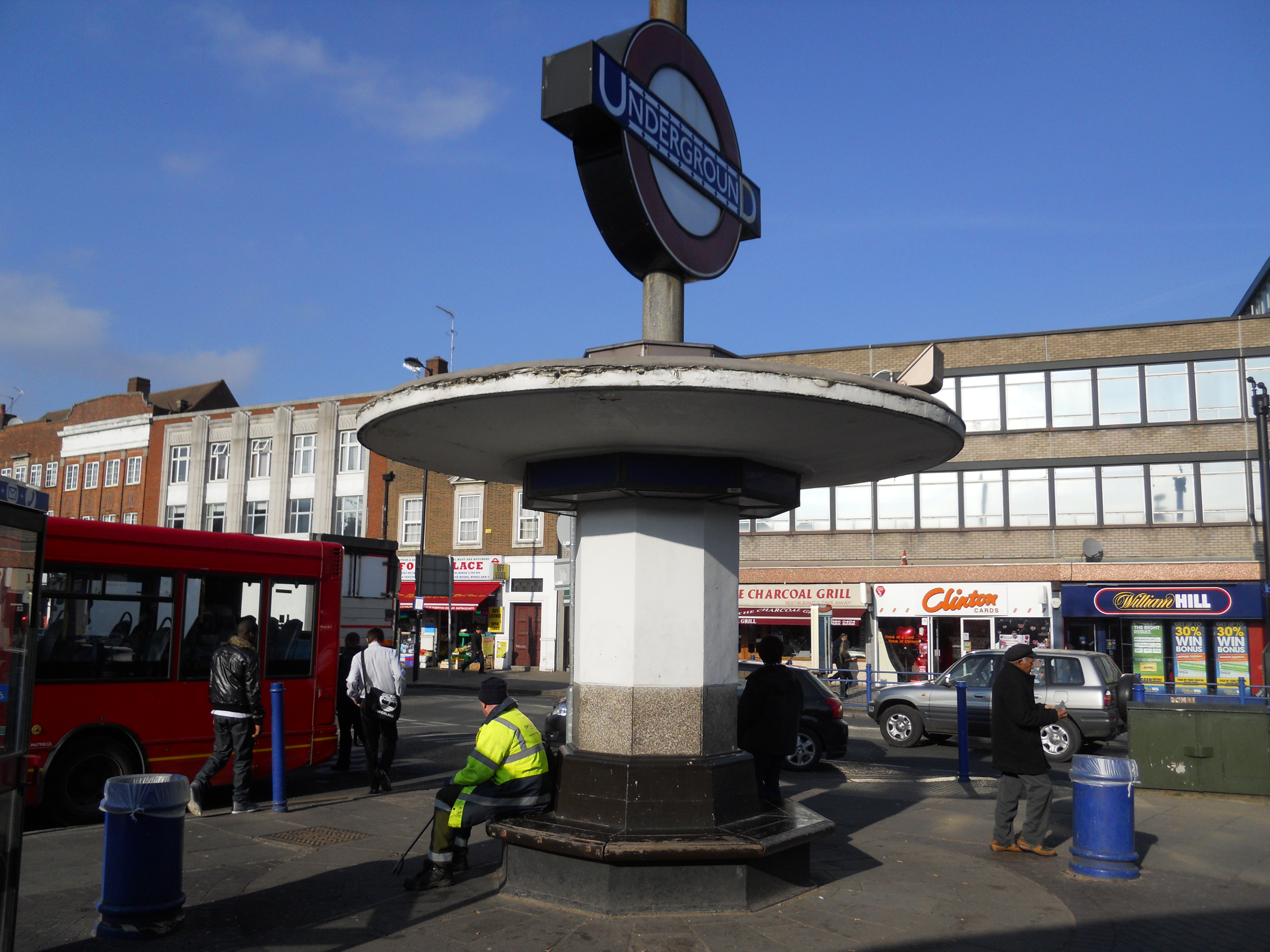

The station has been sympathetically restored and still contains many of the Art Deco features. It is still very much as it was, when I used to use it to go to Minchenden Grammar School in the early 1950s and late 1960s.
I also seem to remember reading somewhere, that the ticket barriers can be removed, so that the station can be used for period film and TV productions. Parts of the film, The End of the Affair were shot in the station.
I just think that Southgate Station sums up everything that was so good about the designs of London Transport before the Second World War. It was designed as a bus/tube interchange and still fulfils that function, with style and panache.
Southgate Station was one of the buildings created by the archtect, Charles Holden. If he had been of any other nationality, than British, he would be one of the most famous architects in the world. But he was a modest man, who twice declined a knighthood. On the other hand, his buildings speak eloquently of the quality and beauty of his work.
The Castle Climbing Centre
Ever since I started driving in London in the 1960s, i’ve been past this building on Green Lane.

The Castle Climbing Centre
Yesterday, I walked past the building, which was originally a Victorian pumping station and found that it is now an indoor climbing centre. What a good use for a magnificent building!
A Date in My Diary
Last night, the BBC repeated the program about the Coventry Blitz. It reminded me that I shall be going to see Ipswich at Coventry on New Year’s Day. I shall of course visit both cathedrals.
I was talking to an Italian tourist at that I met at Mallaig about other places to go in the UK and I suggested Coventry. He mentioned that the verb to coventrate, or lay waste by areial bombing, is now incorporated into the Italian language.
The Stirling Prize
I like architecture and always try to watch the results of the Stirling Prize.
Last night we saw six commissions fight for the prize. I liked the Neues Museum best, but then what do I know about architecture!
Three Hours in Ipswich
One of the things I hope to encourage with this blog is internal tourism in the UK. So as I was early and wanted to see a new art gallery in the town, I decided to have a little walk around the centre of the town.
It is actually very compact and sits between the River Orwell and the railway on one side and Christchurch Mansion and Park to the North.
I started by walking from Ipswich Rail Station over the River Orwell and past Portman Road football ground into the town centre. Ipswich Town’s ground must be one of the nearest grounds to a rail station outside of the major conurbations.
My first visit after checking if Marks had something I wanted, (Which they didn’t incidentally!) was to go to the old Ipswich Art School, which has now been turned into an art gallery. The first exhibition is a loan of work from the Saatchi Gallery.
It was very much worth visiting, but as it was the sort of modern art, that I don’t like, I almost got the impression it was a lovely building wrapped around some unlovely art! I hall go again, for the next exhibition!
It was then a short walk up the hill to Christchurch Park, which is a traditional formal park of the sort you get all over the United Kingdom.

Christchurch Park, Ipswich
I ate my packed lunch in the sun, looking out at the War Memorial.

The War Memorial, Christchurch Park, Ipswich
Why is it war memorials always have phrases like “Our Glorious Dead”? Death is never glorious! It’s just an awful waste and a what might have been!
There is also another smaller war memorial in the park. And that is one to the men of Suffolk, who died in the Boer War.
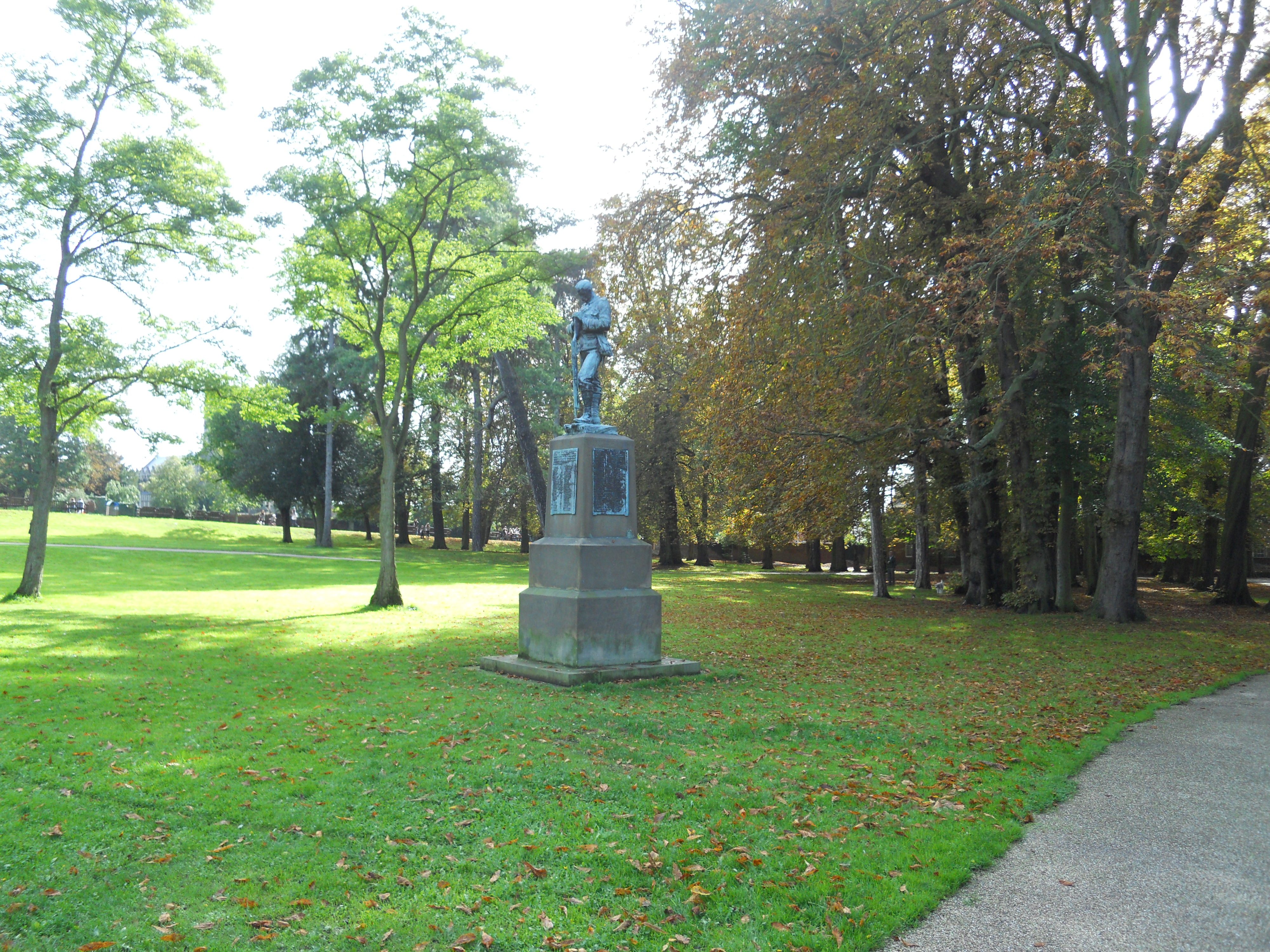
Boer War Memorial, Christchurch Park, Ipswich
I then moved on to Christchurch Mansion, which is effectively inside the Park.

Christchurch Mansion, Ipswich
Strangely, deespite living in the area for many years, I’d only been over the mansion once and that was when I attended a black-tie dinner there in the 1990s.
But I made a mistake and I should have gone more.
For a start there is the house and gardens, but then there is the art gallery with a dozen paintings by both John Constable and Thomas Gainsborough.
These though are not the famous paintings we’ve all seen in National Galleries all over the world, but often earlier ones that they painted locally as they were starting out on their careers. As an example, there is a touching portrait by Constable of his mother, Ann.
For that reason alone, they are worth the walk up from the town centre to Christchurch Mansion.
I then walked back down to the town centre, which has as more old shops, than any other towns I know. It is perhaps a pity that most of the shops as is comon throughout the UK, are national chains. But that is a problem all over the UK.

Ipswich Town Centre
The picture shows the Great White Horse, with its Dickensian connections.
The jewl in the crown of Ipswich dhops is the Gade One Listed, Ancient House.

The Ancient House, Ipswich
It must surely be the most unusual branch of Lakeland!
After walking back along the Buttermarket, I was virtually back where i started and it was a short walk down Princes Street and through an underpass or over a crossing and I was back at Portman Road. The route took me past another Grade One Listed Building, but one that is very diferent to the ancient House. this is Lord Foster’s first important building, the Willis Faber Building.
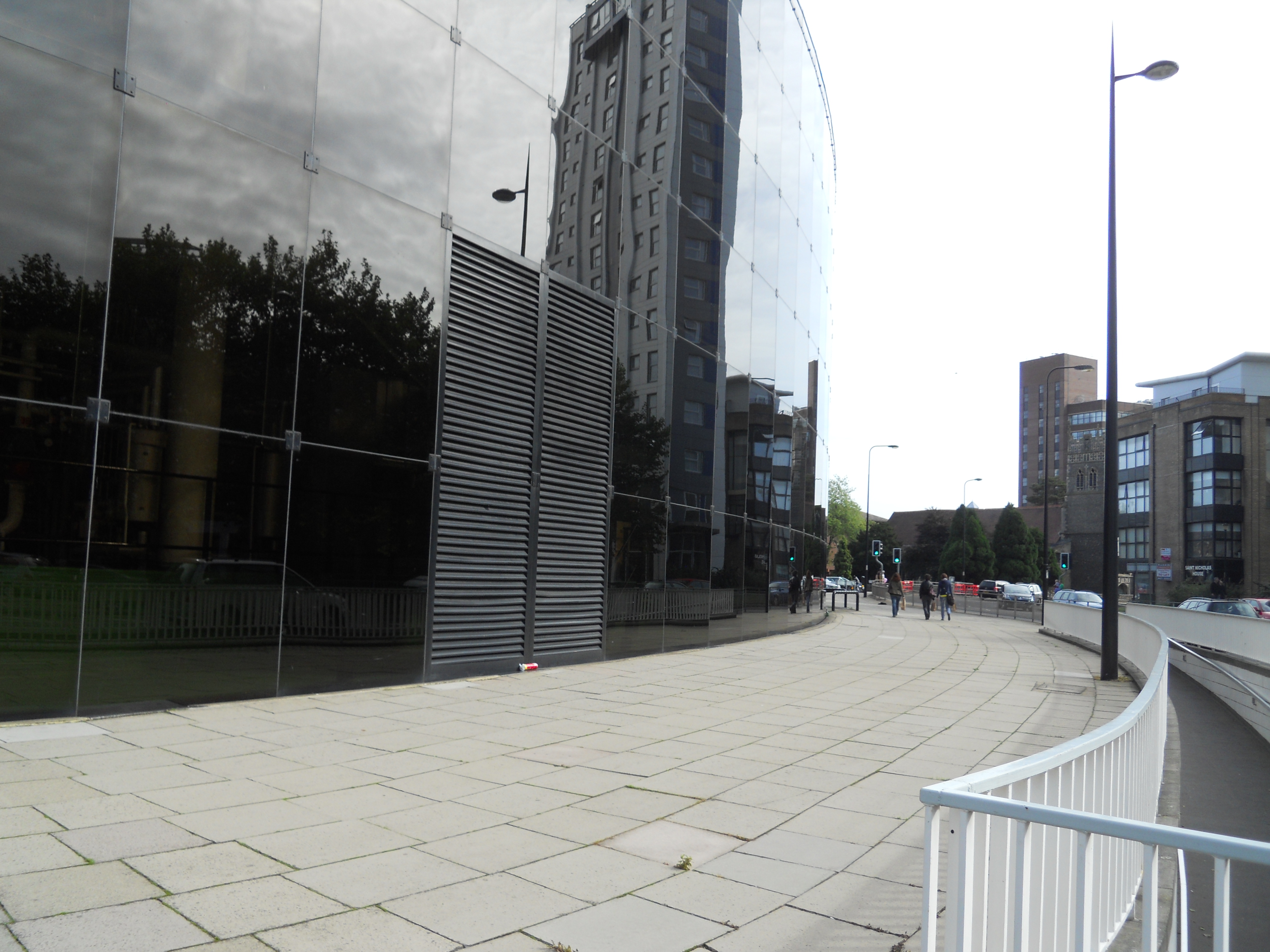
The Willis Faber Building, Ipswich
Note how the building opposite are reflected in the glass. This is now probably the most famous building in Ipswich, as every time Lord Foster is mentioned, they always show some footage.
The walk with a couple of detours had been easy and had taken me two hours, so if you’d decided to have lunch somewhere, you’d have filled the three hours. On a nice day as Saturday was, I wouldn’t eat in the town centre, but I’d get a picnic in Marks or one of the other shops and eat it in Christchurch Park or outside the Mansion. Judging by what I saw, many people were doing just that.
The next time, I am in Ipswich and the weather is good, I’ll walk round the town centre and visit the ten Grade One listed Buildings in the town centre. That is not bad for a town, which has featured heavily in Crap Towns.
Of Egyptian Halls and Steam Lorries
My main purpose in going to Glasgow, was to see an old mate, John, and his son, to reminisce about old times. Now John had been with me, when I went to the Queen’s Award party at Buckingham Palace in I think, 1981.
We had coffee in the hotel in Queen Street station, which made my point about stations as destinations for business, pleasure or sin! I’d also told John that I wouldn’t mind seeing the Sentinel Works, the first building designed by Archibald Leitch, the man responsible for so many sports stadia in the British Isles.
In some ways visiting the Sentinel Works had become more important to me, after reading about sorry state of the Egyptian Halls in Glasgow, in the latest Private Eye. I’m certain that if these two buildings had been in Edinburgh, then solutions would have been found for both!
Sentinel manufactured steam lorries amongst other things and to see one still going strong is a sight to behold.
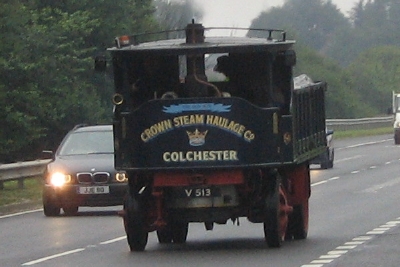
Sentinel Steam Lorry
I saw this one in 2007 on the A505 near Baldock.
If the Egyptian Halls are in a sorry state, then the Sentinel Works are only held up by the integrity of Leitch’s design.


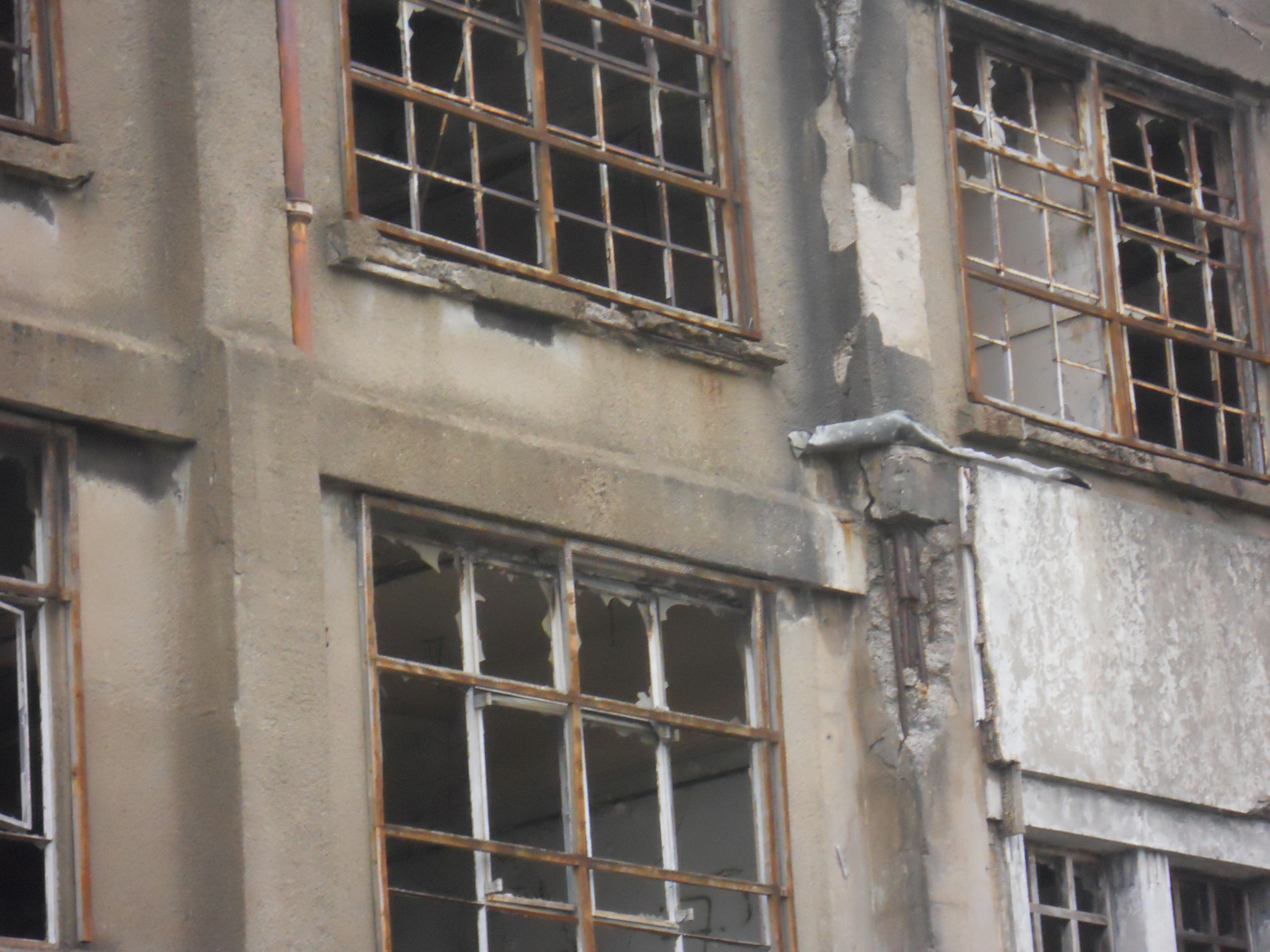
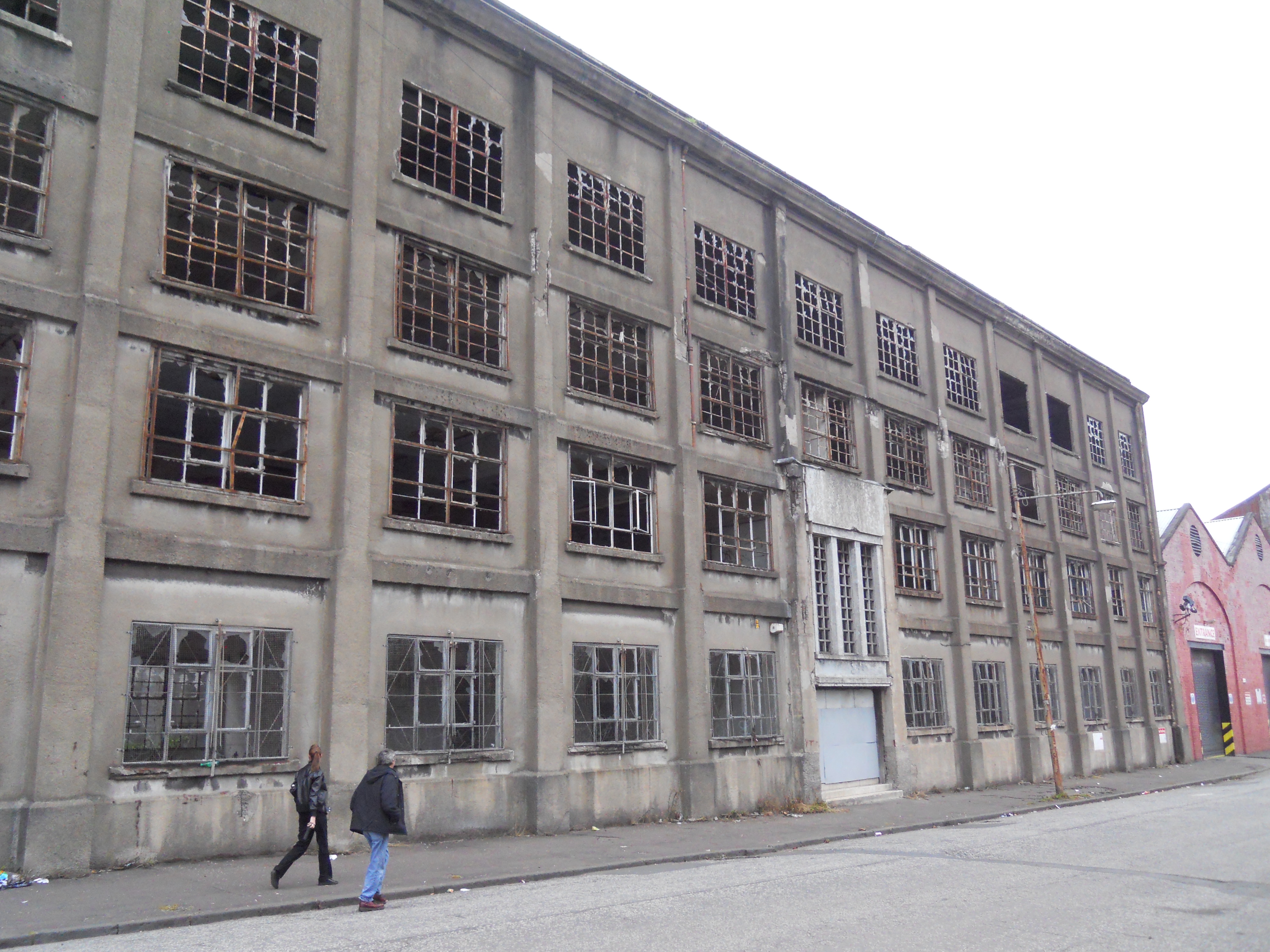
-

- Sentinel Steam Lorry
Open Door in Edinburgh
Sunday was Open Door in Edinburgh, which is Scotland’s version of Open House, where historic buildings that are not normally opened, can be viewed by the general public. It is a good idea.
The list for Edinburgh was perhaps what you’d expect from Scotland’s capital, but for me, there wasn’t enough on the industrial and engineering side.
My host and I did have a good walk on Calton Hill with its views all over the city.
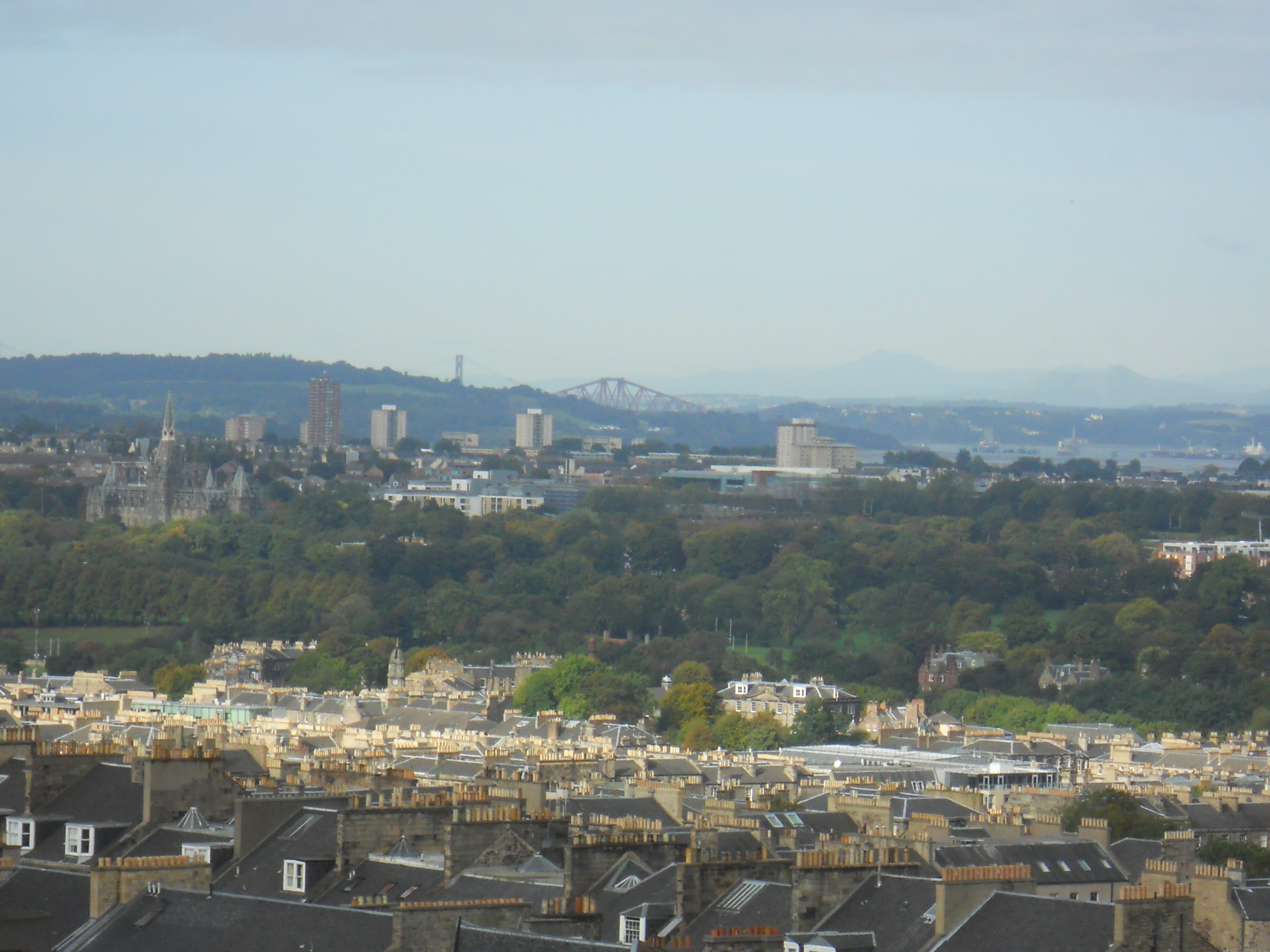
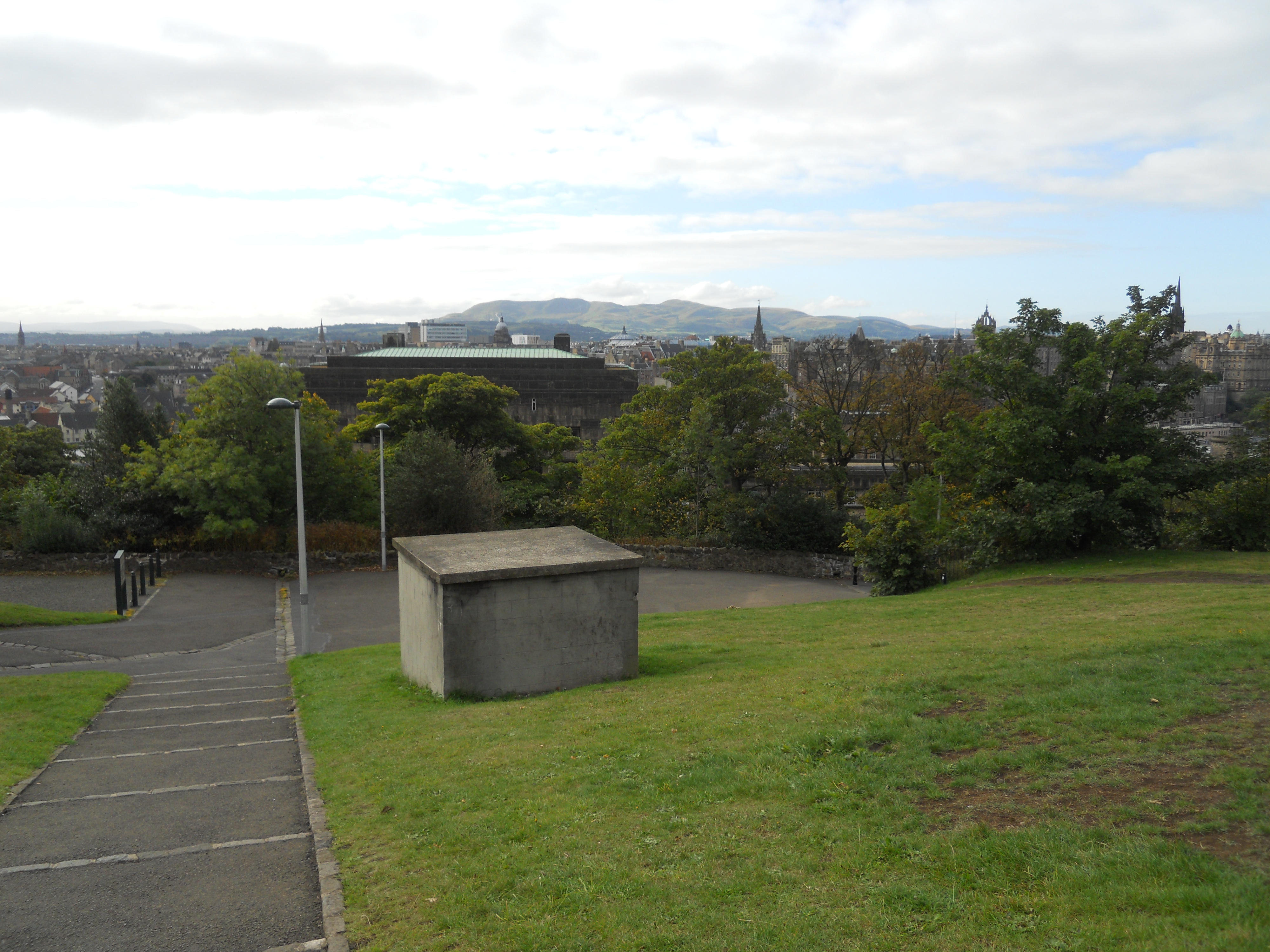
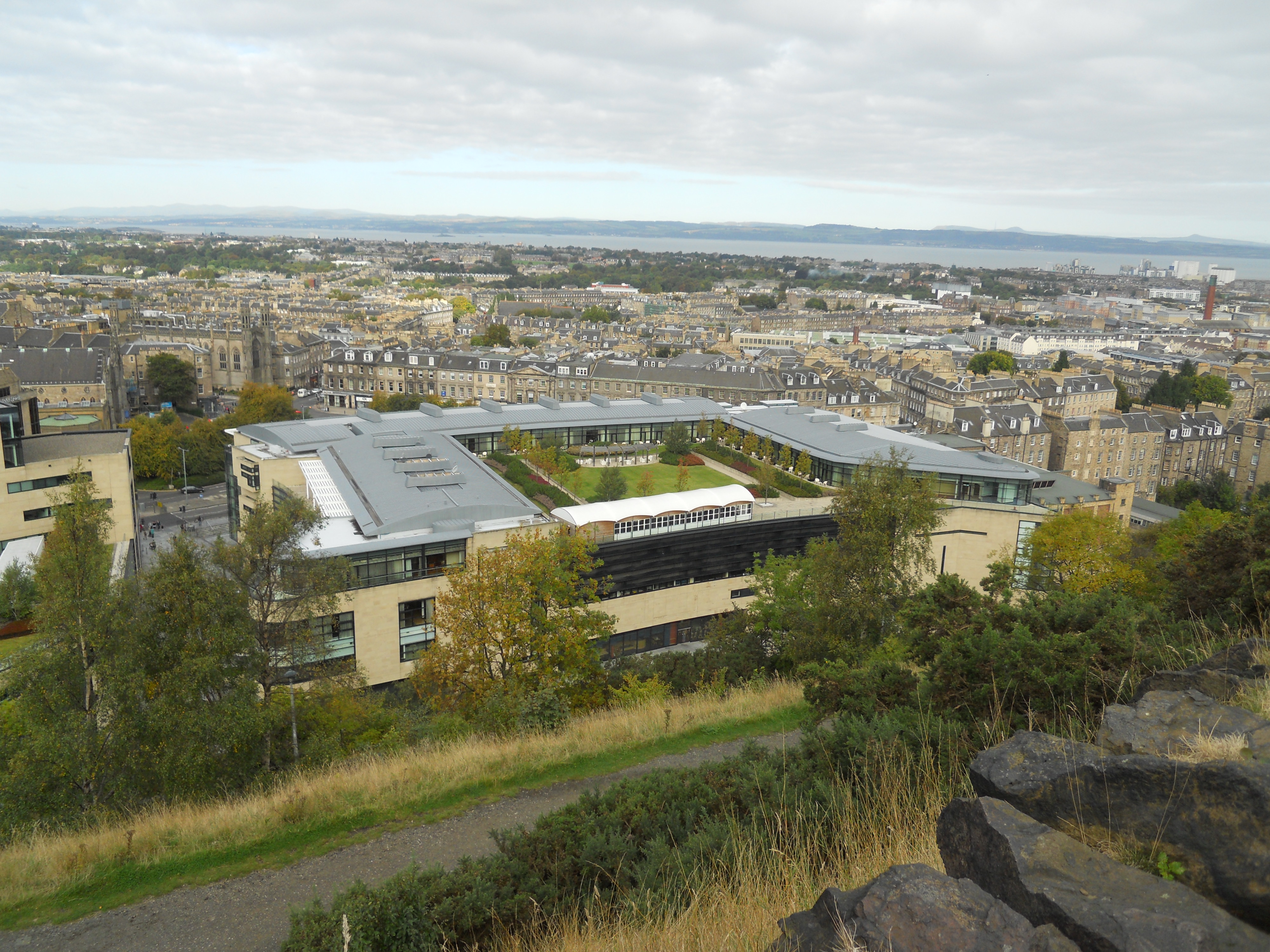
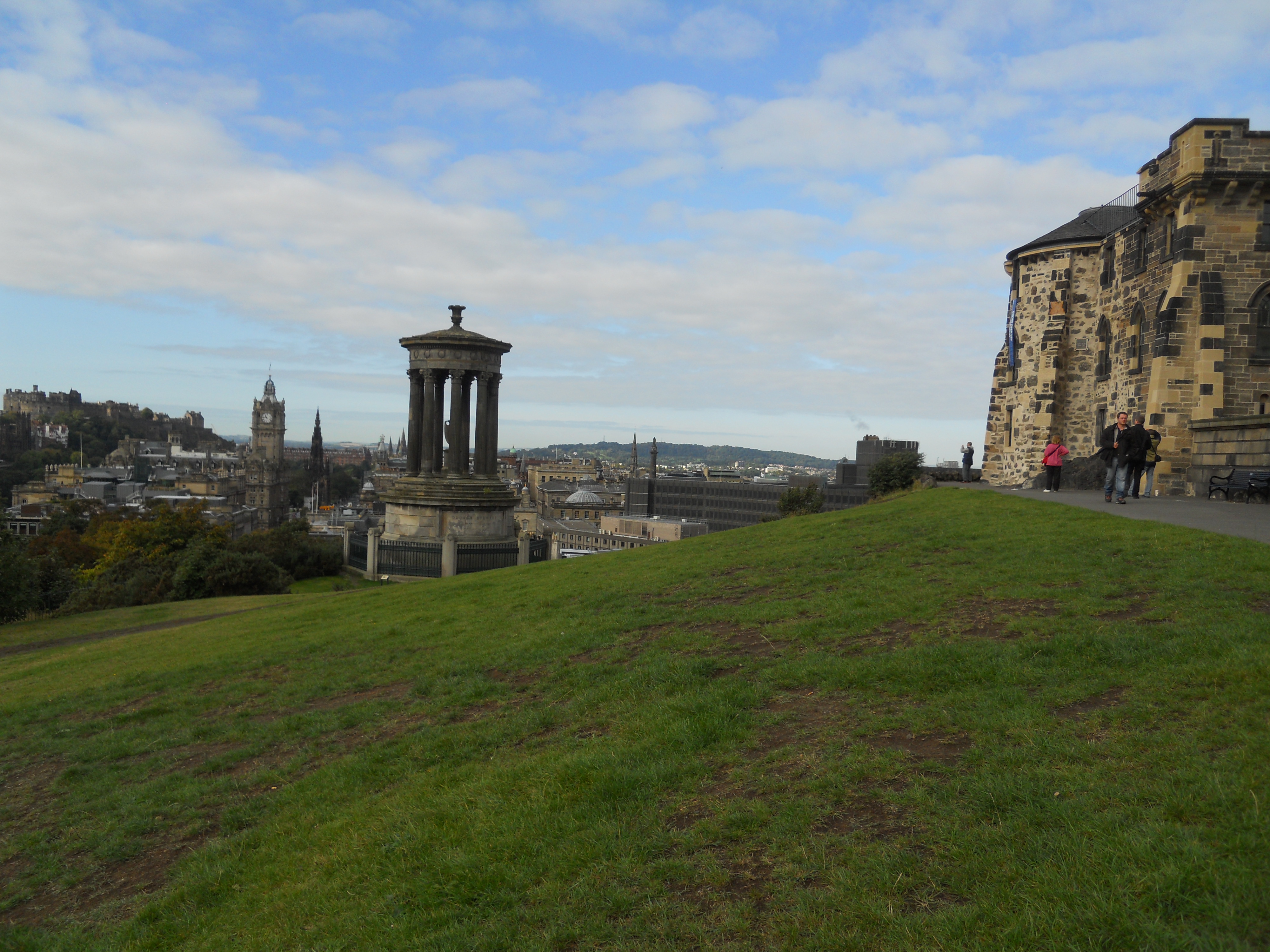
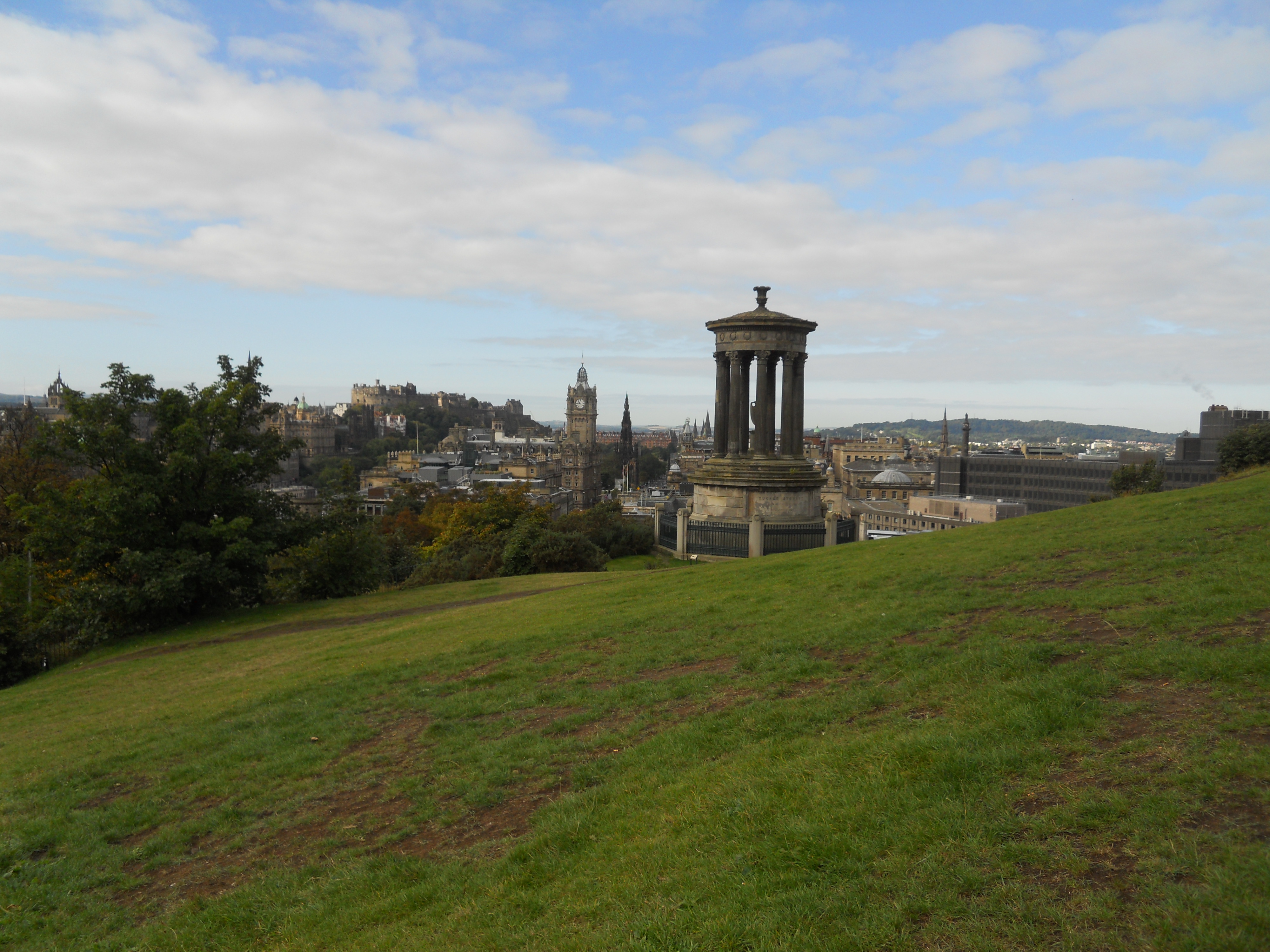

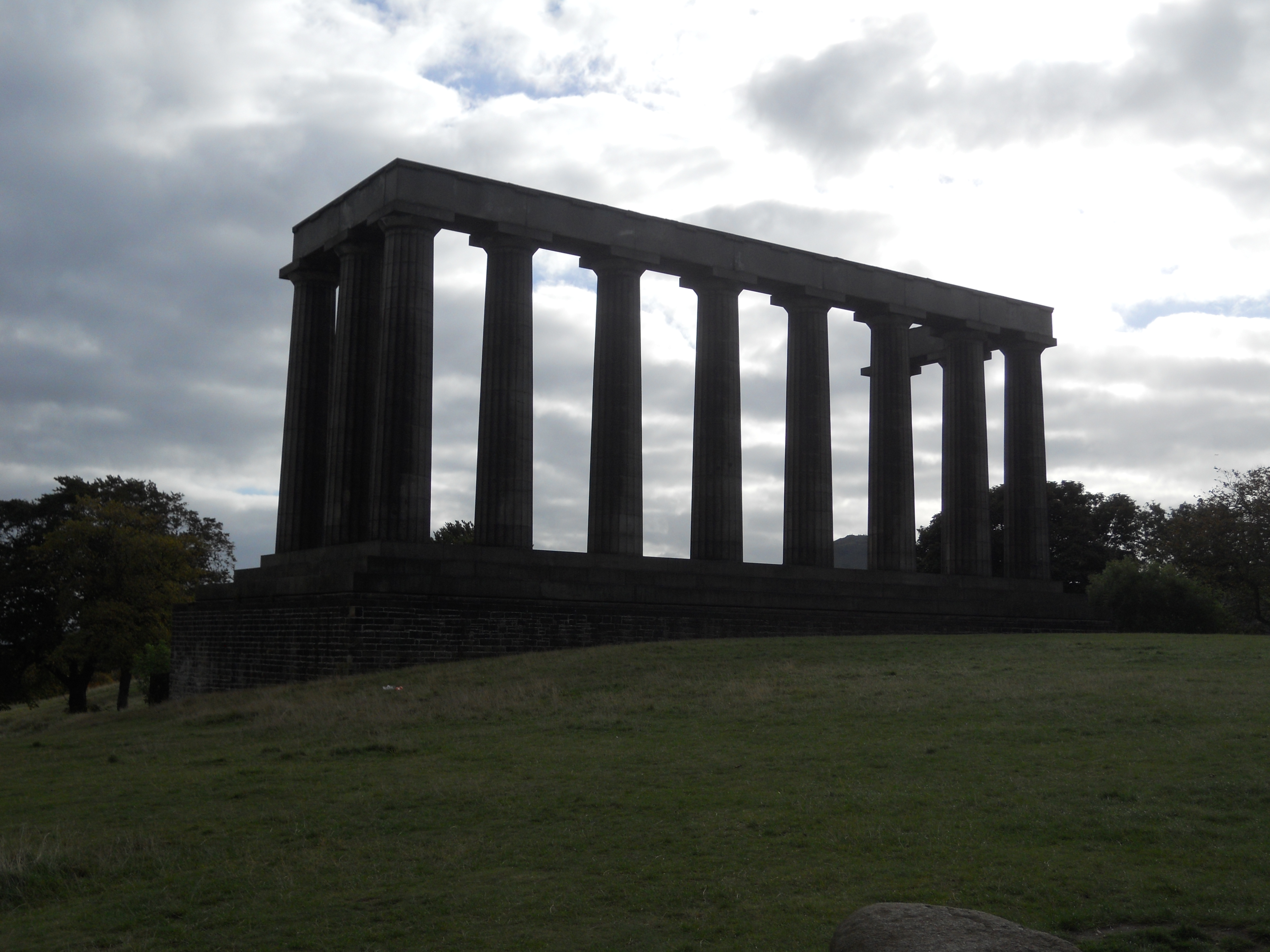
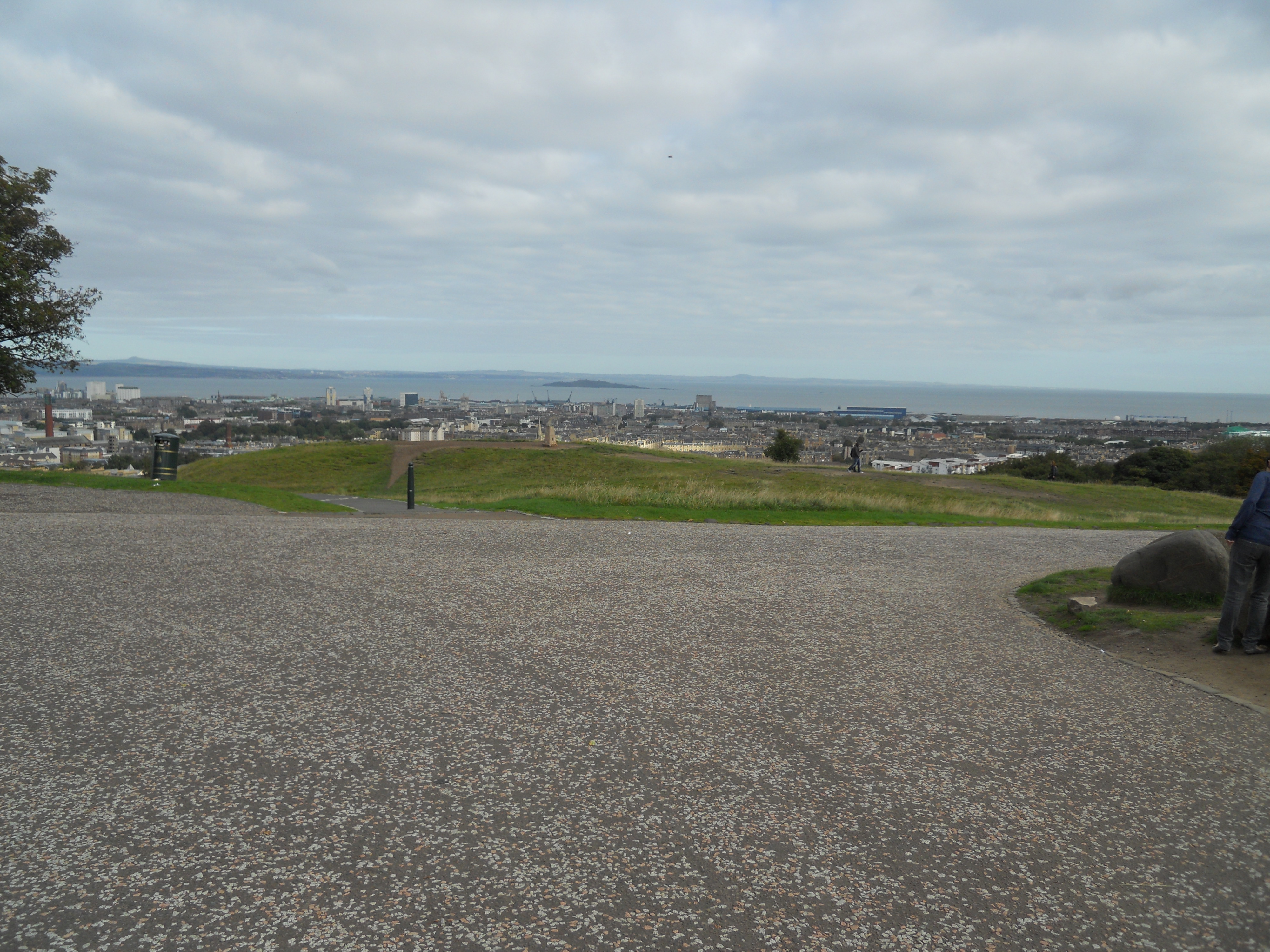
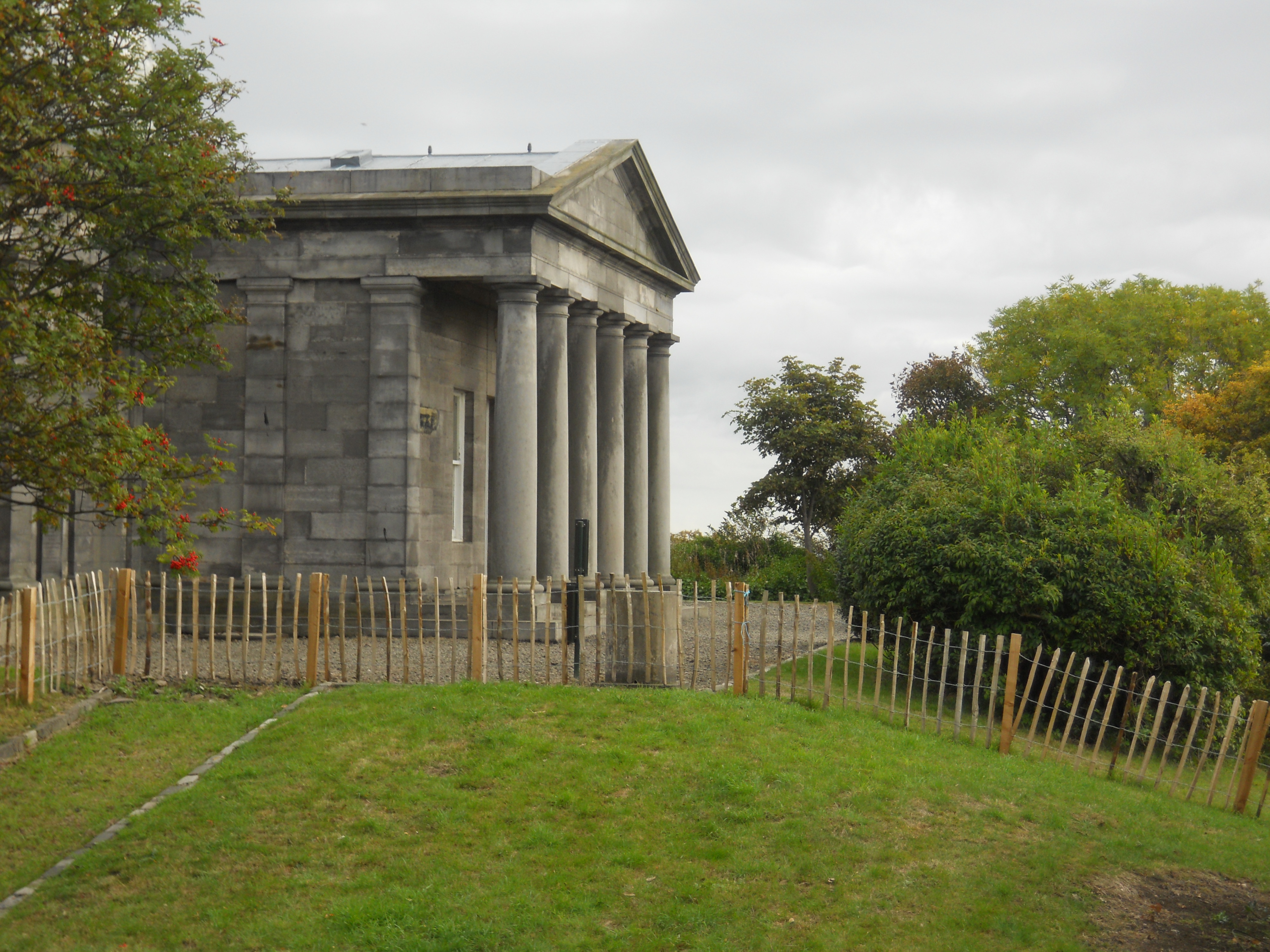
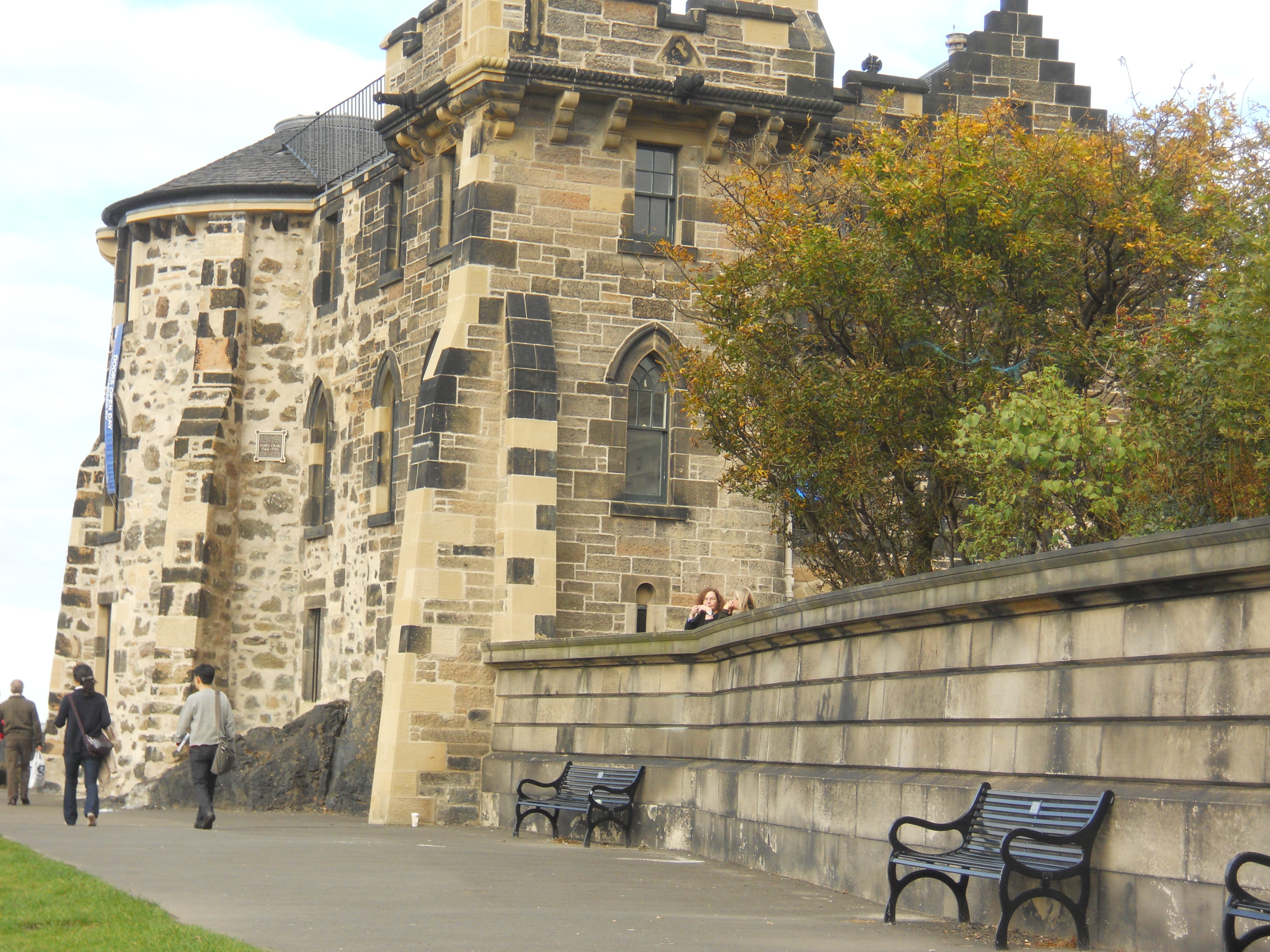
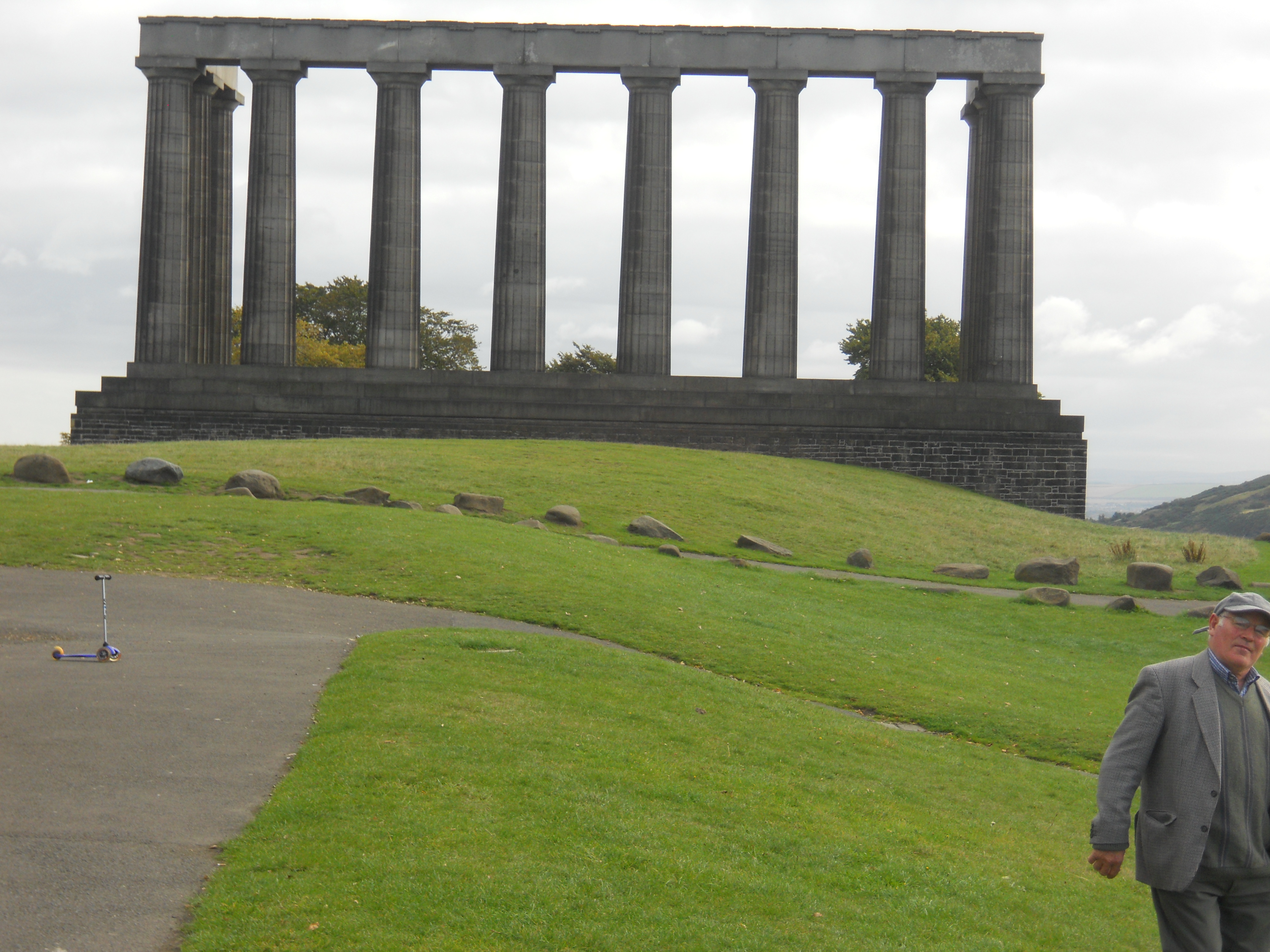
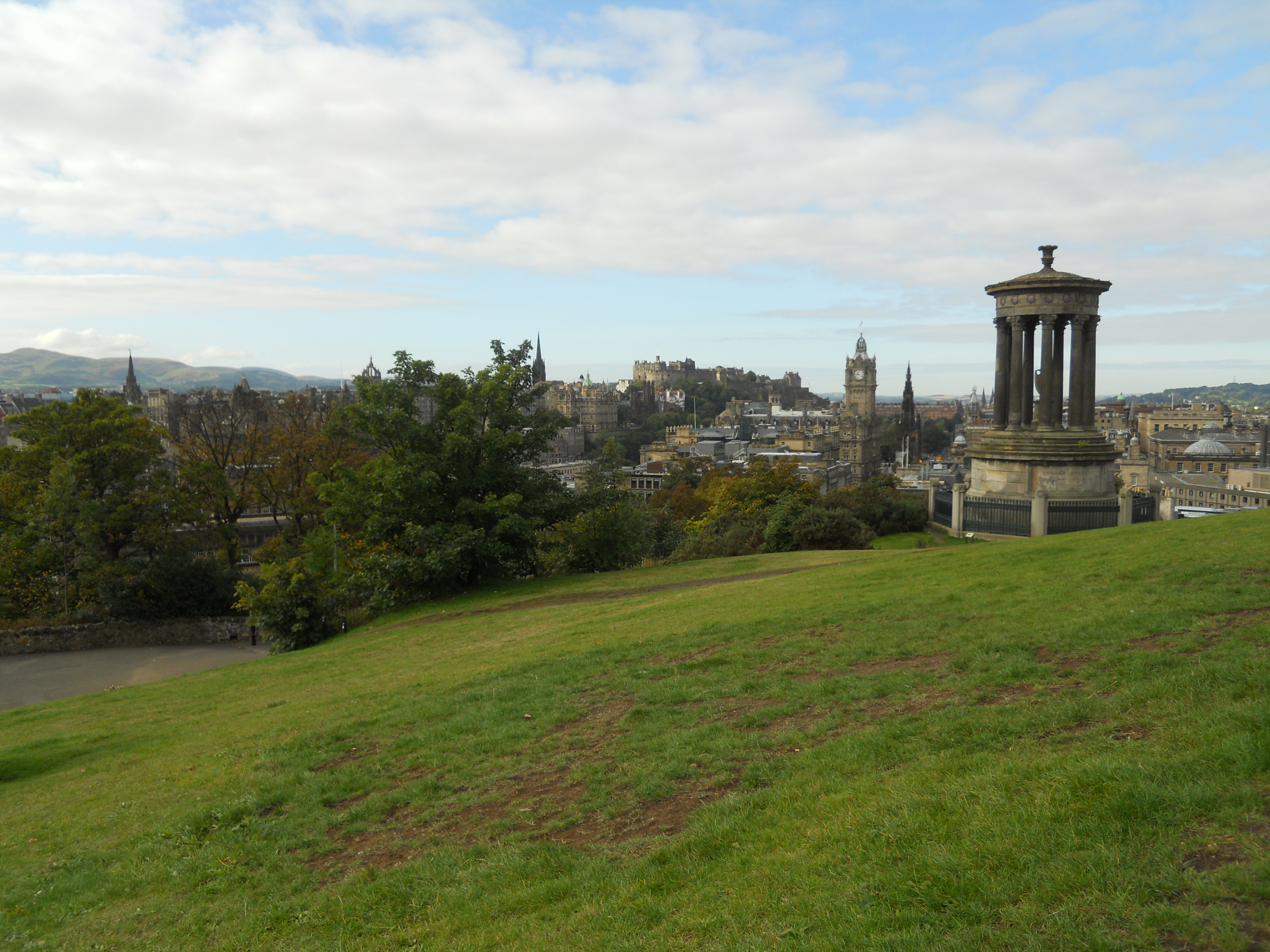
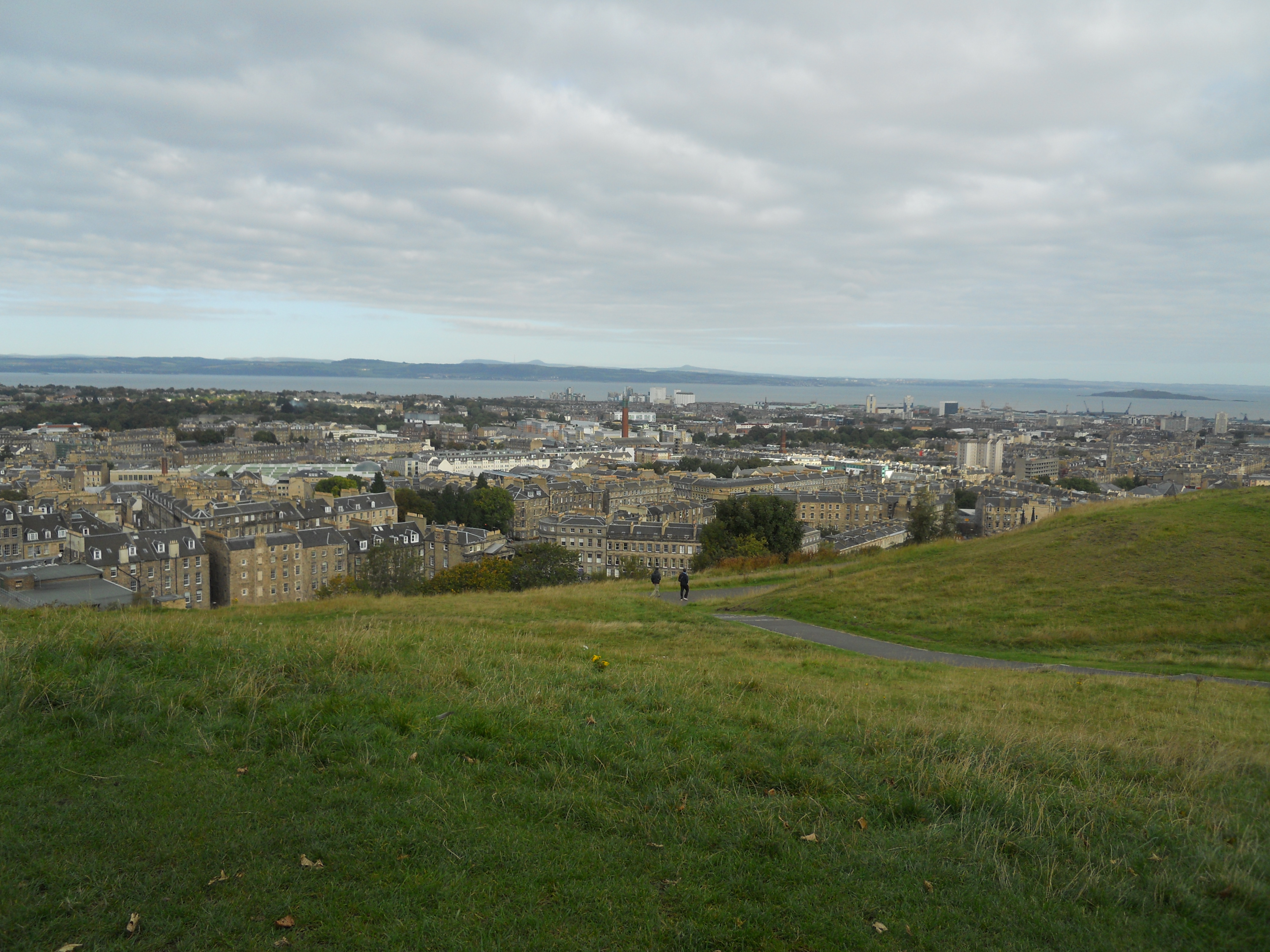
In the gallery you can see the National Monument. This is said about it in Wikipedia.
Particularly due to the use of high-quality materials, the project ended in 1829 with funds running out. Local legend suggests that the city of Glasgow apparently offered to cover the costs but Edinburgh was too proud to accept the other city’s charity. As a result, the monument is often given the nickname Edinburgh’s Disgrace or Edinburgh’s Folly.
Edinburgh and Glasgow are just like North and South London or on a national scale, Australia and New Zealand.
Towards the Match
I was mainly gpoing to London to see Ipswich play at Millwall.
I didn’t take a direct route, as I had time to spare and wanted to do one or two things before the match.
So from Tottenham Hale, I took a couple of stops on the Victoria Line to Highbury and Islington, where I took the North London Line to Canonbury.
A house I am interested in, lies betwwen there and Dalston Junction and I wanted to see which was the nearest station. The first leg took eleven minutes and the second ten, so Dalston Junction is closer and will be a couple of minutes so, when they complete the station. It’s also downhill from Canonbury and flat to Dalston Junction, which means that it is an easy walk to Dalston to travel away and another easy one to get home from Canonbury. In some ways it won’t matter too much, as from May 2011, the two stations will just be two stops apart on the East London Line.
FRom Dalston Junction, I took the East London Line south to Rotherhithe, with the aim of seeing the Brunel Museum; which is one of the many museums on the line. I took this photo of the brickwork on the entrance to the station.

Brickwork at Rotherhithe Station
I’ve always liked good brickwork and in my life, I’ve designed and had built several important brick features including a traditional crinkle-crankle wall at Debach and my round office here. Are we training bricklayers to be able to do the difficult stuff? Ralph who did the wall, used to work in rubber gloves to save his hands and spent his holidays looking at buildig techniques all over the world. His colleagues used to laugh at him, but he certainly knew how to lay bricks.
A Goalless Draw at Portsmouth
On my travels this season, Ipswich have won all of the games I have seen. They also have won the one game I didn’t!
So I was hopeful, that things would go well. But even if they didn’t, I would get to see one of the last remaning stands designed before the Second World War, by Archibald Leitch.
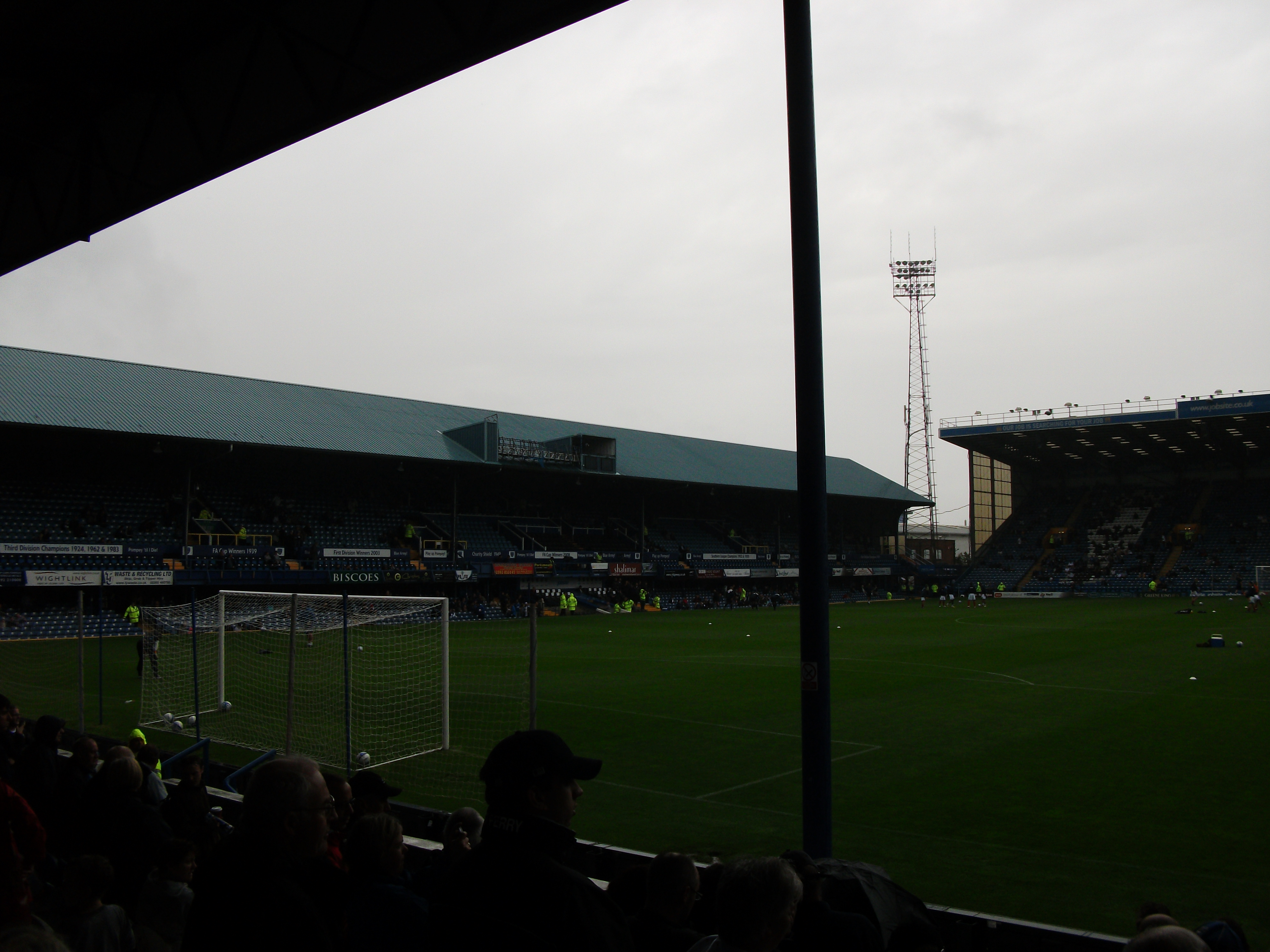
Fratton Park
Note that Archie’s signature criss-cross balustrades have been remved from the tront of the top deck of the stand to the left.
I spent a lot of my youth watching Tottenham Hotspur at White Hart Lane and when I went to Liverpool University, I visited Goodison Park several times. Both were Leitch stadia and still had the criss-cross bracing, as did the old Twickenham and many other places.
But to return to yesterday at Fratton Park. It was a good game and a goalless draw was probably fair. But both teams could consider themselves unlucky.
Note that if you want to learn more about Archibald Leitch, a man who probably did more for the football spectator in the British Isles, than anybody else, read his biography by Simon Inglis called Engineering Archie. It should be compulsory reading for all football fans. I wonder how many fans, who troop to Craven Cottage realise that they are sitting in a Leitch stadium, that he designed around 1904. Thankfully, it is still pretty much intact and actually has Grade II listed status, which is fairly unique as sports grounds go. Brian Inglis sums up the chapter on Craven Cottage like this.
Had Letch slapped up one of his routine stands (of which he built many), had there been no corner pavilion; whether in a pleasant riverside spot or not, the ground would have succumbed to develpers years ago.
Such is the power of the place. Such is the aura of architecture.
There are countless football grounds bereft of character. But there is only one Craven Cottage.
And for much of that, the credit lies with Archibald Leitch.
Craven Cottage is on my list of must-see grounds.
Battersea Power Station
One of the sad sights you see as you approach Victoria is the ruin of Battersea Power Station.
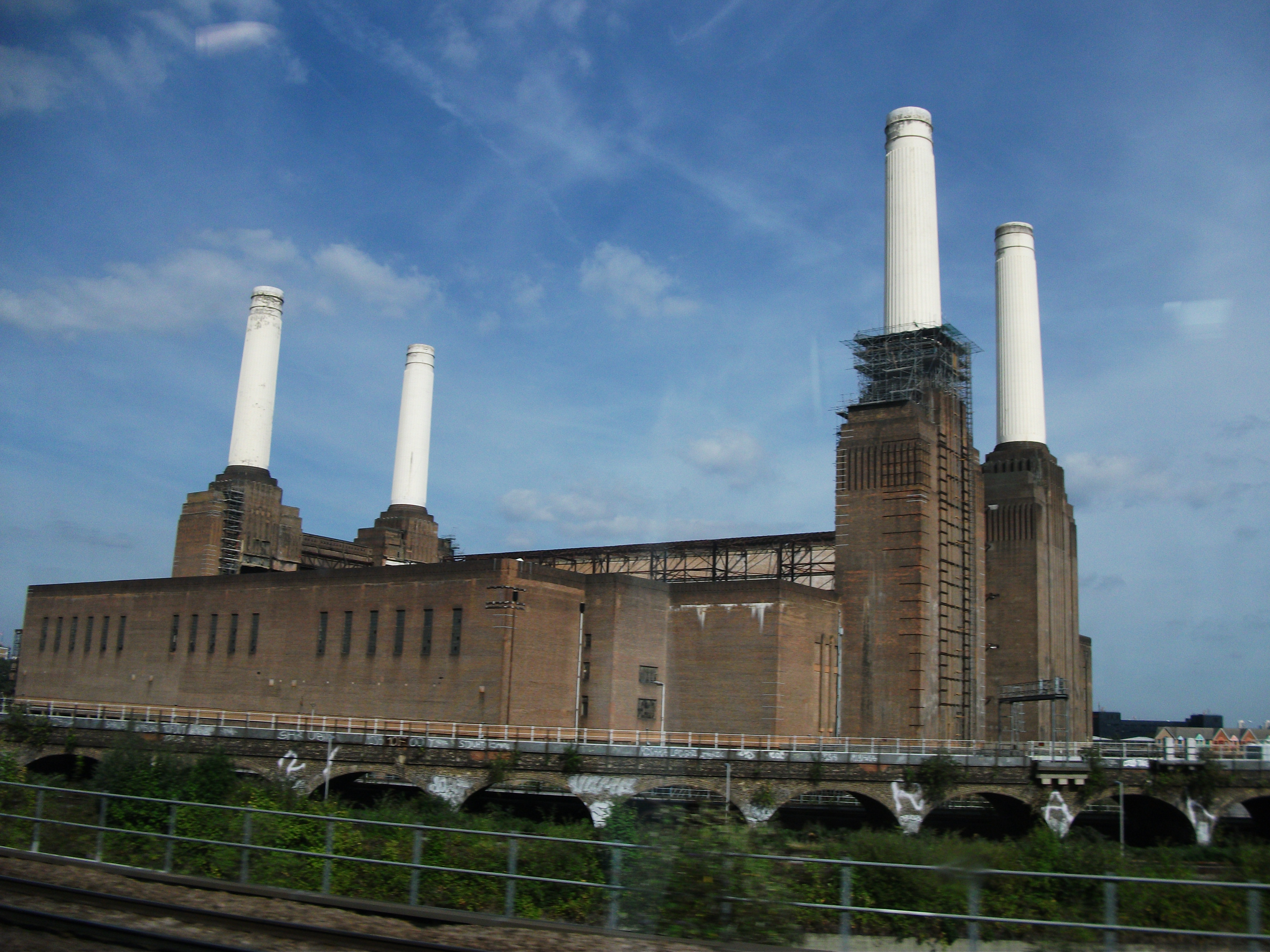
Battersea Power Station
It is such a pity that nothing sensible has been done with such an iconic building, that is actually the largest brick building in Europe!
 The Anonymous Widower