They’ll Nick Anything These Days
If you watched BBC Breakfast last week, you might have seen the harris hawk, used to frighten pigeons from the courts. So now someone has nicked it. It’s here in the Mail. It appears to have been a family pet as well, so I suspect that they may have stolen something they can’t handle. I hope so, because most birds have a strong homing instinct.
They could always borrow the eagle from Crystal Palace.
Melianie Reid Gets Angry
I always read Melanie Reid in The Times every Saturday.
She is in a wheelchair after a riding accident and today, she vents her spleen on the crows, rooks and jackdaws, who are decimating the song birds in her garden. The RSPB seem to find all excuses about what is happening to songbirds, never believing that other feathered friends are responsible. Melanie with the evidence of her eyes has disproved this and will probably get the wrath of those that believe all birds are innocent. I shall check the on-line version of the story for comments.
The Cambridge Guided Duckway
I found this report about the Cambridge Busway.
RSPB and Wind Farms
The RSPB is usually to be found on the list of those organisations lined up against a wind farm.
But now they are oputting up a wind farm on their headquarters site.
Can they have it both ways? It would appear they can!
I’m not a fan of wind power, as I believe there are much better methods like using tides creatively.
The East India Dock Basin
Travelling towards the River Thames, you come to the East India Dock Basin, which is now a nature reserve, is described here.
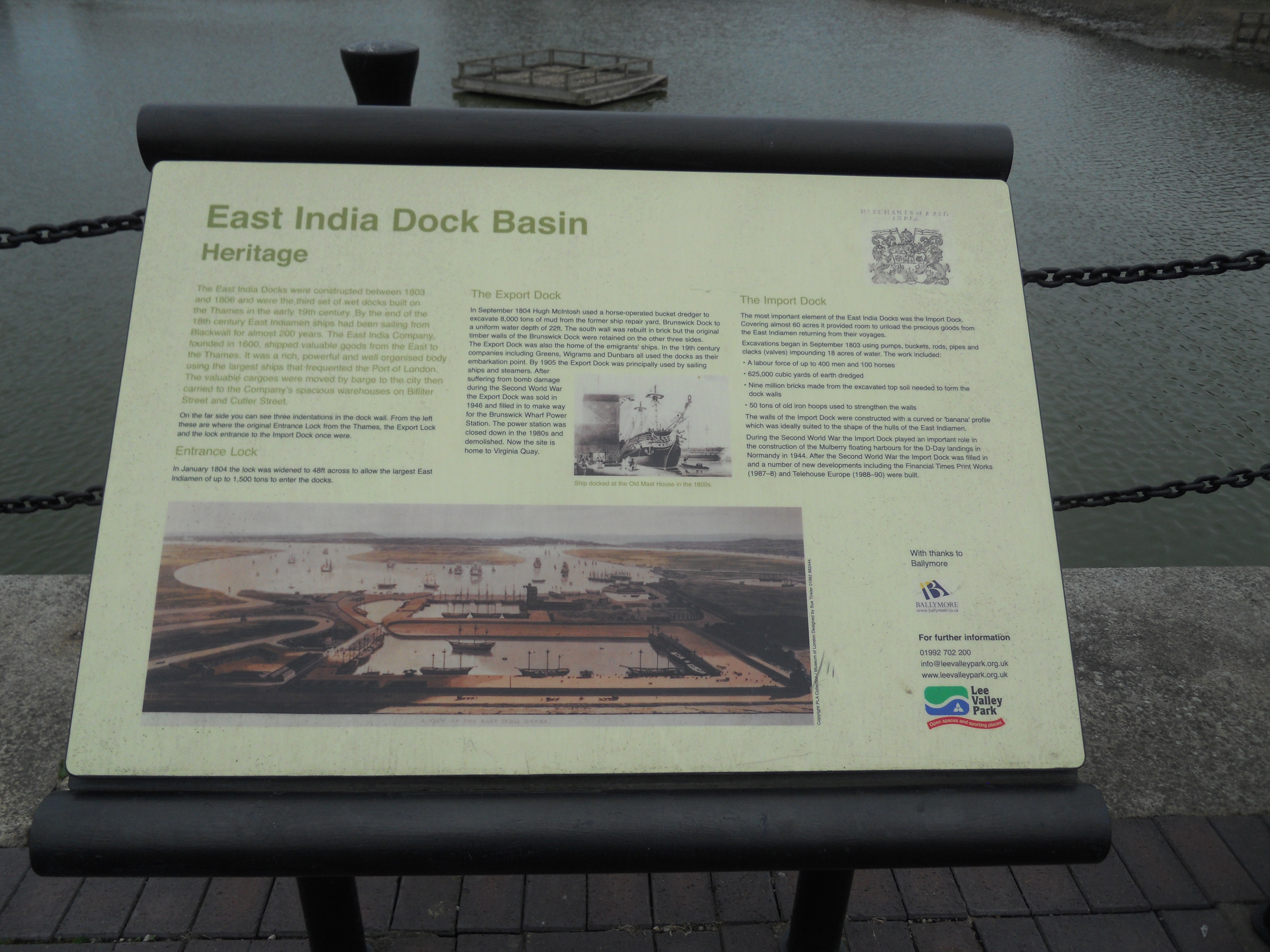
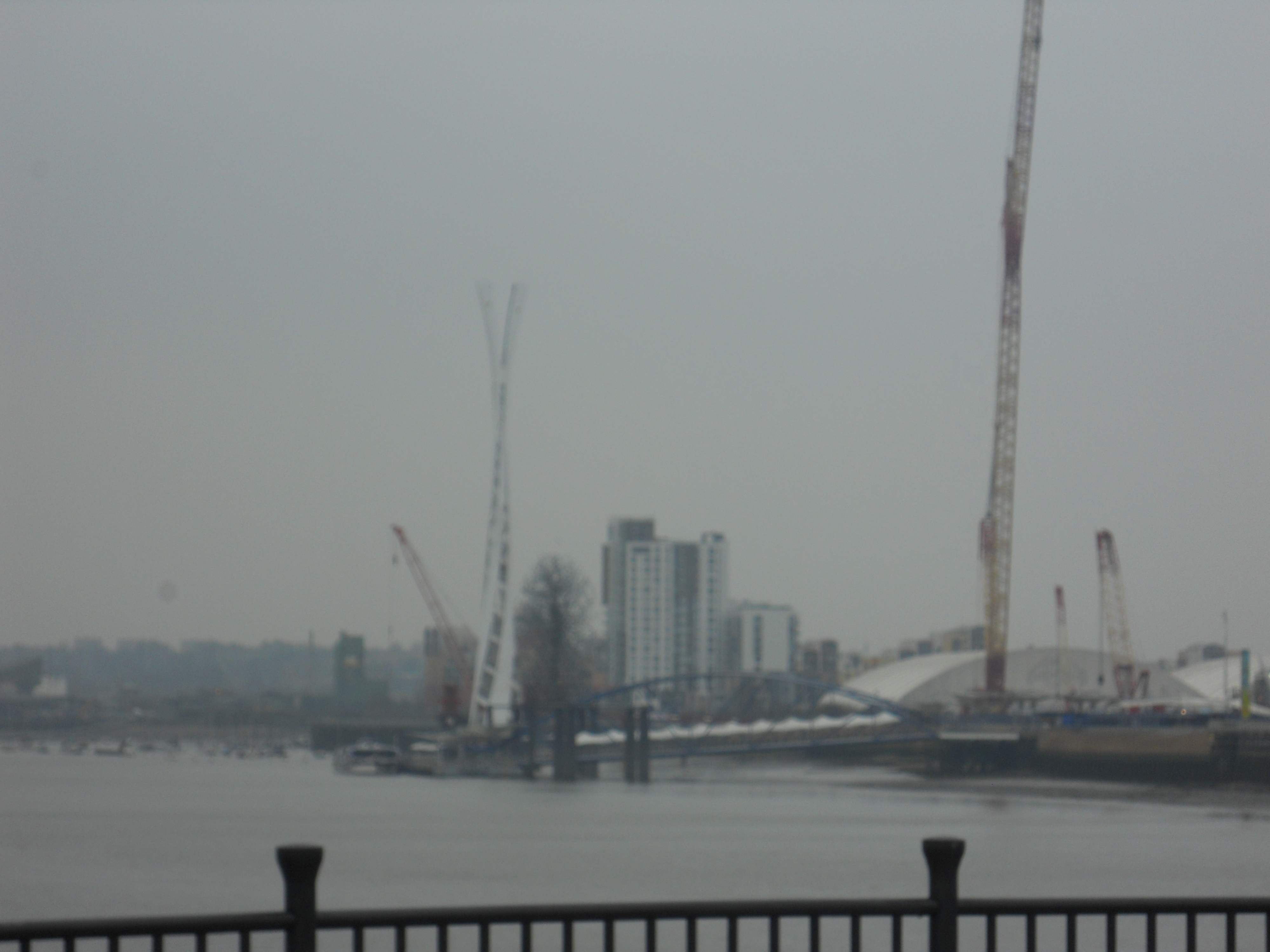
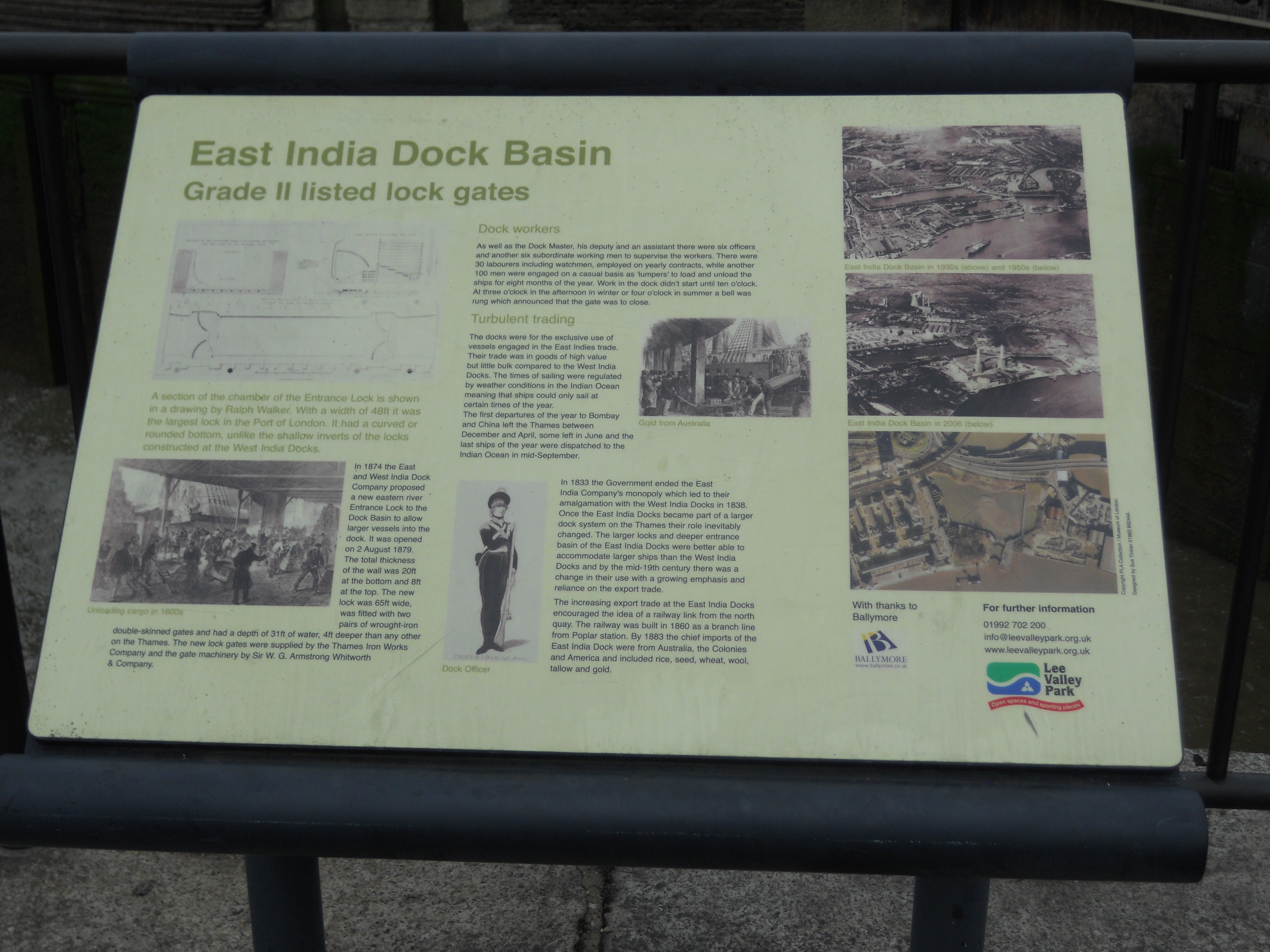
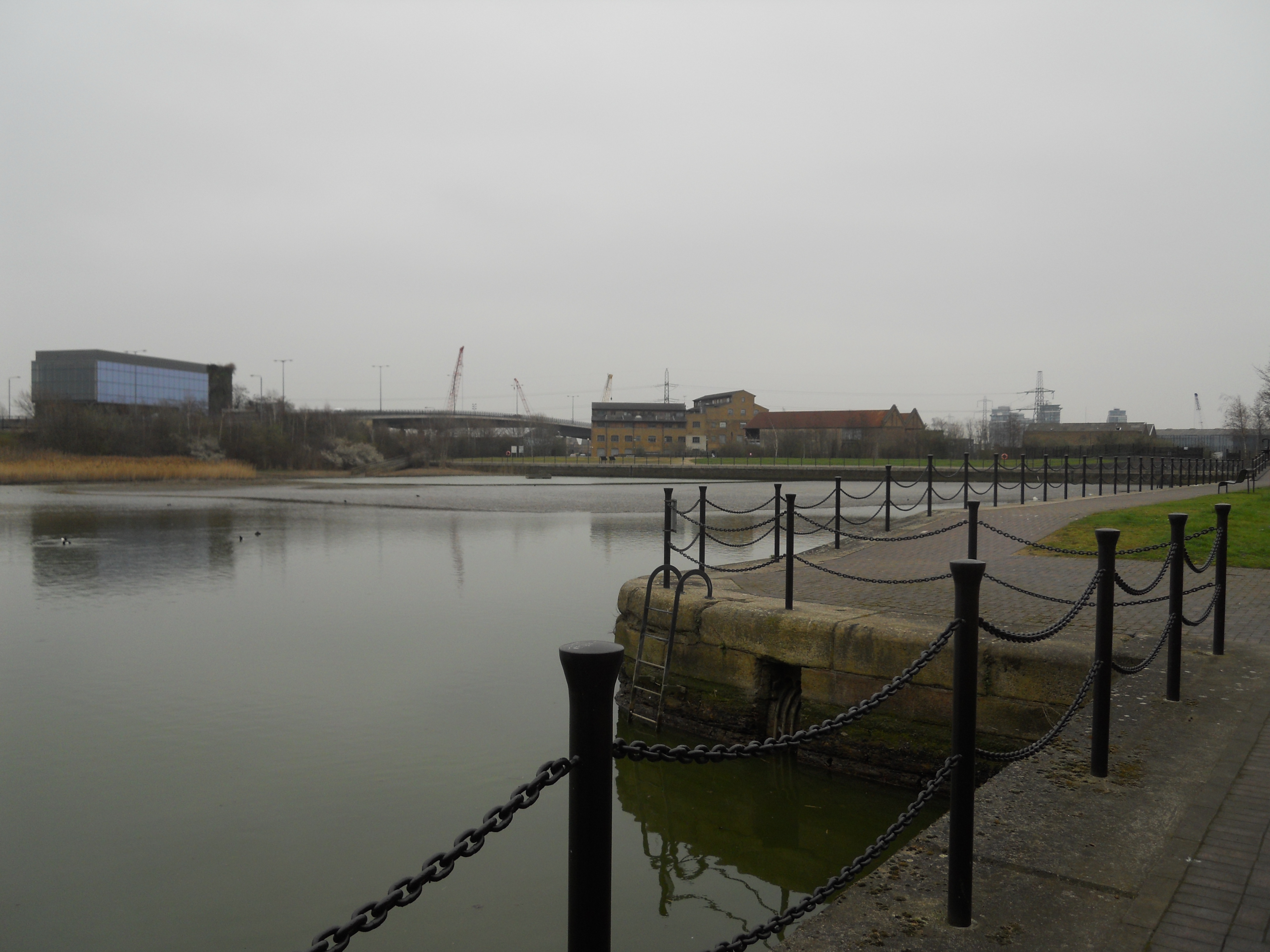
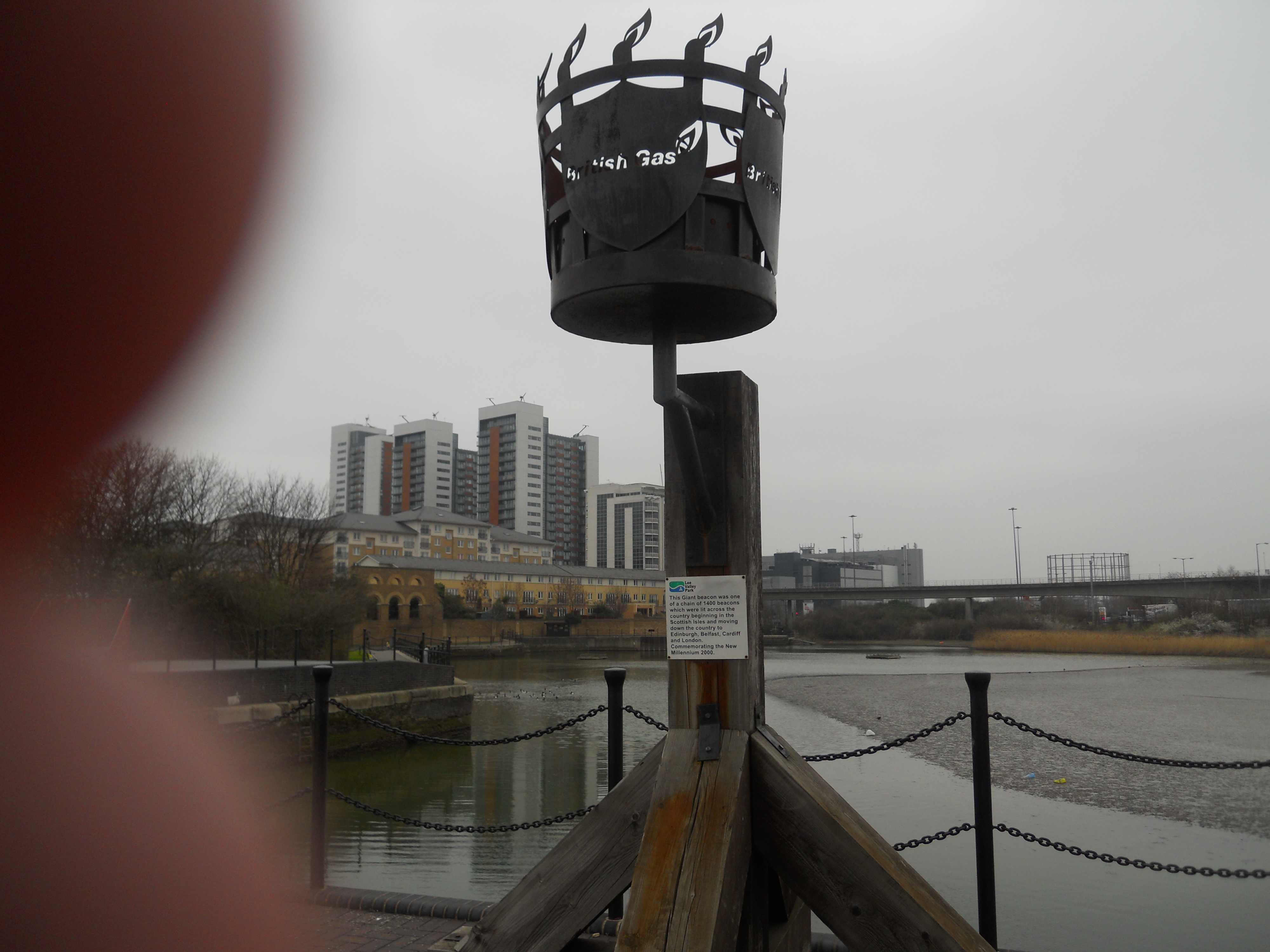
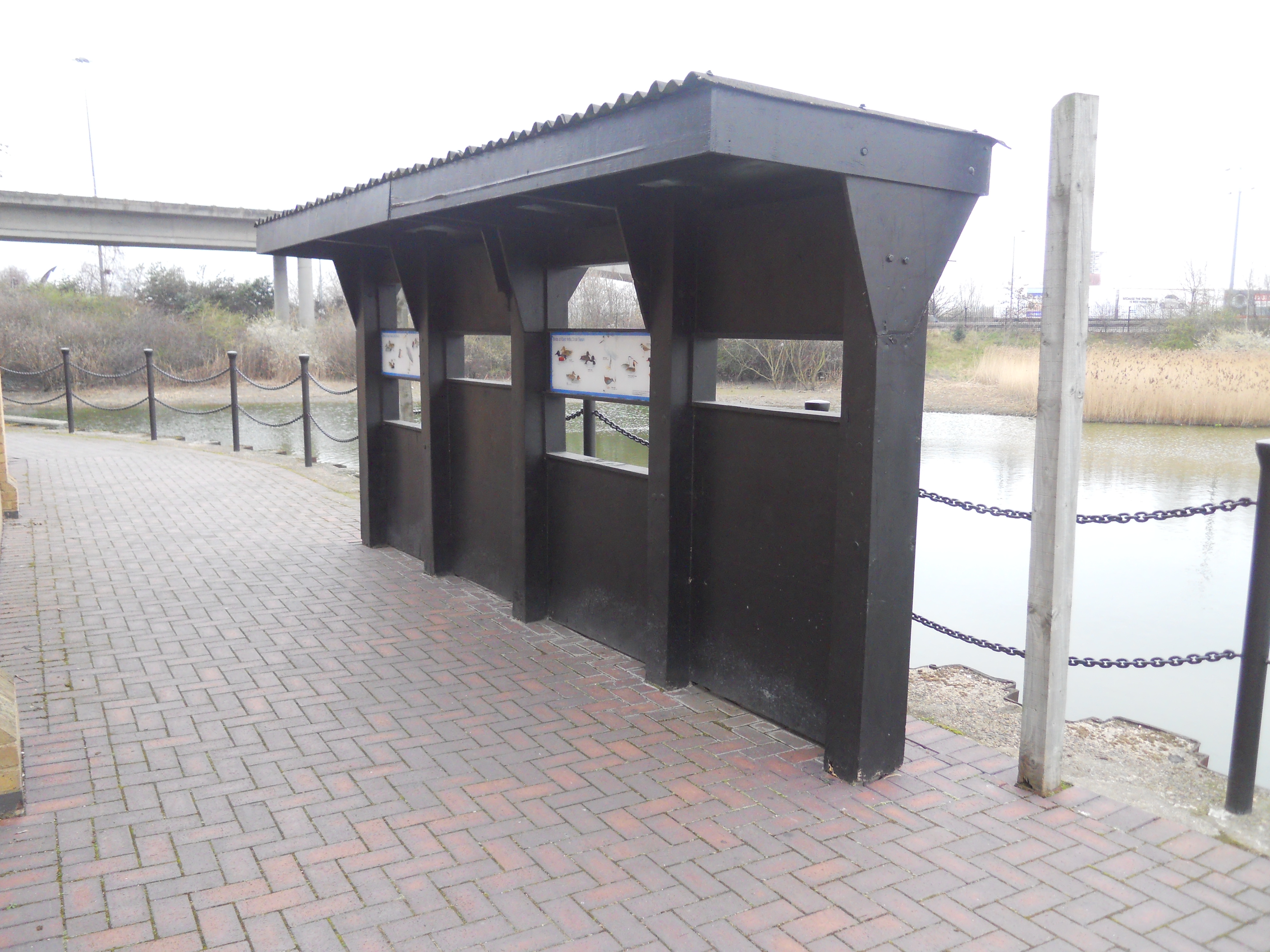
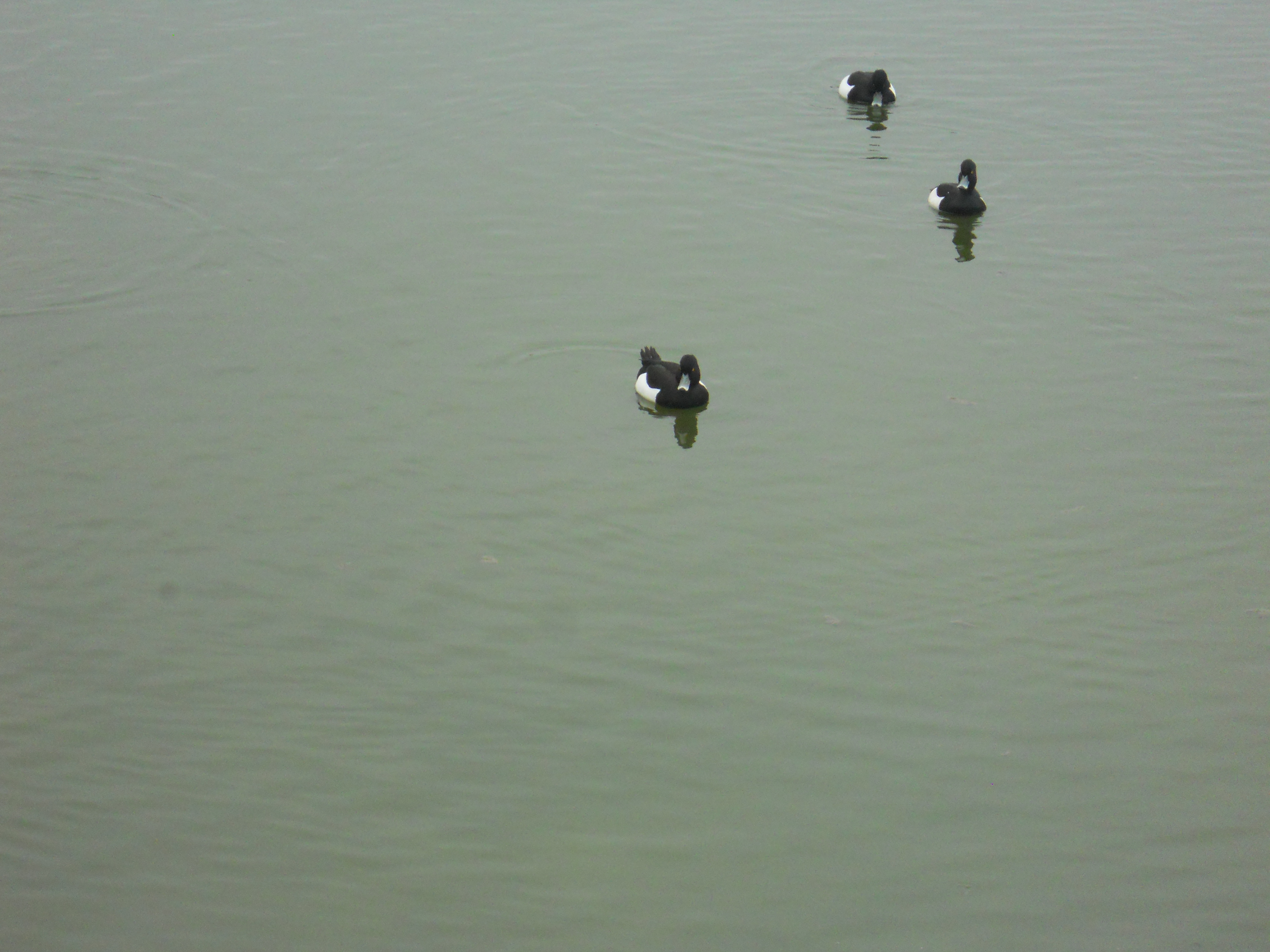
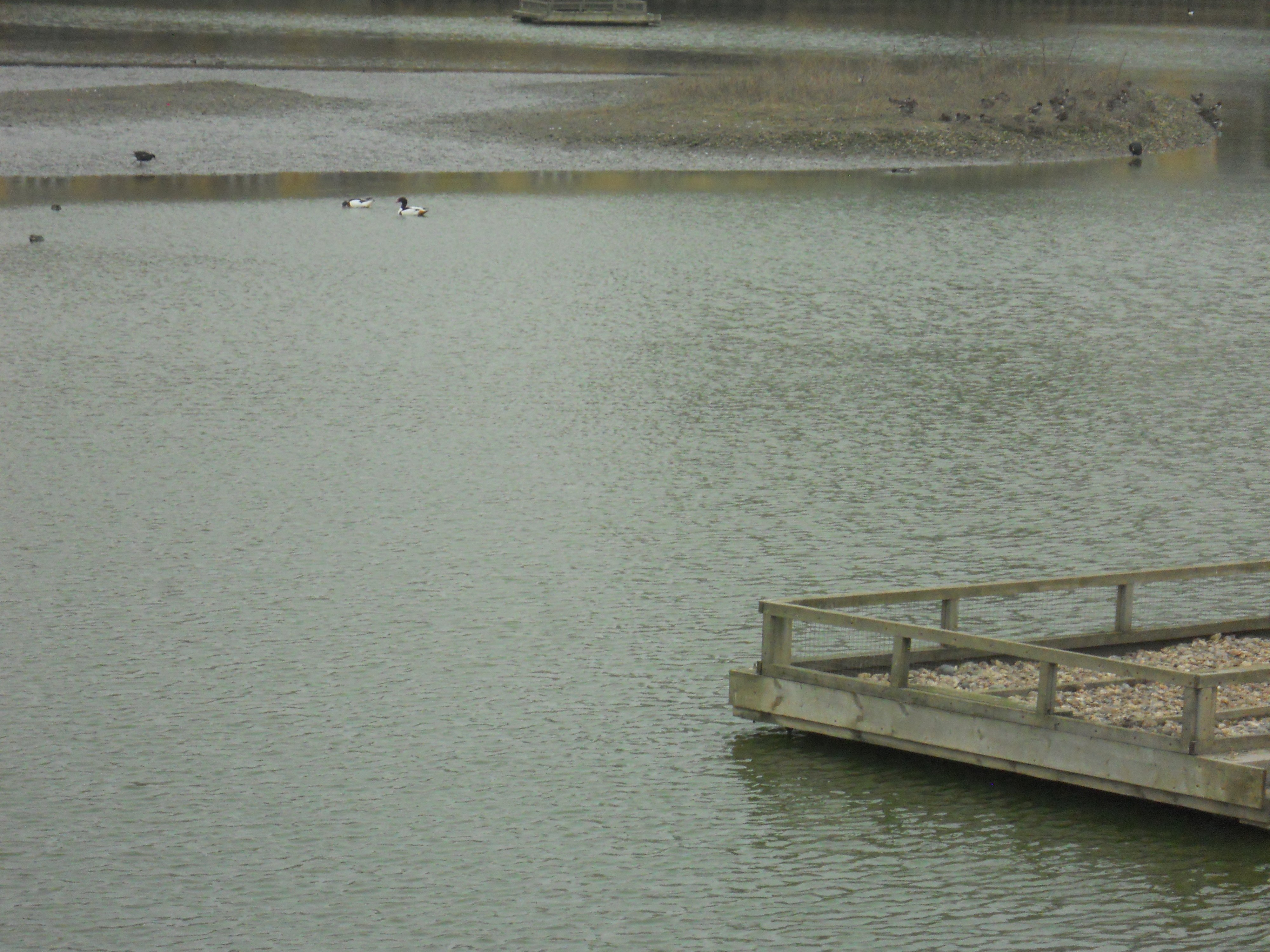

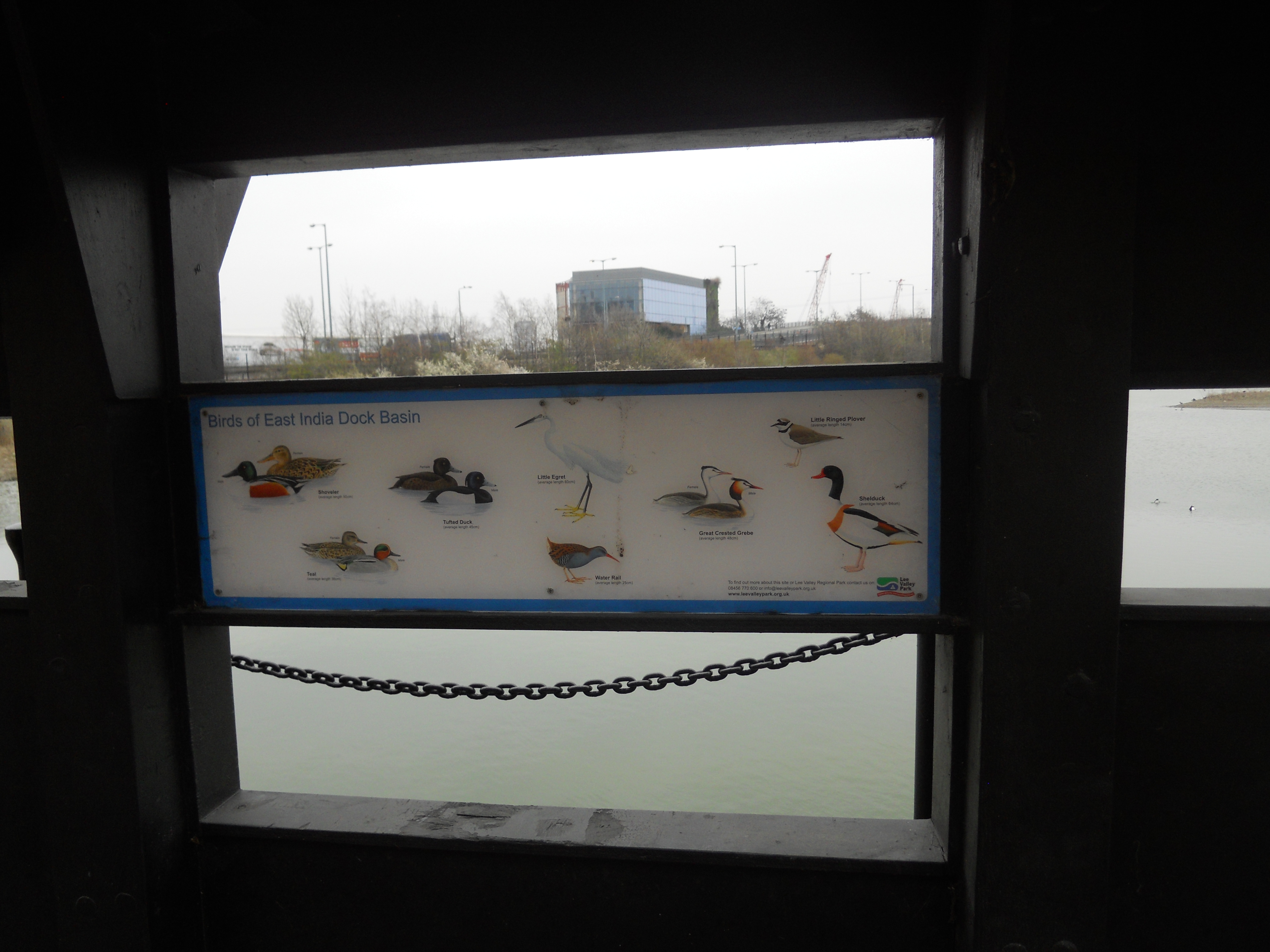
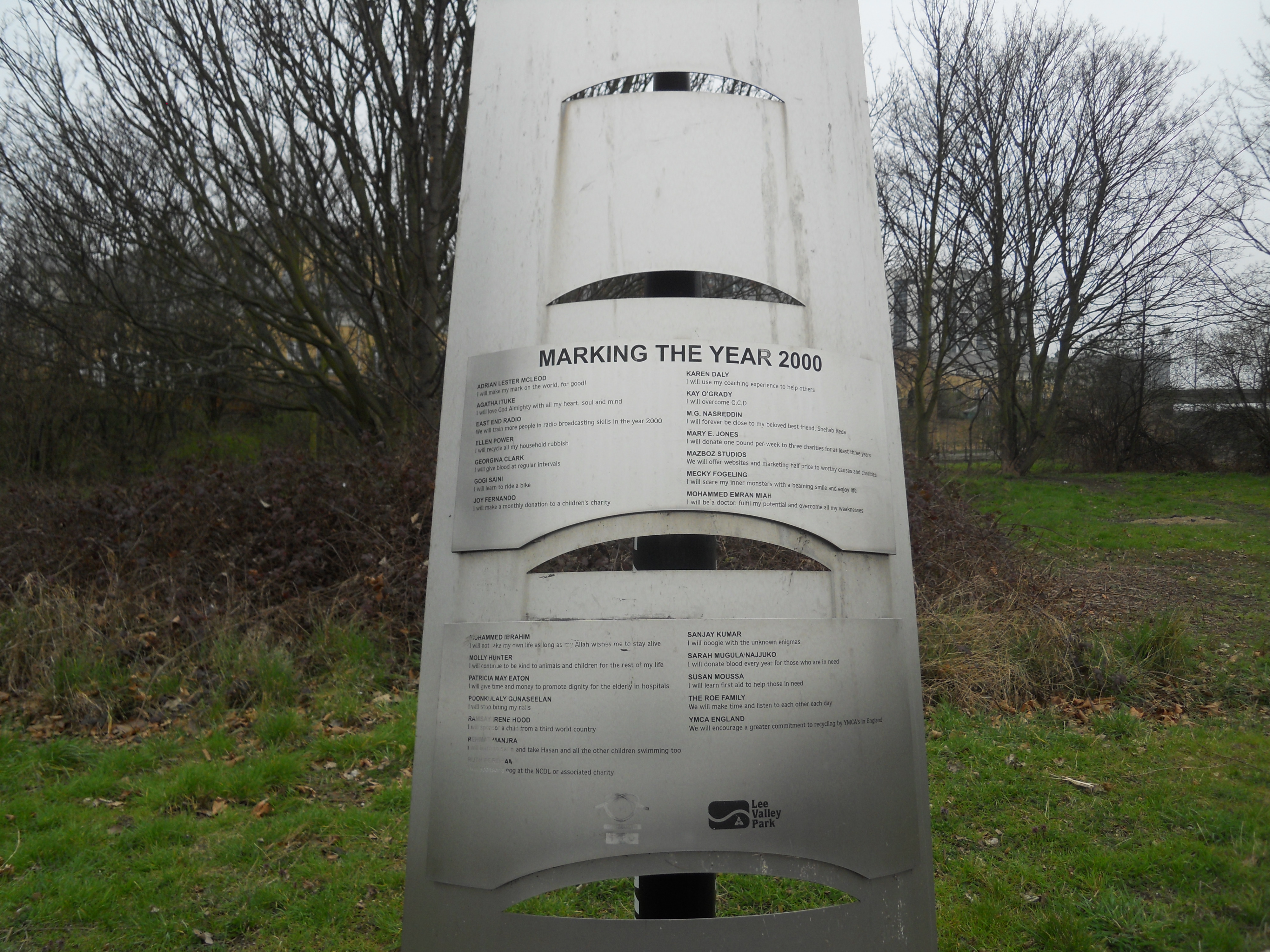

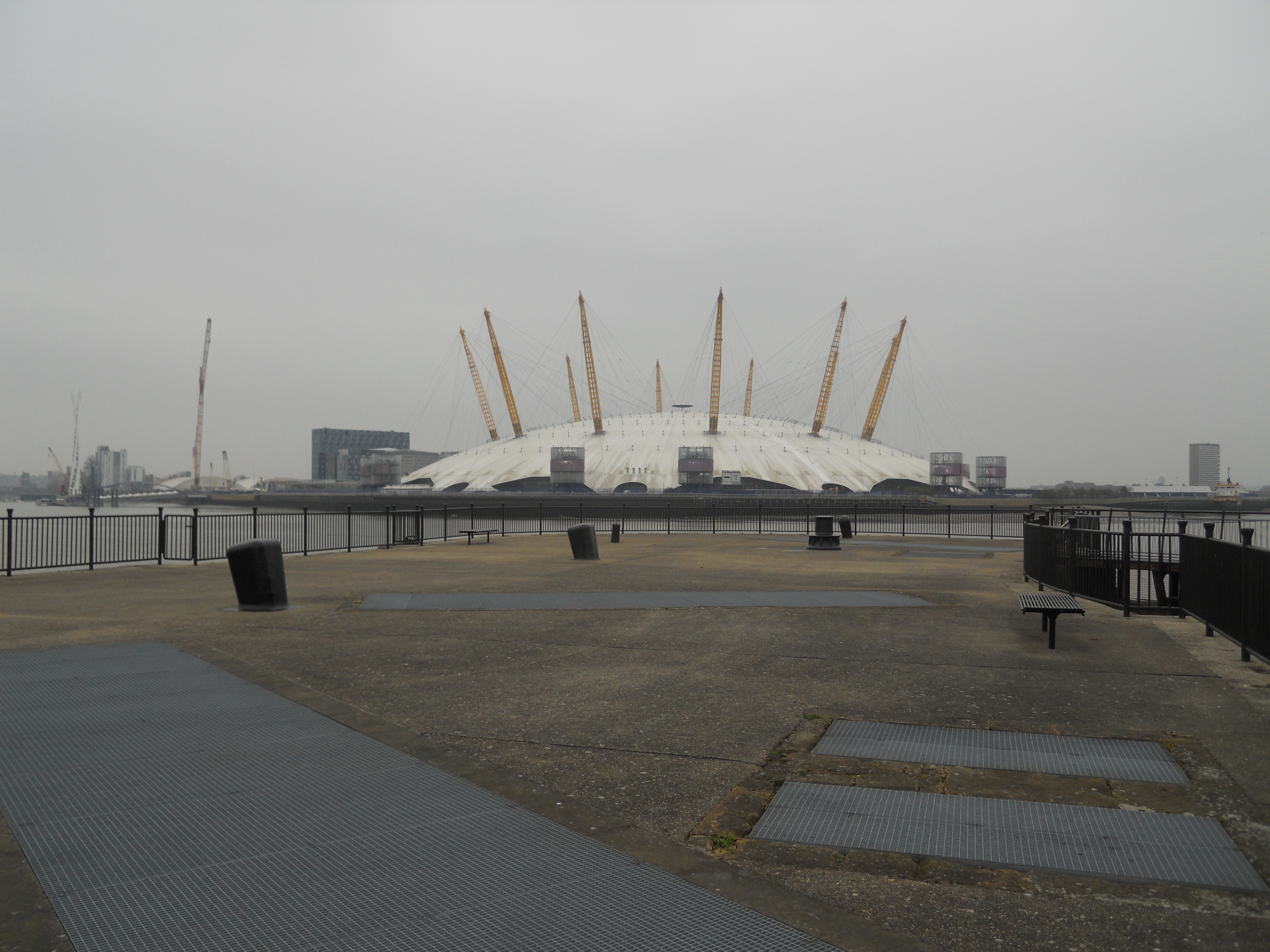
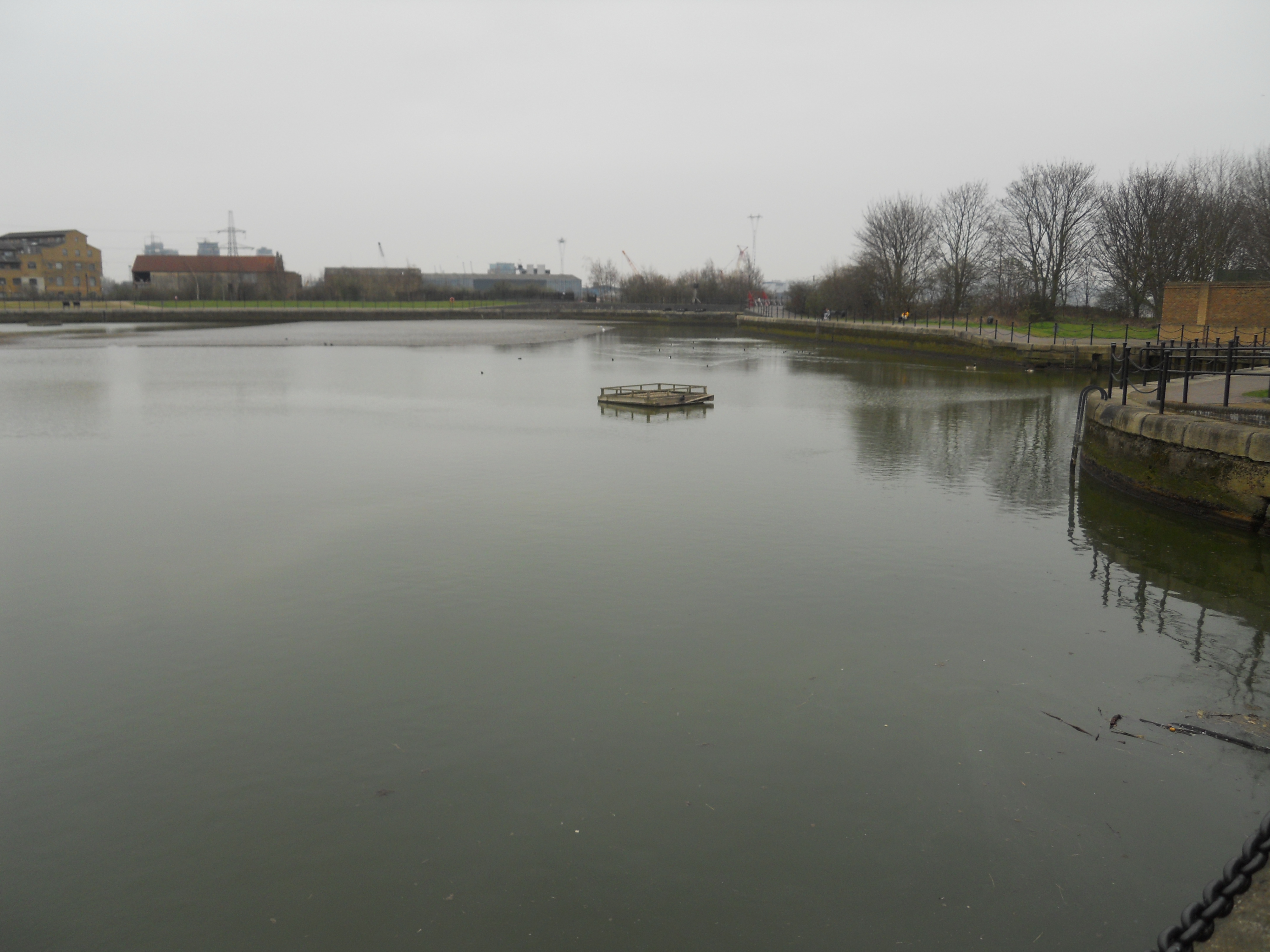
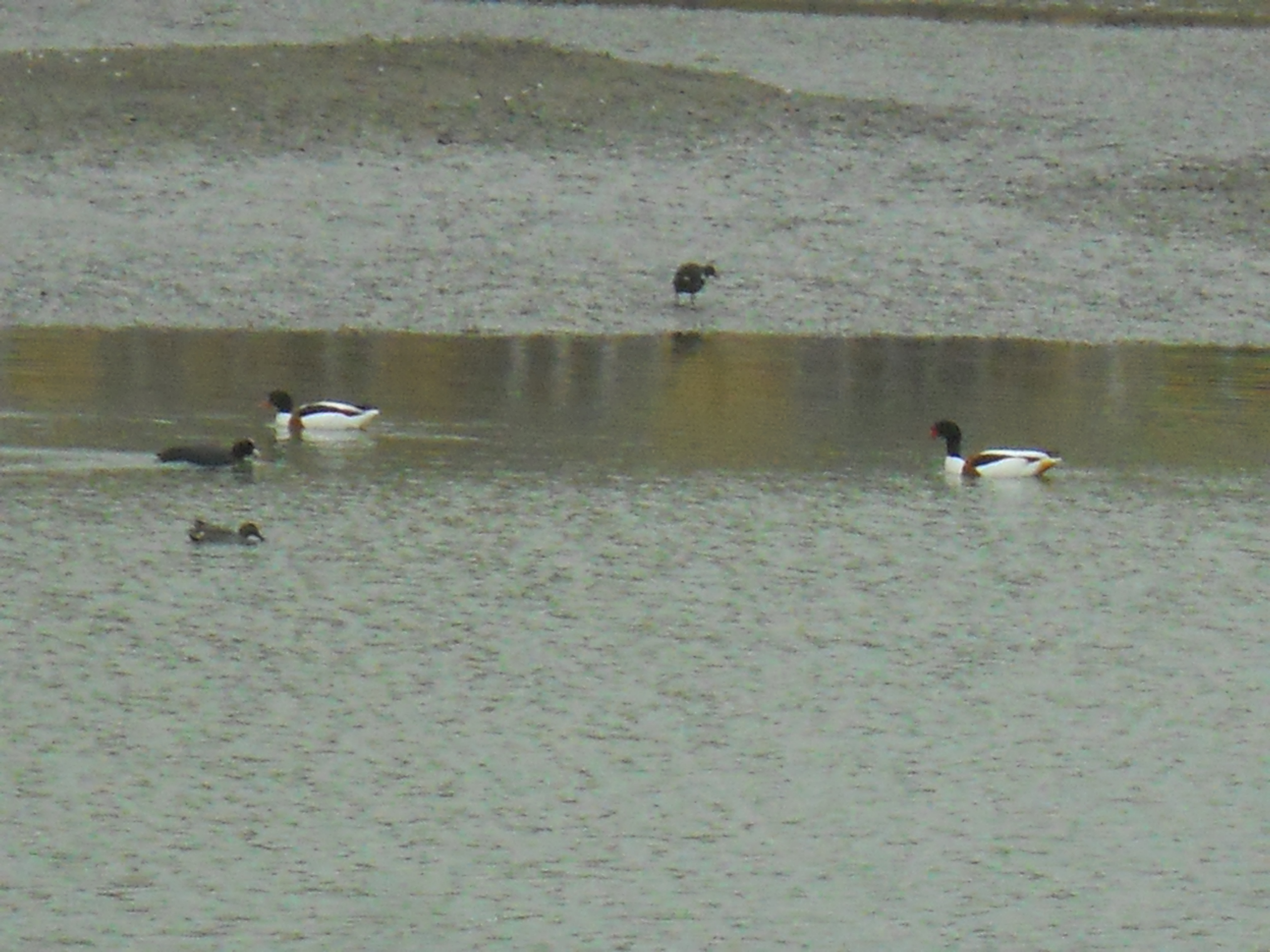

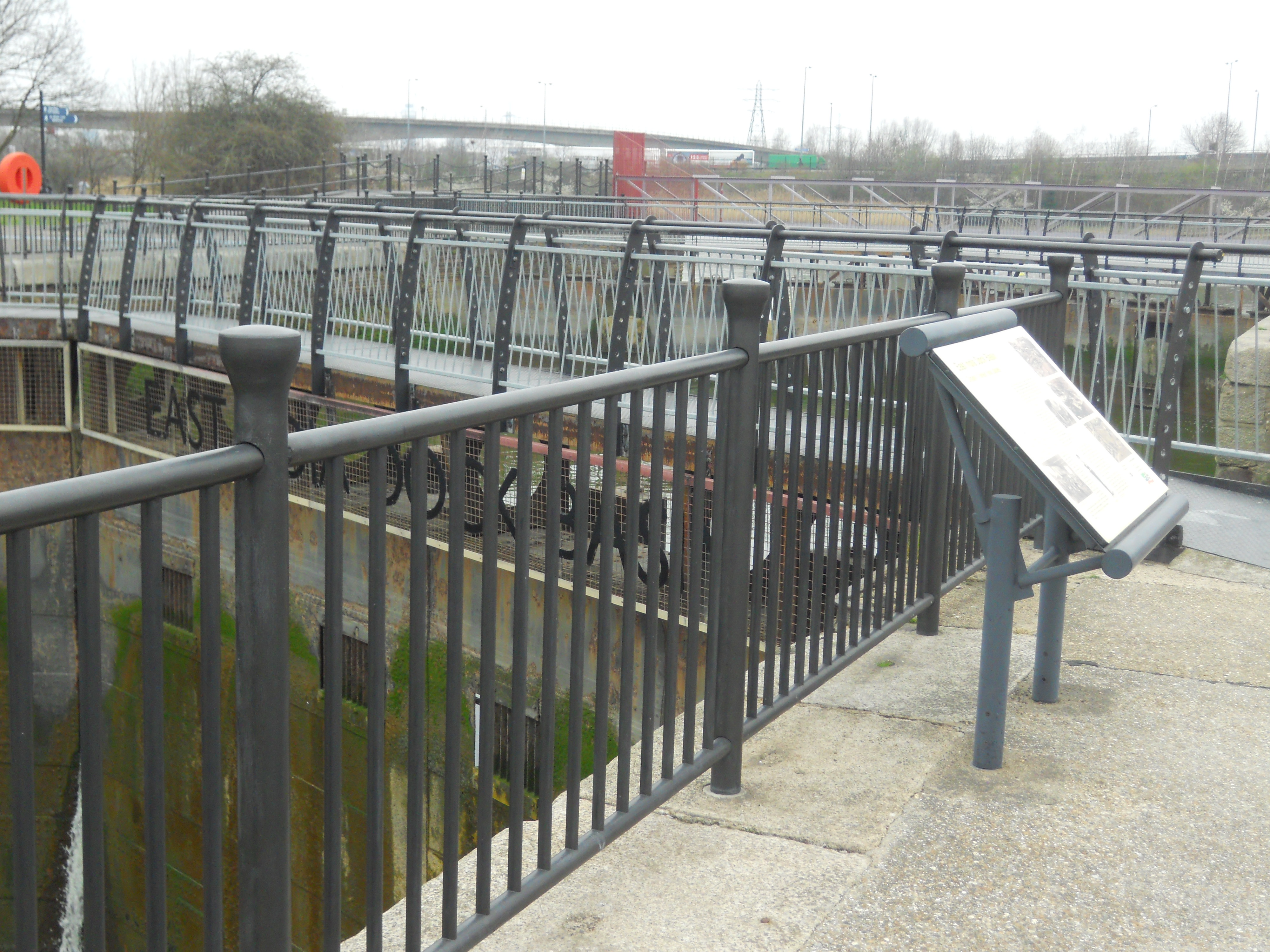
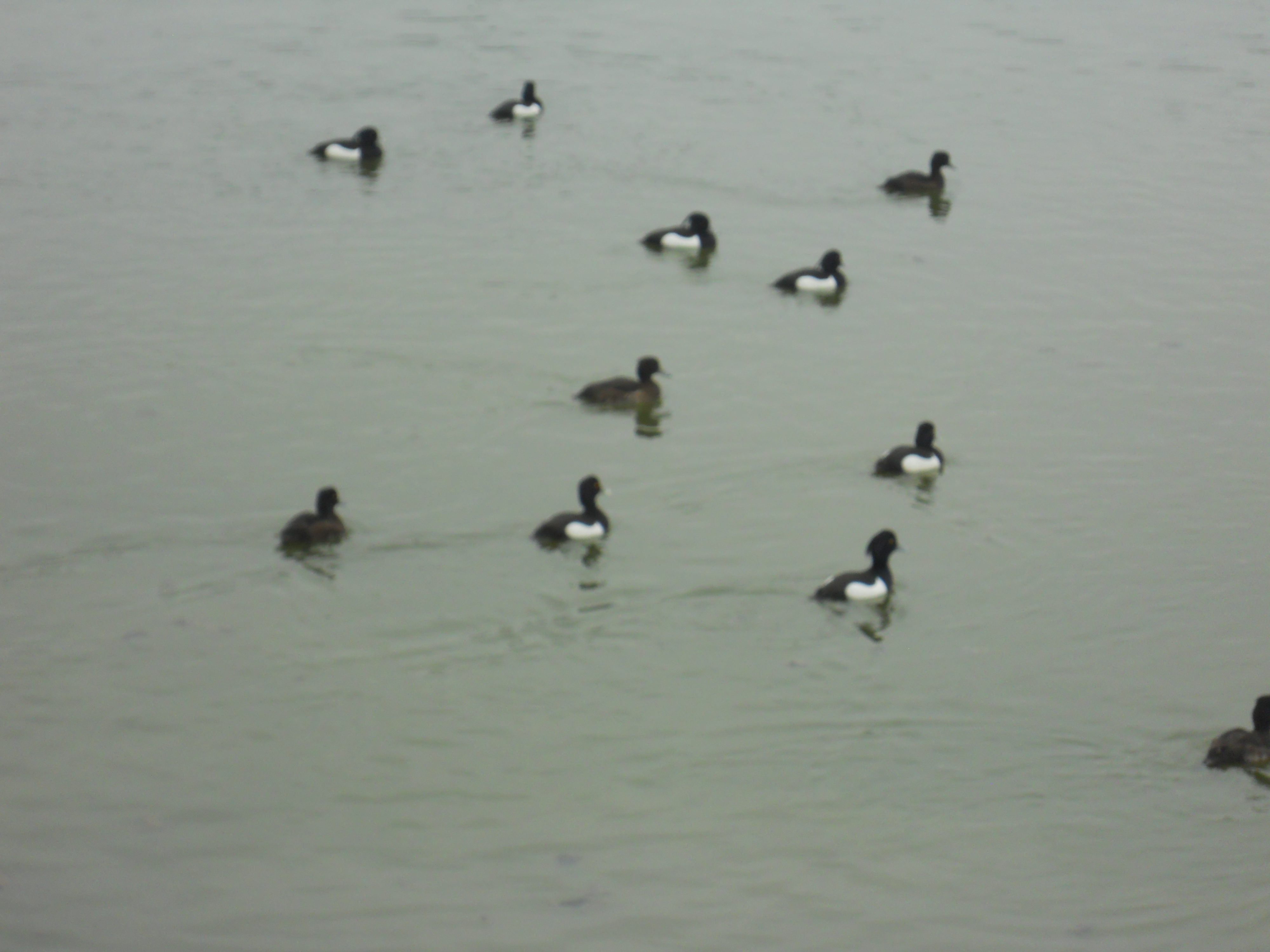
As you can see, it is well-laid out and has good views of the River Thames. The island in the middle of the basin is growing using the same method that salt marshes do in places like Norfolk. There were quite a few birds about with sheld-duck, tufted duck and coot easily spotted. Apparently, there’s a local kingfisher too! There is a lot of good information. What would Jack Dash have thought?
There are plenty of places to sit and considering how close it is to the end of the 277 bus route and East India station on the DLR, it’s an ideal spot to go for a picnic.
Stocktaking at the London Zoo
When I visited the London Zoo in the summer, we all watched entranced as a majestic sparrowhawk, who lives locally in the park, flew over the Zoo.
Will that bird be counted?
What Do You Do With Six Million Tonnes Of Earth?
Crossrail will produce six million tonnes of earth and spoil, from where they are digging the tunnels, shafts and stations in London. Three-quarters of this are being used to create a new wetland habitat for the RSPB at Wallasea Island, north of Southend in Essex. Read all about it here.
The Architecture of London Zoo
London Zoo has a large collection of the capital’s finest buildings. There is a list here on their web site.
Many were designed by Decimus Burton in the nineteenth century and it a testament to his good design, that some of the original buildings like the Giraffe House, have been able to be brought up to modern welfare standards.
But some like the penguin pool designed in the 1930s by Berthold Lubetkin are never going to be suitable for animals again.
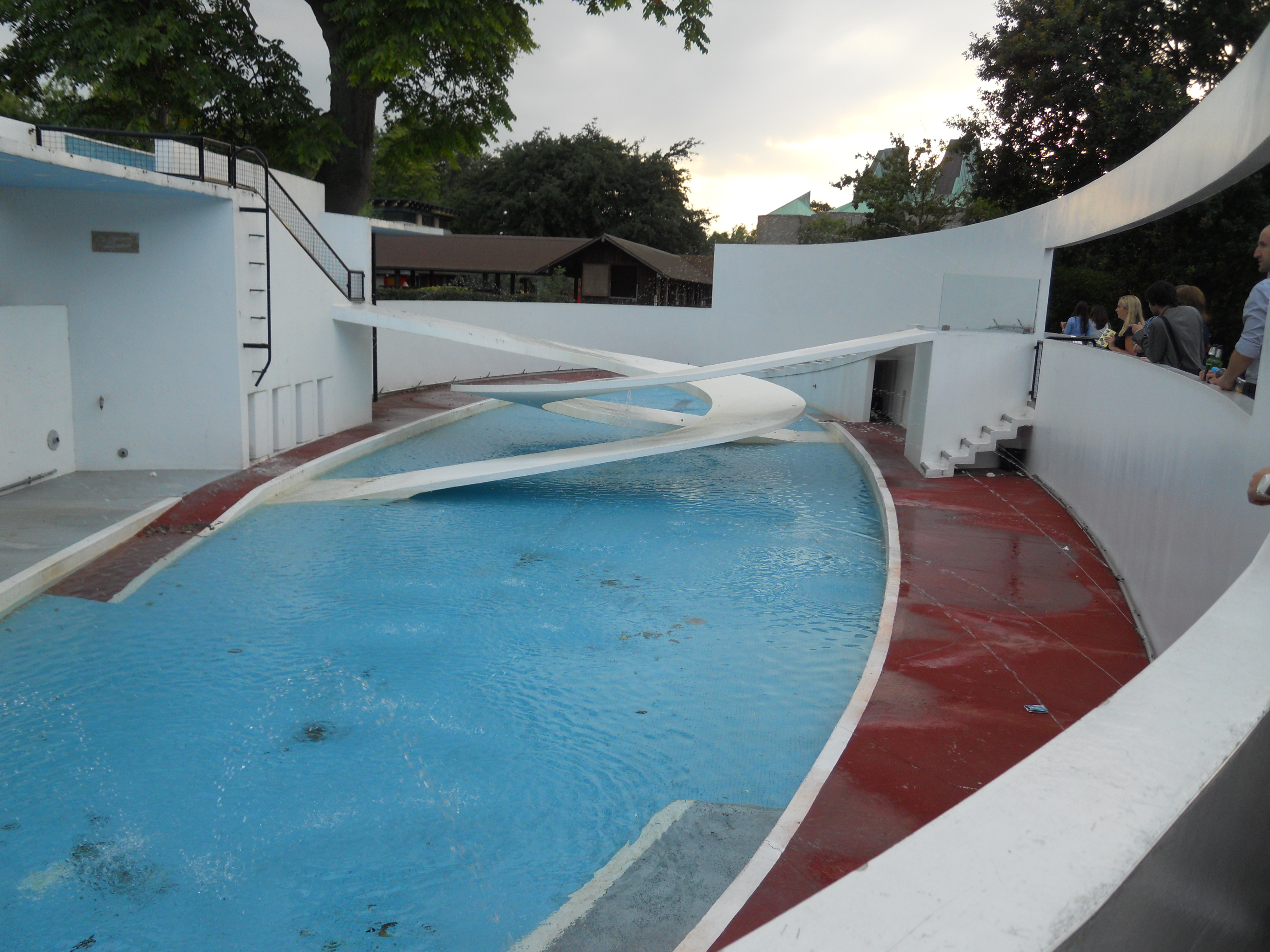
Penguin Pool, London Zoo
I would think it is a big problem for the Zoo as it takes up valuable space and because it is a Grade One Listed building, it can’t be knocked down or substantially modified. Someone said to me last night, that they can’t even modify the words Penguin Pool on the side.
As a child I always thought that the penguin pool was rather stark and that the only thing that gave it life was the penguins, who seemed rather lost in the place.
It’s all such a pity really.
I think if the penguin pool were a house designed by Lubetkin, one of two things would have happened; someone would have spent a fortune and made it into a very nice house or it would have just decayed to a pile of broken concrete.
All credit to the London Zoo for preserving it, but I suspect sometimes they wish a stray bomb from the Second World War had destroyed it. The Zoo asctually suffered quite a bit of damage, as this report tells. I like this piece, which was taken from The Times of the 15th November, 1940.
The Zoo in fact is a microcosm of London. Hitler’s bombs cause a certain amount of damage to it, and a considerable amount of inconvenience; but they have not destroyed the morale or the routine of its inhabitants, animal or human, and it continues to function with a very respectable degree of efficiency.
It may have been blatant propaganda to keep up Londoners morale, but perhaps it does explain why many Londoners look on their zoo with affection.
The Snowdon Aviary
The Snowdon aviary is one of the Zoo’s historic buildings.
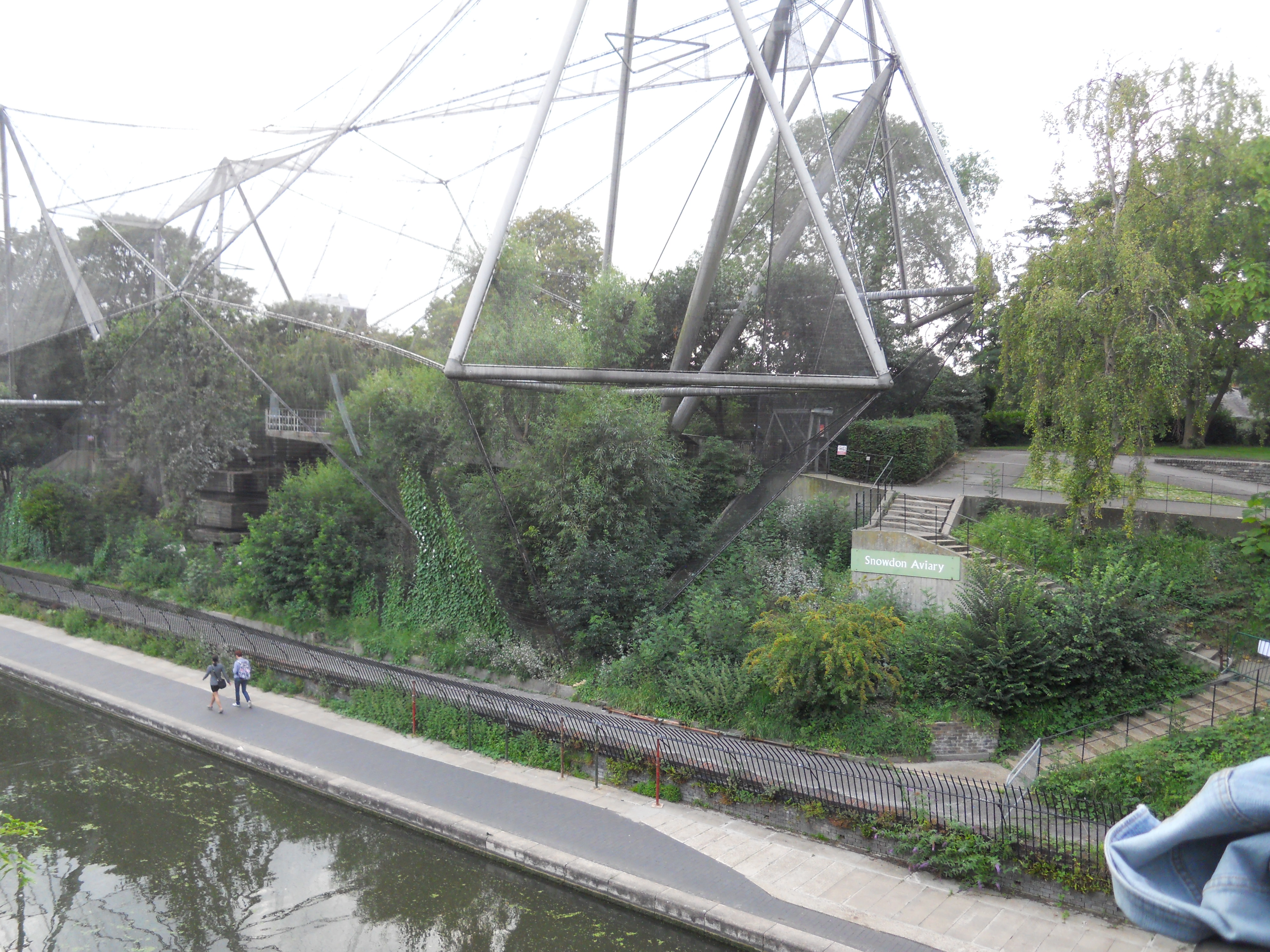
The Snowdon Aviary, London Zoo
When we used to live in St. John’s Wood and would walk up to the top of Primrose Hill, it dominated the view, just like some of the tall modern buildings do now.
The Snowdon Aviary is in my view, still one of London’s most impressive modern buildings. Interestingly, the structural engineer, who did the detailed design, Frank Newby, was a proposer of temporary buildings that could adapt with time. This web site says this about his work.
In the 1960s, Cedric Price had advocated buildings that could adapt and change according to circumstance; buildings that need not be permanent. It’s ironic, then, that one of the small number of his schemes that was realised should form part of the proud heritage of design and engineering dating back nearly two centuries that belongs to the Royal Zoological Society.
So the aviary was probably designed for a limited life. but then the Millennium Dome was to. The Dome has of course changed according to circumstance from a crap NuLabor vanity project into a world-class entertainment venue.
Both structures show that if you want to make something last, you take good design, add quality materials, build it well and then make sure it is looked after by an organisation that values it, like in the aviary’s case the Zoological Society of London does.
 The Anonymous Widower