A Walk Over Wandsworth Bridge – 25th July 2023
This article on the BBC is entitled Wandsworth Bridge Closes For 10 Weeks Of Repairs.
This is the sub-heading.
A 10-week closure of Wandsworth Bridge for “essential safety repairs” has begun, Wandsworth Council says.
These are the first three paragraphs.
The authority added that the work was needed “to safeguard the long-term future of this key river crossing”.
Transport for London (TfL) has warned passengers that bus services which use Wandsworth Bridge will be diverted or stop short of normal destinations.
It added that the bridge would remain open for pedestrians, while cyclists can cross if they dismount.
So I went to have a look, starting at Wandsworth Town station.








It is a station, that needs a single lift and perhaps a small amount of refurbishment.
I walked from the station and over Wandsworth Bridge and along Wandsworth Bridge Road.













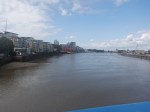








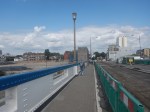




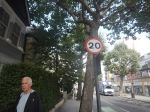
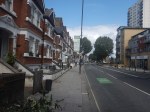
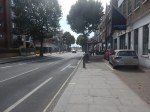
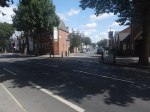
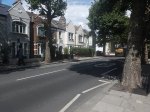
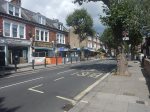
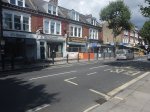
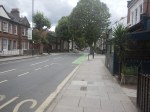
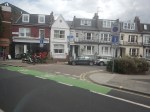
Note.
- There were several restaurants and cafes.
- It was a level walk.
- It looks like the Council was taking the chance to resurface the bridge.
- Along Wandsworth Bridge Road, drivers were not keeping to the 20 mph speed limit.
Some cyclists were still cycling on the bridge.
Il Pagliaccio Restaurant
I had lunch in the Il Pagliaccio Restaurant.
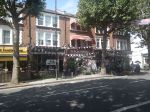




It was a typical friendly Italian restaurant, that served gluten-free food.
Asbestos In M&S Killed My Wife — Gove’s Ruling Is A Disgrace
The title of this post, is the same as that of this article in The Sunday Times.
It is in a section of the paper, which is entitled Act Now In Asbestos, where the paper has a campaign.
These are the first three paragraphs.
Janice Allen met and fell in love with her husband, Stuart, when they worked together at Marks & Spencer’s flagship store in London’s Marble Arch.
The shop would end up killing her.
Janice died of mesothelioma, a cancer she got from exposure to asbestos. The M&S store was constructed using the toxic building material and it was found in several locations where she worked. The department store would award her substantial damages before she died at a hospice in Kent in June 2018.
I have only worked with asbestos once.
This picture shows my father’s printing works in Station Road, Wood Green.
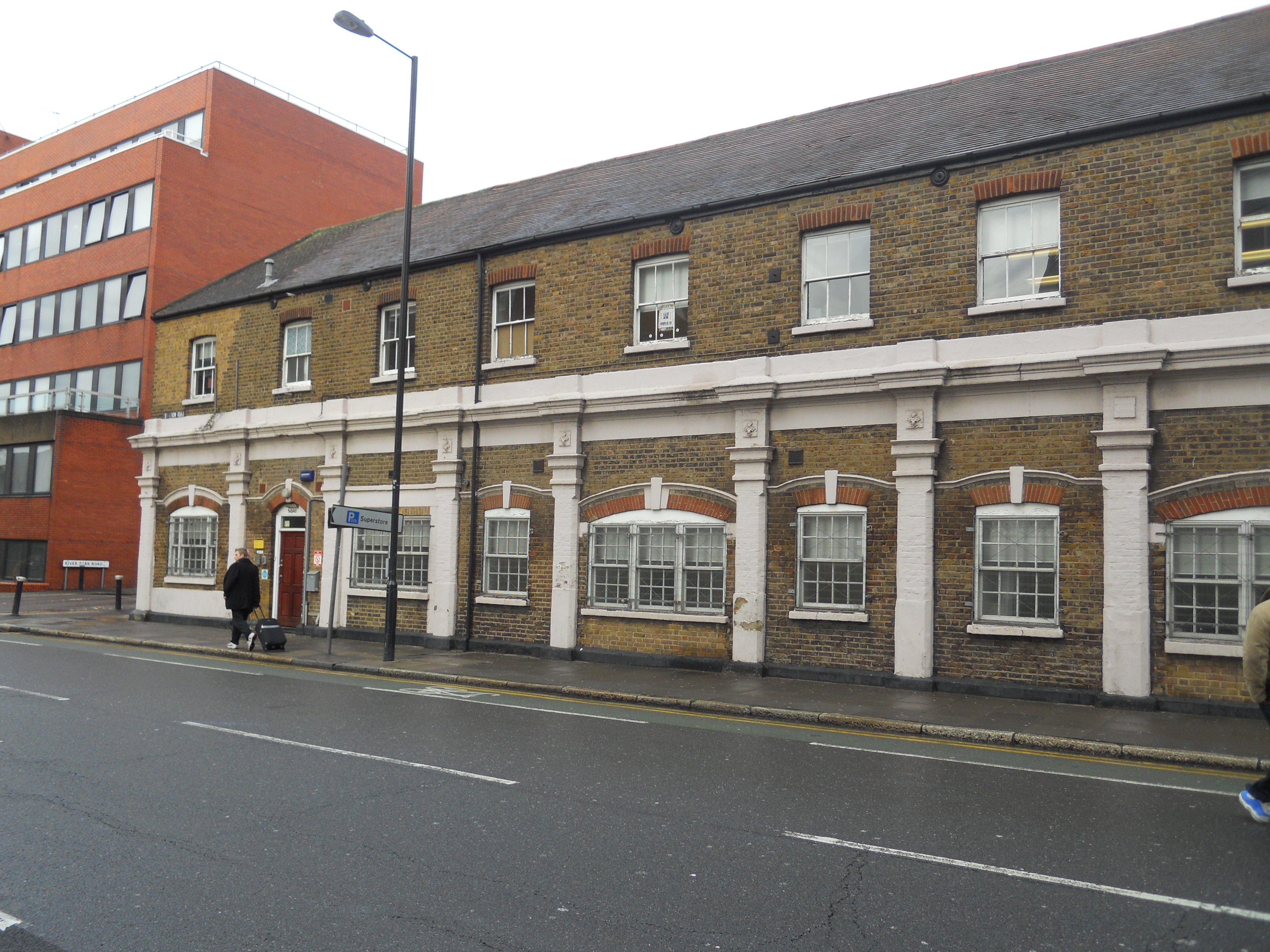
They were not the most salubrious of premises and my father was always making improvements.
My father was a very good practical carpenter and an accomplished painter and decorator.
The back wall of the building was covered on the inside with damp and mould, which even in the 1950s, he thought could be a health hazard, so he decided to do something about it.
- Above a certain height he cleaned the wall and painted it with a standard magnolia paint.
- About two metres above the ground, he fixed a two-by-two batten piece of wood to the wall.
- He also fixed another one to the wall, perhaps halfway up.
- To cover all the damp and mould, he then fixed corrugated asbestos cement sheeting to the two battens with galvanised roofing nails.
- To finish it off he screwed a piece of slatting to the top batten, which he painted a fetching blue colour.
The damp and mould was now out of sight and out of mind.
I remember how this construction was done, as I was my father’s ten-year-old assistant.
Although we’d used asbestos cement sheeting, I don’t think either my father or myself inhaled any asbestos dust, although we weren’t wearing masks, as no-one did in those days.
ICI And Asbestos
My next encounter with asbestos was at ICI in the late 1960s.
- A lot of chemical plants, built before the Second World War were riddled with it.
- But ICI, knew of the problems, and I was given strong warnings about asbestos.
- As I was only putting instruments on plants, with experienced plant fitters, I didn’t have an real encounters with it.
But why if ICI were so anti, were builders still using it and otherwise sensible companies not removing it from their buildings?
This is the large paragraph in The Times article.
An M&S spokesman said: “Like many older buildings, Marble Arch dates back to the interwar era when asbestos was commonly used in construction, and sadly our former colleague Janice Allen worked in the store over 40 years ago, before the consequences of asbestos use were known. Today we rigorously manage asbestos where it is present and ensure the store is safe for every colleague and customer.”
If ICI were worried about asbestos in the late 1960s, why weren’t Marks & Spencer worried about asbestos in the late 1970s.
A Barn In Suffolk
In the 1980s, I put up a new barn, where we lived.
Often, in those days, asbestos was still used for roofing, but I was recommended to use a new British Steel product, where steel was covered in a coloured weatherproof coating.
I Sneeze A Lot
These days, I sneeze a lot, but I didn’t sneeze this much before I was diagnosed as coeliac and went gluten-free.
Could it be that my immune system is so much stronger and when there is something in the air, it is only giving it a good kicking?
I’ve been sneezing a lot for the past few days, as the Council removed a dead tree from outside my house.
But we do know, that Nottingham University have shown, coeliacs on a gluten-free diet have a 25 % lower cancer rate than the general population.
Could this be due to a stronger immune system?
My Coeliac Son Died From Cancer
I believe my youngest son was an undiagnosed coeliac and he lived the rock-n-roll lifestyle on a diet of ciggies, cannabis and Subways, as he was a sound engineer in the music business. He died virtually out of the blue of pancreatic cancer at just thirty-seven.
So on the one hand being a diagnosed coeliac on a gluten-free diet gives you a certain immunity to cancer and other diseases and on the other hand undiagnosed coeliacs are prey to all the nasties we have to live with.
To return to the tragic story in The Times, which gives Stuart’s age as 62, so that places him as being born around 1960 and his late wife; Janice looks about the same age.
I think it is true to say, that in the 1960s, medicine started to change dramatically.
- Serious heart operations and kidney transplants became commonplace.
- The first heart transplant was performed in 1967.
- Drugs were improving.
- Vaccination was stopping polio and other diseases.
- The first test for coeliac disease in children was developed. Sadly, it wasn’t used on me.
But we had little inkling of the role of genes in diseases.
Incidentally, I didn’t come across my first coeliac, until 1972, when a neighbour had a coeliac baby son called Nicholas.
So was the poor lady in The Times story, in some ways a victim of her time?
- Asbestos was wrongly ignored by Marks & Spencer.
- Medicine hadn’t advanced enough to be able to identify, those susceptible to cancer.
- I have heard so many stories of bad use of asbestos.
Sadly, the dangers of asbestos are still ignored by many companies and organisations today and that includes the NHS.
One of my colleagues at ICI in 1968 will be livid at how we are ignoring asbestos.
Is This A Possible Scenario?
Consider.
- Someone is born coeliac and they are not diagnosed.
- If they were born before 1960, there was no test for coeliac disease in children.
- The simple genetic blood test came in around the turn of the century.
- They work with asbestos in their twenties.
- Their immune system is not good enough to protect them.
Just like my son, will they get a serious cancer?
Coeliac Disease And Covid-19
In Risk Of COVID-19 In Celiac Disease Patients, I look at a pier-reviewed paper from the University of Padua.
This sentence, sums up the study.
In this analysis we report a real life “snapshot” of a cohort of CeD patients during the SARS-CoV-2 outbreak in Italy, all followed in one tertiary centre in a red area of Northern Italy. Our data show, in accordance with Emmi et al., the absolute absence of COVID-19 diagnosis in our population, although 18 subjects experienced flu-like symptoms with only one having undergone naso-pharyngeal swab.
There were 138 coeliac disease subjects in the study and they had been gluten-free for an average of 6.6 years.
The downside of this, is how many undiagnosed coeliacs, suffered a severe dose of Covid-19.
Conclusion
Given the pain coeliac disease has inflicted on my family over the years, I believe that all children should be tested for coeliac disease.
I would also recommend, that anybody thinking of working with asbestos or taking a job with a high cancer risk, should get themselves tested for coeliac disease.
Being found to suffer from coeliac disease will not in itself kill you, and with the right diet, it might even prolong your life.
Lunch On The Pier In Cleethorpes
I took these pictures as I walked along the sea front, where I had lunch at a restaurant called Papas.
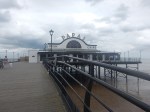

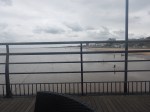




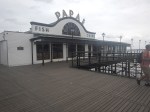
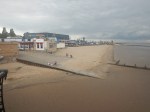
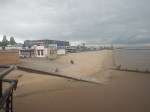
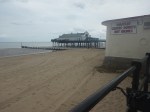
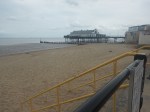

Note.
- As you can see, I had some excellent gluten-free fish and chips, which I washed down with a zero-alcohol beer.
- The service was good, friendly and fast.
- I needed it fast, as I had a train to catch and if I missed it, it would be a two-hour wait.
Strangely, I don’t think, I’ve ever eaten a proper meal on a pier.
This Google Map shows the location of the pier with respect to the station.
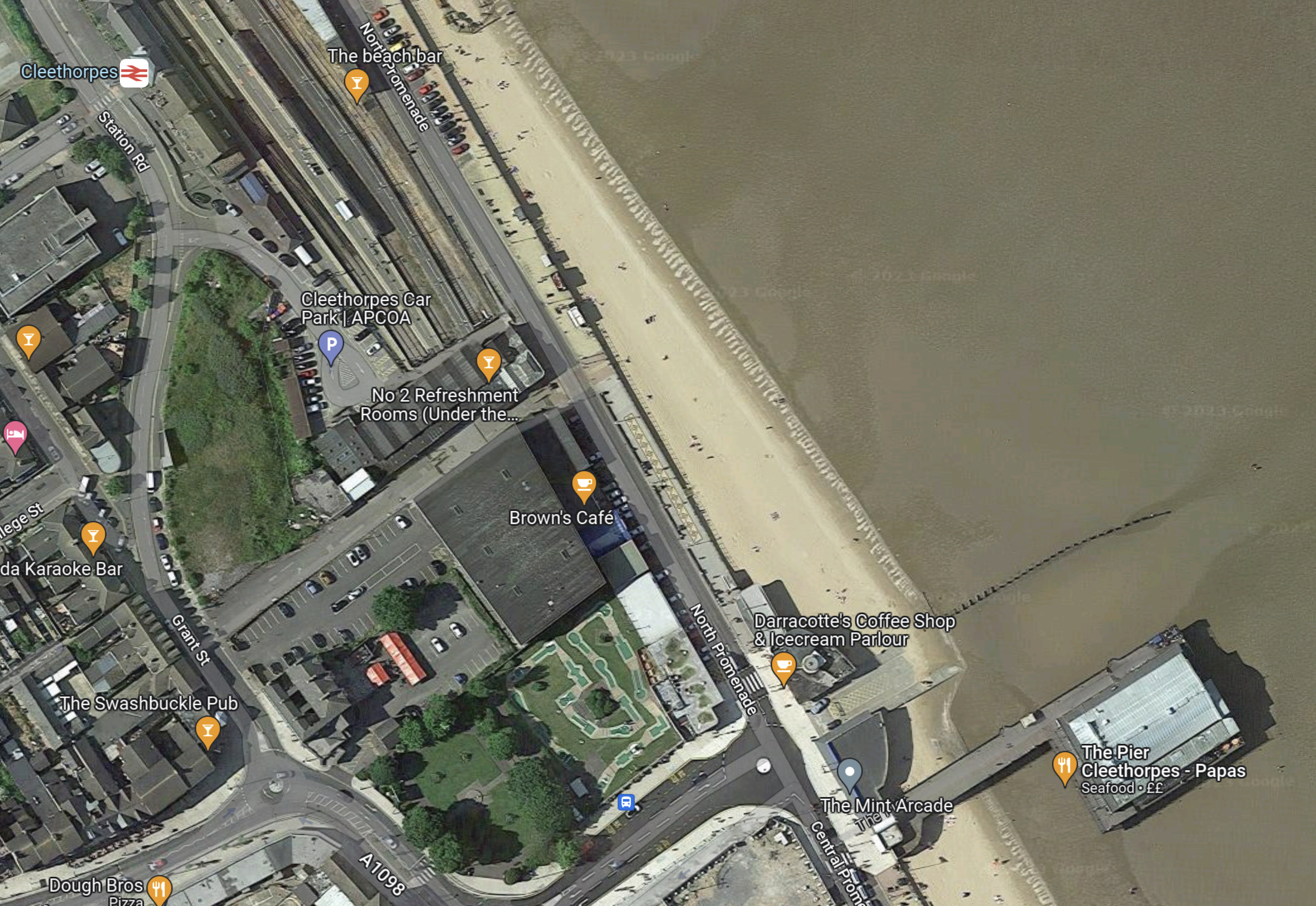
Note.
- The station is in the North-West corner of the map.
- The pier and restaurant is in the South-East corner of the map.
It is a very easy level walk from the station to the restaurant.
Gluten-Free Fish And Chips In Old Fashioned Seaside Towns
This is the third time in recent years, when I’ve had excellent gluten-free fish and chips in an old-fashioned seaside town.
The other two places were Lowestoft and Skegness.
Incidentally, from what I remember of the taste of ordinary fish and chips, I prefer the taste of the gluten-free version, which I’ve had perhaps a dozen times in the last twenty0five years.
But then some gluten-free versions taste better than the ordinary version. Egg sandwiches are one.
British Five-Year-Olds Up To 7cm Shorter Than Western Peers
The title of this post, is the same as that of this article in The Times.
This is the sub-heading.
Poor diet and health service cuts blamed for ‘pretty startling’ trend
These are the first two paragraphs.
Five-year-olds in Britain are on average up to seven centimetres shorter than their peers in other wealthy nations, in a trend described as “pretty startling”.
A poor national diet has been highlighted as a major culprit in Britain’s fall down international rankings of child height.
I am coeliac and am only 170 cm.
During the pandemic, I did some statistical research on coeliac disease and the covids for my own interest.
I found a peer-reviewed Indian medical paper entitled Coeliac Disease: Can We Avert The Impending Epidemic In India? The author felt that modern high-gluten wheats, were increasing the rate of the disease.
The author also said this about introduction gluten to babies in Sweden.
The time of first exposure to wheat influences the development of celiac disease. In countries such as Finland, Estonia, and Denmark, characterized by low gluten consumption in infancy, celiac disease prevalence is much lower than in Sweden where gluten consumption is high in infancy. A natural experiment occurred in Sweden about two decades ago when national recommendations were made to introduce wheat into the diet after cessation of breast feeding at six months. This change was coupled with increased wheat gluten consumption through infant feeds. Together these measures resulted in a two-fold increase in incidence of celiac disease in Sweden, which was attributed to introduction of wheat into the diet after cessation of breast feeding. In 1996 this recommendation was changed to introduce gluten in gradually increasing amounts while the infant was still being breast fed. This led to a dramatic decrease in celiac disease incidence.
It is interesting to look at heights of five-year-olds given in the Times article for the four countries.
- Denmark – 117.4 – 118.1
- Estonia – 116.9 – 115.7
- Finland – 116.3 – 114.5
- Sweden – 115.1 – 115.1
Note that all heights are in centimetres, with boys first.
As according to the graphs in the article the UK and the US have shown the biggest declines in height, is gluten-rich junk food, the major cause of this decline?
More research needs to be done!
Bonus For GPs If Patients Join Drug Trials In Plan To Lure Firms To NHS
The title of this post, is the same as that of this article on The Times.
This is the sub-heading.
£650m boost for medical research after number of participants slumps
These three paragraphs outline what is to be done.
Tens of thousands more patients will be signed up for clinical trials as ministers promise drug companies better access to the NHS to expand the economy and develop cutting-edge treatments.
Jeremy Hunt, the chancellor, is promising a £650 million package to boost life sciences as he attempts to lure pharmaceutical giants to Britain.
GPs will be offered financial incentives to recruit patients into trials of new treatments and hospitals will be given research targets under plans to reverse a slump in clinical testing while the NHS struggles with the backlog from Covid-19.
It all sounds good to me.
I have been involved in several trials and medical research projects.
- As part of my coeliac disease diagnosis, one endoscopy was performed by Rebecca Fitzgerald at Cambridge, as she was taking samples of bile fluids for her research into Barrett’s esophagus.
- After the death of my wife, I was interviewed by PhD students in the Psychology Department at Liverpool University for their research into widowhood.
- Oxford University interviewed me on diet for their coeliac disease research.
- After my stroke, I spent an entertaining afternoon at the University of East London doing balance tests by computer. Their aim was to develop a reliable balance test for stroke and other patients, that could be carried out by physiotherapists quickly, than by more expensive doctors.
- I have also been on a drug trial at Queen Mary University, but that drug was useless and had no good or bad affects, so the trial was halted. However, it did lead to other enjoyable activities in the field of patient relations with treatment and research.
As a confirmed coward, I should note that with the exception of the drug trial, all of the other projects were low risk.
I should say, that I also sponsor pancreatic cancer research at Liverpool University, in memory of my son, who died from the disease. I wrote about the first Liverpool project in There’s More To Liverpool Than Football And The Beatles!.
A Database Of Projects Open For Volunteers
I believe that this is needed, so that those like me, who like to contribute to research can volunteer.
Perhaps some of the £650 million, that has been promised by Jeremy Hunt, could be used to create the database.
I also believe the database could be used for other non-medical research.
A Diversion To Severn Beach
After my trip to Cardiff yesterday was curtailed by a signalling problem, I ended up at Bristol Temple Meads station.
After checking the timetable, it occurred to me, that it would be easy to take a diversion to Severn Beach station before I took a train back to London.
I took these pictures on the journey.





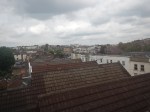













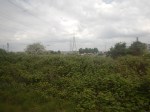








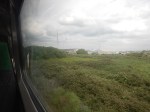



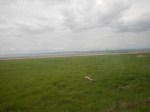
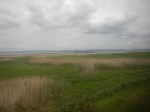
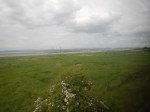
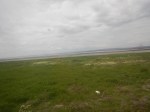
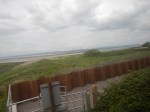





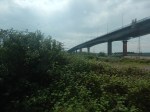



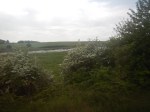









Note.
- Stapleton Road station has massive ramps.
- Stations like Redland and Avonmouth have interesting art works.
- The Avon, several wind turbines and the Secon Severn Crossing can all be seen.
This Google Map shows the location of Severn Beach station.
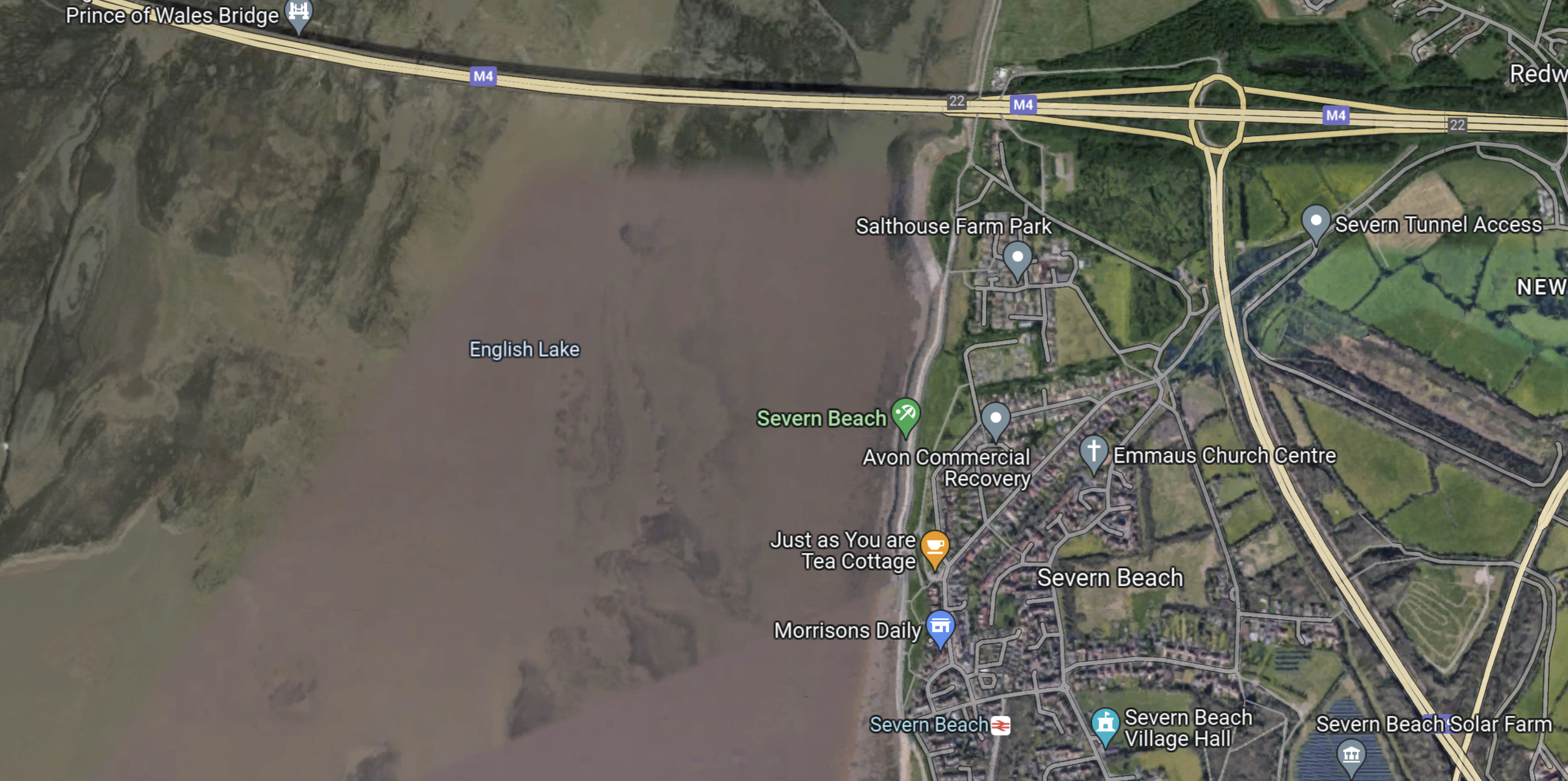
Note.
- The M4 and the Second Severn Crossing are at the top of the map.
- The rail station icon marking Severn Beach station at the bottom of the map.
This second Google Map shows the area of the station.
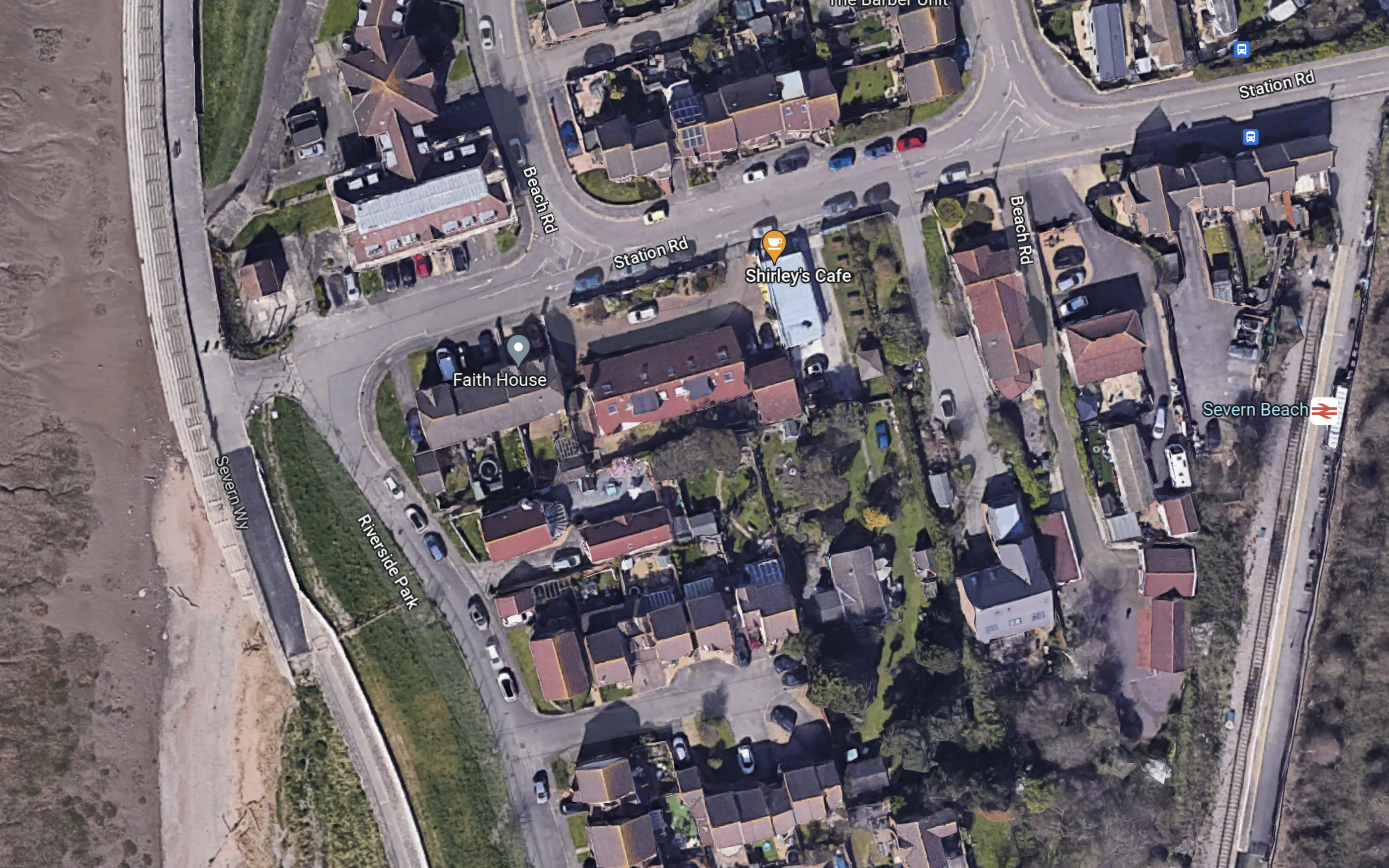
Note.
- Shirley’s Cafe, where I bought my ice cream.
- The cafe does gluten-free breakfasts.
- The promenade, where I took the pictures of the Second Severn Crossing.
- The long platform in the station.
- The fare from Bristol Temple Meads was only £1.95 for a return with my Senior Railcard.
Severn Beach looks to be a good place to go for a walk.
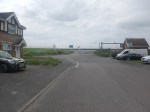
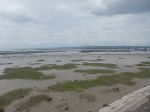
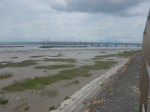
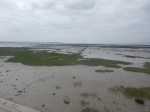
These are pictures I took at and around the station.



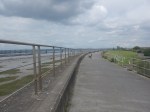
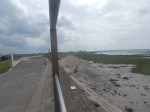





We need more ice cream sellers in or near stations.
Portway Park & Ride Station
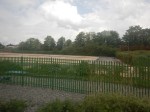
Portway Park & Ride station is a new station currently under construction.
I took these pictures as the train passed.





This Google Map shows the location of the station.
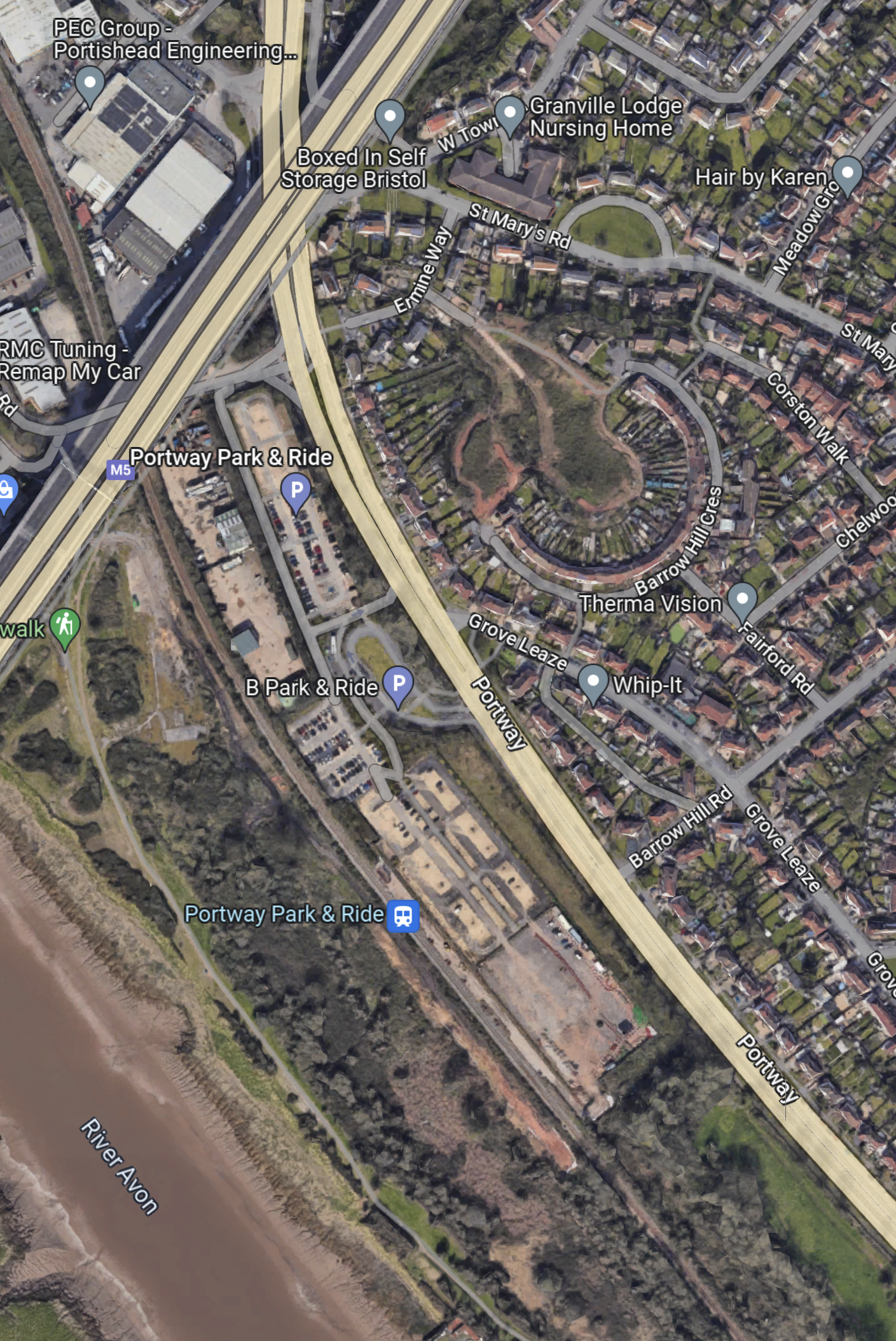
Note.
- The parking is to the South of where the M5 and A4 cross.
- The blue dot at the South of the site marks the single-platform station.
- The buses from the Park & Ride run every twelve minutes.
- The trains are only an hourly service.
From the pictures, it looks like the station will be opening soon.
I would hope that the access to the parking from the major roads is good.
Improving The Line
I was a bit worried that I’d miss the train back, so I only had an ice cream, but if the trains were more frequent, I might have had a drink in the cafe as well.
Under Future in the Wikipedia entry for the Severn Beach Line, the following is said about train frequency.
Improved services along the line are called for as part of the Greater Bristol Metro scheme, a rail transport plan which aims to enhance transport capacity in the Bristol area. There is an aspiration for half-hourly services, however due to the large sections of single-track and the congested main line from Temple Meads, such frequency is not currently feasible. However, it is expected that with the four-tracking of Filton Bank, including the Severn Beach line between Temple Meads and Narroways Hill Junction, that there will be sufficient capacity to allow half-hourly services.
Two trains per hour (tph) would be a good improvement.
This is also said.
Plans also call for the reopening of the Henbury Loop Line, which could allow a service from Temple Meads to Bristol Parkway via the Severn Beach line.
After my experiences yesterday, a more frequent route between the two major Bristol stations must be a good idea.
Zero-Carbon Trains
Given the route and its length and location, the Severn Beach Line must be a candidate for battery or hydrogen power.
Kit Kat Cereal Proves Failure On Sugar, Say Charities
The title of this post, is the same as that of this article on The Times.
This is the sub-heading.
Nestlé promotes ‘nutritious’ product that is a quarter sugar
And this is the caption for the picture.
With 24.7g of sugar per 100g, a bowl of Kit Kat cereal accounts for a third of a seven-year-old’s suggested intake
This is the first two paragraphs.
The launch of a Kit Kat breakfast cereal shows the government strategy of relying on food companies to help fight obesity has failed, campaigners have claimed.
Charities such as the British Heart Foundation have accused Nestlé of “irresponsible” promotion of a product which is a quarter sugar, arguing that it makes the case for state intervention to make food healthier.
After this start, I thought I’d better check the ingredients on the product page on Nestlé’s web site!
Under a heading of Our Carefully Selected Ingredients, this is said.
Whole grain WHEAT (31.4%), maize semolina, sugar, dextrose, palm oil, WHEAT flour, cocoa powder* (5.4%), glucose syrup, WHEAT starch, skimmed MILK powder, calcium carbonate, BARLEY malt extract, fat-reduced cocoa powder*, flavourings, cocoa butter*, salt, cocoa mass*, emulsifier: lecithin, whey powder (MILK), MILK fat, antioxidant: tocopherols, iron, vitamin B3, B5, B6, B2, B9.
May contain NUTS.
*Rainforest Alliance Certified. Find out more at ra.org.
This product on their own admission contains over thirty per cent wheat.
Now let’s add a very large dollop of peer-reviewed science.
Coeliac Disease: Can We Avert The Impending Epidemic In India? is the title as that of this peer-reviewed paper on the Indian Journal Of Research Medicine.
This is an extract.
The time of first exposure to wheat influences the development of celiac disease. In countries such as Finland, Estonia, and Denmark, characterized by low gluten consumption in infancy, celiac disease prevalence is much lower than in Sweden where gluten consumption is high in infancy. A natural experiment occurred in Sweden about two decades ago when national recommendations were made to introduce wheat into the diet after cessation of breast feeding at six months. This change was coupled with increased wheat gluten consumption through infant feeds. Together these measures resulted in a two-fold increase in incidence of celiac disease in Sweden, which was attributed to introduction of wheat into the diet after cessation of breast feeding.
In 1996 this recommendation was changed to introduce gluten in gradually increasing amounts while the infant was still being breast fed. This led to a dramatic decrease in celiac disease incidence.
Should we be following the route of these Scandinavian countries and eat wheat sensibly and reduce the amount we give our children or should we follow what Nestlé’s marketeers want us to do?
As a coeliac, who is allergic to the gluten in wheat, I wouldn’t touch this product with a spoon certified by my cardiologist.
The author also says this about wheat.
The other dimension to this problem is that not all wheat is alike when it comes to inducing celiac disease. The ancient or diploid wheats (e.g. Triticum monococcum) are poorly antigenic, while the modern hexaploid wheats (e.g. Triticum aestivum) have highly antigenic glutens, more capable of inducing celiac disease. India, for centuries, grew diploid and later tetraploid wheat which is less antigenic, while hexaploid wheat used in making bread is recently introduced. Thus a change back to older varieties of wheat may have public health consequences. Public health authorities may well want to examine both these avenues, i.e. infant feeding recommendations and wheat varieties cultivated in the country, for opportunities to avert the epidemic of celiac disease which is impending in our country.
The author may be talking about India, but as he says modern wheats have highly antigenic glutens and will cause an epidemic of coeliac disease.
I may not have had any medical training, but I spent a miserable first fifty years of my life as an undiagnosed coeliac.
Conclusion
KitKat Cereal should be labelled that it may cause coeliac disease.
Is Putin Coeliac?
Under Construction
Coeliac Journey Through Covid-19 – Should Newborns Be Tested For Coeliac Disease?
Should Newborns Be Tested For Coeliac Disease?
This article on the BBC is entitled Newborns To Get Rapid Genetic Disease Diagnosis.
This is the sub-heading.
Rare genetic disorders will be diagnosed and treated in babies thanks to a project to sequence the complete DNA of 100,000 newborns.
These are the first four paragraphs.
It should spare hundreds of families in England months, or years, of anguish waiting to find out why their children are ill.
The project is the first time that whole genome sequencing (WGS) has been offered to healthy babies in the NHS.
It will screen for around 200 disorders, all of them treatable.
The Newborn Genomes Programme, to begin next year, is thought to be the biggest study of its kind in the world. If successful, it could be rolled out across the country.
- My family have suffered greatly because of coeliac disease, as I related in Coeliac Journey Through Covid-19 – The Pain Of Coeliac Disease.
- Coeliac disease affects at least 1-in-100 of the UK population.
- The test is not difficult to perform.
I believe that for these reasons, coeliac disease must be one of the diseases that are tested for in the Newborn Genomes Programme.
Coeliac Journey Through Covid-19 – A Whack-A-Coeliac Policy
A Whack-A-Coeliac Policy
Note that this page is an updated version of Should The NHS Adopt A Whack-A-Coeliac Policy?, which I wrote in July 2020.
Because of the high number of diagnosed coeliacs in the Cambridge area, I believe that I was diagnosed to be coeliac, by possible use of a Whack-a-Coeliac policy at Addenbrookes Hospital in Cambridge, in the last years of the Twentieth Century.
- I was suffering from low B12 levels and my GP sent me to the hospital to see a consultant.
- It was only a quick visit and all I remember, is the speed with which the nurse took my blood.
- A couple of days later, I received a letter from the hospital, saying it was likely I was a coeliac and it would be confirmed by an endoscopy.
- A point to note, is that I had my endoscopy with just a throat spray and this must have increased the efficiency and throughput and reduced the cost of the procedure.
The only way, I could have been diagnosed so quickly would have been through an analysis of my genes and blood. But I was never told, what method was used.
I have a few further thoughts.
My Health Since Diagnosis
It has undoubtedly improved.
Cancer And Diagnosed Coeliacs On A Gluten-Free Diet
Joe West of Nottingham University has shown, that diagnosed coeliacs on a gluten-free diet have a 25% lower risk of cancer compared to the general population.
That is certainly a collateral benefit of being a coeliac. But is it being a coeliac or the diet?
I’m no medic, but could the reason be, that diagnosed coeliacs on a gluten-free diet have a strong immune system?
Coeliac Disease Is A Many-Headed Hydra
I have heard a doctor describe coeliac disease or gluten-sensitivity as a many-headed hydra, as it can turn up in so many other illnesses.
Type “coeliac disease many-headed hydra” into Google and this article on the NCBI , which is entitled Gluten Sensitivity: A Many Headed Hydra, is the first of many.
This is the sub-title of the article.
Heightened responsiveness to gluten is not confined to the gut
My son; George was an undiagnosed coeliac, who had a poor diet consisting mostly of Subways, cigarettes and high-strength cannabis. He died at just thirty-seven of pancreatic cancer.
Did George have a poor immune system, which was useless at fighting the cancer?
Undiagnosed Coeliac Disease In The Over-Sixty-Fives
In A Thought On Deaths Of The Elderly From Covid-19, I used data from Age UK and Coeliac UK to estimate the number of coeliacs in the UK over the age of sixty-five. I said this.
Age UK has a figure of twelve million who are over 65 in the UK. If 1-in-100 in the UK are coeliac, that is 120,000 coeliacs over 65.
But some research shows that the number of coeliacs can be as high as 1-in-50.
If that 120,000 were all diagnosed, I would have several coeliacs amongst my over-65 friends. I have just one and she is self-diagnosed.
Are all these undiagnosed coeliacs out there, easy targets for diseases like cancer and COVID-19?
The Ease Of Testing For Coeliac Disease
I was worried that my granddaughter was coeliac and I asked my GP, how difficult a test is to perform.
He said, that a genetic test is usually quick and correct and only a few borderline cases need to be referred to a consultant.
Diagnosis has moved on a lot in twenty years.
Cambridge, Oxford and Covid-19
Six weeks ago I wrote Oxford And Cambridge Compared On COVID-19, to try to find out why the number of Covid-19 cases are so much lower in Cambridge than Oxford.
Checking today, the rate of lab-confirmed cases of COVID-19 per 100,000 residents is as follows.
- Cambridge 336.6
- Oxford 449
So why the difference?
In the related post, this was my explanation.
Is the large number of diagnosed coeliacs around Cambridge, the reason the area has a lower COVID-19 rate than Oxford?
It sounds a long shot, but it could be a vindication of a possible Whack-a-Coeliac policy at Addenbrooke’s in the last years of the Twentieth Century.
Or were the hospital testing the genetic test for coeliac disease? Perhaps, in conjunction with Cambridge University and/or the Sanger Centre.
Conclusion
I believe the NHS should seriously look at a Whack-a-Coeliac policy!
- The health of a large number of people would improve.
- There would be less cancer in the UK.
- A better combined National Immune System might help in our fight against the next virus to follow COVID-19.
It would be a very simple testing program, that would be mainly in the hands of the GPs, their nurses and the testing laboratories.
 The Anonymous Widower