Piper Alpha was a gas rig that blew up in the North Sea killing 167 people. But it does seem that the disaster has brought in a way of working that is safer and less likelt to cause accidents and leaks. As the United States is trying to decide what to do after Deepwater Horizon, read about what we have done and how others have followed the lead in the Los Angeles Times.
52.245212
0.403362
October 29, 2010
Posted by AnonW |
News | Energy, United States |
Leave a comment
Parliament is discussing going to Central European Time today, so the BBC has a piece about the possible change from Scotland. A professor from Edinburgh University has said that Scots are generally in favour of the change to lighter evenings, but that the SNP has called the change ludicrous.
Let’s hope that every other politician feels that way about their stand.
But I’ve always felt that this very sensible move, which has so many positive energy, business, job and leisure implications will never happen, as it is in effect a vote for something that makes us closer to Europe.
52.245212
0.403362
October 26, 2010
Posted by AnonW |
News | Daylight Saving Bill, Energy, Europe, Politics, Scotland |
Leave a comment
With the delaying and possible demise of the Severn Barrage, it would appear that we are going to bet on nuclear for our energy for the next few decades.
I don’t particularly mind, as I believe that nuclear is totally safe and of course carbon-free if it is properly designed, built and managed. THe only question is will the opponents of nuclear power stop the stations being built. Or if they don’t stop them from being built, will it be the decision that gets the coalition turned out at the next election? The public always feel that anything nuclear is dangerous. That is why you have an MRI Scan at the hospital, rather than an NMRI one. The N refers to the nuclear resonance of the molecules in your body to the magnetic fields imposed on them.
I still think that the Severn Barrage will be built but it will be very different to any scheme so far proposed. Except possibly the one by Sir Frederick Snow.
It will of course have a high and a low lake split by a central spine, so that reversible turbines can either generate electricity as water flows downhill or store energy by pumping water from the low to the high lake. The trick that makes wind energy viable is being able to store the excess and pumping water uphill is the easiest way to do it.
Whether the spine will have an airport is a more difficult question to answer. I think it will, and as the need to airports decreases through this century, if the fast rail (Note not high-speed!) was there, then it could replace airports at Cardiff, Bristol, Birmingham and to a certain extent, Heathrow.
As I reread my reflections on my trip to Scotland, then this could be an alternative south-western terminal of the West Coast Line. After all, the airport would be within two hours of most of London and Birmingham.
All this says is that we need to think boldly! In fact, we need to think very boldly!
We tend to base our planning on what we do today, not what we will be doing in thirty years time.
I’m just about to watch football on the television. In 2040, will I be watching any match I want to in some form of immersion 3D system? And will I use the same technology to have business meetings with colleagues and clients?
52.245212
0.403362
October 18, 2010
Posted by AnonW |
News, Transport/Travel | Energy, Flying, Nuclear Power, Severn Barrage, Trains |
3 Comments
It is being reported that the government is abandoning the building of the electricity-generating barrage of the River Severn between Cardiff and Weston-super-Mare.
Years ago, I did a job for Frederick Snow and Partners and at the time, they were proposing a bold barrage of the river to generate up to 10% if the UK’s energy needs. When the barrage was being discussed a couple of years ago, I had a letter published in The Times about the scheme.
Sir, The proposal shown in your paper today is timid. We have an energy crisis, an energy storage crisis, a landfill crisis and an airport crisis in this country and I believe that if we use the resource of the River Severn properly, we can help to solve all of them. A proper solution would also mitigate the problems of flooding in the Severn Valley.
I have knowledge of the proposals put forward by Frederick Snow in the 1960s. He felt that a central spine with a high and a low lake would be the best solution. Turbines would run between the lakes and could provide power when required, but they would also be capable of pumping water back to store energy. In these days of wind turbines relying on winds that don’t always blow, this would be a sensible way of storing the energy from wind power and releasing it as required.
Snow proposed putting energy-based industries such as chlorine and hydrogen production on the spine — but his major proposal was to site a very large airport on it. Could it with proper engineering be built on landfill? After all, it does face in the direction of the prevailing winds and it would be several kilometres from any centre of population, so noise pollution would be reduced to a minimum. As Brunel designed the Great Western to be virtually straight for high-speed running, trains à la TGV could do the journey to London in well under an hour. We either dither or we formulate a bold vision of which Brunel would have been proud.
I suspect that by cancelling we may only be delaying a scheme that will eventually go ahead. As time passes Snow’s scheme for a central spine and airport will become more not less economical.
- The need to store energy from wind turbines and nuclear power stations will become more important.
- The high-speed railway to Bristol and Wales will have been electrified. Also, a properly designed barrage will give another rail route to Wales from London.
- A higher percentage of the flights out of the UK, will go to the west. as those to the east will be more likely to be replaced by trains through the Channel Tunnel. This will mean that an airport in the Bristol Channel will cut carbon emissions by a few percent, due to the shorter journey to the American continent.
52.245212
0.403362
October 17, 2010
Posted by AnonW |
News, World | Energy, Global Warming/Zero-Carbon, Severn Barrage |
10 Comments
When virtually everybody thinks of real ale, they think of Adnams, brewed on the Suffolk coast at Southwold.
When I was starting to drink, they had just thirteen pubs, but they did supply a good part of the club trade in Suffolk. Now their beer is found all over London and the South East, and I’ve even seen it as far north as Newcastle and Edinburgh.
Not bad for a small family company, albeit one that makes a quality product beloved of beer connoisseurs everywhere. But their proven route to success now seems to be being followed by Aspall, the cider maker.
Adnams now have a new venture, called Adnams Bio Energy, which on the face of it is as far from brewing as you can get. They are diversifying into the production of biogas from brewery and food waste. The latter comes mainly from Waitrose.
The scale is only small at present, but it would seem that properly developed it could be a valuable addition to our energy resources. National Grid have said that by 2020 about 15% of domestic gas could be produced in similar ways to that at Adnams Bio Energy.
52.245212
0.403362
October 9, 2010
Posted by AnonW |
Food, News | Beer, Energy, Suffolk, Technology |
Leave a comment
It would appear that Robert Mugabe has fallen for a scam where a mystic claims he can get diesel out of rock. The story is here in The Times.
So he proves my title for a start.
This is one of my favourite books. The Wages of Destruction: The Making and Breaking of the Nazi Economy gives the full details on how the Nazis ran their economy. It shows them to be cruel, but also amazingly stupid.
52.245212
0.403362
October 1, 2010
Posted by AnonW |
News, World | Books, Energy, Germany, Second World War |
1 Comment
I was given a complimentary Scotsman on the sleeper, although I might have preferred a Scotswoman.
The headline of Going Green will push Scots fuel bills up £100 caught my eye.
The reason is that Alex Salmond wants to go to 100% of renewables by 2025. It may be a laudable aim, but to do it with just wind, wave and tidal is not in my view a good idea, as there is just so much back-up to provide. Especially, as nuclear will not be used for much longer in Scotland.
Let’s hope when the policy all goes pear-shaped that we don’t have to bail them out!
52.245212
0.403362
October 1, 2010
Posted by AnonW |
News | Energy, Scotland |
2 Comments
I like this story. It just goes to show that if anything gets the world out of the mess, it will be scientists, engineers and other thinkers, who use science and technology correctly. It will be not be politicians, union leaders or those that believe God is always the solution. These people will just hold back those like the scientists in this story, who might be leading us to salvation from our lack of energy.
52.245212
0.403362
September 6, 2010
Posted by AnonW |
News, World | Energy, Religion, Science, Technology |
Leave a comment
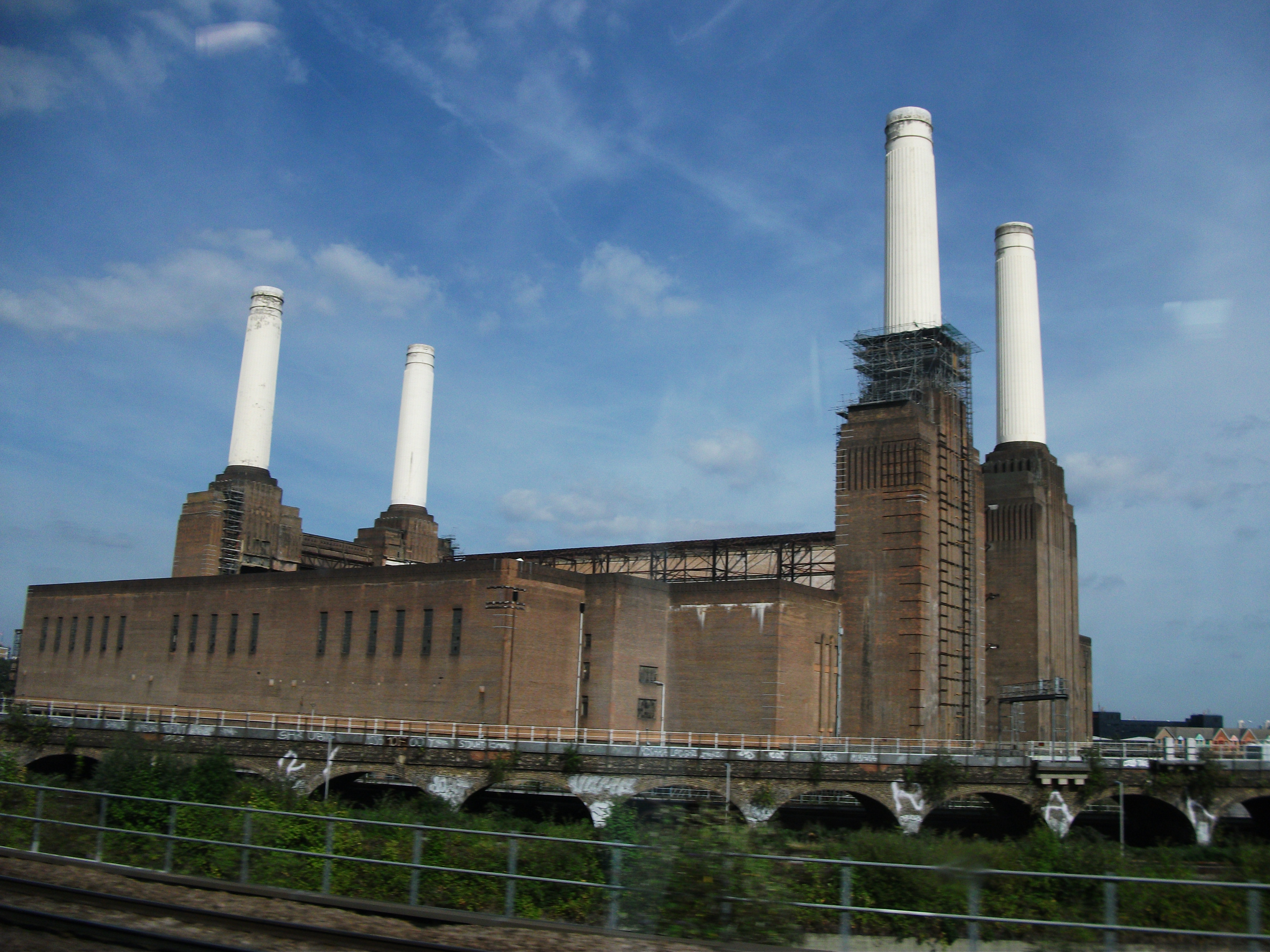
One of the sad sights you see as you approach Victoria is the ruin of Battersea Power Station.
Battersea Power Station
It is such a pity that nothing sensible has been done with such an iconic building, that is actually the largest brick building in Europe!
52.245212
0.403362
September 1, 2010
Posted by AnonW |
Transport/Travel, World | Architecture, Energy |
Leave a comment
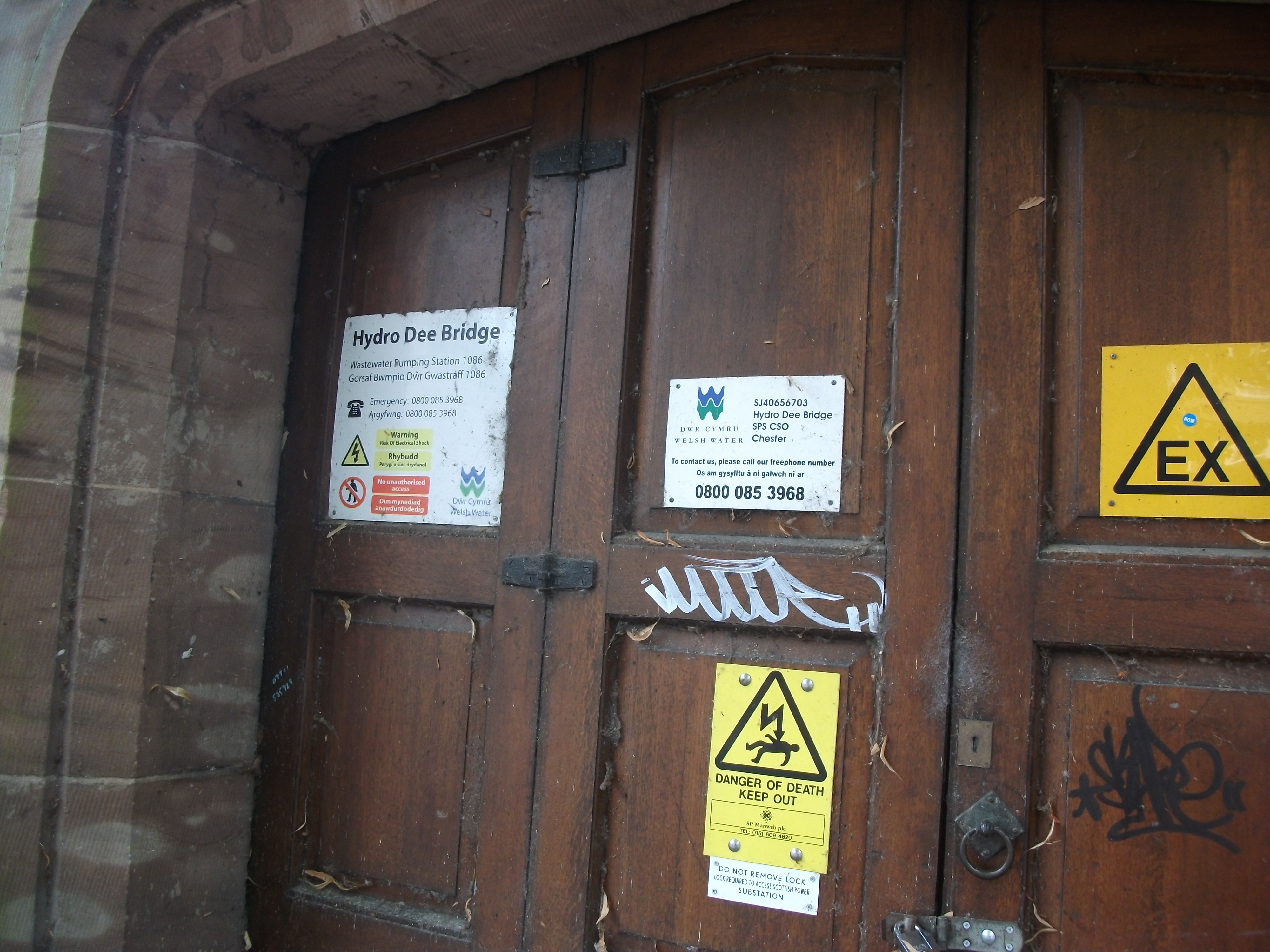
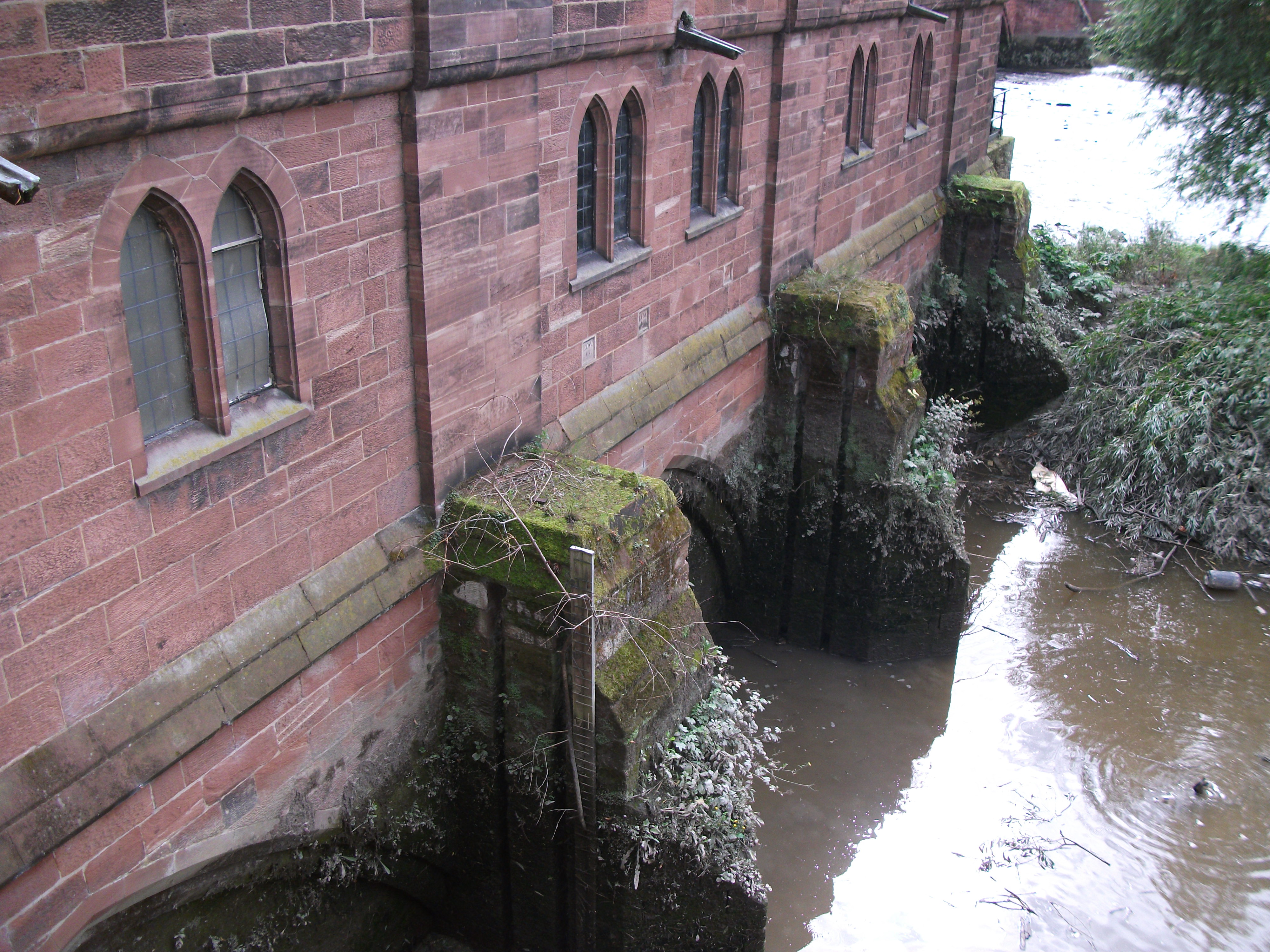
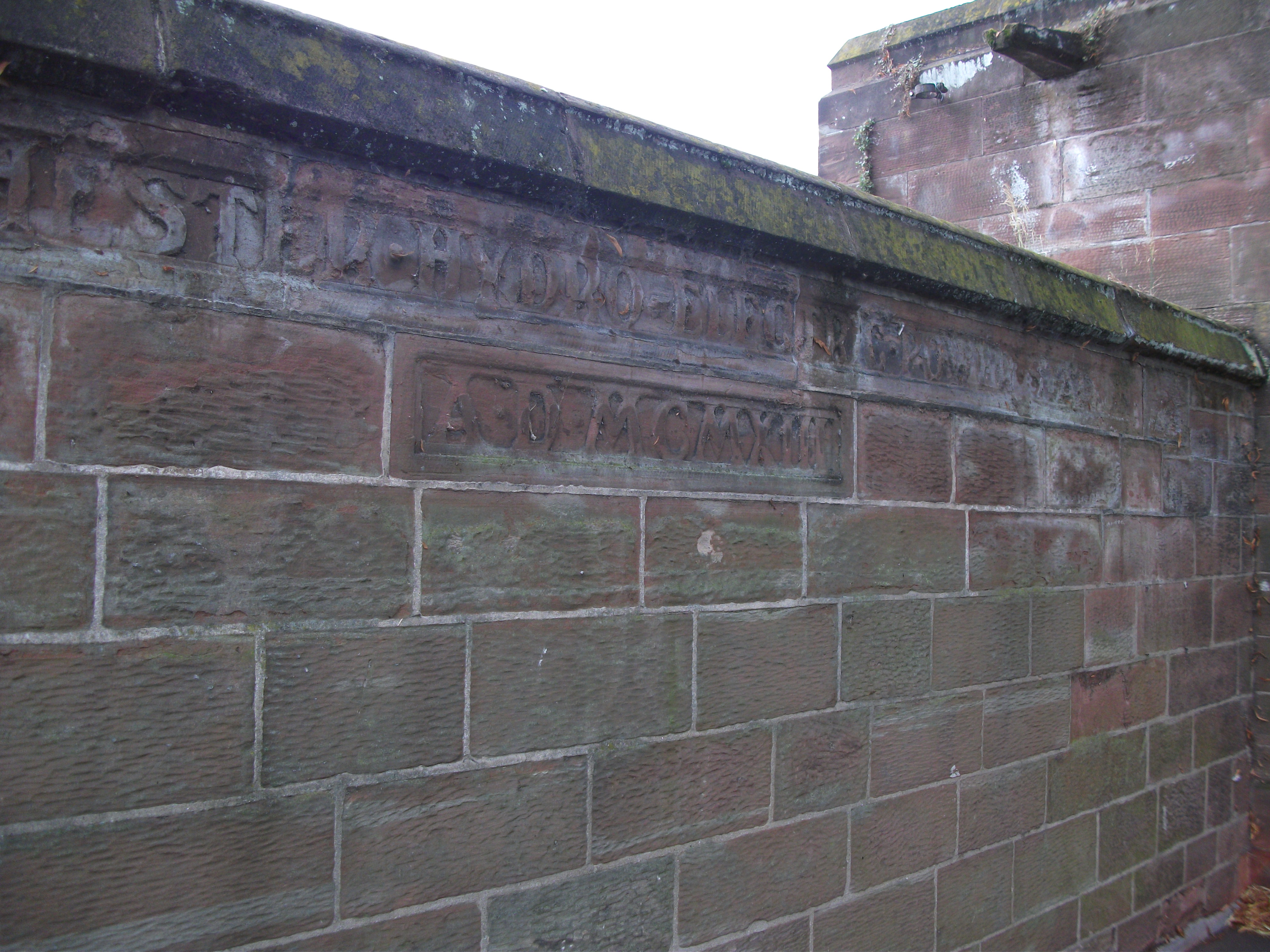
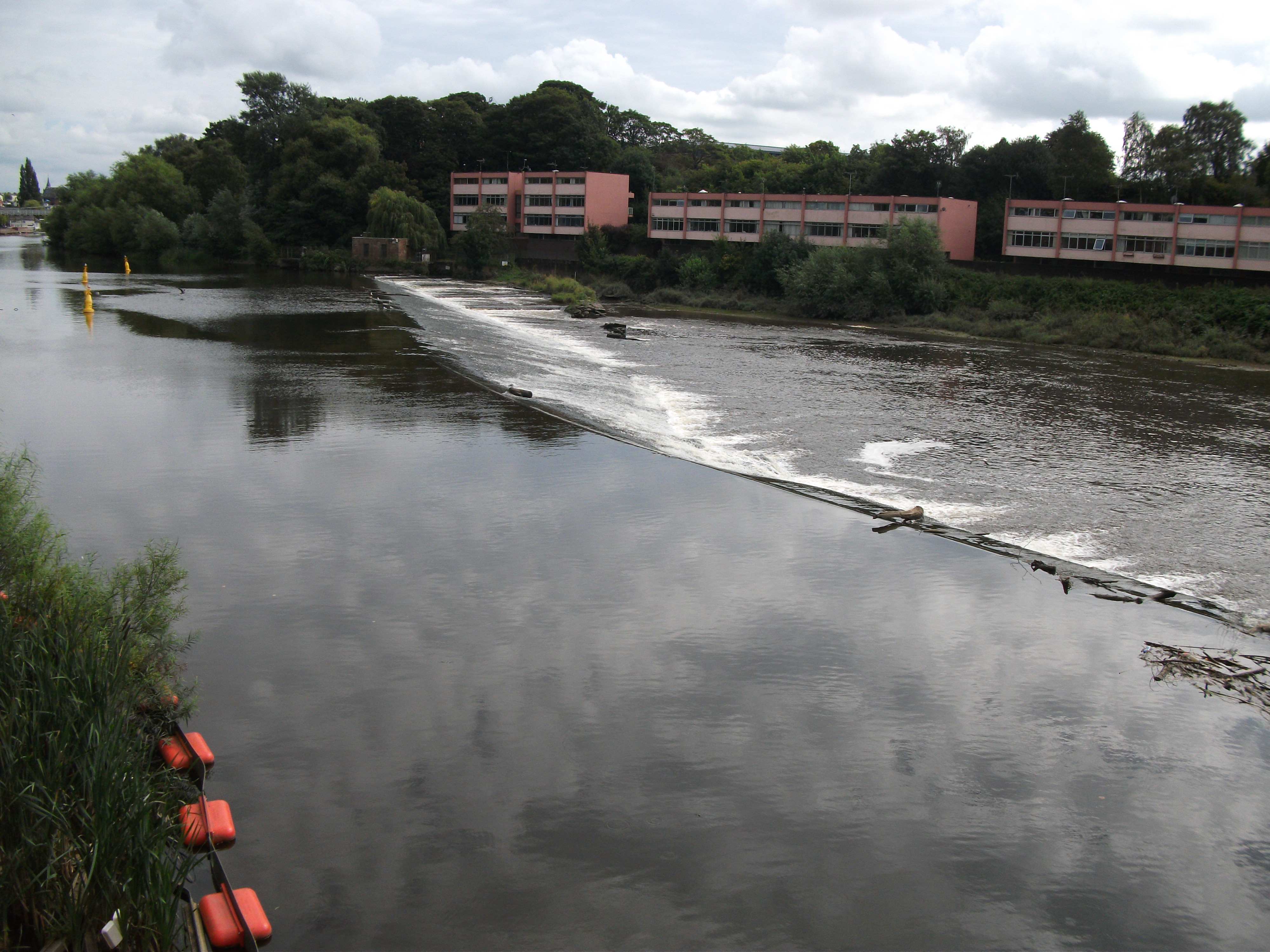
Ever since I first went to Chester and saw it on the Dee, I’ve always wondered about the hydro-electric power station by the bridge.
As you can see from these pictures it is not in use to gnerate power anymore,m but there is still the weir to funnel water through the sluices and turbines.
The weir which was built in the eleventh century isa Grade 1 Listed building and it might appear according to Wikipedia that they may be using the river to generate power again. The site certainly needs some restoration as the photos show.
52.245212
0.403362
August 26, 2010
Posted by AnonW |
Transport/Travel | Chester, Energy, Engineering, hydro |
Leave a comment
 The Anonymous Widower