I Hope The American Army Doesn’t Navigate Using Google Maps
There is an article in The Times today, which is entitled As The World Watches Kharg Island, Iran Gets Oil Out Another Way.
This is the sub-heading.
Satellite imagery reveals millions of barrels have been shipped from the ‘forgotten’ port of Jask — used only once before
The only Jask, that Google Maps can find is a marketing agency in Solihull. At least Jask,Iran finds it.
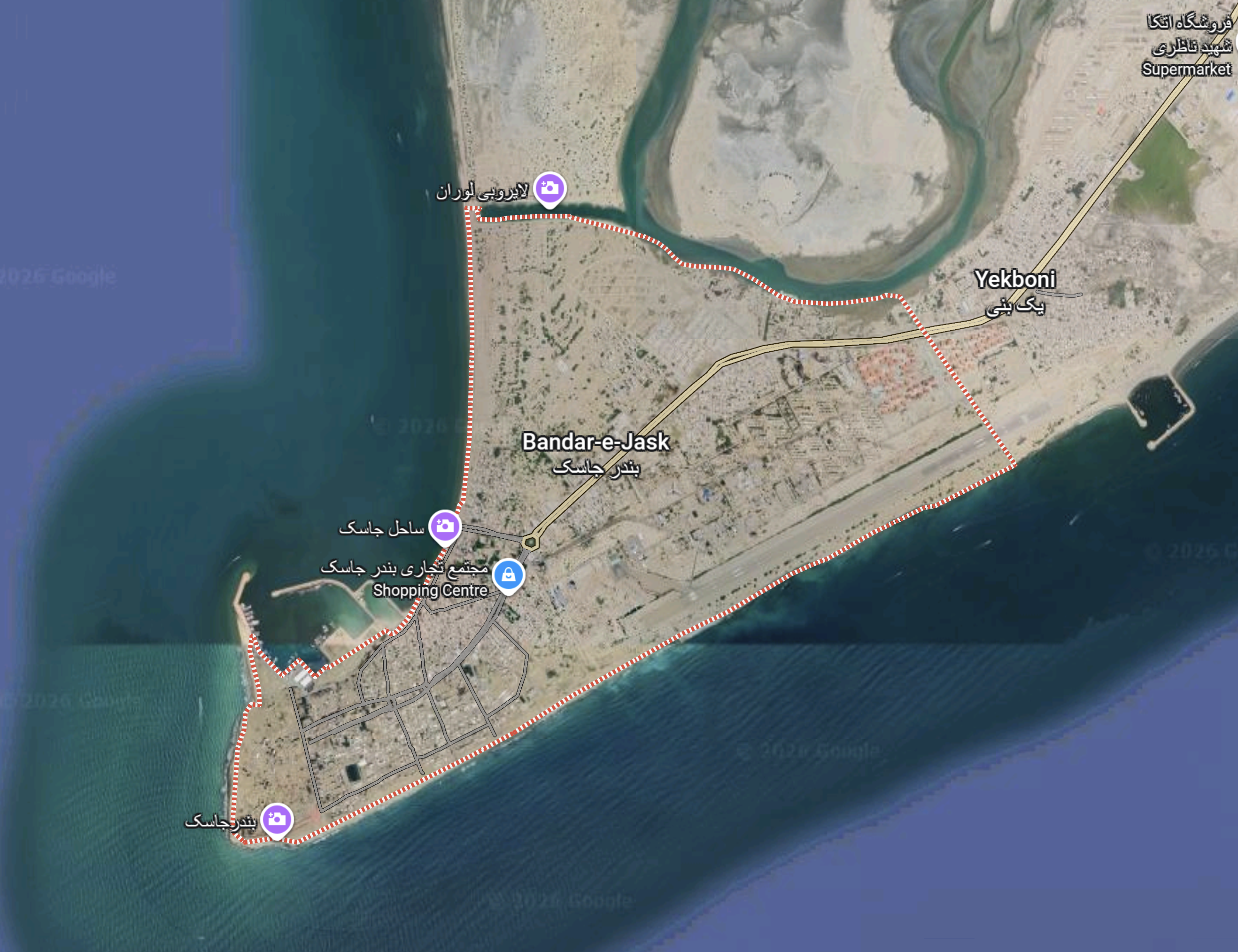
Looks a bit deserty to me!
I just had to ask Google AI if the US Army has a Camel Corps and I received this answer.
Yes, the U.S. Army operated a “Camel Corps” experiment between 1856 and 1866, using camels for logistics and supply transport in the Southwest, particularly Texas and California. While considered hardy and effective, the corps was never an official unit and was abandoned due to the Civil War, soldier preference for mules, and lack of long-term support.
Key Facts about the U.S. Army Camel Experiment:
Origin: Proposed by Jefferson Davis (then Secretary of War) and approved by Congress with a $30,000 budget.
Acquisition: Around 70 camels were imported from the Mediterranean (Egypt, Turkey, Tunisia) in two shipments.
Operation: The camels were based primarily at Camp Verde, Texas, transporting cargo across desert terrains.
Key Leaders: Major Henry C. Wayne directed the experiment, and Lt. Edward F. Beale praised the camels’ endurance in reports.
End of Project: The program was abandoned during the Civil War. Confederate forces captured some camels, and the remaining herd was sold at auction in 1864-1866.
While the camels themselves were durable, they were often disliked by soldiers due to their difficult temperament compared to mules. Some camels were sold to miners or escaped, leading to reports of wild camels in the Southwest for decades following the experiment.
Should New Stations Be Shown On Google Maps With Opening Dates?
I recently posted a comment on The Times recently, where I suggested a guy was opening one of his coffee shops in a town, that was getting a new railway station.
Another, who commented, suggested that I look at Google Maps to see their relative positions.
The coffee shop was shown, but the station wasn’t.
Surely, once the position of the station is known, it should be marked on Google Maps with an opening date, as this could help people take important decisions about their life.
Blyth Bebside station on the new Northumberland Line between Newcastle and Ashington is already shown with the familiar logo, despite not opening until the 19th of October.
The other two unopened stations on the line, which are Northumberland Park and Bedlington, are going to open next year, are also shown with familiar logos, but no opening date.
Someone in Network Rail, needs to be given the responsibility to make sure that details like this are correct.
In the case of Blyth Bebside station, I can see two different captions indicating the station on Google Maps.
- Before October 19th 2025 – Blyth Bebside – Opens 19th Octopber 2025.
- After October 19th 2025 – Blyth Bebside – Opened 19th Octopber 2025.
Detailed labeling may even help deliveries during construction.
 The Anonymous Widower