A Working Quay, Great Yarmouth
The South Quay may be historic and it has a couple of museums, including one to Nelson, but it is also very much a working one.
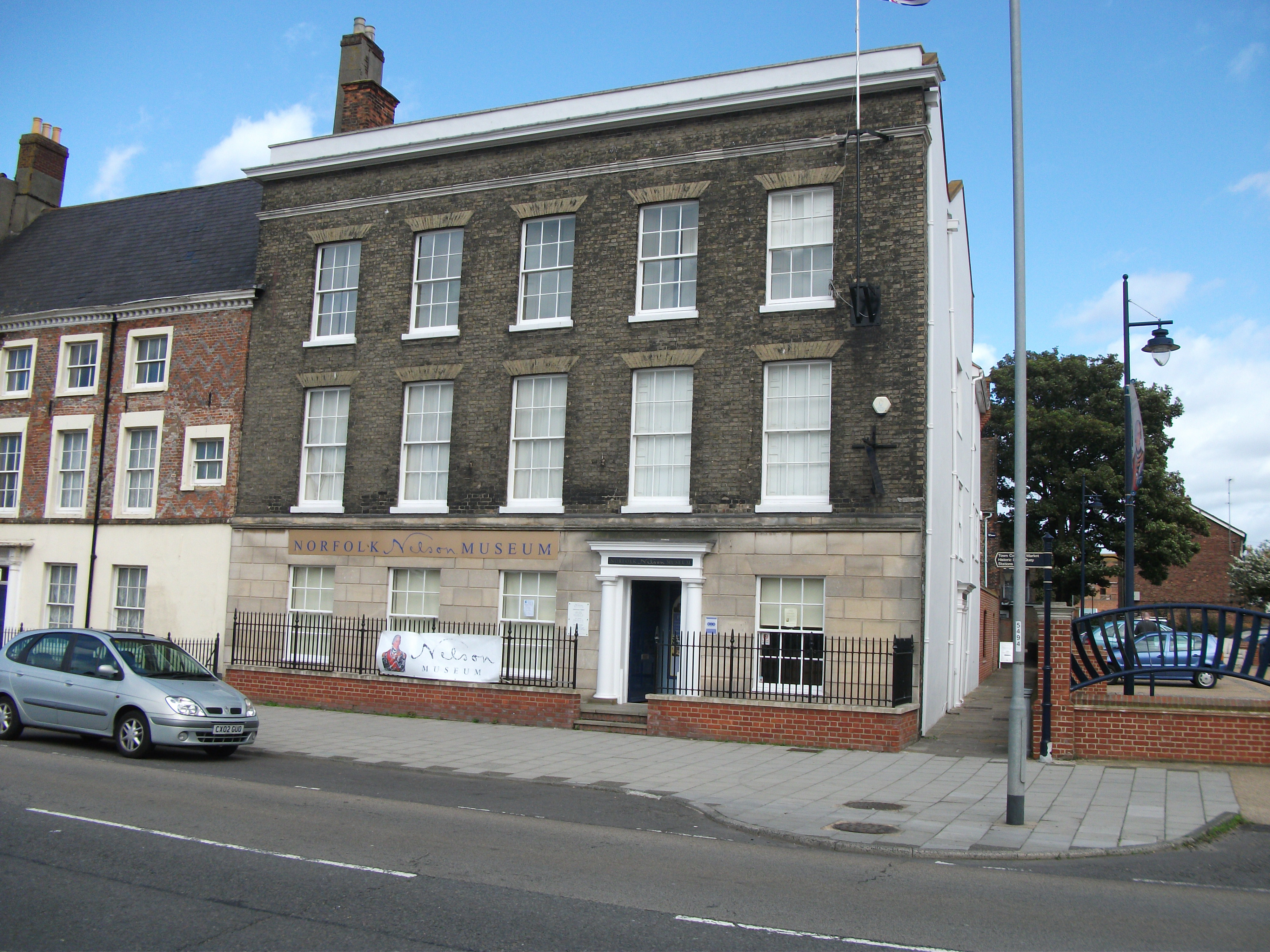
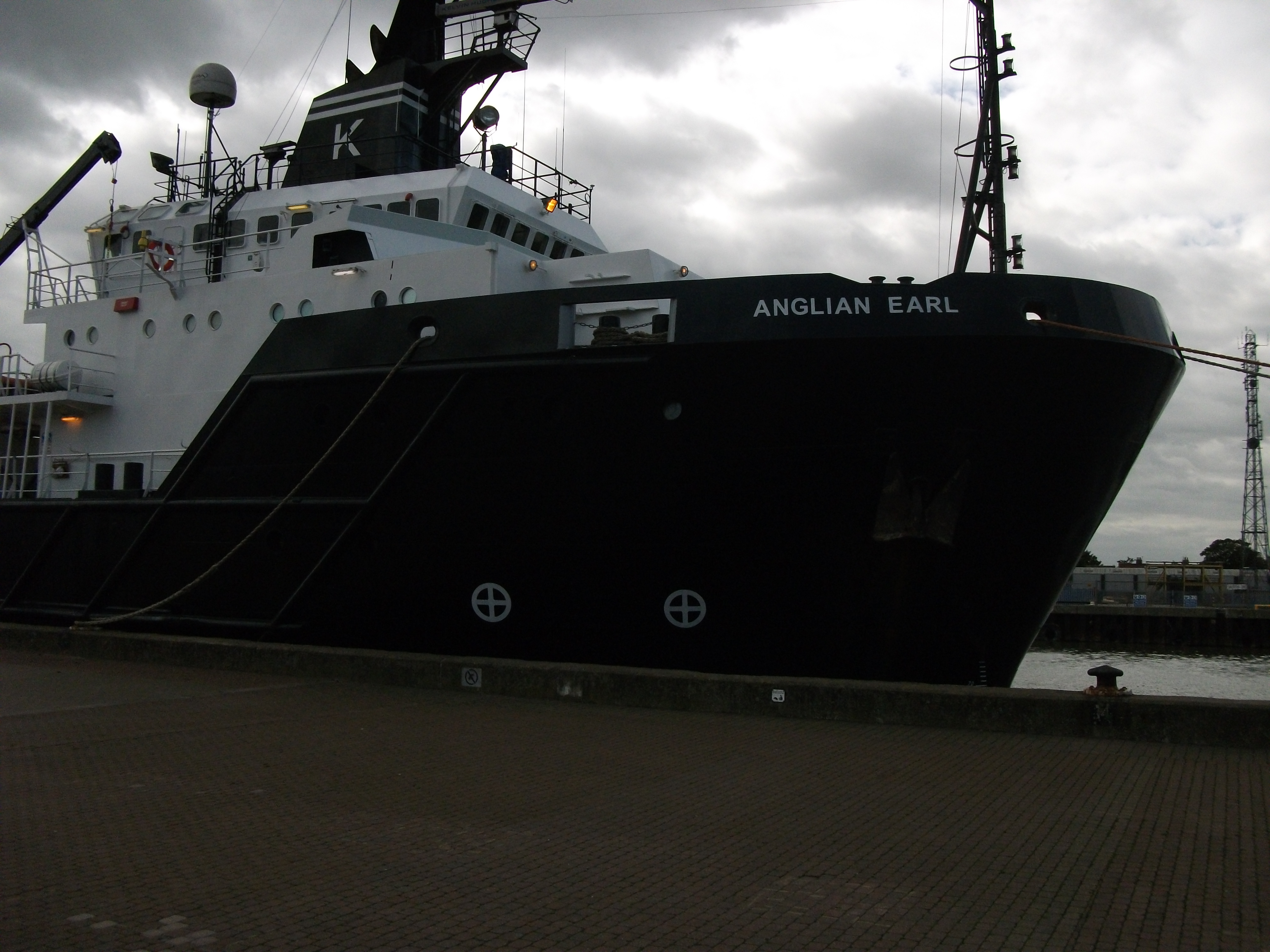

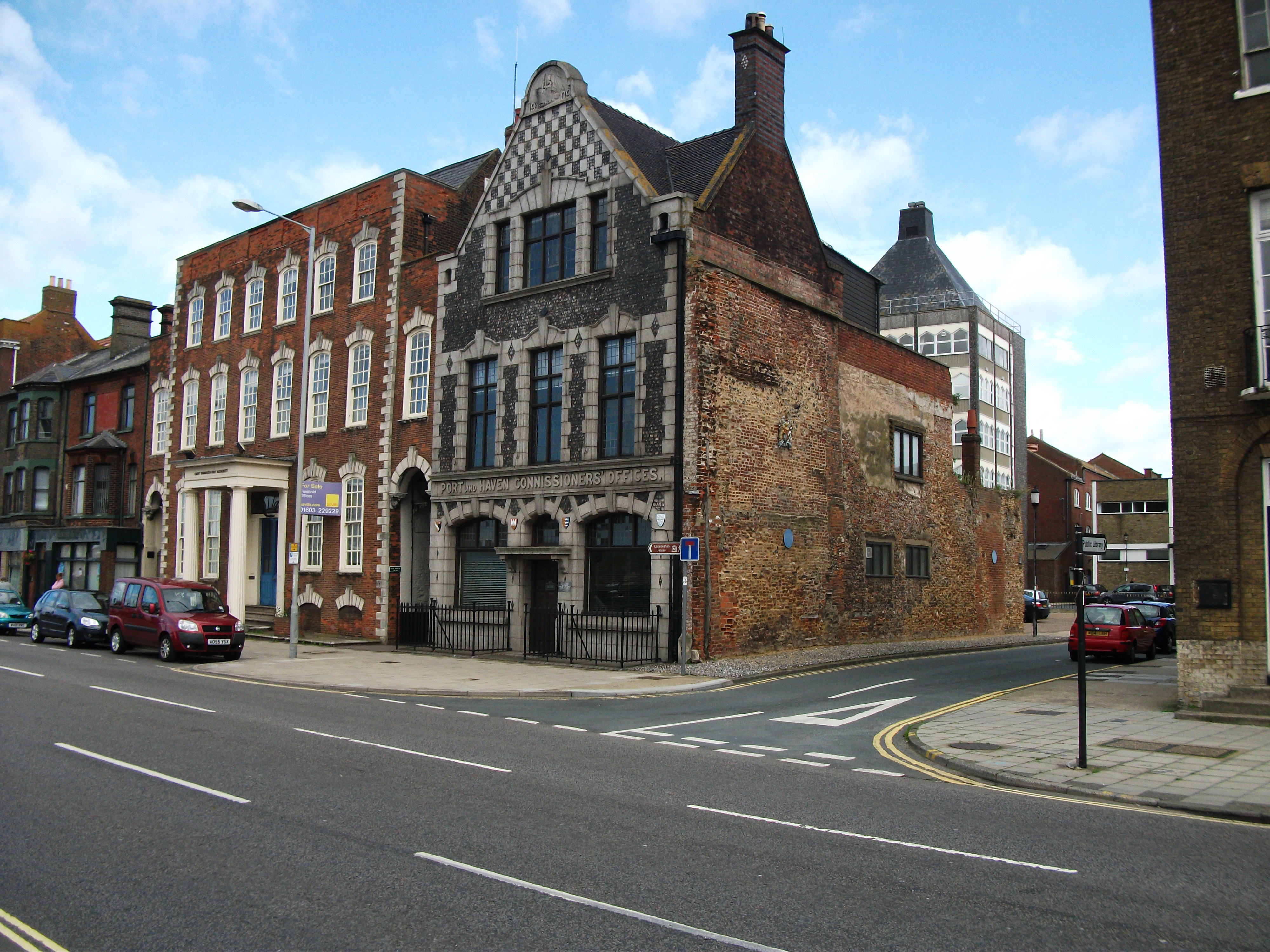

I only walked from the Lydia Eva down the quay for perhaps a hundred metres, as the weather looked to be on the turn and I really didn’t want to get wet.
The signs were also upon the Quay for the Tour of Britain, as Thursday’s stage finishes in the town.
Why We Didn’t Lose World War II
I have just read this article on the BBC about building a Wellington bomber in under 24 hours. It was not so much that we did it, but how we did it.
This paragraph in the article sums up why we held the fort long enough for the Japanese to attack the Americans at Pearl Harbor.
“Women were absolutely vital – first of all to the war effort as a whole, and to aircraft production,” says historian Sir Max Hastings, author of the book Bomber Command. “They were very good at what they did. Britain mobilised women more efficiently than any other wartime nation, except perhaps the Russians.”
Hitler never mobilised the German women and this was one of his biggest mistakes. But what do you expect from a power-crazed racist idiot? Not sound sense!
Women did virtually everything to support the war effort in the UK. They may not have flown combat missions, but a lot of the delivery of planes to and from front line squadrons was performed by pilots of the Air Transport Auxiliary, of whom in one in eight were women. Interestingly, women pilots were paid the same as the men. In fact the Air Transport Auxiliary is another of those organisations we created that made the most of scant resources. When they were disbanded after the war, Lord Beaverbrook said this.
“Without the ATA the days and nights of the Battle of Britain would have been conducted under conditions quite different from the actual events. They carried out the delivery of aircraft from the factories to the RAF, thus relieving countless numbers of RAF pilots for duty in the battle. Just as the Battle of Britain is the accomplishment and achievement of the RAF, likewise it can be declared that the ATA sustained and supported them in the battle. They were soldiers fighting in the struggle just as completely as if they had been engaged on the battlefront.”
I once asked my father, who at some time may have been an aide to Lord Beaverbrook, why women didn’t fly combat in the Second World War. He said it wasn’t about competence, but because if they had and it had been known, it would have had a bad effect on the morale of the population.
But in one story I’ve read, women would have been called upon to fight in the air. If the Germans had landed, one of the lines of defence was what best is described as a immense swarm of Tiger Moths. I read about this in a history of the Mosquito. Hundreds of Tiger Moths were fitted with bomb racks by de Havilland and assigned a pilot and a support truck and personnel. They were to fight tanks from the lanes. The rag-bag collection of pilots would have included women.
As my next door neighbour, a retired British Army Colonel, once said, “in case of war, ignore all the rules!”
We could all do to look closely at the lessons of history!
Should We Still Call It The Battle of Britain?
Today is the 70th anniversary of the start of The Battle of Britain in 1940, which perhaps is one of the great battles in history.
But are we right to name it such?
I remember a French documentary on the battle in probably 1965, that was considered controversial. It wasn’t in any great sense, but it criticised us for calling it The Battle of Britain. As they felt, it was effectively Europe’s last stand against the Nazis and if we had lost the battle then the war might well have been over, then the battle should be called The Battle of Europe.
I thinik the French were right!
The Forsyth Saga
That sums up Who Do You Think You Are? tonight on Bruce Forsyth. The program was mostly about Bruce’s great-grandfather, Joseph Forsyth Johnson, who was a landscape gardener and bigamist. East Enders had nothing on him for relationships and drama. Incidentally, forsythia is named after Joseph’s father.
Landguard Fort
Felixstowe was the last place in the UK, to be invaded by foreign forces, when the Dutch tried to capture Landguard Fort in 1667. They failed due to the efforts of Nathaniel Darrell. That is why the 2nd of July is Darrell’s Day in Suffolk.
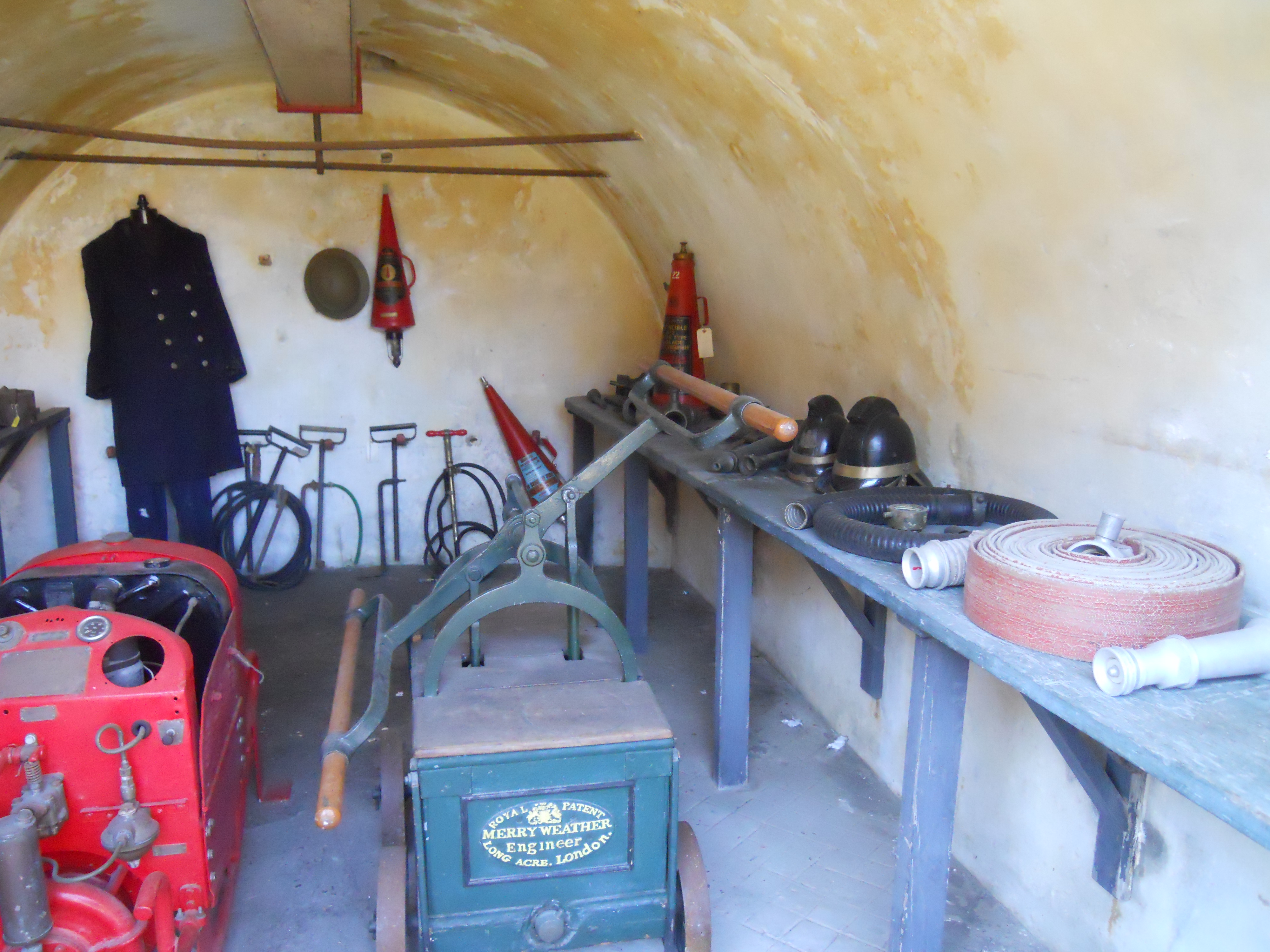

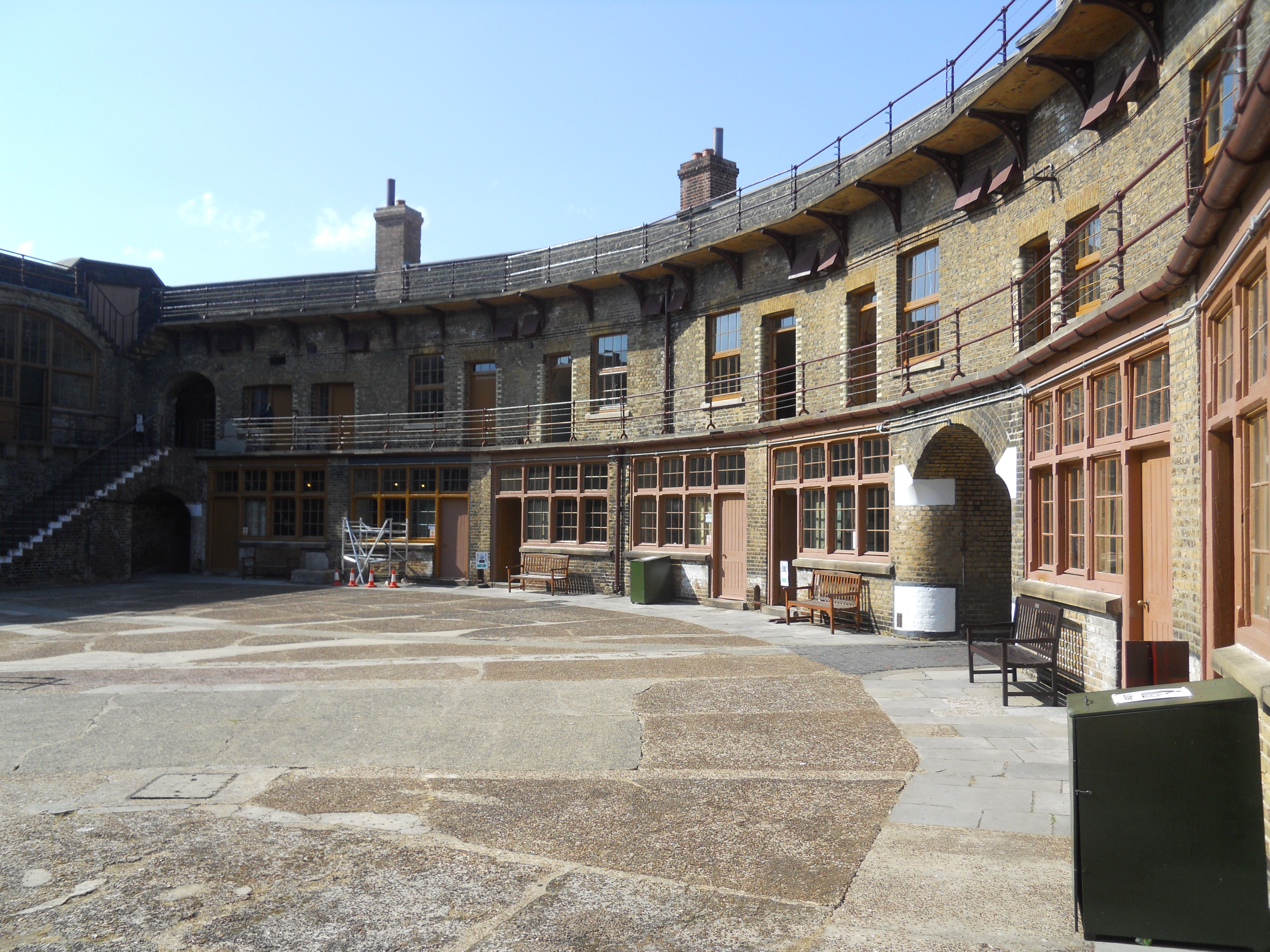
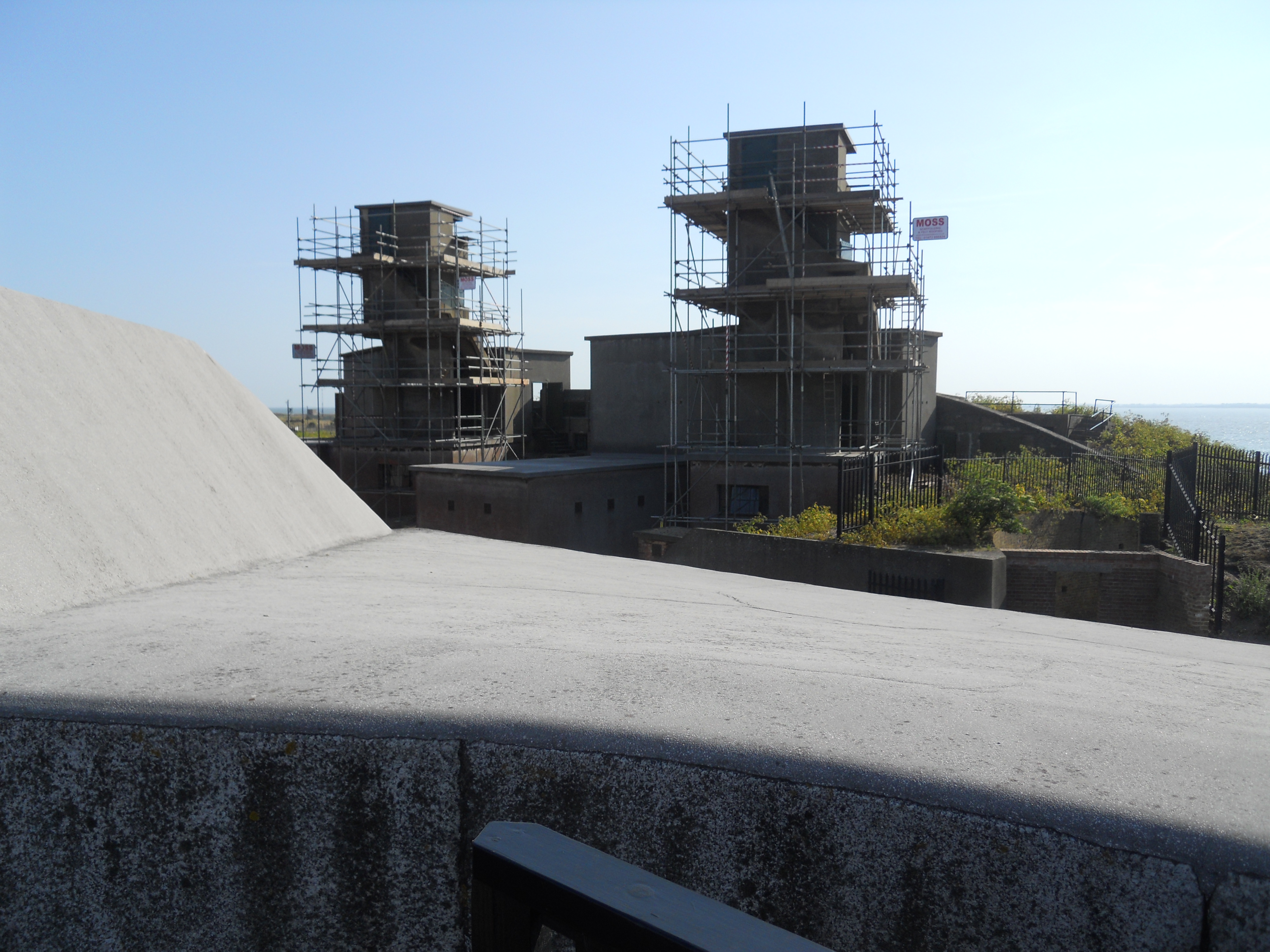
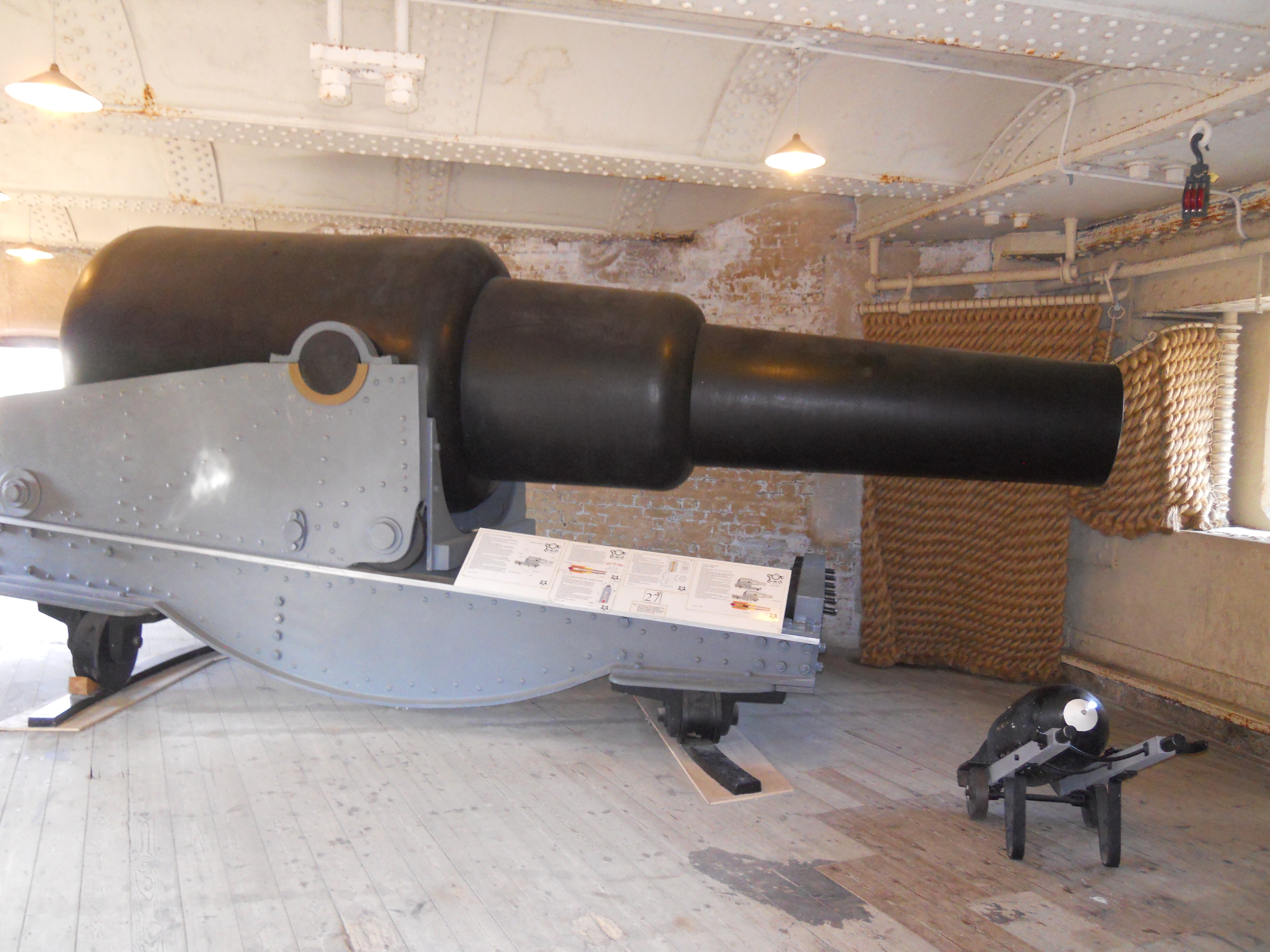
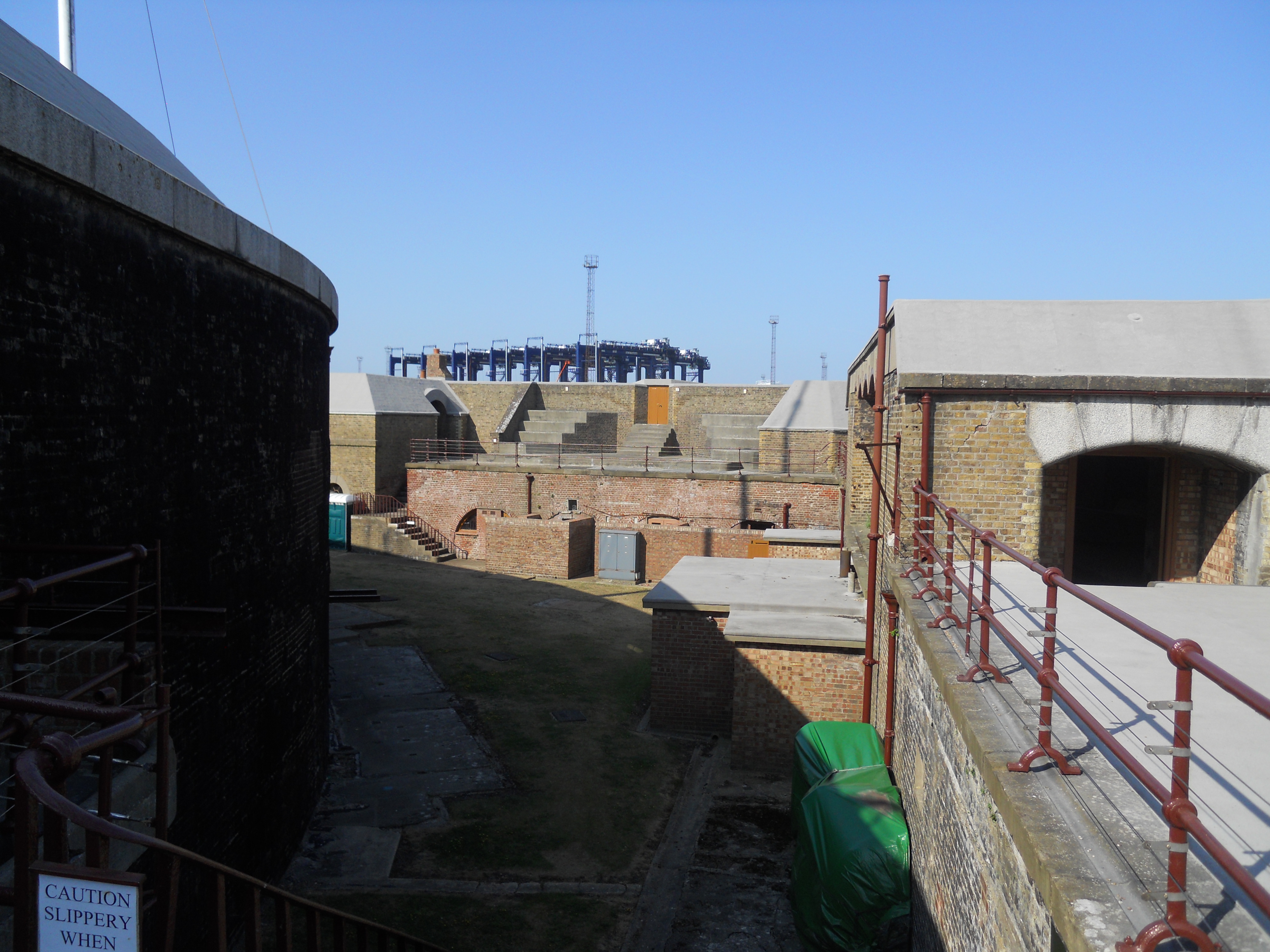
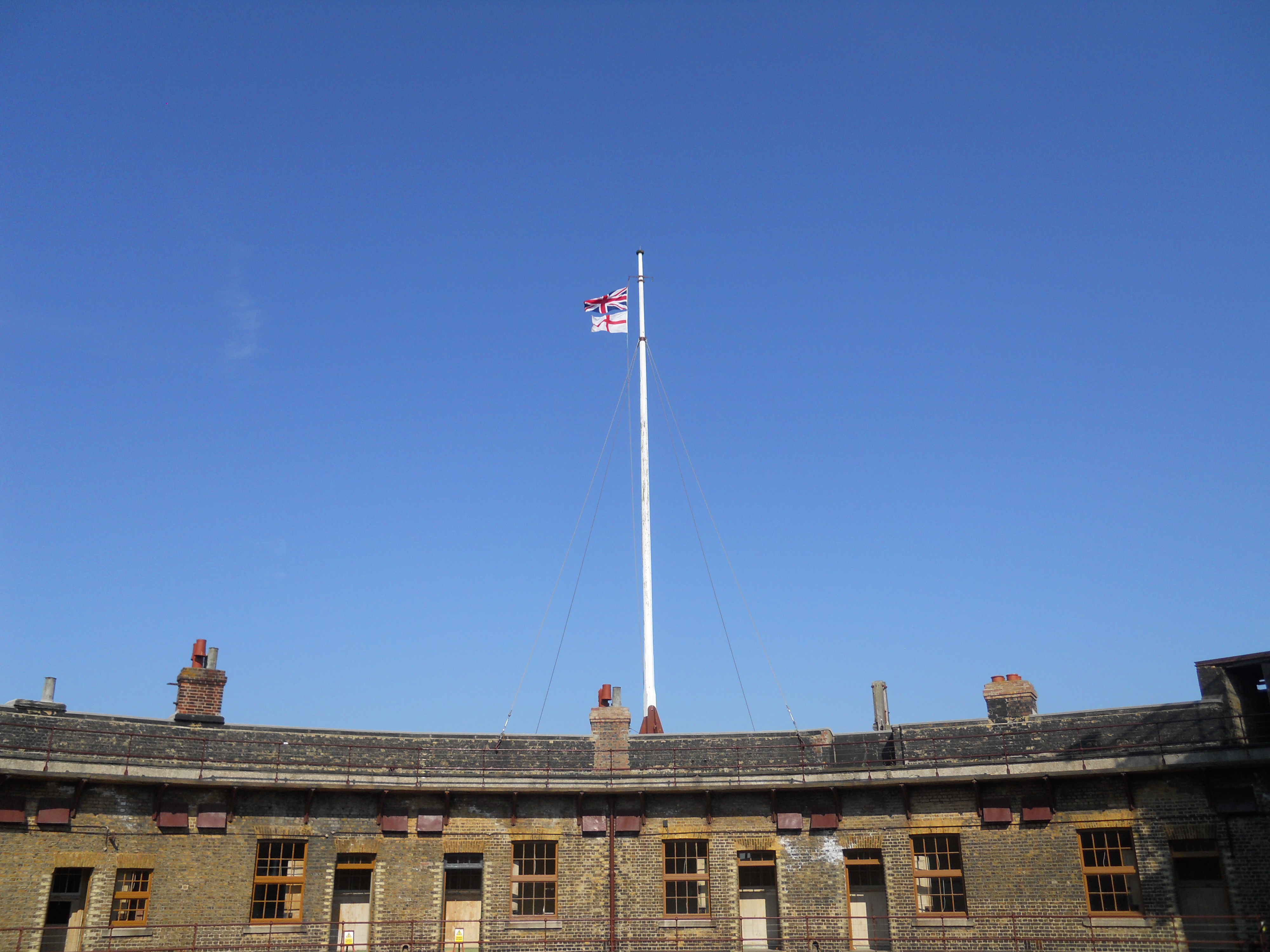


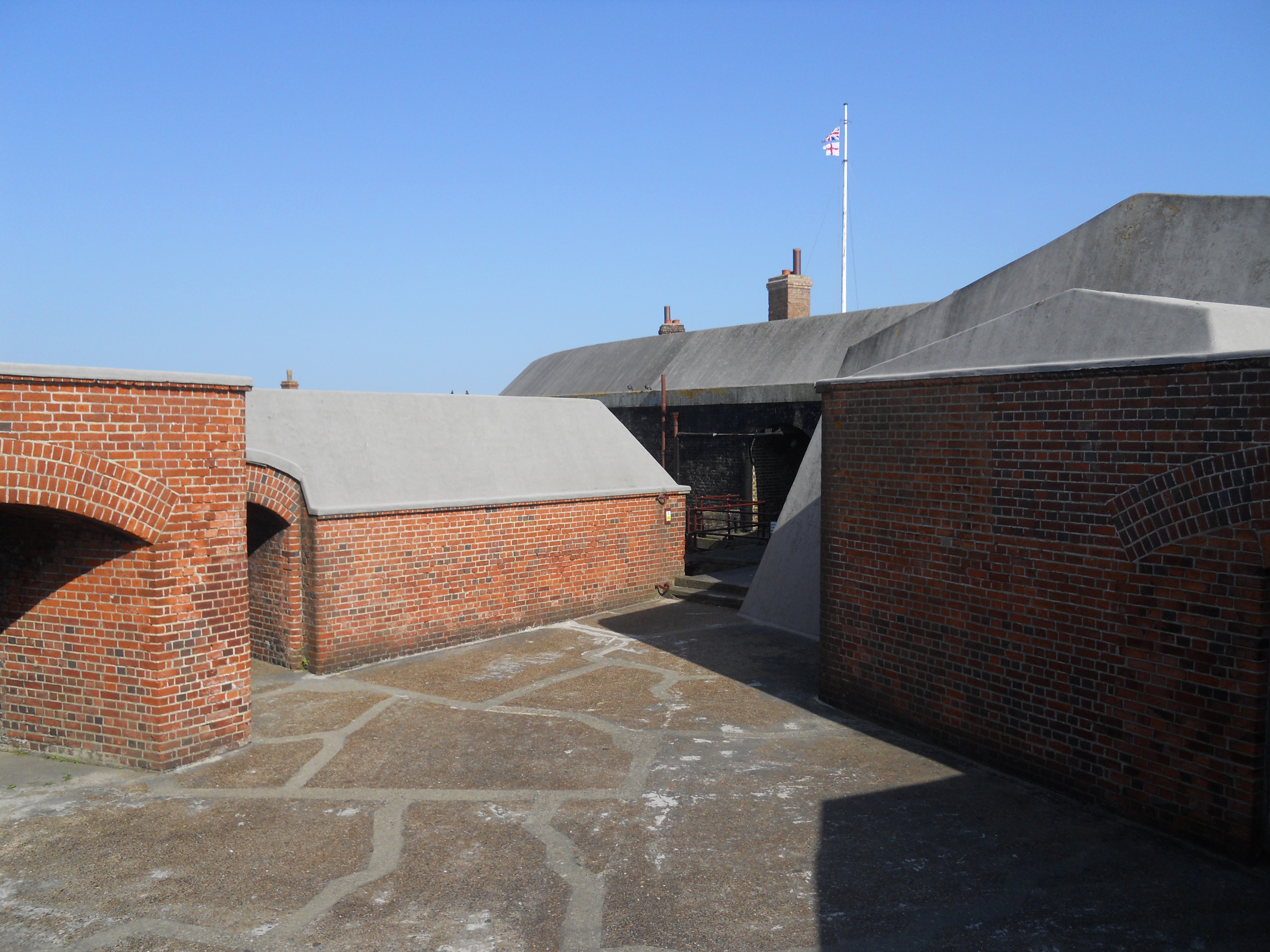
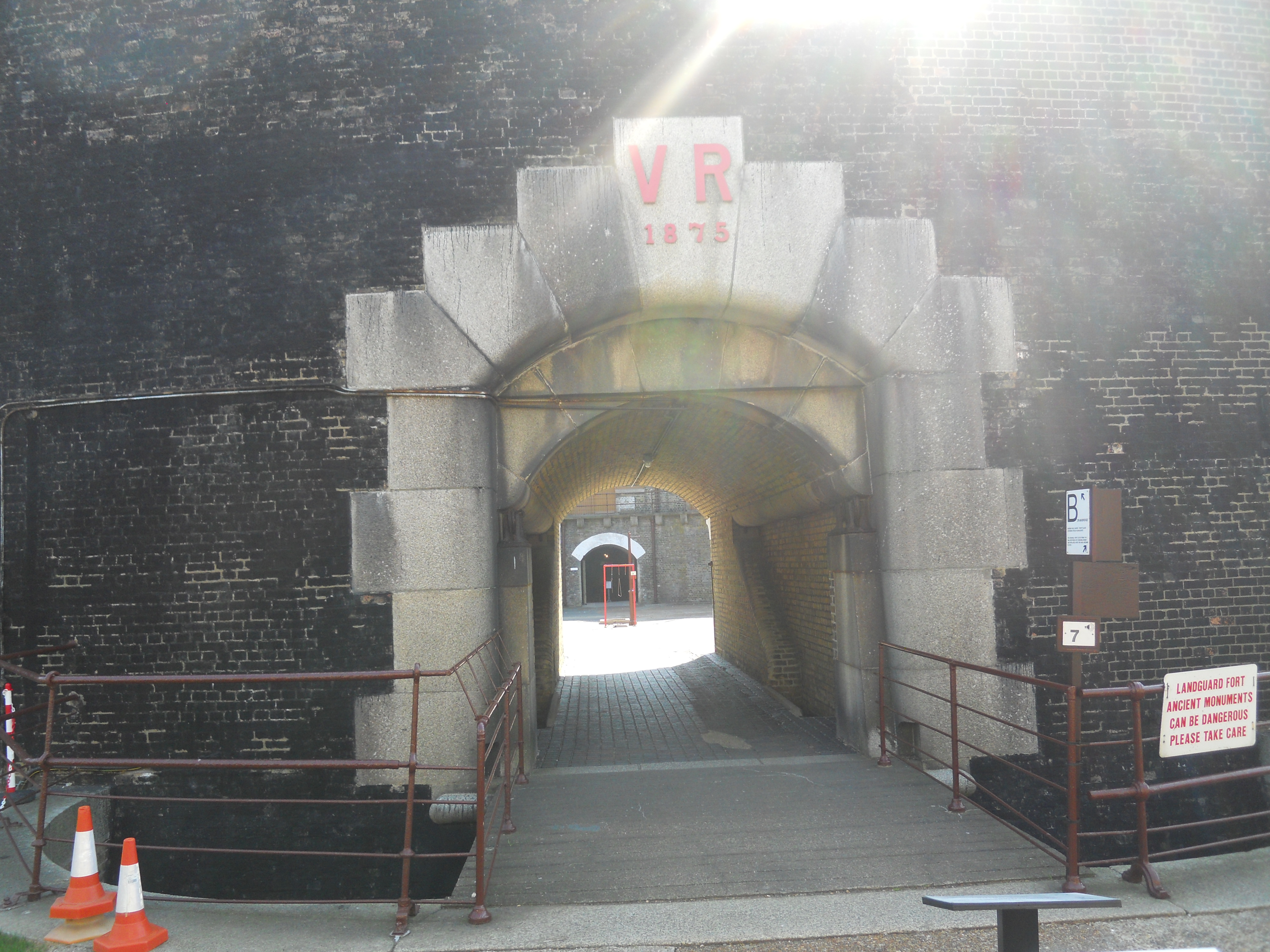
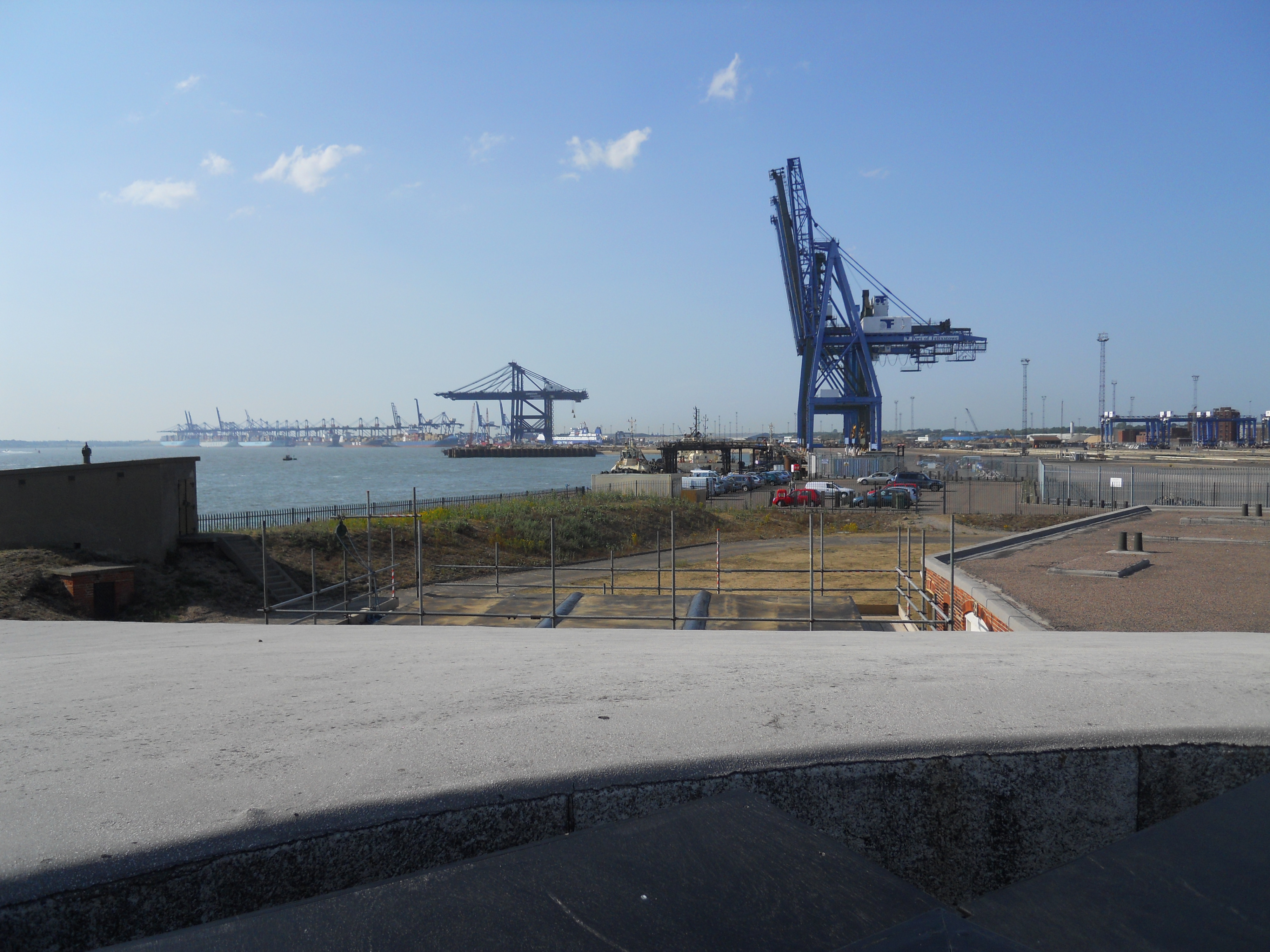


It is a place well worth a visit with a reasonable entry charge, lots of things to see and an excellent audio commentary.
I also found it a good place to try out my waling and climbing skills after a stroke. In only a couple of places did I need a helping hand.
Grey’s Monument, Newcastle
I hadn’t realised how important a politician Charles Grey was until I went to Newcastle. I hadn’t realised that he had been a character in Saul Dibb‘s film about the Georgiana, Duchess of Devonshire, the Duchess.
You can’t miss the monument erected to him in the centre of Newcastle.
I have just been talking to a friend and they put me right aboiut Grey. His 1832 Reform Act was very important and when he was Prime Minister when slavery was abolished throughout the British Empire.
For trivia, Earl Grey tea was named after him and he had sixteen children with his wife and at least one other.
David Starkey and the Canadian Solution
I watched the political programme on BBC1 last night, This Week. One of my favourite broadcasters, David Starkey, gave a history lesson about Canada. He has a reputation for being difficult, but I needed to borrow a picture from one of his books for a web site and he was charm personified.
Fifteen years ago, the dominion was in a terrible mess, with massive borrowings and a stagnant economy. The new government cut very deeply and within three years many of the problems had been solved. Now Canada has the strongest growth rate of the countries in the G7.
Whoever wins the election must cut and cut very deeply. But they won’t!
Den Haag’s Dark Secret
If you cycle towards Scheveningen past the prison and the barracks, there is a building on the eastern side of the road, that looks like a station. We see old stations all over the UK that have been converted into houses and although it’s a different style, it has the same aura.
When I got back I looked it up and found that there used to be a railway that ran from the main line from Den Haag to Amsterdam, through Wassenaar to a station by the beach at Scheveningen. As I had thought, the railway had run where the road is now.
It was the site with the map that told me the dark secret, that few know about. Den Haag was the launching point for all of the V-2 rockets that the Nazis sent towards London. A lot were fired from a beautiful estate called Duindigt, near the racecourse. It ended up being totally destroyed by Allied bombing and V-2’s that exploded on takeoff.
Nearly three thousand died in 1944, in London due to these weapons. But not as many as about 20,000 concentration camp inmates, who died making the weapons. Even the Dutch suffered greatly, as the weapons misfired and hit local targets, the Nazis executed anybody for the most trivial of reasons and the Allies destroyed parts of Den Haag by mistake as they tried to stop the launching of the rockets.
War is never the simple business it is made out to be.
There is also a book, Spitfire Dive Bombers versus the V2, by Bill Simpson, which details the hunt for the rockets by RAF Fighter Command.
Southampton and Football
I went to Southampton on Saturday to see Ipswich play them in the FA Cup.

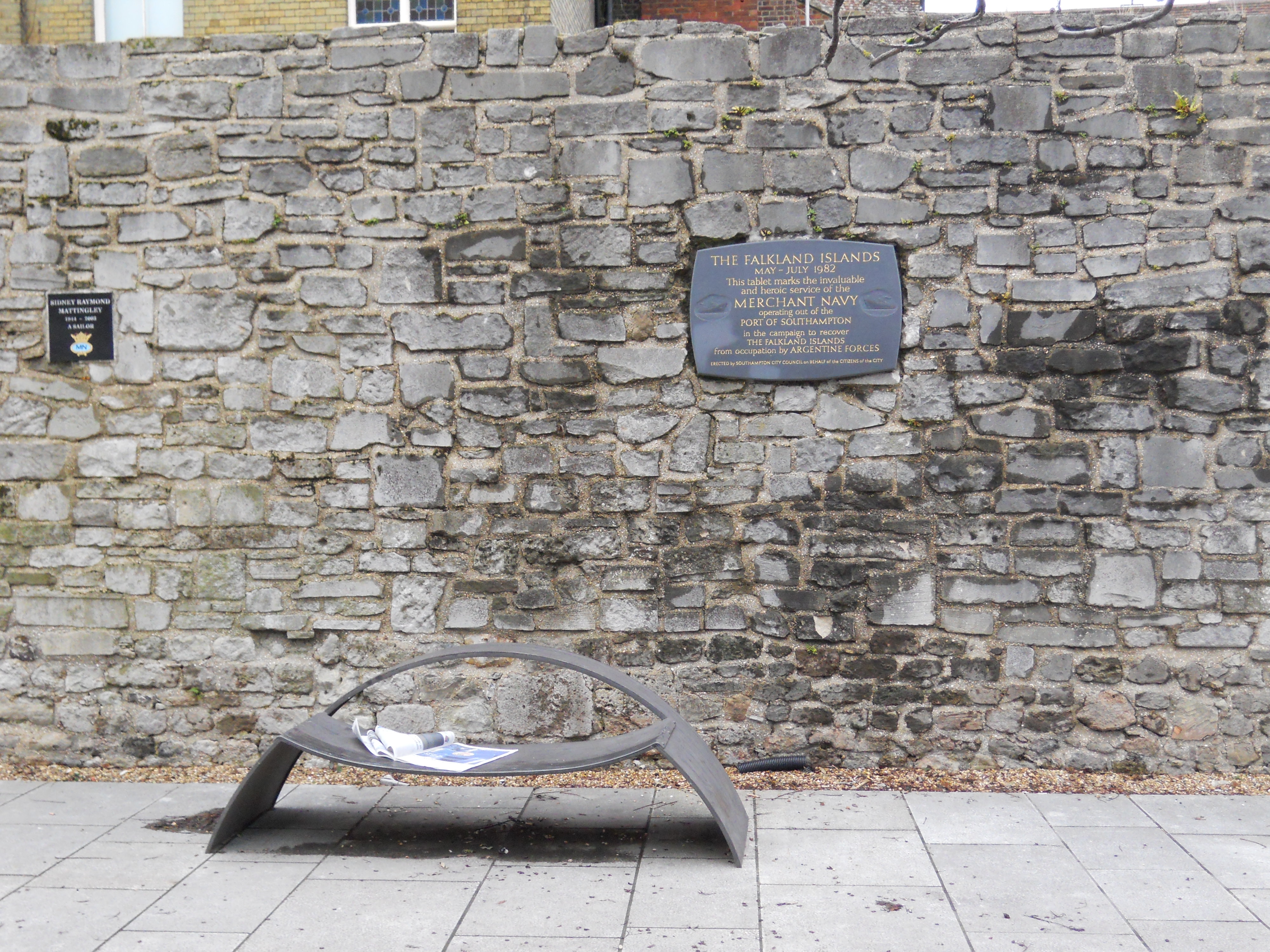

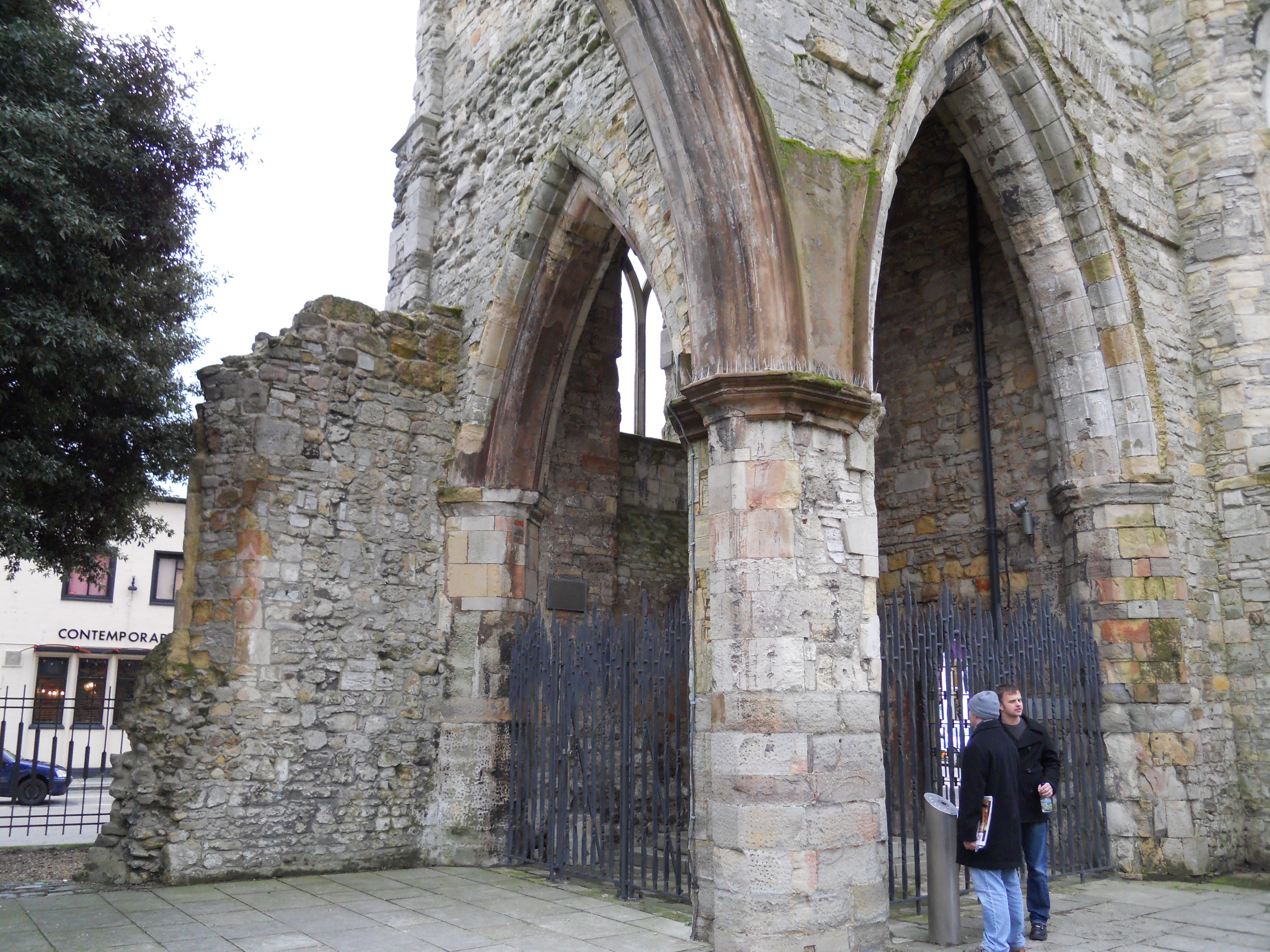
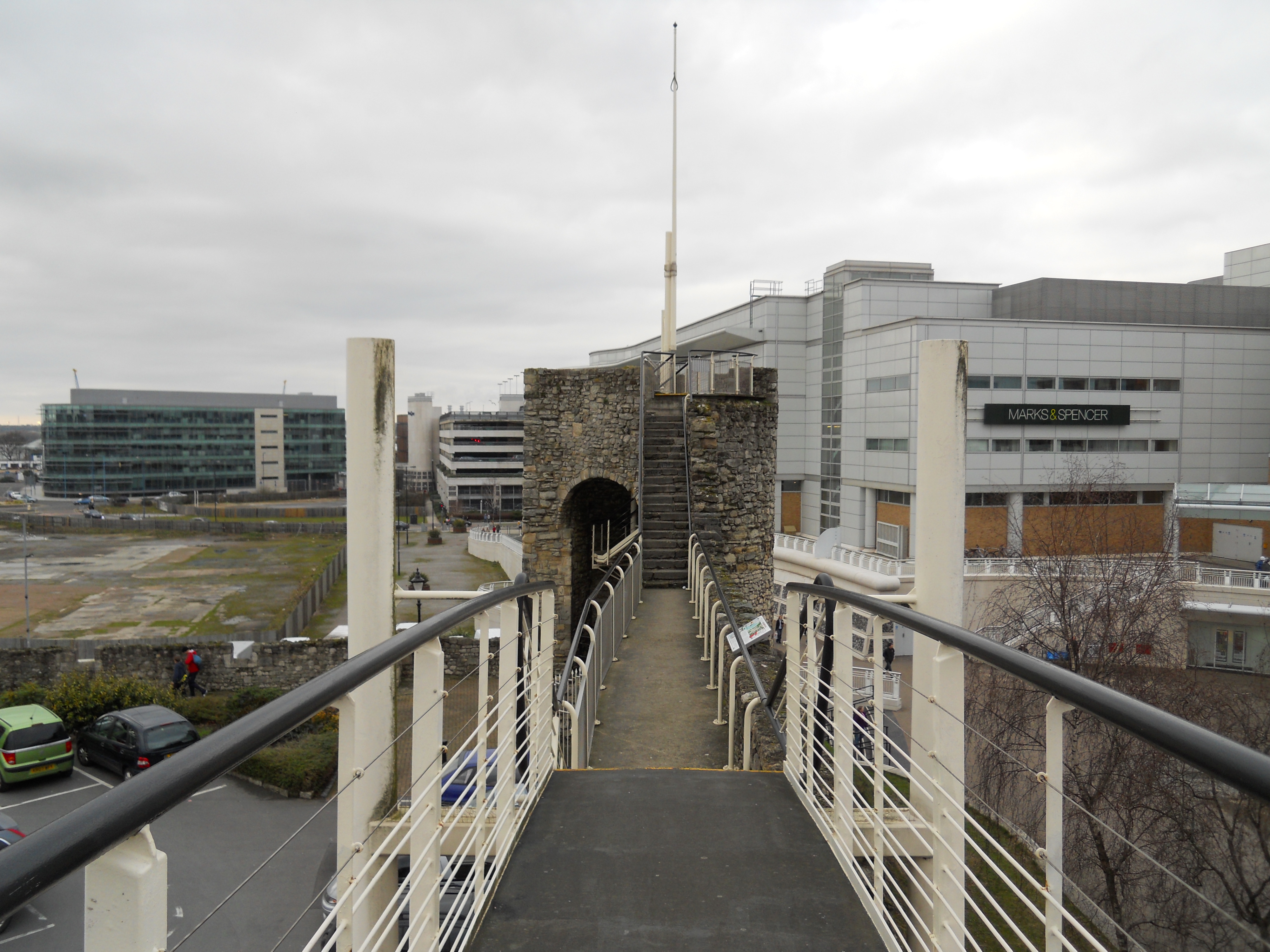

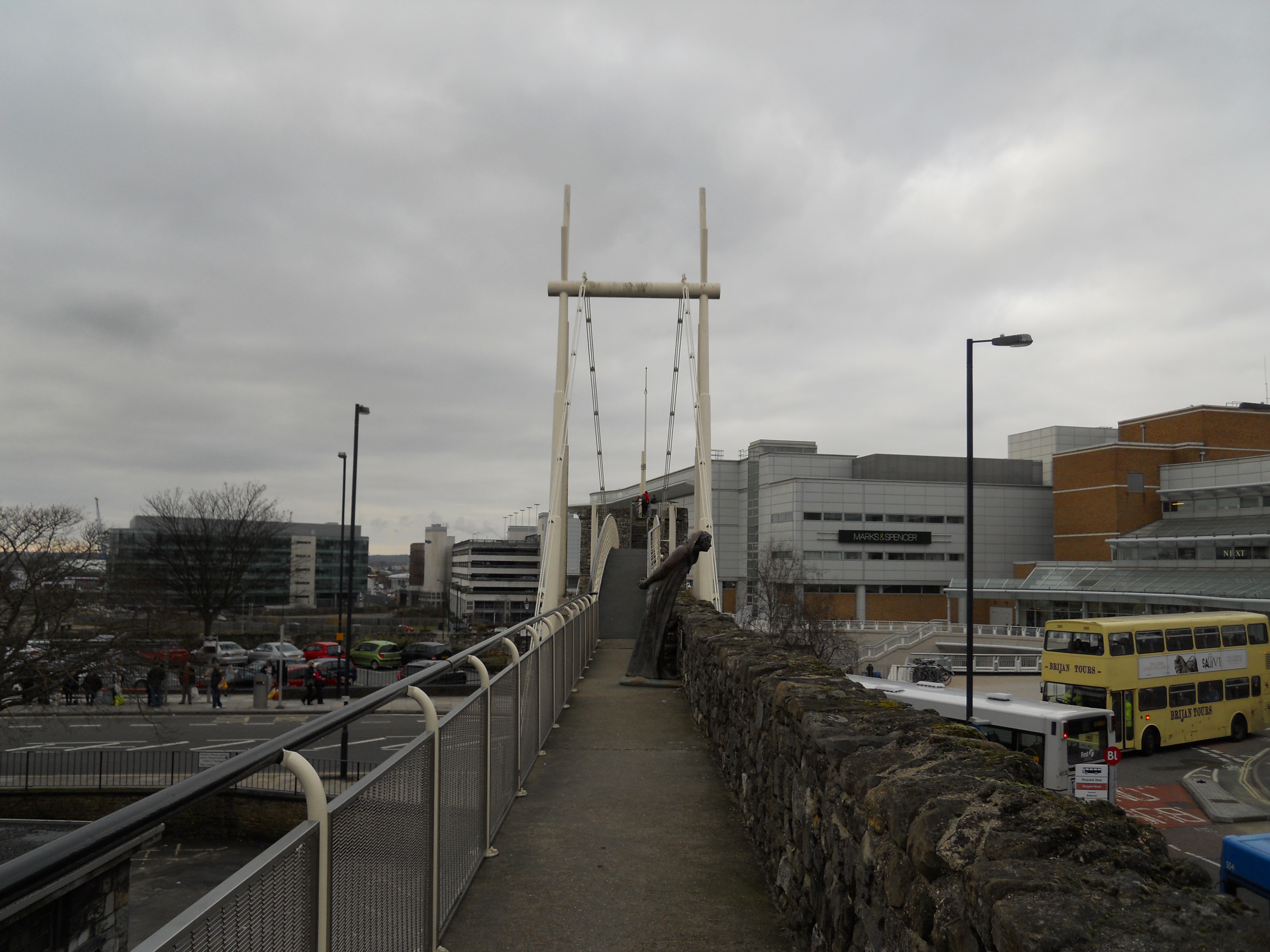

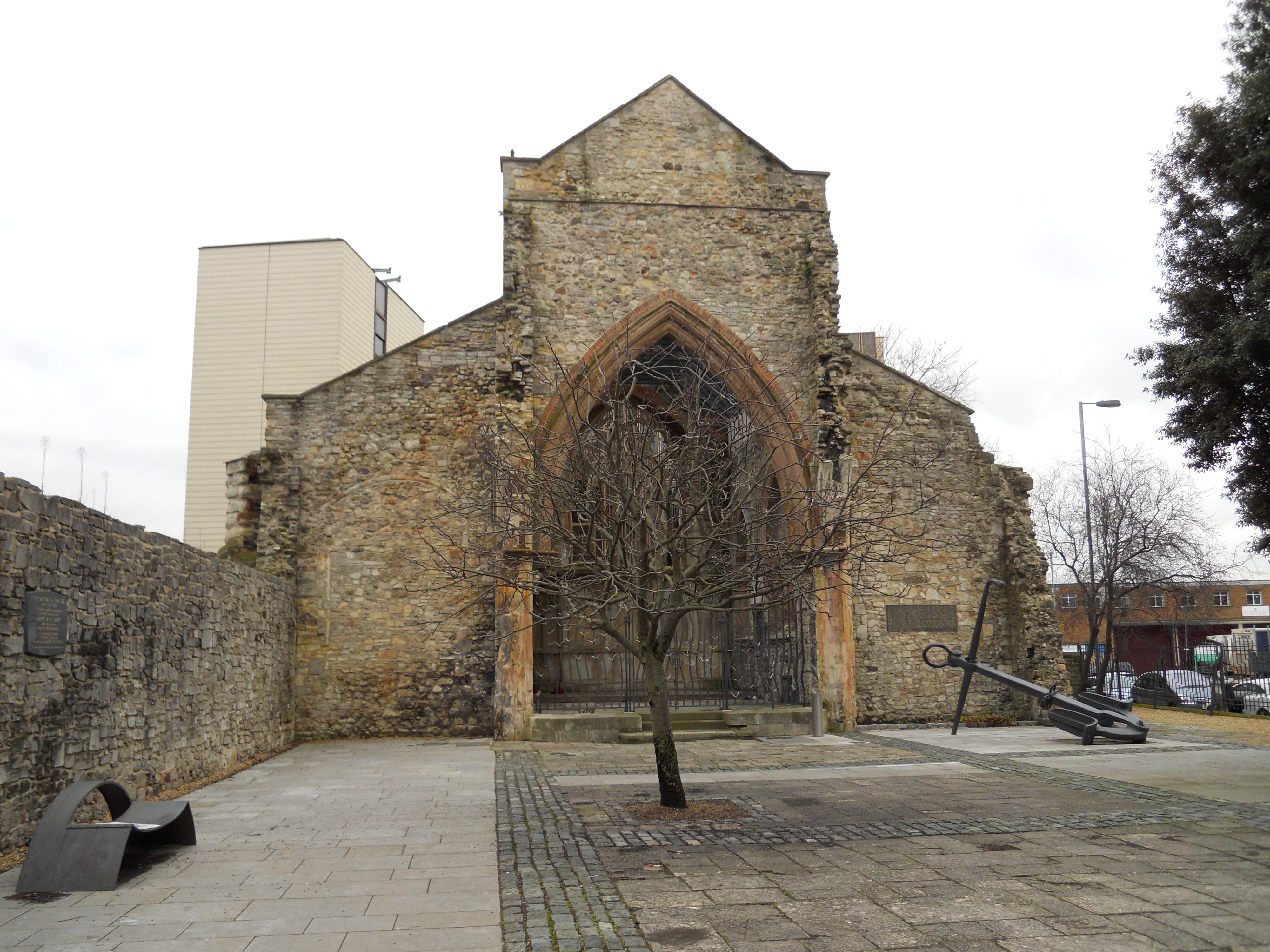

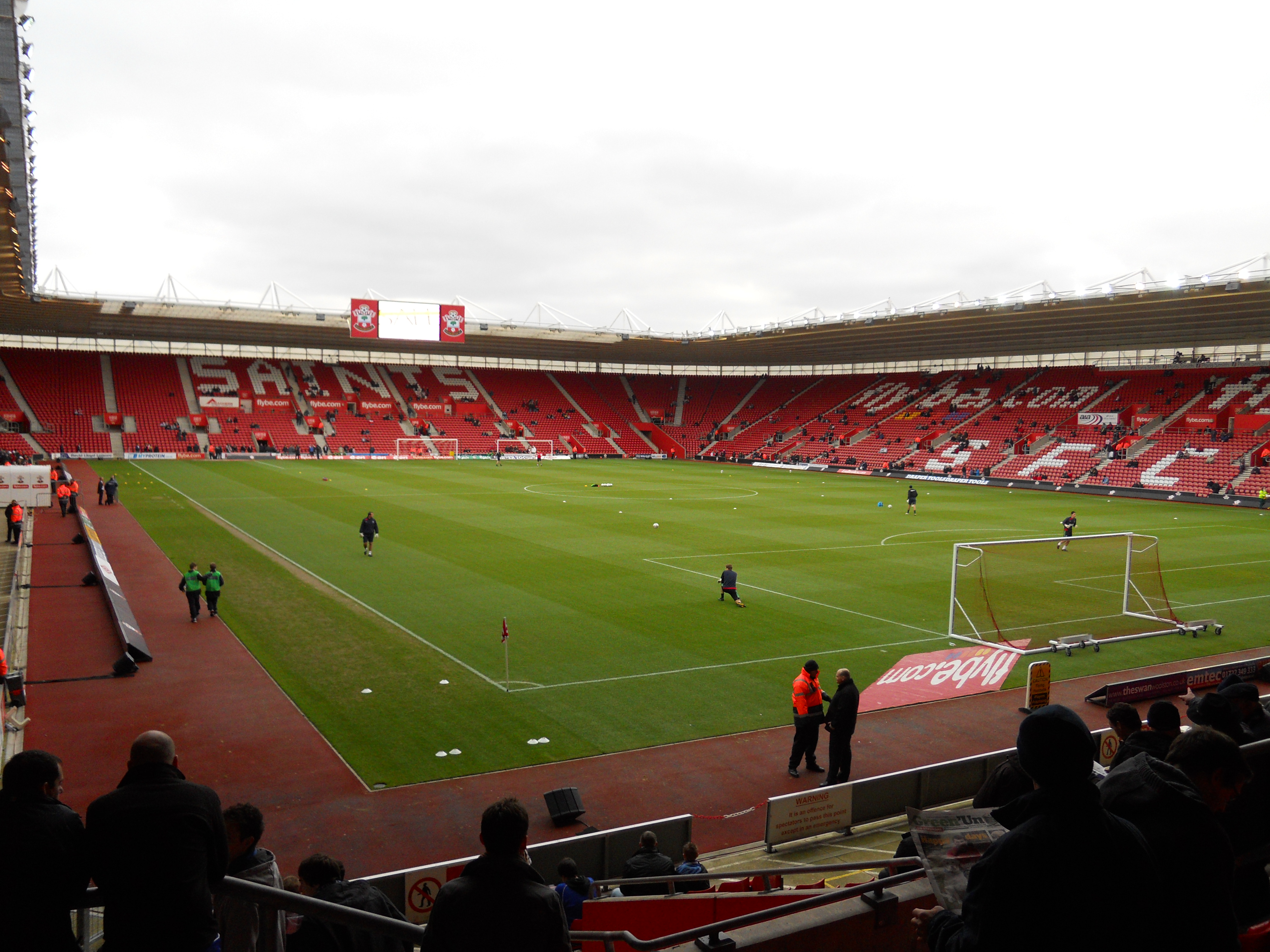
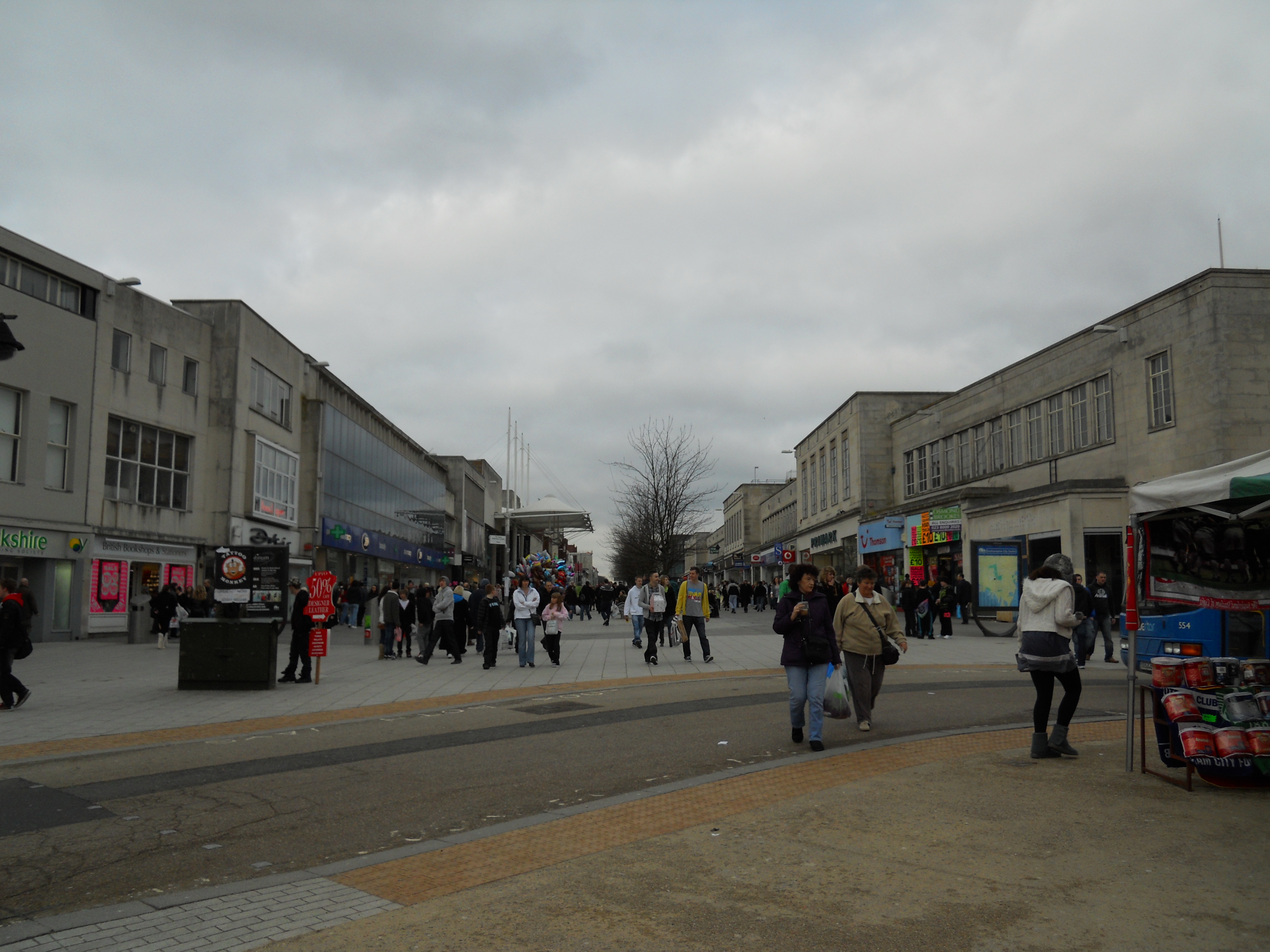
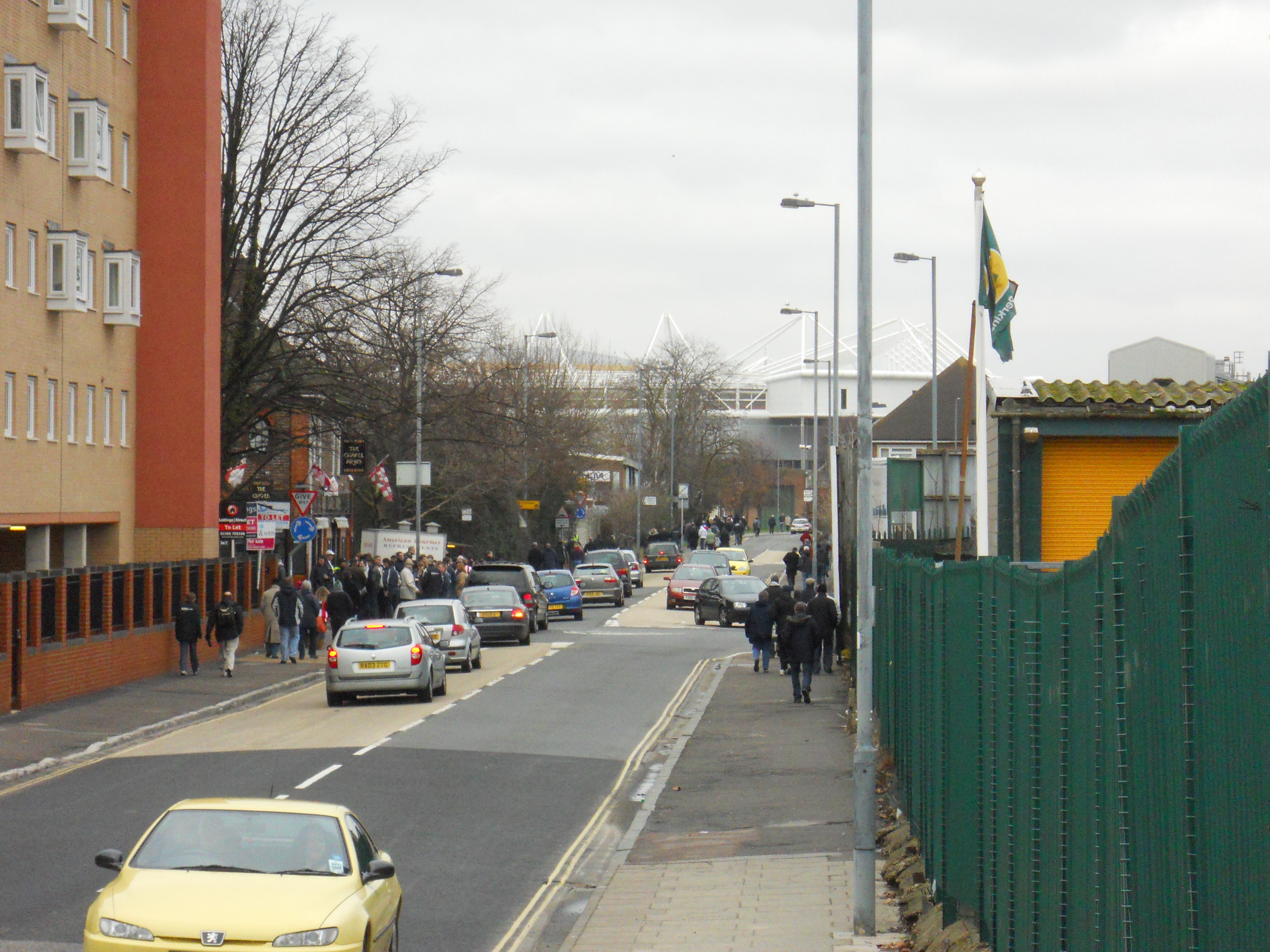


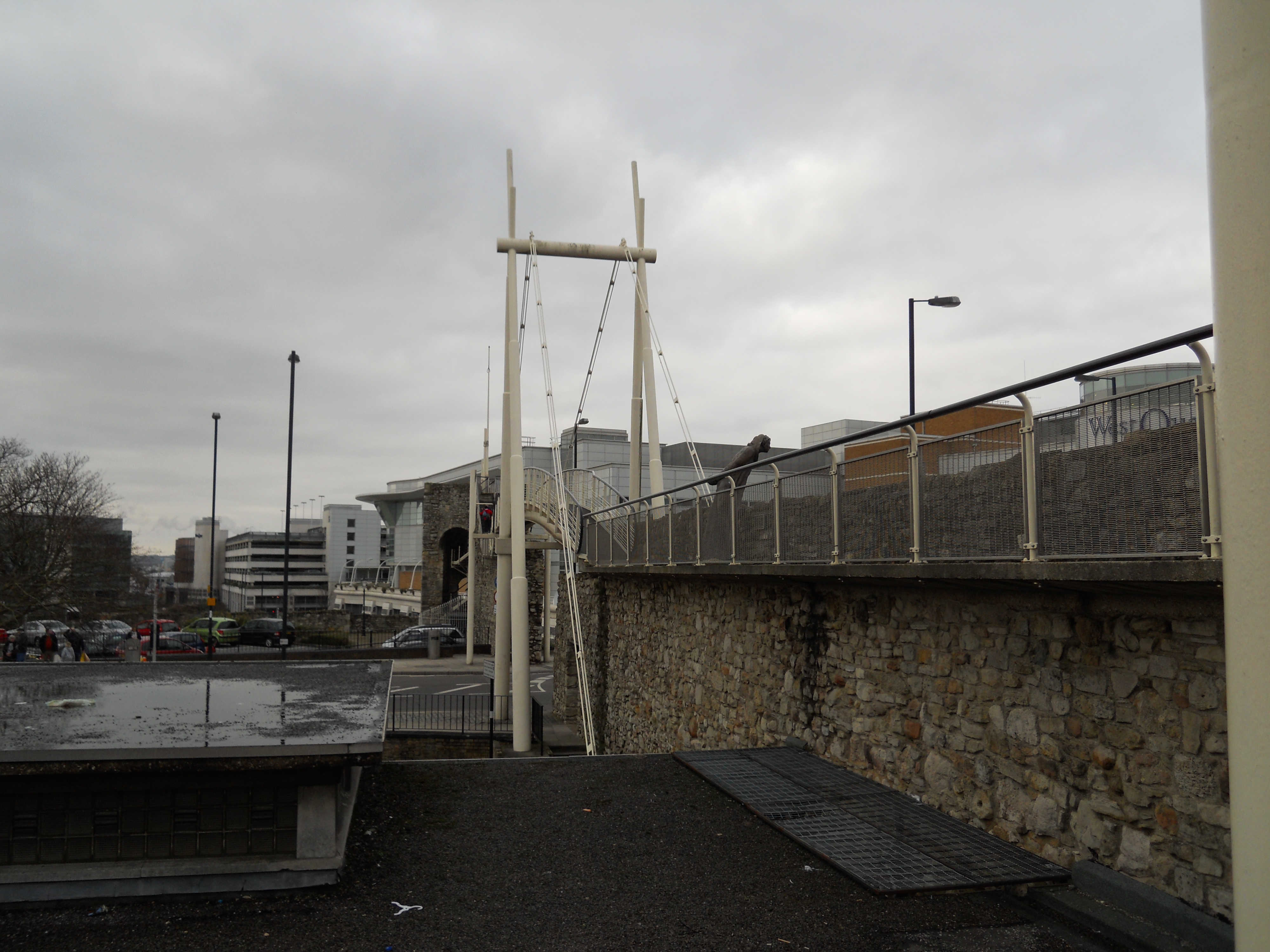
I’ve always had rather a low opinion of Southampton. Not that I’ve been there very often, but I had great difficulty once getting a gluten-free meal and that clouded my view of the place.
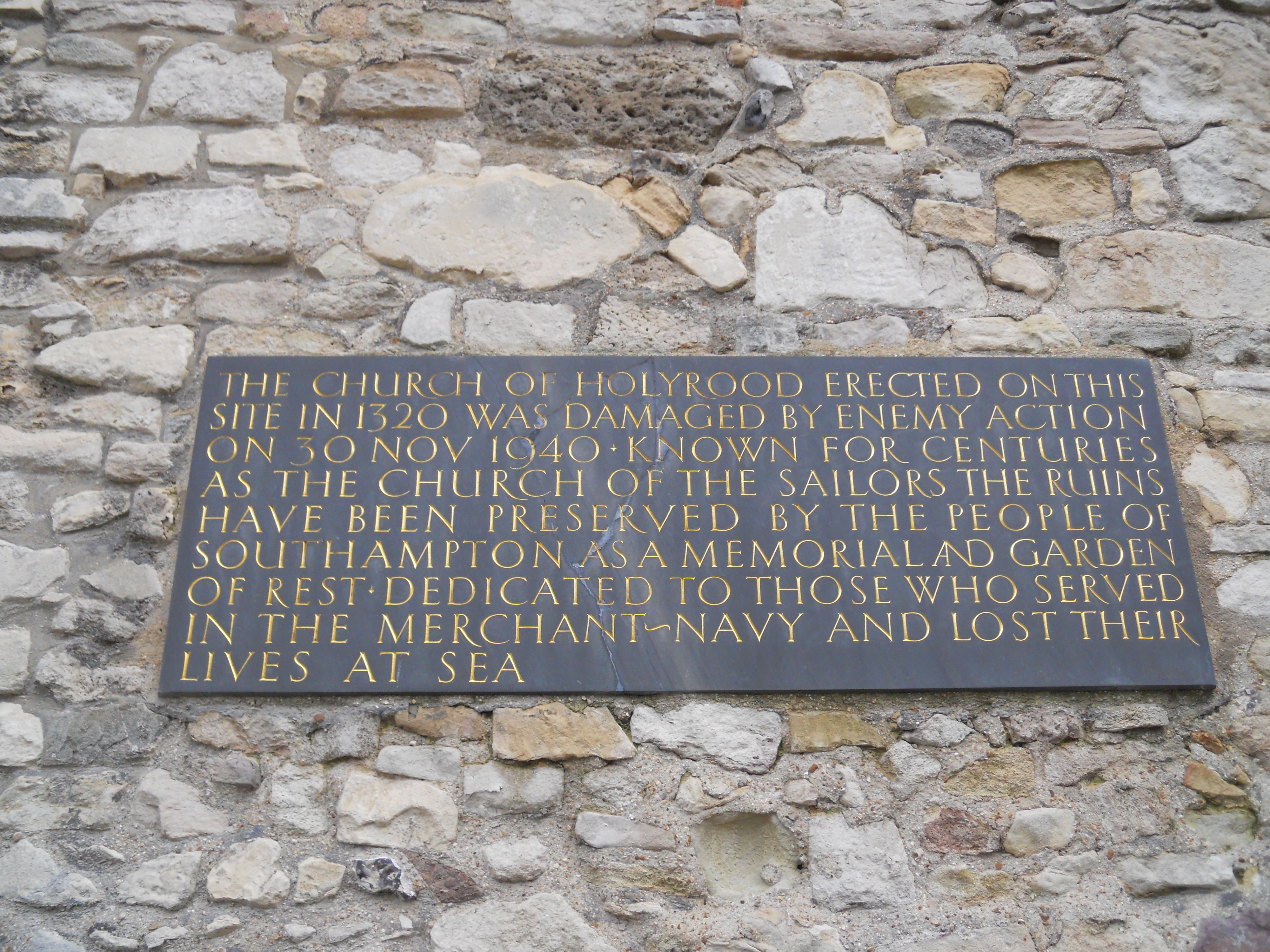
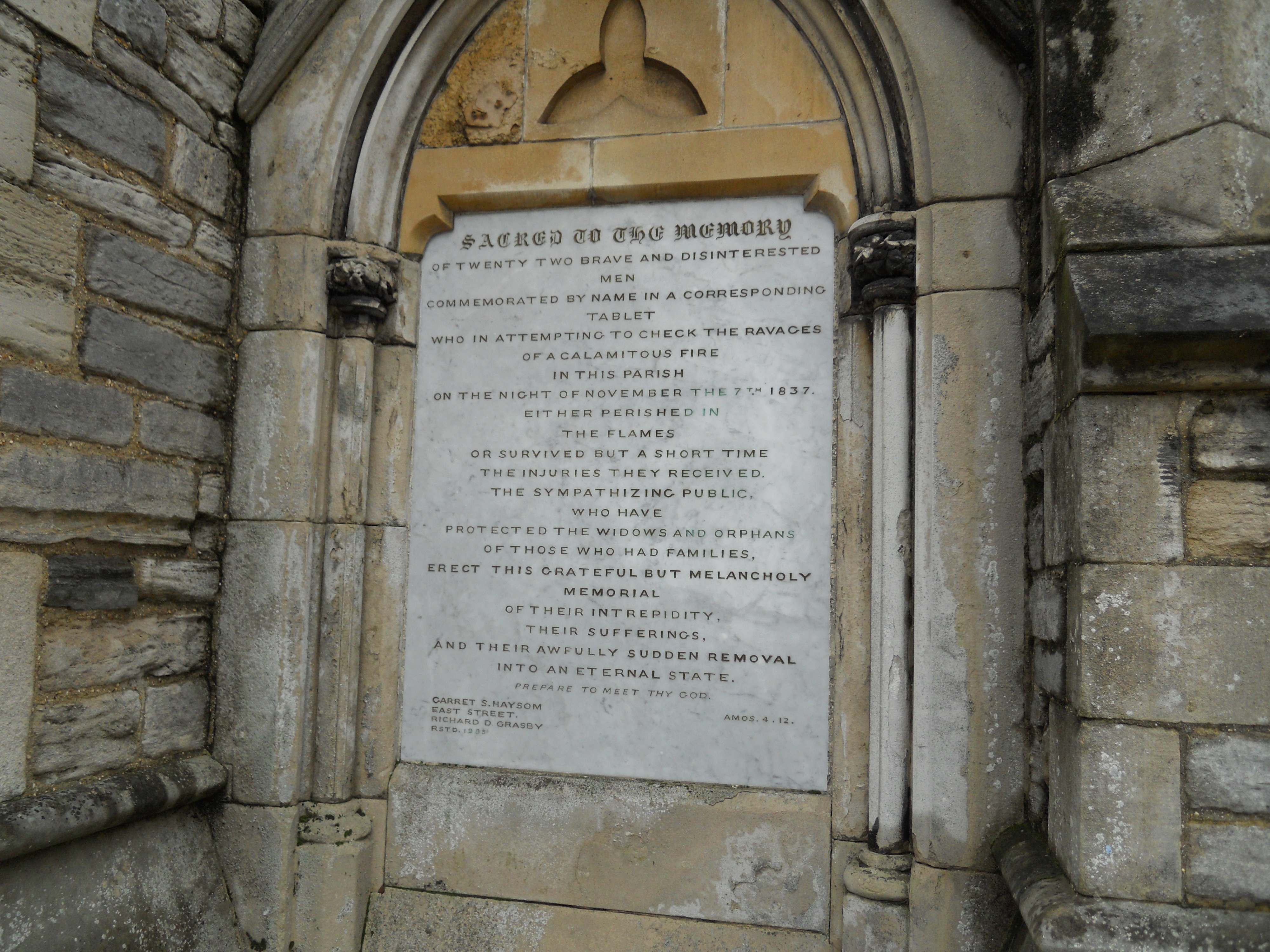
I was surprised that the city had medieval walls, which contain the longest stretch in England, and you can walk along the top of them in places. Like many English cities, it has a ruined church, Holyrood, that was bombed by the Luftwaffe in the Second World Wat and has been left as a memorial sailors of the Merchant Navy.
Let’s not talk about the football.
 The Anonymous Widower