London Bridge And West Croydon By London Overground
This morning, I took a London Overground train between London Bridge and West Croydon stations.
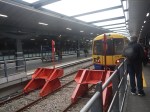
I took these pictures on the route.
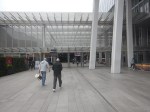
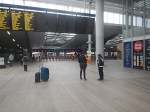
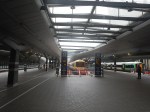
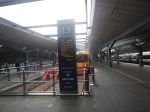
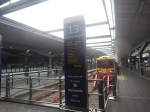
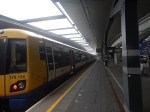
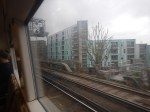
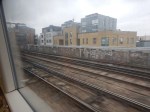
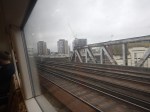
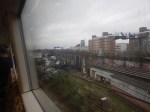

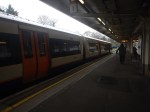
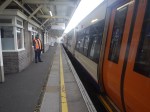

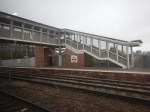
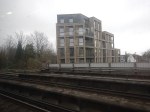
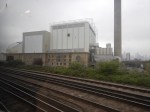
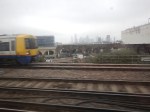
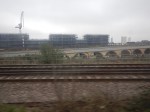
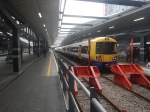
Note.
- It appears there are no London Overground services running through the Thames Tunnel.
- The only service in South London is two trains per hour (tph) between London Bridge and West Croydon stations.
- The service seemed to be working well, with no significant delays.
- The 10:24 from London Bridge wasn’t very busy, but the return at 11:03 was very crowded and there were no spare seats.
It was certainly better than a Rail Replacement Bus.
These are some further thoughts.
Could West Croydon Station Handle Six Trains Per Hour?
- West Croydon station has a bay platform 1, that handles all the London Overground services.
- Typically, a train leaves the platform about 8-9 minutes after it arrives.
- 6 x 8 is 48 minutes.
It would be tight, but possible.
Before the bay platform was extended, trains used to reverse using a turnback facility to the West of the station, which I described in How Trains Reverse At West Croydon. As this facility appears to be still there, it can probably act as a substitute bay platform for London Overground trains, if the service gets disrupted.
If in the future, it was decided to have a service, which ran say 4 tph to Highbury & Islington station and 2 tph to London Bridge station, I believe this would be possible.
Were Transport for London Training Drivers?
One or possibly both of the trains, that I rode had two drivers.
This is not unusual, but one of the drivers was wearing a Southern Day-glo vest.
So was he instructing the London Overground driver on the route, that the London Overground, doesn’t normally use?
Charging Battery-Electric Trains At London Bridge Station
This Google Map shows the roof of London Bridge station over platforms 10-15.

Note.
- The three gaps in the roof are above platforms 10-15.
- There are roof supports over the tracks.
- Platforms 10 and 11 are at the top, platforms12 and 13 are in the middle and platforms 14 and 15 are at the bottom.
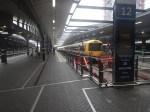
My train used Platform 13 as these pictures show.
Note the roof supports over the tracks.
If the Uckfield or another service needed to be run by battery-electric trains, the trains might need to be charged at London Bridge station, as there may be issues charging using third-rail electrification.
These pictures show rigid overhead conductor rails over the Thameslink platforms at St. Pancras station.
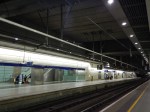
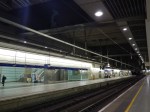
Could rails like these be installed over some or all of the bay platforms to London Bridge station, so that battery-electric trains could be charged?
- If the battery-electric trains were converted Class 377 or Class 387 trains, these are available as dual-voltage.
- Uckfield services use Platform 10 at London Bridge station.
- A round trip to Uckfield station is only 2 x 24.7 miles or 49.4 miles of unelectrified track.
- Short lengths of 25 KVAC overhead electrification could be installed at Uckfield station and the bay platform at Oxted station if needed.
A dual-voltage battery-electric train with a range of say just over 50 miles could handle Uckfield services.
London Overground Train Makes Rare Diversion To London Bridge Station
The title of this post, is the same as that of this article on Ian Visits.
This is the sub-heading.
On Sunday morning, a London Overground train paid a visit to London Bridge station — a station that the Overground doesn’t usually visit.
These were the first two paragraphs.
It was here for a test run ahead of a special service that will run on Easter Sunday, and the test was needed to ensure that what worked on paper also worked in practice.
The reason for the Easter Sunday special is weekend engineering works elsewhere which would mean no Southern trains between Victoria and London Bridge, while at the same time, the London Overground south of the river can’t go north.
Note.
- Judging by Ian’s pictures, it was a very thorough test of clearances and ramp functions.
- According to Real Time Trains, the two services used platform 5 at Crystal Palace and Platform 13 at London Bridge.
- The distance was 7.5 miles.
- Services took 23 minutes to London Bridge and 19 minutes for the return.
This image shows a London Overground train in Platform 5 at Crystal Palace station.
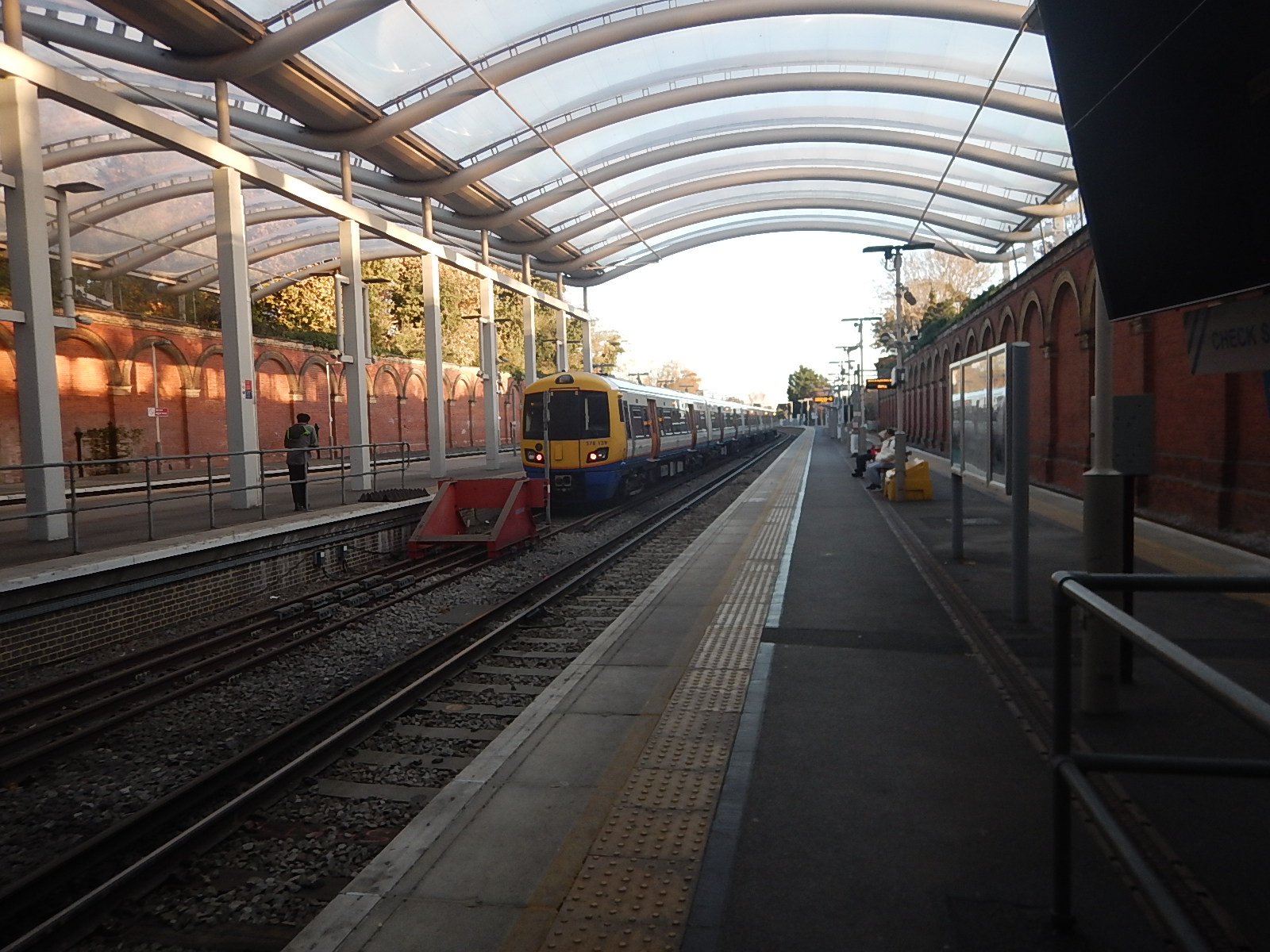
In Overground To London Bridge Under Consideration, I talked about how Transport for London were thinking about creating a new Overground service between London Bridge and Crystal Palace.
Sunday’s test also shows that if the paths are available, London Overground can run a service between London Bridge and Crystal Palace.
Given that the times for the out and return trips were 23 and 19 minutes on Sunday, it appears to me, that the following is possible.
- One train could run an hourly service.
- Two trains could run a two trains per hour (tph) service.
Trains could terminate in platform 3, which is on the right in the image and only has two trains per day.
There would be the following trains to London from Crystal Palace.
- London Overground – Four tph to Canada Water, Whitechapel and Highbury and Islington.
- London Overground – Two tph to London Bridge
- Southern – Two tph to London Bridge
- Southern – Four tph to London Victoria
These would total to.
- Canada Water – four tph for Jubilee Line
- Highbury & Islington – four tph for Victoria and North London Lines
- London Bridge – four tph for Thameslink, Jubilee and Northern Lines
- London Victoria – four tph for Victoria, Circle and District Lines
- Whitechapel – four tph for Elizabeth, Victoria, Circle, District and Hammersmith & City Lines
Note.
- The two extra tph to London Bridge even everything up to four tph.
- The London Bridge and Crystal Palace service could be run by any suitable train and I suspect it could be eight cars. What about using some of the spare Class 379 trains?
The London Bridge and Crystal Palace service wouldn’t need trains with a tunnel evacuation capability, so could use Class 378, 379, 387 or 710 trains.
Jobs, Homes And The Economy: Bakerloo Line Upgrade And Extension To Be Transformational For London
The title of this post, is the same as that of this article on Rail Technology Magazine.
This is the sub-heading.
The government has been urged to use the upcoming spring budget to commit to upgrading and extending the Bakerloo line after a new impact assessment found its effects could be transformational.
These three paragraphs introduce the article.
The impact assessment – commissioned by Central London Forward, a partnership of 12 central London boroughs – finds that such a move would boost the economy, unlock new homes, create new jobs, and more.
The upgrade would centre around new trains and signalling, while the extension would take the terminus to Lewisham in the first phase, and eventually to Hayes – adding 14 new stations.
The impact assessment concludes that the extension and upgrade of the Bakerloo line would create 9,700 jobs, 190,000 square metres of commercial floorspace, as well as generate £1.5bn of GVA.
The article is a must-read and eloquently puts the case for the Bakerloo Line Extension.
I have a few thoughts.
A Loop At Brixton For The Victoria Line
This has been proposed and the Wikipedia entry for the Victoria Line has this paragraph.
Proposals have been made to extend the line one stop southwards from Brixton to Herne Hill, a significant interchange in south London providing access to Kent, Blackfriars, London Bridge and Sutton. The latter station would be on a large reversing loop with a single platform removing a critical capacity restriction eliminating the need for trains to reverse at Brixton and provide a more obvious route for passengers who look for the nearest tube station before any other transport options.
I like this idea.
- It will make it easier to run the full frequency of 33 trains per hour (tph) between Brixton and Walthamstow Central stations.
- Loops at Heathrow and Liverpool seem to work very well.
- A single-platform with platform-edge doors has a high level of safety.
- Only one tunnel boring machine (TBM) would be needed.
- Large lifts could be used between the surface and the platform.
- It is a more affordable option.
But perhaps most importantly, I am sure, the loop could be built whilst other services at Brixton and Herne Hill were running almost without disruption, as services did at Kennington, whilst the Battersea Extension of the Northern Line was built.
A Loop At Elephant And Castle For The Bakerloo Line
I have spent forty years involved in project management, writing software for project managers and generally listening to some of the thoughts and experiences of some of the best engineers from all over the world.
One common thread, which is best illustrated by how the size of lift possible increased in the North Sea in the 1970s, is that as time has progressed machines have got bigger and more capable, and the techniques of using them has improved immeasurably.
The Crossrail tunnel boring machines (TBM) make those used on the Jubilee Line extension or the Channel Tunnel look like toys. But not only are the TBMs bigger and faster, they have all the precision and control to go through the eye of the smallest needle.
If we look at the proposals for the Bakerloo Line Extension, there have been several differing ideas. Some envisage going under Camberwell and in others the trains terminate on the Hayes line.
Transport for London (TfL), obviously know the traffic patterns, but do we really want to take the chance of say connecting the Hayes line to the Bakerloo and then finding that it’s not the best solution?
What we should do is augment the services in the area, by providing a good alternative transport route, that links to some of the traditional rail lines to give even more flexibility. We certainly shouldn’t repeat the grave mistake that was made at Brixton in the 1960s by not connecting the Victoria line to the surface rail lines.
This is Transport for London’s indicative map of the extension.

I have reason to believe that the Northern Line Extension may be being built as an extension to the Kennington Loop.
So could we design the Bakerloo Line Extension as a loop starting and finishing at Elephant and Castle calling at important stations?
A possible route could be.
- Elephant and Castle – Interchange with Northern Line and National Rail including Thameslink
- Old Kent Road 1 – Proposed on Map
- Old Kent Road 2 – Proposed on Map
- New Cross Gate – Interchange with London Overground and National Rail
- Lewisham – Interchange with Docklands Light Railway and National Rail including Hayes Line
- Catford Bridge – Interchange with Catford station and National Rail including Hayes Line and Thameslink
- Peckham Rye – Interchange with London Overground and National Rail
- Camberwell – Interchange with National Rail including Thameslink
- Elephant and Castle
The advantages of this simple design are.
- The tunnel would be excavated in one pass by a single TBM.
- The line could be deep under any existing infrastructure.
- Most stations would be simple one-platform affairs, with perhaps only large lifts and emergency stairs, to give unrivalled step-free access for all from the street to the train. Surely lifts exist, that are large and fast enough to dispense with escalators.
- For safety, passenger convenience and flows, and other reasons, the stations could have two entrances, at opposite ends of the platform.
- The simple station entrances would be much easier to position on the surface, as they wouldn’t need to be much bigger than the area demanded by the lifts.
- A single loop would only need half the number of platform edge doors.
- At stations like New Cross Gate, Lewisham, Catford and Peckham Rye the lifts would surface within the confines of the existing surface stations.
- The route has interchanges with the Brighton Main Line, East London Line, Hayes Link, Thameslink and other services, so this would give lots of travel possibilities.
- Trains do not need a terminal platform, as they just keep going on back to Elephant and Castle.
- The loop would be operationally very simple, with no points to go wrong. TfL have aspirations to run twenty-seven trains per hour on the Bakerloo and a simple reversing loop , which would mean the driver didn’t have to change ends, must certainly help this. It would probably be a lot more difficult to get this capacity at the northern end of the line,where Harrow and Wealdstone doesn’t have the required capacity and the only possibility for a reversing loop would be north of Stonebridge Park.
- Elephant and Castle would need little or no modification. Although it would be nice to have lifts to the Bakerloo Line.
- Somewhere over two billion pounds has been quoted for the extension. A single loop with simple stations must be more affordable.
The main disadvantage is that the loop is only one-way.
But making even part of the loop two-way would create all the operational difficulties of scheduling the trains. It would probably be better, less costly and easier to make the trains go round the loop faster and more frequently.
But if a passenger went round the loop the wrong way and changed direction at Elephant and Castle that would probably only take a dozen minutes or so.
Alternatively, I’m sure some New Routemasters would step up to the plate and provide service in the other direction between the stations.
Future Rolling Stock For The Bakerloo Line
This has a section in the Wikipedia entry for the Bakerloo Line, where this is said.
In the mid 2010s, TfL began a process of ordering new rolling stock to replace trains on the Piccadilly, Central, Bakerloo and Waterloo & City lines. A feasibility study into the new trains showed that new generation trains and re-signalling could increase capacity on the Bakerloo line by 25%, with 27 trains per hour.
In June 2018, the Siemens Mobility Inspiro design was selected.[ These trains would have an open gangway design, wider doorways, air conditioning and the ability to run automatically with a new signalling system.[35] TfL could only afford to order Piccadilly line trains at a cost of £1.5bn. However, the contract with Siemens includes an option for 40 trains for the Bakerloo line in the future. This would take place after the delivery of the Piccadilly line trains in the late 2020s.
A loop from Elephant and Castle with a train every 2¼ minutes, is not going to be short of passengers.
The Catford Interchange
Catford and Catford Bridge stations are not far apart.
In An Opportunity At Catford, I talked about what could be done to create a full step-free interchange, which could be connected to the Bakerloo Line loop underneath.
Would It Be Possible For The Bakerloo And Watford DC Lines To Use The Same Trains?
I answered this question in a post with the same name and this was my conclusion.
A common fleet used by the Bakerloo and Watford DC Line would appear to give advantages and it has been done successfully before.
But what the Bakerloo Line, the Watford DC Line, the Abbey Line and the Bakerloo Line Extension need is a good dose of holistic design.
The current trains on the Watford DC Line would be moved to the London Overground. They could be ideal for the future West London Orbital Railway.
Would There Be Advantages In Creating The West London Orbital Railway And Extending The Bakerloo Line As One Project?
Consider.
- The two lines will have an interchange station at Harlesden, which will need to be rebuilt.
- The current trains on the Watford DC Line could be cascaded to the West London Orbital Railway.
- As new trains are delivered to the Piccadilly Line, some of the current trains could be cascaded to the Bakerloo Line.
- Major work for the Bakerloo Link Extension includes a new tunnel, updated signalling and at least seven underground stations.
- Major work for the West London Orbital probably includes track refurbishment, new signalling and updated stations.
I believe that with good project management, that if these two lines were to be created together, this would be advantageous.
Conclusion
I have only outlined how the two projects might be done together.
But I am absolutely certain, that someone with full knowledge of both projects could build the two at a very affordable cost.
What Will Khan Call The West London Orbital Railway?
The Mayor has the problem of what to call the West London Orbital Railway, which could likely be the next part of the Overground to be created.
As that area of London is closely associated with a former Mayor of London, it could possibly be called the Ken Line or the Livingstone Line.
But seeing that the Overground was thought up under Ken’s Mayoralty and it has greatly expanded, then perhaps it should be called the Beyond Our Ken Line.
But then it doesn’t go anywhere near the Balls Pond Road!
Bruce Grove Station Restored To 1872 Glory
The title of this post, is the same as that of this article on the BBC.
This is the sub-heading.
Renovations at Tottenham’s Bruce Grove Station have breathed life into its disused rooms and paid homage to its Victorian history.
These three paragraphs outline the project.
Following structural repairs, the London Overground station now has a new community space and waiting room.
Haringey Council has worked in partnership with others to improve the station and its accessibility.
Work was completed in December 2023 and arrangements for using the community space will be finalised soon.
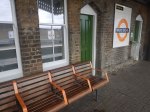
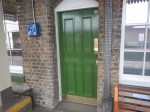
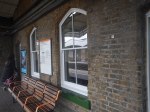
These are pictures I took this morning.

Note.
- The work is to a very high standard.
- Two rooms have been refurbished.
Other stations probably have rooms like these, that could be refurbished.
West London Orbital: Line Could Be Reused For Passengers
The title of this post is the same as that of this article on the BBC.
This is the sub-heading.
A railway line that stopped serving passengers in 1902 could be brought back into use as a route called the West London Orbital.
These are the first three paragraphs.
The Dudding Hill loop runs from Acton to Cricklewood and currently only takes freight trains.
Transport for London (TfL) published a strategic document in 2021 saying it would be “a catalyst for relieving road congestion in west London”.
It is estimated by TfL more than 11 million people a year would use it.
This is also said.
Sharma Tatler, the deputy leader of Brent Council, called the plan “a no-brainer”.
I agree with that.
These are my thoughts.
Finding The Money
Money will be needed for the following.
- To build and update the stations on the route.
- To acquire the new trains needed.
- To bring the track and signalling up to the required standard.
Note.
- It appears that around a dozen freight trains use the route on a typical day.
- Hopefully, Network Rail can come up with an affordable plan for the track and signalling, as the route is used by freight trains at the present time.
- I would envisage that the trains used would be a version of the current Class 710 trains used on the Overground. These could probably be leased.
I wouldn’t be surprised that the cost of the stations, will be the major part of the building of the line.
Building the stations is probably, the easiest place to bring in private finance. Especially, if stations incorporated housing or other developments.
On a train going to the North a few years ago, I met two infrastructure funders from L & G (in Standard Class), who were going to lend a company 50 billion to develop a large residential housing site. We got talking and I asked them if they would develop a mythical branch line with a good station site at the end. (Think Felixstowe!) I asked if they’d fund housing and possibly the trains. They said yes!
So I suspect that the West London Orbital could also be funded in the same way, as there are a few stations to build and upgrade. Much needed housing could be built on top or nearby.
I would also deck-over Neasden Depot and build housing in town blocks on top.
I believe that the West London Orbital could be funded.
Electrification
The Wikipedia entry for the West London Orbital describes the route like this.
The route would run for approximately 11 miles (17 km) from West Hampstead and Hendon at the northern end to Hounslow at the western end via Brent Cross West, Neasden, Harlesden, Old Oak Common, South Acton and Brentford.
Note.
- There is 25 KVAC overhead electrification at the Northern end of the route between West Hampstead Thameslink and Hendon stations.
- The Dudding Hill Line between the Midland Main Line and Acton Wells Junction is not electrified.
- The North London Line between Acton Wells Junction and Acton Central station is electrified with 25 KVAC overhead wires.
South of Acton Central station, the electrification gets complicated as this OpenRailwayMap shows.
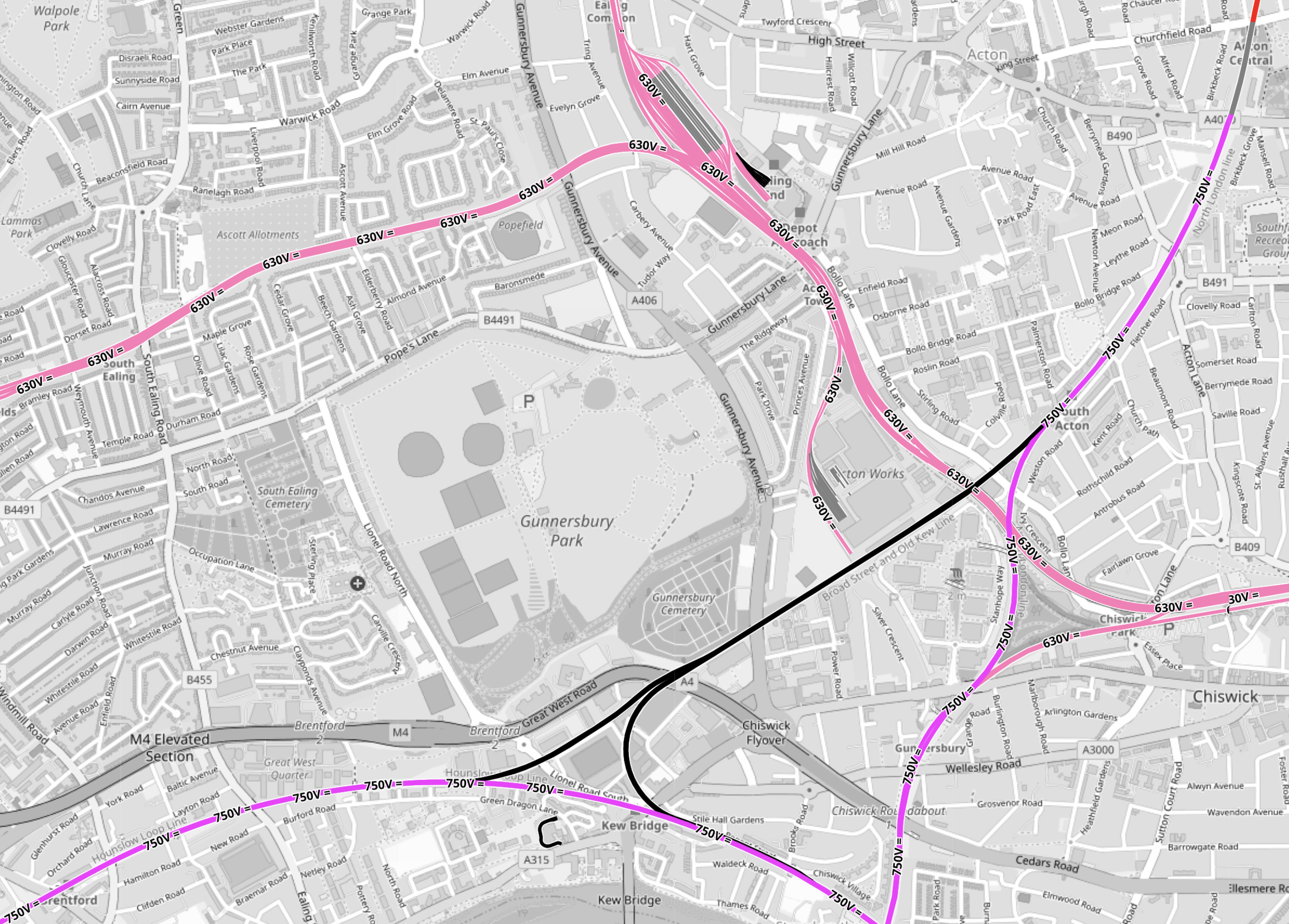
Note.
- Acton Central station is in the North-East corner of the map.
- Brentford station is in the South-West corner of the map.
- The red track is electrified with 25 KVAC overhead and it is used North of Acton Central station.
- Mauve track is electrified with British Rail third rail.
- Ptnk track is electrified with London Underground third rail.
- Black track is not electrified.
- West London Orbital trains between West Hampstead Thameslink and Hounslow will use the direct route between Acton Central and Brentford.
- West London Orbital trains between Hendon and Kew Bridge terminate at the South-Eastern point of the triangular junction.
It seems that trains will be needed that can use both types of electrification and none.
New Trains
Because of the requirement of the trains to be able to use both types of electrification and be self-powered, the trains will either have hydrogen or battery power to augment electric traction.
Hendon and Hounslow is 11.3 miles and this will be longer than any service distances, so I suspect that a battery-electric train could handle the route.
In this article in Global Rail News from 2011, which is entitled Bombardier’s AVENTRA – A new era in train performance, gives some details of the Aventra’s electrical systems. This is said.
AVENTRA can run on both 25kV AC and 750V DC power – the high-efficiency transformers being another area where a heavier component was chosen because, in the long term, it’s cheaper to run. Pairs of cars will run off a common power bus with a converter on one car powering both. The other car can be fitted with power storage devices such as super-capacitors or Lithium-ion batteries if required. The intention is that every car will be powered although trailer cars will be available.
Unlike today’s commuter trains, AVENTRA will also shut down fully at night. It will be ‘woken up’ by remote control before the driver arrives for the first shift
This was published over ten years ago, so I suspect Bombardier (or now Alstom) have refined the concept.
Bombardier have not announced that any of their trains have energy storage, but I have my suspicions, that both the Class 345 and Class 710 Aventra trains use super-capacitors or lithium-ion batteries, as part of their traction system design.
- I was told by a Bombardier driver-trainer that the Class 345 trains have an emergency power supply. When I said “Batteries?”, He gave a knowing smile.
- From the feel of riding on Class 710 trains, as a Control Engineer, I suspect there is a battery or supercapacitor in the drive system to give a smoother ride.
I also feel that the Aventra has been designed, so that it can accept power from a large variety of sources, which charge the battery, that ultimately drives the train.
Improvements To Enfield Town Station
This post on IanVisits is entitled Enfield Council Outlines Possible Rail Station Upgrades.
By reading Enfield Council documents, Ian has found possible station improvements that might happen.
Ian says this about Enfield Town station.
There’s an empty plot of land next to Enfield Town station which used to be the Enfield Arms pub until it was demolished in 2005. The council wants that site to be used for housing, and to fund improvements to the pedestrian space outside the station.
They also suggest it may also contribute to increased peak hour trains on the London Overground, which would likely need a far bigger development than could be achieved in the site.
This Google Map shows the station.
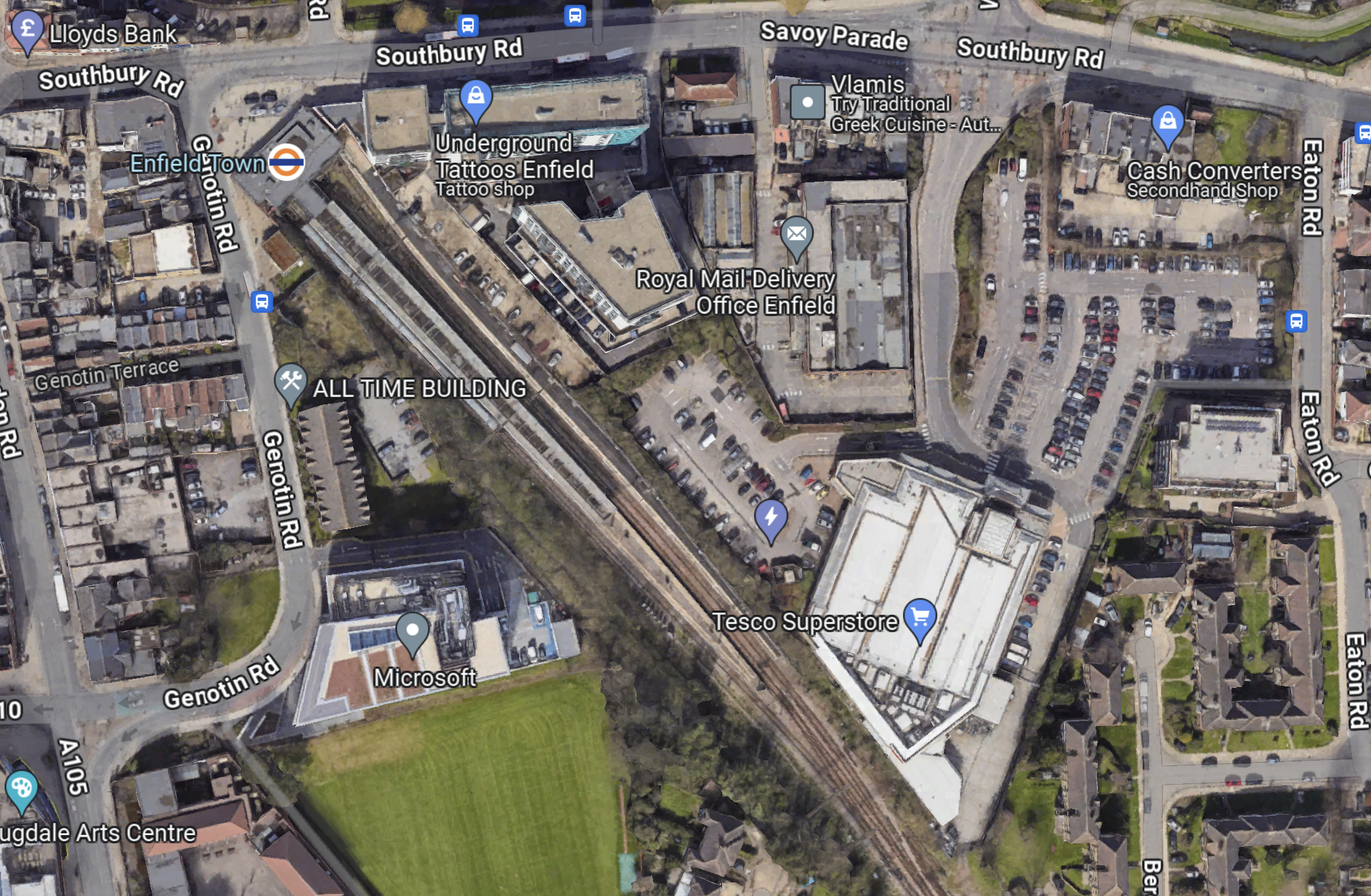
Note.
- The station has three platforms.
- The Enfield Arms pub was at the North end of Genotin Road.
- There is a Tesco Superstore on the other side of the railway.
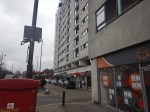
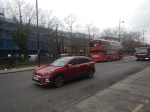
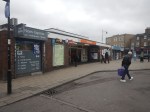
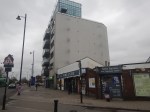
I took these pictures of the station.



It looks like there is building being carried out on the Royal Mail site.
Improvements To Southbury Station
This post on IanVisits is entitled Enfield Council Outlines Possible Rail Station Upgrades.
By reading Enfield Council documents, Ian has found possible station improvements that might happen.
Ian says this about Southbury station.
A mixed-use redevelopment of the Morrisons and Tesco supermarkets on either side of the station which could add about 820 new homes would also be expected to contribute to improvements at the railway station.
The redevelopment of the Crown Road lorry park would be expected to improve cycle and pedestrian routes to the station.
This Google Map shows the station.
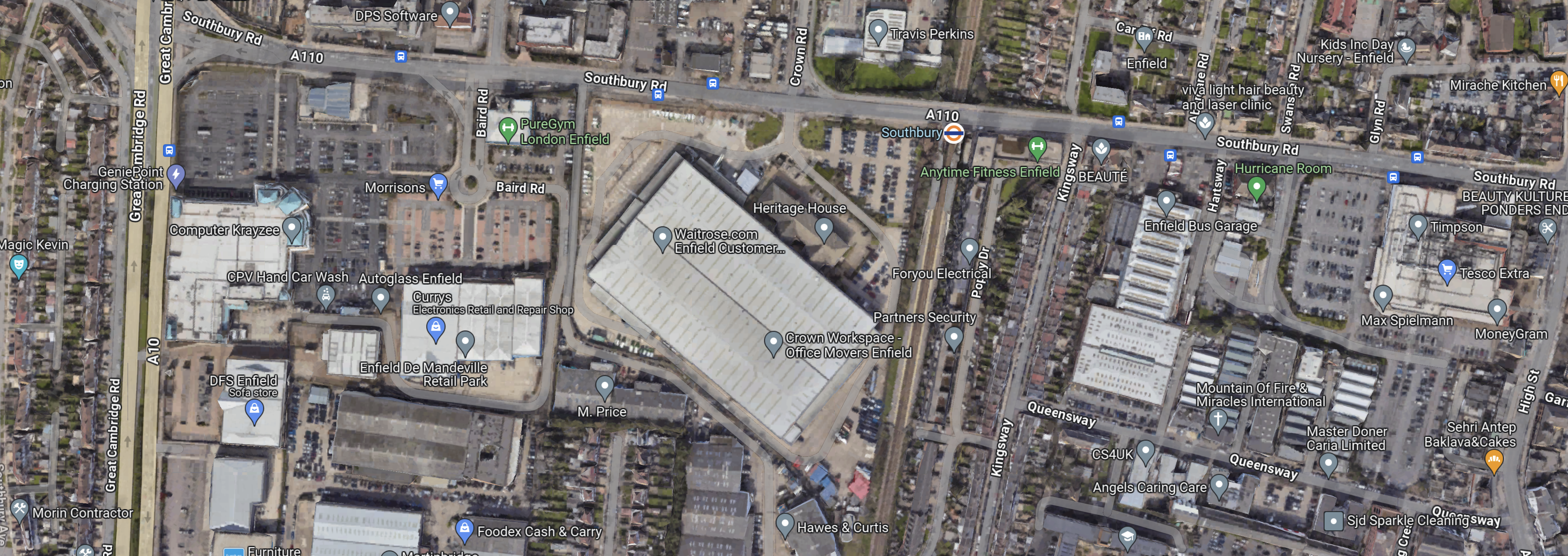
Note.
- The London Overground orange roundel indicates the station.
- The station is on Southbury Road, which runs East-West across the map.
- At the Western edge of the map, the dual-carriageway is the A10.
- Morrisons is to the South-East of the junction.
- Tesco is at the Eastern edge of the map.
This Google Map shows the Morrison’s site.
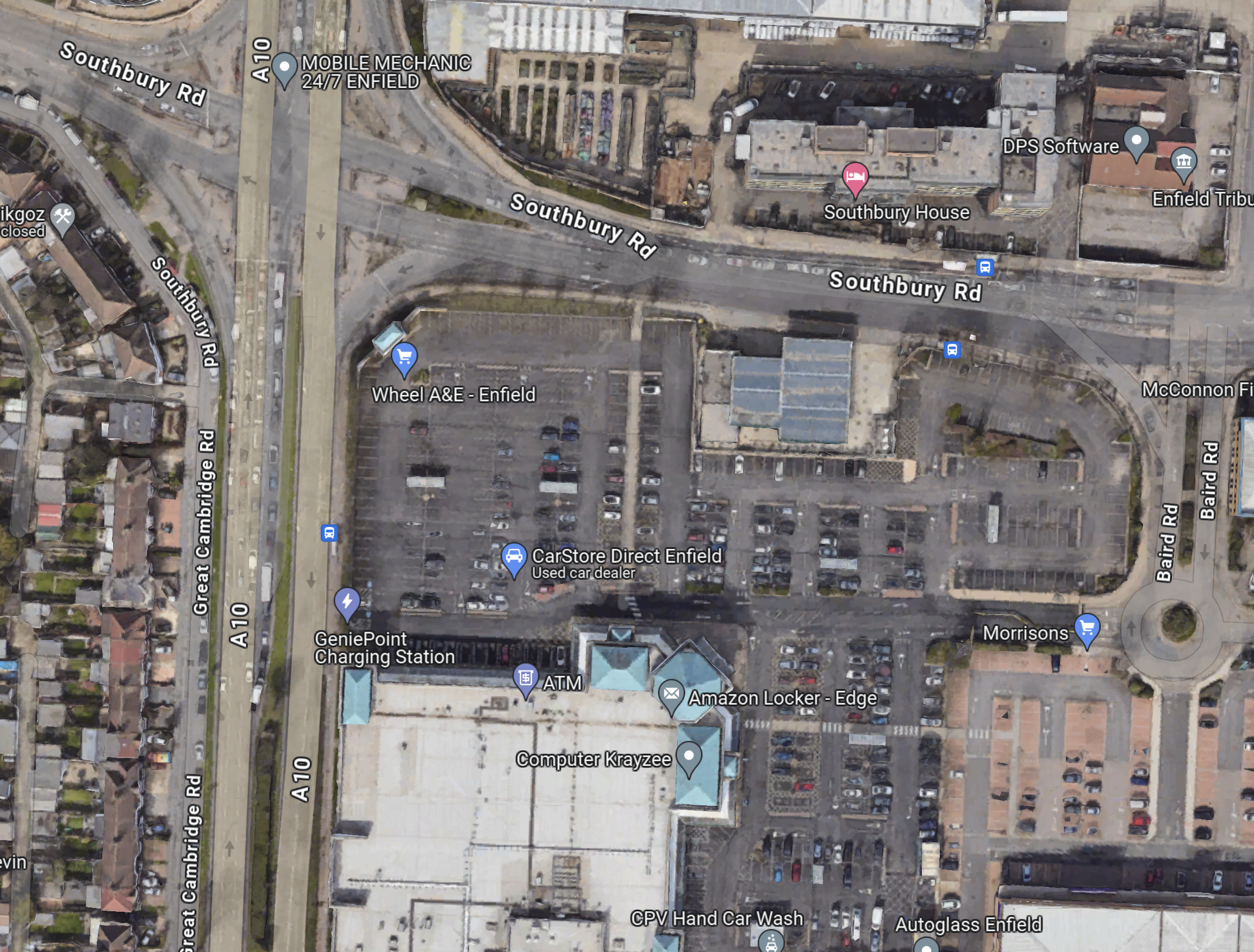
Today, there is an article in The Times, which is entitled Morrisons To Sell Petrol Forecourts.
Perhaps, Morrisons have told Enfield Council, that they wouldn’t be against a mixed development.
This Google Map shows the Tesco site.
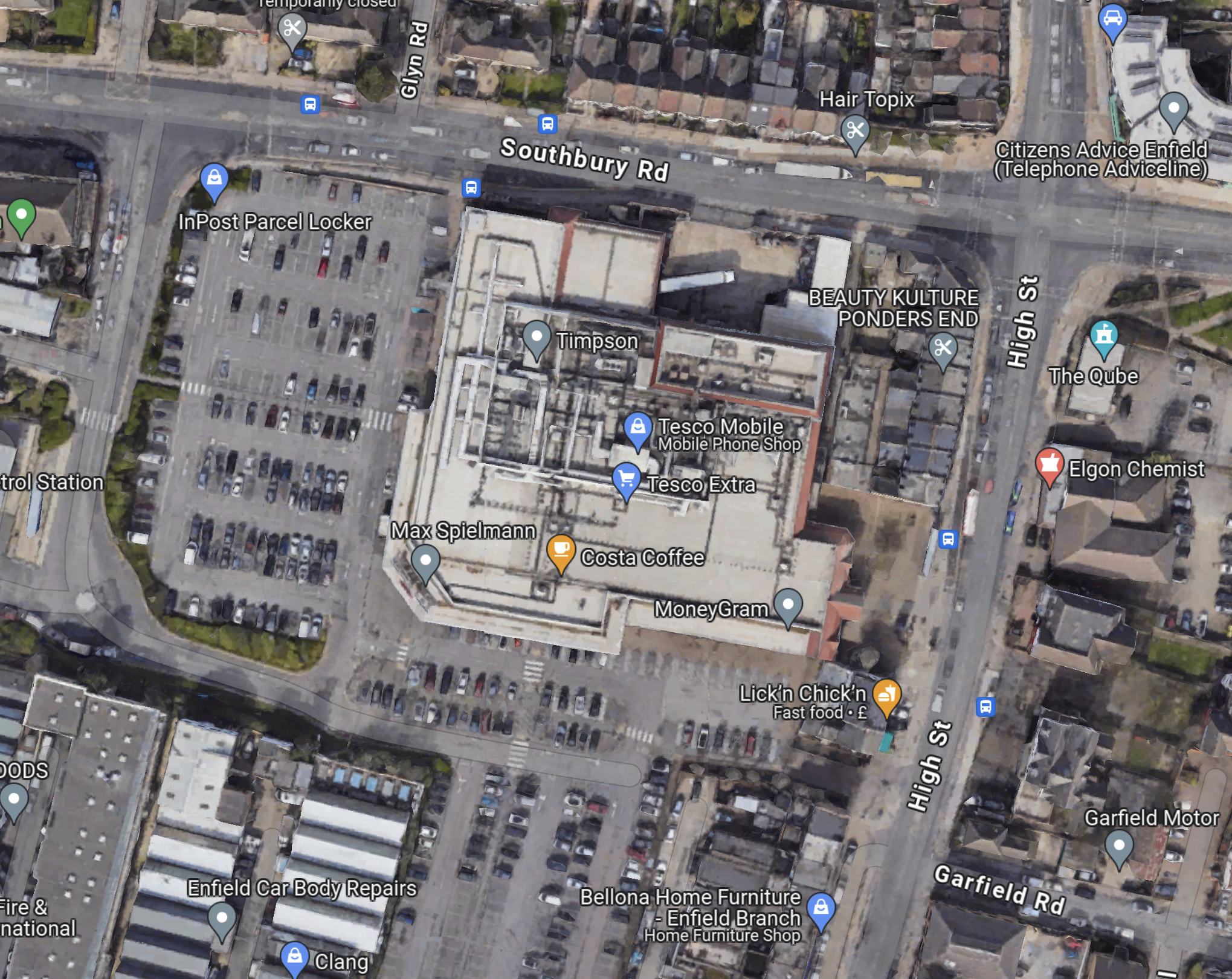
The two sites, if they were rebuilt with flats on top of new supermarkets could yield a lot of new housing.
I took these pictures of the station.
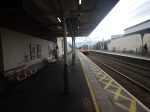
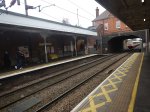
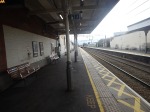
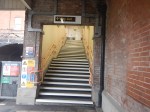

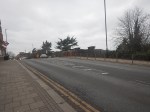
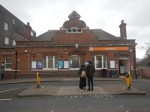

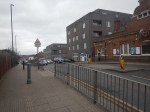
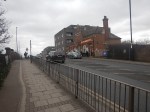
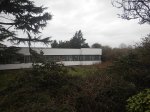
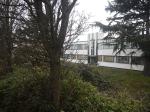
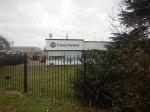
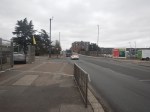
Note.
- The station has an attractive building.
- The station sits on a bridge over the railway.
- The station needs lifts, a light-controlled crossing across the busy road and a professional makeover.
- The two supermarkets are about 500 metres from the station.
- The bus stops are badly-placed for the station entrance.
- The art-deco building is the former Ripaults factory and is Grade II Listed.
But by spending a bit of money, it could be a much better station.
Improvements To Turkey Street Station
This post on IanVisits is entitled Enfield Council Outlines Possible Rail Station Upgrades.
By reading Enfield Council documents, Ian has found possible station improvements that might happen.
Ian says this about Turkey Street station.
Redevelopment of the Exeter Road estate could contribute to public realm improvements to Turkey Street station.
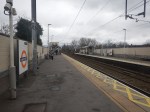
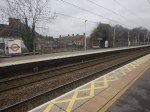
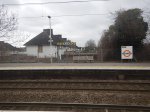
I took these pictures of the station.
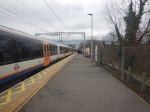
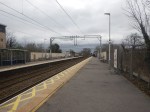
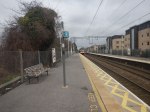
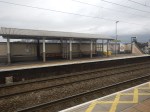
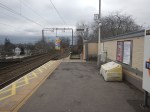

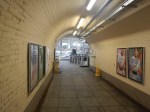
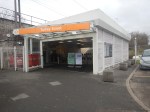
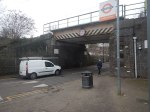
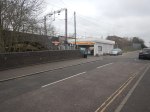
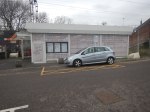
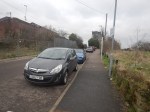

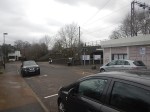
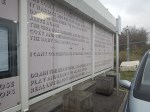
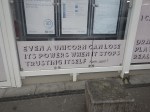
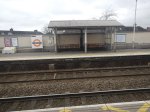
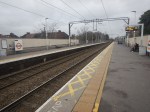
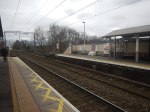
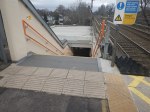
Note.
- The station has improved since I visited in 2014 and wrote Before Overground – Turkey Street.
- The station is rather a windy place and could do with some better shelters.
- It could also do with some lifts.
Let’s hope the station improves by a similar amount by the next time I visit.

