Improvements To Edmonton Green Station
This post on IanVisits is entitled Enfield Council Outlines Possible Rail Station Upgrades.
By reading Enfield Council documents, Ian has found possible station improvements that might happen.
Ian says this about Edmonton Green station.
A proposed redevelopment of the shopping centre could add upwards of 1,000 new homes in time, and fund improvements to both the railway station and the bus station.
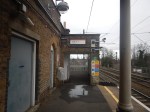
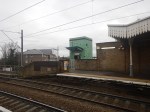
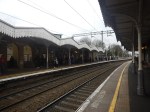
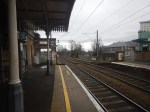
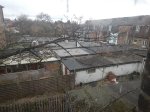
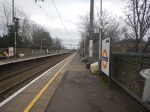
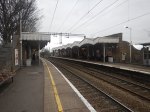
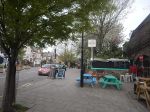
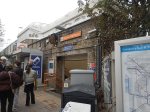
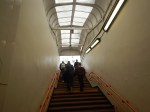
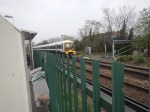
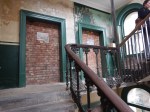
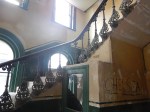
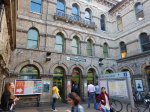
I took these pictures of the station.
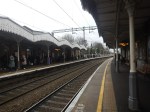
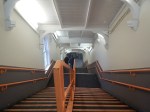
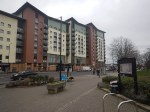
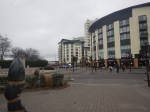

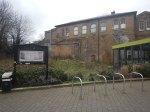
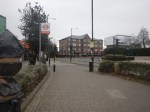
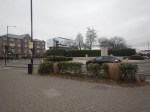
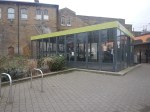
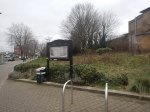
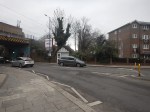
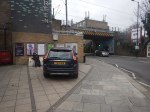
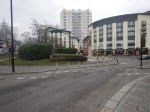
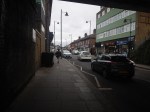
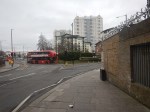
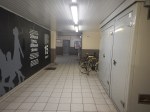
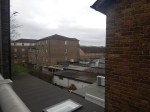
Note.
- The station has lifts to both platforms.
- The station has some excellent period features.
- I have indicated a couple of possible development sites.
- The station does not appear to be listed.
A good architect and some good craftsmen could improve this station substantially.
Overground To London Bridge Under Consideration
The title of this post, is the same as that of a short article in the December 2023 Edition of Modern Railways.
This is the text of the article.
Transport for London is considering introducing London Overground services between Crystal Palace and London Bridge to help relieve overcrowding on the Sydenham corridor during the morning peak.
The move is one of two options outlined in a response to Lewisham’s Public Transport Liason Committee meeting on 4 October. The other is operating additional services on the existing route via the East London Line to Dalston Junction/Highbury & Islington. TfL acknowledges the London Bridge service would ‘represent a new routing for London Overground services that would necessitate significant changes to operational arrangements and driver testing’ and therefore further work is required ‘to establish the feasibility and business case for this change.’ There are no timescales for the implementation of either option.
The overcrowding follows the reduction by Govia Thameslink Railway of its Southern service to two trains per hour last September, when it replaced its East Croydon to London Bridge via Forest Hill stopping service with a Victoria to London Bridge via Forest Hill stopping service. In its response to the committee, GTR says the context to these changes is ‘the continued need to respond to the gap between our costs and revenues’, which it says is in the region of £15 million a year, with both demand and revenue having stabilised at around 80 % of pre-pandemic levels. It says its aim is to make ‘the most efficient use of the resources available to us,’ with the Victoria to London Bridge service designed to provide capacity for journeys to both stations’.
GTR says the current service has sufficient capacity and is lightly loaded outside peak times, and that while it will continue to keep passenger and feedback under review an increase from two to four trains per hour would require an increase in funding.
These are my thoughts.
Transport for London’s Long Term Plans
Plans exist to increase the frequency on various London Overground services and this graphic sums up what was planned a few years ago.
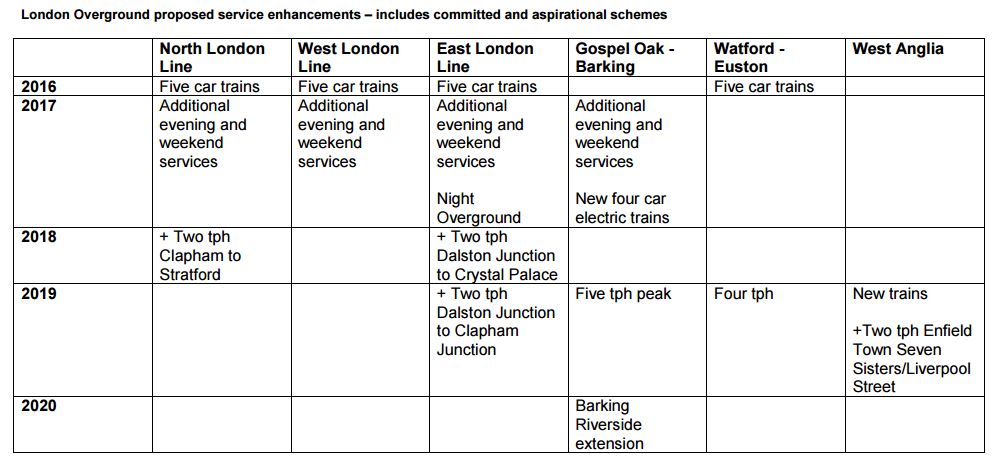
Note the extra two trains per hour (tph) between the following stations.
- Clapham Junction and Stratford
- Dalston Junction and Crystal Palace
- Dalston Junction and Clapham Junction
- Enfield Town and Liverpool St. via Seven Sisters
I think only Route 1 services have been increased.
I know signalling updates are holding up the extra trains on the East London Line, but are more trains needed to fully implement the extra services?
- Routes 2 and 3 services will need Class 378 trains because of the tunnel and these would be transferred from the North London Line.
- Route 4 would need Class 710 trains, as the service already uses them.
So there may be a need for more Class 710 trains.
This plan sees another two trains per hour (tph) running between Dalston Junction and Crystal Palace, which would help to reduce Lewisham’s overcrowding.
Would A London Bridge And Crystal Palace Service Be Easier To Implement?
It looks like the extra Dalston Junction and Crystal Palace services have been held up by two possible reasons.
- The required signalling update on the East London Line, that is needed to increase Crystal Palace and Clapham Junction services has not been performed.
- There are not a sufficient number of Class 378 trains to run the service through the Thames Tunnel. These will be released by running more Class 710 trains on the North London Line.
If two tph were to be run between London Bridge and Crystal Palace, this service would have these advantages.
- The train paths are available.
- The service would not be going through the Thames Tunnel, so the signalling upgrade would not be needed and the trains would not need to be able to evacuate passengers in the tunnel.
- The service could be run by any suitable third-rail trains.
- The service could be run by any length of train, that would fit all the platforms.
I believe the service could be run by eight-car trains to really get a hold on the current overcrowding.
How Many Trains Would Be Needed?
Looking at other services between London Bridge and Crystal Palace, I believe that the journey time would be about 24 minutes.
If the service were run efficiently, I suspect two trains would be needed to provide the required service of two tph.
An eight-car service would required four x four-car trains.
What Trains Could Be Used?
If the numbers are available, then third-rail versions of both London Overground’s Class 378 and Class 710 trains would be suitable.
But this would probably mean a number of Class 710 trains to be manufactured by Alstom. This would not be a short-term solution.
In Liverpool last week, I rode in a Class 319 train and these could be an interesting stop-gap.
- Several will soon be available as West Midlands Trains renews its fleet.
- They are already fitted with third-rail gear.
- They are 100 mph trains.
- Drivers seem to like them.
I believe they could fill in until more Class 710 trains were available.
Crystal Palace Station
This Open RailwayMap shows the platform layout at Crystal Palace station.
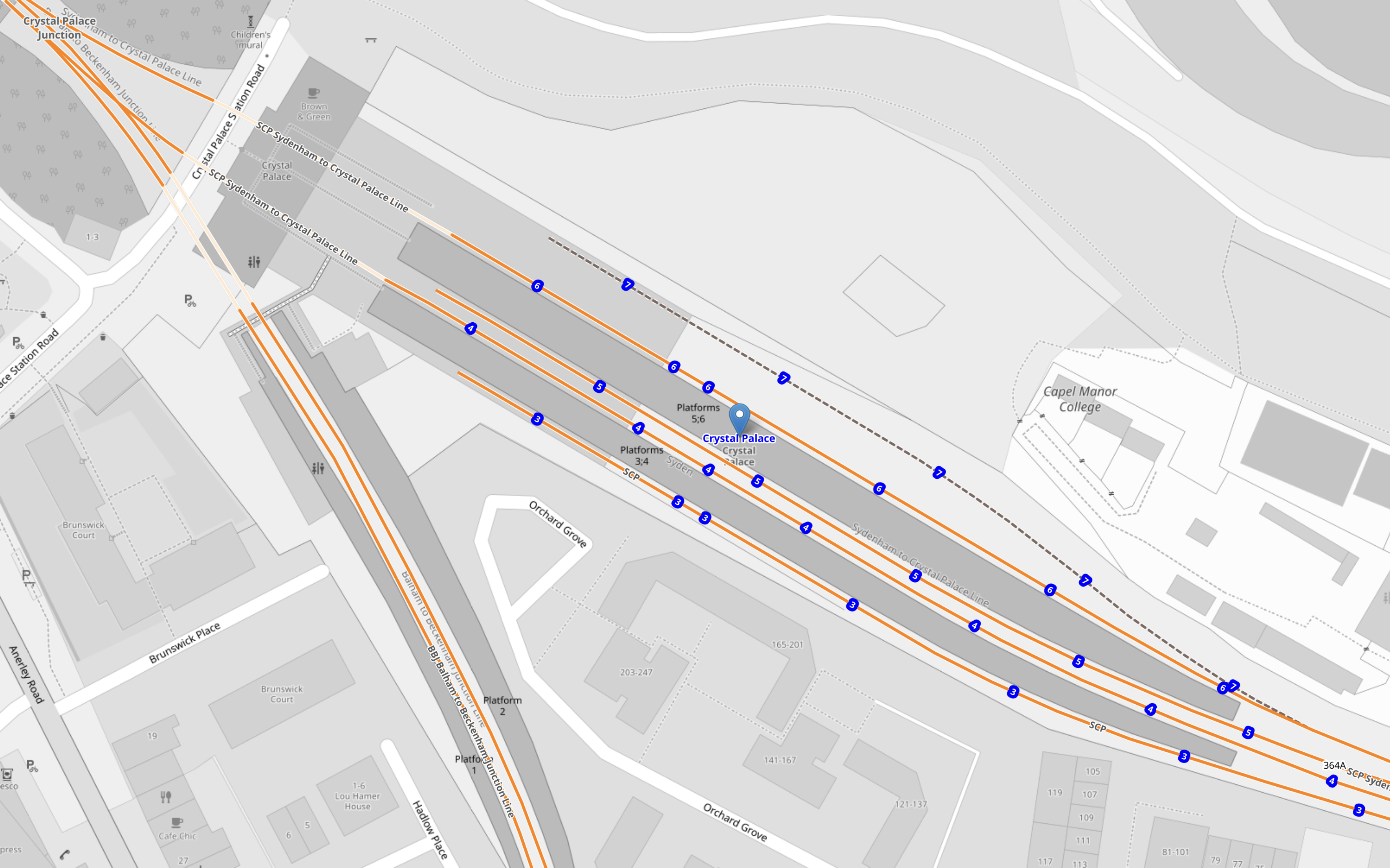
Note.
- Platforms 1 and 2 cross the South-West corner of the map and handle services like London Bridge and Beckenham Junction, London Bridge and London Victoria, and West Croydon services.
- Platform 3 is a little used bay platform, that can terminate trains from the East London Line or London Bridge.
- Platform 4 handles services between London Bridge and London Victoria.
- Platform 5 is a bay platform, that can terminate trains from the East London Line.
- Platform 6 handles services between London Victoria and London Bridge.
- Platform 7 is a disused bay platform.
These pictures show Crystal Palace station.
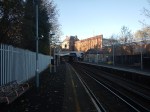
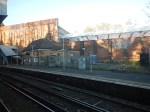
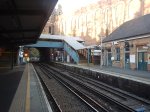
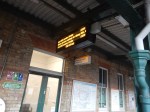
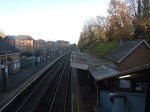
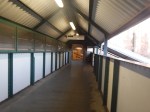
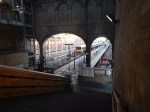
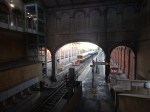
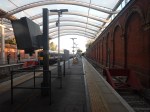
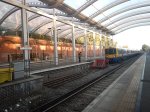
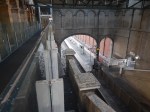
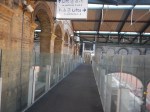

Crystal Palace station has an adequate number of platforms.
Conclusion
A service between London Bridge and Crystal Palace looks to be a sound plan.
London Overground Lines To Be Given Unique Names
The title of this post, is the same as that of this article on the BBC.
This is the sub-heading.
Six London Overground lines are to be given unique names.
These three paragraphs explain it all.
Routes to be named include Euston to Watford Junction, Romford to Upminster and Gospel Oak to Barking, City Hall confirmed.
Seb Dance, deputy mayor for transport, said posters had been put up in stations informing people of the plans and encouraging them to get involved.
London Overground will remain as the umbrella brand, according to transport bosses.
It will cost £6.3 million.
What a waste of money!
I suppose they will all be given nice politically correct names, that no-one will use and those on thee far-right will cover with graffiti.
Yesterday, I needed to use The Drain, so I asked if it was open at Waterloo. Perhaps the first thing, that they ought to do, is teach staff all the colloquial names that my parents’ generation used.
The sooner the good voters of London give SadIQ his marching orders the better.
Cunning Electrification On The North London Line
I took a trip on the North London Line from Highbury & Islington station to Richmond station.
I took various pictures on the way.
25 KVAC Overhead Electrification
East of Acton Central station, typical 25 KVAC overhead electrification is used.
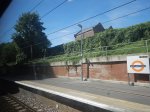
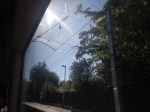

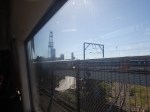
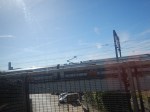
It may need to be beefed up, if more large electric locomotives haul freight trains along the North London Line.
Gunnersbury Station
Gunnersbury station is a two-platform station with London Underground four-rail electrification.

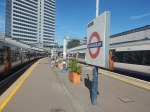

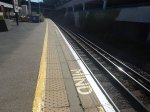
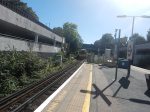
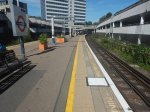
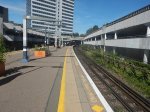
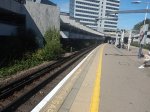
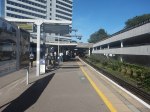
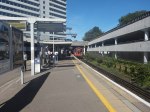

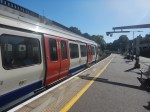
It can be used by London Underground S-Stock and London Overground Class 378 trains.
It must help that both trains were built by Bombardier in Derby.
Kew Gardens Station
Kew Gardens station is a two-platform station with London Underground four-rail electrification.
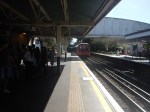
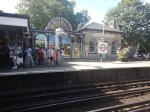
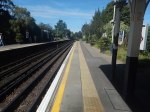


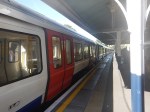
As with Gunnersbury station, both types of train can use both platforms.
Richmond Station
Richmond station is both a through and terminal station.

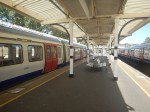
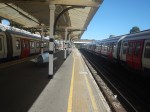

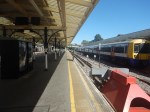
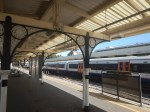
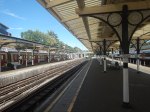
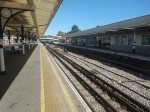
Note.
- Platforms 1 and 2 are through platforms for South Western main line services.
- Platforms 3 to 7 are for terminating London Underground and Overground services.
- Platforms 1 to 3 have traditional third-rail electrification.
- Platforms 4 to 7 have London Underground four-rail electrification.
- If needed, it may be possible to add another platform between platforms 3 and 4.
It looks like a lot of flexibility has been built in.
I have a few general thoughts.
Getting The Voltages Right
London Underground’s system used to use 630 VDC for its four-rail system, whereas Network Rail’s system uses 750 VDC.
I wouldn’t be surprised to find out that both trains use quality power electronics that can work on a range of voltages. This would enable London Underground to up their voltage to the same 750 VDC as used by Network Rail.
In Chiltern Sets Out New Fleet Ambitions, I talked about how Chiltern Railways could use London Underground’s four-rail electrification between Harrow-on-the-Hill and Amersham stations to charge the batteries.
As an electrical engineer, I don’t think this is outrageous.
Are The Elizabeth Line Trains Ready To Be Lengthened?
When Transport for London updated the North and East London Lines of the London Overground in the early years of this century, they felt that four-car Class 378 trains would have enough capacity for the lines. But the lines proved more popular than, they had expected and the trains were very overcrowded. So it was decided to lengthen the trains to the five cars they are today.
This wasn’t as easy as it seems, as platforms at several stations had to be lengthened, which was disruptive and expensive.
One day last week, I was in Farringdon station and took these pictures of the platform edge doors at the back end of a Class 345 train.
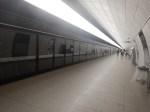
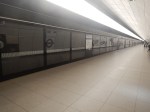
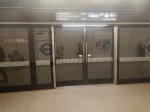
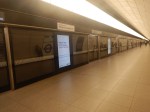
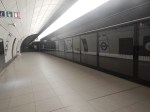
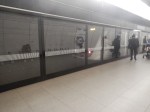
Note how, that when a train is in the station, it doesn’t reach to the end.
But this is not always the case, as this picture from Paddington station shows.
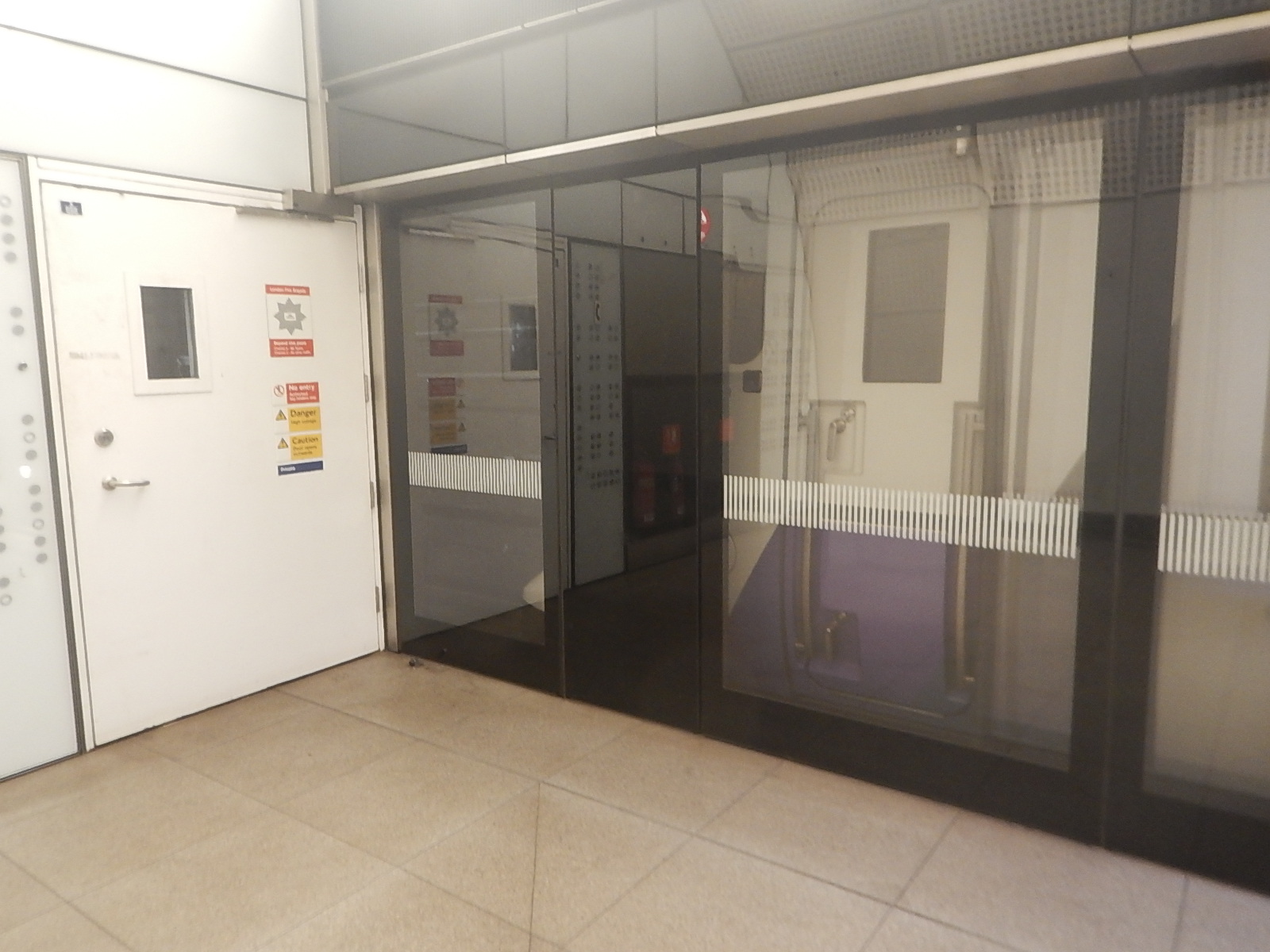
Does this mean that some underground Elizabeth Line platforms are longer than others?
In Bombardier’s Plug-and-Play Train, I discuss the plug-and-play design of Aventras.
- This plug-and-play design allows trains to be lengthened or shortened by adding or removing carriages.
- Class 345 trains are actually two half-trains, with a trailer car in between them.
So is this why Class 345 trains have run services as both seven-car and nine-car trains?
The former have three-car half-trains and the latter have four-car half-trains, with an extra MS car.
Talk Of Eleven-Car Trains
If you search the Internet, you’ll find forums and web pages speculating about. whether the trains will be lengthened to ten-cars or even eleven-cars.
Consider.
- The current trains are 204.73 metres long.
- Extra intermediate cars are all 22.5 metres long.
- The trains also are probably fitted with selective door opening or can be as most modern trains have it.
This would mean, that a ten-car train would be 227.23 metres long and an eleven-car train will be 249.73 metres.
The eleven-car figure is just 27 centimetres short of 250 metres.
I wouldn’t me surprised if the maximum train length was given to Bombardier as 250 metres.
I certainly feel, that if it should be decided to lengthen the trains by adding another carriage or two, that this will not be a problem.
The Elizabeth Line’s Two Problems
These posts talk about the two problems.
In TfL Needs More Elizabeth Line Trains Because Of HS2 Delays At Euston, I talked about what happens, if High Speed Two doesn’t link initially to Euston.
In Elizabeth Line: Commuters Say Service ‘Not What Was Promised’, I talked about problems of overcrowding at the Western end of the line.
The solutions to both problems are either more trains or adding more carriages to existing trains.
In this article on Ian Visits, which has the same title as the first post, Ian says this about ordering more trains.
Although HS2 isn’t expected to open until some point between 2029-33, TfL is warning that it will need to place the orders for the new trains soon, as the cost of doing so later will be significantly more expensive. That’s because the factory lines to build Elizabeth line trains at Alstom’s factory in Derbyshire are still in place, but will be demobilised soon. If the trains aren’t ordered before that happens, then the cost of reactivating the factory lines has to be included in the bill.
I suspect, it probably applies to an order for extra carriages as well.
Problems For Alstom
But will a substantial order for more Class 345 trains or carriages cause problems for Alstom at Derby?
This extract from the Wikipedia entry for High Speed Two rolling stock, describes how the Hitachi-Alstom joint venture will build the Classic-Compatible trains for High Speed Two.
Vehicle body assembly and initial fitting out of the trains will take place at the Hitachi Newton Aycliffe factory, the bogies will be manufactured at the Alstom factory in Crewe, and final assembly and fit-out, including the interiors, electronics and bogies, will take place at Alstom’s factory in Derby.
If more Class 345 trains are to be built at Derby, does it mean a rethink by the joint venture?
In Battery EMUs Envisaged In Southeastern Fleet Procurement, I talked about how Southeastern were looking for new trains. Given that Aventras from Alstom could be in the frame for these new trrains for Southeastern, does that give Alstom more complications?
Riding The SL8 Bus Between Shepherd’s Bush Market And Uxbridge Stations – 16th July 2023
This draft map from TfL illustrates the concept of the Superloop.
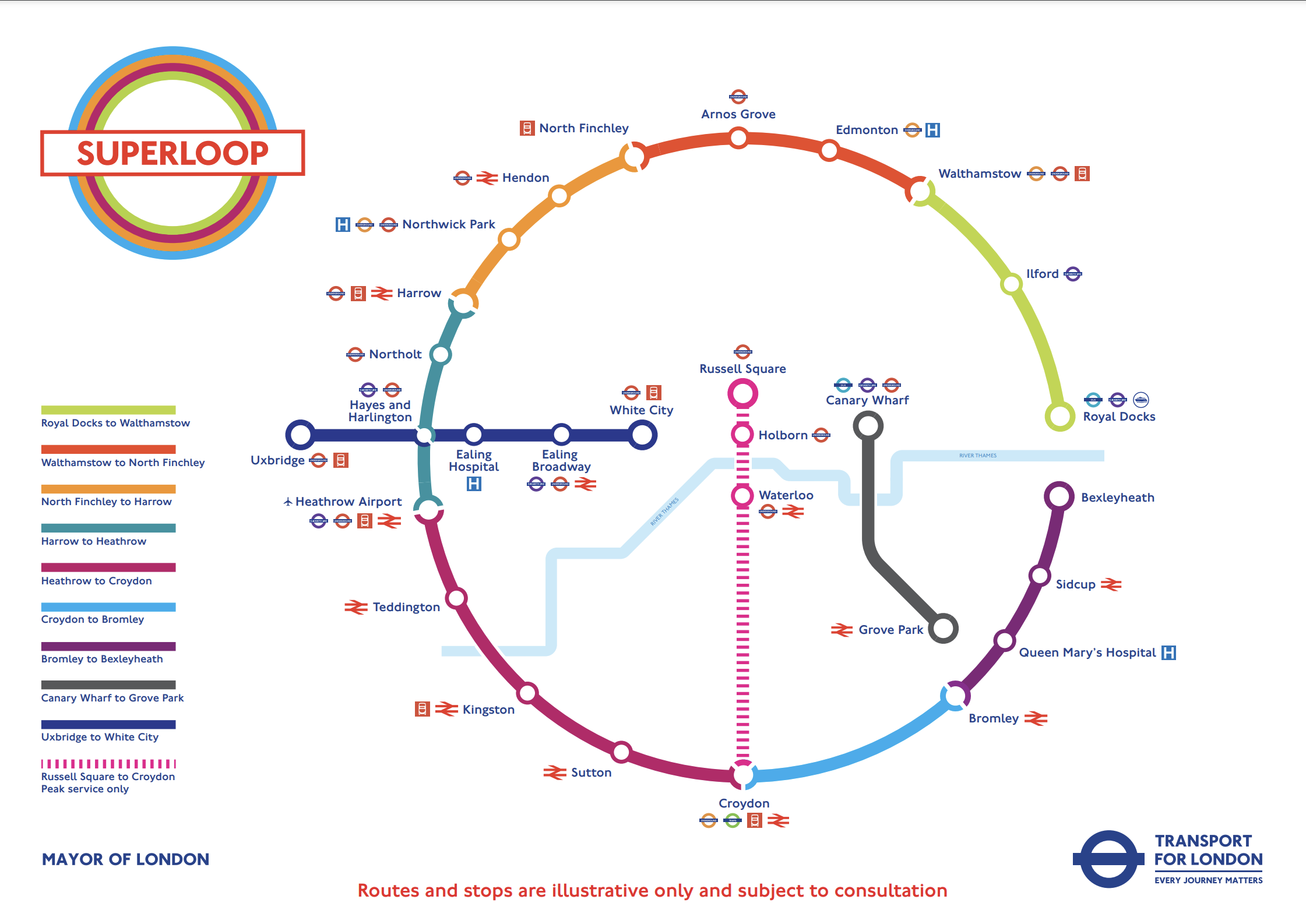
The spoke on the Western side of the map is route SL8 between White City and Uxbridge stations.
This morning I rode the route between Shepherd’s Bush Market and Uxbridge stations and took these pictures.

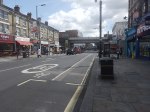
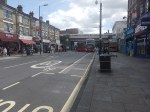
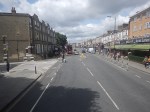

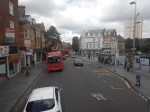
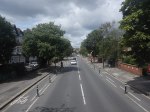
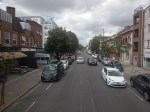
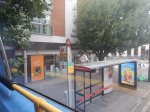
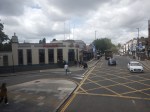

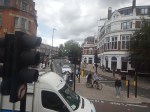
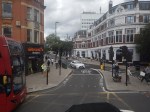
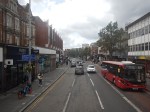
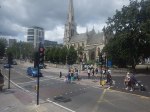

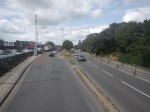
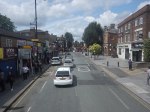
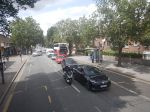
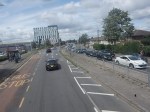
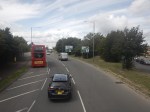
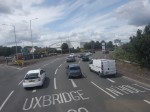
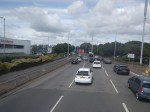
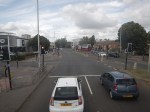
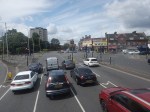
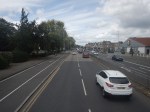
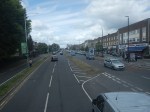
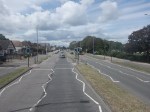
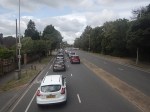
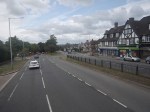
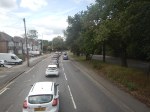

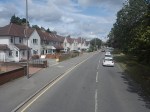
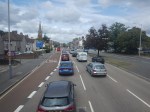
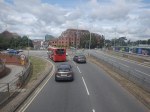
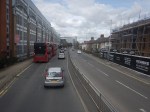
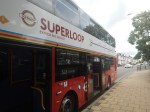
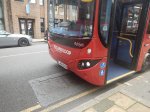
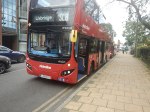
Note.
- Some of the buses have still to be painted in the new white-topped Superloop livery.
- The buses are diesel-powered.
- The stops have their own livery.
- I estimate the route is 12.3 miles long and the bus took 67 minutes.
- The frequency appeared to be typically four buses per hour.
- The route is mainly dual-carriageway to the West of Ealing Hospital.
Route SL8 used to be route 607 and except for the branding nothing has changed.
I have few thoughts.
The Concept
The concept seemed to work well, where the roads were free of traffic.
But we get get a bit delayed through places like Ealing Broadway, where parking reduced the width of the road.
The Route
The route connects quite a few stations and other important locations.
From East to West they include.
- Westfield Shopping Centre
- Shepherd’s Bush station for the Central Line and the Overground.
- Shepherd’s Bush Market station for the Hammersmith and City Line
- Acton Central station for the Overground
- Ealing Common station for the District and Piccadilly Lines.
- Ealing Broadway station for the Central, District and Elizabeth Lines.
- Ealing Broadway
- Ealing Town Hall
- Ealing Hospital
- Southall Broadway
- Hayes
Note.
- The route is very much the same as the now-abandoned West London Tram, which was proposed twenty years ago.
- The tram was opposed y the three London boroughs on the route, as it cut them in half. But buses don’t cause the same problems.
- The Superloop map shows that the SL8 bus calls at Hayes and Harlington station, but we went nowhere near it today.
- The route with its sections of dual carriageway and congested shopping streets was a bit like the route o Birmingham’s hydrogen buses, that I wrote about in Riding Birmingham’s New Hydrogen-Powered Buses.
I feel as the route is very similar to the West London Tram, which was probably extensively researched, that there won’t be too many changes to this route.
Parking Along The Route
I wouldn’t be surprised to see more parking restrictions along the route, to speed up the buses in the crowded shopping streets like Acton, Ealing Broadway and Southall Broadway.
The Buses
The buses are Egyptian-built eVoSeti diesel buses, which use a Volvo chassis.
- I don’t like these buses as they don’t have a flat floor and I’ve seen some passengers struggling with the stairs on the lower deck.
- At least the stairs to the upper deck aren’t too bad.
We used to have them locally in Dalston and I used to avoid them, if there was another bus close behind.
This new route, though should be served by zero-carbon buses, so that pollution and carbon emissions are reduced.
- Between White City and Uxbridge takes over an hour.
- A battery-electric bus would need recharging during the day.
- It looks like there’s not much space at White City and Uxbridge stations, to install charging stations.
- A hydrogen-powered bus could probably manage all day on one filling.
For these reasons, I suspect that hydrogen buses would be the preferred option.
Khan’s Stupid Plan To Rename The Overground Lines
renamThis page on the TfL web site is entitled Naming London Overground Lines.
This is the first paragraph.
London Overground lines are to be named to make the network easier to navigate and ensure the Capital’s transport system reflects its rich and diverse history. We aim to make the changes by the end of 2024.
So why do I feel it is a stupid plan?
London Wouldn’t Stomach A Load Of Woke Names
When Khan and his fellow politicians choose the names, they will probably be a load of woke rubbish and this could cause problems with some political groups.
When The Lines Are Renamed, Will They Then Start On Station Names?
This could open a real can of worms, as some station names are totally unacceptable to some groups of people.
When Arsenal moved from Highbury, Spurs fans mounted a campaign to get Arsenal tube station renamed to its original name of Gillespie Road.
Londoners Use Their Geographic Names
I use the Overground regularly and use their geographic names like.
- Cheshunt Line
- Chingford Line
- East London Line
- Enfield Town Line
- Gospel Oak and Barking Line
- North London Line
- Romford and Upminster Line
- South London Line
- Watford DC Line
- West London Line
I also use The Drain for the Waterloo and City Line.
Thameslink And Moorgate Services
It is likely, that some or all of the Thameslink and Moorgate routes will go to Transport for London.
These would need more names.
Cost
Transport for London (TfL) have a financial crisis and I believe, that the money spent on signage and branding could be better spent on other projects like hydrogen buses or creating the West London Orbital Railway.
If Another Political Party Took Power Would They Rename Everything?
Probably! And this would be more cost!
Conclusion
Sadiq Khan is a vain and stubborn man. Renaming lines will open a nest of vipers.
With the mess Khan has got in over ULEZ, this could be another problem caused by his bad judgment.
The Shuttle Lift At Whitechapel Station
Whitechapel station is an unusual station on the London Overground/Underground network, as the two Overground tracks are underneath the two Underground tracks.
But then Marc Brunel and his more famous son; Isambard didn’t realise that their Thames Tunnel would eventually be part of London’s circular Overground railway.
The interchange is further complicated, by the Elizabeth Line being dozens of metres below the Overground, so that is connected to the main station bridge concourse by a giant three-barrel escalator.

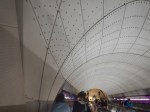
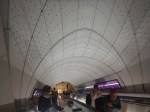
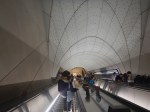
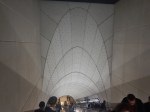
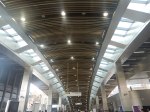
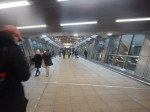
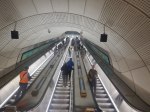
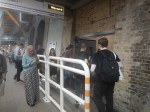
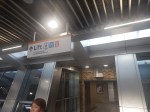
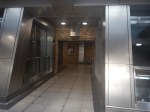
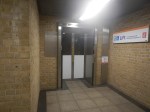
A single shuttle lift and a set of stairs connect the bridge concourse to the Northbound Overground platform.
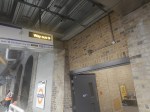
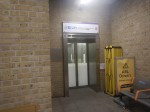
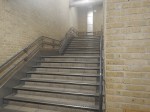
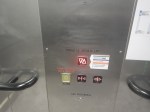
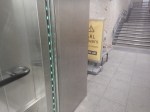
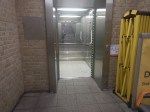
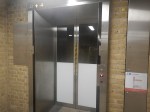
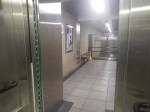
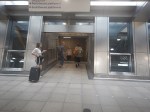
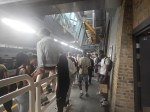
Note.
- The route is well used, as passengers have realised it is the fastest way between the Elizabeth Line and the Northbound London Overground.
- Judging by the number of passengers, who exit from the first car of Northbound Overground trains, this route could be a popular one for passengers from South London, who are continuing their journey on the Elizabeth Line.
- I use the route to come home with shopping, I’ve bought along the Elizabeth Line. I can manage the Lizzie Line escalators with two shopping bags and after rising from the depths at Whitechapel, I can take this lift to the first car of a train for Dalston, where there is a lift to the street and a bus to home.
- The lift has only two stops and one button is used to shuttle it, between the stops.
- The lower lift stop is perhaps ten metres from the first car of Northbound Overground train.
- The upper lift stop is perhaps ten metres from the bridge concourse and twenty from the escalator to the Elizabeth Line.
Strangely, the lift and stairs arrangement is more complicated on the Southbound platform of the Overground.
London’s transport network needs more simple shuttle lifts like this.
Elizabeth Line’s £29million Fares Bonanza As Passenger Numbers Hit New High
The title of this post, is the same as that of this news item on msn.
These four paragraphs outline the story.
The Elizabeth line has enjoyed a £29m fares income bonanza due to record passenger numbers, it was revealed on Wednesday.
But the positive state of its finances – alongside a prediction that it will break even this year – came as line managers belonging to the TSSA union announced they would strike on May 24 in an unresolved pay battle.
This threatens to close the central section of the £20bn line, between Paddington and Abbey Wood, and embarrass Mayor Sadiq Khan and Transport for London as the walkout falls on the first anniversary of its opening.
Latest figures from TfL show the Elizabeth line is carrying 3.5m passengers a week – and at times almost four million.
After the experience of continuously rising passenger numbers after the opening of the London Overground, it looks like the so-called mathematicians of Transport for London have got their numbers wrong again.
I have some thoughts.
When There’s A Sniff Of Money, The Unions Strike
This seems to be the case.
Perhaps Now Is The Time To Expand The Elizabeth Line?
I would add extra services between Oxford and Southend Victoria.
The extra fare revenue could be spent on trains.
Clapham High Street Could Gain Direct Overground Routes To Victoria Station
The title of this post, is the same as that of this article on the Clapham Nub News.
These two paragraphs introduce the article.
Local councillors and the Clapham Transport Users Group have been in discussions with Network Rail about the direct route once the current ‘Networker’ trains are replaced.
Clapham High Street lost its direct services to Victoria in December 2012 when the South London Line was withdrawn in favour of the London Overground to Clapham Junction.
This forces passengers onto the Northern Line, which through Clapham has two dangerous-looking stations; Clapham Common and Clapham North.
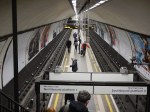
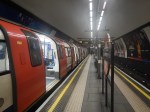
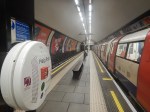

I have a few thoughts and observations.
Clapham High Street Station
These pictures show Clapham High Street station.
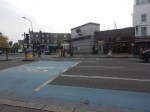
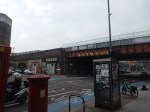
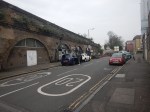
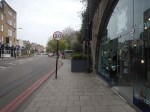
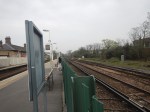
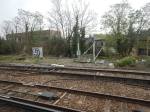
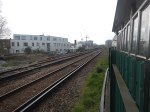
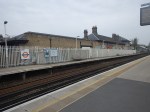
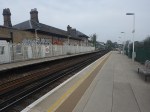
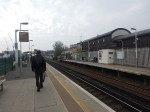
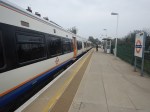
Note.
- The station is Grade II Listed.
- There are four tracks through Clapham High Street station.
- Only the lines used by the London Underground have platforms.
- I don’t think it will be difficult to add platforms to the other two tracks.
- The platforms will probably take five-car trains.
- Access to the platforms is by a subway, which could probably be extended to the other side of the tracks.
- A second entrance would be closer to Clapham North station.
- I suspect step-free access would not be too difficult to install.
- The tracks are over railway arches, which could be developed to add to the quality businesses in the area.
This Google Map shows the station.
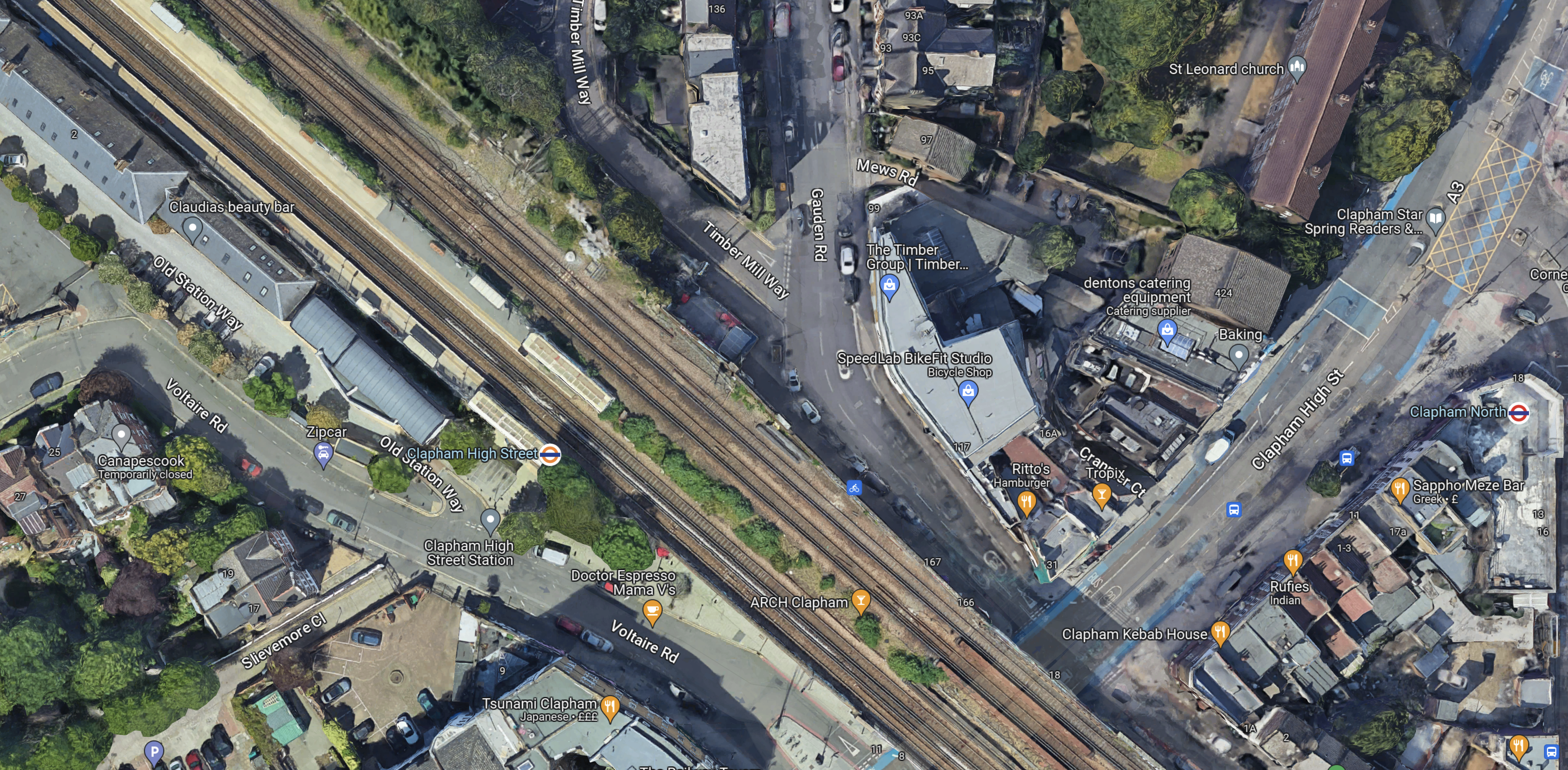
Note.
- Clapham High Street station is in the North-West corner of the map.
- Clapham North station is at the Eastern edge of the map in the middle.
- There seems plenty of space for two more platforms.
I think there is a lot of scope to improve this station.
Tracks Through Clapham High Street Station
This map from cartometro.com shows the tracks through Clapham High Street station.

Note.
- The Overground tracks are shown in orange and black.
- The fast lines, which are to the North of the Overground lines are shown in black.
- Shepherds Lane and Voltaire Road junctions allow trains on the fast lines to call in Clapham High Street station.
I suspect full digital signalling will be employed for efficiency of handling the junctions.
Services Through Clapham High Street Station
These services run through Clapham High Street station.
- London Overground – Dalston Junction and Clapham Junction – four tph – Goes via Denmark Hill and Peckham Rye
- Southeastern – London Victoria and Ashford International – one tph – Goes via Brixton, Herne Hill and West Dulwich
- Southeastern – London Victoria and Dartford – two tph – Goes via Denmark Hill, Peckham Rye, Nunhead and Lewisham
- Southeastern – London Victoria and Dover Priory – one tph – Goes via Brixton, Herne Hill and West Dulwich
- Southeastern – London Victoria and Gillingham – one tph – Goes via Denmark Hill, Peckham Rye, Nunhead and Bromley South
- Southeastern – London Victoria and Orpington – two tph – Goes via Brixton, Herne Hill and West Dulwich
- Southeastern – London Victoria and Ramsgate – one tph – Goes via Brixton, Herne Hill and West Dulwich
Note.
- tph means trains per hour.
- The London Overground services could be increased to 6 tph.
- Only the London Overground services stop in Clapham High Street station.
- The Dartford, Gillingham and Orpington trains are pathed for 90 mph trains.
- The Ashford International, Dover Priory and Ramsgate trains are pathed for 100 mph trains.
It is a comprehensive timetable.
Southeastern’s New Trains
In Battery EMUs Envisaged In Southeastern Fleet Procurement, I wrote about Southeastern’s proposed new trains.
Full details haven’t been announced yet, but I think we can be sure of the following.
- The first trains to be replaced will be the Networker trains, because they are the oldest and slowest.
- The new trains will have selected door opening (SDO), as this a feature of nearly all modern trains.
- I also suspect the trains will be capable of running at 100 mph and will be five cars long, with the ability to run in pairs.
This will enable the new trains to cross over from the fast lines to the Overground lines to stop in Clapham High Street station.
How Many Trains Would Stop At Clapham High Street Station?
Currently trains passing through the station are as follows.
- London Overground – 4 tph – Stopping
- Southeastern – 3 tph – 100 mph services to Ashford International, Dover Priory and Ramsgate – Non-stop
- Southeastern – 5 tph – 90 mph services to Dartford, Gillingham and Orpington – Non-stop
Note.
- It is likely that the London Overground service will go to 6 tph.
- Would 100 mph services always go through without stopping?
- In an ideal world would it be best if services alternated?
I suspect that a better service could be provided between Clapham High Street and Victoria with very little expenditure on infrastructure.
High Speed One Issues
An article in the July 2017 Edition of Modern Railways is entitled Kent On The Cusp Of Change.
The article suggests that Fawkham junction, could be used to allow Southeastern Highspeed services to access Victoria as a second London terminal, to increase capacity on High Speed One.
The route could be via Clapham High Street, Denmark Hill, Bromley South, St. Mary Cray, Swanley and Farningham Road.
The Arches Underneath
There are several railway arches underneath the tracks at Clapham High Street station.
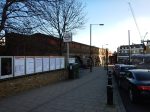
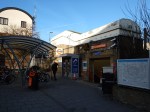
Some of the businesses look good and there are several other arches that are boarded up.
Railway arches are now generally owned by The Arch Co.
In Findlater’s Corner At London Bridge – 11th February 2023, I wrote about the company’s restoration of some arches at London Bridge station, which included these pictures.
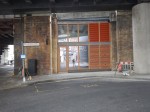
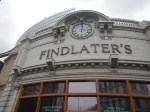

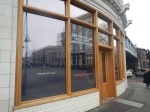
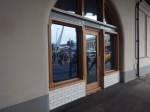
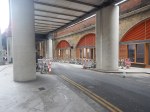
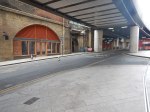
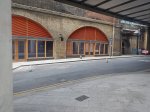
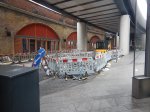
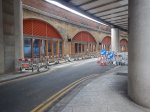
I suspect that a similar restoration in up-market Clapham could be a good investment for The Arch Co.
A Four-Platform Clapham High Street Station
Consider.
- There is space for two new platforms alongside the fast lines.
- The station entrance is in an arch, that goes right under the tracks.
- Putting lifts in an arch would not be the most challenging of tasks.
- A second entrance in Gauden Road would be nearer Clapham North Underground station.
- It should also be remembered that the Government is giving out levelling up funding.
- Hackney is to receive this type of funding and I wrote about it in Hackney Central Before Levelling Up.
I can see a fully-accessible four-platform station being built at Clapham High Street station.
Denmark Hill Station
Denmark Hill station is the next station to the East of Clapham High Street station and after a rebuild is now a high quality station, with these features.
- Four tracks and platforms.
- Frequent trains to Ashford International, Clapham Junction, St. Pancras, Victoria and Whitechapel.
- Full step-free access with lifts.
- A solar roof.
- A Grade II listing.
- King’s College and Maudsley Hospitals are next door.
- A pub.
I wrote about the station in Denmark Hill Station – 4th September 2021.
These are a few pictures.

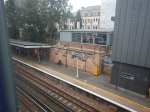


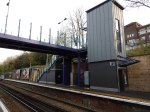
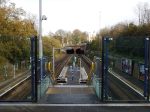
Note the solar roof. There’s more about the roof on this page of the BiPVco web site.
On the About page, there is a section called Our Story, where this is said.
BIPVco was established in April 2015 following five years of collaborative research between Tata Steel LCRI (Low Carbon Research Institute) and Swansea University with support from the Welsh government.
The research program developed ways of integrating thin-film CIGS PV cells directly onto the same substrates that make roofs and walls so that true BIPV functionality would become integral to the building envelope and could be achieved without having to resort to heavy on site mounting systems.
Our manufacturing processes were further enhanced to suit commercial production, and the products and procedures were tested and accredited before commercial launch.
Working with select partners, we designed and built many pilot PV integrated roofs between 2015 and 2017 in varying climates, including Nigeria, Canada, UAE and the UK, to demonstrate product suitability in all environments. The full commercial launch was effected in June of 2017.
They certainly seem to have taken solar panels to a new level.
I would also rate Denmark Hill station one of the finest suburban railway stations in the world!
Peckham Rye Station
The next station to the East of Denmark Hill station is Peckham Rye station.
Like many other stations and buildings in London, including the original Denmark Hill station, Peckham Rye station was designed by Charles Henry Driver.
These are some pictures, I’ve taken over the years at Peckham Rye station.
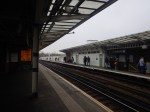
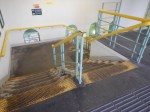
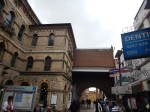
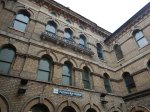
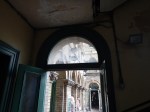
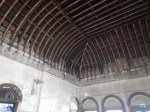
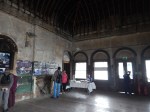
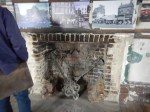
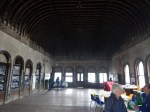
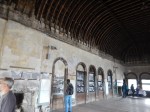
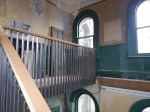
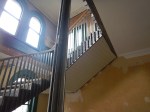
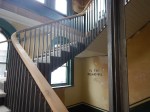
Note.
- It is a very busy station.
- I’ve read somewhere, that it is the busiest station in the UK, without any step-free access.
- It could be a magnificent station.
- One of the people driving this project is the architect; Benedict O’Looney.
This page on the Network Rail web site is entitled Peckham Rye Station Upgrade and it starts with this statement.
On 7th March 2022, we submitted Planning Permission and Listed Building Consent applications to upgrade Peckham Rye station to make it fully accessible with more capacity and better facilities for passengers.
It’s all a bit out of date, but these pictures, that I took this morning, indicate that something is progressing.
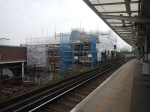
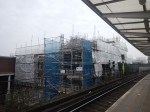
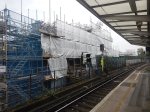
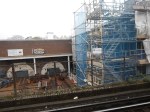

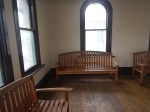
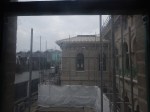
This article on IanVisits gives a few more details.
South London Crosslink
The South London Crosslink, doesn’t seem to have a website or a Wikipedia entry.
But it is mentioned in a question and answer to the London Mayor.
In response to this question.
Will you consider bringing the Victoria rail service back to Clapham High Street station and providing direct trains to Brixton, Herne Hill, and Bromley South?
The Mayor gave this answer.
The Department for Transport (DfT) is responsible for these services, as they run Southeastern railway as operator of last resort. Transport for London (TfL) is not opposed to the existing Southeastern services to and from Victoria making additional calls at Clapham High Street should the DfT, wish to take the idea forward.
There are however several practical issues that would need to be taken into consideration, and any changes to the service would be subject to cost-effective solutions being found to these.
The Clapham High Street platforms are too short for the eight-car trains used on the Victoria to Dartford and Orpington metro routes, and the existing rolling stock lacks a safety intervention called “Selective Door Opening” that enables trains to call at a station where the platform is shorter than the train. There are also technical restrictions, such as the frequent routing of these services along an adjacent pair of tracks which do not have any platforms, which would make implementation difficult using the existing railway infrastructure. Finally, there would need to be clear consideration on the wider capacity of the rail network and the robustness of the timetable. All of these concerns could affect the value for money of any proposal for these services to call at Clapham High Street station.
As I showed earlier, it looks like new trains will solve most of these problems. If they don’t, then the wrong trains have been ordered.
But there’s still not much about where the route will go after Peckham Rye, except for vague mentions of Dartford and Orpington.
I asked a friend and they said the South London Crosslink could possibly go to Bellingham.
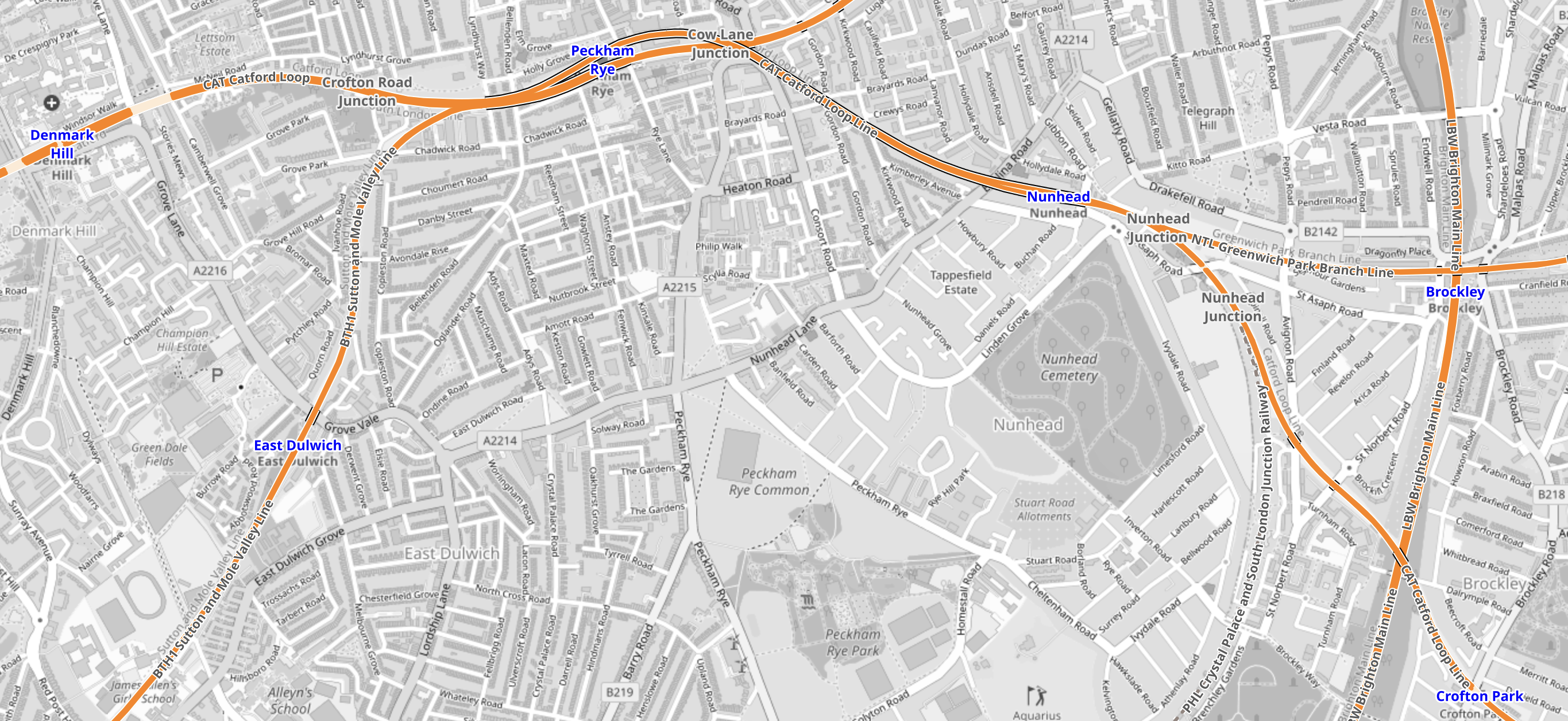
This map from cartometro, shows the route between Denmark Hill and Crofton Park stations.
Note.
- Denmark Hill station is in the North-West corner of the map.
- Crofton Park station is in the South-East corner of the map.
- The route would be via Peckham Rye and Nunhead stations.
- It is not a very fast route with an operating speed of 50-60 mph.
- In Nunhead Junction Improvement, I wrote about improvements needed at Nunhead junction to the East of Nunhead station to improve capacity for freight trains.
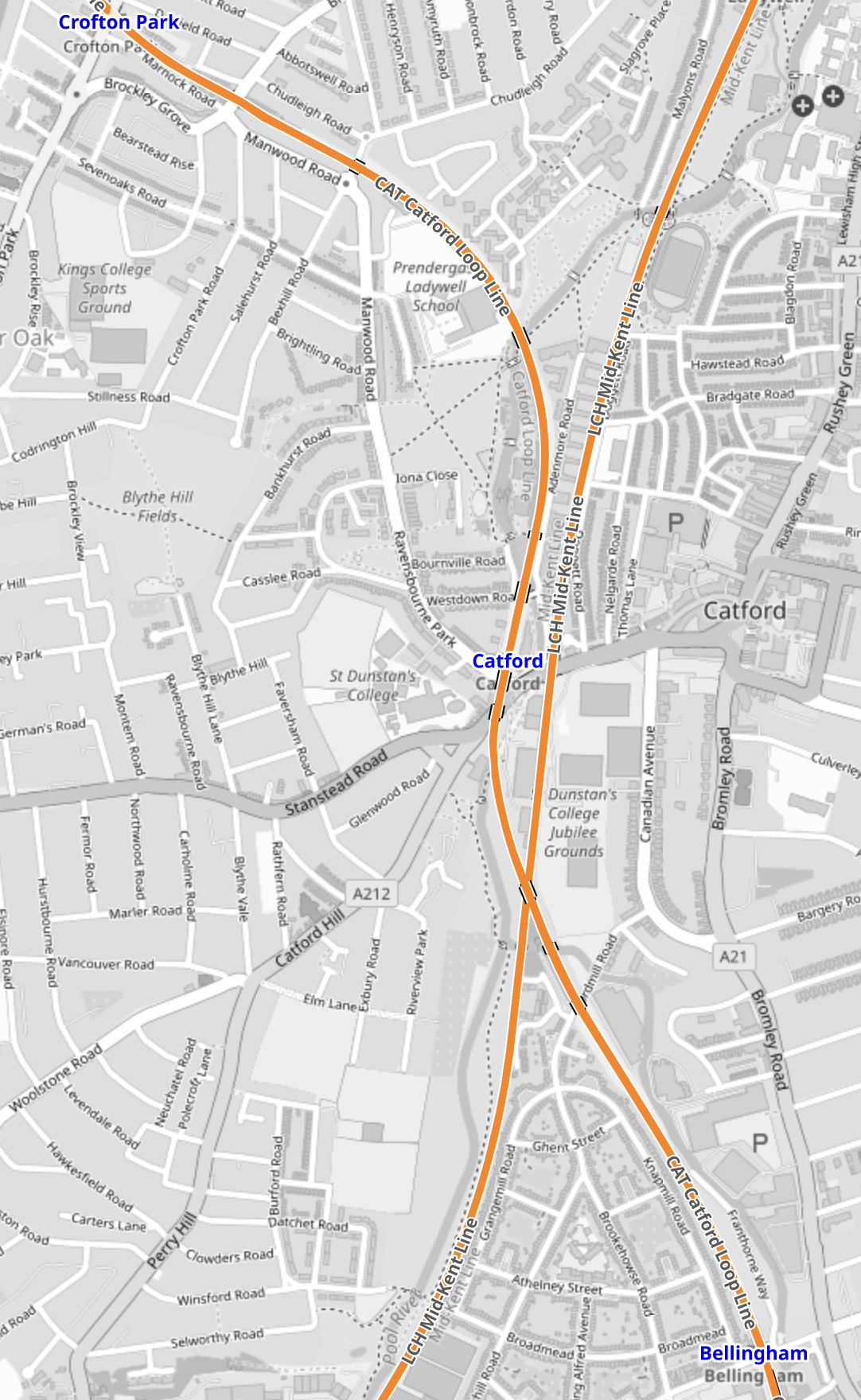
This second map from cartometro, shows the route between Crofton Park and Bellingham stations.
Note.
- Crofton Park station is in the North-West corner of the map.
- Bellingham station is in the South-East corner of the map.
- The line going diagonally across the map from North-East to South-West is the Hayes Line to Hayes.
- There are plans to create an interchange station at Catford.
This Google Map shows Bellingham station.
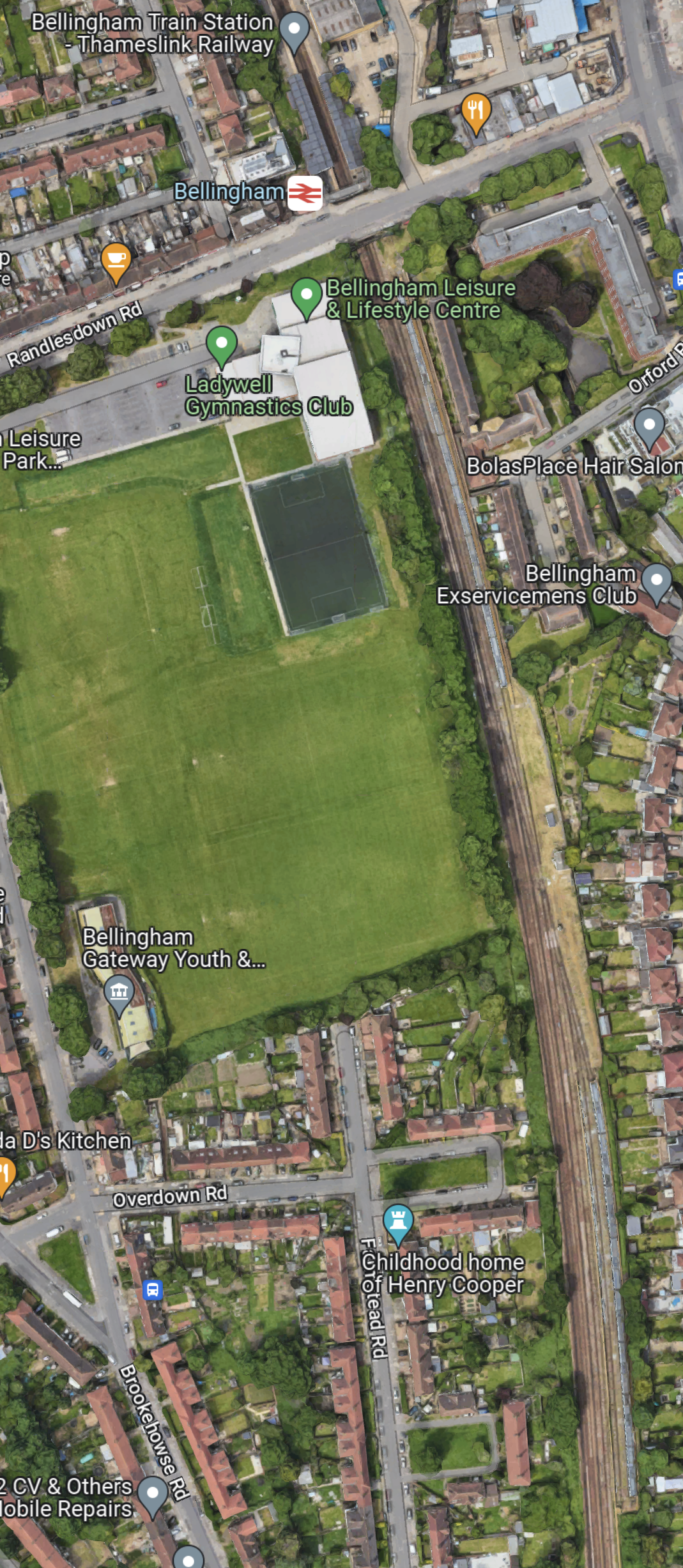
Note.
- Bellingham station is at the top of the map.
- Bellingham station is on the Catford Loop Line.
- South of Bellingham station are a series of sidings.
Is the reason, that Bellingham station was proposed as a terminus, that with a proper interchange at Catford, it creates a very efficient operational railway with some convenient sidings thrown in?
This map from cartometro, show the track layout at Bellingham station.
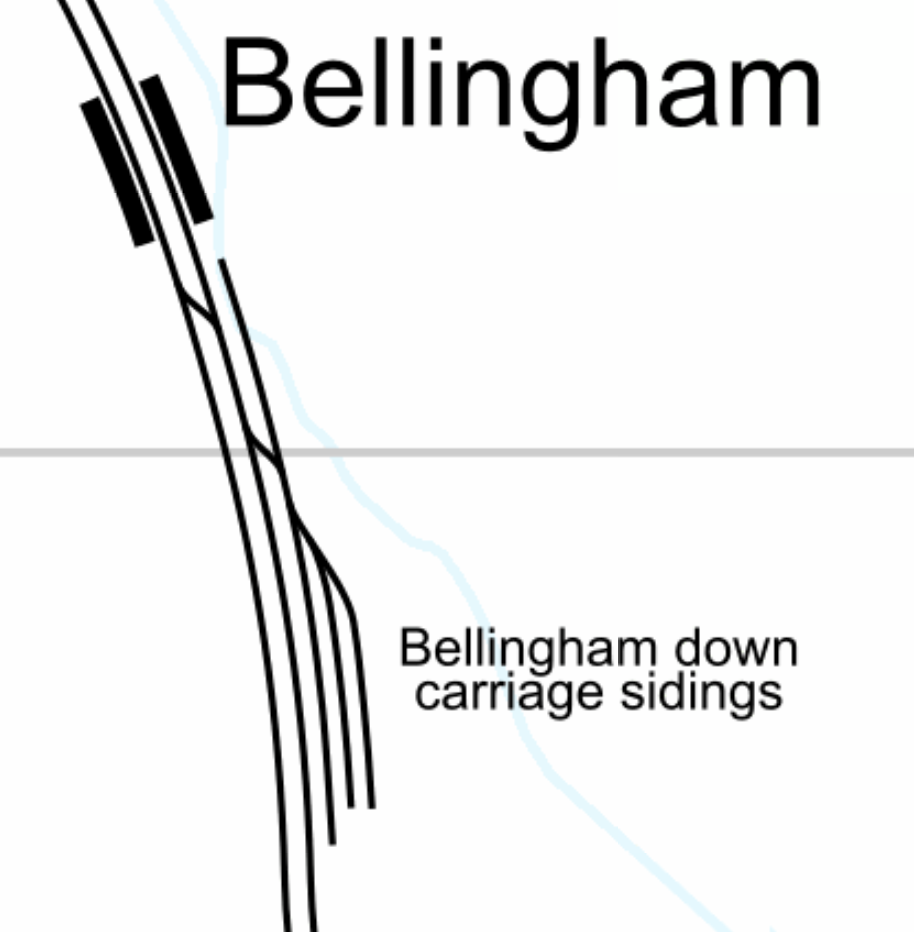
I believe that the sidings could be used as a turnback siding for trains from both directions.
These pictures show trains in the sidings.
And these are of the station.
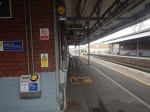
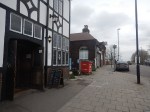
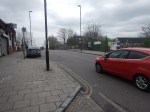
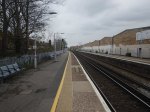
Note.
 The Anonymous Widower