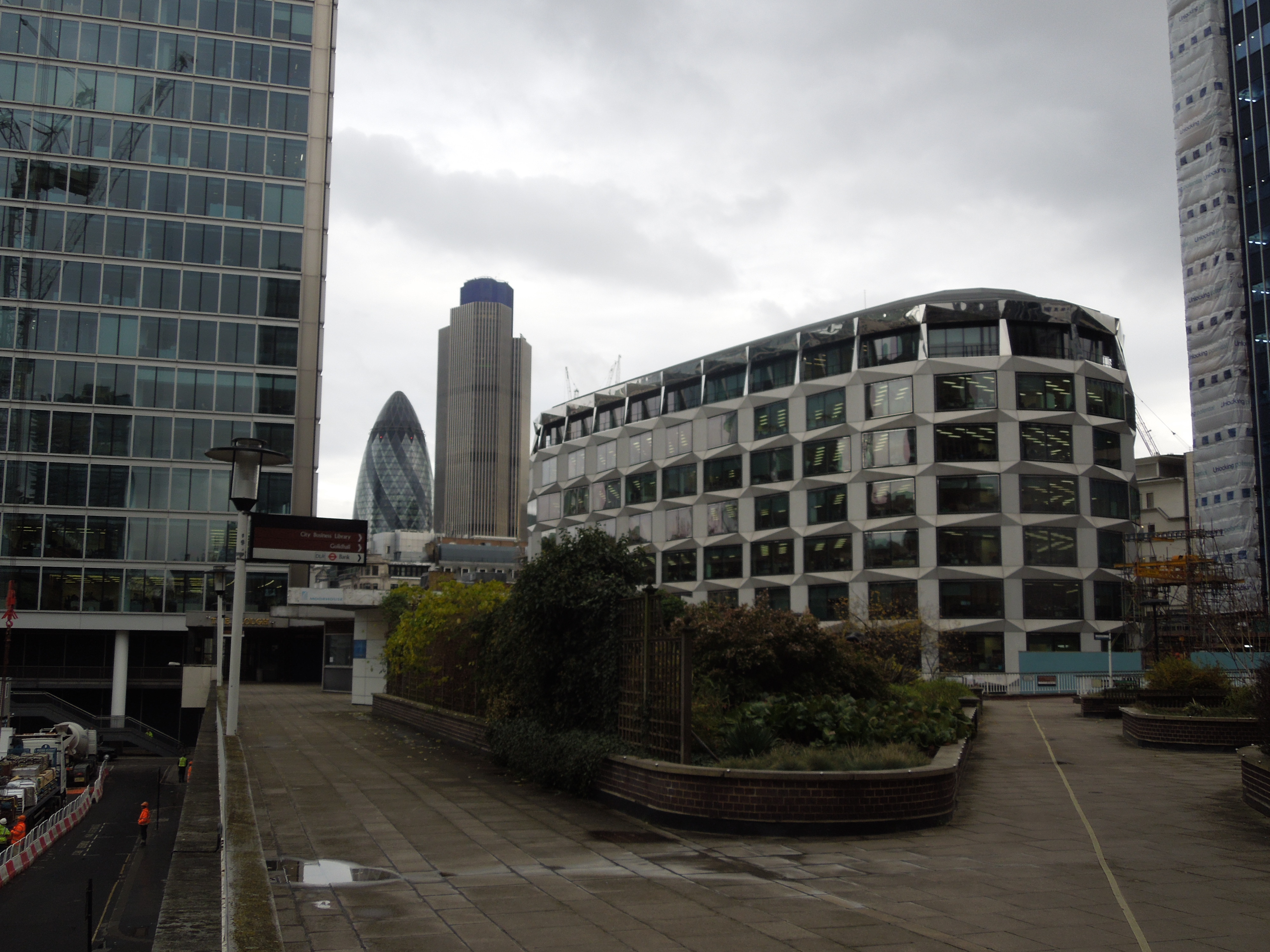
The Back Of Moor House
I think this building with the distinctive windows is Moor House.
The Back Of Moor House
It does remind me of Oriel Chambers in Liverpool.
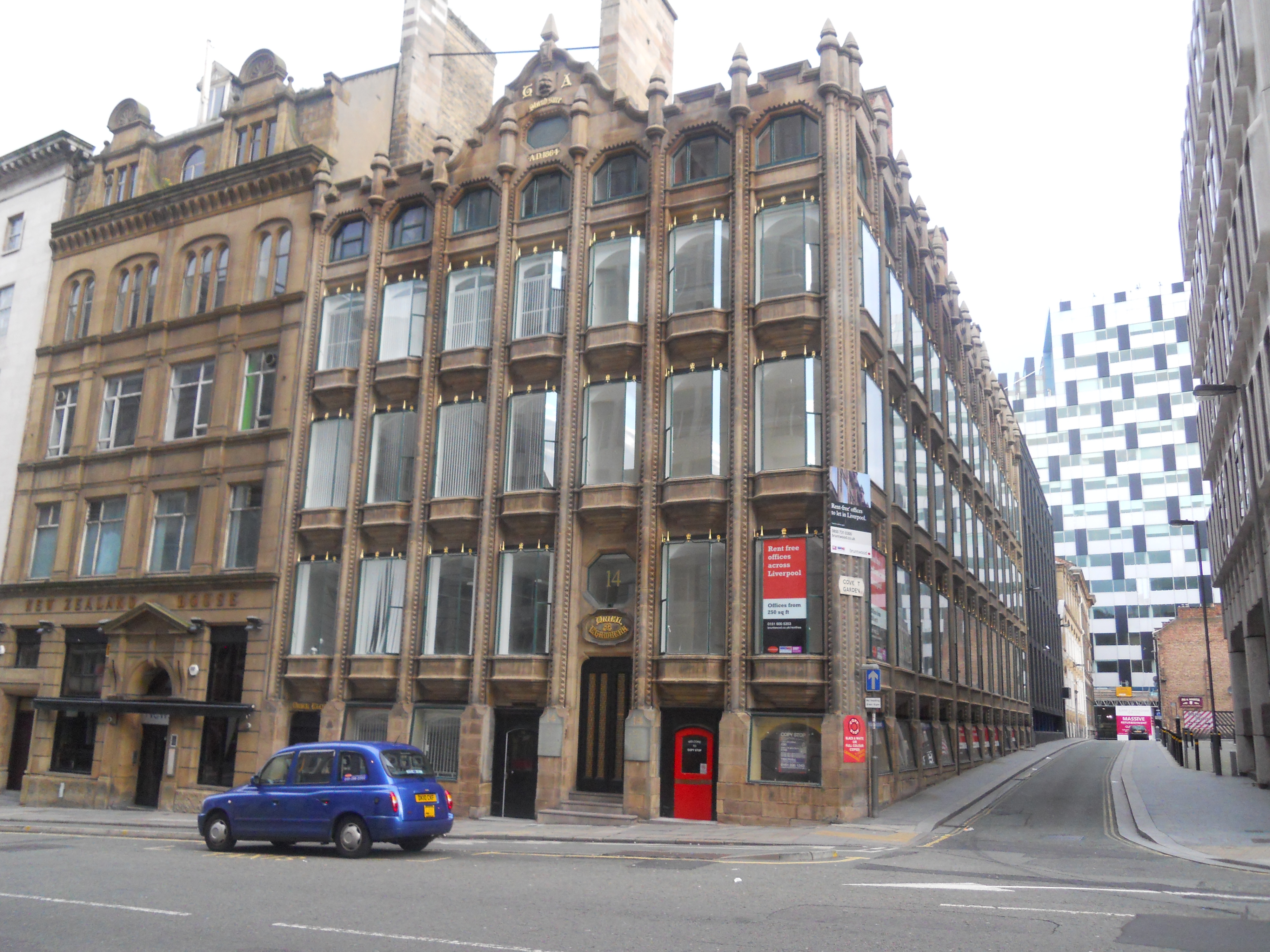
Oriel Chambers
But that building was completed in 1864 or 140 years before Moor House.
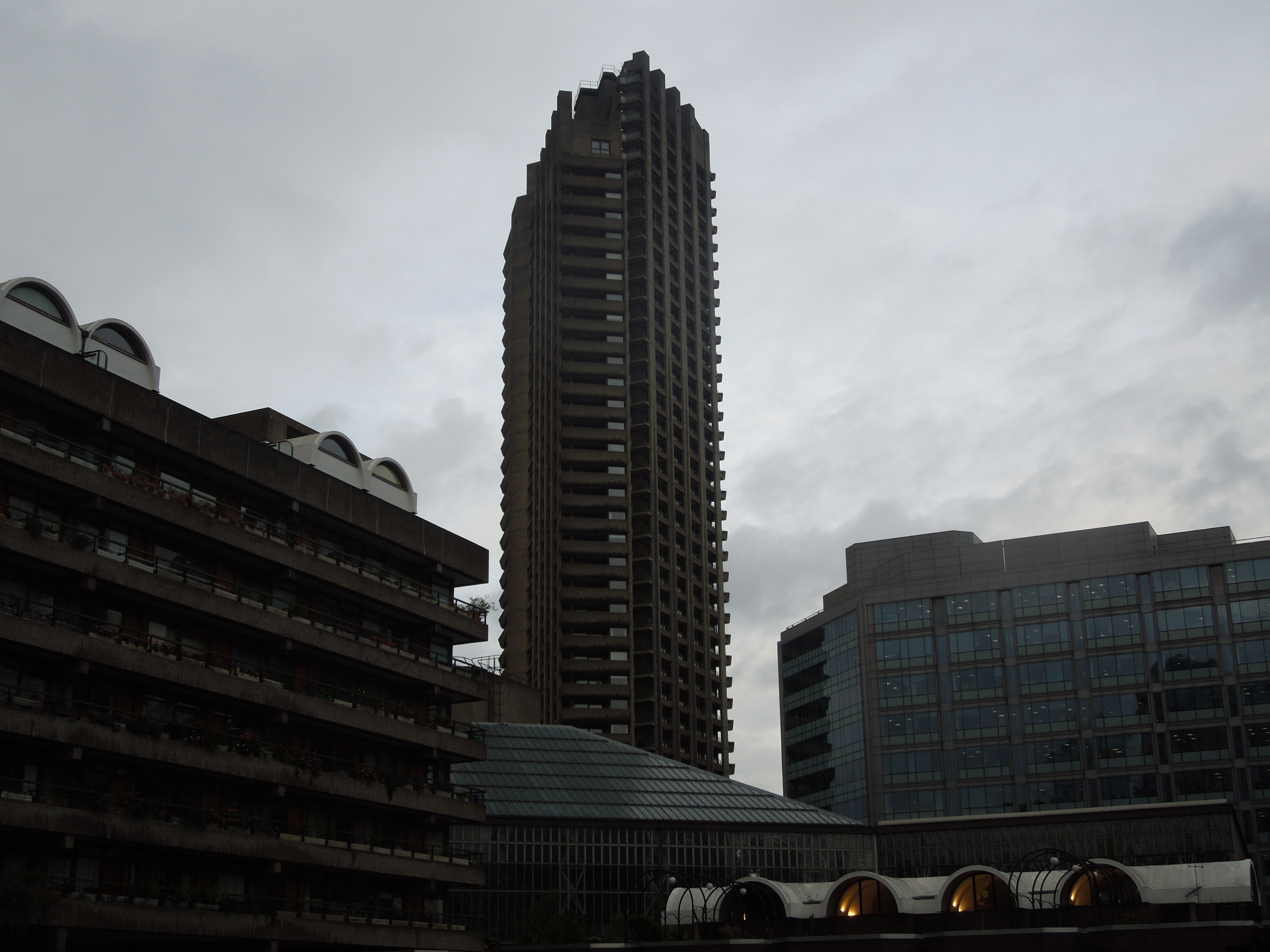
Cromwell Tower
I took this picture of Cromwell Tower from where I took the picture of The Heron and CityPoint.
Cromwell Tower
We used to live on the eleventh floor, which is just about the lowest floor visible in the picture.
Considering this tower was built at the end of the 1960s, it is still an iconic and distinct building.
The Heron And CItyPoint
This picture was taken from the Barbican.

The Heron And CItyPoint
CityPoint used to be known as Britannic House and it was a much plainer and brutal building, when we lived in Cromwell Tower. It has since been rebuilt. The Heron is a new residential block, yet to be completed.
The Heron Tower
The Heron Tower is a newly-built skyscraper in the City of London. I can actually see it from my front window, as some of these pictures show.
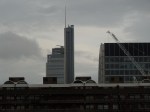
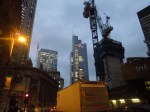
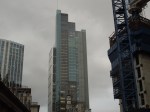
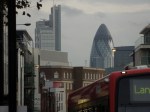
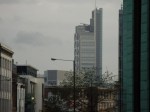
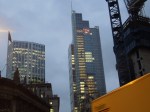
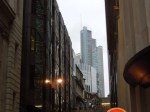
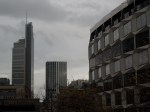
It is the tallest in London after The Shard. And I like the Heron Tower much better.
And Some Think London’s Got Traffic Problems!
I just read this piece on the BBC web site about a legal challenge to a new bus lane in Delhi.
I think it is interesting to look at how well London survived the Olympics. A lot of the road network was closed down and people found better ways to work or get to work. I started referring to buses as Big Red Taxis.
Since the end of the Olympics, you’d think road traffic would have got back to previous levels. I’m not sure, but when I walk up the Balls Pond Road at rush hour, it may be busy, but not as bad as I remember before the Olympics. The only really bad times are when Arsenal are at home, as a large number of people still drive to one of the easiest stadia in the country to get to by public transport.
I would love to see some properly collected figures on traffic in Central London. Do they publish the amount of money raised by the Congestion Charge? I can’t seem to find any recent results. They should publish the takings on a regular basis. Probably daily!
Walking From Leamouth To Canning Town Station
This morning in what could be the last of the summer sun, I took a 277 bus to Leamouth and then walked to Canning Town station along Bow Creek.

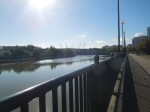
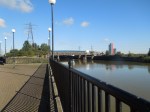


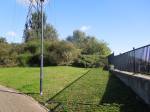
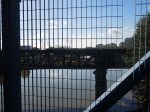
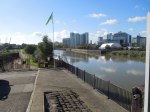


The area is one of the more interesting in London, with the River Lea of which Bow Creek is part, gradually silting up and reverting to reed beds. The inside of the bend used to be the the home of the Thames Ironworks and Shipbuilding Company and now it is one of the tunnelling sites for CrossRail. The successor of the works football team of the Thames Ironwork still exists as West Ham United, but the company is long gone, deespite building many ships for the Navy and companies like P & O.
From Canning Town station, I got the DLR, the Emirates Air-Line cable-car and the Jubilee line to Canary Wharf for lunch. I suppose, I could have taken the Jubilee line from Canning Town station, but the cable-car has better views.
Thinking about the route, you could take the 277 bus from any number of places like Highbury and Islington and then go back to Central London on the Jubilee line. but on a sunny day, don’t cut out the cable-car as it gives some spectacular views.
The Bus Windows Aren’t Steamed Up!
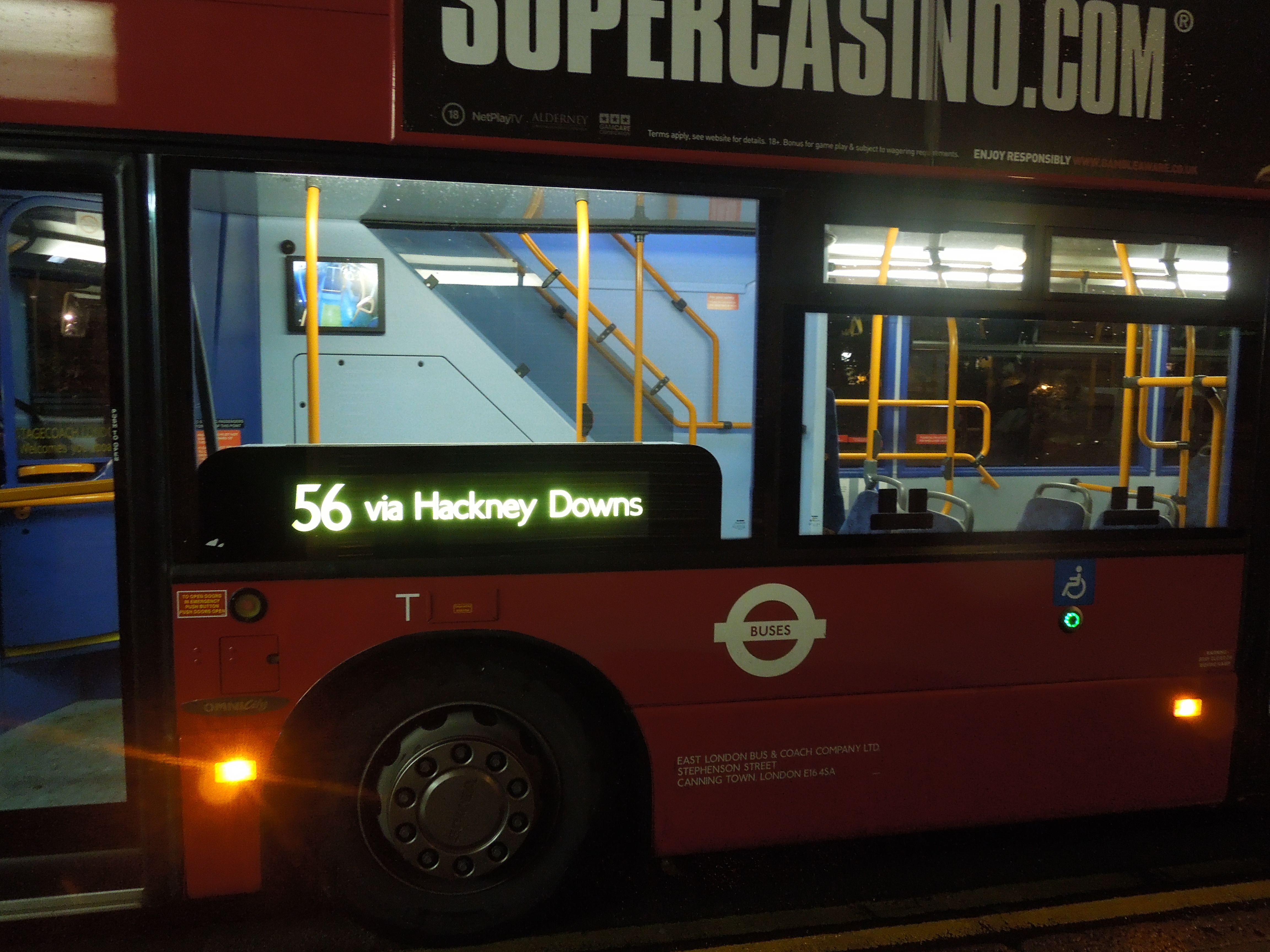
It was a filthy wet night, as I came back from supper with my son. But the bus windows aren’t steamed up.
The Bus Windows Aren’t Steamed Up!
Two years ago on a similar day in Cambridge, the bus to Haverhill was steamed up inside and nothing could be seen through it.
It could have been the weather was worse, or that the London buses have better air circulation.
An Incident On A Bus
I was on a bus this morning, when a couple tried to get on without paying. They seemed to produce an old ticket claiming it had been issued earlier. But obviously, this didn’t fool the driver and he said no.
After a minute or so everyone on the bus started to get a bit impatient ringing the bell and rumbling about moving on. But the couple stood their ground.
it was then that the two biggest passengers on the bus moved forward to try to support the driver and sort the impasse. One was a stockily-built, fifty year old or so, white man in a suit and the other was a much younger, tall black man in jeans and a cotton jacket.
Faced with this irresistible force, the couple got off and possibly waited for another bus.
I was sitting next to a rather slight young lady and remarked that luckily you don’t see that too often. She agreed and we both wished each other well, as we got off a couple of stops later.
Perhaps we should have all cheered, but I think we thought that discretion was the better part of valour.
So, in the end, no-one or nothing was hurt, except perhaps the couple’s pride.
The Hydraulic Accumulator Tower From The DLR
I took these pictures of the Hydraulic Accumulator Tower yesterday to compliment those I took from the ground at Open House.

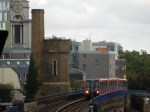
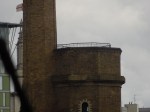
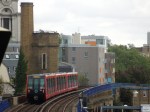
I was on the eastbound platform at Limehouse station, except for the close-up, where I was in the front of a train.
One of the problems with the DLR these days, is that it is too popular with site-seers and sometimes getting the front seats to take pictures can be almost impossible.
Wot No Shard!
I didn’t actually get a view of the dreaded Shard from Crystal Palace, as I suspect the trees were in the way. But you can see a long way.

Wot No Shard!
Are those white columns to the right on the horizon the Dartford Crossing? if not, what are they? Enlarge the picture and I think you can see the bridge deck.

