The New Penguin Beach
I said in an earlier post that one exhibit was very crowded and that was the new Penguin Beach.
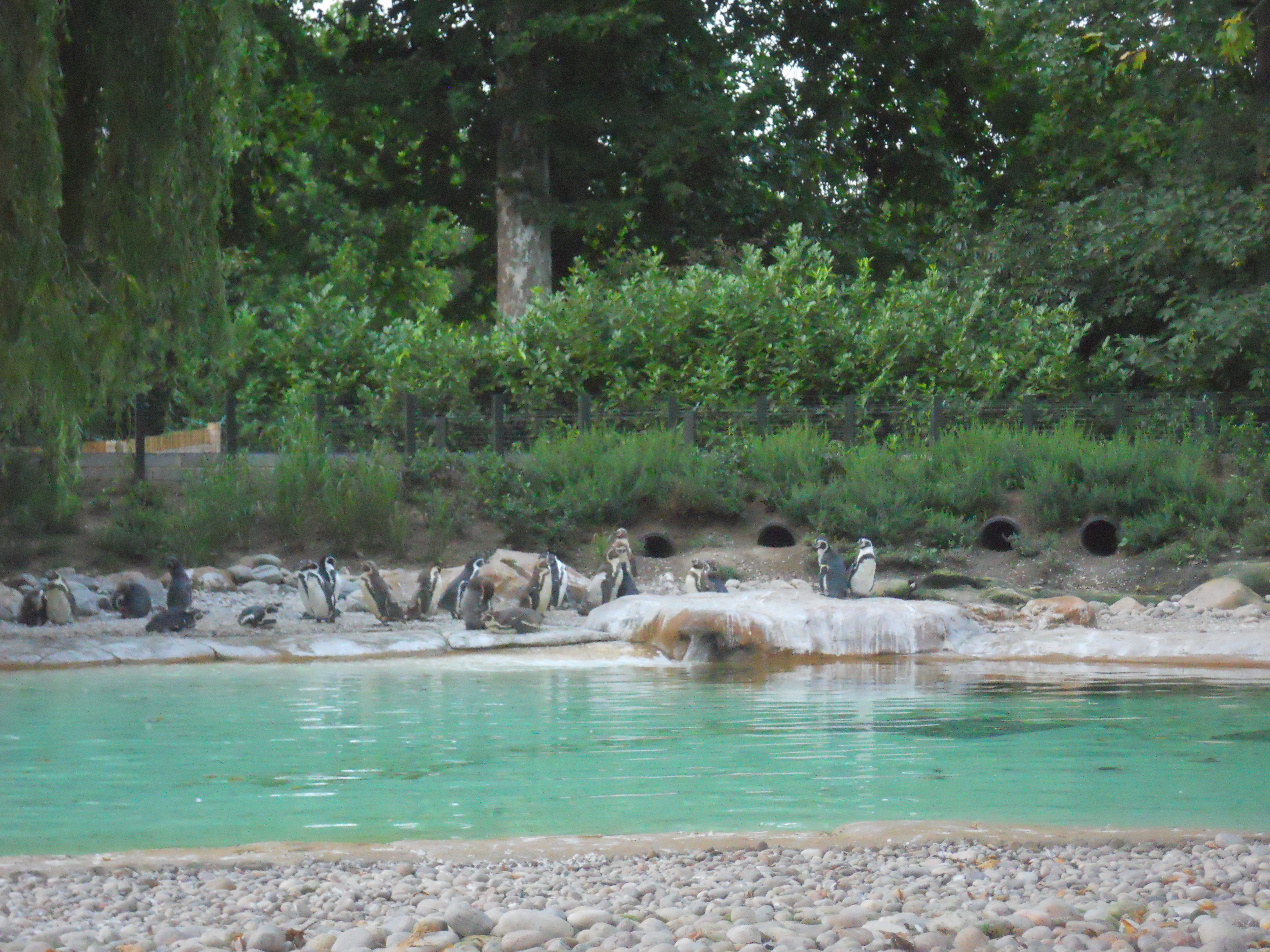
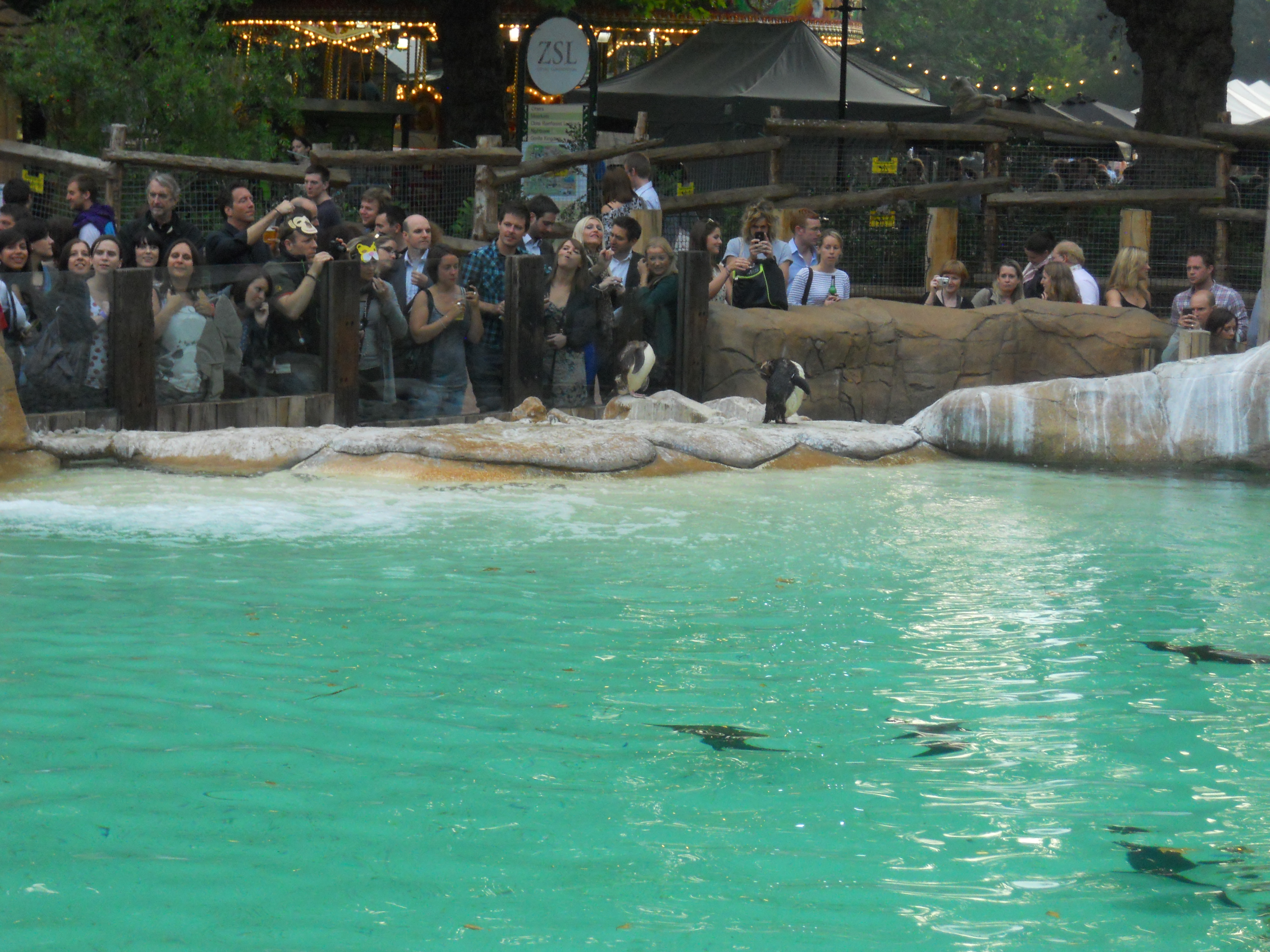
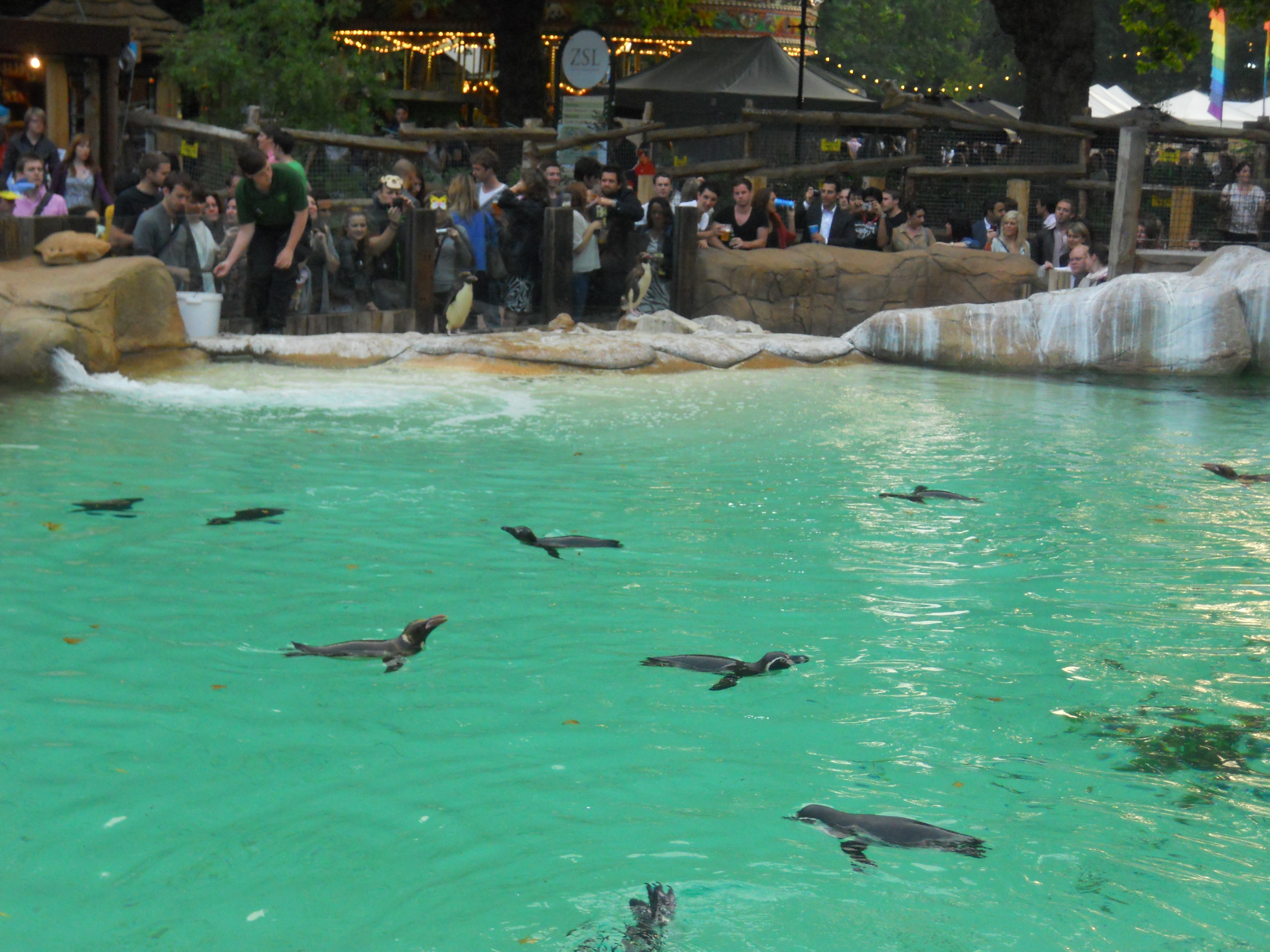
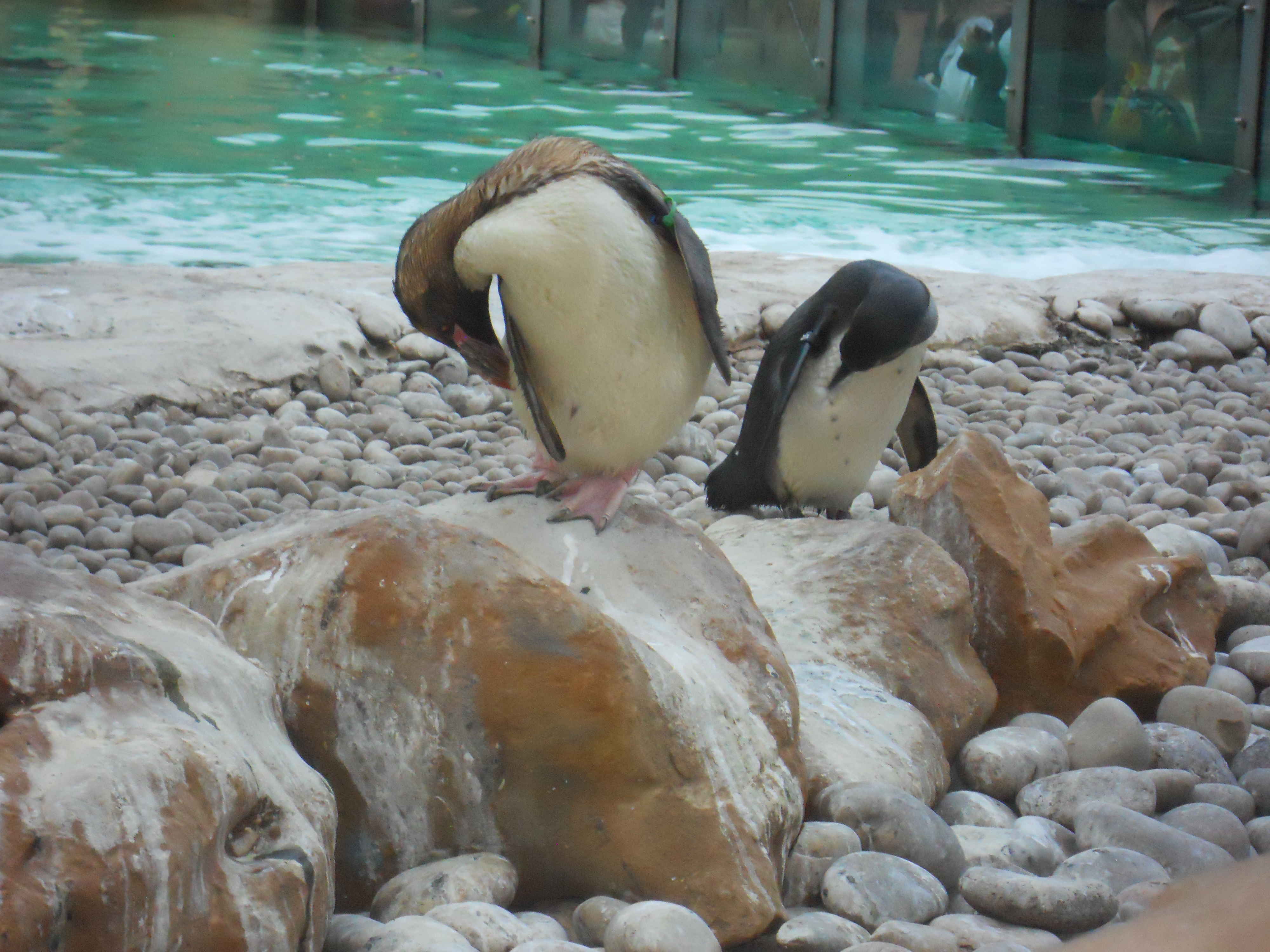


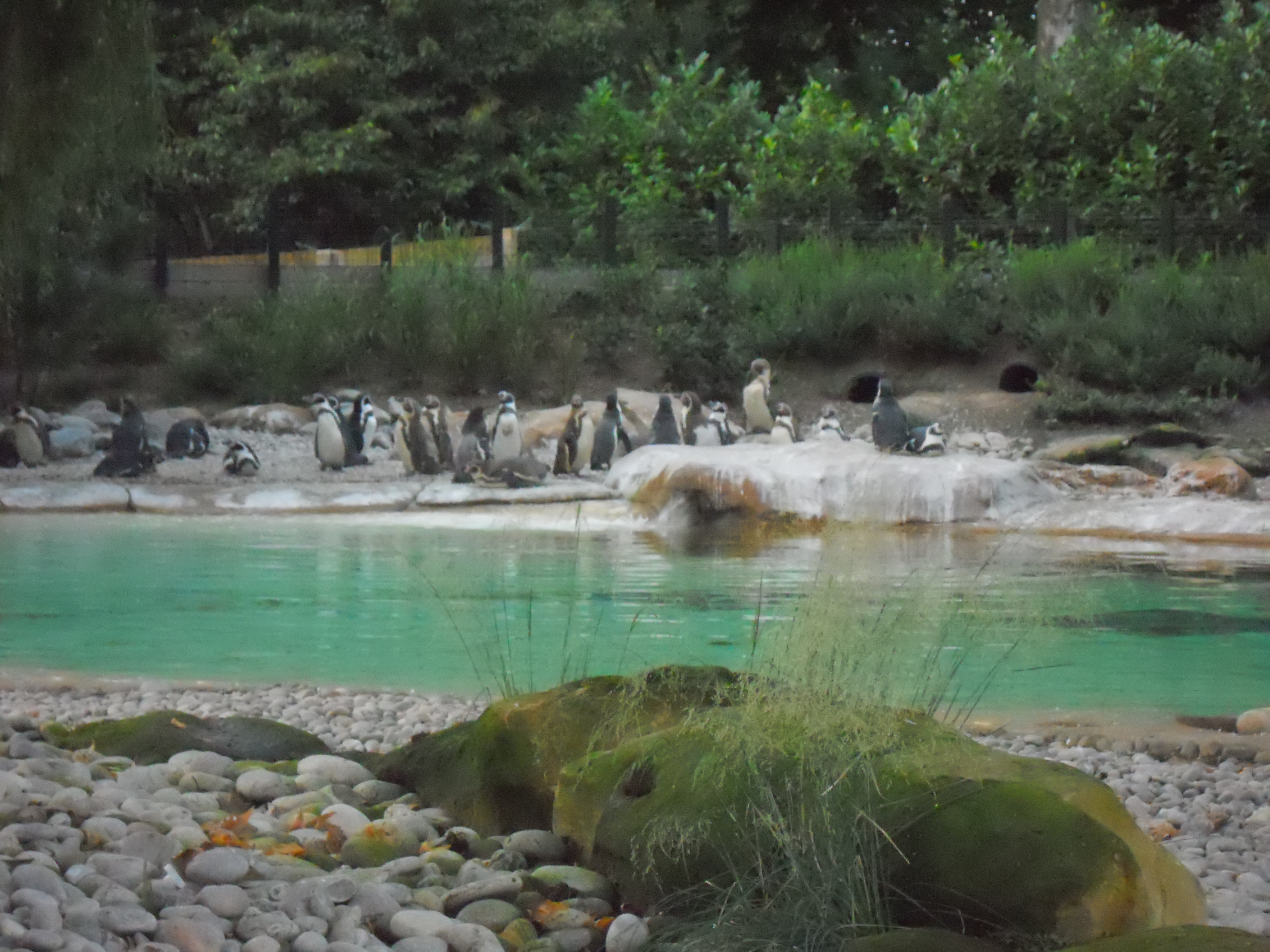
I chatted to a keeper for some time and she said that at the moment they have 67 penguins of four species on the beach. they are expecting this number to grow to about 200, mainly by breeding more in the centre of London.
The Architecture of London Zoo
London Zoo has a large collection of the capital’s finest buildings. There is a list here on their web site.
Many were designed by Decimus Burton in the nineteenth century and it a testament to his good design, that some of the original buildings like the Giraffe House, have been able to be brought up to modern welfare standards.
But some like the penguin pool designed in the 1930s by Berthold Lubetkin are never going to be suitable for animals again.
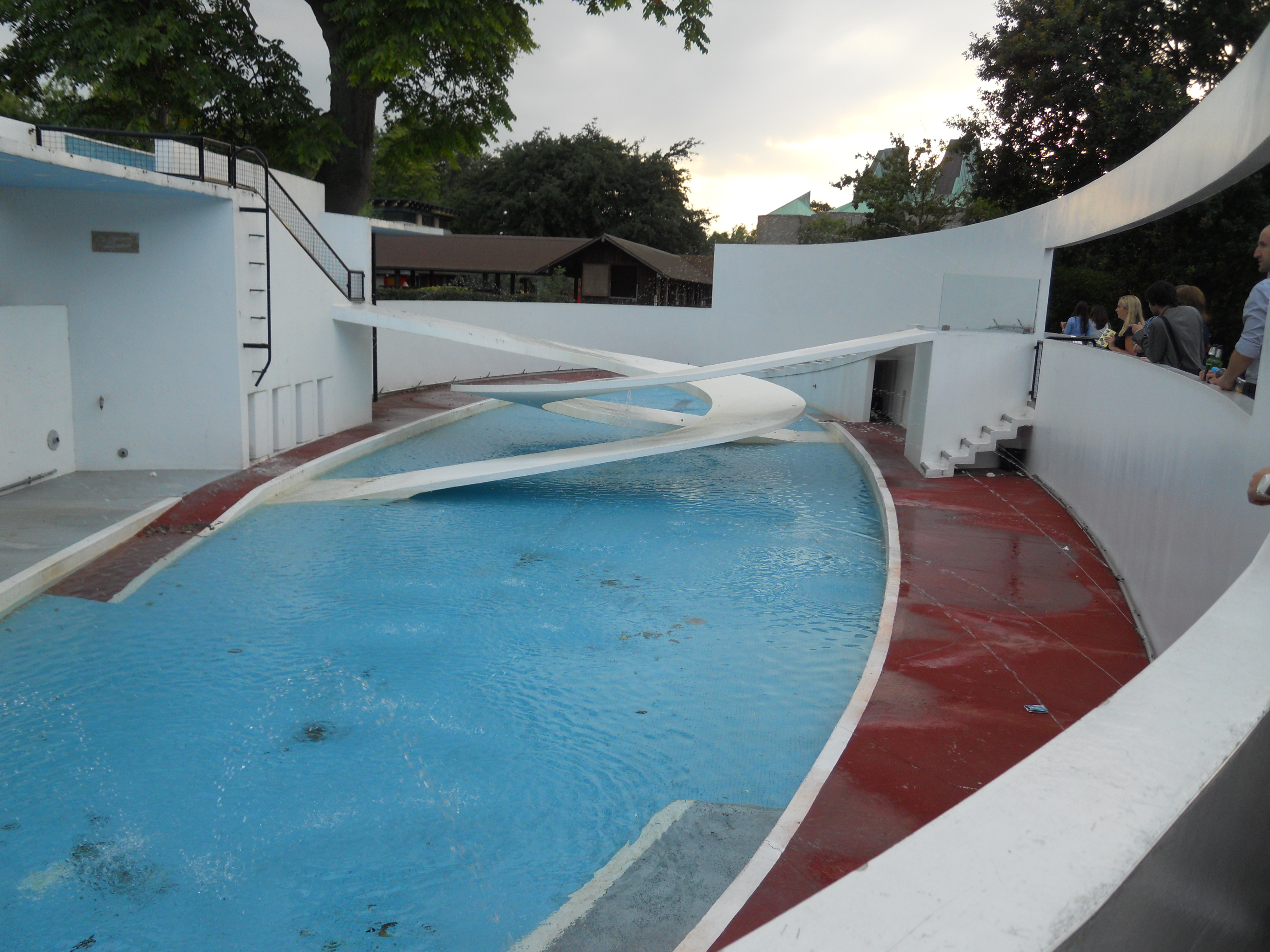
Penguin Pool, London Zoo
I would think it is a big problem for the Zoo as it takes up valuable space and because it is a Grade One Listed building, it can’t be knocked down or substantially modified. Someone said to me last night, that they can’t even modify the words Penguin Pool on the side.
As a child I always thought that the penguin pool was rather stark and that the only thing that gave it life was the penguins, who seemed rather lost in the place.
It’s all such a pity really.
I think if the penguin pool were a house designed by Lubetkin, one of two things would have happened; someone would have spent a fortune and made it into a very nice house or it would have just decayed to a pile of broken concrete.
All credit to the London Zoo for preserving it, but I suspect sometimes they wish a stray bomb from the Second World War had destroyed it. The Zoo asctually suffered quite a bit of damage, as this report tells. I like this piece, which was taken from The Times of the 15th November, 1940.
The Zoo in fact is a microcosm of London. Hitler’s bombs cause a certain amount of damage to it, and a considerable amount of inconvenience; but they have not destroyed the morale or the routine of its inhabitants, animal or human, and it continues to function with a very respectable degree of efficiency.
It may have been blatant propaganda to keep up Londoners morale, but perhaps it does explain why many Londoners look on their zoo with affection.
The Snowdon Aviary
The Snowdon aviary is one of the Zoo’s historic buildings.
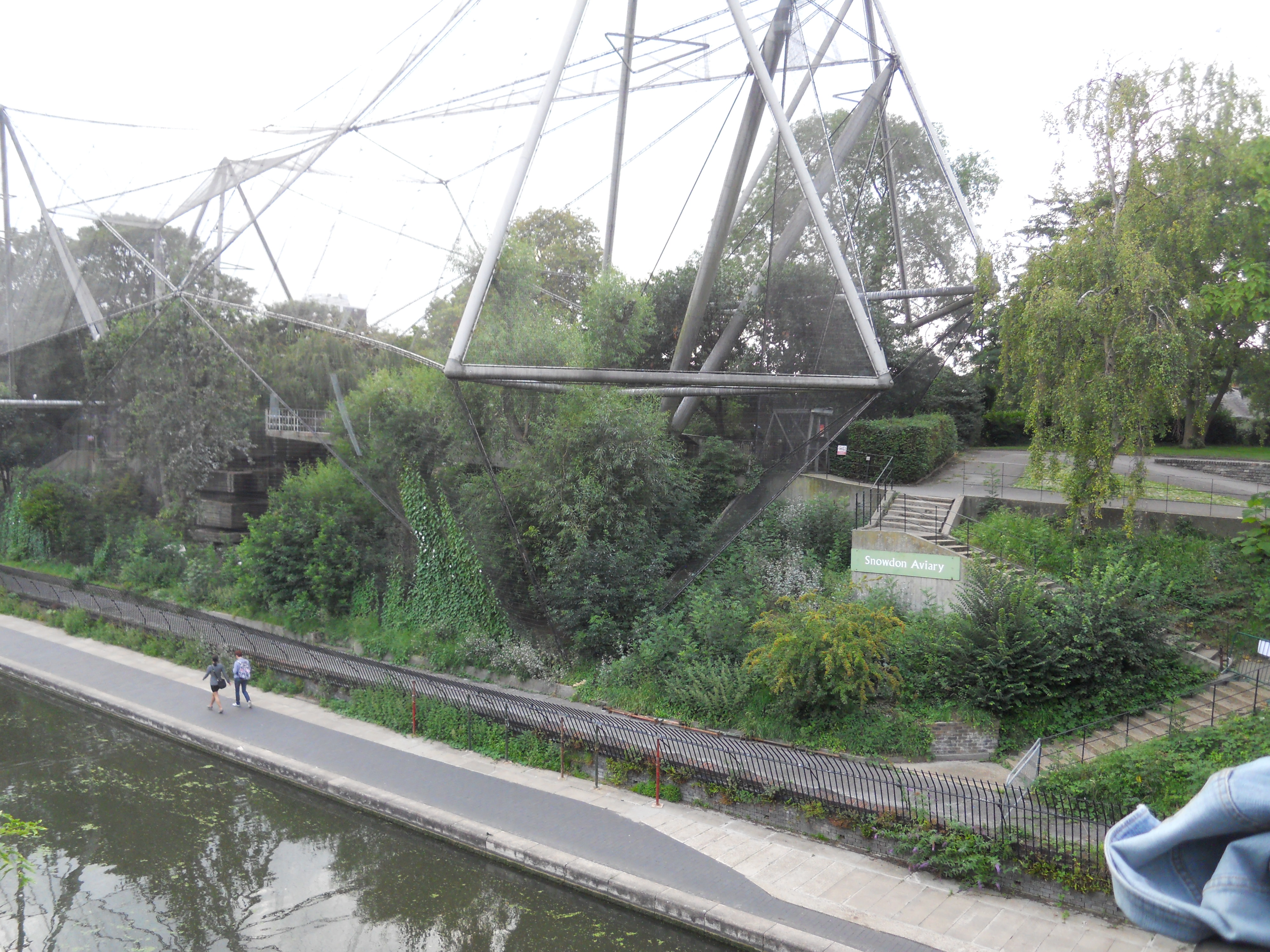
The Snowdon Aviary, London Zoo
When we used to live in St. John’s Wood and would walk up to the top of Primrose Hill, it dominated the view, just like some of the tall modern buildings do now.
The Snowdon Aviary is in my view, still one of London’s most impressive modern buildings. Interestingly, the structural engineer, who did the detailed design, Frank Newby, was a proposer of temporary buildings that could adapt with time. This web site says this about his work.
In the 1960s, Cedric Price had advocated buildings that could adapt and change according to circumstance; buildings that need not be permanent. It’s ironic, then, that one of the small number of his schemes that was realised should form part of the proud heritage of design and engineering dating back nearly two centuries that belongs to the Royal Zoological Society.
So the aviary was probably designed for a limited life. but then the Millennium Dome was to. The Dome has of course changed according to circumstance from a crap NuLabor vanity project into a world-class entertainment venue.
Both structures show that if you want to make something last, you take good design, add quality materials, build it well and then make sure it is looked after by an organisation that values it, like in the aviary’s case the Zoological Society of London does.
It’s a Zoo Jim, But Not As We Know It
I’m not really struck on zoos, as I much prefer to see animals in the wild. But last night I had a most unusual night out at London Zoo. It was one of their Zoo Lates.
Other than the usual attractions, there was a twisted cabaret, lots of good food, bands and you could talk to the keepers about the animals. There were no children, except for a few baby animals and it wasn’t crowded but for one totally acceptable exception. Even the queues for the toilets were within reason.
Here’s a few general pictures.

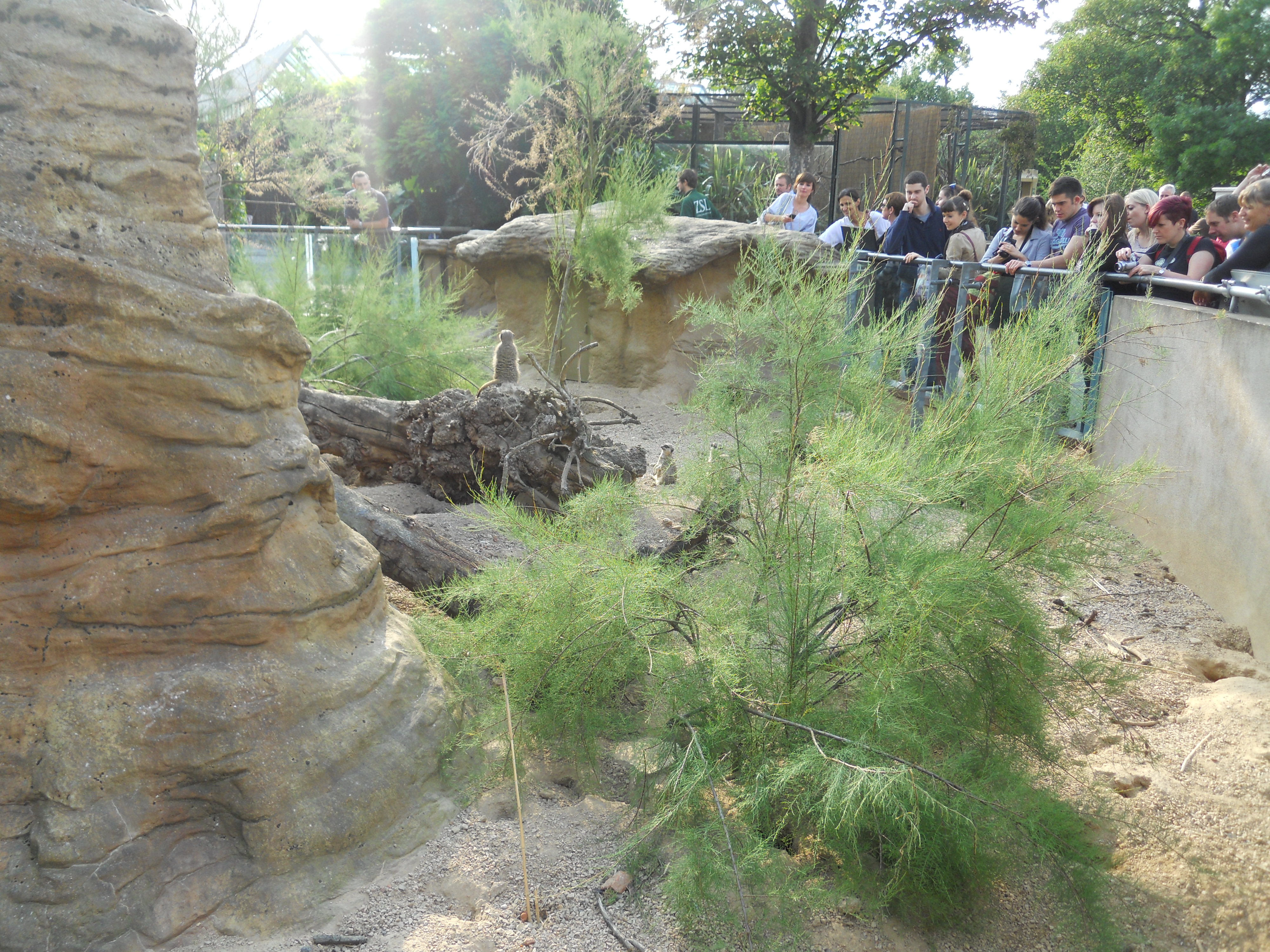
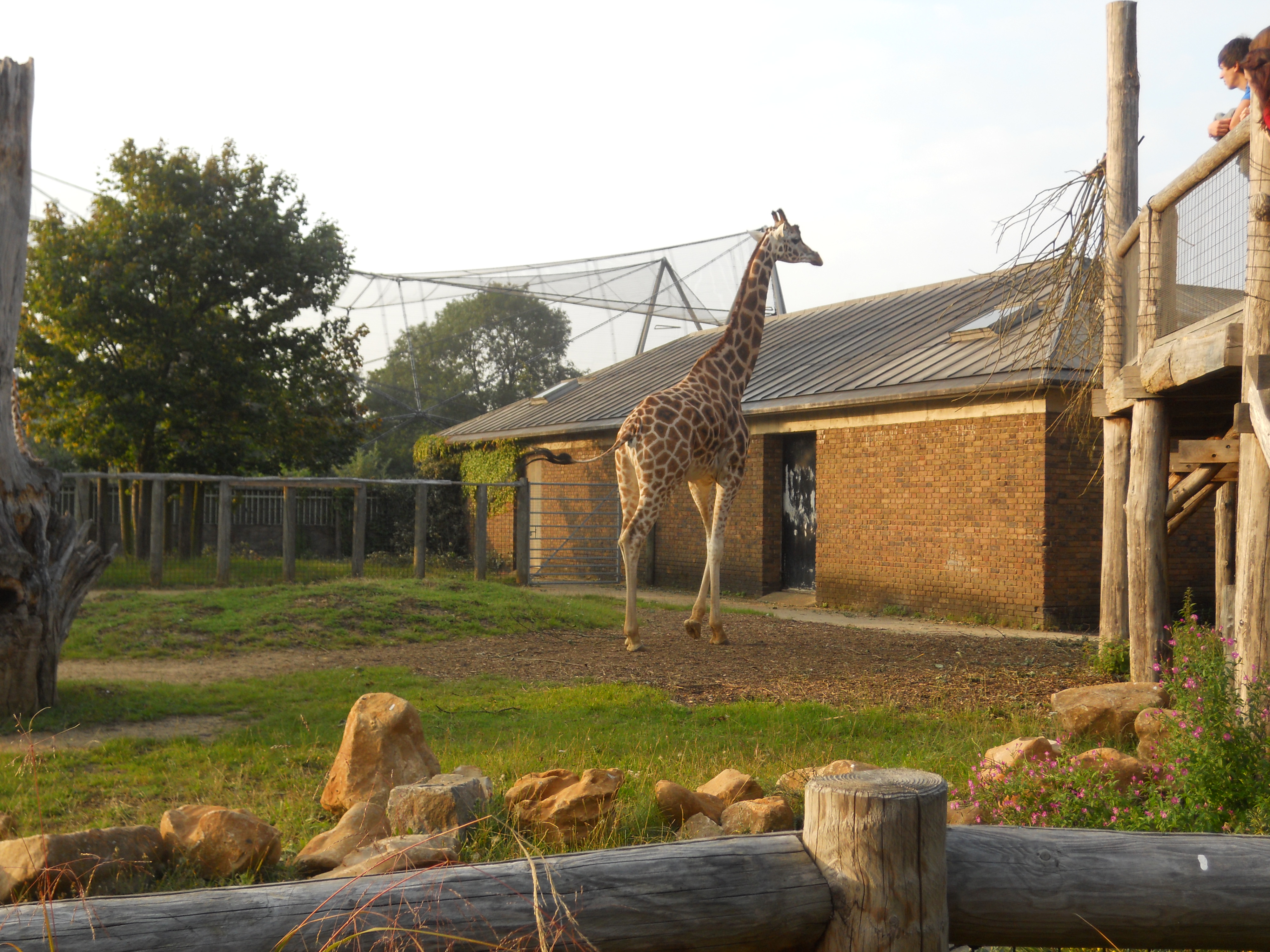
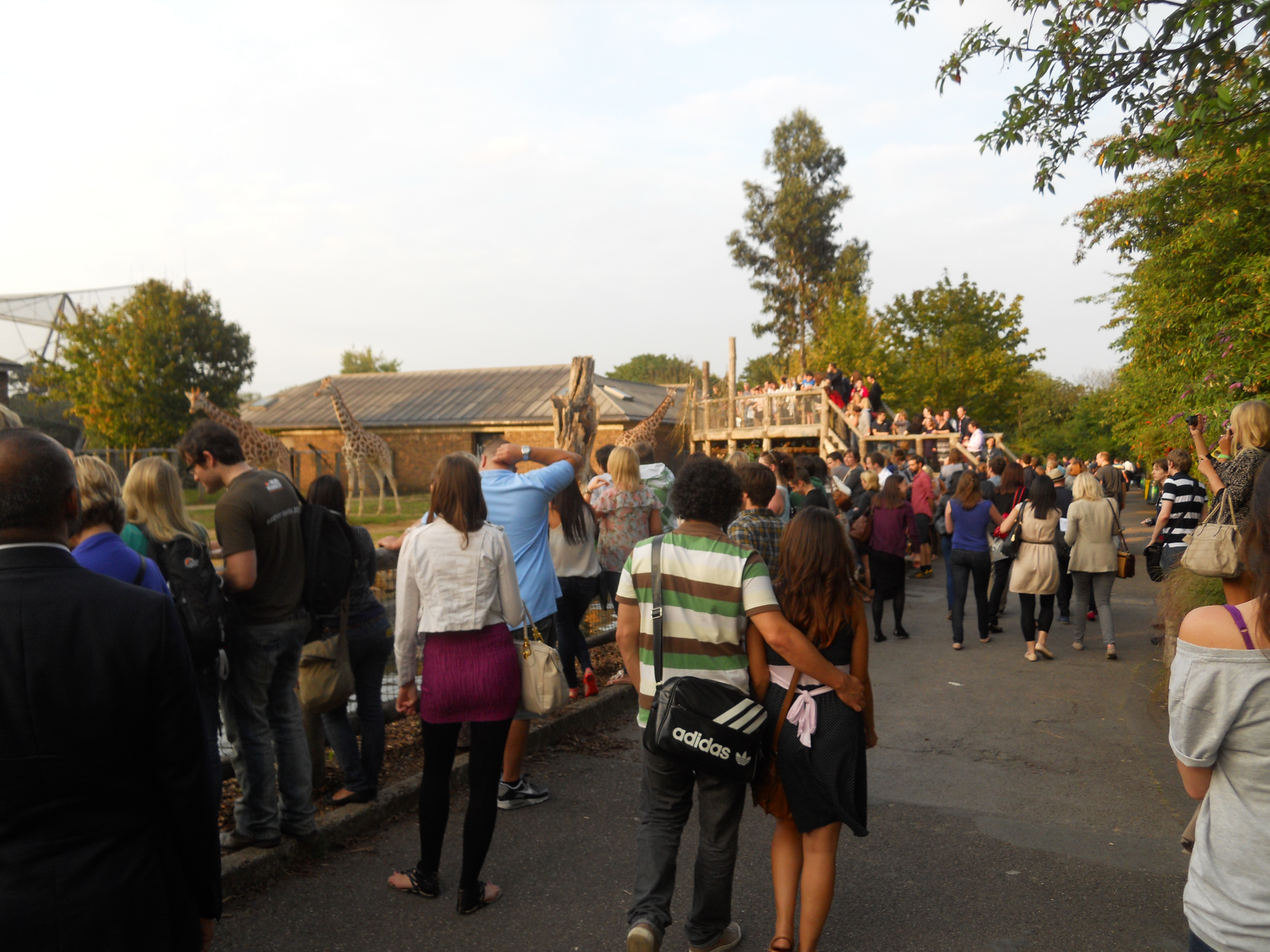
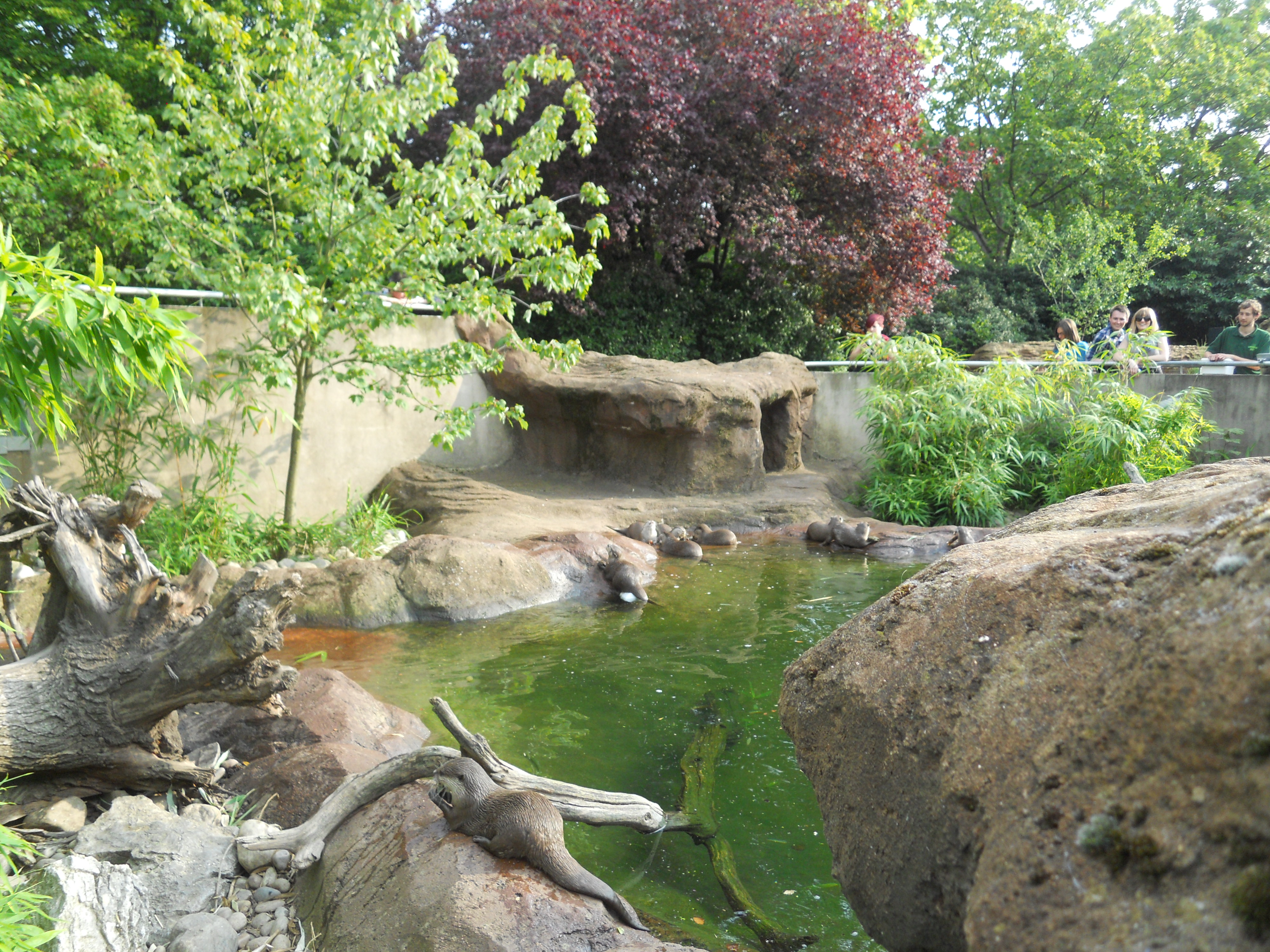
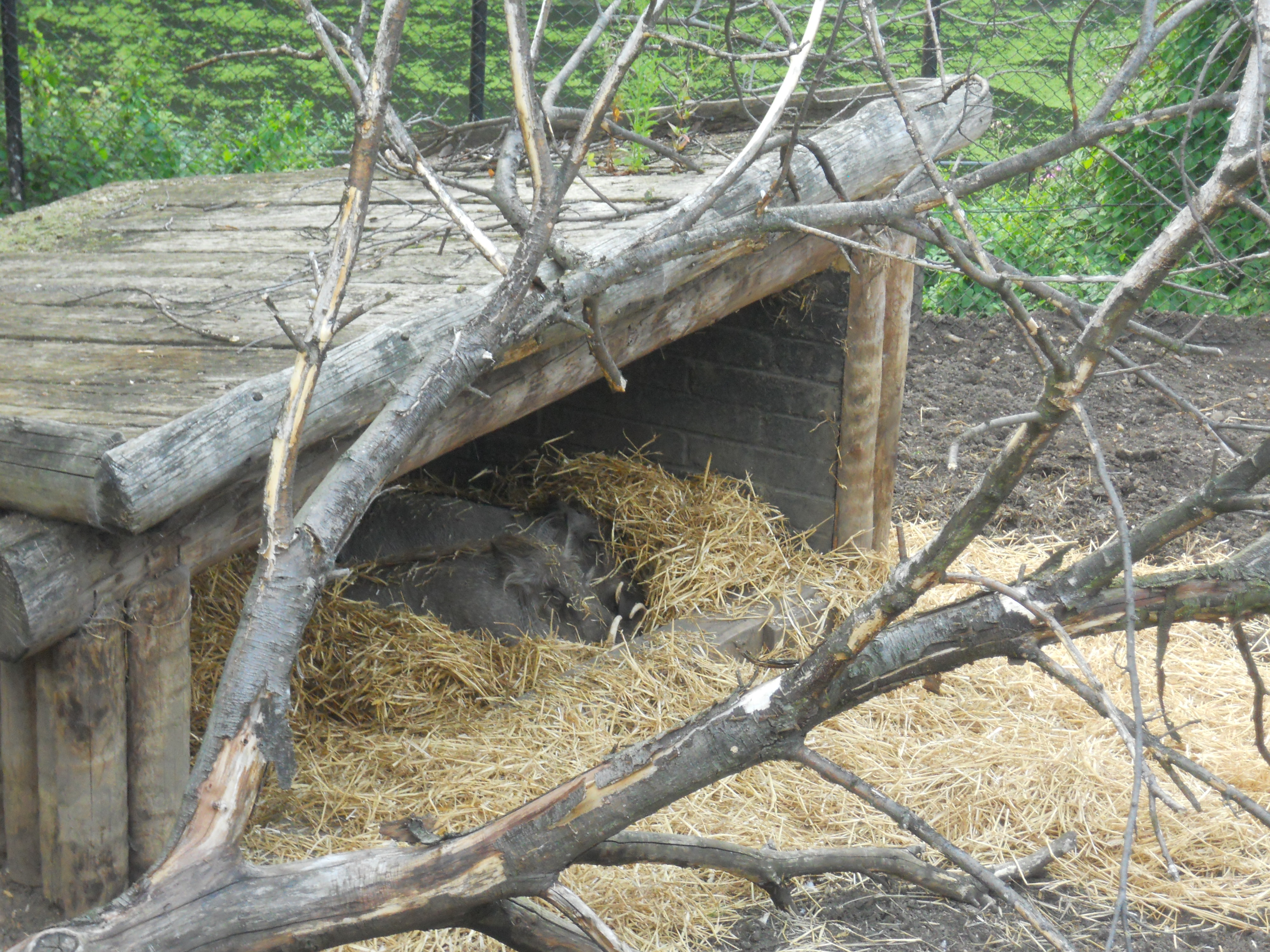
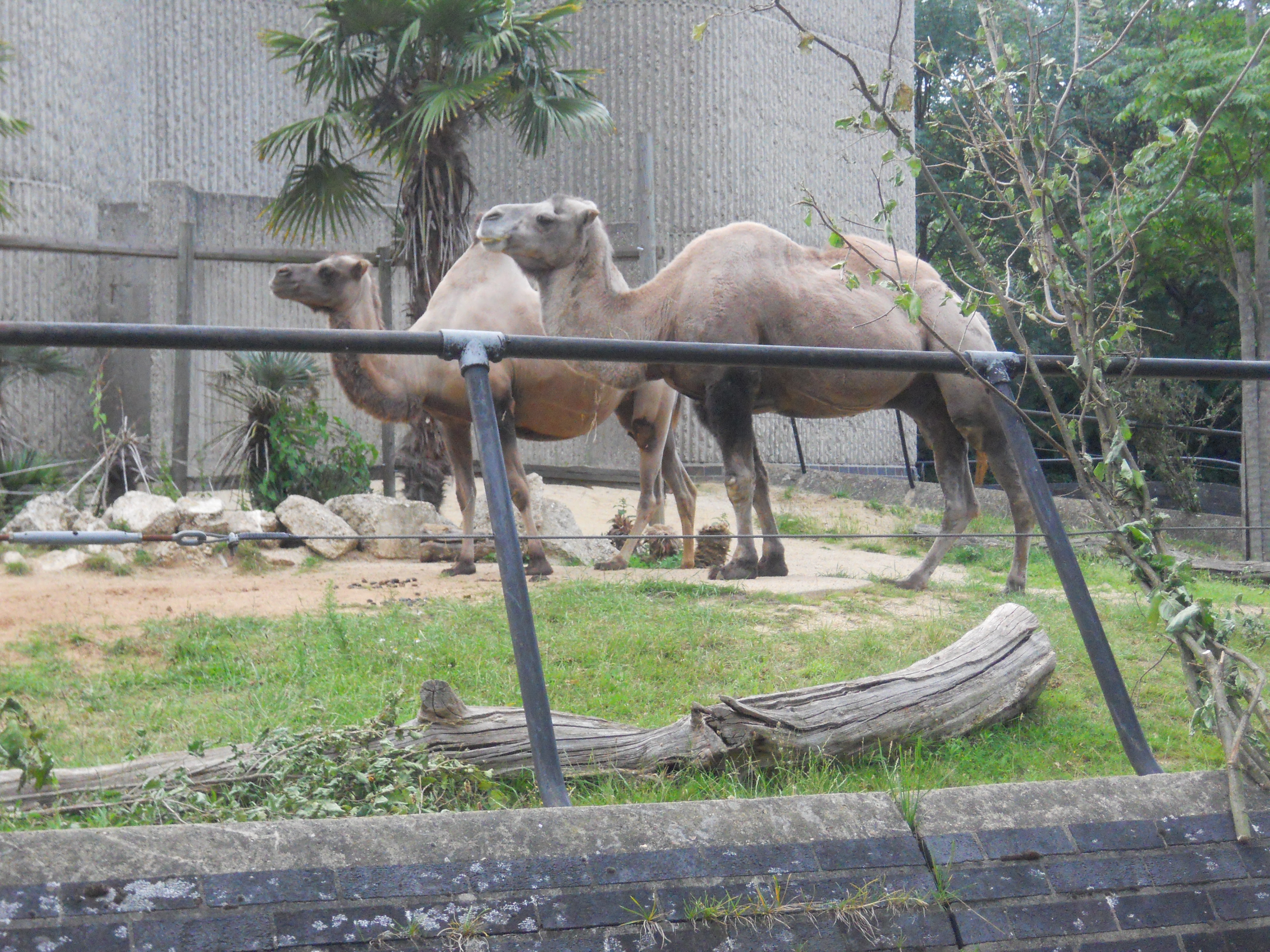
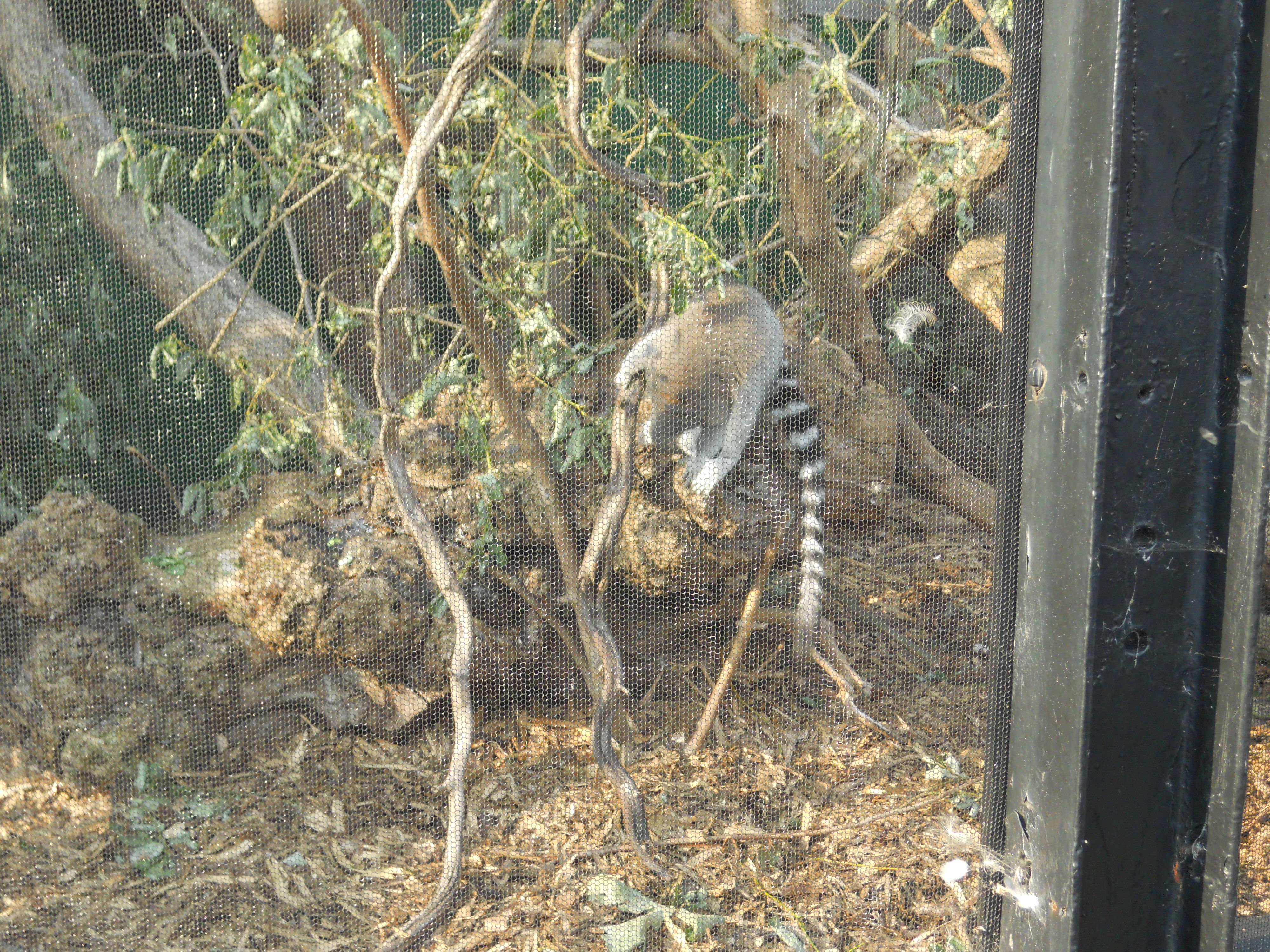
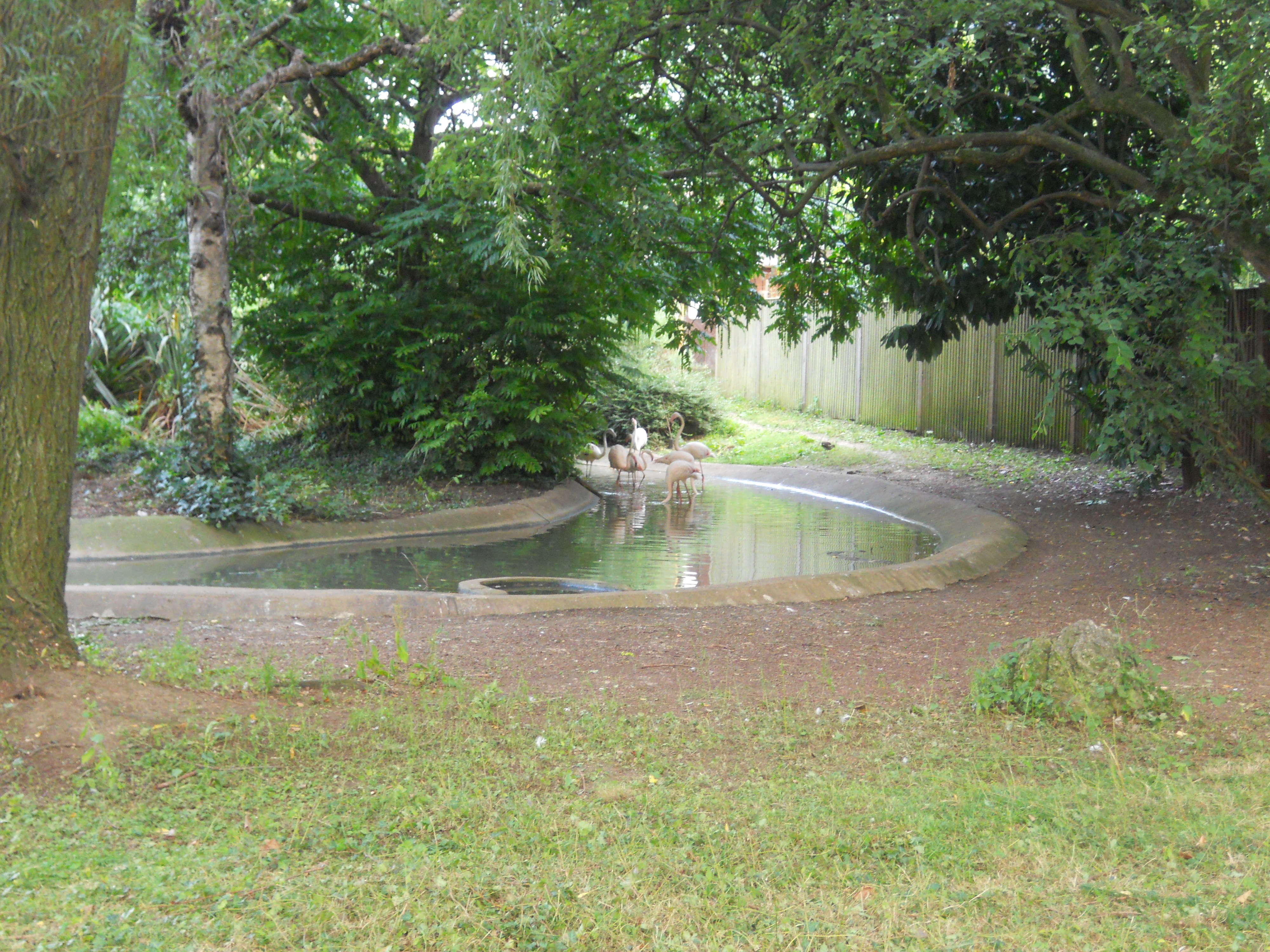
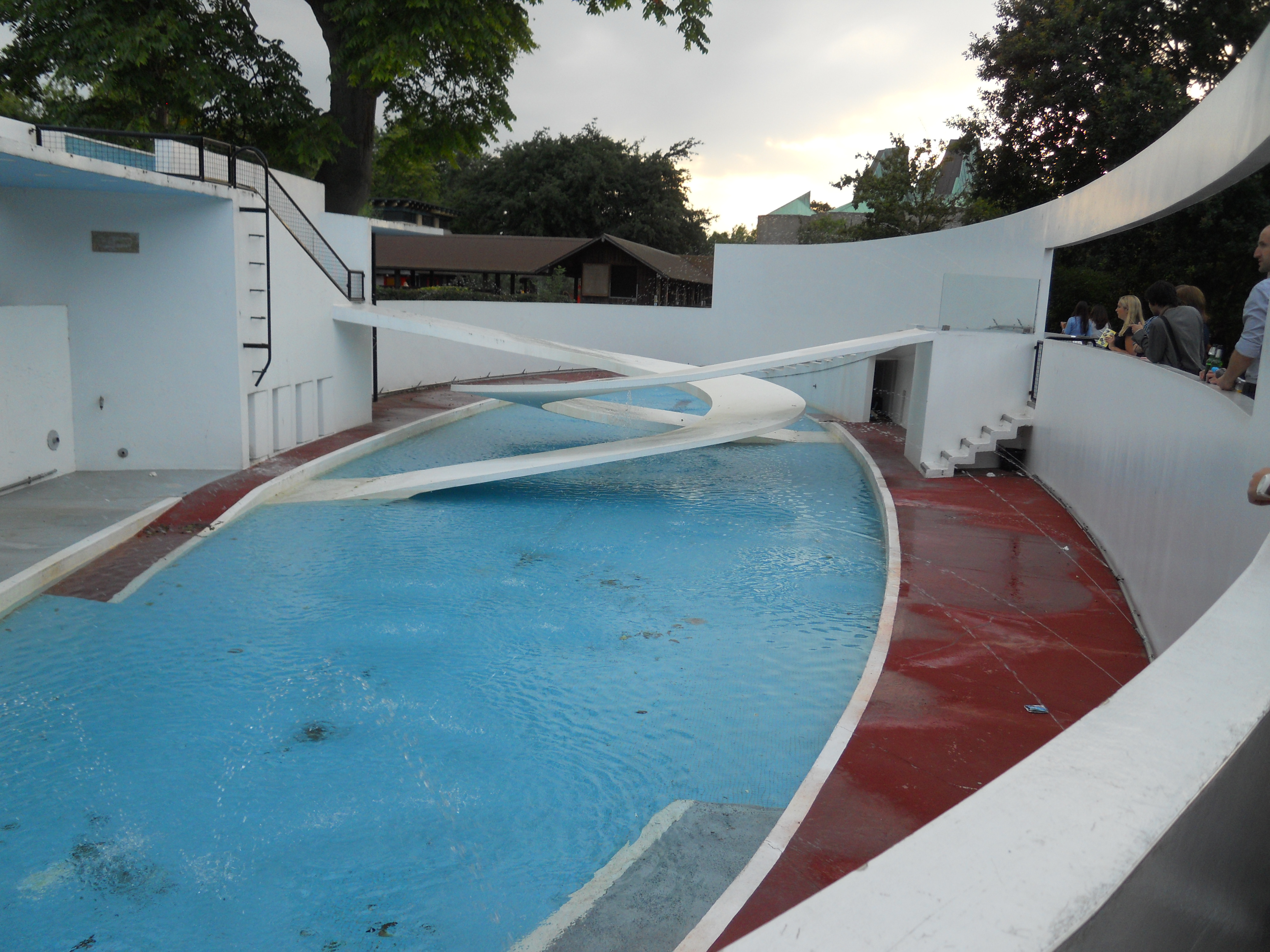
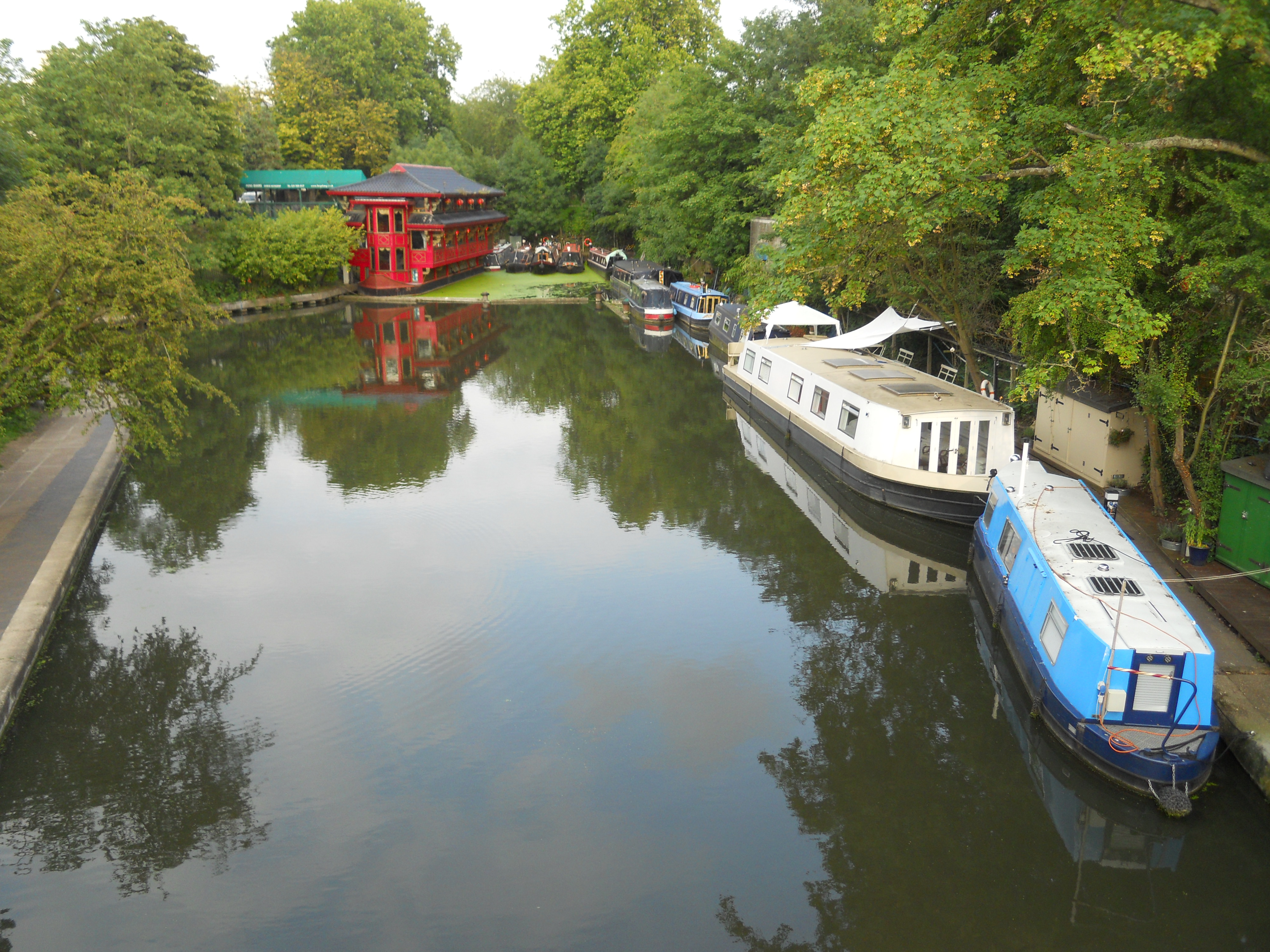
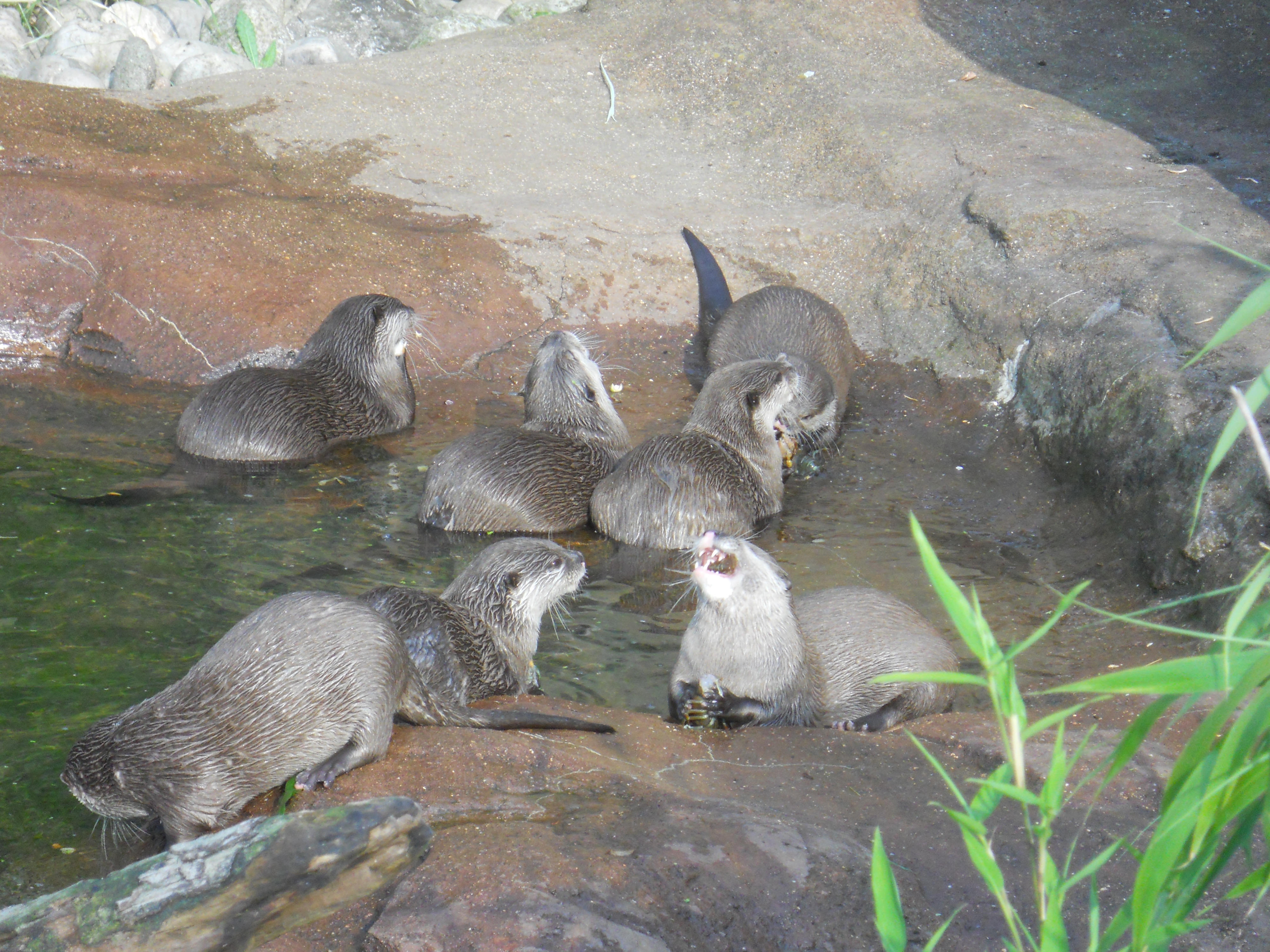
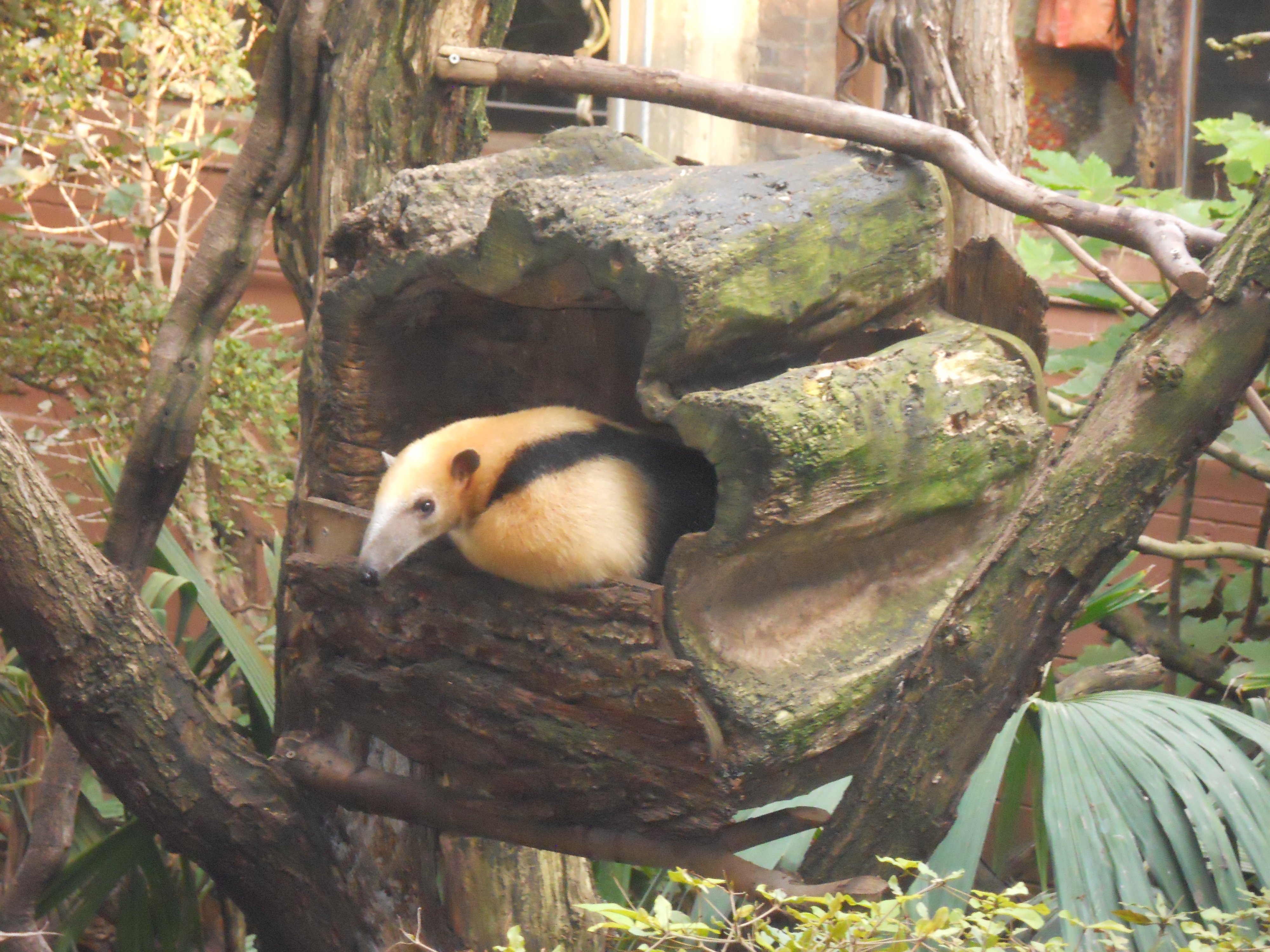

It was certainly a good night out. I shall go again.
Bonkers Conkers
I took this picture in Bermondsey yesterday on the walk.
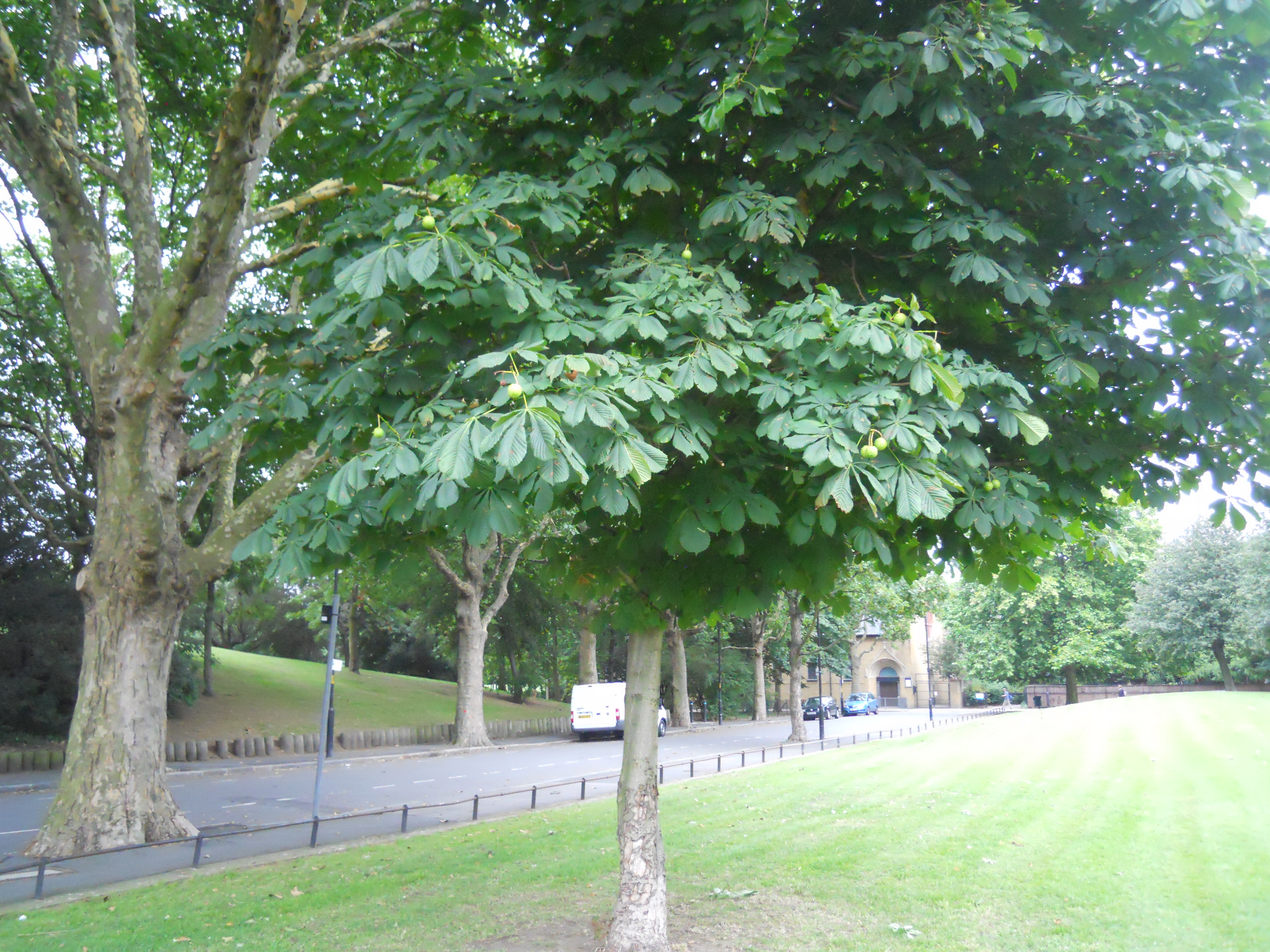
Conkers in July
I’ve never seen conkers on the trees this early.
Walking Along The Thames
On Tuesday night I took a guided walk along the Thames from Bermondsey station to the Brunel Museum at Rotherhithe. The walk is described here.
These pictures were taken as we walked along the river.

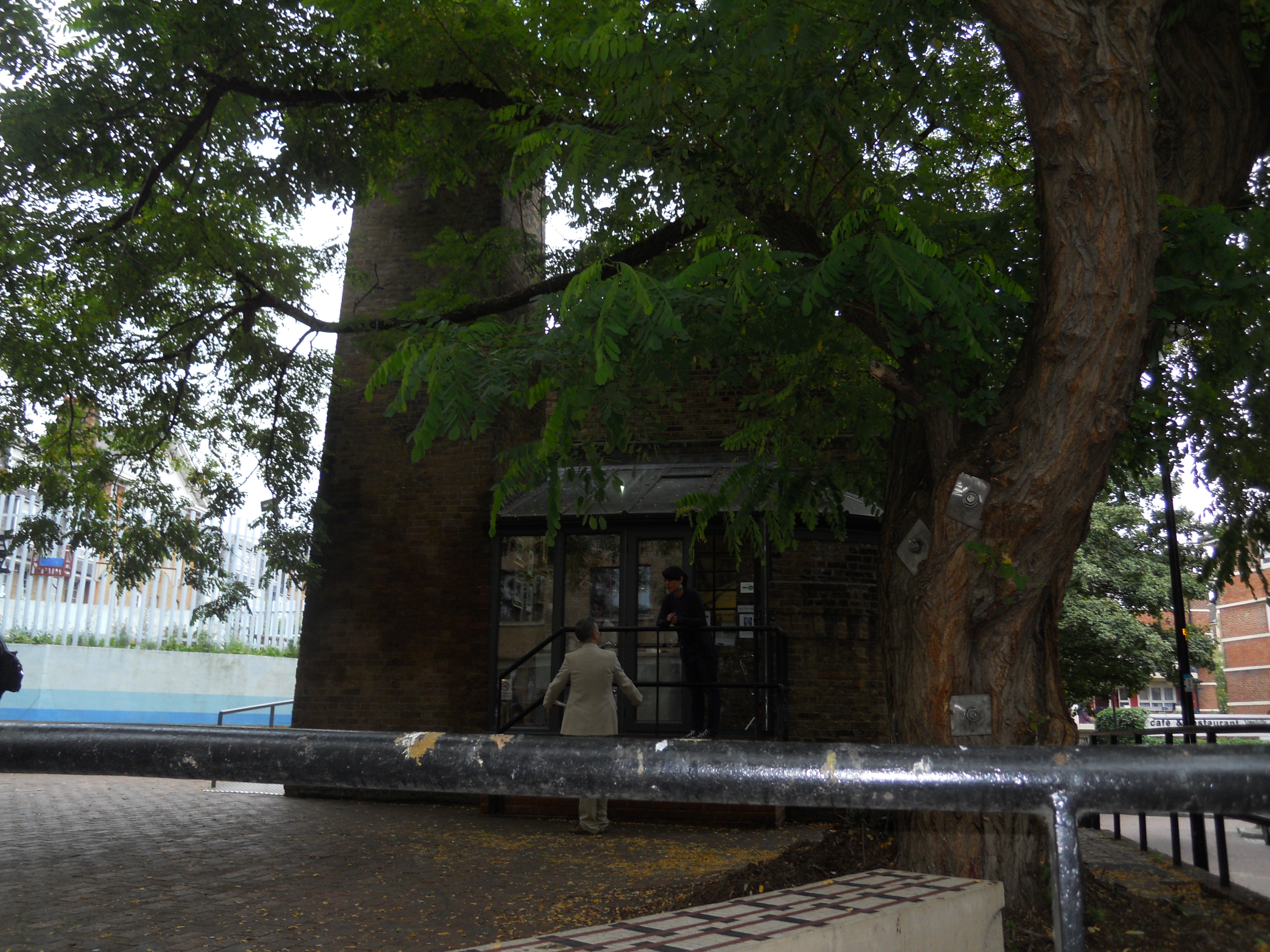
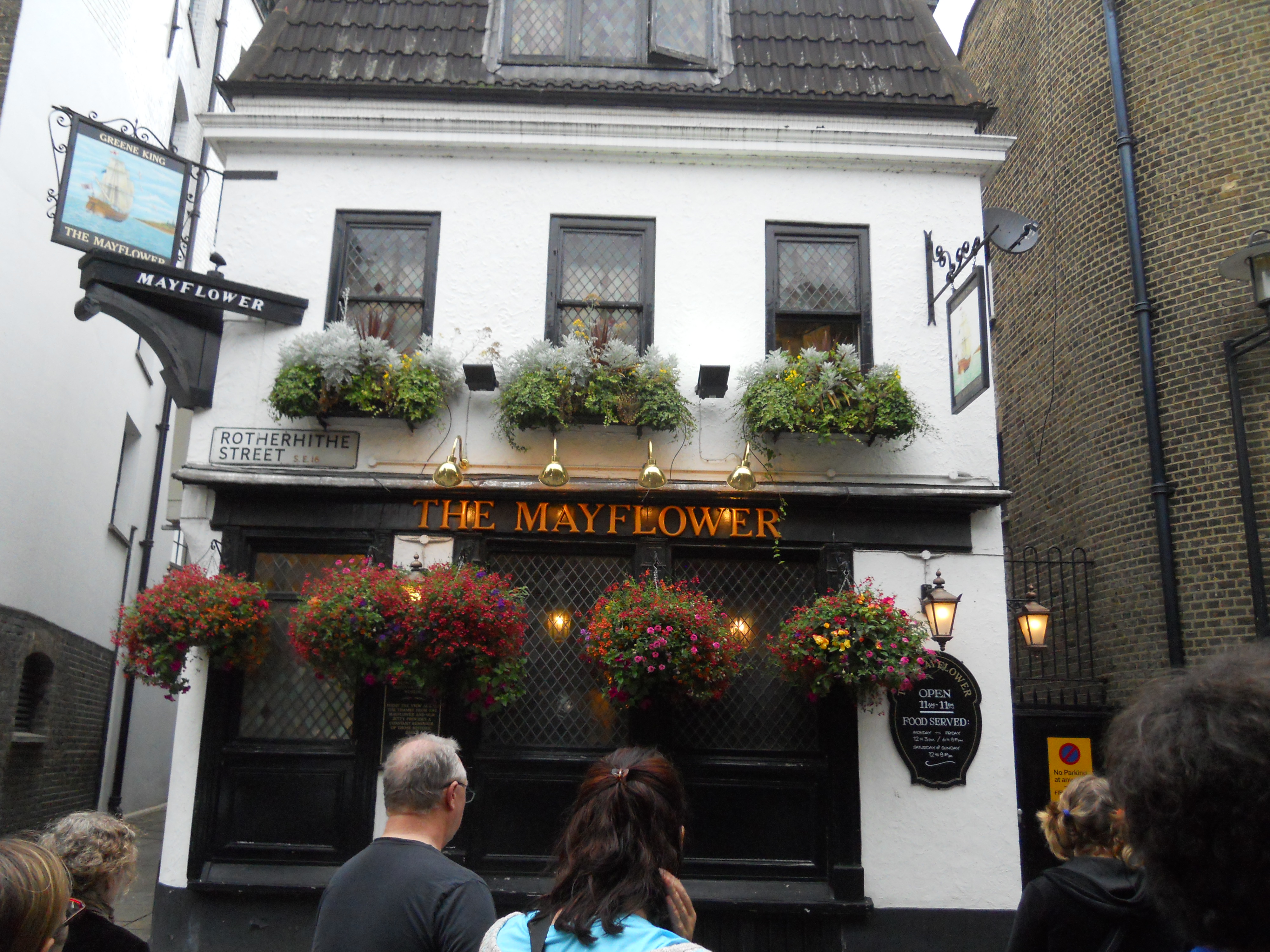
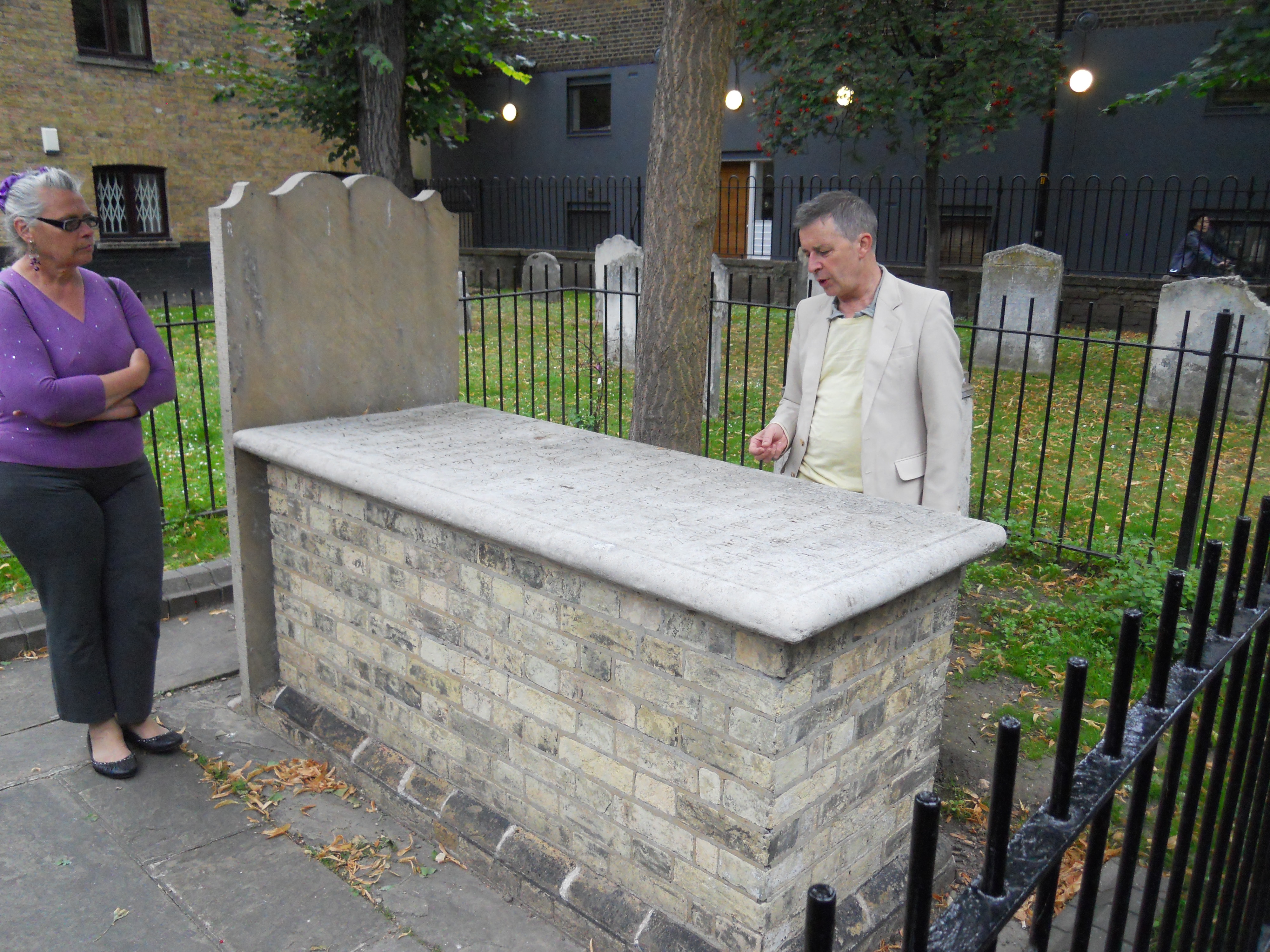
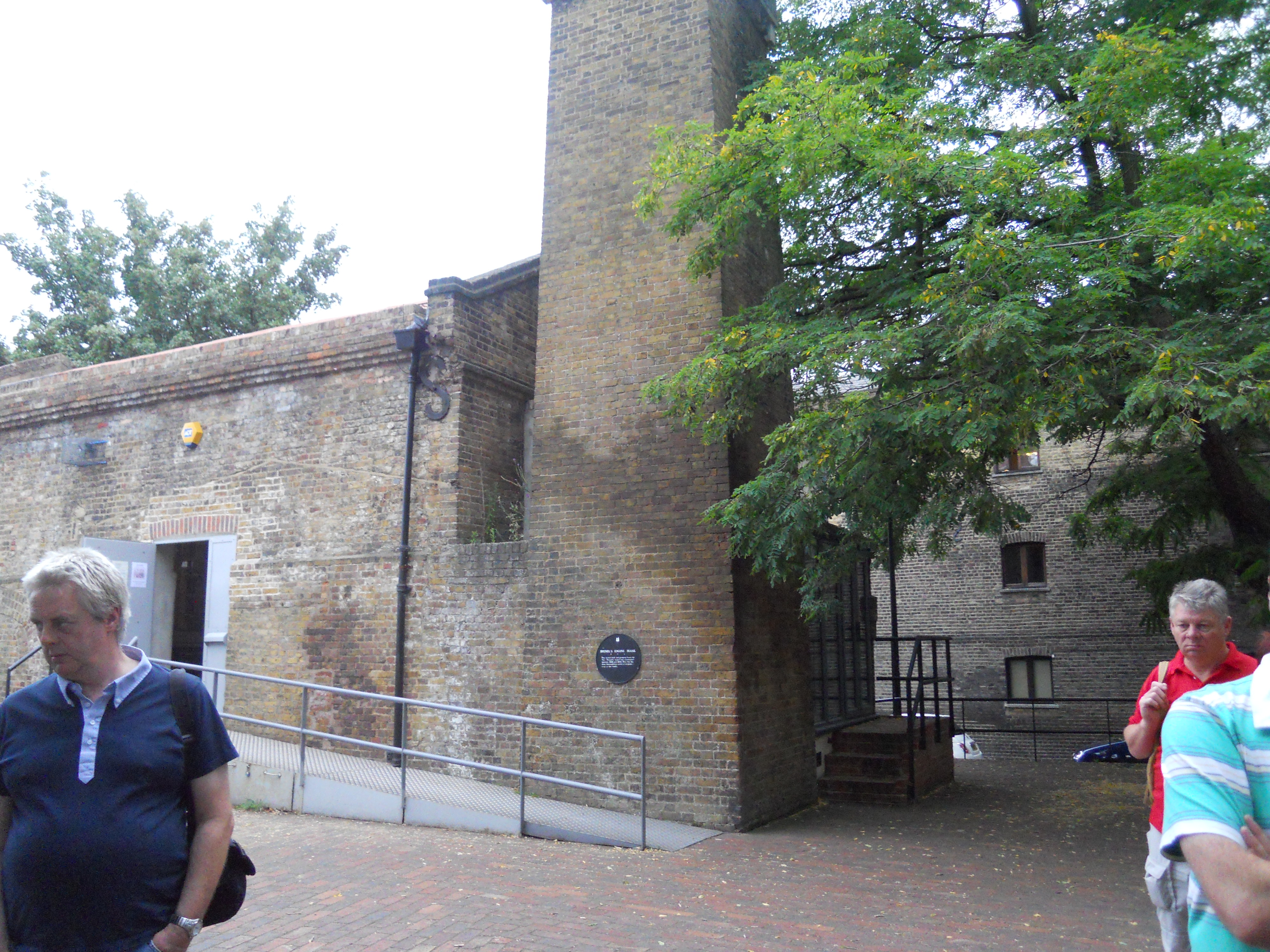

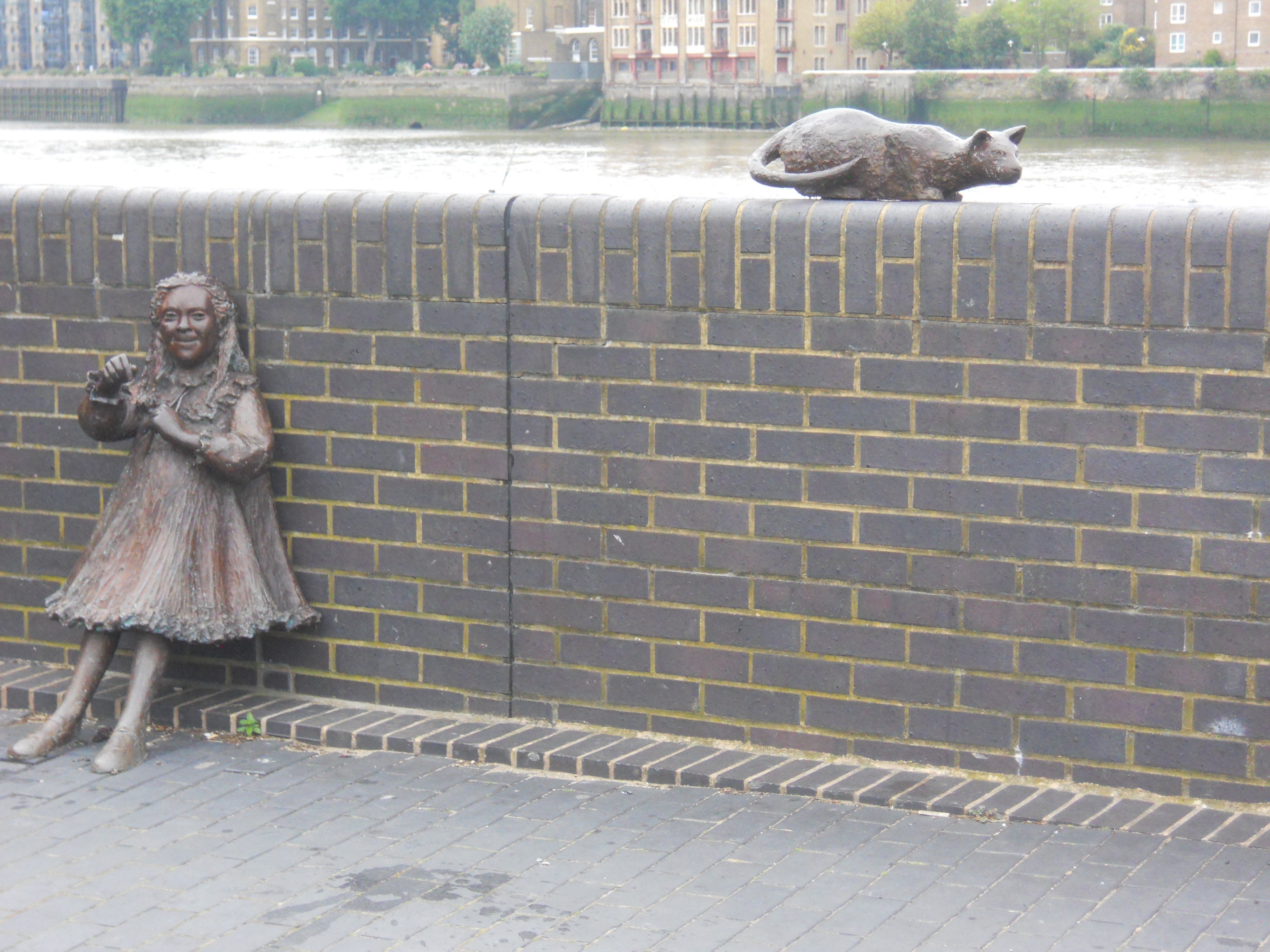
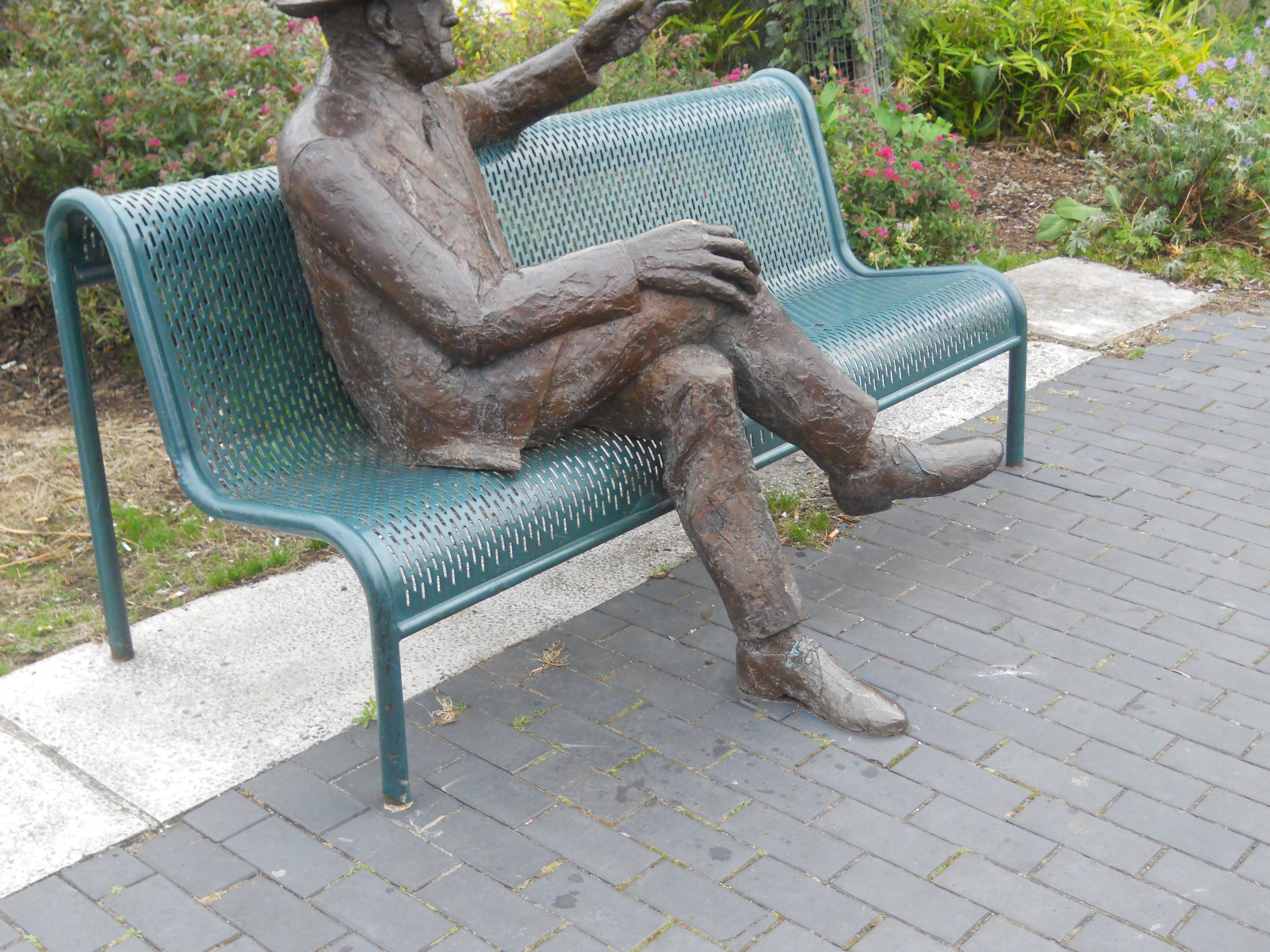
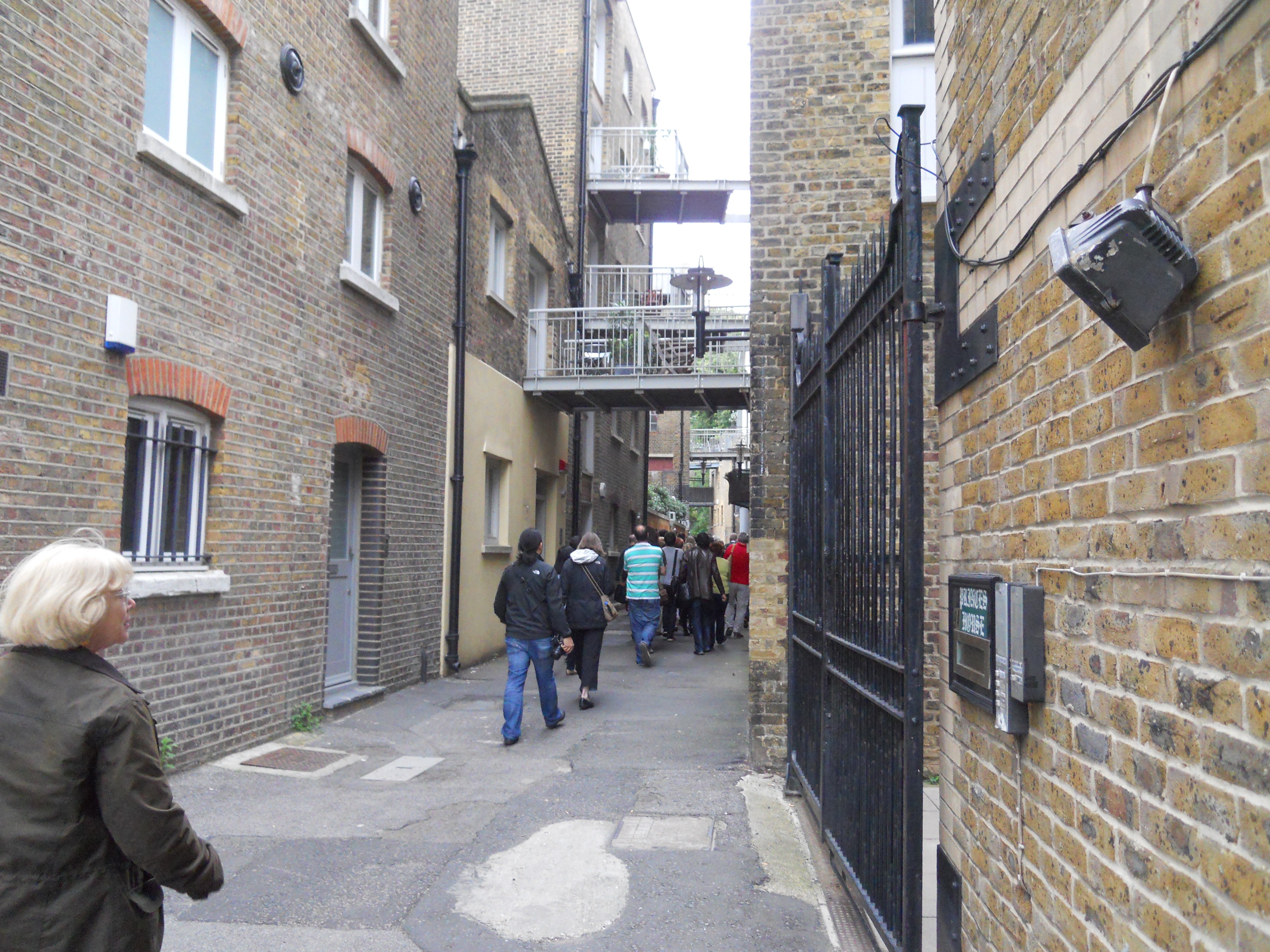
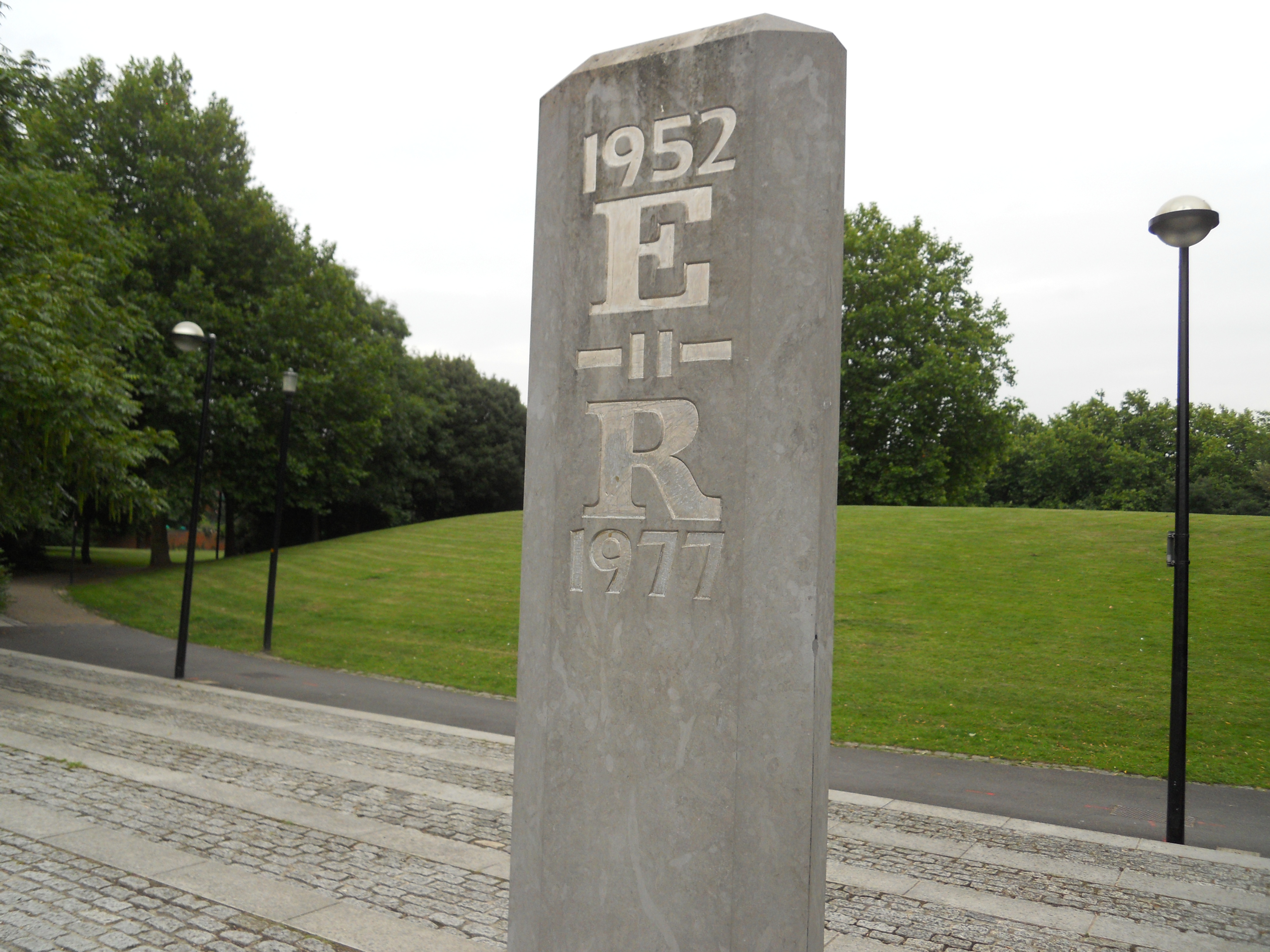
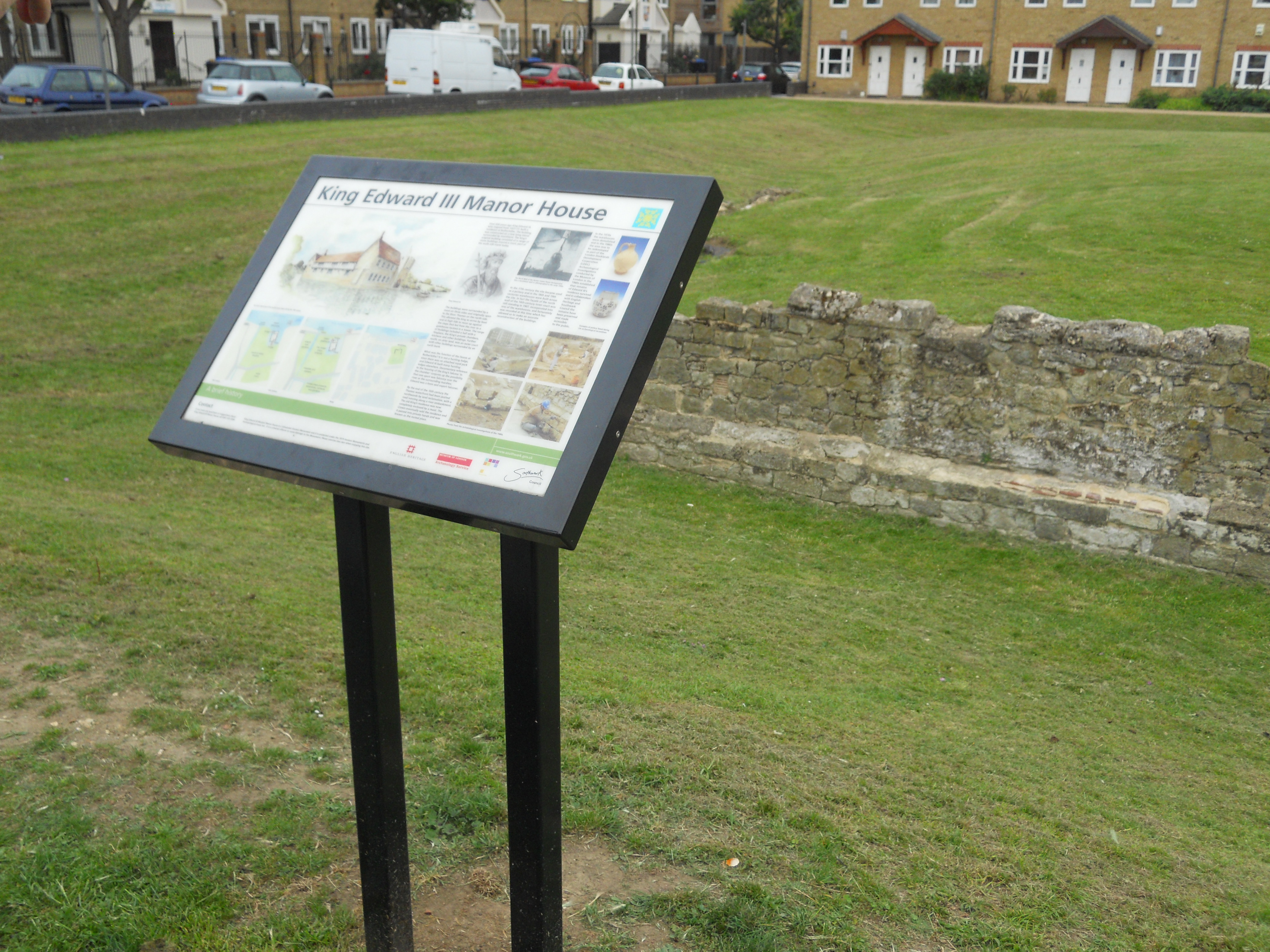
The guide was excellent and the trip was well worth the eight pounds it cost.
The Neapolitan Line
The travel bunny on BBC Breakfast for London referred to the combined Metropolitan, District and Circle lines as the Neapolitan line today. It’s actually quite obvious as they are shown as a multi-coloured line, but why have I never heard it before?
First and Second Class Buses
The London bus route 73, is one of the last of the dreaded bendy ones and hasn’t got too much longer. Today I was going to the Angel and one of Ken’s chariots of fire arrived followed by a 476.
At the stop with me were several kids, who made their way down the bus so they could use the rear entrance of the seventy-free far from the gaze of the driver.
As the 73 was very crowded, probably with non-fare payers, I walked past it to the 476 behind and had the bus almost to myself.
Who says there is no class system on London buses?
Lakeside On The Slide
The leader of Thurrock Council has said that the development of Eastfield on the Olympic Park will harm the Lakeside Shopping Centre at Thurrock.
Let’s face it, Lakeside is a tired dump and impossible to get to be public transport, so it has no appeal for me. But then when Bluewater opened C and I always crossed the bridge to a much better place. As a coeliac too, where’s the gluten free food at Lakeside?
The Museum of London Docklands
I ended up here yesterday by accident, as I’d gone to Docklands to have lunch and got caught in the rain. So as it was free I went inside.
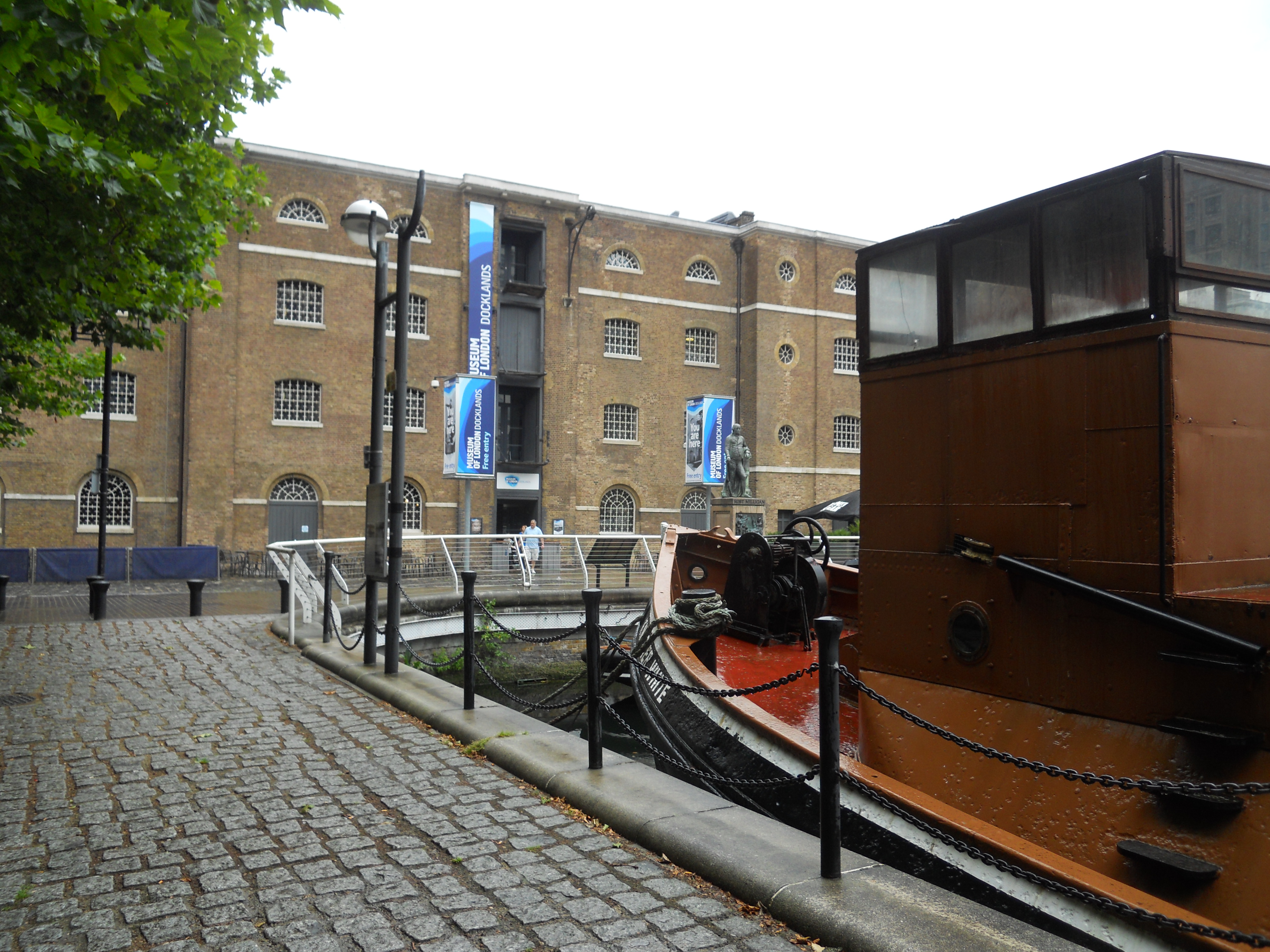
Museum of London Docklands
It was definitely worth a visit. I should say that it is very comprehensive and it will take at least three or four hours to see everything.
I particularly liked the section on some of the technology we used to invade Europe on D-Day. It’s the first place I’ve seen a detailed display about PLUTO (Pipe Line Under The Ocean), which supplied fuel to the invading forces using undersea pipelines. The museum also has a large display about the Mulberry Harbours, that were created to land Allied forces in Normandy. Some of the giant Phoenix caissons were actually built in the drained West India Docks, where Canary Wharf has now been developed. I have actually been inside the four Phoenix breakwaters, which were used to bridge the gaps in the dykes in the Netherlands after the terrible floods of 1955 and now form the Watersnoodmuseum.
It covers London Docklasnds from Roman times to the present and all of the important figures like the Brunels and Bazalgette are properly documernted.
During the Olympics, the Museum will become the German House. I wonder what some of them will make of the wartime section!

