Manchester’s Contactless Ticketing
In Manchester yesterday, I used their new contactless ticketing.

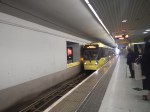

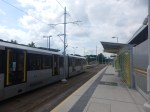
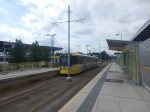
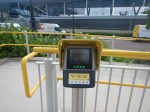
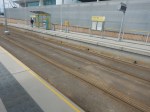
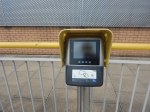
The system appeared to be working well, but I do have reservations.
Use On The Trains
I went up to Glossop on the train. As both Glossop and Manchester Piccadilly stations have tiket barriers, why can’t I use contactless ticketing on that type of journey?
Consider.
All of the barriers I saw, were the same as London’s, so they can also read contactless bank cards.
Not all stations in London have ticket barriers. You’re just expected to touch in and touch out, as you do with Manchester’s system.
Surely, the software can and will be extended!
Damage To The Terminal
Two of the four terminals I looked at were damaged; possibly by a sledgehammer or a Size 10-boot.
Are they robust enough.
Instructions For Users
I didn’t see any posters, describing how to use the system in English.
Surely, as Manchester, is receiving a lot more visitors, comprehensive instructions in several languages.
Terminal Design
I came across a couple of first time users, who were both locals and they weren’t sure, where to put their card.
I’d be interested to know, why they didn’t use London’s design of terminal.

I’ve only ever seen a technician fixing one broken terminal in London.
No Staff
I didn’t see any staff! The stop under Piccadilly had no staff there to help visitors.
What About Those With Poor Vision?
I have a friend, who is registered blind and has a guide dog. But he can see a bit and has no trouble using contactless in London, especially as the dog leads him to wide gates.
Would my friend cope in Manchester?
Conclusion
It’s a good start, but some details haven’t been properly thought through!
At least, I won’t need to buy a ticket in Manchester again, unless I’m using a train.
Manchester Metrolink To Gorton And Glossop
The Wikipedia entry for the Manchester Metrolink doesn’t say much about Glossop, except that one of the original lines would have taken over the Glossop Line to Gorton, Glossop and Hadfield stations.
In Manchester Metrolink Extensions In A Sentence, I quoted this sentence from the Manchester Evening News.
It includes tram extensions to Port Salford, Middleton and Stalybridge, plus ‘tram trains’ to Hale, Warrington, Gorton and Glossop.
How would tram-trains from Gorton and Glossop join the current Metrolink network at Piccadilly station?
Consider.
- Glossop Line trains use the low-numbered platforms on the Northern side of Manchester Piccadilly station.
- Some plans have shown High Speed Two platforms on the save side of Piccadilly station.
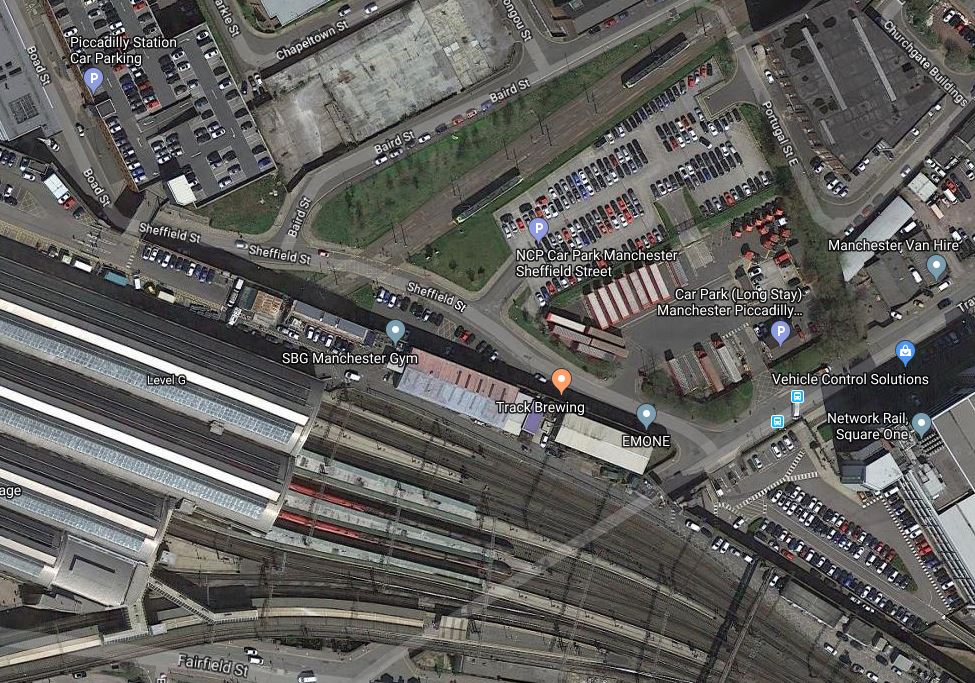
Look at this Google Map of the Northern side of the station.
Note.
- Two trams crossing the green space to the North of the station.
- The area between the tram lines and the tracks going into Piccadilly station, appears to be mainly car parking and low-grade buildings.
- The tracks leading to Gorton and Glossop are on the Northern side of Piccadilly station.
These are a few pictures of the area.to the North of the station.


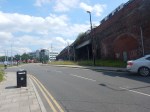


I feel it would be very feasible for tram-trains to connect the Glossop Line and the tram station underneath the main station.
In fact there would be no reason, why tram-trains shouldn’t continue to serve Manchester Piccadilly train station.
High Speed Two
High Speed Two’s terminals in Manchester is in a state of foux at the moment, so it might be preferable to just replace all Glossop Line services with tram-trains and use Manchester Piccadilly tram station.
Updating The Glossop Line
The Glossop Line is electrified with 25 KVAC overhead wires, which looks to be one of the systems in worst condition in the UK along with the Crouch Valley Line in Essex.
It would probably need replacing, as the rust weevils holding it up, must be getting very tired.
To say that some stations look like they’ve seen better times, is an understatement.
Class 399 Tram-Trains For Manchester
Transport for Greater Manchester are serious about tram-trains and I believe that their usefullness to the City could be explored by running the existing service between Manchester Piccadilly and Glossop using a small fleet.
Conclusion
Extending the Manchester Metrolink to Gorton and Glossop using tram-trains appears to be very feasible.
In my view, it would have made a good trial route to prove the concept of tram-trains in the UK.
Manchester Metrolink Extensions In A Sentence
This article on the Manchester Evening News, sums up the extensions to the Manchester Metrolink like this.
It includes tram extensions to Port Salford, Middleton and Stalybridge, plus ‘tram trains’ to Hale, Warrington, Gorton and Glossop.
We all need more pithy sentences like this. Me included!
Trafford Park Line – June 2nd 2019
In Walking From Pomona To MediaCityUK, I showed the progress of the Trafford Park Line in February 2019.
These pictures show the current progress.
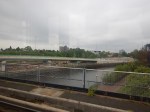
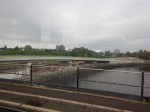
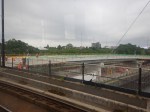
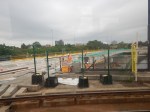
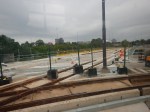
They were taken from a tram arriving at Pomona.
The Most Annoying Thing They Do To Trams
When I first arrive in a city, I tend to take a ride on the local trams to get my bearings.
But it is difficult, to see where you are and what you are doing, if the tram is covered in advertising, like this one in Manchester.
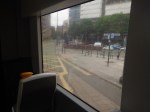
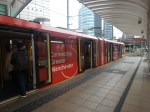
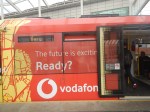
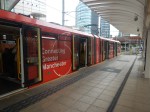
It means that visitors can’t see the city properly. Hopefully, locals know their city!
I remember visiting one city, where every tram was wrapped in advertising.
The city wasn’t very interesting, so perhaps that was the reason.
Comparing Trams And Tram-Trains In Manchester And Sheffield
In Could A Class 399 Tram-Train With Batteries Go Between Manchester Victoria And Rochdale/Bury Bolton Street/Rawtenstall Stations?, I discussed how Class 399 tram-trains might be used on a route in the Manchester area.
This was my conclusion.
Could we see tram-trains running from Bury Bolton Street, Hebden Bridge, Rawtenstall and Rochdale into Manchester Victoria and then taking to the existing tram network?
If you’ve ever been to Karlsruhe, as I have to see the Class 399 tram-trains German cousins, you wouldn’t rule out anything.
That would include tram-train services to Blackburn, Buxton, Chester, Glossop, Hebden Bridge, Sheffield, Southport and Wigan.
So how do Manchester’s M5000 trams, Sheffield’s Supertrams compare to the Class 399 tram-train?
Body Construction
- M5000 – Aluminium
- Supertram – Steel
- Class 399 – Lightweight Stainless Steel
Does the Class 399 use lightweight stainless steel to give enhanced crash protection and better corrosion resistance?
Sections, Doors and Length
- M5000 – 2, 4 and 38.4 metres
- Supertram – 3, 4 and 34.8 metres
- Class 399 – 3, 4 and 37.2 metres
Capacity
- M5000 – 60 or 66 seats, 149 standing, 209/215 maximum
- Supertram – 86 seats, 155 standing, 241 maximum
- Class 399 – 88 seats and 150 standing, 238 maximum
The M5000 is a bit less because it is a shorter vehicle with less standing space.
Entrance Height
- M5000 – 0.98 metres
- Supertram – 0.42 metres
- Class 399 – .425 metres
The Supertram and the Class 399 have obviously been built to be able to use the same tram platforms in Sheffield.
Wikipedia says this about standard UK platform height.
The standard height for platforms is 915 mm with a margin of +0,-25 mm
But it would appear that the M5000 is not far from the UK standard height, but the Class 399 is 0.465 metres too low.
Consider.
- The entrance height of a Greater Anglia Class 755 train, which is a bi-mode FLIRT is 0.96 metres.
- On the South Wales Metro, variants of Class 399 tram/trains and Class 755 trains will share platforms.
So Stadler must have a nifty solution to overcome the platform height difference for these two trains, which is similar to that in Manchester between a Class 399 tram-train and an M5000.
If it’s on the tram-train, then Stadler have a solution, that will allow Class 399 tram-trains to run on the Manchester Metrolink.
The datasheet for the Class 399 tram-train says this about the suspension of the tram-train.
Smooth and silent operation with secondary air suspension and resilient wheels.
Secondary air suspension is not new on trains, as it certainly featured on British Rail Mark 3 coaches from the 1970s, which have a legendary smooth ride. It can still be seen between the bogie and the coach on many Bombardier trains, which trace their ancestry to British Rail designs.
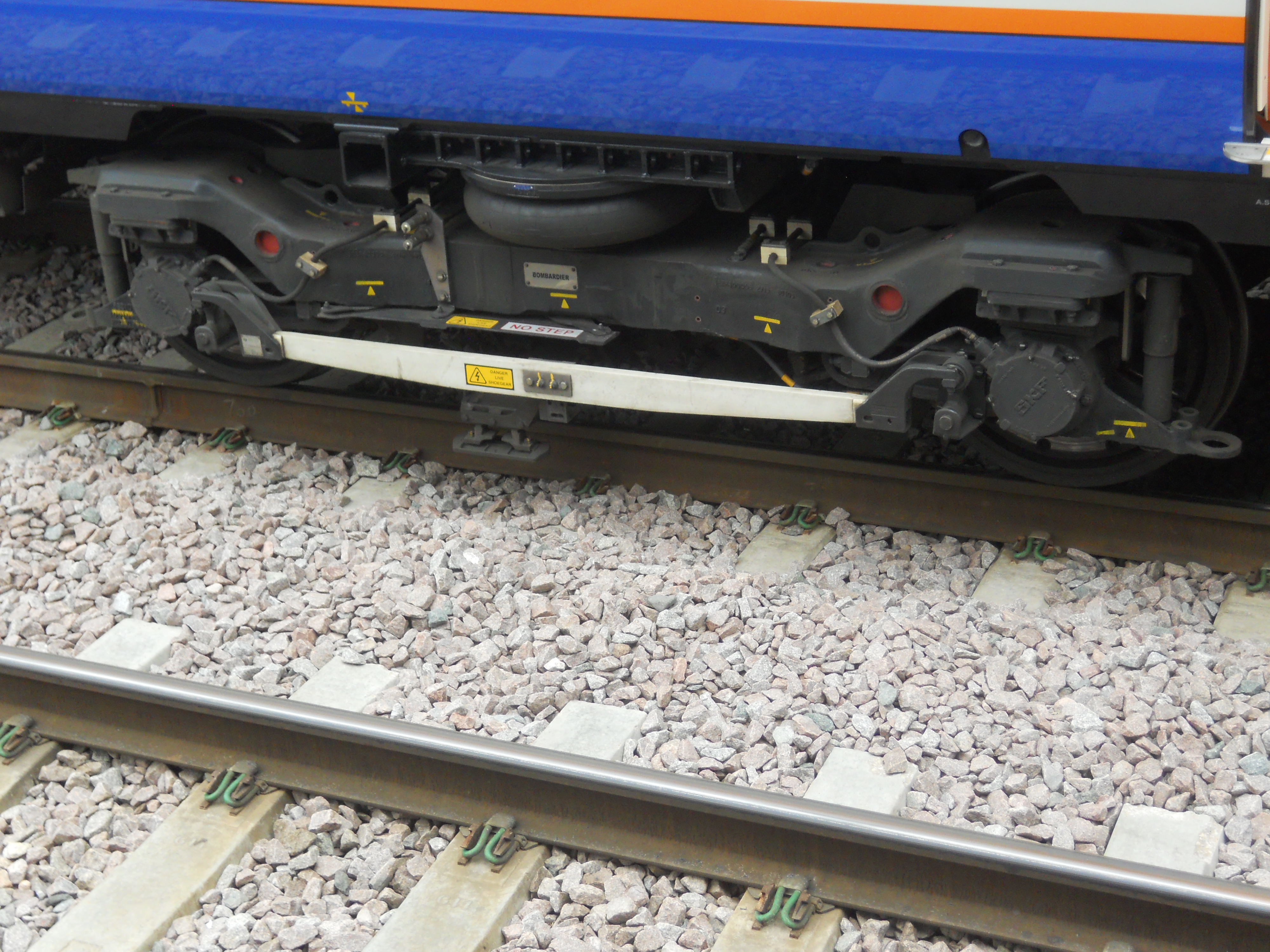
The picture shows the bogie on a Class 378 train.
Note the air-suspension above the frame of the bogie.
Some cars use secondary air suspension with computers to control the amount of air in each rubber bag to improve the ride and road-holding.
Transport for London measure the pressure in the suspension and use this to calculate train loading. I described this application in Is This The Hippest Train Status Displays?
Could the air bags be pumped up to raise the train and and reduced in pressure to drop it a few centimetres?
There are certainly suspension engineers, in the automotive and motor-sport industries, who have relevant experience and could suggest a solution.
All this speculation is a bit like Lew Grasde’s quote on the film Raise the Titanic on which he lost a lot of money.
Raise The Titanic? It would have been cheaper to lower the Atlantic!
Here it’s a bit of the reverse as if the tram-trains can be adjusted to the platform height, then hundreds of platforms don’t need to be rebuilt.
Suppose the platforms were built to fit an existing tram or train.
- On the Manchester Metrolink the platforms would fit the M5000 trams.
- On the Sheffield Supertram, the platforms would fit the Supertrams.
- On the South Wales Metro, the platforms would fit the Welsh variant of the Class 755 train.
The Class 399 tram-trains running in Sheffield have their suspension adjusted on mnufacture and in the depot, so that there is level access between tram-train and platform.
Could the same tram-trains be adjusted so that they fit the Manchester Metrolink platforms, which are higher?
If they can, then Manchester has got a source of off-the-shelf tram-trains.
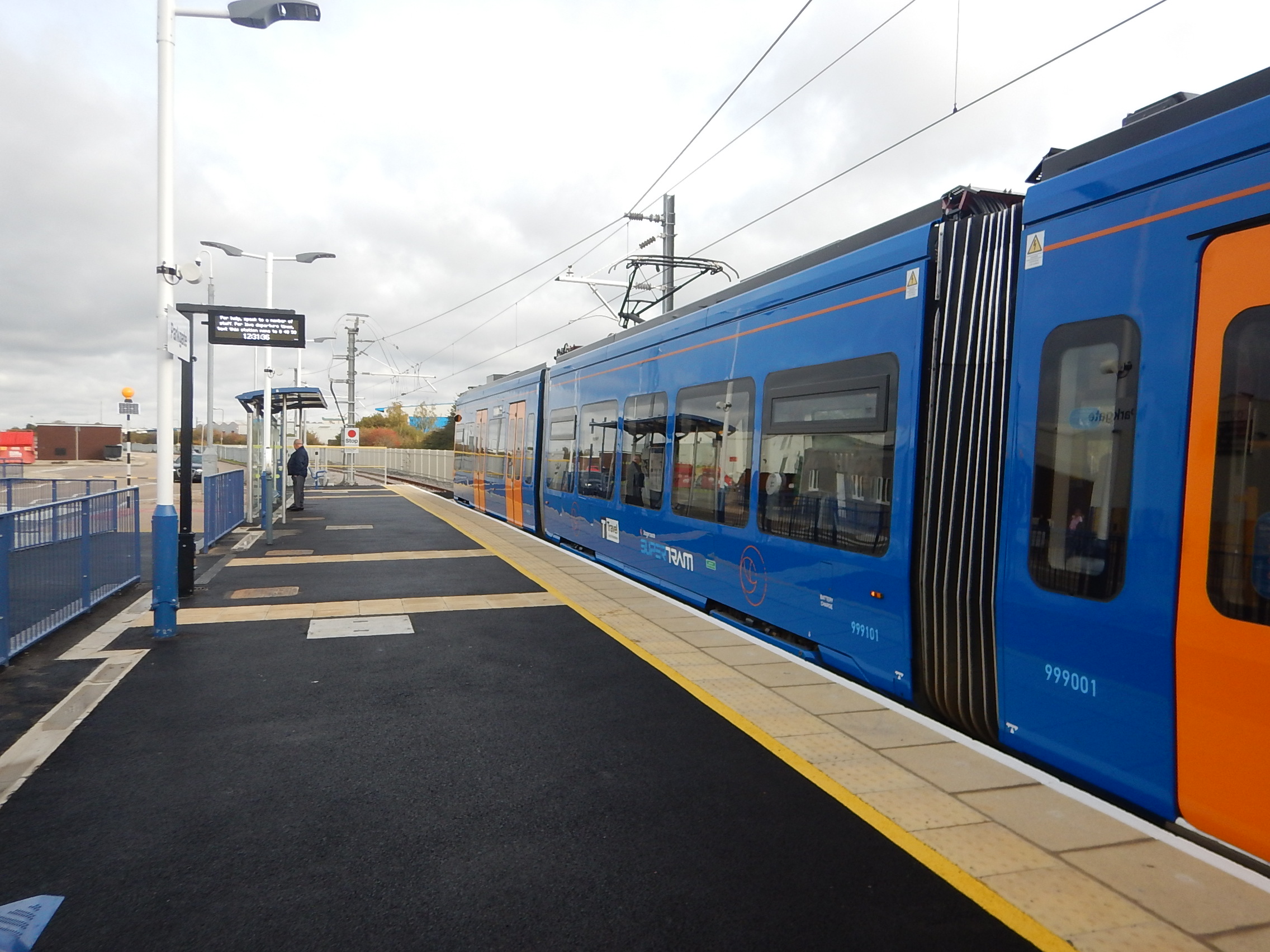
The picture shows a Class 399 tram-train at Rotherham Parkgate. Note the level access at the orange door in the foreground.
Manchester would need a different colour as Chelsea Blue wouldn’t be appropriate.
The intriguing idea, is can the same Class 399 tram-trains run in both Manchester and Sheffield, with the tram-train’s computer adjusting the ride height to suit the different height of platforms?
At present the answer is probably no, as if they could then there wouldn’t be dual-height platforms at Rotherham Central station.

Note the slopes down on both sides of the tracks from the high-level train platforms in the background, to the low-level tram platforms in the foreground.
It all depends on whether the suspension design is possible.
If it is, which I doubt, it would get round the bit problem of platforms on tram-train systems.
Weight
- M5000 – 30.7 tonnes
- Supertram – 46.5 tonnes
- Class 399 – .66.1 tonnes
The Class 399 tram-train is a heavy beast so raising it by much might be difficult, as you changed from Sheffield to Manchester heights.
Operating Speed
- M5000 – 80 kph
- Supertram – 80 kph
- Class 399 – .100 kph
Power And Power/Weight Ratio
- M5000 – 480 kW – 15.6 kW/tonne
- Supertram – 1108kW – 23.8 kW/tonne
- Class 399 – 870 kW – 13.2 kW/tonne
Noye.
- By comparison the power/weight ratio of a Class 321 train is just 7.9 kW/tonne
- I have talked to Sheffield tram-drivers and their view is that the Class 399 tram-trains handle Sheffield’s hills better with a full load of passengers.
- The Class 399 has six traction motors, whereas the others have four.
So perhaps, the way that the Class 399 tram-train puts its power to the rail with more driven axles, is important.
Conclusion
I am convinced that just as Sheffield’s Supertram can work happily with Class 399 tram-trains, Stadler have ways and means of making Manchester Metrolink’s M5000 trams work with the tram-trains.
If the Class 399 tram-train is compatible with both tram networks, this will be a great advantage in designing new tram-train routes.
It would also mean that one day, a tram-train service could run from Cathedral in Sheffield to Piccadilly Gardens in Manchester via the Hope Valley Line.
I suspect that a lot of local services from the two cities will be run by tram-train services, that cross the cities.
Walking From Pomona To MediaCityUK
I took these pictures as I walked between Pomona and MediaCityUK tram stops in Manchester.


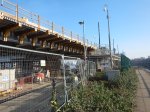
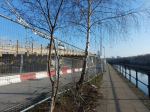
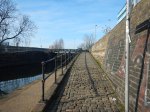


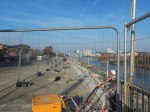

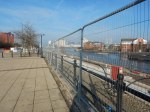

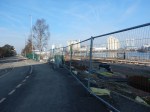
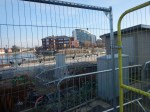


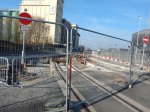

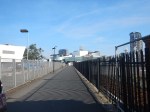
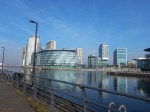
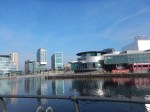
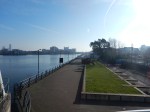
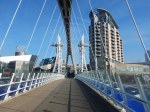
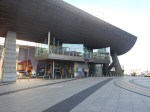


I walked along the linear construction site of the new Trafford Park Line of the Manchester Metrolink.
The new line should open in 2021.
Conclusion
If you like walking alongside water, as I do, it is good way to see some of Manchester’s new attractions like the Impreial War Museum North and The Lowry.
Tram-Trains At Manchester Victoria Station
In Could A Class 399 Tram-Train With Batteries Go Between Manchester Victoria And Rochdale/Bury Bolton Street/Rawtenstall Stations?, I speculated on how tram-trains from Rochdale, Bury Bolton Street and Rawtenstall stations might join the Manchester Metro Link at Manchester Victoria station.
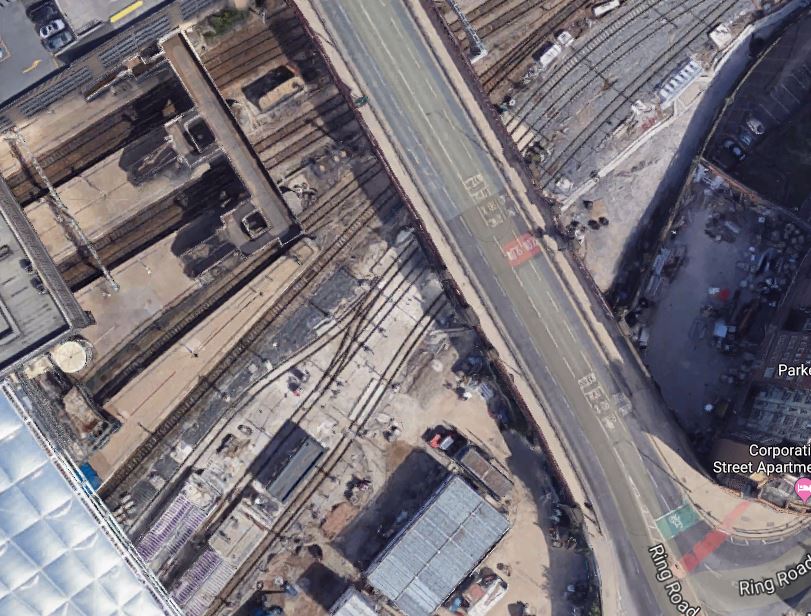
I showed this Google Map of the lines at Manchester Victoria.
On my weekend trip to the North, I took these pictures yesterday from the Metrolink platforms at Manchester Victoria.


I can’t believe that it would be the most difficult track design project to allow tram-trains to swap between the rail and tram networks at this point.
The bigger problem, is probably to decide, where the tram-trains would go on the other side of Manchester.
On the other hand, they could use electrified rail lines to Bolton or Wigan North Western.
- The performance and capacity of a Class 399 tram-train is very comparable to a Pacer.
- Wigan North Western station has three South-facing bay platforms.
Manchester’s Metrolink designers are going to have a lot of fun.
Could A Class 399 Tram-Train With Batteries Go Between Manchester Victoria And Rochdale/Bury Bolton Street/Rawtenstall Stations?
In Rossendale Reopening Prospect, I looked at a proposal to run a new service between Manchester Victoria and Bury Bolton Street stations.
Could this route be run by a Class 399 tram-train with a battery capability?
These tram-trains would be very similar to the Stadler Citylink Metro Vehicles, that have been specified for the South Wales Metro.
- Wikipedia gives the weight of the vehicle as 66 tonnes.
- Manchester Victoria has an altitude of 44 metres
- Bury has an altitude of 100 metres.
- Rochdale has an altitude of 137 metres.
- Rawtenstall has an altitude of 174 metres.
- I will assume 200 passengers at 90 Kg. each, which gives a weight of 12 tonnes.
Using Omni’s Potential Energy Calculator gives the following.
- Manchester Victoria to Bury Bolton Street has an increase in potential energy of 12 kWh.
- Manchester Victoria to Rochdale has an increase in potential energy of 20 kWh.
- Manchester Victoria to Rawtenstall has an increase in potential energy of 28 kWh.
When you consider that a Class 230 train has 400 kWh of batteries in a two-car train, I don’t think that there will be any problem fitting batteries big enough to take a Class 399 tram-train from Manchester Victoria to Bury Bolton Street, Rochdale or Rawstenstall stations under battery power with a full load of passengers.
- The batteries would be charged in Manchester Victoria station.
- Returning to Manchester Victoria station would use a small amount of battery power, with some assistance from Newton’s friend; gravity.
- The batteries would get a certain amount of charge from the regenerative braking of the tram-trains.
This Google Map shows the Eastern approaches into Manchester Victoria station.
Note.
- The four through platforms numbered 3 to 6.
- The two bay platforms numbered 1 and 2.
- The four platform faces and three tracks of the Metrolink.
Having seen several tram-train systems all over Europe, I believe it would be possible to connect tram-trains running on batteries on the Calder Valley Line to the Manchester Metrolink at Manchester Victoria station.
- Going from Manchester to Bury Bolton Street, Rochdale or Rawtenstall, the tram-train would stop in the Manchester Victoria tram-stop, drop the pantograph and then continue on its way under battery power.
- Returning from the North, the tram-train would stop in the Manchester Victoria tram-stop, raise the pantograph and then continue on its way using power from the overhead wires.
- Batteries would be charged whilst running through Manchester.
There couldn’t be too many tram-train systems that would be easier to build than this?
It is interesting to note that Hebden Bridge station is just twenty-three miles from Manchester Victoria station and has an altitude of 190 metres.
So would it be possible for a Class 399 tram-train to reach Hebden Bridge station on battery power? I very much think it would be!
Class 399 Tram-Trains And Class 156 Trains
Class 156 trains are one of the better workhorses of the railways in the North and despite their age, they scrub up well.
If their performance is compared to that of a Class 399 tram-train, they are not that different.
- Noise and vibration of the electric tram-train is obviously much lower.
- The modern interior of the tram-train is geared to the needs of passengers.
- Passenger capacity of the two vehicles is also about the same.
- In Karlsruhe, tram-trains travel for up to 100 miles from the centre of the city.
Both Karlsruhe and Sheffield use three-car tram-trains, but Valencia uses much longer ones, so on heavily-used routes larger tram-trains could be used.
I doubt there would be many complaints, if a Class 156 service were to be replaced with one run by Class 399 tram-trains.
Electrification Of The Calder Valley Line
Electrifying the Calder Valley Line with 25 KVAC overhead wires as far as Rochdale station, would certainly make running to Hebden Bridge station possible.
- That electrification would also mean that electric trains could be turned-back at Rochdale station, just as diesel trains are now!
- I have flown my helicopter along the route and it looks like of the seven or eight bridges on the route, mostly appear to be modern structures for new roads or motorways.
- As 25 KVAC overhead electrification is currently being erected between Manchester Victoria and Stalybridge, a spur to Rochdale would be very much a simple addition.
It could be a very useful short length of electrification.
Tram-Trains In Manchester
This article on Rail Technology Magazine was puiblished yesterday and is entitled Plans For Tram-Trains In Manchester Unveiled As Grayling And Burnham Mull Expansion Of Metrolink.
Conclusion
Could we see tram-trains running from Bury Bolton Street, Hebden Bridge, Rawtenstall and Rochdale into Manchester Victoria and then taking to the existing tram network?
If you’ve ever been to Karlsruhe, as I have to see the Class 399 tram-trains German cousins, you wouldn’t rule out anything.
That would include tram-train services to Blackburn, Buxton, Chester, Glossop, Hebden Bridge, Sheffield, Southport and Wigan.
Progress At Pomona – 17th November 2017
Pomona tram stop will become the interchange between the Eccles Line and the new Trafford Park Line on the Manchester Metrolink.
As work has now started on the Trafford Park Line, I went to take a look.


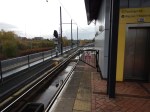
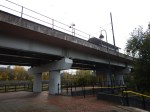

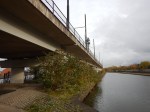
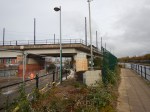
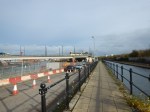
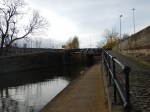
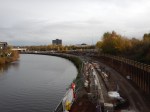
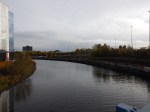

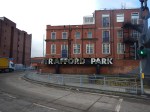
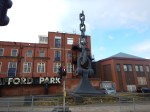
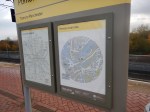

I also walked along the canal to the entrance to the Trafford Park Estate.
This Google Map shows the area.
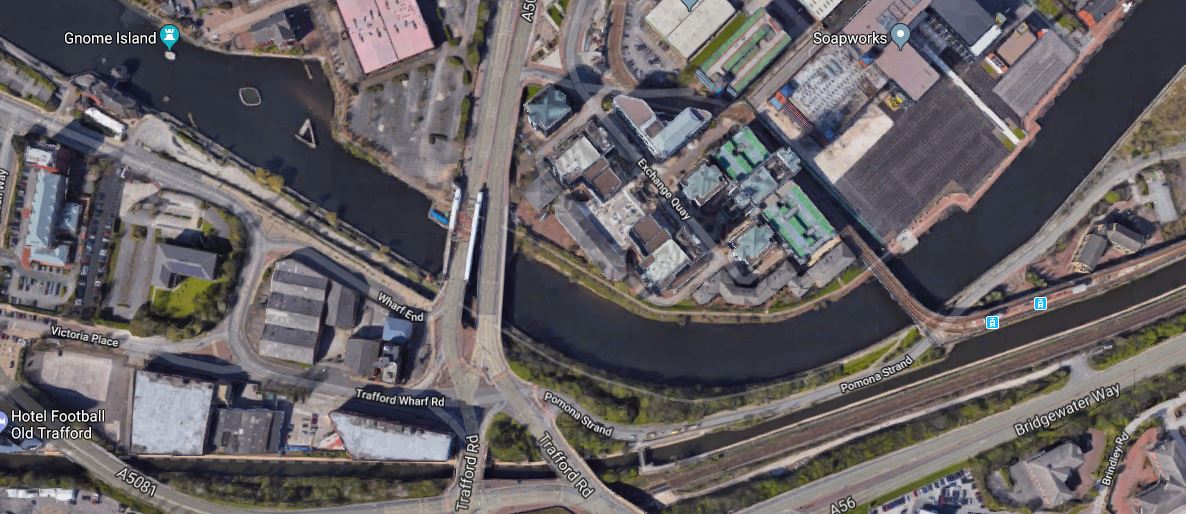
Note.
- The single bridge to the East takes the tram over the Irwell.
- The double-bridge takes masses of traffic to and from Manchester City Centre.
- The Trafford Park Line goes along the River Irwell.
When completed, there will be the River Irwell, the Trafford Park tram line, the Canal and the railway running through together.
The rail line is a curious one, as it has a two-hourly service between Manchester Piccadilly/Oxford Road and Liverpool Lime Street via Warrington, which stops at Trafford Park station and additionally Manchester United Football Ground station on match days only.
I’m pretty certain, that in perhaps 1966, I had my last ride on a steam-hauled British Rail service between Oxford Road and the football ground.
Surely in these days, a two-hourly service is inadequate and the frequency should be at least two trains per hour.
Karlsruhe would apply a tram-train solution and tram-trains from perhaps Warrington, would join the Trafford Park tram line to go through Manchester City Centre.

