South Yorkshire Now Has Better North-South Connections
The December 14th 2025 timetable change was a big day for South Yorkshire.
Three big changes will transform, public transport in South Yorkshire.
The Opening Of A New Tram-Stop At Magna Science Adventure Centre On The Tram-Train Route Between Sheffield And Rotherham
The Magna Science Adventure Centre is described like this in the first paragraph of its Wikipedia entry.
Magna Science Adventure Centre is an educational visitor attraction in Rotherham, South Yorkshire, England.
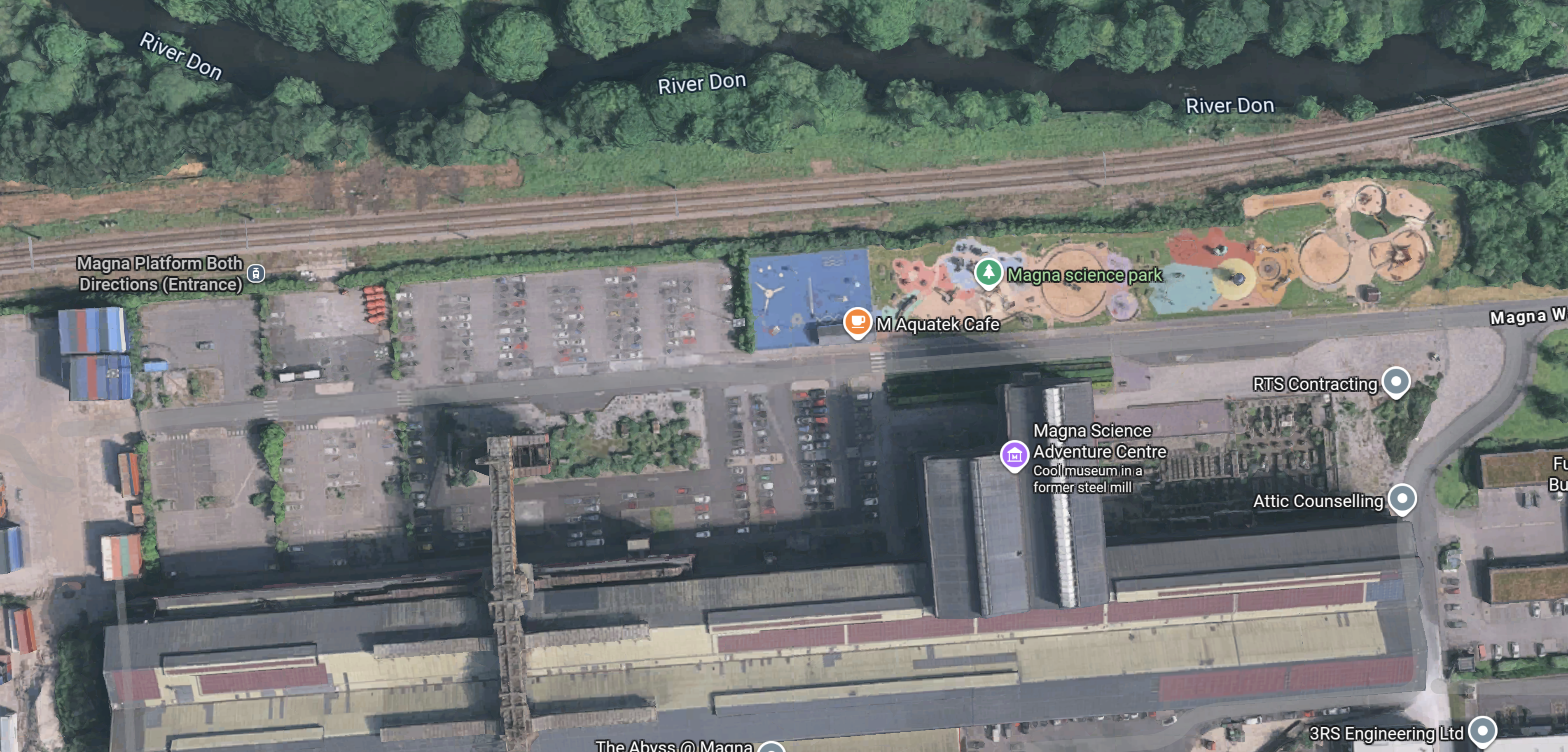
This map shows the site and the tram-train track between Sheffield and Rotherham.
Note.
- The tram-train track runs East-West across the top of the map.
- Sheffield is to the West and Rotherham is to the East.
- At the Western end of the site, a label indicates the position of the Magna Platform.
- The position of the tram-train stop is already marked.
- There will be 29 extra Park-and-Ride spaces.
- The Magna Science Adventure Centre is indicated by the purple arrow in the middle of the map.
- Magna Way runs East-West through the site.
- There are four pavilions: Earth, Air, Fire, and Water.
This article on the BBC is entitled Lifts And Bridge Added As Tram Stop Takes Shape.
This picture from the article shows the bridge with lifts.

Note.
It will be an impressive tram stop.
It doesn’t look like it will be long before it opens.
But as yet no information is available.
Google AI gave this answer.
The new Magna Tram Train stop is scheduled to open in early 2026.
Construction of the new £10 million station and Park & Ride facility in Rotherham, part of a wider investment in the South Yorkshire Supertram network, is currently on track.
The new stop will improve access to the Magna Science Adventure Centre, local businesses, and link up with existing walking and cycling routes, aiming to ease congestion in the Lower Don Valley.
I shall be going next week to take photographs of the tram stop.
The Increase In Frequency Of Express Trains Serving Doncaster On The East Coast Main Line
Since the December 14th 2025 timetable change, the Monday to Friday express trains, that stop at Doncaster on the East Coast Main Line have included.
- CrossCountry – 8 trains per day (tpd) in both directions.
- Grand Central – 4 tpd in both directions.
- Hull Trains – 7 tpd in both directions.
- LNER- 3.5 trains per hour (tph) in both directions.
- TransPennineExpress – 1 tph in both directions.
Note.
- This totals to 173 express trains per day stopping at Doncaster
- Or about 7 tph in both directions or a train every 8.5 minutes.
- This is about a thirty percent increase in frequency.
- Doncaster has become the Crewe of South Yorkshire.
I can see this large number of express trains to Doncaster bringing large numbers of visitors to go to the Magna Science Adventure Centre or its tram stop for onward connection to other destinations on the Sheffield Supertram network.
The trouble is, that at present the Magna tram stop is not connected to Doncaster station.
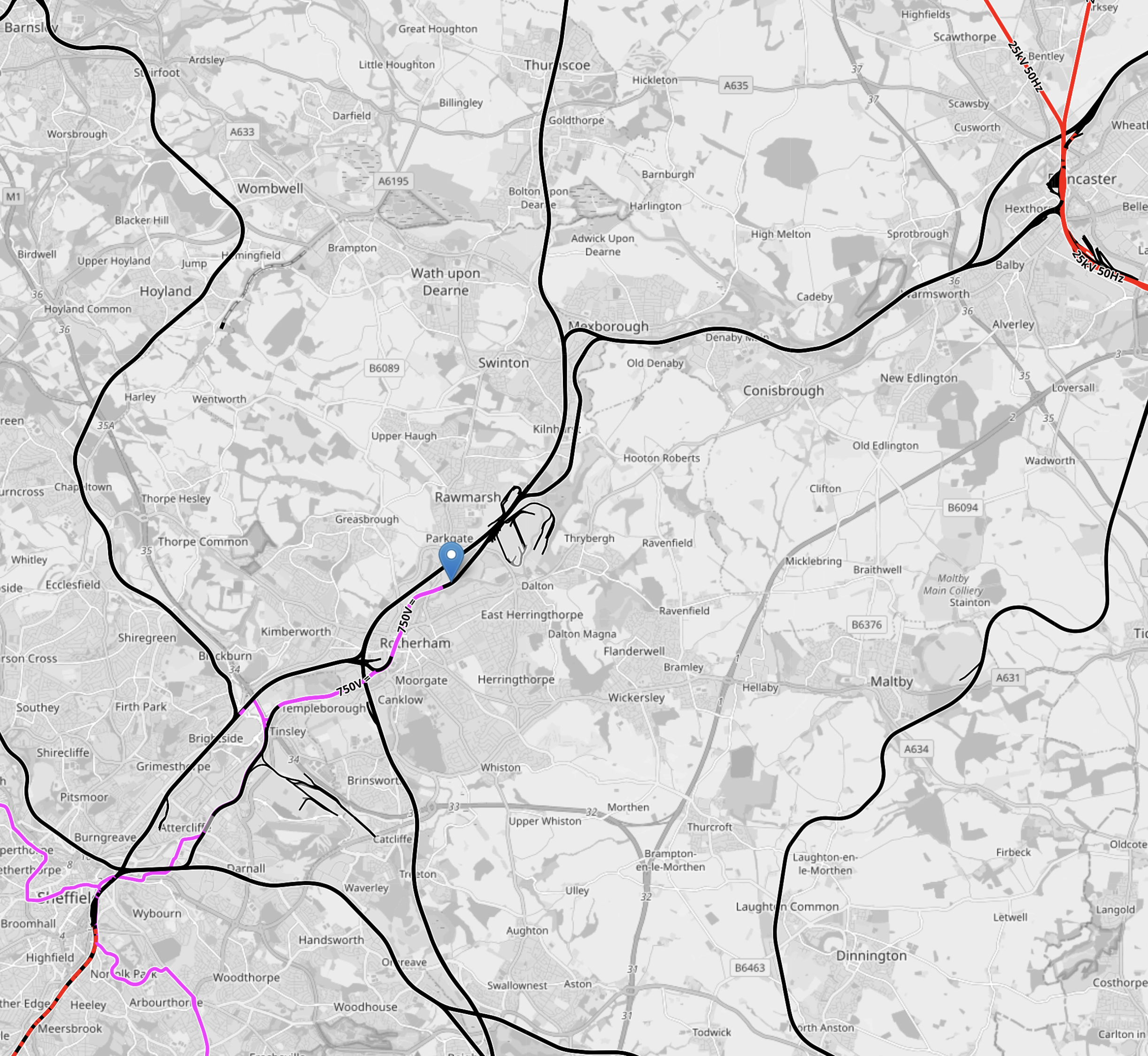
This OpenRailwayMap shows the rail lines between Doncaster and Sheffield stations.
Note.
- The short length of red track in the North-East corner of the map is the East Coast Main Line.
- Doncaster station can be picked out.
- The short length of red track in the South-West corner of the map is the Midland Main Line, which connects Sheffield to London.
- Sheffield station is at the Northern end of the electrification, which will be installed soon.
- The pink tracks are the 750 VDC electrified tracks of the Sheffield Supertram.
- The blue arrow marks Rotherham Parkgate station, which is the limit of the current tram-train route.
The tram-train route needs to be extended so that the tram-trains can go between Rotherham Parkgate tram stop and Doncaster station.
The route seems to have these characteristics.
- It is about 11.8 miles long.
- Stops are Rotherham Central, Swinton (South Yorkshire), Mexborough and Conisborough.
- Diesel trains take about thirty minutes between Rotherham Central and Doncaster.
- All platforms at Doncaster are electrified with 25 KVAC.
- Platform 5 is a convenient bay platform at Doncaster, that could be used by the tram-trains.
- Sheffield’s Class 399 tram-trains can use 25 KVAC for traction.
- South Wales have similar Stadler tram-trains, that are to be fitted with batteries.
I am fairly sure, that a solution can be found so that Sheffield’s tram-trains can be extended to Doncaster station.
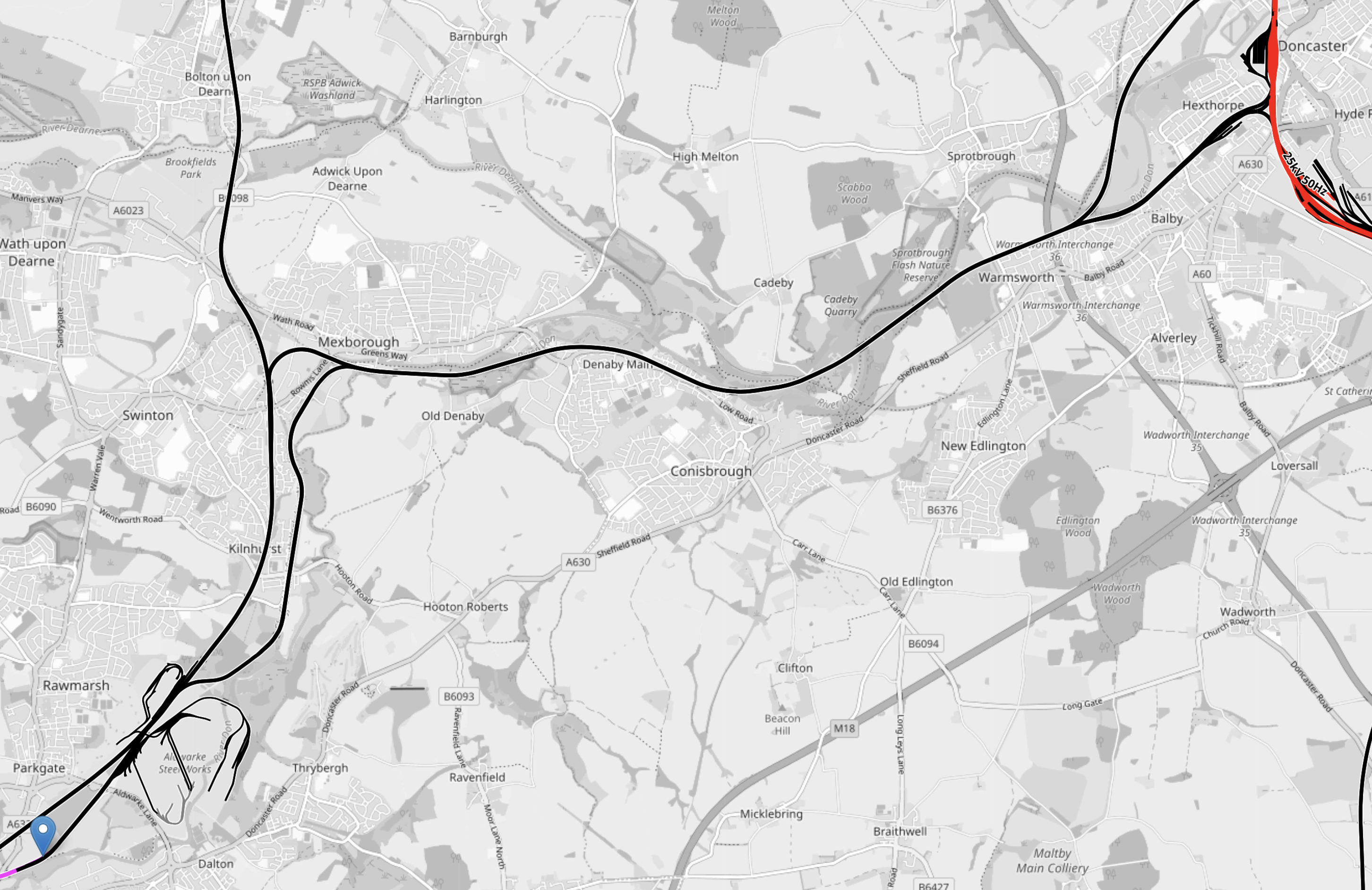
This OpenRailwayMap shows the route between Rotherham Parkgate tram stop and Doncaster station.
Note.
- The short length of red track in the North-East corner of the map is the East Coast Main Line.
- Doncaster station can be picked out.
- The short length of pink tracks are the 750 VDC electrified tracks of the Sheffield Supertram.
- The blue arrow marks Rotherham Parkgate station, which is the limit of the current tram-train route.
- Most of the route is not electrified.
As there is electrification at both ends, I suspect the easiest way of powering the trams would be to use batteries, as has been done in South Wales.
The New Class 810 trains between London St. Pancras And Sheffield On The Midland Main Line
These new Class 810 trains have started running this month and I suspect soe travellers will use these trains to go to Magna or its tram stop.
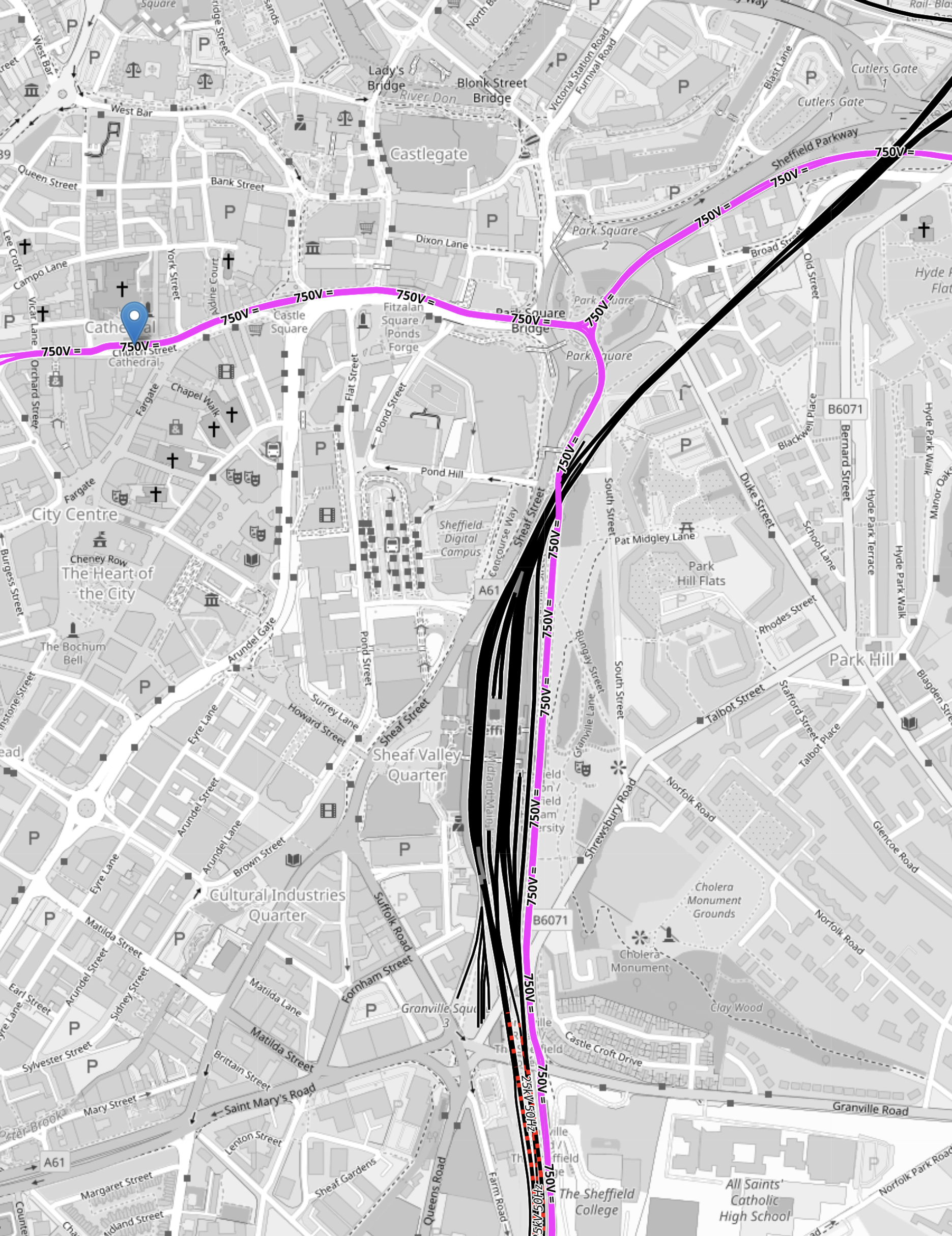
his OpenRailwayMap shows the tram routes in Sheffield city centre.
Note.
- The pink tracks are tram-tracks.
- The black tracks are unelectrified train tracks.
- The short lengths of red-and-black tracks are tracks to be electrified with 25 KVAC overhead, for the Class 810 trains.
- The blue error indicated the Cathedral tram-stop, where tram-trains will be caught to Magna.
- The mass of black tracks in the middle of the map is Sheffield station.
- There is a tram stop on the East side of the train station for the trams.
- Trams going South go to Halfway and Herdings Park.
- Trams going North-East go to Rotherham Parkgate and Meadowhall Interchange, and will go to Magna, when it opens.
- Trams going North-West go to Malin Bridge and Middlewood.
It is a difficult interchange between Cathedral and Sheffield station, if you are catching the tram-train, as it is a hard walk up hill, so it might be better if you are goinging between Sheffield station and the tram-train to change trams at Meadowhall South.
East Midlands Railway To Leeds
This news story from the Department of Transport is entitled Yorkshire And The Humber To Benefit From £19.8 billion Transport Investment.
This is said about Leeds and Sheffield services.
The line between Sheffield and Leeds will be electrified and upgraded, giving passengers a choice of 3 to 4 fast trains an hour, instead of 1, with journey times of 40 minutes. A new mainline station for Rotherham will also be added to the route, which could give the town its first direct service to London since the 1980s, boosting capacity by 300%.
These are my thoughts.
A New Mainline Station For Rotherham
This page on Rotherham Business News, says this about the location of the Rotherham mainline station.
South Yorkshire Mayoral Combined Authority (SYMCA) and Rotherham Council have been developing a scheme to return mainline train services to the borough for the first time since the 1980s. A site at Parkgate is the frontrunner for a regeneration project described by experts as “a relatively straightforward scheme for delivery within three to four years.”
Various posts and comments on the Internet back the councils preference for a new station at Rotherham Parkgate.
- It would be at Rotherham Parkgate shopping centre.
- It connects to the tram-trains, which run half-hourly to Cathedral in Sheffield city centre via Rotherham Central.
- There appears to be plenty of space.
This OpenRailwayMap shows the tracks at the current Rotherham Parkgate tram stop.
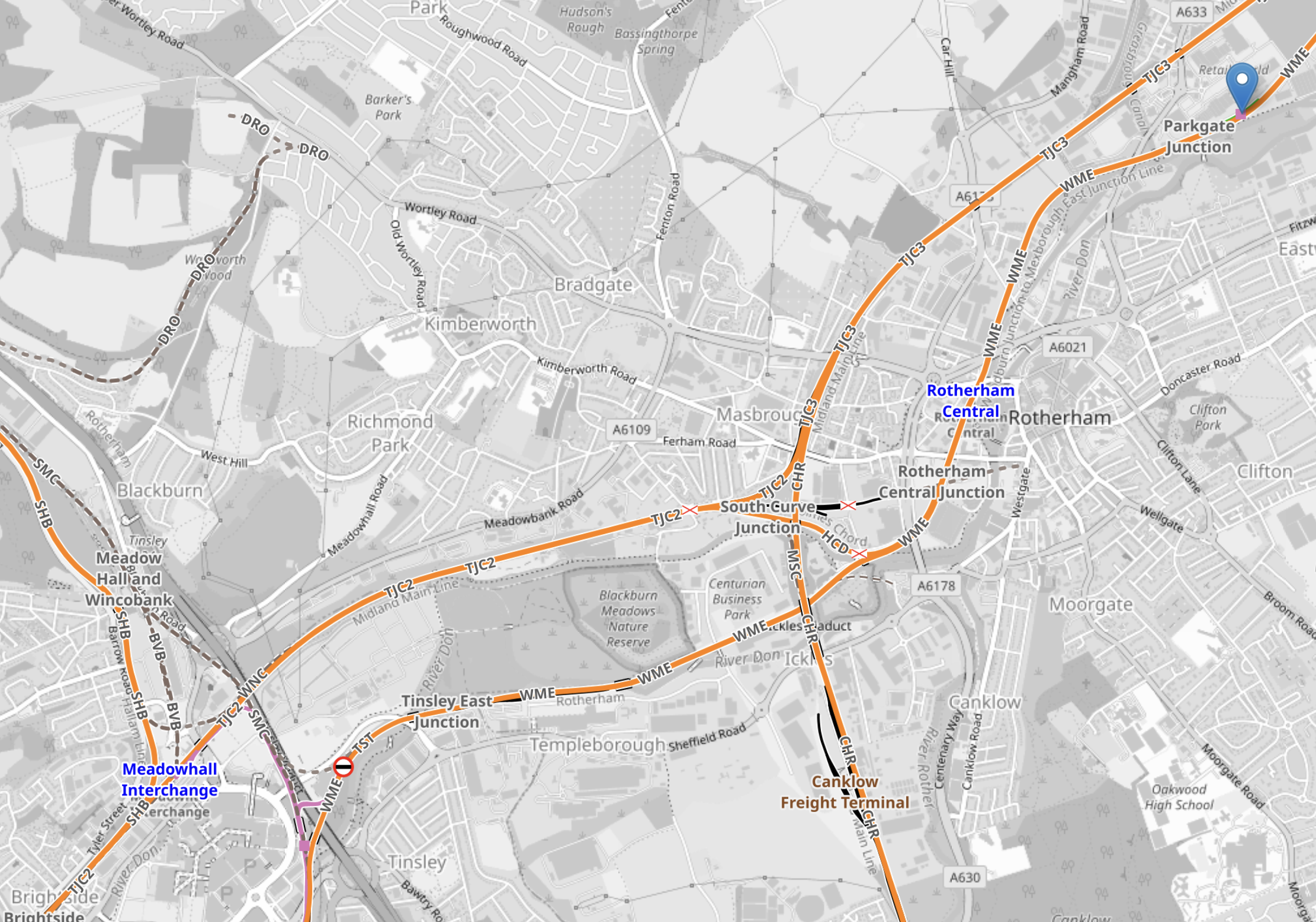
Note.
- The orange lines are the main railway tracks.
- Rotherham Parkgate is indicated by the blue arrow in the North-East corner of the map.
- Trains would run between Sheffield and Rotherham Parkgate via Meadowhall Interchange and Rotherham Central.
- Trains and tram-trains would share tracks through Rotherham Central.
After passing Rotherham Parkgate trains would go to Swinton, and then on to Doncaster or Leeds.
Sheffield And Leeds Via Rotherham Parkgate
Currently, there is an hourly service between Leeds and Sheffield, that goes through the Rotherham Parkgate site.
- It calls at Outwood, Wakefield Westgate, Sandal & Agbrigg, Fitzwilliam, Moorthorpe, Thurnscoe, Goldthorpe, Bolton-upon-Dearne, Swinton, Rotherham Central, Meadowhall.
- The service takes one hour and thirteen minutes, but there are eleven stops.
- As the distance is 38.9 miles, that works out at an average speed of 32 mph.
I suspect this schedule was written for Pacers.
The Department of Transport is aiming for a forty minute journey, which is an average speed of 58.4 mph.
Consider.
- If you look at the maximum speeds of the route from Rotherham Parkgate to Wakefield Westgate, it is 21.8 miles of 100 mph track.
- About twenty miles to the South of Wakefield Westgate is electrified.
- Leeds and Wakefield Westgate is 10.1 miles of 75-85 mph track.
- LNER’s expresses leave Wakefield Westgate, eleven minutes after leaving Leeds.
- I can find a TransPennine Express that takes thirteen minutes to go between Sheffield and Rotherham Parkgate late at night on the way to the depot.
The eleven and thirteen minutes mean that leaves 16 minutes for Rotherham Parkgate to Wakefield Westgate, if Sheffield and Leeds are to be timed at forty minutes, which would be an average speed of 82 mph between Rotherham Parkgate and Wakefield Westgate.
I feel that for a forty minute journey between Leeds and Sheffield, the following conditions would need to be met.
- Very few stops. Perhaps only Meadowhall, Rotherham Parkgate and Wakefield Westgate.
- 100 mph running where possible.
- 100 mph trains
- Electric trains would help, as acceleration is faster. Battery-electric trains would probably be sufficient.
- Some track improvements might help.
But forty minutes would certainly be possible.
At present there are five trains per hour (tph) between Leeds and Sheffield.
- Northern – 2 tph – via Wakefield Kirkgate, Barnsley and Meadowhall – 58 minutes
- Northern – 1 tph – via Outwood, Wakefield Westgate, Sandal & Agbrigg, Fitzwilliam, Moorthorpe, Thurnscoe, Goldthorpe, Bolton-upon-Dearne, Swinton, Rotherham Central and Meadowhall – One hour and 13 minutes
- Northern – 1 tph – via Woodlesford, Castleford, Normanton, Wakefield Kirkgate, Darton, Barnsley, Wombwell, Elsecar, Chapeltown and Meadowhall – One hour and 19 minutes.
- CrossCountry – 1 tph – via Wakefield Westgate – 44 minutes
Note.
- Only the second service will go through Rotherham Parkgate.
- The CrossCountry service takes the more direct route avoiding Rotherham Parkgate.
- All trains go via Meadowhall, although the CrossCountry service doesn’t stop.
- If the CrossCountry service was run by electric trains, it might be able to shave a few minutes as part of the route is electrified.
The CrossCountry service indicates to me, that 40 minutes between Leeds and Sheffield will be possible, but a stop at Meadowhall could be dropped to save time.
Extending East Midlands Railway’s Sheffield Service To Leeds
Consider
- Sheffield station has two tph to London all day.
- The CrossCountry service looks like it could be timed to run between Leeds and Sheffield in forty minutes.
- An East Midlands Railway Class 810 train could probably be timed at 40 minutes between Leeds and Sheffield via Meadowhall, Rotherham Parkgate and Wakefield Westgate.
- The current Northern services could continue to provide connectivity for stations between Leeds and Sheffield.
Extending one tph of East Midlands Railway’s trains to Leeds would probably be sufficient to give two fast trains per hour between Leeds and Sheffield.
- The East Midlands Railway and CrossCountry services could provide a fast service between Leeds and Sheffield in forty minutes.
- If they were electric or battery-electric trains, I suspect that they could call at Meadowhall, Rotherham Parkgate and Wakefield Westgate.
- They could be backed up by the two tph through Barnsley, which could probably be speeded up to around fifty minutes by electrification or using battery-electric trains.
The East Midlands Railway service between London and Leeds would be under three hours.
- Rotherham would get an hourly train to London.
- ,London and Leeds in under three hours, would be slower than Leeds and King’s Cross.
- But the electrification of the Midland Main Line would speed it up a bit.
A fast Leeds and Derby service might compensate for the loss of the Eastern leg of High Speed Two.
Sheffield And Doncaster Via Rotherham Parkgate
At present there are three tph between Sheffield and Doncaster.
- Northern – 1 tph – via Meadowhall, Rotherham Central, Swinton, Mexborough and Conisbrough – 42 minutes
- Northern – 1 tph – via Meadowhall – 28 minutes
- TransPennine Express – 1 tph – via Meadowhall – 27 minutes
Note.
- The first Northern train continues calling at all stations to Adwick.
- The second Northern train continues calling at all stations to Scarborough.
- Both Northern services go through Rotherham Parkgate.
- The TransPennine Express service takes the more direct route avoiding Rotherham Parkgate.
- All trains go via Meadowhall.
These services would give good connectivity for a London train, with a change at Rotherham Parkgate.
Improving Tracks Between Doncaster, Leeds and Sheffield
Consider.
- About 65 % of the main routes between Doncaster, Leeds and Sheffield have a maximum operating speed of 100 mph.
- Doncaster and Leeds is electrified.
- Only 35 miles is without electrification.
- The Midland Main Line is in the process of being electrified to Sheffield.
- There are plans to extend the Sheffield tram-trains to Doncaster Sheffield Airport, that I wrote about in Sheffield Region Transport Plan 2019 – Doncaster Sheffield Airport.
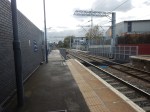
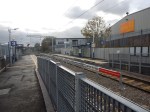
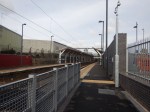
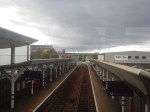
There is also heavyweight electrification infrastructure through Rotherham Central for the Sheffield tram-trains.





As it is only used by the tram-trains it may be only 750 VDC. But it can probably handle 25 KVAC.
- Could these routes be improved to allow faster running?
- Would it be cost-effective to electrify between Sheffield and the East Coast Main Line and the Doncaster and Leeds Line?
- Alternatively battery-electric trains could be run on the routes between Doncaster, Leeds and Sheffield, charging at all three main stations.
Any form of electric train should be faster, as acceleration and deceleration is faster in any electric train, be it powered by electrification, batteries, hydrogen or a hybrid diesel-battery-electric powertrain.
Conclusion
A Tailpiece On The Sheffield To Rotherham Parkgate Tram-Train
I took this picture at the Rotherham Parkgate tram stop.
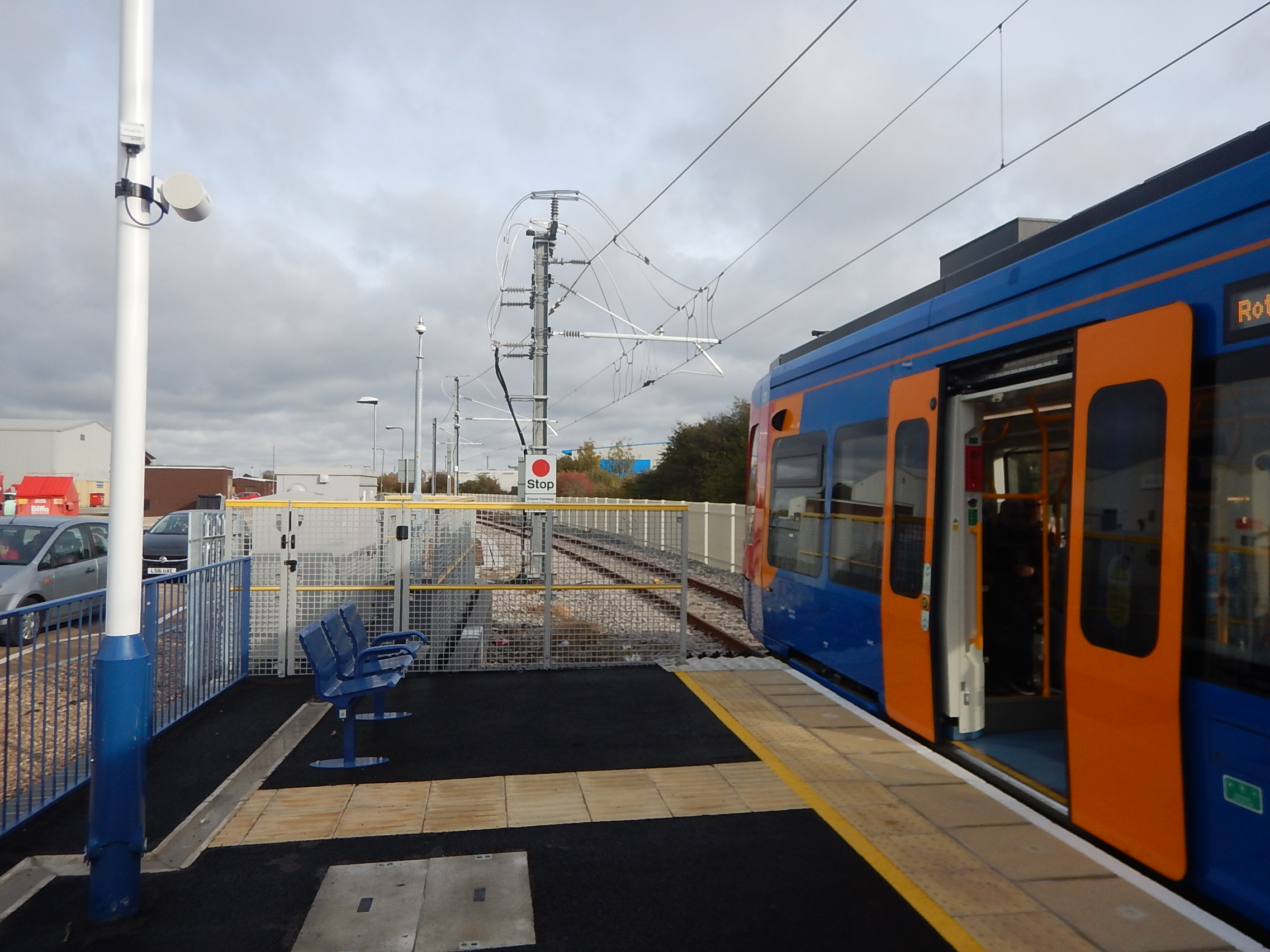
Note.
- The level step-free access between the Class 399 tram-train and the platform.
- The platform laid-out to help passengers and meet all regulations.
- The 25 KVAC overhead electrification.
- The track continuing into a siding, which could be turned into a loop to extend the service to Doncaster.
- The well-placed safety fences.
It certainly appears that Network Rail have produced a professional design that works well and makes things easy for passengers.
Is The Sheffield Rotherham Tram-Train Showing Signs Of London Overground Syndrome?
I went to Sheffield today and took a ride on a Class 399 tram-train on the Sheffield Supertram, between Sheffield and the new Rotherham Parkgate tram stop.
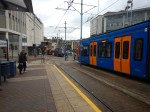
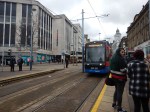
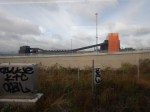
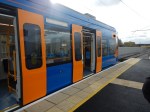
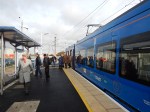
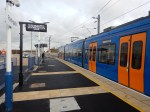
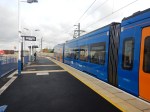
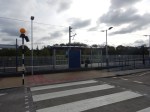
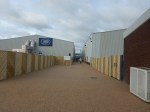
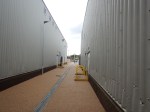
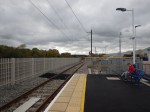
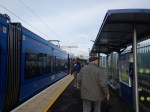
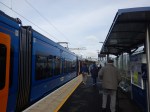
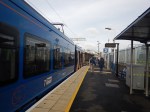
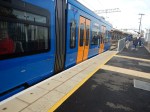
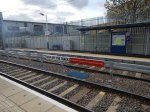
These are my observations.
Class 399 Tram-Trains And The Siemens-Duewag Supertram
On this brief excursion, I took three rides in Class 399 tram-trains and two in the original Siemens-Duewag Supertrams.
The existing supertrams are twenty-three years old and it shows.
Not in the state of the supertrams, which is very good, but in the design.
- As an example, the tram-trains have a much flatter floor, than the super trams.
- Drivers have also told me that they have more power and can get up Sheffield’s hills with a full load, easier than the supertrams.
- The tram-trains are also faster at 120 kph, as against to 80 kph for the supertrams.
I have seen reports, that Sheffield are thinking of replacing the supertrams with new rolling stock.
This is understandable, as the Sheffield supertrams must be the oldest light rail vehicles in the UK, without a plan to replace them with modern rolling stock.
Sheffield could do a lot worse, than replace the Siemens-Duewag trams with Class 399 tram-trains. Especially, as the South Wales Metro, will be buying thirty-six similar vehicles with batteries.
What would tram-trains with a battery capability do for Sheffield, Rotherham and the neighbouring towns?
After all geographically, South Yorkshire and South Wales aren’t that different with hills rising up from a flatter area.
Rotherham Central Tram Stop
This tram stop in a station is better than anything that I’ve seen in Germany, where tram-trains share platforms with ordinary trains.
The technique of a double-height platform, will be used in Karlsruhe to allow their versions of the Class 399 tram-trains to share platforms with their older tram-trains in the Karlsruhe tunnel, if it is ever finished.
The attention to detail at Rotherham Central station might go some way to explain the cost and time overrun on the project, but now there is a working example for other tram-train schemes to copy.
- The platform to tram-train access is absolutely level.
- There is a gentle slope, when changing between tram-trains and trains.
- There is a barrier to stop passengers walking across.
The only thing needed is an entrance directly to the Sheffield-bound platform, so that passengers walking along the river and from the football can get directly to the tram-train platform.
Rotherham Parkgate Tram-Train Stop
This tram-train stop follows the best practice of single platform stanations and tram-stops everywhere.
- The platform to tram-train access is absolutely level.
- There is a zebra crossing and a gentle ramp to get to the path to the shopping.
- There is a shelter and a few seats.
If it gets busier, it may need a few extra facilities.
Information
Information at stops and stations will need to be improved and some of the displays didn’t seem to be fully working.
There was also a lack of signage in Rotherham Parkgate, as to where the tram-train stop is located.
All of this will improve with time!
Ridership
What surprised me was that for a Tuesday morning, the tram-trains were busy with passengers going all the way between Sheffield and Rotherham Parkgate. The tram-trains were perhaps half-full.
But then several said to me, that they preferred Rotherham Parkgate to Meadowhall for shopping.
There also seemed to be a lot of older passengers with free passes.
In my view, it won’t be long before the route requires a service of four tram-trains per hour.
This would require an extra tram-train for the Cathedral to Rotherham Parkgate service.
Currently, about six-seven trains per hour go through Rotherham Central station in each direction, so squeezing in an extra train probably wouldn’t be a major job for the signalling.
Conclusion
I think it is a job well done, that has been well worth the wait.
I do have this feeling that the signs are already there for a break-out of London Overground Syndrome.
In the Supertram’s case, it could be cured by the purchase of an extra Class 399 tram-train.
The Penistone Line And Rotherham Tram-Train Trials
The Penistone Line Tram-Train Trial
The Penistone Line from Sheffield to Barnsley, Penistone and Huddersfield was the line originally selected for the tram-train trial.
In the Wikipedia entry for the line, this is said about the tram-train trial.
On 18 March 2008, the Department for Transport released details of a proposal to trial tram-trains on the Penistone Line, the first use of such vehicles in the UK. The trial was to start in 2010 and last for two years. Northern Rail, the operator of passenger services on the line, asked potential manufacturers to tender for the design and construction of five new vehicles, which Northern Rail would subsequently lease. In addition, Network Rail planned to spend £15m modifying track and stations to make them compatible with the new vehicles.
However, it was announced on 15 September 2009 that a city tram-train trial between Rotherham and Sheffield would replace the Penistone Line scheme.
More about the trial is said in this article on Rail News, which is entitled Penistone Line Is Chosen For £24m Tram Trains Trial. In particular, this is said.
One of the biggest initial tasks is to set a specification for the building of the five diesel-electro hybrid tram trains at a cost of £9 million. The trains will have to be equipped with braking systems suitable for on-street running and a Train Protection Warning System which is required for running on lines with ‘heavy’ rail passenger and freight trains.
The article was written in 2008 and Chemnitz hybrid Citylink tram-trains didn’t enter service until 2016.
So was the trial on the Penistone Line a disaster before it even started?
It had the following problems.
- It was expecting a diesel-electric hybrid tram to be designed and built before 2010.
- A long distance was involved.
- The track-work needed to connect to the Sheffield Supertram could have been incredibly complicated.
- The first all-electric Citylink tram-trains weren’t delivered to Karlsruhe until May 2014, which was seven months late.
For these and other reasons, I think that the decision of the trial to be delayed and to use Rotherham, was a prudent decision.
The Rotherham Tram-Train Trial
Consider these characteristics of the current trial, between Cathedral and Rotherham Psrkgate.
- The tram-trains are virtually standard Karlsruhe Citylink tram-trains, adapted for UK 25 KVAC and painted blue!
- A simple chord connecting the two systems.
- A few miles of electrification, that could be powered by either 750 VDC or 25 KVAC.
- Modification of the recently-built Rotherham Central station.
- Building of a new terminal tram stop at Rotherham Parkgate.
It’s a simple plan, but one that covers a lot of design possibilities and has few, if any, risky elements, that haven’t been done in the UK or Karlsruhe.
The following can be tested.
- The Class 399 tram-trains on the Sheffield Supertram network and an electrified main line.
- Passenger entry and exit at Rotherham Central station and all over the Supertram network.
- Operation under both 750 VDC or 25 KVAC.
- Signalling systems on both tram and main line networks.
The one thing that can’t be tested is a diesel hybrid tram-train as they have in Chemnitz, as they haven’t ordered any!
But if they did want to order some, they could easily be tested between Cathedral and Rotherham Parkgate.
Conclusion
The original plan to use the Penistone Line and diesel-electric tram-trains was impossible.
Network Rail might have got this one right at the second attempt.
They could even run a UK version of the Chemnitz hybrid tram-train on the test route between Sheffield and Rotherham.
Electrification At Rotherham
These pictures show some of the electrification gantries around Rotherham Central station.
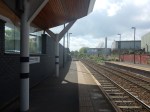
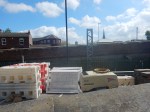
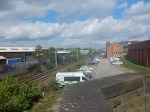
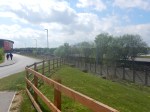
The overhead gantries would appear to be Network Rail’s standard for 25 KVAC, rather than the lighter-weight structures used on the Sheffield Supertram for their 1500 VDC.
So are Network Rail future-proofing the gantries for later conversion to 25 KVAC or are they being wired to that voltage, so that the tram-trains can be tested on the 25 KVAC as well?
The latter would be prudent, so that the problems and strengths of dual-voltage 25 KVAC/1500 VDC tram-trains can be assessed.
However, as I returned to Sheffield later, it appeared that the line connecting Rotherham and Sheffield had both heavy-weight and light-weight gantries in place.
Could there be a last minute change of project scope to include 25 KVAC running in the Sheffield tram-train trial, which also explains the timing of the rebuilding of the College Road Bridge?
This is said under Future in the Wikipedia entry for the Sheffield Supertram.
A tram-train extension to Rotherham is currently under construction and is scheduled to open in 2018, with a fleet of seven Vossloh Citylink Class 399 tram-trains in a UK first. This will involve trams operating on Network Rail’s Dearne Valley Line from Meadowhall Interchange to Rotherham station with a short extension to Rotherham Parkgate Shopping Centre. The proposed station will be a combined tram stop and railway station.[10] It is also planned that Rotherham Parkgate will be the hub for longer distance inter regional services,[11] while Central station will be the hub for local, Yorkshire based services. To cater for the tram train services, Rotherham Central will have a third platform built. It is thought that constructing the station will cost around £14 million (£53 million including the railway service to Leeds) and deliver economic benefits worth over £100 million. A study has concluded that it is not worth expanding Rotherham Central railway station because it would cost £161 million to expand the station but only deliver benefits worth £76 million. This is why constructing a new station is considered more viable.
That explains a lot, especially as it is a big change from what was being said perhaps a year ago.
There is an article in the Yorkshire Post, which is entitled Rotherham could get new rail station, which gives a lot more detail.
- Parkgate station could cost up to £53.2 million
- Parkgate would be the inter-regional station.
- Central would be more local
- Rotherham should have one train per hour (tph) to Leeds and Manchester, three tph to Doncaster and six tph to Sheffield.
As I came through the Rotherham Parkgate area on my train between Leeds and Rotherham earlier, I didn’t see any evidence of station construction.
I think that Network Rail by putting up gsntries that can accept 25 KVAC electrification have made sure that they can fit any future plans.
So long as they can get some sort of wiring along the route and a reversing facility somewhere in the Rotherham area, I can see tram-trains running next year.
If Parkgate station is built, then provided any tracks are in the right place, this shouldn’t be a problem.
But the interesting idea could be to use Class 319 Flex trains on the route to Leeds via the Wakefield Line. The gaps in the electrification would be initially covered by the trains onboard diesel power.
As electrification is installed, they would eventually be able to do Rotherham Central to Leeds under electric power.
Whilst, Network Rail were electrifying the tram-train route, would it not be prudent to put up the wires to Meadowhall Interchange station or even Sheffield station?
The other way they could also electrify the short Swinton to Doncaster Line, which would allow electric trains from London to reach Rotherham Parkgate, Meadowhall and Sheffield stations.
I can certainly see something like the following services through Rotherham when Parkgate station is open.
- 1 tph Sheffield to Leeds calling at Parkgate and Central
- 1 tph Doncaster to Manchester and Manchester Airport calling at Parkgate and Sheffield
- 2 tph Doncaster to Sheffield calling at Parkgate and Central
Add in three tram-trains per hour between Sheffield Cathedral and Parkway via Central and the required frequencies are achieved.
It will be interesting to see what finally happens.
 The Anonymous Widower