East West Rail Plan For 900 Bedford Parking Spaces
The title of this post is the same as that of this article on the BBC.
This is the sub-heading.
Plans for 900 new parking spaces across three car parks in Bedford have been proposed as part of the East West Rail (EWR) project
These two paragraphs add more detail.
East West Rail Company (EWR Co) said 70% of the spaces would be to the east of Bedford station in a six-storey car park and a surface car park, both on Ashburnham Road.
The remaining spaces would be in a car park off Ford End Road.
My first reaction is borrowed from the incomparable John McEnroe and is “You cannot be serious!”, as why would the East West Rail Company need car parks, when they aren’t running trains, due to union opposition.
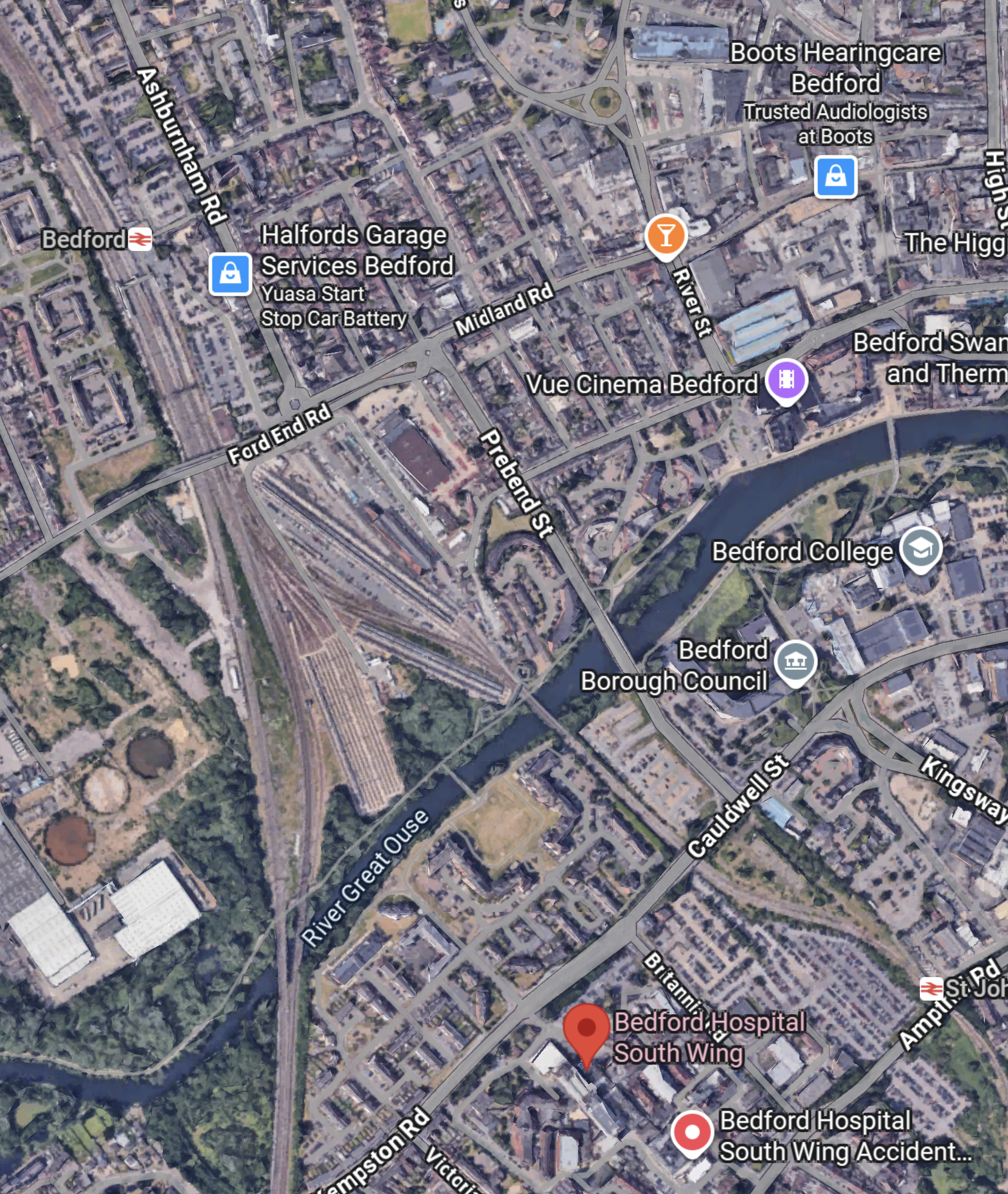
This Google Map shows the location of Bedford’s two stations and the proposed new car parks.
Note.
- Bedford station is in North-West corner on the map.
- Bedford station is served by Thameslink and Midland Main Line services.
- Ashburham Road, where two car parks will be located, is to the East of the station.
- Ford End Road, where the other car park will be located, is to the South of the station.
- Bedford train depot is also South of the station.
- Bedford St. John’s station is in South-East corner on the map.
- Bedford Hospital is t the West of Bedford St. John’s station.
Does Bedford have a planning problem because of the River Great Ouse running through the middle?
The BBC article does have an, impressionist-style visualisation of the Ashburham Road car park.
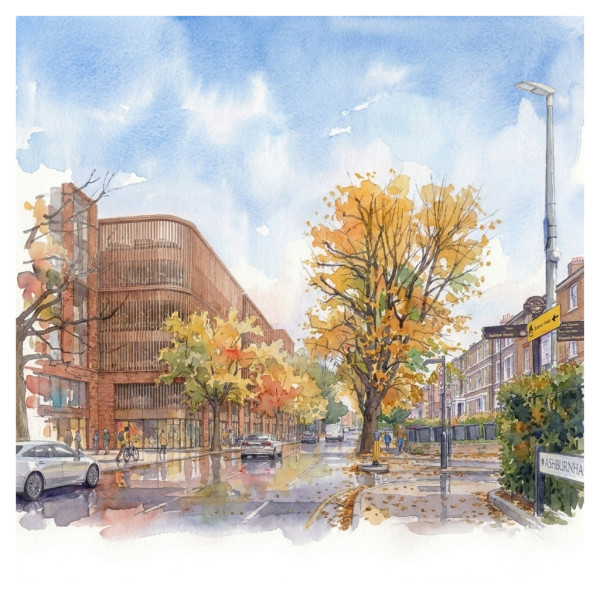
Will the actual car park be as tasteful?
GC Applies For Manchester Paths
The title of this post, is the same as that of a short news item in the August 2026 Edition of Modern Railways.
This is the body of the news item.
Open Access Operator Grand Central has applied to operate five trains per day between St. Pancras International and Manchester Piccadilly from December 2029. These would operate via the Midland Main Line using GC’s five-car Class 180 DMU fleet currently employed on its East Coast Main Line operations. These are due to be replaced by a fleet of tri-mode Class 820s being constructed by Hitachi Rail, which were ordered last year and are being financed by Angel Trains.
Meanwhile, GC is also bidding to operate trains between London Waterloo and Bristol Temple Meads, running via the South West Main Line and Salisbury. The operator says that under these proposals, trains would begin operating from December 2027 with seven trains per day running using stock currently off lease.
These are my thoughts on the St. Pancras International and Manchester Piccadilly service.
The Route Between The Midland Main Line And Manchester Piccadilly
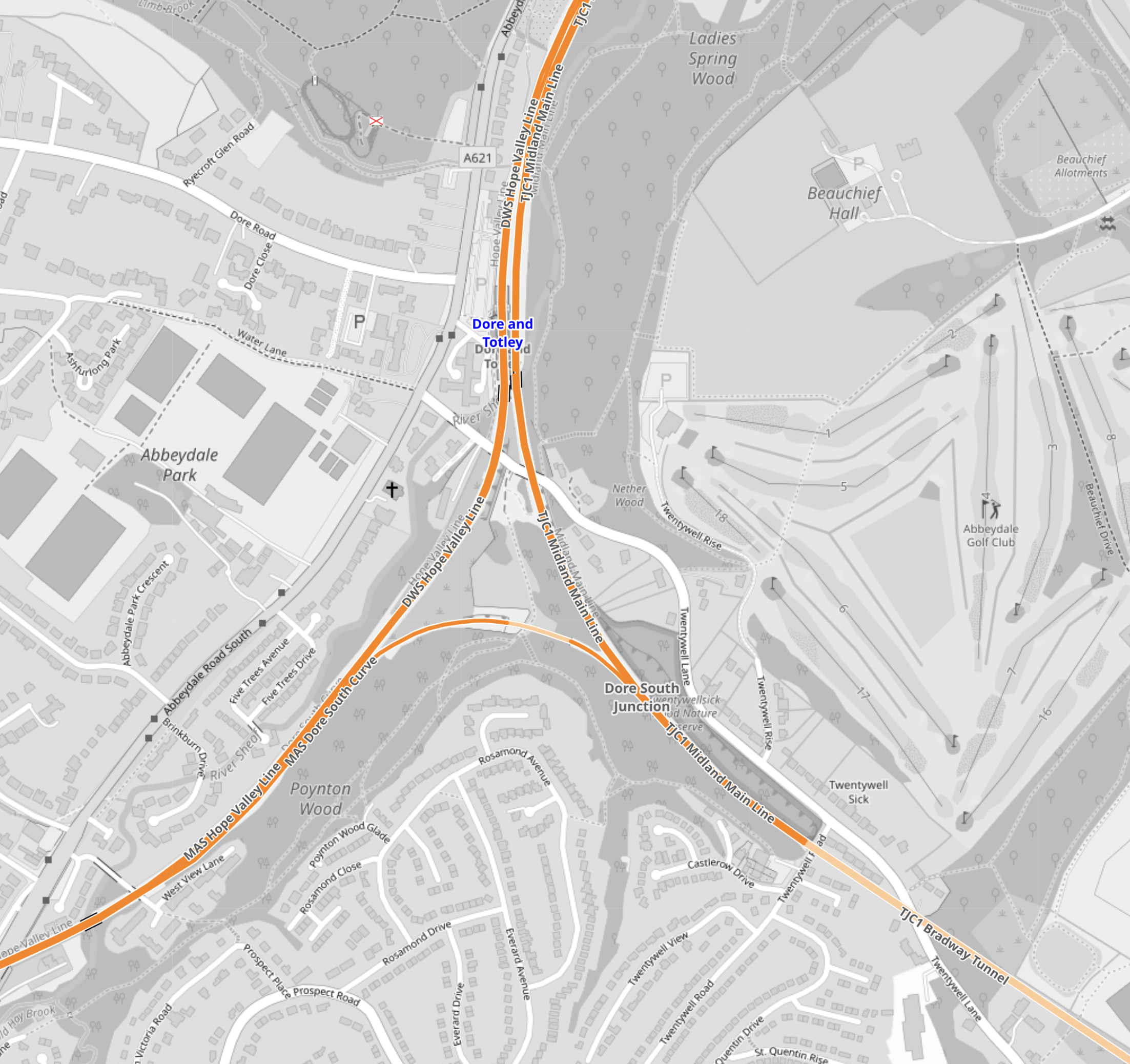
This OpenRailwayMap shows Dore Junction, where the Midland Main Line meets the Hope Valley Line between Chesterfield and Sheffield stations.
Note.
- Dore Junction is a triangular junction in the middle of the map.
- Dore and Totley station is on the North point of the junction, which leads to Sheffield station.
- Dore & Totley Station – 1st April 2025 shows the station before and after its rebuilding.
- The South-East point of the junction leads to Chesterfield station.
- The South-West point of the junction leads to the Hope Valley Line and eventually to Manchester Piccadilly station.
There are three routes that trains can take between the Midland Main Line at Chesterfield station and the Hope Valley Line.
- They can take the Dore South Curve shown in the map.
- They can go directly into Sheffield station and reverse.
- They can go via Barrow Hill and enter Sheffield station from the East.
Note.
- The first route doesn’t call at Sheffield.
- The second route is taken by trains between Liverpool and Norwich.
- I wrote about the third route in Reinstatement Of The Barrow Hill Line Between Sheffield And Chesterfield.
The reinstatement of the Barrow Hill Line may ease operations in Sheffield and allow a new station or two.
The Current Hope Valley Service Between Manchester Piccadilly And Sheffield
There are two passenger services between Manchester Piccadilly and Sheffield stations.
- A Northern Trains local train that stops everywhere.
- An East Midlands Railway faster train, that only stops at Stockport.
Both trains are hourly.
The Northern End Of Grand Central’s St. Pancras International And Manchester Piccadilly Service
I would feel that the ideal route for Grand Central’s new service would call at Chesterfield, Sheffield, Stockport and Manchester Piccadilly.
Hopefully, it could use the Barrow Hill Line to avoid a reverse at Sheffield.
Where Would Grand Central’s St. Pancras International And Manchester Piccadilly Service Call On The Midland Main Line?
East Midlands Railway services to Sheffield call at Leicester, Loughborough, East Midlands Parkway, Long Eaton, Derby and Chesterfield.
I would expect Grand Central’s service would only call at a selection of those stations.
Would St. Pancras International Be Able To Handle The Extra Trains?
East Midlands Railway run the following services from St. Pancras International.
- Nottingham
- Sheffield
- Corby
Note.
- All services are two trains per hour (tph)
- Nottingham and Sheffield services can be five- or ten-car trains.
- Corby services can be four- or eight-car trains.
- There are only four East Midlands Railway platforms at St. Pancras International, but they are 260 metres long.
- 260 metre platforms will take a pair of five-car Class 800/801/802 Hitachi trains, which have the standard Hitachi car length of 26 metres. The architects got that right,
- Each platform can take one ten-car train or two five-car trains.
- East Midlands Railway’s Class 810 trains are 120 metres long.
- East Midlands Railway’s Class 360 trains are 80 metres long.
- Grand Central Trains’s Class 180 trains are 116.52 metres long.
- The train length of Grand Central Trains’s Class 820 trains has not been disclosed, but if they had the standard Hitachi car length of 26 metres, they’d be 130 metres long.
I am fairly certain, that St. Pancras International can handle two Hitachi trains in the same platform.
This leads me to believe that Grand Central Trains Class 180 and Class 820 trains could also share a platform with an East Midlands Railway Class 810 train.
The Route And Electrification Between Manchester Piccadilly And Hazel Grove
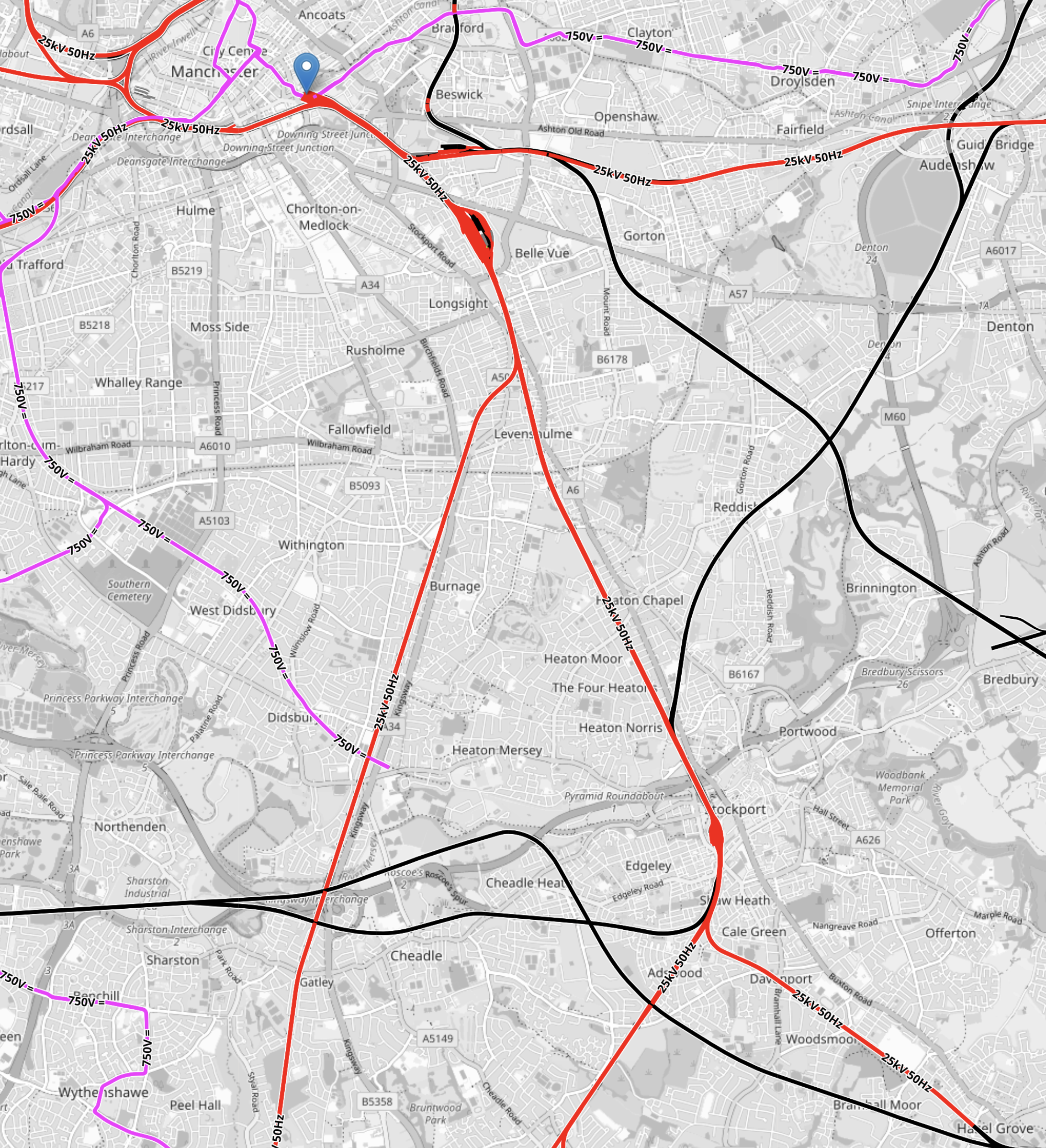
This OpenRailwayMap shows the Manchester Piccadilly end of the route.
Note.
- Tracks shown in black are not electrified.
- Tracks shown in red are electrified with 25 KVAC overhead.
- Tracks shown in mauve are the Manchester Metrolink.
- Manchester Piccadilly station is indicated by the blue arrow.
- Hazel Grove station is in the South-East corner of the map.
- Between Manchester Piccadilly and Hazel Grove stations is fully-electrified.
- The red knot of electrified tracks close to Manchester Piccadilly station is Longsight depot.
- The Southern red knot of electrified tracks is Stockport station.
- Manchester Piccadilly and Hazel Grove stations are 8.7 miles apart and local trains take about 15 minutes.
The Route And Electrification Between Hazel Grove And Sheffield
This OpenRailwayMap shows the route between Hazel Grove and Sheffield.
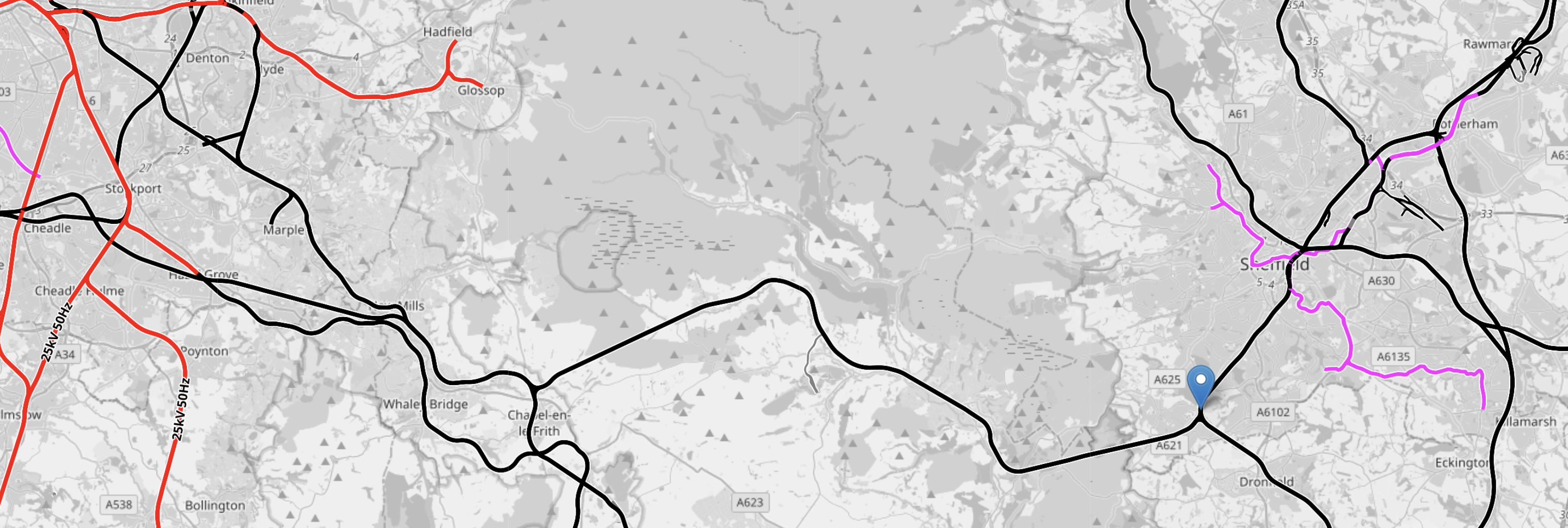
Note.
- Tracks shown in black are not electrified.
- Tracks shown in red are electrified with 25 KVAC overhead.
- Tracks shown in mauve are the Manchester Metrolink and Sheffield Supertram.
- Stockport and Hazel Grove can be picked out on the electrified tracks in the North-East corner of the map
- Dore and Totley station is indicated by the blue arrow.
- Sheffield station is to the North-East of Dore and Totley station.
- The mauve tracks are the Sheffield Supertram.
- Leading West from Dore and Totley station is the Hope Valley Line which connects Sheffield and Hazel Grove stations.
- Dore and Totley and Hazel Grove stations are 29.7 miles apart.
- Leading South-East from Dore and Totley station is the Midland Main Line to Chesterfield, Derby and the South.
- The electrification from St. Pancras International finishes just North of Market Harborough station.
Dore and Totley and Market Harborough stations are 67.1 miles apart.
Will Tri-Mode Trains We Able To Go Between St. Pancras International And Manchester Piccadilly Stations
It would appear that the gap in the electrification between Market Harborough and Hazel Grove is a few miles under a hundred miles.
Both Hitachi Rail and CAF have said that their five-car trains should be able to handle up to 122 miles.
So there should be enough range to go via Barrow Hill, which would remove the reversal at Sheffield station.
These are my thoughts on the London Waterloo and Bristol Temple Meads service.
The Route Between Bristol Temple Meads And Salisbury
Currently, there are two Great Western Railway services between Bristol Temple Meads and Salisbury.
- One calls at Bath Spa, Bradford-on-Avon, Trowbridge, Westbury, Dilton Marsh and Warminster.
- One calls at Keynsham, Oldfield Park, Bath Spa, Freshford, Avoncliff, Bradford-on-Avon, Trowbridge, Westbury and Warminster.
Note.
- Both services call at Bath Spa, Bradford-on-Avon, Trowbridge, Westbury and Warminster.
- Only Bath Spa and Westbury have a frequent service to London.
- There are five other stations, that are called at occasionally by Bristol Temple Meads and Salisbury services.
I do feel that Grand Central Trains have a lot of scope to create a very passenger-friendly timetable.
Do LNER Have Some Cunning Plans For The Serenzas?
Along with some others, I was surprised, when LNER ordered a fleet of new trains in 2023, to run alongside the Azumas, that it wasn’t some more Azumas.
I wrote about the order in First Tri-Mode Long Distance Trains For The East Coast Main Line.
Why Didn’t LNER Just Order More Azumas?
I asked Google AI, the question in the title of this section and received this reply.
When London North Eastern Railway (LNER) needed additional trains for the East Coast Main Line, they chose to order 10 new “tri-mode” (electric, diesel, and battery) trains from Spanish manufacturer CAF in November 2023 rather than buying more Hitachi Azumas.
Why LNER Didn’t Order More Azumas?
Desire for New Technology: LNER wanted cutting-edge “tri-mode” capability—incorporating battery technology alongside electric and diesel power—to reduce carbon emissions and future-proof the fleet. Hitachi’s corresponding tri-mode platform was centered in Italy, making CAF a more ready and accessible option with an established UK manufacturing platform in Newport, Wales.
Procurement and Pricing: Industry discussions and reports noted varying challenges with Hitachi regarding pricing and availability for small add-on batches, prompting a competitive procurement process where CAF ultimately won the contract to replace remaining older InterCity 225 sets.
Operational Resilience: The new CAF battery-hybrid trains provide unique operational flexibility for diversions on un-electrified routes (such as the Joint Line) that standard electric Azumas cannot traverse under their own power without external help.
These are my current thoughts on LNER’s plans for the Serenzas.
Will The Serenzas Run To Harrogate?
As the seven trains per day to Harrogate use diesel between Leeds and Harrogate, I suspect the new trains will take over Harrogate services and run silently on batteries North of Leeds, which is less than 40 miles out and back.
How will the lack of noise affect ridership? London Kings Cross and Harrogate will be an interesting test case, as it looks like from the in service date of the trains of 2028, that they could be one of the first battery-electric train services, run over a distance of over two hundred miles.
So it will be an interesting test route in several ways for the new Serenzas.
Could The Serenzas Go Further Than Harrogate?
This OpenRailwayMap shows the electrification in Yorkshire between Bradford, Harrogate, Leeds and York.

Note.
- Electrified lines are shown in red.
- Unelectrified lines are shown in black.
- Lines in the process of being electrified are shown in dotted red and black.
- The City of Bradford is in the South-West corner of the map.
- The electrification entering the city from the North goes to Bradford Forster Square station, where LNER services from London terminate.
- On the opposite side of the city centre is Bradford Interchange station, where Grand Central services from London terminate.
- North of Bradford is the electrified triangular junction at Shipley station
- Trains go West from Shipley junction to Skipton, where the electrification ends and the iconic Settle and Carlisle line to Carlisle and eventually Glasgow.
- Trains go North from Shipley junction on an electrified line to Ilkley station.
- Trains go East from Shipley junction on an electrified line to Leeds station.
- From the Leeds area an unelectrified line leads to the North and Harrogate station, which is marked by a blue arrow.
- The City of York is in the North-East corner of the map.
- A partially-electrified line leads from Leeds to York.
- The Leeds and York line is being fully-electrified so that electric trains can reach Neville Hill depot in Leeds.
- Harrogate and York are connected by an unelectrified line, that goes via Knaresborough.
Between Bradford, Harrogate, Leeds and York, there are a coomprehensive layout of lines many oy of which are electrified.
Could The Serenzas Go On From Harrogate To York?
Consider.
- Leeds and York is only 38.8 miles via Harrogate, so I suspect that this is possible using battery power.
- Harrogate has seven trains per day (tpd) from London Kings Cross via Leeds, at a frequency of one train per two hours (tp2h).
- York has six tpd from London Kings Cross, at a frequency of one tp2h.
Could LNER be thinking of a train, that does a Grand Tour of Yorkshire from London Kings Cross?
- It could call at Stevenage, Newark Northgate, Doncaster, Wakefield Westgate, Leeds, Horsforth, Harrogate, Knaresborough, York, Doncaster, Retford and Peterborough.
- It is the sort of concept, that is made possible by using a tri-mode train, that can go anywhere, there’s a railway.
- Was an idea like this, thought up by CAF to sell trains?
It is certainly possible.
Could The Serenzas Go On From Bradford Forster Square To Glasgow?
Consider.
- Until 1974, there used to be a Thames-Clyde Express, which has this Wikipedia entry.
- The route was between London St. Pancras and Glasgow Central.
- Intermediate stops were Luton, Kettering, Leicester, Nottingham, Derby, Chesterfield, Sheffield, Wakefield, Leeds, Skipton, Settle, Carlisle, Dumfries and Kilmarnock.
- LNER gave up serving Glasgow in 2024.
- Currently, Leeds and Bradford have no direct train service to Glasgow.
- The Settle and Carlisle route is one of the most scenic railway lines in Europe, if not the world.
- Do any airlines fly Leeds/Bradford and Glasgow? No according to Google AI!
Remember, that the Rail Minister; Lord Hendy, is an Economic Geography graduate of Leeds University, so he must know something about Yorkshire and its people.
I believe a modern-day Thames-Clyde Express could be run, by extending a number of LNER’s London and Bradford Forster Square services.
- The route would be between London Kings Cross and Glasgow Central.
- Intermediate stops would be Stevenage, Newark Northgate, Doncaster, Wakefield Westgate, Leeds, Shipley, Bradford Forster Square, Skipton, Settle, Carlisle, Dumfries and Kilmarnock.
- The route is now substantially electrified.
- It would take on the airlines on the London and Glasgow route.
- Class 805 bi-mode trains have used the Settle and Carlisle.
This could become one of the great railway journeys of Europe.
Calls Grow For Direct Trains To New Universal Park
The title of this post, is the same as that of this article on the BBC.
This is the sub-heading
There are growing calls for more train services to run directly to Universal’s planned UK theme park.
These two paragraphs add more details.
West Northamptonshire Council said it had written to the secretary of state for transport to ask that Northampton be included in passenger service plans for East West Rail.
It comes after Northampton South’s Labour MP Mike Reader raised the issue in the House of Commons, warning the current plans meant the town could “miss out on the opportunities” the park brings.
How Will Universal United Kingdom Resort Connect To The Rail System?
I asked Google AI the question above and received this answer.
The proposed Universal United Kingdom Resort near Bedford will connect to the rail system via two primary railway stations:
Wixams Station (Midland Main Line): A two-platform station currently under construction to the east of the site. Universal plans to expand this to four platforms to accommodate high visitor volume, connecting passengers directly to Thameslink services in about 45 minutes from Central London. A dedicated fleet of resort shuttle buses will run between Wixams and the park entrance.
East West Rail Station (Stewartby): A dedicated, purpose-built station is planned directly adjacent to the resort on the western side of the park. This will replace the older Kempston Hardwick station, providing high-capacity, five-carriage trains running between Oxford and Cambridge.
Together, these stations and surrounding road networks—such as the upcoming dedicated slip roads off the A421—will form the East and West Gateway Zones for the resort.
This OpenRailwayMap shows the railways in the are of the Universal United Kingdom Resort.
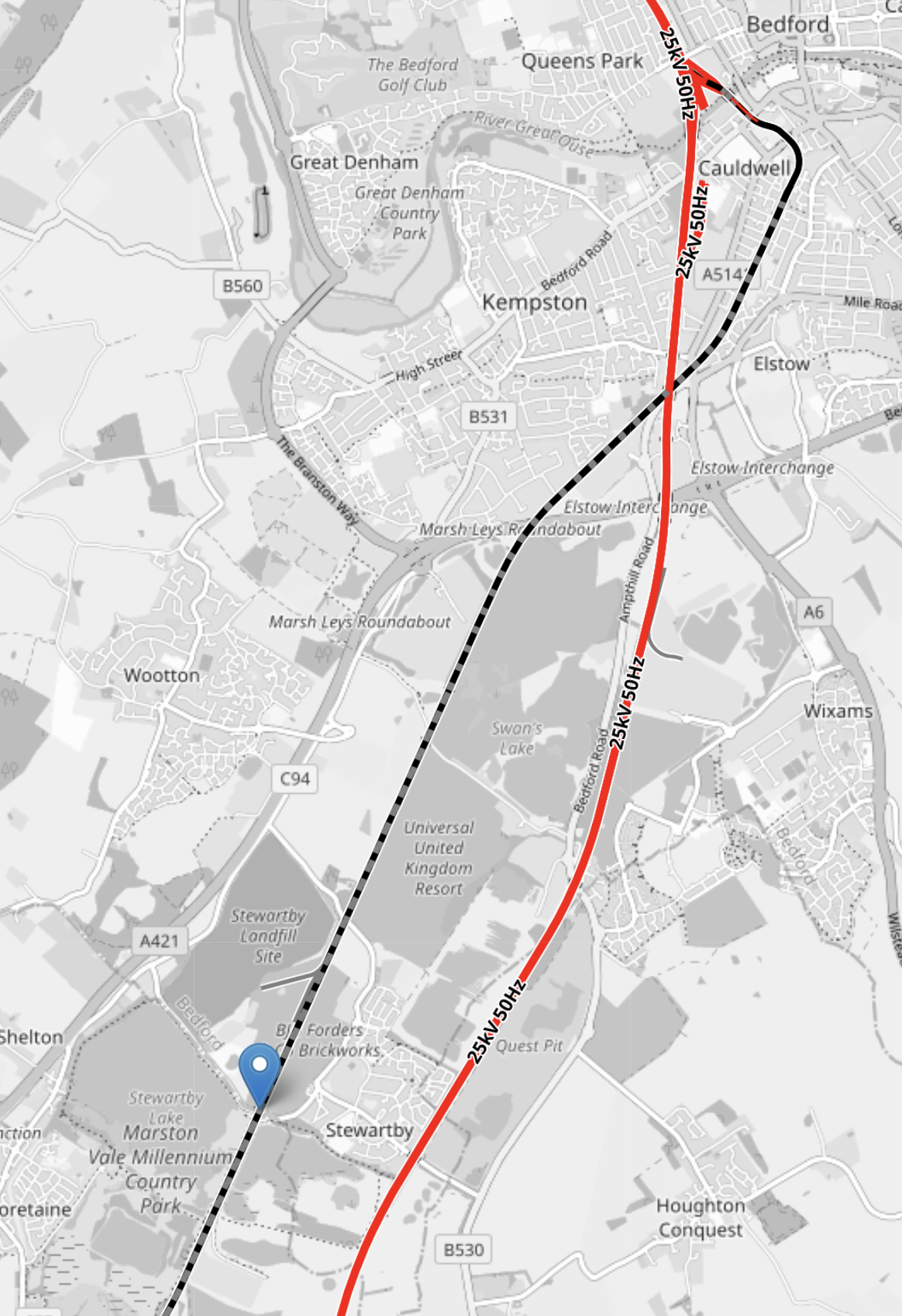
Note.
- The red track is the Midland Main Line between St. Pancras and Leicester, Derby, Nottingham and Sheffield.
- The black track is the East-West Rail between Bedford and Oxford when it opens.
- This section of the East-West Rail is shown dashed as it is not finalised yet
- The East-West Rail should eventually connect Oxford and Cambridge.
- The blue arrow indicates Stewartby station.
- The village of Wixams is at the right edge of the map.
If you read the Wikipedia entry for the new Wixams station, you get the impression, that a lot of groups and organisations don’t agree on lots of things about the railway, the theme park and Wixams station.
This second OpenRailwayMap shows the railways between Northampton and Bedford.
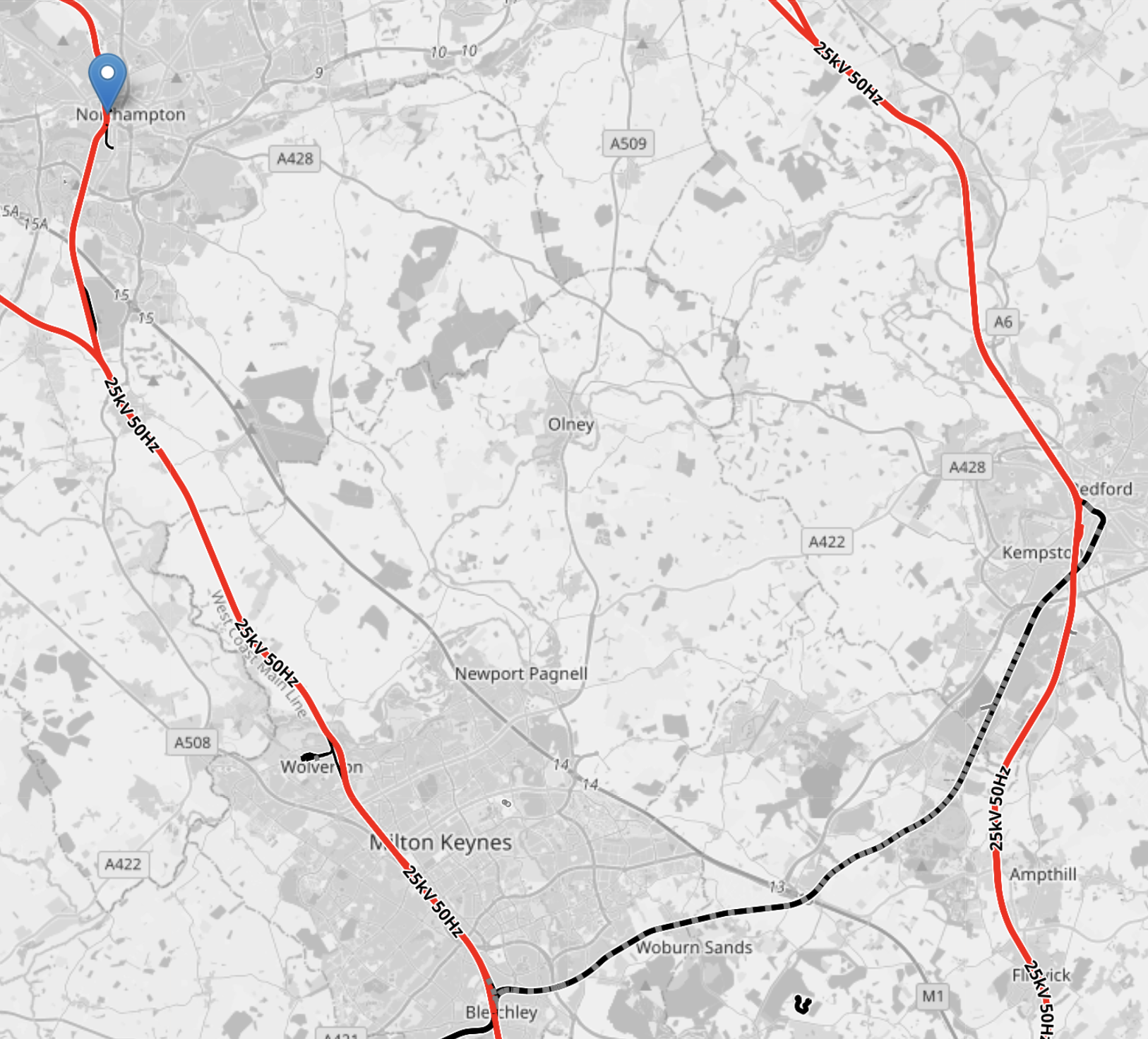
Note.
- The red tracks at the left are the West Coast Main Line between Euston and the North.
- The blue arrow indicates Northampton station.
- The red tracks at the right are the Midland Main Line between St. Pancras and the Midlands
- The black tracks connecting the two main lines are East-West Rail.
- The Western end of this section is at Bletchley, where the East-West Rail crosses the West Coast Main Line and also connects to it.
- The Eastern end of this section is at Bedford, where the East-West Rail joins the Midland Main Line through Bedford.
- Milton Keynes station is on the West Coast Main Line, just a few miles North of Bletchley station.
It looks to me, that a train could run between Northampton and Bedford stations, which could stop at Stewartby.
Are Universal United Kingdom Resort Going To Encourage Visitors To Use Rail?
I asked Google AI the question above and received this answer.
Yes, the Universal United Kingdom resort is making extensive plans to encourage and accommodate visitor travel by rail. The upcoming destination near Bedford is heavily integrating public transit into its infrastructure to manage the expected 8.5 million annual visitors.
The resort’s focus on railway accessibility includes several key features:
Dedicated Resort Station: Land has been explicitly reserved for a dedicated railway station directly at the resort on the East West Rail line, which connects Oxford and Cambridge.
Increased Train Frequency: To ensure seamless transportation, the East West Rail service plans to run up to five trains per hour during peak times specifically to cater to theme park visitors once it is fully operational.
Wixams Station Upgrades: A significant portion of a £1.3 billion government investment package is being utilized to construct and expand the nearby Wixams Railway Station, creating robust links along the Midland Mainline.
Initial Bus & Marston Vale Services: For the opening window of the park, Universal is setting up dedicated bus connections (such as from Milton Keynes) alongside existing local Marston Vale line options as full East West Rail expansions are completed.
Note how this question got slightly different answers to my original question, but they don’t conflict with each other.
I do find though with AI, that the more questions you ask and the more you refine those questions, the better answers you obtain.
But surely that is to be expected. Or at least hoped for!
Will Universal United Kingdom Resort Be Attracting Overseas Visitors?
I asked Google AI the question above and received this answer.
Yes, the Universal United Kingdom Resort will be a major draw for international tourists. Projections estimate that the park will attract well over one million overseas visitors annually, serving as a catalyst to boost Britain’s global visitor economy.
The resort’s target demographic is explicitly designed to tap into international travel markets:
International Forecasts: Tourism officials and developers project that up to one-third (30%) of all visitors in its opening year will be from overseas, with projections shifting toward a 40% to 50% international mix as the resort matures.
Global Location: As the only Universal-branded theme park in Europe, it will be highly accessible to travelers arriving through London’s major international airports and rail hubs.
Economic Boost: Because of this anticipated influx, the UK Government is backing the Universal United Kingdom Resort with £1.3 billion for strategic road and rail upgrades. This includes enhancing connectivity on the A421 and at Wixams train station to seamlessly transport international visitors directly to the Bedfordshire site.
Will Universal United Kingdom Resort Be Attracting Visitors From Scotland?
I asked Google AI the question above and received this answer.
Yes, the Universal United Kingdom Resort in Bedfordshire is expected to be a major draw for visitors from Scotland. As the first Universal-branded theme park in Europe, it is designed as a destination resort meant to attract millions of tourists annually from across the UK and the wider continent.
The projected 8.5 million annual visitors will be drawn from all over, driven by several key factors:
High-Speed Connectivity: Situated in Kempston, Bedfordshire, the resort is roughly 50 miles north of London. Scottish travelers can easily access it by taking direct train routes (e.g., LNER or Avanti West Coast) from Edinburgh and Glasgow to London Kings Cross or St Pancras, then catching connecting trains to Bedford in under an hour. Alternatively, direct flights into London Luton Airport place visitors within a very short distance of the park.
National Draw: Because it is the only destination of its kind in the UK, it is being positioned as a “must-visit” national tourist attraction, capturing a large domestic market extending well beyond the southeast of England.
I believe that travelling between Universal United Kingdom Resort and Scotland by rail could be improved significantly, if the following were to be done.
- Fit batteries to the Class 810 trains run by East Midlands Railway, so they could run between St. Pancras and Sheffield stations without using diesel. This in itself, would probably attract more passengers.
- I believe that little or no electrification would need to be added, so that Sheffield could be an all electric and probably faster, trip from London or Universal United Kingdom Resort.
- The battery-electric trains would need to be charged at Sheffield, but why not do this at Doncaster station, which is a station with copious electrification.
- Extending the Sheffield services to Doncaster would also allow LNER passengers between Aberdeen, Edinburgh or Newcastle and Derby or Universal United Kingdom Resort, to do the trip with a single cross-platform change at Doncaster between two almost identical Hitachi trains.
- Sadly, the Midland Main Line has suffered a tragic accident this week. Were passengers going between Scotland and say Luton Airport inconvenienced? I believe that linking the two London services together at Doncaster, would have advantages for passengers, operators and Network Rail. Especially, when engineering works are scheduled!
I talk about using battery-electric trains to fully electrify the Midland Main Line in Could Electric Trains Run Between St. Pancras International and Sheffield Stations With No More Electrification?
Can East Midlands Railway Reach Nottingham Without More Electrification?
I went to Nottingham for the day yesterday.
- My Super Off-Peak Return ticket cost me £55.30 with a Senior Railcard.
- The Class 810 train is without doubt the best Hitachi Intercity Express Train of a good bunch.
- St. Pancras and Nottingham is 126.4 miles.
- There is no electrification between South Wigston Junction and Nottingham, which is 31.1 miles, although the change seems to be said to take place at Kilby Bridge junction.
- It would appear that, when the Class 810 trains are fitted with batteries, they will need a range of at least 62.2 miles, to do a return trip to Nottingham.
- In The Data Sheet For Hitachi Battery Electric Trains, I state that the maximum range of a three-battery five-car train is 117 miles. This figure has been seen by Hitachi and they didn’t say it was too high.
- I look forward to doing the same trip in a few months, using batteries to the North of the section between Kilby Bridge and South Wigston junctions.
It could be the first battery-electric 125 mph express train.
Now that is what I call affordable electrification.
I have some further thoughts.
Kilby Bridge And Wigston Junctions
This Google Map shows the Midland Main Line between Kilby Bridge and Wigston junctions.
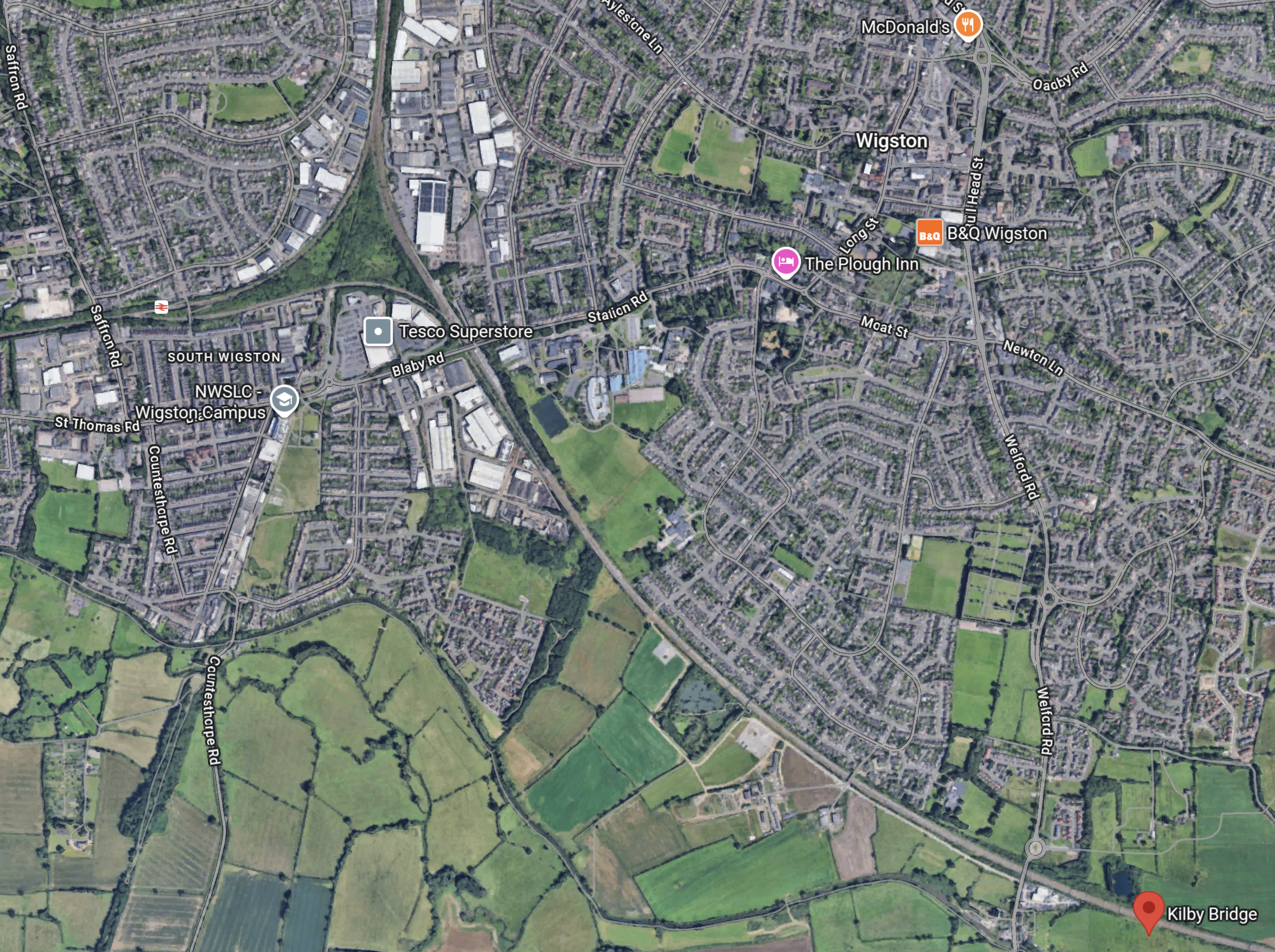
Note.
- Kilby Bridge junction is marked by the red arrow in the South-East corner.
- The Midland Main Line runs through Kilby Bridge junction.
- South-East it goes to London.
- North-West is leads to the large triangular Wigston junction, with South Wigston station at its Western point.
- The Northern point of Wigston junction leads to Leicester.
- There are three tracks between Wigston and Kilby Bridge junctions.
- All tracks to the South of South Wigston junction are electrified.
- The distance between Wigston and Kilby Bridge junctions is two miles.
- The maximum speed between Wigston and Kilby Bridge junctions appears to be at least 100 mph.
It looks to me, that this section of track has been designed, so that trains can reliably raise and lower pantographs at the highest speed possible.
The Electrification Problem At Leicester
Some years ago I came back to London from Leicester with a group of drivers. At one point, the conversation turned to electrification and they said that they had met a Network Rail engineer, who had told them, that the bridge over Leicester station was rather low for electrification and the track couldn’t be lowered because Leicester’s main sewer was underneath the railway.
In Leicester Station – 4th Jan 2022, I show a selection of pictures of Leicester station’s Grade II Listed frontage.
I doubt it would be possible to seriously alter Leicester station to electrify it, as the Heritage Taliban would have a field day.
But if I’m right that all services will be run North of Wigston on batteries, there will be no need to electrify through Leicester station.
Not only would using battery-electric trains probably be more affordable than electrification, but also because of the Leicester electrification problem, it would be less inconvenient for passengers.
Changing From Electric Going North
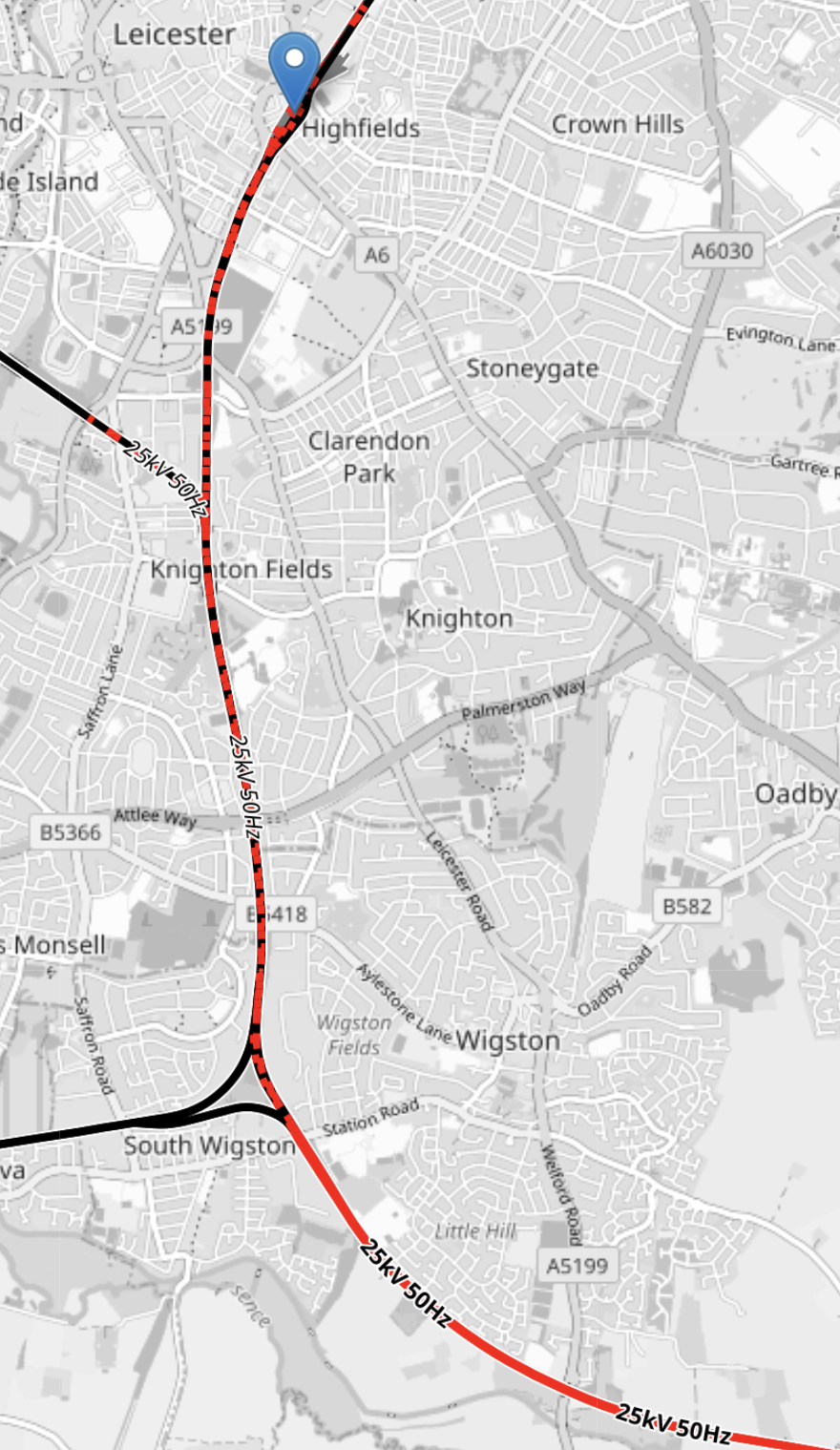
This OpenRailwayMap shows the electrification between Wigston Junction and Leicester station.
Note.
- Leicester station is marked by the blue arrow.
- The triangular Wigston junction is clearly visible.
- Kilby Bridge junction is South-East of Wigston junction.
- Leicester station and South Wigston junction is 3.6 miles and the tracks are shown as dashed black and red, which means future electrification.
I wonder, if in the future, if the battery-electric don’t have enough range, this is a simple section of electrification, that could be installed. Every extra mile of electrification between Leicester station and South Wigston junction would mean two miles could be chopped from the distance the trains had to travel on batteries.
But in the interim, going North, the driver would just make sure there was enough electricity in the batteries and momentum in the train, when passing South Wigston.
As trains arriving at South Wigston junction will typically have been running for over an hour, they should have full batteries to start theur explore of the North.
Changing To Electric Going South
The trains from the North, must have enough juice in the battery to reach South Wigston, so they can connect to the electrification for the run to London.
Could A Four-Battery Class 810 Train Reach Sheffield?
Consider.
- St. Pancras and Sheffield is 164.7 miles.
- There is no electrification between South Wigston Junction and Sheffield, which is 89.4 miles, although the change seems to be said to take place at Kilby Bridge junction.
- It would appear that, when the Class 810 trains are fitted with batteries, they will need a range of at least 178.8 miles to do a return trip to Sheffield.
- If a three-battery five-car Class 810 train has a battery range of 117 miles, on a pro-rata basis a four-battery five-car will only have a range of 156 miles.
That would be a big ask.
Could A Three-Battery Class 810 Train Reach Sheffield?
What would happen if one diesel engine was still installed?
These are my thoughts.
- As a Graduate Control Engineer, I wouldn’t be surprised that Hitachi have a strategy to do this with a tri-mode version of the Class 810 train.
- Hitachi have already announced the Class 820 train for Grand Central Trains and this is a tri-mode version of their InterCity Express, which is described in this Wikipedia entry.
- As Grand Central have said that the Class 820 trains, will be replacing the Class 180 trains, that run to Bradford Interchange and Sunderland, a tri-mode Class 810 would surely be able to run to Sheffield.
Could East Midlands Parkway Station Be Used For Opportunity Charging?
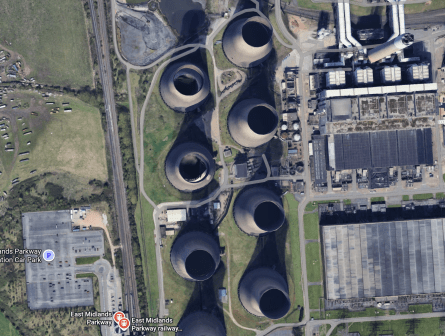
This Google Map shows East Midlands Parkway station with the massive derelict Radcliffe-on-Soar coal-powered power station alongside.
Note.
- The Midland Main Line running North-South across the map.
- East Midlands Parkway station on its Western side.
- The derelict Radcliffe-on-Soar coal-powered power station on its Eastern side.
A vast site like this must have uses.
I asked Google AI,”What Are The Plans For Radcliffe-on-Soar Power Station?” and received this reply.
The former Ratcliffe-on-Soar power station site is undergoing a multi-year decommissioning and demolition process, lasting until at least 2030 or 2031, to be transformed into a zero-carbon technology, energy, and advanced manufacturing hub.
Key details of the redevelopment include:
Site Vision: The 273-acre brownfield site has been earmarked to become a major business hub focused on advanced manufacturing (e.g., electric car batteries), low-carbon energy production, energy storage, and AI-driven data centres.
Economic Status: The site is a core component of the East Midlands Freeport, which offers significant financial incentives to attract business investment and create an estimated 7,000 to 8,000 jobs.
Demolition Timeline: The first demolition works are expected to begin in 2026, with the iconic cooling towers and main chimneys scheduled for controlled demolition between 2029 and 2030.
Planning Framework: A Local Development Order (LDO) granted by Rushcliffe Borough Council is in place to fast-track the planning process for these modern, green-focused industrial uses.
As the site will need to be supplied with a reliable energy supply for some of the proposed uses, I suspect power could be supplied to electrify the lines through East Midlands Parkway station, so that trains going to the North could take the opportunity to have a Formula One-style “Splash-and-Dash!”
Would Opportunity Charging At East Midlands Parkway Station Allow Extra Destinations?
Holders of the East Midlands Franchise have in the past, served other destinations in the past, either with regular services or engineering or seasonal diversions.
Possible destinations could be.
Cleethorpes
Distance to South Wigston – 112.4 miles
Doncaster
Distance to South Wigston – 108.1 miles – But could top up at Doncaster.
Rotherham Central
Distance to South Wigston – 102.2 miles
Scunthorpe
Distance to South Wigston – 112.4 miles
Is This The Problem At Bedford With The East West Railway?
The East West Railway certainly has problems at Bedford.
These two posts seem to be creating an impasse on getting the railway built and/or operational.
So I took a quick look at the rail lines in the rail around and trough Bedford, as shown in this OpenRailwayMap.

Note.
- The Midland Main Line runs down the left hand side of the map.
- Bedford station is marked by the blue arrow,
- The East Coast Main Line runs down the right hand side of the map.
- Stations on the East Coast Main Line from North to South are St. Neots, Sandy, Biggleswade and Arlesey.
- The East West Railway is planned to connect to the East Coast Main Line at a new station at Tempsford , which will be South of St. Neots.
- The original connection was to be at Sandy.
- There used to be a railway between Bedford and Sandy.
- This railway between Bedford and Sandy, was the Varsity Line and I write about its current status in Is The Varsity Line Trackbed Between Bedford And Sandy Still There? – No, is the only answer.
- In Did Beeching Recommend Closure Of The Varsity Line?, I find out that he didn’t and it was totally the fault of Labour Politicians; Barbara Castle and Tom Fraser, with perhaps some help from Harold Wilson. Were they jealous that Oxford and Cambridge had a better link than the non-existent one across the North?
Is This Why Purists Say The Midland Main Line Must Be Electrified?
In How Far Will A Class 897 Train Travel Without Using The Electrification?, I showed that the Class 897 train, can go for 120 miles on its internal power sources.
I also showed that the Hitachi Class 80X trains with batteries can do the same.
But if you look at distance on the Midland Main Line, some are greater than 120 miles.
- St. Pancras and Chesterfield – 146.1 miles
- St. Pancras and Derby – 128.3 miles
- St. Pancras and Doncaster – 157.3 miles
- St. Pancras and Leeds – 187.2 miles
- St. Pancras and Nottingham – 126.4 miles
- St. Pancras and Sheffield – 160.0 miles
So to get all the way to Chesterfield, Derby, Doncaster, Leeds, Nottingham or Sheffield from St. Pancras, a train with a longer range is needed.
Conservative thinking means electrification, as we know it works.
You might also say, that the electrification on the Midland Main Line, just sort of peters out South of Leicester.
But thinking about it!
- The electrification on the East Coast Main Line doesn’t cross the Forth Bridge.
- The electrification on the West Coast Main Line finishes at Dunblane.
- The electrification on the South Wales Main Line finishes at Cardiff.
- Few branch lines in East Anglia are electrified.
- The East-West Line is not to be electrified.
Did the accountants prune too hard?
They may have done!
- But we do need a a zero-carbon train for routes longer than 120 miles.
- And so do many other routes across the world.
- The more you turn it round in your mind, the more you need a zero-carbon fuel with all the flexibility, range and ease of refuelling of diesel.
In my mind the only fuel that can do this is hydrogen.
Conclusion
If we want to run zero-carbon services over very long distances, we will need to use hydrogen power.
I also think, that my logic here, will apply to buses and coaches, so any needing a range over a certain size will need hydrogen.
As the purists won’t have hydrogen at any price, this means they won’t accept anything other than full electrification or battery-electric.
But bigger batteries are heavier and self-defeating, so electrification is the only way.
A First Look At SEGRO Logistics Park Radlett – 26th February 2026
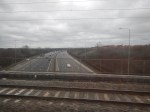
The site of SEGRO Logistics Park Radlett can really only be seen from a train on the Midland Main Line going between Radlett and St Albans City stations.
I took these pictures from a Thameslink train going North.

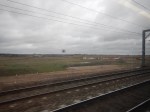
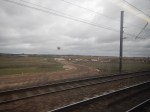
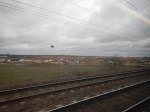
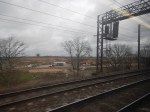
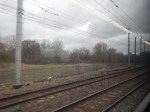
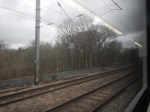
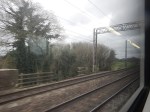
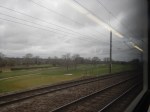

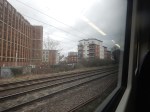
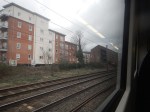

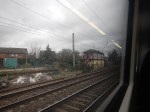
I took these pictures from a Thameslink train going South.
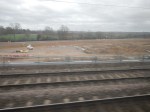
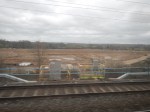

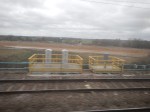
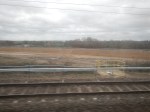
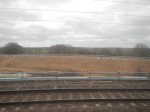
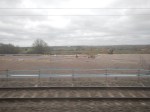
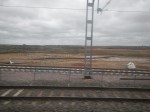
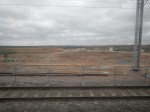
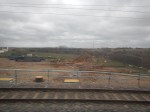

Note.
- Most of the work at present is site clearance and landscaping.
- The Midland Main Line crossed over the M25 and goes under A414.
- Veralum Golf Course is on your left as you approach St Albans.
The Logistics Park is going to cover a large area.
I shall be following this project regularly.
To Sheffield In An East Midlands Railway Class 810 Train
I took these pictures on the journey.
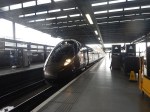
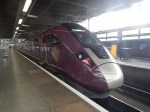






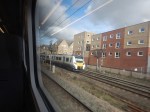

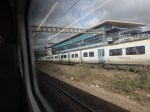
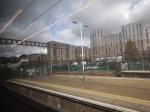

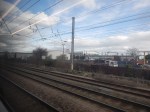
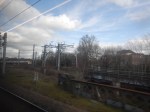









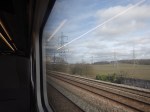
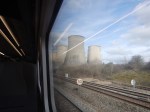
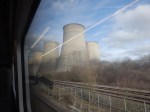
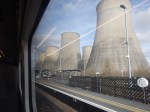
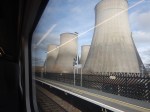
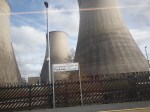
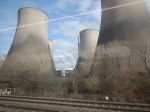
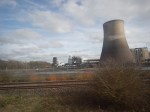













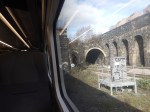
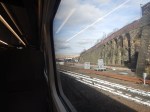

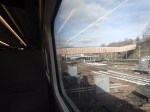

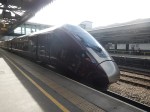
Note.
- Five-car Class 222 And Class 810 trains Have similar lengths, so they can share platforms at St. Pancras – Nice Thinking!
- The Trainspotters will be able to see East Midlands Railway, Eurostar and Southeastern Highspeed.
- The Wymington Deviation was a Victorian fix for a steep gradient. I suspect all trains like it.
- Leicester, Loughborough, East Midlands Parkway and Long Eaton stations are quite close together.
Could Electric Trains Run Between St. Pancras International and Sheffield Stations With No More Electrification?
A reader suggested, that I look at this, so here goes!
- A couple of weeks ago, I took a Class 222 diesel train back from Sheffield to St. Pancras International and it seemed a few minutes quicker.
- Looking at the timetable today, at least one service on the route is now just under two hours and some others are just over.
So the new Class 810 trains may not be fully in service yet, but the trains have already had an effect on the timetable.
How Far North Is The Midland Main Line Being Electrified?
I asked Google AI this question and received this answer.
As of early 2026, the Midland Main Line (MML) is electrified as far north as Wigston, just south of Leicester.
- Northern Limit: The section from Kettering up to Wigston South Junction was energised in July 2024, representing the current northern limit of 25kV overhead line equipment (OLE).
- Pause in Further Electrification: Following a UK government spending review, the further, planned northward extension of electrification to Leicester, Derby, Nottingham, and Sheffield was indefinitely paused in July 2025.
- Current Operations: While electrification has stopped at Wigston, the line is served by new bi-mode (electro-diesel) trains, allowing for electric running from London St Pancras to Wigston before switching to diesel power.
- Previous Work: The line is also fully electrified from London St Pancras to Bedford, including the route to Corby.
Note.
- South Wigston Junction and Sheffield are 69.4 miles apart.
- The Hitachi trains can raise and lower pantographs on the move.
Distances without wires from London St. Pancras International to various destinations are as follows.
- Sheffield – 69.4 miles
- Leicester – 3.7 miles
- Derby – 36.4 miles
- Nottingham – 31.1 miles
As trains will have to go out and back to these destinations distances travelled will be doubled.
- Sheffield – 138.8 miles
- Leicester – 7.4 miles
- Derby – 72.8 miles
- Nottingham – 62.2 miles
It looks to me, that if the new Class 810 trains, can travel 138.8 miles on batteries and diesel engines as a tri-mode train, then the Midland Main Line is electrified.
Could The Sheffield Services Turn Round At Doncaster And Charge Their Batteries There?
Note.
- South Wigston Junction and Doncaster are 79.5 miles apart.
- Doncaster is a fully-electrified station.
- Sheffield and Doncaster would get two extra connecting trains per hour.
- The two services could also call at Meadowhall and/or Rotherham Central.
The Class 810 trains could charge their batteries, whilst passengers to and from Doncaster left and entered the trains.
Could A Simple Cross-Platform Change Be Arranged Between East Coast And Midland Main Line Services?
Doncaster station has two long island platforms, one of which is generally used for Northbound services and one for Southbound services.
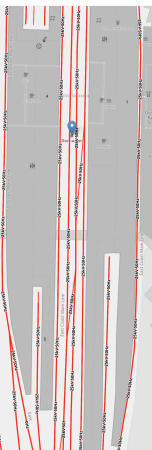
Note.
- All electrified tracks are shown in red.
- The two wide island platforms, with Northbound on the West side and Southbound on the East side.
- Each island platform has an electrified platform face on both sides.
- The four platforms faces on the island platforms can hold pairs of five-car Hitachi trains.
- There are two through tracks or avoiding lines between the two island platforms for trains that aren’t stopping.
- There are bay platforms at the ends of the station for local trains.
- The station is fully step-free with a wide pedestrian underpass.
I know the station well and it looks to me, that East Midland Railway’s five-car services for St. Pancras could charge up in the Southern ends of the four faces of the island platforms and the two South-facing bay platforms.
I also believe that a pair of five-car Class 810 trains could be handled and charged, should it become necessary.
It looks to me, that the engineers updating the East Coast Main Line, know that they were caught out badly by High Speed Two, so the redesign for the next fifty or a hundred years will be completely future-proofed.
Doncaster and London could almost be considered to be twin main lines, with two pairs of high speed lines taking different routes, that serve different towns and cities.
How Many Travellers Go Between East Scotland And The North-East of England And The English Midlands?
It must be quite a few, as in the new East Coast Main Line timetable, more Scottish services stop at places like Doncaster and Newark.
But surely, if you could go between say Perth or Aberdeen and Derby or Nottingham in two battery-electric trains, with a relaxed change at Doncaster, you’d take it?
I certainly would!
East Coast And Midland Main Lines Compared
These are times between London and Doncaster.
- Current times between Doncaster and London are typically between 1 hour and 31-40 minutes going via the East Coast Main Line.
- I estimate times between Doncaster and London will be typically 2 hours and 22-27 minutes going via the Midland Main Line.
Note.
- Doncaster and London King’s Cross is 156 miles
- Doncaster and London St. Pancras International is 183.3 miles
- So the Midland Main Line route would appear to to be about 45 minutes slower.
- I suspect, that for passengers between between London and North of York, it will always be quicker to use an East Coast Main Line service.
These are times between London and Sheffield.
- Current times between Sheffield and London are typically between 2 hours and 4-9 minutes going via the Midland Main Line.
- I estimate times between Sheffield and London will be typically between 2 hours and 2 minutes going via the East Coast Main Line.
Note.
- Sheffield and London King’s Cross is via Retford.
- Sheffield and London King’s Cross is 162.1 miles
- Sheffield and London St. Pancras International is 183.3 miles
- Sheffield and Retford is 23.5 miles
- So the Midland Main Line route would appear to to be a few minutes slower.
I would feel that there is scope that under Great British Railways to optimise services between London and Doncaster and Sheffield.
The Master Cutler
The Master Cutler is a named train, that is described in this Wikipedia entry, that was introduced in 1947.
- Over its life it has run into both King’s Cross and St. Pancras.
- I can remember the train in the 1950s, running into King’s Cross.
- It has also been run to and from Leeds.
- It has been run as a Pullman service.
- There are reports of overcrowding in recent years.
It strikes me that the Master Cutler could do with a revamp.
- As St. Pancras can accept pairs of five-car Class 810 trains, ten-car trains could be run into King’s Cross or St. Pancras.
- An alternative would be to use a nine-car Hitachi Class 800/801 train.
- All trains would be battery electric.
- All trains would use the East Coast Main Line for a faster service.
- Services could terminate in the North at Leeds.
- The service could be run as a Pullman service.
- This article on Ian Visits, writes about East Coast Main Line trains using St. Pancras.
I would create a train service, that would attract passengers from all over the world.
Who knows?
If it was conceived in the right way, it might warrant a second service or similar service on other lines like these possibilities.
London and Blackpool via Crewe, Wigan and Preston.
- London and Aberystwyth via Birmingham and Shrewsbury.
- London and Bristol via Bath
- London and Fishguard via Cardiff and Swansea
- London and Holyhead via Birmingham and Chester
- London and Liverpool
- London and Manchester
- London and Newcastle via York and Durham
- London and Norwich via Colchester and Ipswich
- London and Plymouth via Exeter
Note.
- All routes could be run using electric or battery-electric trains.
- The Fishguard and Holyhead services would be zero-carbon routes to Ireland, connecting to appropriate zero-carbon ferries.
- Could services be arranged so that all parts of the country have at least one service in both directions every day?
- In the days of British Rail, London and Norwich had a very high-class service, that could serve a full English breakfast between Colchester and London, which certainly wasn’t like the regular joke.
Get the offering right and it could level-up the UK.

