Airdrie to Bathgate
Modern Railways also has an article about the opening of a new electric railway between Airdrie and Bathgate, which effectively creates a fourth link across Scotland’s central belt between the two main cities of Edinburgh and Glasgow.
I’ve read the article in detail and it states that a new station is being built at Drumgelloch to serve just 3,700 local inhabitants. This really shows how different rules starve East Anglian stations of money. Bury St. Edmunds for example has a population of 35,000 and the best thing that could be said about the station is that it compliments the Abbey Ruins. Haverhill has a population of 22,000 and no train station at all.
I think East Anglia could take a leaf out of Scotland’s book and reinstate the line between Sudbury and Cambridge. But that will never get done in my lifetime, despite the fact it could probably be done for a lot less than Airdrie to Bathgate.
The only thing we get is other areas’ hand-me-downs and a virtual busway.
An Exhilirating Ride
The full video of my cab trip from Edinburgh to Inverness is just too long, so here’s a shortened version of just a few minutes as the HST runs northwards from Perth at 90 mph, through the trees.
I’ve also selected this section, as it shows how the journey brings the conversation out of the two drivers in the cab.
Why Politicians Should Keep Their Sticky Fingers Out of Government Projects
The aircraft-carrier fiasco is a classic project, where politicians have tried to be all things to all men and quite a few women as well.
Surely, if France can make do with just one carrier, the Charles de Gaulle, then why do we need two. And surely, we should have an Anglo-French aircraft manning both,as quite a few projects between the two countries work well.
But that more affordable option would have been bad for NuLabor in its Scottish heartland.
The Scots are good at many things, but over recent years they have shown that they are not very good at politics with an English dimension or one with a great amount of project mangement.
I’ve just read this piece from Robert Peston’s blog. The highlight for me was a comment from Wee Scamp, who as you see describes himself as a non-voting Scot.
As a non Labour voting Scot I am quite sure that Gordon Brown set up the carrier contract to ensure Scotland – and particularly Glasow – would vote Labour in the May election.
My logic for believing this is quite straightforward. Most importantly, the design of the new carrier is very badly flawed in that they’re not nuclear powered, do not have an angled flight deck and aren’t equipped with either a catapult or arrestor gear. In other words they are limited to using VSTOL and/or helicopters but couldn’t carry a conventional jet and will be limited in range due to their dependence on needing a refuelling tanker or access to dockside refuelling facilities.
In other words, if we really needed these carriers they would have been properly designed. In fact though they are just a job creation exercise and Brown couldn’t have really cared less what they were or weren’t capable of.
Indeed, politically the only error he made was ensuring the contracts can’t be broken. If they had been then both carriers would have been cancelled and the boost to Labour would have been huge. Not surprisingly though he couldn’t even get that right.
Yet again Prudence shows himself to be an even worse Prime Minister than Lord North.
The Cost of Going Green in Scotland
I was given a complimentary Scotsman on the sleeper, although I might have preferred a Scotswoman.
The headline of Going Green will push Scots fuel bills up £100 caught my eye.
The reason is that Alex Salmond wants to go to 100% of renewables by 2025. It may be a laudable aim, but to do it with just wind, wave and tidal is not in my view a good idea, as there is just so much back-up to provide. Especially, as nuclear will not be used for much longer in Scotland.
Let’s hope when the policy all goes pear-shaped that we don’t have to bail them out!
A Train for the Highlands
We have a rolling stock crisis in the UK, with not enough of the right kinds of trains. One manifestation is that we’re still using obsolete Pacers, as I found on my way to Scunthorpe.
Between Inverness and Kyle of Lochlash and between Mallaig and Fort William, the trains were not in bad condition, but they were too small and overcrowded, as I suspect they are on many branch lines and especially those to places worth a visit, like say Great Yarmouth.
Alan Williams in his column in Modern Railways, says that there are surplus diesel locomtives in good condition and quite a few rakes of Mk. 3 coaches. He advocates using these to replace the Pacers. I wouldn’t, but would use them to replace the trains I rode in Scotland and other scenic and other lines to release fairly modern units to kill off the Pacers.
If you take the Scottish Highland routes, they could be developed into a tourist attraction in their own right. How about?
- Wi-fi evetywhere.
- Perhaps a Dining/Buffet Car in Summer. Aren’t there some Mk 3 ones about?
- At seat trolley service.
- Low density seating.
- Wide windows for the view. What would Health and Safety say?
- Bicycle racks
Reflections on My Journey to Scotland
In my Modern Railways for October, which I bought in Doncaster, there was an heretic article by Chris Stokes, asking if we really needed HS2 or the High Speed Line to the North, which would go to just Birmingham at first. He described it as a vanity project.
Twelve months ago, I was a sceptic on whether we needed a High Speed Line to the North, mainly because I didn’t think it would do anything for anybody in East Anglia where I lived. If I needed to get to the North, I wanted a fast line from somewhere I could drive to easily like Peterborough.
But when it was announced that the route would be to Birmingham in the last days of the disastrous NuLabor experiment, I warmed to it a bit, although I did think it needed to go via Heathrow. I also thought very much that it was a Nimby’s charter.
But Chris’s article has now turned me back to very much a sceptic. Competition being what it is, his argument, that unless you virtually close down the West Coast and Chiltern Birmingham services, no-one will pay a premium to go from London to the Midland’s premier city. My son incidentally always goes by Virgin and has never thought about using Chiltern, as Euston is on the same Underground Line as where he lives.
Chris also argues, that the amount of First Class traffic will decrease due to austerity, good housekeeping and modern technology removing the need to travel. Some years ago, I installed a Management Information System in a company, which was web-friendly and even allowed the computer-phobic CEO to find out how the company was doing from any computer in the world. But also, the modern traveller will become First Class smart and book it when and where they need it. So if you think there is a premium market that saves a few minutes, forget it!
Put simply, a lawyer say going to Birmingham from London for the day, will choose his route and class dependent on what is best for his needs. Hopefully, when I move to London, it will be in walking distance of Canonbury. Who’s to say that in 2015, someone isn’t running an express to say Milton Keynes, Coventry and Birmingham from Stratford and East London on the North London Line and possibly the Primrose Hill Tunnel?
So what will happen to lines to the North, if we don’t build HS2 on schedule? We’ll get the usual whining, we always get when the investment is cut, but let’s look at the reality of what will happen!
We now have two good and pretty reliable and fast train lines from London to the North of England and Scotland. I was told on my trip to to Inverness that it should be possible to be some minutes under four hours from Edinburgh to London. This compares with a fastest journey now of about four hours twenty minutes, although Operation Peppercorn is aiming for the magic four hours flat for the fastest trains with a stop at Newcastle. Glasgow to London by comparison is now about four hours and twenty minutes. Many of my Scottish friends say this is fast enough to mean they won’t bother to fly to London, as airport checks and delays are getting worse and they can use phones and laptops on the trains.
If there is a problem with the two stiles of a possible ladder reaching up the United Kingdom, is that some of the interfaces to other lines are poor. But the basics and some of the rungs of the ladder are already in place.
There are a succession of large stations on both lines, such as Peterborough, Crewe, Doncaster, York and Newcastle, which can be developed into easy change stations to other places. As I said earlier, Doncaster isn’t bad and I think Peterborough is going to be developed and hopefully linked to the nearby shopping centre, but a lot of work needs to be done.
As I rode out of Edinburgh towards Inverness, I was impressed to see that electrification has started to link Edinburgh and Glasgow. As it is trains now run every fifteen minutes and most take just fifty to link Scotland’s two capitals. I suspect that this will become a very important link between the two fast lines, not only because of level cross-platform interchange from the South to local trains, but also because full electrification would allow fast direct trains from Glasgow to York and Edinburgh to Liverpool. Taking the first journey, my road atlas estimates that at four hours ten minutes, which compares with about four hours by train now with two changes and two different companies. I estimate that something like a Pendelino could do this journey direct with perhaps just a stop at Newcastle in about three hours fofty-five minutes. Who would back against, Peppercorn 2, squeezing more minutes out of the East Coast Line.
A similar situation could exist between Newcastle, York and Doncaster in the East and Manchester, Liverpool and Preston in the West, by expanding and electrifying the TransPennine network. Edinburgh to Sheffield is a journey that uses either a direct diesel service or a change to TranPennine at Newcastle. If TransPennine was a level change at Newcastle from one fast electric to another, there would be a much better service.
London too has a strong link across, although as I said Euston is not a welcoming station, but when you’ve got three world-class stations in Kings Cross, St. Pancras and Euston, as you will have, an innovative transport solution along Euston Road could surely be achieved. For a start let’s have a proper walking route a hundred metres or so north of Euston Road, with cafes and shops. But I’m certain that people should be encouraged to take the Metropolitan Line rather than the Victoria or Northern. Perhaps we need a moving walkway! Euston is supposed to be being developed and also be a terminal for HS2. If the latter does happen, there will be a lot of grief and opposition in that area of London. That development, whether it incorporates HS2 or not, will divert rail passengers to other routes, such as Chiltern for Birmingham and East Coast for Scotland.
There is also another link that might be brought into use, especially if Euston has to be partially closed to traffic, whilst it is rebuilt. That is the link to Manchester out of St. Pancras, which was used reasonably successfully as Operation Rio during the West Coast Main Line upgrade. I’ve always argued that this should have stayed in place, as it interfaces well with the A14 at Wellingborough for those going from East Anglia to the North Midlands,Sheffield and ultimately Manchester.
So what’s missing?
As I found going to Scunthorpe, it’s not what’s missing in this case, but what’s still here; Pacers. All of these links to the two stiles of the ladder must be upgraded to the standard of the diesel trains, I used in Scotland. And where possible, they should link easily to the fast services. I think that this will happen, but in some ways it depends on a strong electrification program to release suitable diesel units.
The real problem though is the lack of a full East-West route between say Peterborough and Birmingham or perhaps Milton Keynes and Stevenage or Cambridge. The Peterborough to Nuneaton route is being upgraded for frieght and passenger trains between the two towns take seventy-five minutes. So it would look like that route could be another rung in the ladder. The other route is the possible Oxford-Cambridge Line, which could be built, if funds were made avaialable.
I believe strongly that the two route ladder offers advantages over just building a speculative line from South to North, which would cost several times the amount needed to build the two route ladder.
For example, as electrification progresses, subsidiary lines like Birmingham to Bristol could be further improved, so that more and more people had less than two hour access to the main network. More rungs could be opened up, by any company that feel there was a niche to be filled.
So should HS2 be built? I think that one day it might be built, so we must safeguard the route, so that at some future date it could be added as another part of the network.
If Beeching made one big mistake it was not in making sure that abandoned rail lines were able to be rebuilt. How many lines hastily abandoned in the 1960s are needed now? But perhaps it would mean knocking down a hundred or so houses and a Tesco’s!
The Sleeper to Euston
AFter a curry in Fort William, I boarded the sleeper for London around 19:30 and it left on time at 19:50. Or should I say it left for Edinburgh, where the various coaches from all parts of Scotland were joined up into one long train for London.
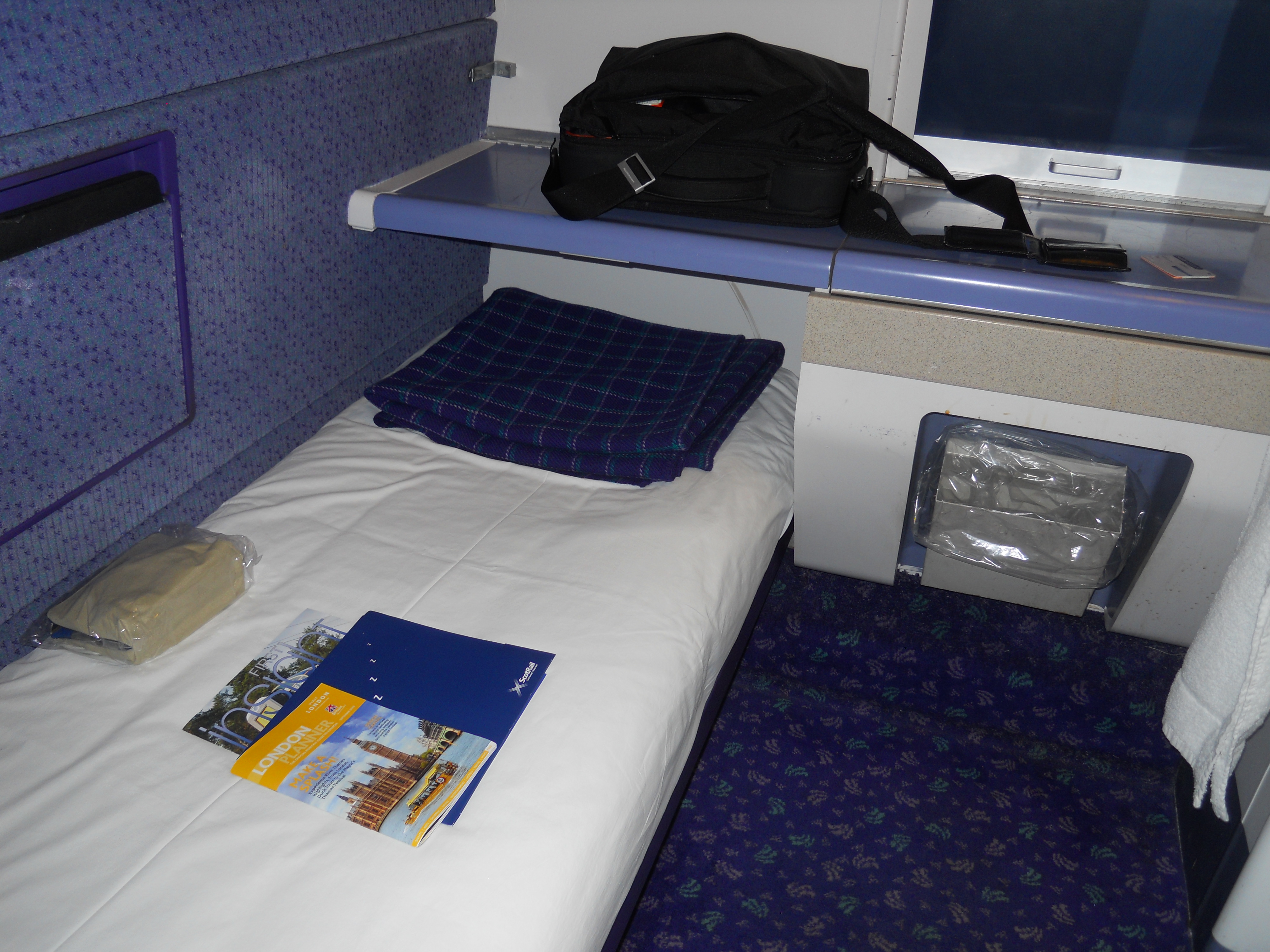
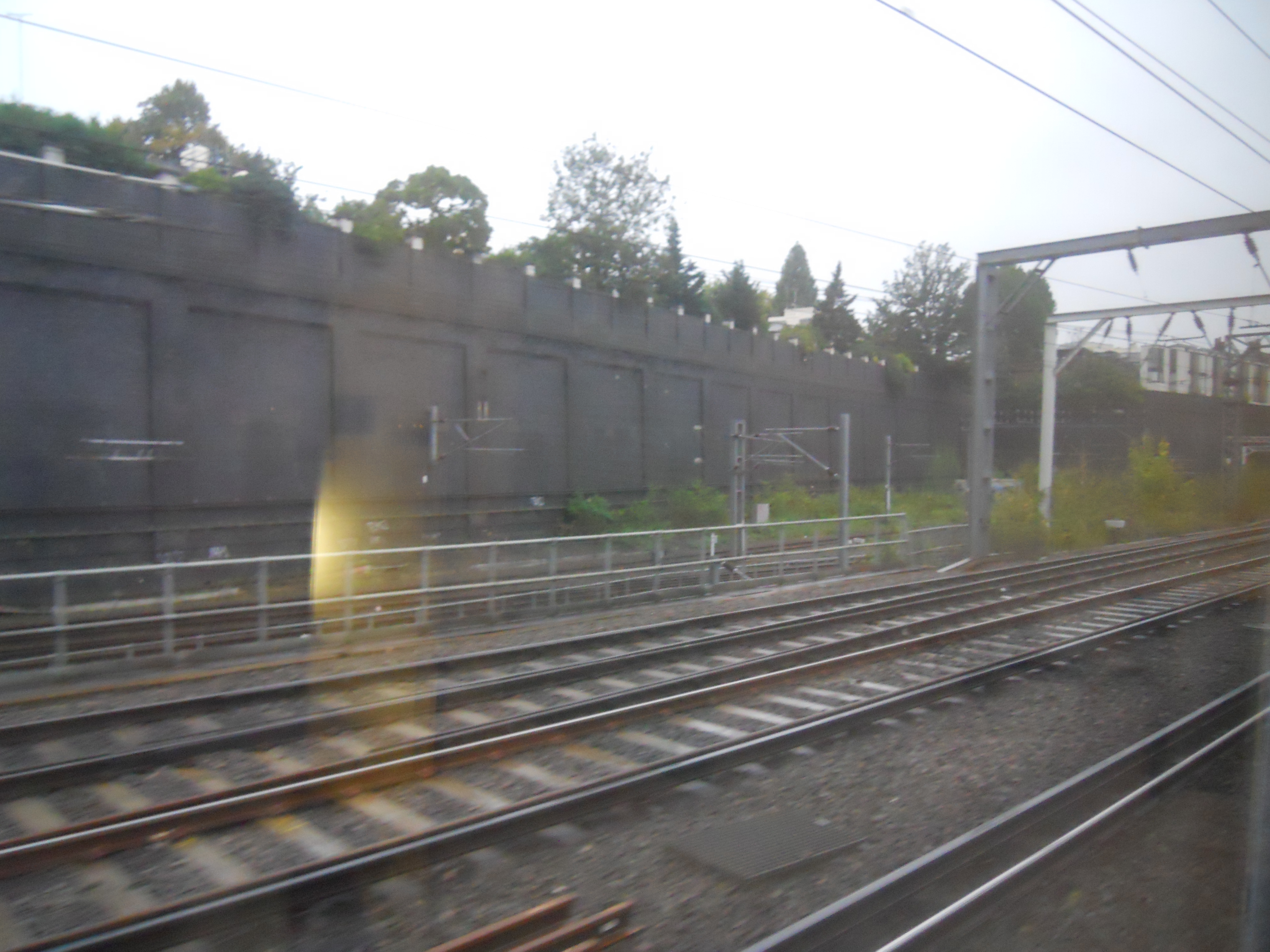
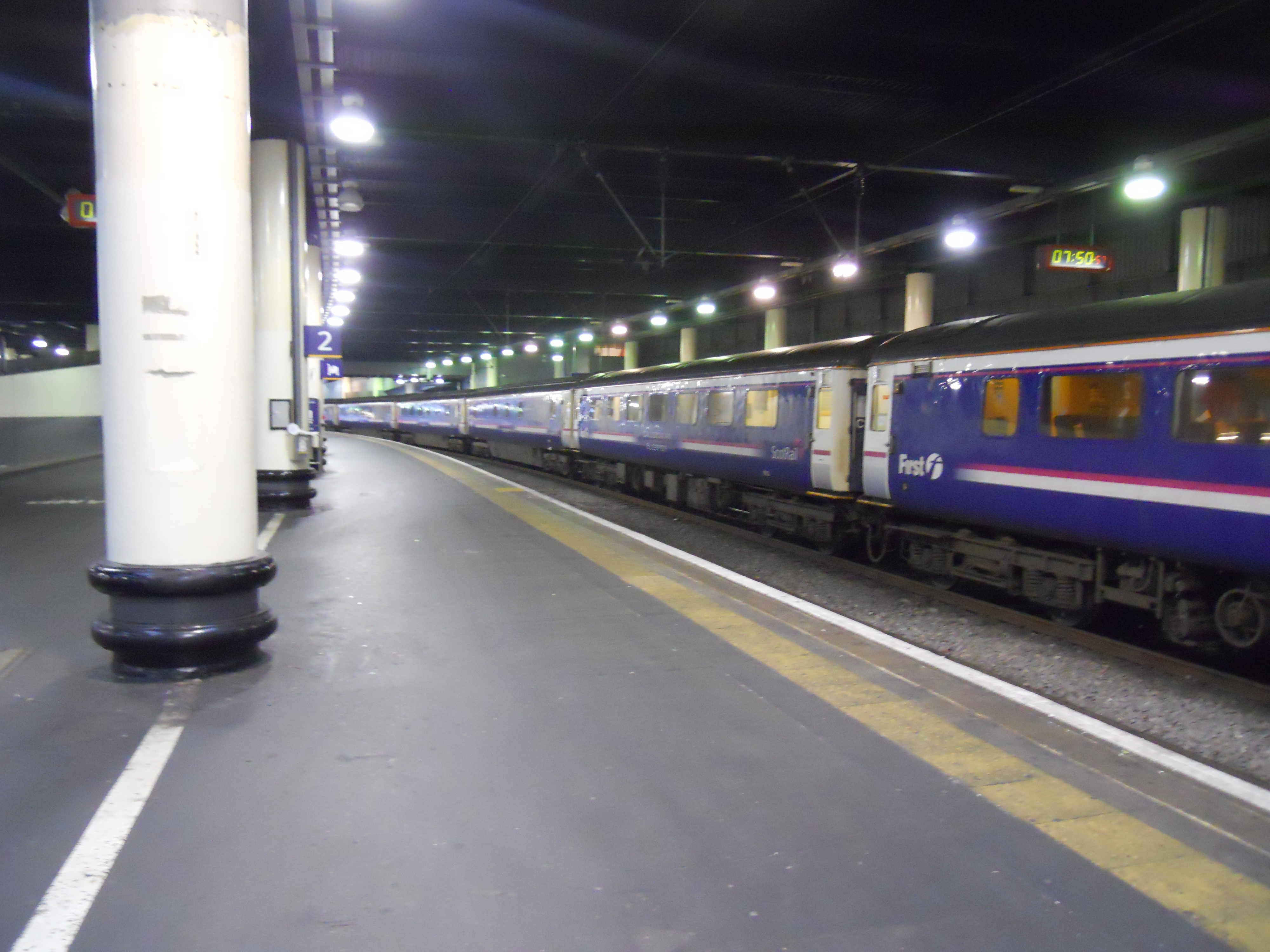


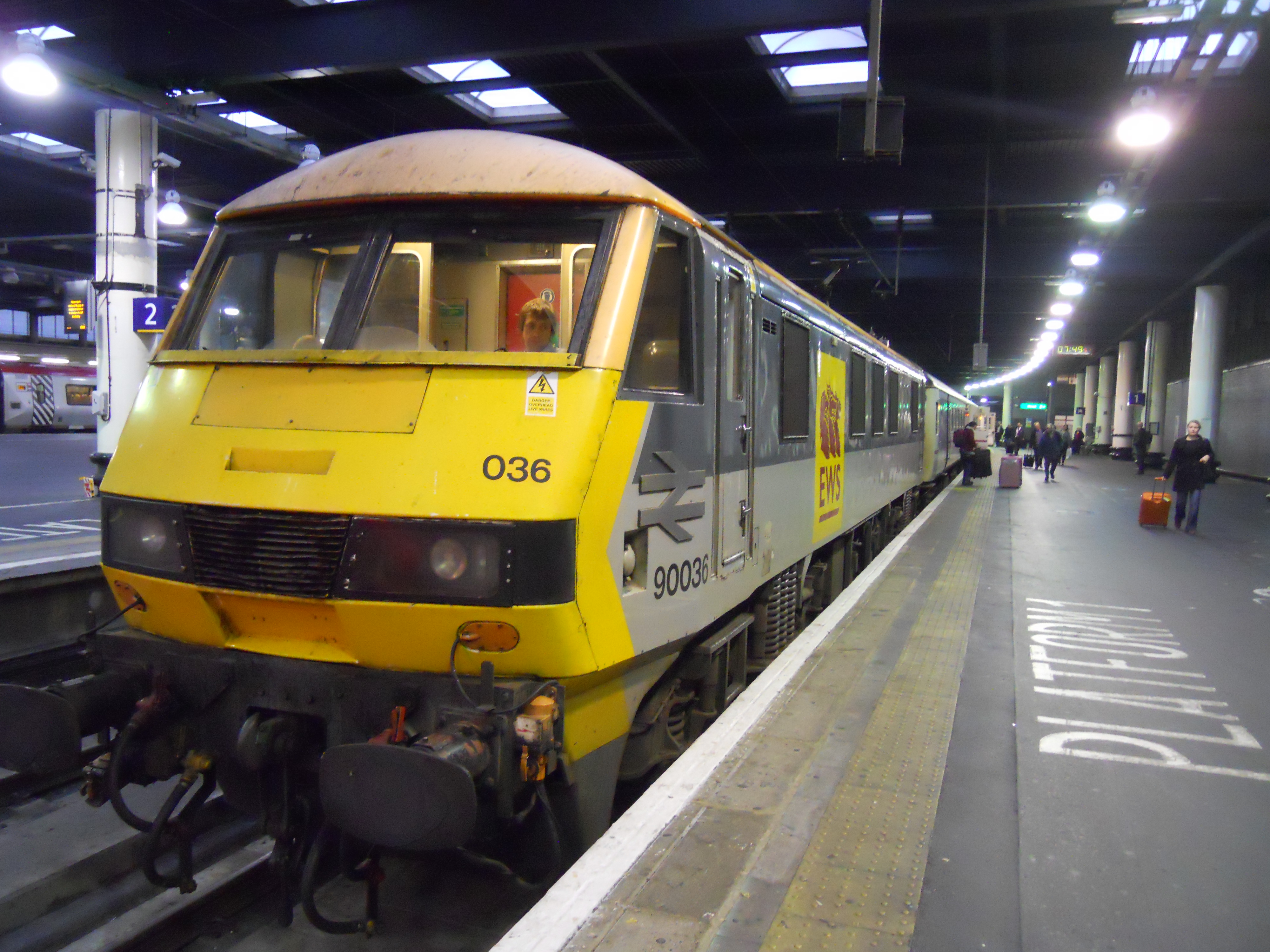
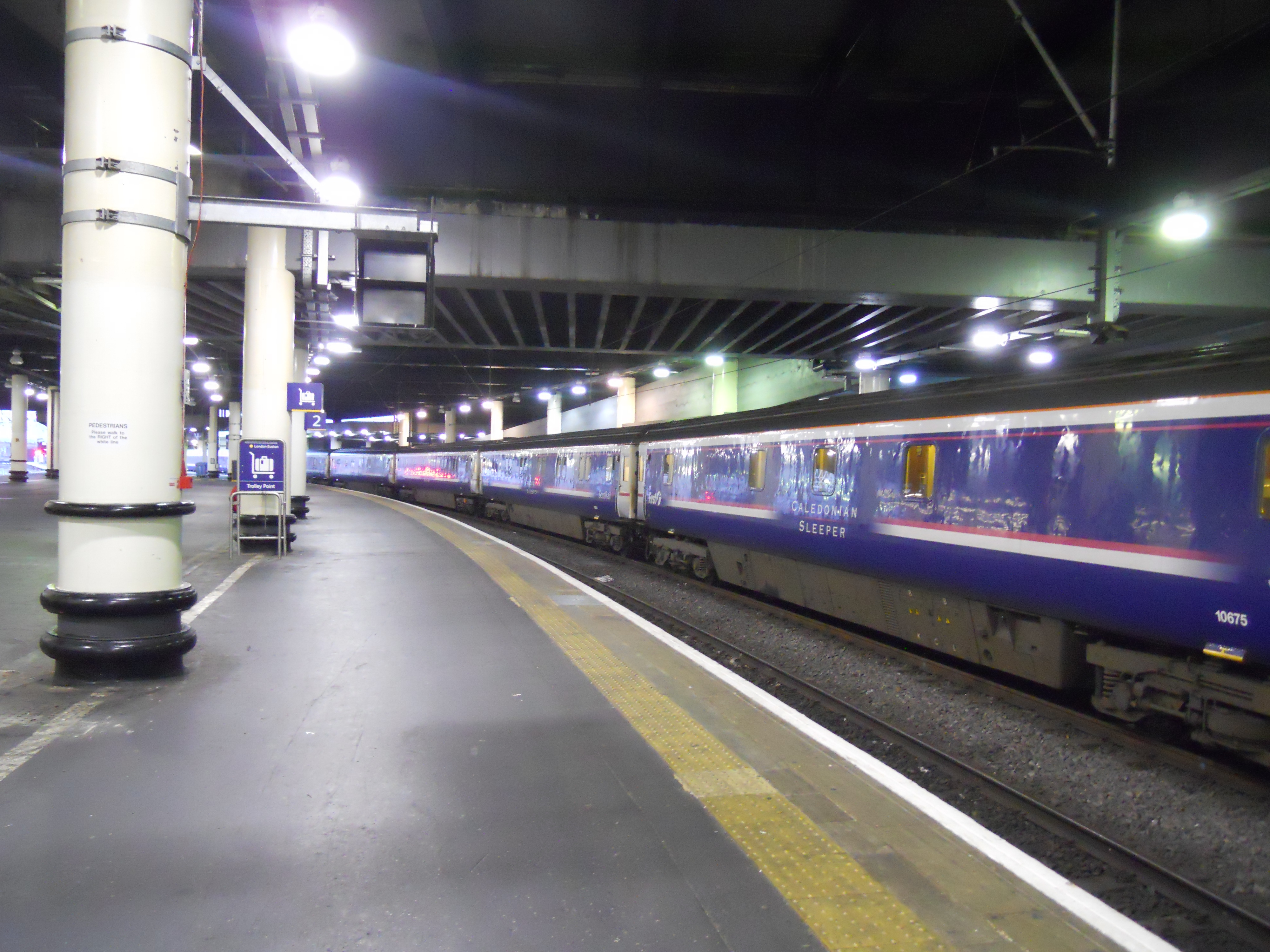

I had a whisky before I retired and slept soundly until Crewe. This was despite the fact that the steward had told me, I’d got the worst berth in the carriage over the bogie and I would have difficulty sleeping. The next thing I remember was being woken with my breakfast. As a coeliac, I just had the coffee and the juice, but actually, I wasn’t that hungry, as I’d eaten well in Scotland.
So would I tske the sleeper again?
Perhaps this one, but I doubt I’ll take the one we did as a family with a car to the South of France. I didn’t sleep well on that and spent most of the trip trying to find out where I was. But at least C and myself christened the berth.
The third sleeper was again with C on the Eastern and Oriental Express from Bangkok to Butterworth for Penang. That was a memorable trip, but it’s probably one I wouldn’t risk for some years.
Inverness to Kyle of Lochalsh
The Kyle of Lochalsh Line is one of the great railway journeys in the world. It is probably best described as legendary, as anybody of a certain age, who has ever collected engine numbers or closely observed trains, has heard of the railway, that winds its way from Inverness almost to the Isle of Skye.
I’d spent the night in a comfortable B&B called Ivanhoe, where they went to a lot of trouble to get me some gluten-free rolls for my breakfast. They prepared a buttered spare for my lunch with some salmon or meat that I might buy on the journey. I would certainly stay at Ivanhoe again.
The line sweeps between sea and mountains and alongside lochs on its way to Kyle of Lochalsh.
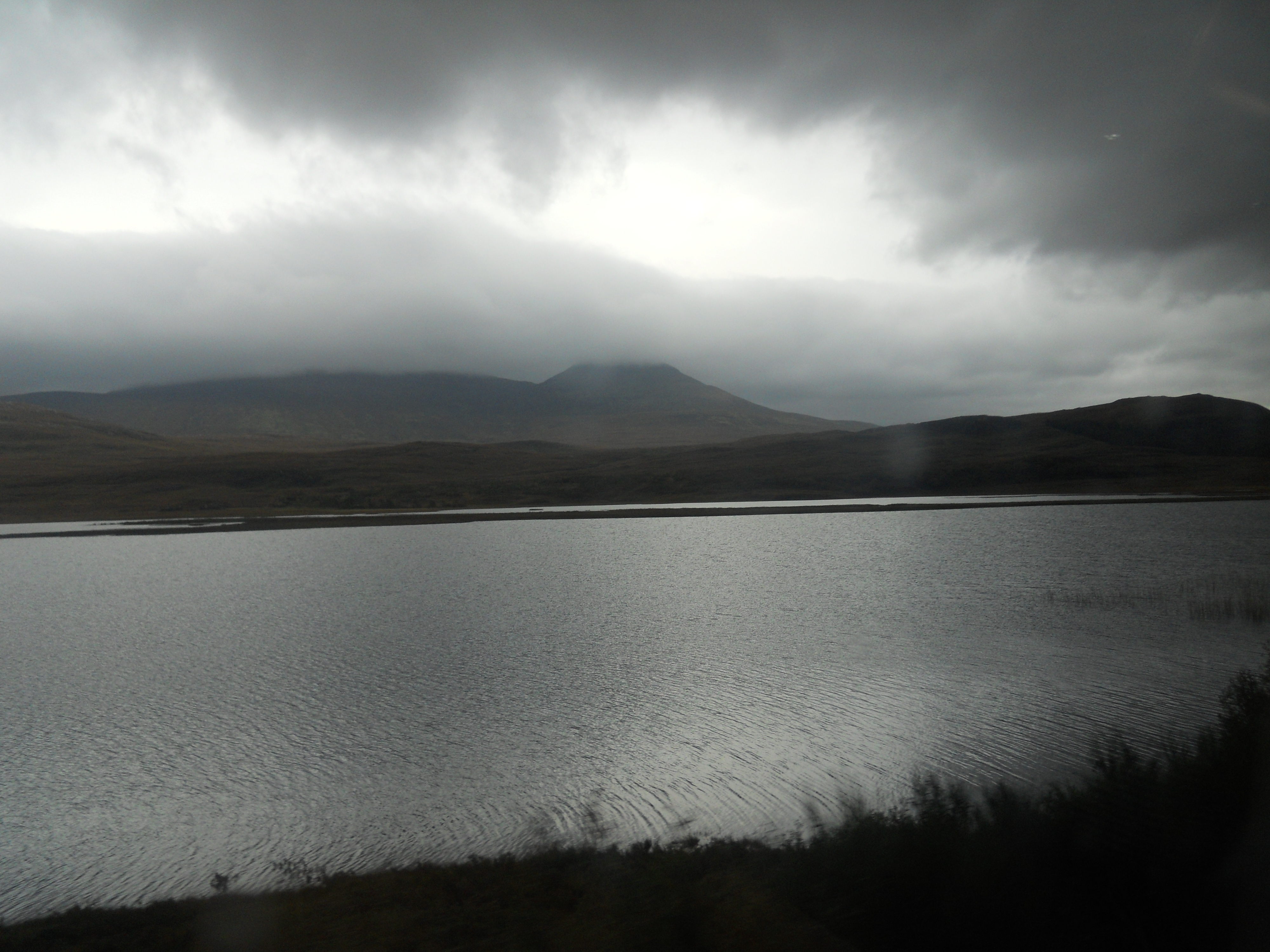
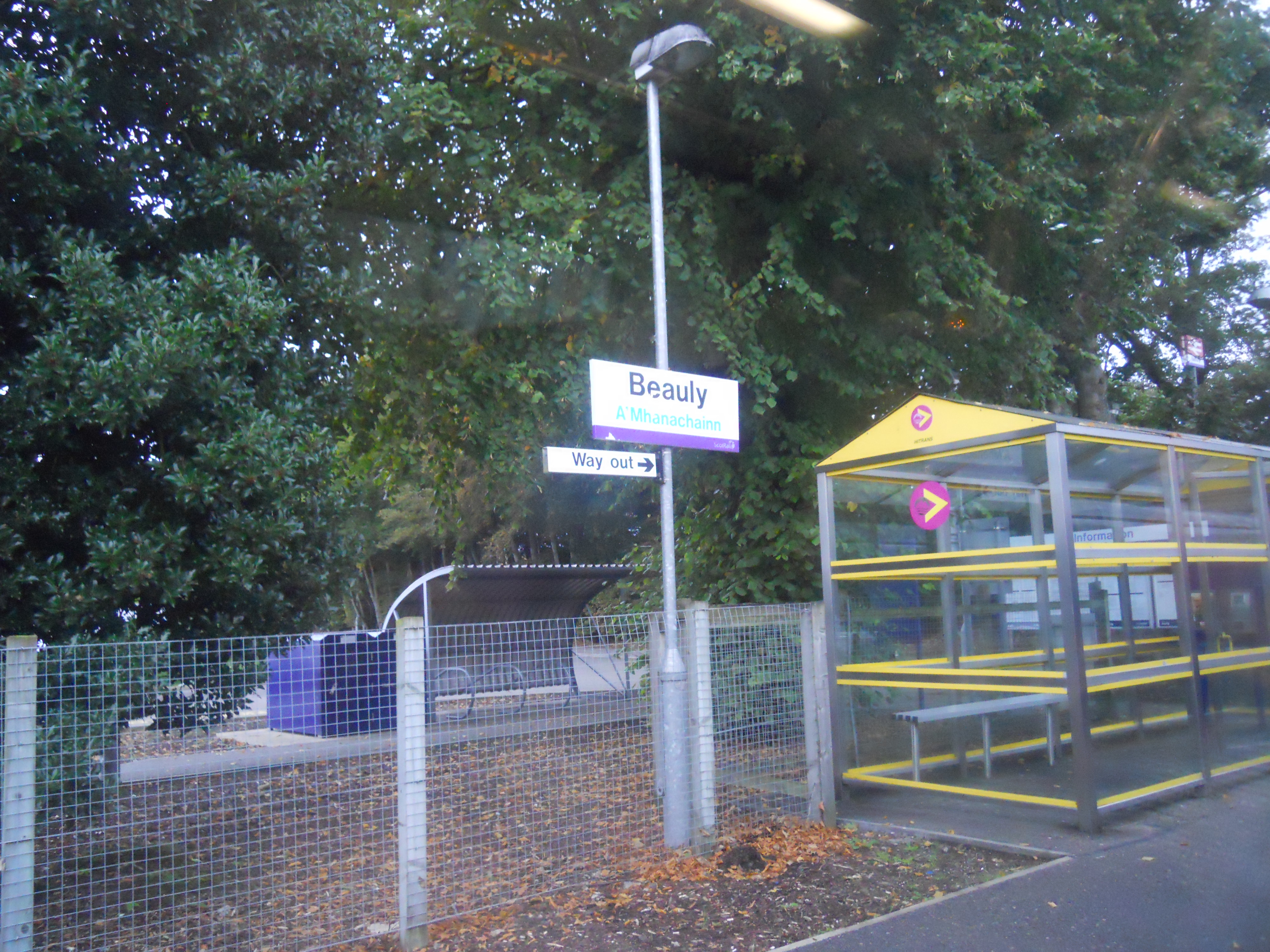
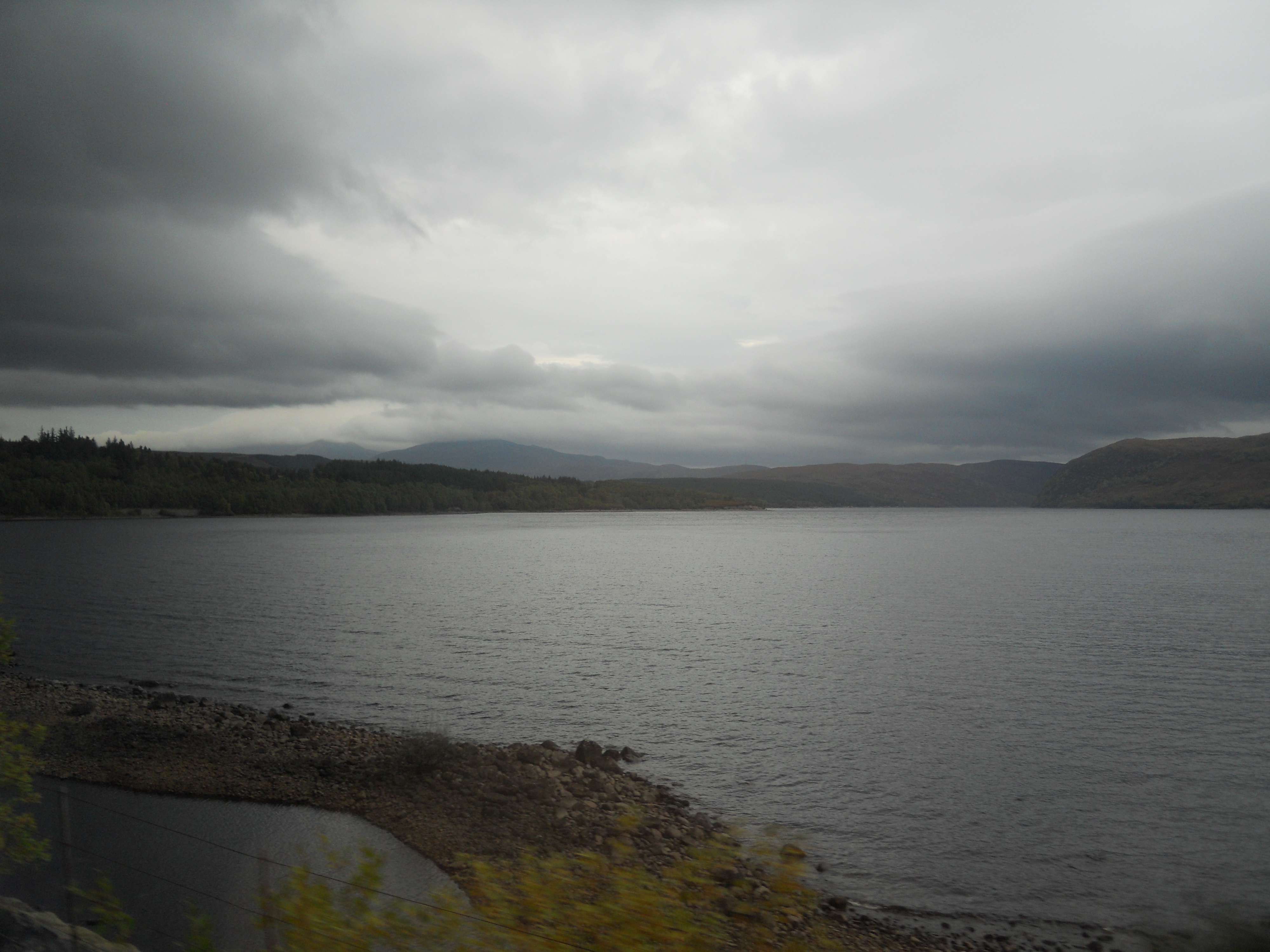
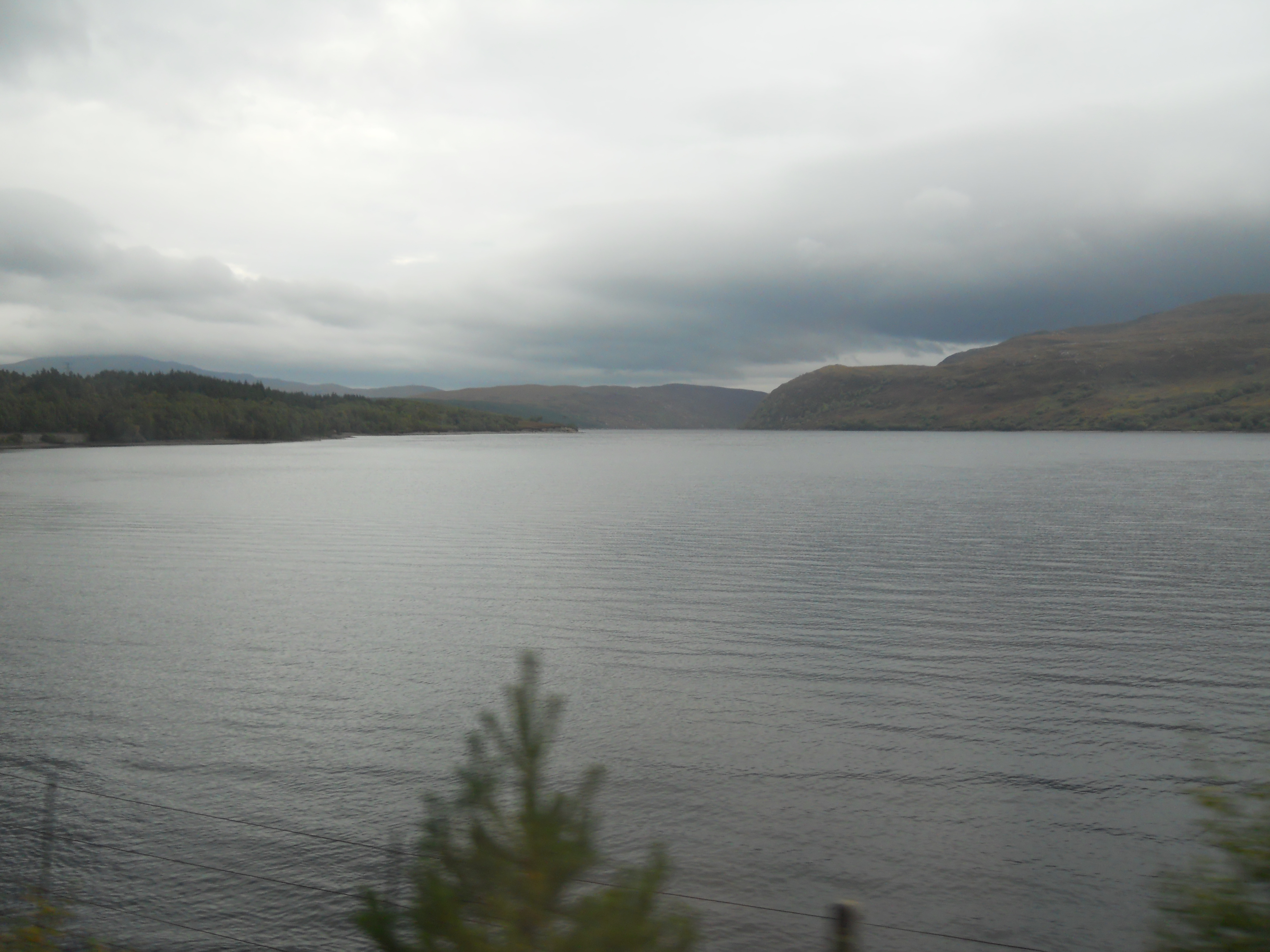
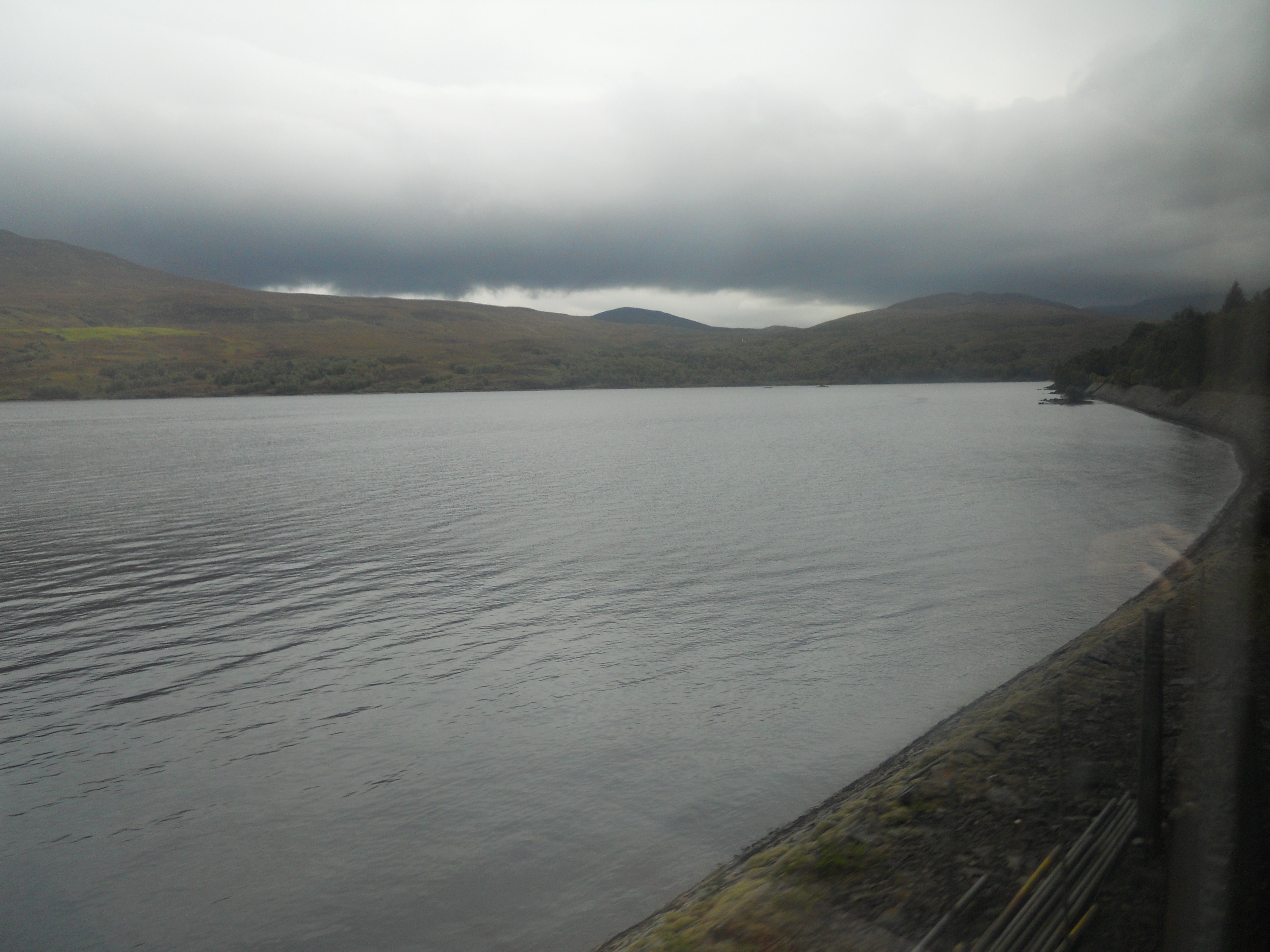

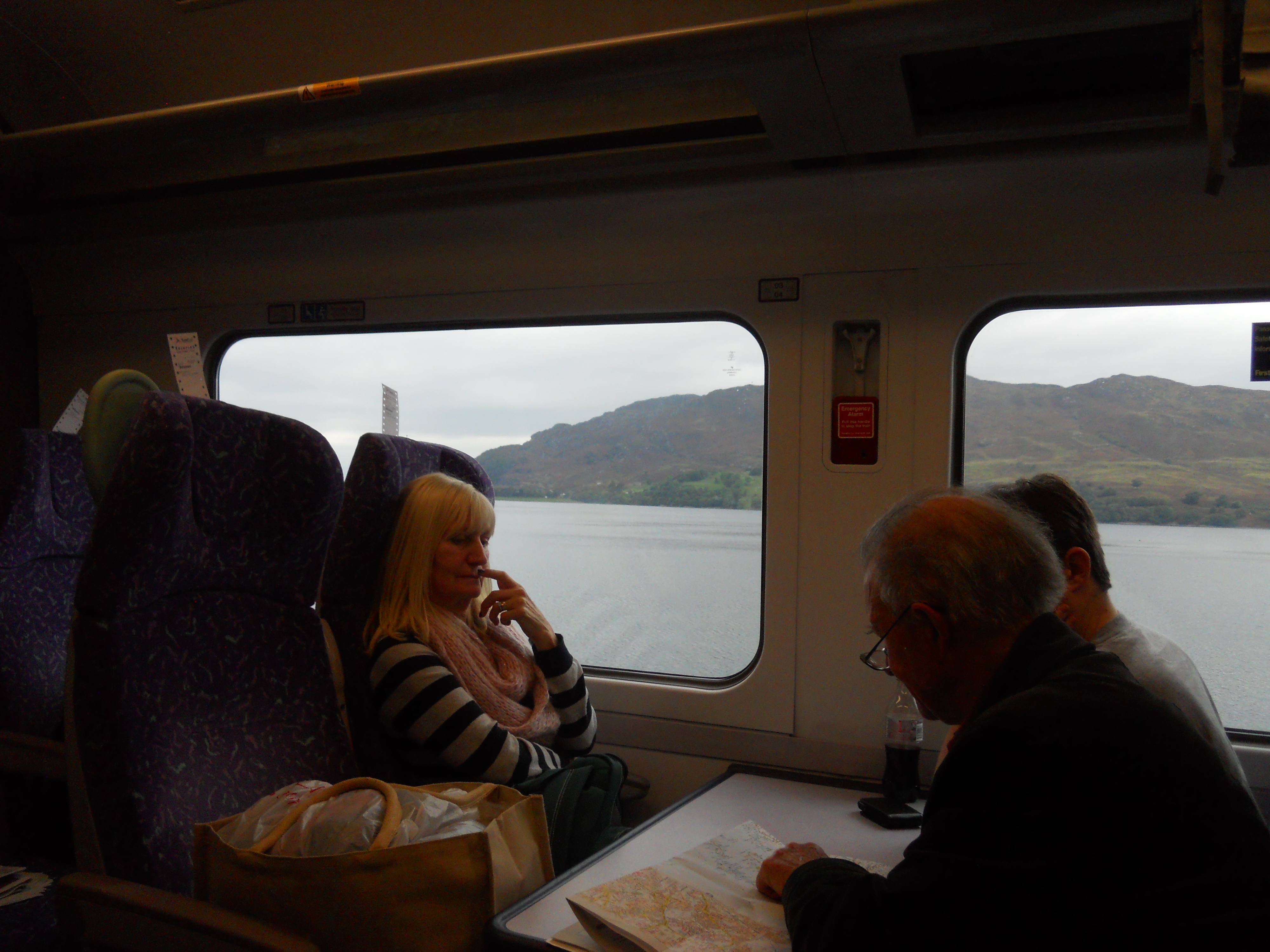
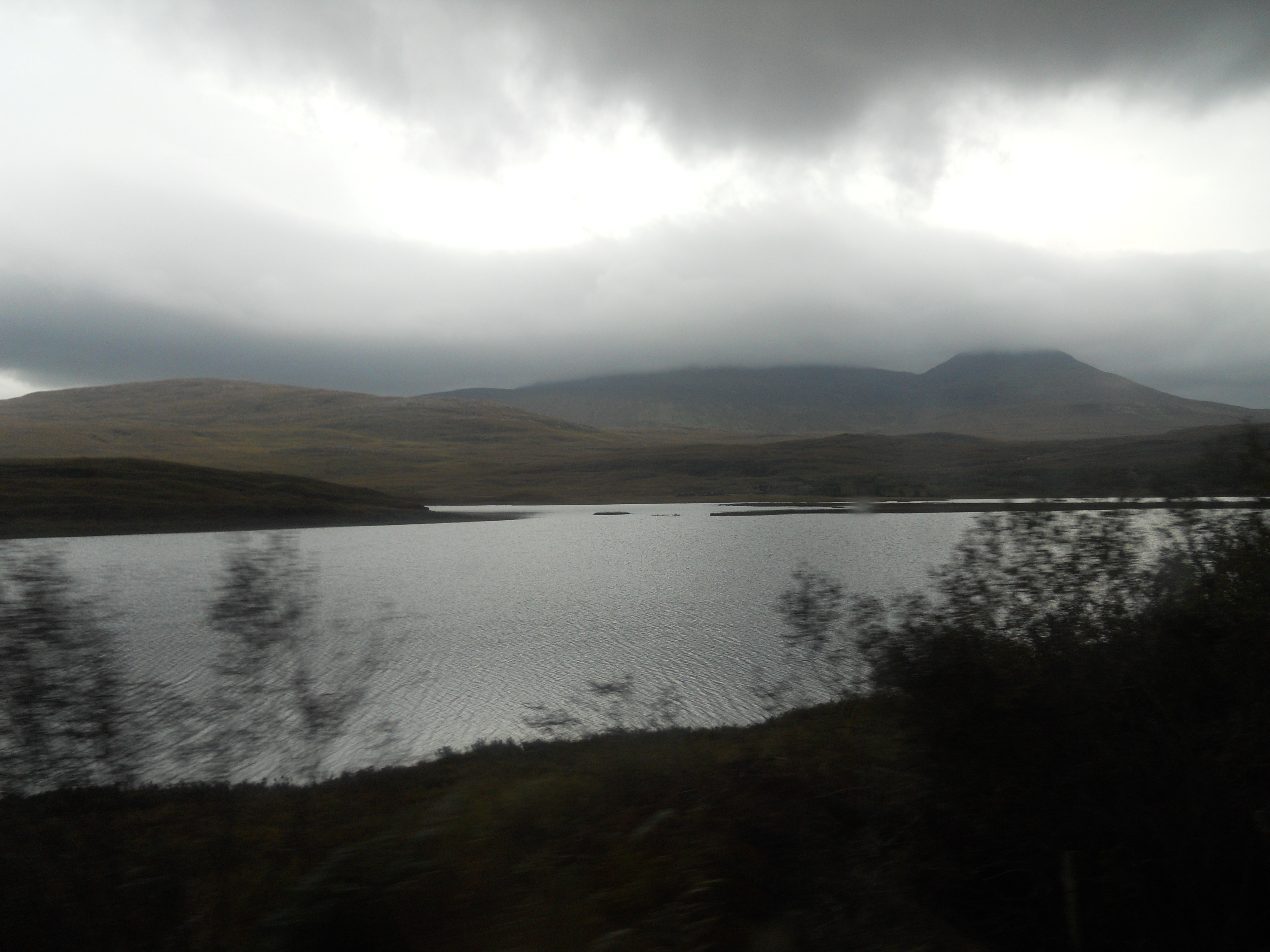
The real problem on the line is that there is just too little capacity. I have been reading in Modern Railways about the problems of the replacement of the inadequate Pacers, that I used to get from Doncaster to Scunthorpe. Surely the thing to do would be to create rakes of say four or five Mk 3 coaches and use those on lines like this with a diesel engine and then cascade the Class 158s to where they are desperately needed like East Anglia, Lincolnshire and the North.
Trip of the Year, Month or Perhaps Weekend
I did think I might call this post something like Trip of a Lifetime, but that wouldn’t be honest and I don’t want to shilt myself, as I really might do one of those when I get older.
But a trip starting at Ely on Saturday the 25th and then going via Peterborough and Doncaster to Scunthorpe, before travelling to Edinburgh for the night. Then it was Glasgow on the Monday and then up to Inverness. Tuesday it was down to Kyle of Lochalsh, Skye, Mallaig and Fort William for the sleeper back to London, before a train out to Dullingham after changing at Cambridge.
 The Anonymous Widower