V-2 Sculpture in Den Haag?
Outside of the Ministry of Foreign Affairs in Den Haag is this sculpture.
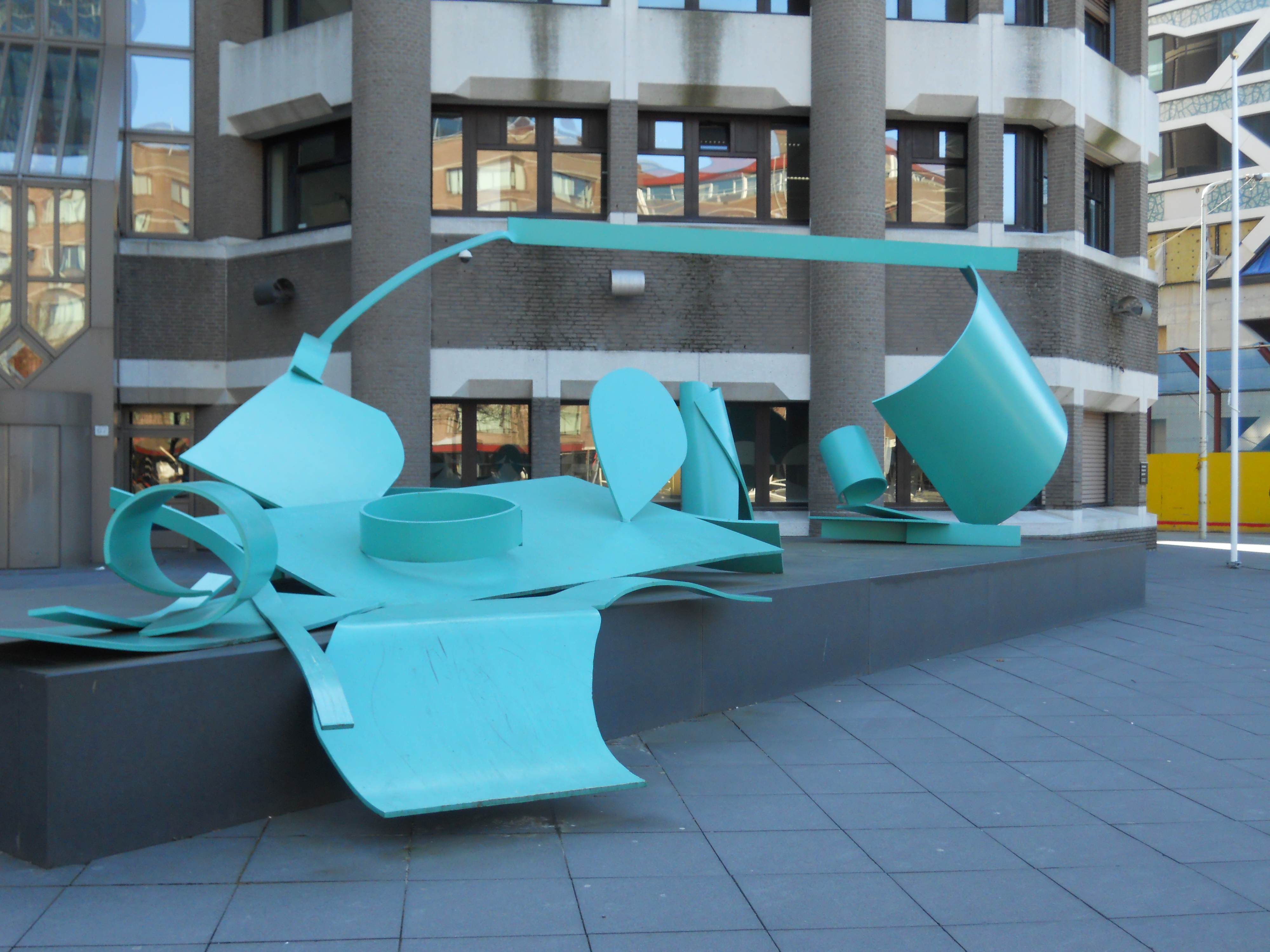
V-2 Sculpture in Den Haag?
Is it a V-2 exploding on takeoff?
Because it is in the area that was devastated by RAF bombing, as they tried to stop the missiles.
Den Haag’s Dark Secret
If you cycle towards Scheveningen past the prison and the barracks, there is a building on the eastern side of the road, that looks like a station. We see old stations all over the UK that have been converted into houses and although it’s a different style, it has the same aura.
When I got back I looked it up and found that there used to be a railway that ran from the main line from Den Haag to Amsterdam, through Wassenaar to a station by the beach at Scheveningen. As I had thought, the railway had run where the road is now.
It was the site with the map that told me the dark secret, that few know about. Den Haag was the launching point for all of the V-2 rockets that the Nazis sent towards London. A lot were fired from a beautiful estate called Duindigt, near the racecourse. It ended up being totally destroyed by Allied bombing and V-2’s that exploded on takeoff.
Nearly three thousand died in 1944, in London due to these weapons. But not as many as about 20,000 concentration camp inmates, who died making the weapons. Even the Dutch suffered greatly, as the weapons misfired and hit local targets, the Nazis executed anybody for the most trivial of reasons and the Allies destroyed parts of Den Haag by mistake as they tried to stop the launching of the rockets.
War is never the simple business it is made out to be.
There is also a book, Spitfire Dive Bombers versus the V2, by Bill Simpson, which details the hunt for the rockets by RAF Fighter Command.
Southampton and Football
I went to Southampton on Saturday to see Ipswich play them in the FA Cup.
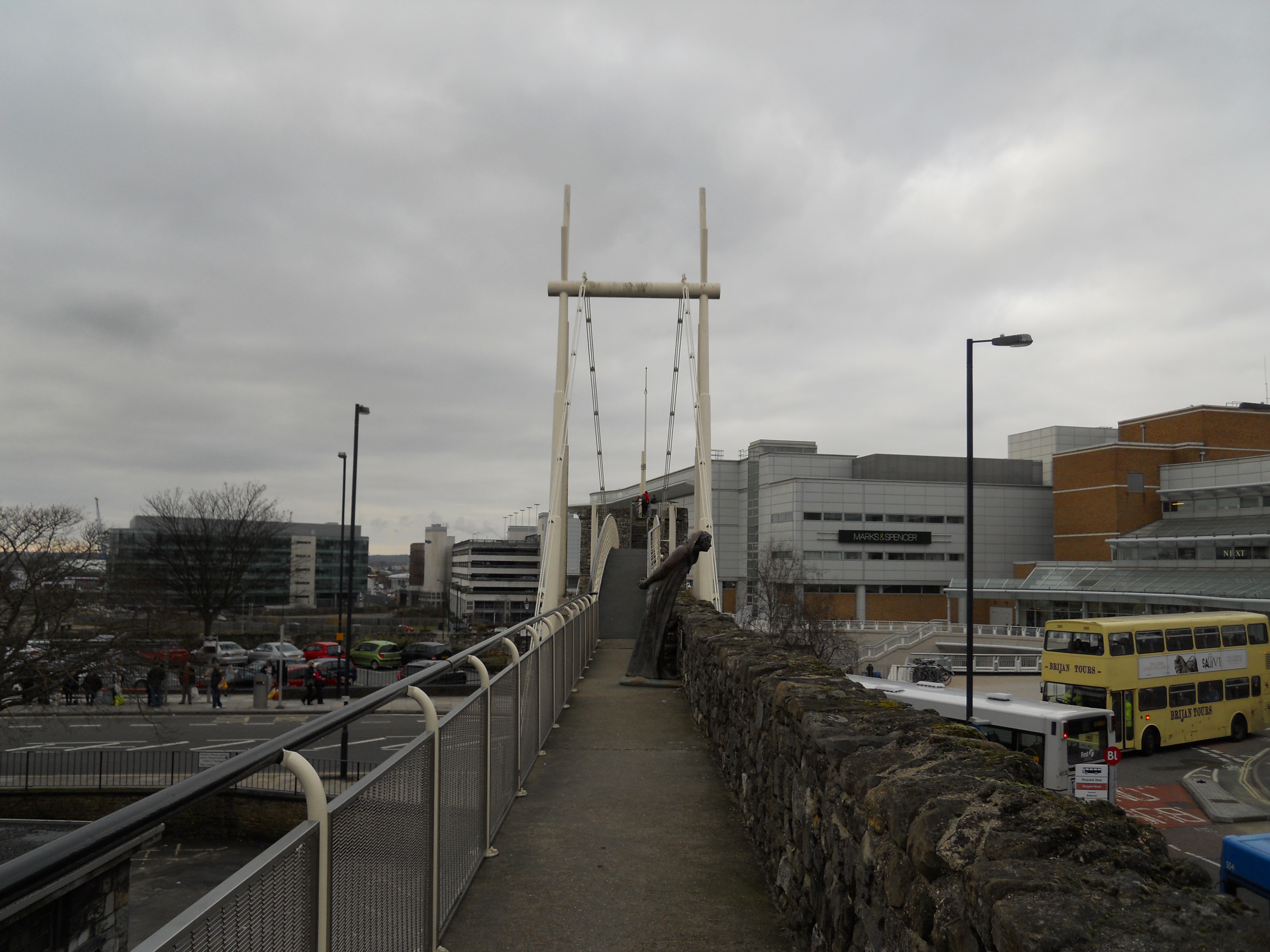
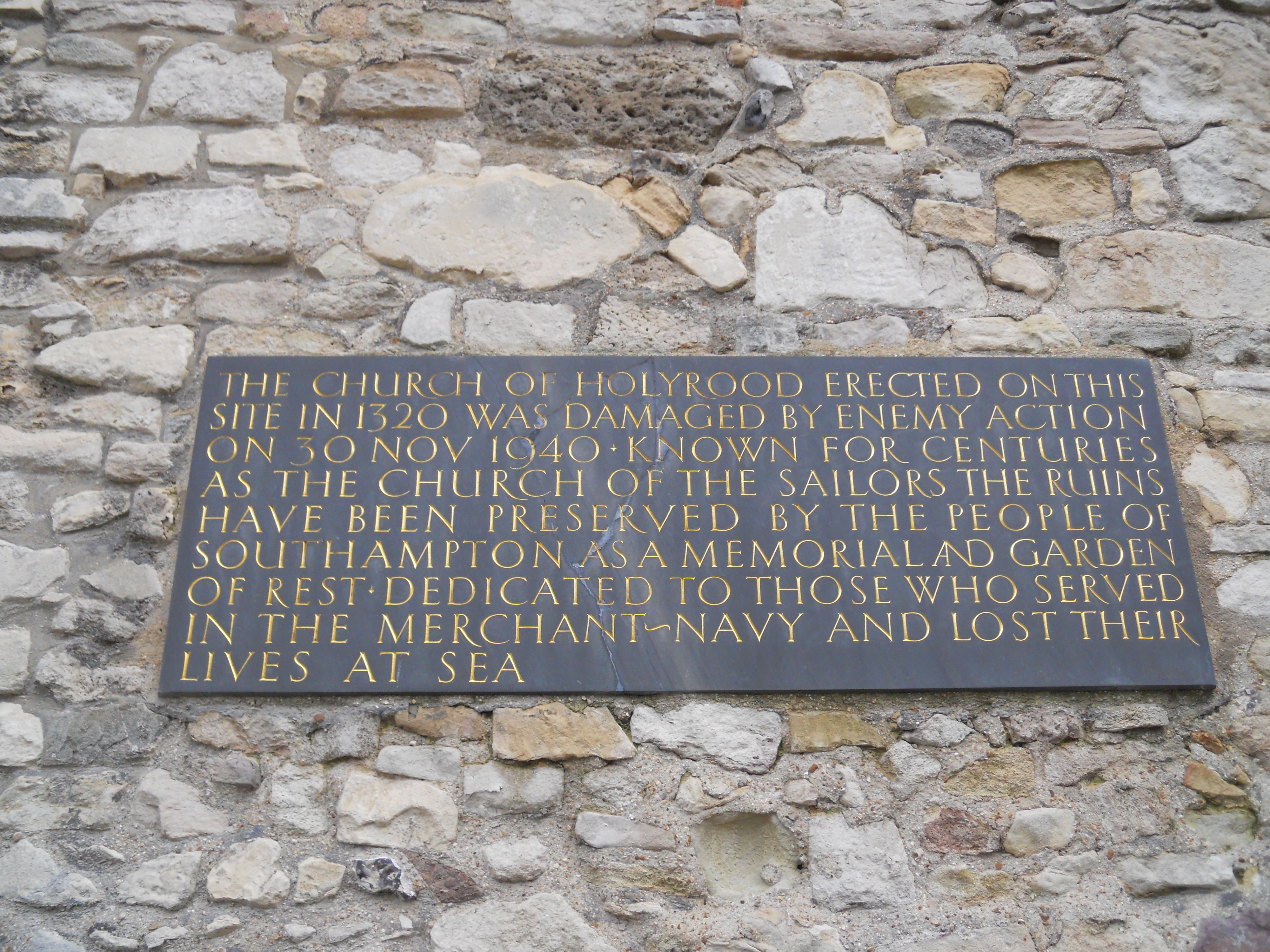

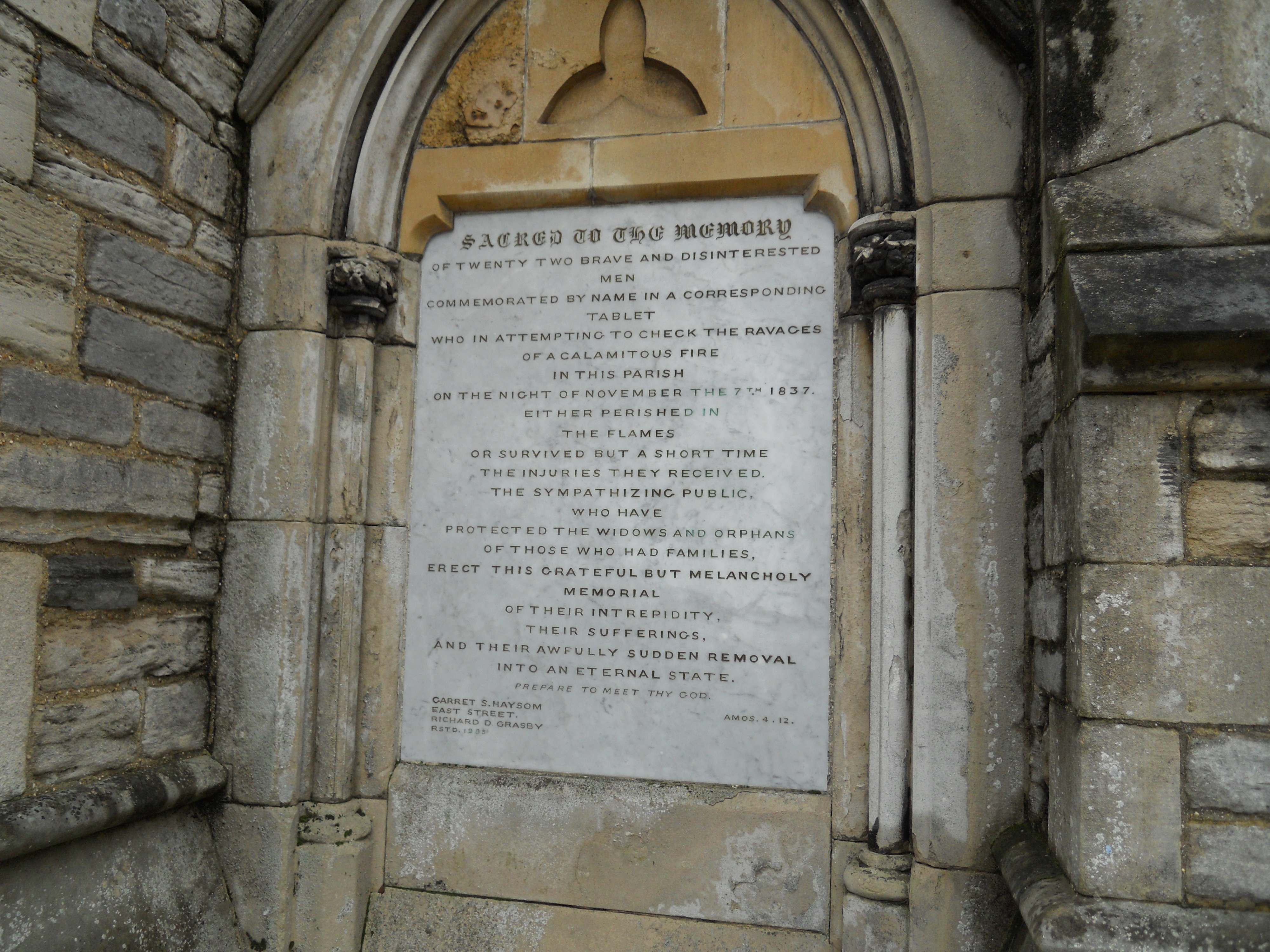

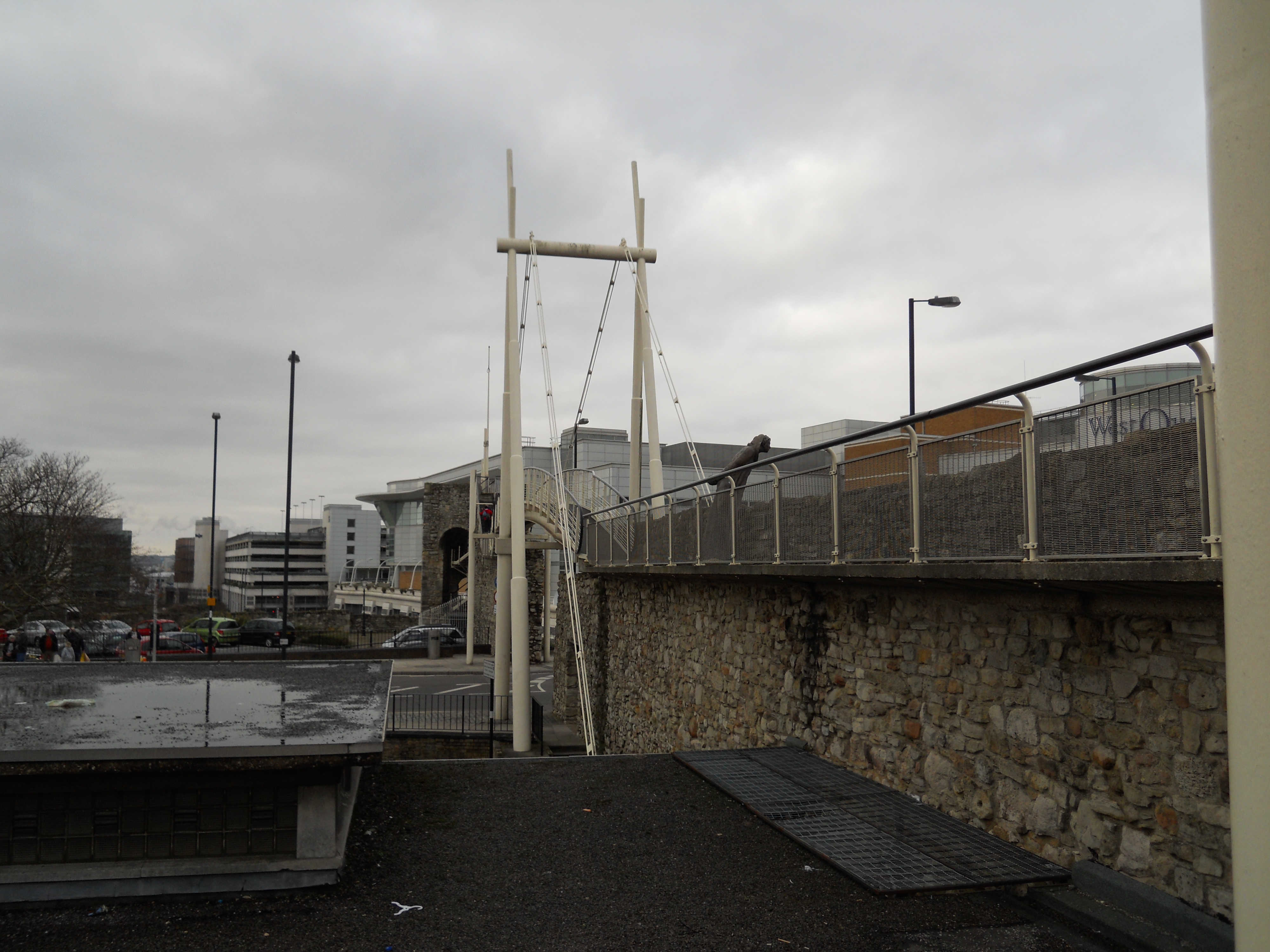
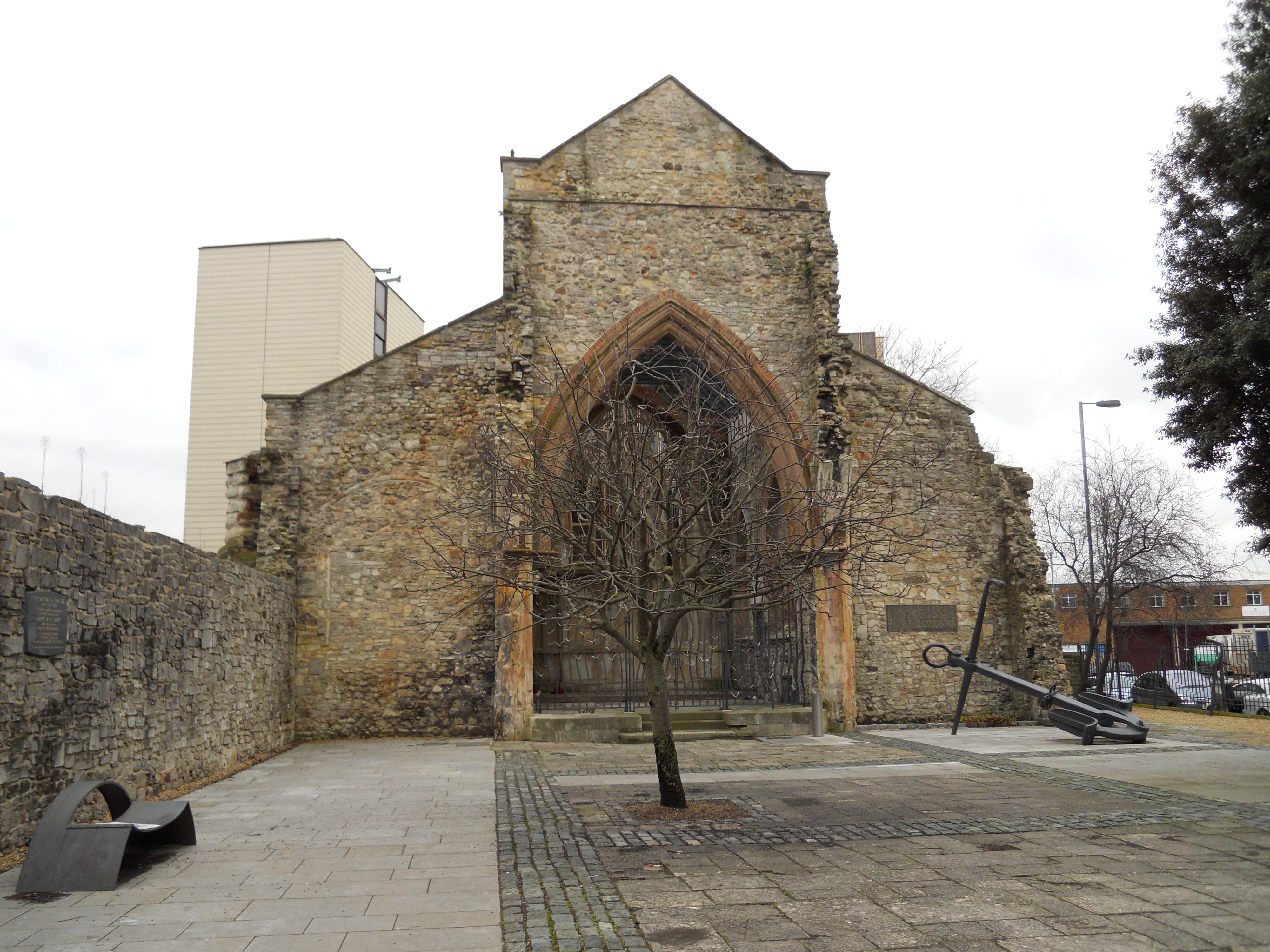

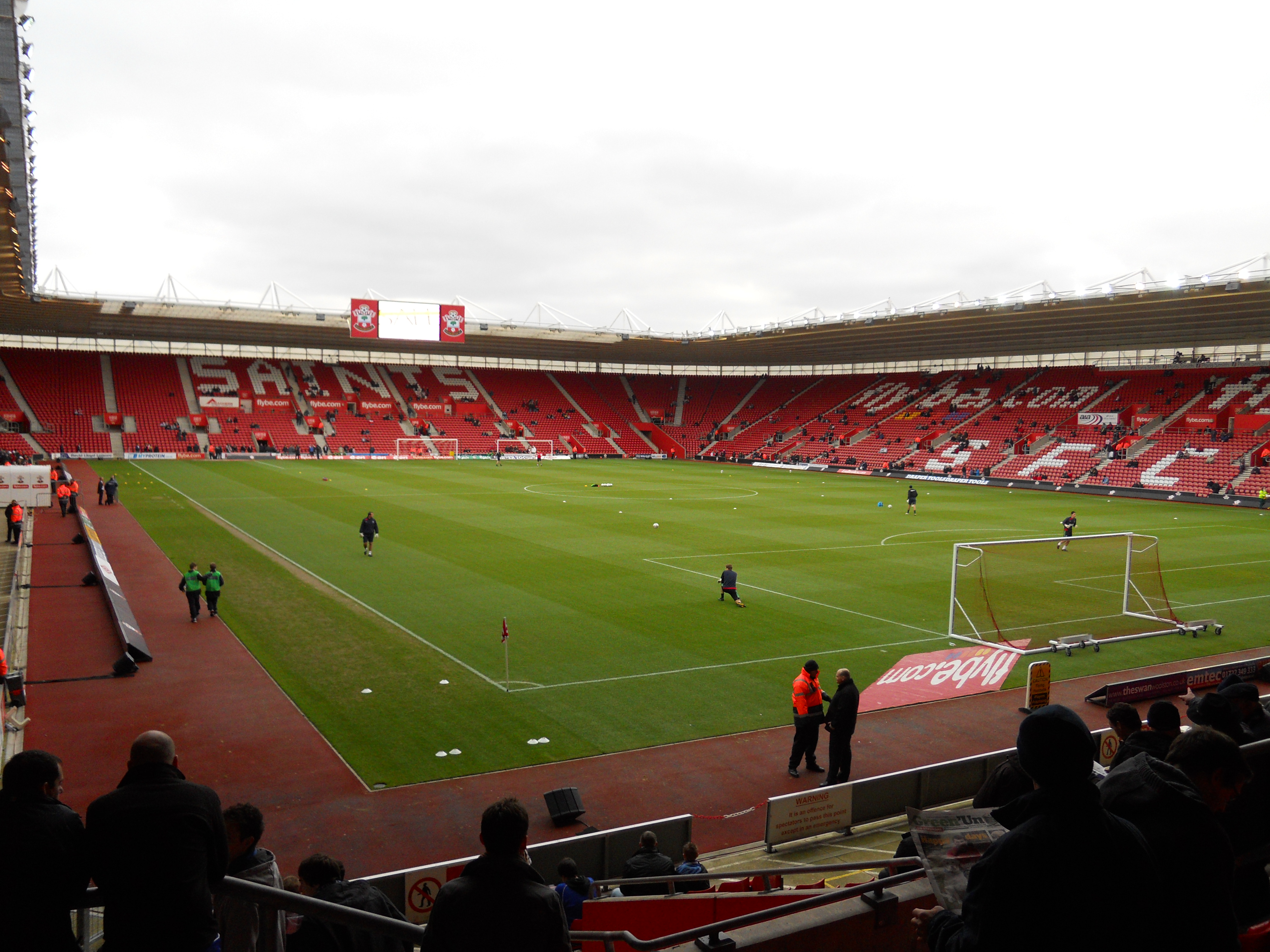

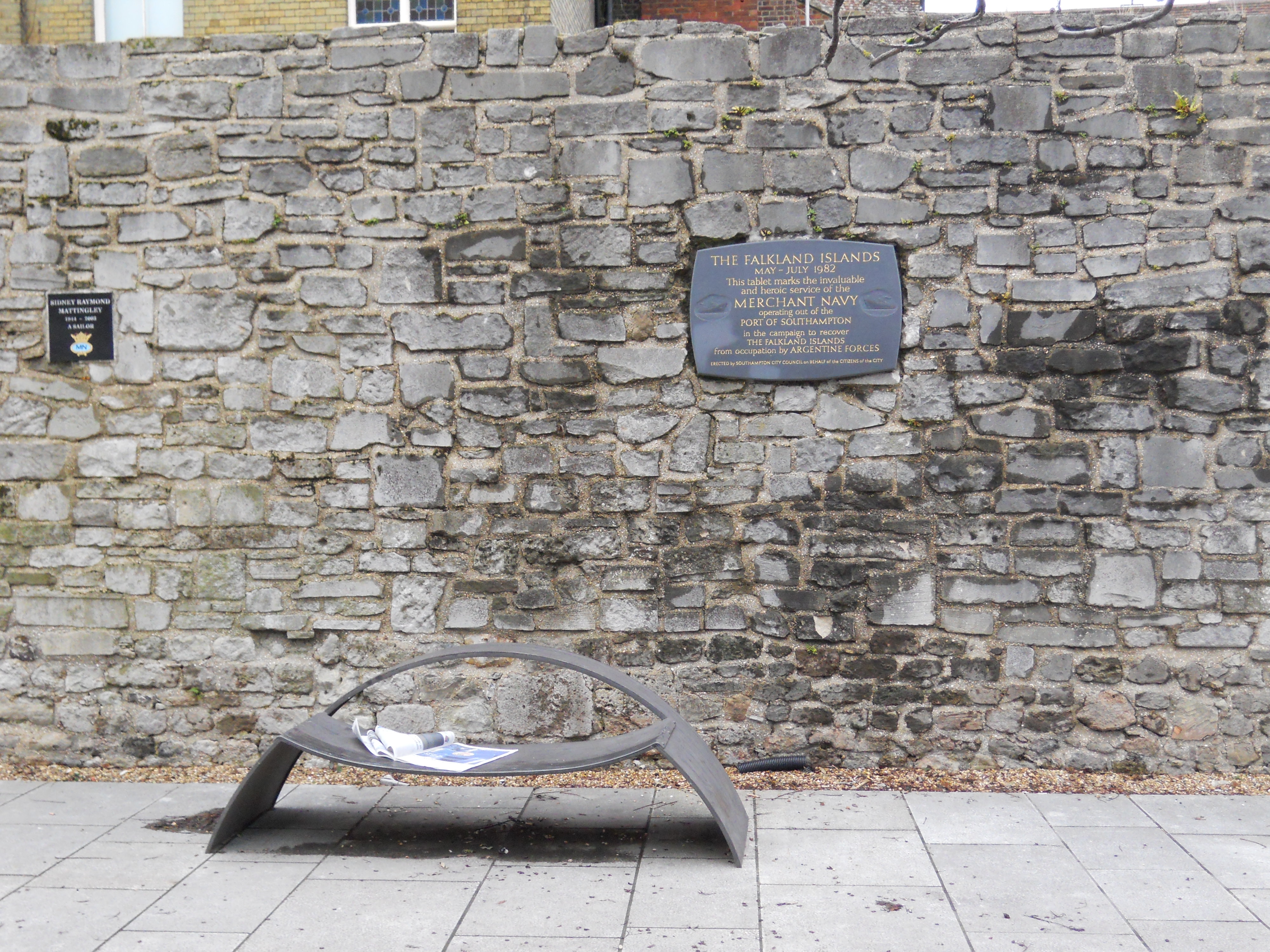



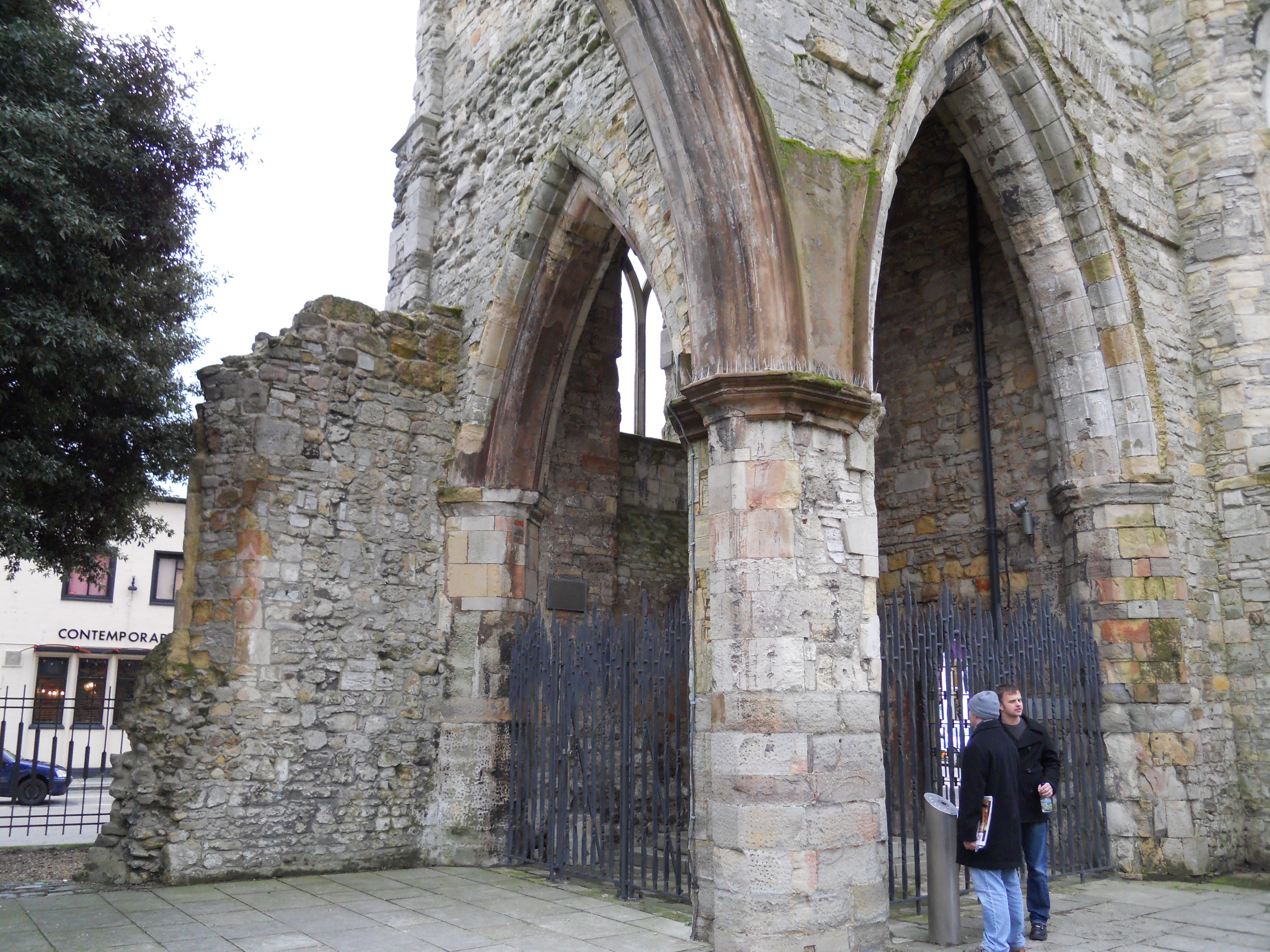
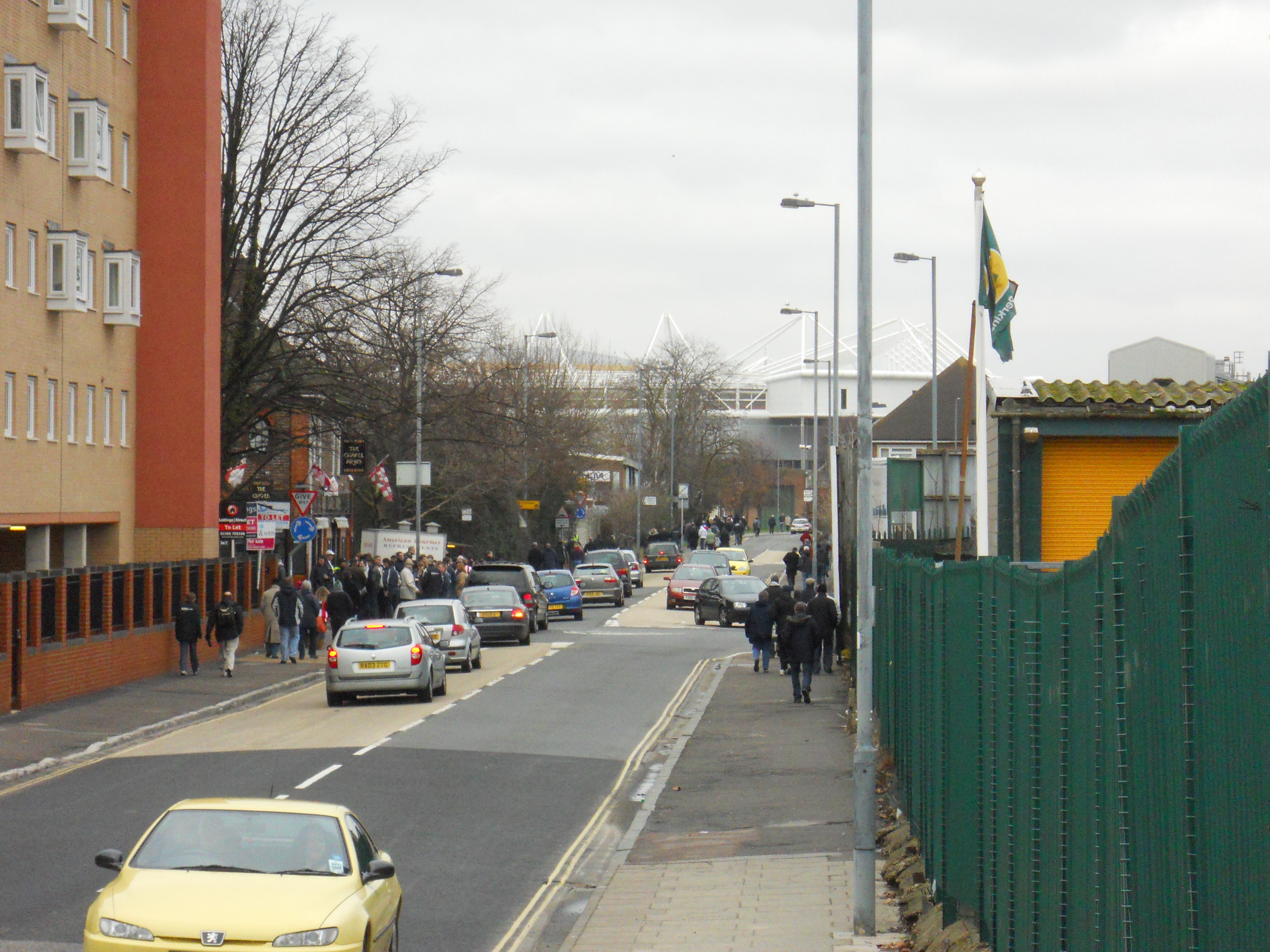
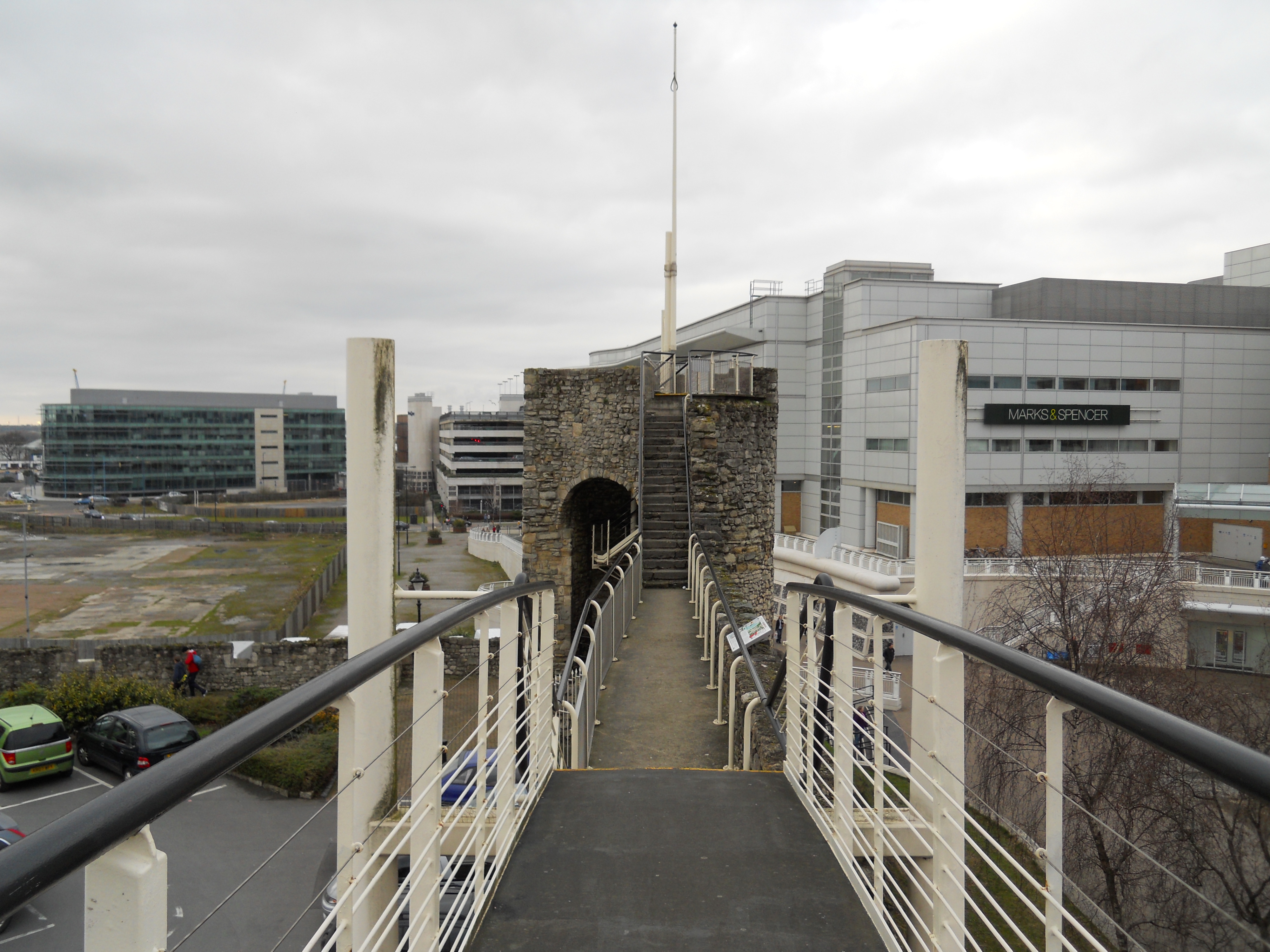
I’ve always had rather a low opinion of Southampton. Not that I’ve been there very often, but I had great difficulty once getting a gluten-free meal and that clouded my view of the place.
I was surprised that the city had medieval walls, which contain the longest stretch in England, and you can walk along the top of them in places. Like many English cities, it has a ruined church, Holyrood, that was bombed by the Luftwaffe in the Second World Wat and has been left as a memorial sailors of the Merchant Navy.
Let’s not talk about the football.
General Sikorski
I was walking from Regent’s Park to Oxford Circus when I passed the statue of General Sikorski in Portland Place.

General Sikorski
The Ban on Islam4UK
Organisations such as Islam4UK and all the other so-called Muslim organisations, that don’t like the way things are done in the Western World bother me. But then so do right-wing so-called Christian groups and also those fake religions and cults beloved of celebrities with too much money and not enough common sense.
Most preach fiery hate to unbelievers like me and say we will rot in hell. That by the way is impossible, as hell doesn’t exist, unless you are stuck on the M25 (put your favourite in here) at the time of a small bump, that the Police decide is worthy of an enormous investigation.
When these groups commit crimes such as murder, assault, kidnapping and extortion, then hopefully they will feel the full force of the law.
So why do they bother me?
Usually the charlatans at the top are clever individuals, who know how to stay out of trouble, by playing the law to the limit. There are a lot of extreme political organisations, which are just as dangerous and use exactly the same techniques.
But their followers are often not so bright and in some cases can easily be encouraged to do things that are very much against the law. These are the ones that do the damage and those that led them on have all the excuses ready.
So Prudence has decided for popular reasons to add Islam4UK to the list of banned organisations.
I’d rather have them out in the open, than as a secretive underground organisation.
I thought this might be a lone view, but read Martin Bentham in the Evening Standard tonight. Here’s the article.
Today’s ban on Islam4UK and its offshoots is certain to be widely welcomed but its impact is likely to be limited.
The reality is that Anjem Choudary, a lawyer proficient at staying in the bounds of legality, will continue to propagate his extremist message and, if anything, attract even greater attention because of the increased notoriety.
The previous ban on The Saved Sect and Al Ghurabaa was unable to prevent him and his followers reorganising under a different guise, and the same will almost certainly happen this time.
There is also the wider question of whether such an order is proper in a democracy. If extremists’ views, however abhorrent, do not breach laws such as those against incitement to murder and racial hatred, instead of seeking to stifle them it might be better to ignore them — rather than generating yet more publicity.
There is also one very powerful weapon that we should use against all of these people – humour.
Remember in the Second World War nothing was off-limits when combatting the Nazis. Just read this little piece about Spike Jones in 1942. We need him now!
All of these groups give splendid opportunities for satire, ridicule and just plain fun.
Lundy Island
This little island has just been named as Britain’s first Marine Conservation Zone.
Lundy is an island I’ve always known about and is definitely on my list of places to visit. This is because when I was a child for a few years we lived nextdoor to someone, who my father called “The King of Lundy Island”. All I can remember of him is seeing him walking to the station after the house had been sold and a removal van had collected his belongings.
Was this Martin Coles Harman, who styled himself the “King of Lundy Island”, after he’d bought the island in 1924?
I can’t find any reference to him as living in Southgate in North London and he died in Oxted in Surrey, a few years after the mysterious King left.
He seems to have been an interesting man as according to this article in the Age in 1955.
London, June 23 – Mr. Martin Coles Harman, “king” of Lundy Island, in Bristol Channel, the financier who knew wealth, bankruptcy and gaol, sent a message from his grave yesterday to everyone in debt to his estate.
He said in his will “waive and destroy all I.O.U.’s.
His son, John Pennington Harman, was also one of the heroes of Kohima and won a VC in the battle.
Sir Sydney Camm
How many people know who Sir Sydney Camm was? According to the Telegraph there is now a campaign to remember the designer of the legendary Hurricane in his home town of Windsor.
Camm was one of a small group of engineers, scientists and an odd-ball who were responsible for providing the tools that enabled the RAF to win the Battle of Britain.
- R. J. Mitchell was the designer of the Spitfire, who had died in 1937 at the age of only 42.
- Henry Royce is credited with the initial design of the Merlin engine, following on as it did from the successful R type engine, that had won the Schneider Trophy in 1929 and 1931.
- Ernest Hives was the engineer at Rolls-Royce, who had the forethought to create the production lines for the Merlin engines that powered the Hurricanes and Spitfires.
- Robert Watson Watt may not have been the sole inventor of radar, but he made it work, so that fighters could be used efficiently and directed towards targets in the battle.
And then there was the odd-ball, Lady Houston.
Bawdsey Manor
In the photographs of Felixstowe Ferry, there is a photograph of Bawdsey Manor.
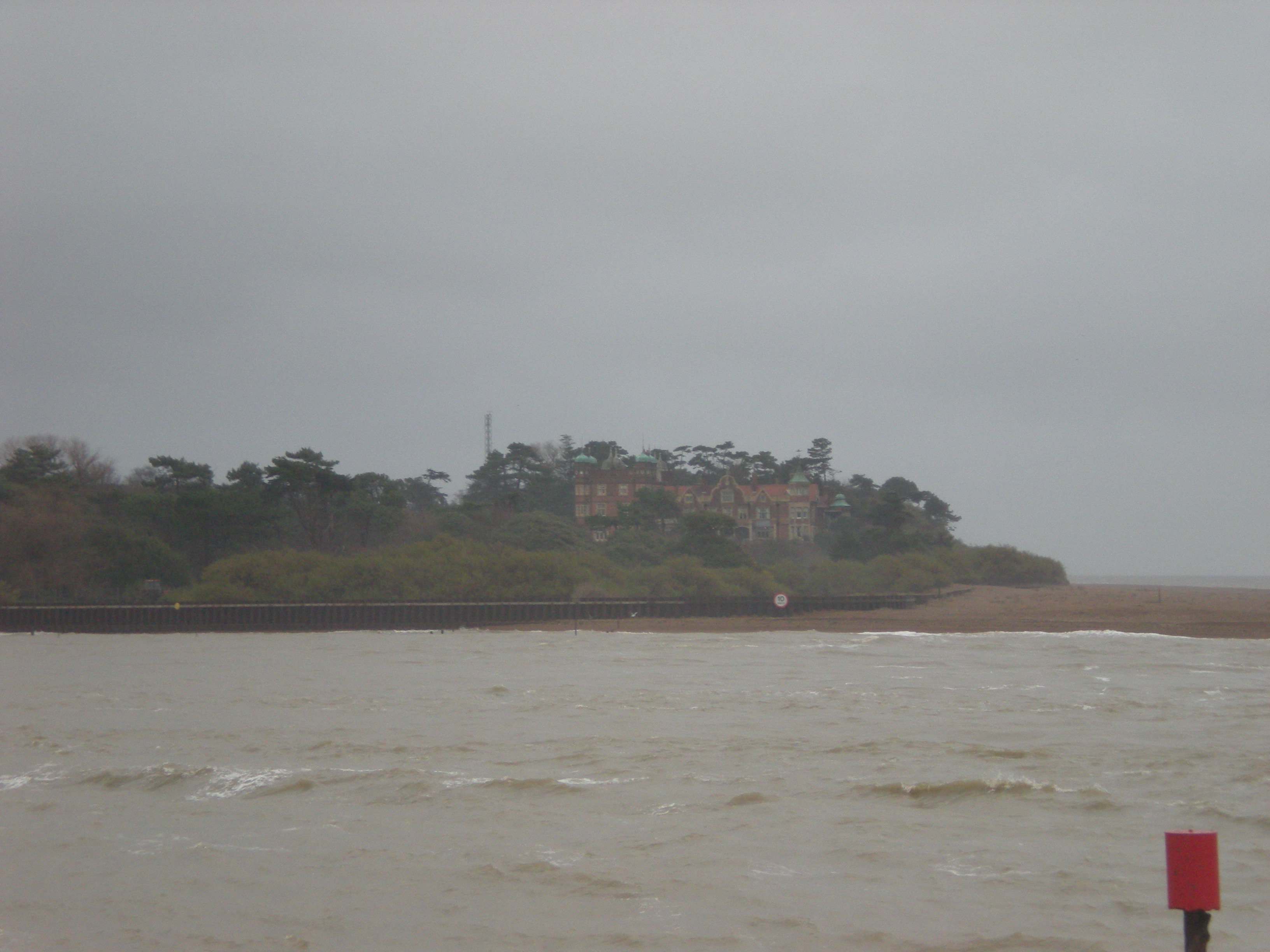
Bawdsey Manor
It is a large house in a very prominent position and was built in the late 1900s by the Quilter family.
But its role in the development of radar just before and during the Second World War has given this house its true fame. There is a museum on the site.
As a child I remember the three towers which formed part of the Chain Home radar system, that warned of early approach of German aircraft. This simple radar was very significant in the winning of the Battle of Britain.
It is interesting to note that British radar was actually inferior to German at the time. This is what Wikipedia says.
The Chain Home system was fairly primitive, since in order to be battle-ready it had been rushed into production by Sir Robert Watson-Watt’s Air Ministry research station near Bawdsey. Watson-Watt, a pragmatic engineer, believed that “third-best” would do if “second-best” would not be available in time and “best” never available at all. Chain Home certainly suffered from glitches and errors in reporting.
It was in many ways technically inferior to German radar developments, but the better German technology proved to be a disadvantage. The Chain Home stations were relatively simple to construct and comprehensive coverage was available by the start of the Battle of Britain.
I like Watson-Watt philosophy, as often something available in double-quick time is many many times better than nothing at all.
The Germans made a big mistake over these radar stations. Obviously, if they had been destroyed, victory for Britain in the Battle of Britain would have been more difficult. Wikipedia again.
During the battle, Chain Home stations, most notably the one at Ventnor, Isle of Wight, were attacked a number of times between 12 and 18 August, 1940. On one occasion a section of the radar chain in Kent, including the Dover CH, was put out of action by a lucky hit on the power grid. However, though the wooden huts housing the radar equipment were damaged, the towers survived owing to their open steel girder construction. Because the towers were untoppled and the signals soon restored, the Luftwaffe concluded the stations were too difficult to damage by bombing and so left them alone for the rest of the war. Had the Luftwaffe realised just how essential the radar stations were to British air defences, it is likely that they would have gone all out to destroy them.
What also puzzles me is that radar research carried on until the summer of 1940 at Bawdsey. If the Germans had known, the house would have been an easy target. Perhaps, it just shows how bad their intelligence was.
Stalin and Hitler
Gareth Jones was a journalist, who visited the Ukraine and Germany before the Second World War. What he reported was accurate, although it was rubbished by Stalin’s apologists. Read more about Gareth Jones in The Times.
There is an exhibition in the Wren Library at Cambridge University.
I shall be going.
Stories of Lady Houston
I’m just watching James May’s Toy Stories about building an Airfix Spitfire.
May has got a few facts wrong about the Battle of Britain, where the Hawker Hurricane was more numerous and was more influential in the Battle of Britain. (To the French, we are too selfish in calling that battle that name. They made a documentary to commemorate the 25th anniversary and said it was the Battle of Europe. If our aerial knights had lost, it would have given Hitler everything he wanted. But the rest, as they say is history!)
I have to put one story that happened to me concerning a Hurricane. I was flying my Piper Arrow from Staverton airport to Ipswich and to do this I had to transit the USAF base at Upper Heyford. Just as I’d received my clearance to cross the zone, I heard a clipped accent say something like this. ‘Heyford Tower, this is Hurricane One, request transit your zone.’ The voice was all very wizard prang and the call-sign was that of the Battle of Britain Memorial Flight.
The reply was American and slightly worried. ‘Say again call-sign and aircraft type’.
The clipped accent replied. ‘Heyford Tower, this is Hurricane One, request transit your zone.’
The American still had no idea what aircraft he had and repeated his request for call-sign and aircraft type. It was at this time, that another American voice broke in. ‘Hurricane One, this is Heyford Tower, permission to transit the zone. That’s a mighty fine aircraft you have there. Any chance of a pass of the tower.’
‘Hurricane One. Wilco!’
Even some Americans know how significant Sidney Camm‘s design is in the history of the UK. Sir Sidney also laid down the design of the Harrier, which had tremendous influence in the outcome of the Falklands War. Has any other designer helped his country in a major way in two wars forty years apart?
I didn’t see the Hurricane that day, but I have stopped by Duxford and seen one doing aerobatic practice on a crisp morning. As someone born just after the Second World War, I felt a lump in my throat. Do children today understand the significance of the Hurricane and the Spitfire?
But why is Lady Houston the title of this post?
Dame Fanny Lucy Houston was one of the first five Dames of the British Empire. She was given that title for looking after tired nurses in the First World War. In Wikipedia she is described as an “English benefactor, philanthropist, adventuress and patriot”.
They also describe her relationship to Robert Houston.
Her third and final marriage, on December 12, 1924, was to Sir Robert Paterson Houston, 1st Bt., member of parliament for West Toxteth, and a shipping magnate. Robert Houston is described in the Oxford Dictionary of National Biography as “a hard, ruthless, unpleasant bachelor”. They lived as tax exiles on the island of Jersey.
When Sir Robert showed her his will, Lucy tore it up telling him that one million pounds was not good enough. Sir Robert then suffered a series of mental disorders and Lucy employed a food-taster to ensure that he was not being poisoned. Even so Sir Robert mysteriously died on his yacht Liberty on 14 April 1926, leaving his widow roughly £5.5 million.
She was described as paranoid with religious delusions and declared mentally unfit to manage her own affairs, but she left Jersey in the Liberty. She then negotiated with the British Government the payment of £1.6 million in death duties. Her political opinions were extreme (she supported Mussolini). According to the Oxford Dictionary of National Biography “she paid for nine by-election meetings by the British National Government to be disrupted”.
Yes! I suspect we’d say she was a couple of bricks short of a full load.
But!
She used her fortune to fund the defence of the Schneider Trophy in 1931. But her gift had long-lasting affects according to Wikipedia.
The gift gave Lucy Houston an opportunity to attack the Labour government, with the declaration: “Every true Briton would rather sell his last shirt than admit that England could not afford to defend herself.” The Prime Minister could not ignore the patriotic fervour that she generated and so yielded.
There were only nine months to prepare and so Supermarine’s designer Reginald Mitchell could only update the existing airframes. Rolls-Royce increased the power of the R-Type engine by 400 hp to 2,300 hp. The improved aircraft Supermarine S.6B won the trophy, though the technical achievement is slightly tarnished by the fact two S6Bs and an S6 were the only participants. (One S6B later broke the air speed record.)
Lady Houston’s gift provided a valuable impetus to the development of engine technology that would ultimately vital in the Second World War in particular the Battle of Britain. The lessons learned in building racing seaplanes also helped Reginald Mitchell to develop the Supermarine Spitfire. As Arthur Sidgreaves, the managing director of Rolls Royce, commented at the time: “It is not too much to say that research for the Schneider Trophy contest over the past two years is what our aero-engine department would otherwise have taken six to 10 years to learn.”
So every Merlin engine that powered the Spitfire, Hurricane, Mosquito and many other aircraft owed a debt to an eccentric English woman.
Would the Battle of Britain have been won, without her gift?
I’ve stood on the Fourth Plinth in Trafalgar Square, but who should be there are Lady Houston, Sydney Camm, R. J. Mitchell and Henry Royce. Three of them were dead before the Second World War, but without them Britain would have lost its most desperate battle.
We think of Royce as the second half of Rolls-Royce, but he was a self-educated engineer of genius. Wikipedia tells this tale, about the successor to the “R” Type engine, that powered the seaplanes.
Following the success of the “R” engine, it was clear that they had an engine that would be of use to the Royal Air Force. As no Government assistance was forthcoming at first, in the national interest, they went ahead with development of what was called the “P.V.12” engine (P.V. standing for Private Venture). The idea was to produce an engine of about the same performance as the “R”, albeit with a much longer life. Royce launched the PV12 in October 1932 but unfortunately did not live to see its completion. The engine completed its first test in 1934, the year after he died. Later, the PV12 became the Rolls-Royce Merlin engine and the man who had once humbly signed the visitors’ book at the RAF Calshot seaplane base as “F.H. Royce – Mechanic” would never know how his engines would go on to change the course of the Second World War.
Most will think of Rolls-Royce as a car manufacturer, but how many know that Royce was one of the most influential men of the twentieth century for what he did in the final years of his life.
But to return to Lady Houston.
My father met her and he described her as mad. She was in bed, with red, white and blue curtains and a Union Flag bedspread. What he was doing, I don’t know and I can’t ask him, but my father was a man who dabbled in left-wing Tory politics and somehow this may have led him to Lady Houston.
I may not have agreed with some of her politics, but…
 The Anonymous Widower