Was It Right To Bomb Germany As We Did in the Second World War?
I have felt for a long time that the bombing of German cities by the RAF and the USAAF was rather a pointless exercise driven more by vengeance and revenge than any strategic purpose to defeat the Nazis.
Remember, I was brought up in London and many of my relatives experienced the bombing first hand. My grandfather’s premises close to the Barbican, where he worked as an engraver, were completely destroyed in the Blitz. Many of these people weren’t too bothered about the bombing as it just made them angry and anyway they survived. Others might have felt different, but most just felt that you had to deal with what happened and get on with life. Supposedly, one of the reasons for bombing civilians was to break their moral and hopefully get them to turn against the government. I think that London and other British cities that were bombed showed that it didn’t work. If anything it just stiffened their resolve to carry on.
Was it any different in Germany, when we bombed their cities? I’ve only met a couple of Germans, who endured the bombing from the RAF and the USAAF and they didn’t seem to react any differently to the way we did. And they probably suffered a lot more.
But also remember that a 250,000 from both the RAF and the USAAF either died or went missing in the bombing of Germany. So in some ways we lost the trained personnel that we really needed to support the invasion.
I also remember reading the history of the de Havilland Mosquito. Initially this superb design wasn’t really wanted by the RAF, as they felt who in his right mind would want to fly across to bomb Germany in an unarmed aircraft built out of ply and balsa wood. To them and the USAAF, a heavily armed four engined bomber would obviously be better. But statistics proved them wrong, as the Mosquito, which carried virtually the same bomb load as a B-17, but with a crew of two instead of ten, had a much higher return rate and much lower losses of crew. It was also much faster and could bomb Germany twice in one night.
In my view it should have been used strategically to take out German infrastructure, such as important factories and rail junctions. Wikipedia says this.
Mosquitos were widely used by the RAF Pathfinder Force, which marked targets for night-time strategic bombing. Despite an initially high loss rate, the Mosquito ended the war with the lowest losses of any aircraft in RAF Bomber Command service. Post war, the RAF found that when finally applied to bombing, in terms of useful damage done, the Mosquito had proved 4.95 times cheaper than the Avro Lancaster.
Yesterday, the obituary of Flight Lieutenant Don Nelson was published in the papers.
He was an RAF navigator, who helped to plan the destruction of German infrastructure in the run up to D-Day.
This is an extract from The Times.
In the spring of 1944 Bomber Command under its redoubtable but stubborn leader, Air Chief Marshal Sir Arthur Harris, was ordered to divert a proportion of its energies from the strategic bombing of Germany, of which Harris was the architect, to attacking targets in northern France and Belgium — railways, bridges, tunnels, marshalling yards — whose destruction would materially expedite the forthcoming Allied invasion of German-occupied Europe.
Although Harris dug his heels in against what he was convinced was a misuse of his strategic bomber force, a trial raid against a railway centre at Trappes, south west of Paris, in early March resulted in such spectacular destruction and dislocation of rail traffic that it became evident that a sustained assault by Bomber Command would be capable of virtually paralysing the German capacity to move troops against whatever beach heads the Allies might establish before, and not after, the projected invasion. This was a vital discovery. In spite of Harris’s protests his best bomber squadrons were from then until June 6, 1944, and afterwards, employed on this momentous interdiction work.
The Telegraph tells a very similar story.
Looking back with 20/20 hindsight, I think we probably could have done better in our bombing campaign against Germany, by bombing infrastructure important to the war effort, rather than the general population.
We also never learn from the past, as if we look at Iraq, Afghanistan and now Libya, we continue to make the same mistakes we always do. Inevitably vengeance seems to get mixed up with the simple objective of defeating a vile and hideous regime and its leader.
Mietek Pemper
I had not heard of Mietek Pemper until I read his obituary in The Times today. Here is the one from The Telegraph.
Most have heard the story of Oskar Schindler and how he saved hundreds of Jews from the Nazis, but here was the man, who did all of the paperwork.
It is a fascinating tale and in a way shows that amongst all the evil of the Second World War, there were some good men and women, making a real difference.
Operation Crossbow
I’m just watching this fascinating program on BBC 2, about how we used photographic intelligence during the Second World War.
It is a program, that points to not only what we got right in fighting the Germans and the Japanese but what we got wrong.
We certainly got photographic interpretation correct, as we were able to unlock the secrets of Pennemunde and the V-1. This led to Operation Crossbow itself, which helped to neutralise the weapons. As I said in an earlier post is our photographic interpretation as good today?
Most of the aerial photography was done by Spitfires, stripped of guns and painted blue, so they couldn’t be seen. But what surprised me that some were flown by American pilots and carried USAAF markings. I hadn’t realised that Spitfires actually served in the USAAF.
Search the Internet and you’ll find two pages; Uncle Sam’s Spitfires and Spitfire 944.
The first describes how the USAAF had to use Spitfires in Europe because Lightnings and Airacobras were not suitable to be used as fighter escorts.
This is an except.
Uncle Sam’s Spitfires had written a little-known chapter in US fighter history. Though the USAAF used over 600 Spitfires during the war, the aircraft was never given a US designation, and little publicity was given to the exploits of the 31st and 52nd Fighter Groups – nothing like what they would get in the summer of 1944 during the wild air battles over Ploesti when they flew Mustangs. This is most likely a good example of the US military’s overall dislike of having to admit to using “NIH” (Not Invented Here) equipment.
In the end the Spitfires were replaced with Mustangs, which although they were an American aircraft, they were designed to an RAF specification and had a Rolls-Royce Merlin engine like the Spitfire. But did the Packard-built Merlins have Tilly Shillings Orifice?
The second is a film made about John S. Blyth, who was a USAAF pilot who flew the photo-reconnaissance Spitfires. He appeared in the program.
There was also rare footage of the Mosquito being used as an airliner to bring equipment out of Sweden for the photo interpreters to use. There is very little about this use of de Havilland’s amazing aircraft, where it used nothing more than its speed to ferry important war materials and people to the UK from places like Sweden and Northern Russia. In one case Marshall Zhukov was the passenger and as he had only two words of English, “Betty Grable”, these were to be used if he wanted anything in his cramped seat in the bomb bay.
Up until I saw the program tonight, I thought that the Mosquito had been the only British aircraft to wear USAAF markings, where it was used for weather research, as it could fly higher than any other aircraft.
They also showed pictures of Barnes Wallis’s Tallboy bomb, which was used with great effect against the sites.
I sometimes wonder if had the Americans used Tallboys and the later Grand Slams against Japan, then they might not have needed to resort to nuclear weapons. After all in the B-29 Superfortress they had a bigger delivery aircraft than the Avro Lancaster. They also modified the Tallboy to create the Tarzon, which was used in the Korean War, so they couldn’t have been totally against the technology.
3D Photography Is Not New
I found this fascinating article on the BBC website. It describes how 3D photography was used by the RAF in the Second World War to unlock the secrets of German missile sites.
I hope that those in the military use drones or high altitude aircraft equipped with such cameras for their reconnaissance today in Iraq, Afghanistan and Pakistan.
The technique might also be useful in assessing things like earthquake damage in remote areas.
In Search of Jack Nissenthal
In the web site on the BBC relating the story of Jack Nissenthal, it says that he was born in Cottage Row in Bow.
Yesterday, I decided to find out more. searching the Internet, showed no trace of Cottage Row in Bow, so I took the bus to my nearest big library; the City of London, library in the Barbican Centre. There displayed in a cabinet was a map of poverty for London and a Cottage Grove could be easily seen in Bow Neighbourhood, but not a Cottage Row. My up-to-date A-Z didn’t show Cottage Grove at all. So the librarian and myself concluded that development had taken place and the street pattern had been changed. Rhondda Grove seemed to occupy the same place as Cottage Grove.
So it was a tube ride to Mile End station via Bethnal Green to see what I could find.
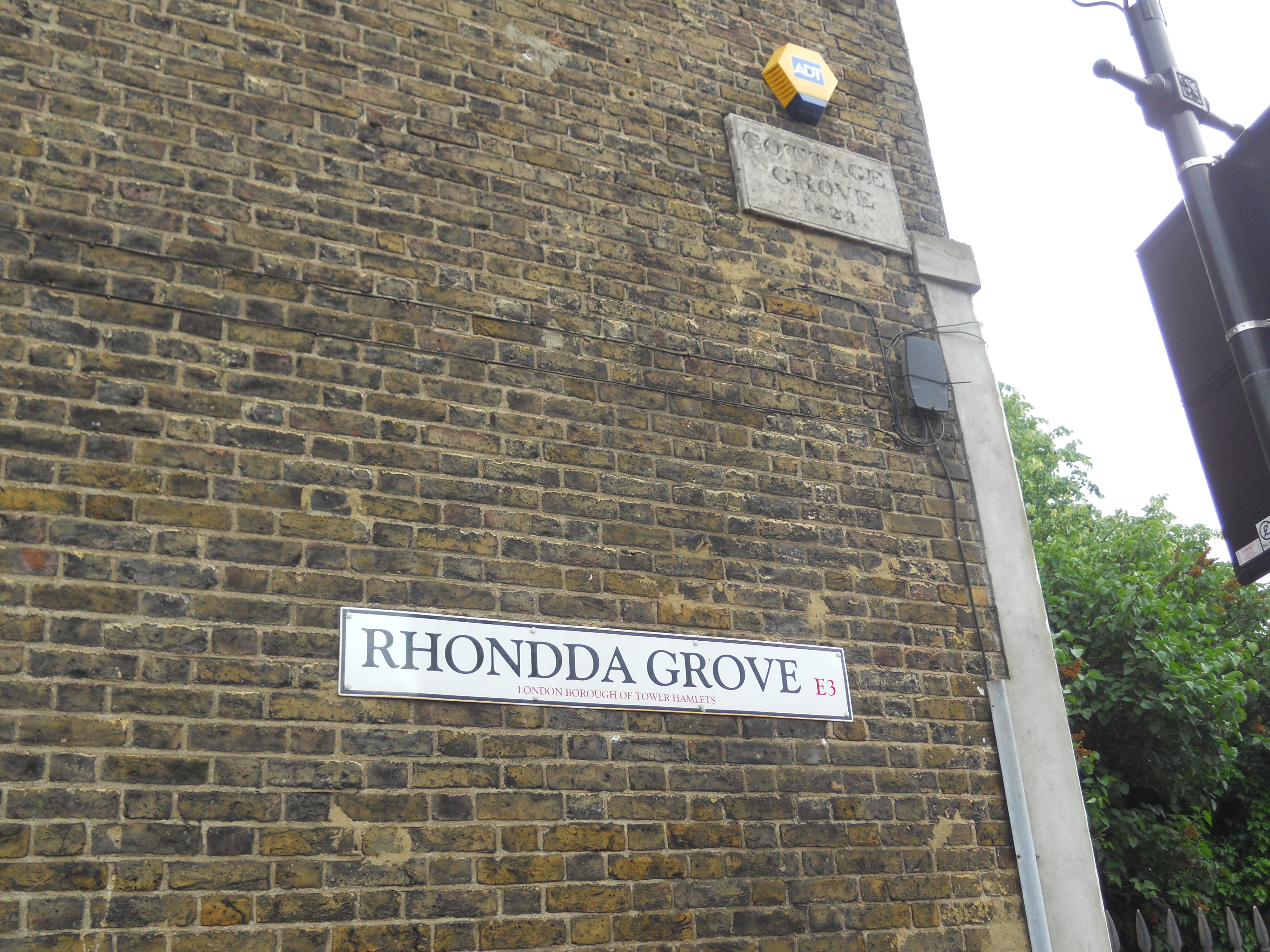
Rhondda Grove/Cottage Grove in Bow
This picture shows the end of Rhondda Grove. Note the Cottage Grove sign with a date of 1823.
It is a pleasant street now with most of the terrace and other houses now fully modernised.
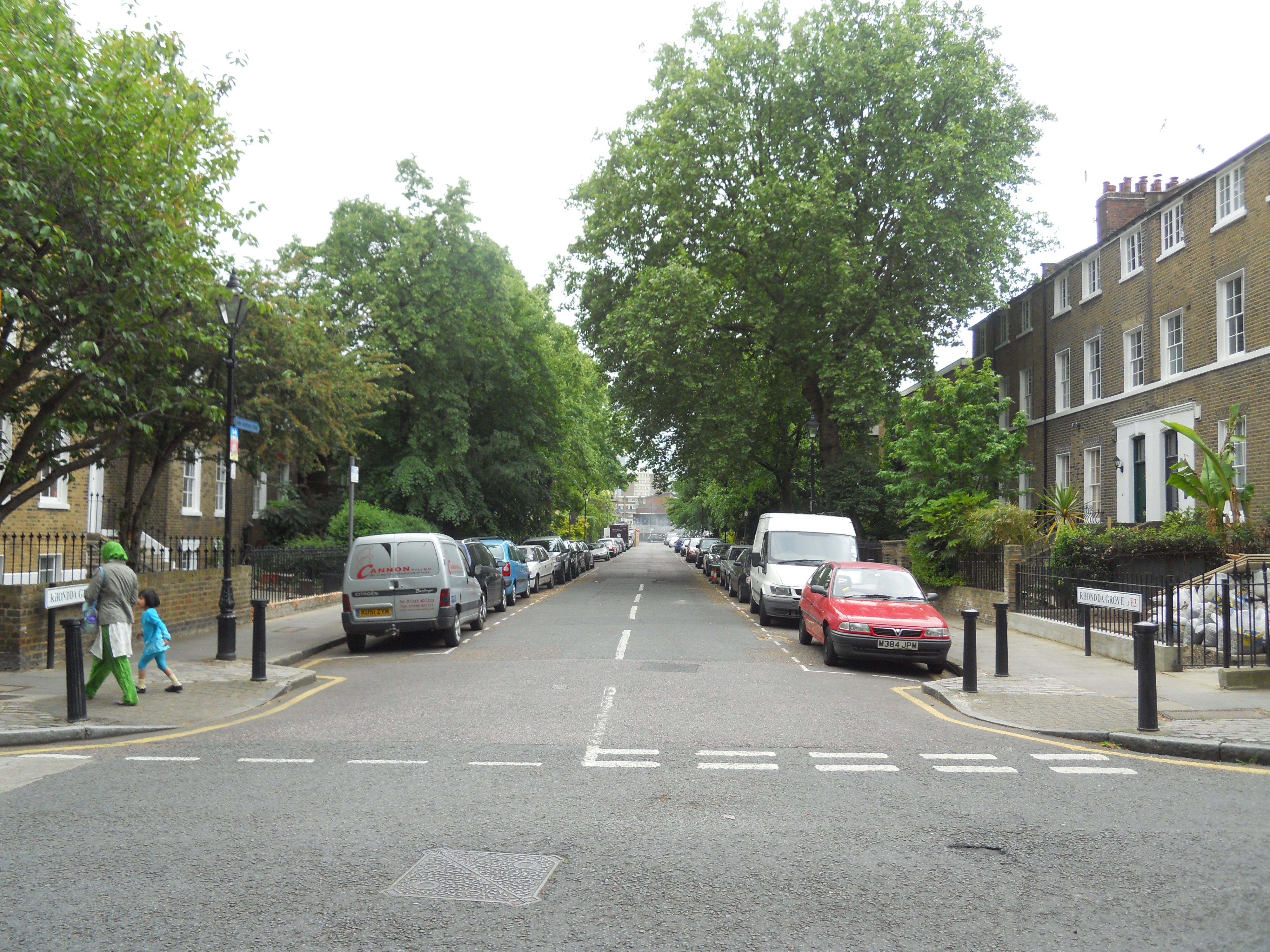
Rhondda Grove, Bow
There appeared to be not too many spaces or new properties, that would be typical of bomb damage.
So was this the street where Jack Nissenthal grew up?
I then went to Tower Hamlets Archive Centre in Bancroft Road just around the corner.
They did confirm from a 1920s London Street Atlas, that there was only one Cottage Row in London at the time of Jack’s birth and that was in South East London. Cottage Grove had not yet been renamed. On searching the large scale maps of the area, I did find that the street seemed to have been renamed in the late nineteenth century. There were also a few mews houses behind the street. So could one of these been known locally as Cottage Row?
Bethnal Green Tube Station
I had to go to East London today and took time out at Bethnal Green station.
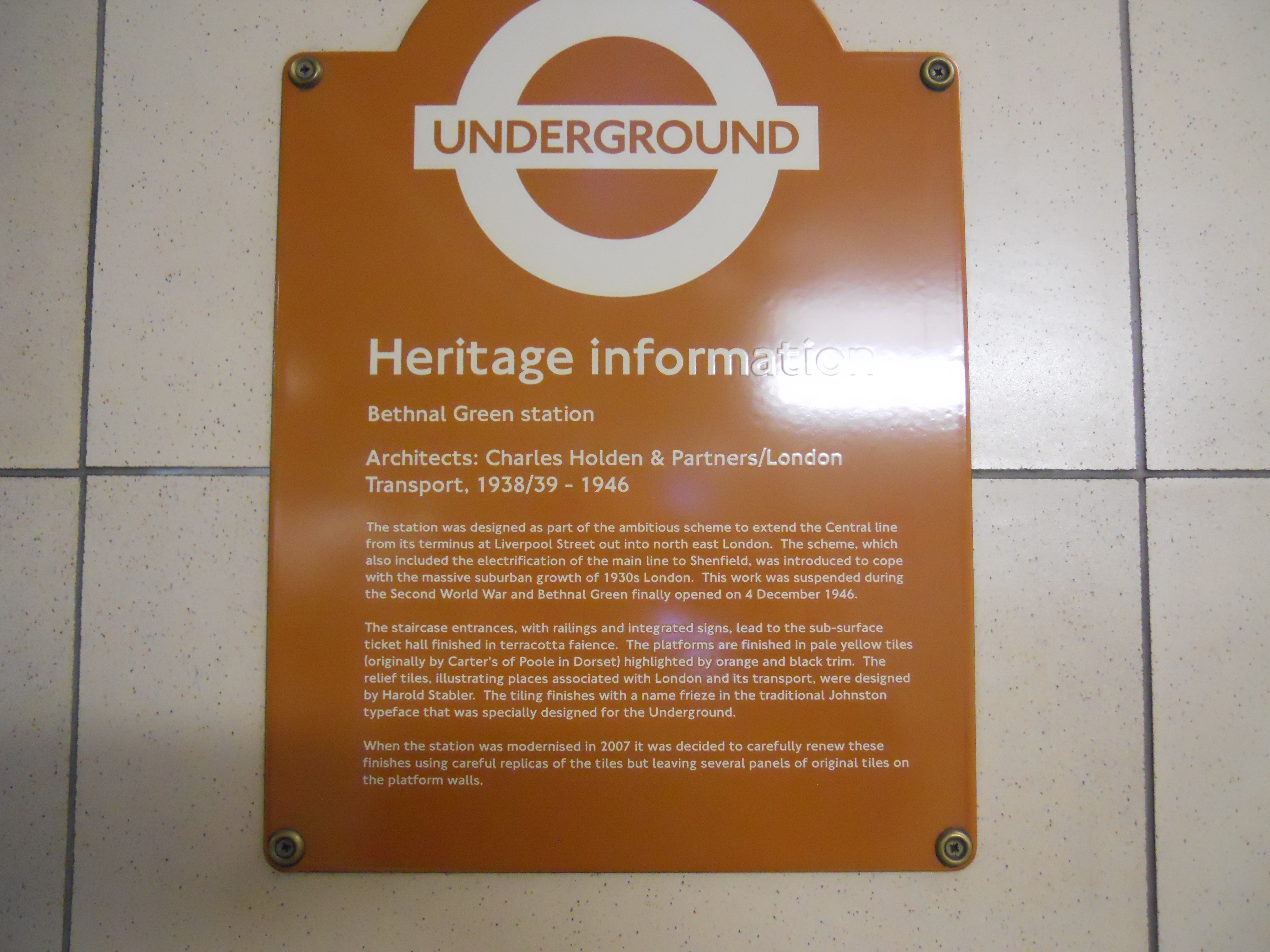
Heritage Plaque at Bethnal Green Station
This plaque is the first I’ve seen in a London Underground station and gives details of the architecture.
We need a lot more.
I’d been to the station before, when my late son and his family lived nearby and knew a little about the wartime disaster at the station.
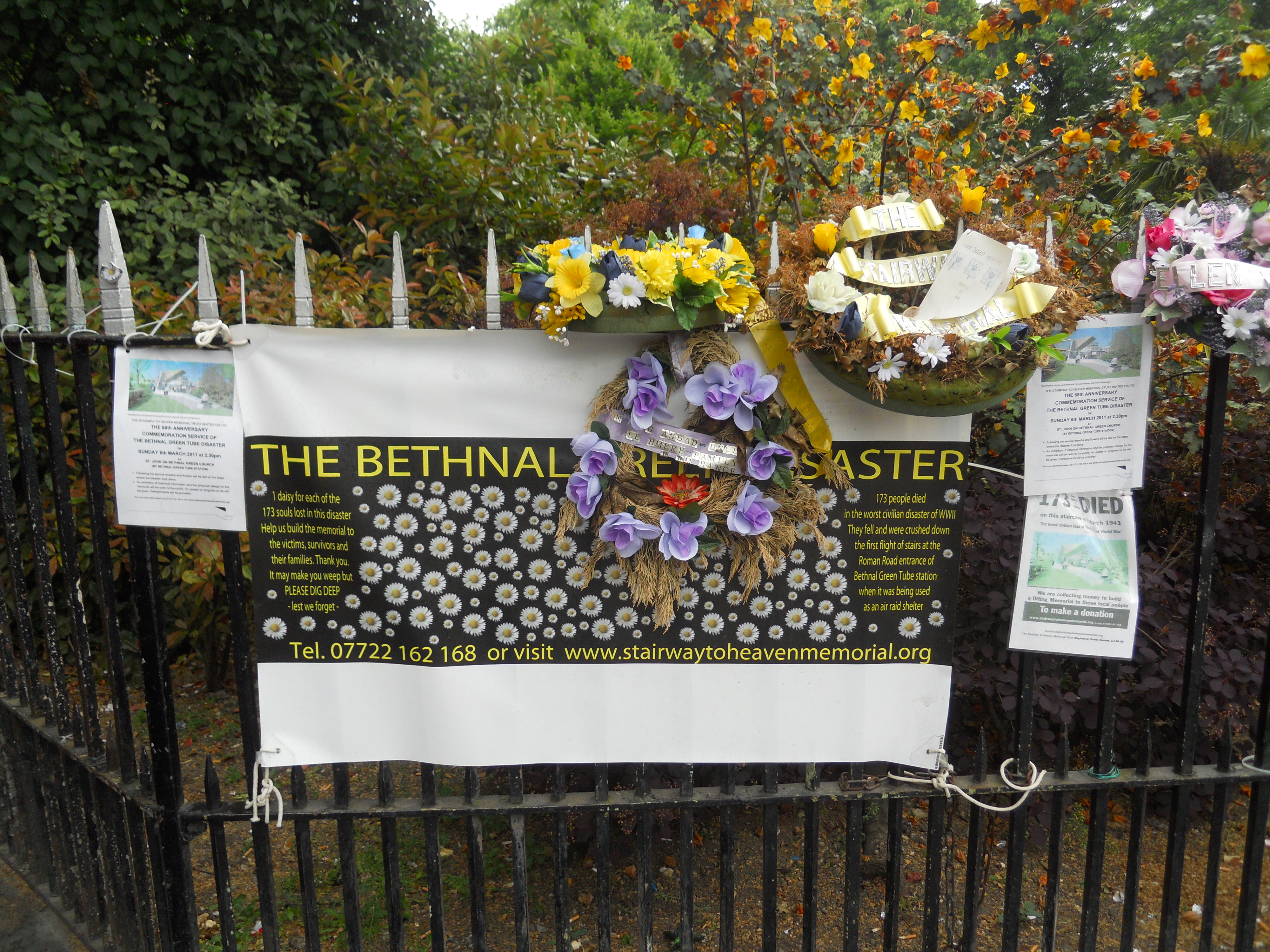
Memorial Banner and Flowers to the Bethnal Green Disaster
173 people died not from enemy action, but from a rush down the stairs to get into the station. A memorial has been designed and given planning permission. For more details of the disaster and the memorial see here.
I hope this memorial to the worst disaster on the London Underground goes ahead.
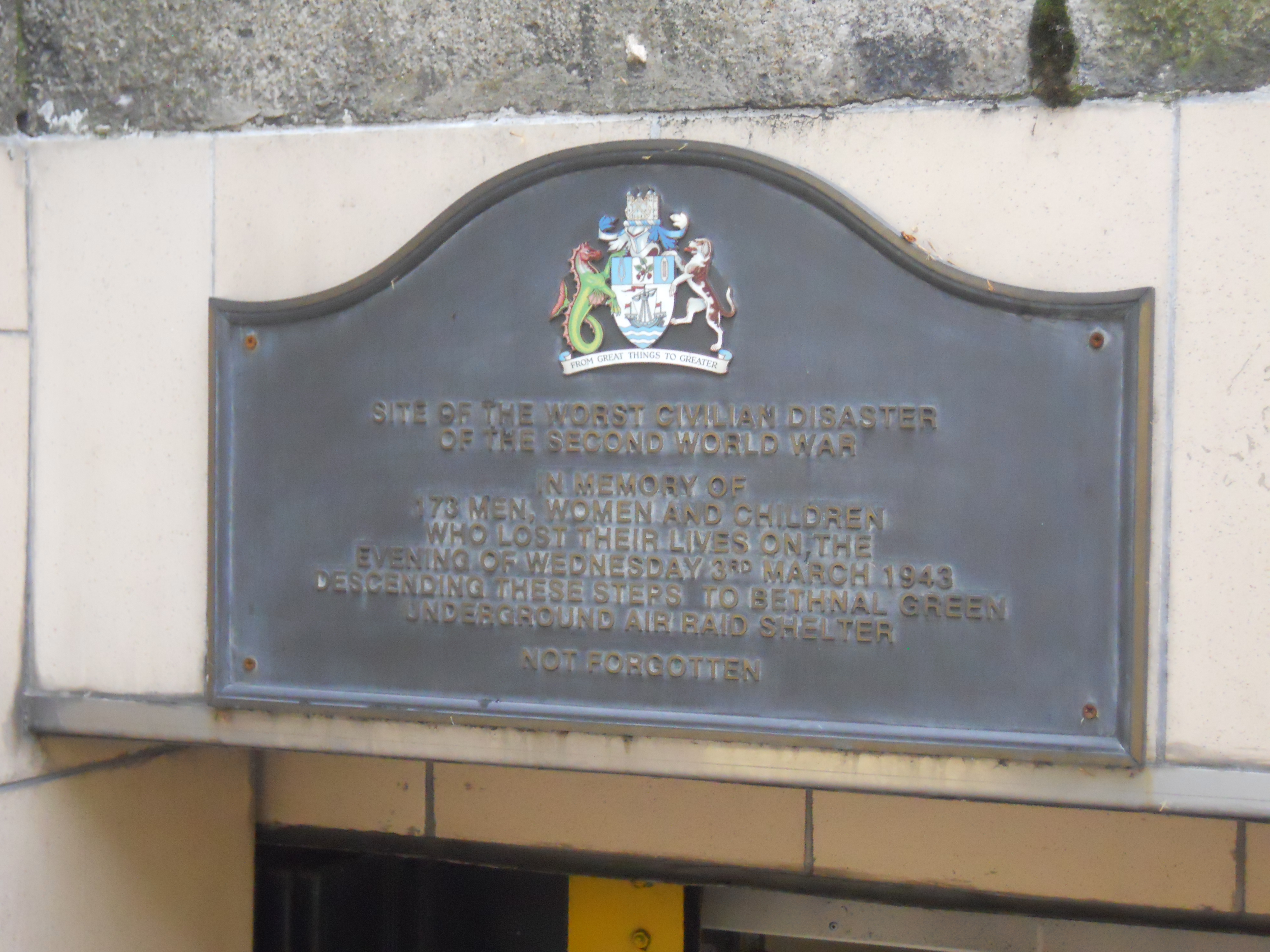
Memorial Plaque to the Bethnal Green Disaster
At least there is a plaque outlining the disaster.
The Amazing Jack Nissenthal
Jack Nissenthal was a remarkable man, whose tale of heroism in the Second World War is now all but forgotten. I first came across his story, when Radio 4 did a piece about the RAF Sergeant and radar expert who went on the raid at Dieppe to try to find out more about German radar. He was accompanied by eleven Canadian soldiers who were under orders to not let him get captured. In the end he didn’t meet his objective of dismantling the German radar station at Pourville, but by his quick thinking and his deep knowledge of radar systems, he was able to make the Germans give away enough of their important secrets, so that on D-Day, they were effectively without any useful radar systems.
After the raid he returned with just one of his Canadian escorts.
It is all described on this web site and a book called Green Beach
A follow up web site tells what happened to him afterwards.
Many including Lord Mountbatten, felt he should have been given a high award for gallantry, if not the highest. He eventually went to live in Canada, where his heroism was very much recognised. This is an extract from the web page.
In August 1967 Jack returned to Pourville for the 25th anniversary of the landings and met many old and decorated friends, including Les Thrussel. Les had always told friends the story of how he had orders to shoot a top British scientist on the raid had he been in danger of capture, but nobody believed him.
Now he met Jack and told him to tell Les’s friends the truth!
In a cafe in Dieppe that evening Jack sat reminiscing with the three VC’s of the raid – Merritt, Porteous and Foote. There was a loud knocking on the door and several young Canadian soldiers serving with NATO walked in. “We heard Jack Nissen was here and we want to shake his hand”. Jack recalled afterward, “There I was sitting with three VC’s and these young men wanted to shake ME by the hand. I was in tears. This was my reward and the highlight of my life”.
But he is not mentioned in any lists of famous people from the East End of London. He is mentioned in Wikipedia, but doesn’t have a section of his own.
A Hurricane Over Hull
I just had to link to this web page and video, which shows a Hawker Hurricane flying over Hull yesterday to mark the seventieth anniversary of the worst two nights of the Hull Blitz.
I have my own memories of Hurricanes and they are in this rather long post.
The Olympic Site Is Protected
I took this picture at the start of the Greenway just as it crosses the canal at the western site of the Olympic site, close to Hackney Wick.
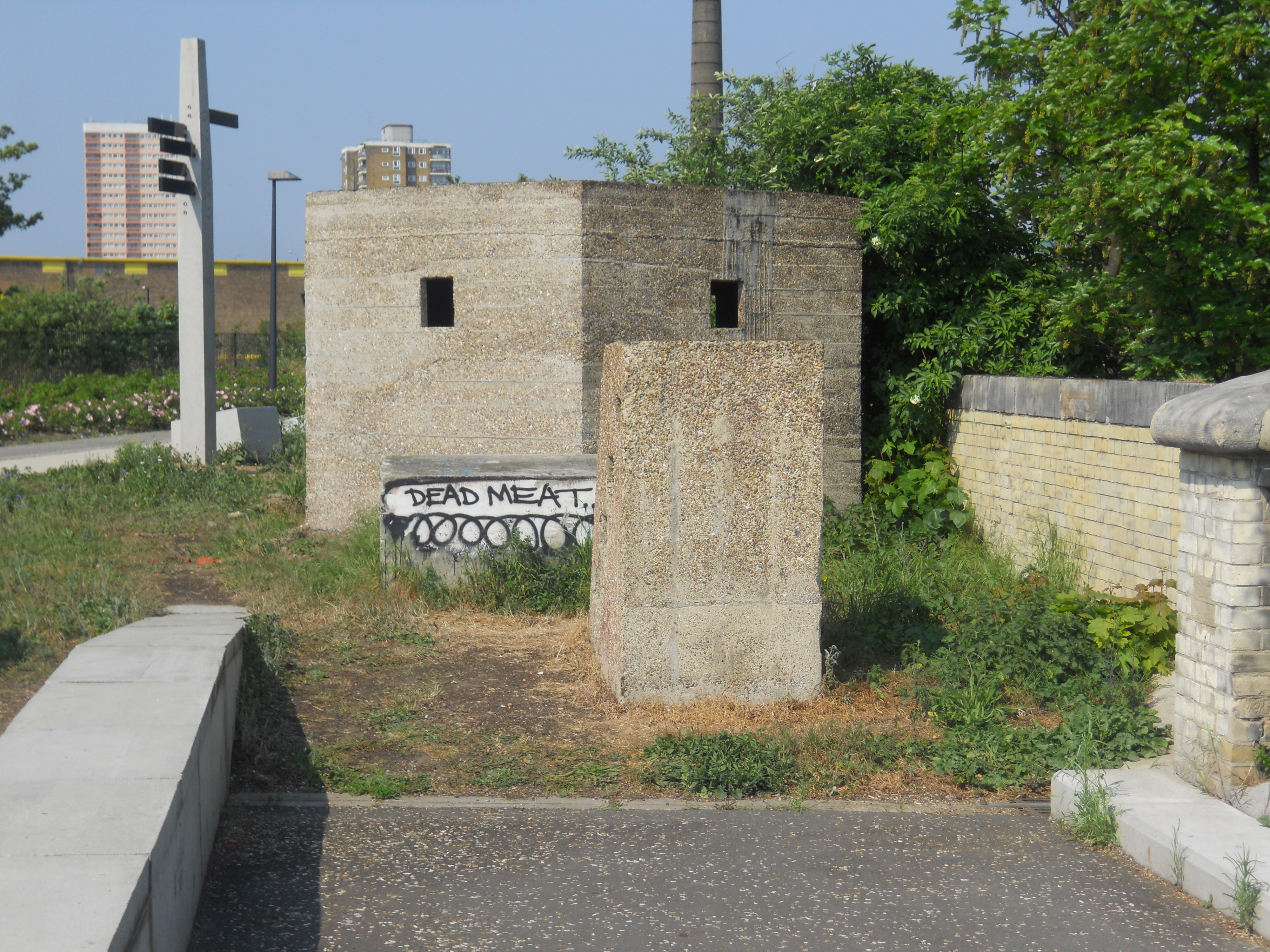
A Pill-Box by the Olympic Site
Two guys in this pill-box with a couple of PIAT anti-tank guns could stop anything.
The Bombed-Out Church
Liverpudlians always know St. Luke‘s as the bombed-out church.
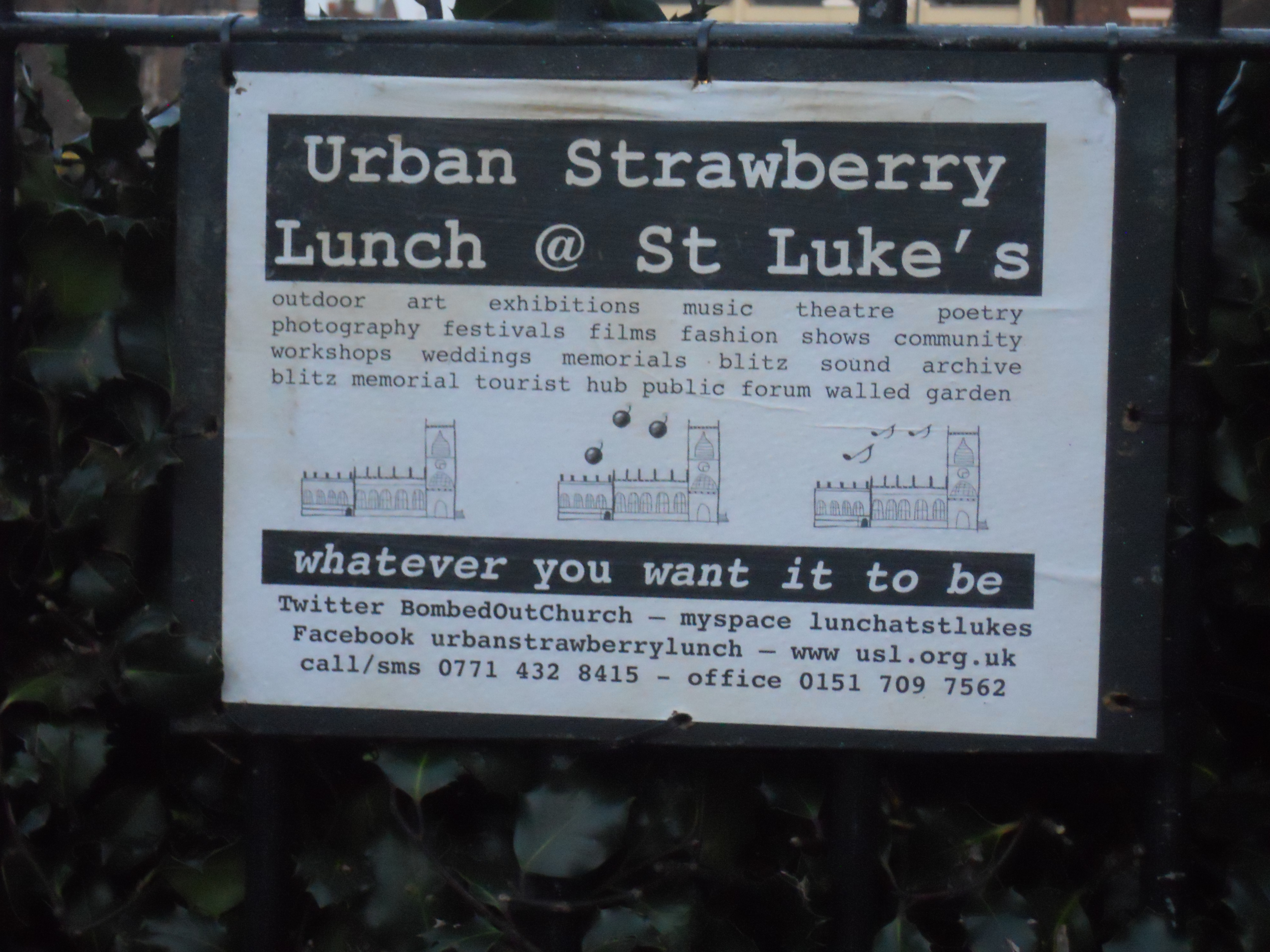
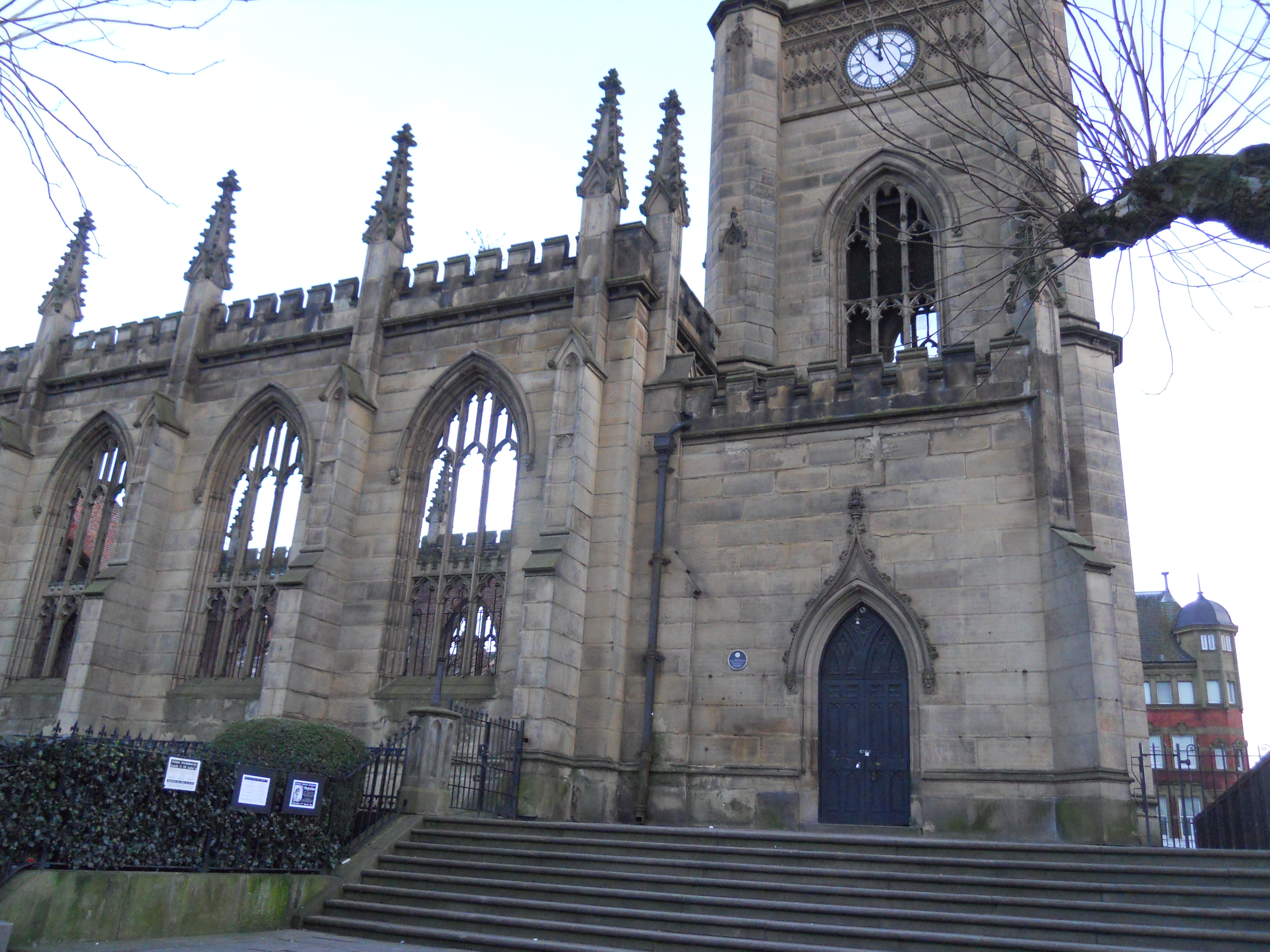
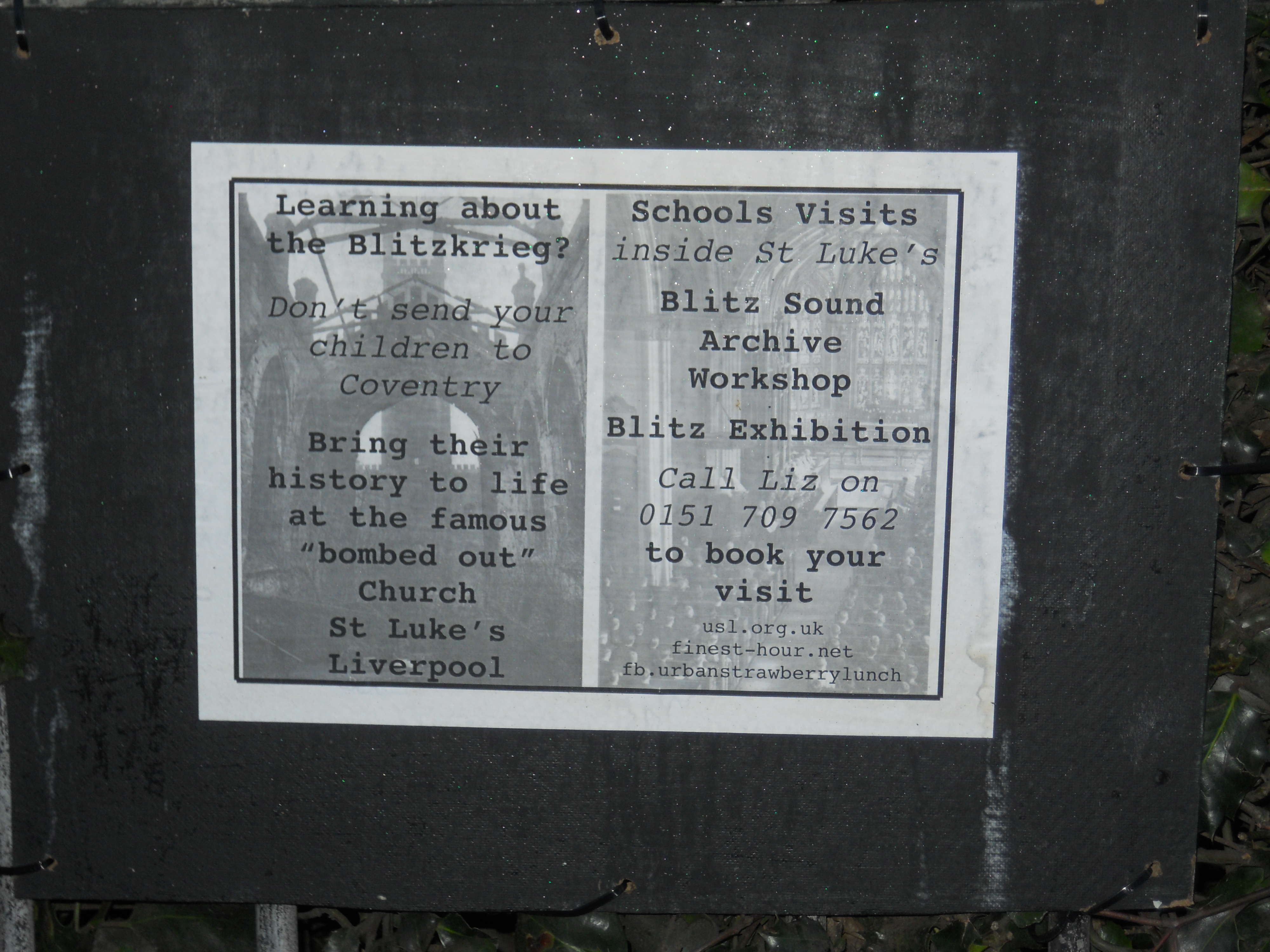
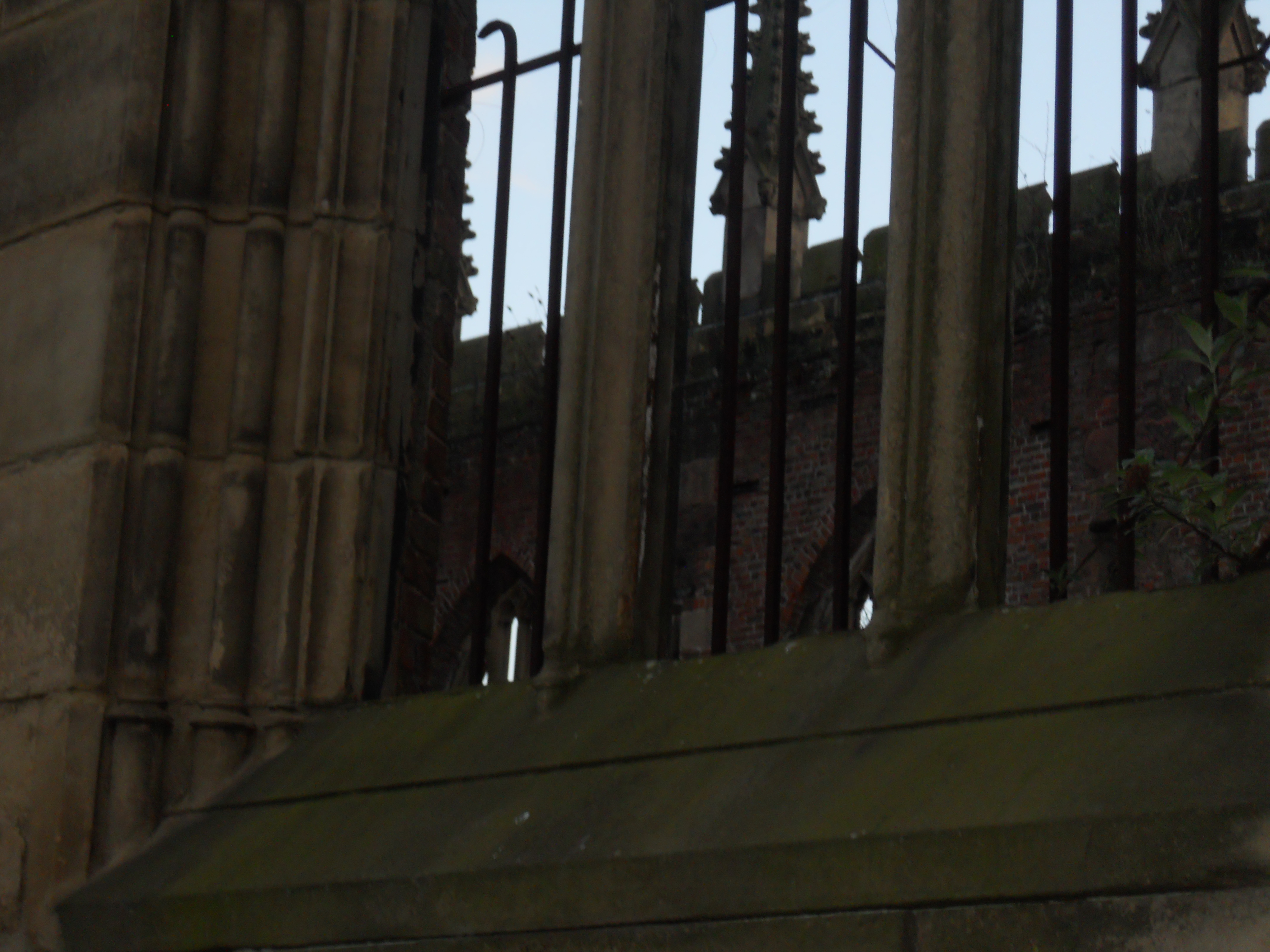
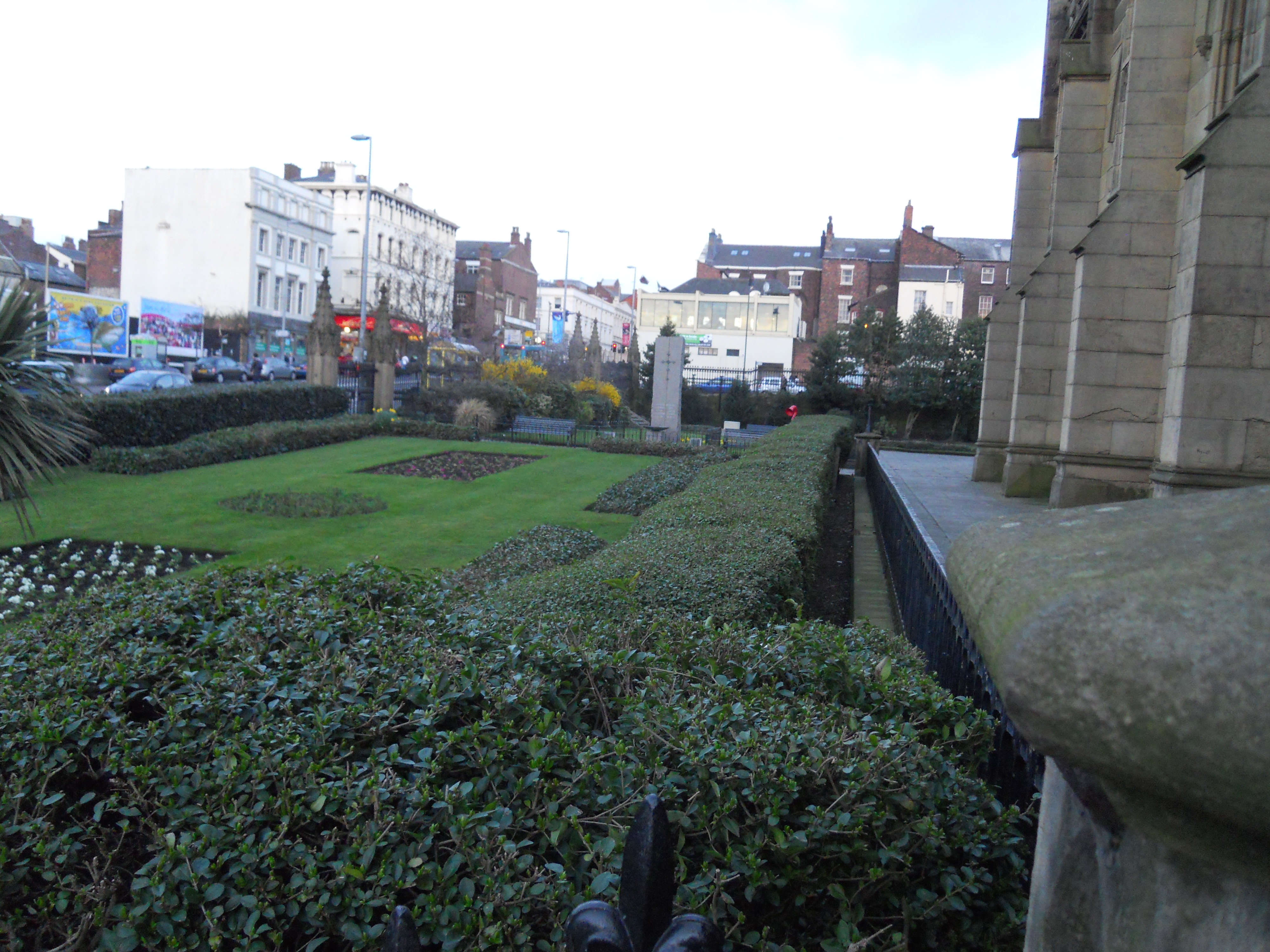
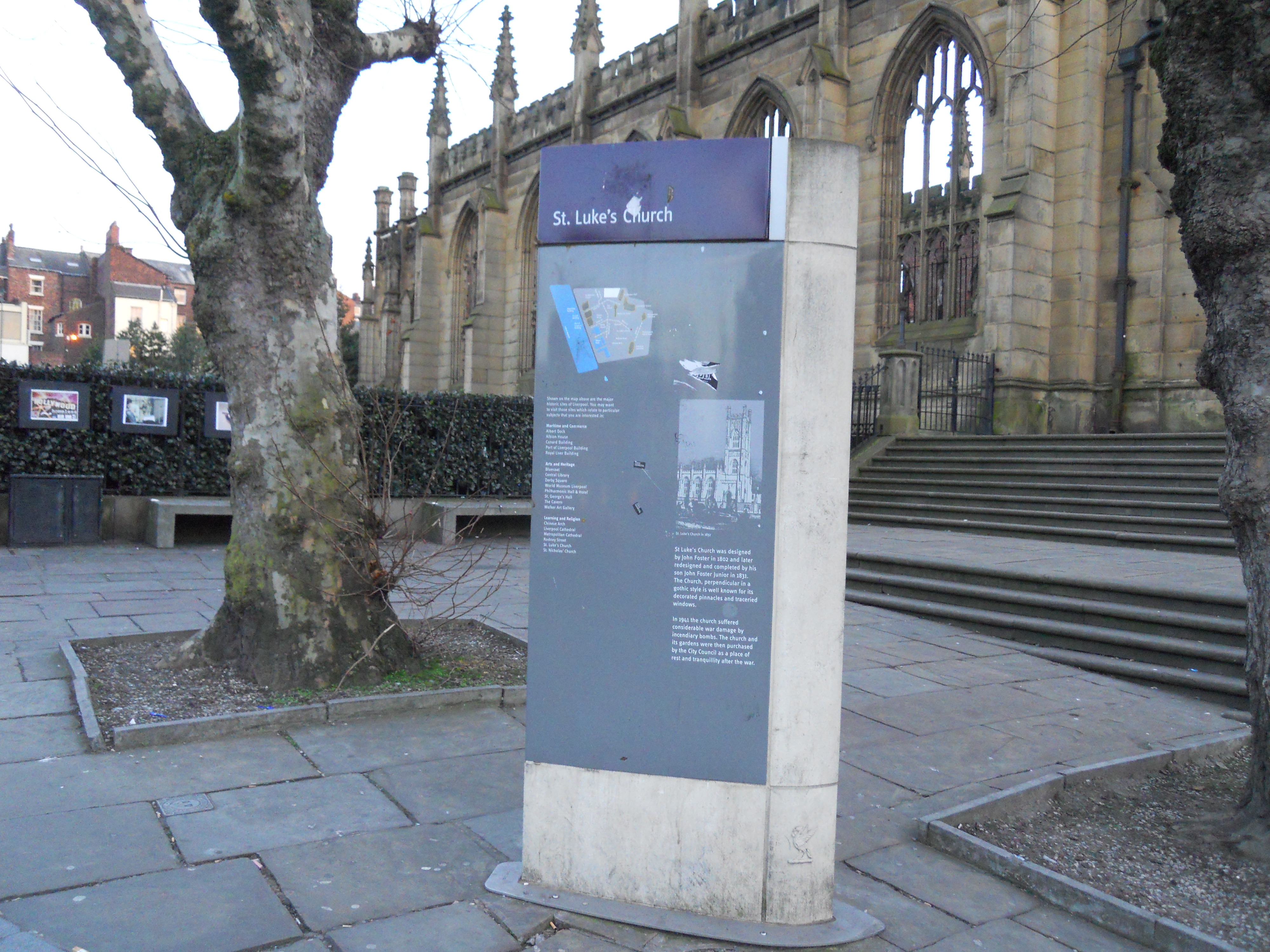




Urban Strawberry Lunch now use the church as an event space, with music, films and other events.
When I go to Liverpool, I always walk up past St. Luke’s and pay my respects to all those who died in the Second World War.
I know C felt this was one of her favourite places and although I didn’t shed a tear this time, I did think of her when I passed. It may not be as well known as Coventry, but to me this church is an important memorial to those who died.

