Electrification Of Bath Spa Station
Bath Spa Station could present a unique mix of electrification problems.
- It is a Grade II* Listed Building.
- It is situated in a World Heritage Site.
- The station sits on a viaduct between the River Avon and the City.
- Traditional electrification of the Great Western Main Line Through Bath, would be a challenge to the best engineers.
- Electrification will present aesthetic problems.
This Google Map shows the cramped location.
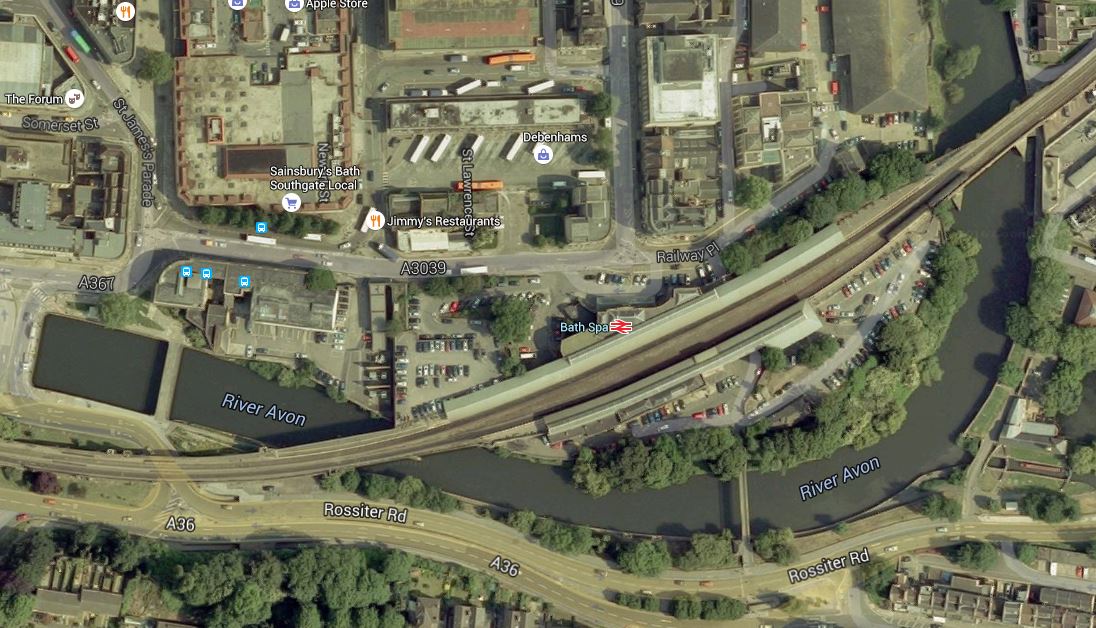
Bath Spa Station
At least it is close to the bus station, which can’t be said for that many stations.
As with Electrifying The Great Western Through Sydney Gardens, the engineers are thanking Brunel.
Look at this picture of the lines through the station.
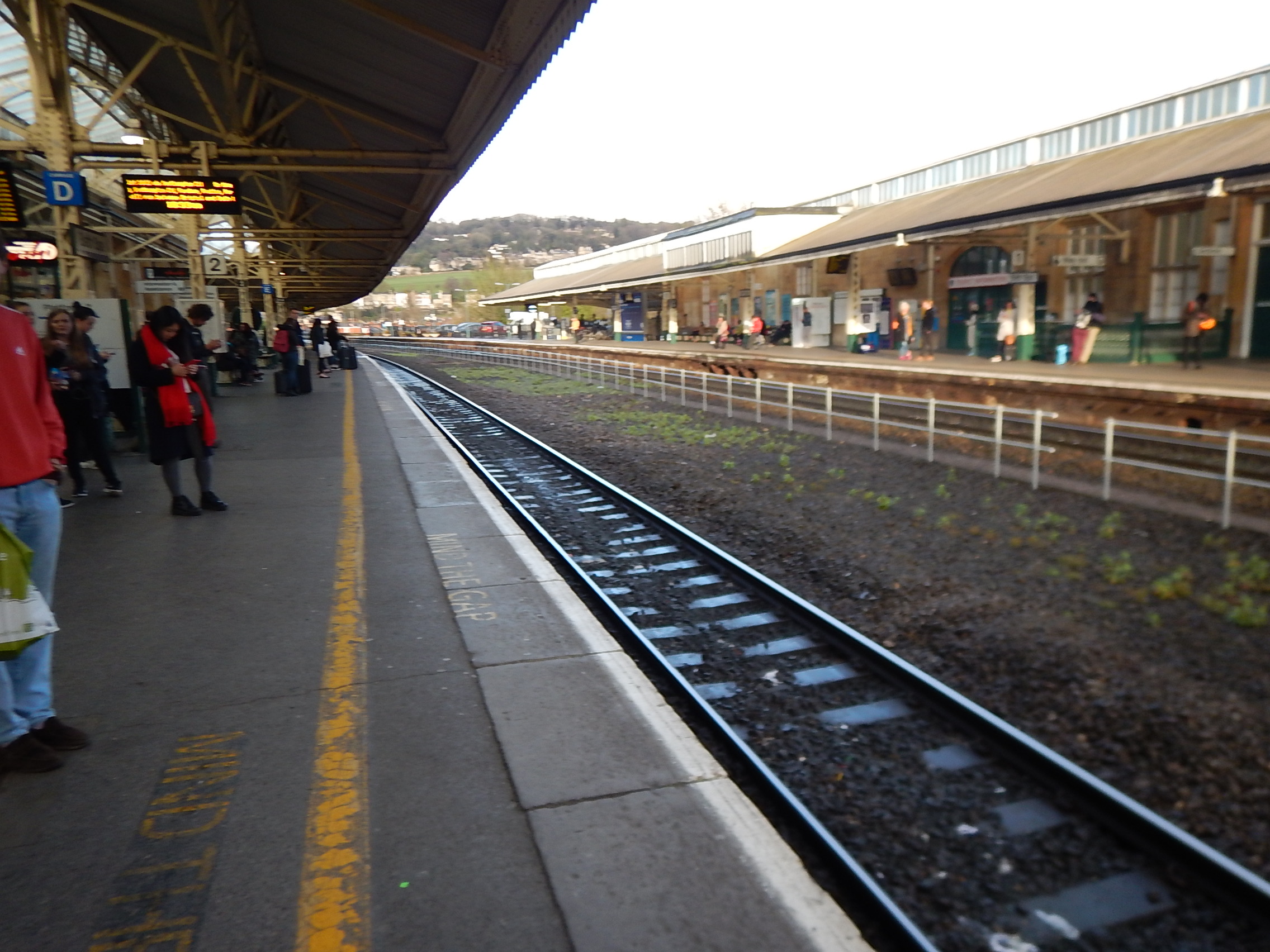
Lines Through Bath Spa Station
Engineers must surely be able to use some system to erect the wires on this wide viaduct, that was designed for Brunel’s broad gauge.
- A solution similar to that used in Paddington station could be used in the station.
- Central masts could be erected, with the overhead wires on either side.
No wonder that the Great Western Electrification is running so late, if every station is as difficult as this one.
These are a few pictures of Bath Spa station.




I’ll be looking forward to comparing them with pictures taken in a year or two, after the wires are in place.
Could This Be A Ground-Breaking Idea In Station Design?
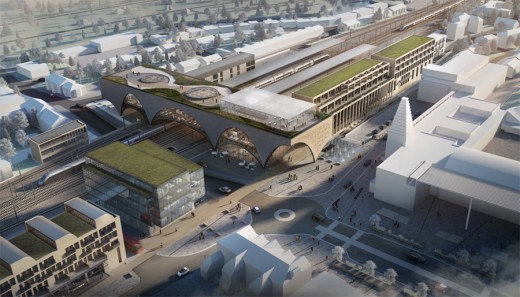
This is an aerial view of the winning design proposal for Oxford station, by AHR
AHR’s Proposal For Oxford Station
It looks from the visualisation,that you have a wide covered bridge across the tracks, with a restaurant and other customer facilities on top.
I think it’s simple, but brilliant and if it gets built as designed, it will be an enormous asset to Oxford.
This Google Map shows the current station.

The Current Oxford Station
Note the white building to the north of the station on the East side, which is the Parcels Office, which is going to be turned into new platforms for Chiltern. In the new design, it looks like they are covered with car parks, with green grass roofs.
The simple concept of a wide covered bridge with a restaurant and other passenger facilities on top, has advantages.
- It turns a station into a fully-functional meeting point for the town or city.
- It could give spectacular views of some historic places.
- I suspect, that like Custom House station, it could be built in a nice clean weatherproof factory and put together like Lego.
- I feel, that it could be erected around and over a working railway without interrupting trains or passengers.
The concept would work in various places on the UK and other rail networks.
- Chelmsford – A major station on a cramped site.
- Coventry – Any poor architect couyld create something better than the current complete crap.
- Durham – Spectacular views of the Castle and Cathedral
It would also work on some of those wonderful stations, where the rail lines are squezed along the coast.
I think that AHR’s concept will be copied extensively.
Now Yorkshire Gets An Outbreak Of London Overground Syndrome
The April 2016 Edition of Modern Railways has an article entitled Kirkstall Forge Opening In Mid-April, which talks about the three stations in Leeds; Apperley Bridge, Kirkstall Forge and Low Moor, which are currently being built.
This is said about Apperley Bridge station.
Meanwhile, the report to the Committee stated that passenger use of Appleby Bridge station has increased more quickly than expected.
So there is another outbreak of London Overground Syndrome, where traffic on a new piece of railway is higher than was predicted.
Crossrail In Docklands
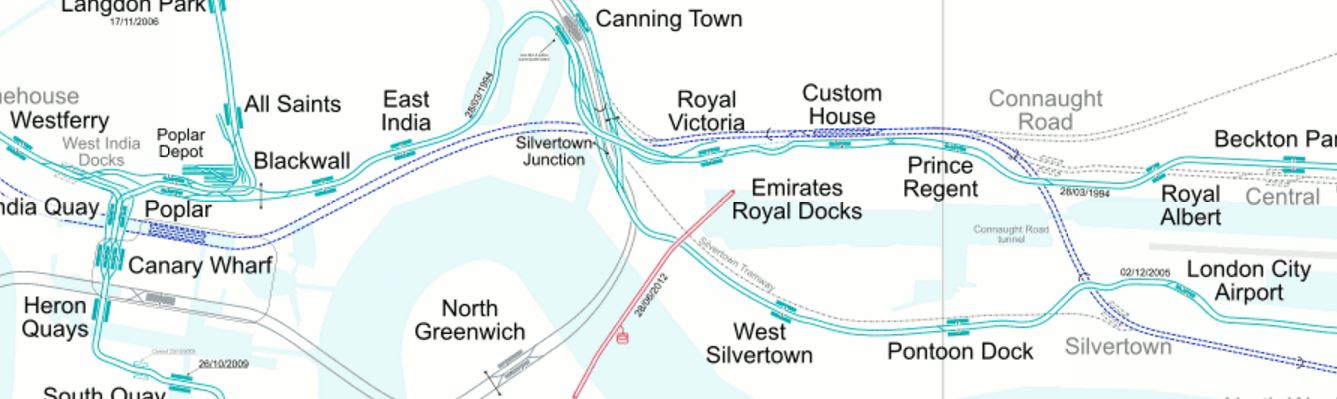
This map from carto.metro.free.fr shows the route of Crossrail through Docklands.
Crossrail In Docklands
Cossrail is shown in a blue-purple colour and it goes horizonrally across the map.
The Crossrail stations in the area are as follows from West to East.
Whitechapel
Whitechapel station is off the map to the west.
I have included it, as it will be Crossrail’s Jewel In The East and the most important interchange for the line in East London.
- It links both eastern branches of Crossrail to the Metropolitan and District Lines.
- It provides an interchange to London’s important but sometimes forgotten East London Line.
- An extended Whitechapel station would provide much better access to the East of the City of London.
But perhaps more importantly, Whitechapel is the reversal station for passengers travelling between one Eastern branch of Crossrail and the other.
Canary Wharf
Canary Wharf station is Lord Foster’s architectural set piece for the line, which is probably more about showing off, shopping and leisure, than transport.
I have my worries about this station, in that interchange between Crossrail and the Jubilee Line and the DLR, may turn out to be long walks interspersed with a couple of long escalators.
I also think that many passengers for Canary Wharf will prefer to come to the area on the light and airy Docklands Light Railway, rather than on a deep, dark line with no views. Cinderella always comes out on top, as that’s where she belongs.
But then this station wasn’t designed for the needs of normal passengers.
I think that when Trip Advisor and other sites, start to rate Crossrail that this station will not be liked, except by those who live and work in the area.
Custom House
Custom House station is being built primarily to serve the Excel Exhibition Centre and the surrounding area.
But it will also provide a valuable easy connection to the Docklands Light Railway, which is lacking at Canary Wharf
Silvertown
Silvertown station is not planned, but the site has been safeguarded, so that it can be built when required.
I think it will be built in the next few years.
- It would link Crossrail to the London City Airport.
- It would give London City Airport a direct connection to Heathrow and a one-change connection to Gatwick.
- It would link Crossrail to the Southern branches of the DLR.
- Hopefully connections would be better than at Canary Wharf.
But the building of this station, will be mainly driven by the developments to the south of the Royal Docks.
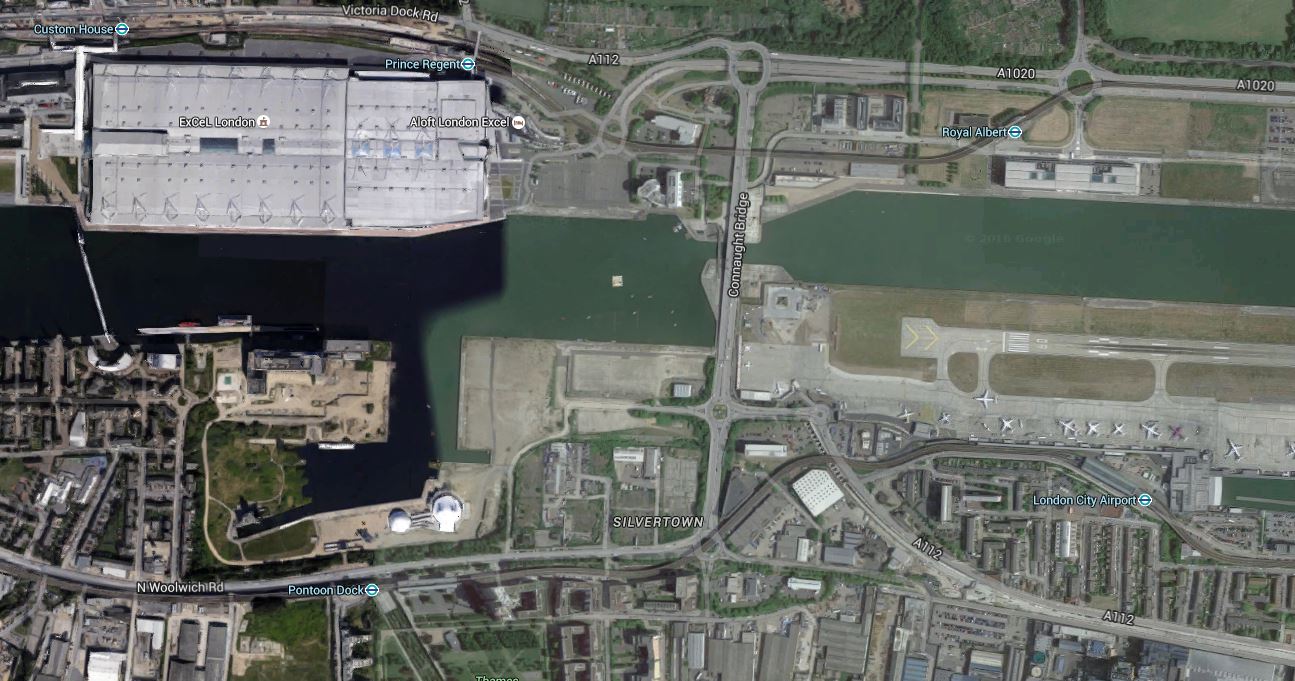
This is a Google Map of the area, which shows the North and South entrances to the Connaught Tunnel, which takes Crossrail under the Docks.
The Route Of The Connaught Tunnel
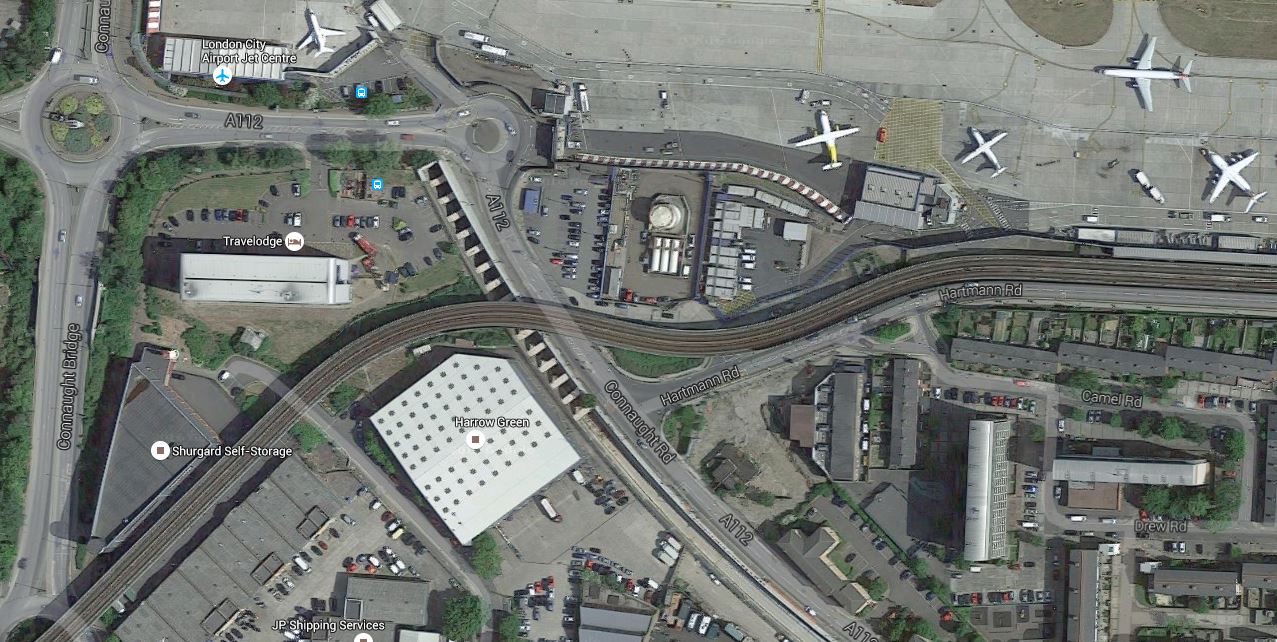
This second Google Map, shows the Southern entrance to the Tunnel in detail.
Silvertown Station Site
The proposed Silvertown station would be in this area. As to the precise location, I can’t find any information.
Woolwich
Woolwich station is to the east of Docklands on the South bank of the Thames.
It has been built solely to serve the new housing on the Royal Arsenal site and has very poor connectivity with other rail lines.
This is a Google Map of the area.
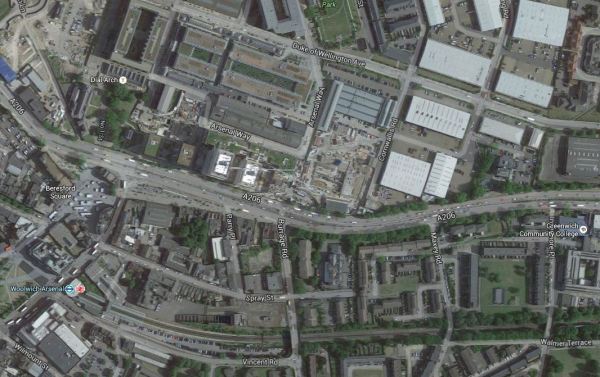
Woolwich Stations
Note Woolwich Arsenal station and the co-located DLR connection to the South West of the map.
Woolwich station is somewhere underneath the blocks to the North.
There is certainly a need to create a decent walking route in the area.
Conclusion
Looking at these stations, it strikes me that although connectivity between Crossrail and other lines is there, it is not of the best at some stations.
Scoring them out of ten, I would give scores as follows.
- Whitechapel – 10
- Canary Wharf – 4
- Custom House – 8
- Silvertown – 7
- Woolwich – 3
Obviously, when the line opens, good design may improve matters.
But I do feel that building Silvertown station would make the whole line a lot better.
The Shape Of Stations To Come
Oakwood, Southgate or Arnos Grove it isn’t but this image from Transport for London is the new Nine Elms station on the Northern Line Extension.
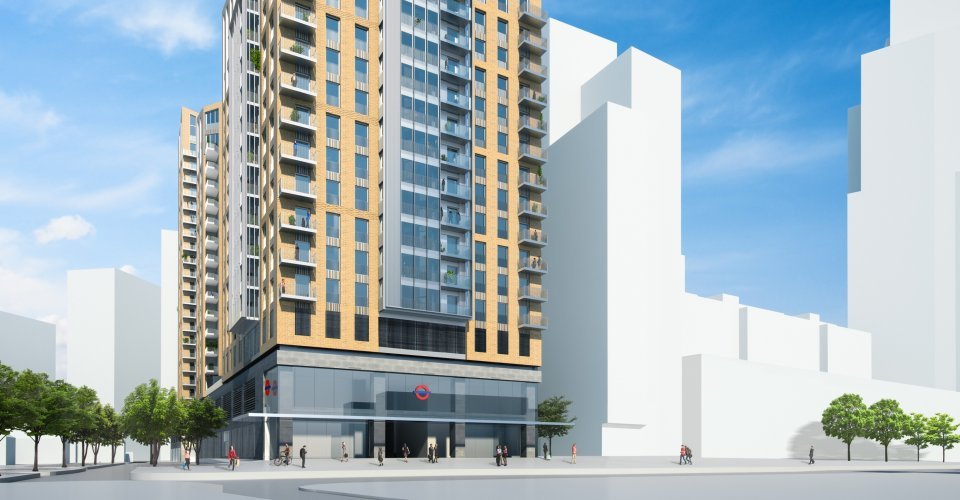
Nine Elms Station
But is it so different to Clapham South station?
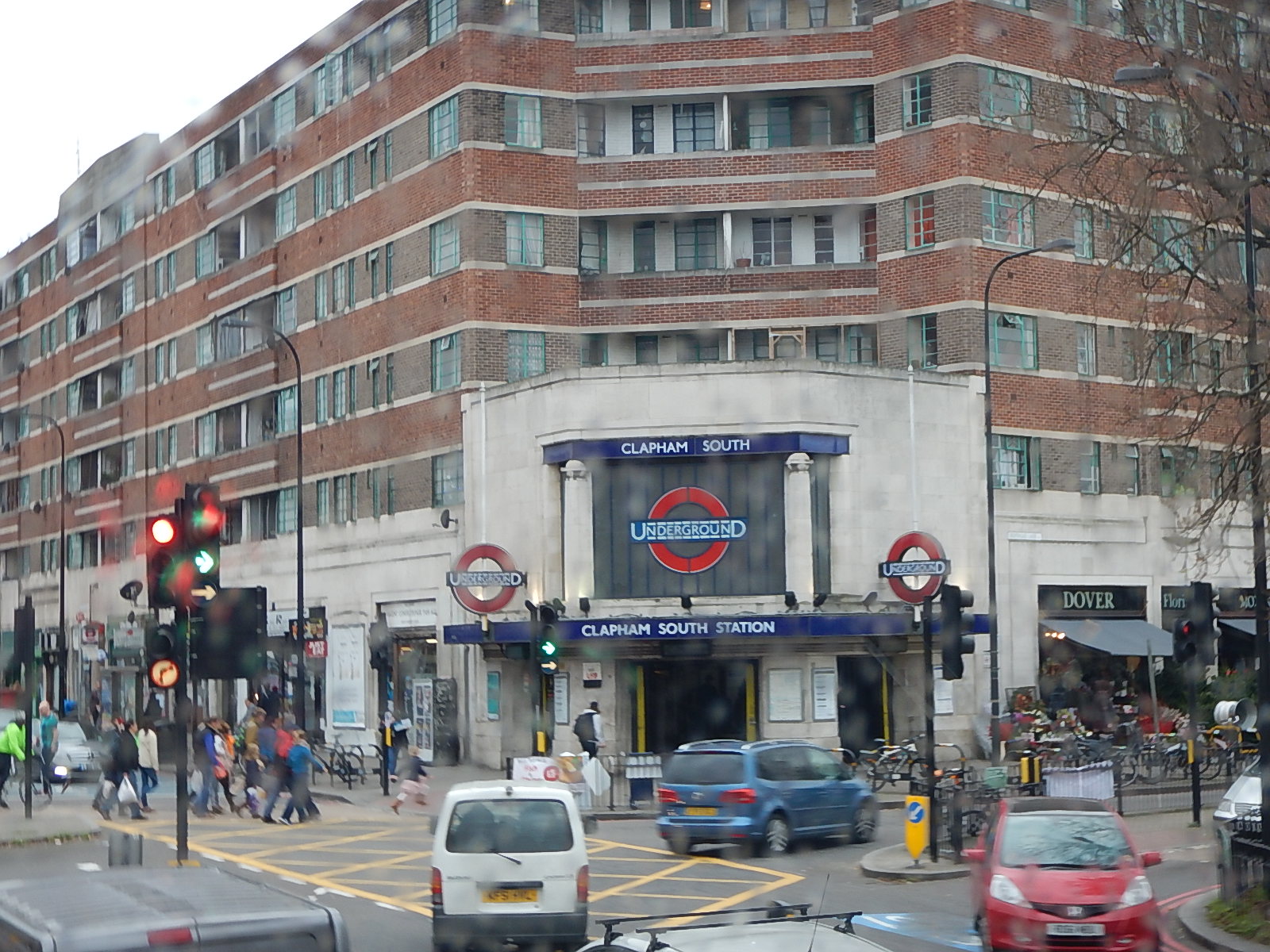
Clapham South Station
Except that the architecture is from a different era and the over-site development is higher.
We will be seeing a lot more stations like Nine Elms.
Some have already seen that type of development or developments are in progress.
- Angel
- Archway
- Baker Street
- Canary Wharf – Crossrail
- Elephant and Castle
- St. James’s Park
- Wembley Central
There should be more.
I think we’ll see different types of station design. Some with developments and others without.
The Station With Appropriate Towers On Top
These will be interpretations of the Nine Elms or Clapham South principles.
There certainly should be more stations with housing, offices, schools, universities or hospitals on the top.
A property developer told me, that he was developing schemes for housing on or close to stations in London, with little or no car parking. They are popular, sell like hot cakes and are very profitable.
The Station Under A Landscaped Area With Clusters Of Towers Around
This design is emerging and I suspect that the definitive prototype could be built at Old Street station. This is a visualisation from Transport for London.
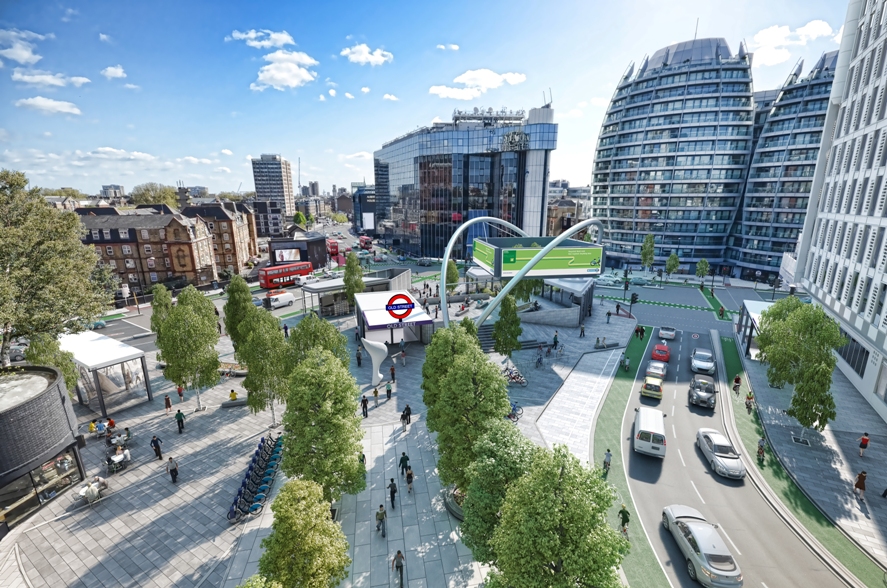
The Future Old Street Station
I suspect we’ll see similar approaches at Elephant and Castle, Highbury and Islington and other stations on a roundabout, square or park.
I like this approach for various reasons.
- The design improves the passenger experience.
- It is very cycling- and walking-friendly.
- TfL seem to have taxi-ranks in their thinking.
- It gives the opportunity to make the train-bus interface an easy one.
- Cafes and kiosks are easily incorporated.
- As development around the station is spread around, it is probably easier to bring together and finance, than a tower-on-top solution.
- It doesn’t require much modification or demolition of existing buildings.
But there are disadvantages.
- Badly done, it can be a nightmare on a wet or windy day.
- The approach can also have negative effects on other road users.
Although there doesn’t seem to be too many complaints about the half-finished scheme at the Elephant, which will enable the new station, in the media.
My taxi-driver was complaining about Highbury Corner last night, but then that scheme hasn’t even started and the extensive works to replace the bridge and sewers are ongoing.
The Roofed Station
We have a tradition in this country of giving rail stations spectacular roofs.
Surely the latest and one of the best is the new roof over Manchester Victoria station, which I wrote about in Victoria Gets A Posh Umbrella. Here’s one of my pictures.

If you think it was all amazing expensive read this article from the Manchester Evening News entitled Stunning pictures show latest progress of £44m Victoria Station refurbishment.
Good design is often much more affordable than crap design.
Imagine electric trains, trams and possibly electric buses and taxis under an umbrella, with developments all around. Someone will and it will be the most spectacular and passenger-friendly station in the world.
The Innovative Solution
I don’t discount totally innovative solutions like the new Blackfriars station, although that station is more of a spectacular architectural set-piece, than a practical station.
- I’ve had complaints from staff, saying it is a cold and draughty place to work at times.
- Changing between Southbound Thameslink services and the bay platforms is not easy.
- There should be a walking route across the Thames incorporated in the station.
- I’ve never seen a train in the bay platforms.
But to be fair, I think that the Blackfriars station, we see now, is not the one that was envisaged by Thameslink. Original plans called for all Sutton Loop services to terminate at Blackfriars. But this was overturned, by those knowledgeable enthusiasts for good design, the elected members of the House of Commons.
Conclusion
Innovate and go forward, rather than cast the past in stone.
An Hour In Farnworth
You might ask, why I spent an hour in Farnworth.
I wanted to take pictures of the Farnworth station and the tunnels nearby and as there is only one train an hour in both directions, that seem to arrive almost together, it meant I had to wait an hour in the rain.
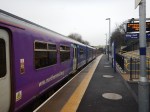


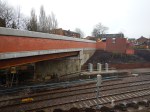
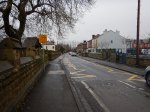
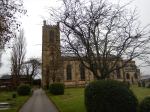
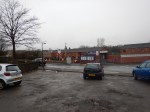
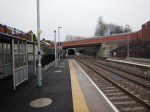
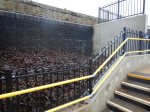
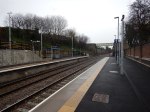

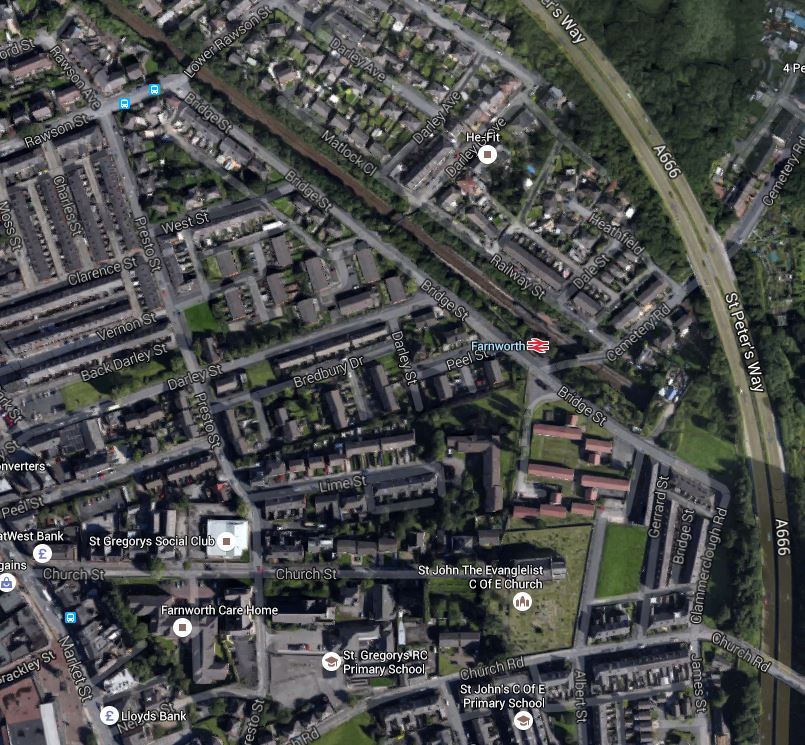
This Google Map shows the station and the town.
Around Farnworth Station
Note the A666 goes over the top of the tunnels. An omen?
Note the following about the station and the area.
- The station has a sturdy reconstructed bridge at each end, which could surely be used to support the overhead electrification.
- I was surprised that there was no obvious place to put the gantries to support the wires between the bridges.
- There was no ticket machine and I had to buy one from a person, which meant a walk up to the office.
- One train an hour isn’t enough, but hopefully this will change with electrification.
- There are no facilities near the station and I had to walk up the hill to Farnworth to get a cup of tea.
- Two locals were very adamant that no new trains will be added, as all money is spent on Metrolink.
The station very much reminded me of Crouch Hill station on the Gospel Oak to Barking Line.
- Access is from a road at one end.
- They are between bridges.
- How the stations will be electrified is not obvious.
It will be interesting to see how these stations are electrified.
Bolton Station
Bolton station was a surprise, as it is overflowing with lots of Victorian architectural details. Even if trains are a bit sparse.
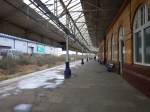


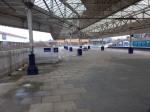
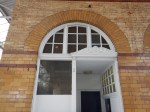
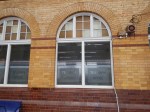

It is being linked to a new bus station and the whole will be called Bolton Interchange.
This Google Map shows the area around the station and Bolton Interchange.

Bolton Interchange
Note how north of the station, the rail lines split with the Manchester to Preston Line going to the North West and the Ribble Valley Line going to the North.
The bus part of the interchange, is being built between the two rail lines. This is the architect’s visualisation.
Looking at the visualisation, I have a feeling that what is being created and linked to the existing station could be something of which Bolton could be proud.
All it will need is increased train services from Manchester to Blackburn, Blackpool, Clitheroe, Darwen, Preston and Wigan Wallgate.
Some or all will be electric and the others will be run by better or even new diesel trains.
I will be interested to see if Bolton’s profile in the economic scheme of things rises in the next few years.
Dagenham Dock Railway Station
After visiting the Land Of The Giants, my EL2 bus went through the industrial area to Dagenham Dock station.


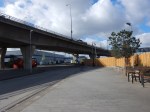


A few points.
- The area is rather bleak.
- From the station I caught one of the two trains per hour into London.
- Dagenham Dock and the other two stations of Renwick Road and Barking Riverside will need to have a decent bus connection.
It certainly needs substantial improvement.
London’s New Stations
This is a list of the new stations that are being built or are proposed for the London area.
- Battersea Power Station – Being built for Northern Line Extension – Opening by 2020
- Brent Cross Thameslink – Outline planning permission
- Canary Wharf – Being built for Crossrail – Opening in 2018
- Cassiobridge – Being built for Croxley Rail Link – Opening in 2020
- Lea Bridge – Being built – Opening in 2016
- Maiden Lane – Proposed for North London Line
- New Bermondsey – Being built for East London Line
- Nine Elms – Being built for Northern Line Extension – Opening by 2020
- Old Oak Common – Being planned for Crossrail and HS2 – Opening in 2026
- Primrose Hill – Proposed for North London Line
- Silvertown – Proposed for Crossrail
- Watford Vicarage Road – Being built for Croxley Rail Link – Opening in 2020
- West Hampstead Interchange – Proposed
- Woolwich – Being built for Crossrail – Opening in 2018
There are of course other proposals in the dreams of London’s many local authorities.
Why Does Bradford Have Two Stations?
When I wrote The New Apperley Bridge Station, I noted that on my journeys on the Calder Valley Line on Saturday and today, my trains called at Bradford Interchange, but that the trains through Apperley Bridge station called at Bradford Forster Square station.
So I asked myself, the question, that is the title of this post.
This Google Map shows the two stations.
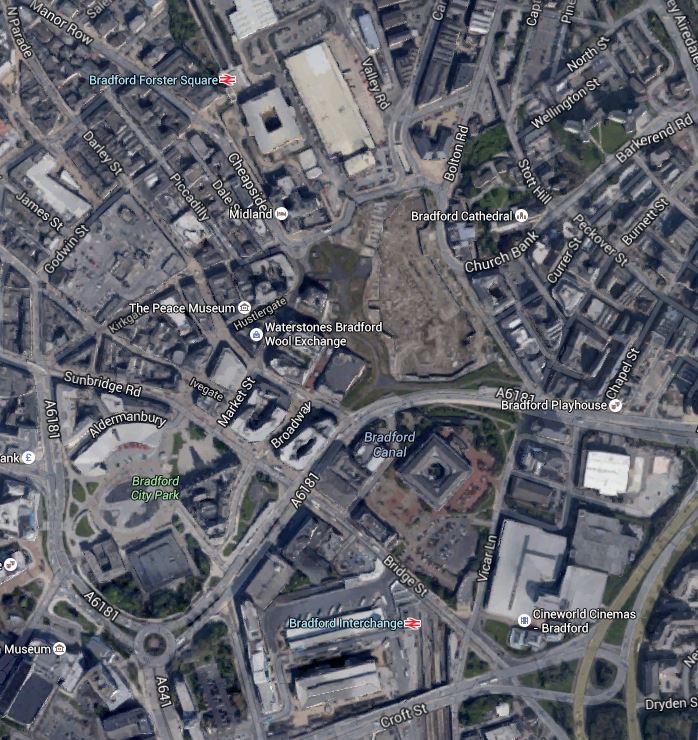
Bradford Stations
Bradford Forster Square station is towards the top and Bradford Interchange station is towards the bottom of the map.
Bradford Interchange, which is a combined bus and rail station rebuilt and opened in the 1970s, which is not an outstanding period for superbly executed Rail stations.
To make matters worse, all trains must reverse at Bradford Interchange, which means the driver changes ends.
Note that between the two stations, there is a large shopping centre, that has been opened in 2015.
You’d have thought with all this rebuilding that a solution to the two station problem would have been found.
Two solutions have been proposed.
- Bradford Crossrail – A heavy rail link between the stations.
- A tram-train is outlined in this article in the Bradford Telegraph and Argus.
I know the Germans would squeeze a tram-train through somewhere, but I suspect there might be something more imaginative and much more affordable.
After all the distance is 0.7 km. and the stations only have seven platforms between them.
Around the world, there are several successful lightweight people movers in city centres.
- High-tech and expensive monorails.
- Light railways like the Docklands Light Railway in London.
- Tram shuttles.
- Travelators and escalators.
- Free mini buses as in Manchester.
Surely, a good engineering solution at an affordable price must exist., which could connect the two stations to each other and to the shopping centre.
But what about some eco-friendly battery buses, as the distance is under a kilometre.
.
 The Anonymous Widower