Could A Chiltern Metro Be Created?
In the Wikipedia entry for Chiltern Railways, there is a section under plans labelled Active.
Three of the entries in this section refer to the stations between London Marylebone and West Ruislip or a Chiltern Metro.
- Lengthening of platforms at South Ruislip, West Ruislip, Sudbury Hill Harrow, Sudbury and Harrow Road and Northolt Park to accommodate eight vehicles, thereby obviating the need for vehicles to be locked out of use on departure from London Marylebone.
- The restoration of the quadruple track between South Ruislip (Northolt Junction) and West Ruislip, allowing trains to call at both stations without blocking the line. Triple track currently exists at West Ruislip, with the up platform loop still in situ, and at South Ruislip, with the Down Main through line also in situ. This would involve the reconstruction of the new down platform at West Ruislip, and the reconstruction of the up platform at South Ruislip. This ‘Chiltern Metro’ service was not programmed into the last round of franchising agreements.
- New Chiltern Metro Service that would operate 4+tph for Wembley Stadium, Sudbury & Harrow Road, Sudbury Hill Harrow, Northolt Park, South Ruislip and West Ruislip. This would require a reversing facility at West Ruislip, passing loops at Sudbury Hill Harrow, and a passing loop at Wembley Stadium (part of the old down fast line is in use as a central reversing siding, for stock movements and additionally for 8-car football shuttles to convey passengers to the stadium for events)
So could a Chiltern Metro be created between Marylebone to at least as far as West Ruislip.
In A Modern Electrified Metro Network Using IPEMU Technology, I postulated what a local metro would be like.
- Services are run by modern four-car electric trains, that meet all current and envisioned access and customer requirements.
- Services are run by a standard train, so if the network expands, more trains can be easily built!
- The ability to lengthen the trains, say for an important sporting or cultural event.
- Enough trains to run four trains per hour services on important lines and perhaps one per hour on lines that get much lesser use.
- Most services run out and back from the central station.
- As little disruption as possible, whilst creating the metro.
So does Chiltern’s broad plan of a metro between Marylebone and West Ruislip fit those rules?
- Modern four- car trains like Class 710 trains could run the service.
- Bombardier’s Aventra, which is the basis of the Class 710 will be around for some time, so extras will probably be available.
- Three-train formations of twelve-cars can probably be created, but eight-car would probably be an initial maximum need.
- Not a problem on a short metro line, which would probably need four sets for a four train per hour service.
- All services go to and from Marylebone.
- I’m sure, if IPEMU technology were to be used, electrifying between Marylebone and at least West Ruislip, could be done without major blockades of the line.
It would appear that the objectives can be easily met and using standard Aventra trains with an IPEMU capability would help.
The Current Service Pattern
Wikipedia lists the current services, outside the peak from Marylebone as the following.
- 2 trains per hour (tph) to/from Birmingham (one fast, first stop Bicester North, and one semi-fast, first stop High Wycombe).
- 1tph to/from Banbury (semi-fast, first stop High Wycombe). Some extend to Stratford-upon-Avon.
- 1tph to/from Bicester North (semi-fast, first stop Gerrards Cross)
- 1tph to/from Princes Risborough (semi-fast, first stop Gerrards Cross)
- 1tph to/from High Wycombe (stopping service)
- 1tph to/from Gerrards Cross (stopping service)
- 2tph to/from Aylesbury (via Amersham). One of these services in each hour continues on to serve Aylesbury Vale Parkway
- 2tph to/from Oxford Parkway (fast)
So that is nine trains an hour through West Ruislip, two up the Aylesbury Line and eleven between Marylebone and Neasden.
What Would A Chiltern Metro Look Like?
Wikipedia is fairly precise, that the inner section between Marylebone and West Ruislip would stop at the following stations.
- Wembley Stadium
- Sudbury & Harrow Road
- Sudbury Hill Harrow
- Northolt Park
- South Ruislip.
Although other documents on the web suggest a first stop at a new station of West Hampstead Interchange.
My journey today on the line took twenty minutes.
Some questions occur to me.
- Will extra stations be added?
- Will some trains go on to places like Gerrards Cross, High Wycombe and Princes Risborough?
- With modern signalling and extra tracks in places, what is the capacity of the various sections of the line.
- How many extra services to what destinations, do Chiltern want to run?
Chiltern’s answers will be better than my speculation.
What Trains Should Work The Metro?
Ian Walmsley in the April 2015 Edition of Modern Railways writes enthusiastically about Bombardier’s new Aventra train, where under Potential he starts with this sentence.
As a platform, the design will be offered in various guises for future contracts up to 125 mph.
He then goes on to say this about a possible future order for Aventras.
But the interesting one to me is East Midlands Trains electrics. As a 125 mph unit it could cope well with Corby commuters and the and the ‘Master Cutler’ crowd – It’s all about the interior.
Could Chiltern use a similar train, that was equally at home, running at over hundred miles per hour to and from Birmingham or trundling through North West London on the Metro?
Consider.
- The advantages of an identical fleet that can work all lines and services must be immense!
- I believe a universal high-class interior is possible, as Class 387 trains are almost there. Remember, Chiltern don’t do low class!
- All trains would have an IPEMU capability to reduce electrification and running costs.
- In a few years time, all IPEMUs will have automated pantograph up and down, to use electrification where available.
- Some could be dual-voltage to work on London Underground lines through Amersham.
Chiltern passengers certainly live in interesting times.
The Chiltern Metro And the Chiltern Main Line
In the following sections, I shall now look at the various parts of the route of the proposed proposed Chiltern Metro and its shared route with the Chiltern Main Line as far as West Ruislip.
Marylebone Station To Neasden
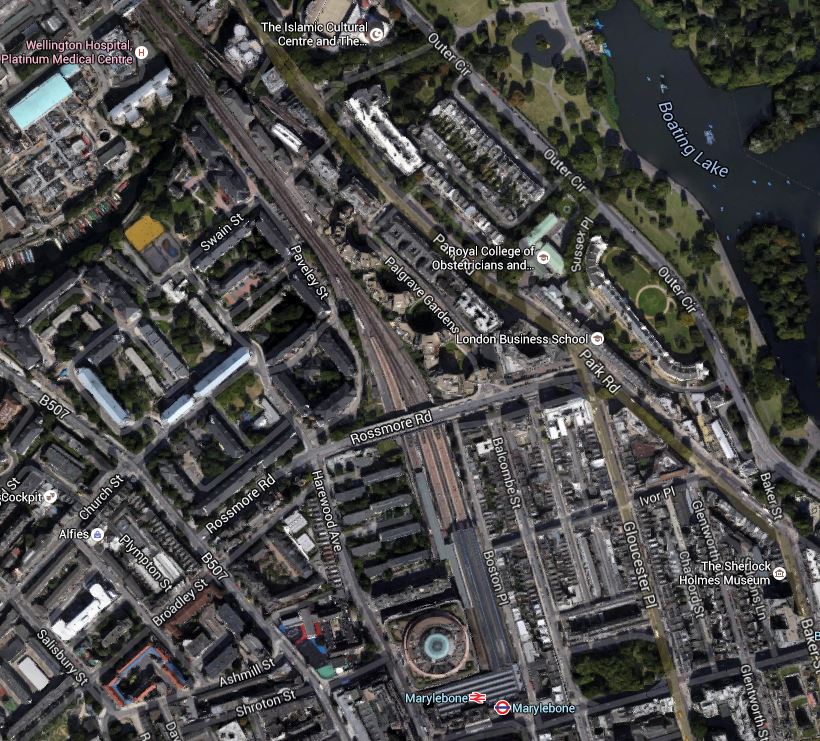
Marylebone station has a simple track layout, that is unlike most of the other London termini.
This Google map shows the station.
Marylebone Station
Complicated it is not, as it appears just two lines lead into and out of the station, and there are no major junctions until Neasden South Junction.
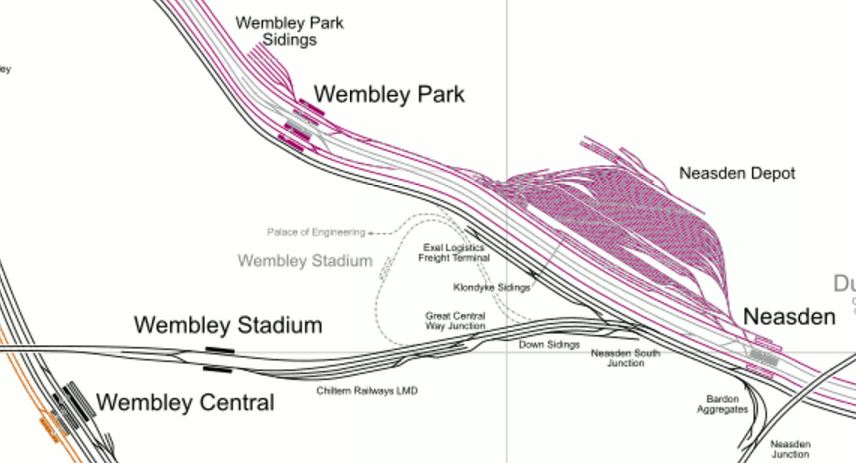
This map from carto.metro.free.fr shows the lines at Neasden.
Lines Through Neasden
Note how the Chiltern Lines, which are shown in black, divide opposite Neasden Depot.
- The Chiltern Main Line goes off to the west through Wembley Stadium station.
- The London to Aylesbury Line goes off to the North West through Wembley Park station.
It certainly isn’t a complicated layout.
If you are going to use IPEMUs on Chiltern, I believe that it would be relatively easy to electrify the five miles of the lines from Marylebone to Neasden and what was felt necessary of the tracks in the platforms, to ensure that the trains reached Neasden South Junction on the way to West Ruislip with the on-board energy storage nearly full.
If this could be achieved, then some or all of the line and its stations between Neasden and West Ruislip could be left without electrification.
West Hampstead Interchange
If any station sums up the complicated nature of the UK’s railways it is the proposed West Hampstead Interchange.
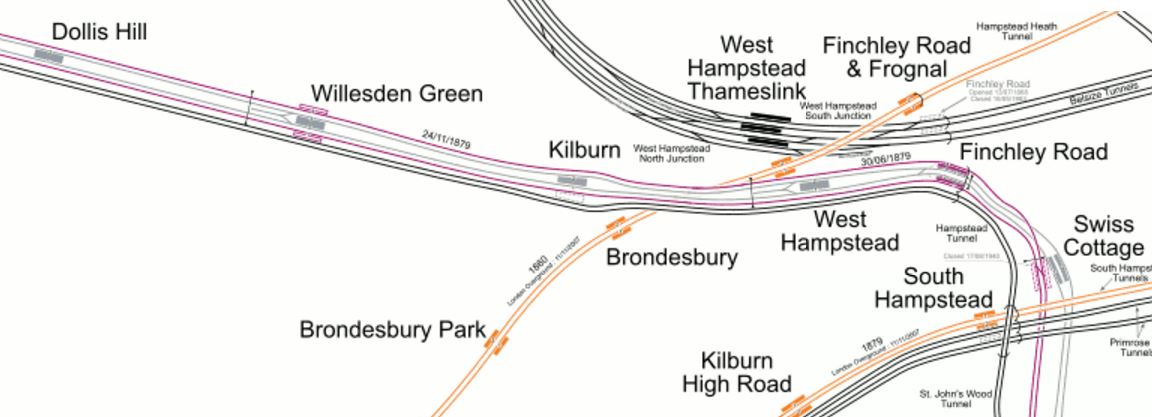
This map from carto.metre.free.fr, shows the various lines go through the area.
West Hampstead Lines
From North to South the stations and lines are.
- West Hampstead Thameslink station is electrified to 25 KVAC and Midland Main Line services, Thameslink services and freight services between the Gospel Oak to Barking Line and the Dudding Hill Line go through.
- West Hampstead station is electrified to 25 KVAC and North London Line services go through.
- West Hampstead tube station is electrified to 630 VDC and Jubilee Line services go through.
- The Metropolitan Line passes to the south of the tube station. There are no platforms.
- The Chiltern Lines are the Southernmost lines and are not electrified. There are no platforms.
The layout of the Chiltern Lines from Marylebone to Neasden may be uncomplicated, but West Hampstead is a lot of railway to sort.
It might be easy to add platforms for the Metropolitan Lines and Chiltern, but given the narrow pavements and large amount of traffic in the area, creating a new West Hampstead Interchange won’t be easy.
The Wrong Kind Of Electrification?
If the Chiltern Line is to be electrified, it is very much entwined with the London Underground.
- From Marylebone to Neasden the Chiltern Lines follow London Underground’s Jubilee and Metropolitan Lines, which have London’s 630 VDC fourth-rail electrification.
- After Neasden, Chiltern trains on the Aylesbury Line actually run on electrified London Underground tracks between Harrow-on-the Hill and Amersham..
- Between South Ruislip and West Ruislip stations the Chiltern Lines run alongside the Central Line.
- According to Wikipedia, London Underground are updating their fourth-rail electrification to deliver the standard 750 VDC commonly used by third-rail electrification in the UK.
Given that a major cost of electrification is getting power to the electrification, I just wonder if any electrification of the Chiltern Lines would piggy-back off the London ~Underground in London and off the 25 KVAC systems around Birmingham and the East-West Rail Link.
The sections that would not be electrified, would be handled by IPEMUs working from their on-line energy storage.
As Digby said to Dan Dare, “It’s not very pretty! But it works!”
I can’t believe that engineers working on the development of Chiltern Railways are not looking at the possibility of using some of the infrastructure, London Underground has already installed.
Bombardier are already building some dual-voltage Class 710 trains for the London Overground, so rolling stock won’t be a problem.
Wembley Stadium Station To Sudbury Hill Harrow Station
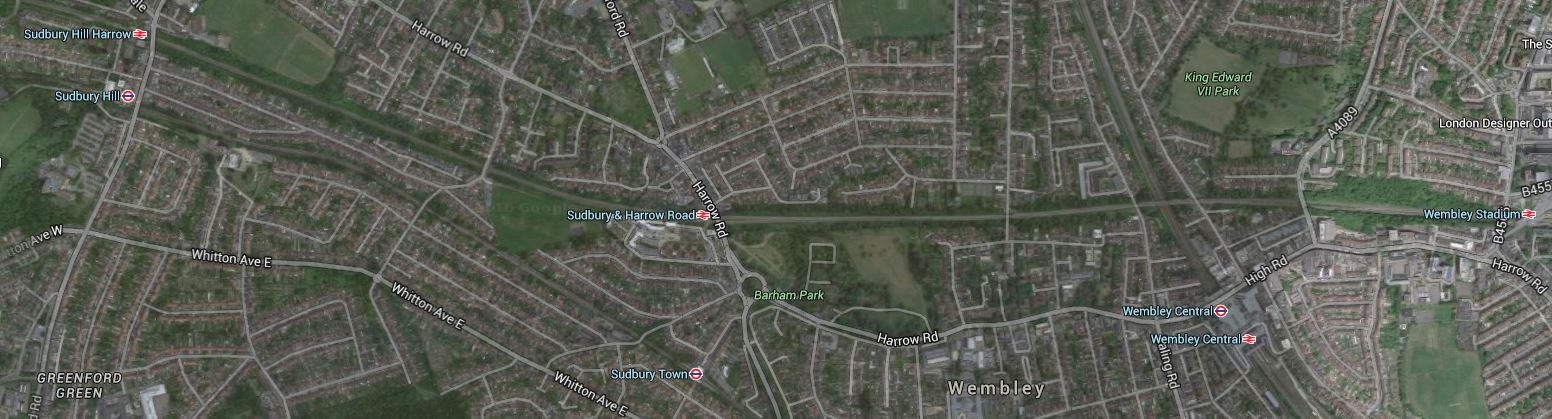
This Google Map shows the line Chiltern Main Line between Wembley Stadium to Sudbury Hill Harrow stations.
Wembley Stadium Station To Sudbury Hill Harrow Station
The only station in the middle is Sudbury & Harrow Road.
The line in this section is very reminiscent of the Gospel Oak to Barking Line and it shows as a green scar on the map.
This map from carto.metro.free.fr shows the same area.
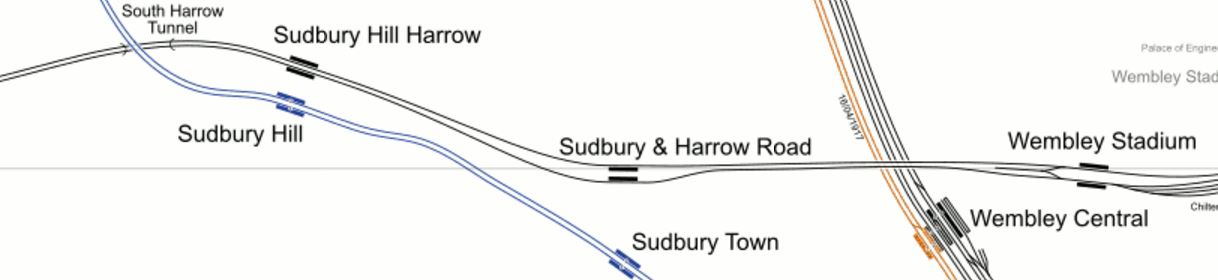
Chiltern Main Line Through Wembley And Harrow
These are some pictures I took of the line.
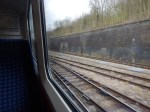
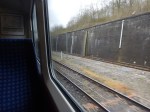



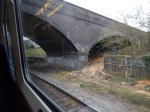
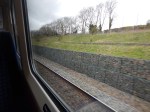
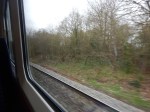
If it were to be decided to electrify this part of the line, I suspect it would no more difficult than the Gospel Oak to Barking Line.
Electrification Or Passing Loops?
Some stations like Sudbury Hill Harrow and Wembley Stadium are down to have passing loops to allow faster trains to overtake stopping ones.
But as the line is likely to be run by electric trains, does their superior braking and acceleration mean that at some stations, the need for passing loops is avoided.
Obviously, Chiltern and Network Rail have done extensive calculations and optimised the number of passing loops against the trains that will be run on the line.
Trains with an IPEMU capability, which includes regenerative braking, may also reduce the need for passing loops.
Wembley Stadium Station
Wembley Stadium station is planned to be the first station on the Chiltern Metro, although others think that the first station should be West Hampstead.
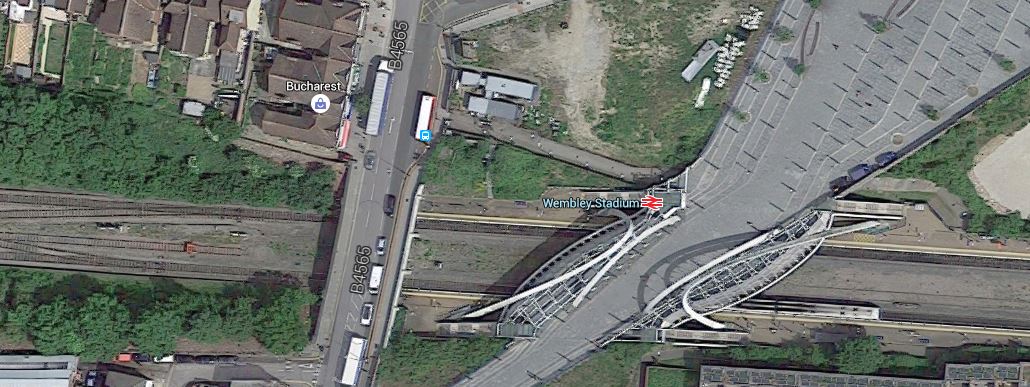
This Google Map shows the station.
Wembley Stadium Station
Note.
- There is a large space between the two platforms and lines in the station.
- There is certainly enough to create one or two passing loops, so that fast trains can pass trains calling at the station.
- The station has probably been designed for twelve-car trains.
- There would be no need to electrify through the station.
I took these pictures as my train went through today.

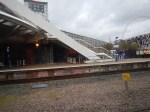

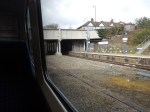
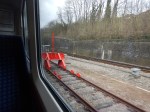
It certainly is a wide space in the middle.
Sudbury And Harrow Road Station
Sudbury And Harrow Road Station is not a very busy station and my train didn’t stop. I also didn’t get any pictures.
This Google Map shows the rather cramped layout of the station, squeezed between the two lines.
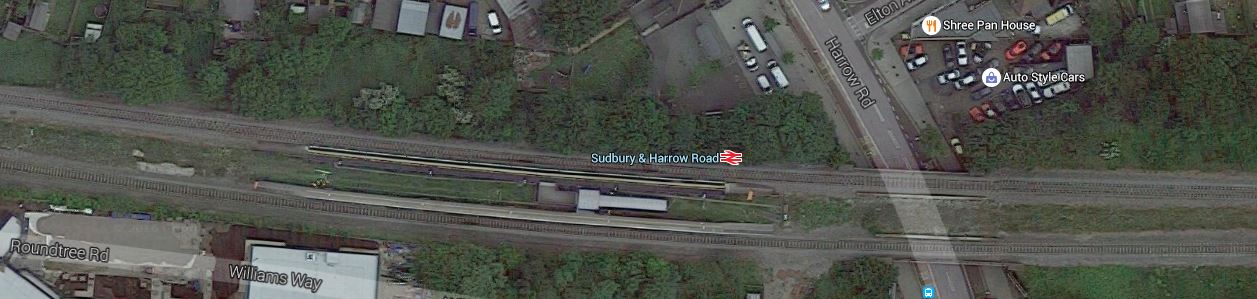
Sudbury And Harrow Road Station
Note.
- The station in an island layout.
- The platforms could be lengthened for the Metro.
- A passing loop could be squeezed through if possible.
- Electrification would probably be possible if required.
Hopefully the changes would attract more passengers to this station.
I visited this station once before and wrote about it in The Station With The Least Passengers In London.
Sudbury Hill Harrow Station
Sudbury Hill Harrow Station is a basic station.
This Google Map shows the layout of the station and the area around it.
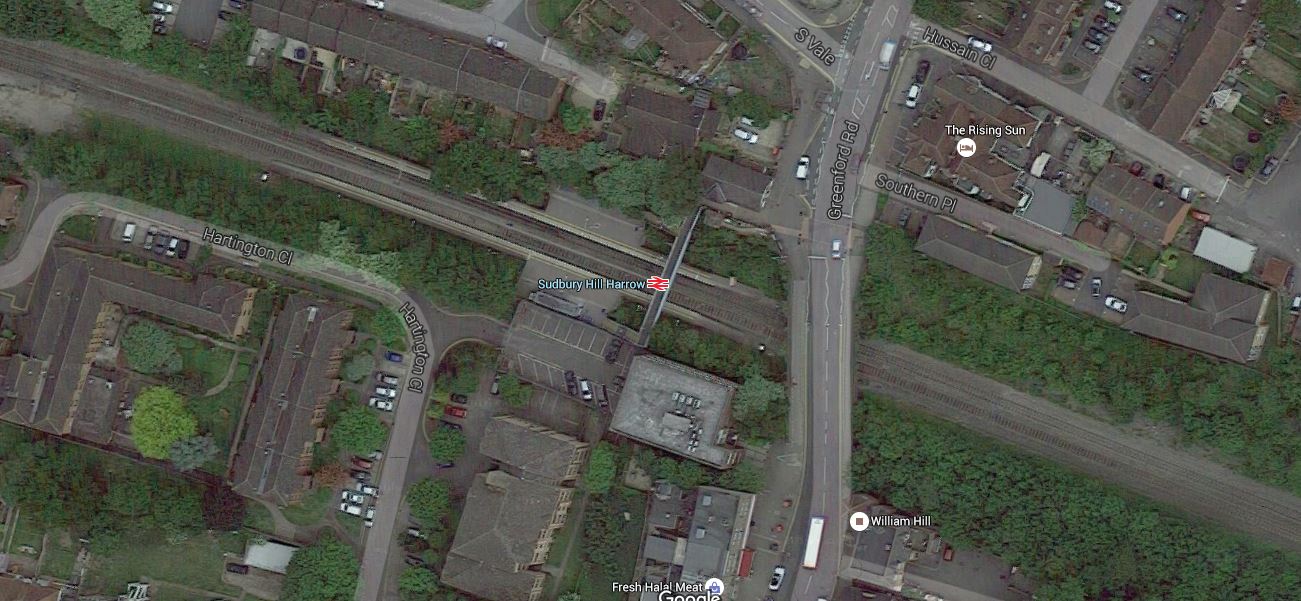
Sudbury Hill Harrow Station
I took these pictures as I passed through today.
This station is down for platform lengthening and the addition of passing loops, so I suspect this will mean a complete rebuild.
This could be tricky, as the line is a main line with nine trains an hour in both directions.
But there would appear to be space to the East of the road bridge and if the station was to be rebuilt provision could be made for electrification.
Northolt Park Station
Northolt Park Station is another basic station.
This Google Map shows the station.
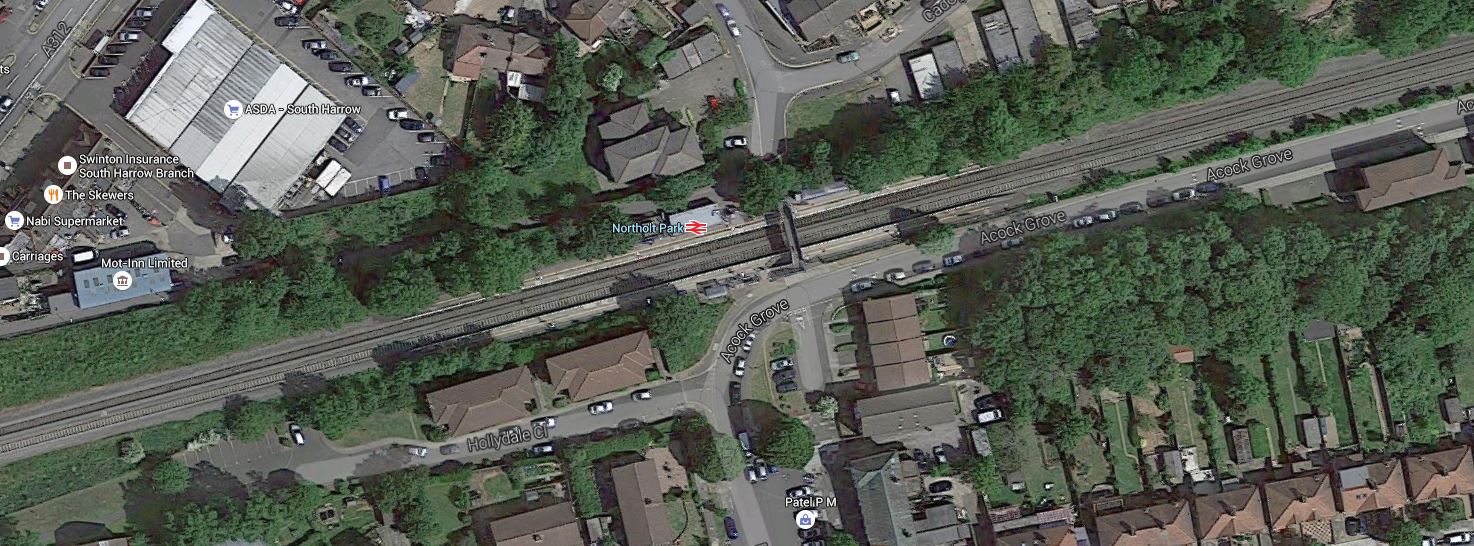
Northolt Park Station
I took these pictures today.
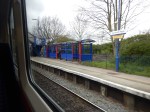
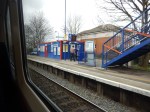
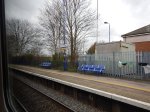
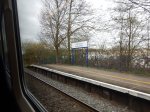
This station is another one, that is down for lengthened platforms. But it will be tight and there is no place for passing loops.
Northolt Junction
Northolt Junction is where the Chiltern Main Line meets the Acton-Northolt Line to form the Great Western and Great Central Joint Line, that goes on to High Wycombe and eentually Birmingham.
This Google Map shows the junction.
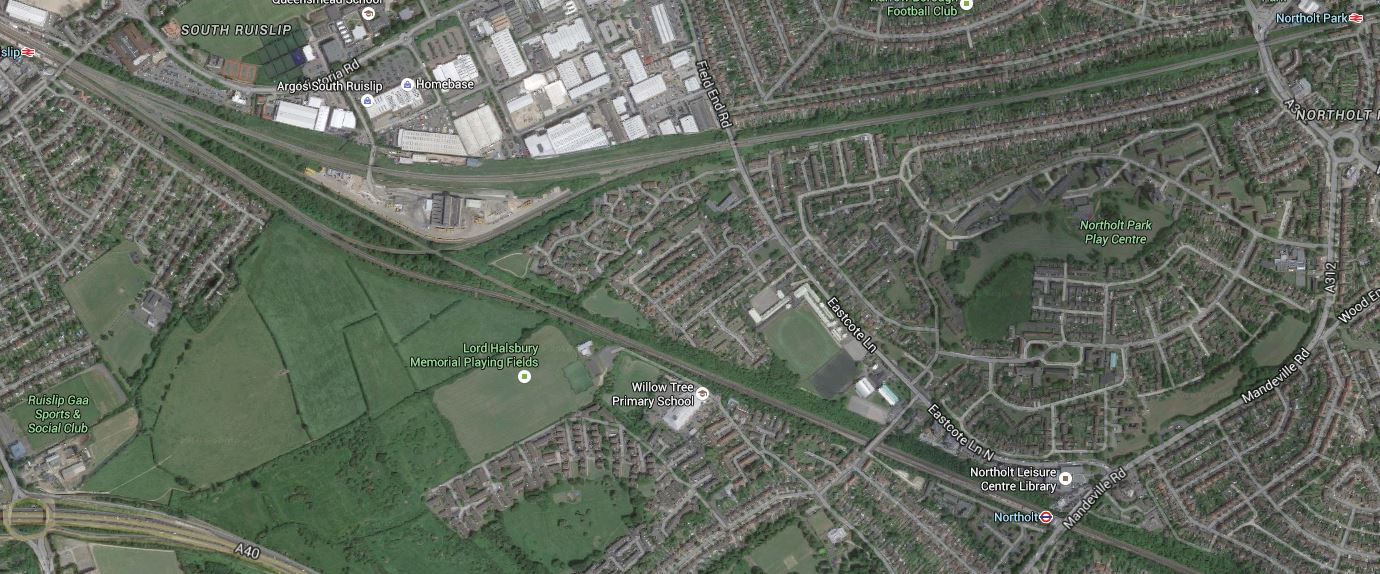
Northolt Junction
Note the waste recycling plant in the middle of the junction.
This map from carto.metro.free.fr shows the lines in the area.
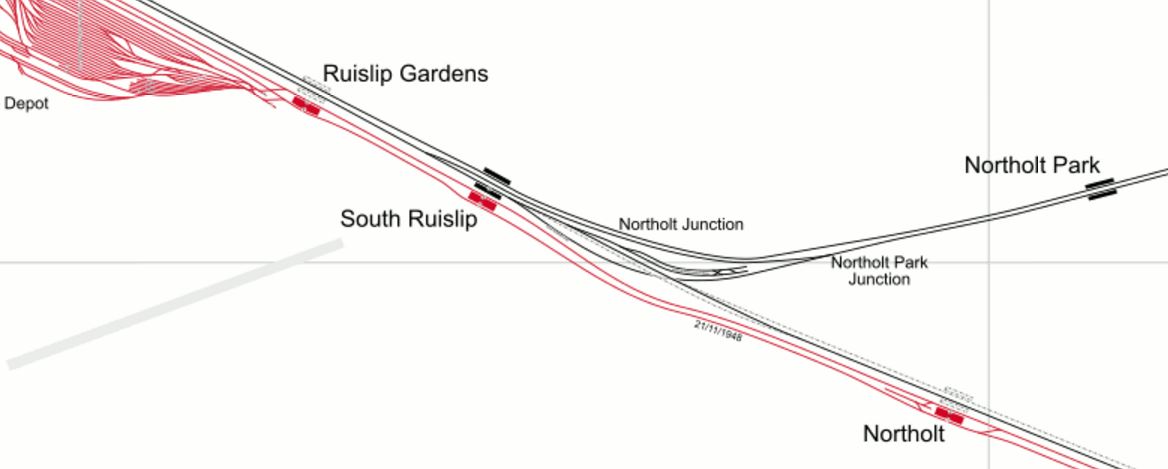
Northolt Junction
Note the large Ruislip Depot for the Central Line.
These are pictures, I took from the Chiltern train.
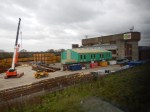
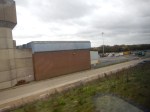

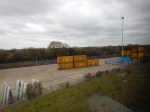
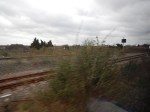
It’s certainly all rather cramped in the middle of the junction.
South Ruislip Station
South Ruislip Station is an interchange with the Central Line, located to the West of Northolt Junction.
I only managed one quick picture as my train rushed past.
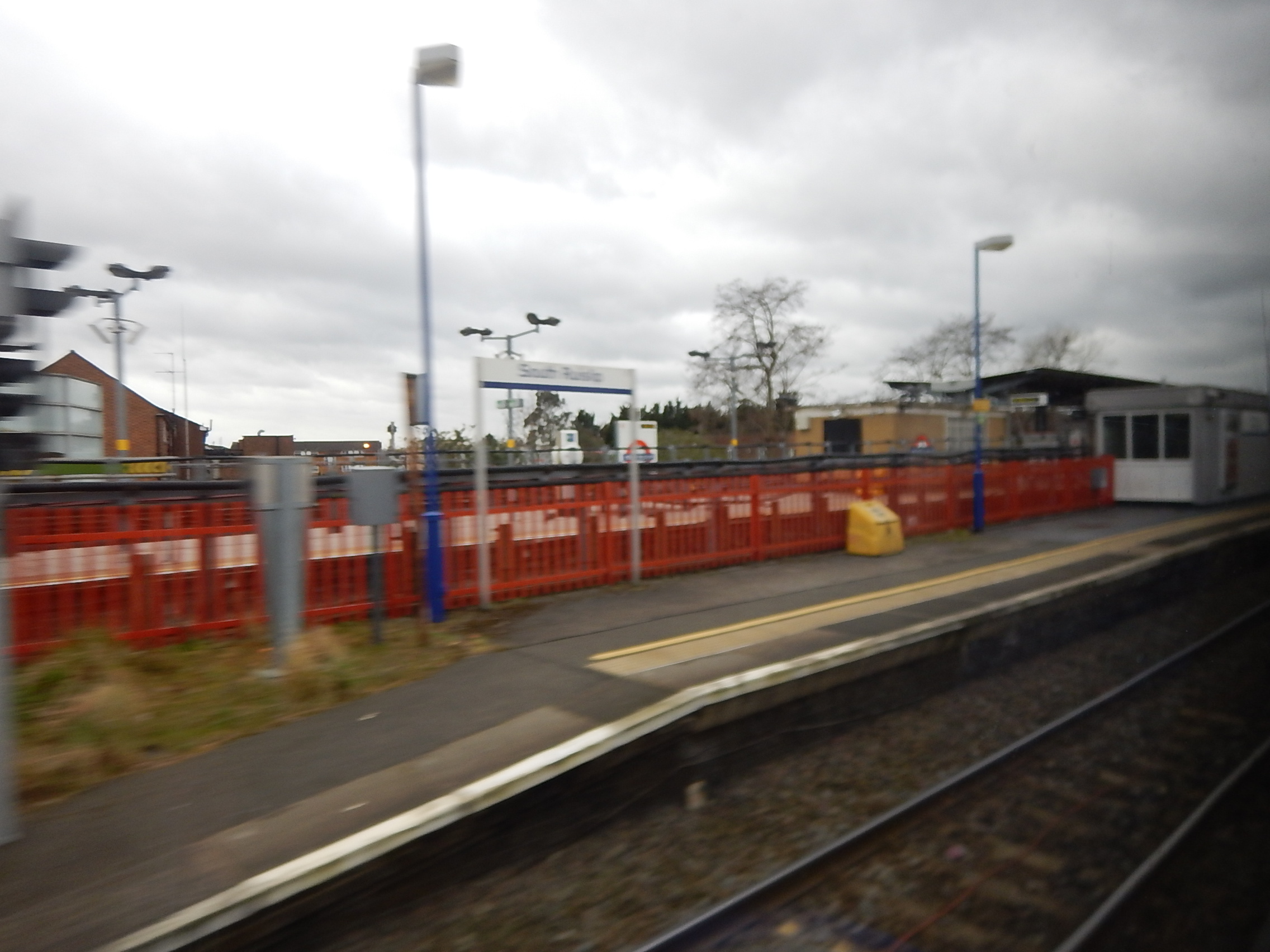
South Ruislip Station
This Google Map shows the station and the surrounding area.
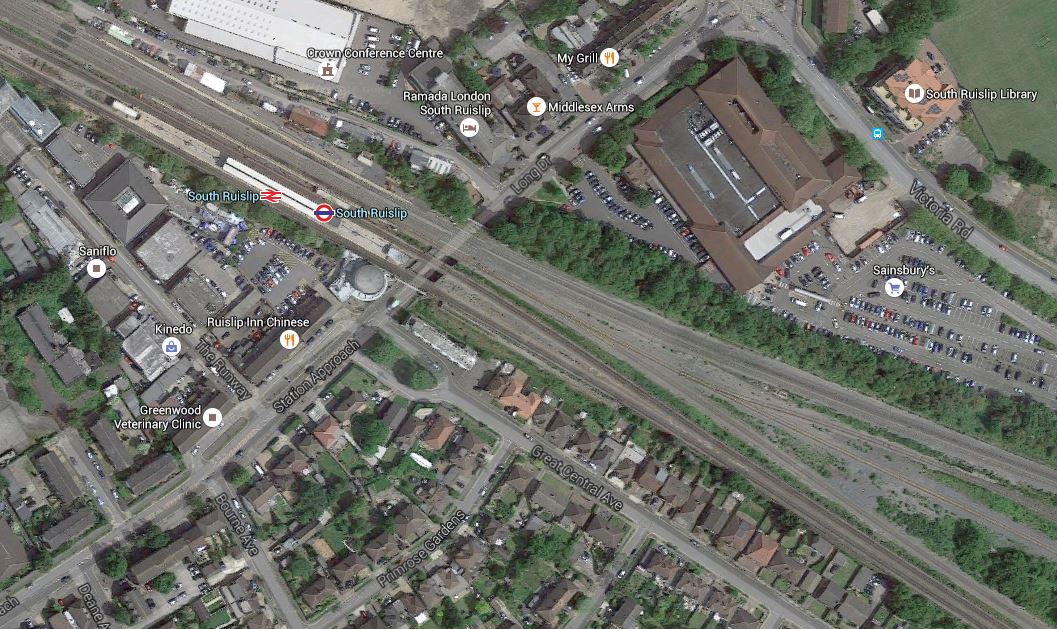
South Ruislip Station
Note.
- Going East the lines divide here, with the Northern tracks going to Marylebone and the Southern ones going to Paddington, alongside the Central Line.
- The platforms at South Ruislip station will be lengthened for the Chiltern Metro.
- The heavy rail lines through here will be four-tracked and there is certainly space for that.
Given that the Acton-Northolt Line leads from here to an electrified Paddington and Old Oak Common, there could be pressure to fully electrify through South Ruislip. If that were to be decided, I can’t see that being a difficult task compared to some in the UK.
West Ruislip Station
West Ruislip Station has been proposed as the outer terminus of the Chiltern Metro.
This Google Map shows the station and the surrounding area.
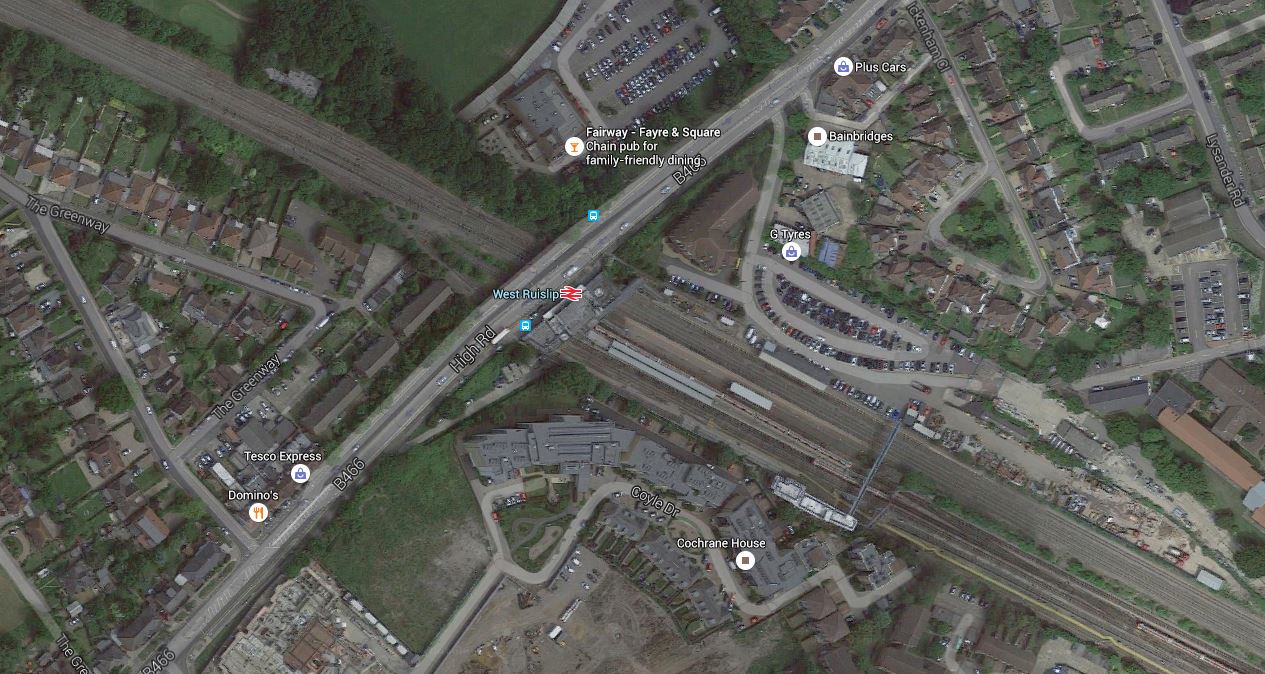
West Ruislip Station
These are pictures I took of the station.
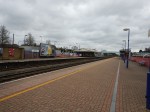
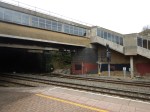
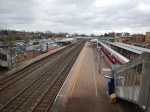
Note.
- A turnback facility is needed and this would probably be a siding on the West side of the station. It should be no problem to install.
- Platforms need to be lengthened for eight-car trains.
- There is plenty of space for two fast tracks through the centre of the station.
- Electrification if required wouldn’t be a problem.
I changed trains from the Chiltern service to a Central Line train.
Sorting Out Lines At West Ruislip
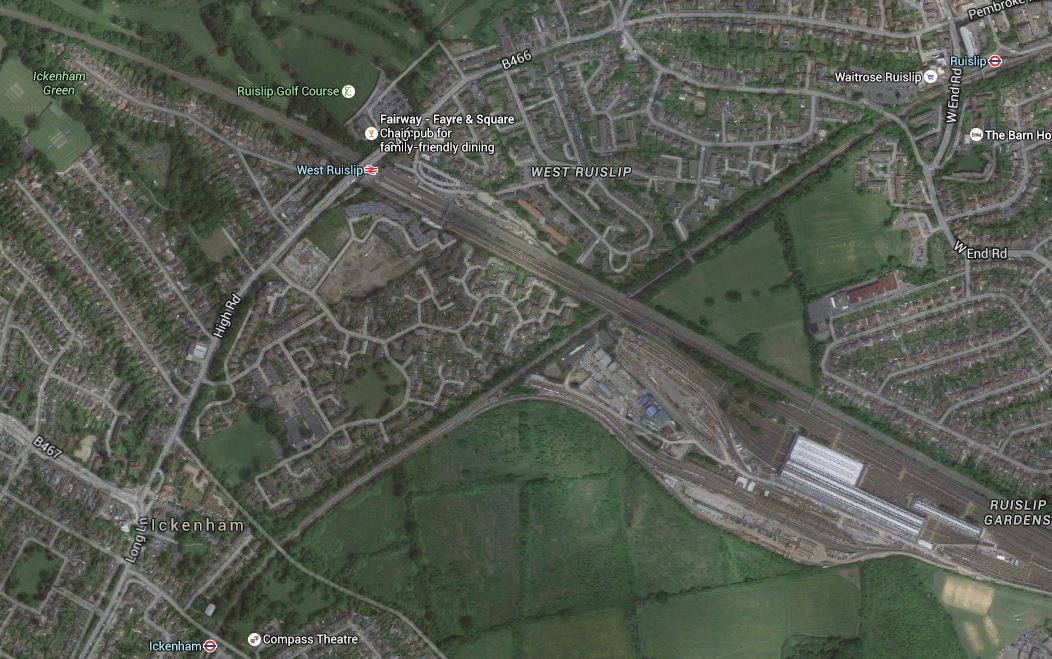
Before I went to West Ruislip station, I hadn’t realised how many lines pass through the area.
This Google Map shows a wider view of West Ruislip station.
Lines Through West Ruislip
These lines are shown on the map, or connect to these lines within a few stations.
- The Chiltern Main Line opened in 1906 as the Great Western and Great Central Joint Railway.
- The Great Western and Great Central Railway used to run passenger trains to Paddington along the Acton-Northolt Line.
- The Central Line opened in 1948 to Central London.
- The Piccadilly Line crosses to the East of West Ruislip station opened in 1933.
- The Metropolitan Line shares tracks with the Piccadilly Line opened in 1910.
- The Greenford Branch of the Great Western Main Line opened in 1903, joins the Central Line, four stations from West Ruislip station.
It shows how the various private companies went their own way. I’m sure if Borken had been in charge of London all of those years ago, we’d have a better pattern of rail lines in the area.
But some dreamers have plans. I discuss them in the next three sections.
Central Line To Uxbridge
In the Wikipedia entry for West Ruislip station, this is said.
The London Borough of Hillingdon announced in June 2011 that it would be lobbying Transport for London to have the Central line extended from West Ruislip to Uxbridge tube station. Such a project would require a business case approved by TfL and the completion of signal upgrade work on the Metropolitan line.
It is probably a valid aspiration, but could similar connectivity be created by perhaps adding platforms on the Metropolitan/Piccadilly Line, where it passes under the Chiltern Main Line and Central Line to the East of West Ruislip station and connecting everything together with a moving walkway?
If this were to be combined with the desired lengthening of the Chiltern platforms, this could be a worthwhile project, if the numbers add up.
Denham To Uxbridge
In the Wikipedia entry for Chiltern Railways under Active Plans, this is said.
Re-opening the former Great Western Railway branch line to Uxbridge High Street, continuing the route to Heathrow Airport. This would give Birmingham a direct rail link with Britain’s largest airport.
Uxbridge High Street station closed completely in 1964.
I would assume, that this would use the route of the Uxbridge (Vine Street) Branch to get to the Great Western Main Line at West Drayton station, from where it could use either of these routes to get to the Airport.
- Crossrail
- An extension of the Staines and West Drayton Railway
This could be the sort of ambitious plan that appeals to Chiltern.
This is a Google Map of Uxbridge Town Centre.
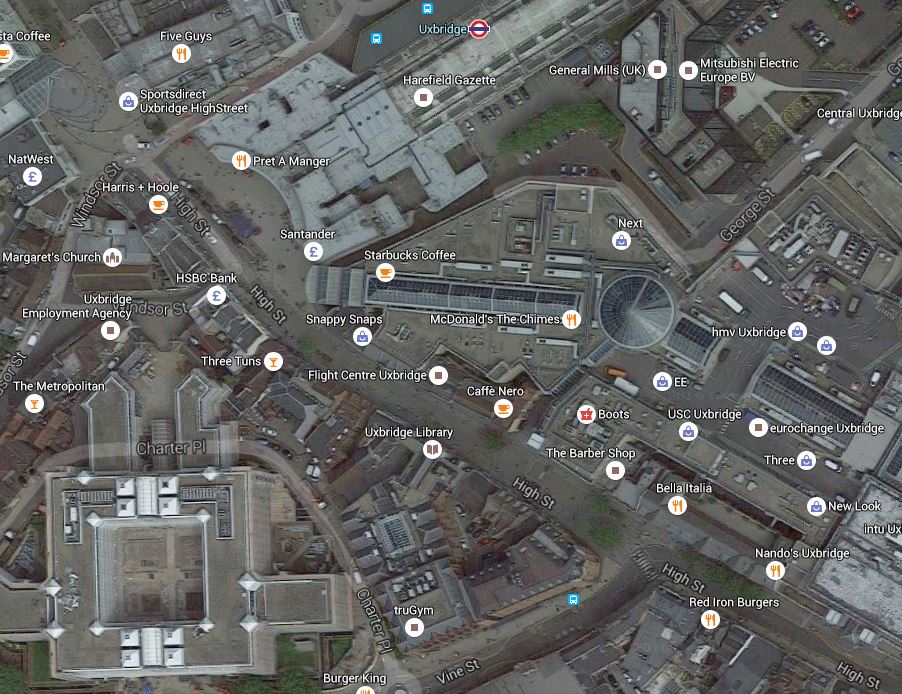
Uxbridge Town Centre
Note Uxbridge Underground station, High Street and Vine Street are all close together.
In Germany, they wouldn’t mess about, but would use a tram-train on the route.
- West Ruislip to Uxbridge as a train on a rebuilt rail line.
- Through Uxbridge Town Centre as a tram.
- Uxbridge to West Drayton and Heathrow as a train on a rebuilt rail line.
Obviously, the route could be adjusted to serve property, leisure and employment hotspots.
Greenford Branch Line
The Greenford Branch Line is like an elderly aunt, who gets forgotten to be asked to family parties, but when she does come, is extremely useful and entertaining, because she can do things, that others can’t.
The Wikipedia entry under Future says this.
In 2017 Crossrail is due to begin using two of the four tracks of the Great Western Main Line and the Greenford service will terminate at West Ealing, rather than continue to Paddington, to obviate interference with Crossrail, and to create track capacity for increased services to Heathrow. In compensation the branch line service will increase from two to four trains per hour. Ealing Council desires to have the line connected to the south west to Clapham Junction via the West London Line, and to the north west to West Ruislip.
I think Ealing Council’s plan is a non-starter, if it envisages trains travelling along the Great Western Main Line.
But look at this map of the rail lines from carto.metro.free.fr.
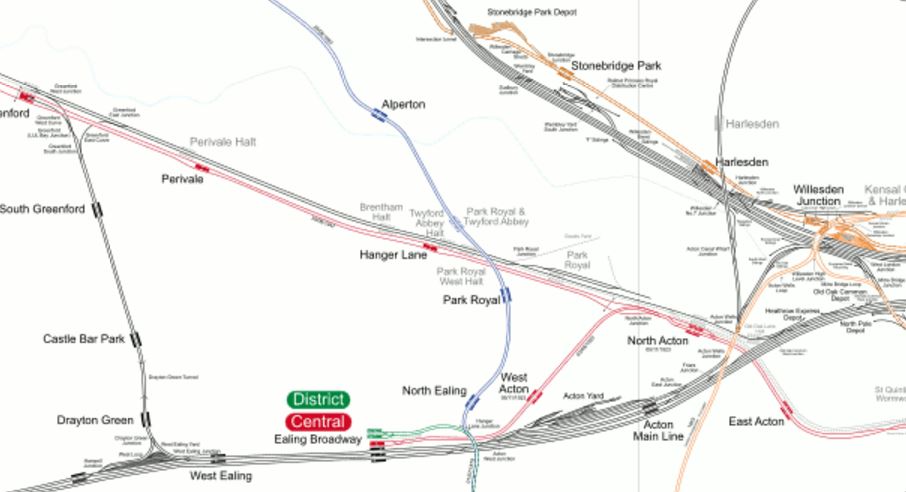
Lines In West London
Note that it would appear that the track layout at Greenford could allow trains to go from the Greenford Branch towards West Ruislip and South Ruislip in the West or North Acton and Old Oak Common in the East.
These are pictures I took of the lines and the junction at Greenford station.


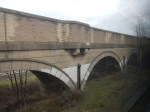
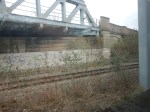
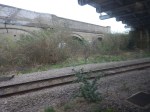
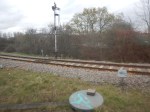
The current Greenford Branch platform would probably be augmented or replaced by platforms on the Acton-Northolt Line.
This Google Map shows the area around Greenford station.
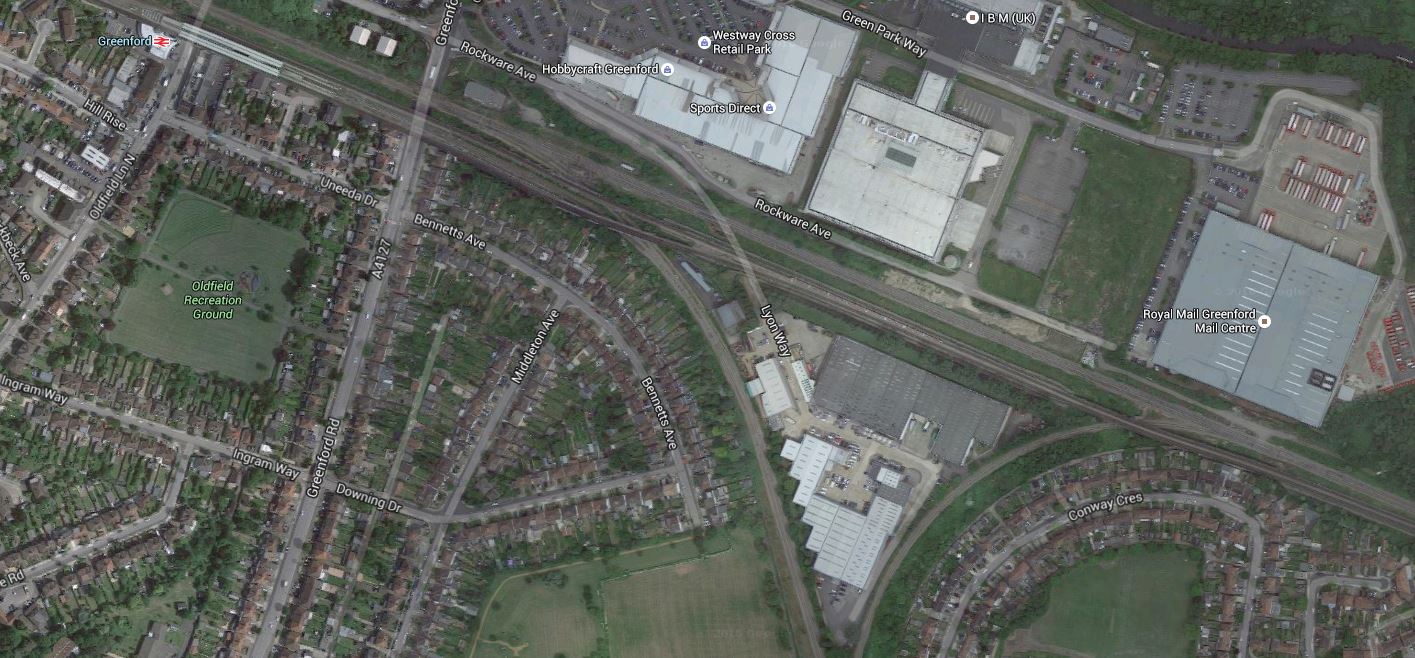
Greenford Station And The Junction To The East
It would appear that parts of the junction have been built on, but it looks like it could easily be made possible for trains to pass in all directions, between the Acton-Northolt Line and the Greenford Branch.
The Greenford Branch is under three miles long and appears to be mainly double-track, but it does have a level crossing close to the Southern end.
I also took some pictures of the bay platform at West Ealing station, that is currently under construction.







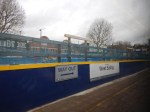
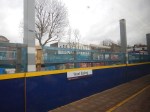
I can’t be sure yet, but it does appear that the platform will be electrified.
So what does this say about how the rumoured four trains per hour that work the branch will be powered?
I think there are two possibilities.
- Diesel power as now.
- IPEMUs charged in the bay platform.
Given that one of London Overground’s Class 710 trains with an IPEMU capability and one of Great Western Railway’s Class 165 trains, that currently work the line, could use the same infrastructure, the choice of train would be up to the operator.
One problem that would have to be addressed is the short platforms at Drayton Green, Castle Bar Park and South Greenford.
At least if the branch was not electrified, there would be no wires to get in the way.
Look at this Google Map.
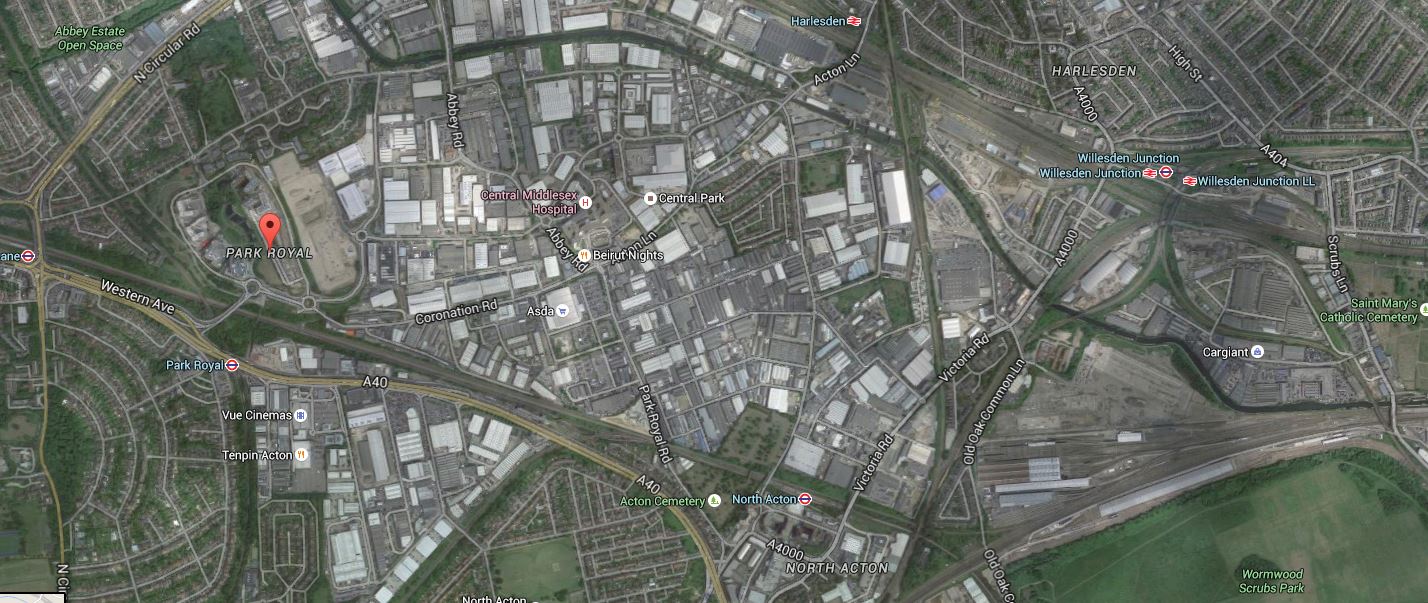
Park Royal To Old Oak Common And Wormwood Scrubs
Note.
- The red arrow points at Park Royal, which at 500 hectares, is the largest business park in London.
- The green area in the East is Wormwood Scrubs, which is one of the largest areas of common land in London.
- North of Wormwood Scrubs is Old Oak Common, which is mainly old railway land, that is being regenerated.
- Old Oak Common station, with connections to HS2, the West Coast Main Line, the Great Western Main Line, North London Line, West London Line, Crossrail and other lines is being created to serve the developments in the area.
Across the South of Park Royal and connecting to Old Oak Common station, runs the Acton-Northolt Line.
If transport planners and railway designers, can’t make a feast of these tasty ingredients, I’d be very surprised.
I said that the choice of rolling stock would be down to the operator.
As Ealing Council would like to see the Greenford Branch go to Clapham Junction, the obvious route is to go via the Acton-Northolt and West London Lines, stopping at appropriate stations en route, like Old Oak Common and possible new ones; South of Park Royal.
This would be a good fit with London Overground services and their four-car Class 710 trains would be ideal for the route.
With the full development of Old Oak Common station, this would not only give access to West Coast Main Line and HS2 services, but also direct access to the North London Line from West Ealing and West Ruislip.
The latter connection would make so many of those journeys across the North of the capital, so much easier and avoid going by the centre.
I think Chiltern too, will make a bid to get into running services on the Greenford Branch and the Acton-Northolt Line, as it would give them a very useful destination in London of Old Oak Common.
These services would also be a good fit with Chiltern’s services and trains.
Conclusion
The Chiltern Metro is certainly possible from an infrastructure point of view.
I also believe that with selective and appropriate electrification, that a 100 mph version of Bombardier’s new Aventra train with an on-board energy storage or IPEMU capability could handle all their services.
My project management and engineering knowledge (Note! Not experience!), also leads me to believe that most of the upgrade to electric trains could be done without too many blockades and disturbance, as much of the line is already to a very high standard with sufficient loading gauge to accept Aventras, when running on the on-board power source.
Just because you want to swap your diesel Mercedes for an electric Tesla of vaguely the same size, it doesn’t mean you have to move house or even build a new garage, as both cars run on the same roads. You just make sure the battery gets charged, rather than fill it up with fossil fuel.
It’s the same if you replace your diesel train with an Aventra IPEMU. Except that in places, you can charge your train as you’re running on any traditionally-electrified line.
The only problem, is to make sure, your trains get enough chances to charge their on-board energy storage devices. But railways have had the organisation of trains to various places down to a fine art for well over a hundred years.
It’s called timetabling!
A Modern Electrified Metro Network Using IPEMU Technology
An IPEMU is an Independently Powered Electric Multiple Unit, which is a standard electrical multiple unit, which incorporates on-board energy storage, which can be charged on electrified lines and then used to power the train, where no electrification exists.
- At present a range on the on-board energy storage is typically fifty to sixty miles with adequate performance.
- The storage can be used to capture braking energy, which is then used to restart the train at a station.
- Every feature of a modern electric train can be provided.
The first IPEMUs to be delivered could be the Class 710 trains for the London Overground.
If you look at cities like Edinburgh, Glasgow, Liverpool, London, Leeds and Newcastle with comprehensive local metro networks of trains, they are mostly fully electrified, with perhaps the occasional line run by diesel trains.
Electric trains are preferable to diesel ones for several reasons.
- They have a better performance.
- They are quieter and don’t emit noxious fumes.
- They are easier to purchase.
But above all passengers like them better and they attract passengers and generate revenue and profits.
On the other hand.
- It is expensive to put up overhead wires and get power to the wires.
- Bridges need to be raised or track lowered to make space for the wires.
- Installation of electrification is disruptive.
- There are often heritage and/or environmental issues with the overhead wires or installing them.
But consider the cities or towns like Bristol, Cardiff, Norwich and Peterborough.
All have or will soon have the following.
- An electrified main line running through.
- A fully electrified central station.
- Branches and local lines fanning out from the central station, run by diesel multiple units.
- Most local services are less than eighty miles in total for an out and back journey from the central station.
- Other services go to another electrified central station, within the range of an IPEMU.
I think it goes without saying, that the current system in the town or city works after a fashion, even if the services are infrequent, too small and are worked using scrapyard specials.
Suppose the objectives for your new metro are as follows.
- Services are run by modern four-car electric trains, that meet all current and envisioned access and customer requirements.
- Services are run by a standard train, so if the network expands, more trains can be easily built!
- The ability to lengthen the trains, say for an important sporting or cultural event.
- Enough trains to run four trains per hour services on important lines and perhaps one per hour on lines that get much lesser use.
- Most services run out and back from the central station.
- As little disruption as possible, whilst creating the metro.
I believe that IPEMUs can be used to create such a metro, in the following manner.
- Get electricity to the central station.
- Check that all bridges, tunnels and stations on the lines can allow an IPEMU to pass.
- Upgrade and test the signalling for the new trains.
- Lengthen platforms on the lines to take the IPEMUs.
- Wire up the platforms in the central station and for possibly a few miles around the station.
- Test each line and convert them to IPEMU operation, as works are completed and IPEMUs become available.
One great advantage is that a lot of the testing can be done using a dummy IPEMU.
- It would be the same type of train as an IPEMU, but powered by a diesel engine.
- It would have the same cab as an IPEMU, so that all driver sight-lines and operations could be checked.
- It would have full signalling and other displays and instrumentation of an IPEMU.
- It would probably have a pantograph and a battery, so it could check all the overhead wires could charge the batteries of the IPEMU.
Real passengers could even be used for tests and asked for their opinions.
So where couldn’t this type of approach be used?
The Full Service From Lea Bridge Station Starts On The 16th May 2016
I have just used the National Rail Journey Planner to look at a journey between Lea Bridge and Stratford stations at nine o’clock on the 16th May 2016.
I got this very sensible result.
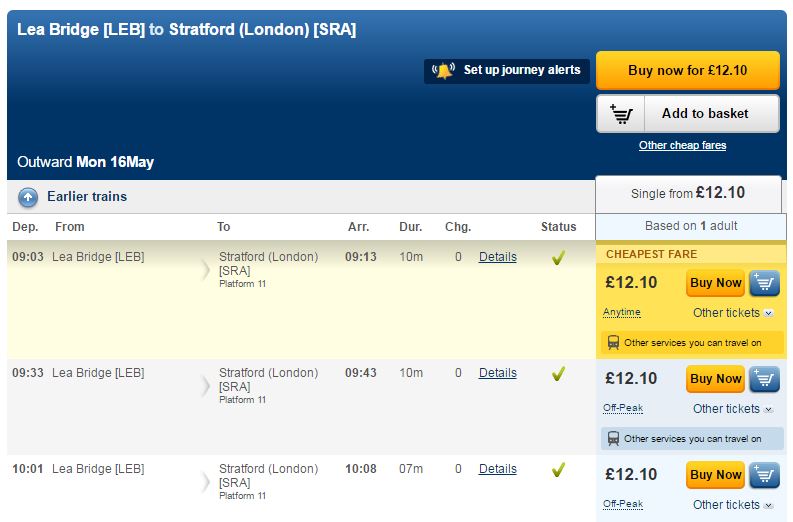
The First Day Of A Full Service From Lea Bridge Station
As this was the earliest day, I could get trains at this time in the morning, I suspect the station opens on this day for a full service.
A Ride From Nuneaton To Coventry In A London Midland Class 306 Train
I went to Nuneaton station and then took the Coventry to Nuneaton Line to see the new stations at Bermuda Park and Coventry Arena before changing at Coventry for Birmingham. I took these pictures from the train.






Both new stations have two similar platforms, so I only photographed one at each station.
All platforms seem to be able to take at least a three car train, but the Coventry-facing platform at Coventry Arena station can take six card to handle events. I also suspect that selective door opening on modern trains like Electrostars can allow longer trains to call.
The train was actually two Class 153 trains, which explains the Class 306 train.
The line may be electrified in future, as it is used by freight trains, but if Network Rail get their act together, I can see the passenger service on this line using IPEMUs. Especially, when Kenilworth station is reopened on the Coventry to Leamington Line.
Unless the two lines are electrified, freight would still be diesel-hauled. A Class 88 locomotive could be used, so that where there is electrification.freight trains could be electric-hauled. But they seem to be taking a long time to arrive!
The Death Of Traditional Steel Making
If we’re being serious about making steel using the traditional methods of blast furnaces, converters and lots of energy, it’s not a very green process and it contributes to pollution and global warning.
We have a serious oversupply of steel in the world and this page lists production by countries.
In 2014, the world produced 1670 million tonnes of steel, of which we produced just twelve.
Looking at the production levels, there are quite a few countries that produce produce small numbers of million tonnes of steel like we do.
As China produced 822 million tonnes of steel in 2014, how many of these countries will be forced out of steel making in the next few years?
What will save steel making in a lot of countries is improvements in technology.
The parts of the steel industry, that seem to be the most profitable are the downstream uses of the metal, like making rails for railways. In this country, we have a reputation for using steel in innovative ways, but few of these uses need steel made in Britain, although they may need a quality steel to start with.
But that quality steel can come from anywhere with the knowledge to produce it.
China will acquire that knowledge, just as the Japanese did in the 1950s and 1960s.
It is interesting to look at iron ore by country in 2014. Out of a world product total of 3.22 million tonnes, we see.
- China – 1.5 million
- Australia – 0.66 million
- Brazil – 0.32 million
- India – 0.15 million
- Russia – 0.1 million
So does this partly explain China’s massive production of steel?
I think Australia and Brazil are the two most important countries on this list. Both have large amounts of energy and because they are ambitious intelligent countries, as the steel-making technology develops, will we see them increasingly becoming makers of quality steel?
I don’t know, but it says to me, that even producing quality steel in a niche market won’t be profitable for long.
The money and employment is in using quality steel, not in making it.
It may be a hard unpopular view, but we should let the rest of the world fight over supplying us with quality steel. If we want security of supply, I’m sure the Aussies would provide it.
As to the steel-making areas like Teesside and South Wales, we have to move on.
The Future On Teesside
In fact Teesside seems to be doing that, if a BBC report this week wasn’t truly negative.
What puzzles me about Teesside, is that there is little mention in the media about York Potash. This is from Wikipedia.
The project intends to mine the world’s largest deposit of polyhalite – a naturally occurring mineral – located on the Yorkshire coast.
The mine site is located outside the village of Sneatonthorpe, between Whitby and Scarborough in North Yorkshire. The project plans to construct two 1,500 m (4,900 ft) shafts to reach the mineral seam which includes a mineable area of around 25,200 hectares (62,000 acres).
To minimise the amount of visible infrastructure within the North York Moors National Park, a protected area, the polyhalite will then be transported 37 kilometres (23.0 miles) in an underground tunnel to the company’s processing plant at Teesside. After granulation and drying, the finished product – marketed by Sirius Minerals as POLY4 – will be exported from the nearby harbour facilities.
Could it be that, this project appears to not be very green and in the minds of many is creating a giant hole in the North York Moors National Park?
My view is that the UK needs more big projects like York Potash, that earn billions of pounds from exports, create thousands of jobs and don’t despoil the environment.
So what have we got for South Wales and Port Talbot in particular?
Nothing as big as York Potash, but there are plans for the world’s first tidal lagoon power station in Swansea Bay Wikipedia says this about the Tidal Lagoon Swansea Bay.
It is planned to be the first of six tidal lagoon power plants to be constructed in the United Kingdom, and one of four planned to be built in Wales. The tidal lagoon would have a capacity of 320 MW.
The project was named as part of the UK government’s 2014 National Infrastructure Plan and was granted planning permission by theDepartment for Energy and Climate Change in June 2015. Power production is expected to begin in 2019. The operational life time of the artificial lagoon is 120 years, effects of global warming have been included in the planning. It is also to be constructed to withstand 500-year-storms and to function as a coastline protection against storms and floods.
So what are we waiting for?
The economics depend very much on the strike price for electricity generated and the Government seems reluctant to set one. I do wonder if they have got themselves tied in knots with trying to build a white elephant at Hinckley Point, that they can’t think of anything else.
Consider.
- I’m not against nuclear power, but Hinckley Point C is so expensive and its strike price is so high, that it will be a millstone around the necks of energy users for decades.
- If we want to go nuclear, there are smaller and proven reactor systems available.
- Electricity generation is going more distributed with the growth of solar panels, local heat and power systems and other technology.
- Large energy users are changing technology to cut use.
- The tidal lagoon technology gives protection against storms and floods.
- Tidal lagoons could be the twenty-first century equivalent of the nineteenth-century seaside pier.
- If the technology and economics of the tidal lagoon work, it will produce carbon-free electricity for at least 120 years.
- There are other places, where tidal lagoons could be built.
You could bet your life on the Dutch building a tidal lagoon, but they don’t have the tides.
Rather than back a doomed steelworks, the Government should back the unique energy project of the Tidal Lagoon Swansea Bay.
If the energy economics don’t work out, you still get the coastal protection and leisure facilities.
A Metro For Teesside
The Tees Valley Metro has been in planning mode for some years and I can’t understand why it hasn’t happened yet.
All that seems to have happened is the opening in 2014 of James Cook University Hospital station, which I wrote about in James Cook Station – The Reinvention Of The Halt. The station certainly seems to be attracting a level of use, typical of a station of its type.
I also wrote about the metro in The Creation Of The Tees Valley Metro.
A Metro For South Wales
The Welsh are also keen to create a South Wales Metro for some time. I wrote about my observations on the trains in the area in The Welsh Could Be Having A Lot Of Fun Playing Trains In The Cardiff Valleys.
This project should be beaten into action as soon as possible.
It is interesting to take a look at a Google Map of the coast between Swansea and Port Talbot.
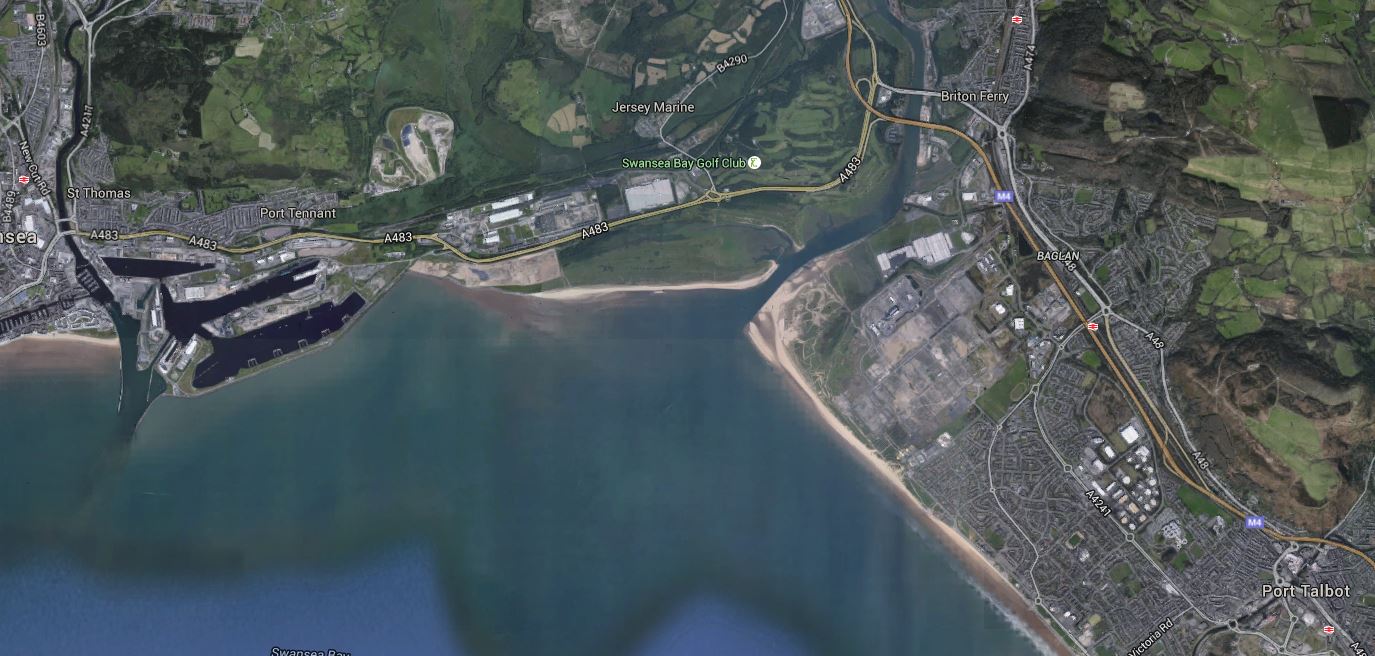
Swansea To Port Talbot
I don’t know the area well, but I know many people, who have enjoyed leisure time spent all along the South Wales Coast.
Perhaps, if the steelworks were to be closed, it could be treated to a Barcelona solution, where their steelworks was closed and the area turned into beaches and parks, which formed part of the Olympics in 1992.
The Tidal Lagoon Swansea Bay would be generally sitting in the western part of the bay.
I believe that a comprehensive South Wales Metro, could go a long way to creating more jobs, than will be inevitably lost at Port Talbot.
Conclusions
Steel production is virtually dead in the UK and we must move on.
If we can find an innovative project to replace steel making, we should back it and as with York Potash, it doesn’t necessarily mean billions of public money.
But decent infrastructure and local rail, tram and bus systems can go a long way to creating the jobs needed everywhere.
In both the examples of Teesside and South Wales, surely if nothin else, a decent metro would give a boost to tourism.
Is Cambridge University Being Pragmatic About The East West Rail Link?
I must admit, I was a bit surprised, when it was announced in this article in Global Rail News, that the East West Rail Link would go via Sandy between Bedford and Cambridge. This is said.
Network Rail has selected the Bedford-Sandy-Cambridge corridor as its preferred route for the Central Section of the East West Rail project.
The preferred route was chosen from 20 options and will now be developed further with a view to producing a ‘line on a map’ route in May.
They also show this map.
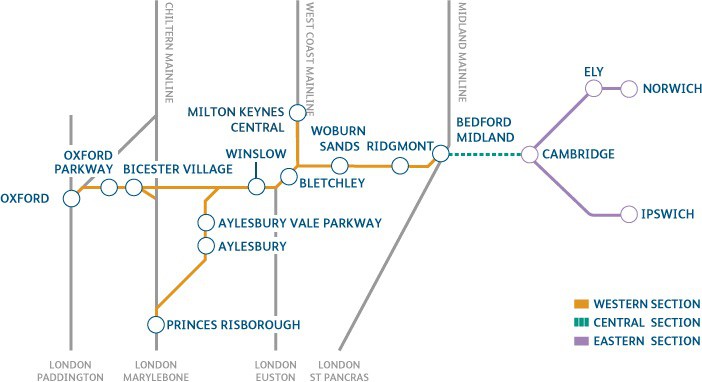
East West Rail Link
Various other articles suggest that the route will also be via Bourne Airfield and Addenbrooke’s Hospital.
I have traced the old route of the Varsity Line and very little seems to have been built on the route of the old line. Much too, seems to be on flat Cambridgeshire farmland and farmers are usually easily persuaded by alternative and profitable land uses.
The big problem is the old line is used as the track for the Mullard Radio Astronomy Observatory‘s Ryle Telescope. I’ve heard several times from astronomers in Cambridge was that it is very important and it was the major reason, why the railway line couldn’t be rebuilt on the old track-bed.
I do wonder, if Cambridge University values a direct link to Oxford highly and that as the Ryle Telescope is getting quite old, that it is better value to move it to allow the railway to be built.
A Quick Look At The Route
I’m starting at the Cambridge end and going East, as that is the area I know better.
The Varsity Line In Cambridge
This Google Map shows how the old Varsity Line connected to Cambridge station.
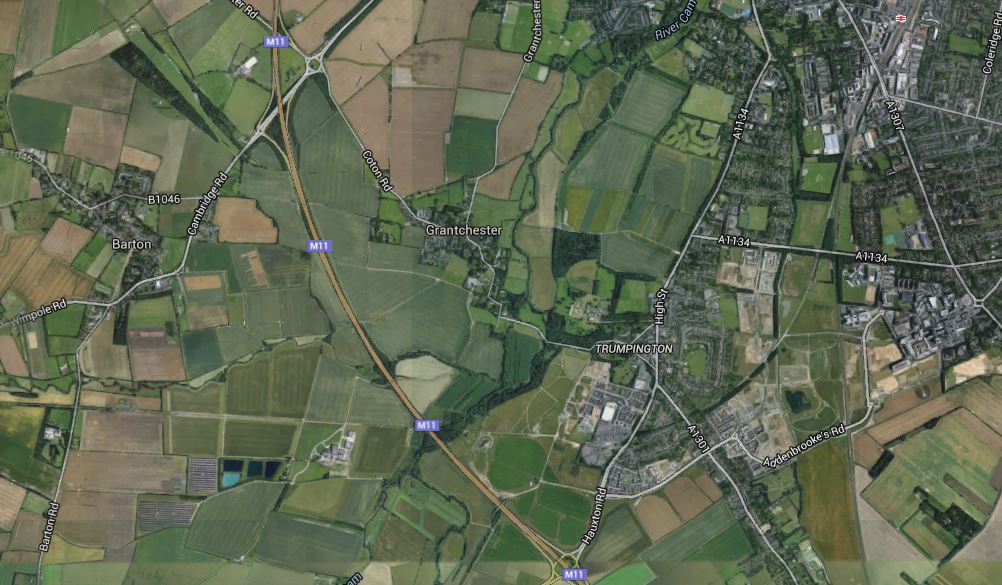
The Varsity Line In Cambridge
Note how the M11 curves to the West of Cambridge. You will notice, that there is a sandy coloured line going West from the motorway, which starts at the second blue market by the kite-shaped field, that identifies the road on the map. This is the disused trackbed of the Varsity Line and after passing under the motorway, through some housing in a cutting and under another road, it turns North to join the main Cambridge to London Rail Line.
Cambridge station is in the North-East corner of the map.
Cambridge Station
This Google Map shows Cambridge station and the rail lines going South from the station.
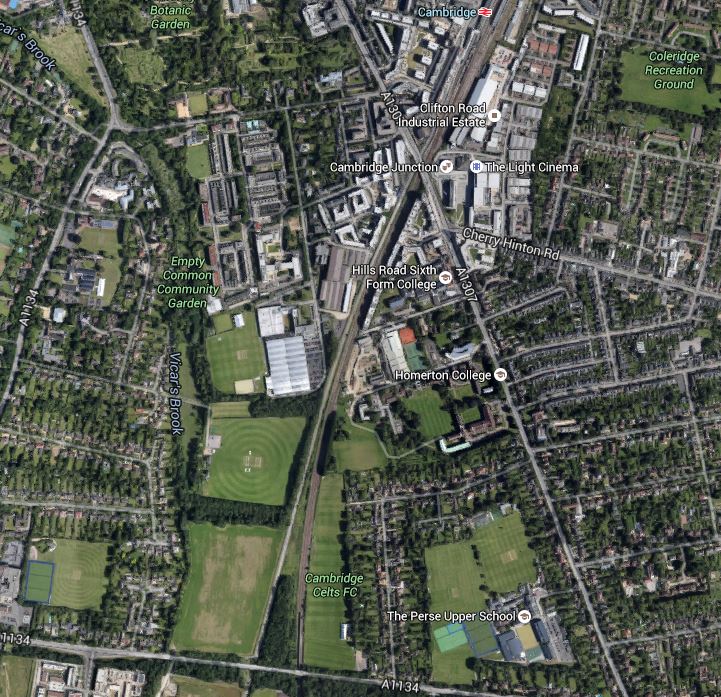
Note how after going under the bridge at the South End of Cambridge station, the main rail line goes off in a southerly direction pass the sports ground and then under the A1134.
Branching off from this rail line and going slightly to the West, there appears to be a second rail line. This is the trackbed of the Varsity Line, which has been converted into the Cambridge Guided Busway.
Cambridge station is a very busy station and has recently been upgraded with a long pair of island platforms and it is going to get even busier with Cambridge North station opening soon and Thameslink services due to call in a few years time.
The opening of Cambridge North station, may ease access to Cambridge station, as those living in or to the North of Cambridge, will be able to use the second station.
Addenbrooke’s Hospital
I have believed for many years, that there needs to be a Cambridge South station at Addenbrooke’s Hospital. This is the view of many in Cambridge and the surrounding areas.
This Google Map shows Addenbrooke’s Hospital and the land to the West.
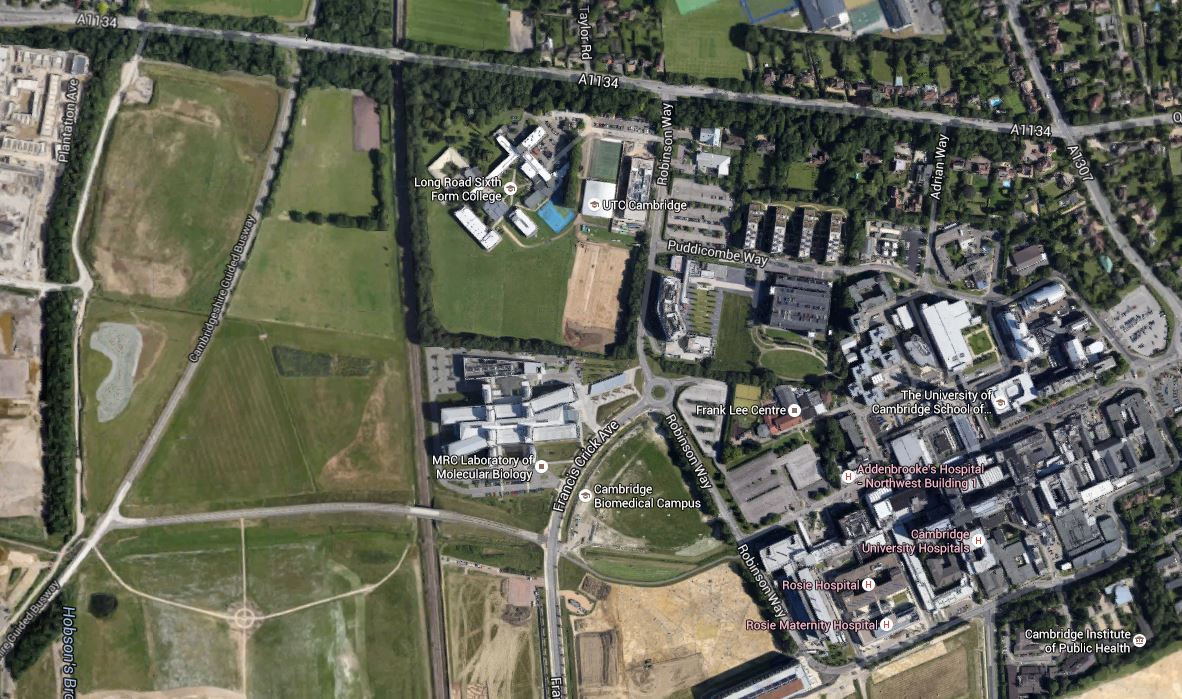
In addition to being a large general hospital, Addenbrooke’s is surrounded by major research institutions as the map shows.
It is generally sited to the East of the main railway line between Cambridge and London, which runs North-South down the map, with Cambridge station to the North and the junction where the Cambridge Line to Hitchin and the West Anglia Main Line divide just off the map to the South. The diagonal line to the South-West corner of the map, is the route of the Varsity Line, which has been partially reused for the Cambridge Guided Busway.
But there appears to be plenty of space to build a station for the hospital, which would be on both the main line and the East West Rail Link.
There is scope and space on this site to create a truly world-class station.
- It would serve the hospital.
- It would provide services on the West Anglia Main Line to London, Cambridge, Cambridge North, Ely, Kings Lynn and Stansted Airport.
- Thameslink would provide services to all parts of London and many places in the South like Gatwick Airport.
- The East West Rail Link would provide services to Bedford, Ipswich, Milton Keynes, Norwich, Oxford and Reading.
- Cross country services would call, but would passengers use the East West Rail Link and a change at Beford or Milton Keynes?
- Would the station be connected to Haverhill and Sudbury, by reopening the Stour Valley Railway? This would give Essex good access to the East West Rail Link.
I think that a truly bold station will take the pressure of the current Cambridge station, which is squeezed into the centre of the city.
The Mullard Observatory
The next section West of Cambridge and the M11 is currently the Mullard Observatory.
This Google Map shows the area.

Mullard Observatory
The telescopes seem to be clustered to the north of the track in a triangular grouping around the middle. They used to be strung out along the line. So perhaps, the astronomers don’t need it any more, as their research has moved in a different direction.
Bourne And Gamlingay
From the Observatory, the old line is more or less intact and it curves to the South of Bourne Golf Club and through the village of Gamlingay, which used to have a station. An industrial estate has been built on the trackbed.
A more northerly route could also be taken, if it was desired to have a station to serve Cambourne.
There is certainly a lot of open countryside and a couple of sizeable villages, that could benefit from a station.
Potton
The line then goes on to Potton, where this Google Map shows the village, which had a station.
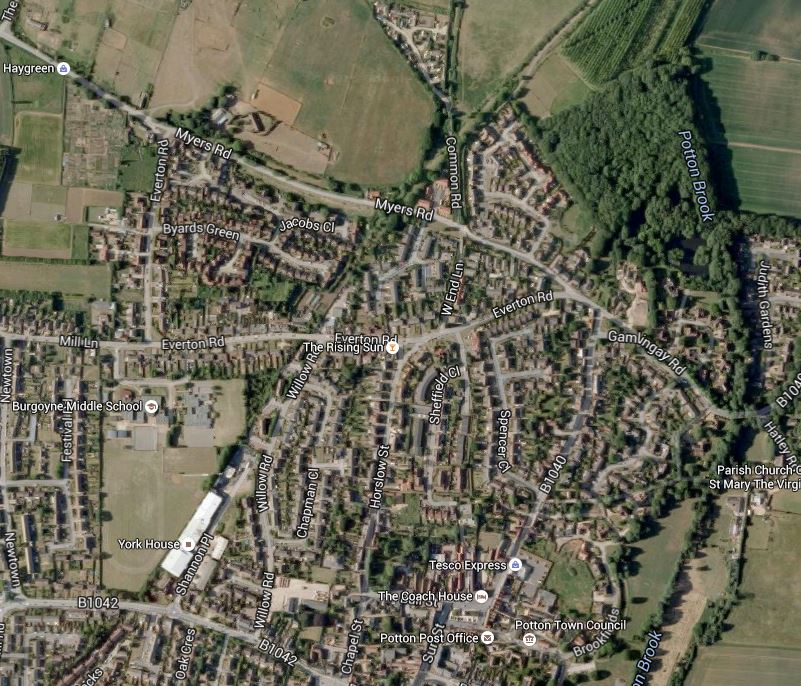
Potton
The green scar of the line can be seen, as it curves around the North-West of the village. I wonder if York House was the station.
Sandy
After Potton, the line goes through the countryside to Sandy, where the old Varsity Line came alongside the East Coast Main Line through Sandy station, before crossing the main line.
This Google Map shows the area.
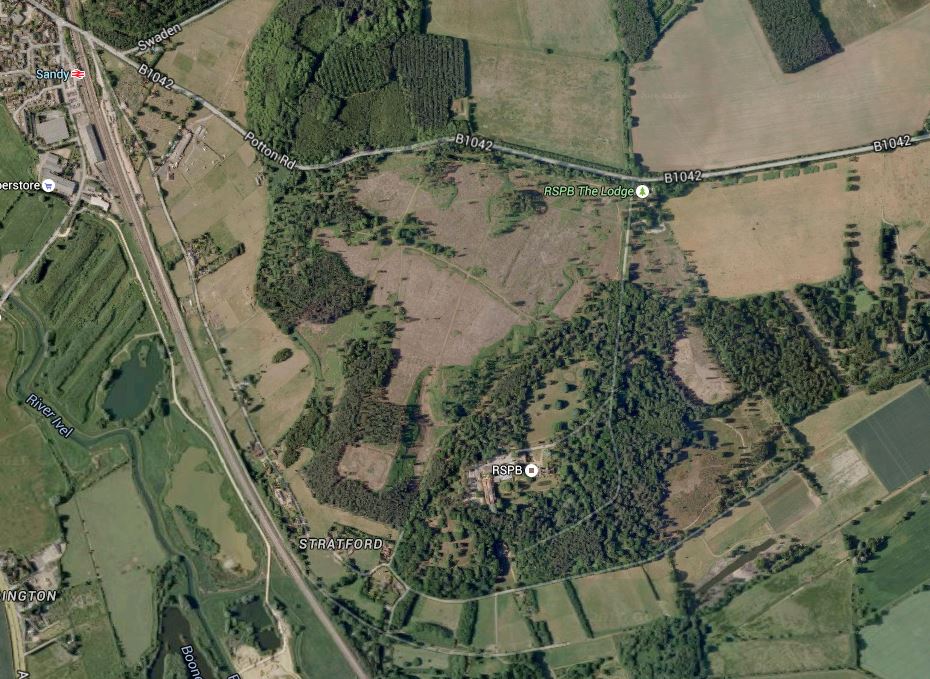
Sandy, The East Coast Main Line And The Varsity Line
Sandy station is towards the top of the map and you can just see how the old line curves around the headquarters of the RSPB.
One possibility in this area, is that there are proposals for a Sandy-Beeston by-pass on the A1, to remove a bottleneck. Surely, if the routes of the by-pass and the railway were considered together, planners might come up with a superior solution.
Bedford
The original route went via stations at Blunham, Willington and Bedford St. Johns and it still shows on the Google Map.
This Google Map shows the route as it joins the East West Rail Link at Bedford St. Johns station, which is on the Marston Vale Line, which is being incorporated into the East West Rail Link, to form the link between Bedford and Bletchley.
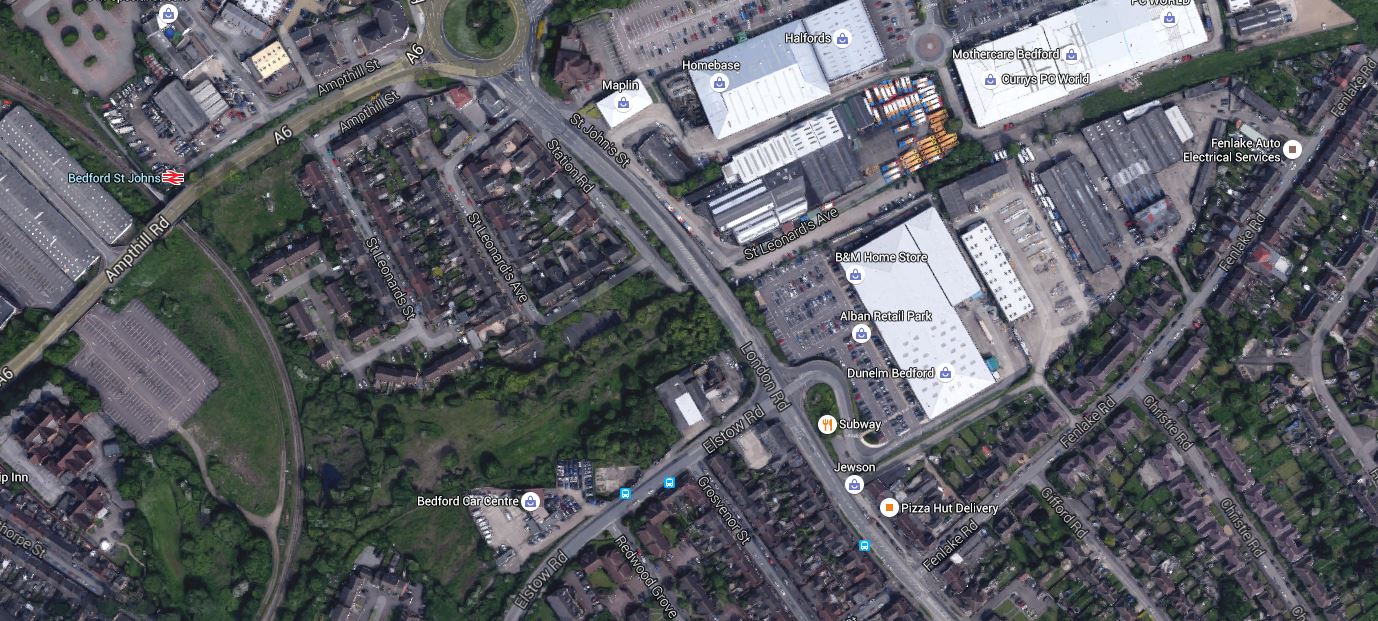
Bedford St Johns Station And The East West Rail Link
Note the green scar going between the bus garage (?) and the retail warehouses to the East. This was the old Varsity Line to Sandy.
If it were to be connected directly to the Marston Vale Line as it originally used to be, not all traffic would need to go to Bedford station.
Questions
I have some questions.
- How many of the old stations at Gamlingay, Potton, Blunham and Willington will be rebuilt?
- Will a more northerly alternative route from the Mullard Observatory to Sandy be better?
- Will there be a station at Sandy to link the East West Rail Link to the East Coast Main Line?
- Will a route be safeguarded to reopen the Stour Valley Line to Haverhill and Sudbury in the future?
Hopefully, these and other questions will be answered, when the definitive route is published.
Conclusions
After writing this, I’m surprised how much of the original line can be reinstated.
Certain factors have helped.
- The desire of Cambridge to have a station at Addenbrooke’s Hospital.
- A change in direction of the research at the Mullard Observatory or a pragmatic attitude on the part of the University.
- The need to build a bypass on the A1 at Sandy and Beeston.
- The ability to thread the railway through Bedford to link up with the Marston Vale Line.
I doubt there’ll be too much demolition of domestic properties or opposition to the route.
I also think, it will be pretty easy to build, as there don’t appear to be many bridges and viaducts.
Strings Of Class 171 Trains On Test
I took these photographs of four or possibly six of Southern Class 171 trains running in a long formation, just south of South Croydon station
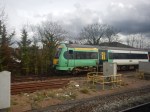
These were probably the units from Scotrail, which are going to be working Southern’s diesel-operated services.
- London Bridge to Uckfield on the Oxted Line
- Hastings to Ashford on the Marshlink Line.
To use these Class 171 trains was the original plan, but I do wonder if these routes will be run using Class 387 IPEMUs.
On the other hand, their may be more important uses for the Class 387 trains, as I wrote about in Are The TOCs Arguing Over The Class 387 Trains?
Or the IPEMUs might not be ready yet?
Who knows?
But whatever happens, someone is going to get a string of Class 171 trains in Southern livery.
The Great Western Main Line Through Bath Spa Station
This Google Map shows the route of the Great Western Main Line through Bath Spa station.
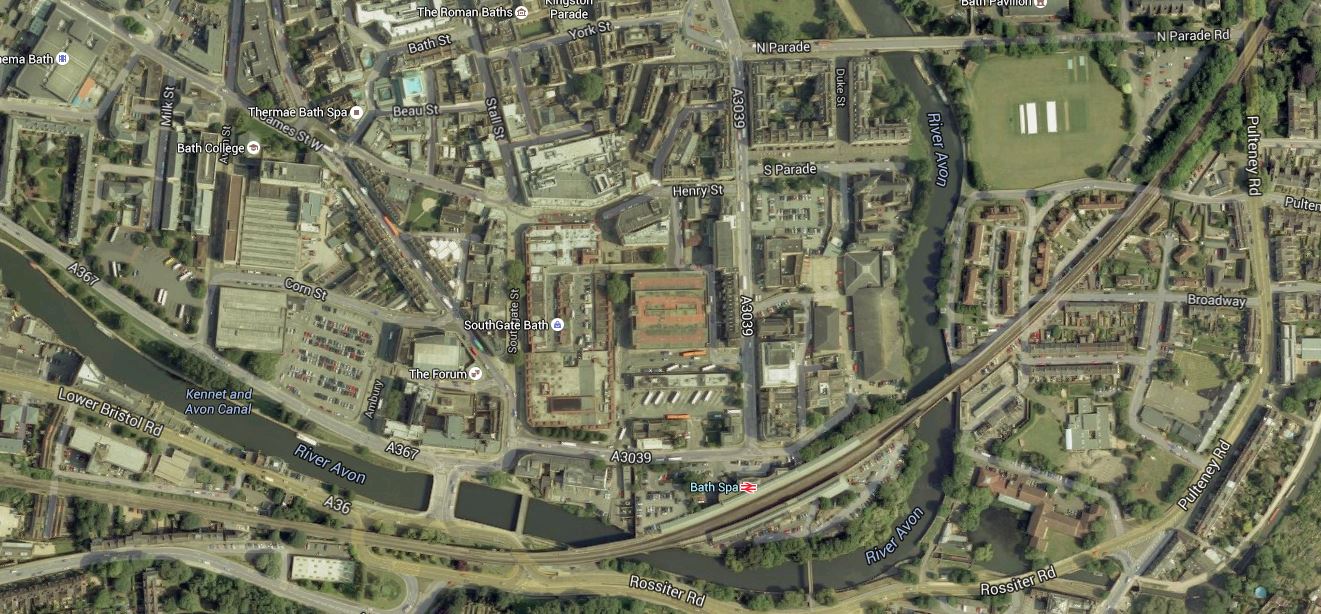
The Great Western Main Line Through Bath
Trains from Bristol come in from the West with London to the East and the layout certainly wasn’t designed to be simple.
- Bath Spa station is on a viaduct hemmed in by the river.
- The railway crosses the River Avon twice.
- The railway is on a raised viaduct to the West.
- Bath is a World Heritage Site.
It is not the place, where you would want to electrify a major railway Line.
These are pictures I took of the Great Western Main Line through Bath.
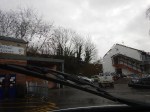



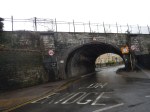
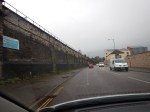
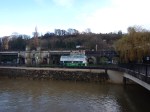



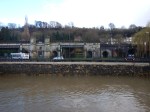

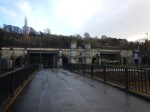
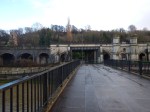
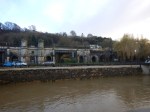

It is certainly not how, you would create a railway today.
How Would IPEMUs Fit With The East West Rail Link?
I feel very much, that IPEMUs or battery trains are very much going to be a part of the UK rail network in the next few years.
When I was writing Are The TOCs Arguing Over The Class 387 Trains?, I kept coming across the Oxford end of the East West Rail Link, so I got to thinking how IPEMUs would fit in with the line.
Will the Line Be Electrified?
The Government certainly thinks so, as Wikipedia reports.
The Secretary of State for Transport, the Rt. Hon Justine Greening MP, today announced that the Western section of East West Rail (EWR) will be part of the government’s strategy for rail transport, confirming not only funding for the project but also for electrification of the Oxford to Bedford part of the route. EWR will provide an electric link between the electrified Great Western, West Coast and Midland main lines. This further investment in the project upgrades it to form a key part of the new ‘Electric Spine’ passenger and freight route between the South Coast, the East Midlands and Yorkshire
But I’m not sure.
- Will freight operators pay out for new electric locomotives or will they stick with their old noisy and smelly Class 66 locomotives? I’m afraid most will stick with what they’ve got!
- The new Class 88 electro-diesel locomotive will be delivered this year and what effects will they have on locomotive procurement?
- One of the major intersecting lines is Chiltern, which is not electrified. Will the Chiltern Line be electrified to make things easier? It could be! But I doubt it!
- After the fuss about the aesthetics of the electrification on the Great Western Main Line, that I wrote about in Aesthetic Problems With Overhead Wires On The Great Western, I have a feeling the natives might object.
- When they see the total bill for the Great Western Electrification, will the Government have second thoughts about electrification?
I think the line will eventually be electrified, but it may not be built with electrification, just as the first section between Bicester Village and Oxford Parkway stations was.
It would be built however, so that it would be easy to electrify in future.
- All over-bridges would have sufficient clearance for overhead wires.
- Space would be left for overhead gantries and other essential electrification equipment.
- Piles for gantries might even be put in.
- Everything would be properly documented.
Too many railway lines in the past were just built and assumed no improvements would ever be made.
Connection To Existing Electification
One of the most expensive items in an electrification scheme can be connecting the new wires to a suitable electricity supply.
This is why Crossrail and the Great Western Electrification share a sub-station to the West of London.
The East West Rail Link crosses a succession of lines at its Western End from Oxford to Bedford. In order from the West they are.
Only the Chiltern Main Line will not be electrified, when the Oxford to Bedford part of the link opens.
The route from Bedford to Ipswich and Norwich is not fully defined yet, but it is likely it will cross these electrified lines.
So the link, isn’t short of connectivity to electrified lines, which will help with full electrification.
The Route
This map from the East West Rail Link web site shows the route.
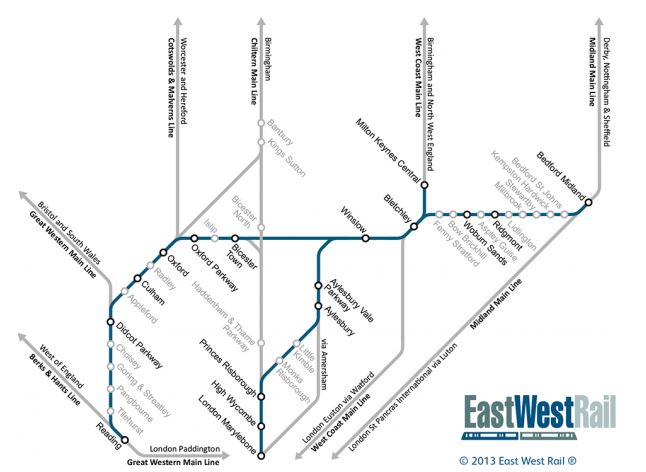
East West Rail Link
Starting from the West stations are.
- Reading on the Great Western
- Tilehurst on the Great Western
- Pangbourne on the Great Western
- Goring and Streatley on the Great Western
- Cholsey on the Great Western
- Didcot Parkway on the Great Western
- Appleford on the Cherwell Valley Line
- Culham on the Cherwell Valley Line
- Radley on the Cherwell Valley Line
- Oxford on the Cherwell Valley Line
- Oxford Parkway
- Islip
- Bicester Village
- Winslow
- Bletchley on the West Coast Main Line
- Milton Keynes Central on the West Coast Main Line
- Fenny Stratford on the Marston Vale Line
- Bow Brickhill on the Marston Vale Line
- Woburn Sands on the Marston Vale Line
- Apsley Guise on the Marston Vale Line
- Ridgmont on the Marston Vale Line
- Lidlington on the Marston Vale Line
- Millbrook on the Marston Vale Line
- Stewartby on the Marston Vale Line
- Kempston Hardwick on the Marston Vale Line
- Bedford St. Johns on the Marston Vale Line
- Bedford on the Midland Main Line
It’s quite a few stations, many of which are simple affairs in rural locations.
IPEMUs And The East West Rail Link
Proposed services when they start in 2019 will include.
- Bedford – Oxford – Reading
- Milton Keynes – Oxford – Reading
- Milton Keynes – Aylesbury – Marylebone
The first two services could be easily run by IPEMUs, but the third might need other arrangements.
According to the latest Great Western electrification schedule Oxford is not scheduled to be electrified until June 2019, so as I believe that Oxford will be reached by IPEMUs until that date, I suspect that we’ll see IPEMUs on the line, as they will be able to easily bridge the fifty mile electrification gap between Didcot on the Great Western and Bletchley on the West Coast Main Line, charging their batteries at both ends of the route.
The London to Aylesbury Line is thirty-nine miles of which sixteen miles are owned by the London Underground. Could it be if the line between Aylesbury and Winsford were to be electrified and some form of third-rail power was made available on the sixteen miles of the London Underground, that IPEMUs could work the services between Marylebone and Milton Keynes?
If they can’t, then it will be more diesels from Chiltern. But Chiltern’s ambitious nature, says they would prefer some form of electric train.
If the lines were eventually to be fully electrified, the IPEMUs would still have a valuable part to play as their self-contained regenerative braking would mean that the power supply wouldn’t have to be able to accept a return current, which lowers the cost of electrification.
Conclusions
IPEMUs will have to play some part in providing services on the East West Rail Link, because of the late running of the Great Western electrification.
Also with some selective electrification, Chiltern could use them for a service between Marylebone and Milton Keynes.
As these trains can provide a service on the whole line using existing electrification, the electrification of the East West Rail Link should be enabled but delayed to allow wires to be put up in more important places.
More On Class 345 Trains
In an article in this month’s Modern Railways, which is entitled 345 Counting On It, Ian Walmsley gives more details of the new Class 345 trains for Crossrail.
Ian uses phrases like.
Let’s get this out of the way first before I start enthusing (and I will) – personally I don’t like the interior colours.
Now I will go into full enthusing mode,
The bogies are the FLEXX Eco Bogie B5000-derivative inside-frame design similar to that on the Meridian (probably the only good thing about Meridians in my view)
The bodyshell is brilliant, and I say this as a passenger and an engineer.
The train is a fine piece of work.
He finishes by saying that he thinks the train will be a success for Bombardier.
Ian also throws in a few clues as to where Aventras might end up.
The 125 mph Aventra
Apparently, 125 mph Aventras are a possibility.So we could see High Speed Trains with similar performance to an InterCity 125, based on a train originally designed for commuters across London.
The High Speed Train With Batteries
One thing that Ian doesn’t mention about the Class 345 trains is whether they will be fitted with onboard energy storage. But he does say this.
Most braking will be done electrically, regenerating power to the grid.
So the answer is probably no! But it should be noted that Bombardier have told me that all Aventras are wired to accept onboard energy storage.
This raises the interesting possibility of the High Speed Train running on batteries.
I think that this could be a surprisingly large market.
Think of the routes which consist of two types of line.
- A high speed electrified line, which permits trains to travel at 100-125 mph.
- A secondary or branch line without electrification, that is up to about forty or fifty miles long.
On a quick look, I can think of these routes.
- London Liverpool Street – Ipswich – Lowestoft
- London Liverpool Street -Norwich – Yarmouth
- London Kings Cross – Bradford
- London Kings Cross – Harrogate
- London Kings Cross – Huddersfield
- London Kings Cross – Hull
- London Kings Cross – Lincoln
- London Kings Cross – Perth
- London Kings Cross – Sheffield
- London Kings Cross – Sunderland
- London St. Pancras – Hastings – Eastbourne – Brighton
- London Euston – Blackpool
- London Euston – Chester
- London Euston – Huddersfield
- London Euston – Shrewsbury
- London Waterloo – Exeter
I am assuming that electrification is at 2016 mileage.
As electrification increases more and more routes will be possible using a High Speed Train with batteries to extend the route away from the main line.
Merseyrail
Ian mentions Merseyrail as another target.
They would appear to be a good match to Merseyrail’s specification, that I wrote about in Is Liverpool Planning To Invade Manchester By Train?
- Merseyrail are looking to buy energy-efficient trains.
- Merseyrail stated in Modern Railways that they were seriously interested in having IPEMUs.
- Merseyrail want to expend their network and routes to Preston, Manchester via Kirkby, Chester via the Halton Curve and Wrexham via the Borderlands Line are very IPEMU-friendly routes.
- Merseyrail needs trains that are certified for working in tunnels.
- Merseyrail needs trains that can work on both third-rail and overhead electrification, which the dual-voltage Class 710/2 Aventra trains for the London Overground can do.
- Ian feels the train’s low weight could be enough to avoid sub-station upgrades.
In addition, the modular nature of the Aventra design means that Merseyrail could have a mixture of train lengths and voltages to optimise their procurement and operating costs.
East Midlands Trains
Ian says this about using Aventras for East Midland trains electrics.
As a 125 mph unit it would cope well with Corby commuters and the ‘Master Cutler’ crowd. – It is all about the interior.
I think there are other factors, that could be useful, if some or all of the trains were an IPEMU variant.
- I think Corby could be reached from St. Pancras by an IPEMU using the existing electrification.
- Running on batteries through the Derwent Valley World Heritage Site, might avoid tricky negotiations with the heritage lobby.
- Services could be extended past the current terminals of Nottingham and Sheffield.
Using Aventra IPEMUs would enable a whole new method of railway electrification.
Starting from Bedford, the electrification would be performed northward and as each section was completed, the Aventras could reach twenty or thirty miles further.
So electric train services would arrive at a town earlier than by using traditional methods.
Europe
Ian finishes the article with.
With the new design, Bombardier can take them all on. I think we will see this product platform around for many years, capitalising on the succes of Electrostar, and who knows, maybe even exporting to Europe? 345 – count on it.
If Bombardier have the right product, why not?
 The Anonymous Widower