Why Should We Subsidise Northern Ireland Water?
According to The Times today, the rest of the UK subsidises Northern Ireland Water to the tune of £267 million annually. And they pay no water or sewerage charges in the province.
It also turns out that there is a mutual help agreement between all UK water companies and Northern Ireland Water didn’t use it until several days after it became obvious they were in the mire.
The Times has a very strong leading article criticising the situation and saying that everybody is playing pass-the-parcel with blame. They also say that privatisation is the only solution, but will any government have the guts to impose that sensible solution?
I doubt it, as with a few riots Ulster always says no and gets its way.
Let’s give Ulster with our blessing to Eire! But I forgot, they’re in an even bigger mess!
Is Privatisation Good for the Water Industry?
All of the English Water Companies are privately owned, but Northen Ireland Water is owned by the government. So according to the theories of the left, the water supply in the province should be better than that in England.
But it’s not, if these reports are to be believed.
Could this be because, if privatised industries fail to invest and do a bad job, as some have done in the past, they are an easy target and go bust, whereas government industries, like Northern Ireland Water have to fight for every small piece of investment against other things that the government needs to spend? So has Northern Ireland Water been starved of investment? You could argue too, that the South East of England has suffered one of the worst cold spells for over half a century and the water infrastructure has coped well.
So let’s solve Ulster’s ater problem by privatising water and sewage! A good company would surely do a better job than a bunch of politicians looking to win the next election.
I’ve just sent this e-mail to BBC Breakfast under the title of Northern Ireland’s Water Problems.
This surely lays the lie that privatisation is bad. The South East of England has suffered the worst cold spell in half a century and I’ve not heard of any problems with the privatised infrastructure.
Could it be that successive governments have starved NI Water of money? So let’s privatise it now! After all, everybody in the UK would benefit from the sale!
It won’t be read out.
The Golden Age of Tunneling
London is one of the most dug under cities in the world and has been for many years.
The first large tunnels under London were Sir Joseph Bazalgette‘s Victorian sewers, built in response to the Great Stink. In some ways it was a large and very expensive scheme, but it started the clean-up of the Thames and effectively removed cholera from the City. It was in some ways the first great project, as it did what it said in the spec, vast numbers of people weren’t killed builling it and lots of it still works today. It is all documented in an excellent book; The Great Stink of London: Sir Joseph Bazalgette and the Cleansing of the Victorian Metropolis
Then came the Underground described so well in the Christian Wolmar’s book; The Subterranean Railway: How the London Underground Was Built and How it Changed the City Forever
Since the Second World War, we have seen a few tunneling projects and the reuse of some of the old ones.
The Victoria Line, the world’s first totally automated passenger railway was built in the 1960s. We missed a trick here, as we never realised what we had built. So the automation was vacuum tube, but for well over thirty years it showed how a well-designed underground railway could perform. It is now being upgraded with new signalling and new trains and the old reliability is rumoured to be suffering. Everybody is blaming the convenient scapegoat of the old 1967 trains running in partnership with the new ones, until all the new are delivered. I don’t! I blame bad project design and management. In the 1960s they got the automation absolutely correct and created a good system. They should have replaced all the old stuff with something that was modern and compatible and then built new trains, that were compatible with the old signalling.
They should also have used the principles of the line; no junctions, totally underground, hump-backed stations to save energy, full automation to create new lines where they were needed. But they didn’t, as the Victoria Line wasn’t sexy and didn’t appeal to the vanity of politicians. But it was and still is a superb design.
The Jubilee Line was then created by splitting the Bakerloo. The extension to Stratford was built on a grand scale and has some of the most amazing stations in the world. Was it the first example of bad co-operation between bankers and politicians, designed to appeal to both their vanities? It was also designed to serve that other monument to the vanity of politicians; the Dome.
In some ways a lot of the design of the extension of the Jubilee line, with large stations and platform edge doors were an attempt to future proof the line and in some ways, this has been vindicated by the decision to stage the 2012 Olympics at Stratford and the decision to build other lines which interchange with it. Only time will tell if the original cost was worth it.
In some ways the design of the Jubilee shows just how good the design of the Victoria was and the trick we missed was not building the Jubilee to the principles of the earlier line. Even now, despite being still a relatively new line, it is still being constantly upgraded.
There was also the building of High Speed One, which tunneled into St. Pancras from East London. Did they get this right? Substantially yes and it seems to work, although the Eurostar trains have suffered reliability problems. But that’s not down to the tunnels.
Other unqualified successes are the Docklands Light Railway extensions to Lewisham and Woolwich in tunnels under the Thames. The original DLR was built down to a cost, but in some ways this has proven to be a virtue, as like Topsy it keeps growing and has earned a big place in the hearts of those who use it. It will also play a big part in getting people to the Olympics.
But two of London’s most successful tunneling projects are reuse of old tunnels; Thameslink and the East London Line.
Thameslink was originally built by connecting the suburban lines running out of St. Pancras to those running south of London to Gatwick and Brighton using the old Snow Hill Tunnel. The economic argument says that as you do away with expensive terminal platforms in London, you can spend the money to buy more trains and electrify the lines. Thameslink was a victim of it’s own success and the necessary upgrades with a new station over the river at Blackfriars and twelve-coach trains are running many years late and billions of pounds over budget. Perhaps we needed a less elaborate Julibee Line, that interfaced properly with Thameslink?
The new East London Line uses the Thames Tunnel under the Thames. In some ways, it is a modest scheme, but I believe that like the DLR, it’ll prove to be an unqualified success. It surely must be the only new railway in the world running through a tunnel built in the first half of the nineteenth century. The tunnel surely is the supreme monument to its creator, Sir Marc Brunel and his more famous son, Isambard Kingdom Brunel, who was engineer in charge for much of the building.
Now, two major tunneling projects are in progress; CrossRail, which is actually being built and High Speed Two, which is just being planned. I am dubious about the latter, as I think that the money could be better spent upgrading existing lines and trains.
But in some ways to London, the most important scheme is the creation of electrical cable tunnels under the city to carry the high voltage mains here, there and everywhere. This PDF explains the project and shows how good thinking and engineering can benefit everyone.
So perhaps the golden age of tunneling will arrive in the next few years.
Along the Regent’s Canal to the Angel
I’m about a five or ten minute walk to the Regent’s Canal and today, I walked along the canal to the Angel as it was starting to get dark.
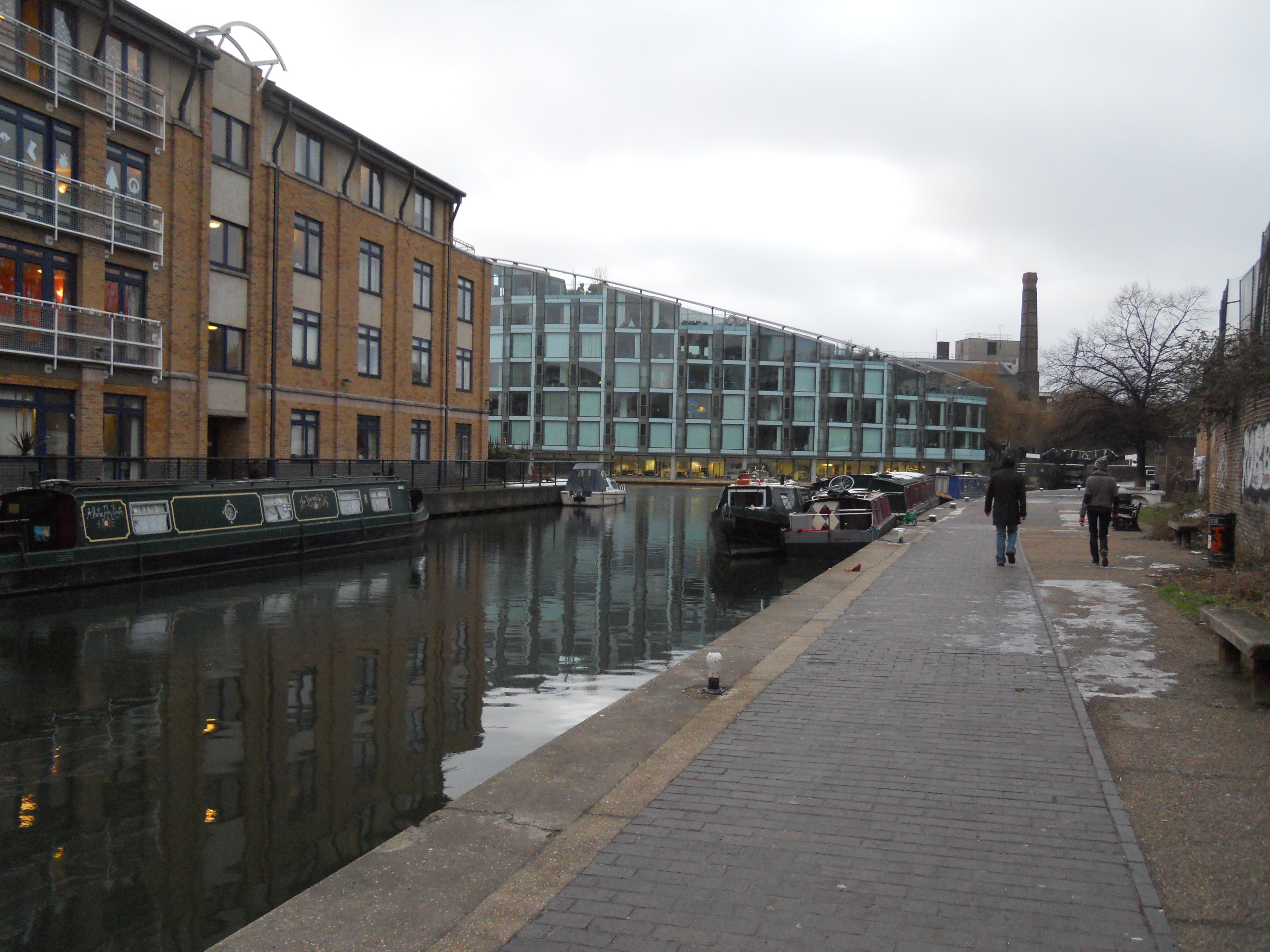
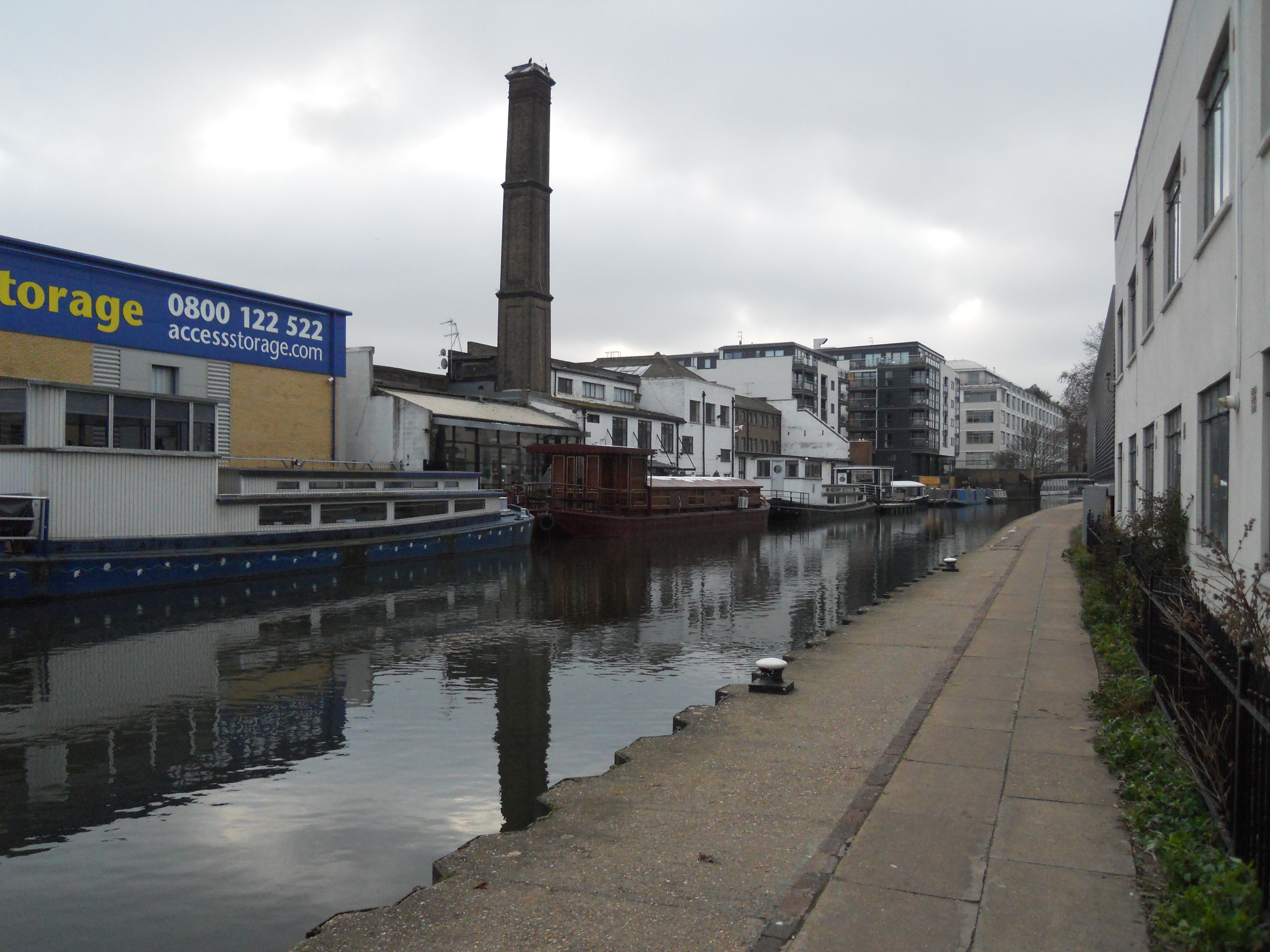
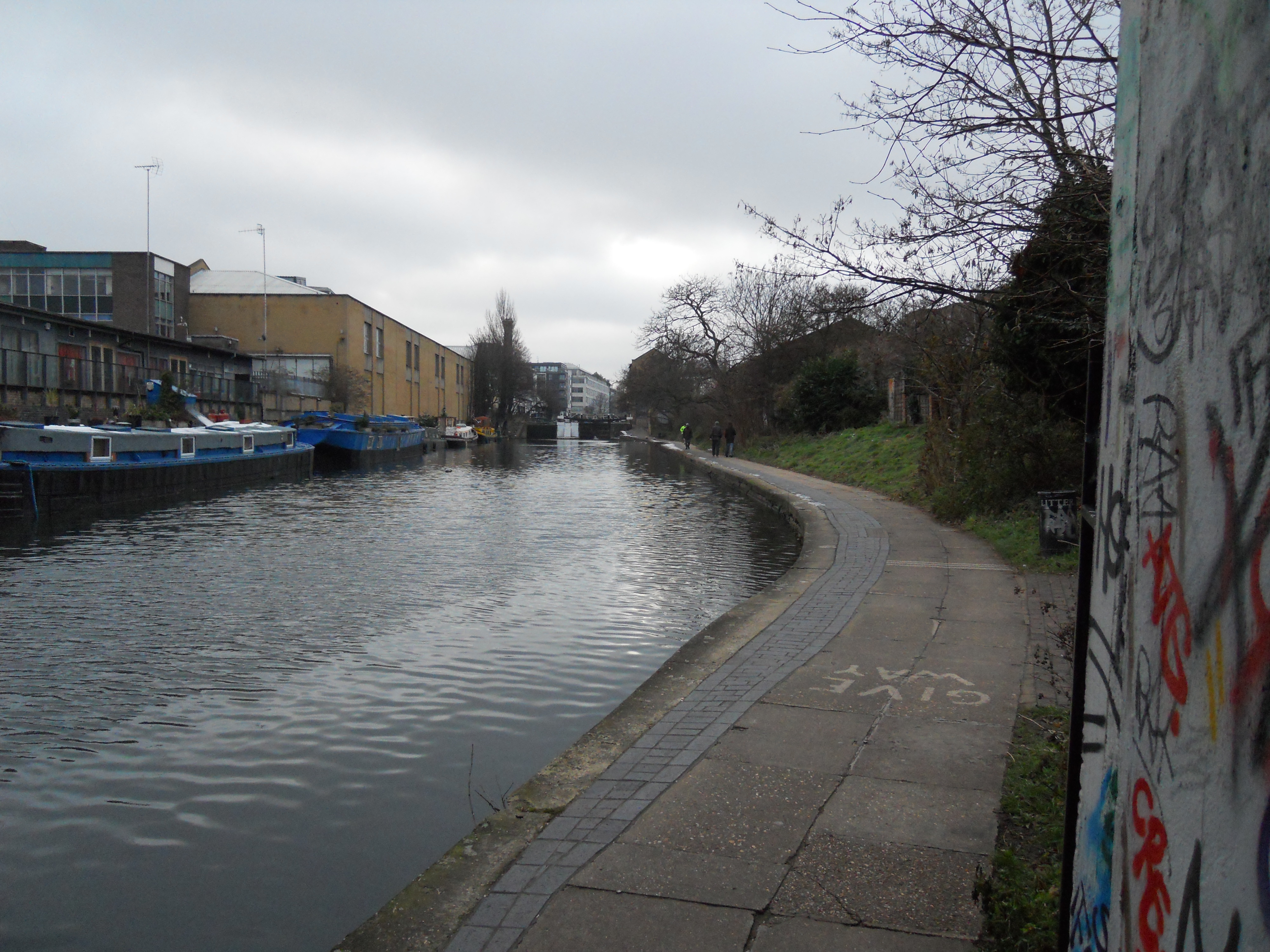
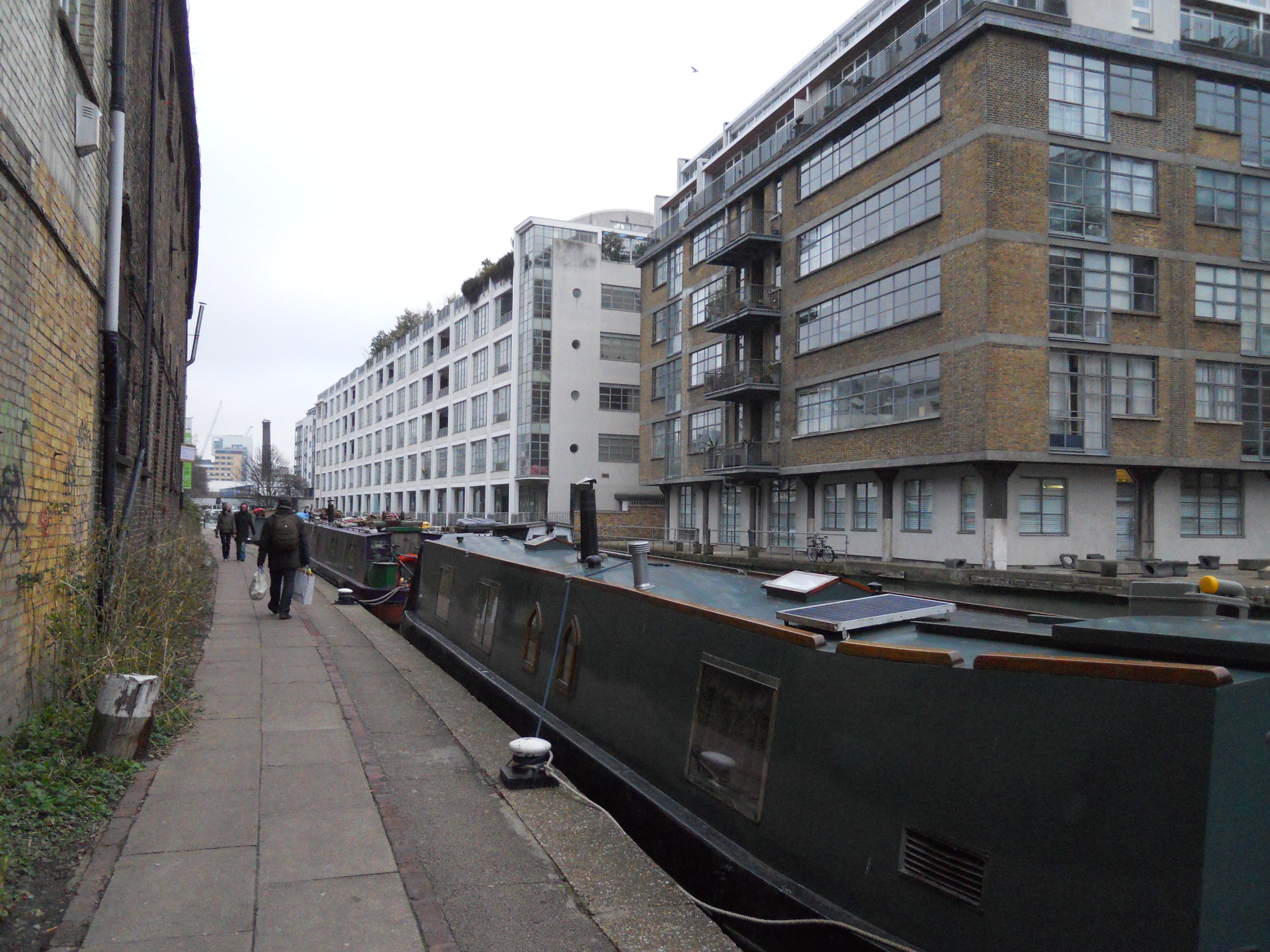
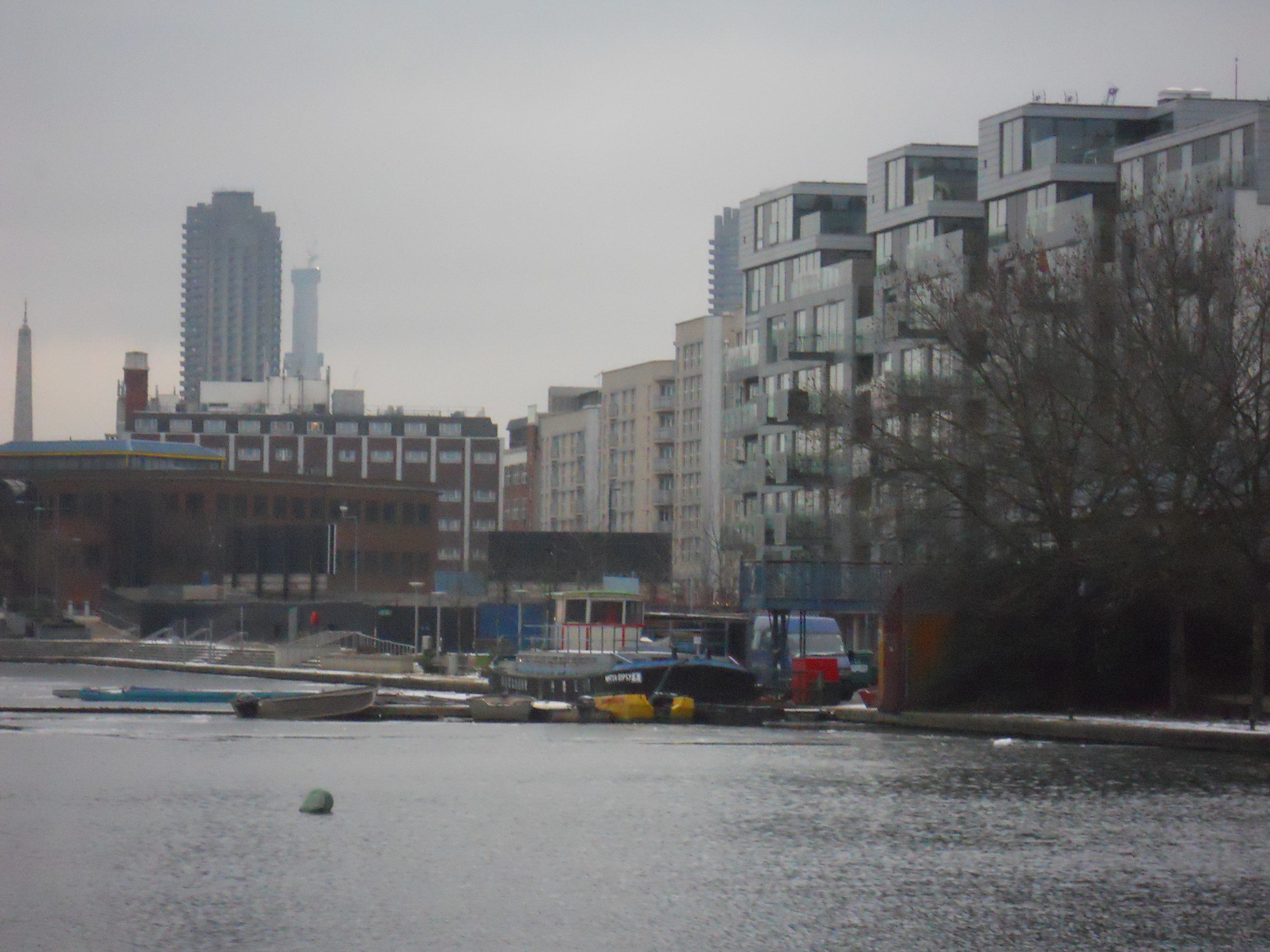
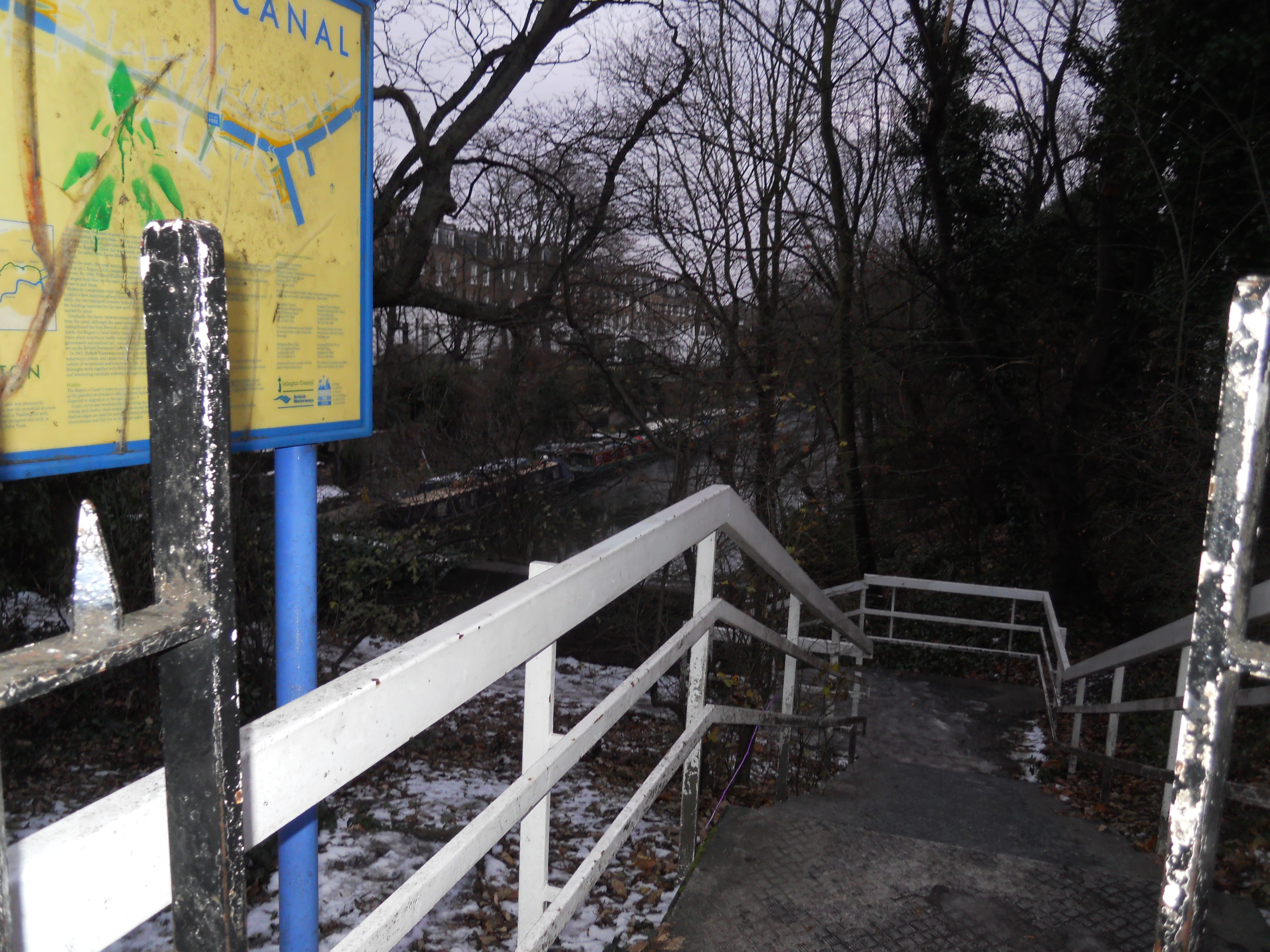
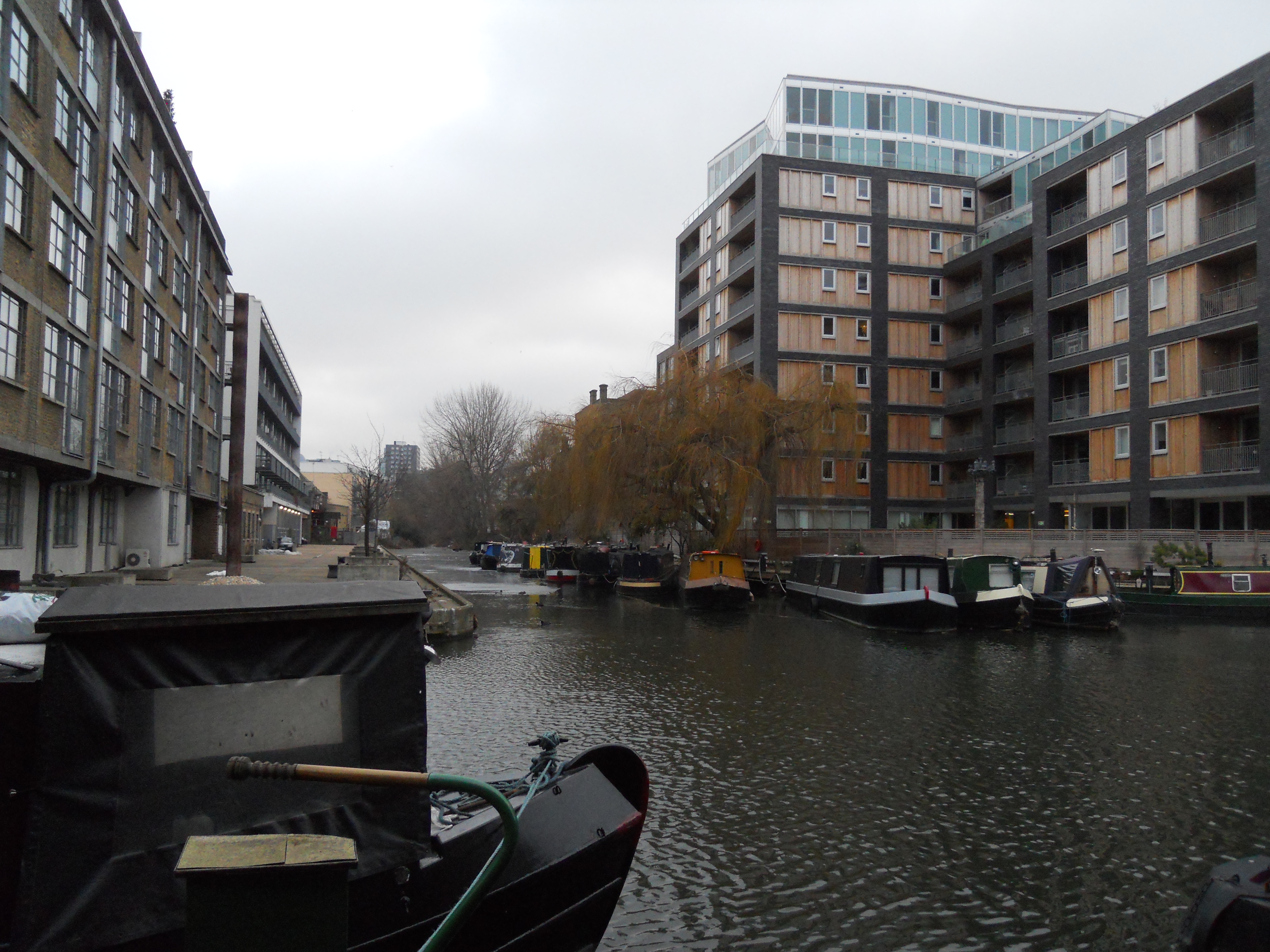
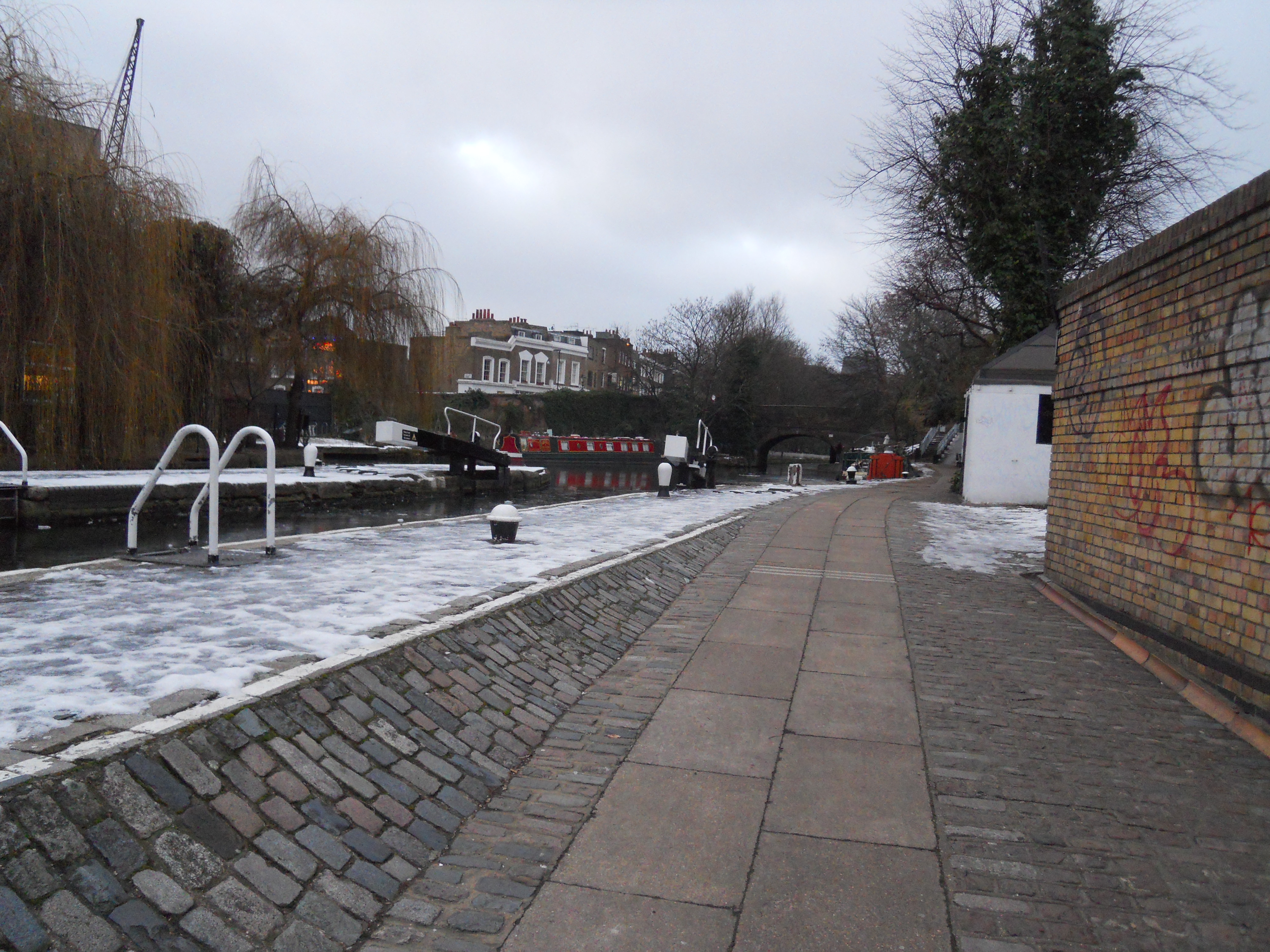
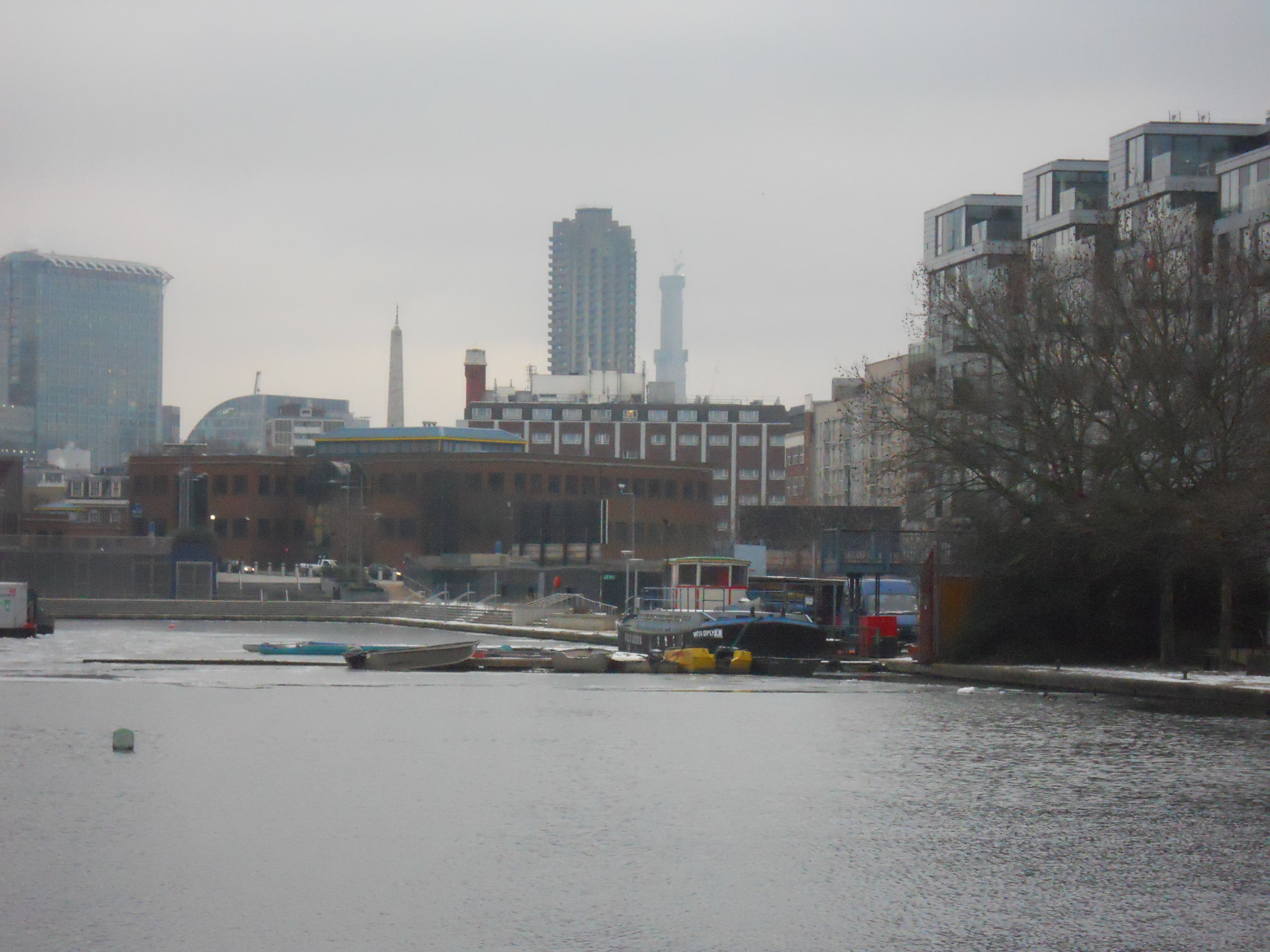
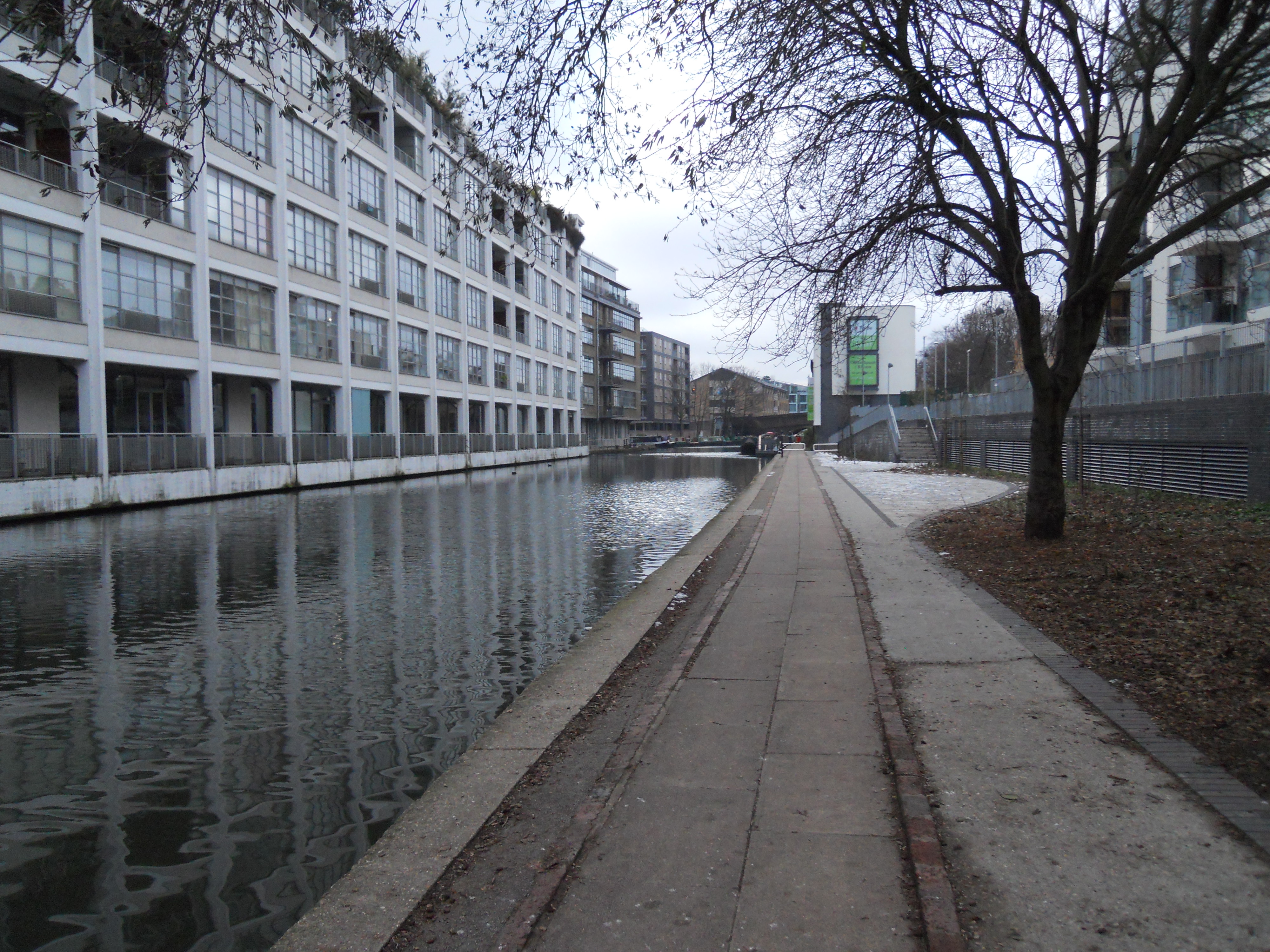
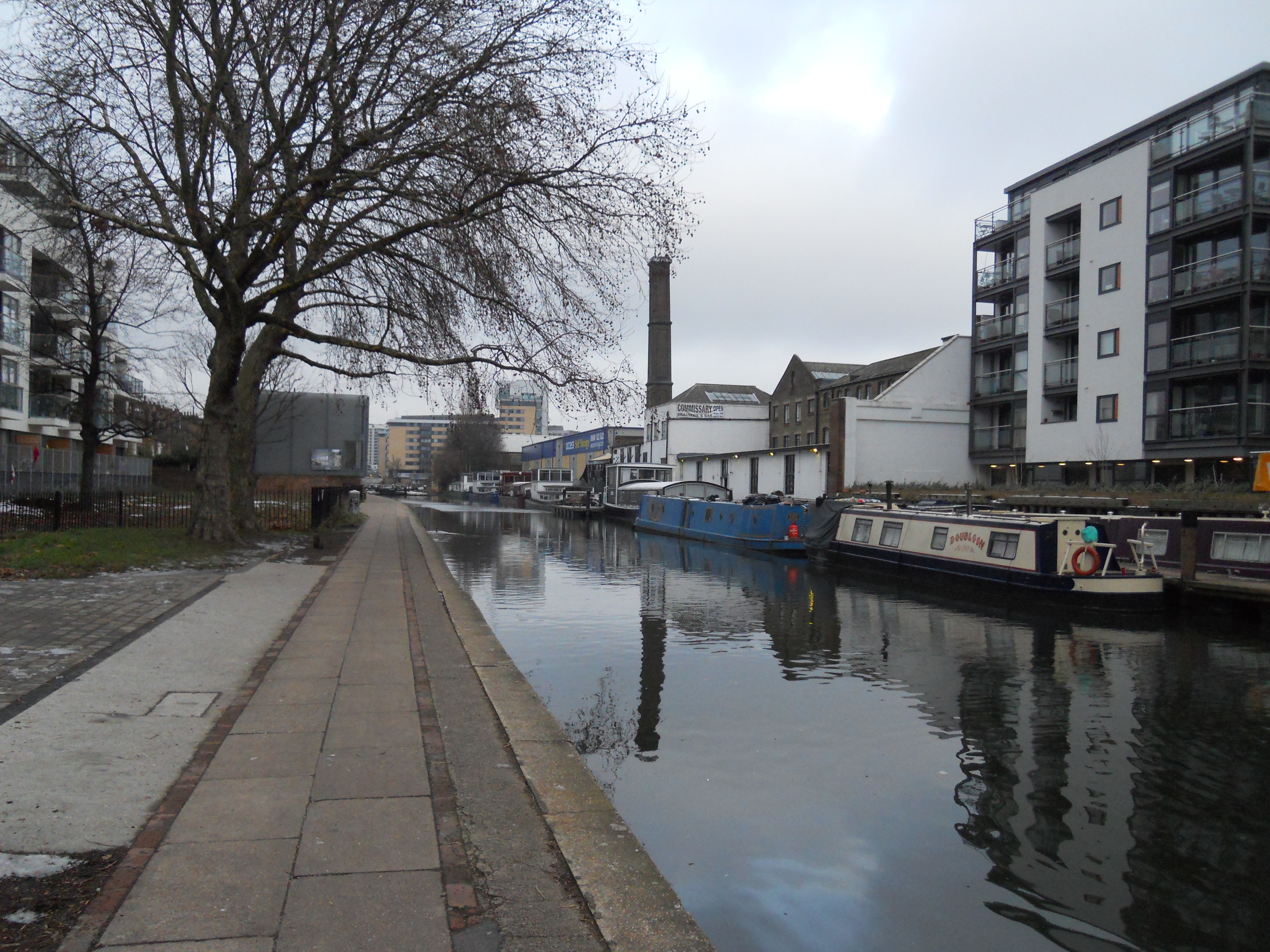
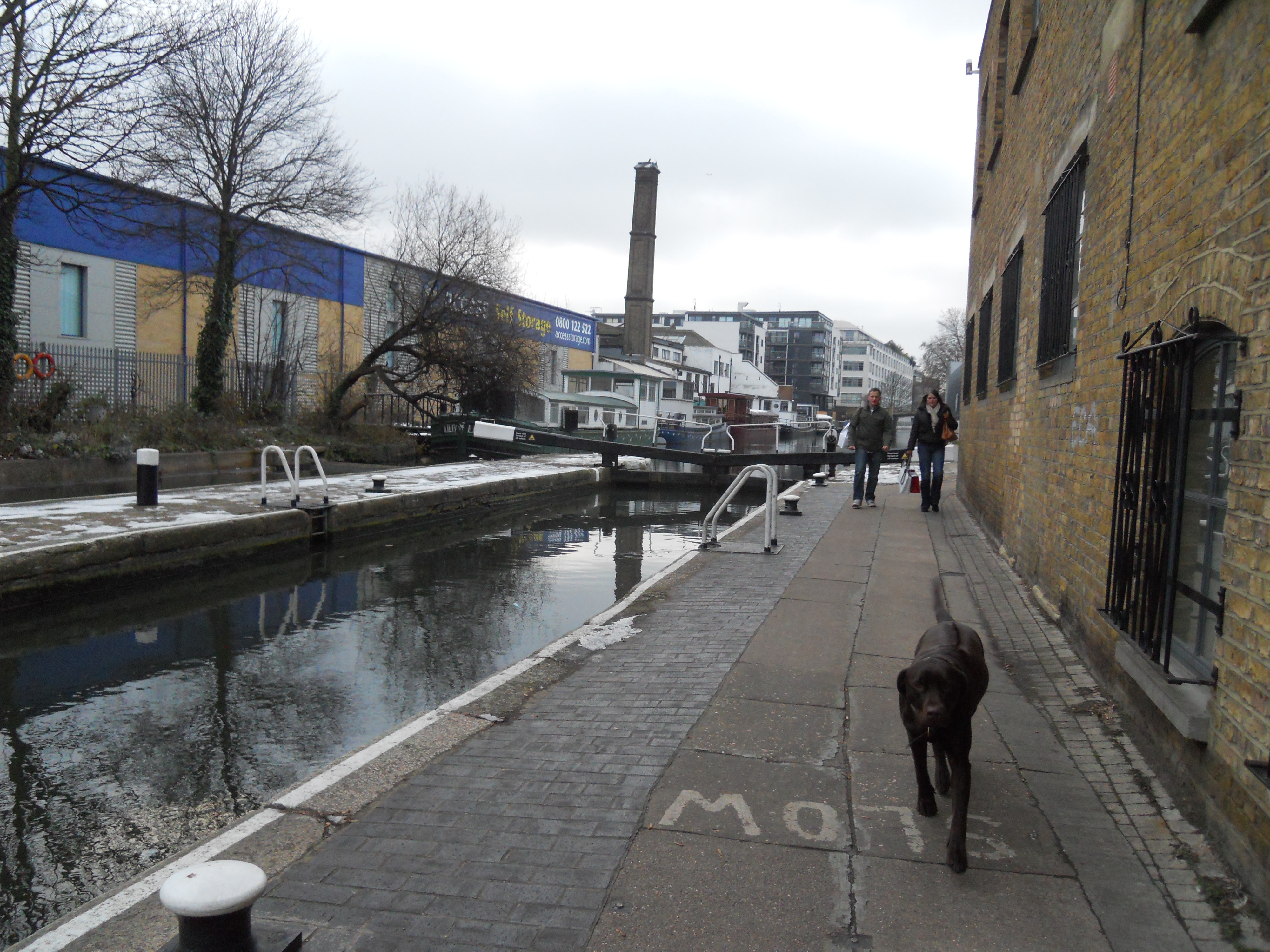
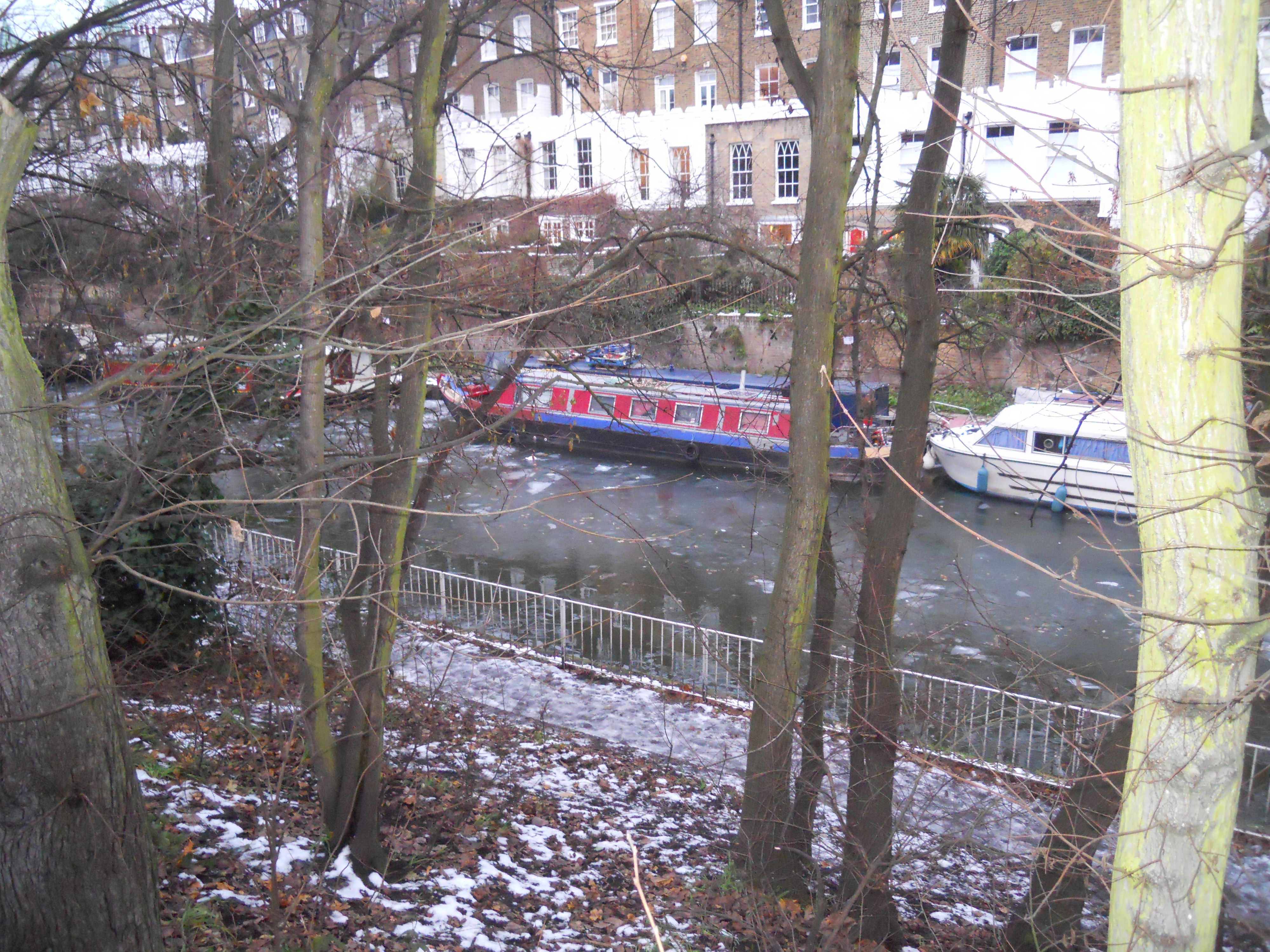
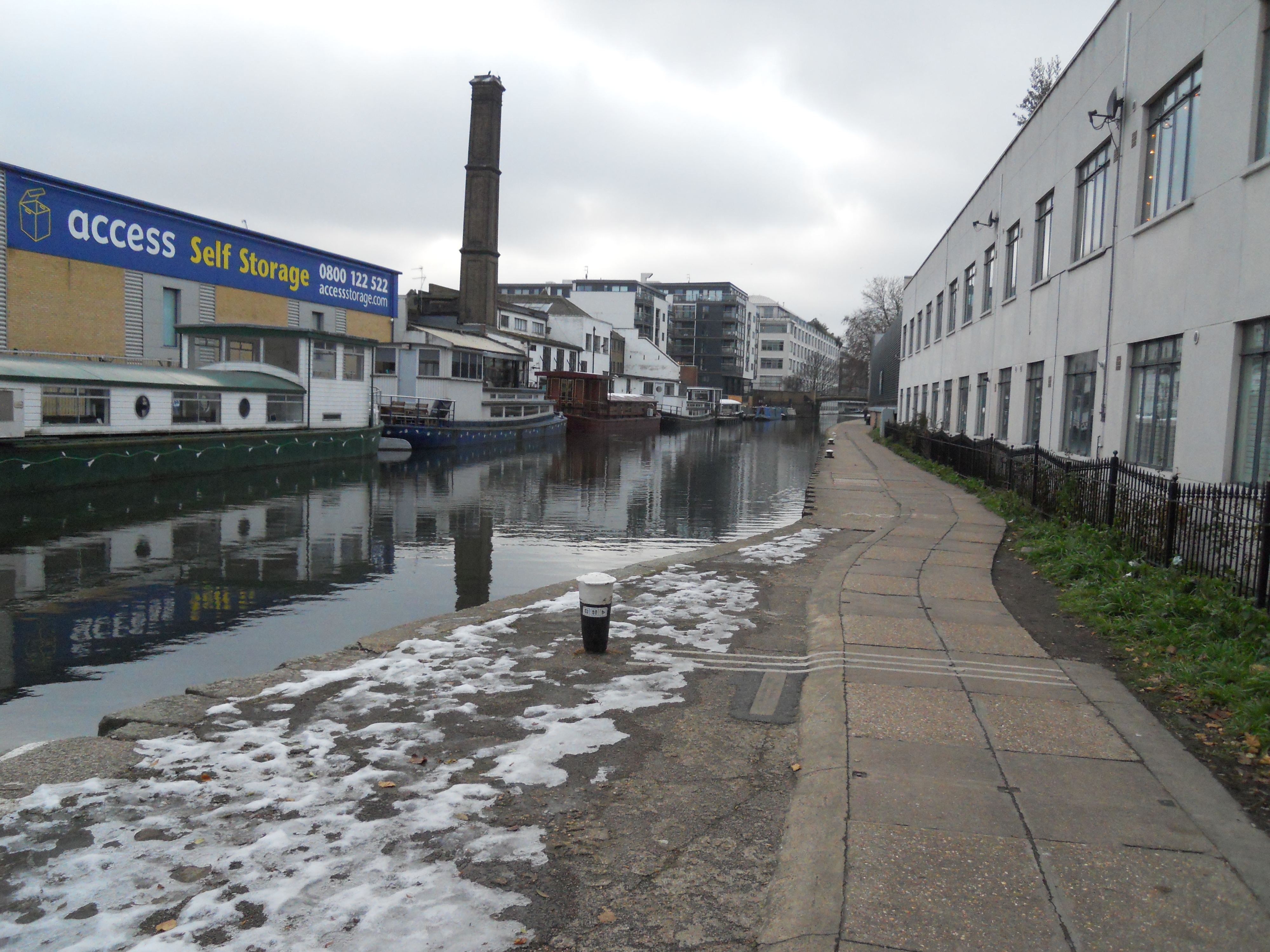
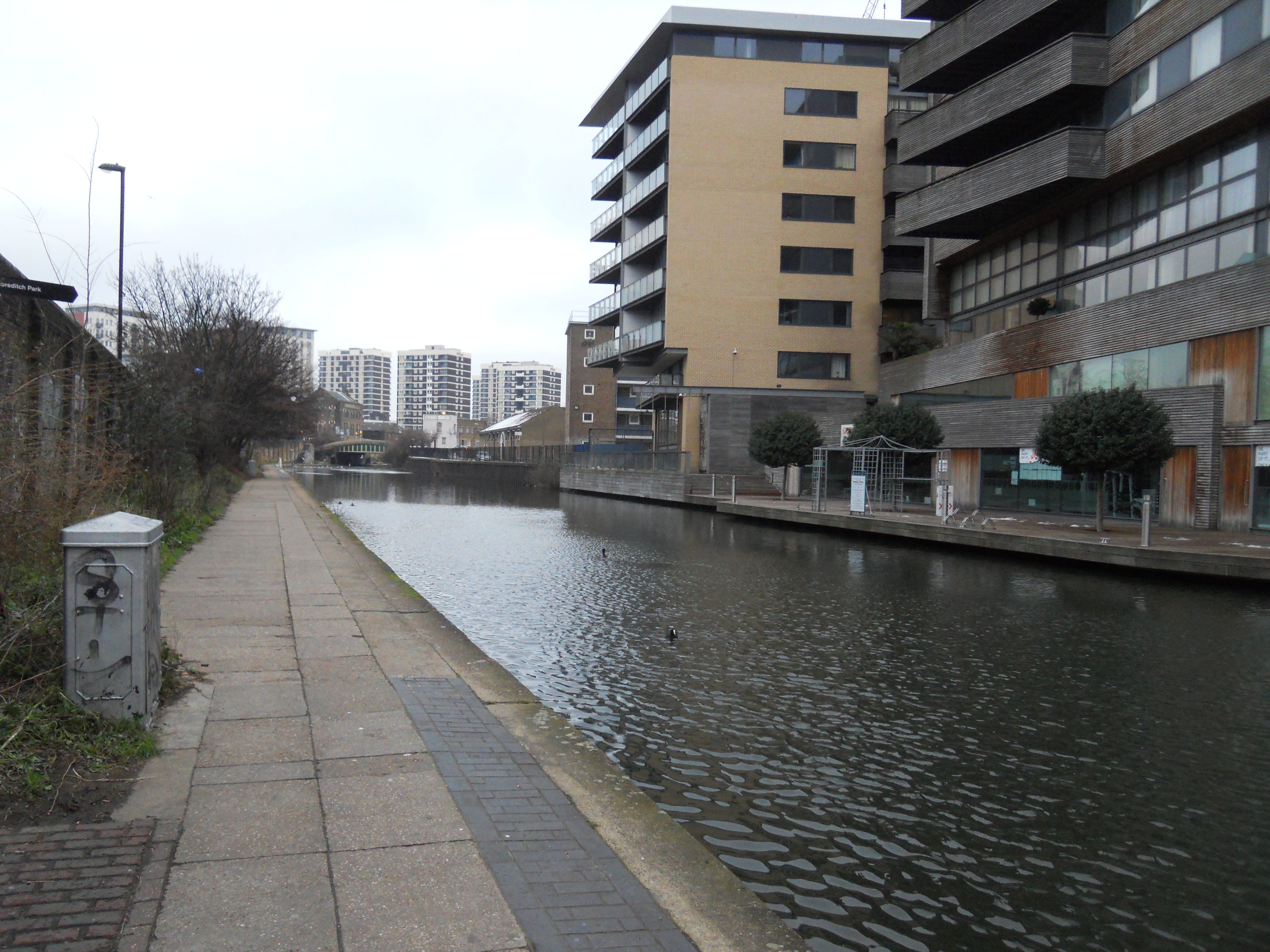
I can remember some of this area in the 1970s and to say it has improved is one of the biggest understatements, anybody can make. I even saw a Norwich City supporter enthusiastically spinning for pike.
This is the third time, I’ve lived near this canal.
In the 1970s C, myself and our young family lived in St. John’s Wood, just north of the canal and we would cross it by the London Zoo to get into Regent’s Park. You used to see the occasional narrow-boat or pleasure craft, but I don’t think there was any easy access to the tow-path. It would probably have been deemed to dangerous anyway to take three small children alongside the water. So when we decry Health and Safety for ruining our pleasure, there must be many more examples like the Regent’s Canal towpath, where different interests coexist together in complete safety.
And then, a few years later when we lived in the Barbican we would often walk up to the Angel to shop walking right past the City Road Basin on the canal. But sadly we never explored.
It is often assumed that canals like this ceased to be commercial arteries, when the railways appeared, but the Regent’s Canal was still busy with freight until the Second World War. It also has another purpose in London’s infrastructure in that under the tow-path for quite a way is one of the city’s main electricity distribution mains. Believe it or not, but the cables at kept cool, by using water from the canal.
London Water
I’ve never been a great water drinker and certainly not of the bottled variety, but since I’ve moved here I’ve taken to drinking water straight from the tap.
Perhaps it’s a child hood taste, as I was brought up in London.
Crazy Utility Suppliers
My new house has four different suppliers for gas, electricity, telvision/broadband/phones and water, as is fairly typical in the UK.
I’ve now got them sorted, but sometimes you wonder what sort of muppets designed their systems.
- One supplier needs me to sign a contract, but they don’t have any means to send the contract to an address other than that of the property. And as the property has had tenants in it, good knows where the contract went to! I would vote for the rubbish, if my previous experience with tenants is anything to go by.
- One wanted me to sign on on-line for good reasons, but after two hours I gave up, as they kept asking who was my previous supplier, when obviously there wasn’t one. They also said I should phone a particular number, which had a fault. After I’d finished, they asked me to fill in an on-line survey, which I did truthfully. As it didn’t ask for my name, phone number or e-mail address, I doubt I’ll get an apology for the time I wasted.
- The water company were OK, but tried to sell me things I’ve never needed before.
- On a first call, nPower were short and to the point, so after I’d given up on the other energy company, I phoned them back. I did a combined gas and electricity deal, which may not be the cheapest, but it took me just ten minutes on the phone with a salesman who seemed much more competent than the rest combined.. He also informed me that my new house had a prepayment meter and arranged a suitable date for its removal.
It just goes to show that you can win some and lose some.
It would certainly help if some companies had properly designed systems.
An Inspiration to All of Us
It has just been announced on Radio Five that Sir Christopher Chataway will be running the Great North Run tomorrow, aiming to beat a time of one hour fifty two minutes. He is nearly 80 and it is also reported in The Independent. This article also gives details about the water project, he’s set up in Ethopia with his son, Adam, in memory of Adam’s fiance, who died in 2006. He also discloses in the article, that he used to smoke.
I can remember as a seven-year-old watching on television as Sir Christopher bear the unbeatable Russian, Vladimir Kuts, over 5,000 metres at the old White City and also claim the world record. Kuts sadly died at just 48!
Sir Christopher has been one of my heroes, since that night in October 1954.
New River Walk
The New River is one of London’s hidden treasures. It could be argued that the growth of London owes just a bit to this early seventeenth century feat of engineering to bring clean drinking water to London.
It is still used to bring water to London and most of the route is an easy walk. But from Stoke Newington onwards the river is now not used to provide water and in some places it has been converted into walks and parks. One such is the New River Walk at Canonbury.
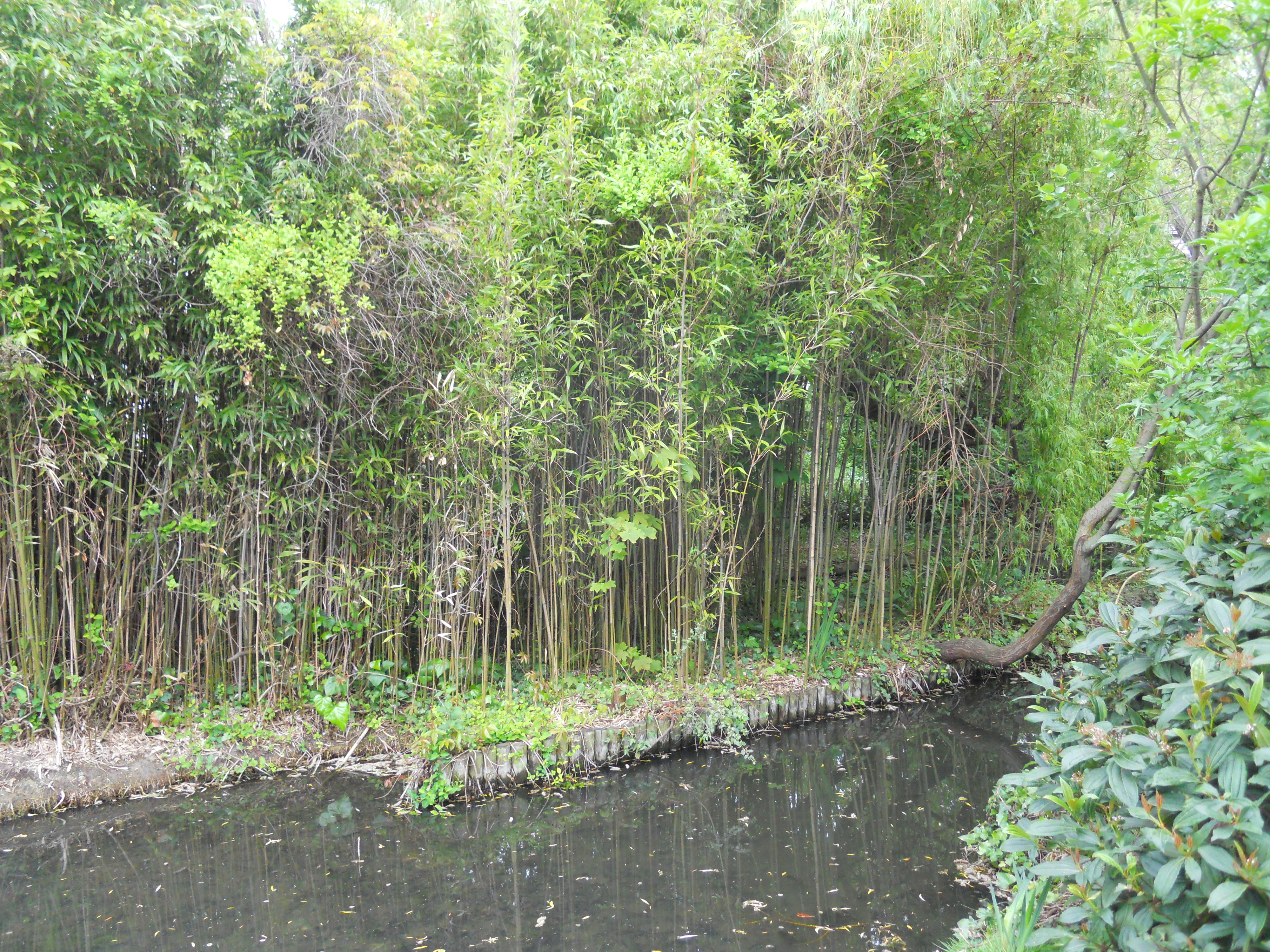
New River Walk
Note the bamboo!
 The Anonymous Widower