Planning for the August Bank Holiday
As I’ve said before, I hate bank holidays.
For next Monday though I have a plan. Whilst I was travelling in Tottenham, I saw on the map a building named as Markfield Beam Engine and Museum.
I shall be going as it is in steam on the Monday.
I could even go to the football in the evening at Ipswich!
But the aim is to enjoy myself and judging by the way they are playing at the moment, a team made up of eleven fit men in the North Stand could do better.
Flooding in East Yorkshire
I’ve just been watching the flash floods in East Yorkshire and there is more here on the BBC web site.
It looked like a modern housing estate was flooded. Was it built on a flood plain as many are? If so surely, the stupid council, who gave planning permission, should pay for the damage. And what about the architect, who created beautiful brick car parking spaces that just prevent the water soaking into the ground and just channel it into the houses.
These little boxes should never be built without a proper flood assessment. After this, they’re probably uninsureable anyway.
In the same report on the web, it says that a Tesco in York had to close because the roof started to leak. If it had been a green roof with perhaps grass on it, the problem might not have happened. If Adnams can do it in silly Suffolk, surely everyone can. Here are the reasons for a green roof from the design brief.
To reduce the visual impact of the building.
To reduce heat transfer into the building and to regulate the buildings core temperature.
To reduce water run-off and burden on drainage.
That all seems logical to me.
The roof incidentally was built by Sky Garden Greenroofs. I wonder how many Tescos and other supermarkets have green roofs? I think in the UK, one Co-op does.
Thames Water Can’t Win
There is a big row brewing in London about the Super Sewer that will run down the middle of the Thames.
The problem isn’t about foul water, but mainly about heavy rain causing problems, when it overloads the current system, which then causes foul water to be forced out onto the streets and into the Thames.
When I went down the sewers, I was given a presentation on the Super Sewer and totally understand that something must be done.
The question is what.
Some things don’t help.
London had 55,000 sewage blockages last year. Many are caused by inappropriate things, like chip fat, disposable nappies and general rubbish being put down the toilet. I’ve been told and not by Thames Water, I should add, that in tower blocks some residents are too lazy to walk down with their rubbish and use the toilet instead. There was also the notorious fatberg in Leicester Square outside a fast food restaurant.
Thames Water has launched a Bin it – Don’t Block it campaign.
There are also lots of people who have concreted over their front garden, which means that the water now runs off immediately.
You could argue that if you have a concreted front garden, then you should pay an extra drainage rate. I have a small patio between my front door and the road and wouldn’t mind paying a charge on a pro-rata basis. I also have a mature tree, which I think is a hornbeam, between the patio and the road, which might be bad for my hay fever, but it soaks up an awful load of water.

My Roadside Tree – A Hornbeam?
On a similar tack, new buildings should have plenty of green space and trees. But often this restricts the places to park cars and other vehicles.
Those that object to the Super Sewer use two main arguments.
The first is that it might not work and the second is that it will cost too much.
But most of the opposition is just the usual Nimbys, who don’t want construction near them. How many of these peple use disposable nappies on their babies? We never did in London, as in those days of the 1970s, there was still an affordable nappy service, where clean nappies were delivered regularly and the dirty ones taken away. The trouble is today’s parents are seduced by advertising. They may be all for saving the whale and the tiger, but when it comes to stopping sewage blockages, then that is not their problem.
So what do I think should be done?
Obviously, we first need to stop the blockages. This is mainly a publicity problem to get people to change their bad habits. If they won’t then more draconian solutions like the banning of disposable nappies and extra water taxes on fast food restaurants will be pushed for and might have to come in.
One idea I’d like to see tried is a SewerCam on the Greenway, showing what was going on beneath their feet in the Northern Outfall Sewer.
Thames Water have the start of a private museum at the old Abbey Mills Pumping Station, but where is the London Museum of Water and Sewage?
New technology has a part to play too.
On the Olympic Park all of the toilets and grass watering is going to be fed from recycled water, in part taken from the Northern Outfall Sewer.
Are London’s many parks kept green in the same way. I suspect many just use mains water, which just adds to the problem.
Surely someone could come up with a small water purification plant, that uses water collected from say housing estates to water the nearby parks.
We should also stop the covering of gardens with concrete and decking and make sure that all new buildings reuse all of the water they collect on their roofs.
But I’m afraid that if we use all the tricks we have available, we will probably need to put a Super Sewer under the Thames.
Pictures of the London Wetland Centre
I took quite a few pictures and some are shown here.
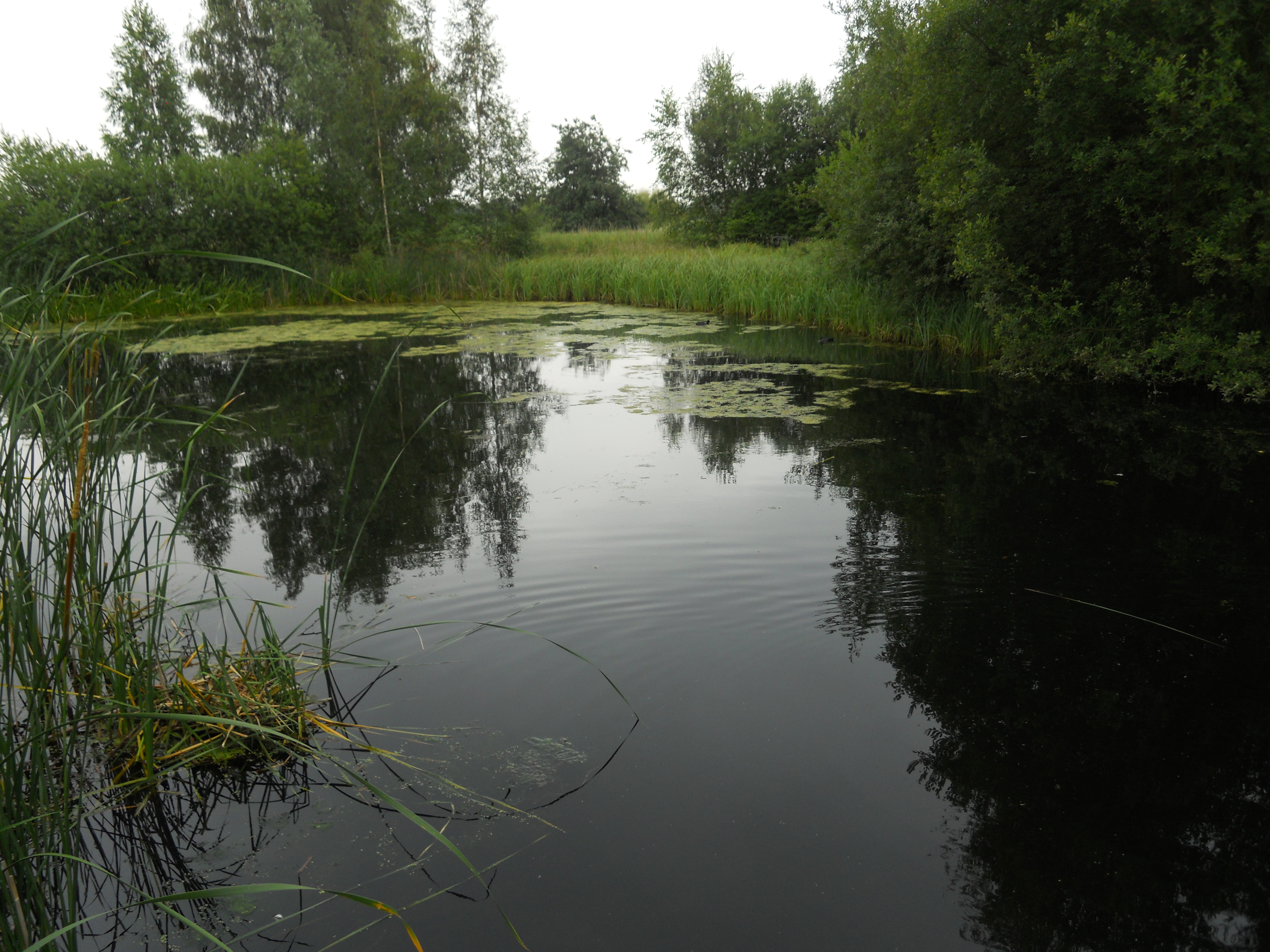
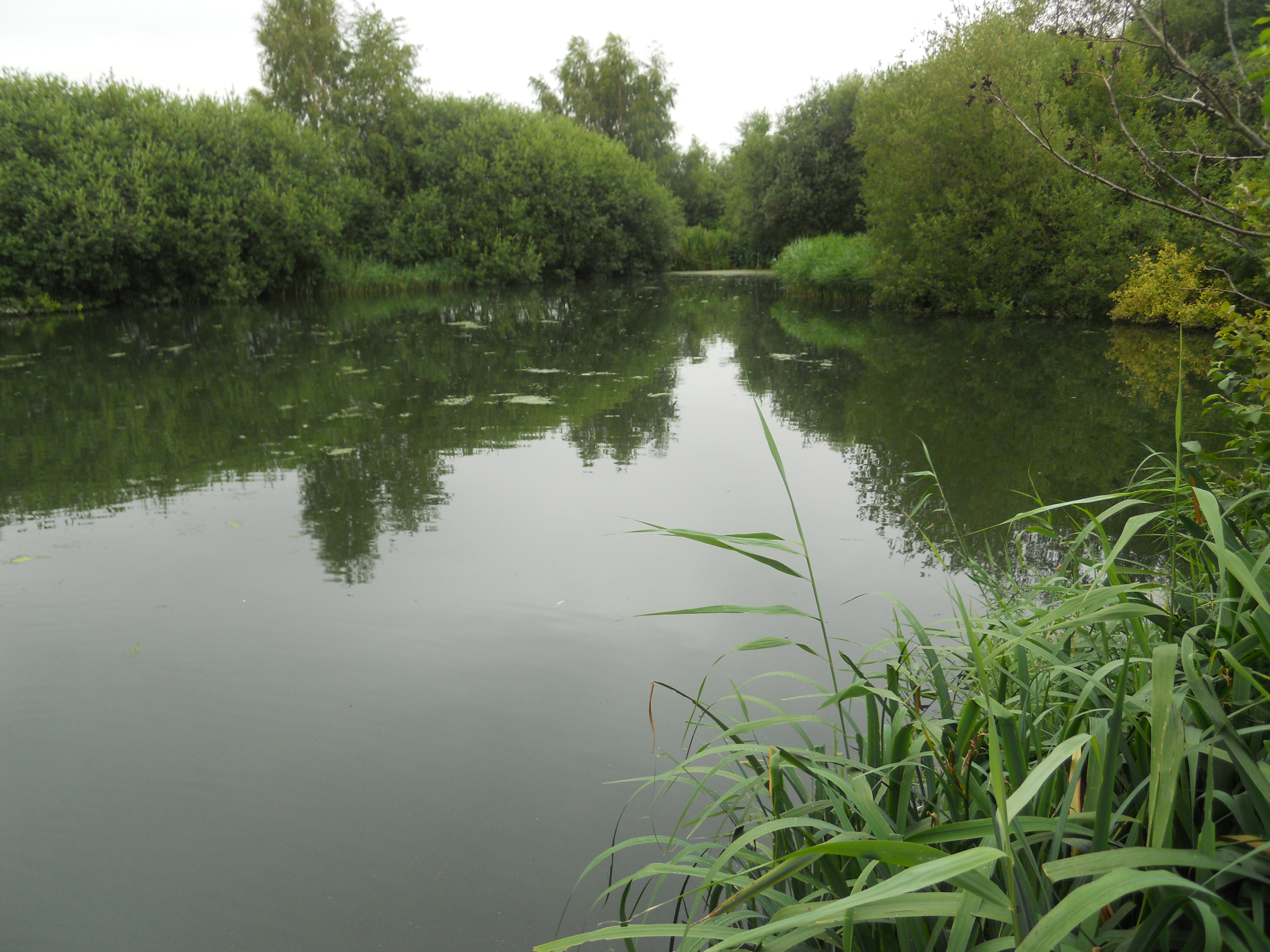
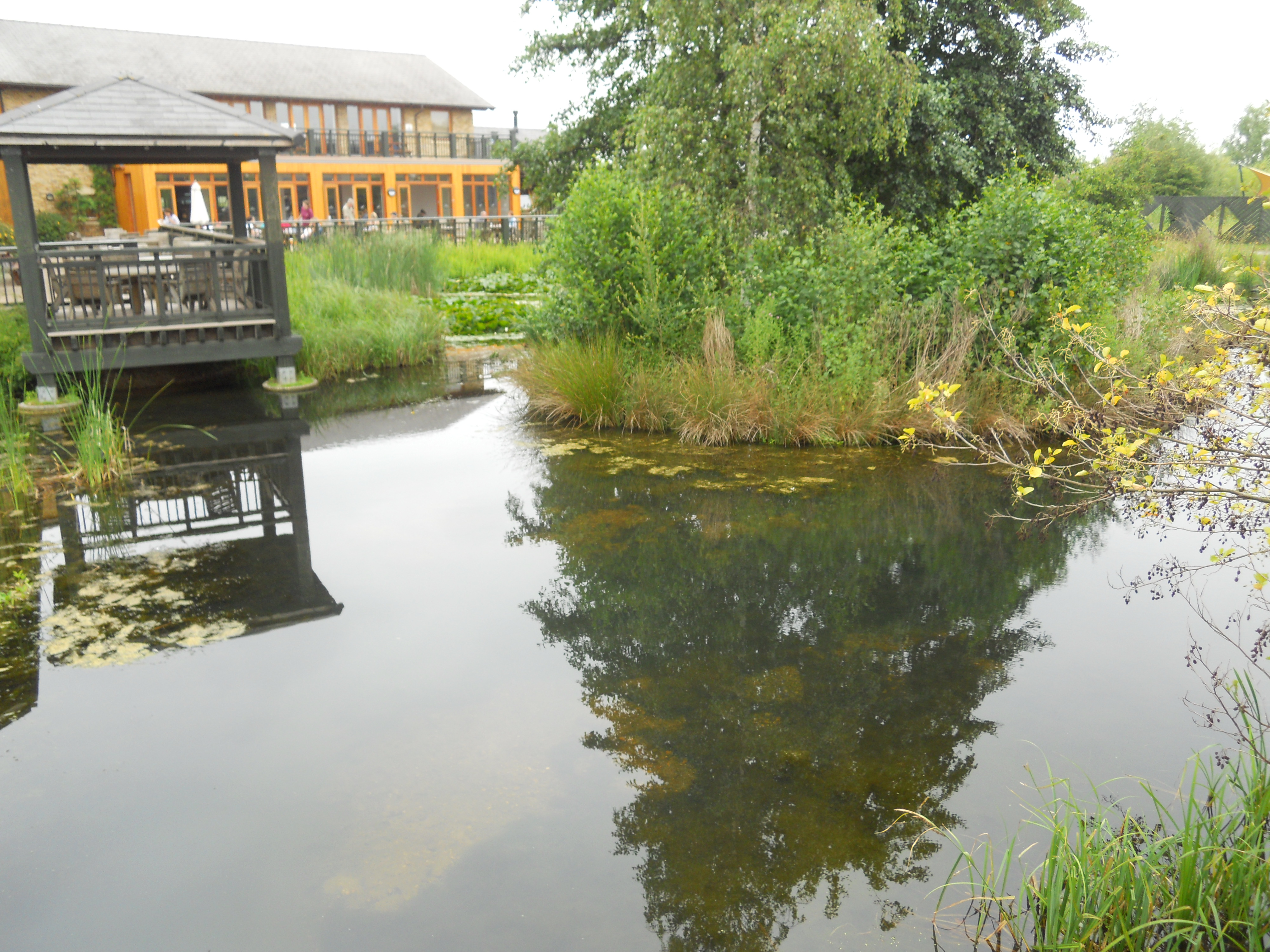
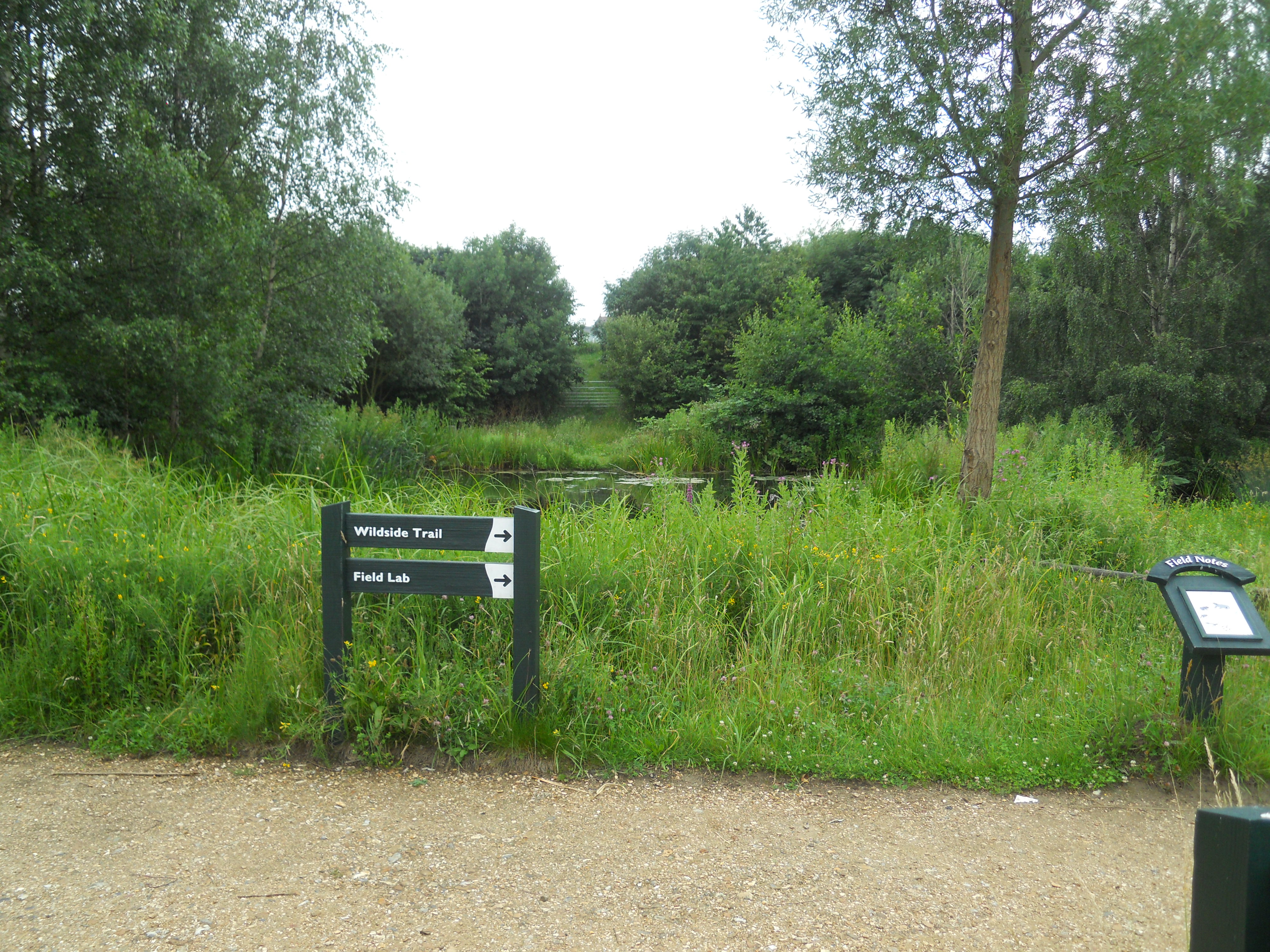
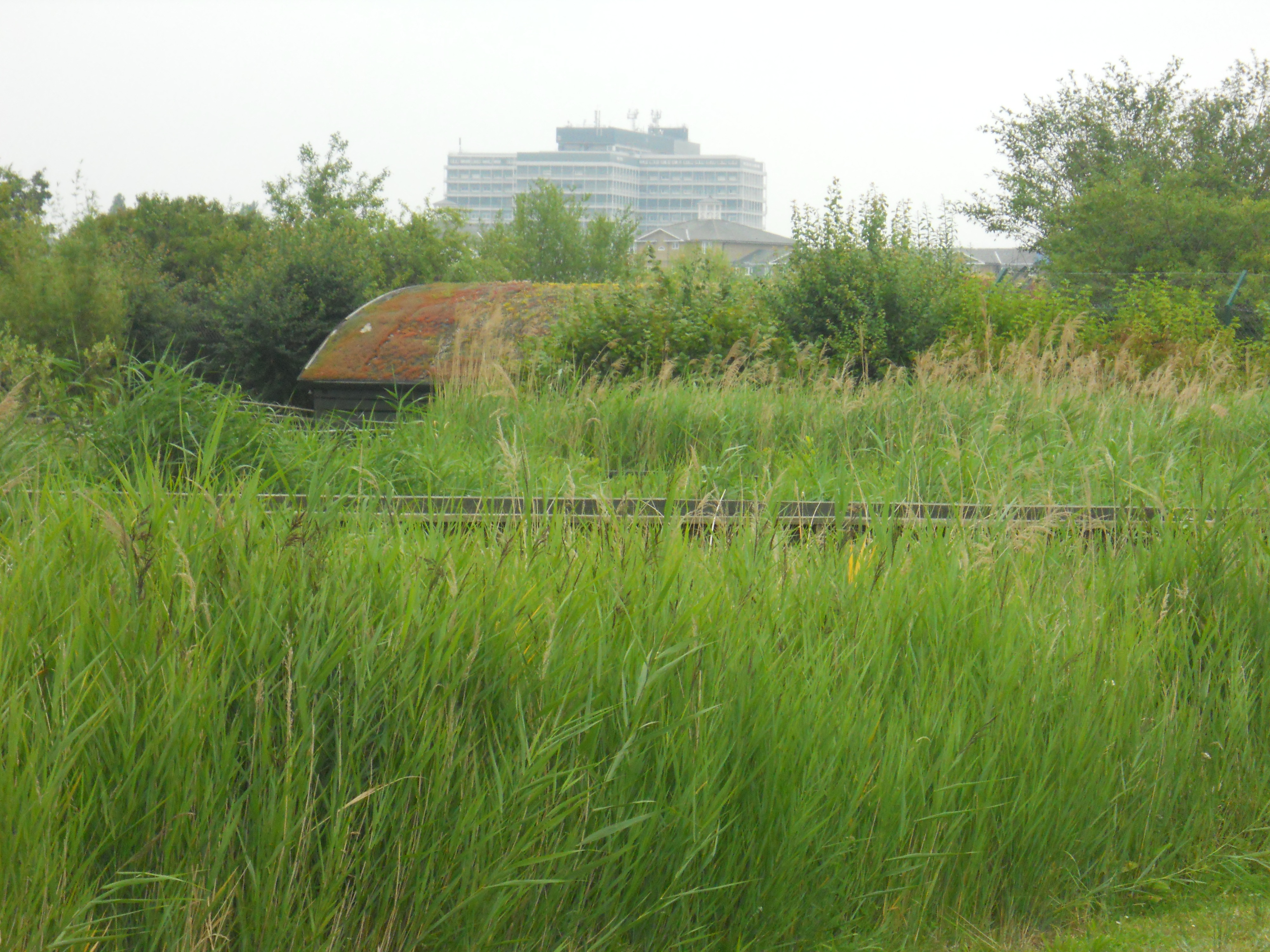
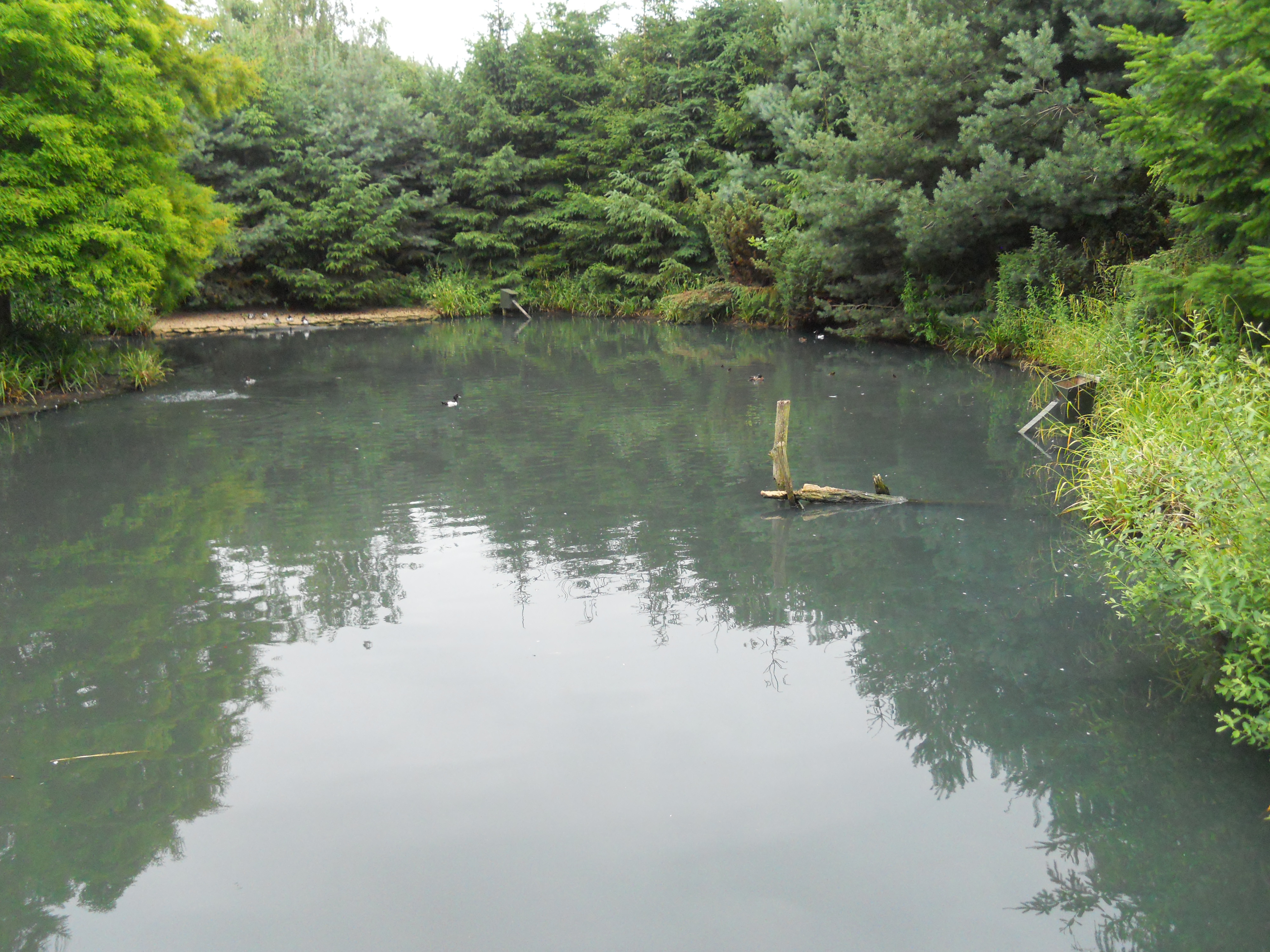
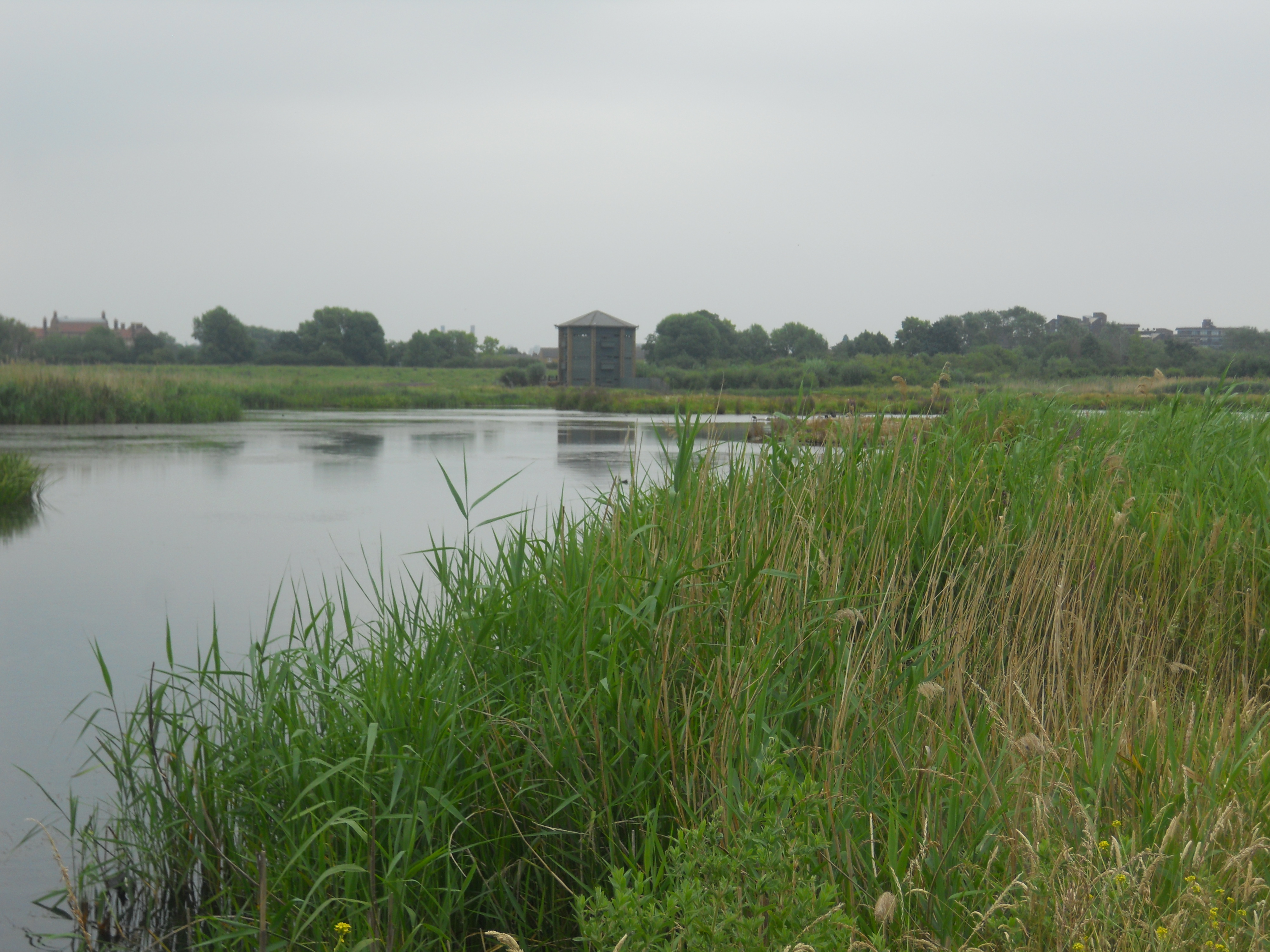
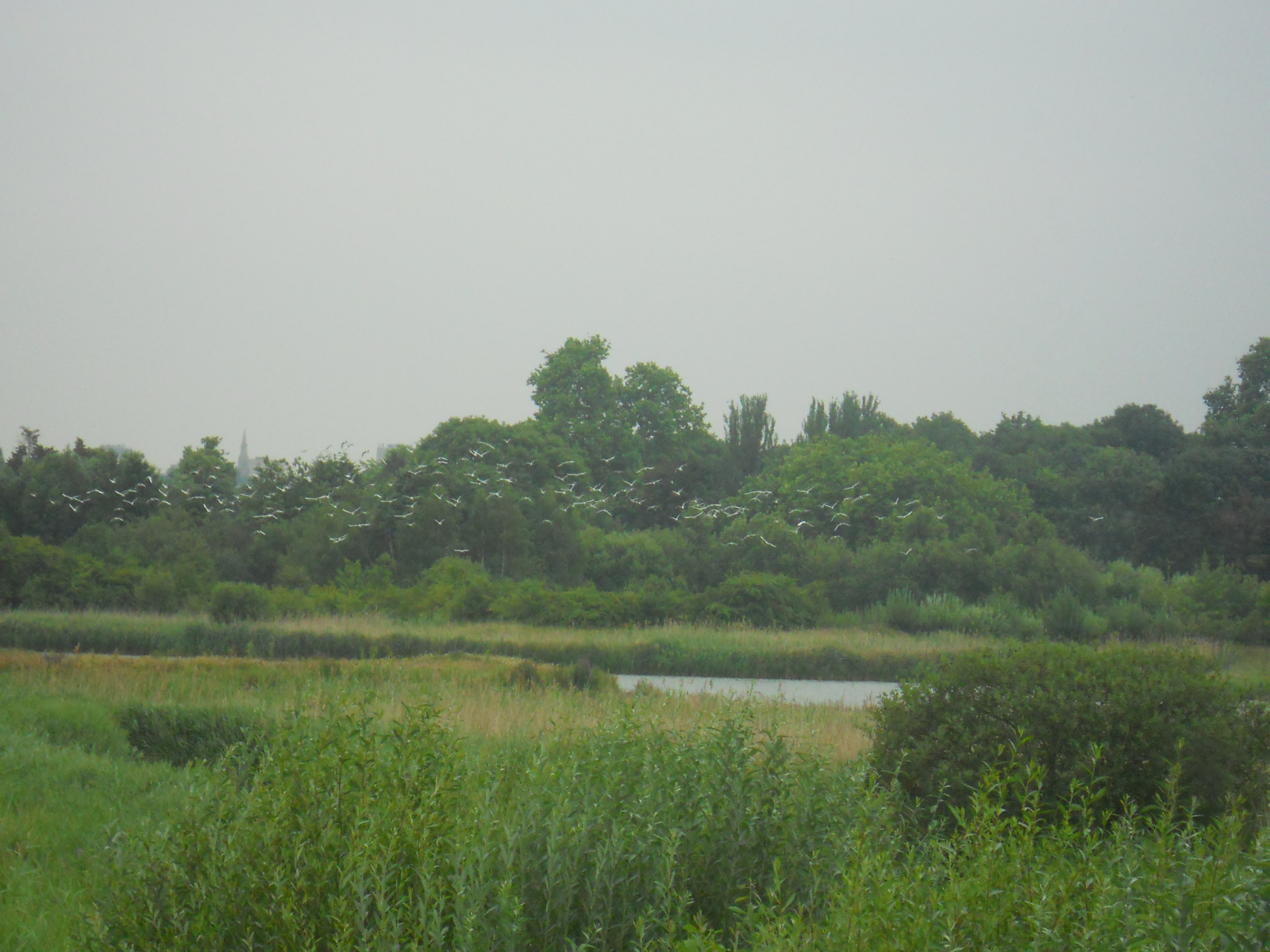
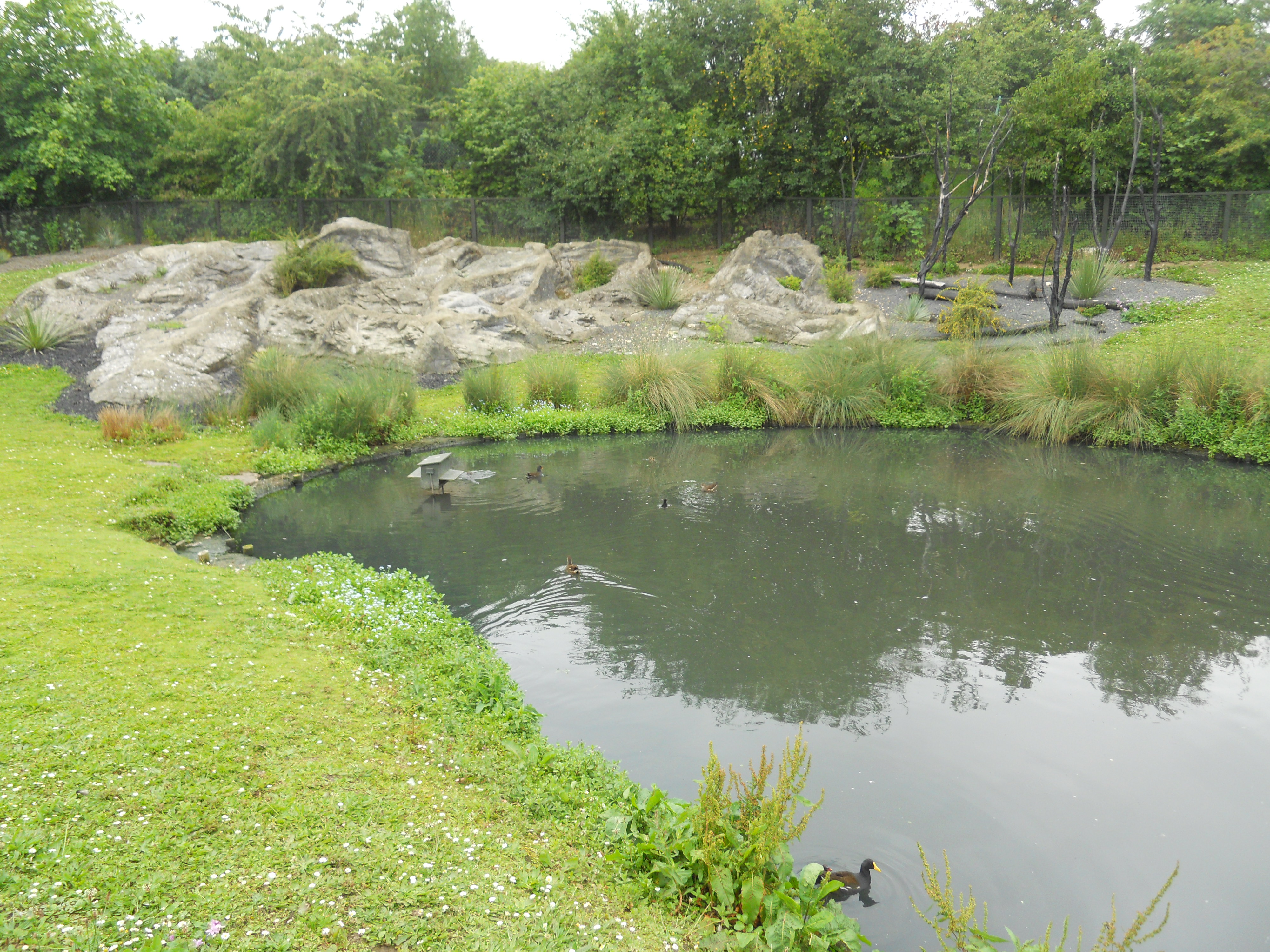
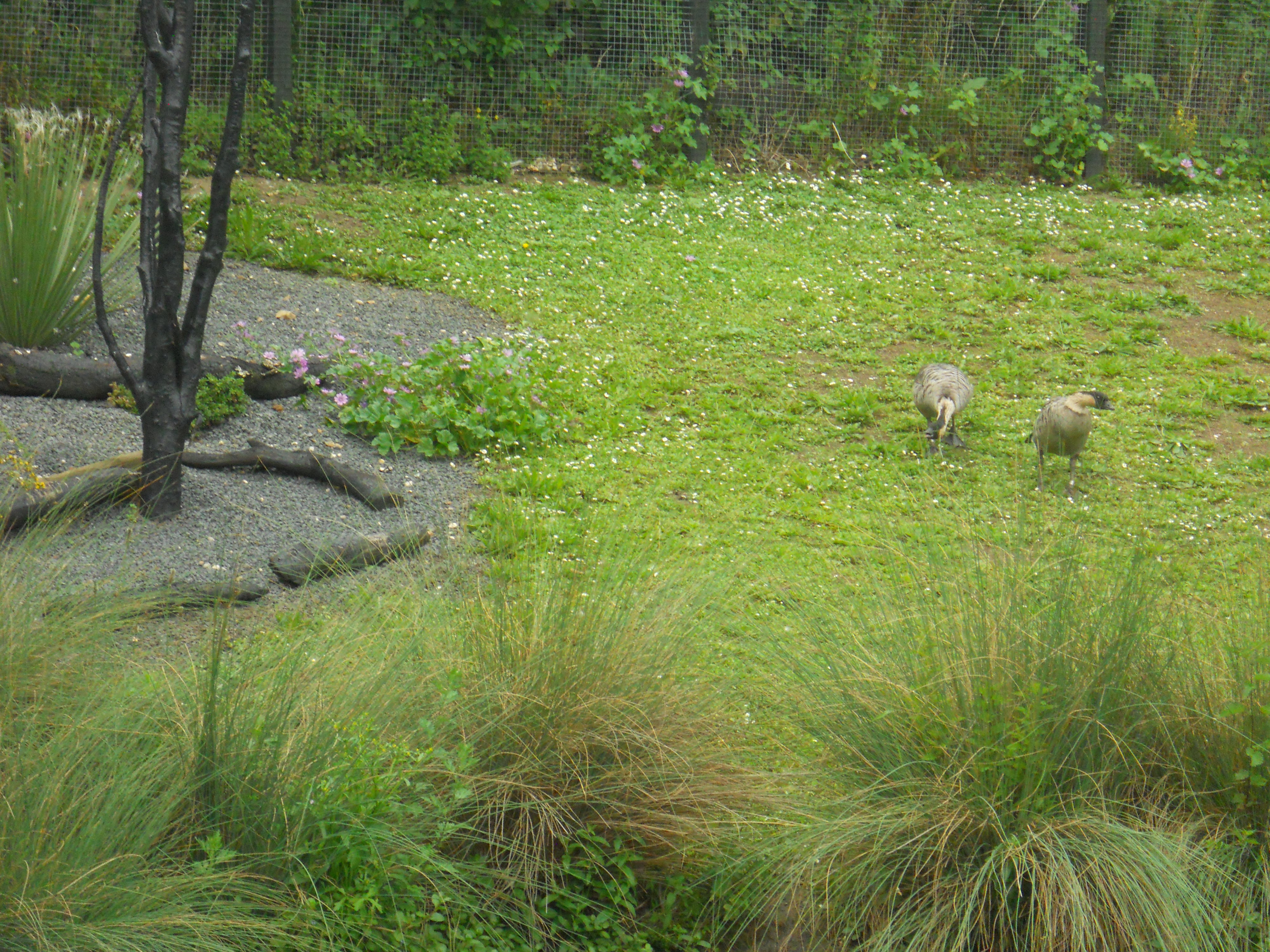
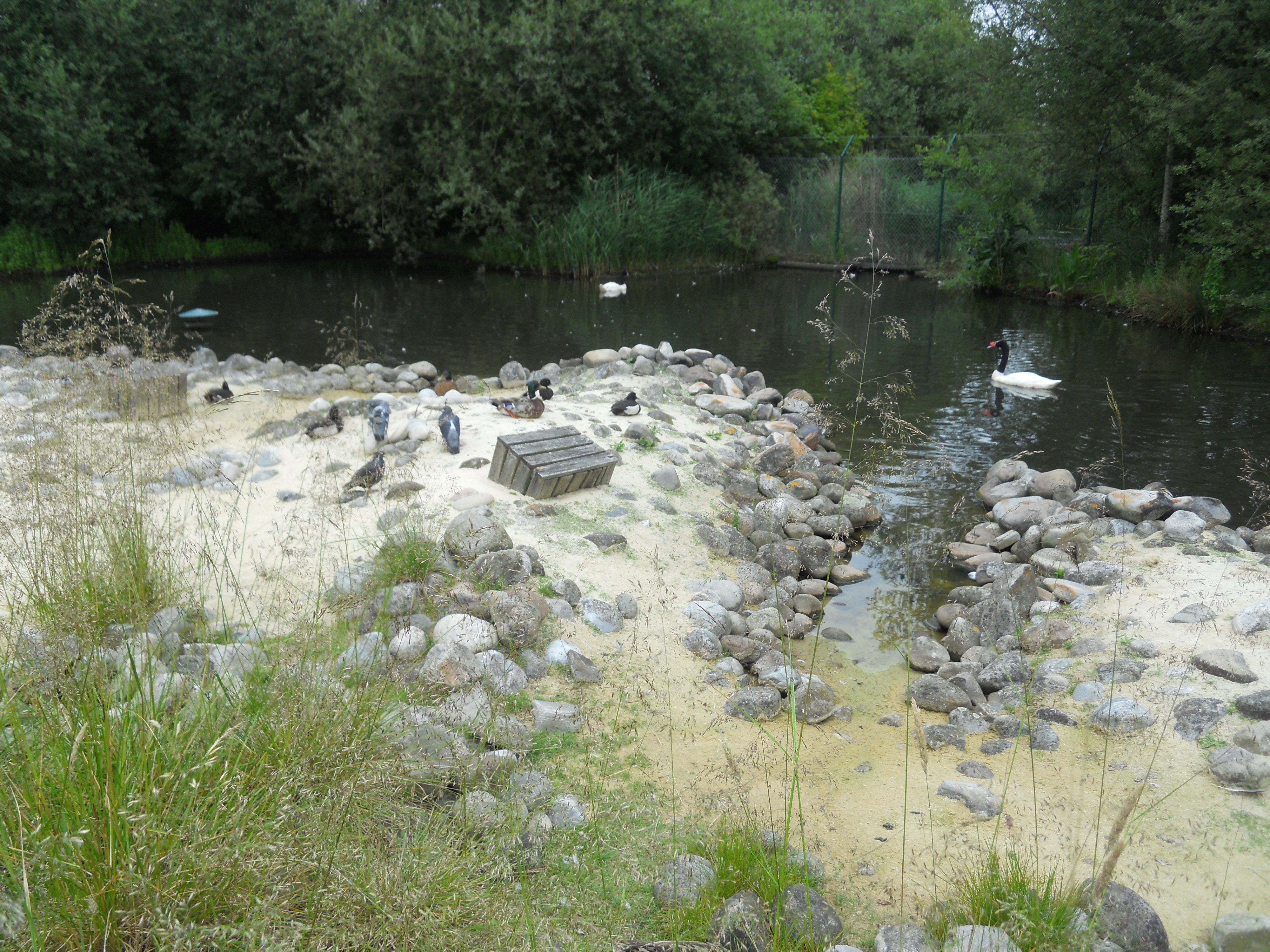
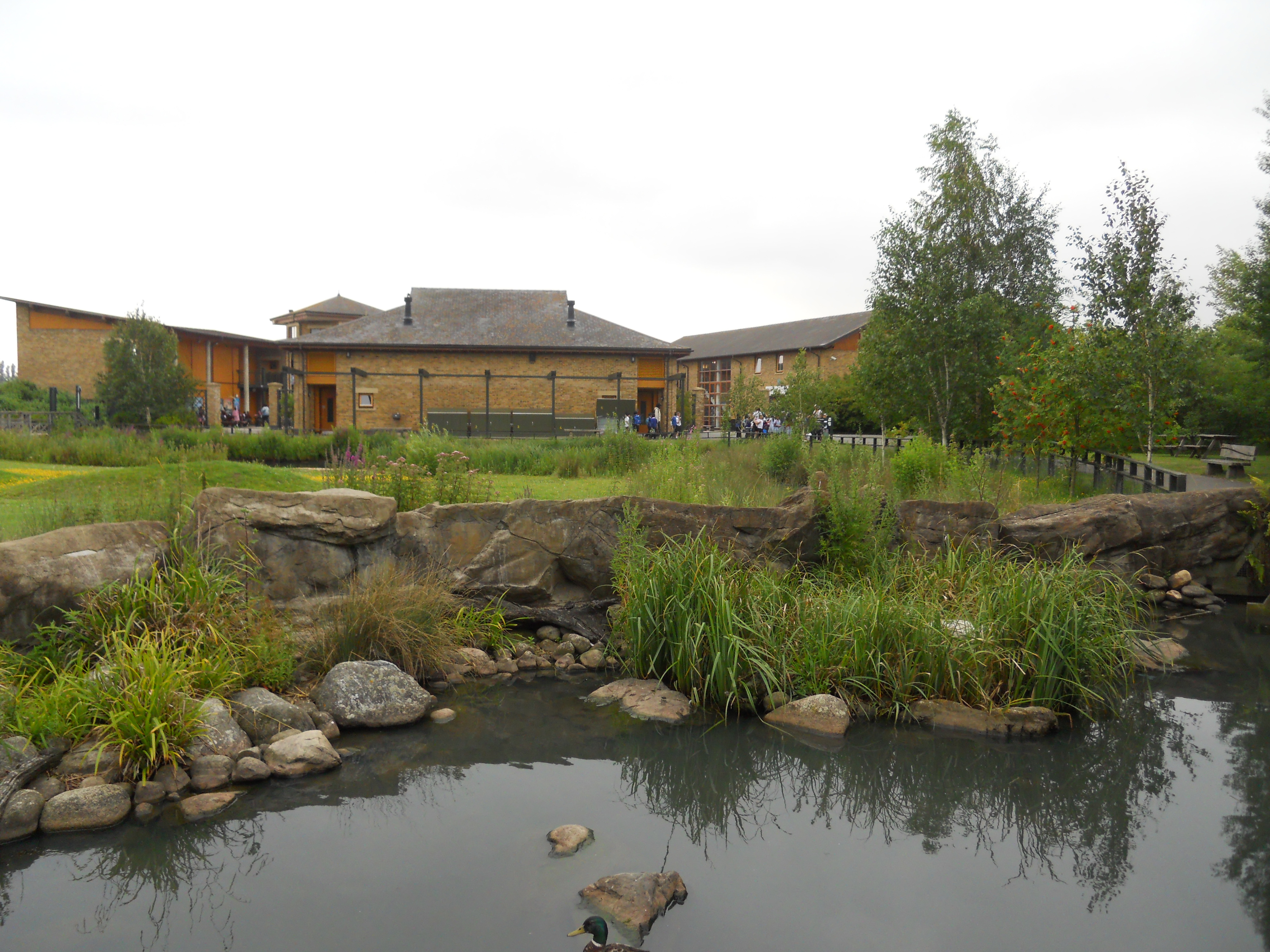
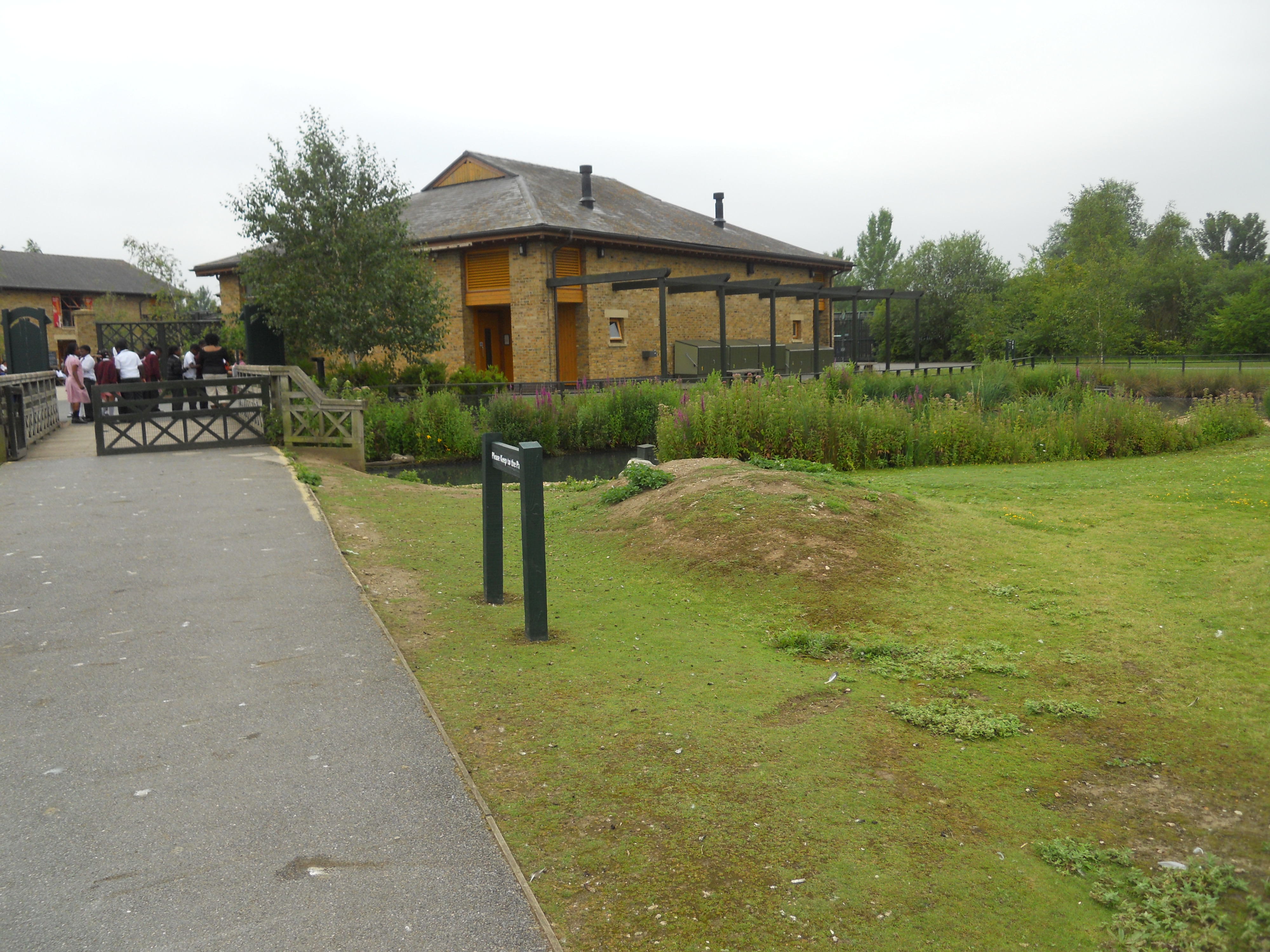
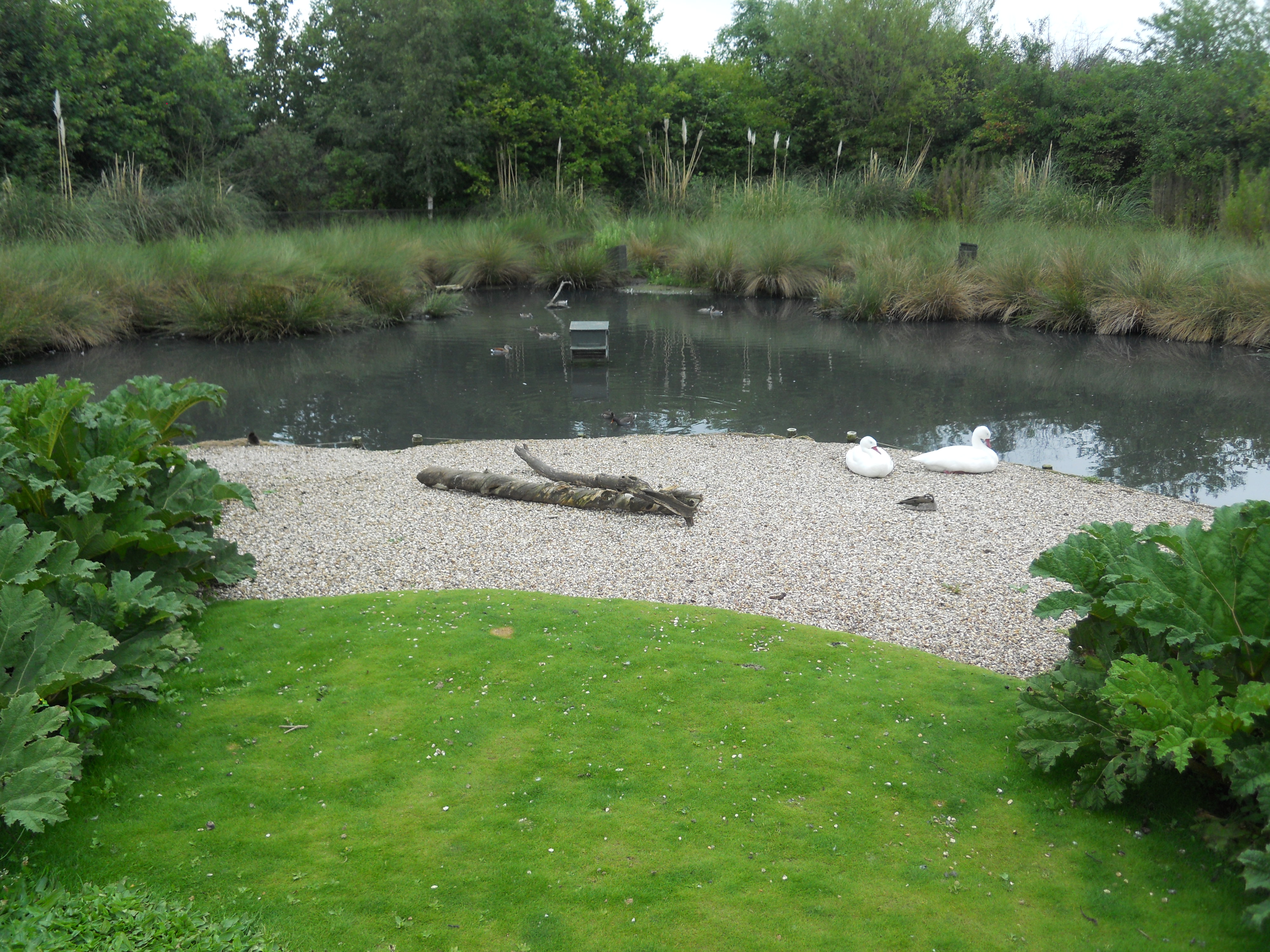
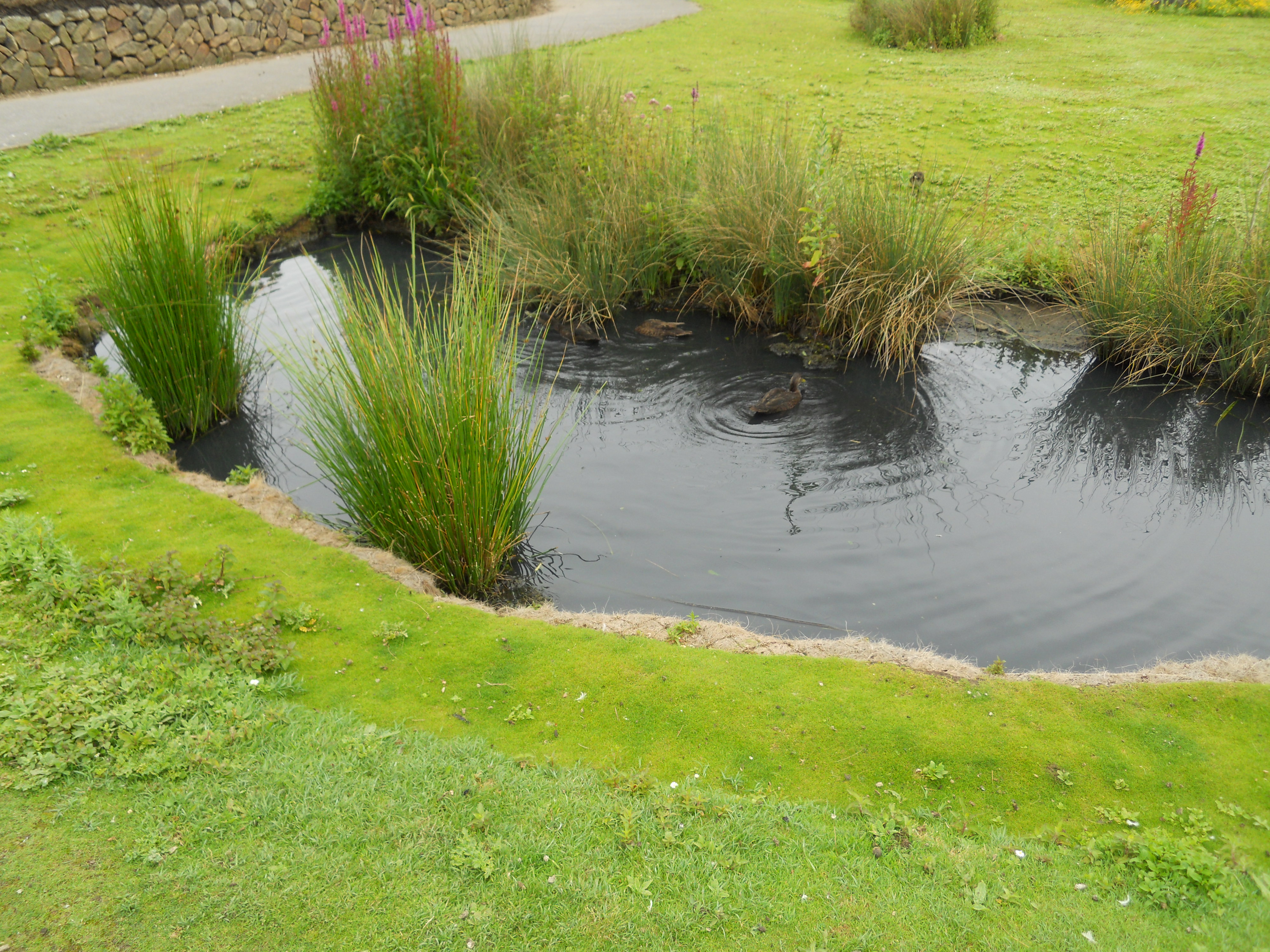
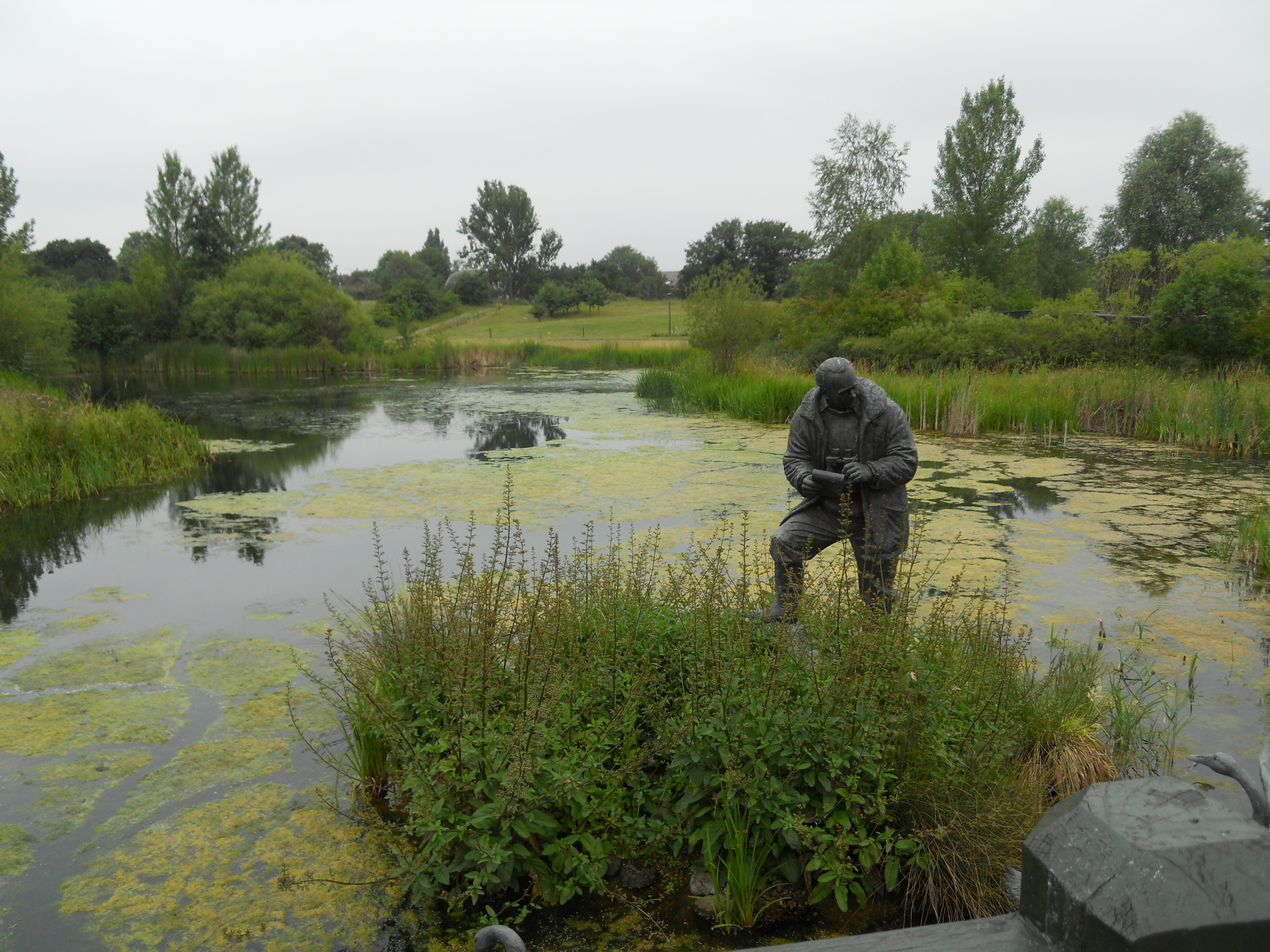
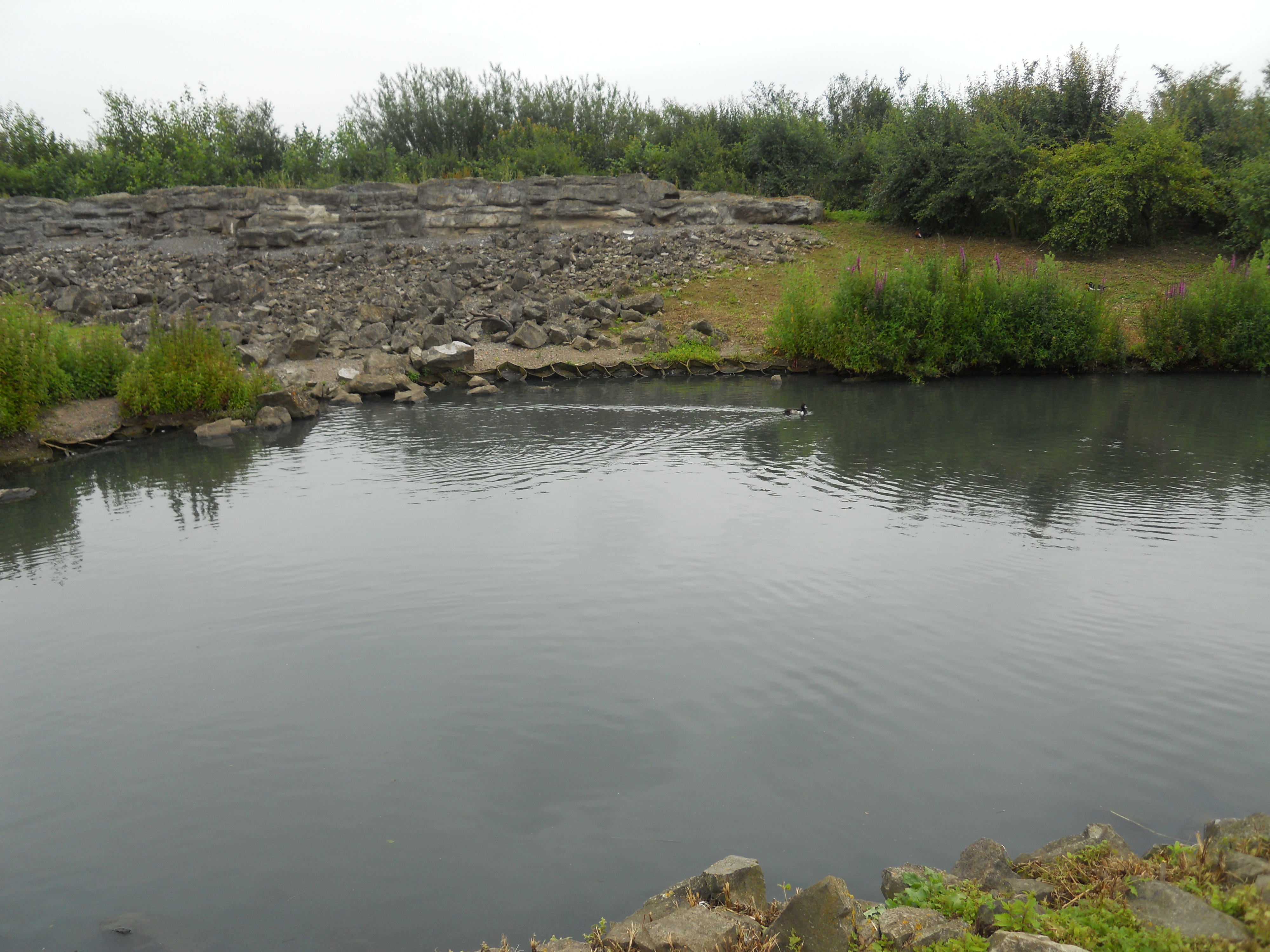
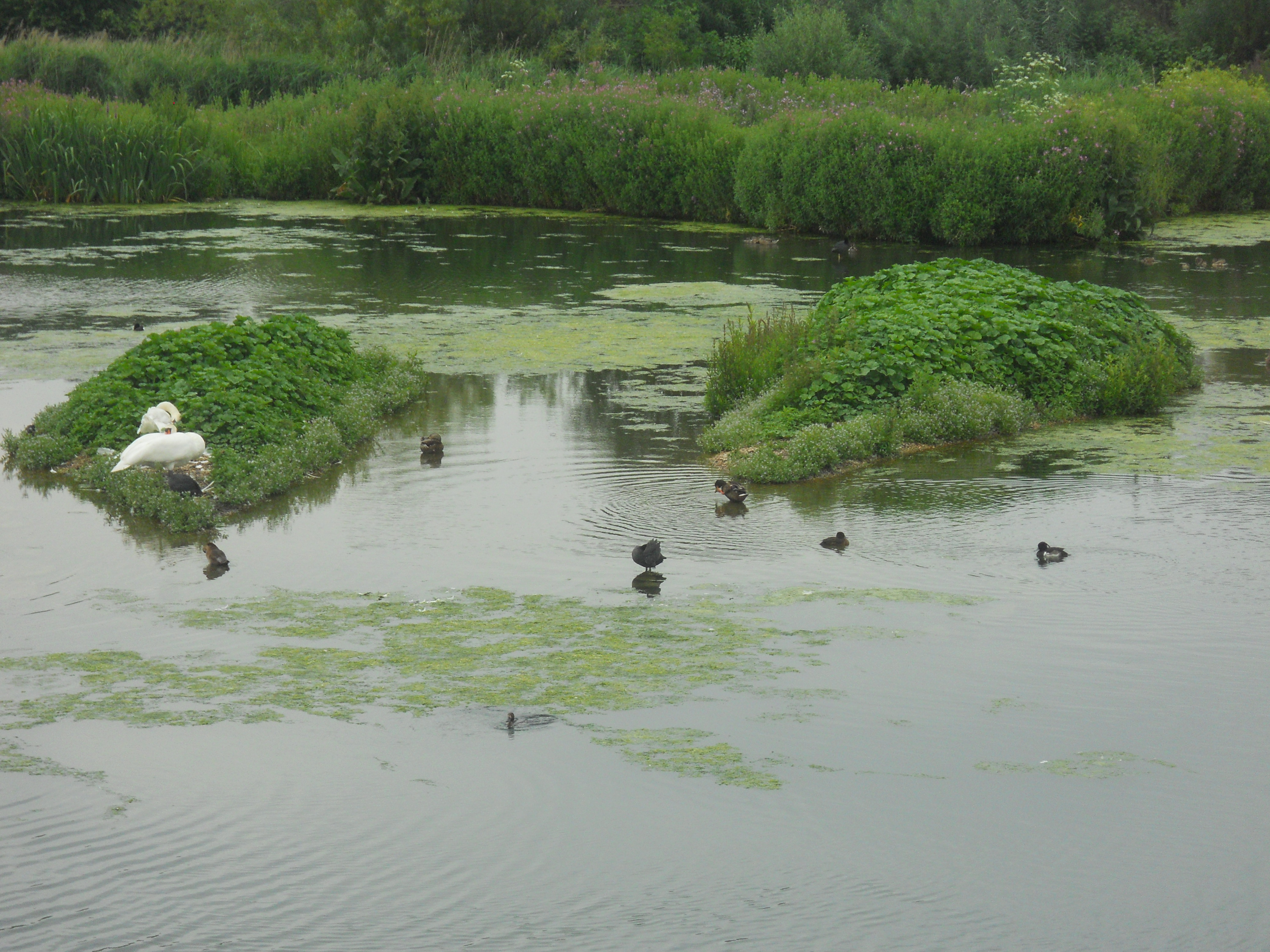
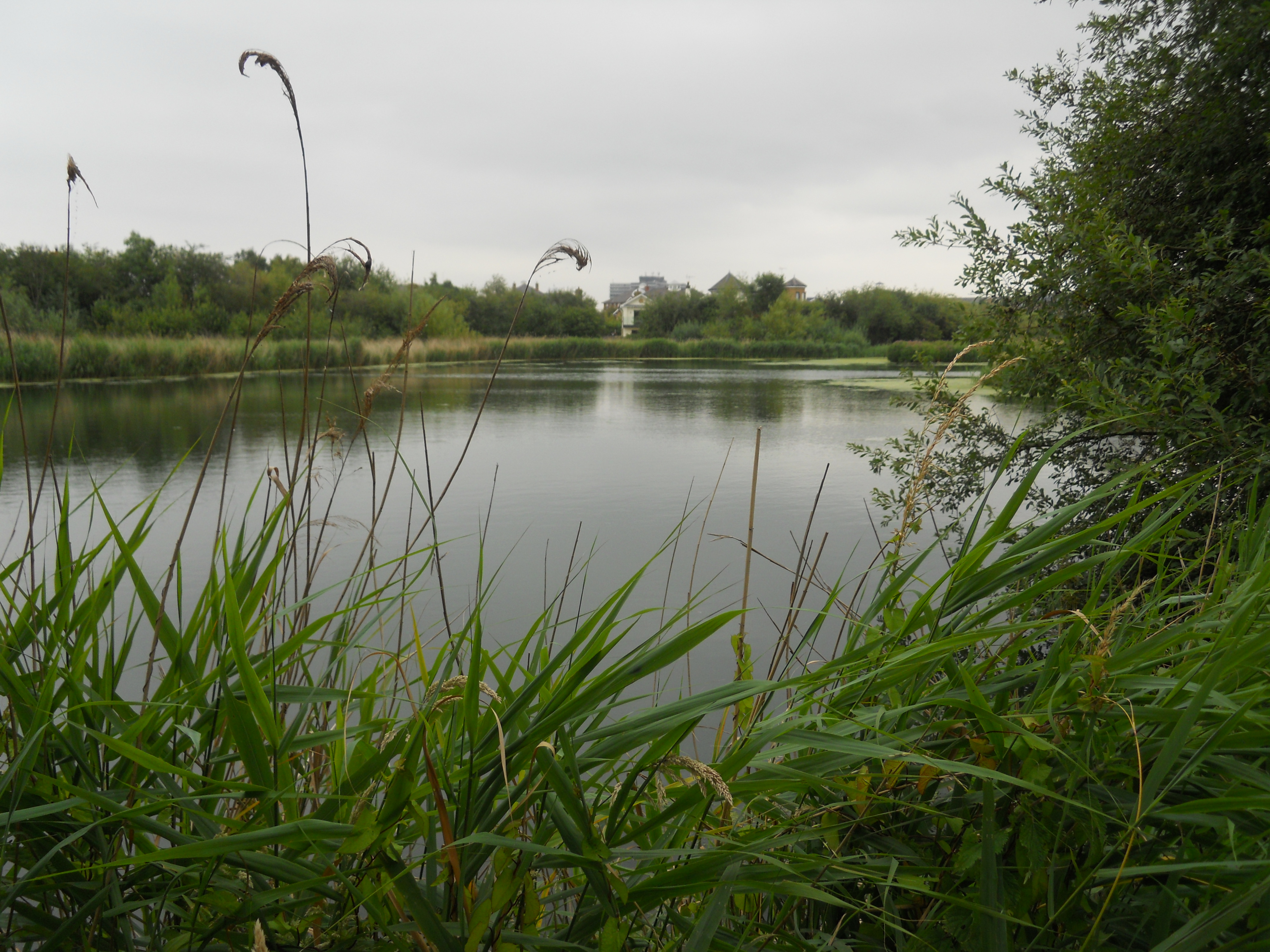
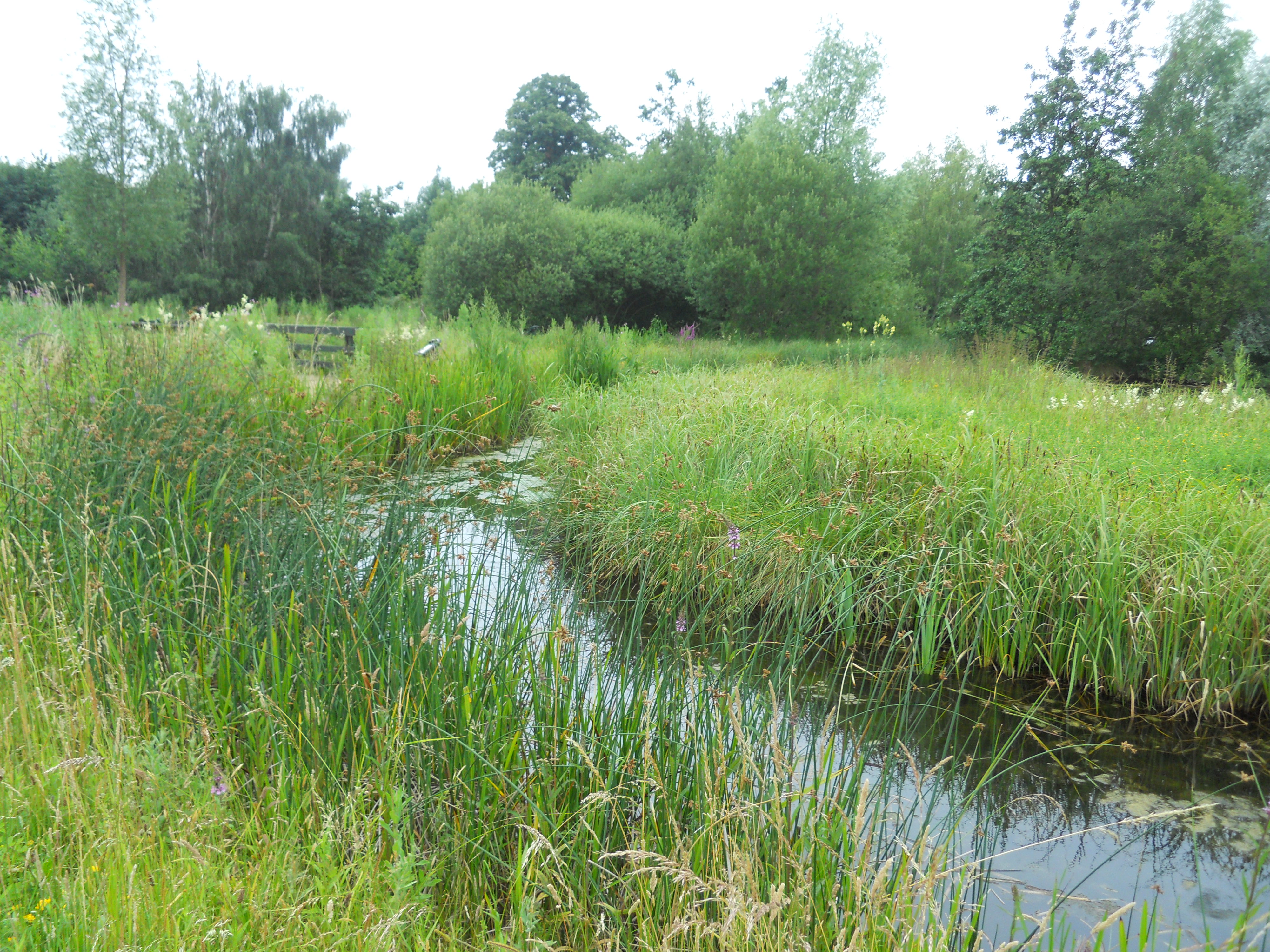
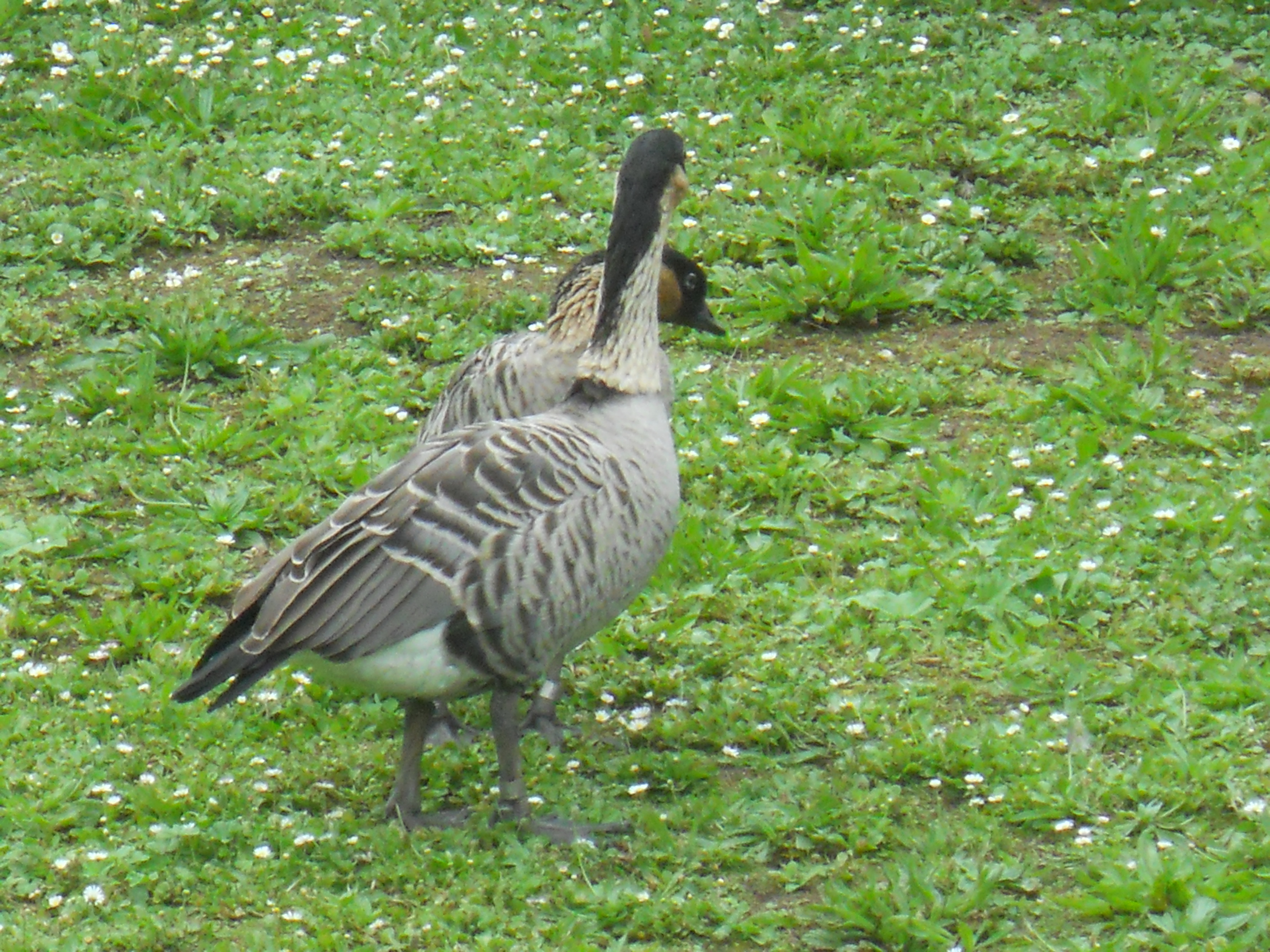
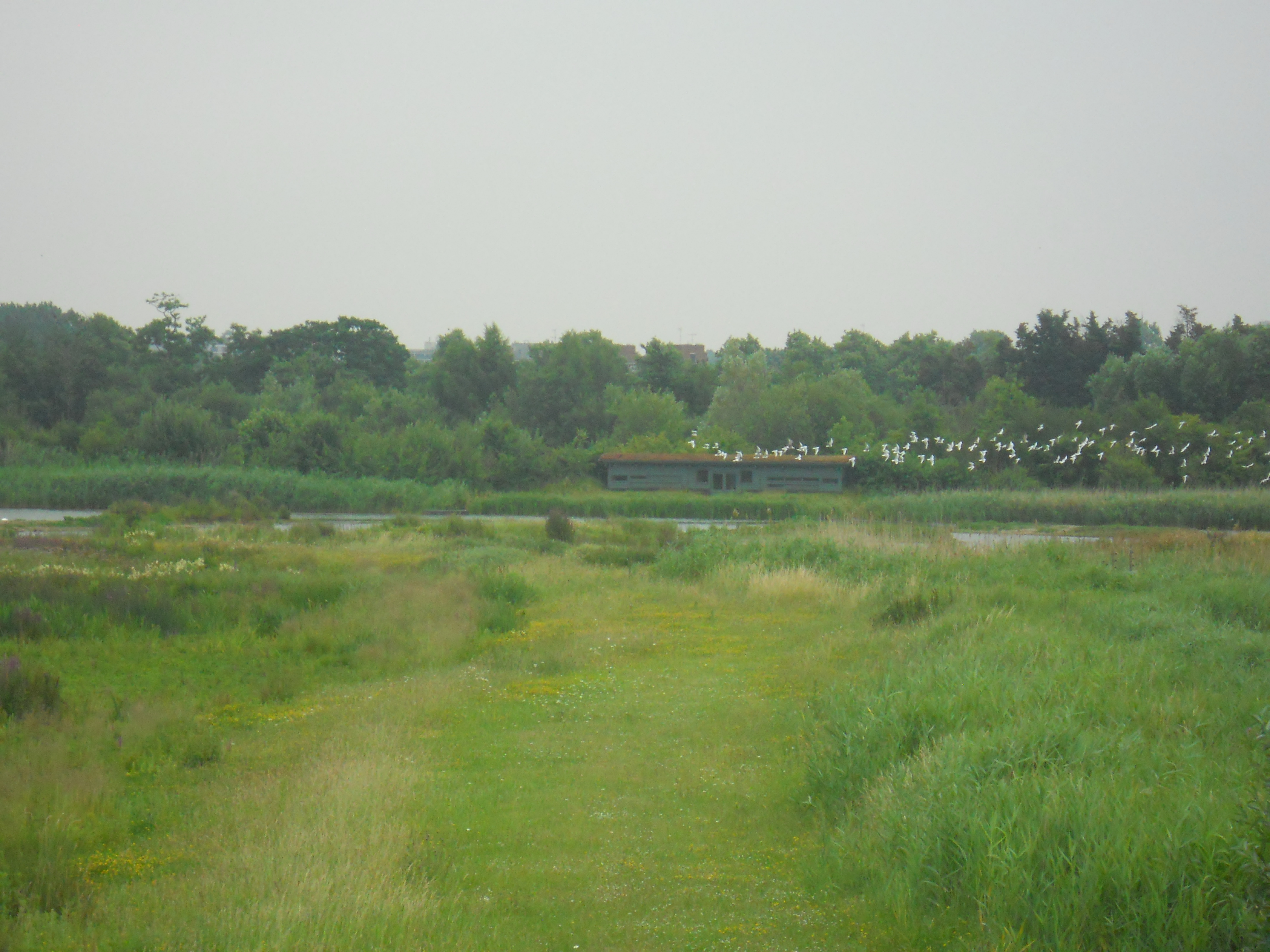
Note the Nene or Hawaiian Goose, which is the state bird of Hawaii. It is the world’s rarest goose and was once down to about twenty individuals. But these were collected by Sir Peter Scott at WWT Slimbridge and now there is a healthy population that has been reintroduced to its original home.
Sir Peter was the son of the famous Antartic explorer, but in my view was the much greater person, as he excelled in so many different fields. Everyone should read more about this remarkable man. Start at Wikipedia.
Remember though that people of my age are biased about Sir Peter and Sir David Attenborough, as they were the people who did more to shape intelligent television about the planet and its wildlife in the 1950s than anybody else. People forget that there was only one channel and when the BBC started a second one to compete with ITV, Sir David was one of its first controllers.
A Visit to the London Wetland Centre
I’d been wanting to go for some time and felt that as this morning was hot, it might be a bit cooler to stand amongst the old reservoirs, that now make up the London Wetland Centre. So I took the North London Line to Gunnersbury, then a few stops back on the District line to Hammersmith and then a 283 bus to the centre.
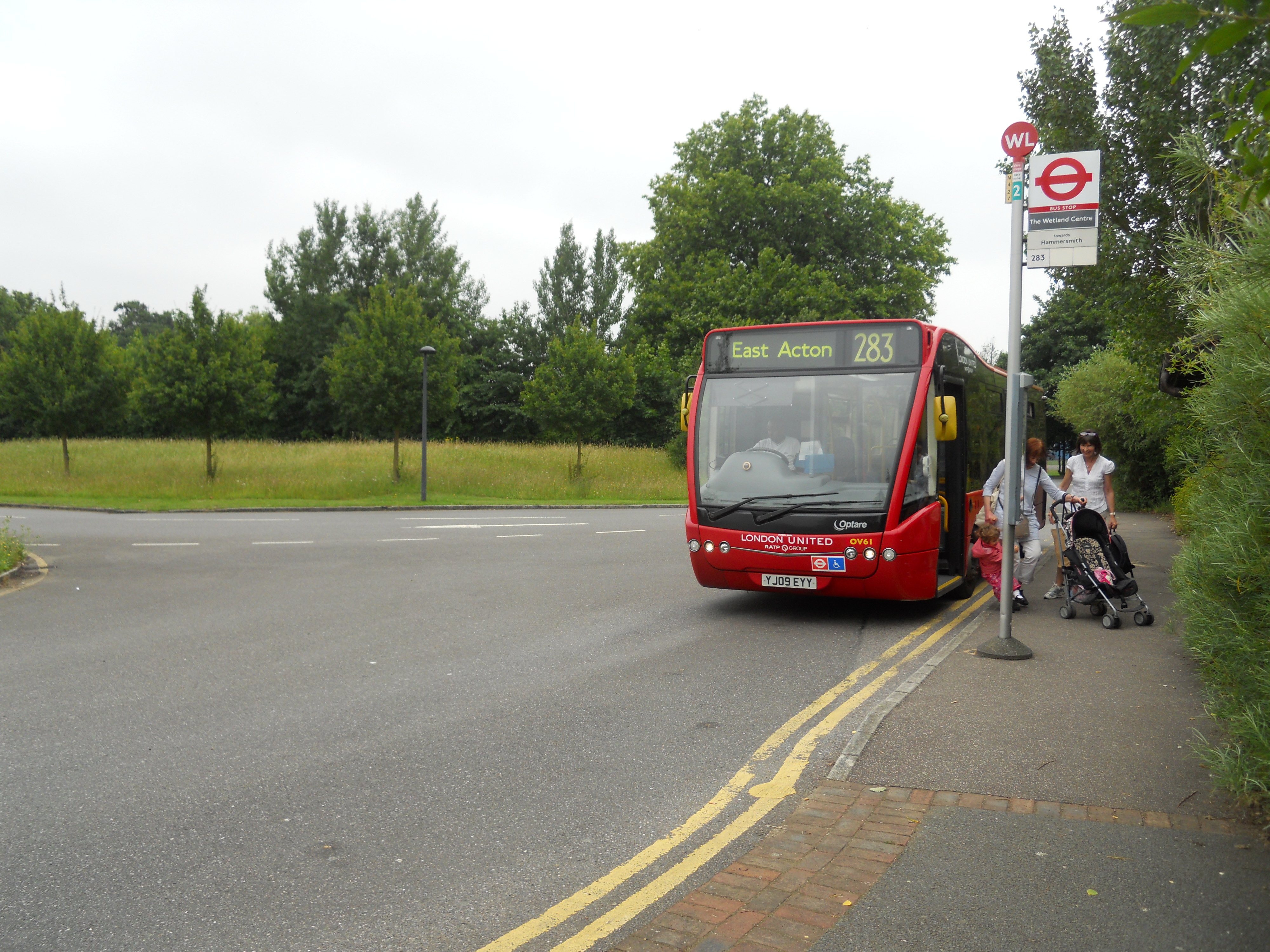
283 Bus at the London Wetland Centre
It wasn’t a difficult ride and using the Overground to go from North East to South West London is preferable than the Underground, as the views are better and the trains are a lot more comfortable in hot weather.
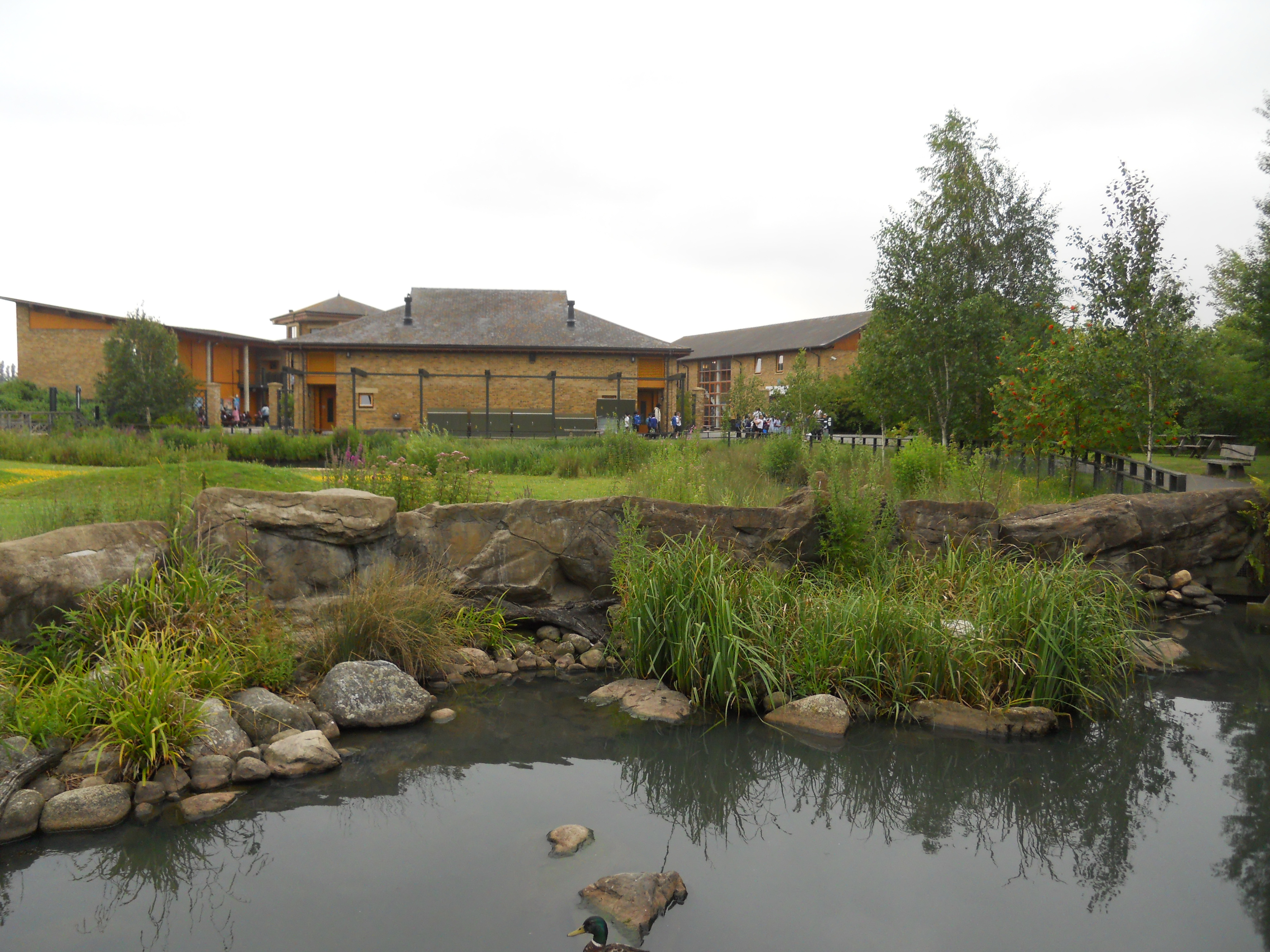
The Peter Scott Visitor Centre
The centre is impressive and very much worth a visit. I stayed for a couple of hours and walked around the site observing the various birds. Not that I know much about what is what without a book and some binoculars, which I had forgot to take. Although the signage was good and very much in a style that Sir Peter would have approved of. Ponds are laid out by habitat and country or continent, with a large wild area that attracts all of the birds that either live in or visit London.
When it started to rain, I had a coffee in the excellent cafe, which I checked as to whther they knew their gluten-free or not! They did incidentally.
I then left on the bus to Hammersmith, before taking the Metropoitan line to King’s Cross to get the bus home.
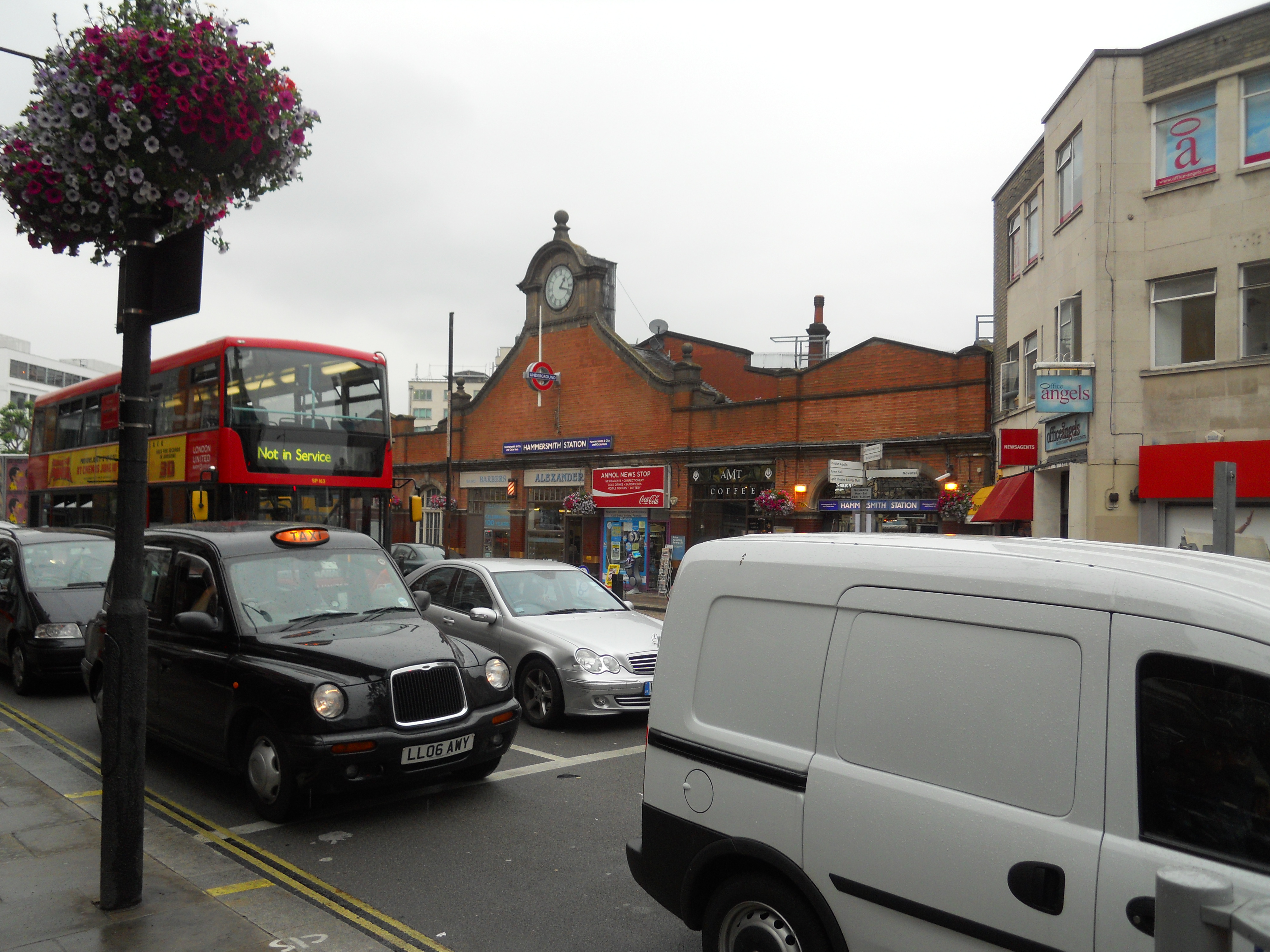
Hammersmith Station on the Metropolitan line
The picture shows the Metropolitan line station at Hammersmith, which has been refurbished since the Undergound reorganised the Circle line. It certaining looked better than it did, when I went with my father from Wood Green to Earl’s Court avoiding the deep Tube lines. Anybody in their right mind would have used the Piccadilly line all the way. But my father had a phobia of deep lines, so went by steam train to King’s Cross, Metropolitan line to Hammersmith and then back to Earl’s Court on the District.
The Odd Physical Properties of Mixtures of Air and Water
Richard Hammond today, in his program called Engineering Connections about the Space Shuttle, showed how NASA use a wall of water droplets to protect the shuttle and the launch platform from the immense sound waves created by the rocket engines on lift off. I have seen a shuttle launch and even some miles away the noise was awesome and in some ways the most unexpected part of the event.
If I ask an averagely serious engineer or physicist to tell me the speed of sound in air and also that in water, they will give answers of 343.2 and 1497 metres per second respectvely with various conditions like dry air and pure water. So sound travels a lot faster in water than air.
So if you have a mixture of bubbles of air in water or vice-versa, a logical person would think it lies somewhere between the two.
But they would be wrong! According to this paper from 1969, by D. McWilliam and R. K. Duggins, it can be as low as 18.2 metres per second. This creates all sorts of problems and benefits. NASA’s engineers used it in one way and I invested in a company that used it to make an aerosol valve.
But it is a property that hasn’t been used to the full.
They say that oil and water do not mix.
But I have seen an experiment where bubbles of air was introduced into a mixture of water and oil and the resulting mixture was passed through a choke or restriction. A creamy liquid emerged, because the air bubbles in the restriction in trying to get into some form of steady state, mixed evetrything up.
I know that explanation isn’t very good, but who cares as the technique works.
In places like Saudi Arabia, there are large lakes of tar, that are just dumped in the desert. Perhaps by using natural gas as the gas, could this pollution be burned, whilst it is still hot?
I don’t know! But I do know that this abnormal property of mixtures of gases and liquids is not used for all the applications it can be.
Onwards to Stratford High Street
I walked onwards from Three Mills towards the Olympic Park along the Three Mills Wall River, which is part of the River Lea.
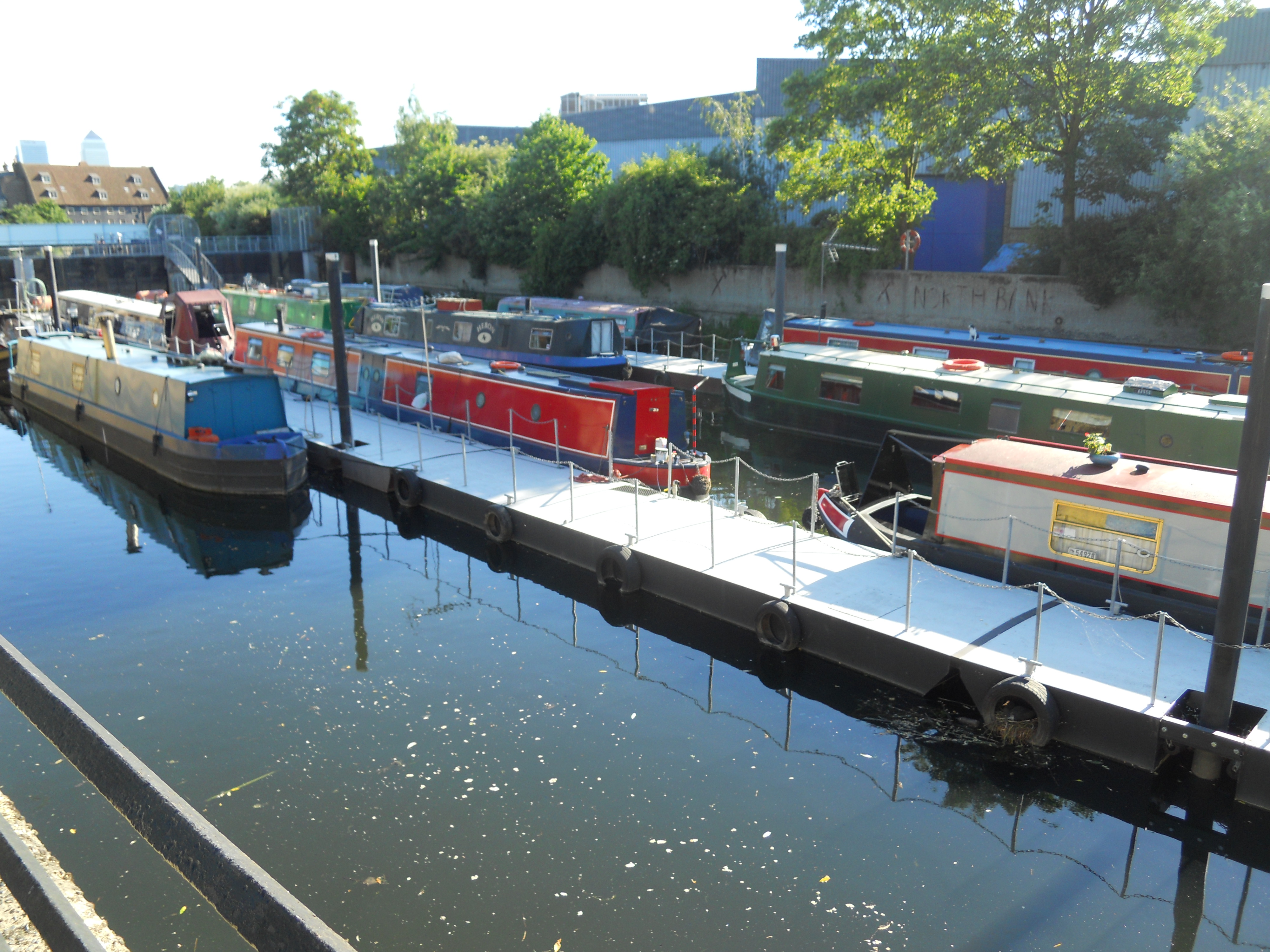
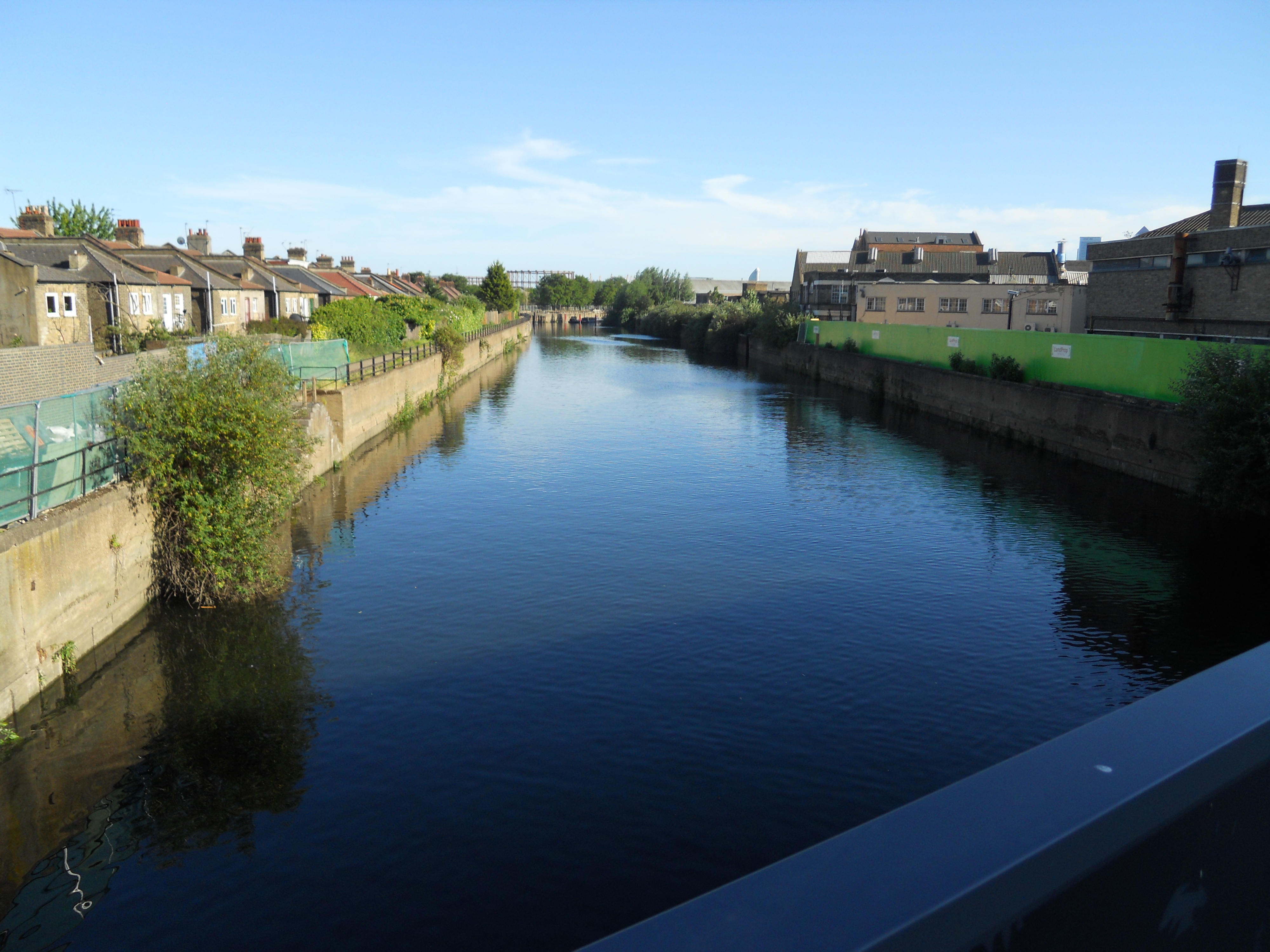

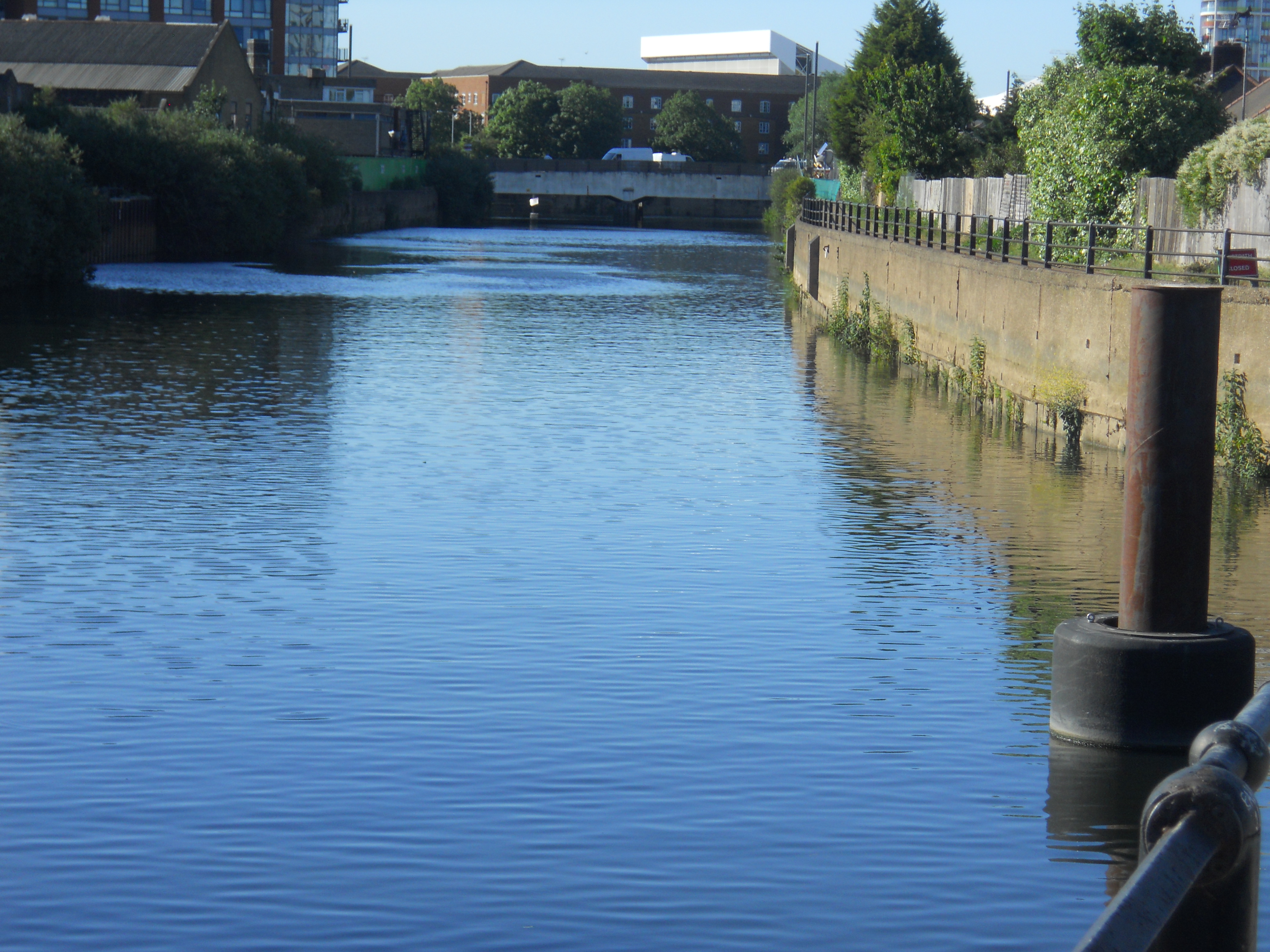
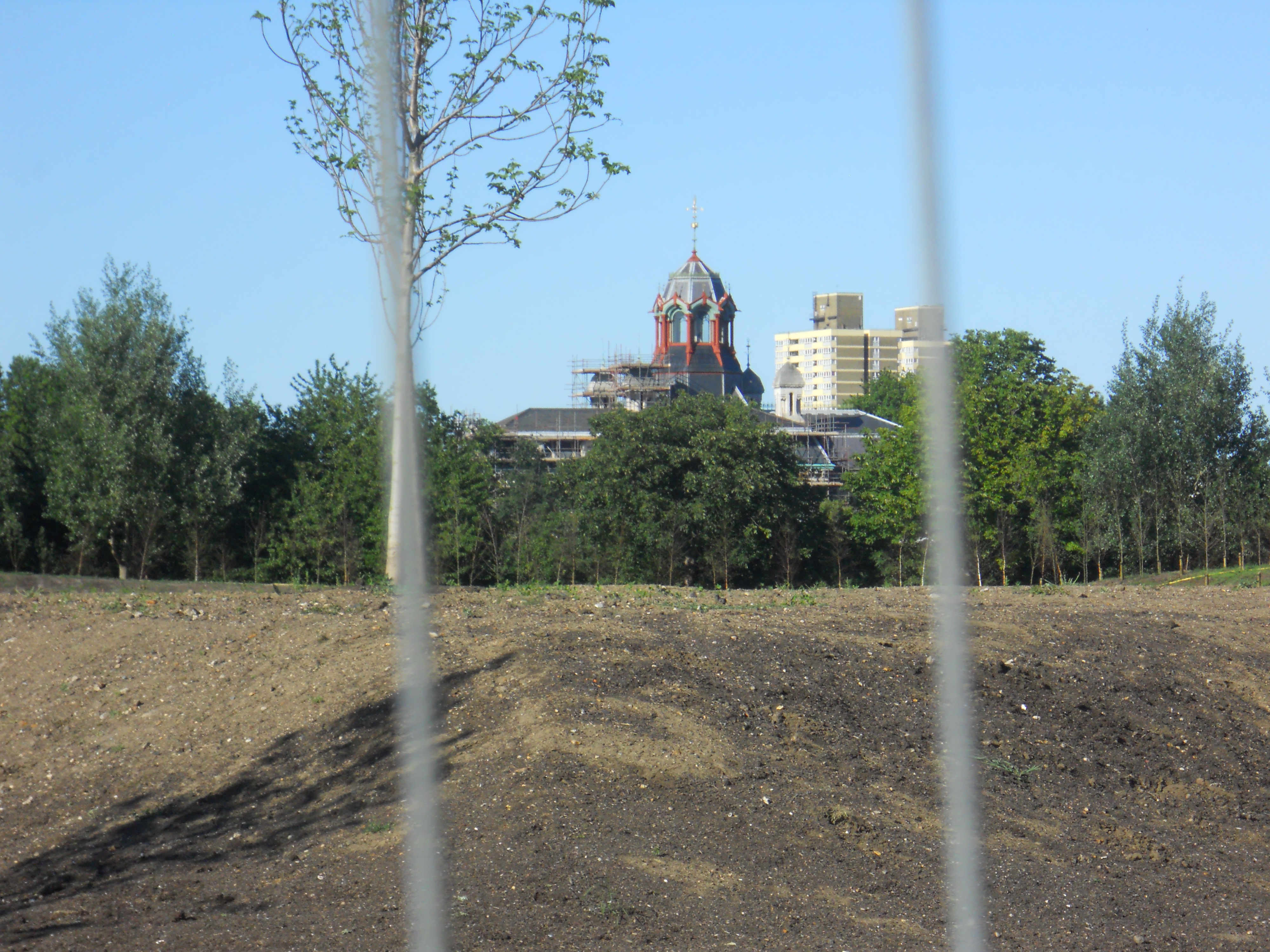
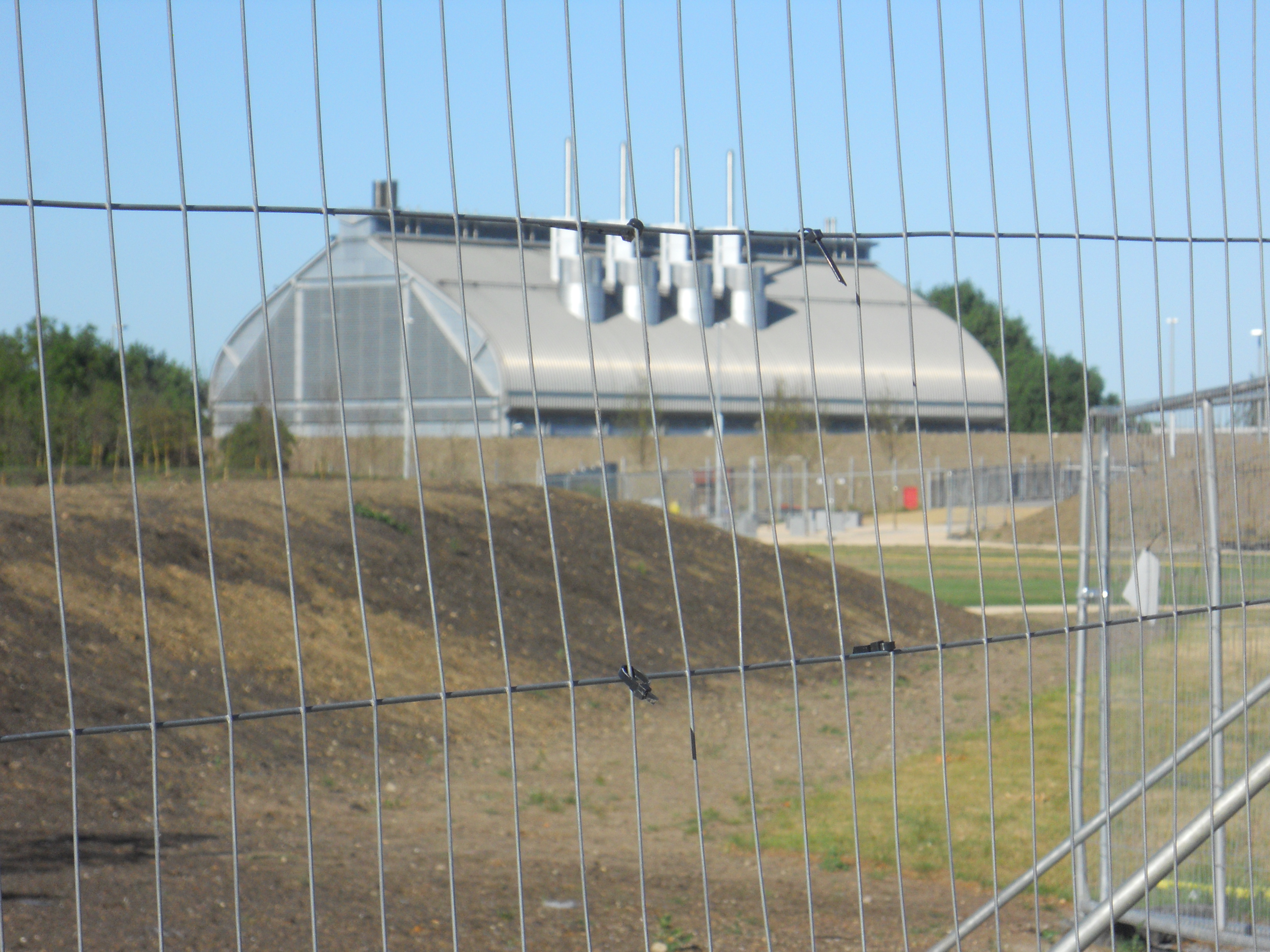
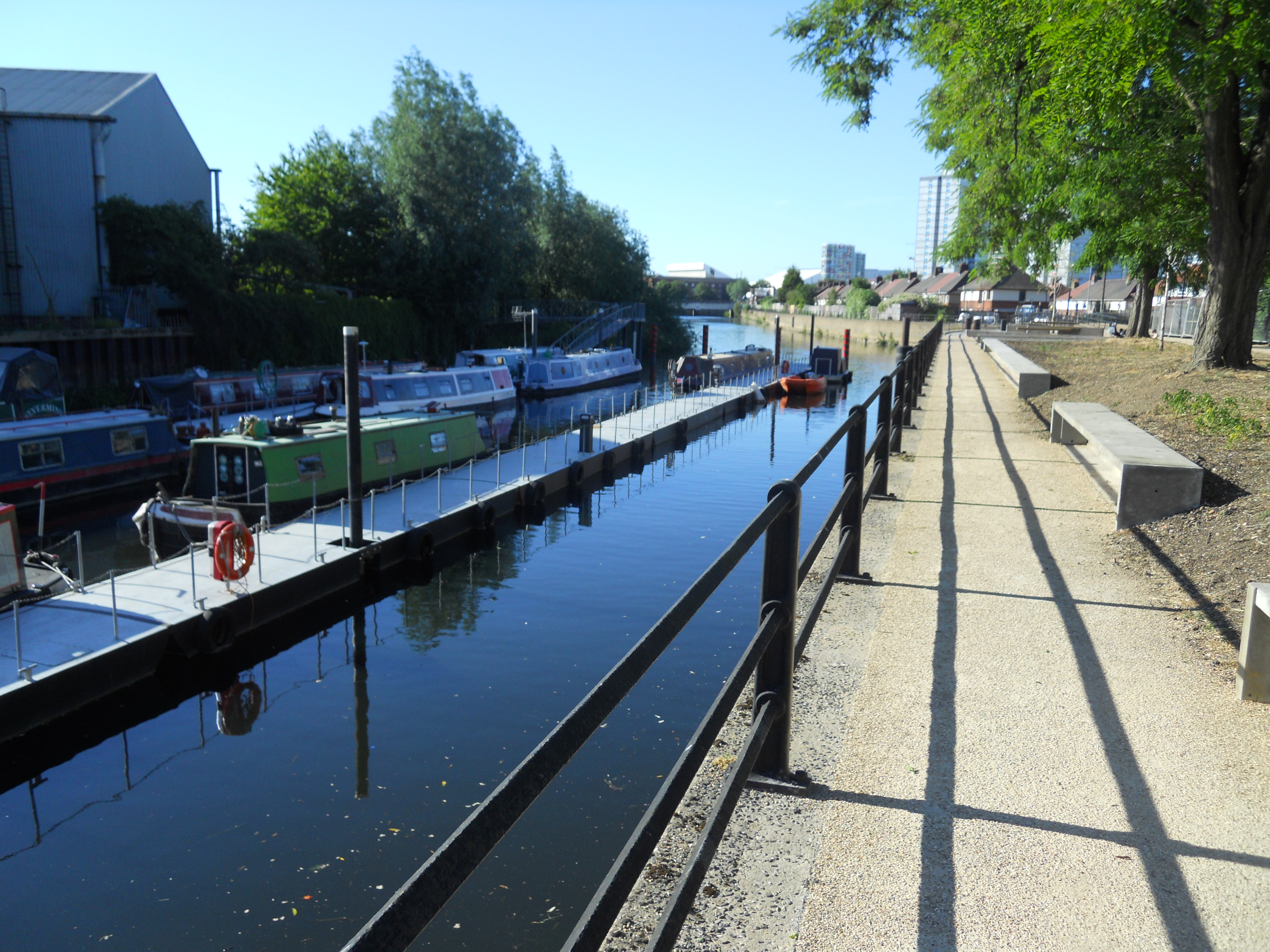
It was an interesting walk with a lot to see.
You can’t actually reach Stratford High Street at the moment, becuse of construction work.
It looks like they will be encouraging spectators to walk to the Olympic Park from Bromley-by-Bow station along this route. They have put in quite a few places to have a picnic, which you could buy in Tesco’s at Bow.
Etchings in the Evening Sun
This picture shows the decoration on the new sewage pumping station at the Olympic Park, highlighted by the evening sun.
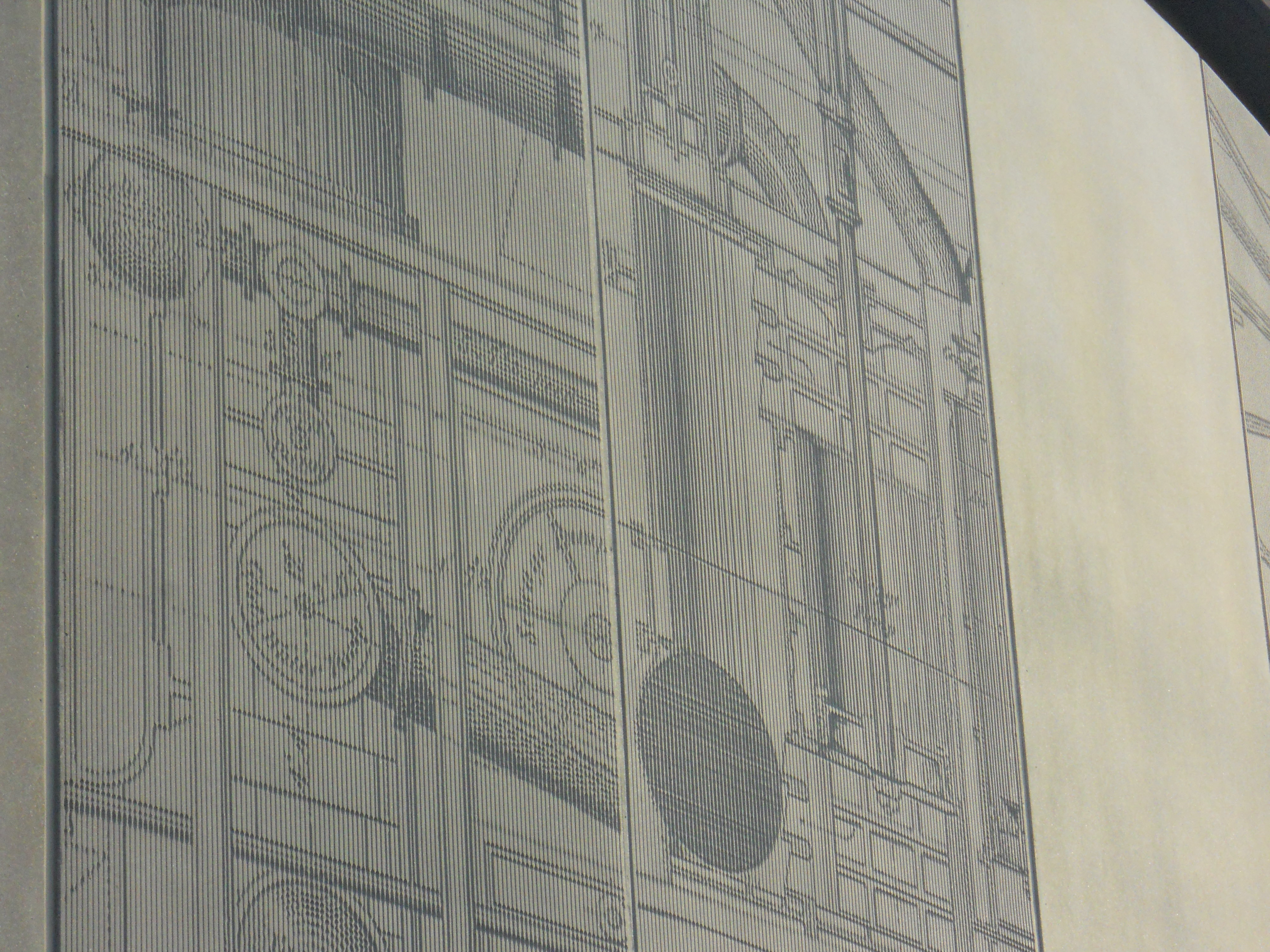
Decoration on the Olympic Park Sewage Pumping Station
The images are taken from the original drawings from Joseph Bazalgette’s Abbey Mills pumping station.
I hope that when the Olympic Park is fully open, buildings like this won’t be hidden behind excessive security fences.
A Final Good Bye TO EDF Energy – Hopefully!
When I Bought This house the electricity and gas supplier was EDF Energy. At the time I thought it would be a good idea to stick with them, as it might be less hassle to get them to continue to do the supply than change.
But after trying to get sense from EDF Energy, I signed up with nPower, as I detailed here. I set up Direct Debits too, soon after they changed the meter on the day they said they would, and at the time precisely.
In my original post, I did imply that Thames Water, tried to get aggressive in trying to sell me things I didn’t need. But I’ll forgive them that, as when I needed to read the water meter, the lady in the call centre told me in detail how to do it. They also gave me a free tour of Abbey Mills and the sewers with very good food afterwards.
Over the six months or so, I’ve got a lot of writs for the previous owners tenants. The biggest of which was for several hundred pounds from a company collecting on behalf of EDF Energy. It was from an agency in Glasgow, so I suspected someone from Alex Ferguson’s charm school to give me some form of hair-drying, when I phoned them. But I got a nice guy, who told me to forget the bill and shred it, after asking a few questions in a polite manner.
Nothing much happened until about two months ago, except for a series of mysterious calls on my mobile phone, which might be linked to EDF Energy.
I then got a bill from EDF Energy of £180.83, which on querying with them, they said was for the time whilst they were swapping everything over to nPower. I immediately queried it on the phone and I then got a reduced bill of £70.46, but I thought this was still too high as it ran from the 1st December 2010, when I didn’t move in until the 12th.
I was now dealing with them by e-mail and the e-mail said this.
If you have any further queries please do not hesitate to contact me via my email.
So I did. Several times, in an attempt to get the bill adjusted to the 12th of December or full explanation of their calculations. Let’s face it there comes a point, where you don’t fight a bill of seventy quid any longer, as it just isn’t worth the effort. I also put it in a letter to them.
That point came on Thursday, when I sent them the money by bank transfer. But even that wasn’t as simple as paying other companies, as their bank, doesn’t accept the faster payments system, that virtually all others do. This excellent system means you get a certified receipt for a payment within a few minutes. Read about them here in the Guardian. If ever there was a reason for Internet banking, it’s this payment system.
It’s been debited from my bank account, so it’s somewhere in the system. It’s probably being processed in some overseas department of France, if they use a French bank.
I should say that their automated system phoned my mobile phone number, despite the fact that I told them I always deal with people over my landline. This automated system had no way getting a realperson and expected me to type in the twelve digits of my debit card number without making a mistake. I can do that easily on my large button landline phone, but not on my Nokia 6310i. Their automated system is about as customer friendly to someone with a small disability like me, as a unicycle. So in the end I hung up on them. They didn’t ring again. Surely that is wrong, as some other companies, will ring you back with a real person if the person accepting the call doesn’t seem to be responding properly.
Let’s hope that’s the end of it. I shall certainly not be recommending EDF Energy to any of my friends. As they say on Eurovision, they have earned nil points for Customer Service.
Any more calls from them and I’ll use the famous Sun headline from the 1970s or so.
We’re Really In It Now
I was also given a tour of part of the Northern Outfall Sewer at Hackney Wick.
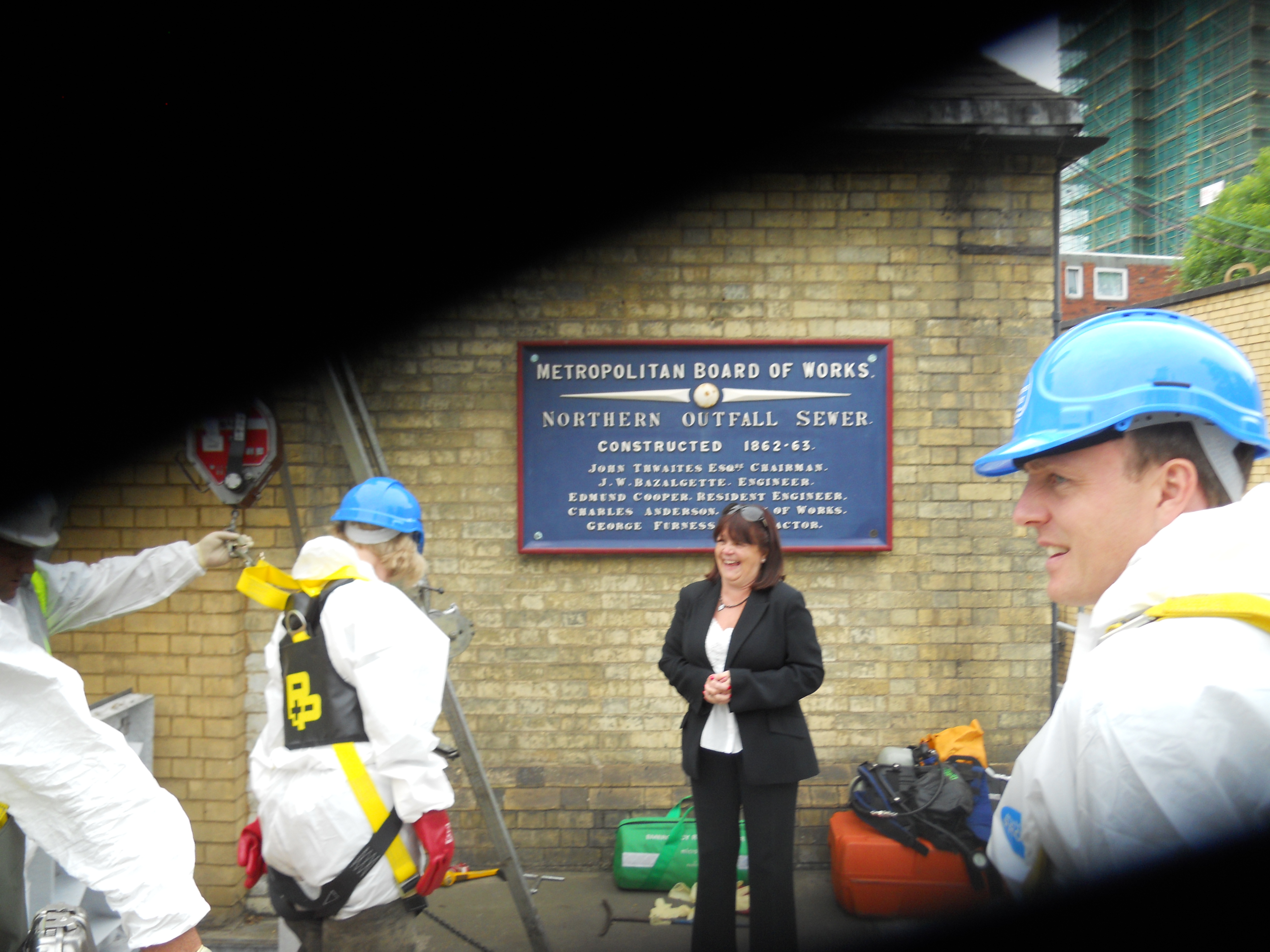
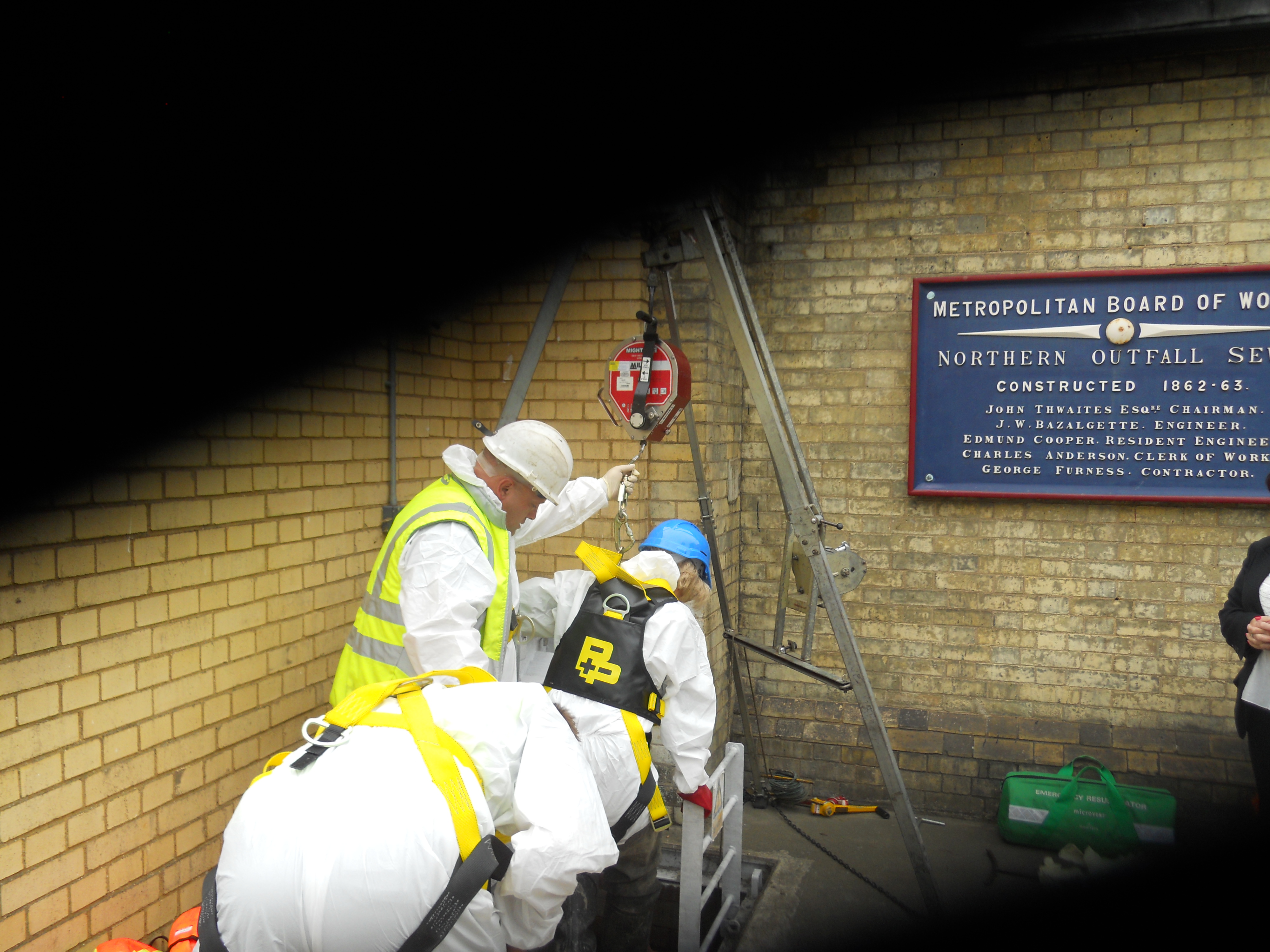
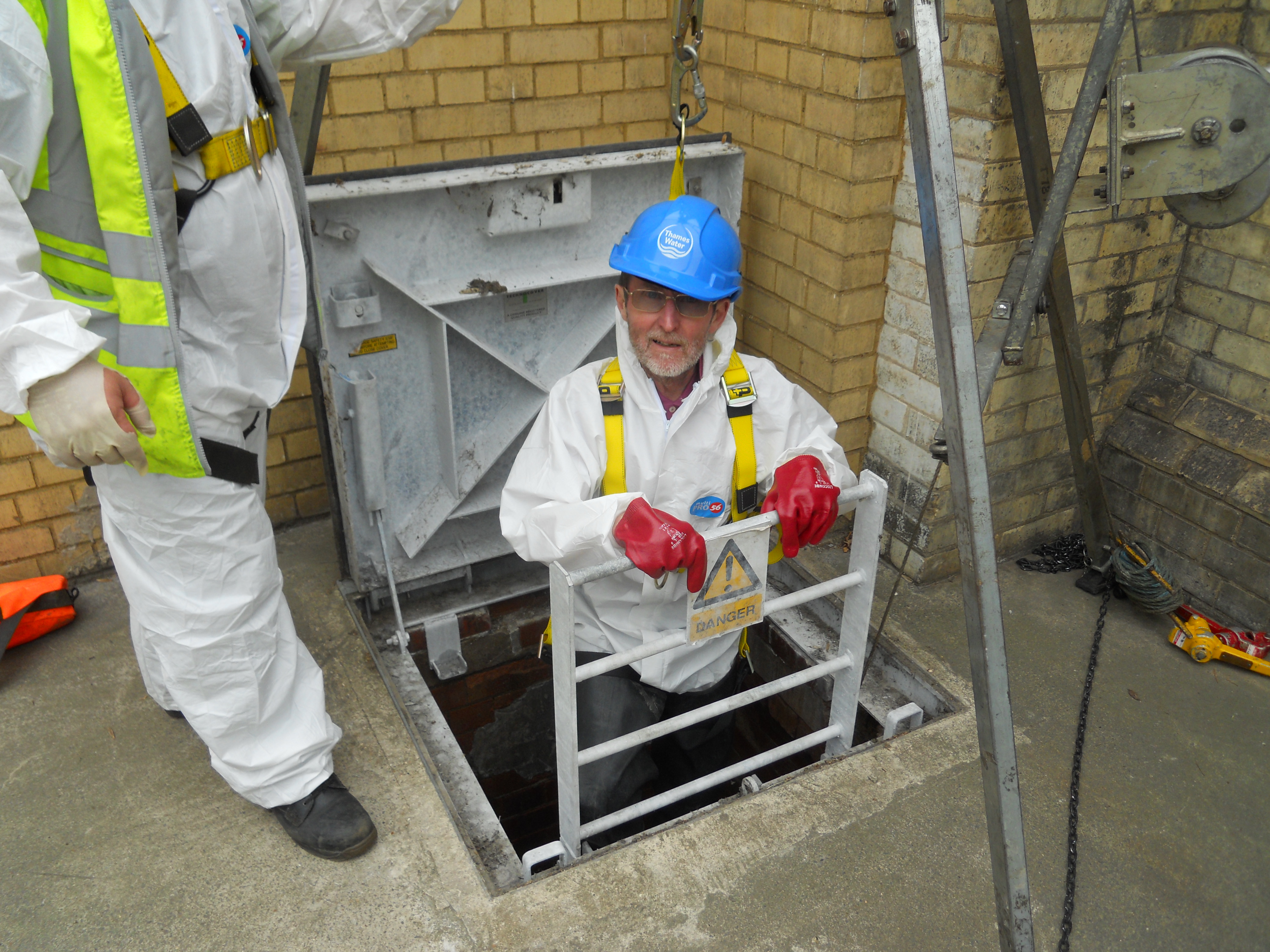
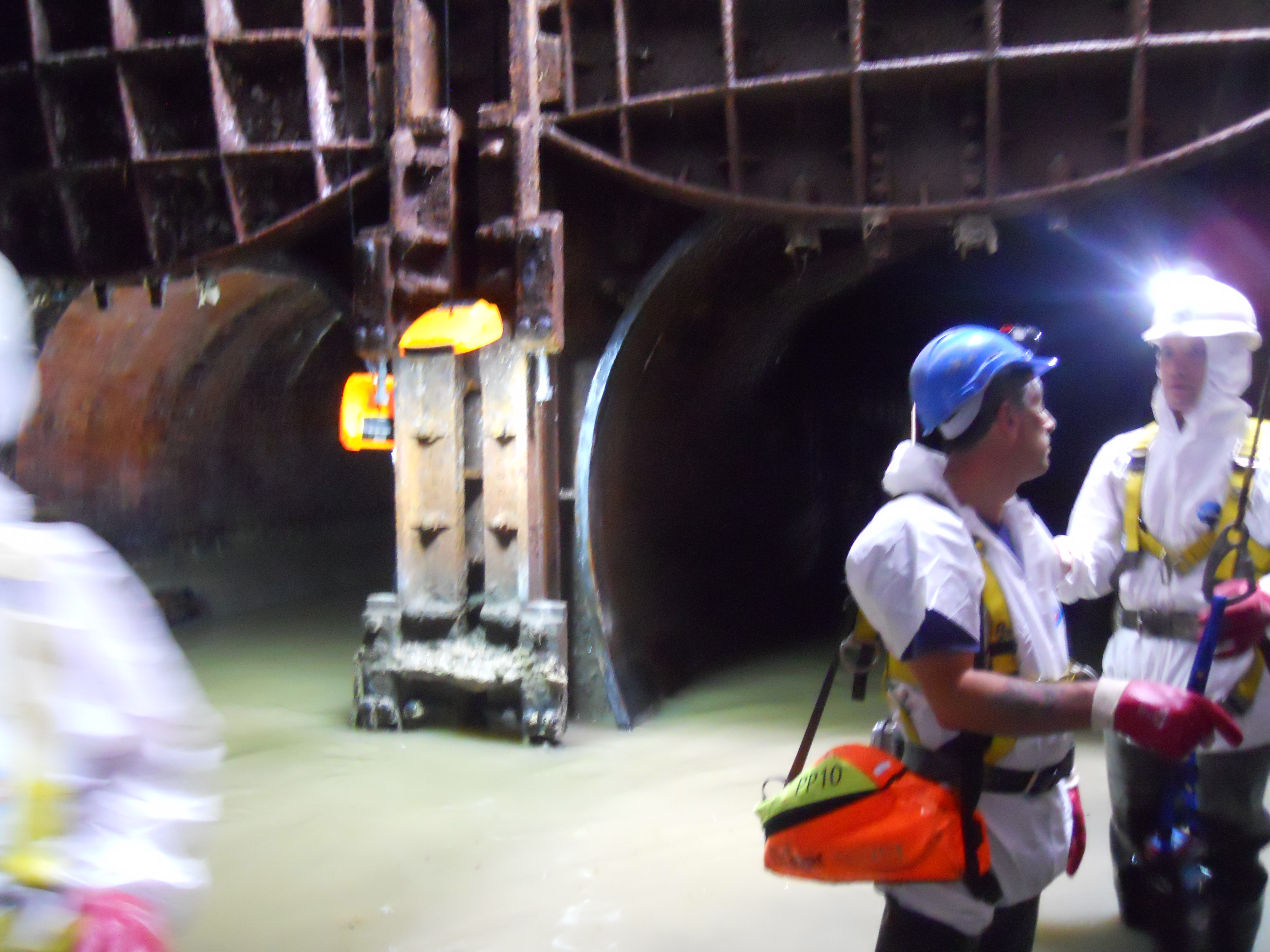
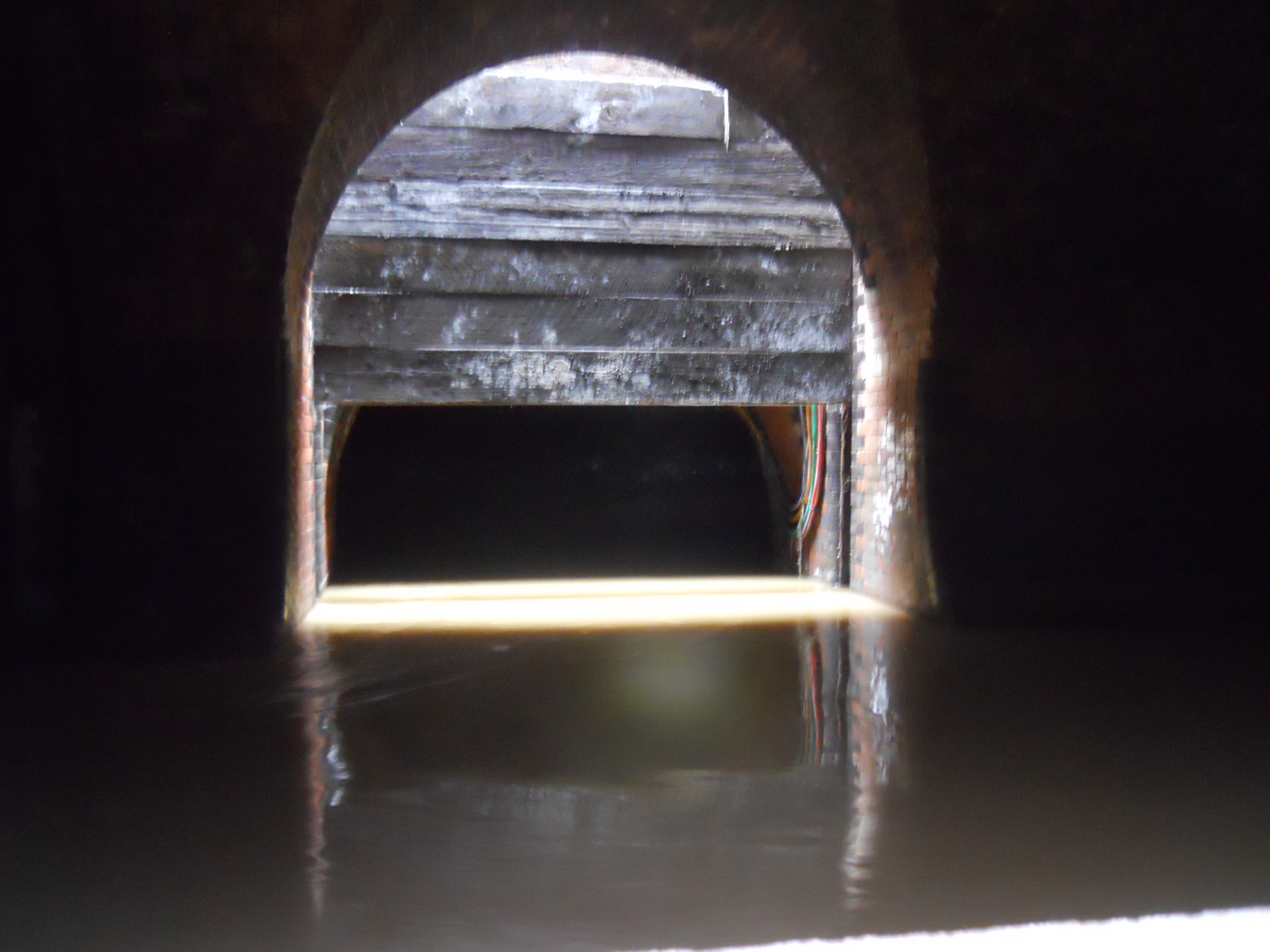
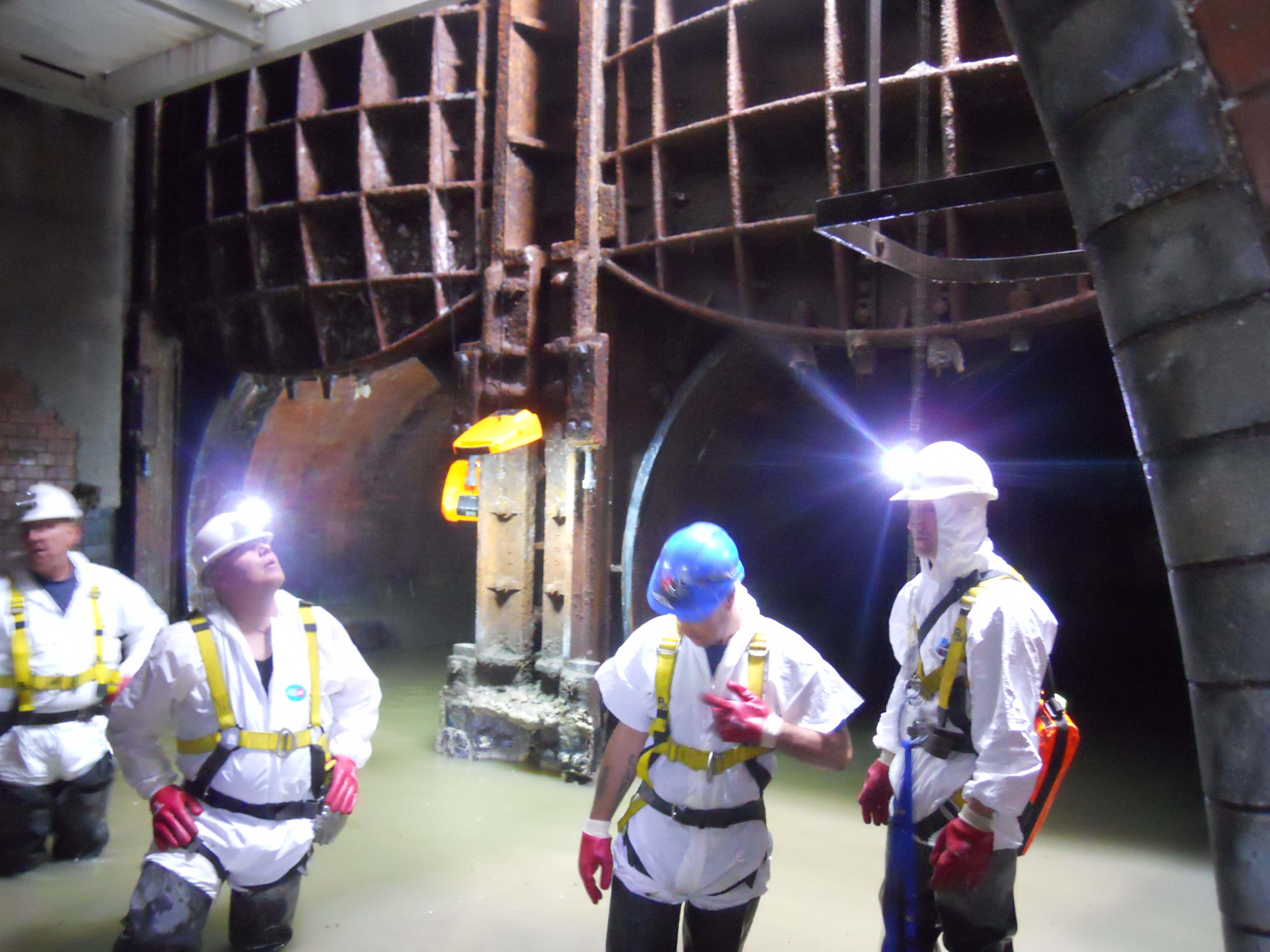

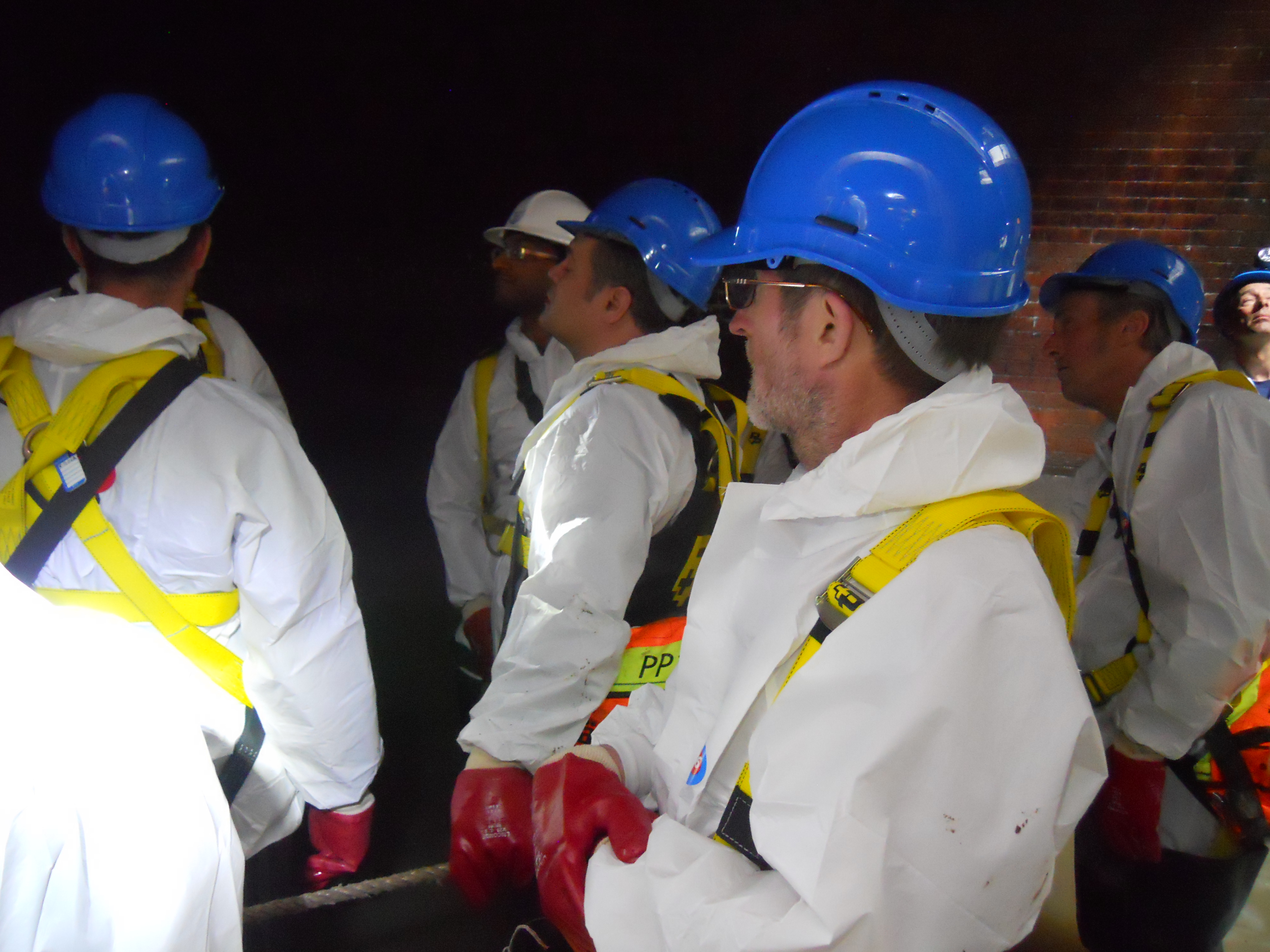
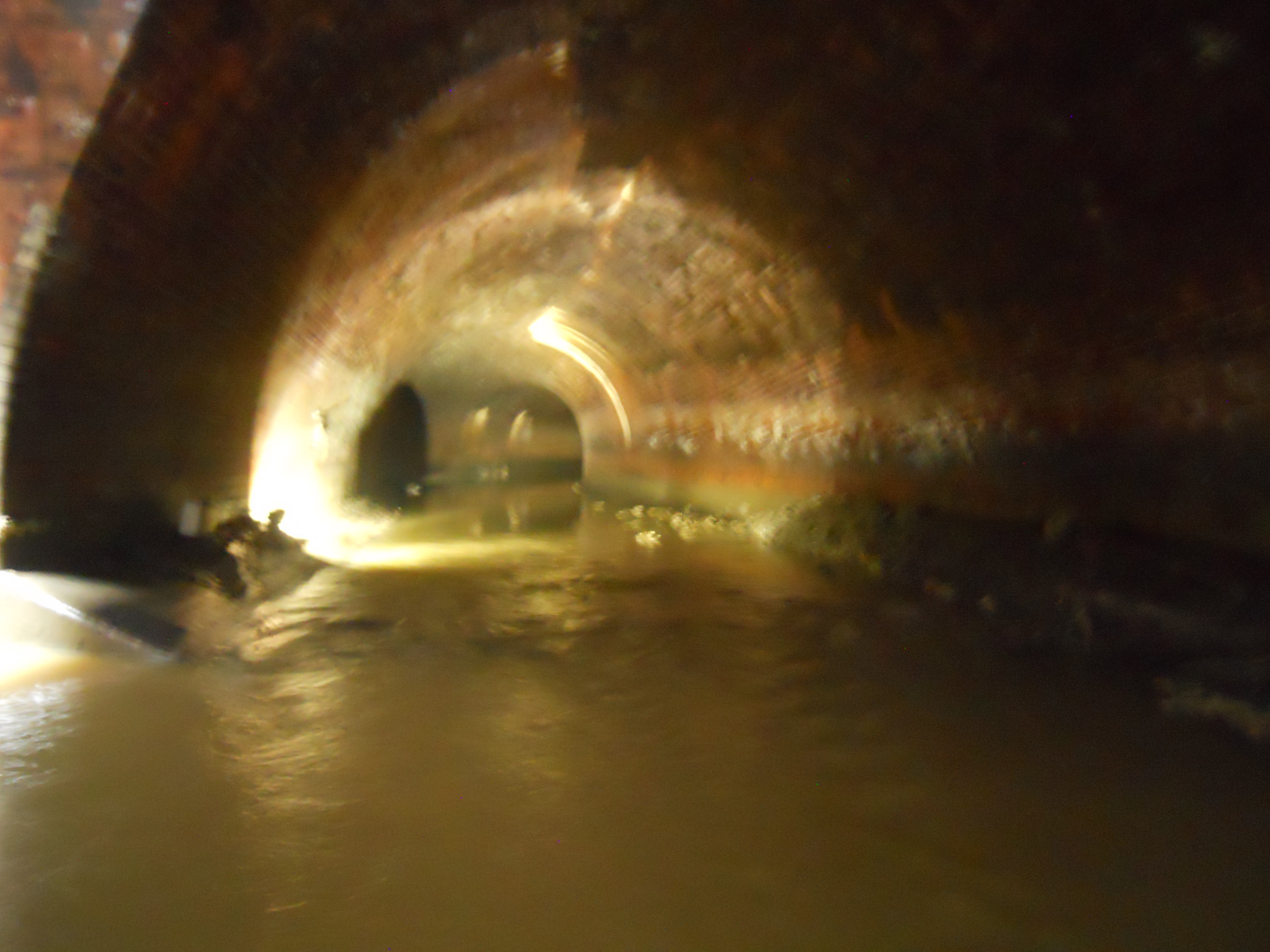
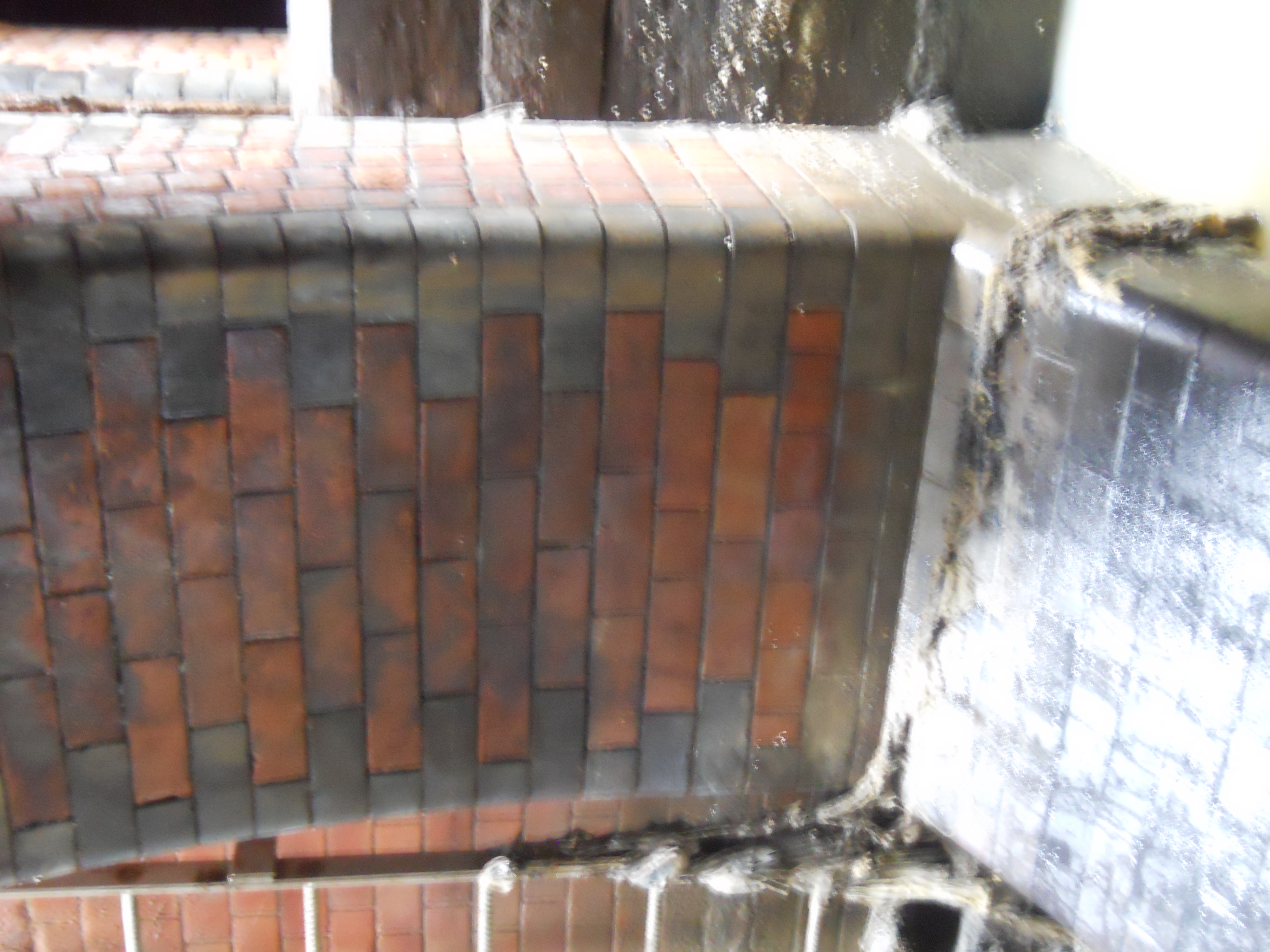
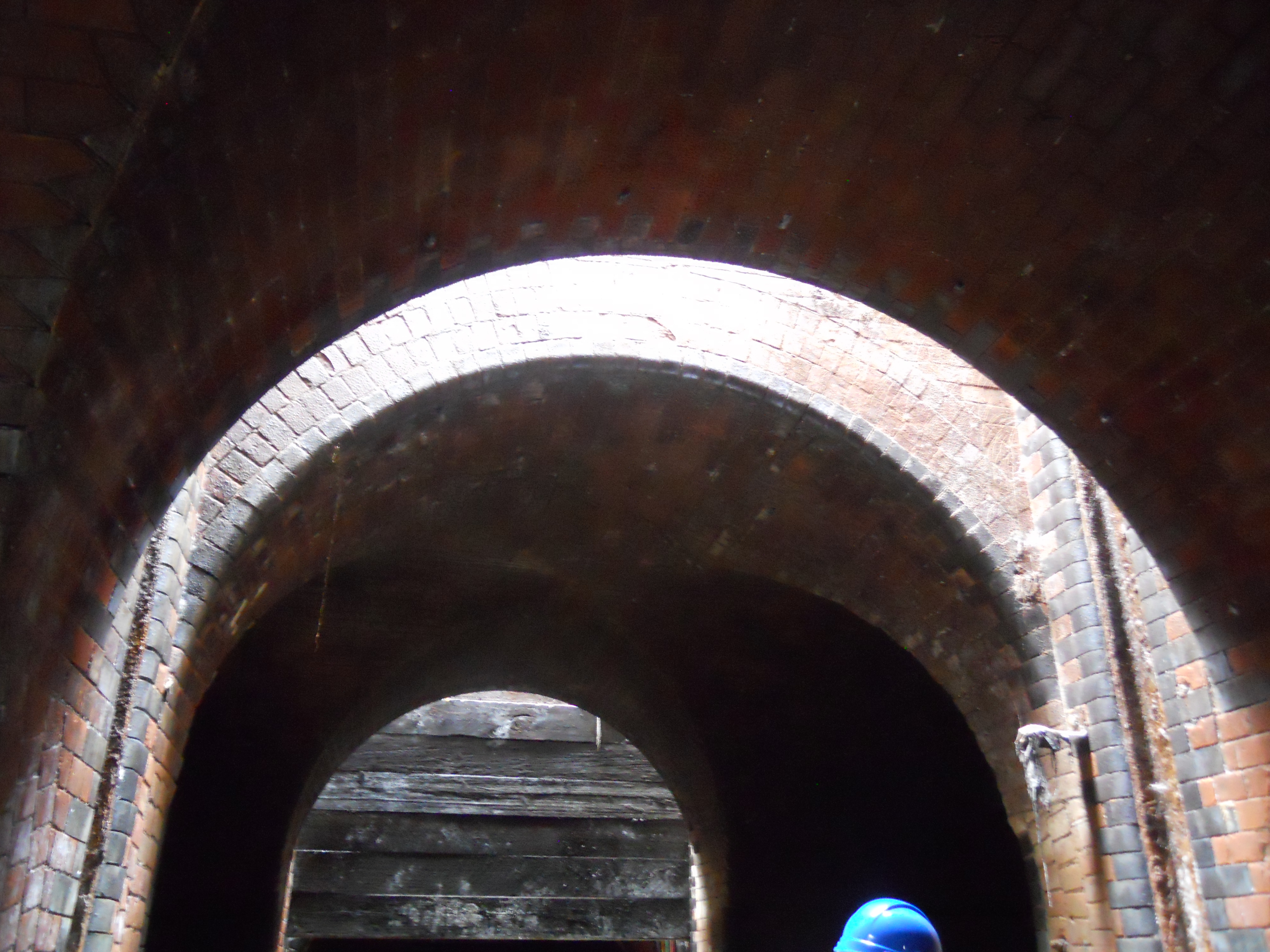
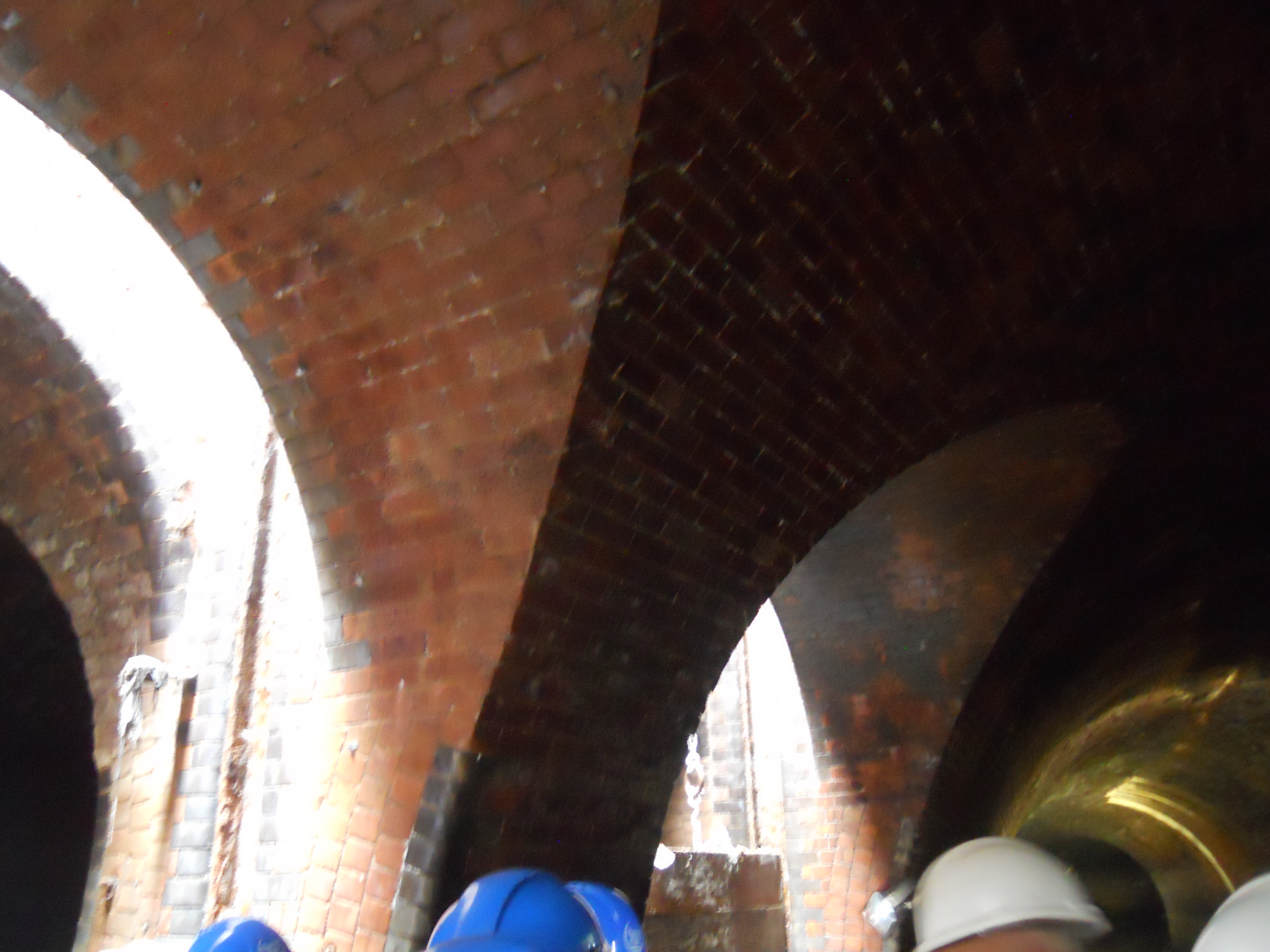
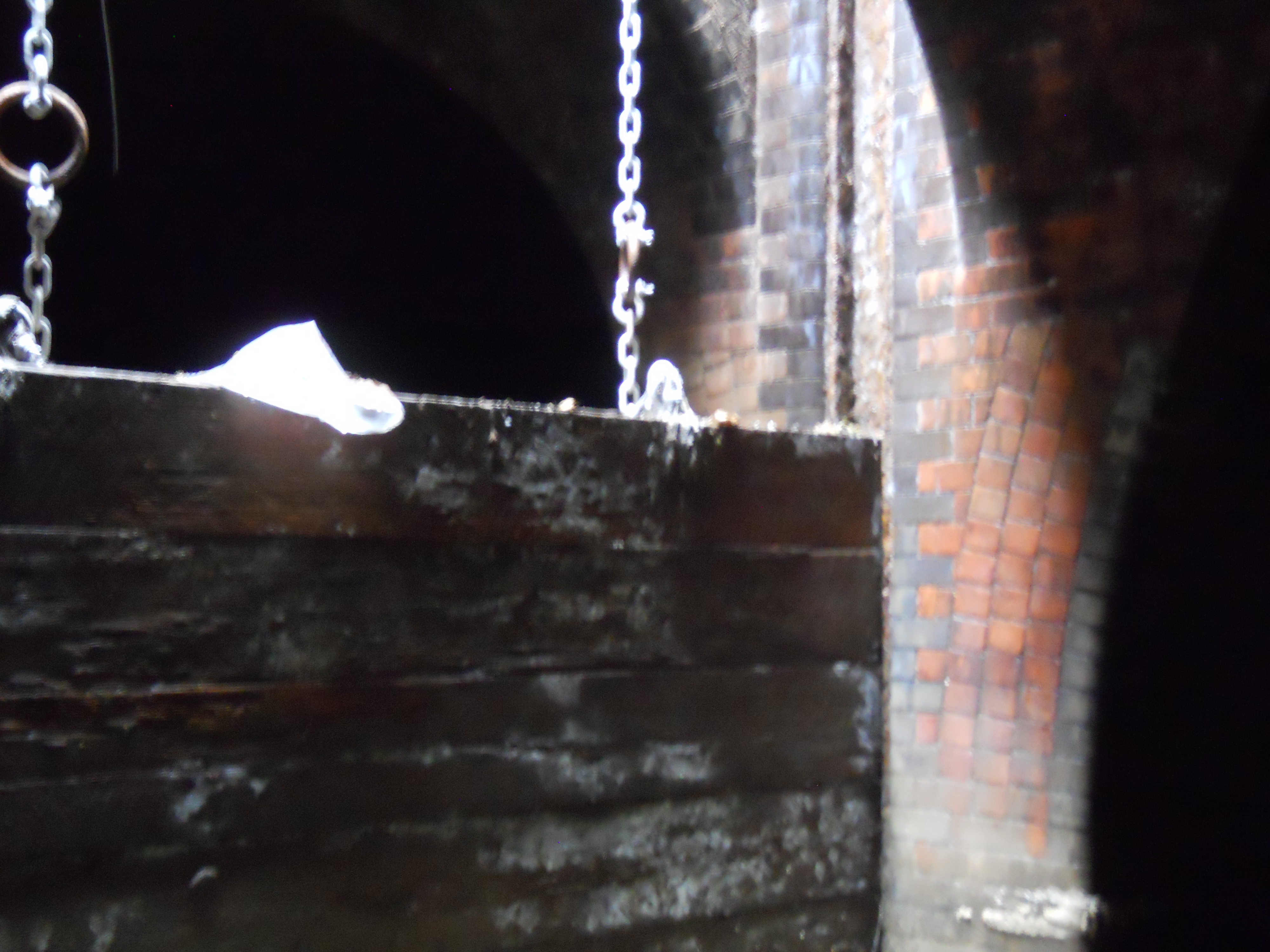
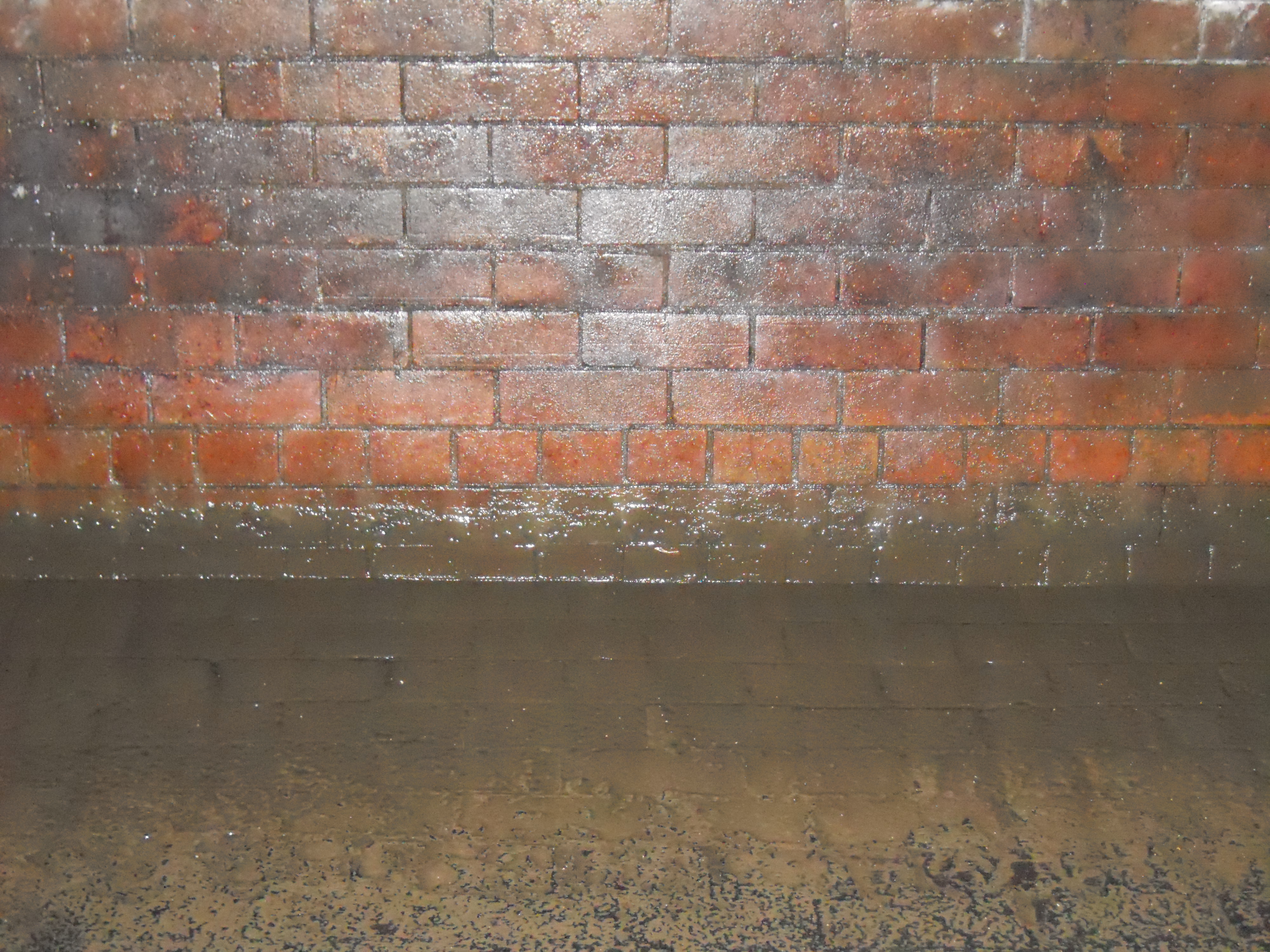
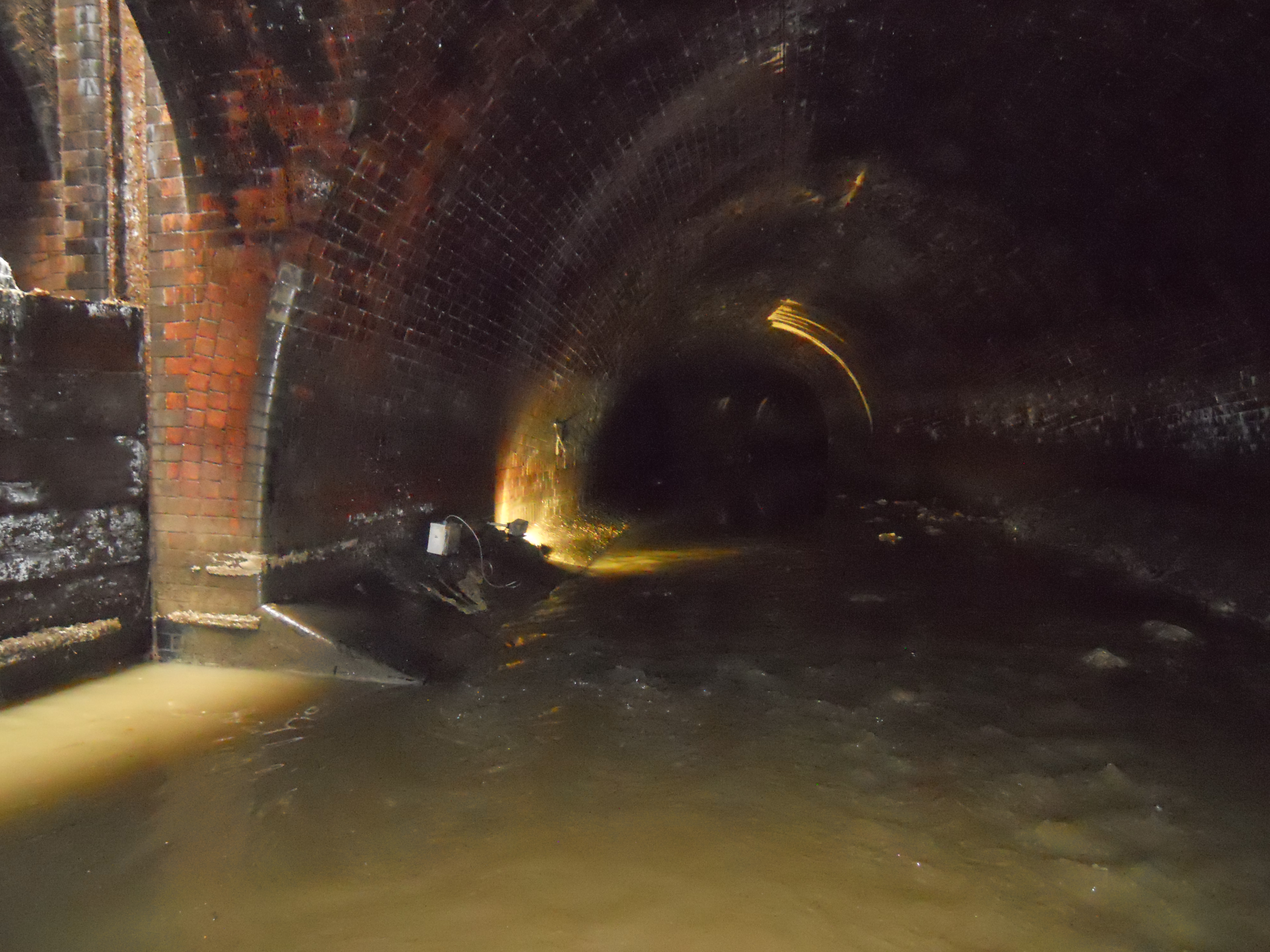
These pictures were not taken by me, as you can see I was rather protected again the effluent from half of London’s drains and toilets.
Note the quality of the brickwork, which is over a hundred years old, with some nearly fifty years older than that!
It should also be noted, that I was breathing a lot better in the sewer. I suppose there isn’t much pollen down there!
I also didn’t have any problems walking in the almost thigh high water. You have to feel your way with your feet, but then I was taught to do this in industrial environments that may be dangerous, by Health and Safety when I worked for ICI in the 1960s. The only problem I had was that when I first got down there it took a couple of minutes for my eyes to be able to see things properly.
But I survived it with ease and the only thing I couldn’t do was take the photos. The photos incidentally were taken by Daniel, who has his own blog called The Sewerman’s Log. It’s an excellent well-written insight into the day-to-day happenings in London’s sewers and what it is really like to work up-to-your-waist in things that polite society doesn’t talk about. This post is a good place to start in his blog, as it gives a good summary of the problems and also gives an insight into how Dan Snow was kitted up for his recent television series.

