The New Penguin Beach
I said in an earlier post that one exhibit was very crowded and that was the new Penguin Beach.
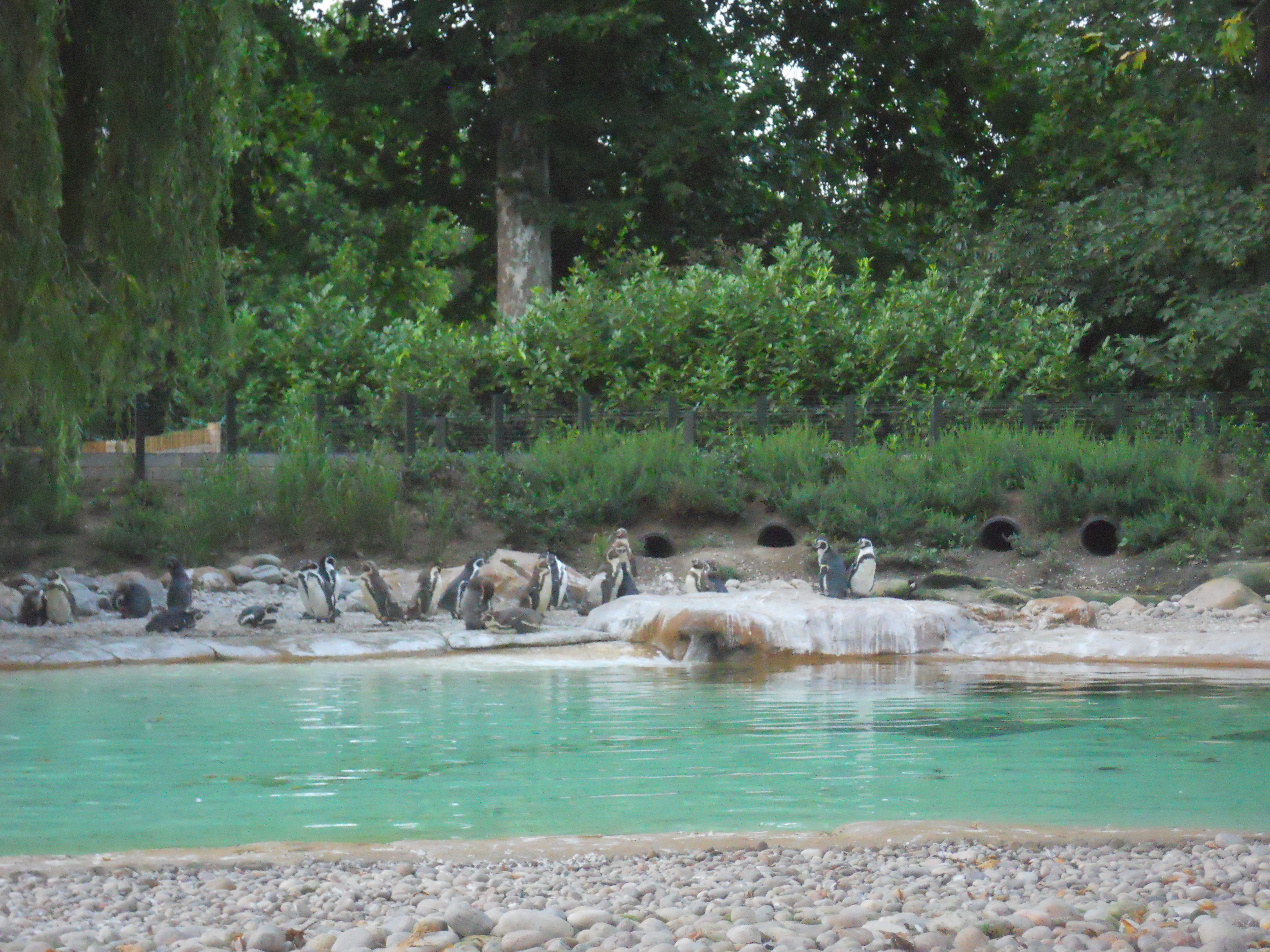
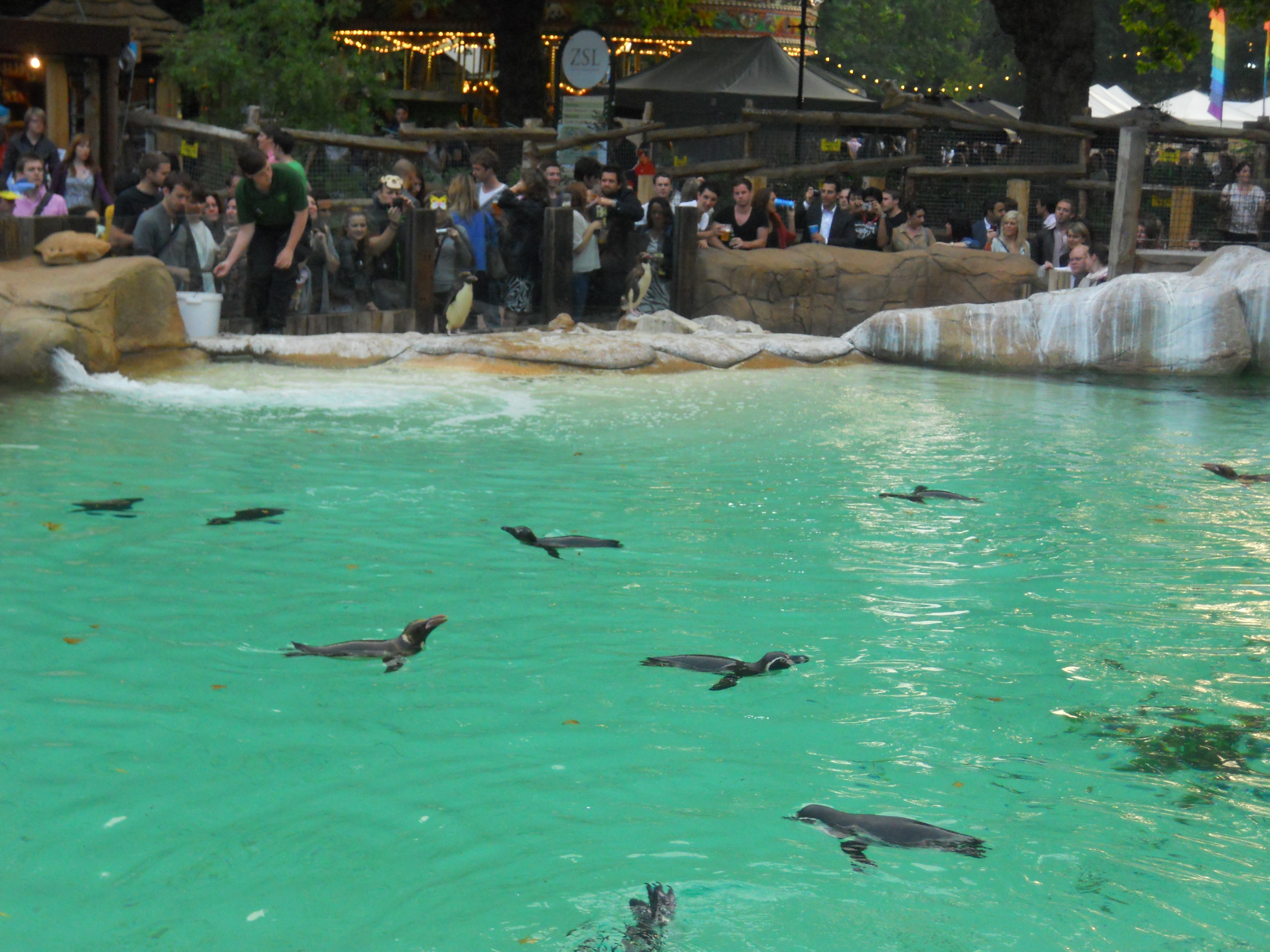
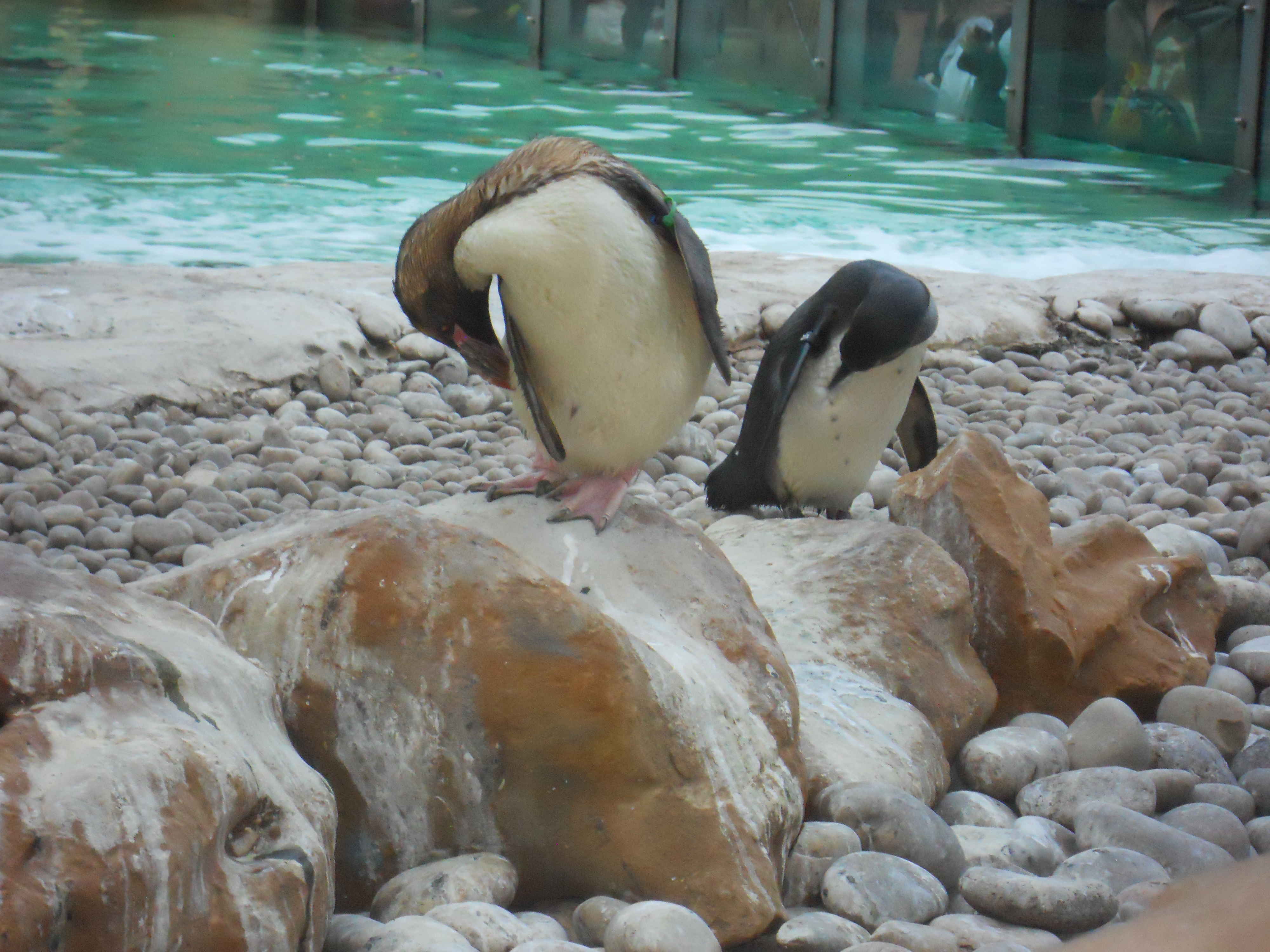


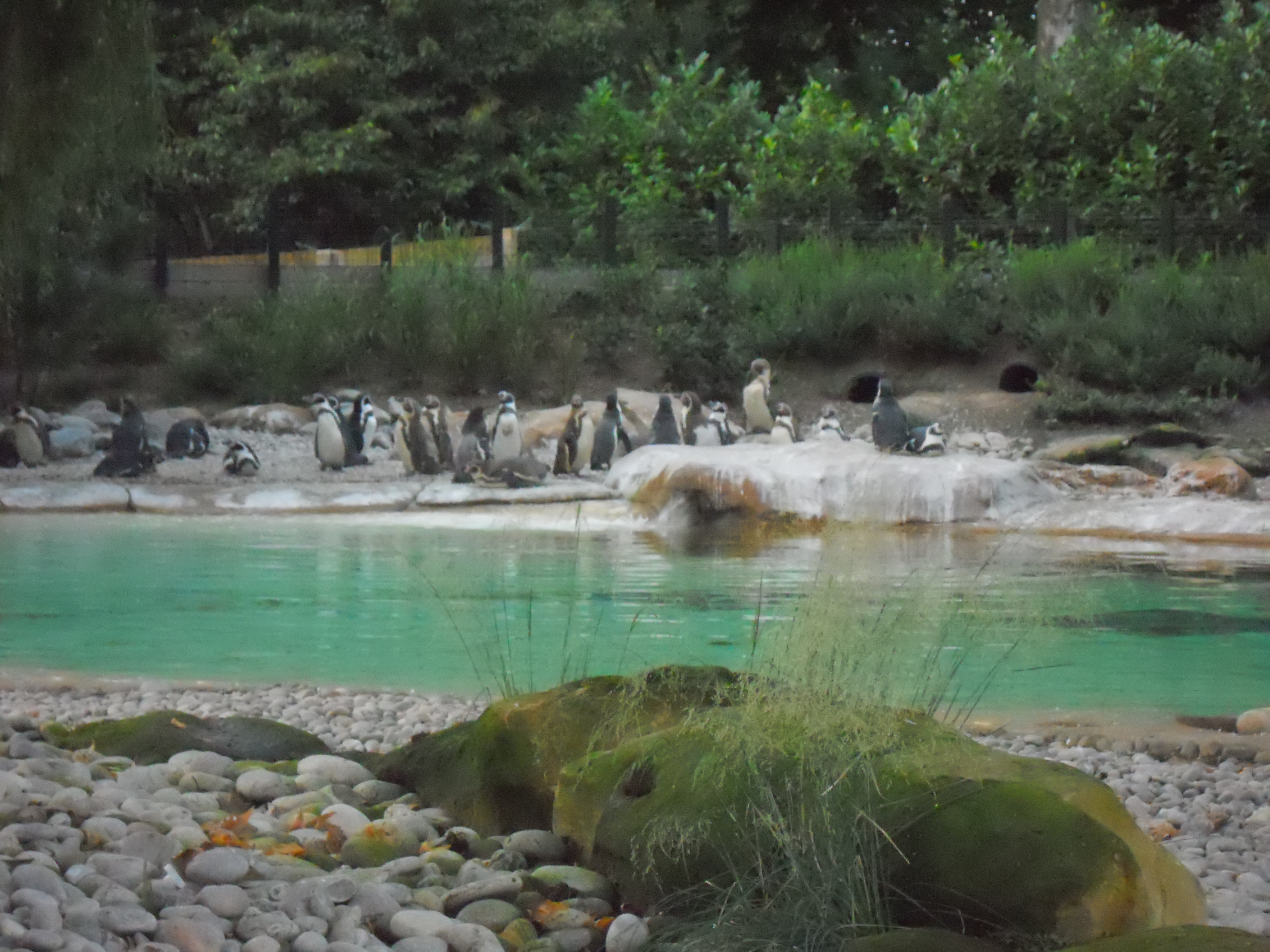
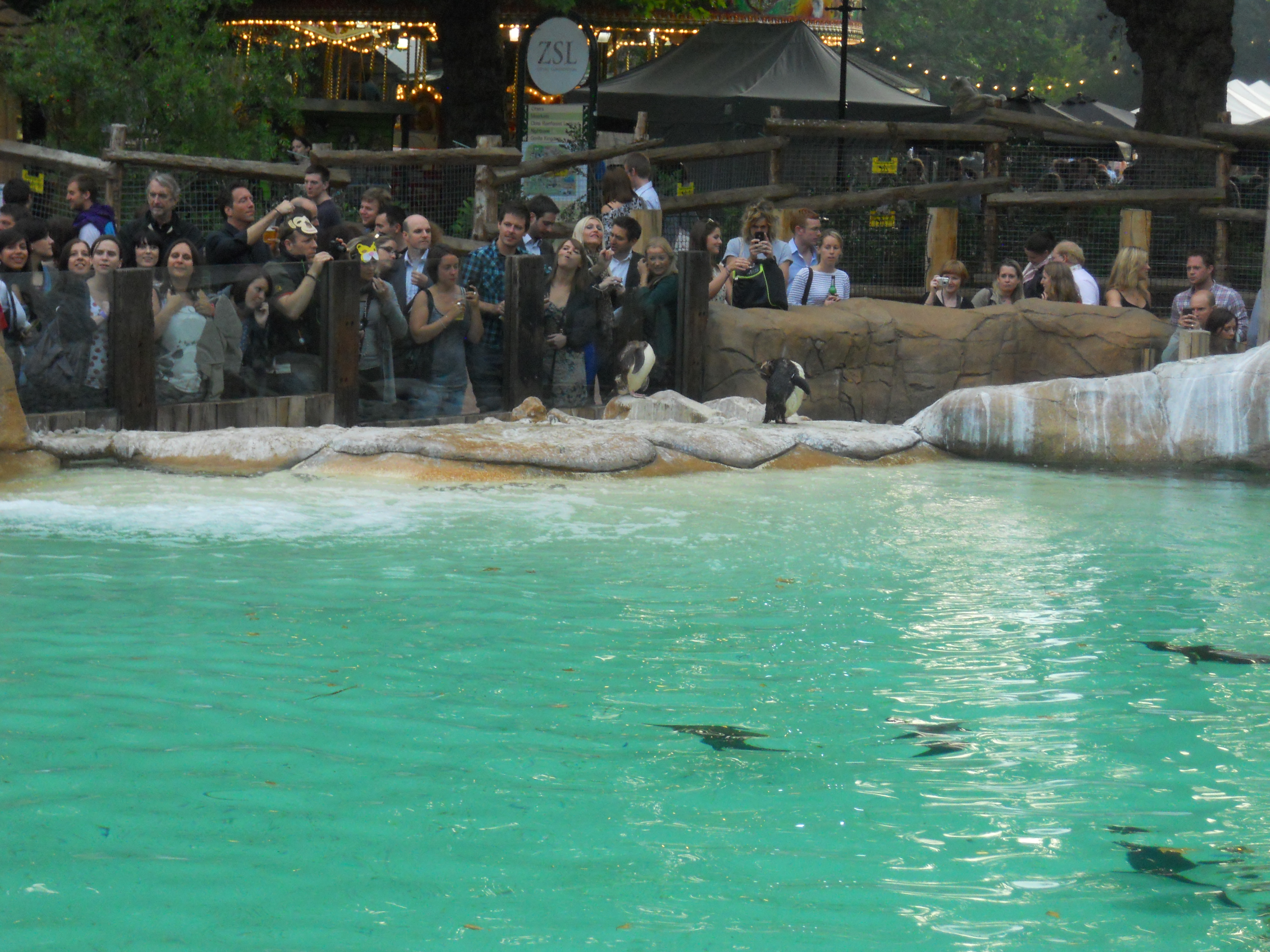
I chatted to a keeper for some time and she said that at the moment they have 67 penguins of four species on the beach. they are expecting this number to grow to about 200, mainly by breeding more in the centre of London.
The Architecture of London Zoo
London Zoo has a large collection of the capital’s finest buildings. There is a list here on their web site.
Many were designed by Decimus Burton in the nineteenth century and it a testament to his good design, that some of the original buildings like the Giraffe House, have been able to be brought up to modern welfare standards.
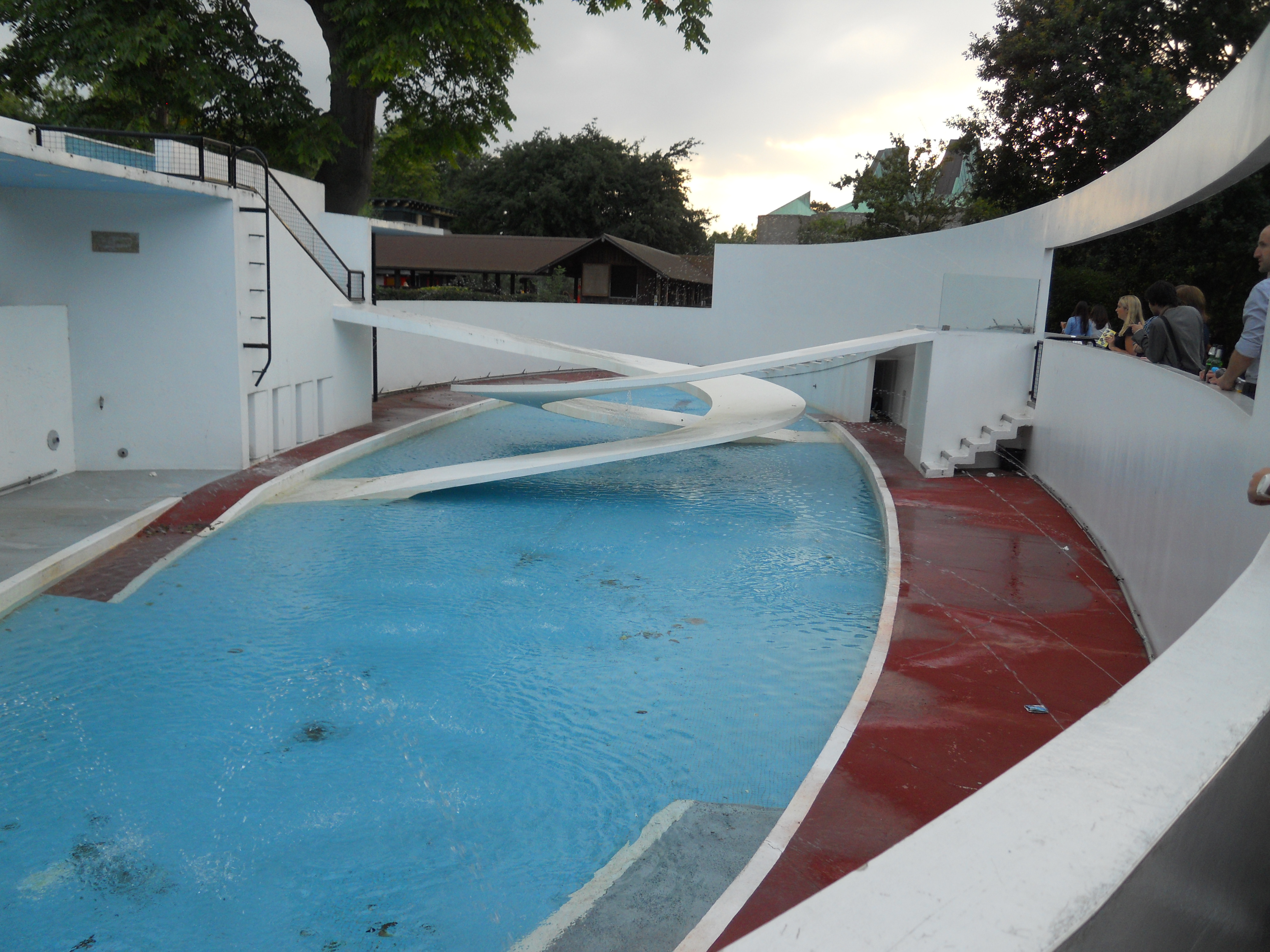
But some like the penguin pool designed in the 1930s by Berthold Lubetkin are never going to be suitable for animals again.
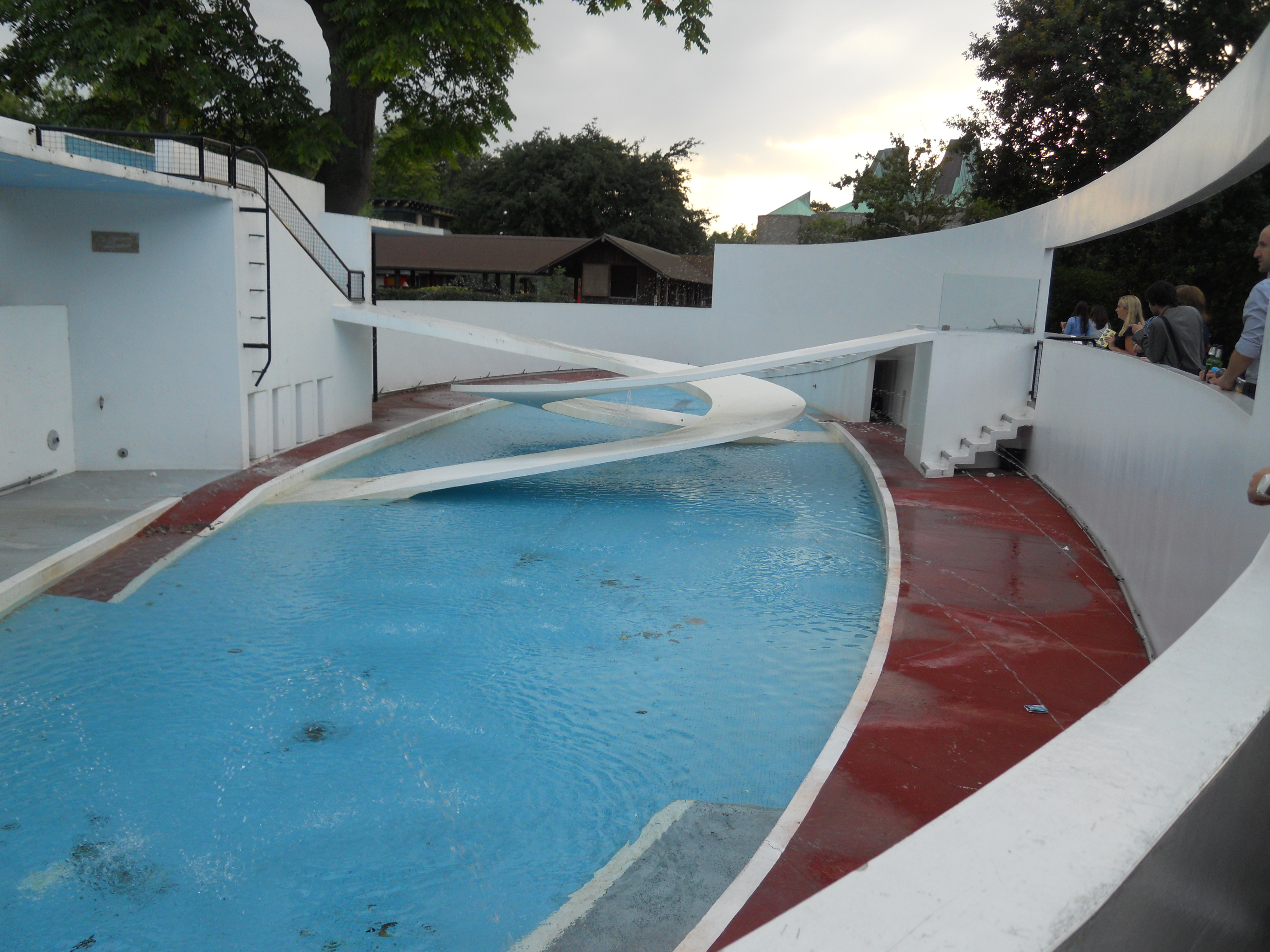
Penguin Pool, London Zoo
I would think it is a big problem for the Zoo as it takes up valuable space and because it is a Grade One Listed building, it can’t be knocked down or substantially modified. Someone said to me last night, that they can’t even modify the words Penguin Pool on the side.
As a child I always thought that the penguin pool was rather stark and that the only thing that gave it life was the penguins, who seemed rather lost in the place.
It’s all such a pity really.
I think if the penguin pool were a house designed by Lubetkin, one of two things would have happened; someone would have spent a fortune and made it into a very nice house or it would have just decayed to a pile of broken concrete.
All credit to the London Zoo for preserving it, but I suspect sometimes they wish a stray bomb from the Second World War had destroyed it. The Zoo asctually suffered quite a bit of damage, as this report tells. I like this piece, which was taken from The Times of the 15th November, 1940.
The Zoo in fact is a microcosm of London. Hitler’s bombs cause a certain amount of damage to it, and a considerable amount of inconvenience; but they have not destroyed the morale or the routine of its inhabitants, animal or human, and it continues to function with a very respectable degree of efficiency.
It may have been blatant propaganda to keep up Londoners morale, but perhaps it does explain why many Londoners look on their zoo with affection.
How To Do Food At An Event
If I’d wanted I could have pre-ordered a Gordon Ramsey-styled picnic box, but as I’m a coeliac, it didn’t say if they were gluten-free or not, so I opted to buy at the event. This is the chicken kebab I had, which was certified by the chef who was cooking it as gluten-free.
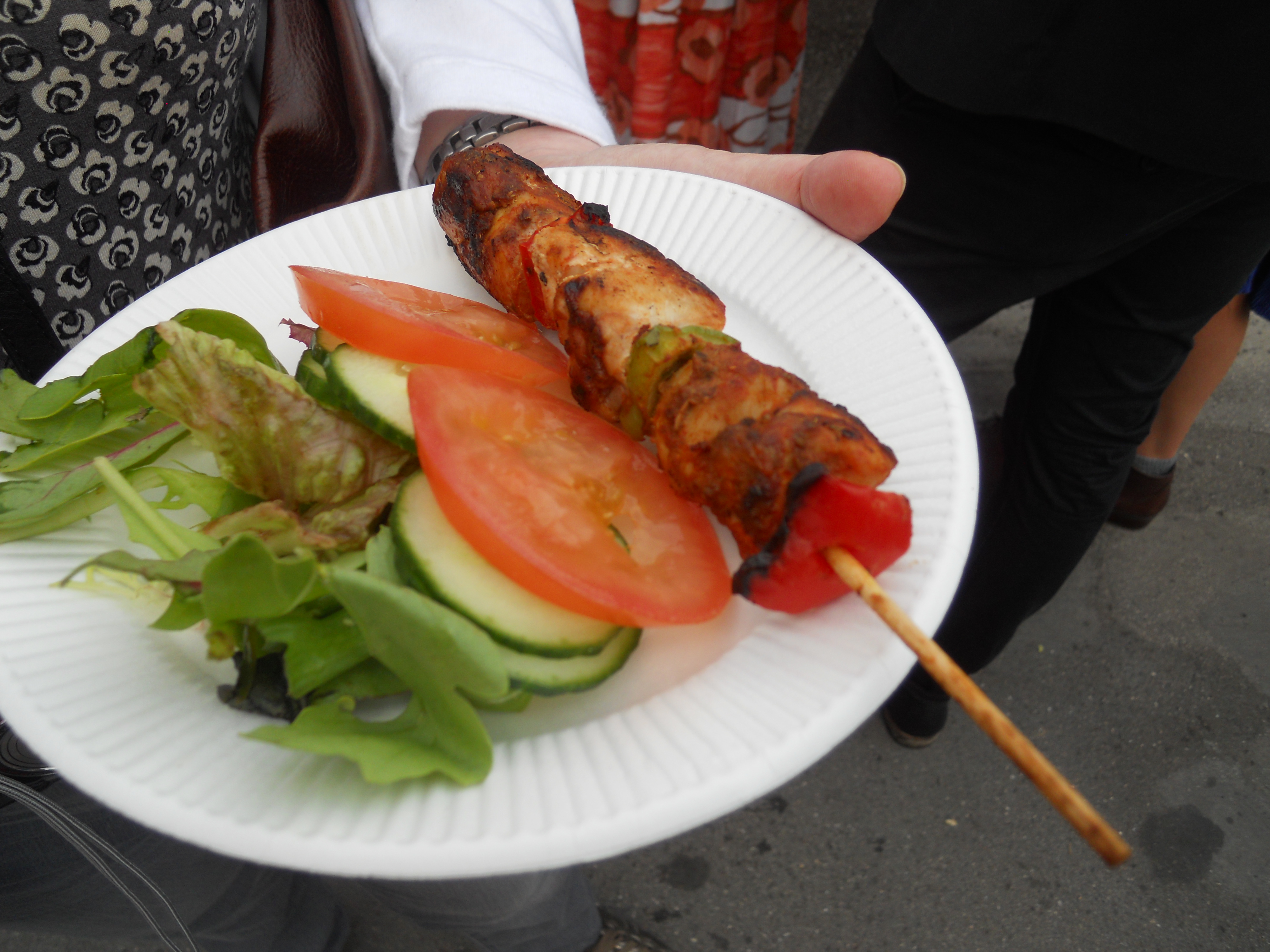
Gluten-Free Chicken Kebab at Zoo Lates
It was delicious and the salad was fresh and not of the limp variety you tend to get in many places. They also gave me a discount because I didn’t want the pitta bread.
But it was only one of many varieties of fast food and drink, including Aspall Cyder on offer. There was for example this Korean stall.

Korean Fast Food at Zoo Lates
And even this splendidly politically incorrect one.
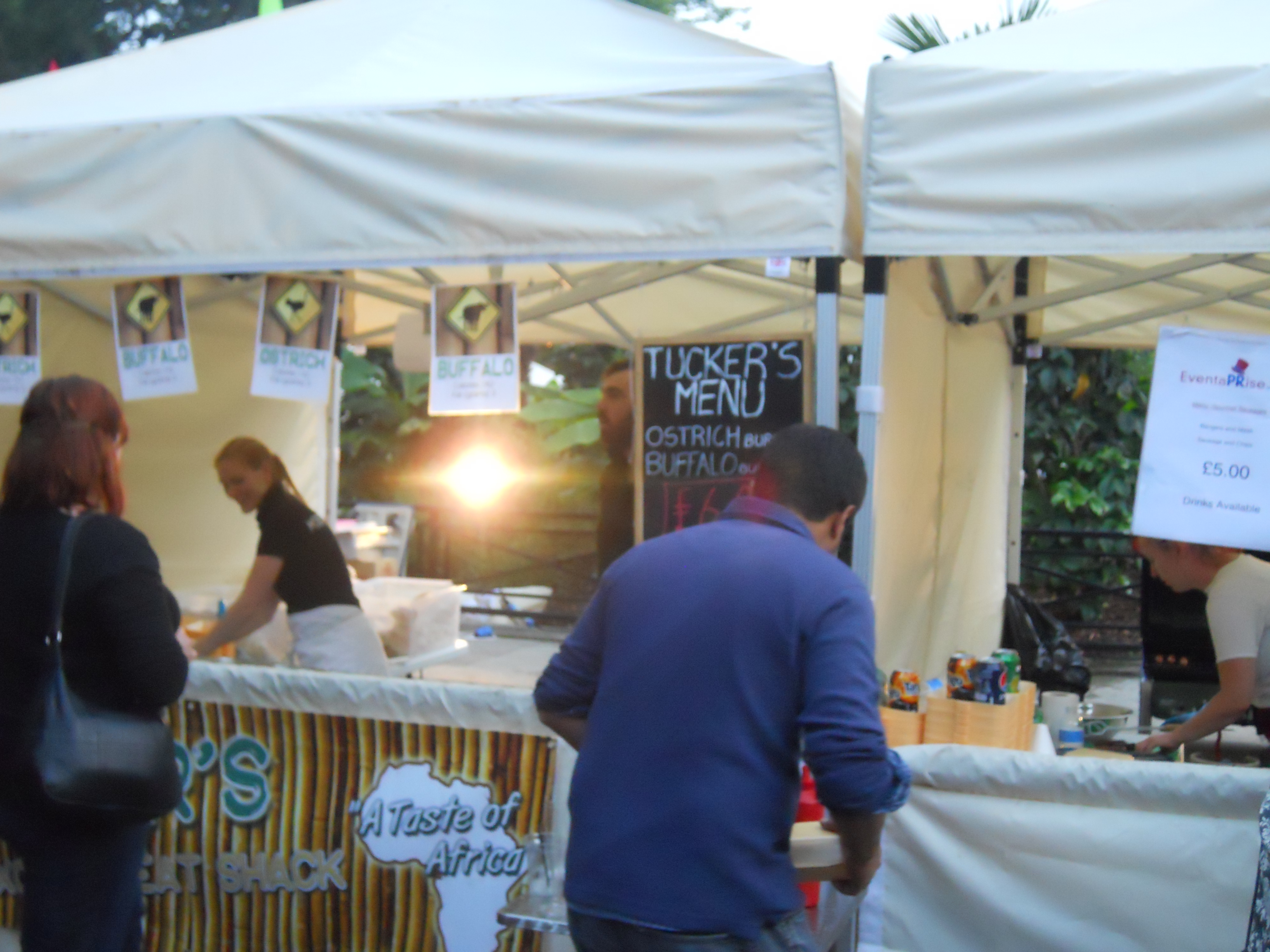
Buffalo and Ostrich at Zoo Lates
Sadly, there was no Cambodian for me. This is the only completely gluten-free cuisine in the world.
The food on offer did show how fast food should be done. You would have had to be very picky not to have found something you could have eaten.
Let’s hope the Olympics follow the lead set at the Zoo. But I bet they’ll produce the sort of stuff I can’t eat, like they do at Wembley Stadium.
The Snowdon Aviary
The Snowdon aviary is one of the Zoo’s historic buildings.
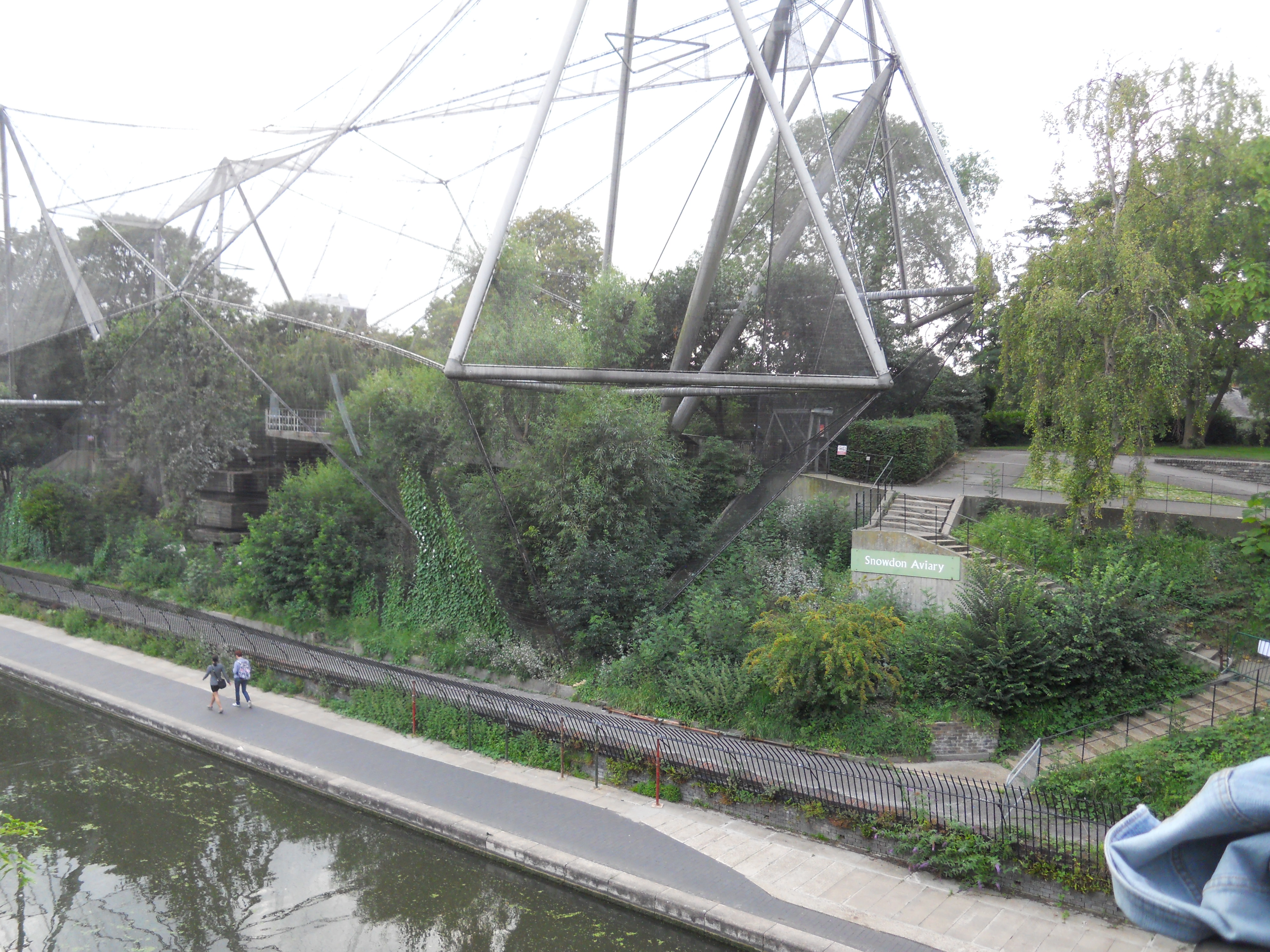
The Snowdon Aviary, London Zoo
When we used to live in St. John’s Wood and would walk up to the top of Primrose Hill, it dominated the view, just like some of the tall modern buildings do now.
The Snowdon Aviary is in my view, still one of London’s most impressive modern buildings. Interestingly, the structural engineer, who did the detailed design, Frank Newby, was a proposer of temporary buildings that could adapt with time. This web site says this about his work.
In the 1960s, Cedric Price had advocated buildings that could adapt and change according to circumstance; buildings that need not be permanent. It’s ironic, then, that one of the small number of his schemes that was realised should form part of the proud heritage of design and engineering dating back nearly two centuries that belongs to the Royal Zoological Society.
So the aviary was probably designed for a limited life. but then the Millennium Dome was to. The Dome has of course changed according to circumstance from a crap NuLabor vanity project into a world-class entertainment venue.
Both structures show that if you want to make something last, you take good design, add quality materials, build it well and then make sure it is looked after by an organisation that values it, like in the aviary’s case the Zoological Society of London does.
It’s a Zoo Jim, But Not As We Know It
I’m not really struck on zoos, as I much prefer to see animals in the wild. But last night I had a most unusual night out at London Zoo. It was one of their Zoo Lates.
Other than the usual attractions, there was a twisted cabaret, lots of good food, bands and you could talk to the keepers about the animals. There were no children, except for a few baby animals and it wasn’t crowded but for one totally acceptable exception. Even the queues for the toilets were within reason.
Here’s a few general pictures.
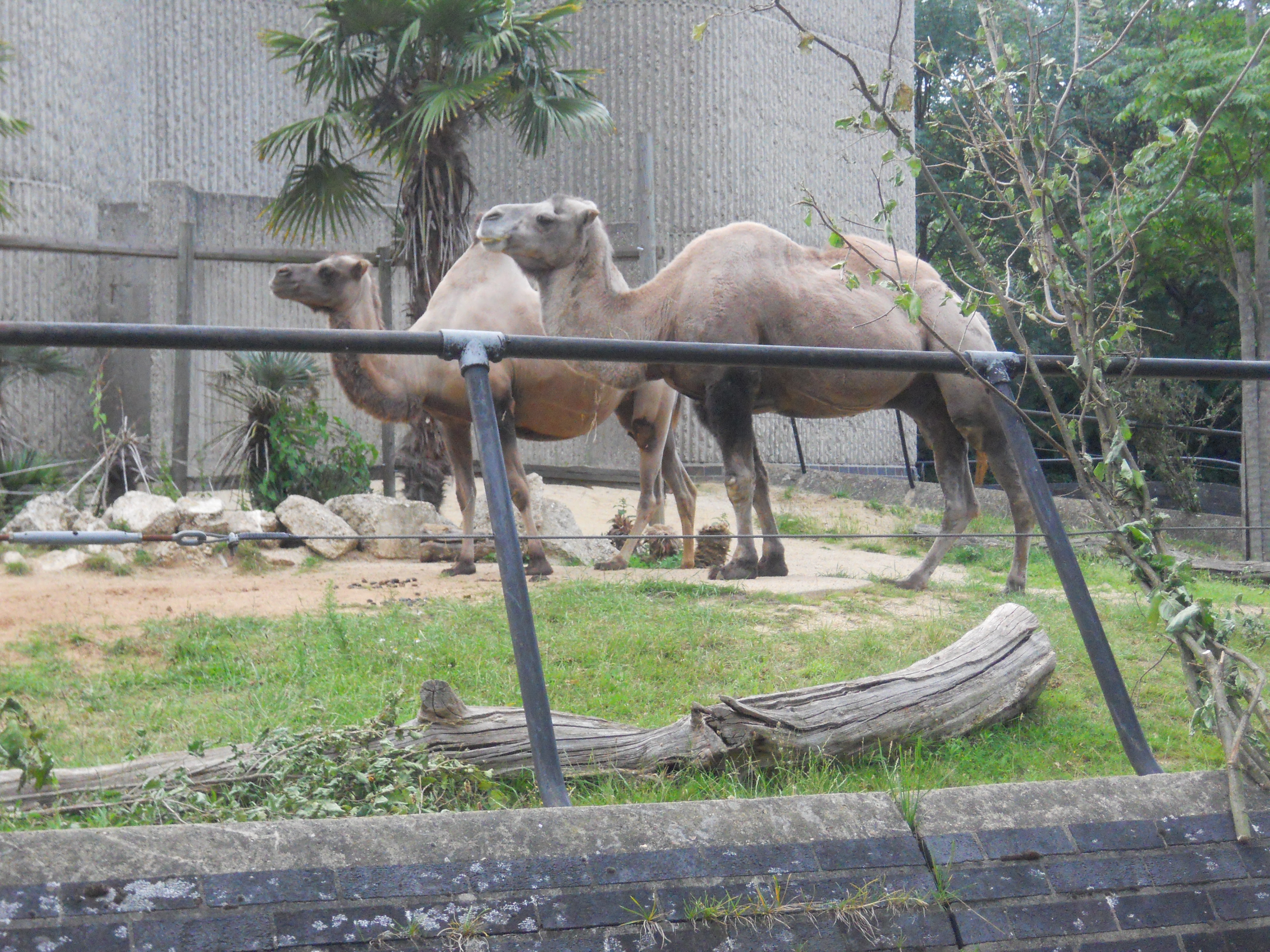
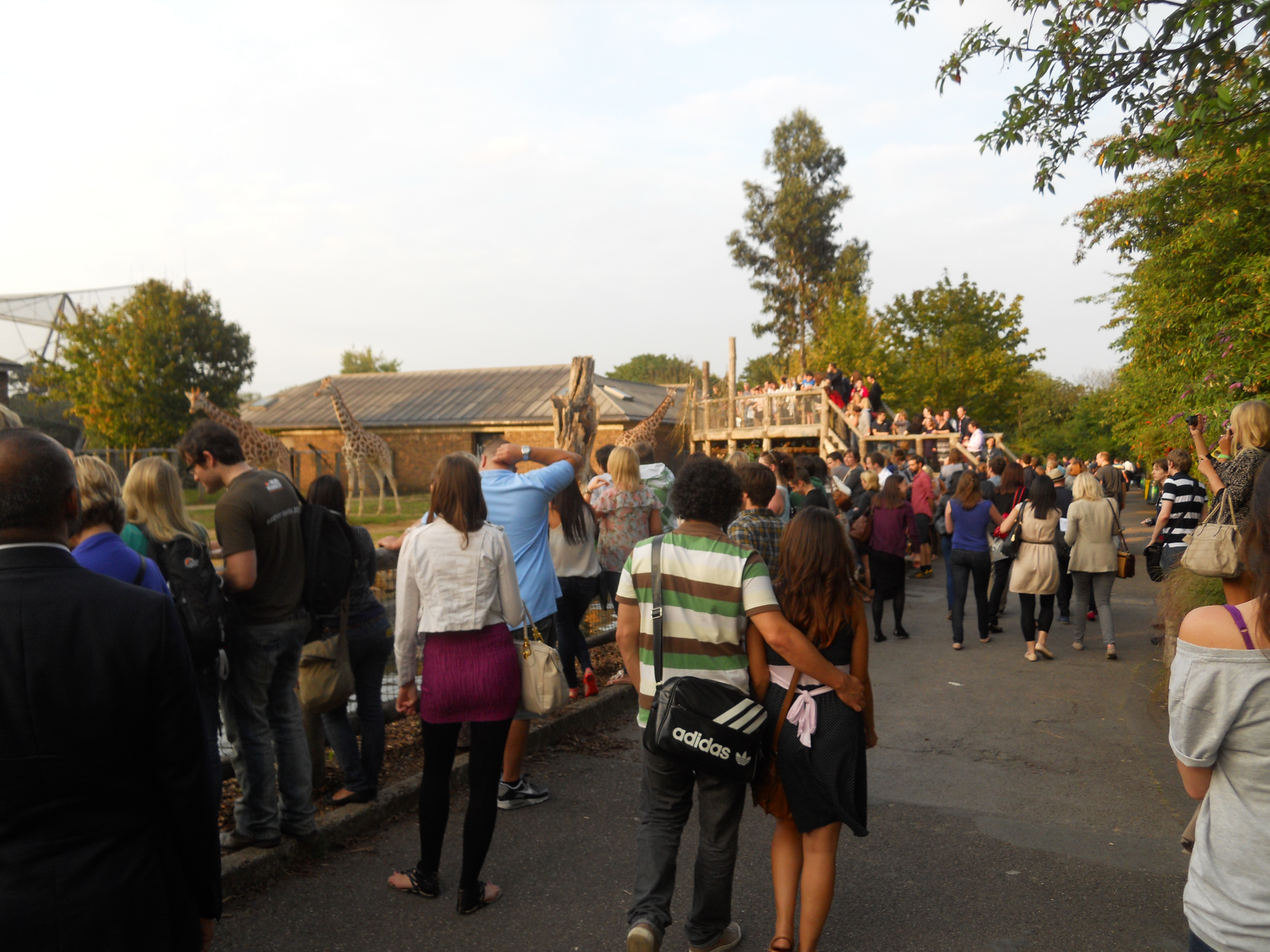
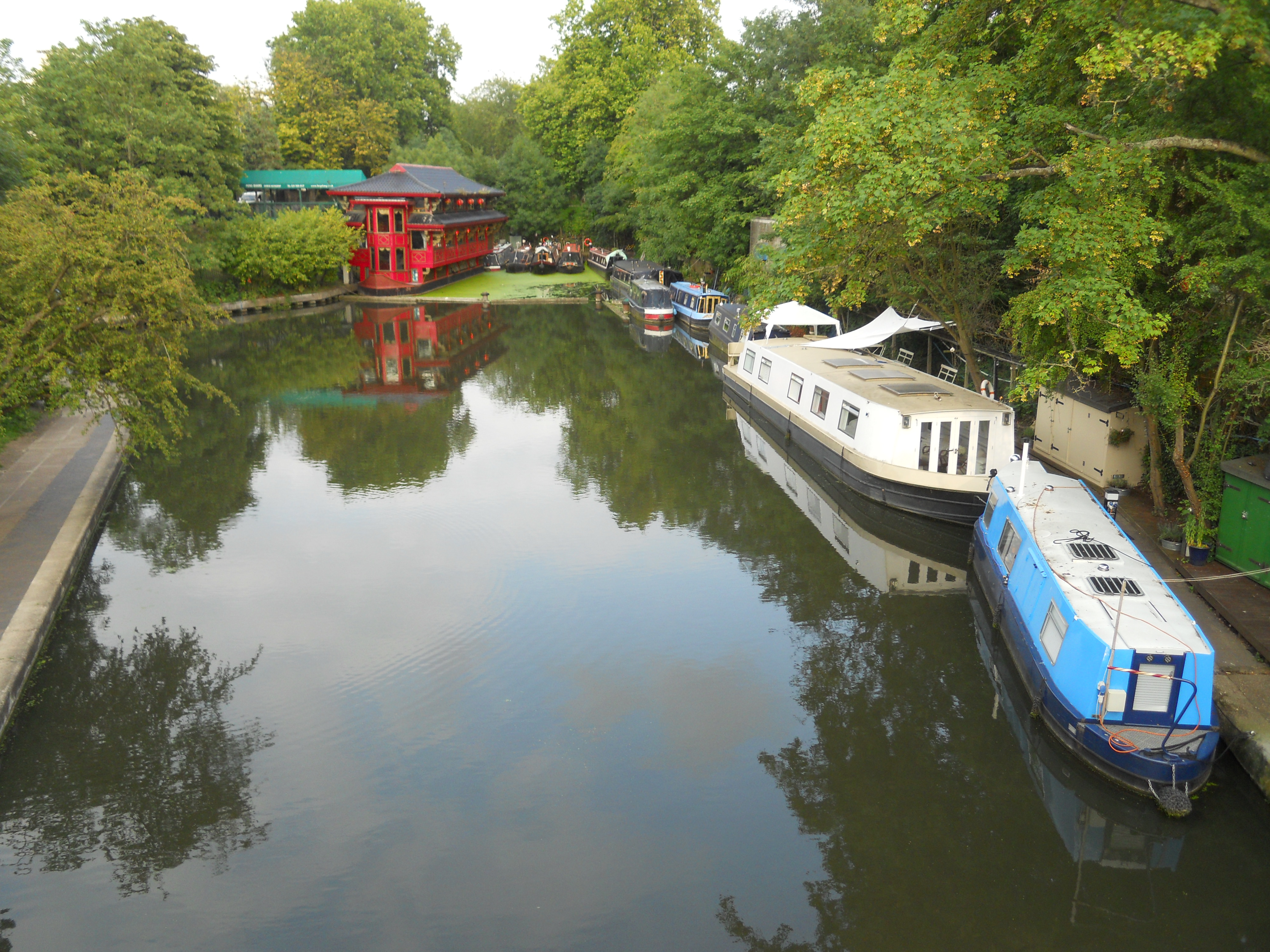
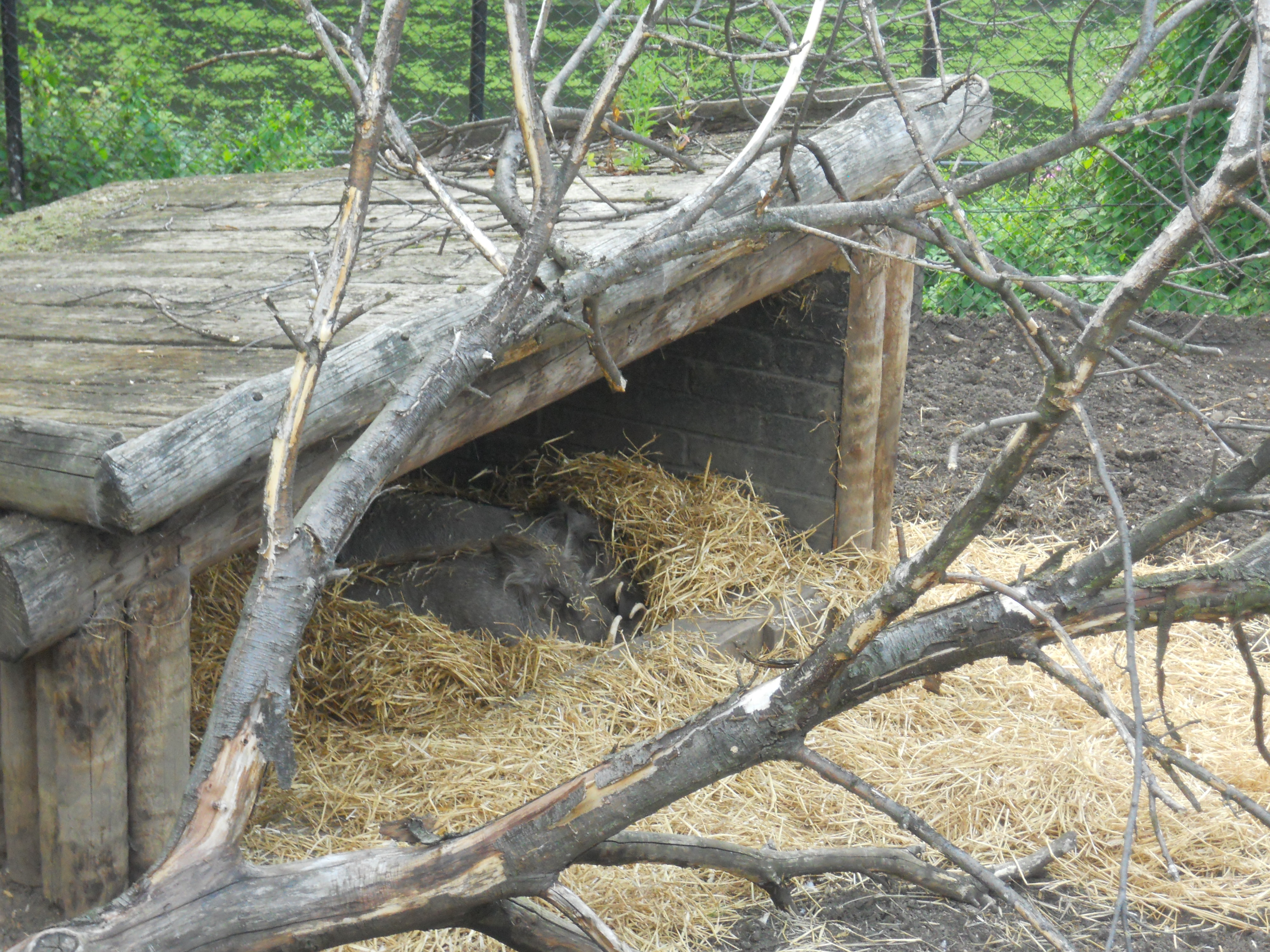



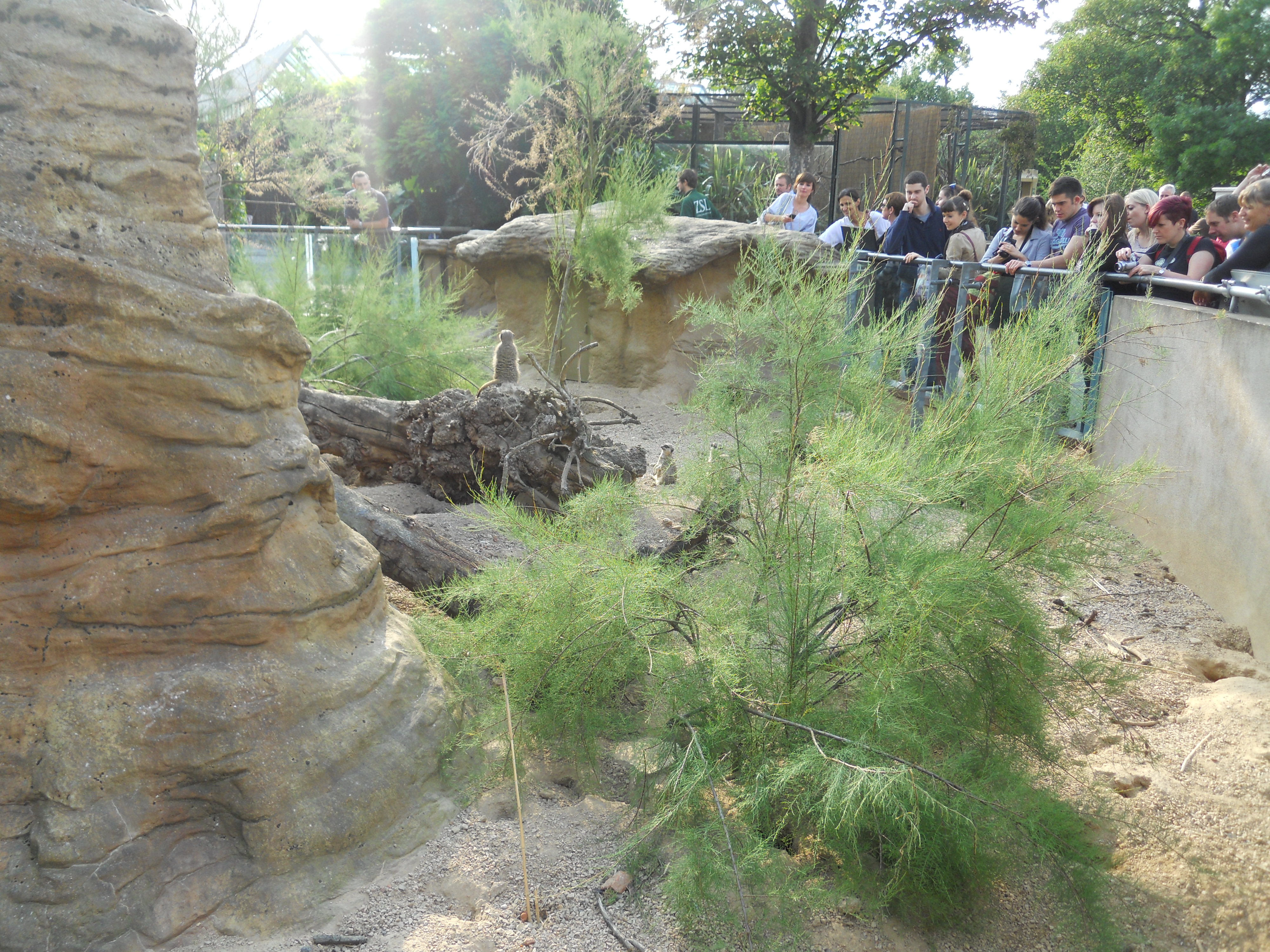
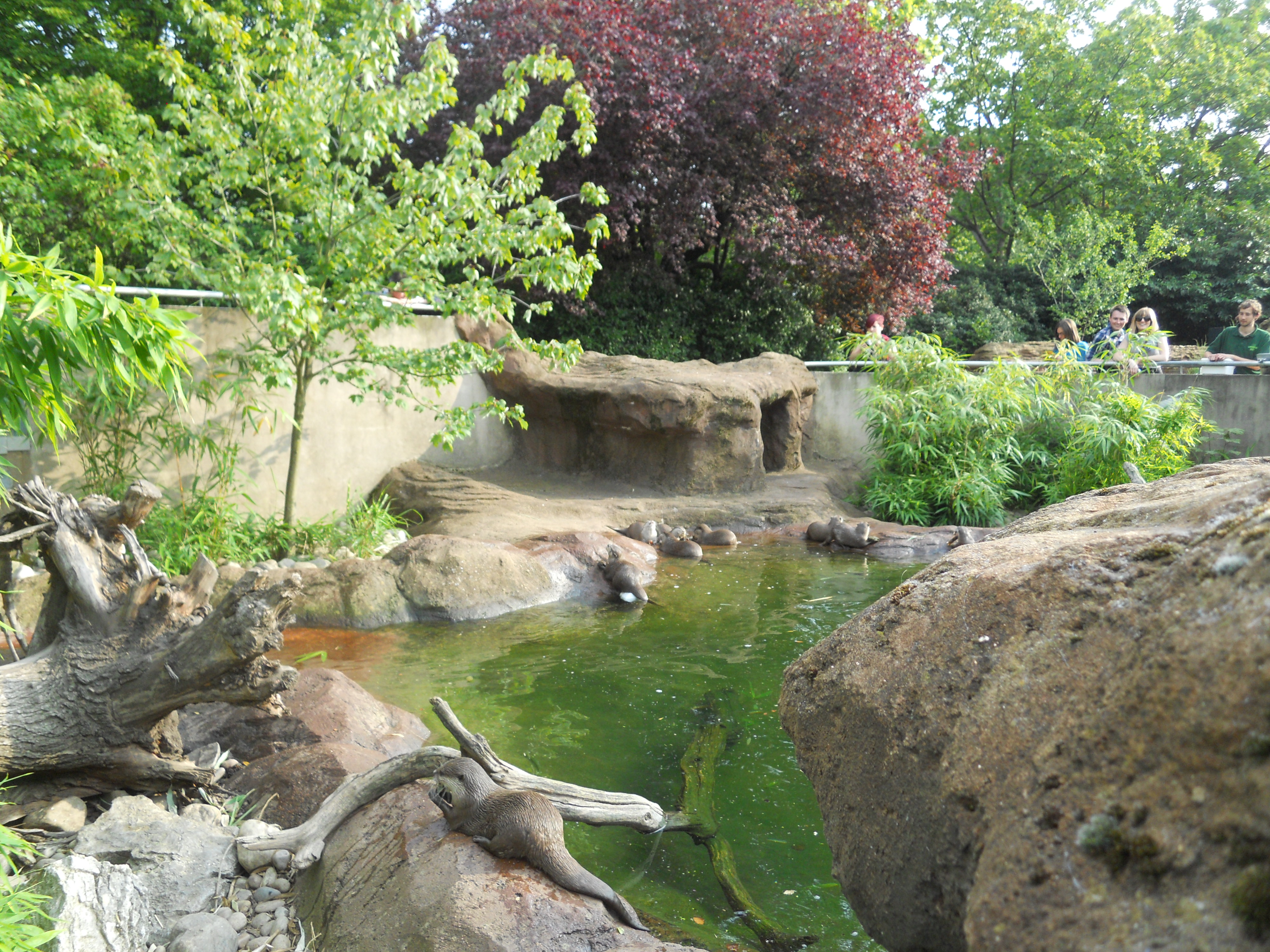
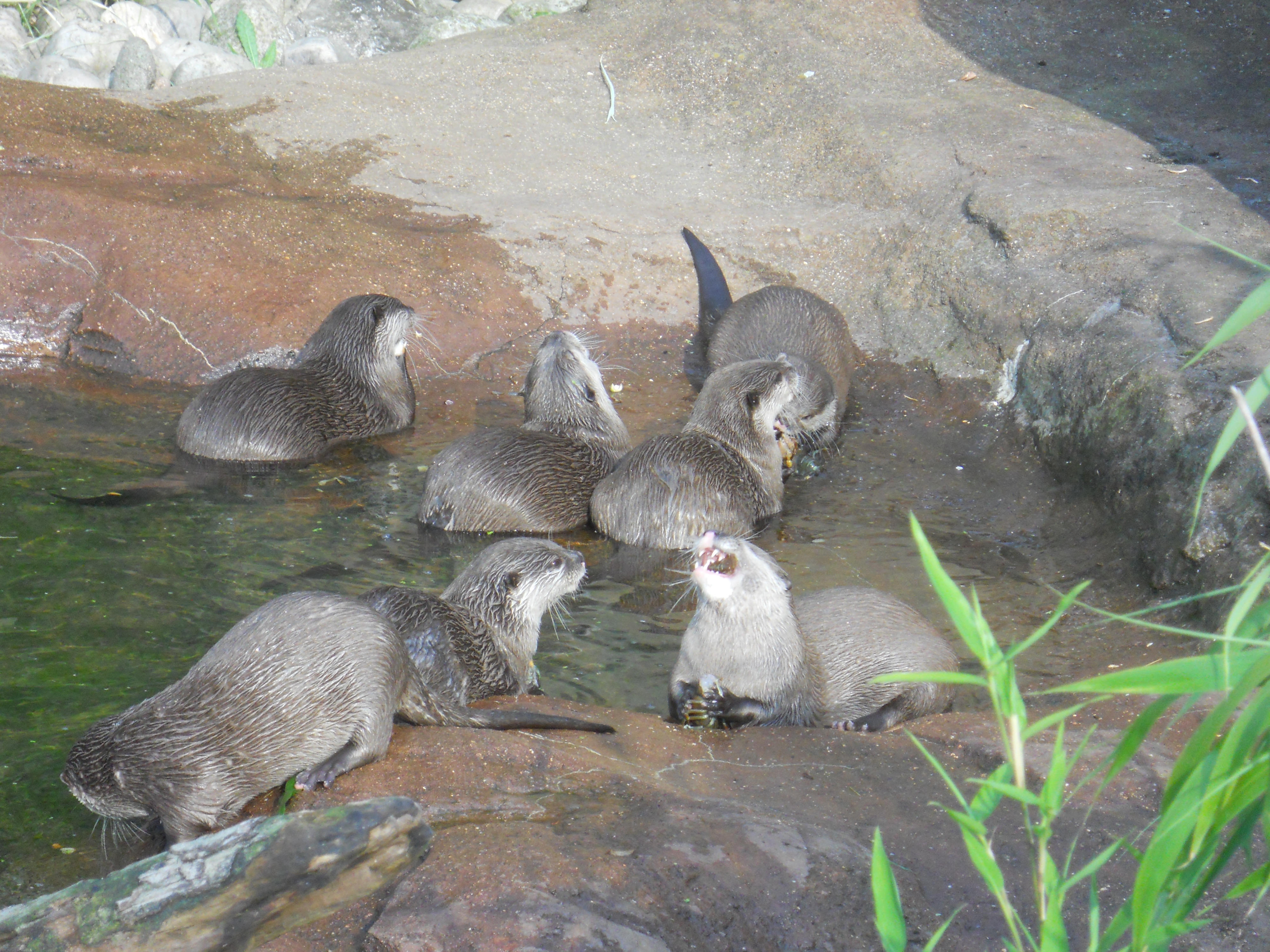
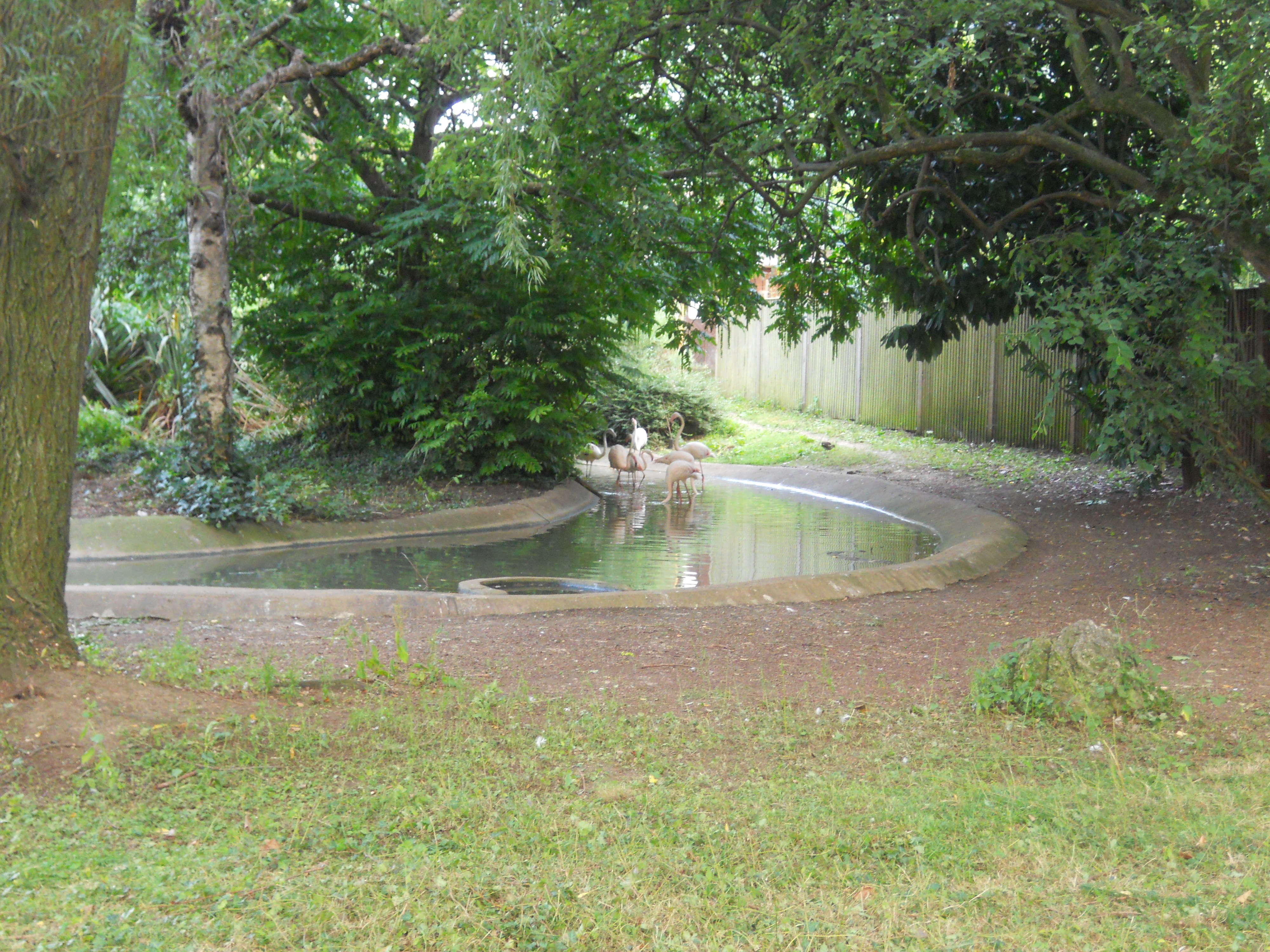
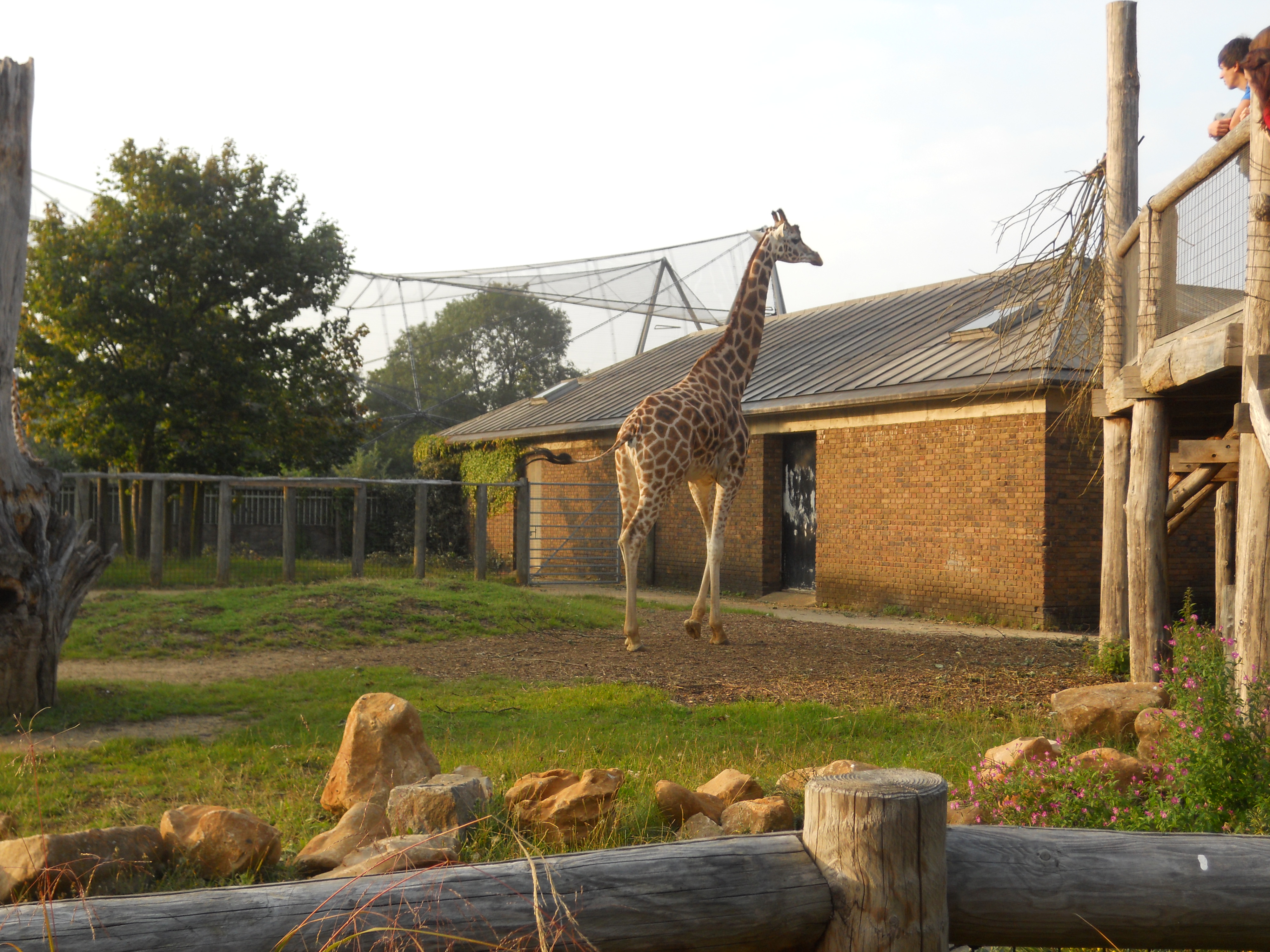
It was certainly a good night out. I shall go again.
Rainbow Cauliflowers
When I first heard this story I thought it was April 1st, 2012 and had been to sleep for a few months because of the hay fever.
But it’s true and it’s all down to clever traditional plant breeding rather than genetic engineering. But then we’ve been doing that for centuries.
The article also explains why carrots are orange.
Until the 17th century most carrots eaten Europe were white, yellow or purple. The orange pigment was added by Dutch plant breeders looking for a way to celebrate Holland’s royal family.
So blame the Dutch.
Sat Nav Racing
Surely this is another reason why they should be banned.
Although I’m waiting for a delivery, where the driver seems to have got lost between Wembley and my house.
Perhaps the sat-nav has so many features, he can’t work it!
Formula One Goes Partly to Sky
I’m actually not that bothered as I can get Sky on my cable. Especially, as they have said they are not going to have adverts during the racing. At least it didn’t go to ITV, who have so many adverts they can turn the best television into gibberrish.
My problem with Sky, is that I can’t get it over broadband, unless I sign up to their broadband.
I only want Sky Sports, so would be happy to pay on a pay-per-view basis over the Internet.
As to Virgin Cable, it’s crap, as the box is very unuser friendly and the channels are laid out illogically Since I’ve moved, I haven’t recorded anything at all, but I have watch a few programs through iPlayer on my computer.
NHS Waiting Times
There was a report yesterday that said that some NHS Trusts are imposing a minimum and maximum waiting time for some operations and treatment to save money.
If they are they, they are breaking the First Law of Scheduling, which is you maximise your efficiency by agreeing dates between both parties as soon as you can.
I first came across this, when I worked in the Research Department of ICI at Runcorn. We had a small workshop that would make equipment you needed. Everybody used to put a delivery date of ASAP on everything, even if they didn’t want it for a month or so. The outcome was that nothing got delivered in a reasonable time.
The situation couldn’t go on and the manager of the workshop decided that no work would be accepted without an agreed delivery date.
The outcome was harmony and everybody was happy. One interesting side effect of this method, was that when the workshop could see a high peak of future work, they would sub-contract some jobs to an external firm.
I must admit that I stole this technique when I wrote the task scheduler for Artemis, but of course this was a legitimate steal and it made the task scheduler very good.
Some NHS Trusts do use this agreeing of appointments method. Addenbrooke’s in Cambridge do and I’ve negotiated a suitable date and time on the phone several times.
I know too of a farmer, who needed a hip replacement and got the operation done at one of the quietest times in the farming year and a slack time for Ipswich Hospital.
Now most of us have e-mail or can use SMS, surely this negotiation can be an almost painless and automatic process.
It oviously won’t work for emergencies, but say you need something like a hip replacement, a mutually convenient date is best for all parties and in my view will probably add a few percentage points to hospital capacity.
How many NHS Trusts still manage appointments and waiting lists on a non-scientific basis.
 The Anonymous Widower