Shapps Supports Beeching Axe Reversals
The title of this post is the same as that of this article on Rail Magazine.
This is the introductory paragraph.
Secretary of State for Transport Grant Shapps says he supports the reopening of routes closed in the Beeching cuts of the 1960s.
In the article, which describes proceedings in the House of Commons, Grant Shapps, says he was very supportive of opening the Market Harborough Line.
I have now moved the rest of this article to a standalone article with a title of Reopening Milton Keynes And Market Harborough Via Northampton.
Around London Road Depot Of The Bakerloo Line
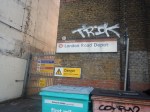
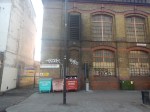
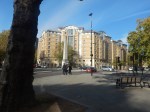
These pictures show the area around the London Road Depot of the Bakerloo Line.
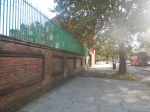
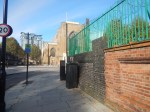

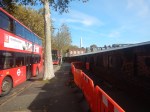


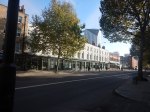


This Google Map shows the depot.
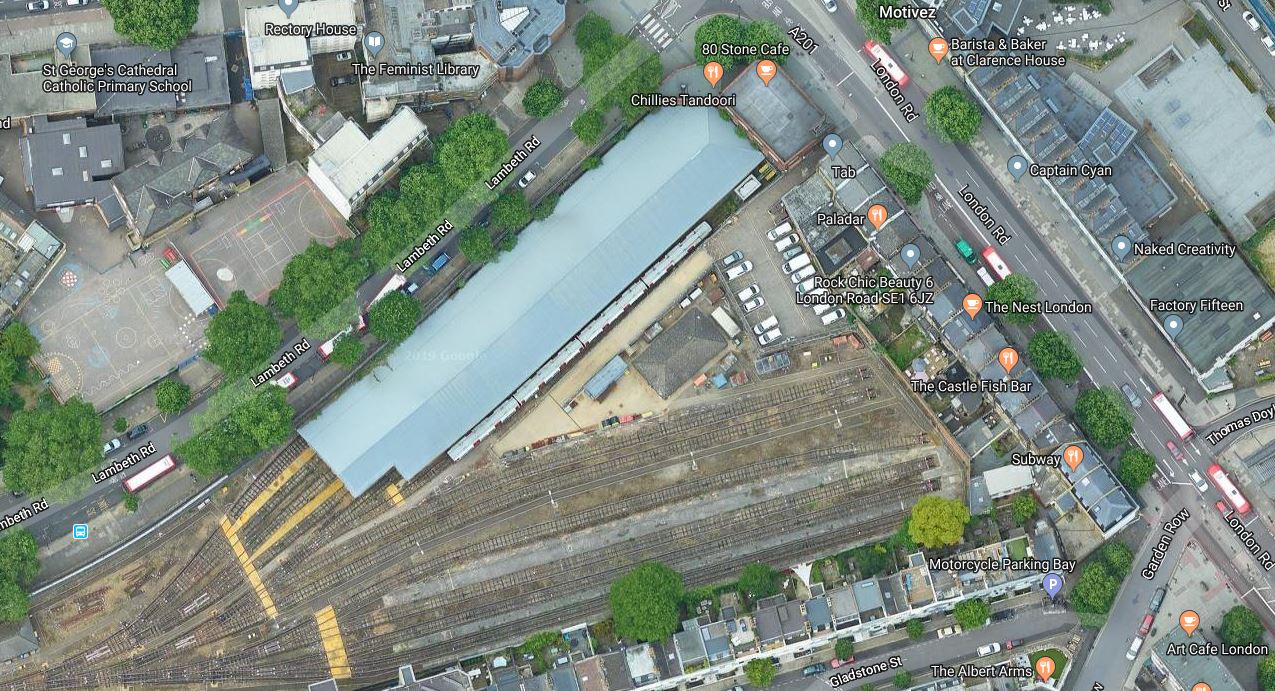
I walked along the road alongside the blue-roofed building from South-West to North-East.
As you can see from the pictures, some of the area has been developed and some is well past its rebuild date.
In TfL Moots Bakerloo Line To Hayes, I asked, whether this site would be worth developing.
After my quick walk around, I suspect that the answer could be in the affirmative.
In
Grenfell Tower Fire: ‘Systemic Failures’ In Fire Brigade’s Response
The title of this post is the same as that of this article on the BBC.
This is the introductory paragraph.
The London Fire Brigade (LFB) has been condemned for “serious shortcomings” and systemic failures in its response to the Grenfell Tower fire, in a report into the 2017 blaze.
I am particularly worried about the stay-put policy.
In the 1950s, I was a member of the Scouts and several times we did exercises with the London Fire Brigade, where we were taught how to get out of blazing buildings. We were also used as dummy causalities in major incident training.
Certainly, the advice then for a fire was to get out.
Around 1970, I worked on chemical plants for ICI and fire safety was taken very seriously.
I remember being told to know your escape route from where you were working. And get out fast, if anything happened. Not that it did!
One other thing I remember is on the Wilton site, seeing office windows with “Perspex Window – Fine Hazard” stencilled on them. The reason for this, was that a nearby polythene plant very occasionally caused spectacular aerial explosions and glass windows were just too dangerous, as when shattered, they covered those inside with shards of glass.
If you read the story of the Summerland Disaster in August 1973, which killed fifty people and injured eighty, Wikipedia says this about the building.
The street frontage and part of the roof was clad in Oroglas, a transparent acrylic glass sheeting.
Oroglas is a poly(methyl methacrylate) and is another tradename for the same plastic, which ICI called Perspex.
I’d left ICI, by the time of the Summerland Disaster, but I was still in contact with friends, who worked in Plastics Division, who were responsible for Perspex. One was very critical of the use of Oroglas in the building. I was also told that ICI turned down Summerland order, as they thought it was not a suitable application, as Perspex was too flammable.
I should also say, that I have lived in a tower block with my family.
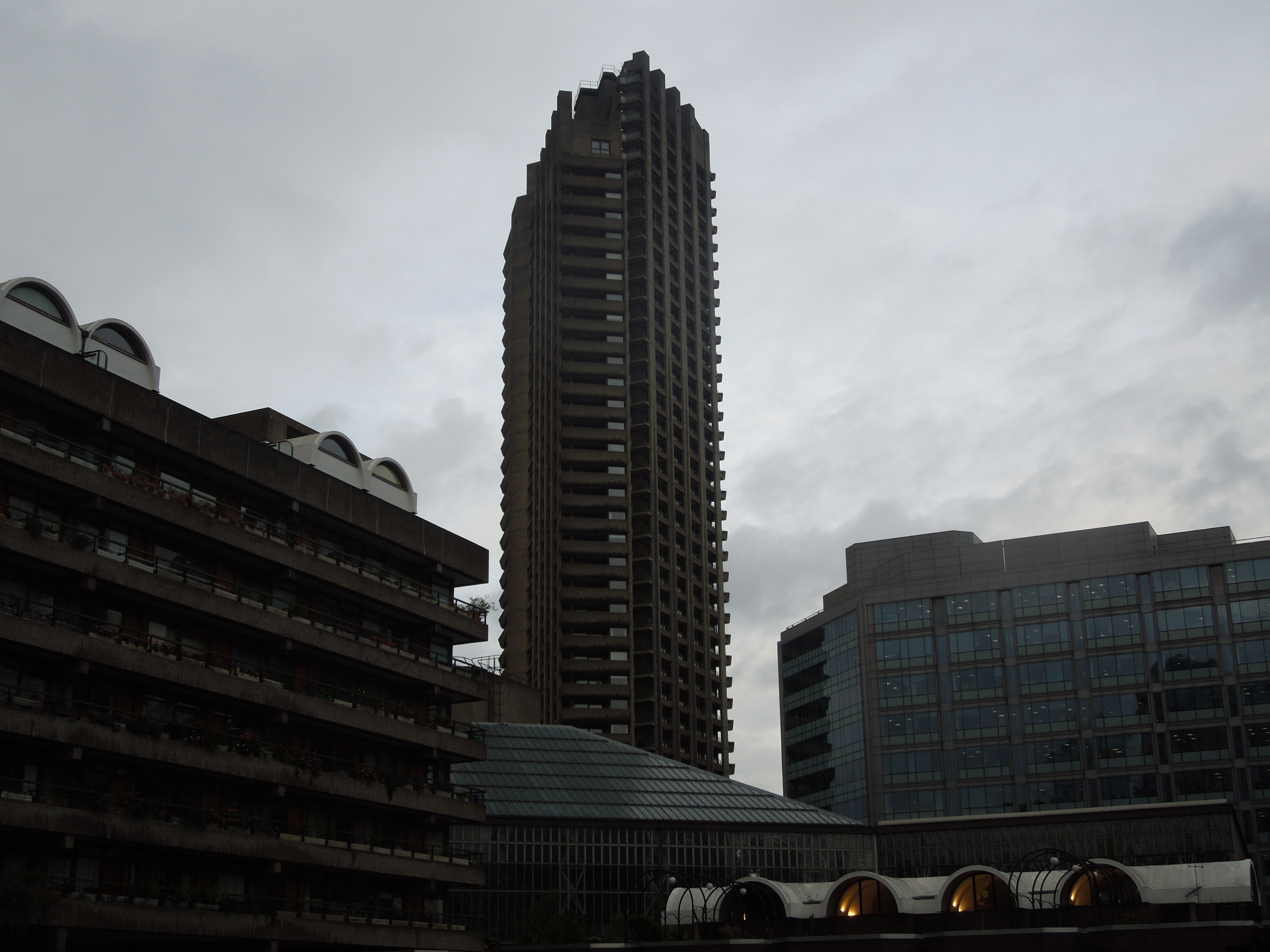
From my knowledge, I would not have lived in a building with flammable cladding.
Cromwell Tower in the Barbican is clad in concrete, with a network of tunnels going a couple of floors down from each flat on the thirty-five floors. I can remember checking the fire escapes before I signed the lease.
It also has no gas supply, with underfloor electric heating.
After the Grenfell Tower fire, I feel that architects and lawmakers have completely ignored the lessons of history!
Conclusion
There is a need to make sure that we take on board all the lessons of Grenfell, so that the chance of another disaster are minimised.
 The Anonymous Widower