Northumberland Park Station – June 12th 2018
The new Northumberland Park station is coming on and has allowed the temporary footbridge to go somewhere else!
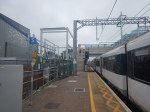
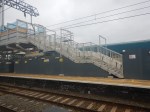
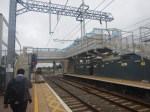
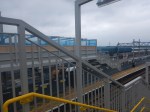
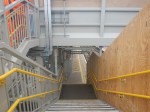
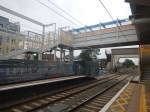
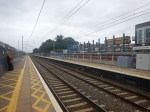
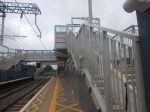
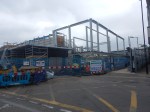
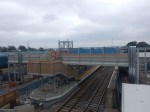
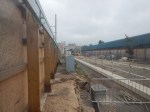
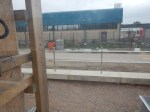
The level crossing will not be reinstated and I was wondering how pedestrians and others will cross the railway. There is still an old bridge on the other side to the station, but it doesn’t look to be in the best condition.
I then saw the two staircases in the new station.
So will there be two separate routes across the railway in one bridge?
This image from Network Rail, shows the station from the Eastern side.
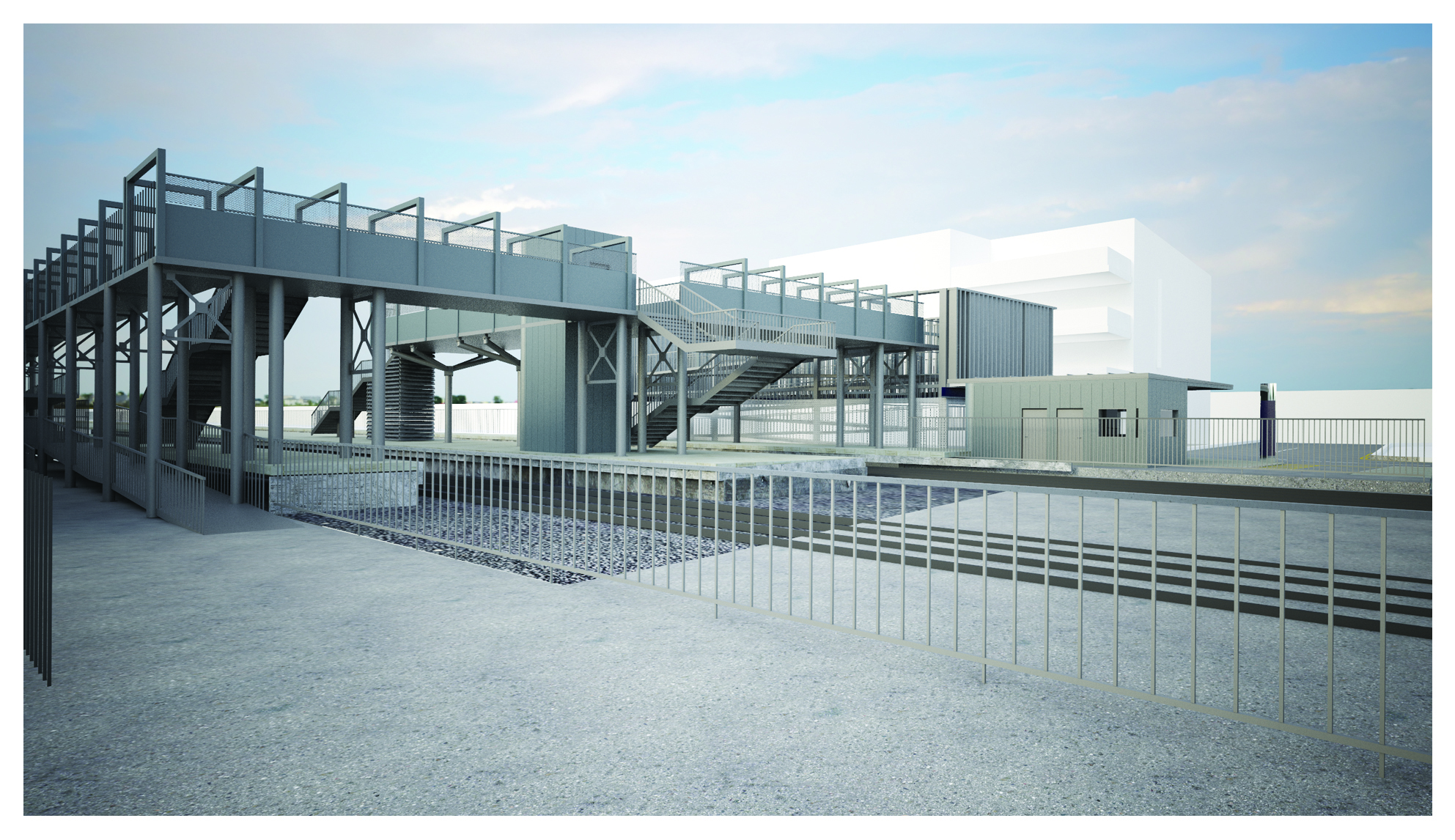
There appears to be the following.
- Two bridge sections, with the one on the far side connected to the low station buildings.
- Two sets of stairs and a lift giving access from the bridge to the current Platform 1 and new platform behind it, that will become an island platform.
- Two tracks this side of the island platform.
- With the two tracks on the other side of the island platform, this means the station will be ready for four-tracking of the West Anglia Main Line.
- A set of steps leading down from the near rend of the footbridge, this side of the extra tracks.
I have wondered for some time, when the West Anglia main Line is four-tracked and/or Crossrail 2 is built, which pair of tracks will be the fast lines.
In the interim it is obvious, that the third rack, which will run between Meridian Water and Lea #bridge stations, will run on the near side of the island platform.
My only question is will it only handle trains towards Stratford or will the line be bi-directional?
But when the line is fully four-tracked, I think that the lines from West to East will be as follows.
- Northbound Slow (Current Platform 2) – Local trains and Crossrail 2
- Southbound Slow (Current Platform 1) – Local trains and Crossrail 2
- Northbound Fast – Stansted and Cambridge services
- Southbound Fast – Stansted and Cambridge services
I have put the slow lines on the West, as these are the platforms with the best access and few if any, fast services will stop in the station.
Crossrail 2 could of course change everything.
But I suspect that Northumberland Park station is being rebuilt, so that it will work with the most likely arrangement of tracks.
Hackney Wick Station Opens
Hackney Wick station is now almost fully rebuilt and the new facilities are open to passengers




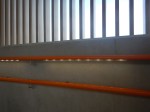
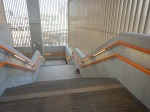
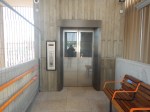

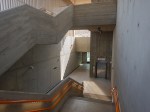
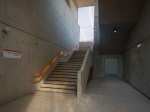

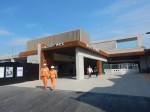


It is a design, that draws heavily on brutalist architecture, but the general feeling is that people seem to like the station.
The station is simple in layout, with a double subway through the embankment, which was built alongside and inserted at Easter 2017, as I wrote about in A Tough Way To Spend Easter.
- One side of the subway is reserved for ticketed passengers and the other when it opens will be a new route under the railway.
- Access to the platforms on top of the embankment is by well-designed high capacity staircases and two lifts.
- The staircases have similar hand-rails with built-in LED lighting, as I saw yesterday at Abbey Wood station.
- The station does not have ticket gates and relies on passengers to just touch in, as at several stations on the London Overground.
- But then the station will be used for large sporting events at the Olympic Stadium.
- It also has wider platforms than it used, to accommodate large numbers of passengers.
There is still some work to do, like adding the signage and opening the subway for those not using the railway.
I only met one person, who didn’t like the station. He struck me as an artistic type and said the money should have been spent on other things.
But Hackney Wick needed a new high-capacity station and a high-capacity walking route under the railway.
- It is the nearest station to the Olympic stadium.
- There is a large amount of housing development in the area.
Currently, the station handles two million passengers a year and this will surely rise.
A Comparison With The New White Hart Lane Station
Various sources say that the rebuilding of Hackney Wick station will cost £25million.
White Hart Lane station is also being rebuilt in conjunction with Tottenham Hotspur’s new ground and redevelopment of the area.
This also needs to give access to a high railway line, which is on a brick viaduct, that can be incorporated into the structure, rather than replaced, as at Hackney Wick.
According to this article in Construction Enquirer, the budget is £18million.
Modern step-free stations to handle two million passengers per year, don’t come cheap!
On the other hand, once built most stations last for at least a hundred years.
White Hart Lane opened in 1872, whereas Hackney Wick opened in 1980.
So it looks like the Victorians did a longer lasting job, than British Rail!
Around Antwerp Station
I took these pictures of the magnificent Antwerp station in the evening light.
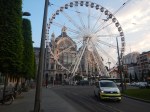

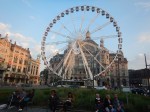
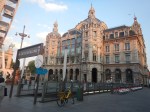




I certainly haven’t seen a better station in Belgium.
West Hampstead Station – 12th May 2018
West Hampstead station is being rebuilt with a new entrance and a step-free footbridge.

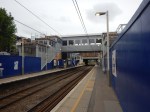
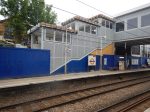
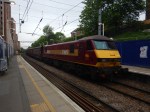

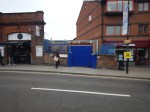


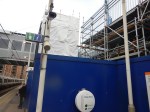

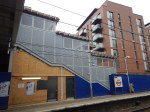

The new station would appear to be able to handle more passengers.
This image on the BPR Architect’s web site, shows how it will look, when it opens.
The new station would appear to be able to handle more passengers.
It’s strikes me, that the design is almost a modern application of the rules, that created London Underground’s distinctive stations of the 1930s.
One of the routes I took to and from Minchenden School, involved two of the Piccadilly Line‘s iconic stations; Oakwood and Southgate. Both were designed by Charles Holden and are Grade II* listed buildings.
Those stations were and still are all about space, brickwork, glass, imaginative use of metal and clean lines, often with integrated retail units.
West Hampstead station appears similar, but the retail is more surrounding, than integrated.
Modern fabrication techniques with metal and plastics, also give the architects and designers more freedom.
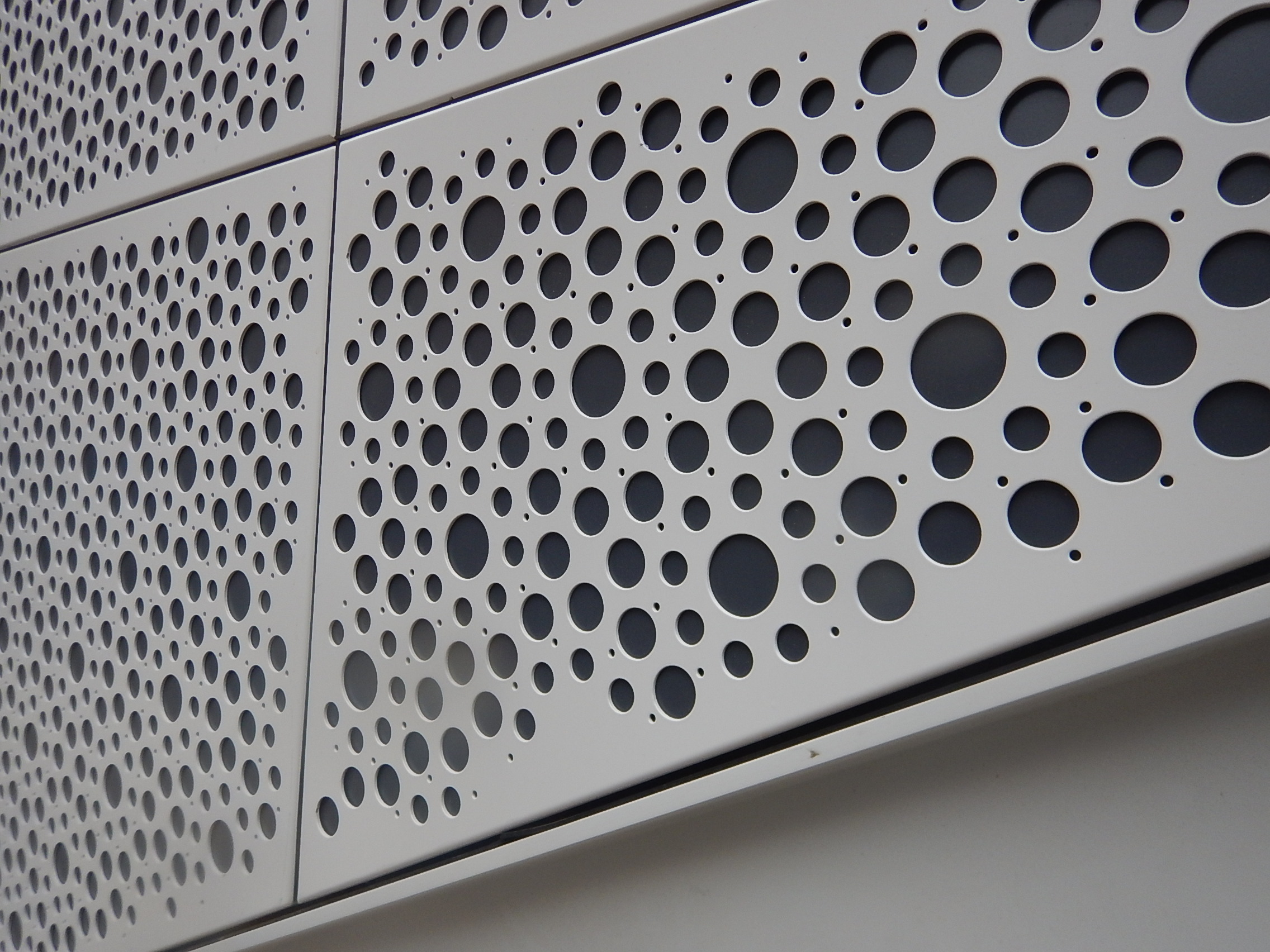
I like the pierced steel cladding on the footbridge at West Hampstead station and it is probably a lot more affordable, than all the bronze used in Southgate station.
If my mother, who died a few years ago, came back and arrived at the new West Hampstead station on the London Overground, she’d only confuse it with a London Underground station.
Coventry Station – 1st May 2018
As I passed through Coventry station, I took these pictures.


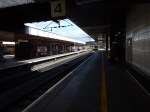
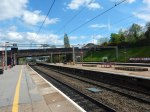
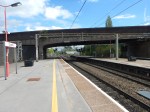
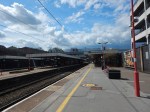
It is not the best of stations.
- It needs a London-facing bay platform to handle trains from Kenilworth and Leamingtonj stations. But where would you put it?
- Where would you also put a bay platform to handle services to Nuneaton?
- But the biggest problem, is the stairs in the station.
To emphasise the last point, a lady of perhaps thirty had fallen down the stairs and the only way, the paramedics could get her out was using an old-fasioned stretcher on the stairs. Where she had fallen didn’t have lift access.
The station may have lots of glass and be a noteworthy 1960s Grade II Listed building, but it needs to be rebuilt to a standard, that is fit for the twenty-first century.
King’s Lynn Station
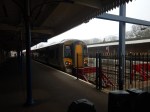
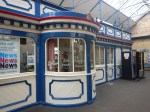
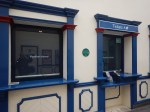
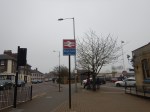
These pictures show King’s Lynn Station, which is Grade II Listed.
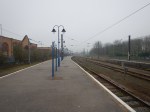
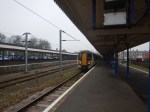
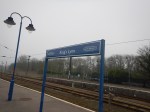
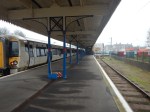
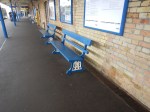

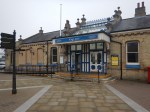
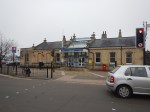
Note.
- It is not the normal design for a station in the UK.
- The station has two platforms, but could have add another.
- The facilities are at a high level for a station of this size, with a booking office, toilets and a cafe.
- The station was reopened by Michael Portillo. Who else?
Perhaps we should see more station designs, not in a standard corporate mould. Others include Birmingham Moor Street, Hanwell and Hebden Bridge.
The only problems with the station are that there aren’t enough trains and the information and signage for visitors could be better.
In an ideal world this would be the train service
- At least two trains per hour in both directions.
- Running between King’s Lynn and Cambridge, stopping at Watlington, Downham Market, Littleport, Ely, Waterbeach and Cambridge North.
- Good interchange with services to Bury St. Edmunds, Ipswich, Peterborough and Stansted Airport at either Ely or Cambridge.
King’s Lynn station certainly has the capacity for more frequent trains.
Stuttgart Hauptbahnhof
Stuttgart Hauptbahnhof is going through a controversial rebuilding called Stuttgart 21, so I had to choose to change trains there, between Karlsruhe and Essen.
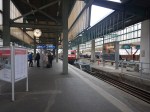
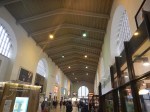
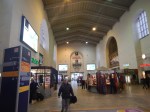


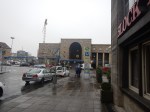

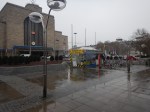
The building opened in 1922 and was designed by Paul Bonztz. So it is almost the same age as Waterloo station.
The project is also costing about the same as the Thameslink Programme.
They all make an interesting comparison.
I can’t say that I understand what all the fuss is about.
This article on Deutsche Welle is entitled Stuttgart 21 – Germany’s Other Engineering Fiasco Goes Off The Rails.
This is the first paragraph.
Everyone in Germany has heard the jokes and seen the social media memes about Berlin’s BER airport. But the Stuttgart 21 railway project has also developed into a logistical nightmare — and a sinkhole for public money.
It doesn’t look to be a happy project.
Should This Be Done On More Building Projects?
Buckingham Group are building the new West Hampstead station on the North London Line.
This picture was taken of the architect’s layout drawing of the new station, that was fixed to the hoardings.
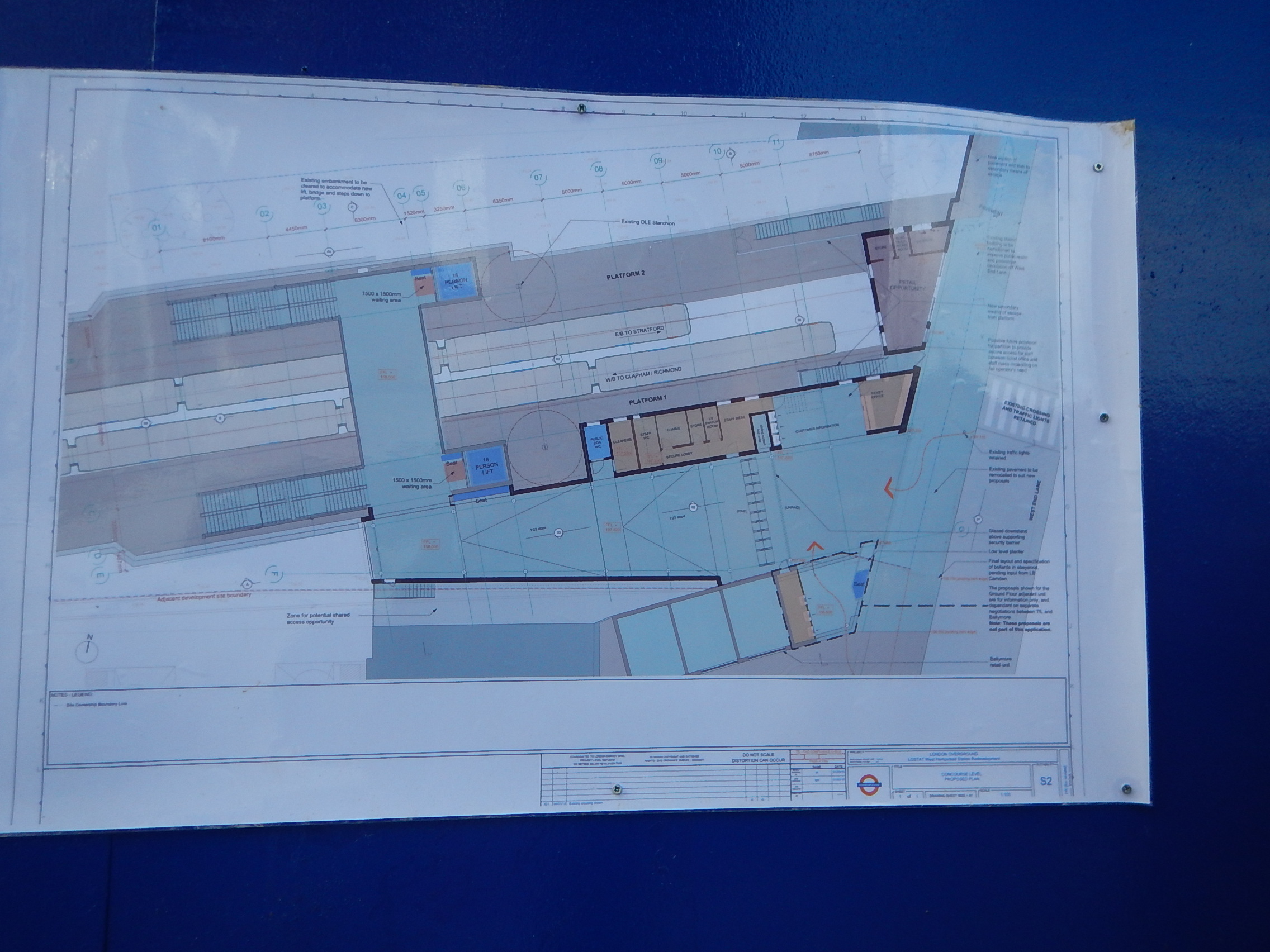
I wasn’t the only person giving it a good study.
I think it is a good way to inform the public.
Fosteritos
The Bilbao Metro was designed by Foster and Partners.
Under Design, Wikipedia says this about access to the Metro.
Access to the metro is provided by ‘fosteritos’, glass structures affectionately named after the architect who designed them, Norman Foster. These modern-looking tunnels stand attractive alongside the modern and innovative interior of the stations.
These pictures show some of the fosteritos.




Crossrail’s Tottenham Court Road station has two square glass structures over the entrances in front of Centre Point.
I wrote about the first in Tottenham Court Road Station Gains A Giant Fosterito. Here’s a picture taken soon after one opened.
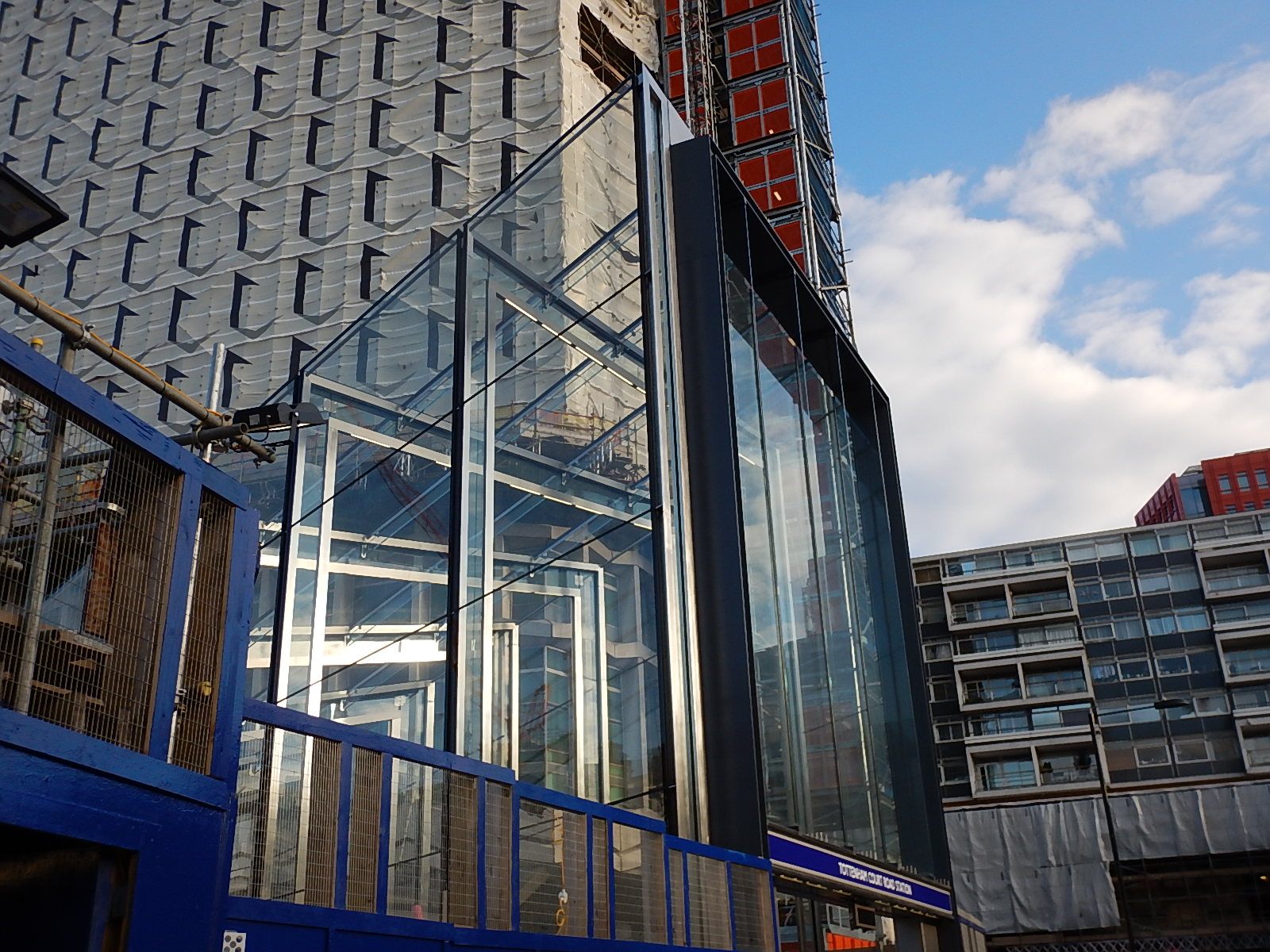
It is such a simple idea, I wonder why we don’t see more fosteritos all over the world.
The Western Arcade At London Bridge Station
These pictures show the Western Arcade at London Bridge station, which opened after Christmas.
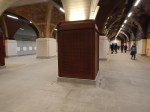

The Arcade connects the spacious double concourse under the tracks of the National Rail station with the Underground station.
All it needs now, is for the shops to be occupied.
 The Anonymous Widower