The New Kings Cross Piazza Is Emerging
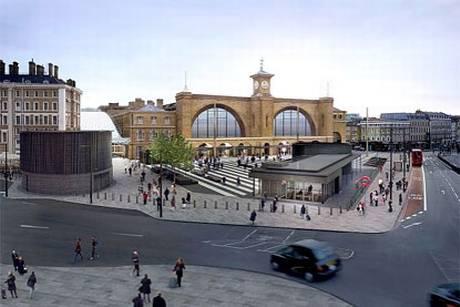
This picture shows what the area in front of Kings Cross station will look like.
Most of the demolition appears to have been completely, as this picture from today shows.
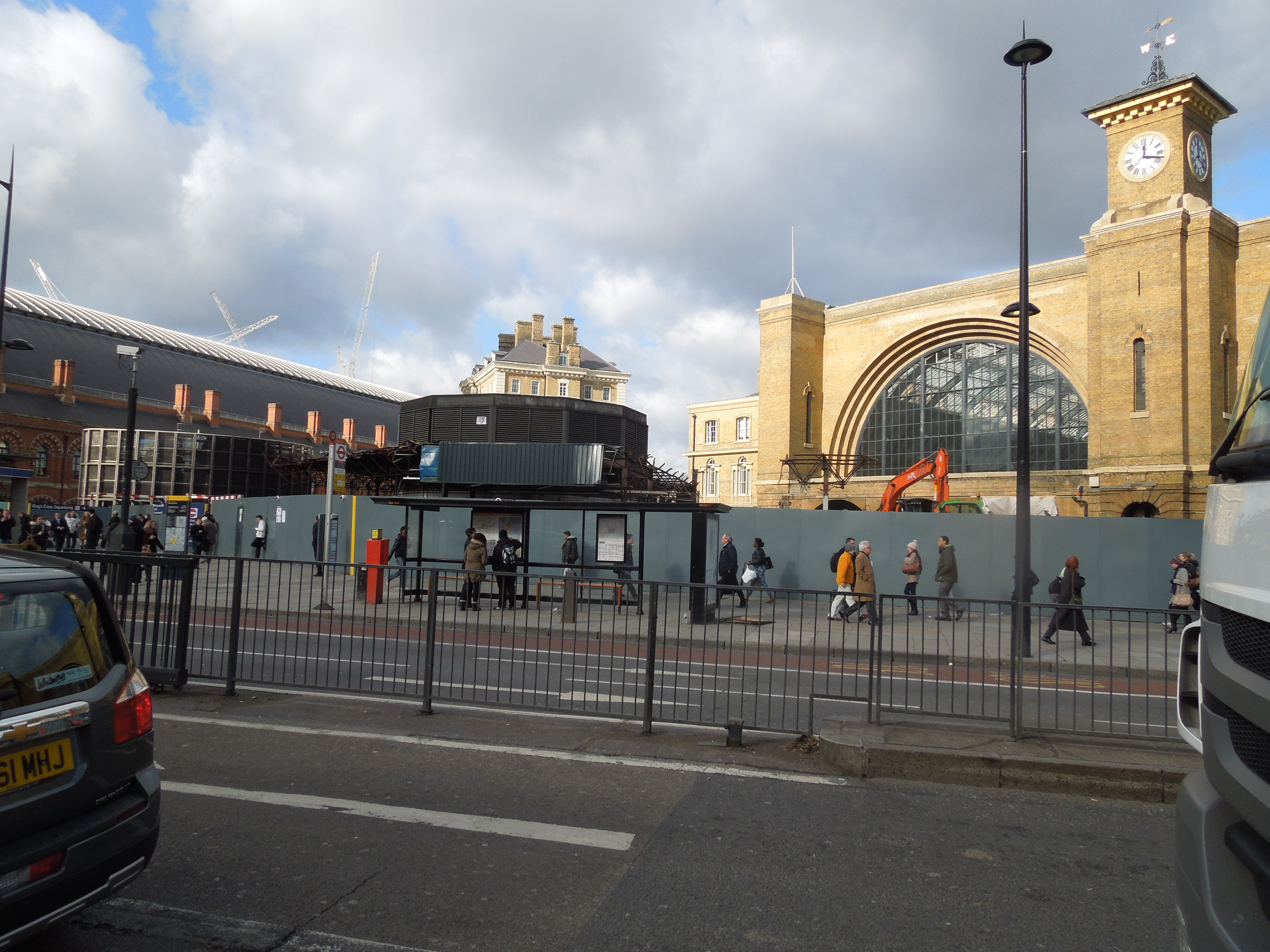
Note the short fat tower to the left of the centre of the picture. This must be the top of some sort of shaft and if you look it is also in the design of the new piazza. I bet the architects are cursing it, very loudly!
What Do You Do With Old Listed Buildings?
The old penguin pool at London Zoo is still there.

It illustrates the conundrum about what you do with old historic buildings, which have outlived their purpose, so well.
In my view it should be taken down, moved somewhere else and used for another purpose. It is totally unsuitable for its designed purpose and it takes up valuable space on a constricted site.
Living In The Toilet
This article on the BBC, shows how even the smallest buildings in London are being converted into homes and other uses. The opening paragraph says it all.
Converting abandoned public toilets in London into flats and businesses is providing a solution to rising property prices for some.
I don’t think it’s just about property prices. The conversions that I’ve seen both in the article and on the television, seem to be stylish and are good adverts for their designers and architects.
Remember too, that many of these buildings were very well built in the Victorian era and are still sound buildings. After all we’ve seen offices and warehouses transformed into stylish dwellings, so why not the smaller ones too?
Holloway And Caledonian Road Stations
In some ways these two stations are a pair, but not in their step-free access.
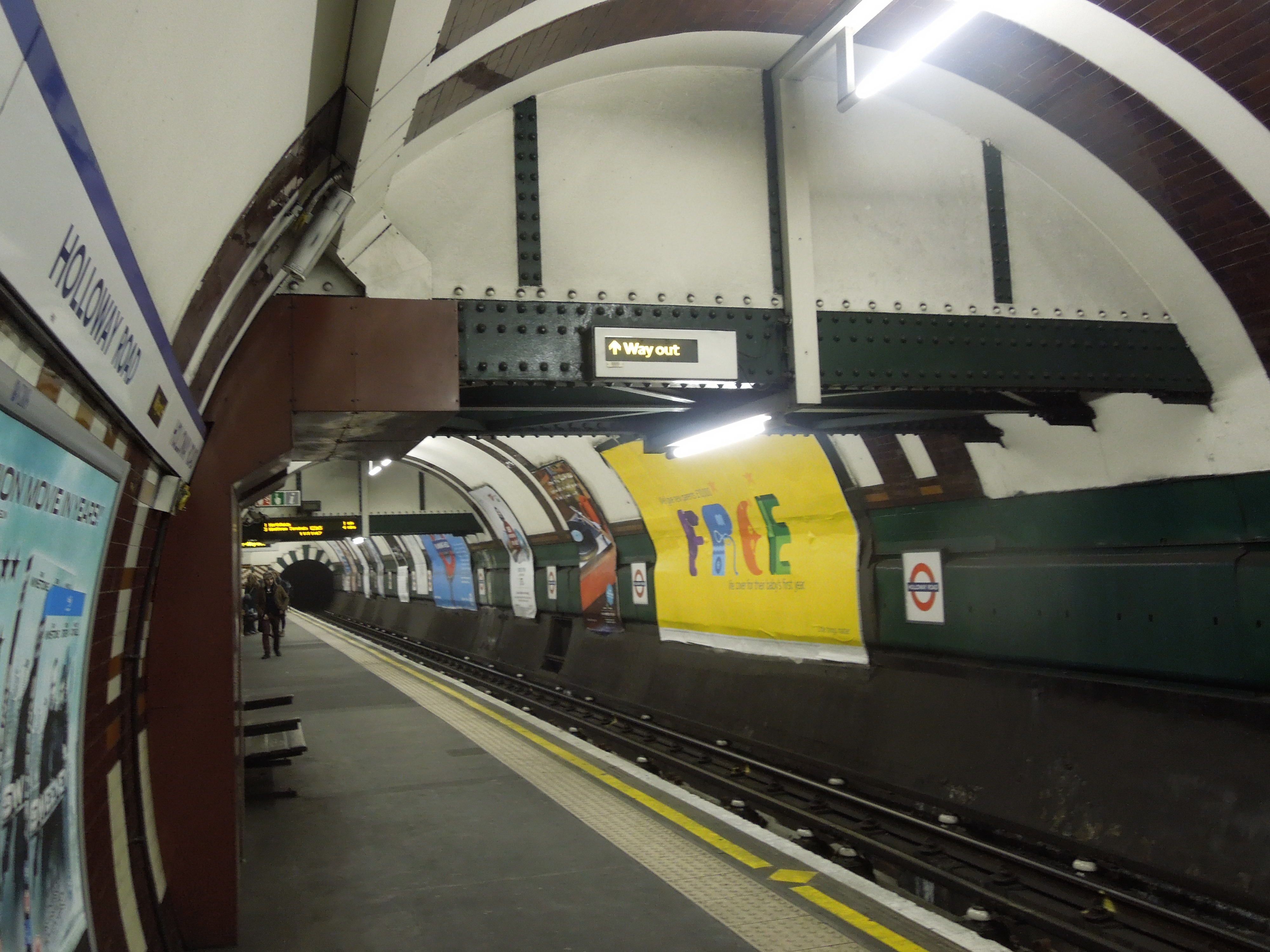
Holloway Road is a classic two lift station, where you descend to just above the tracks and walk down to the platforms. But there is more to this station than meets the eye. Just look at this picture.
Holloway Road Station
It shows two passenger bridges over the westbound platform. according to Wikipedia, the station was built with two lift shafts and experiments were tried out with a spiral escalator. Perhaps the second one was for this device. The tiles certainly show a second entrance to the platforms. That spiral escalator would have been something if it worked.
If Transport for London could find a solution for step-free access here, they could probably solve the problems at other stations, like Covent Garden and Russell Square.
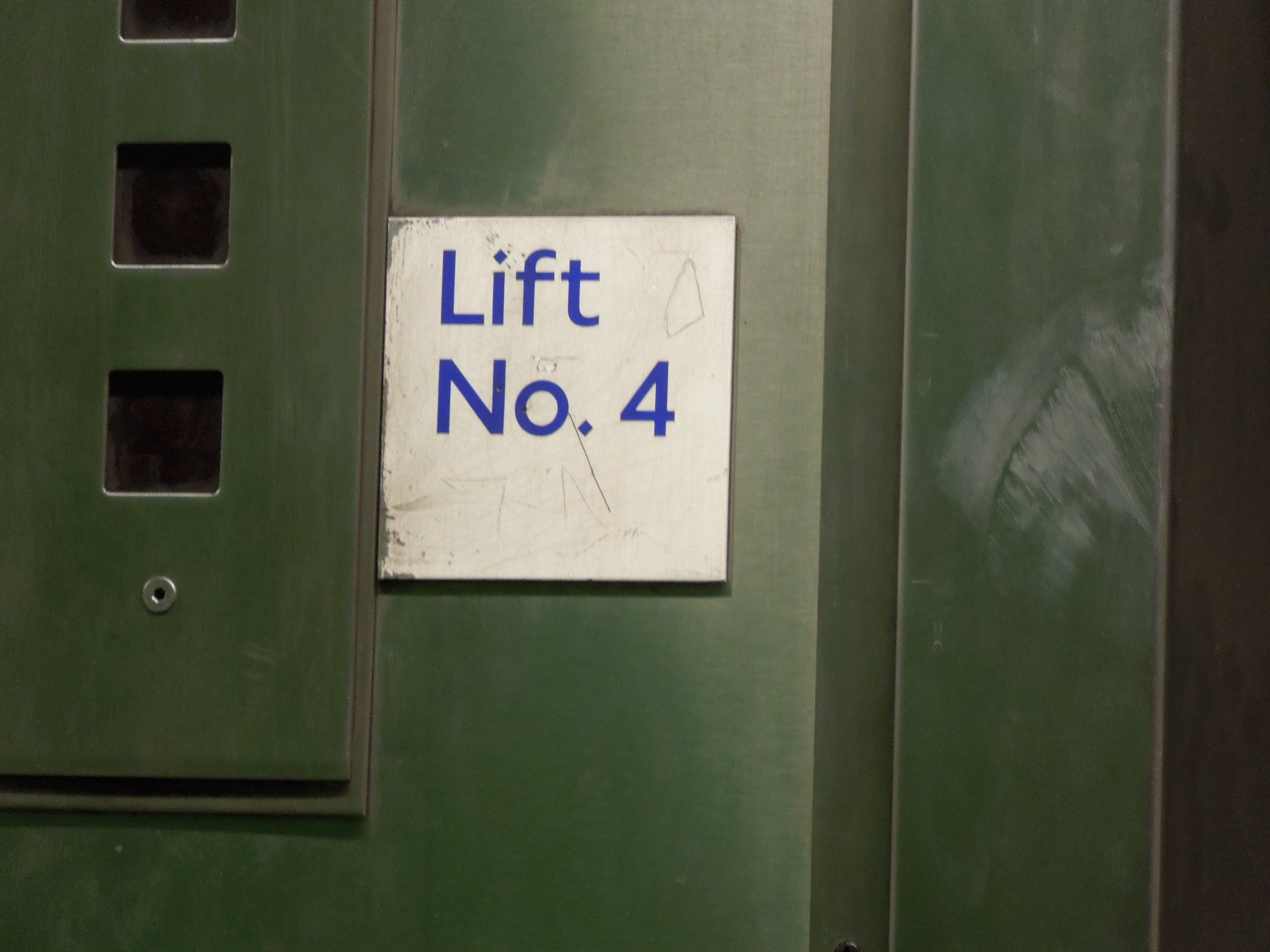
Caledonian Road shows what might have been. The lifts go down to platform level and you step outside, turn left or right and you’re on the platform. Perhaps they made a mistake somewhere and dug the lift shafts too far. But they did create a truly step-free station. But this is curious.
Where Are Lifts 1 and 2?
I found lifts 3 and 4, but where are 1 and 2?
Going Back To My Childhood
Well, not really! But this afternoon, I did go back to the northern reaches of the Piccadilly line. The aim was to look at the escalator layout of the stations to see how difficult they would be to upgrade to step-free access, possibly using inclined lifts, as I outlined here.
I joined the line at Manor House station, but didn’t go all the way to Cockfosters, as the last two stations, don’t have escalators. Starting from the end of the line, here’s what I found.
Cockfosters – This station could probably be made step-free by fitting conventional lifts into the structure to access the tunnel under Cockfosters Road. Once in the tunnel, the station is then step-free to the platforms.
Oakwood – Looking at the ends of the various Underground lines, the end station is more often than not step-free. But in the case of the northern end of the Piccadilly line, Oakwood was made step-free rather than Cockfosters.
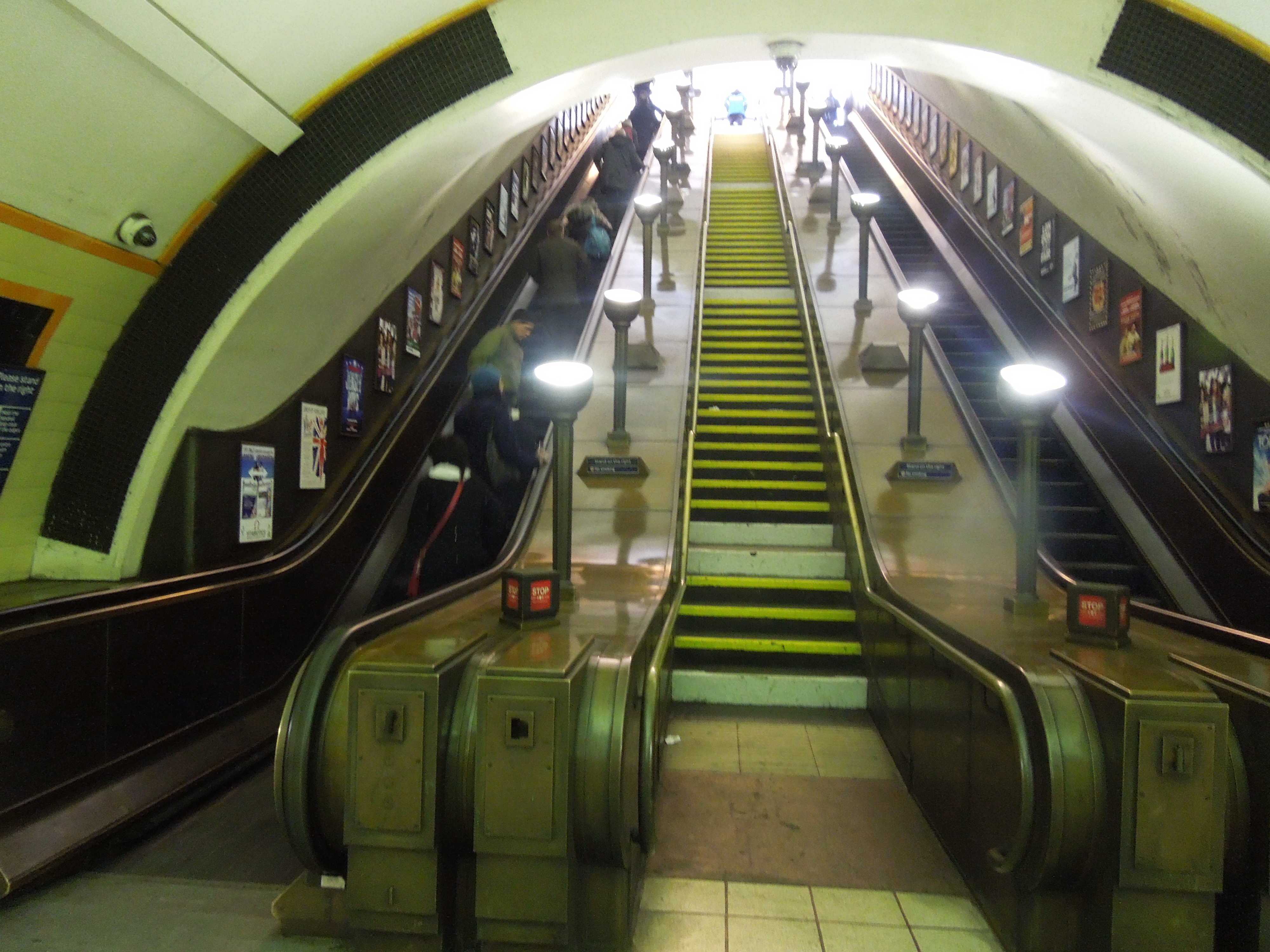
Southgate – When I mused about fitting an inclined lift at this station in this post, I said it would be a challenging design problem. Southgate is one of the architectural jewels of the line and this picture shows why.
Escalators and Uplighters At Southgate Station
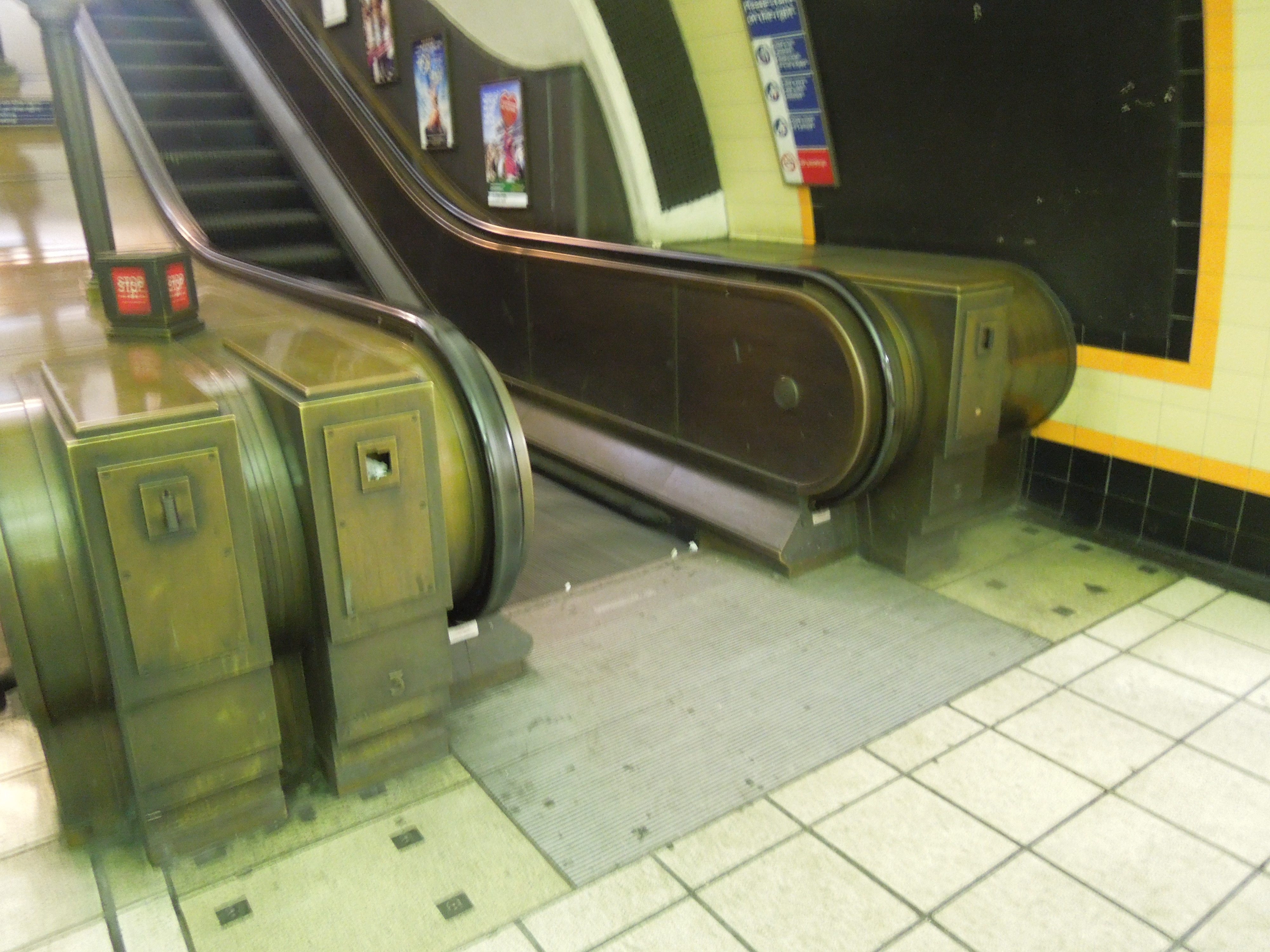
It is a gem of 1930s design and architecture with all that bronze, even if the yellow paint on the stairs in the middle for health and safety reasons, is out of place. The station may not have the original wooden escalators, but someone had the sense to fit modern treads in the old casing, rather than a complete modern escalator.
Escalator At Southgate Station
This station could take an inclined lift in the central space, but it would have to be done with enormous sympathy using similar materials to the original Charles Holden design.
There would be two other problems with an inclined lift.
As the station is now, it could easily be converted into an Underground station of several decades ago for making a film, as it was for The End of The Affair. I remember it was strange seeing a film, that had been shot in a place I knew so well.
The heritage lobby would have a field day trying to stop the installation. After all the station has won awards for its restoration over the last few years and it is a Grade II* Listed Building.
But all that adds to making it the sort of challenge, that a good designer would relish.
Arnos Grove – This is a surface station and could be made step-free with the addition of lifts in the same manner used on several stations on the Undergound and Overground network.
Bounds Green – Like Southgate, this station is a two escalator and one staircase station, where the staircase could be replaced with an inclined lift. But it doesn’t have the heritage problems of Southgate, as the station has modern escalators.
Wood Green – This is a three escalator station and step-free access would probably have to be installed, by digging a traditional lift shaft. I say shaft, as I suspect because the running tunnels are fairly wide apart, there is probably somewhere to slot in a shaft that served both platforms by descending into the platform level lobby or a cross tunnel, as was done at Tottenham Hale station.
Turnpike Lane – The problems here are similar to Wood Green, as it is another three escalator station, where a traditional lift would have to be sunk from the booking office to the platform levels. But another problem is that some form of lift would be needed to descend to the booking office level, which is below ground.
Manor House – This is very similar in layout to Turnpike Lane, but it would need lifts at seven exits to the surface to be fully step-free.
Finsbury Park – This is almost a low-level station with steps up to a pedestrian tunnel. Conventional lifts could probably be added without too much difficulty. There is a lot of development going on at this station and it will be interesting to see if the step-free access improves. The last time I visited access wasn’t good.
I think that the difficulty of making some of these stations completely step-free, shows how much our attitudes to those with difficulties getting about has changed since the stations were built in the 1930s. Charles Holden’s stations either had escalators or a short flight of steps, like Cockfosters or Arnos Grove. Compare the equipment at these stations with those on the Jubilee line extension, where all stations are fully step-free. But to be fair to Charles Holden, the Victoria line built thirty years after the Piccadilly line even now has only three step-free stations, Tottenham Hale, Green Park and Brixton stations. The Victoria line station, that I use the most; Highbury and Islington is a maze of tunnels and little short of a complete rebuild will improve matters.
Having looked at Southgate and Bounds Green, I think that an inclined lift could be a excellent idea at these two stations. You wouldn’t rip out the central escalator at Wood Green, Turnpike Lane and Manor House, as it was put in because the number of passengers needed it. But at least these three stations have larger platform tunnels, which must help the installation of a conventional lift.
However, putting in an inclined lift would not only make it easier for those in wheelchairs, with babies in buggies or heavy cases, but it would add to the station’s capacity. One point about an inclined lift, is parties where some need the lift and others don’t, can effectively travel up and down together at the same time, with those who can walk on the adjoining escalator. So the size of an inclined lift, may actually be smaller for the same capacity. It would probably also go up and down almost continuously.
I’m With Guy De Maupassant
Will Self has written an article about the Shard for the BBC web site. I liked this bit.
It was said of the French writer Guy de Maupassant that he ate dinner in the restaurant of the Eiffel Tower every night of the week, and when asked why, replied, “Because it’s the only place in Paris from where you can’t see the Eiffel Tower.”
I wonder if Guy De Maupassant would agree with me on Europe’s tallest building. It is just too easy to see, as I showed in this article.
On the other hand, I’ve no desire to eat dinner every night in the building, as it will only encourage someone to build something even more intrusive.
A Design Challenge
It is absolutely essential that the London Underground increases the number of stations that have step-free access.
Southgate station is a station I know well, as I used it many times to go to and from my school. It is one of those stations with three escalator slots, as this picture shows.
The middle one was just an emergency staircase, but this could be converted into an inclined lift, as is proposed at Greenford.
But as Southgate is a Grade II* Listed building, it would have to be installed with a high degree of sensitivity, which would be the design challenge.
But solve it at Southgate and you could solve it on any of the number of stations, that have two escalators and a staircase.
The Old Royal Naval College At Greenwich
The Painted Hall in the Old Royal Naval College is being restored. So I went and took some pictures.





In a few weeks time, they will be allowing you to get close to the work. I shall go again.
The Old Kings Cross Station Is Nearly Down
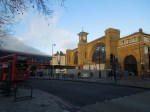
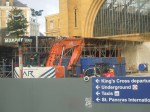
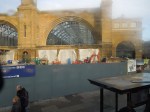
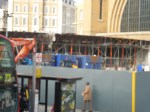
The dreaded 1973 extension to Kings Cross station is being finally demolished this Christmas, as there are no trains and passengers.
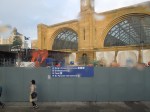
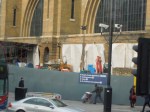
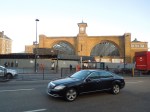
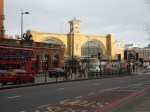

There are some good pictures here on the BBC of the history of the front of the station.
It is intended that the new public square in front of the station will open in August 2013.
 The Anonymous Widower