A Plea For Peckham Rye
Tristram Hunt wrote a thoughtful article for the Standard yesterday about Peckham Rye station. He says this of the station.
Sadly, British Rail didn’t care for this station as it should have done. Its features rotted and beauty ebbed. The Old Waiting Room closed and the windows were bricked up.
It’s not just Peckham Rye station, that has been treated like this.
Some have been treated badly, whilst others have even been built as eyesores or impractical buildings like Brixton. Those architects of the 1960s, who worked for British Rail and London Underground should hang their heads in shame.
The saviour for these buildings could be proper property development in conjunction with good architecture. I have seen what is proposed for some sites and liked what I have seen. Surely similar schemes should be proposed for other stations to both improve the lot of both passengers and local residents.
Battersea Power Station From The South London Line
I took these pictures of Central London’s worst eyesore from the train going to Victoria from London Bridge.
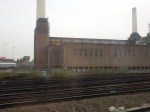
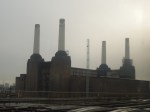
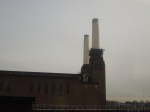
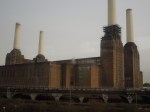
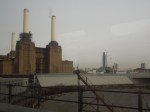
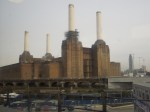
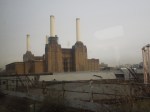
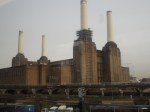

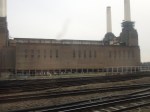
It may be Europe’s largest brick building, but would anybody mourn if it were to be demolished. It’ll probably self-demolish in a short time.
St. George Wharf Tower
St. George Wharf Tower is a residential tower near Vauxhall. Here are a few pictures.
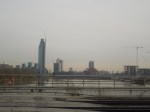
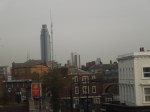
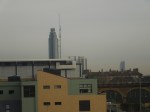
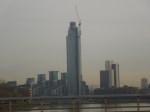
It dominates the landscape as The Shard does. But in my view, it not quite the same blot on the landscape as that tower.
I took the pictures from a London Bridge to Victoria train. These will stop on Saturday with the extension of the Overground.
Farewell To Central London’s Biggest Eyesore
Years ago, I wrote a silly but quite funny love letter to C. At least she told me it was funny. In it I mentioned Battersea Power Station and how it was used as a last line of defence, with platforms on the chimneys. That must have been about 1966 or so, and in those days the power station was still generating electricity as it did until 1983.
It has not been a lucky building since!
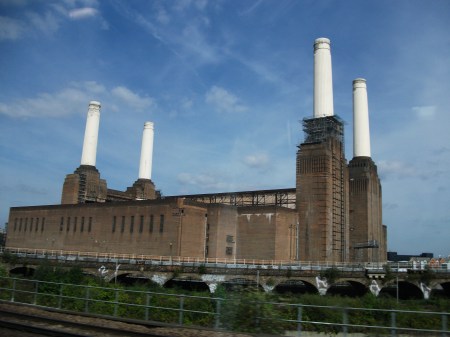
London’s Biggest Eyesore
Like many power stations of the era, it was built for a short life and a productive one. I remember going over Cliff Quay power station in Ipswich, and being told that these buildings were built in brick without the soundest of foundations. Often though, like Battersea and Cliff Quay, they were designed by good architects and often featured decorative features inside. Strangely, the one building of this type, we have left, Bankside power station, doesn’t have an elaborate interior, although now it is the superb Tate Modern. Although according to Wikipedia, that could have gone to Battersea.
Scott’s other London power station is at Battersea and is widely considered a more iconic design, with its four towers. Battersea Power Station was proposed for the Tate Modern but, due to financial constraints and less dilapidation, the smaller Bankside building was chosen.
Scott was Sir Giles Gilbert Scott, the designer of the red telephone box and the architect of Liverpool Cathedral. So perhaps it s fitting that one of his more utilitarian buildings is a home for modern art and design.
Does anybody know if there are any good examples of reusing power stations buildings around the world?
I can find two; one called The Power Plant in Toronto, Canada and another called The Power Station of Art in Shanghai.
But Battersea Power Station has not been served well by fate. It is almost falling down these days and I do wonder if it can be rebuilt economically. It seems to have disastrous affects on its developers.
But at least with George Osborne’s announcement of funding for the Northern Line Extension in the Autumn Statement, its days as an eyesore may well be numbered. But don’t uncross your fingers!
The Cheesegrater
The Cheesegrater is another building under construction.

London seems to have a good naming systems for buildings these days. Do other cities and countries stick the definite article in-front of a nick-name.
London has or might have The Cheesegrater, The Gherkin, The Pinnacle, The Razor, The Shard and The Walkie-Talkie for starters.
The Pinnacle
The Pinnacle is another building going up in London.

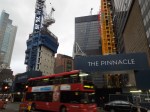
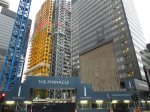
Although as the pictures show, construction has halted for the moment. The Cheesegrater is in the background, with the wall of yellow scaffoulding.
The Back Of Moor House
I think this building with the distinctive windows is Moor House.
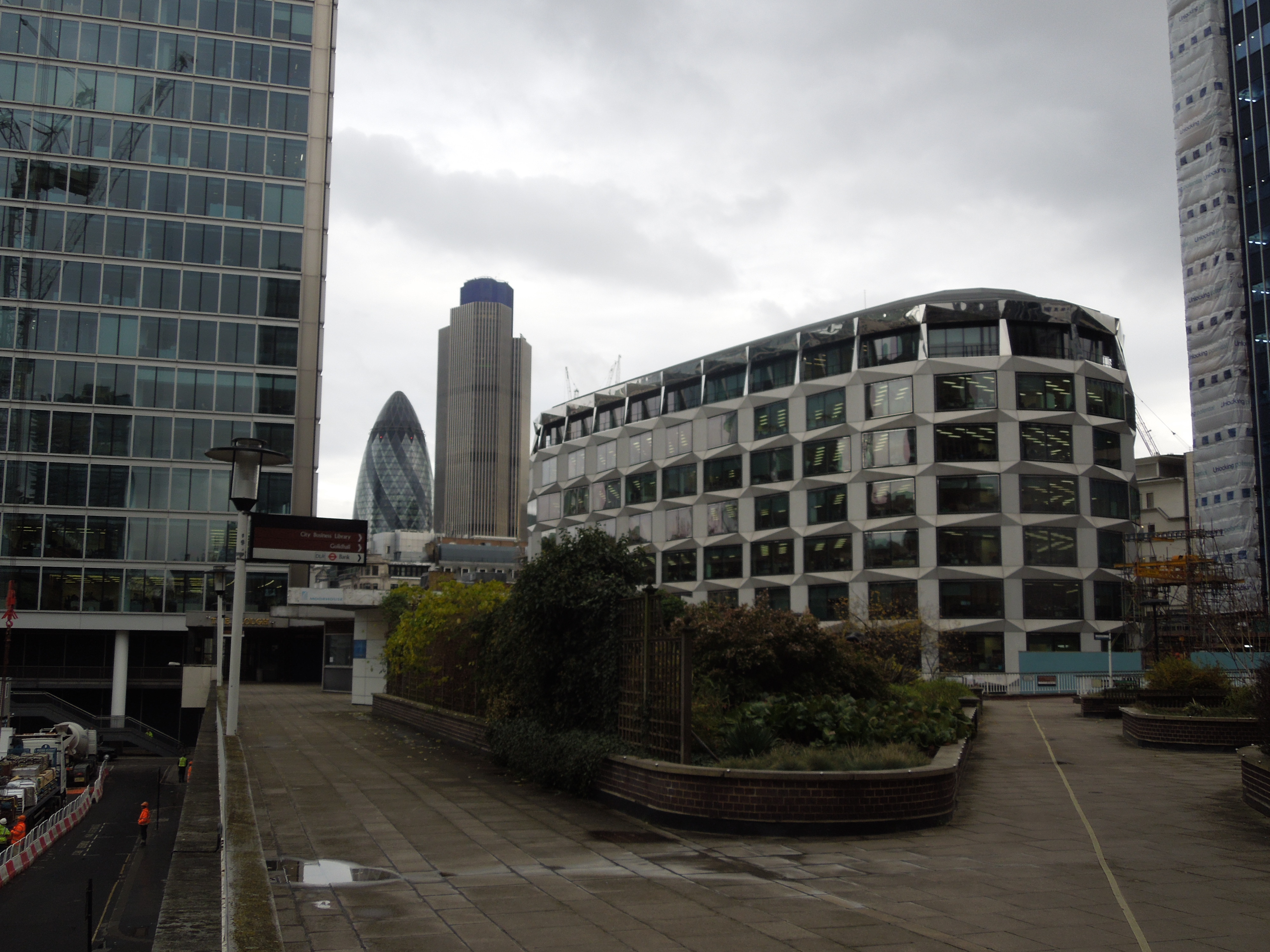
The Back Of Moor House
It does remind me of Oriel Chambers in Liverpool.
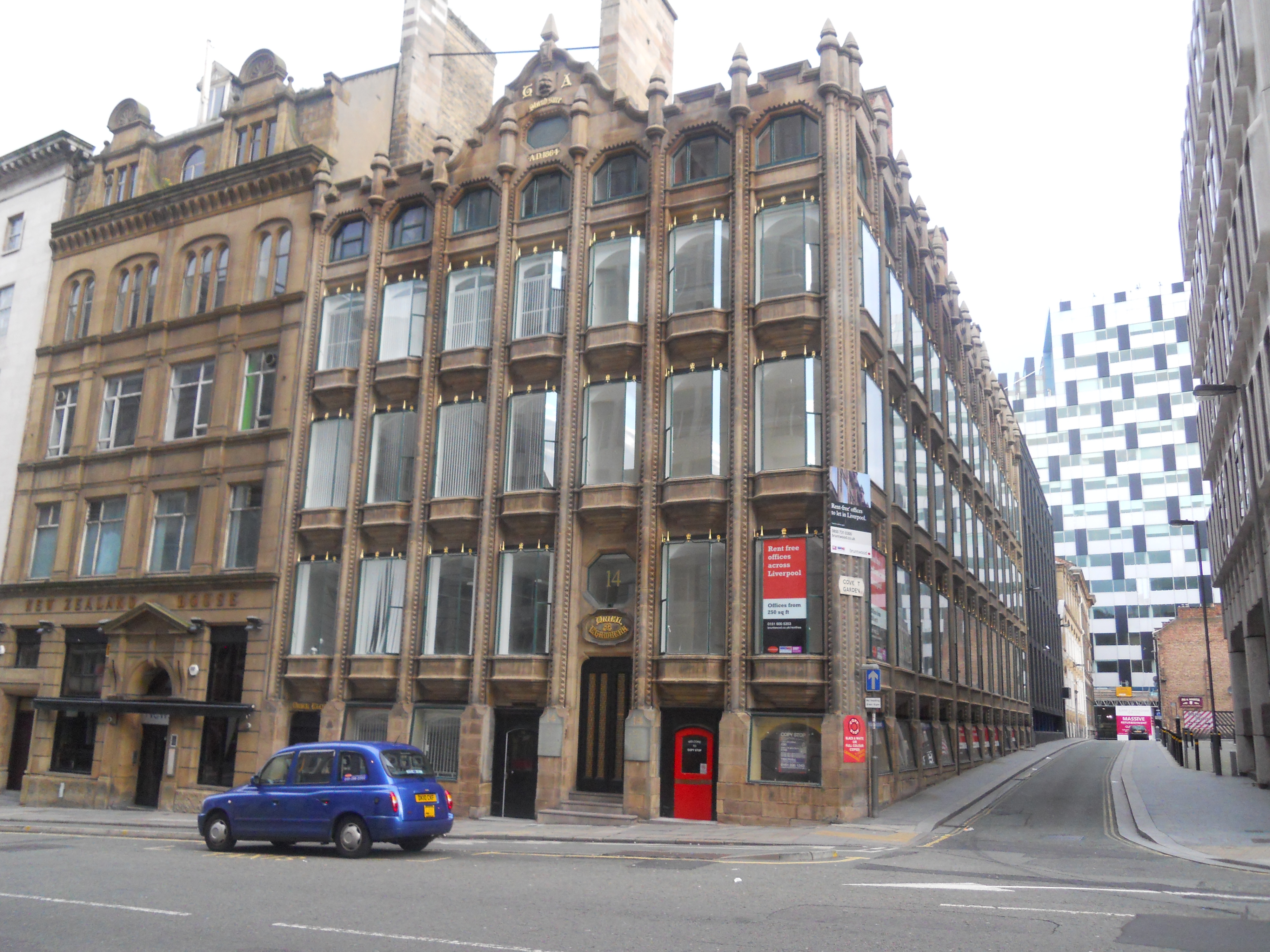
Oriel Chambers
But that building was completed in 1864 or 140 years before Moor House.
Cromwell Tower
I took this picture of Cromwell Tower from where I took the picture of The Heron and CityPoint.
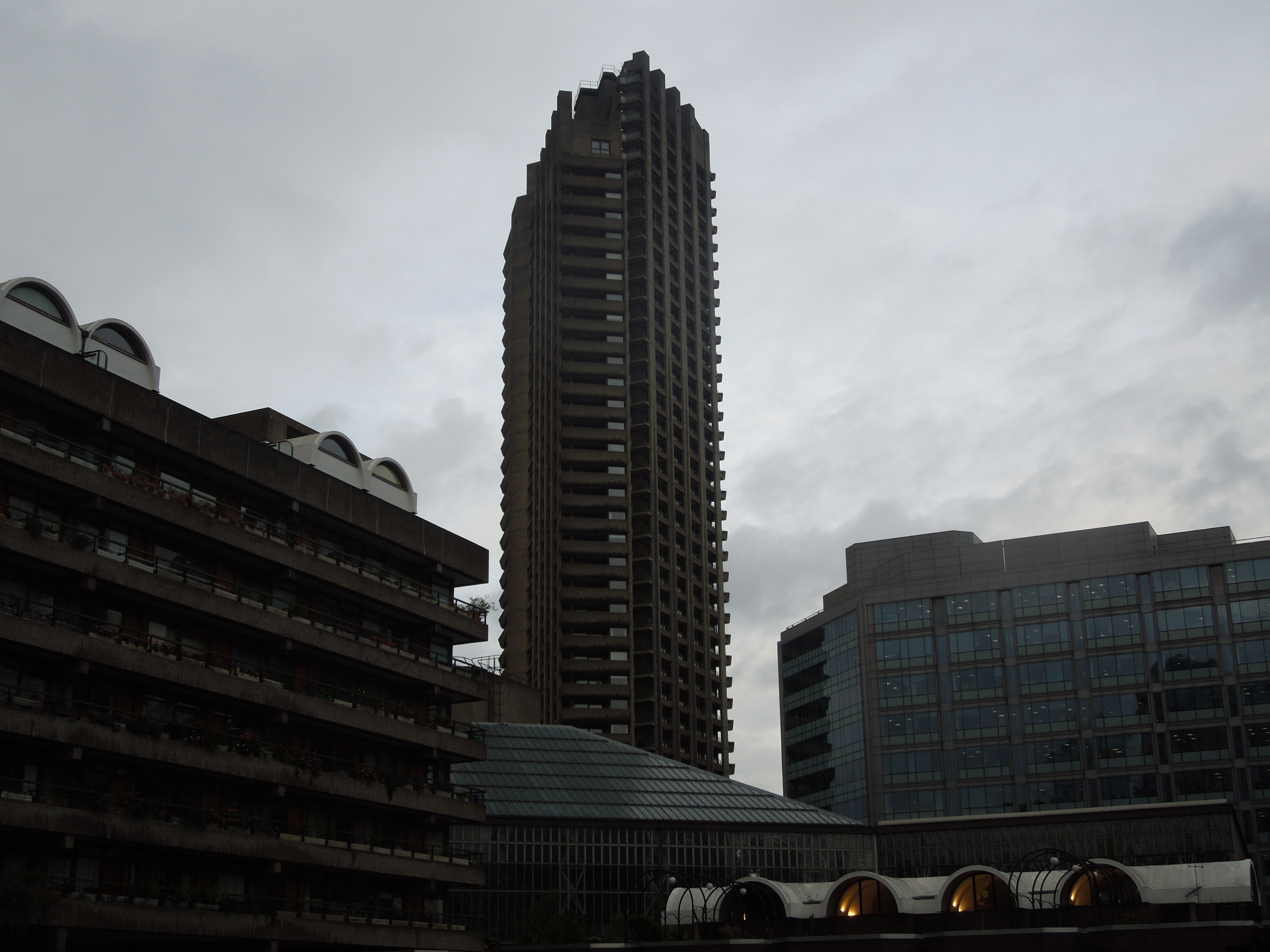
Cromwell Tower
We used to live on the eleventh floor, which is just about the lowest floor visible in the picture.
Considering this tower was built at the end of the 1960s, it is still an iconic and distinct building.
The Heron And CItyPoint
This picture was taken from the Barbican.

The Heron And CItyPoint
CityPoint used to be known as Britannic House and it was a much plainer and brutal building, when we lived in Cromwell Tower. It has since been rebuilt. The Heron is a new residential block, yet to be completed.
The Heron Tower
The Heron Tower is a newly-built skyscraper in the City of London. I can actually see it from my front window, as some of these pictures show.
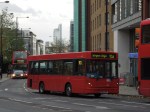
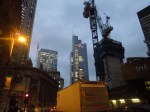
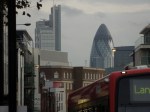
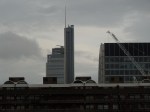
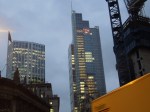
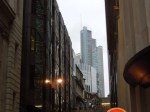
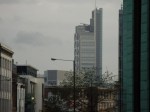
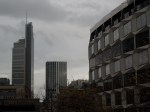
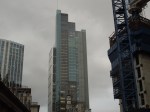
It is the tallest in London after The Shard. And I like the Heron Tower much better.
 The Anonymous Widower