Government to Sponsor Engineering Prize
This has been announced in The Times today and is also reported in The Engineer.
They ask if it should be called the Brunel, Boulton, Babbage or Bazalgette Prize.
I have my view and it should be called the Blumlein Prize after Alan Dower Blumlein.
I wrote to The Times and they published my letter on the 12th. Here’s an extract.
Sir, I think we should choose the engineer who has probably had the greatest effect on everyone’s lives in the past 100 years. And that is the pioneer of electronics, Alan Dower Blumlein, who, after he perfected stereo recording and electronic television, went on to develop the electronics for radar. He was a true genius who was granted 128 patents before he died at the age of just 38, in a plane crash while testing an airborne radar in 1942.
I am an electrical engineer myself and I was horrified to see that at the new Olympic site there is no mention that it is alongside Bazalgette’s massive Northern Outfall Sewer and that this superb piece of Victorian engineering is being used as a public viewing platform for the works at the site. In due course the waste water from the site will be pumped into the sewer to continue its journey via the beautiful Moorish pumping station at Abbey Mills to the treatment works at Beckton. The Olympic site really is standing on the shoulders of a giant.
Interns
There has been a lot of talk lately in how those with power and money have got their children work experience, which is of the highest class and out of the reach of those without privelege and wealth.
It has always been thus.
Take my example.
My father was a successful letterpress printer in Wood Green. He employed half a dozen people and we lived comfortably in the days before letterpress was replaced by offset litho. Much of his work was for a company called Enfield Rolling Mills, that as the name suggests rolled metals into something useful. In their case it was non-ferrous metals, like copper, bronze and aluminium, which were turned into bars, sheets and cables.
So when I got my place at Liverpool University to read electronics, and I needed some work experience, he decided to do something about it. His business wasn’t that healthy too, and he had told me that, he wouldn’t be able to find me work for the summer.
In his usual manner, he started at the top and phoned John Grimston, the Earl of Verulam, who was the boss of his largest customer.
They found me a place in their electronics laboratory, where I had my first lesson in controlling processes. I also learned a lot about industry, health and safety, the various trades and their unions and of course life, which gave me a lot of rich anecdotes I use to this day. Only today, I related to my physio, a story about lady cricketers gleaned from one of my colleagues.
To say that internship, as we’d call it today, changed my life, would be an understatement.
But I got it because my fsther knew someone with influence. And also because he never felt anybody too grand to ask for a favour.
Happy as Pigs in Muck
This building with the two pink cylinders to the left is the primary sewage collection and pumping station for the Olympics.
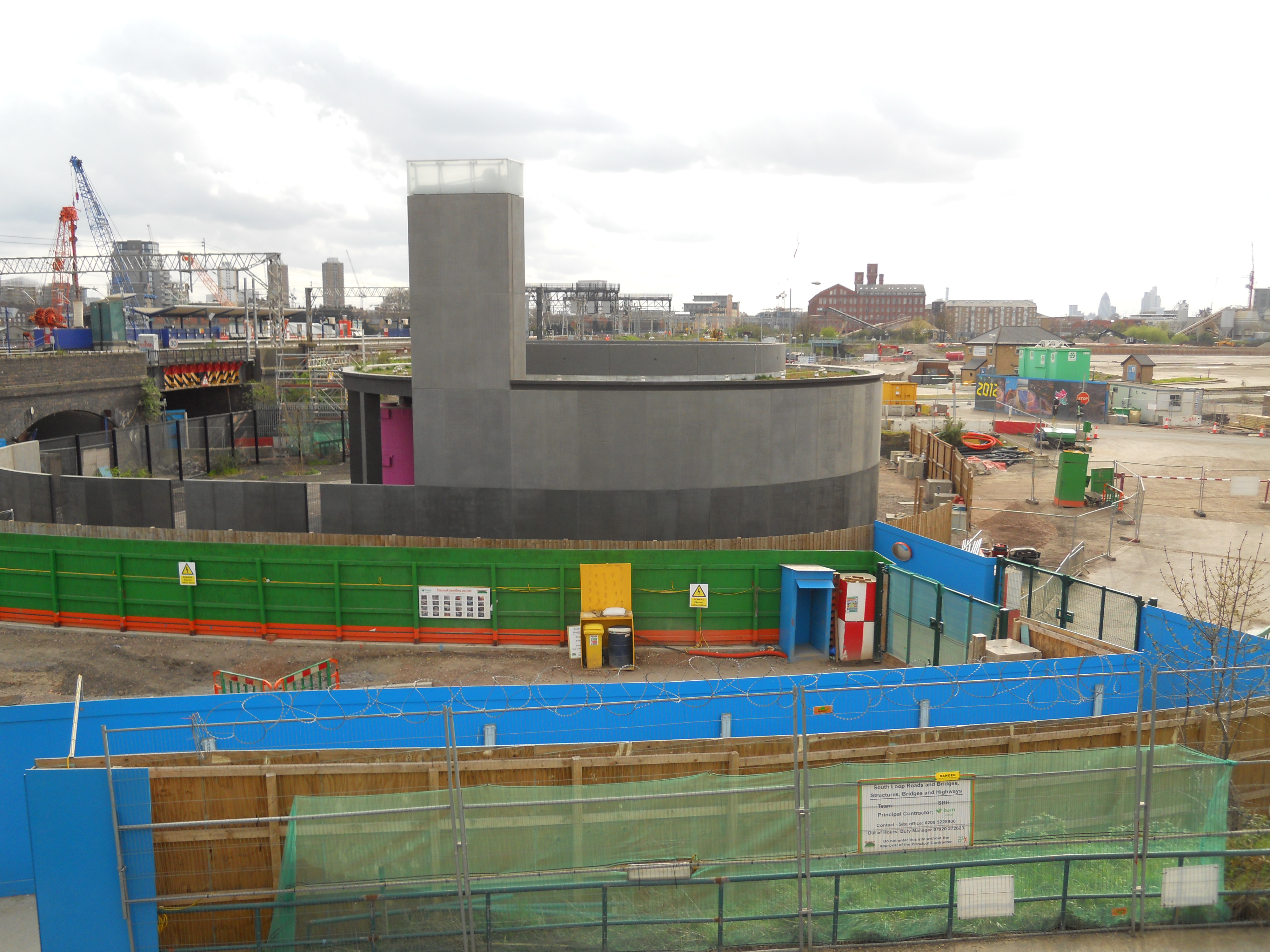
Olympic Primary Foul Sewer and Pumping Station
Inevitably, the two cylinders have been named Pinky and Perky, by the wags on the site.
Note that I took the picture from behind the ViewTube, standing on this concrete box.
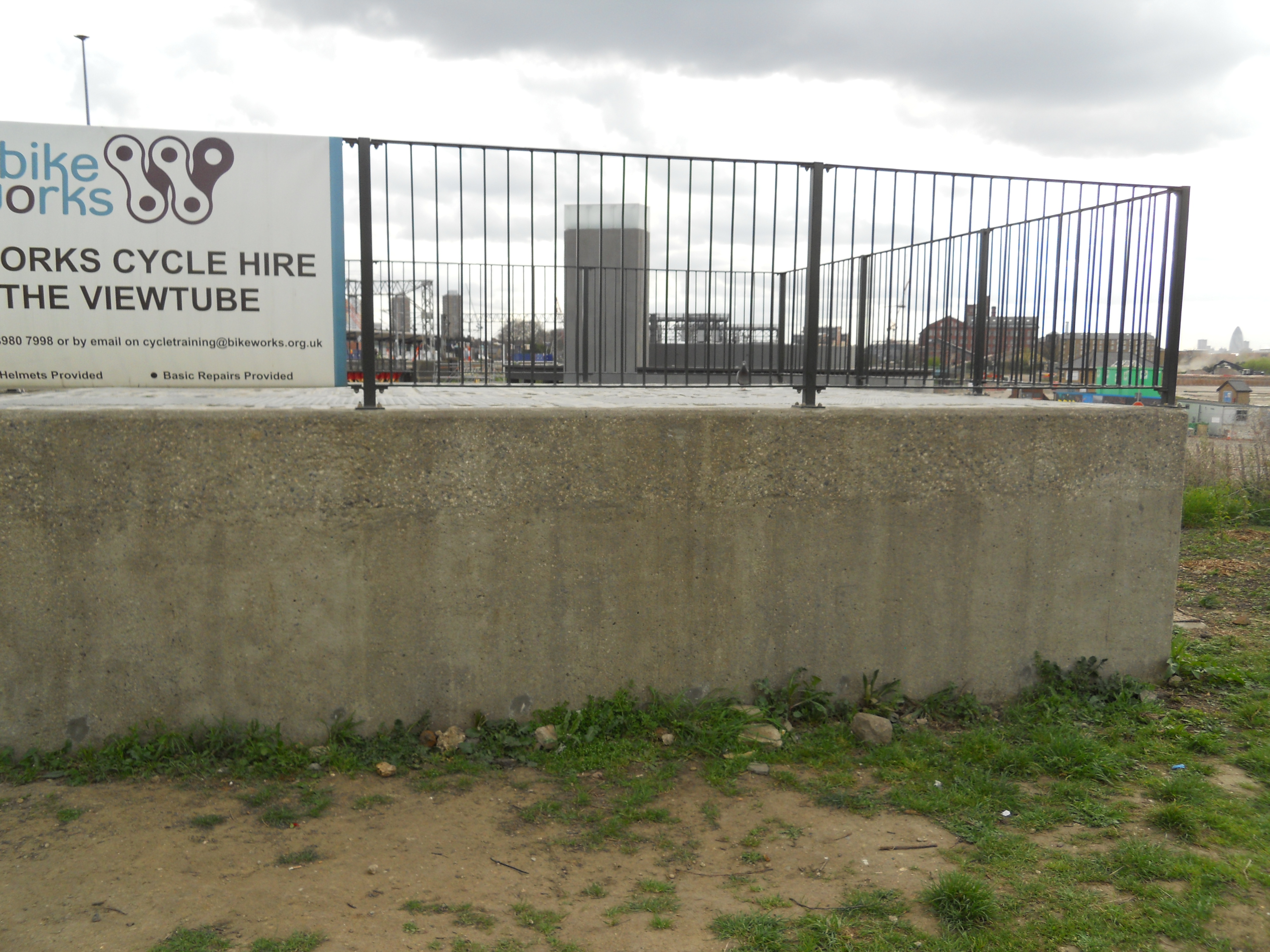
Connecting the New to the Old
I think the box is the connection between the station and Joseph Bazalgette‘s Northern Outfall Sewer. But for now it makes a good authorised viewing platform.
Nowhere in the vicinity could I find any information about the pumping station or the sewer.
I find that a serious omission.
Bazalgette Honoured with Olympic Sewage Pumping Station
The Olympic Park will create a lot of sewage and to pump it into Joseph Bazalgette‘s Northern Outfall Sewer, an elegant pumping station has been designed, which depicts Bazalgette’s Abbey Mills Pumping Station.
The new pumping station is described in the Architect’s Journal. There are also some good pictures here.
I think he would have approved of the new pumping station, as he was a man to always use the best of the technology available at the time and he merged suprb engineering with very good art. The new station appears to follow these rules.
The Cathedral of Sewage
Abbey Mills Pumping Station was built by Joseph Bazalgette to pump the sewage all the way to Beckton. It stands as a glorious monument by the side of the Greenway that leads across the Olympic Park. Although, at present due to the works for CrossRail, you can’t actually get to the park directly along the Greenway.
It dominates the skyline and can be seen from West Ham station, looking more like a mosque than a cathedral of sewage.
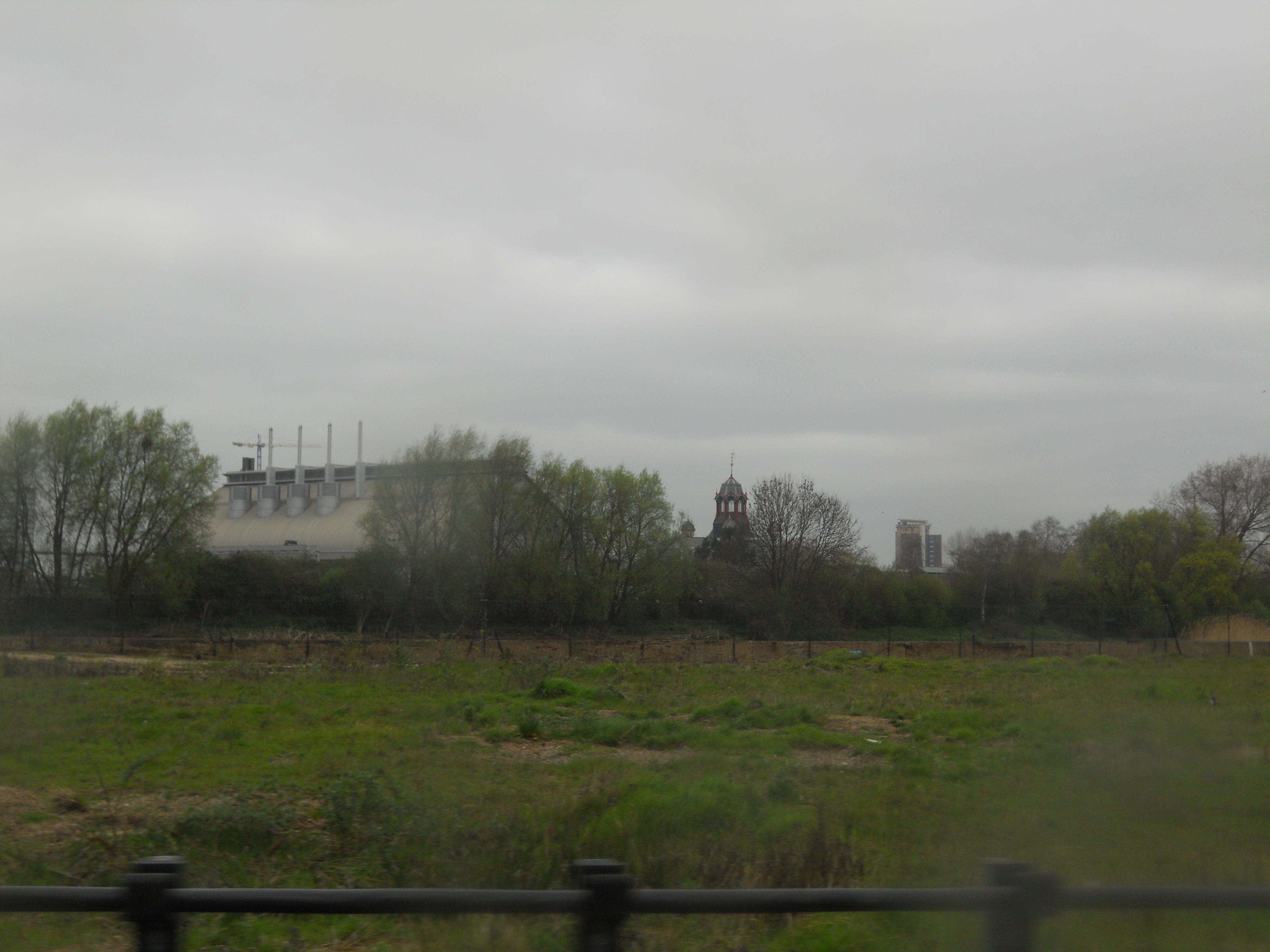
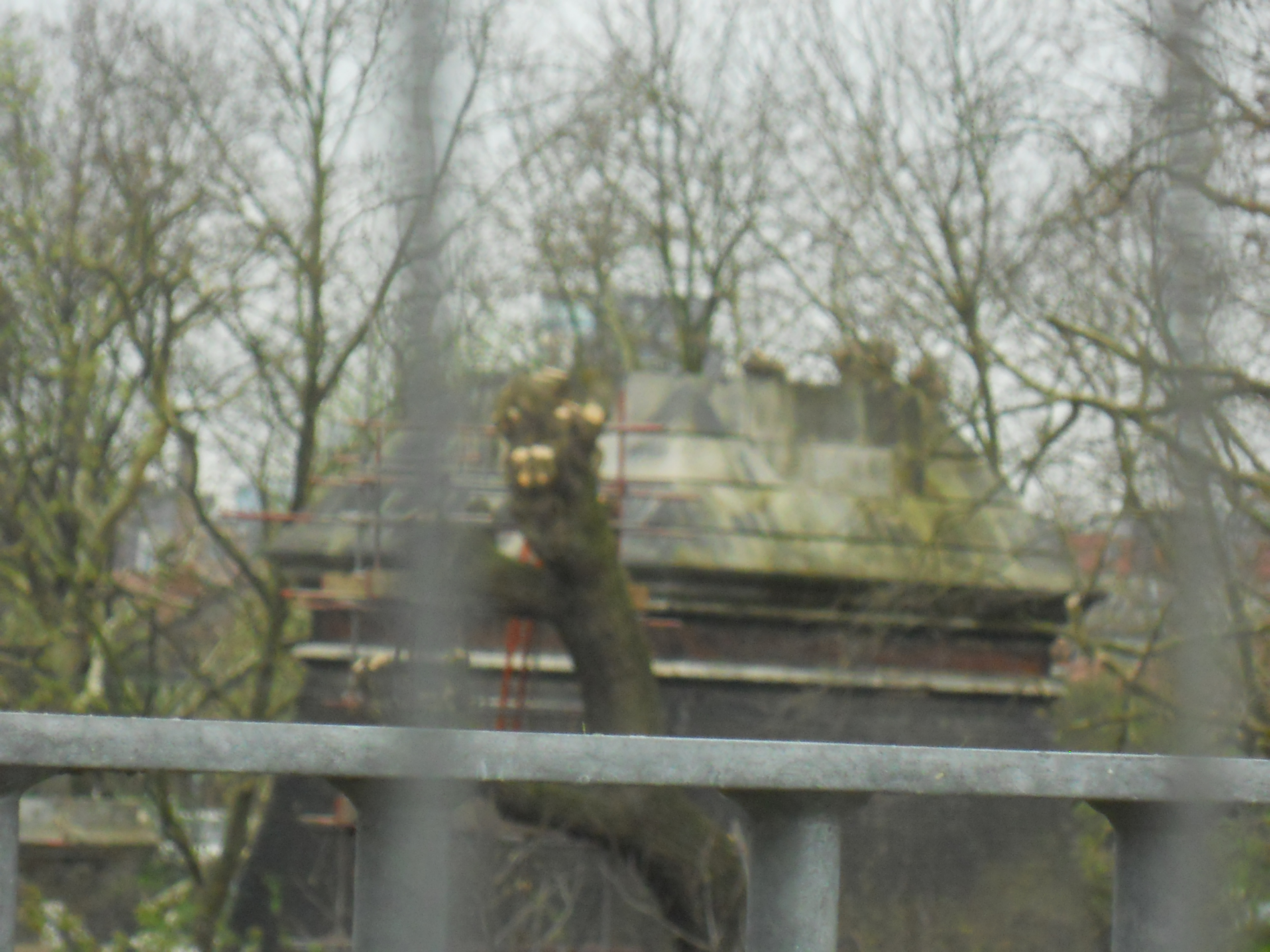
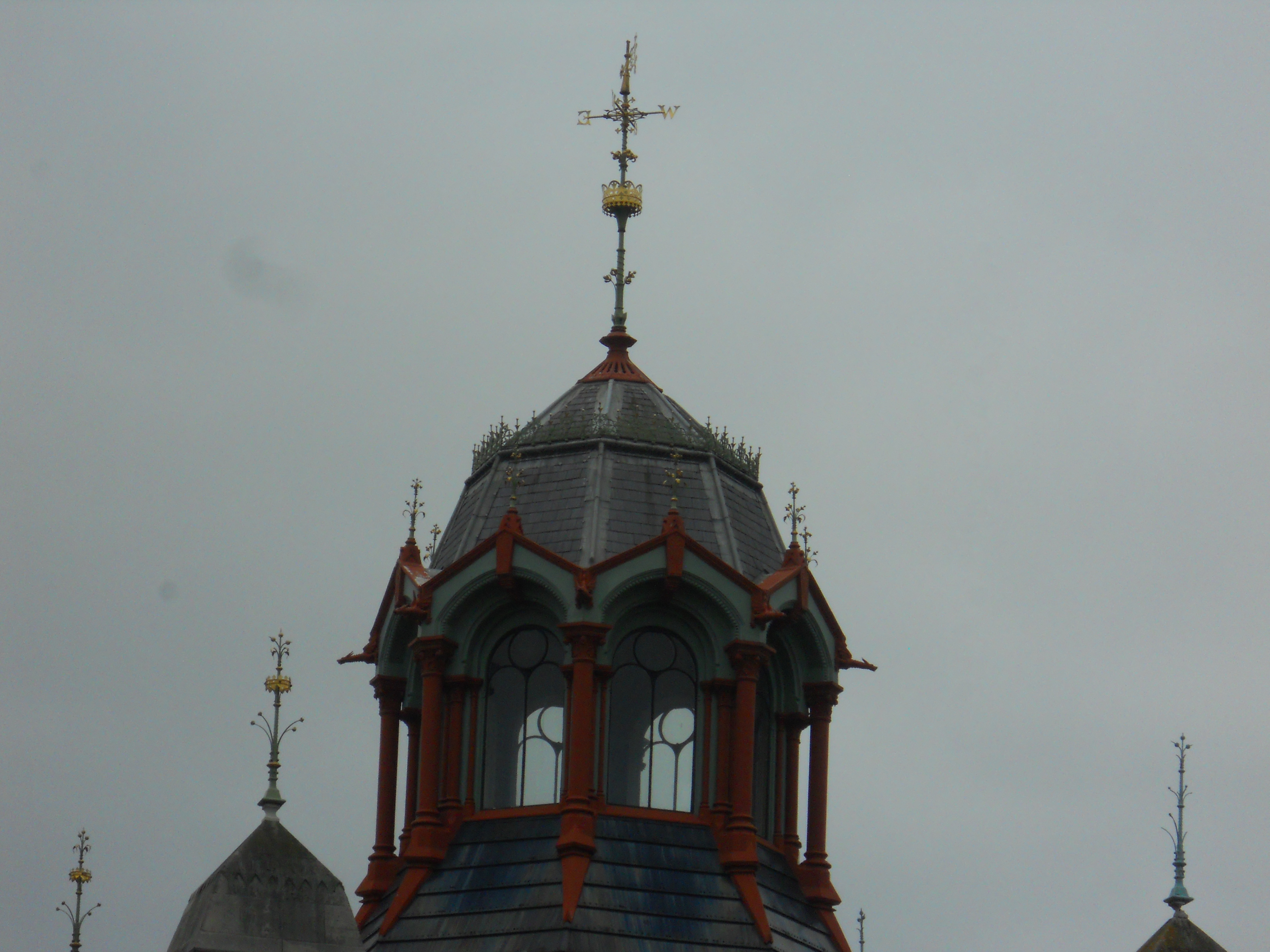
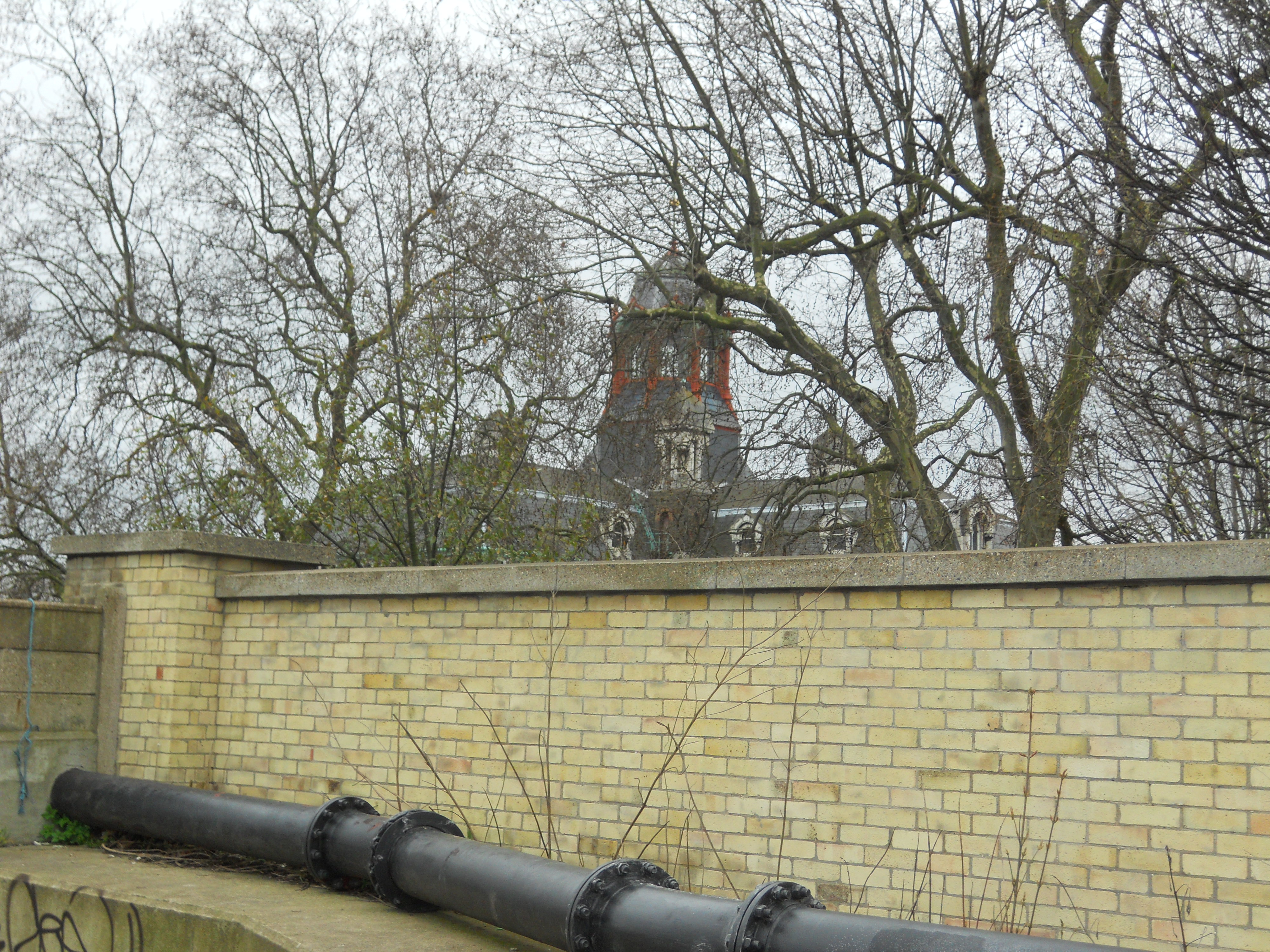


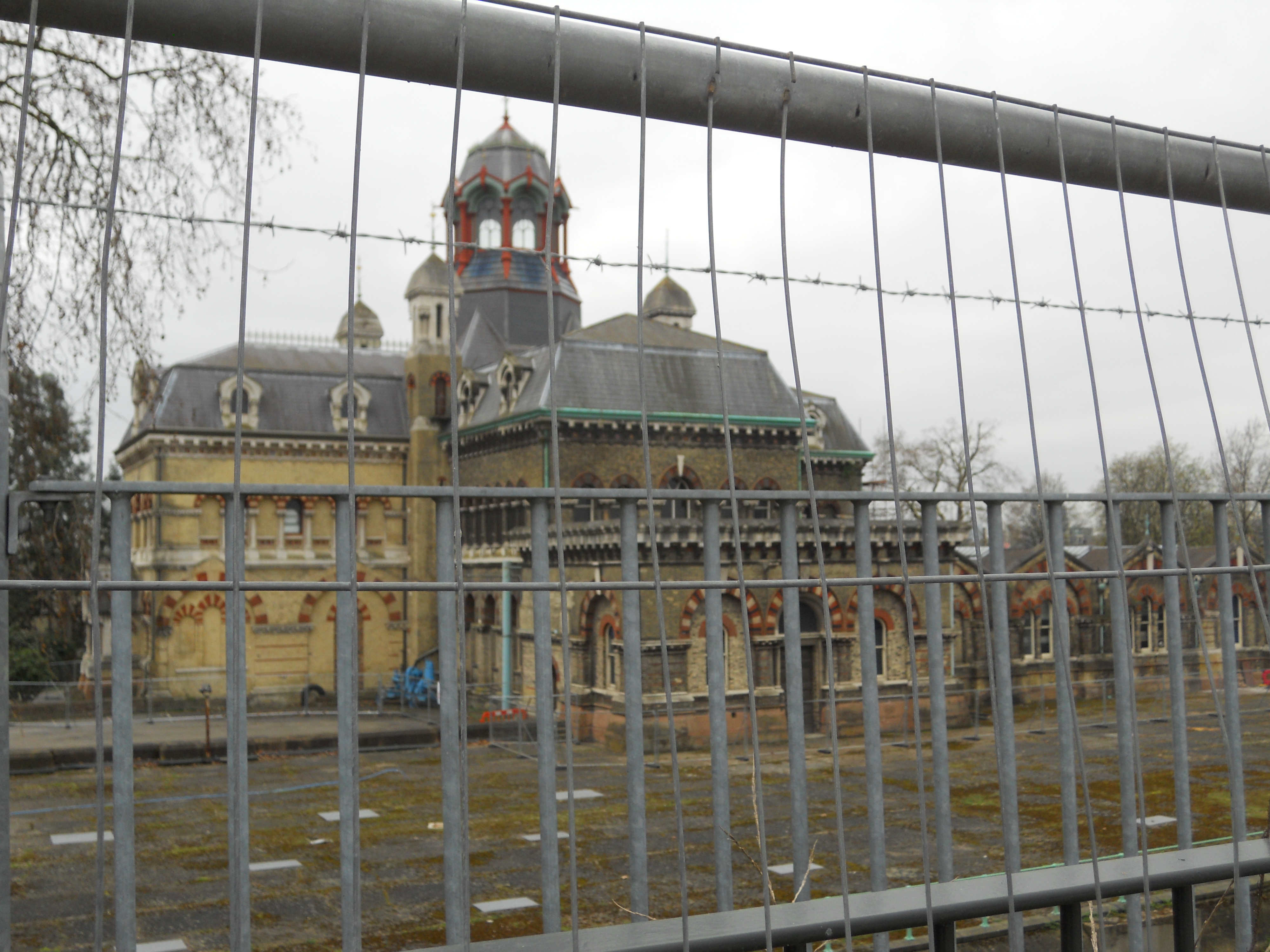

There does appear to be some tidying up going on, but surely this impressive building should look its best for the Olympics.
Walking to Victoria Park
Yesterday, I started to walk to Victoria Park to see the site where my son’s ashes were scattered on the anniversary of his death last week.
It is a pleasant walk along the Regent’s Canal. A first surprise was this cafe.

Cafe on the Regent's Canal
Yesterday, the canal was busy with walkers and cyclists of all ages and type. So the cafe shouldn’t be too short of punters.
Good luck to them! I think they’ll be the first of many hostelries on the canal. After all, the canal will be one of the main walking and cycling routes to the Olympics at Stratford.
I also passed the new bridge that takes the East London Line over the canal, just south of Hoxton station.

The East London Line Crossing the Regents Canal
I use the line probably once a week these days and when they finish off Dalston Junction station, I will use it even more. If the line has a problem, it is that it is too successful and has started to get a bit crowded even in the middle of the day. But any good transport project, whether it is a railway, road or a bus route, should attract new customers and it would appear that the East London line has done this.
The Regent’s Canal forms part of the Jubilee Greenway as this sign shows.
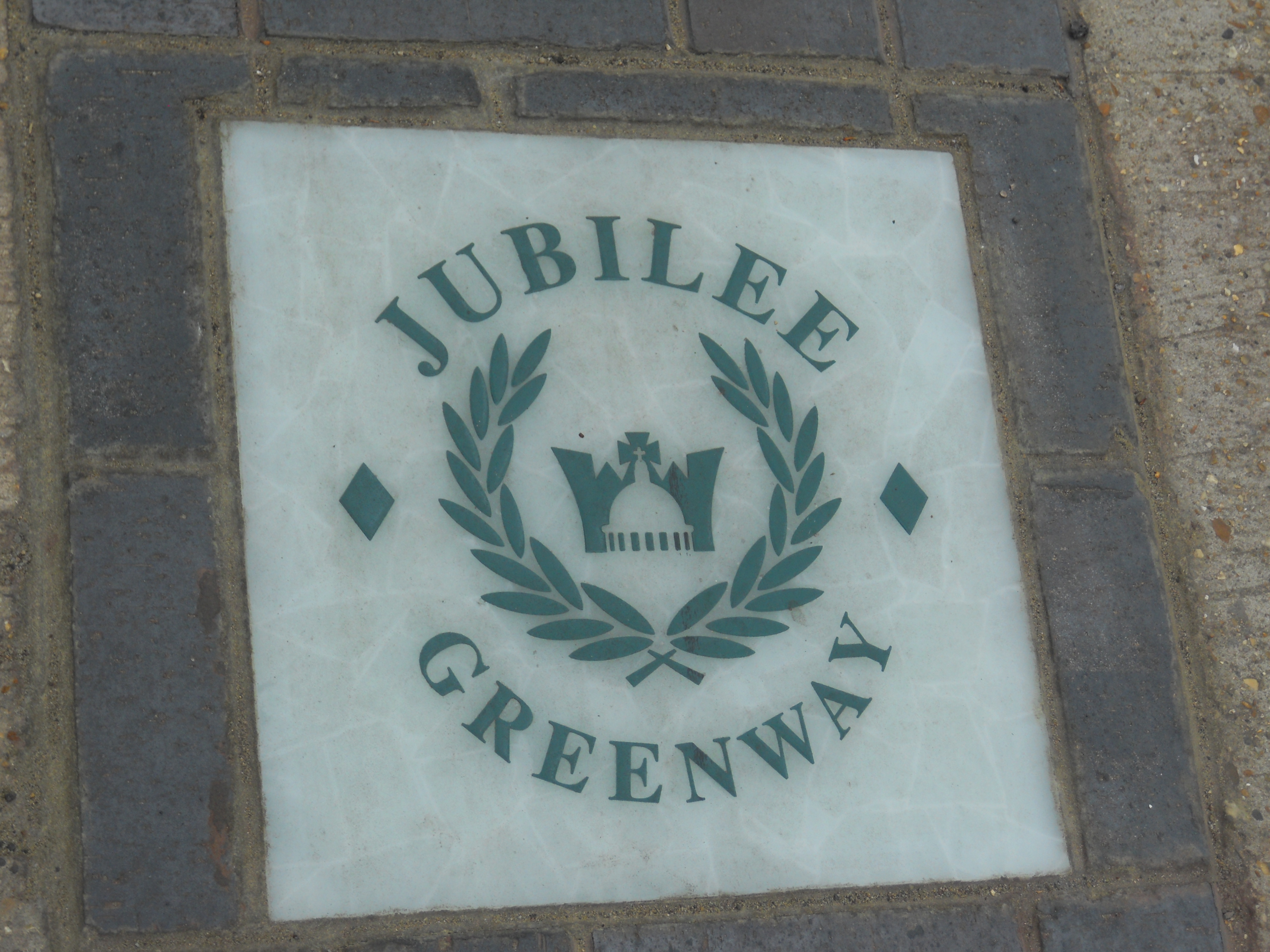
Jubilee Greenway Sign on the Regent's Canal
The Greenway runs all the way from Buckingham Palace to the Olympics and then in a circle around London. With due respect to the Queen’s fitness, I can’t see her walking all the way at her age. But it would make a wonderful celebration of her Jubilee to traverse the canal part of the route in a proper Royal Canal Boat.
The canal was busy with traffic, despite the fact that all boats need to transfer through the various locks. I took this picture as I walked through industrial Bethnall Green.
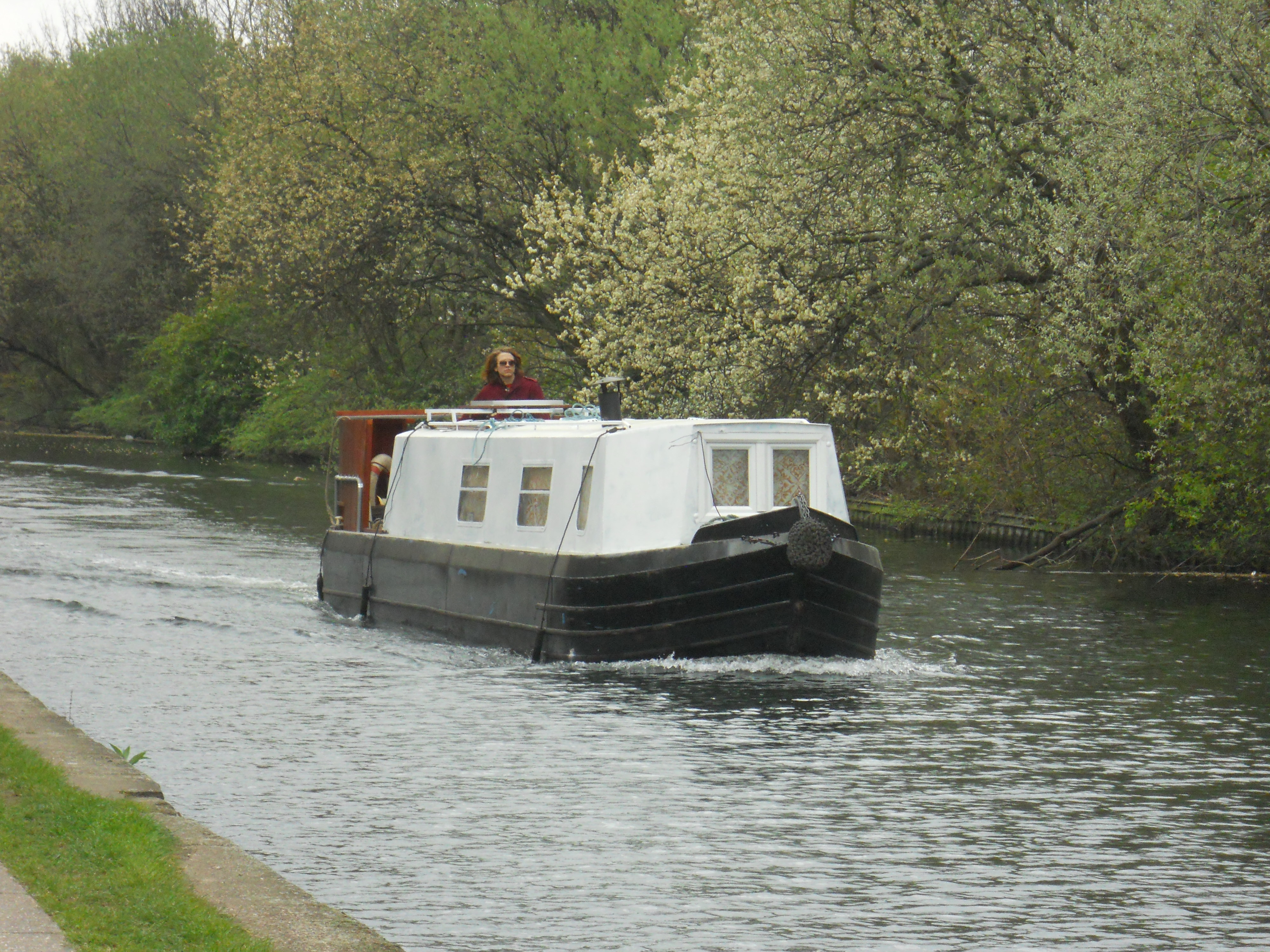
Sailing Through Industrial Bethnall Green
The picture wasn’t chosen deliberately, but it does show how the canal is a long green oasis cutting a bold path across London. Is that spring blossom on the trees?
But it wasn’t just expensive boats. I took this picture just after Acton’s Lock.

Kids on the Regent's Canal
The inflatable boat contained a group of kids and an instructor and they were having a great time, especially as they worked the locks. What better way is there to learn the history of East London, than to experience it from the canal?
There are various works going on to make Jubilee Greenway, one of the ways to get to the Olympics. I particularly liked this well designed entrance ramp and steps to the towpath.
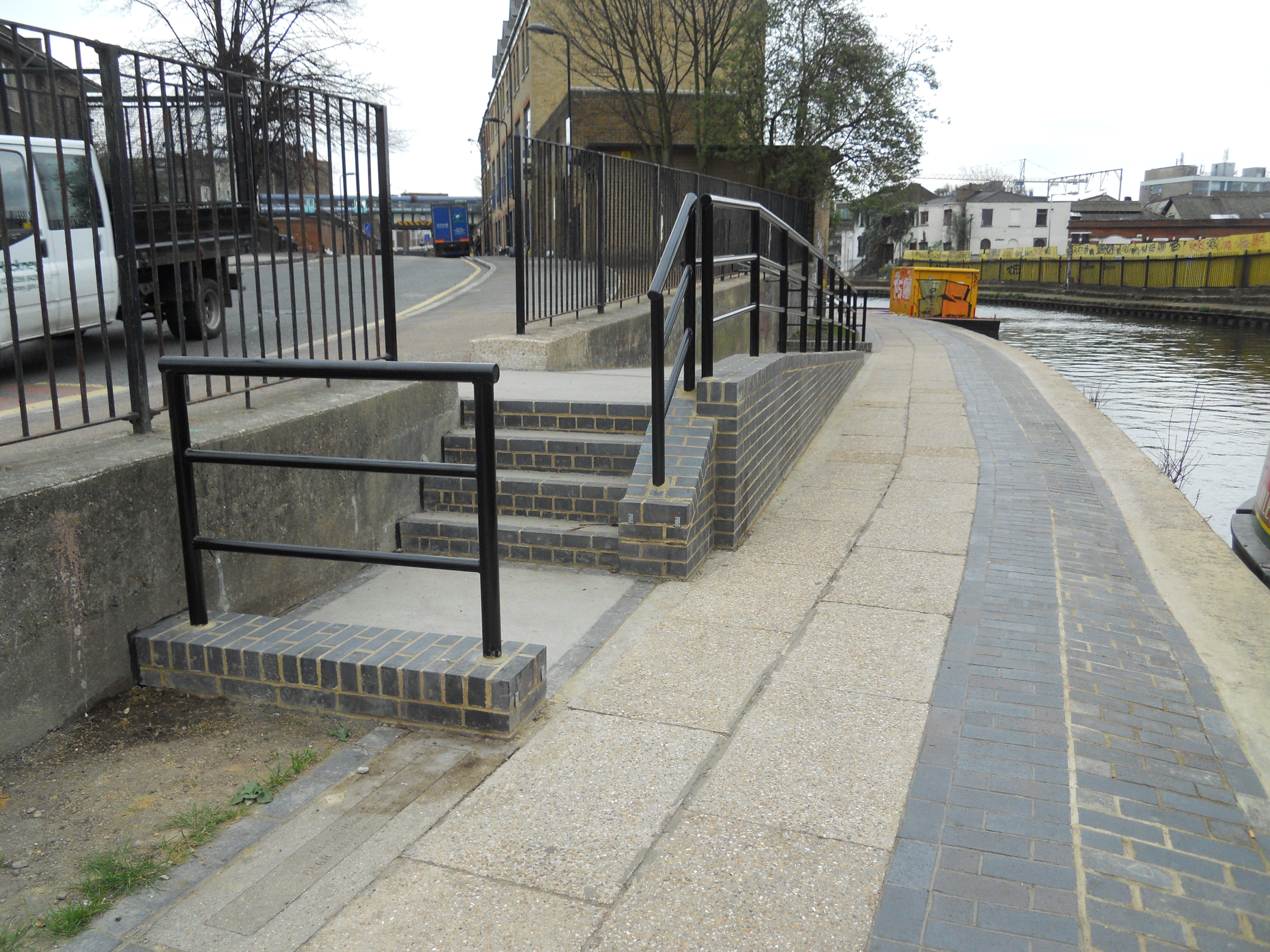
A Well-Designed Ramp and Steps
There is never an excuse for not using the best designs for even the most mundane things.
Note in this picture, you can see the slabs and bricks that cover the high-voltage electricity main, that takes the power to the City from East London. The boat moored at the end of the ramp is a workboat being used by the engineers upgrading this vital power line.
The Regent’s Canal follows Victoria Park for some distance and the park too, is being upgraded. This picture shows the bridge connecting the Park to Bethnall Green.
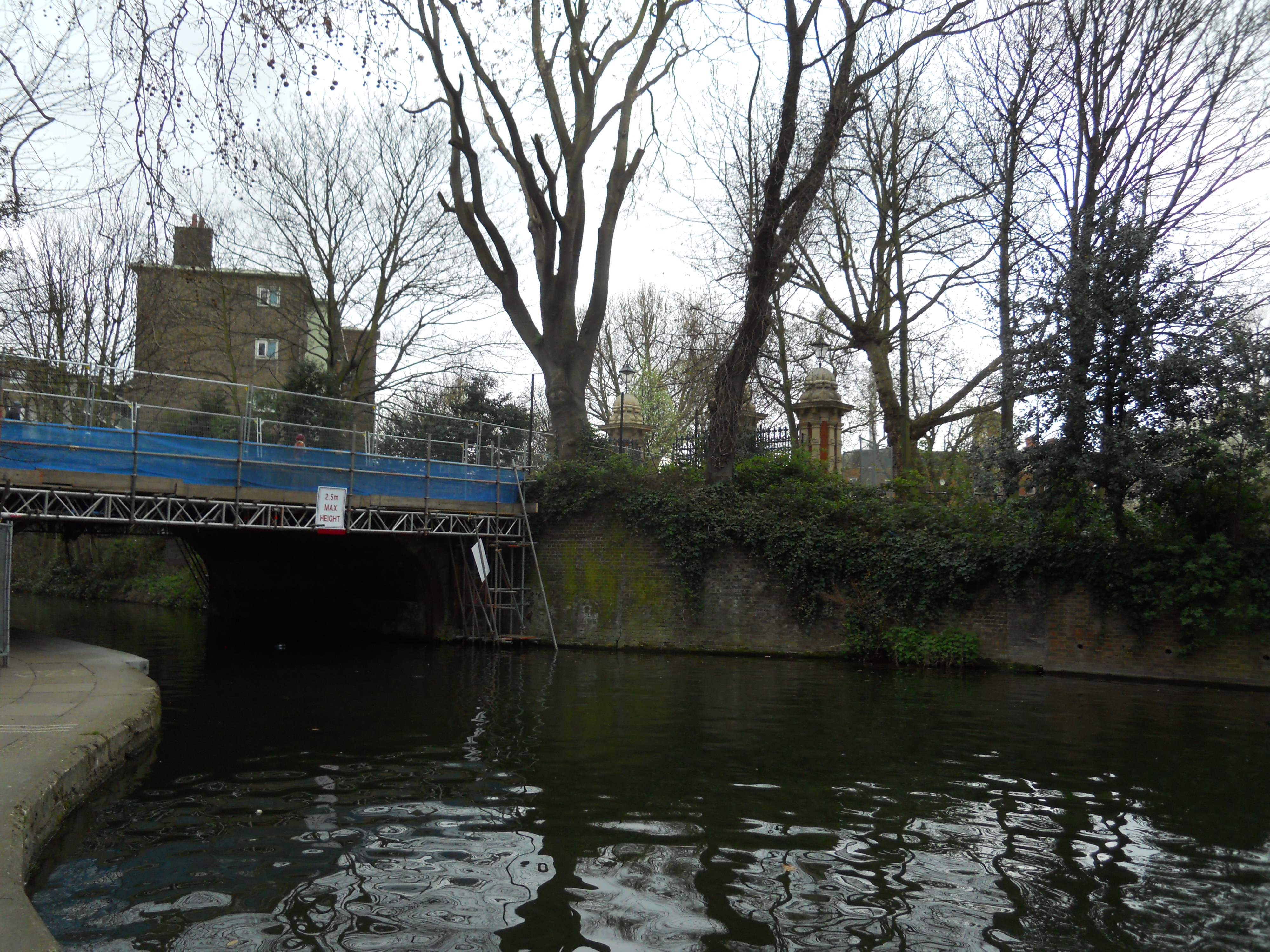
Entrance to Victoria Park
My kids used to go to the Gatehouse School nearby and used to walk over this bridge into the Park. At the moment due to the works the park isn’t totally accessible.
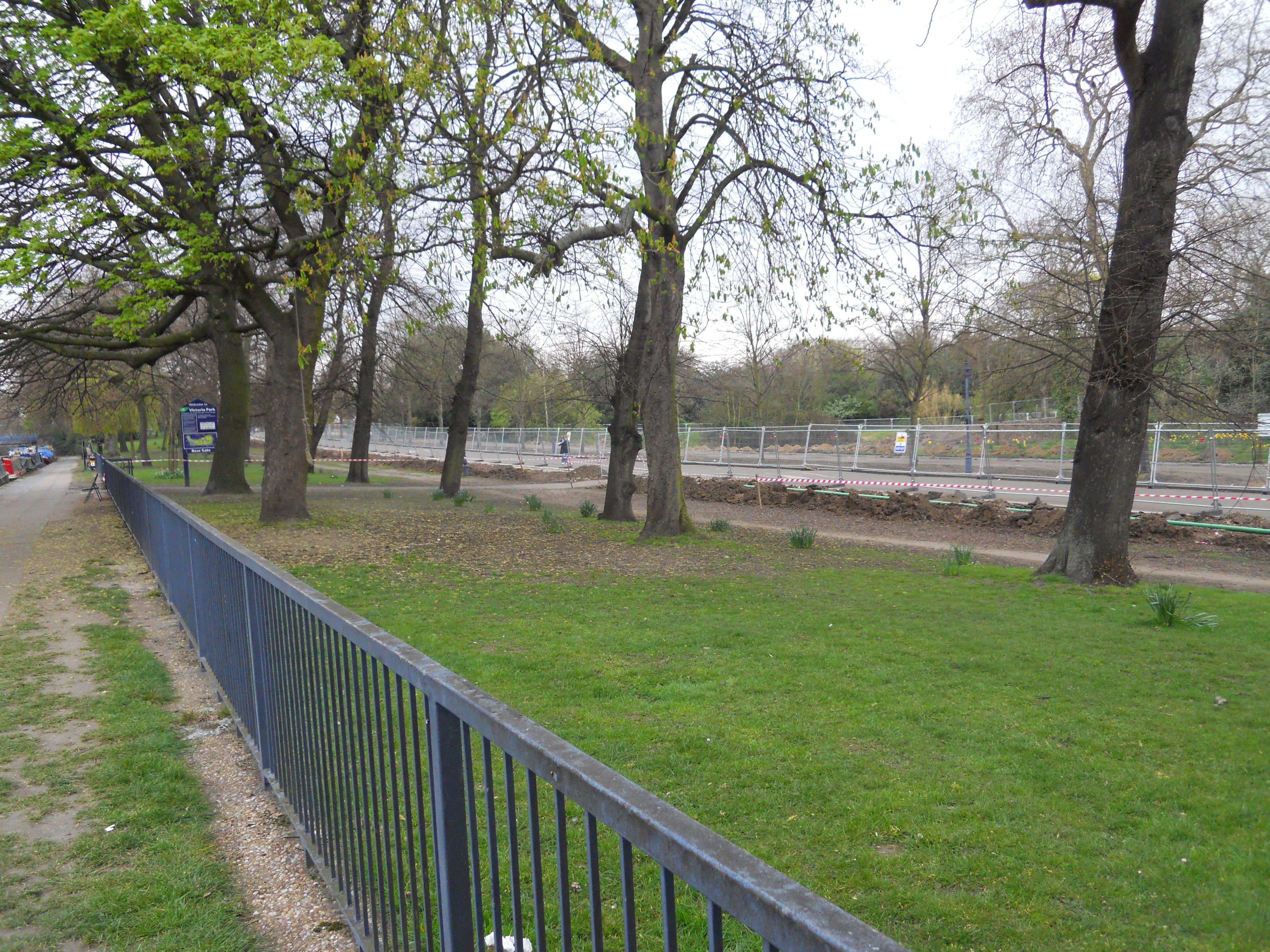
Works in Victoria Park
It will all be done for next year, when the park will be used as an Olympic viewing venue with big screens, a new cafe and lots of grass to sit on. Perhaps one of the best ways to go to the Olympics, will be to take a picnic to Victoria Park and then walk to the Olympics Park.
In some ways it is one of my favourite parks, and I can remember wheeling our granddaughter through the park with C many times in her pram. As it was also one of late son’s favourite spots it was entirely fitting that his ashes were scattered there.
I shall certainly use it as a venue to watch the Olympics, especially, as it is only about a hundred minutes walk from my house. Or if I feel lazy, it’s just one bus ride away from my local stop.
This sign gives the history of the park.
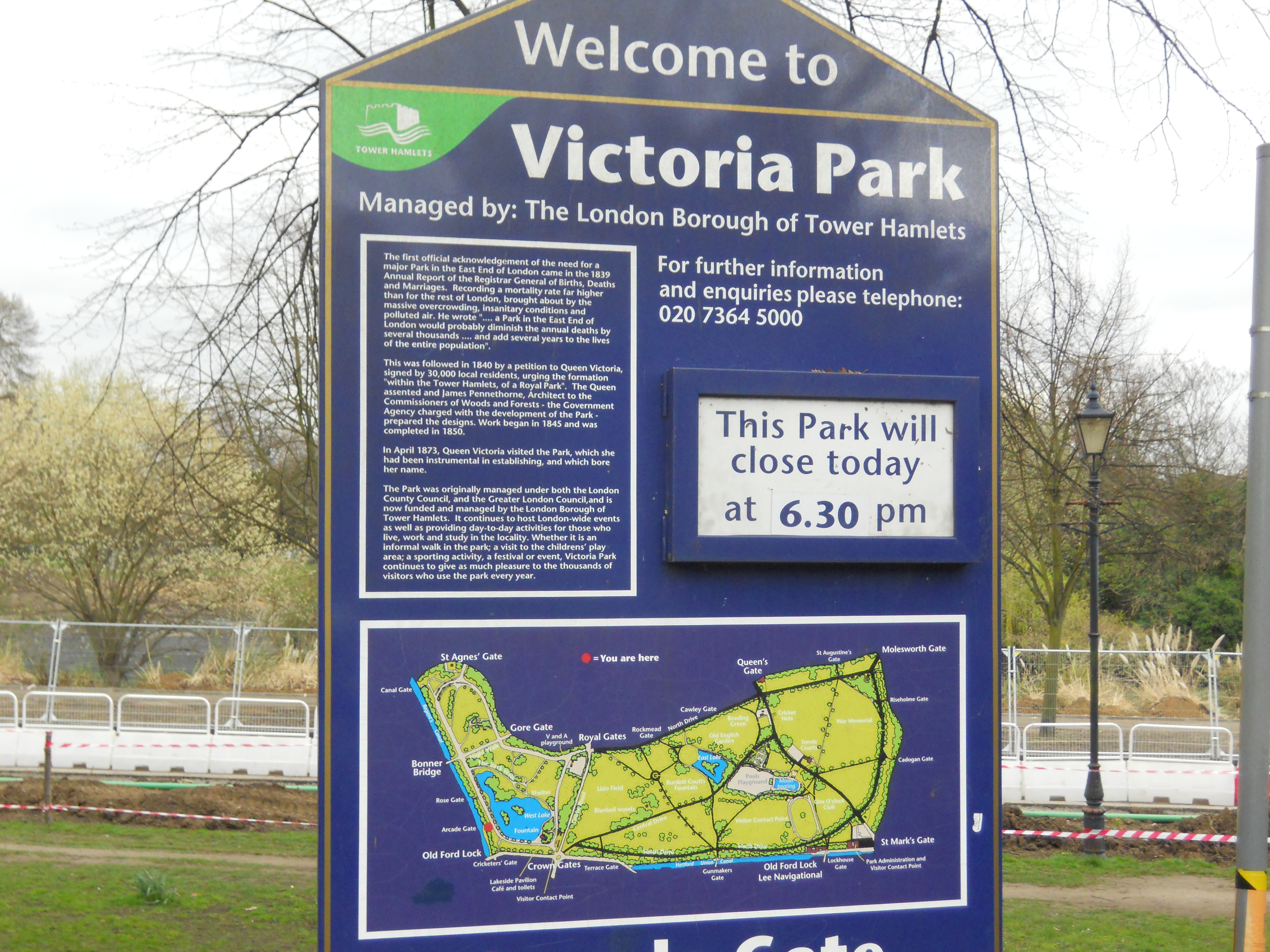
Victoria Park Sign
I’m certain that Queen Victoria would be very happy about the state of the park she supported and allowed to be named in her honour.
How The City of London Gets Its Electricity
I did mention briefly in an earlier post about this, but today as I walked from home along the busy towpath of the Regent’s Canal I saw this notice.
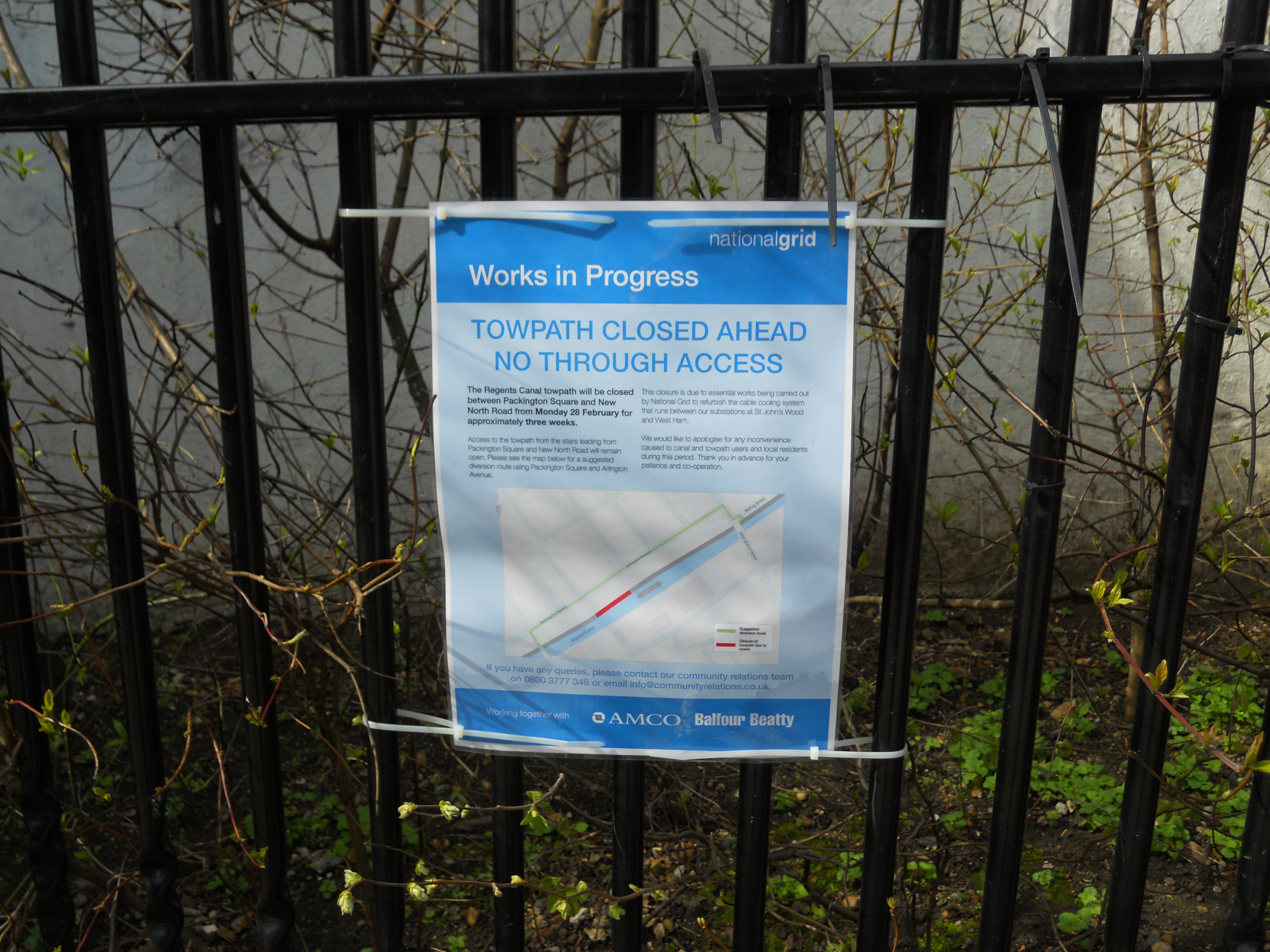
Notice on The Regent's Canal
Note that it says that it links St. John’s Wood and West Ham.
This closure is due to essential works being carried out by National Grid to refurbish the cable cooling system between our substations at St. John’s Wood and West Ham.
It also links up to the City Road Basin, where there is a major sub-station that actually supplies the City. For more details of the work, there is a press release here. It’s all good engineering combining the best of modern technology with some superb historic infrastructure.
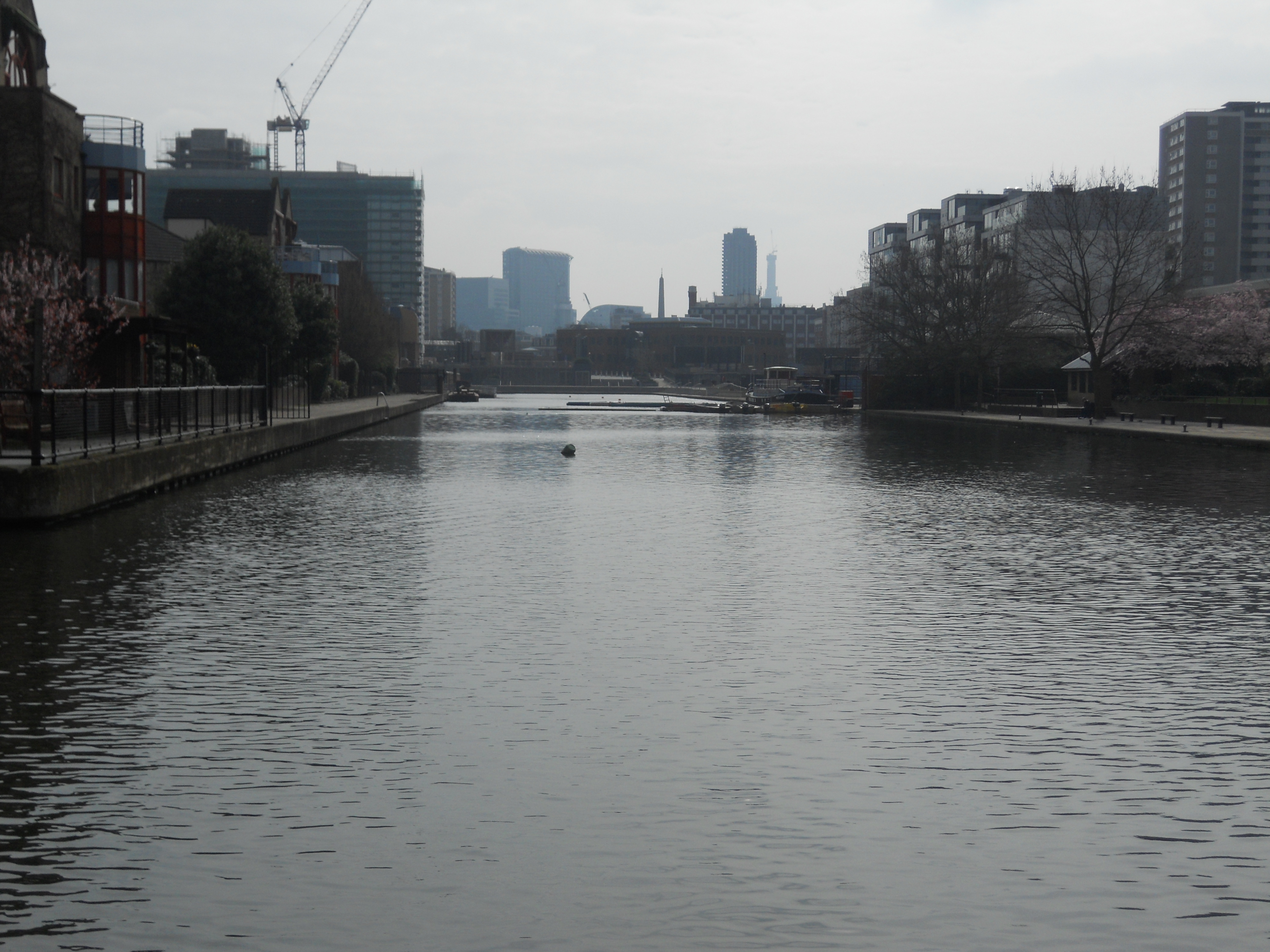
City Road Basin, Regent's Canal
The sub-station is to the left of the Basin in the picture.
Where the cable is is quite obvious, as this picture shows.
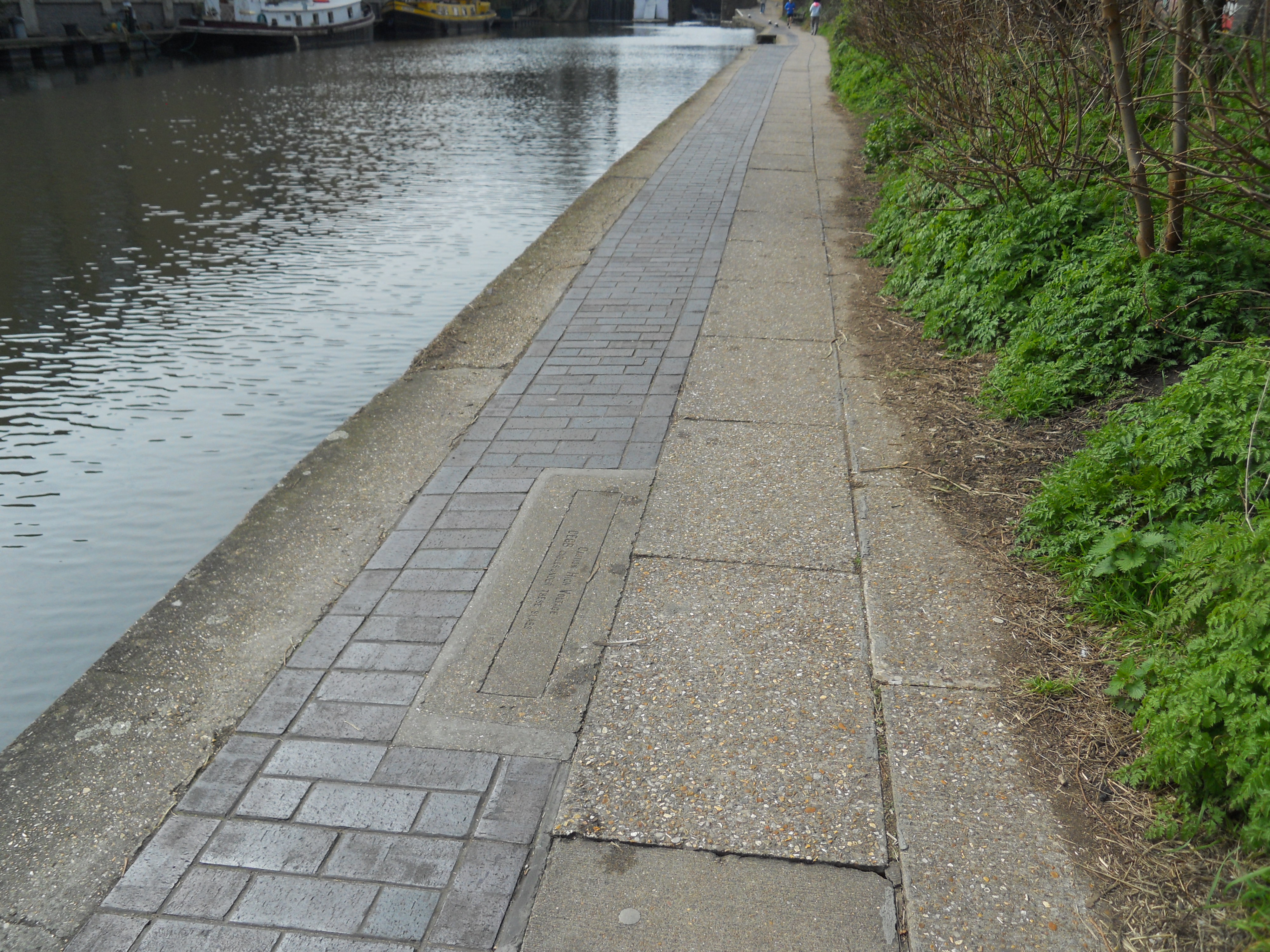
Cable Duct in the Regent's Canal Towpath
But it is well-marked.

High Voltage Warning
It could almost make a story for a James Bond film.
Imagine an evil megalomanic, who wanted to do some sort of share coup. What better way to disable dealing in the City of London, than to cut the power supply, by attacking it along the Canal. But of course the film would end with an amazing chase through the East End of London, all the way to the Olympic Park.
On the other hand working on high-voltage cables without the proper precautions is not to be recommended, unless you want to end up as little more than a collection of atoms.
Mackays Make the First Brass Headed Coach Screw
I did try to make one myself, but I didn’t have a strong enough die to cut the thread after I’d taken the head off the coach screw. So I took the screw and nut to Mackays in Cambridge, when I visited the city on Tuesday.
They are basically a very good tool shop, but they also have a small engineering workshop out the back.
This is what they created for me in a few minutes.
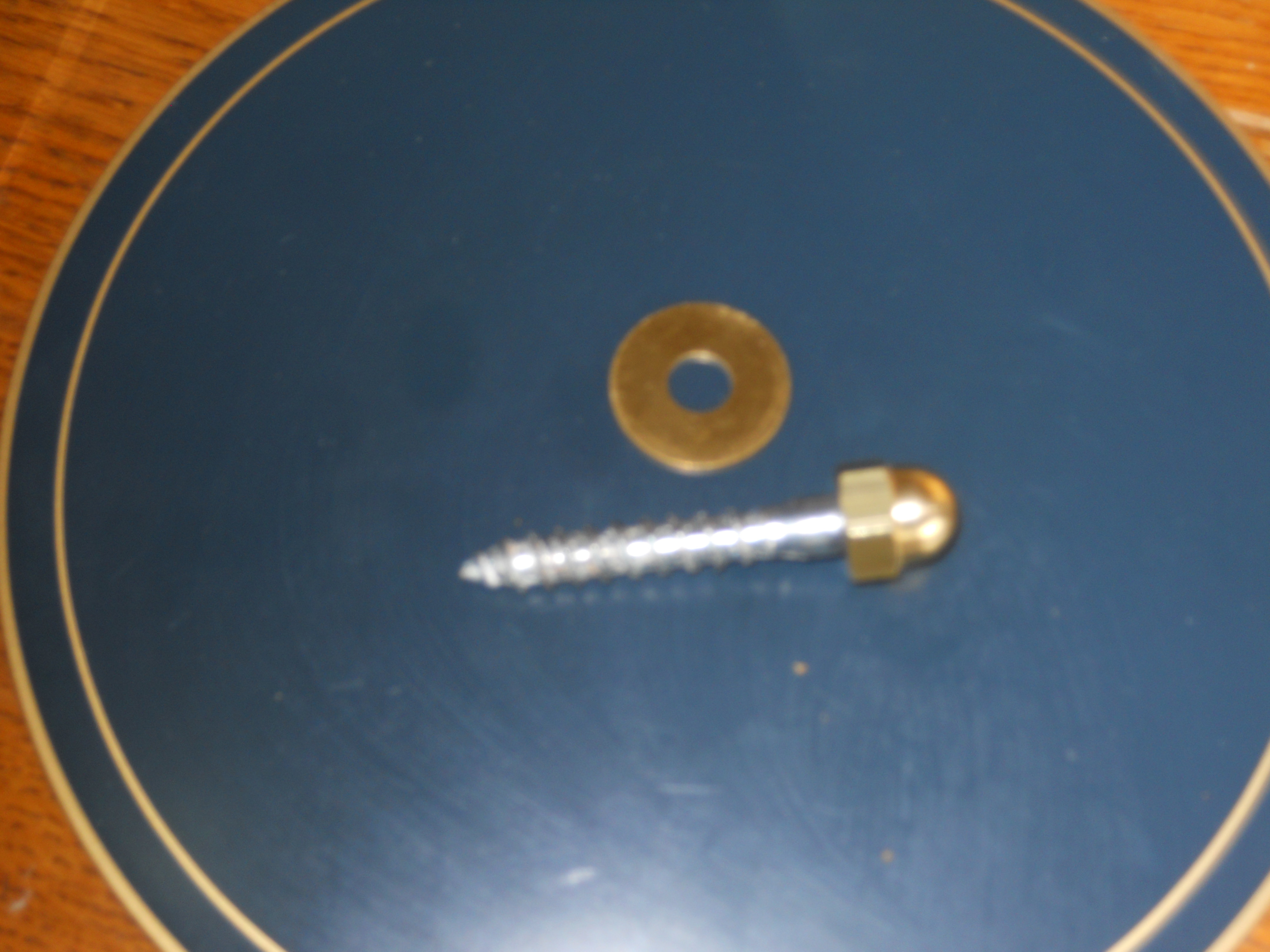
Brass Dome-Headed Coach Screw
Unfortunately, they didn’t have any of the unobtainable oversized washers.
But it installed perfectly to screw the staircase to the wall.

The Installed Coach Screw
Note the old brass-painted one at the left. I’ll now be ordering another two.
Brass Washers As Earrings and a Watering Can Handbag
I saw the first on the tube and the brass washers were there in all their engineering brilliance hanging from a young lady’s ears. No wonder I can’t get any to complete my staircase! I would have photograhed them for this blog, as I was so disgusted at the application. And it’s probably rude and/or illegal to take pictures of a lady’s ears on the Underground.
I saw the second last night, as a lady walked towards me on the station with what looked like a shiny green watering can under her arm. As she passed me I could see it was a handbag complete with a fake spout.
Will I ever understand women’s fashion? Probably, never!
The Noise of a High Speed Train
There is quite a reasoned article on the BBC today about the sort of noise you might get from a high speed train on HS2 and how you could reduce it.
The article doesn’t mention a technology that by 2020 will probably be available to quieten the train and that is the use of anti-noise, where an equal and opposite noise is generated to cancel the sound of the train. I dabbled in this twenty years ago and even then the technology had been successfully applied in a few applications. But even if anti-noise itself is not used, in ten years or so how trains create noise will be better understood and better design will be used to cut the noise.
I may be generally against the building of HS2, but I do think that noise will not be one of its biggest problems.
 The Anonymous Widower