How Various Nationalities Could Get to the Olympics
London has always been a multi-national and multi-cultural city, so there has always been large groups of various nationalities in various parts of the city. Where I live is just a stone’s throw away from where my French Huguenot ancestors lived and go a little bit further south and east and my Jewish ancestors could be found at the start of the 19th century. Even now, certain Caribbean groups have settled in places like Brixton,New Malden has been populated by Koreans and there’s an area of Camden with lots of Georgian restaurants. London is a complete jigsaw of nationalities.
So you can get a few mildly humorous rules about how the various nationalities might get to the Olympic Park.
The Koreans in New Malden, as do many, have an easy trip. They just take a train into Waterloo and then take the Jubilee line round to Stratford.
Remember the London Underground rule to estimate journey times; 2 minutes per station and add 5 minutes for an interchange.
The French should walk to the Park from West Ham or Hackney Wick stations, on top of the Greenway, as this walk and cycle path, sits on a major part of London’s sewerage system, which was built by a man called Joseph Bazalette, whose grandfather was French.
A few of the Russians will be very rich, so will be in VIP limos, but if they and their fellow countrymen do go by public transport, they’ll take the Olympic Javelin Shuttle from St. Pancras station. But one day they might like to go by the Central line and go a few stops past Stratford to look at Gants Hill station, which is to a design for Russia by Charles Holden. There’s some pictures I took of the station here.
The Tube
I watched the first part of this documentary about the London Underground on BBC2 last night and it was fascinating.
The thing that impressed me most, was how a very multi-racial staff acted as a coherent team and stood up so well to the hassle they got.
I shall be watching next week.
An Art Gallery With Its Own Station
I went to the Whitechapel Art Gallery today to see some of the Government’s art collection. It is a charming modern gallery tucked away in the East End of London, hard by one of the entrances to Aldgate East station.
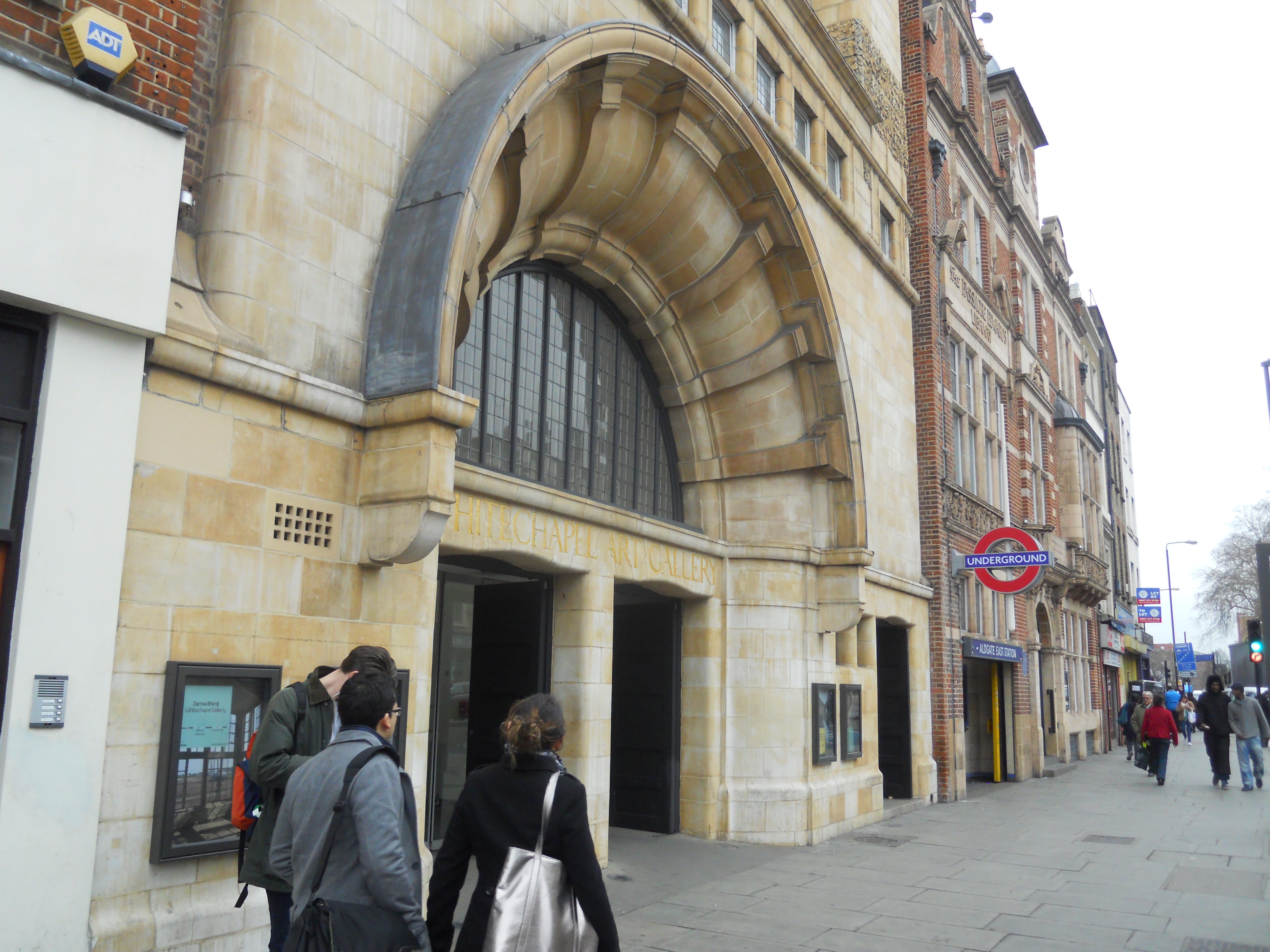
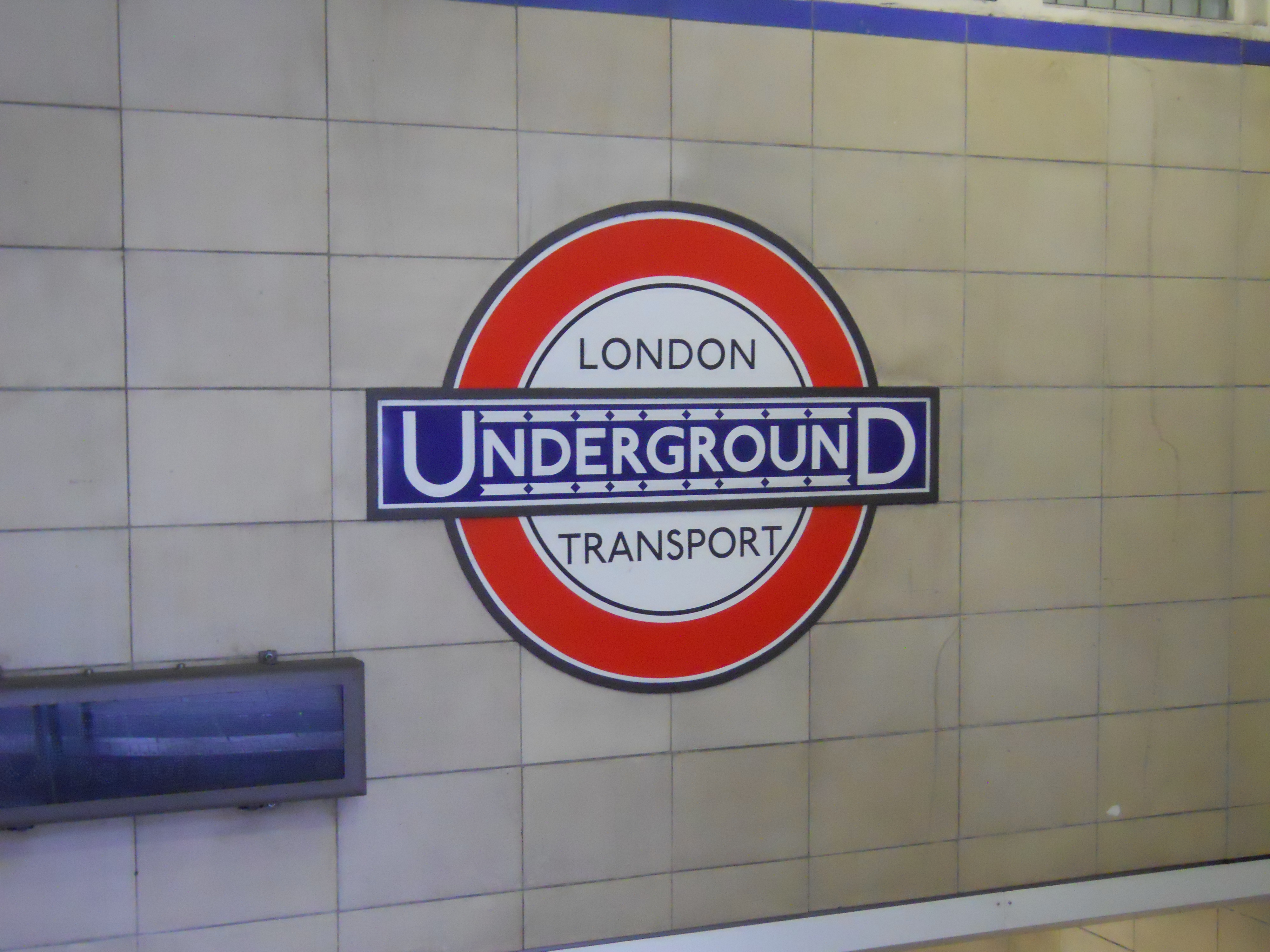
Note the roundel in the station paying an artistic tribute to the gallery.
The exhibition was worth seeing, but the gallery had lots of other things to see and an excellent cafe.
A Lock Is a Gate
This is a mini concept album and drawing project for the Central Line. These pictures were taken at Bethnal Green station.
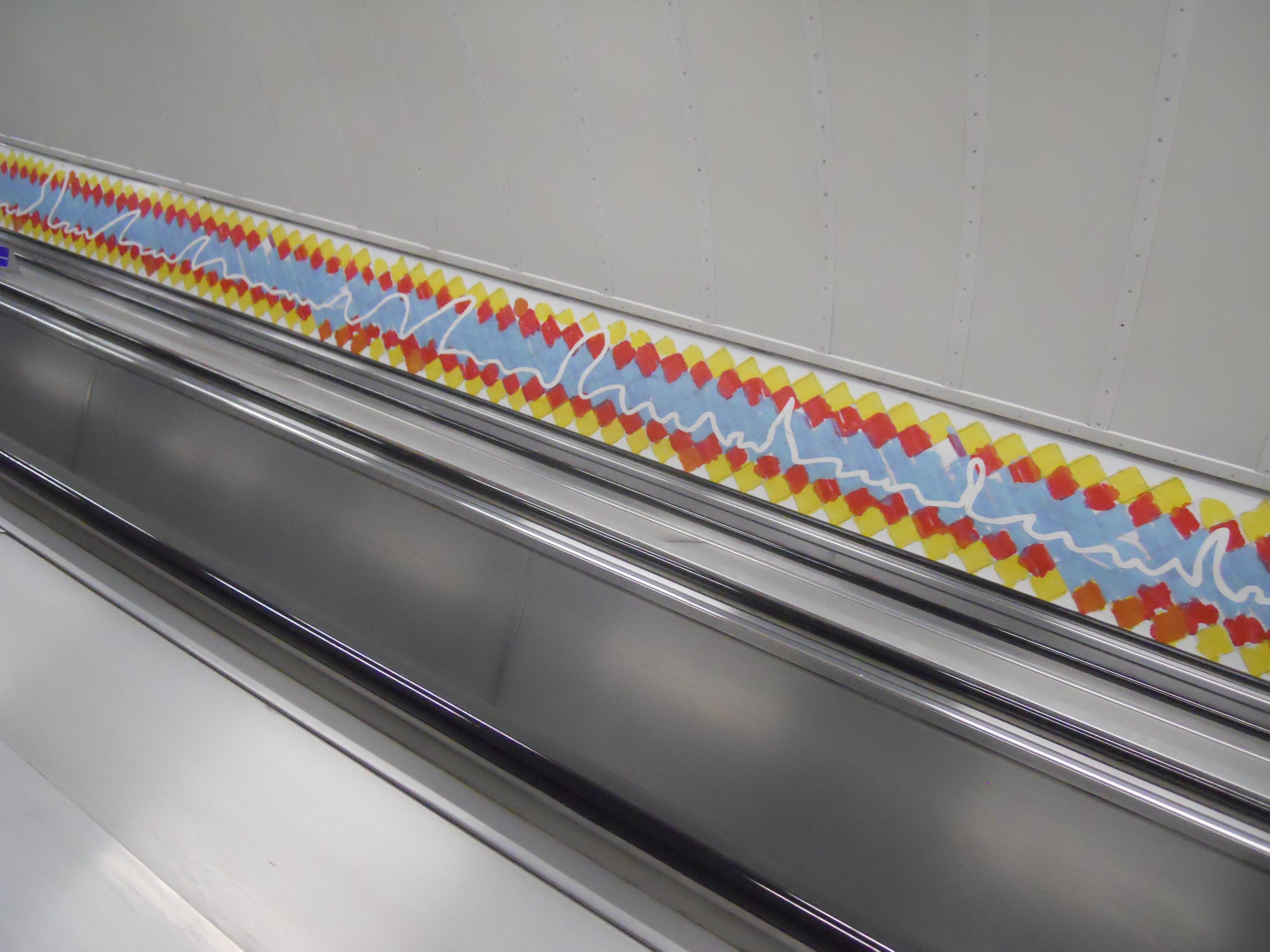
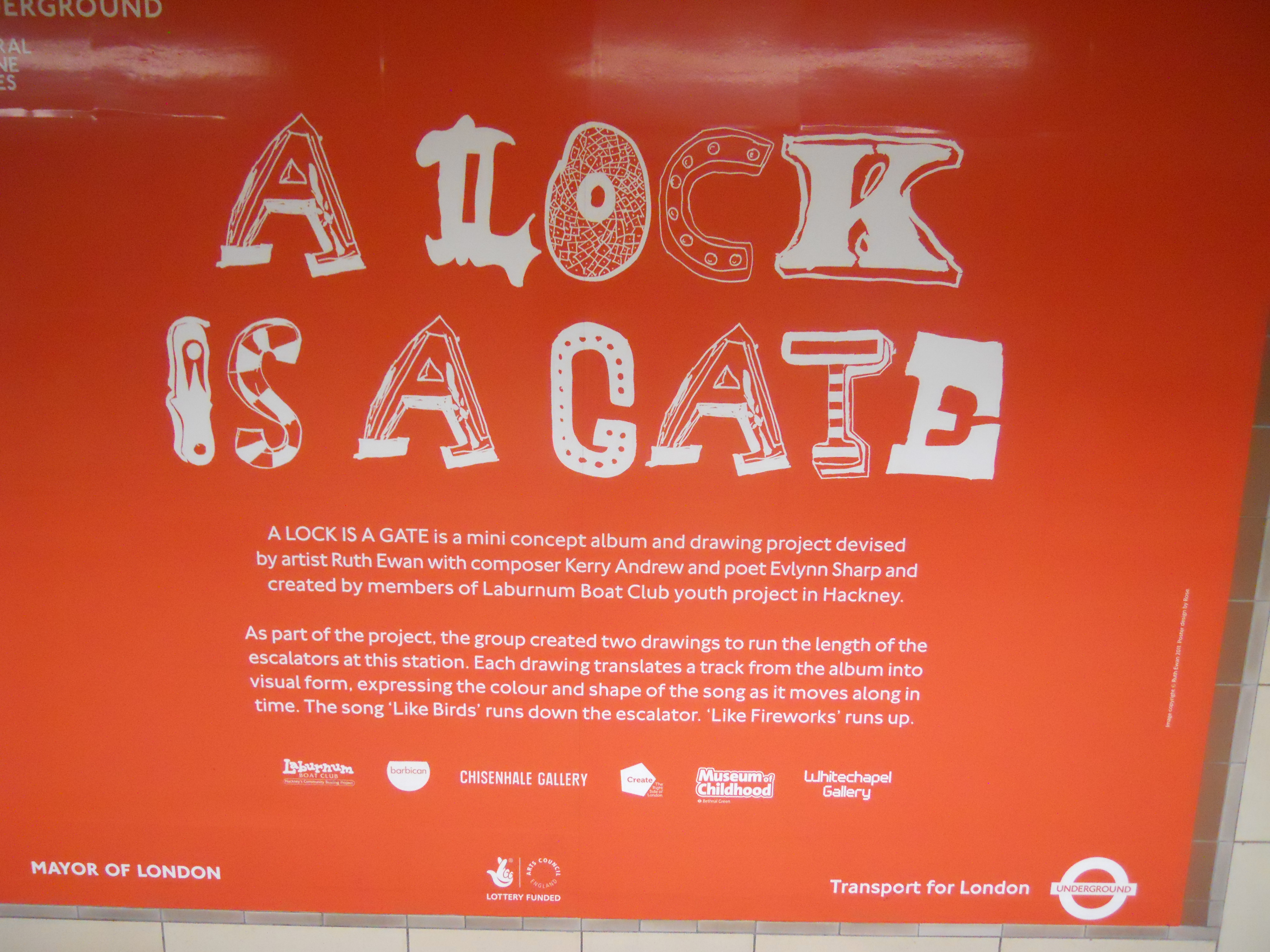
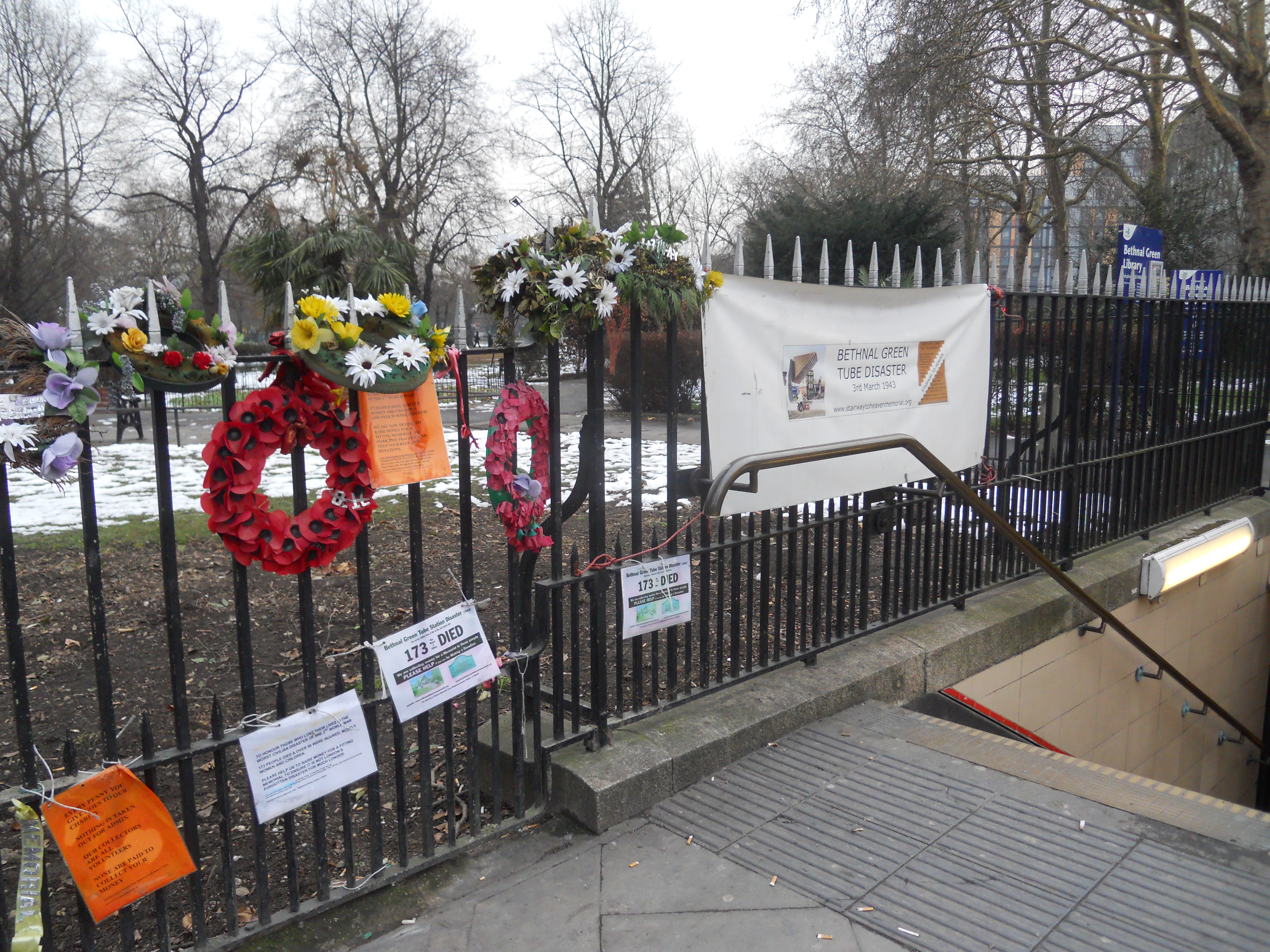
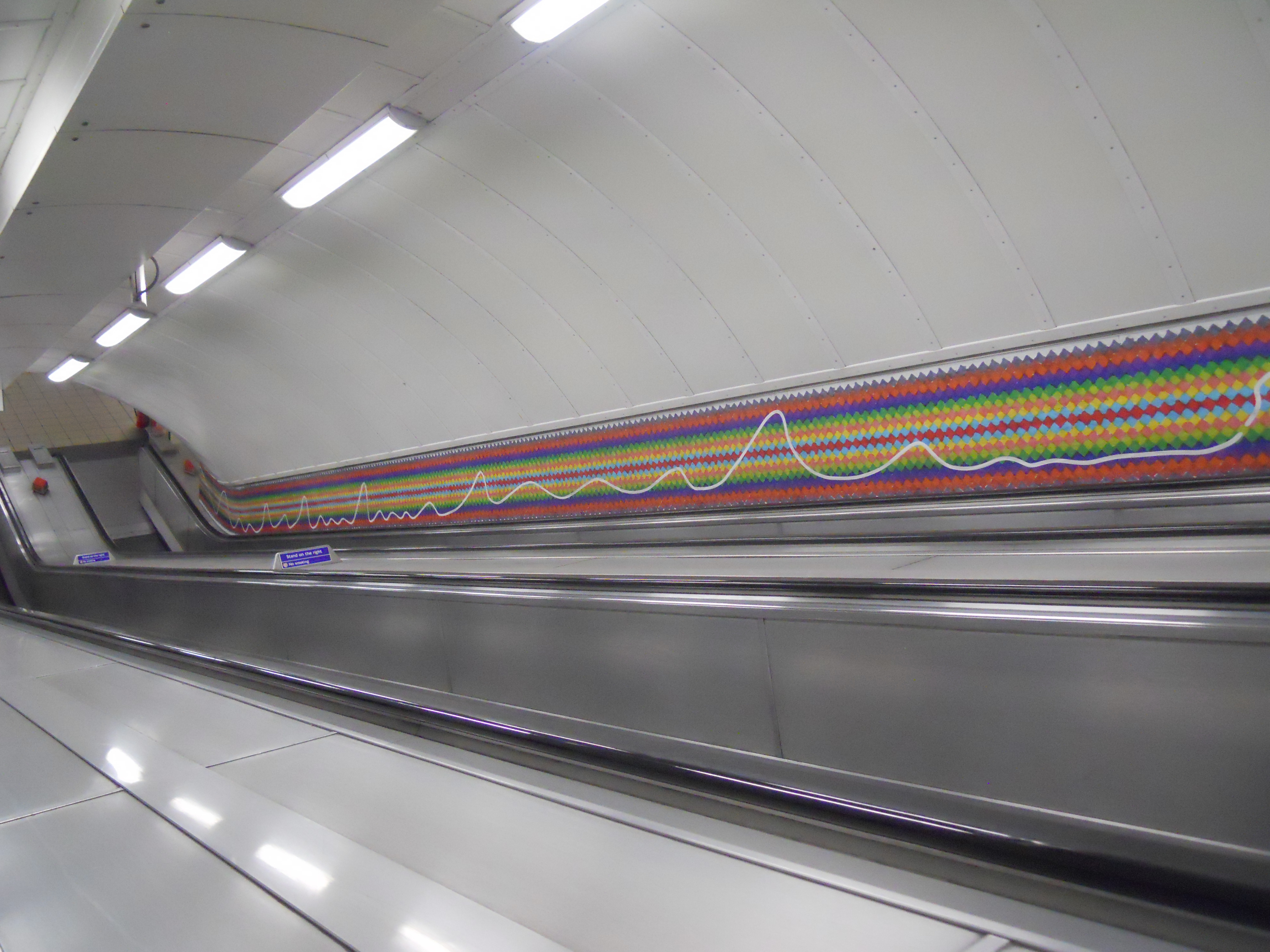
There is more on the project here. Note the poster for the Stairway To Heaven, which will commemorate the 173 people who died in the Bethnal Green tube disaster in 1943.
Is Bob Crow Going to the Olympics?
I suspect that if he does go, he won’t be too popular after holding the organisers to ransom over extra payments to his members.
Unless of course Ken wins the London Mayor election and he’ll be a guest of honour, along with a lot of other strange people.
On The Only Way To Essex
Gants Hill station on the Central line on the London Underground is not only the furthest east of any totally below level station, but it is built to a unique design.
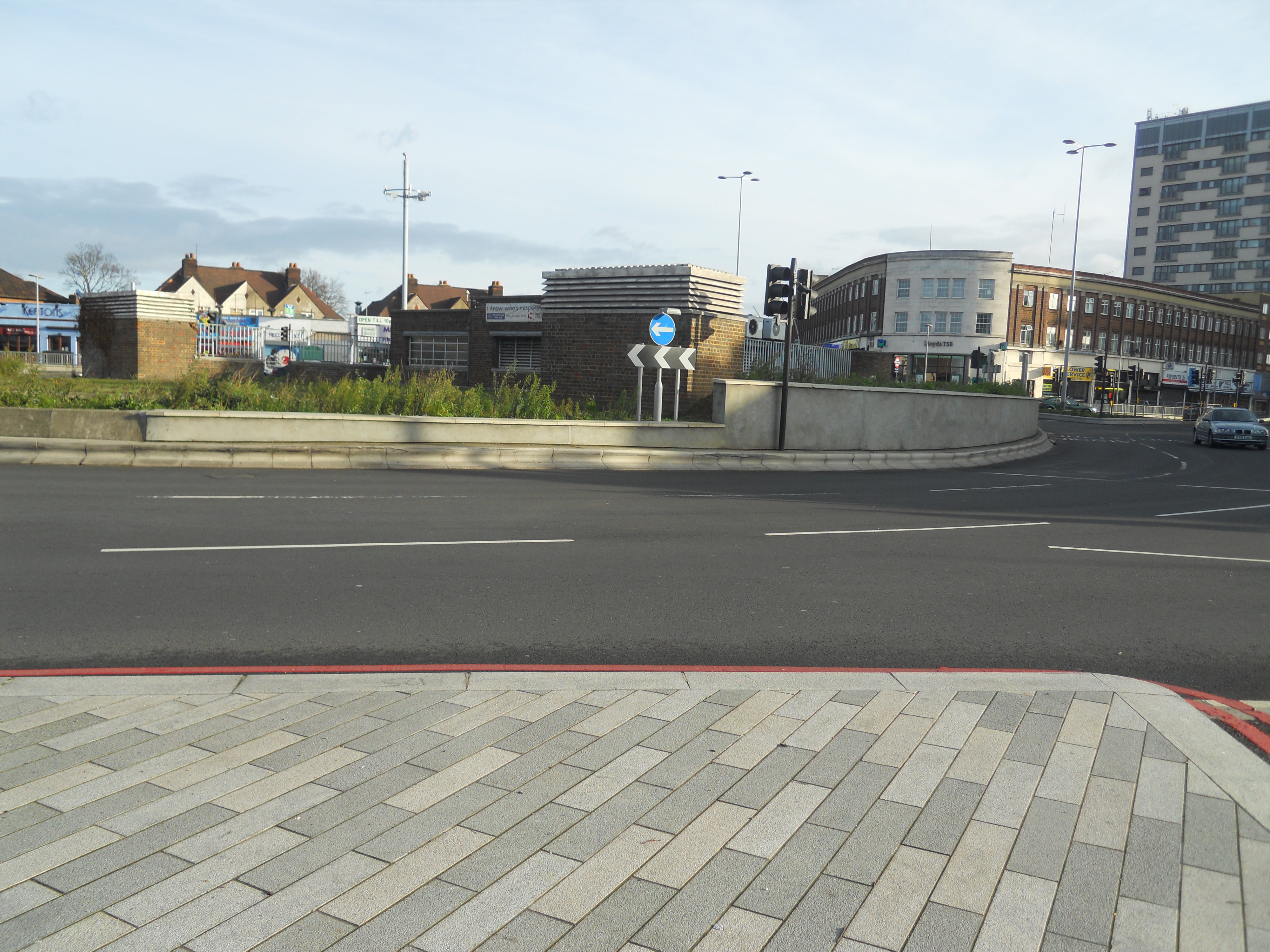


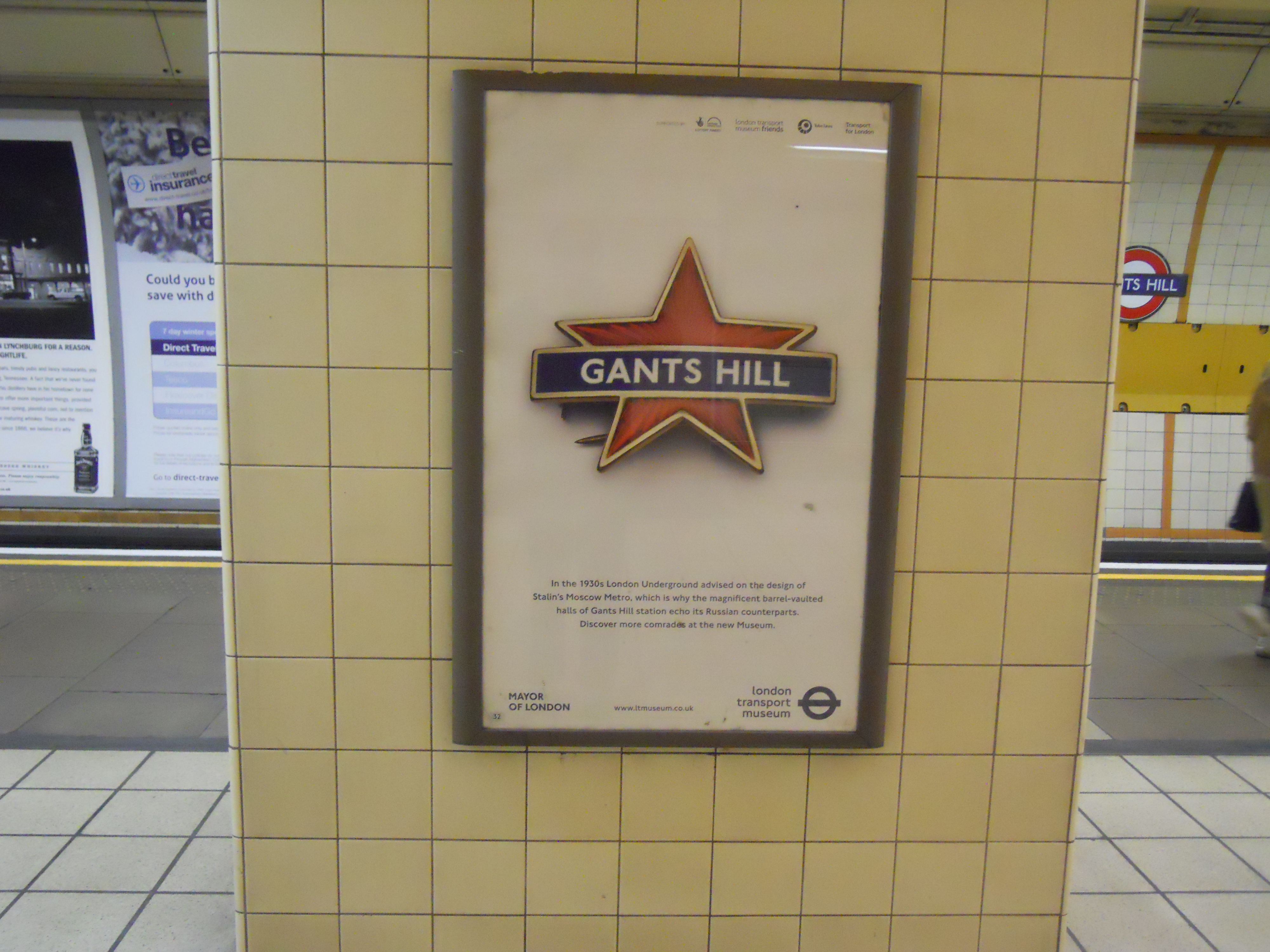
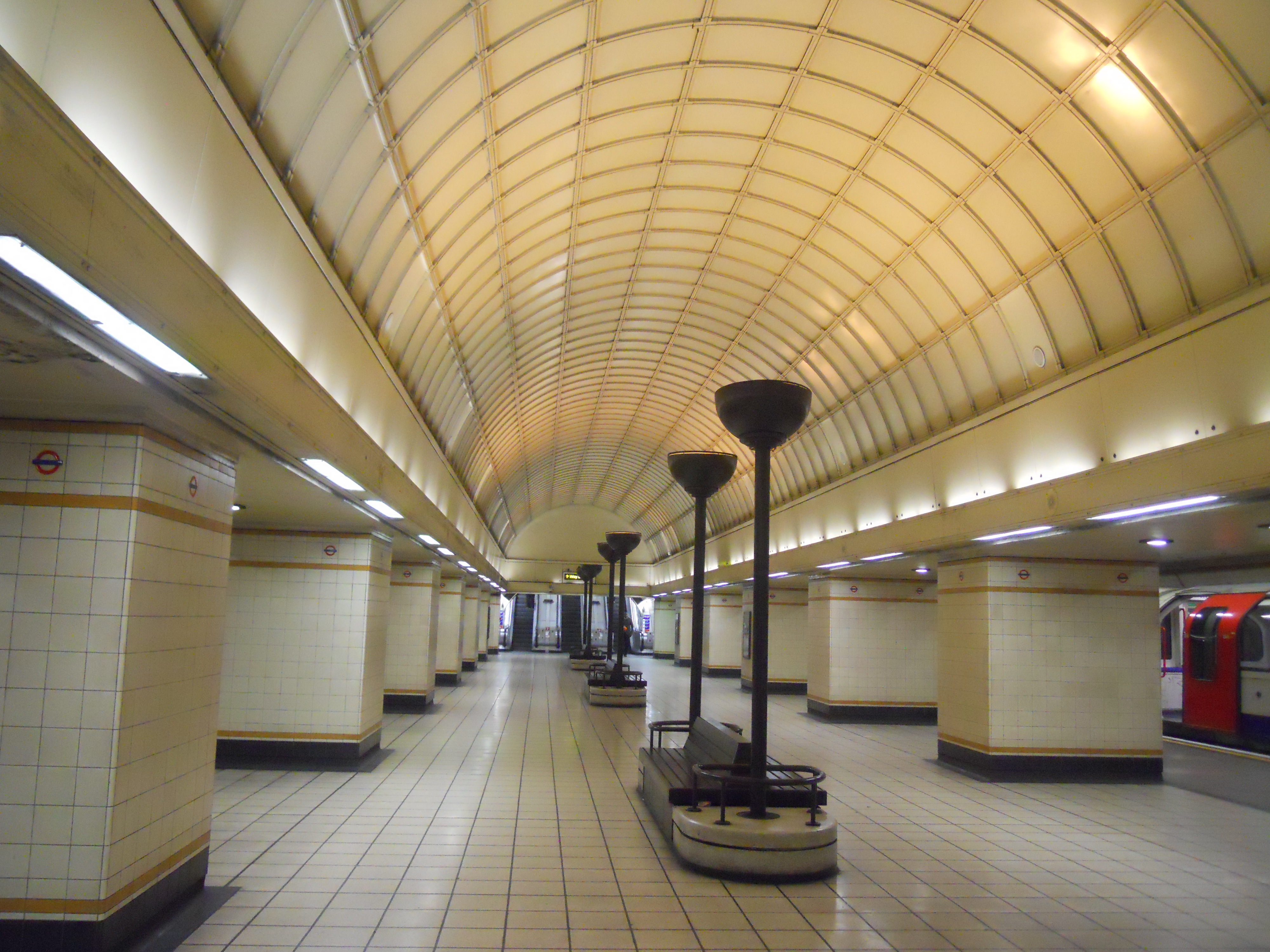
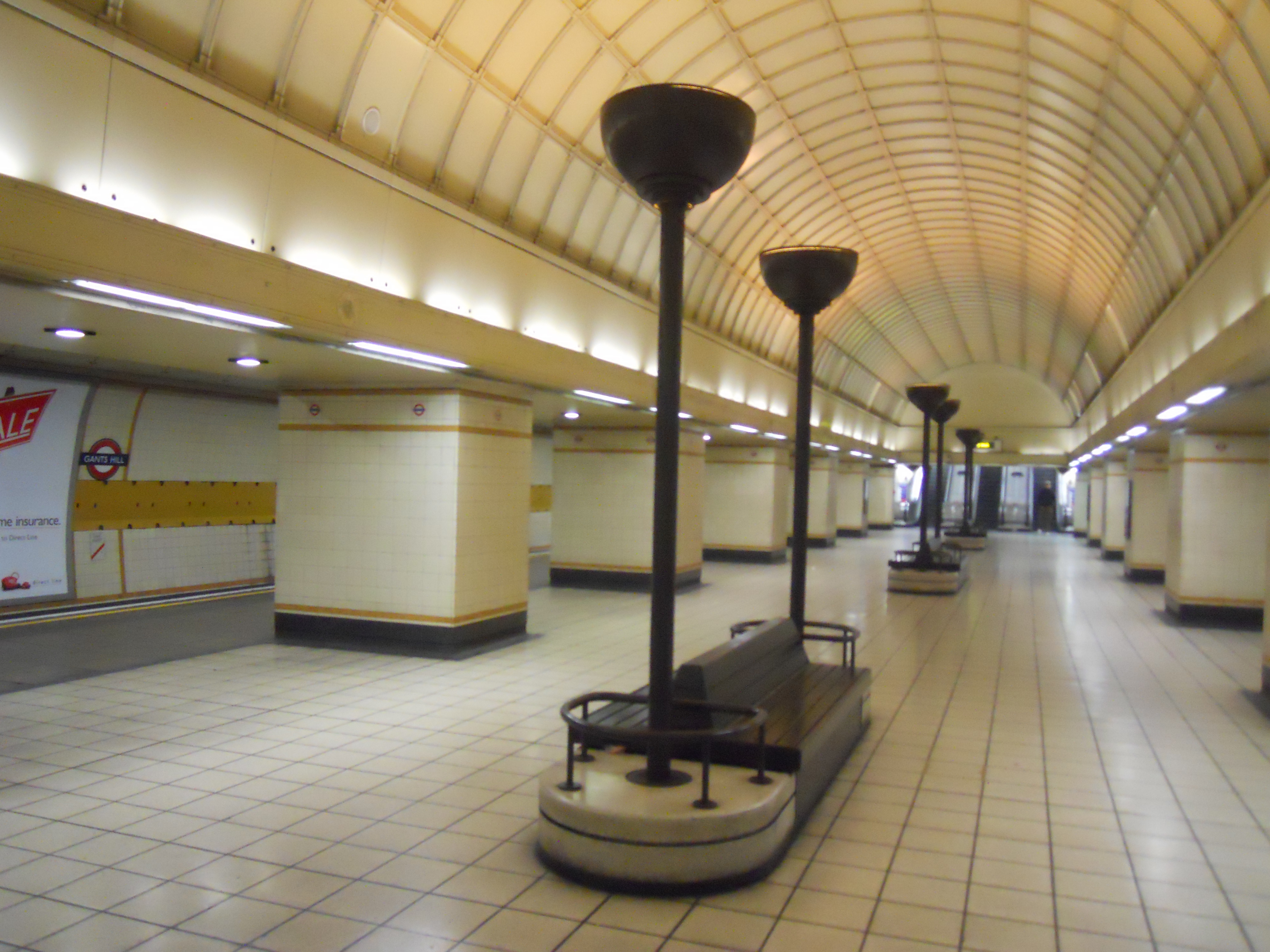

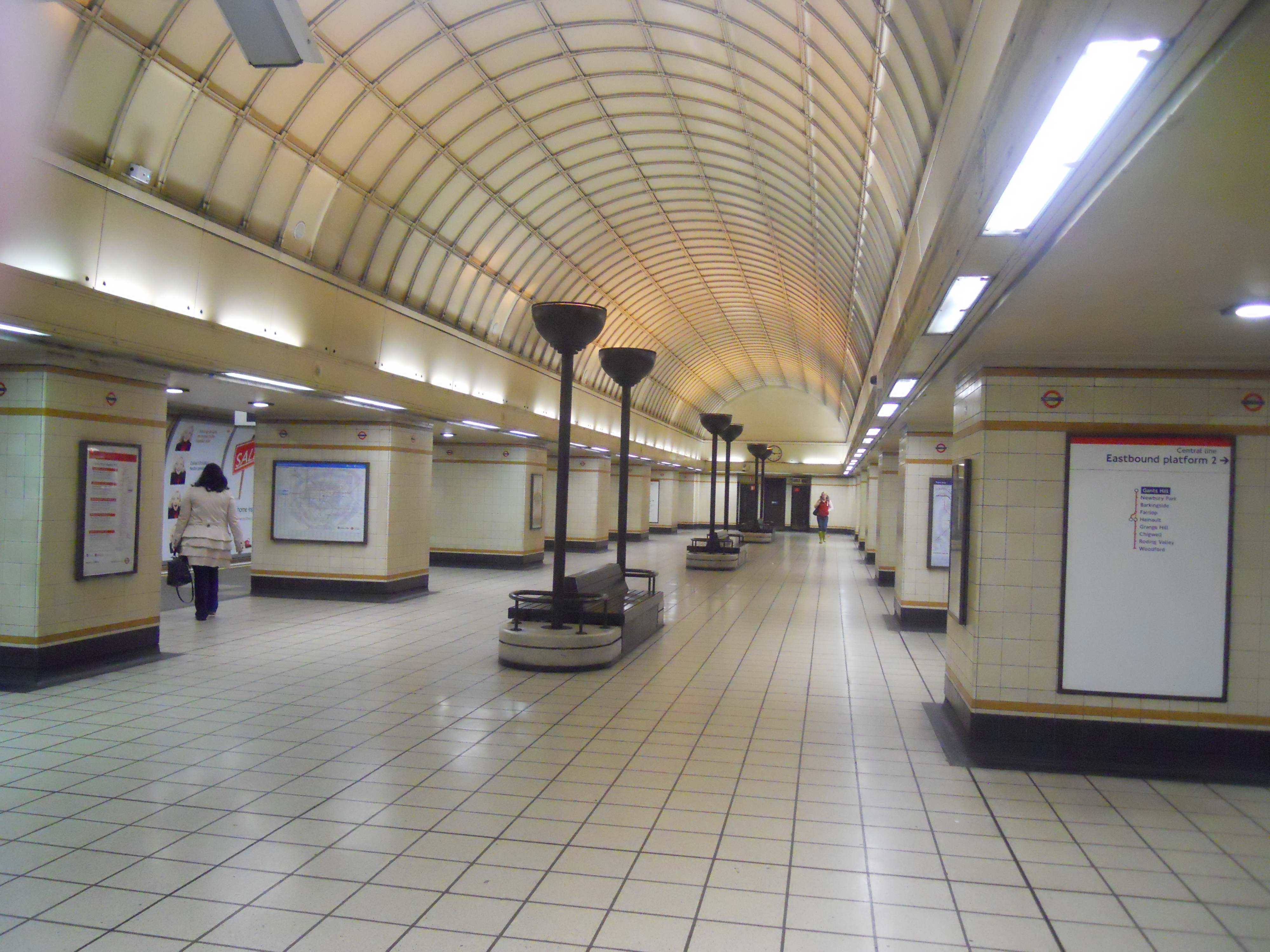
Note the seats and the barrel roofs. The station was designed by Charles Holden before the Second World War although it didn’t open until some years after the war finished. Holden did some work for the Moscow Metro and this station is reminiscent of some of those there.
Note that I’ve contrived the title of this post as the old way to Essex by car, went past the station.
The Greenford Escalator
Here’s a video of the Last of the Many.
It could have been longer, but people kept using it.
The Last of the Many
I went to Greenford station today to see the last of something that was very common on the Underground; a wooden escalator.
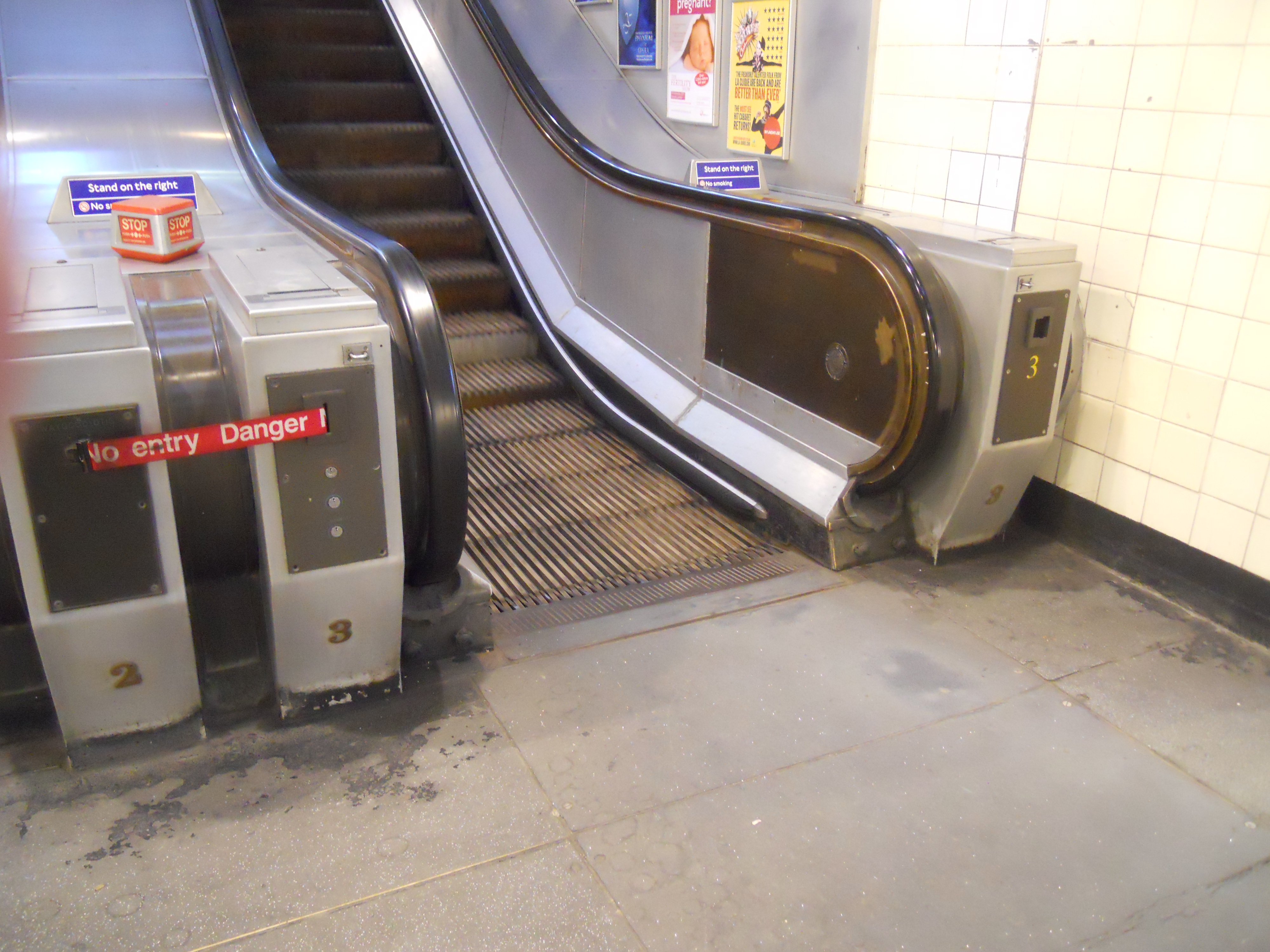
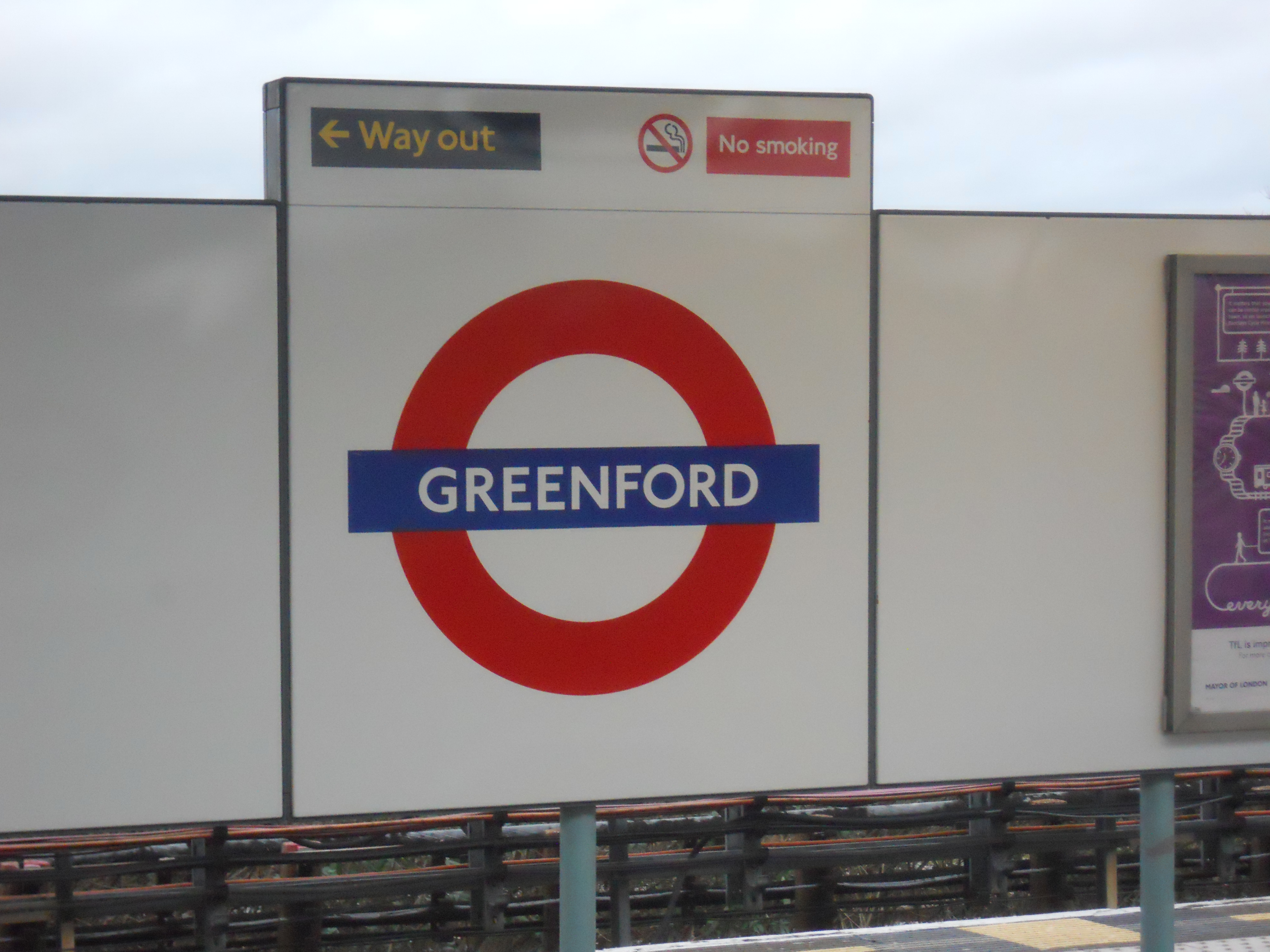
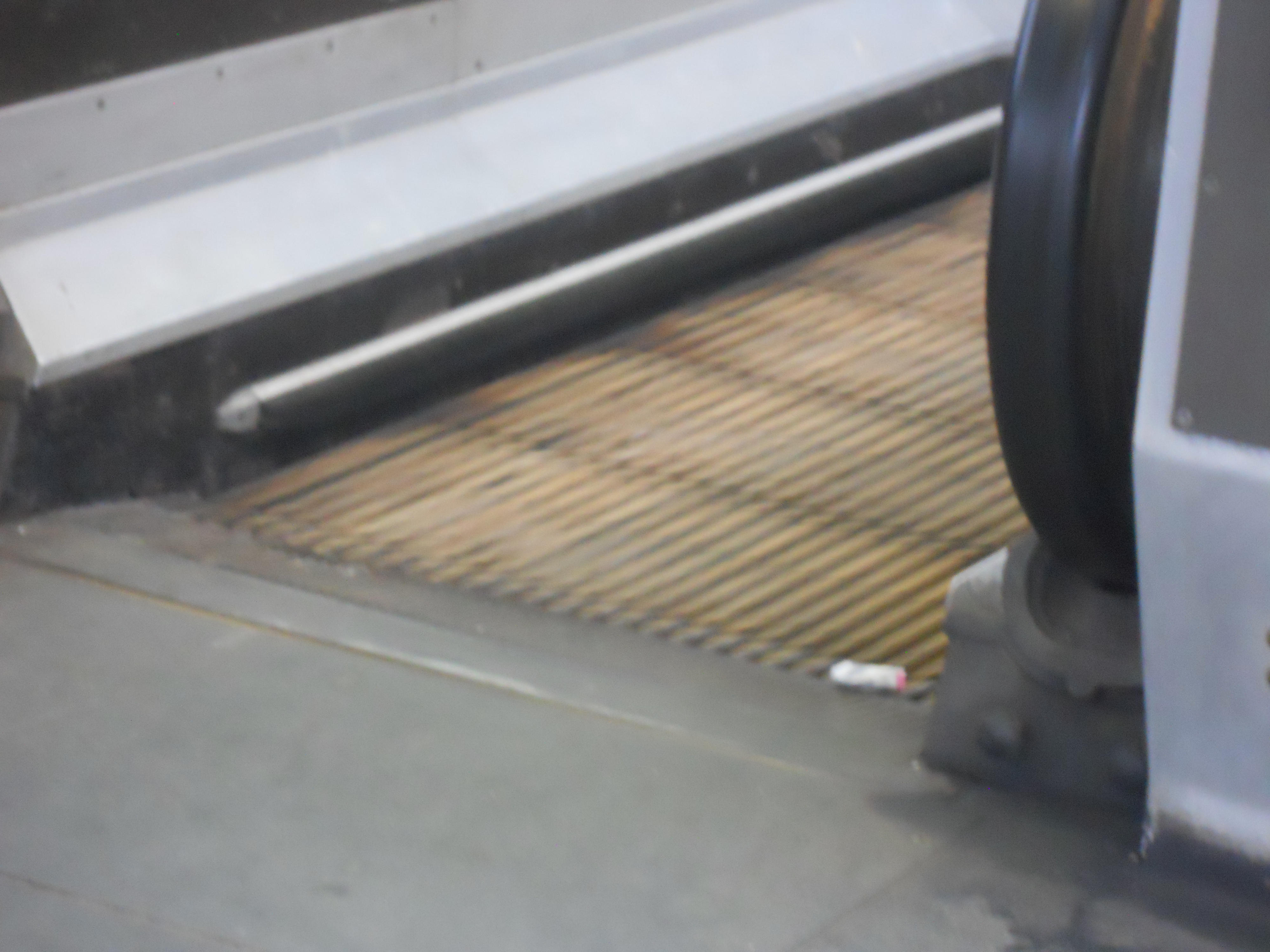
As you can see from the pictures, the escalator isn’t pristine, but being as it’s owned by London Underground, I suspect it’s mechanically perfect. And of course as they scrapped hundreds, they’ve probably got several shedfulls of spare parts.
I did also make a video, which shows it still works.
I wonder how many others are still running in the UK. When I went to Moscow in 2000, they were still going on the Moscow Metro. But the Greenford one is just a baby to the giants in Moscow.
Wooden escalators may have advantages for those who are not too good on their pins. When I ascended, I just slid off as I used to do as a child. And of course now that guide dogs are allowed on escalators, they’re probably more dog-friendly.
But these are not reasons to go back to wooden treads. I do think though, that In the next few years a better step design will evolve.
I think it is needed as we now have people with large cases, buggies and all types of dogs wanting to use them more and more. And then of course there’s fashion items like stiletto heels and long skirts, which sometimes get caught. I am also not forgetting those on crutches or in a wheel-chair, who find escalators difficult.
It’s a challenge and he or she who solves it will make a lot of money.
An Excursion At Wood Green
I went to Turnpike Lane, as I was going to Cockfosters to be picked up by a friend from school. It is an ideal station to be picked up on the northern part of the M25.
I was ahead of time, so I got off at Wood Green, where my father had his printing works and had a walk round. The station itself is virtually unchanged from 1967 or so, which was the last time I used it. Although, the escalators have been modernised and passenger barriers have been installed. But this view is almost identical.

Wood Green Station
Except for a few details and the Ocado van.
I walked down Station Road took this picture of the works.
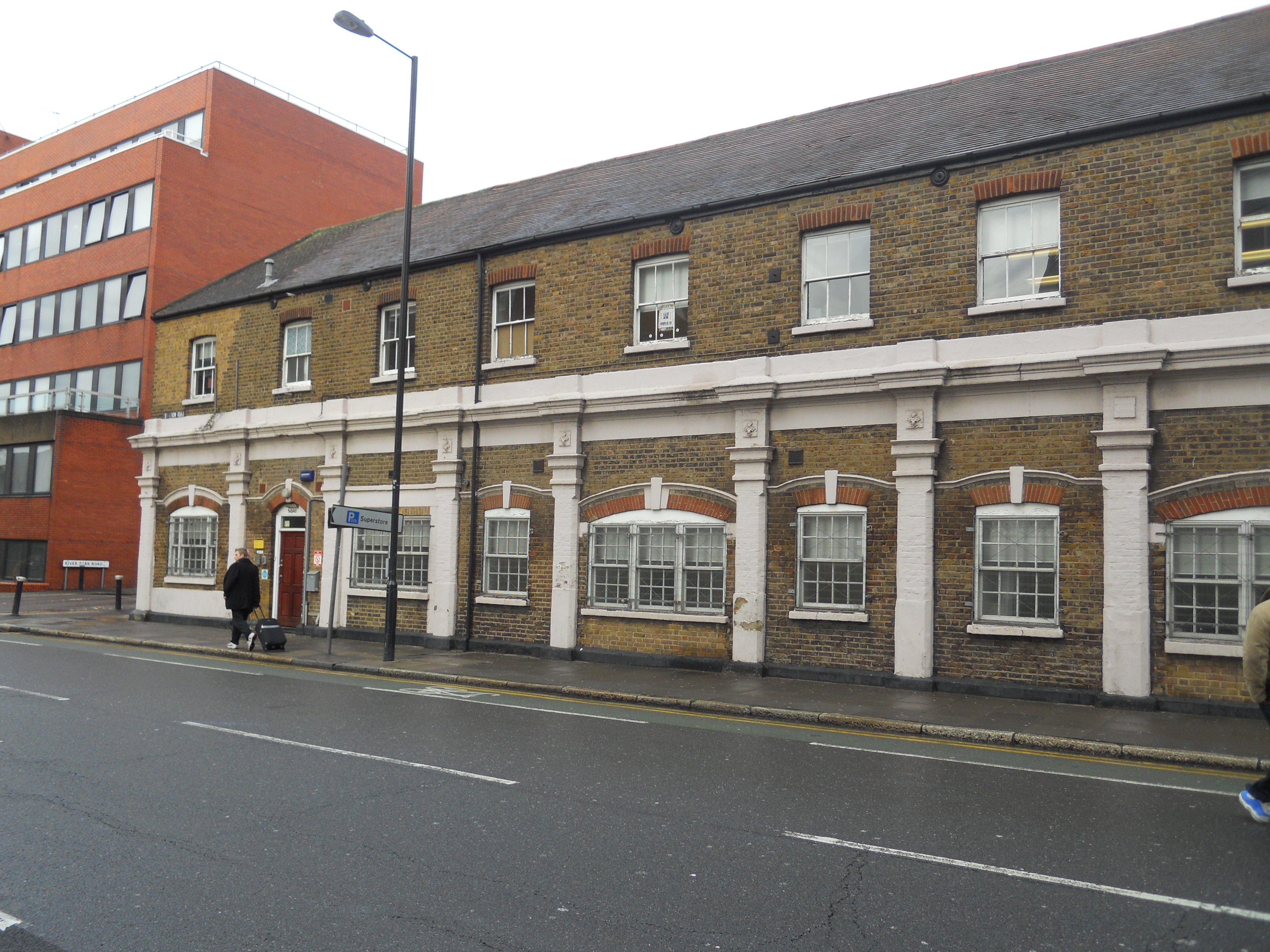
H Miller & Sons, Wood Green
Note that until perhaps twenty years or so ago, there was a sign saying, H Miller and Sons, above the widest of the arches, which then had a pair of double doors. My father was one of the sons.
My father’s office in the building was at the top left, where new brickwork can be seen. I spent many an hour on a desk there as a young child sitting on a pile of leather bound ledgers watching the trains go to and from the now closed Palace Gates station.
In the photograph, you can also see the parapet, where my grandmother’s ginger cat went about its business in this tale.
Here is a photo of the Jolly Anglers, which hasn’t changed that much since my father used to illegally take me in for lunch in the 1950s.
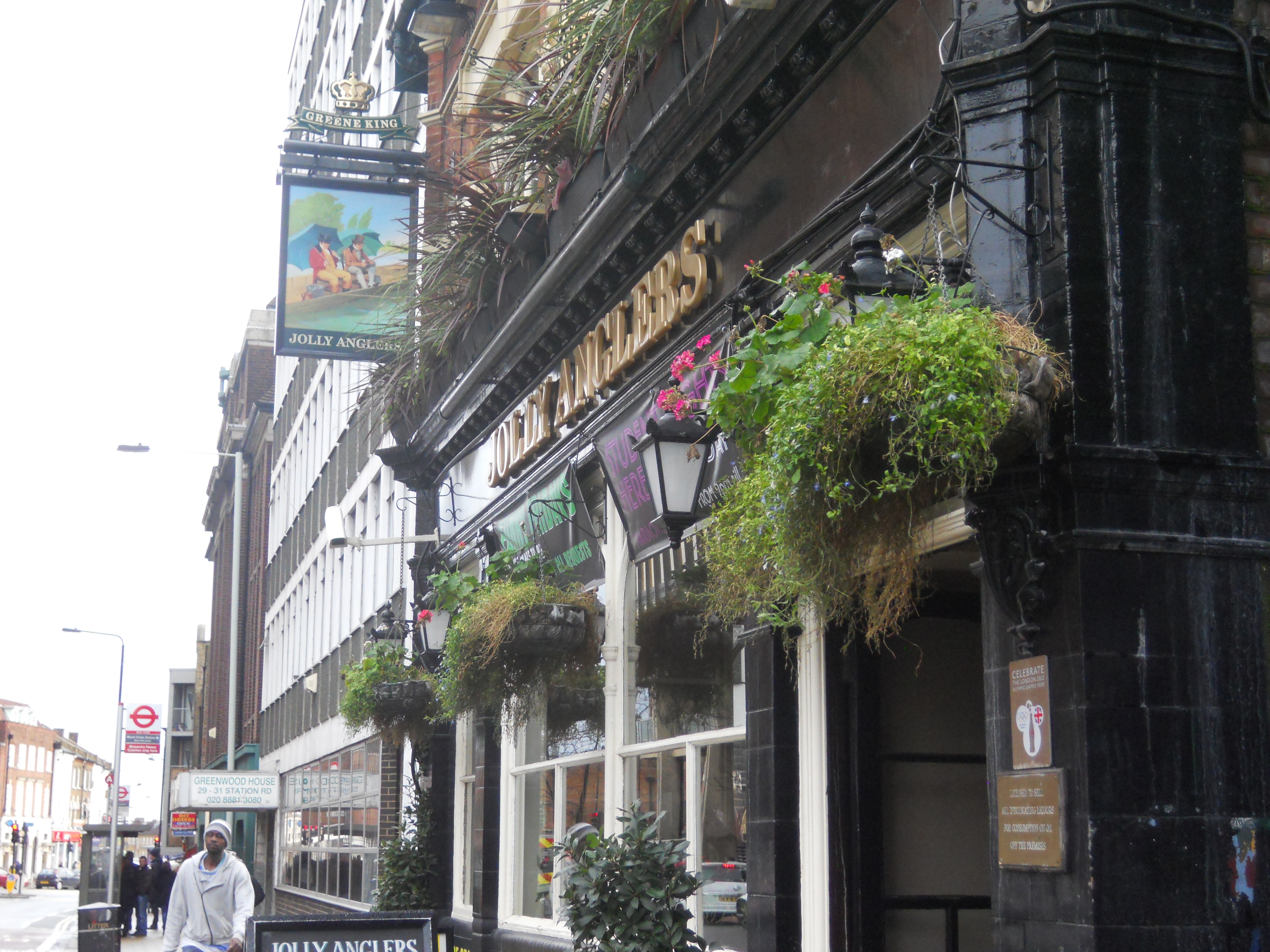
The Jolly Anglers, Station Road, Wood Green
I also took a photo of where the Rex Cinema used to be.
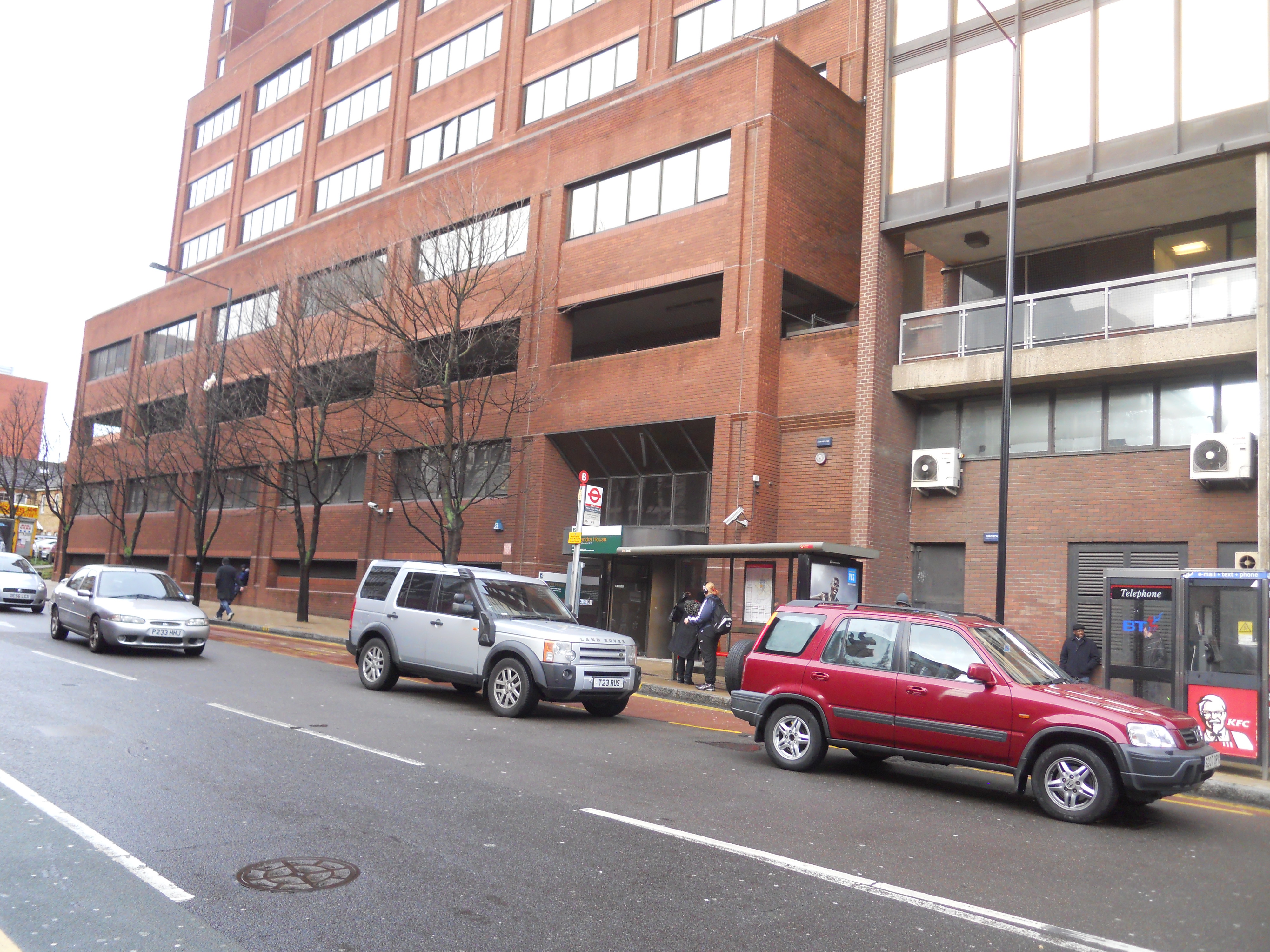
Where the Rex Cinema in Wood Green Was
Many a day, I would go there, whilst my parents worked. It wasn’t that bad a cinema and was magnitudes better than the Essoldo in East Barnet, which had a collander for a roof.
Krushchev Would Feel At Home
Turnpike Lane station is one of the few stations on the northern part of the Piccadilly line with some of the original 1930s details still intact.
Here’s some rather superb uplighters, that would not look out of place in a hotel of the period like the Savoy.
Uplighters at Turnpike Lane Station
And here’s the escalators.

Escalators at Turnpike Lane Station
The escalators are virtually identical to those on the Moscow Metro, as London Underground had a lot to do with installing them. When I was in Moscow in 2000, the escalators there still had their wooden treads. Because of the Kings Cross Fire, most, if not all, of those in London have now been replaced.
As Nikita Kruschev was one of those incharge of building the Moscow system, he would be pleased that London Underground still has some of the details from the 1930s similarly to those installed in Moscow.
 The Anonymous Widower