Above The Connaught Tunnel
I mentioned that the old Connaught Tunnel in London’s Docklands is going to be reused as part of CrossRail.
I took these pictures above it today.
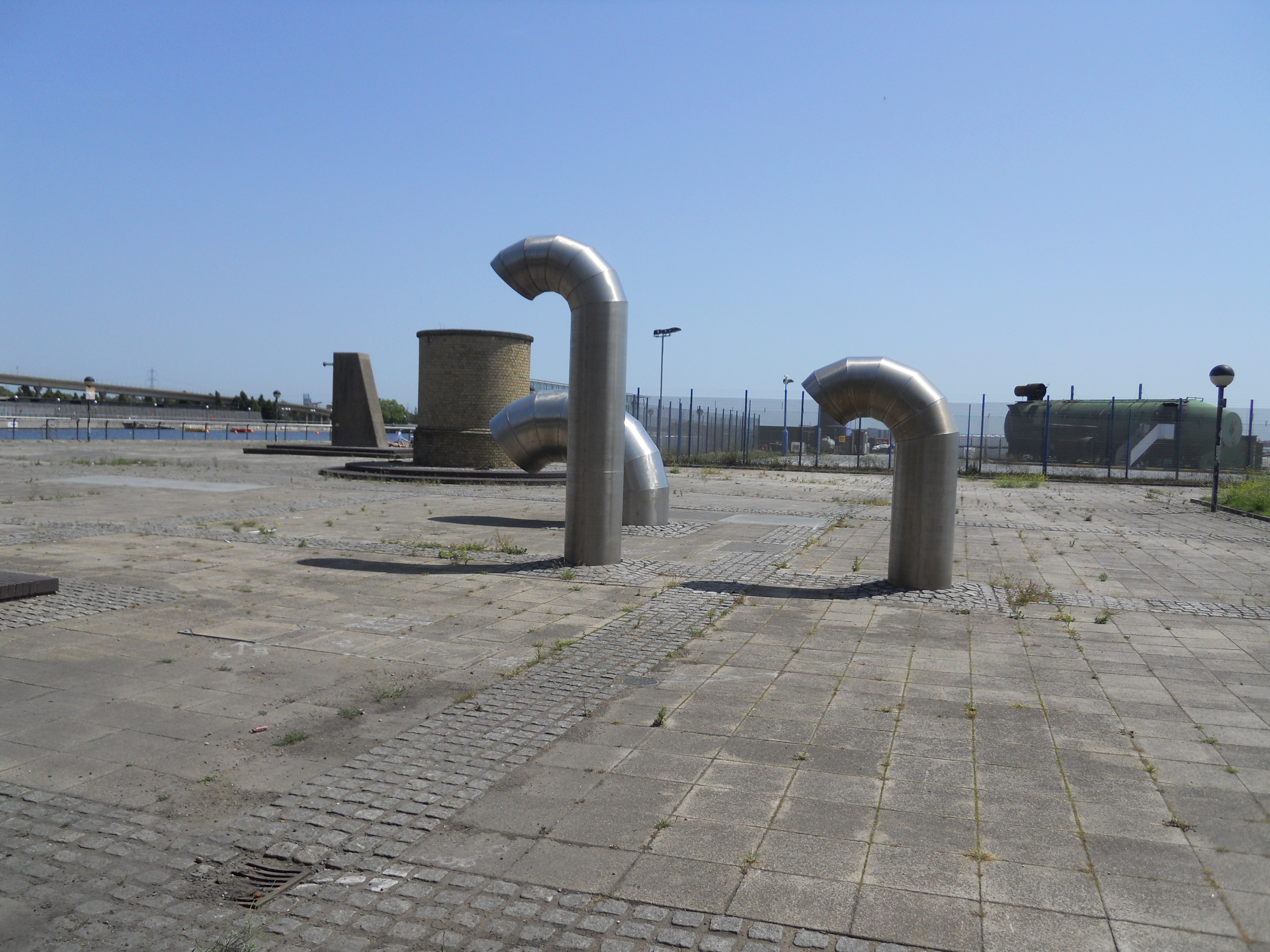
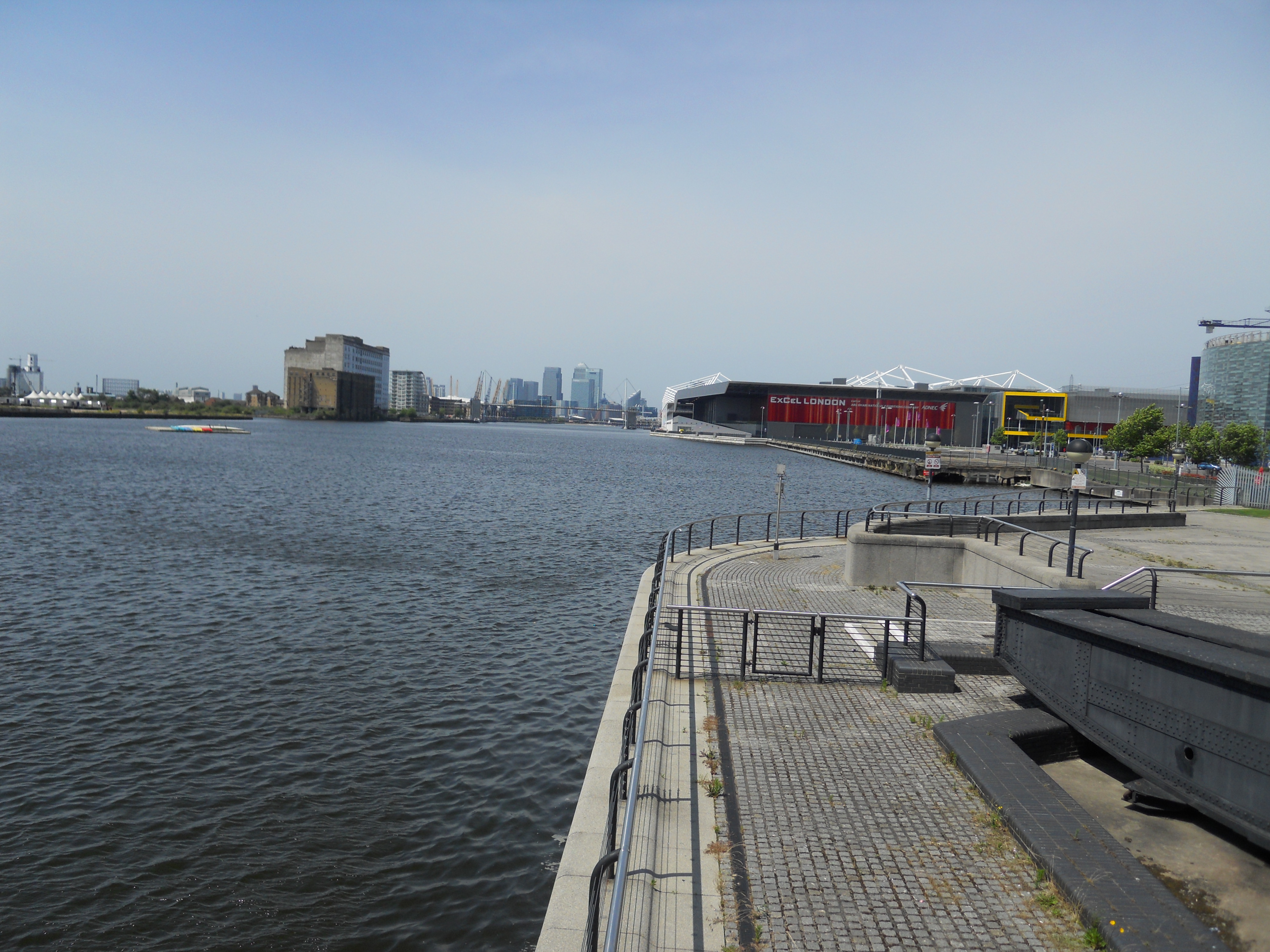
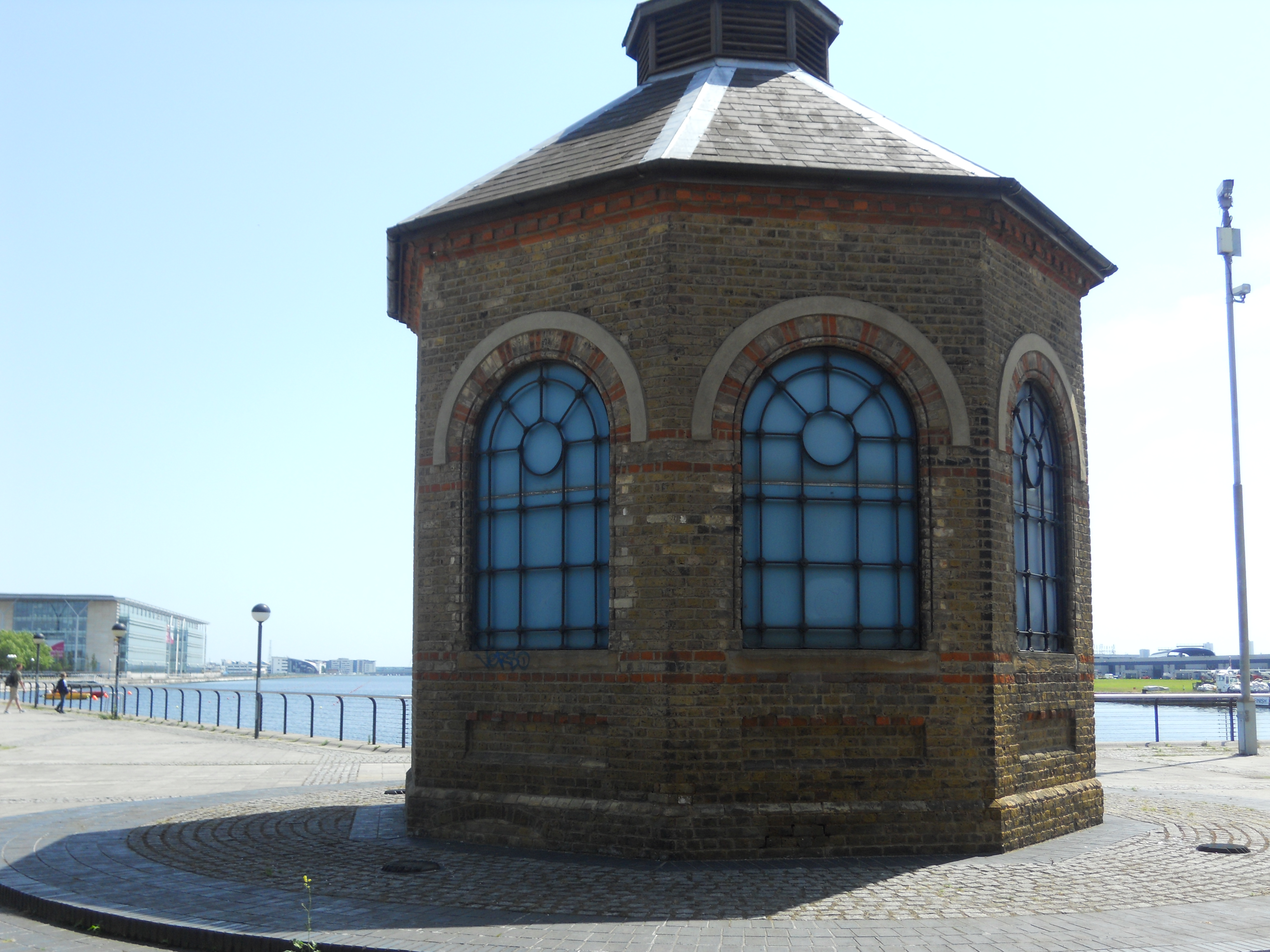
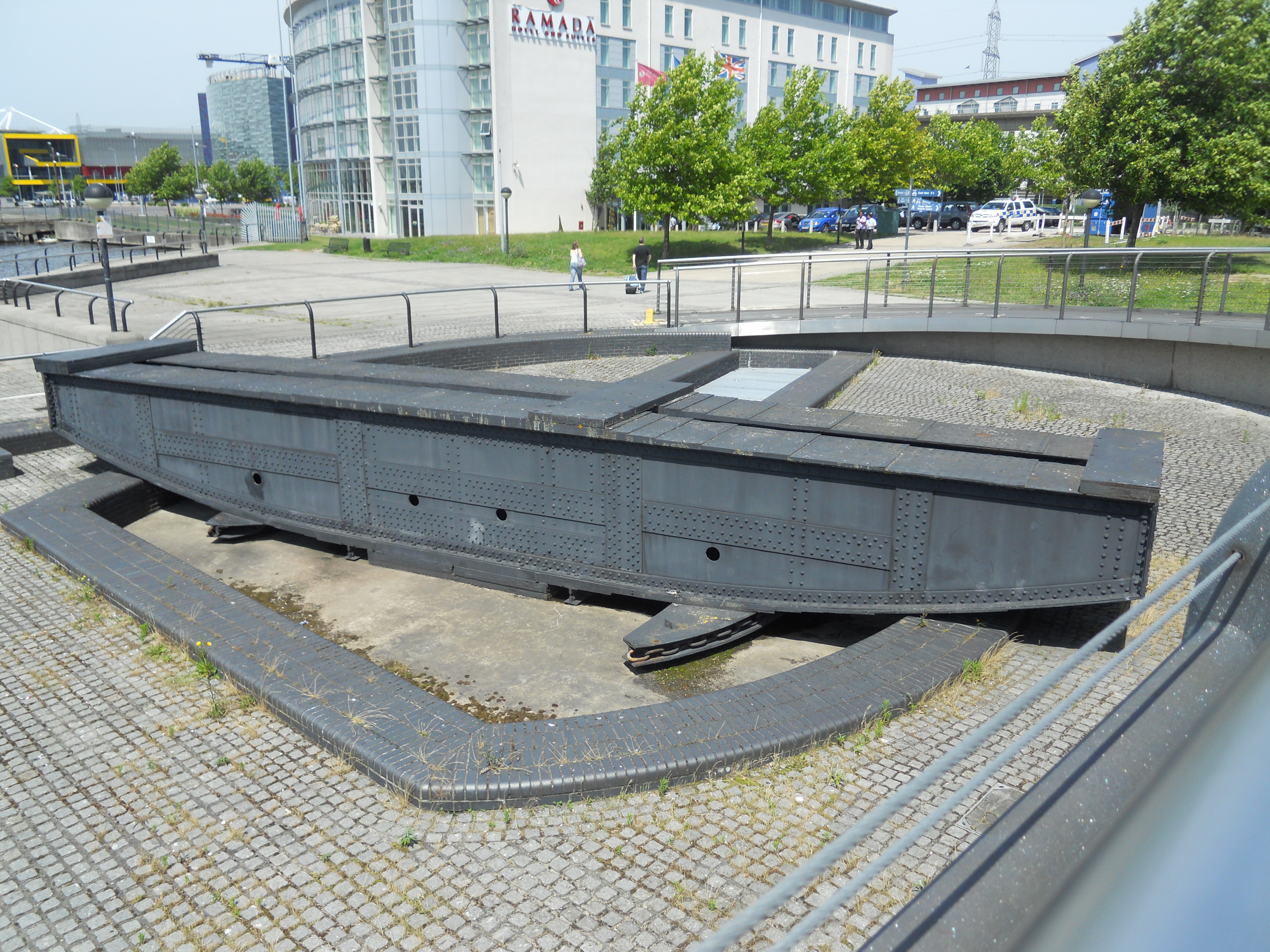
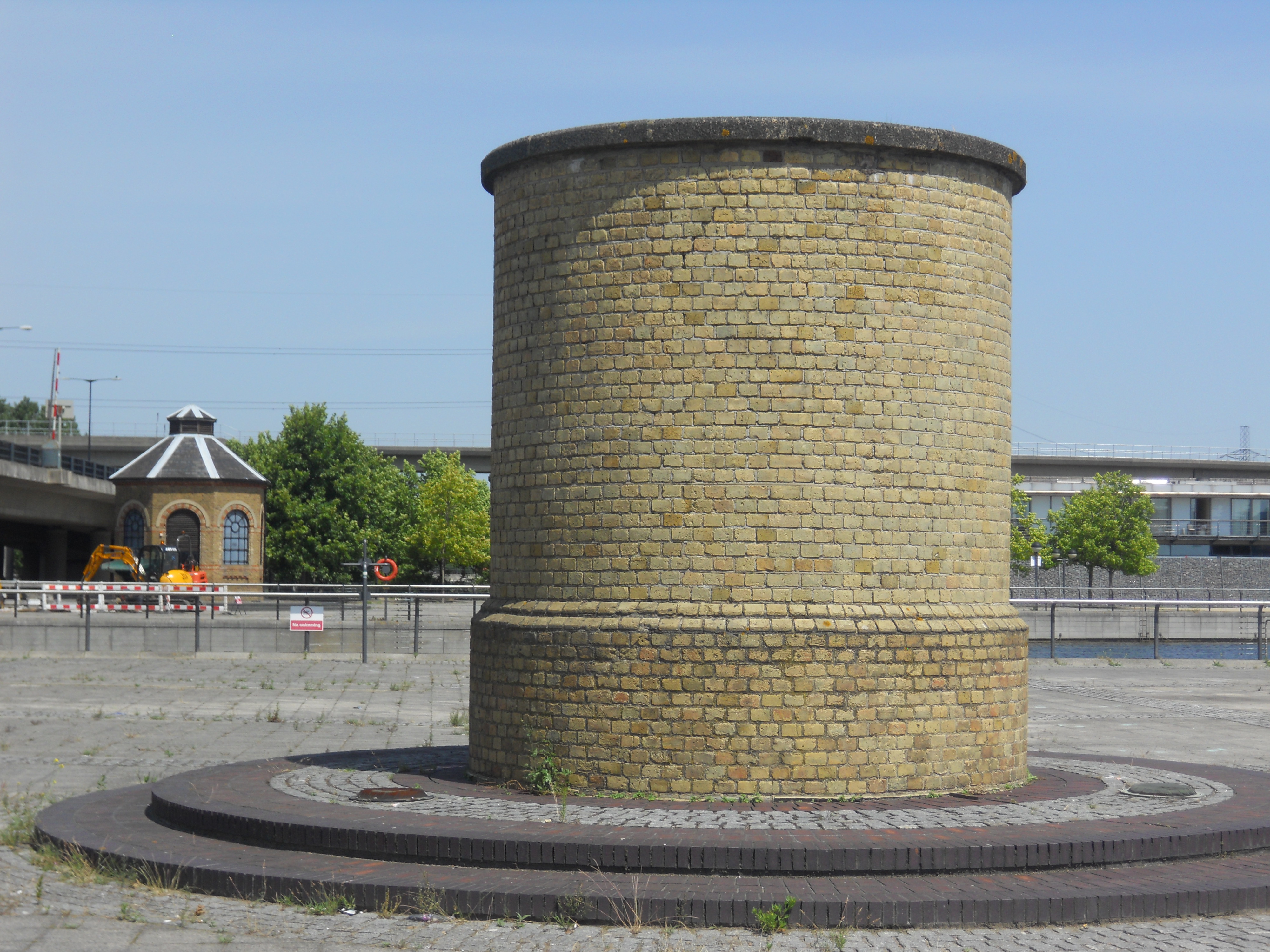
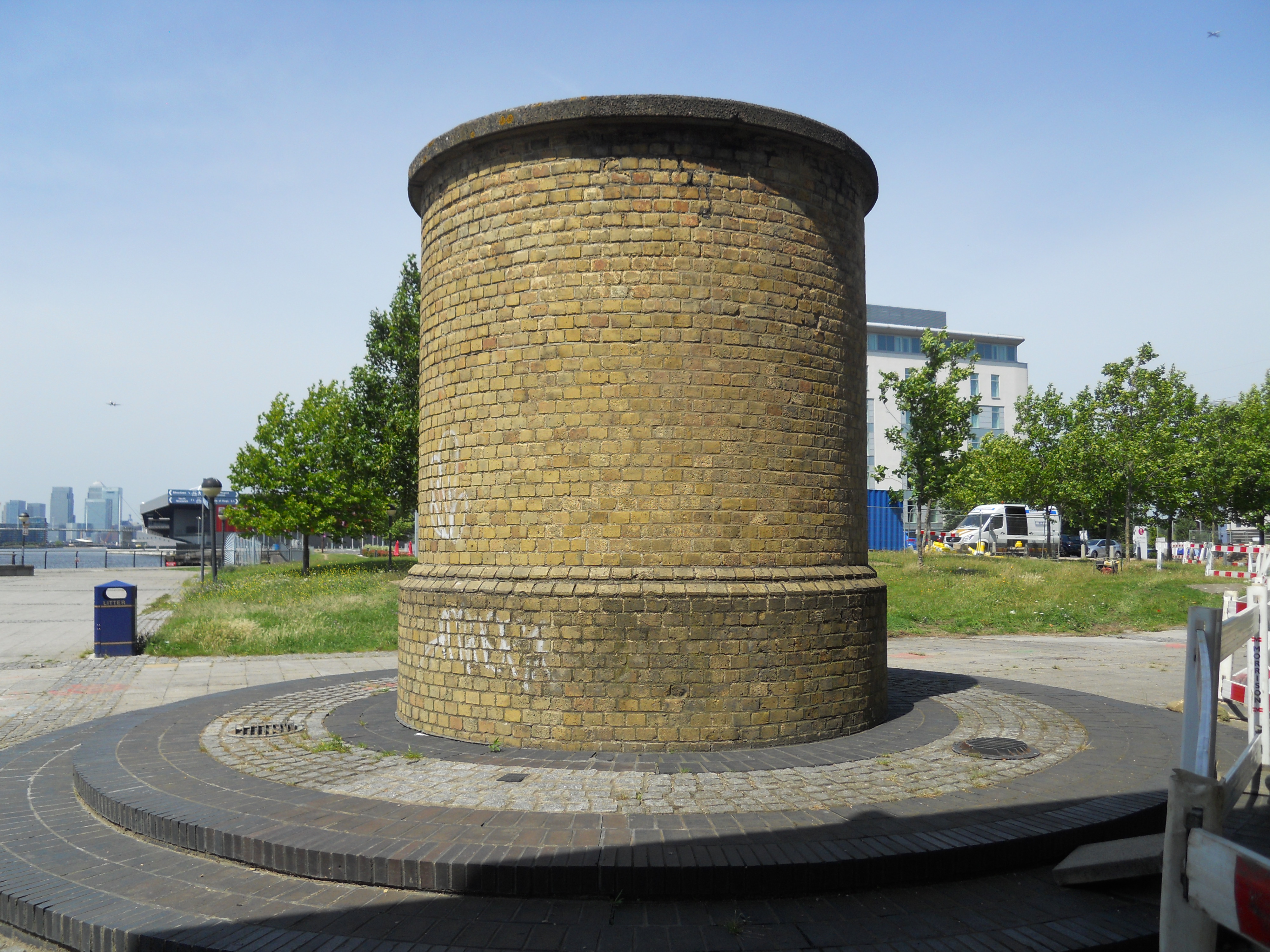
To get to the area you take the Docklands Light Railway to either Prince Regent or Royal Albert stations.
Does This Notice Really Stop Theft?
Look at this picture, taken on a footbridge over the Royal Victoria Dock.
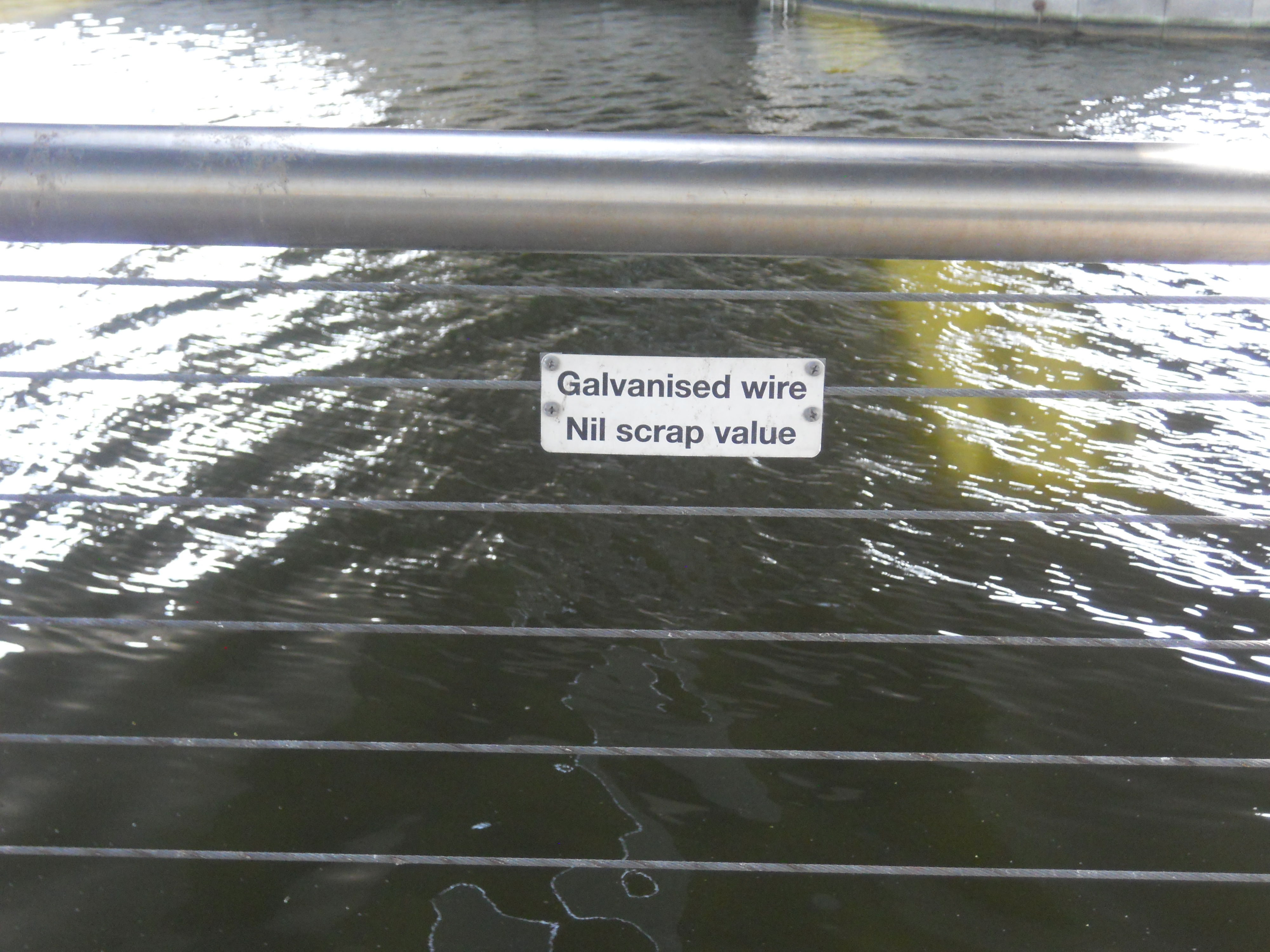
Sign on a Footbridge in Docklands
Does such a simple notice stop people nicking the wire for scrap?
It does of course assume that all thieves can read! Surely many take up a life of crime because they don’t have the education to do anything else!
I would also question the use of nil rather than no!
The Engineering and Architecture of CrossRail
My previous post about CrossRail may give the impression, that I’m rather against the project.
I’m not, as I believe it will really open up London to residents, commuters and tourists. The only problem is it won’t be fully open until 2018 or so.
Railways should always go through a major city, rather than have expensive stations on the ends of two radial lines. It’s cheaper in terms of capital cost and ensures that the expensive trains work harder. Thameslink does this on a North-South basis and CrossRail will do it on an East-West basis, with an major interchange between the two lines at Farringdon station.
Modern Railways this month has a major section on the CrossRail project. It is a fascinating read, which describes how the railway is being threaded from one side of the London to the other and the designs of the various stations on the route.
The biggest conclusion I get after reading the report, is that this a project that although built to a tight budget, will be something of which London will be proud and will be something that can grow and grow as the City demands more transport links. From the pictures in the article it would appear that the visible face of the railway will be impressive and not like the rather utilitarian Victoria line. On the other hand a lot of the design is more on the side of the practical and well-thought, rather than the spectacular, such as seen on some parts of the Jubilee line.
I also feel that particular attention is being paid to the management of the whole project and this has allowed the cost to be reduced by a billion pounds or so, by taking slightly longer. Hopefully, this will also enable the project to be built on time, but these days, we are getting a much better record at completing large projects on time, so I wouldn’t be suprised if the engineers adjusted the project to increase the certainty of an on-time completion.
But that is good project management!
With my history in the field of project management, CrossRail seems to be a project, I’d have enjoyed getting my teeth into.
Is This Why It’s Called CrossRail?
After my experiences last week of all the hold-ups and chaos in Oxford Street caused by CrossRail, it now appears that they are going to be responsible for a lot more problems in the Liverpool Street/Moorgate area. I took a 76 bus yesterday, that once it got to Moorgate became a tourist bus, with a tour of the Barbican. And coming back from Bank a 21 went all round the houses the other way.
I didn’t get particularly angry, but some wag will put a connection between getting cross with London’s new railway. To be fair, a lot of the problems are caused by unfamiliarity with the new walking routes and hopefully in a couple of months things will be better. The removal of the last of the dreaded bendy buses in the next few months will help, as all they seem to do is block junctions and light-controlled crossings.
Is London The Best Therapist In The World?
Today, I had to go for the MRI Scan to my arm and shoulder. I decided as the weather was so good that despite my hay fever and the high pollen count, I’d walk to the hospital from Great Portland Street station.
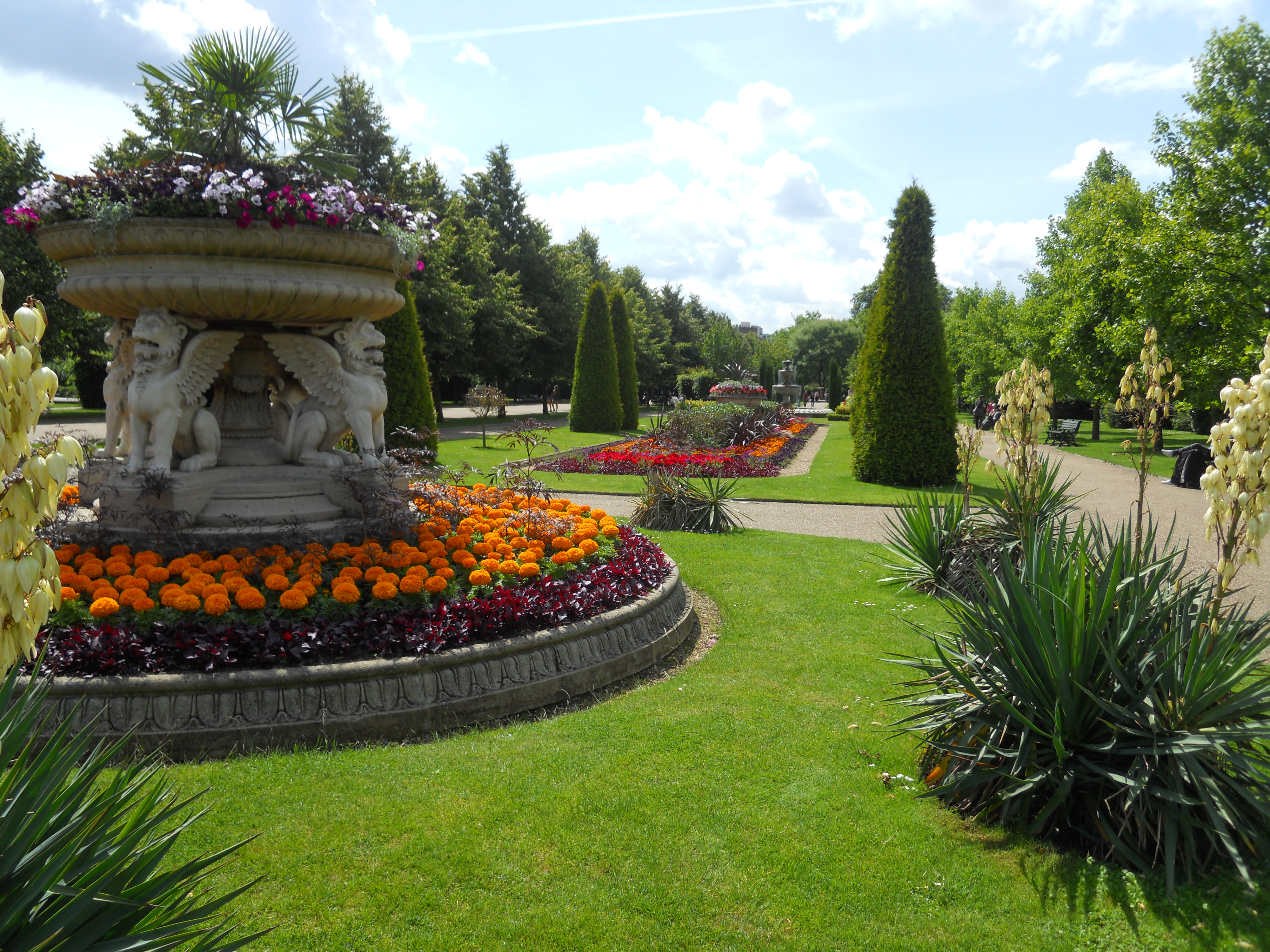
Flower Gardens in Regent's Park
As you can see Regent’s Park was at it’s glorious best and ready for the real summer. One Cypriot couple I met had come to the Park specifically to see the roses. Madame Tussaud eat your heart out! Who wants to see a lot of wax models? I don’t! Unless you can stick pins in them!
I walked past the Open Air Theatre and on to the lake, where mothers were doing what they have for hundreds of years and we used to do in the 1970s and that is feed the ducks and geese.
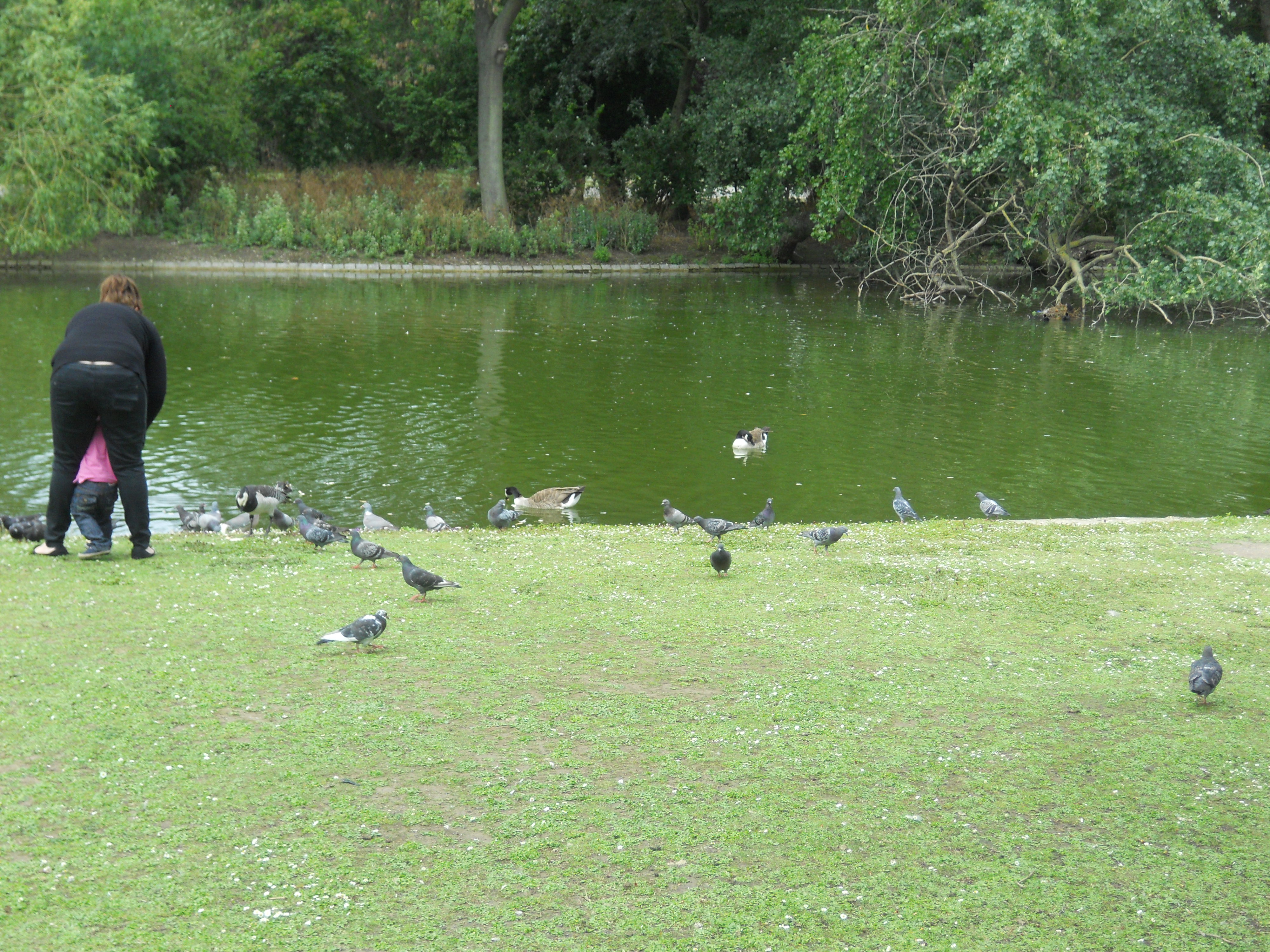
Feeding the Ducks in Regent's Park Lake
C had a phobia about large birds and I can remember her screaming madly, when a gaggle of angry geese almost chased her into the lake, not far from where the above picture was taken.
She didn’t fall in there, but she did have to jump in here to retrieve our middle son, who fell in throwing bread for the ducks on the other side of thec lake.
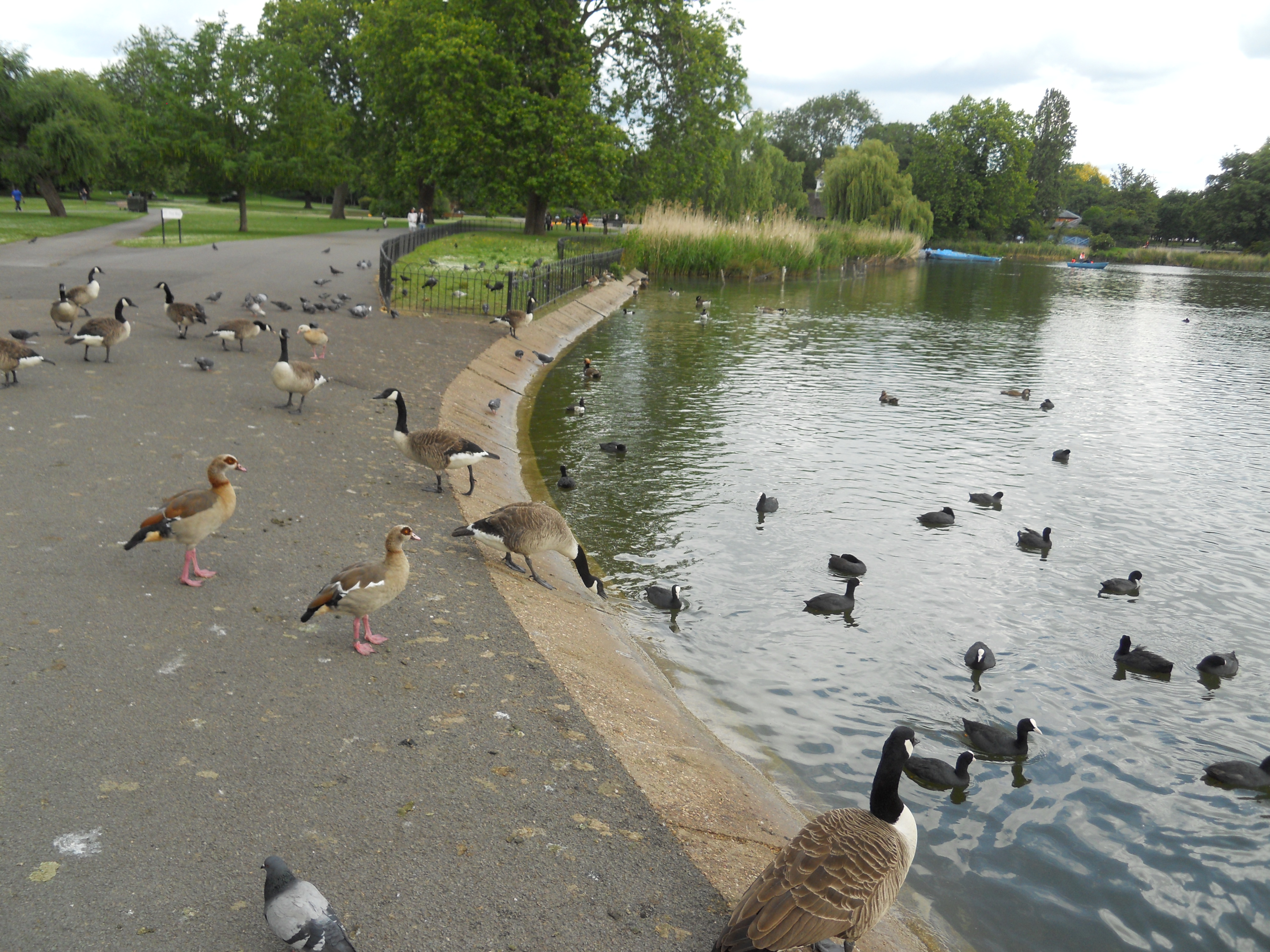
Where Our Son Fell In
Both survived without any harm, although it was rather wet walk home to our flat just north of the Park.
I was also pleased to see that the rails, I remember so well because of a photo I took, are still in place after forty years.

A Fence in Regent's Park
They say things don’t last, but memories and that fence do!
A few minutes later I was at the hospital on the other side of the Park.
It seems that in many places in London, I seem to come across items, buildings and bridges that remind me of my past, comfort me and tell me that I did the right thing to come home to the city of my birth and childhood.
She is my friend and therapist and she is always with me.
And for me, as I live in her bounds, all the consultations cost is a bit of effort and perhaps some rubber from my trainers. She is truly the best free therapist in the world! But then others will say that about New York, Hong Kong, Mumbai, Rome and masses of other places.
But it is only your home city that can reach the places in the mind that others can’t reach.
Chaos In Oxford Street
I needed to get some towels and a couple of lamps from John Lewis yesterday evening, so I took my usual route of Overground to Highbury and Islington station and then the Victoria line to Oxford Circus.
For some years now, getting out of Oxford Circus station has been a nightmare, so much so that I used to get there by taking a Central line train to Bond Street instead and then walking backwards.
That is not really an option now, as they are rebuilding Bond Street station and the narrow pavements cluttered by smokers outside the stores are not an easy route.
So it was a walk up the stairs to Argyll Street and then across the centre of Oxford Circus. At least that crossing works well, but then the north side of Oxford Street was cluttered with smokers and locked up stalls, that sell junk.
It is not good and it never has been in my memory.
Some years ago, I proposed an alternative which was published as a long letter in the Evening Standard.
I read with interest an article in the Evening Standard yesterday and feel I should comment about a proposed monorail for Oxford Street.
I should explain that I am an engineer with a lot of experience of transport projects around the world, mainly because the software I wrote, Artemis, was used to plan them.
I am also an inveterate traveller and have experience of a very large number of cities around the world. That experience is usually as a tourist and includes the Sydney monorail, the escalators of Hong Kong and the underground walkways of Perugia. I should also say that I visit the Oxford Street area at least once a month for shopping, eating or business.
I will agree with the plan, where the monorail gives the whole street a connection and a focus, but I believe that a moving walkway suspended over the street below would be much more flexible and inherently better.
1. It could be built in stages, with perhaps a spectacular star over Oxford Circus as a first phase to move people from say Regent Street North to Oxford Street East and West without getting involved in the fearsome crowds at road level.
2. Walkways are basically hop-on and hop-off. So if you see a shop or something else that interests you, then all you do is wait to the next hop-off point and exit.
3. As the walkway progressed down Oxford Street, it could rise and fall so that it was level with the floors of the major stores. How much would John Lewis pay for an entrance at first floor level?
4. Stops would be much more frequent than a monorail.
5. Walkways are a fail-safe system in that when the motor breaks, the system is still walkable. What happens when a monorail breaks down as the Sydney system did when I rode it?
6. Walkways can add spurs as required to Conference Centres, attractions and also to move people well away from Oxford Street.
7. As they would run effectively from Tottenham Court Road to Marble Arch, they would take the pressure off the Central Line.
8. Just as in Hong Kong it would be covered in a clear plastic roof. Video screens could be included under the roof to sell advertising.
9. Security is important and I’m sure the Police would like a high-level walkway from which to view the crowds below.
10. Bulges and platforms could be attached to the walkway, so that cafes and other attractions could be setup. If access is provided to stores on route, there would be no problems as to servicing these cafes.
11. The whole system has to be commercial. Imagine a platform just by Selfridges which sells the Wallace Collection, with a down escalator pointing that way.
Admittedly, it was published partly as part of their campaign against the then mayor, but I believe the idea of an overhead moving walkway would improve the movement of pedestrians around the area.
Thinking about it six years after the original letter was published, there are other factors that now apply.
- Tottenham Court Road and Bond Street are to become major stations on Crossrail and they will probably discharge more people into the area making it worse. Especially, as many will be long-distance travellers trailing mobile obstacles behind them. The pavements are just not big enough.
- The Eastern end of Oxford Street is scruffier now and who would want to shop there, when there are shopping centres at Westfield and the soon to open, Eastfield, just a few stops away on the Central line.
Certainly, I can’t wait for Eastfield to open, as then I’ll be closer to a John Lewis.
You will see I call the new shopping centre at Stratford, Eastfield. It’s what many of the locals do, despite the fact that it’s promoted as Westfield Stratford City.
But then East is east and West is west and ne’er the twain shall meet.
Christ Church Greyfriars
Tonight, I also had a look at Christ Church Greyfriars, the remains of which lies behind St. Paul’s. It wasn’t as lucky as its larger neighbour had been in the Blitz.
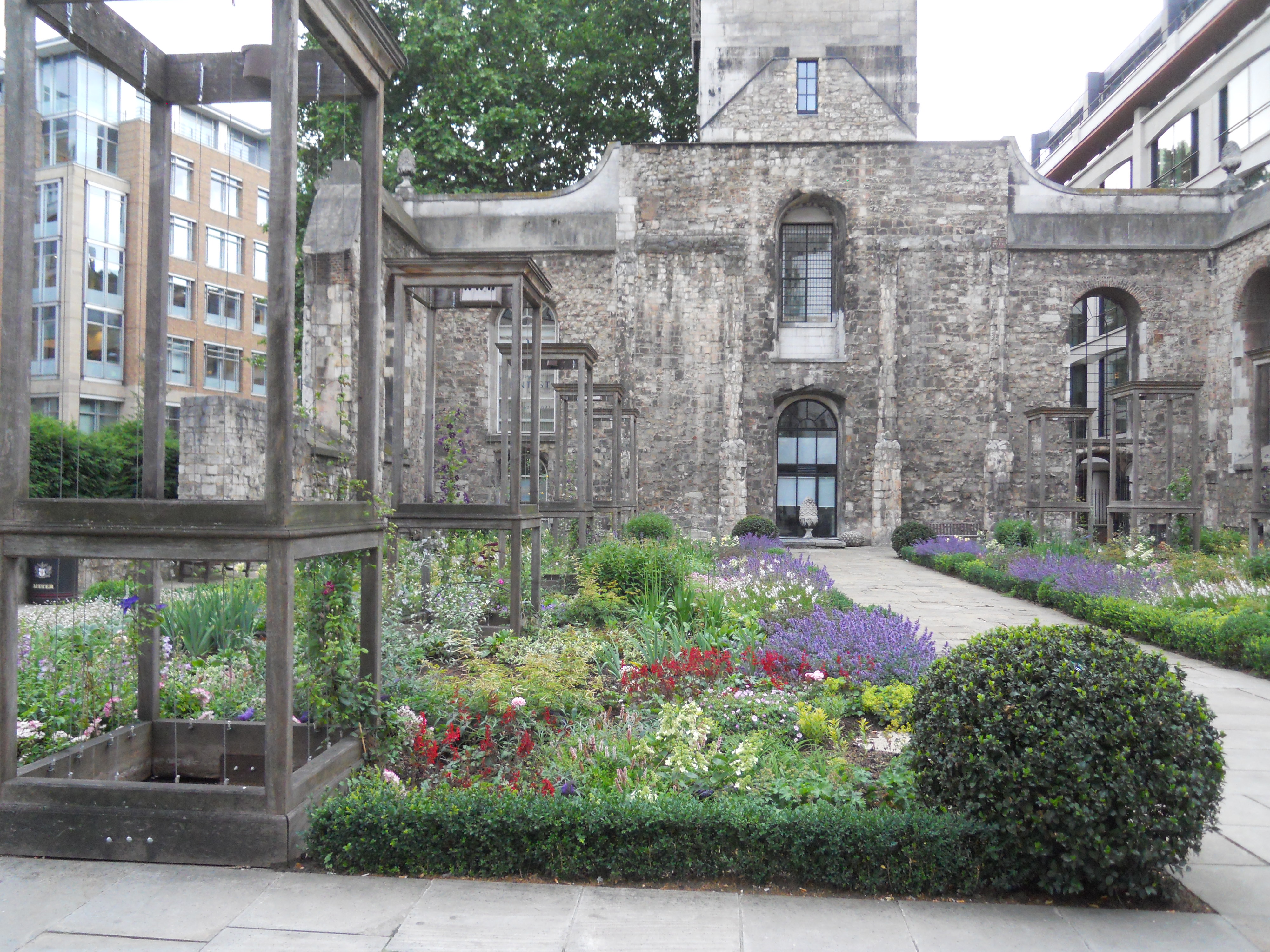


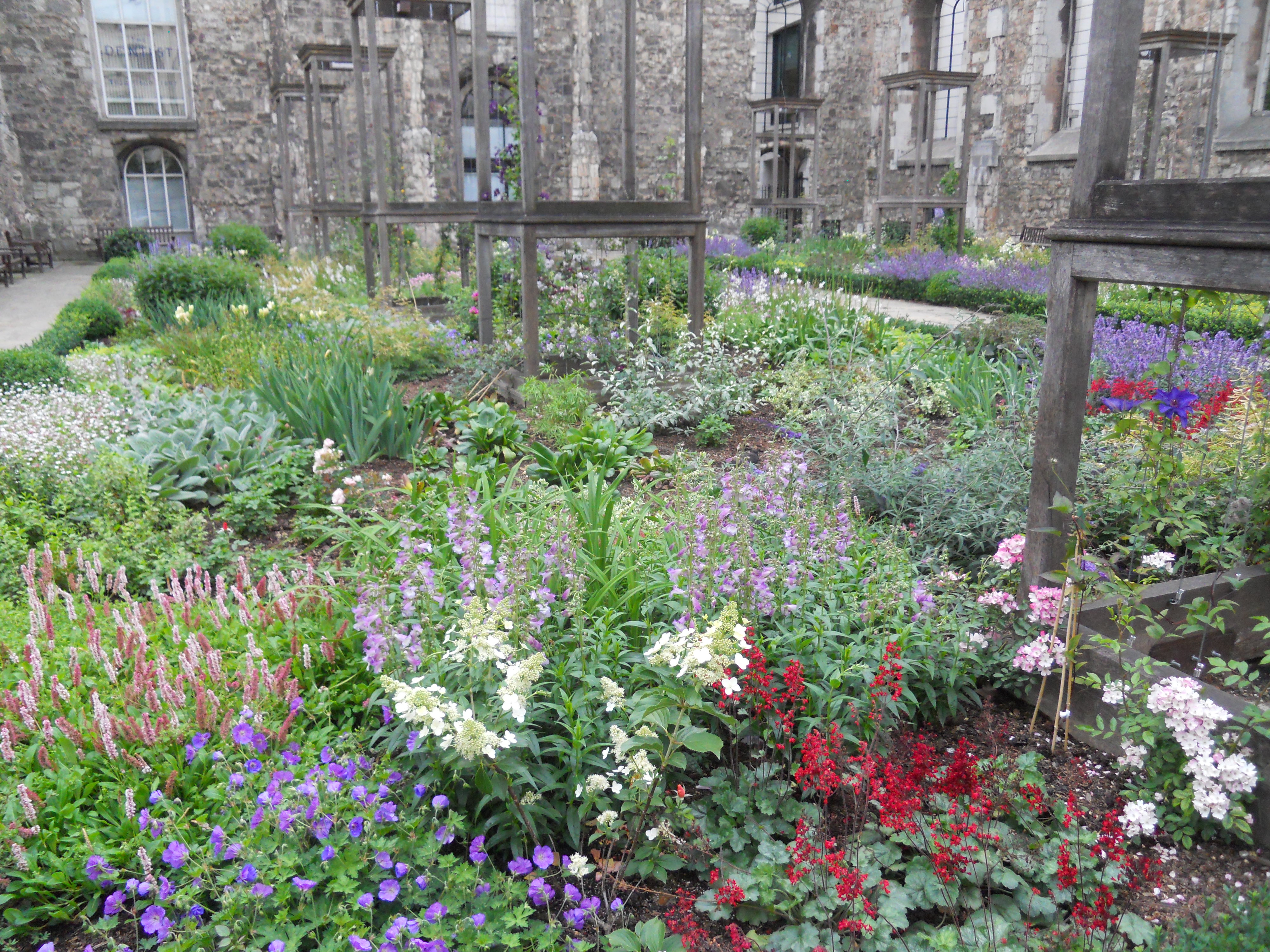
Like St. Luke’s in Liverpool it stands as a memorial to those who died and suffered in the Second World War.
St. Paul’s As I’ve Never Seen It Before
To me St. Paul’s is London’s church, if only because it stood unbowed to the Nazis as a symbol of defiance and hope.
Tonight though, in the evening sunlight, I saw it as I’d never seen it before in all its pristine beauty after a thorough cleaning.
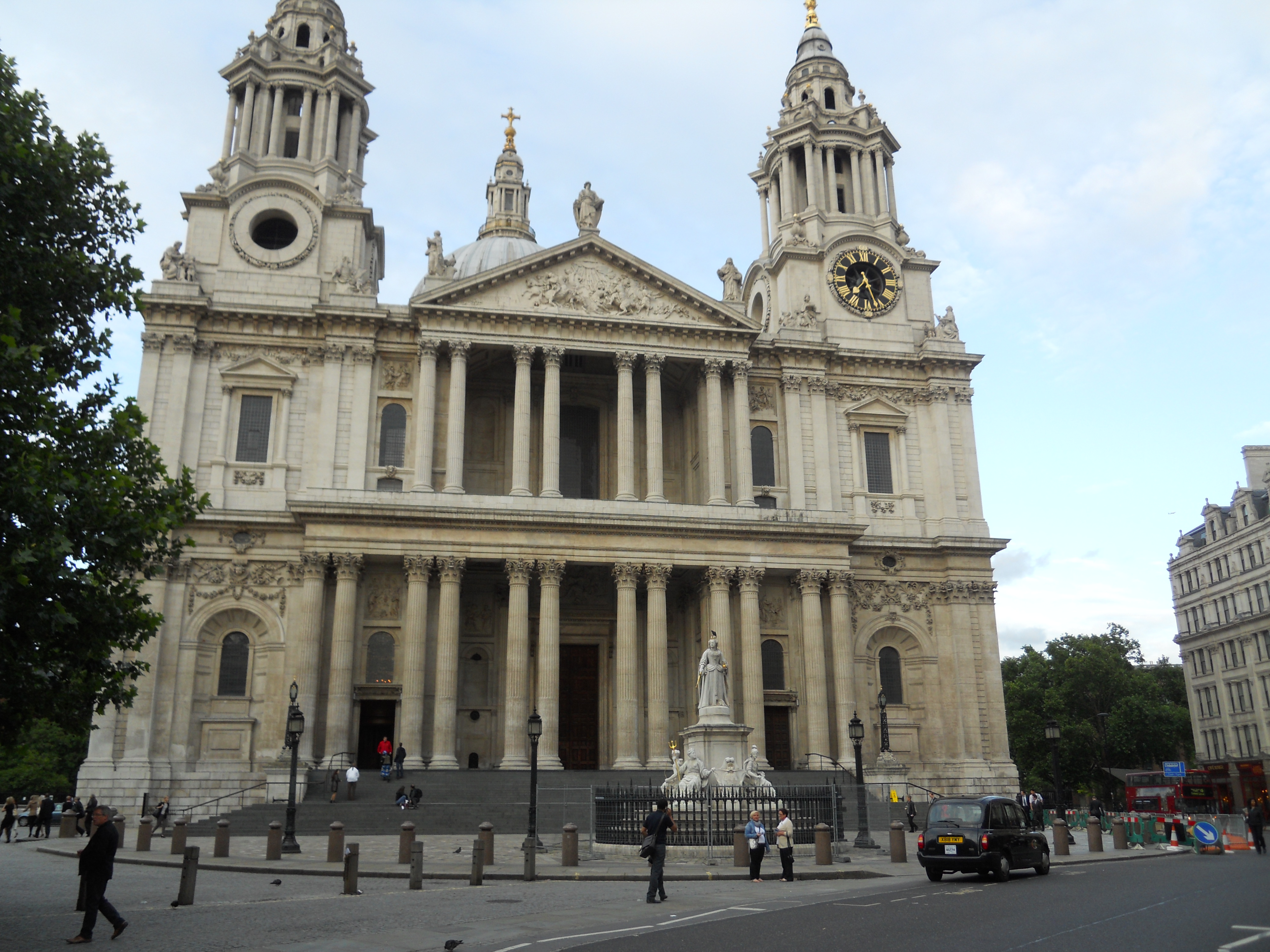
The Newly-Cleaned St. Paul's
Thinking back, I don’t think I actually saw the cathedral until the 1960s, as my visits to Central London were usually fairly limited, despite living in the suburbs. As an example, I didn’t visit the Tower of London until I was probably twenty. And that was because I was showing a friend from University around.
A Piece of Concrete With a Lot of History
This piece of concrete in the Victoria Town Gardens behind the Palace of Westminster, looks like a very rudimentary and hurried repair.

A Repair to the River Thames Wall
But behind it all is a bit of forgotten history. This picture shows a steel girder, which could be a piece of railway line in the concrete.

Steel Girder in the River Thames Wall
And this shows that the detail on the river side, that is a feature of the Thames river wall is missing.
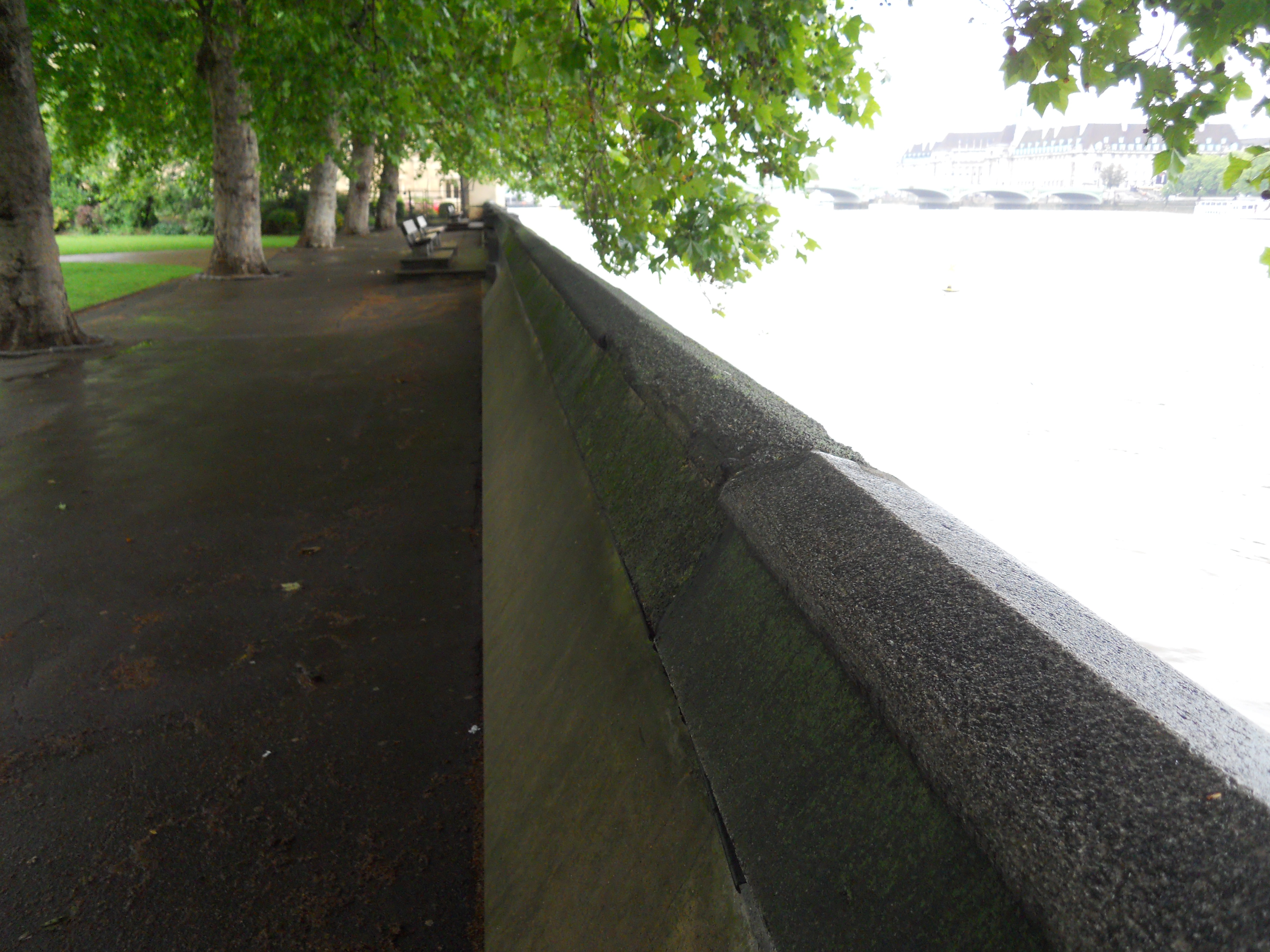
Missing Details in the River Thames Wall
So what is it all about?
I went to a lunchtime lecture at University College London about archaeology on the River Thames. The lecturer explained that during the Second World War, we identified that a serious break in the wall of the River Thames could have flooded much of the central part of the city. This would have probably flooded the London Underground as well.
So a top secret repair unit was set up to fix any breakages in the wall immediately. As the lecturer said, even today little is known about the unit. During the war they kept it quiet, as they didn’t want the Germans to know how vulnerable London was. After all, the Germans only needed to be lucky once.
But as you can see, even if the repair would not be acceptable today, it has fulfilled its purpose for seventy years.
A New Metropolitan Line Train
I took the North London Line today and changed onto the Jubilee line to get to Westminster today and was able to take this photo of one of the new Metropolitan line trains as it passed through West Hampstead station.
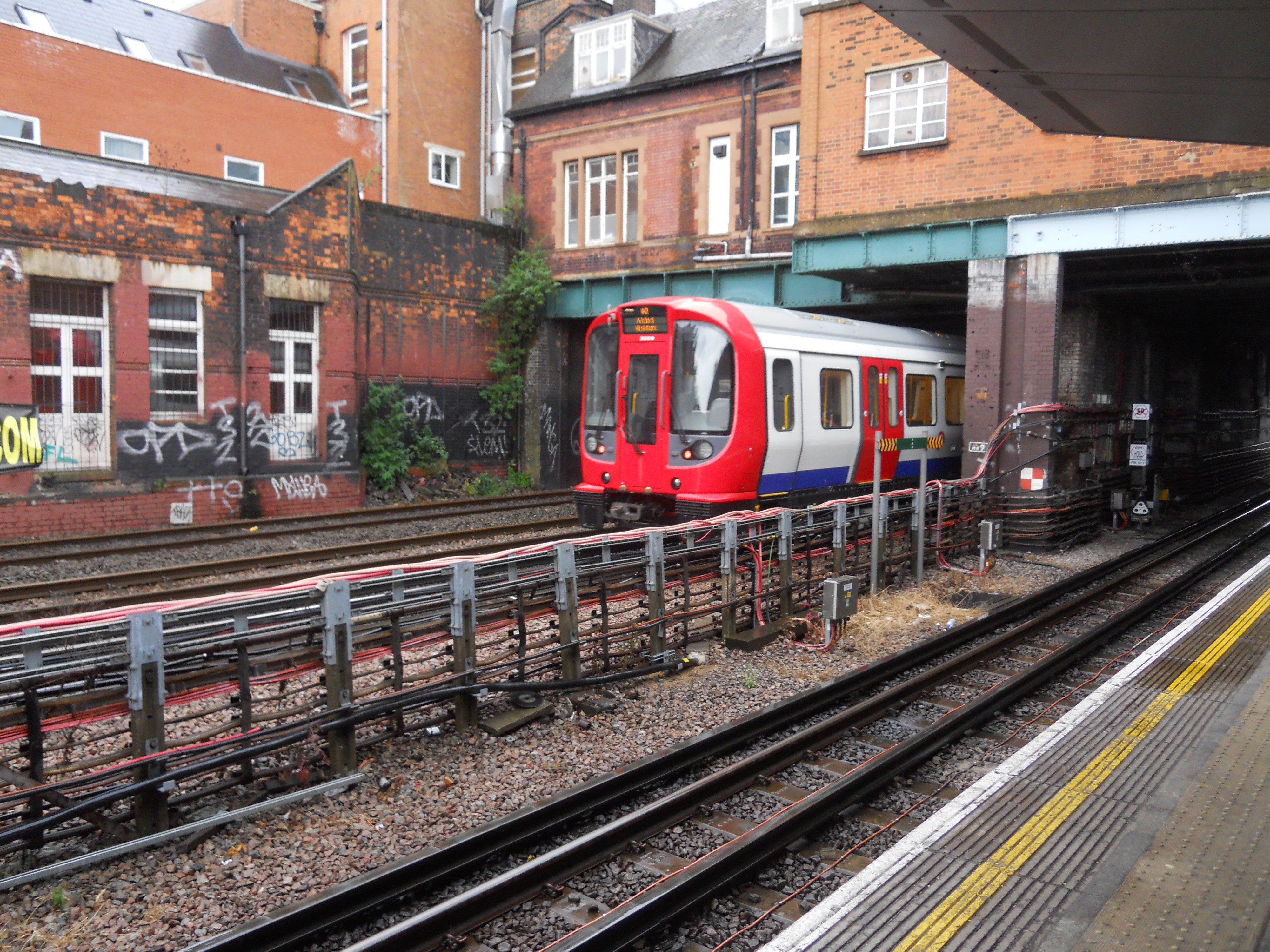
New Metropolitan Line Train at West Hampstead
I’m not sure how many of the new trains have been delivered, but from the outside it looked a lot better than the rather tired old trains you see on this and the other sub-surface lines.

