A New Bus For London
Last night, I went to a presentation by Stuart Wood of Heatherwick Studio at the London Transport Museum of the proposed New Bus for London. Stuart is the lead designer, who is working in partnership with Wrightbus, who will actually be building the new buses.

A Routemaster, an RT and a New Bus for London
This picture shows the bus alongside two of its predecessors, the Routemaster and an RT. I probably travelled on more RTs, than any other bus, as I used the 29 or 29A to get to school for several years.
When I first saw pictures of the bus, I must admit I wasn’t sure that the three-door, two-staircase design would work. In fact, as the talk revealed, it is one of the design strengths as it enables all of the parts of the hybrid-drive system to be kept out of the useable space, with the battery and fuel tank under the front staircase, the engine/generator under the back one and the electric motors inside the rear wheel arches.
What did surprise me, was that some of the things, they’d have liked to have done, fell foul of the various regulations. For instance, they would have liked to have the handrails in bare metal, as on the original Routemaster, but regulations mean they must stand out, so that those with limited vision can see them. In the end they used a light yellow-gold colour.

Rear Lower Deck Layout
This picture shows the handrails in the proposed layout at the back of the lower deck over the rear axle. Note the high seat backs in this picture on the back-to-back seats over the rear axle. One of the design ideas here was to create some slightly better seats and as there are two groups of four, they also have the advantage of being suitable for families or friends travelling together.
In fact the interior design can be described as quirky in some ways.
- Both staircases are glazed, with the rear one being curved. They are infinitely better than those on the French TGV Duplex trains, which are straight and dark.
- I actually feel that for someone like me with a limited left hand, that I would use the rear staircase to ascend to the top deck, as this would mean I’ll be better balanced. I have climbed onto the top deck of a Routemaster since my stroke and found it not too difficult.
- The design also incorporates a love-seat at the top of the rear staircase, just like the old RT did. I can’t say, I’ve ever sat there on the top deck of a Routemaster, but did a lot on the old 29’s to and from school.
- The rear downstairs seating as the picture showed is definitely quirky with high-backed seats and groups of four. In a way the groups reminded me of how my mother would put me at the age of six on a 107 at Oakwood to go to my aunt’s for piano lessons, on the longitudinal seats of an RT. The conductor would look after you. Although the buses may have conductors at times, these seats might well become family seats, for say father travelling with three or more children.
- I said three or more children, but as the seats all over the bus, are of a bench design, three small ones could easily sit together.
- I also think that those like me, wo do their shopping on the bus, will like the seating, as a bench design will allow you to share a bench with your shopping. I do this regularly on a 56 or a 38 from the Angel, when I return from Waitrose, on the half-empty buses in mid-morning.
So have they designed a bus for all people?
- It has a large capacity that will mean it should be a good commuter bus.
- The large amounts of glass and good visibility might make it a sightseeing bus on central routes.
- The layout is family friendly in my view. For energy saving reasons we must get children to like public transport.
- I do a lot of shopping on the bus. Does it fulfil that role?
- The seating on the lower deck, might encourage people to use buses for longer distances. I used to go miles as a child on the 107 to visit relatives. Now, there is no way other than to drive. But if the bus is comfortable, quiet and spaceous, would people be tempted to use it, in these times of high-energy costs?
Only time will tell if the concept works. But I like it!
The Match Tax
I’d never heard of this, but whilst walking back to Bow Road station to come home, I saw this plaque.
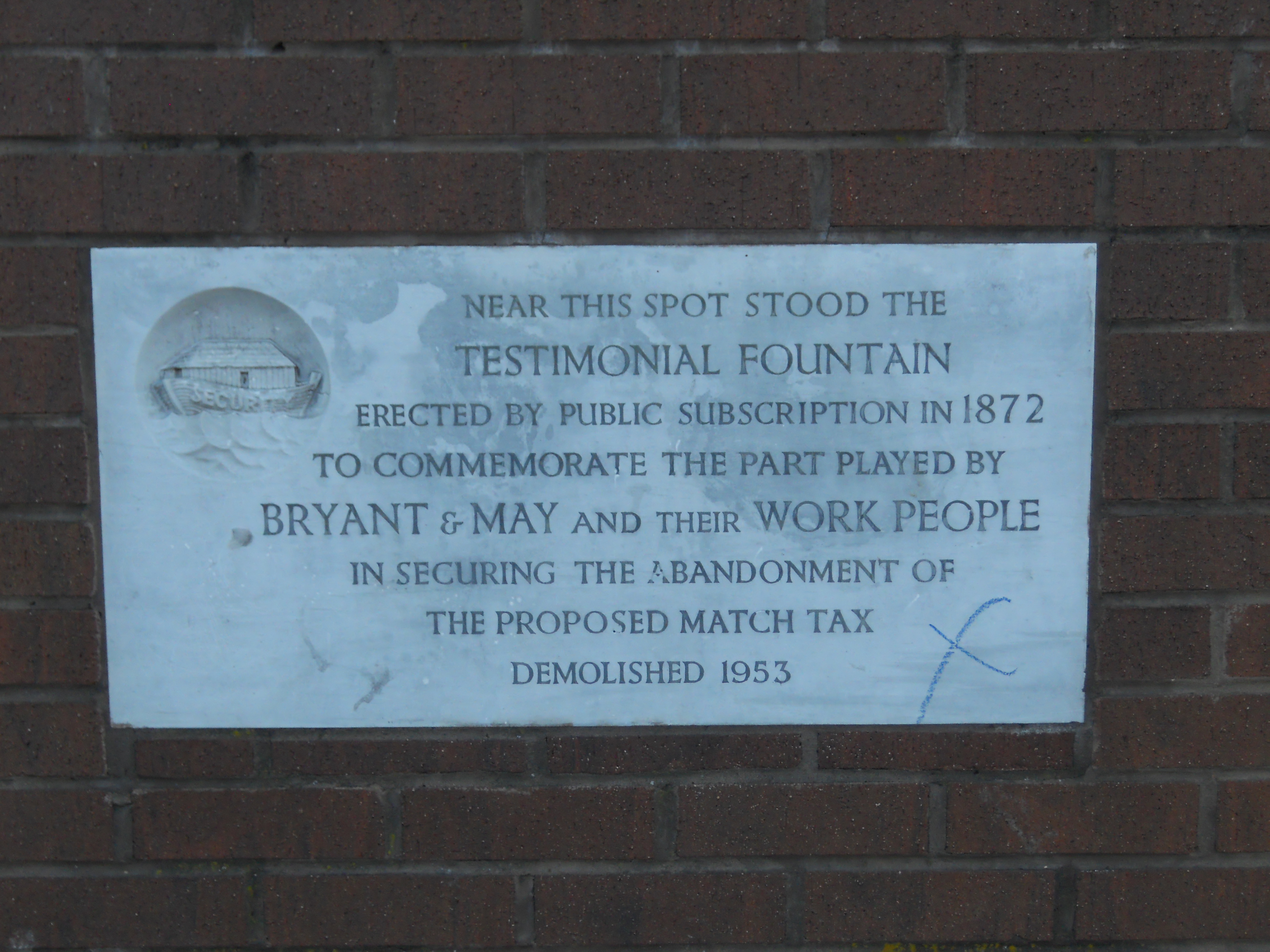
Plaque Commemorating Opposition to the Match Tax
I’d never heard of the Match Tax. But of course, the old Bryant and May factory is just round the corner. It’s now up-market housing called Bow Quarter.
I can’t find much about the Match Tax on the Internet, except for this proof copy of the stamp that would have been used. It was never implimeted because of a public outcry.
The New Bridge at the Bow Interchange
I finally made it and about ninety minutes after I left Bromley-by-Bow station I arrived at the new bridge.


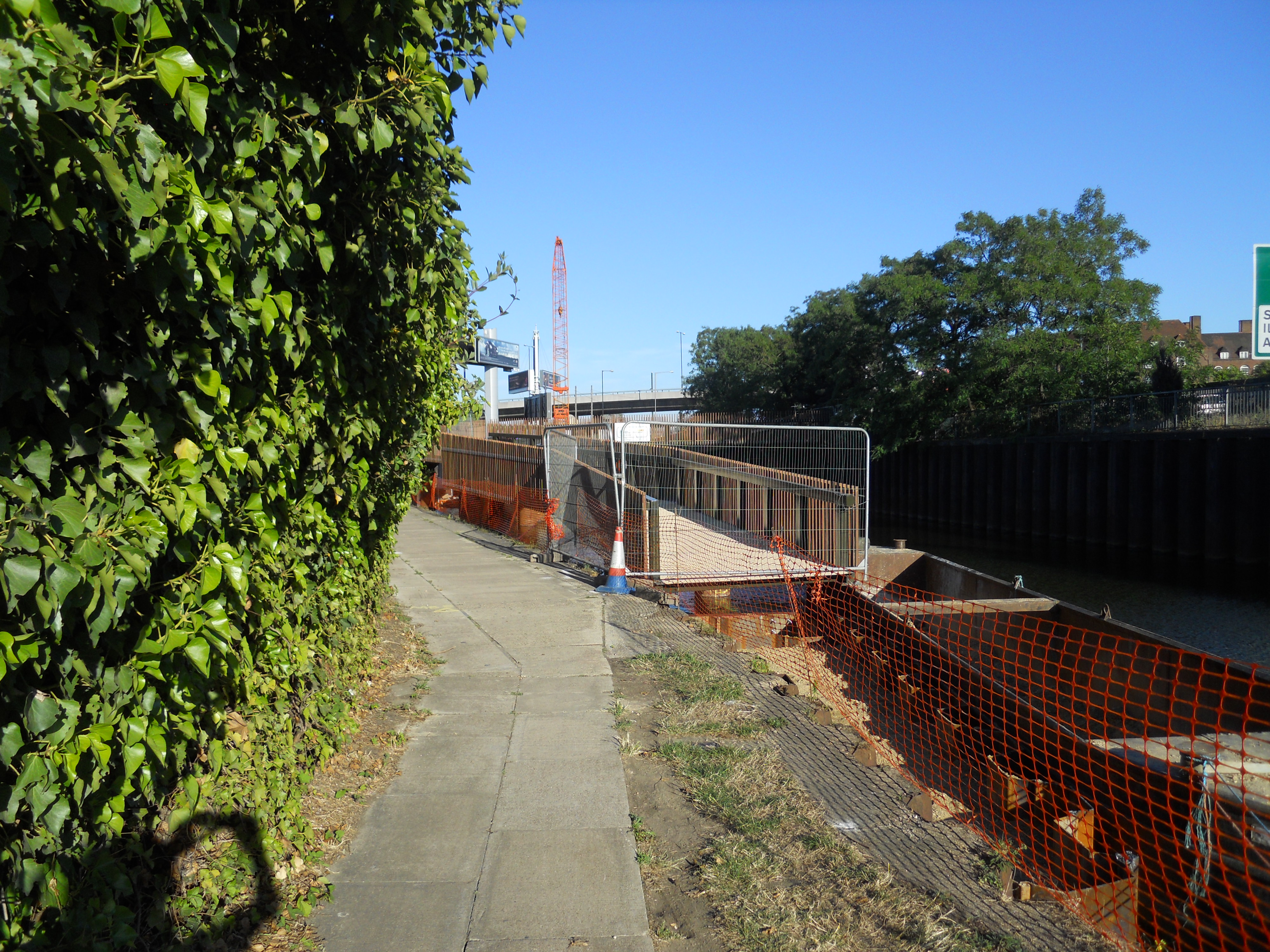
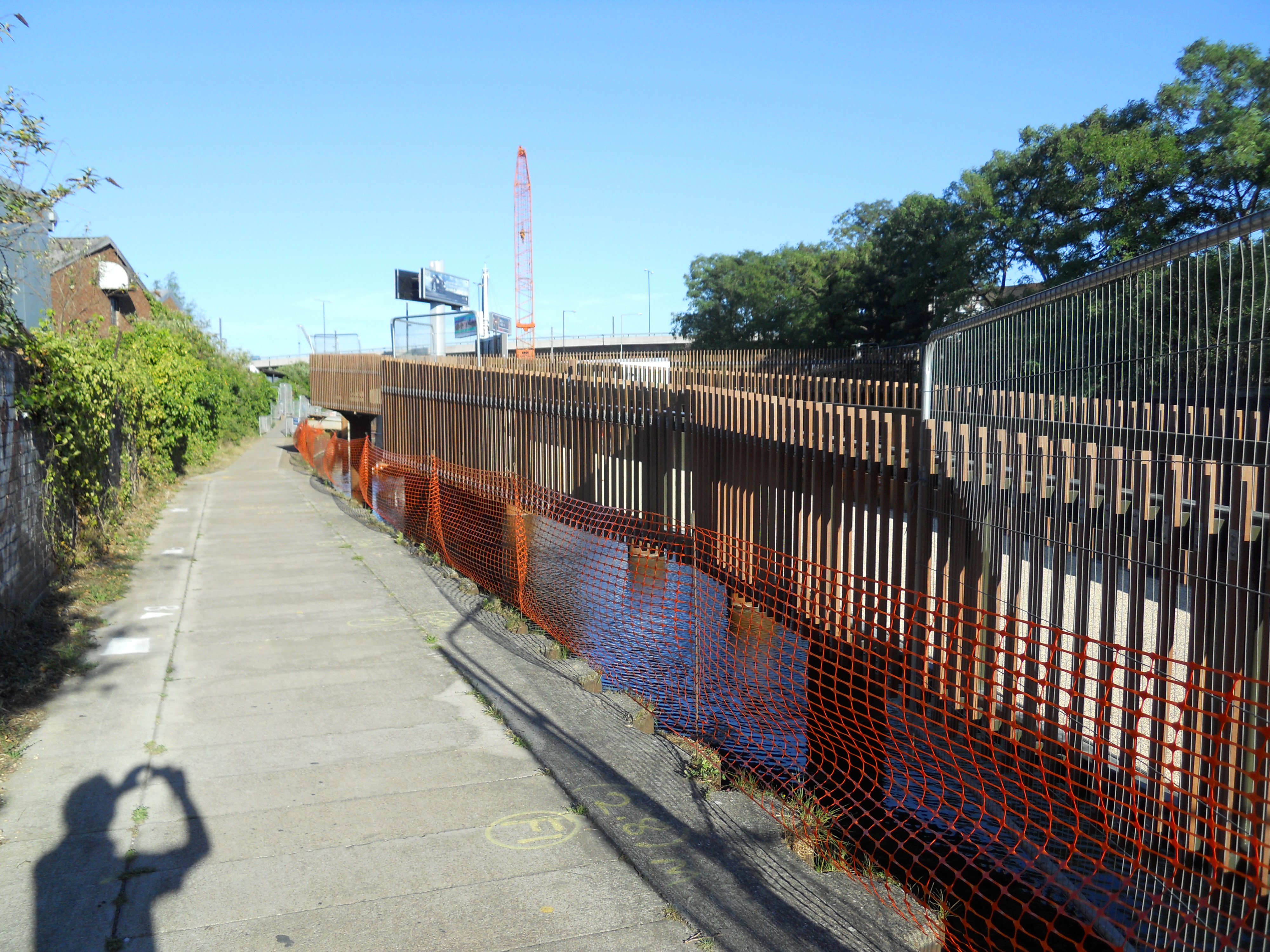
I shall return in a couple of months, when it hopefully will make crossing the busy roads at the Bow Interchange a lot easier.
Back to the Bow Interchange
I walked along the Greenway and then turned onto the towpath of the westernmost tributary of the River Lee. It was more about exploring than with any purpose, although I did think it would lead to my finding of the new bridge.
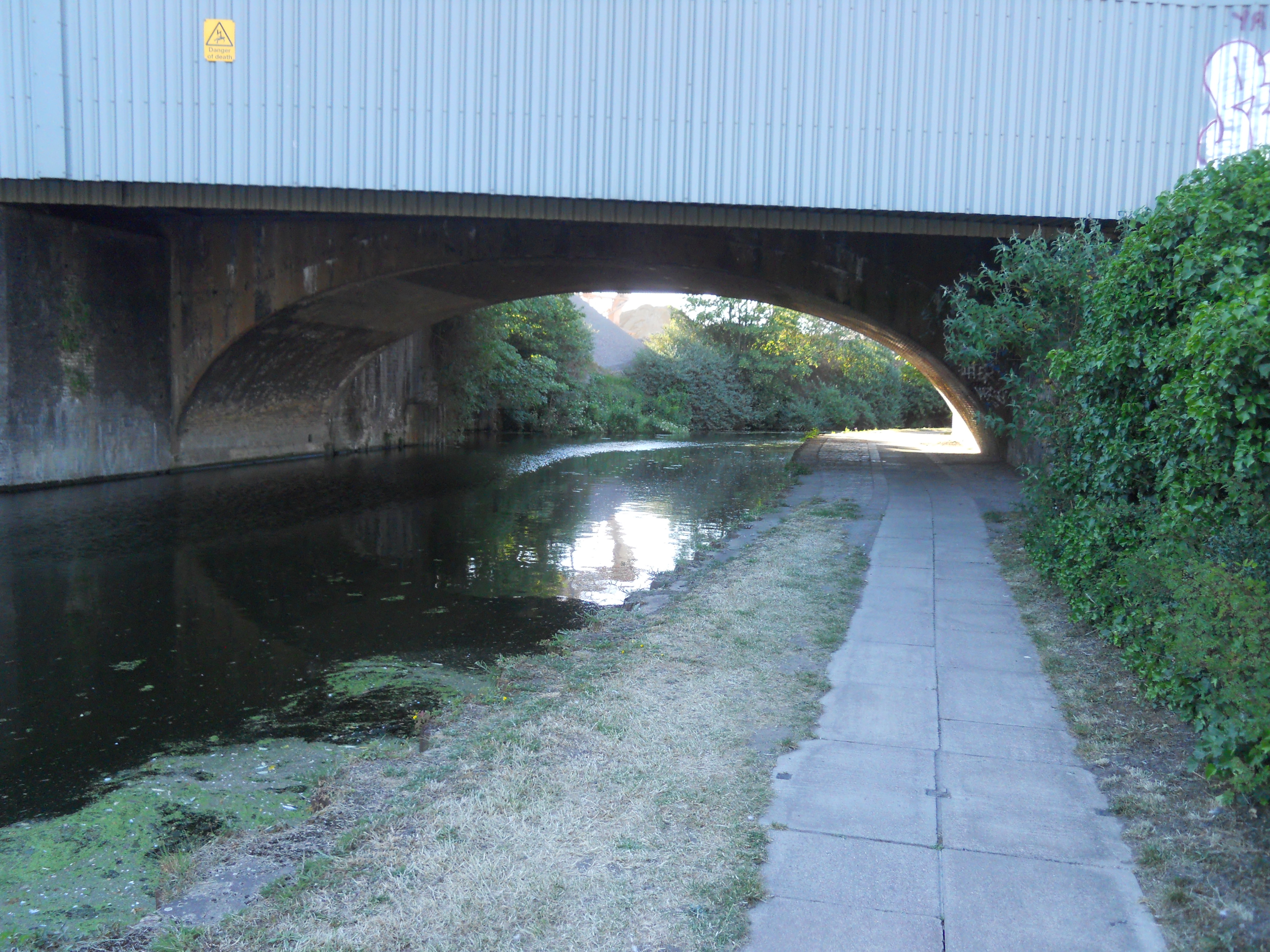
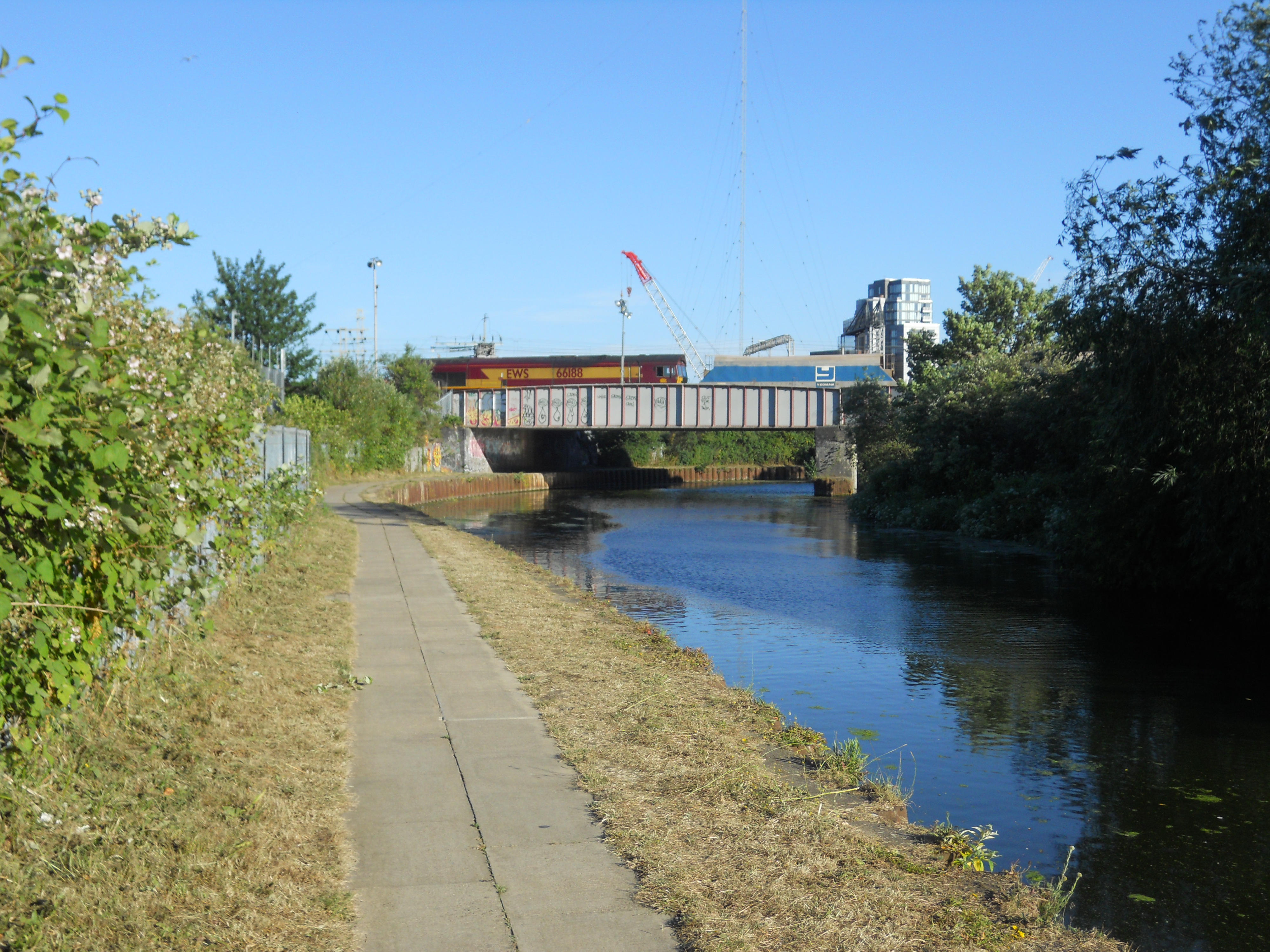
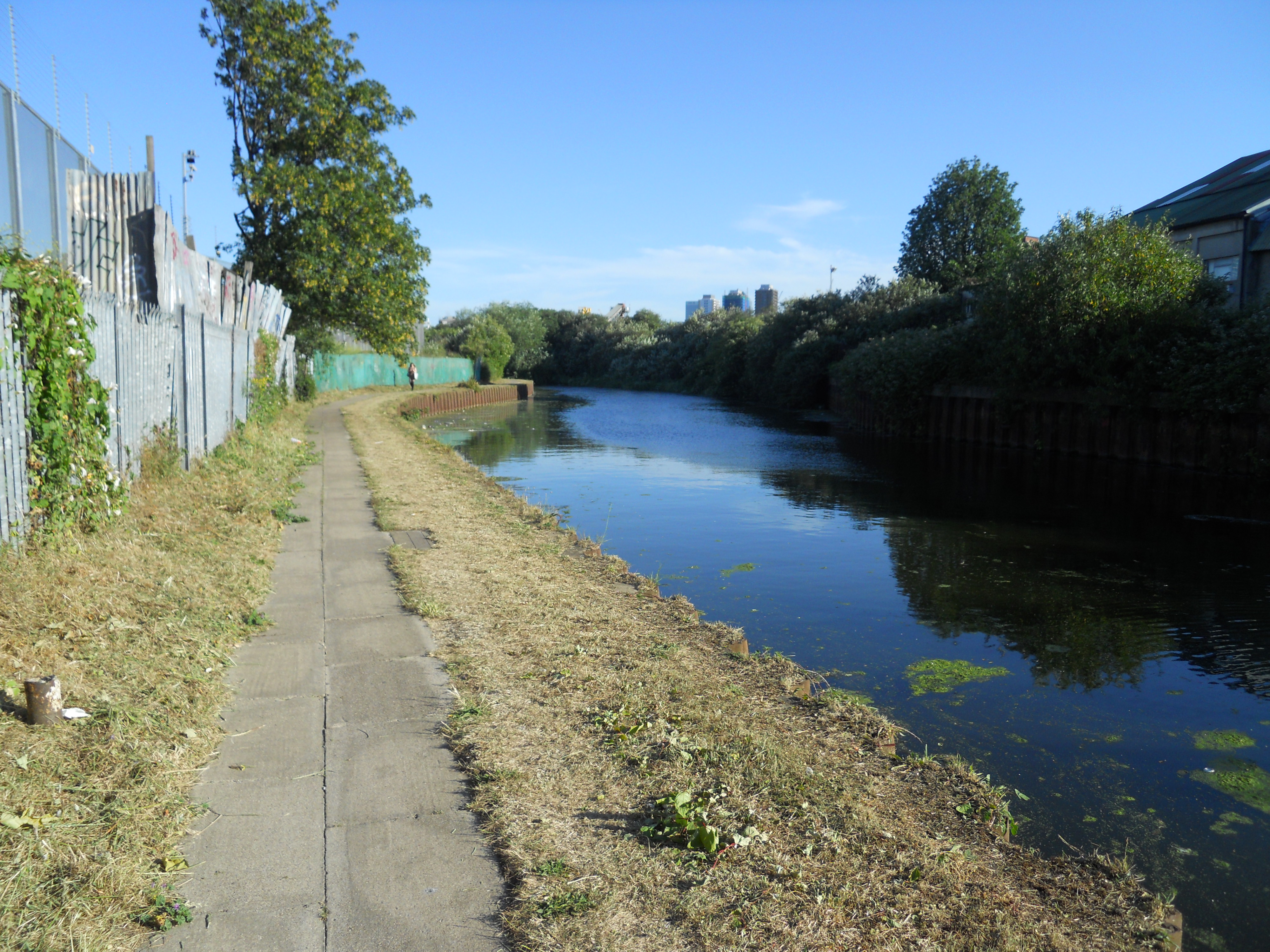
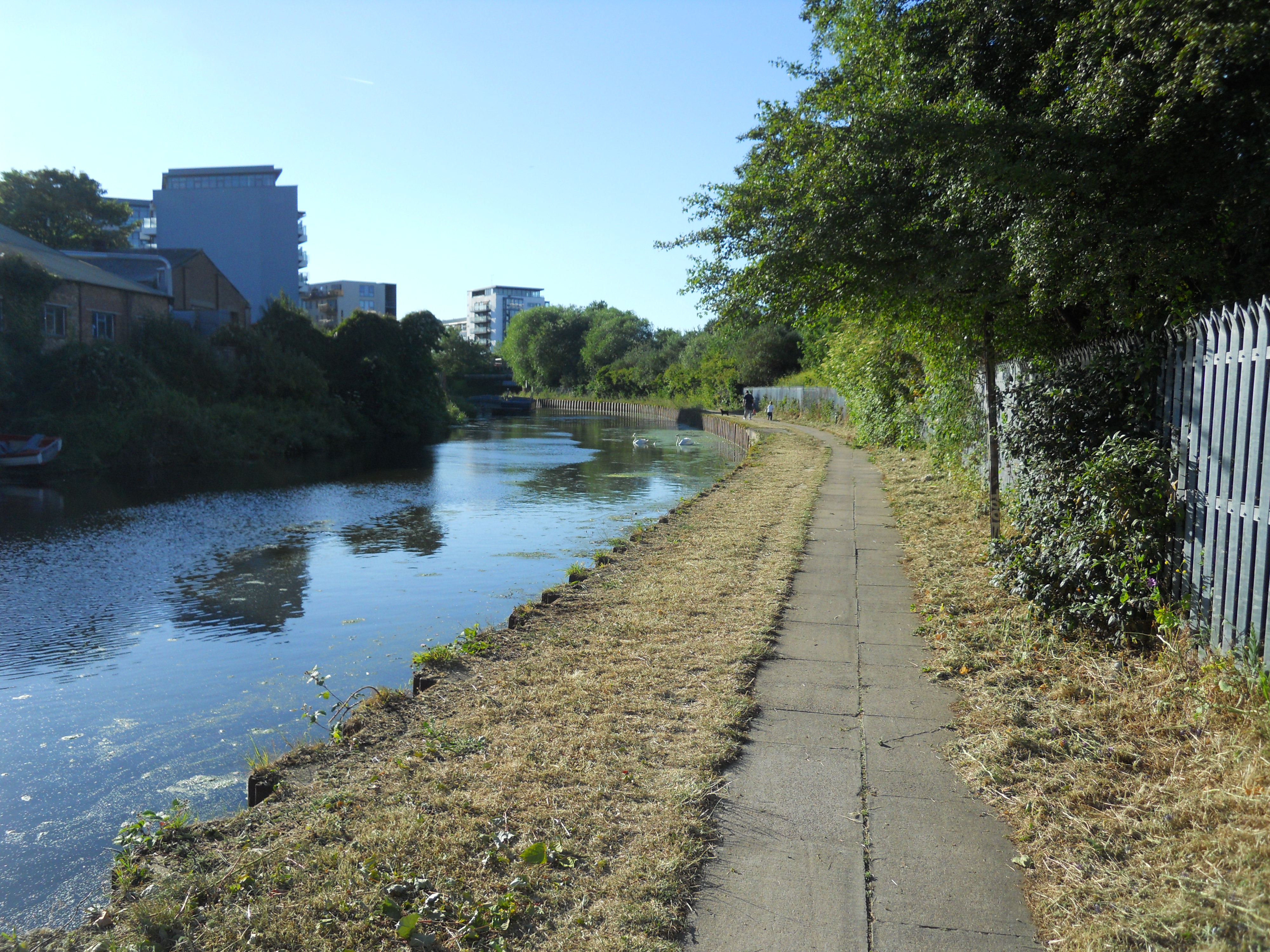
In the end I found it led to Bow Road and Bow Interchange, which is perhaps a kilometre from Bromley-by-Bow station.
An Insignificant Plate on the Greenway
From Pudding Mill Lane, I decided not to take the easy route of transport home, so I climbed onto the Greenway and thought about having a coffee in the ViewTube. But it was too late, as the cafe was closed. There was an American film crew there, making a piece about the Olympics, as there often is, so I gave them some of the history about the area, the sewers and Joseph Bazalgette.

Marshgate Lane Plate
This plate in the Greenway, is all that is there to indicate one of the largest of the Olympic construction contracts.
To create easy access to the Olympic site and easpecially after the Games, Marshgate Lane is being lowered so that large trucks can get in. It is not an easy job, as they are effectively having to tunnel under the Northern Outfall Sewer and as the name indicates, the area used to be a marsh. People often wonder why projects cost more and run late. This is one that has a high degree of risk, although it should be ready in time, but one misplaced action could conceivably break the sewer and cover everything in the outflow from several million toilets.
Luckily, knowing Bazalgette, he built a degree of strength into the sewer that will protect everything and everyone.
Along the Bow Back Rivers
I crossed Stratford High Street and then found my way to Pudding Mill Lane station on the DLR. I passed across and along one of the Bow Back Rivers, originally created to channel water power from the River Lee to the flour mills in the area.
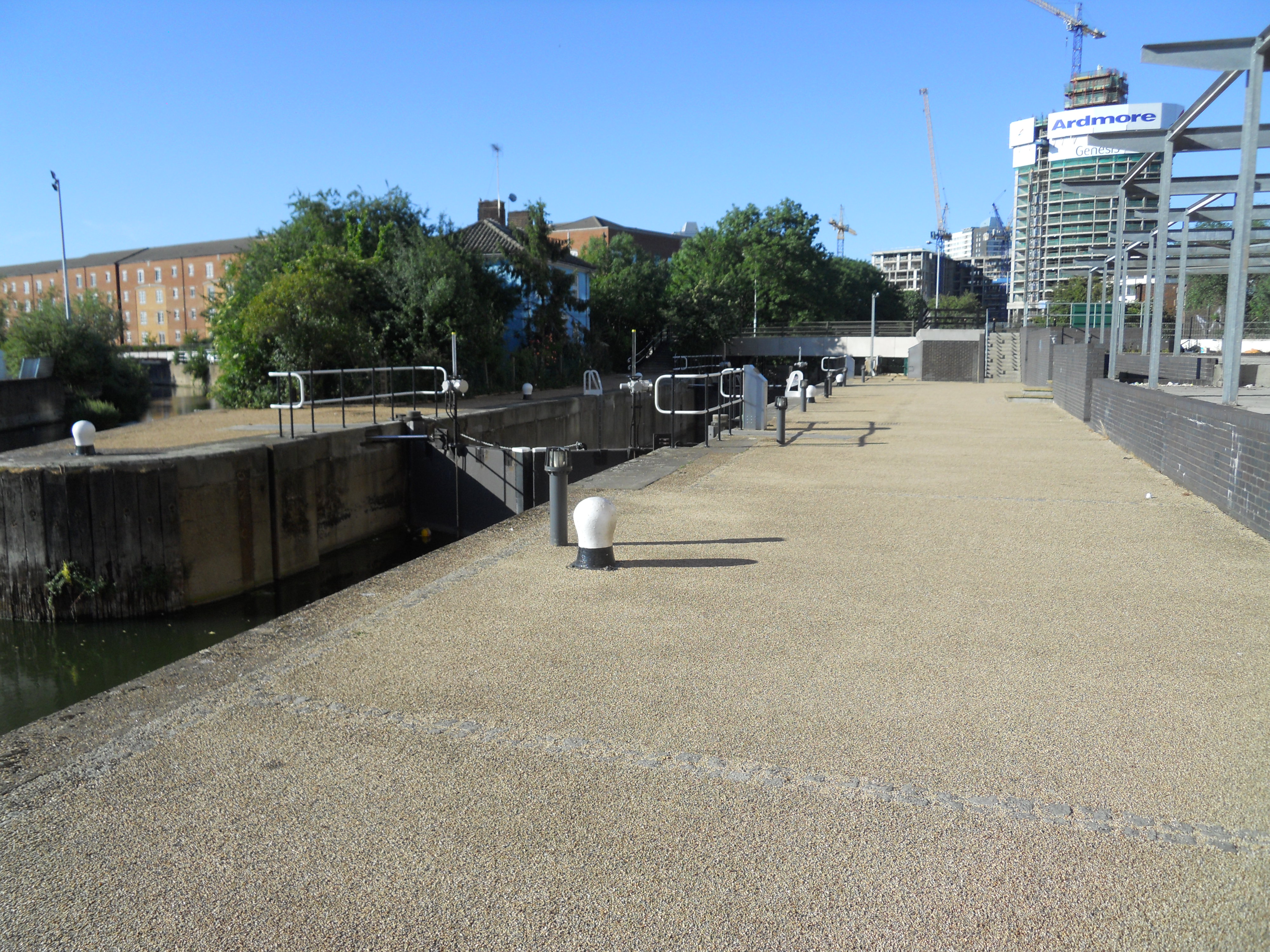
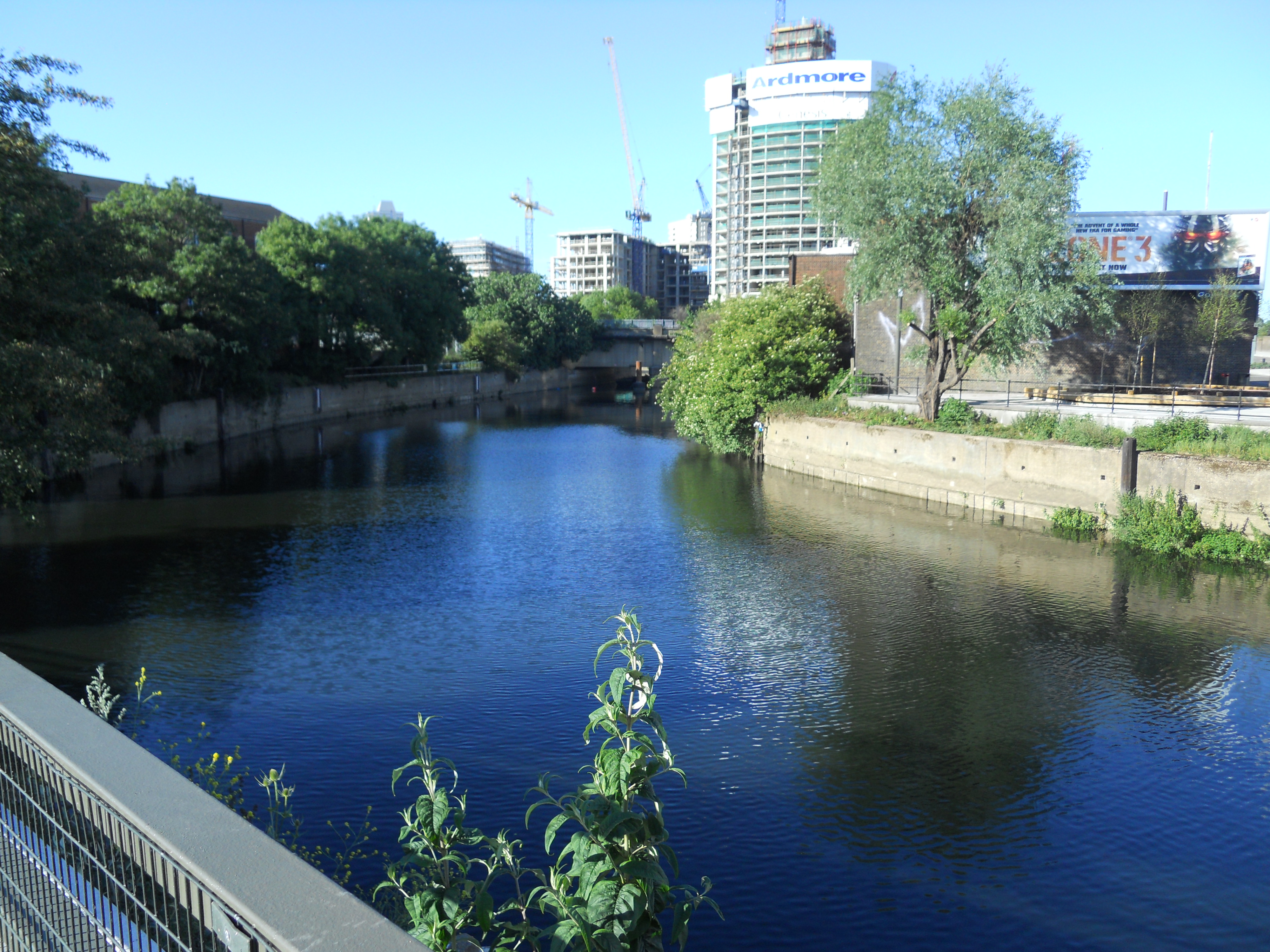
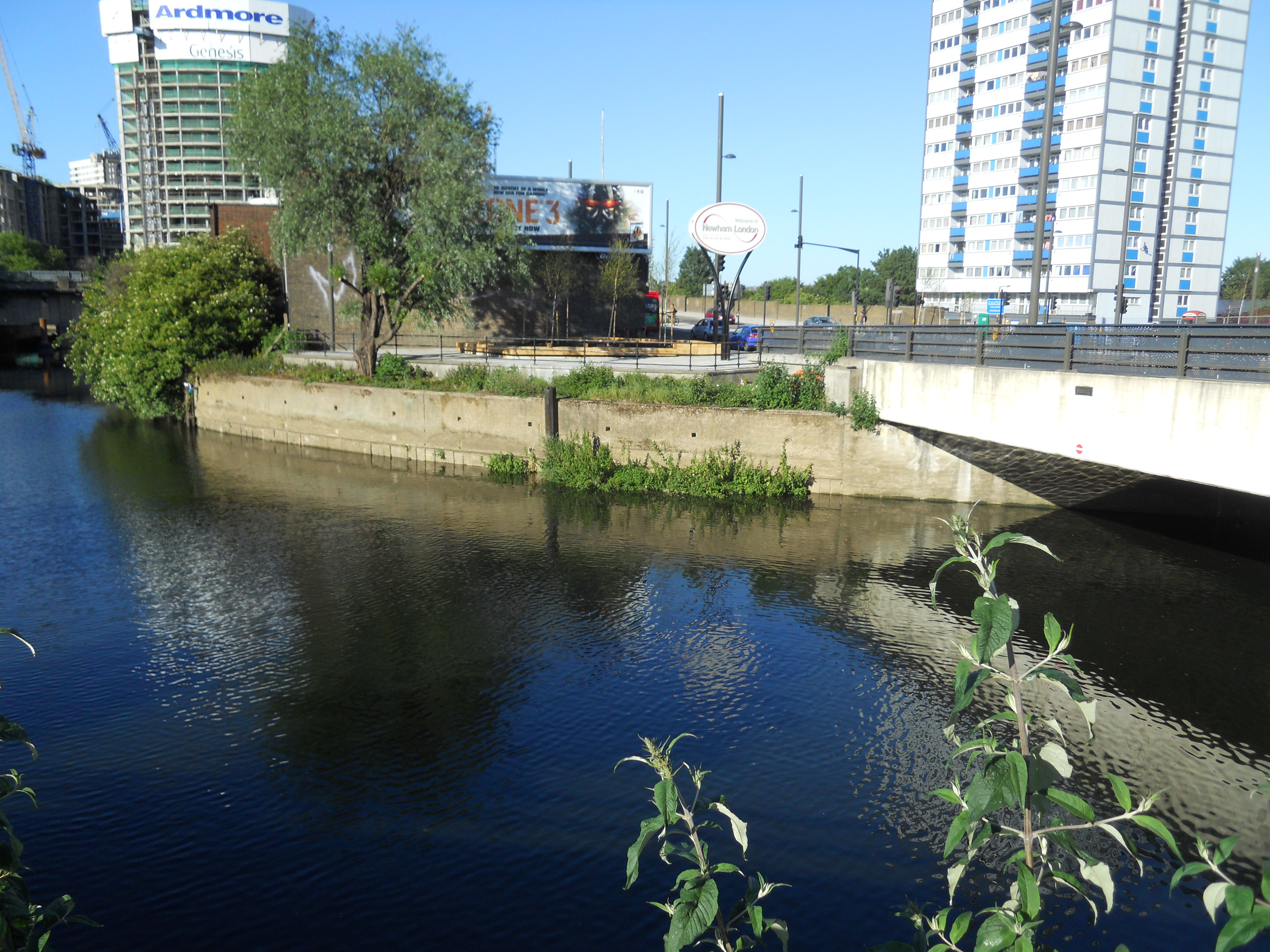
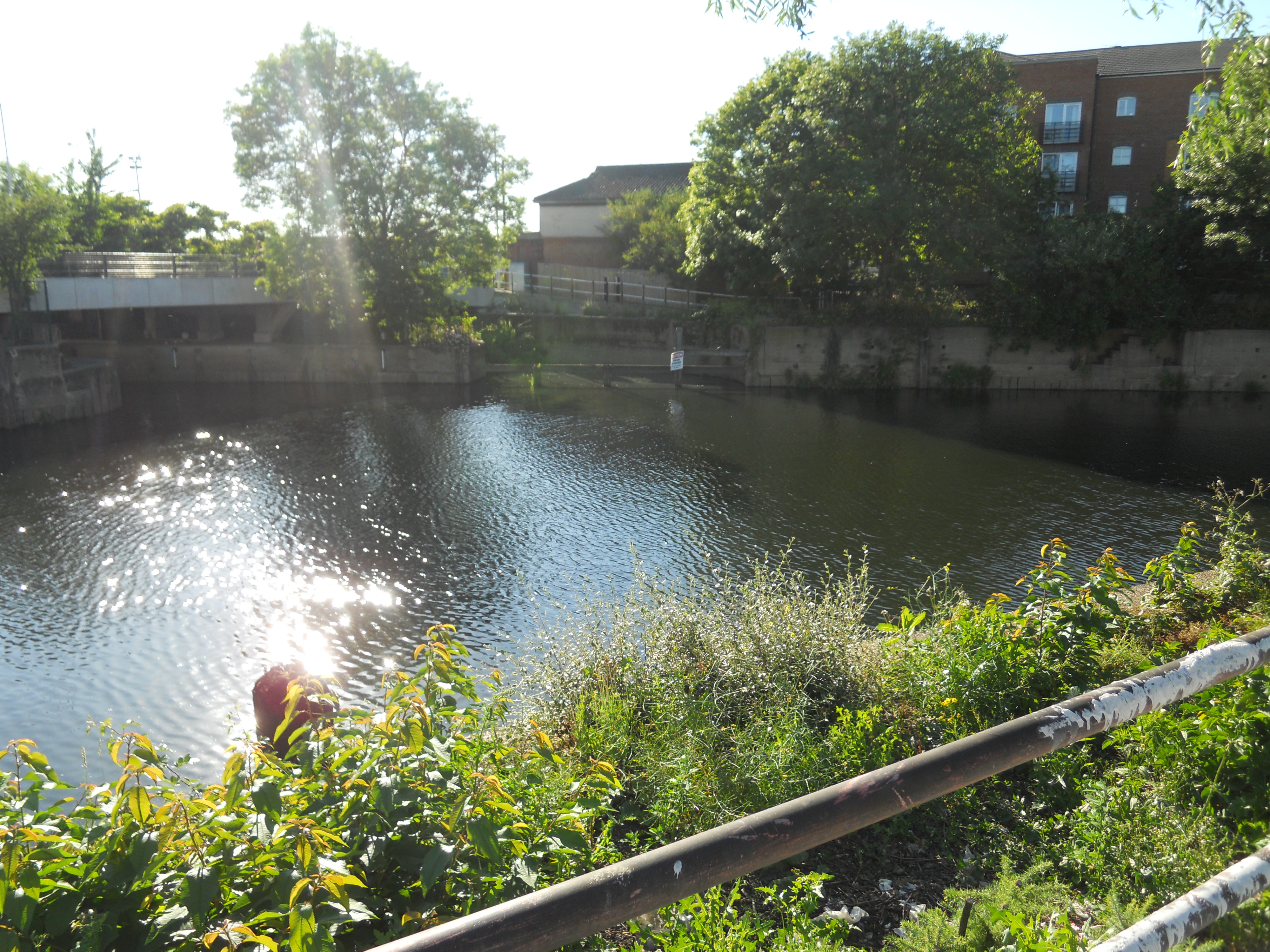
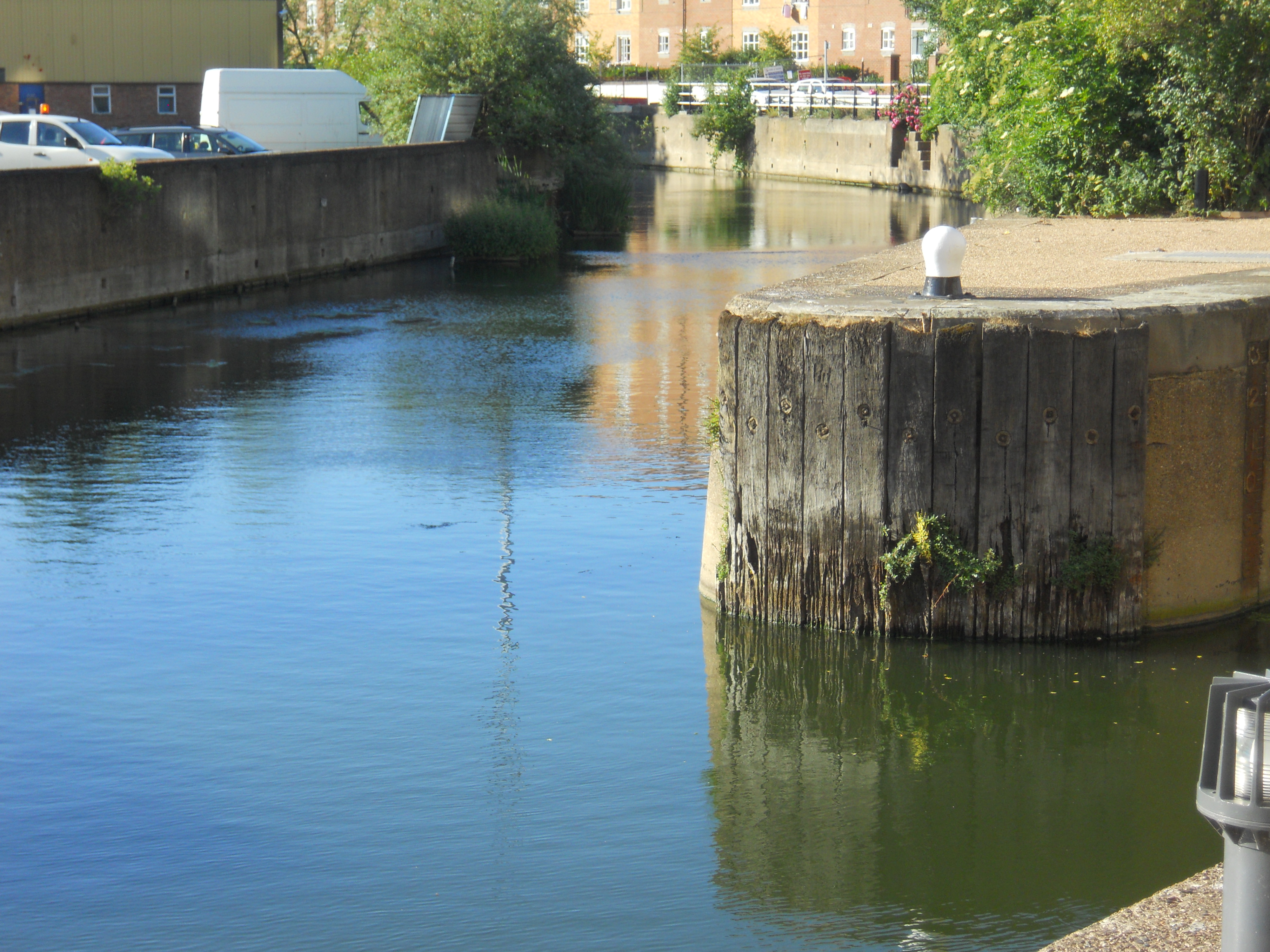
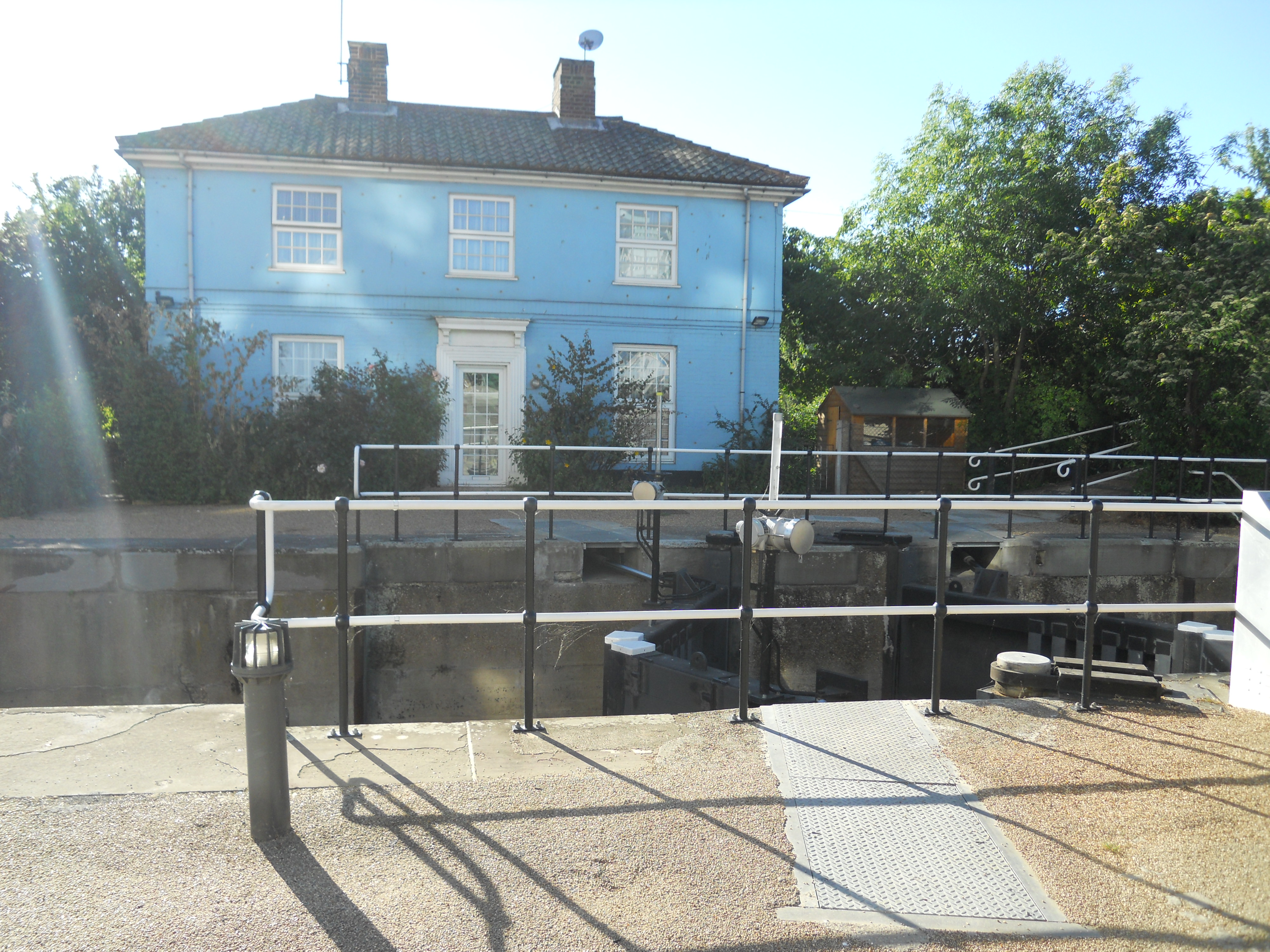
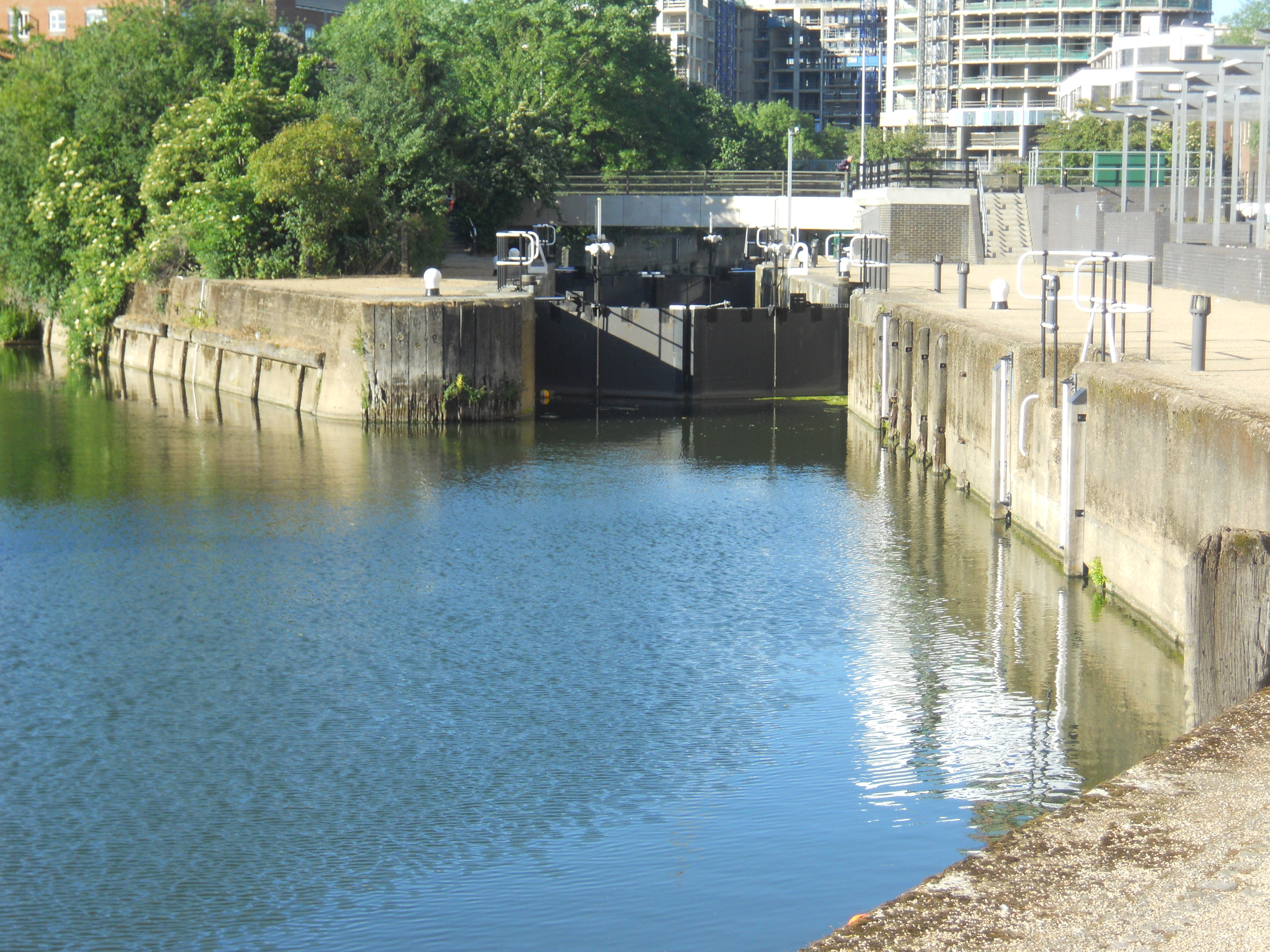
At present access is restricted to many of these rivers because of construction of both the Olympic Park and CrossRail. But they will become a major water feature of the Olympics. The City Mill River and the City Mill Lock have recently been restored.
Onwards to Stratford High Street
I walked onwards from Three Mills towards the Olympic Park along the Three Mills Wall River, which is part of the River Lea.
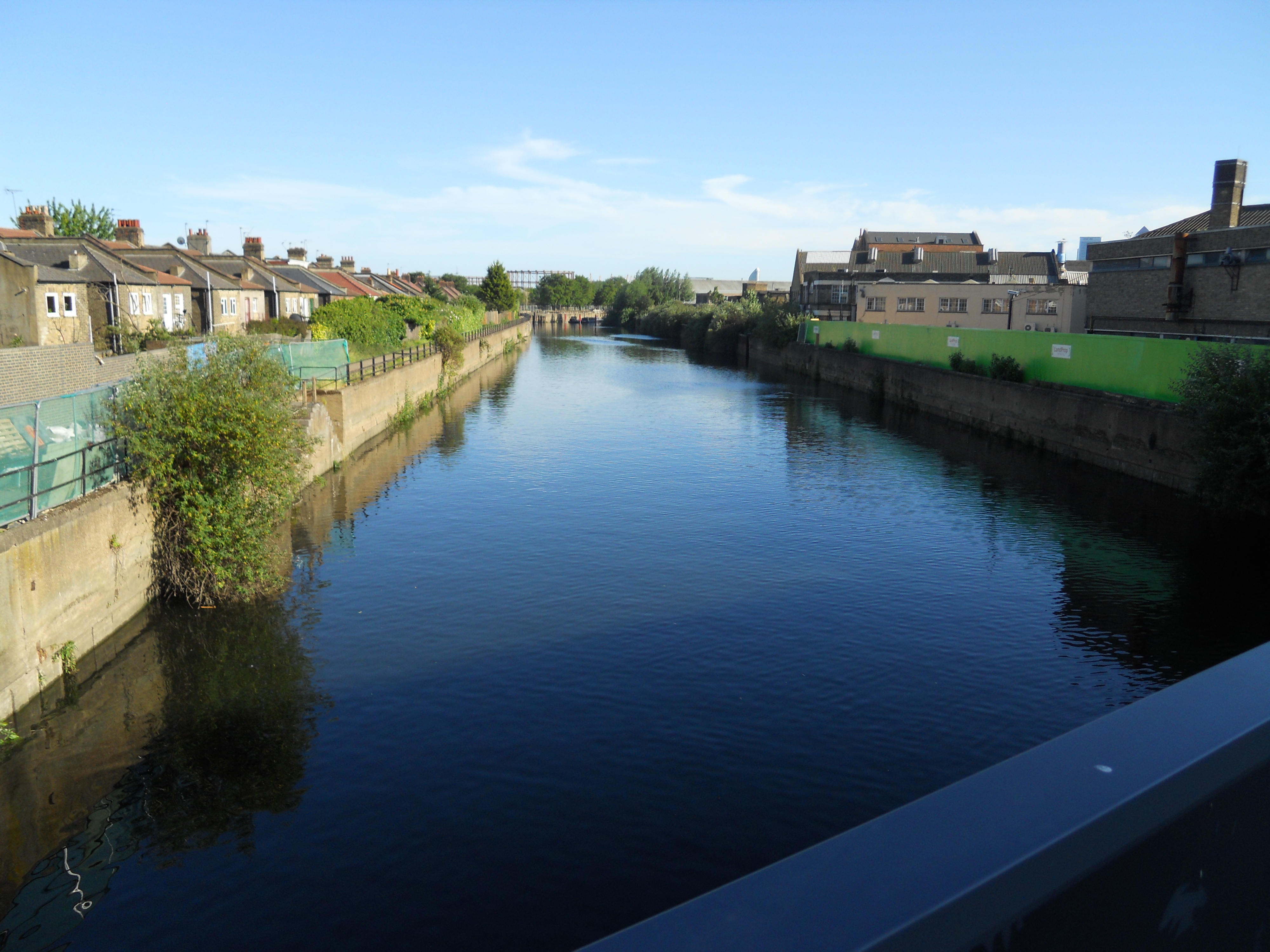
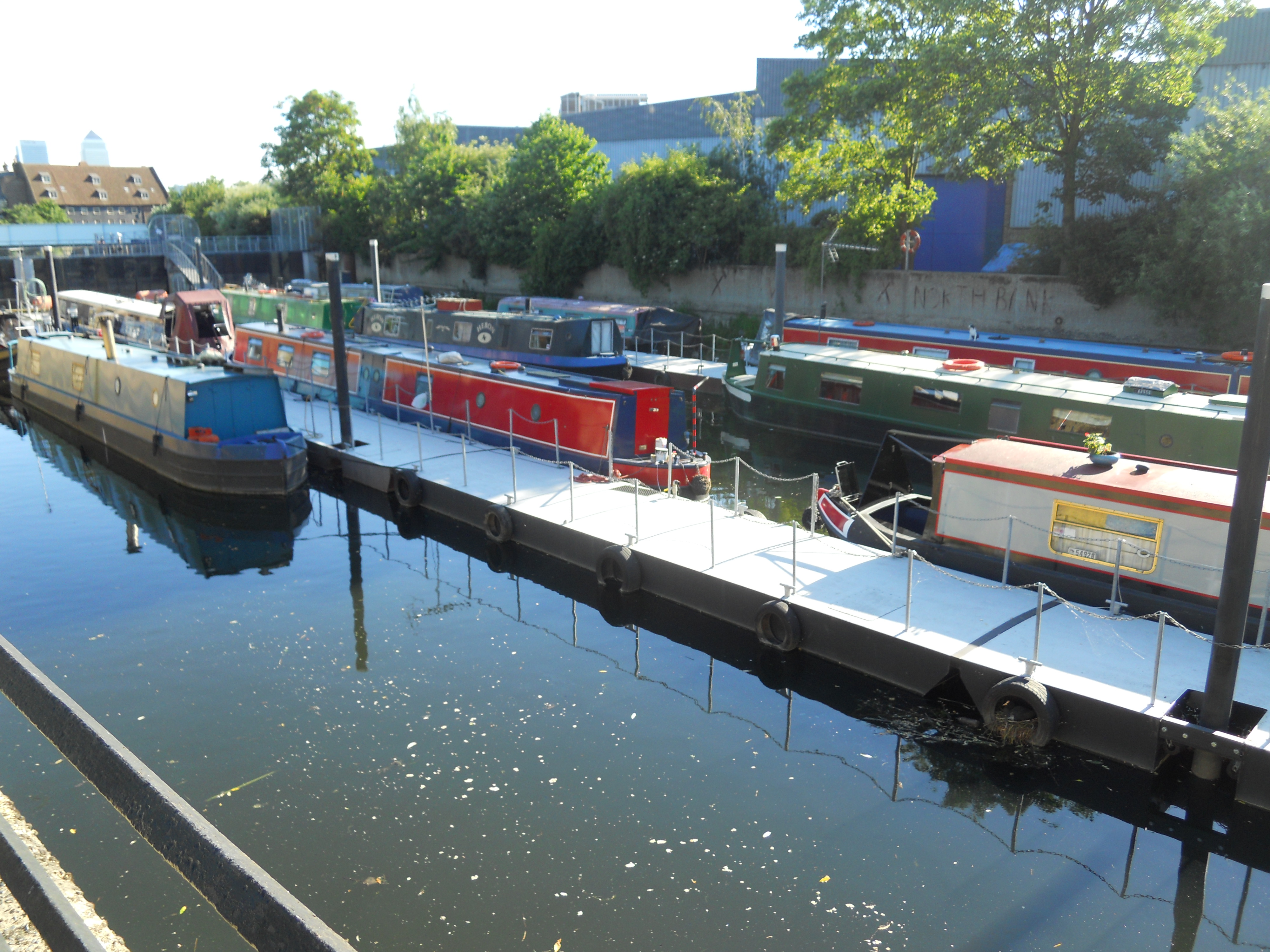
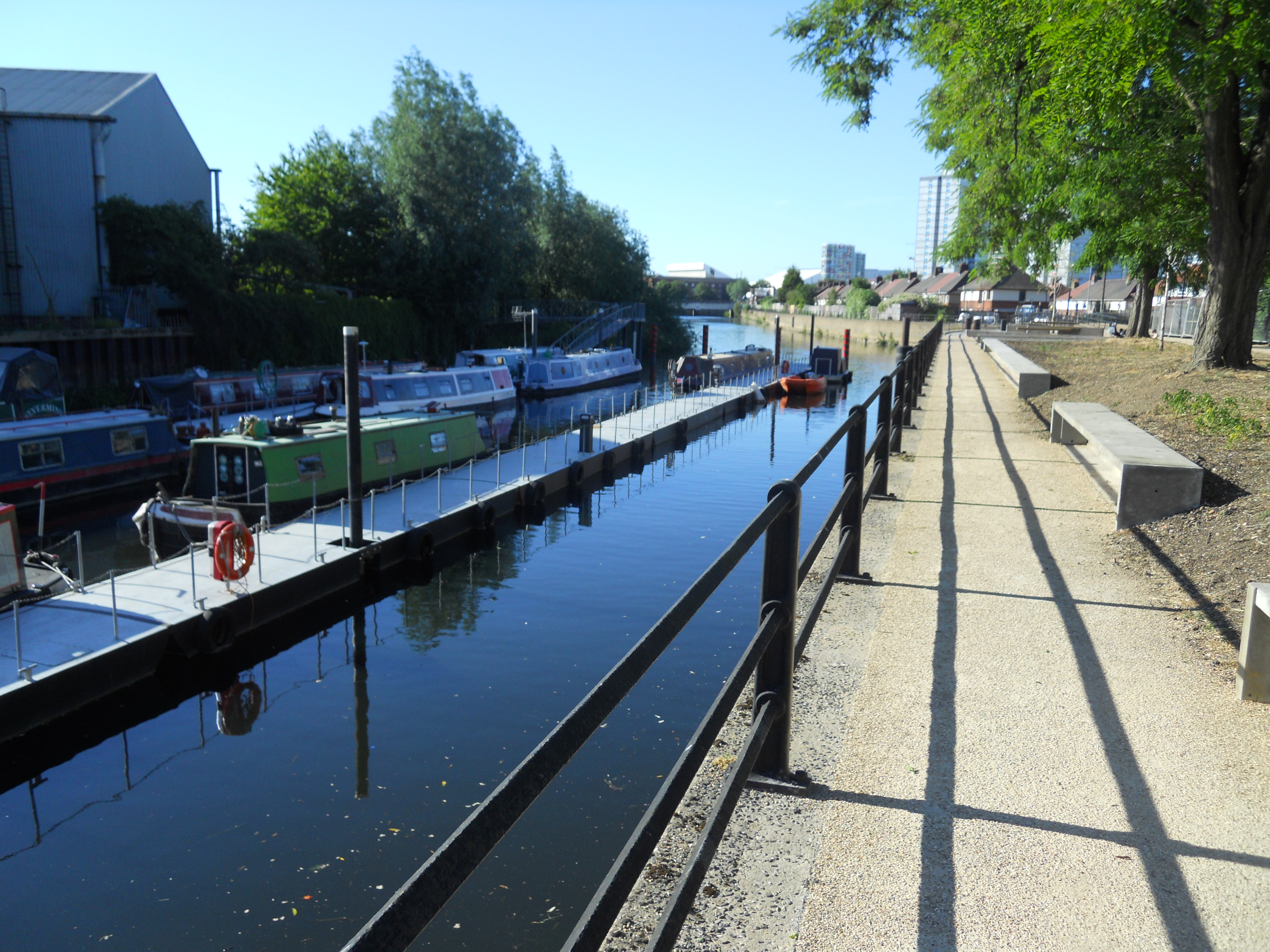
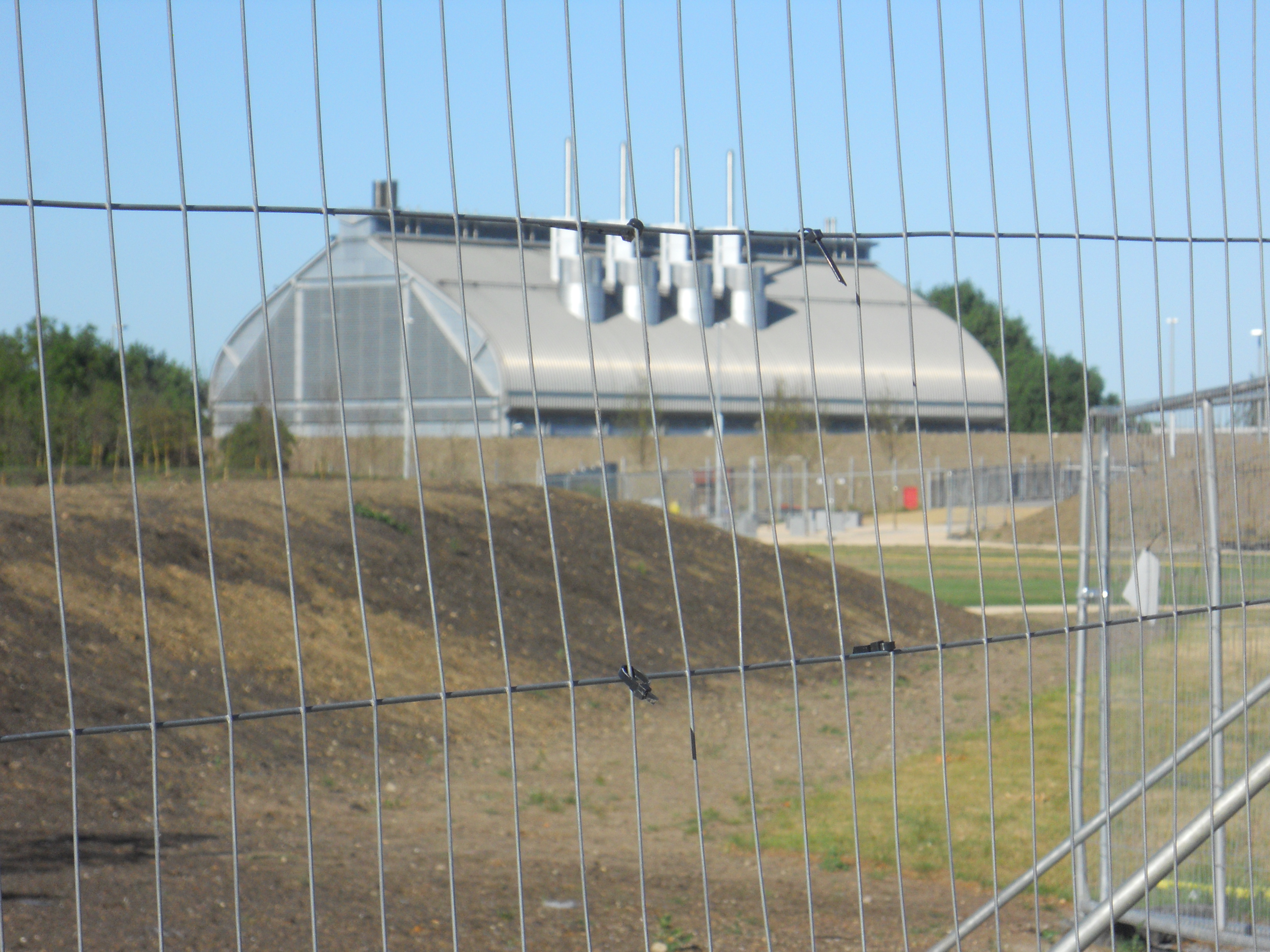

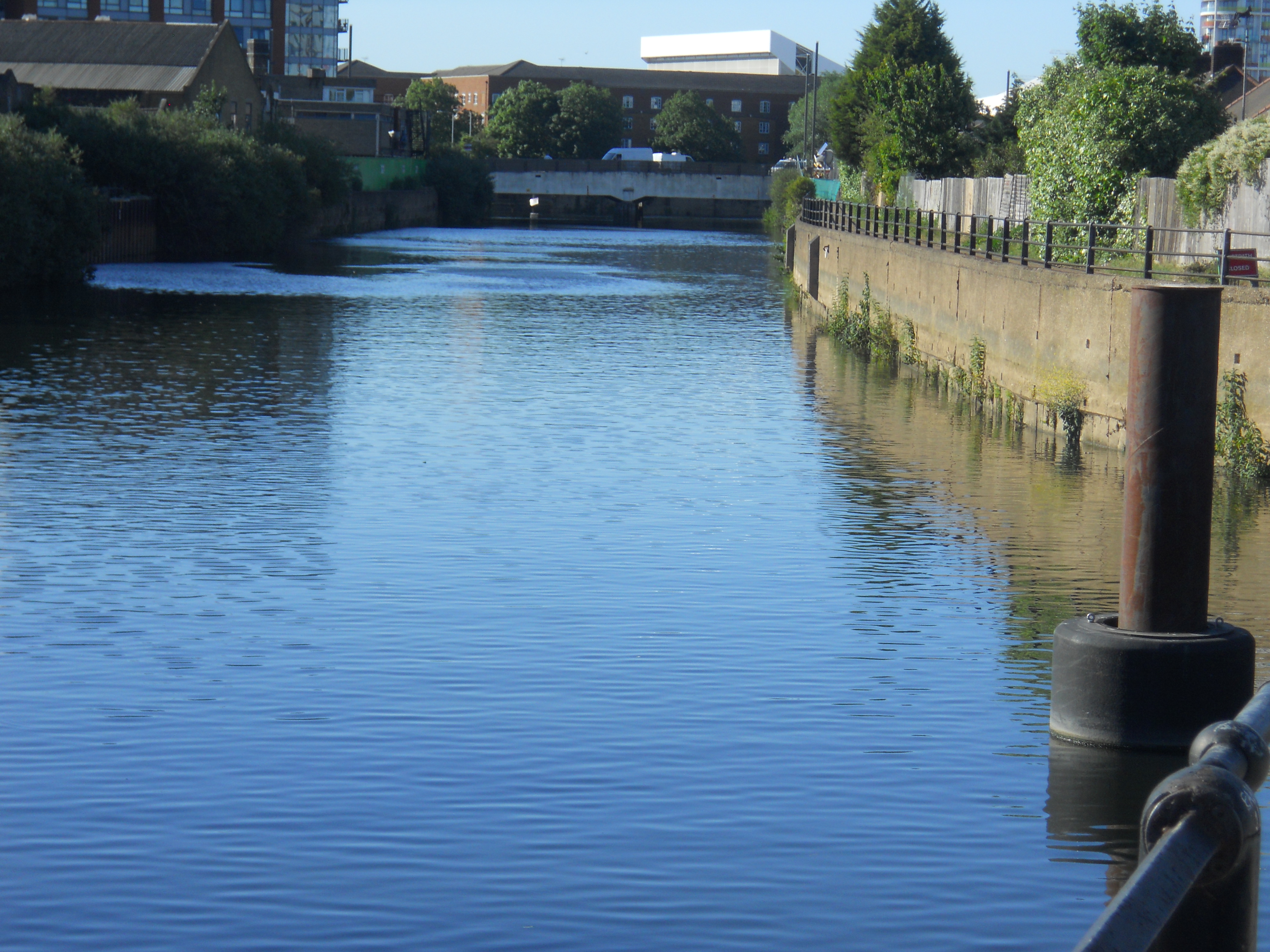
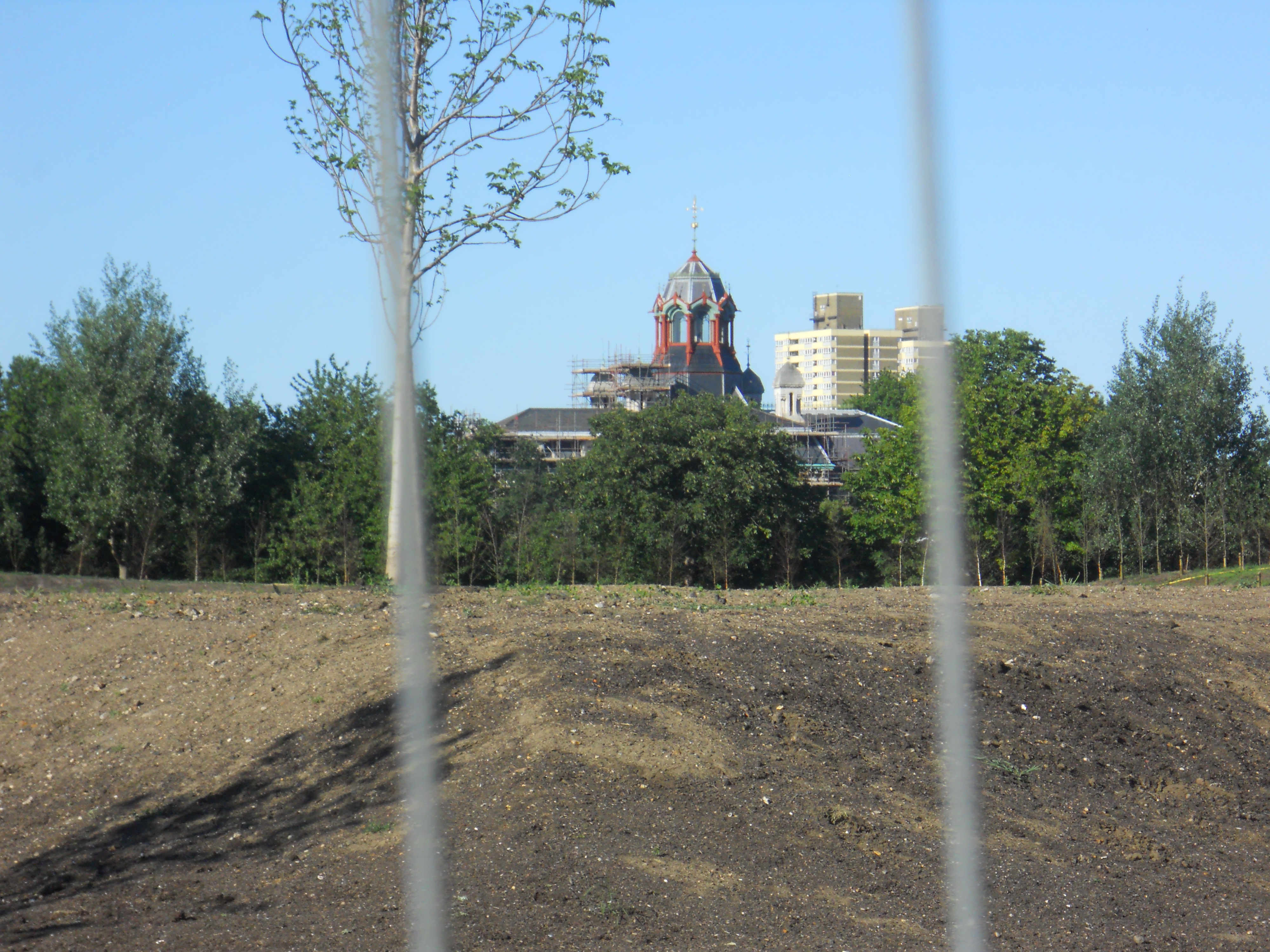
It was an interesting walk with a lot to see.
You can’t actually reach Stratford High Street at the moment, becuse of construction work.
It looks like they will be encouraging spectators to walk to the Olympic Park from Bromley-by-Bow station along this route. They have put in quite a few places to have a picnic, which you could buy in Tesco’s at Bow.
Three Mills, Bow
In my previous post, I said things just had to get better and they did.
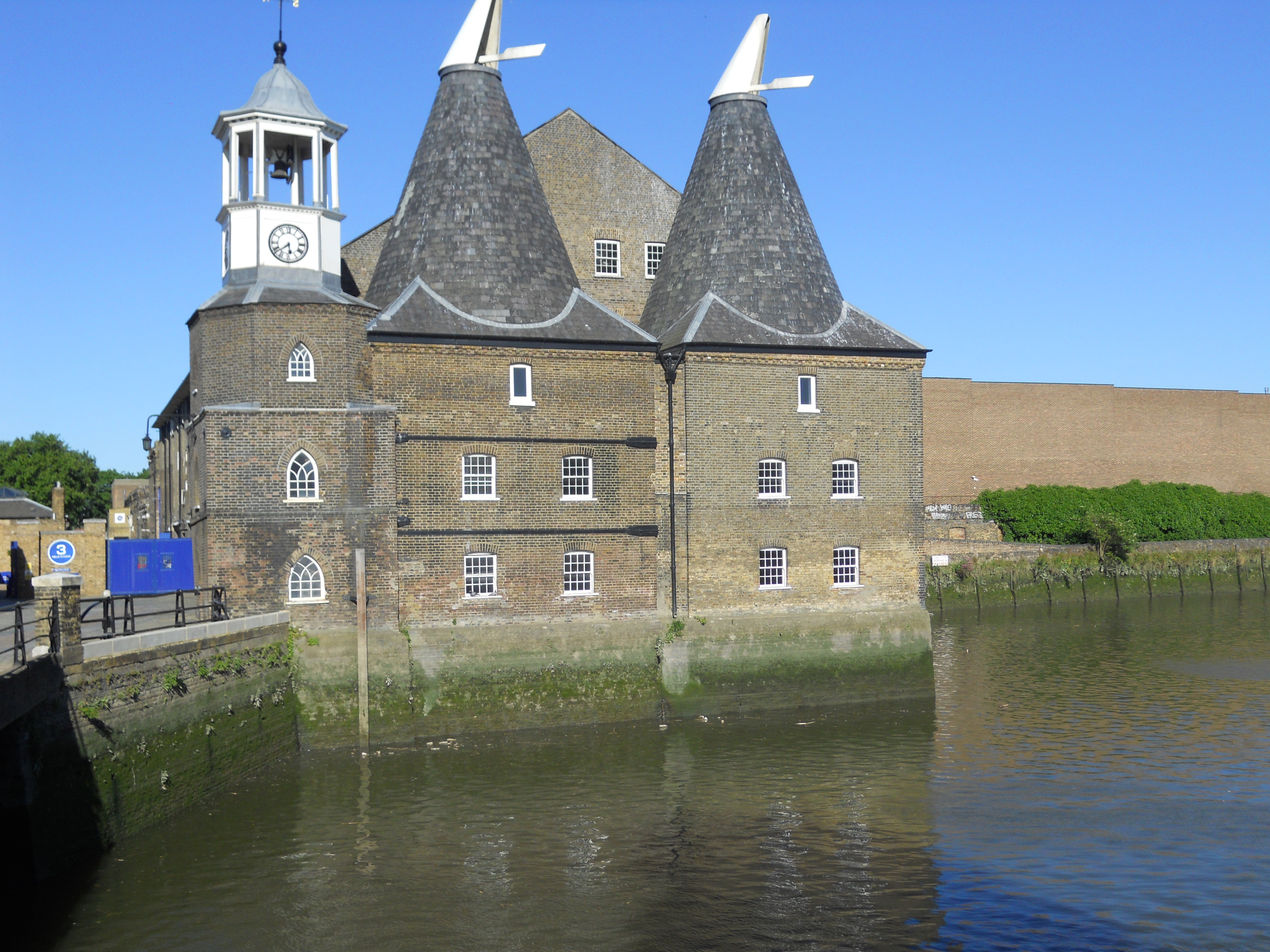
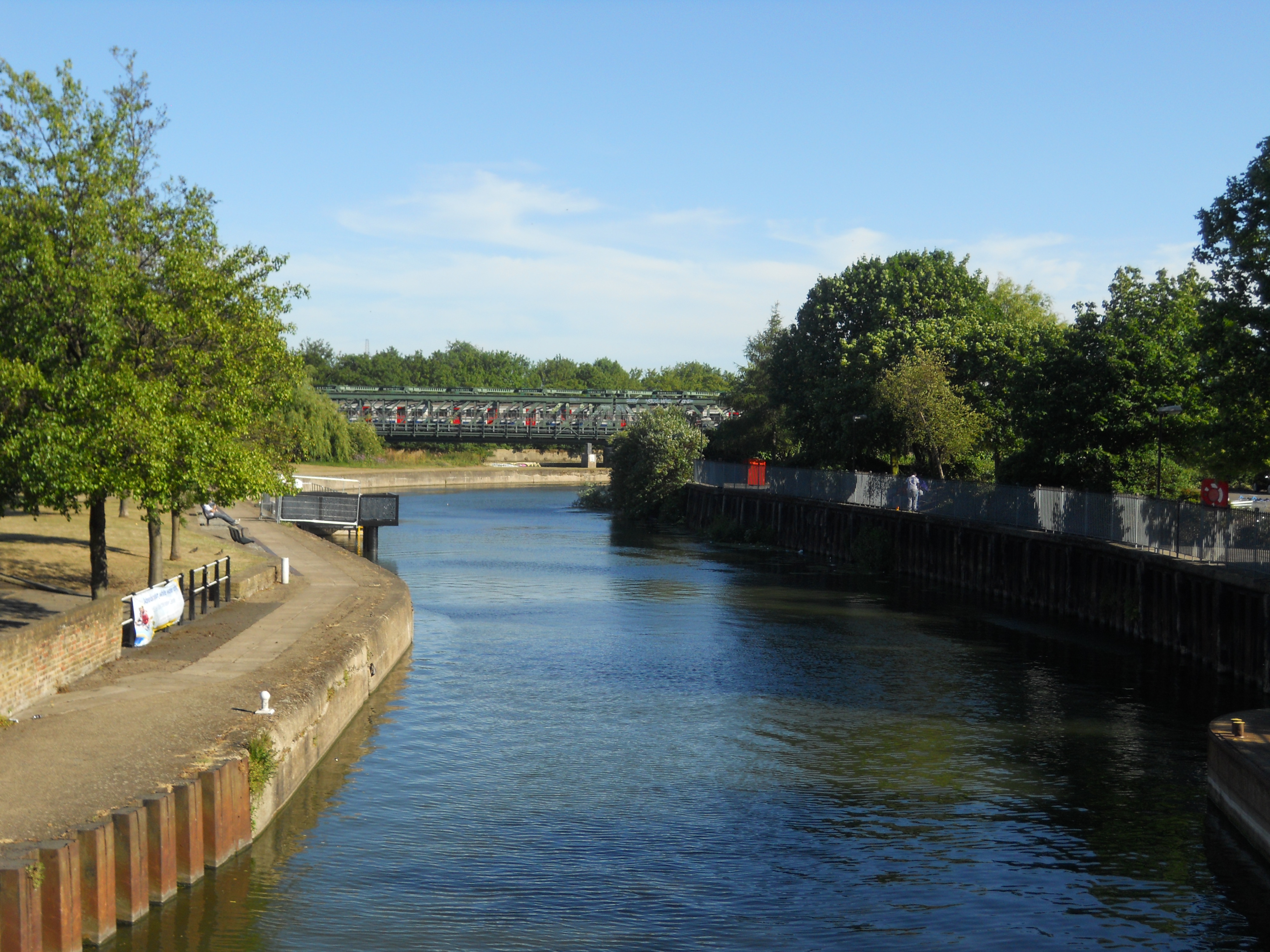
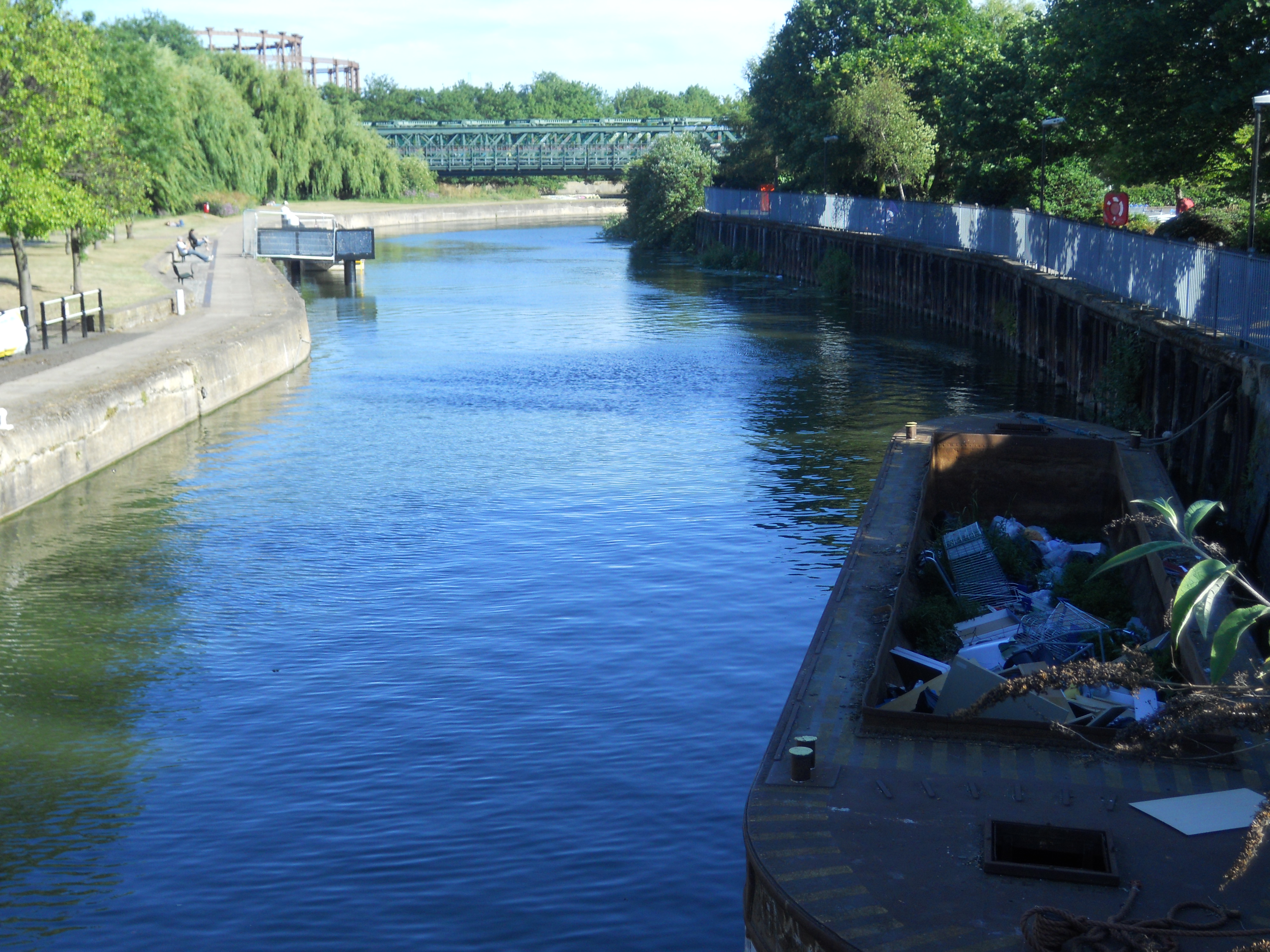
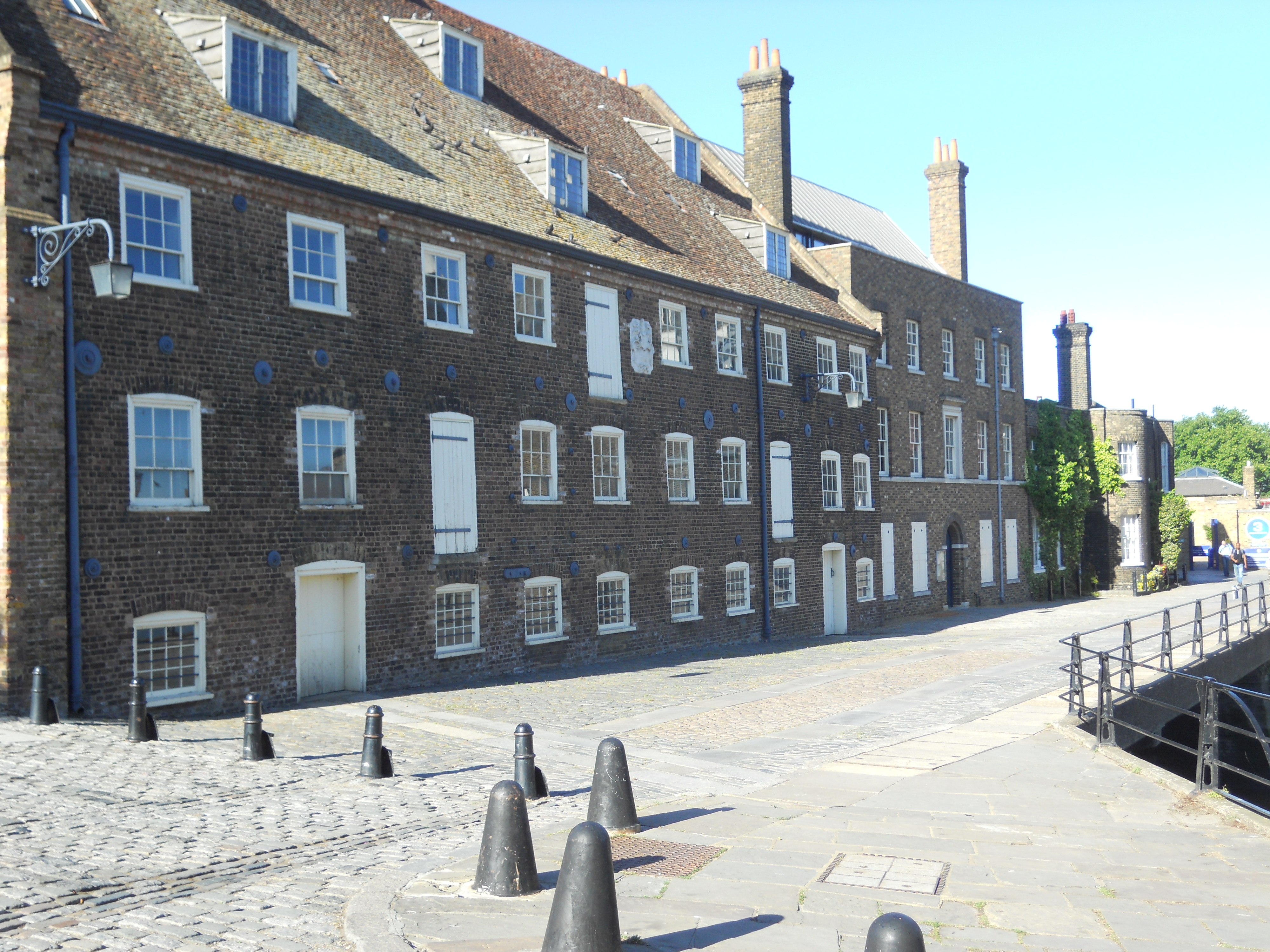
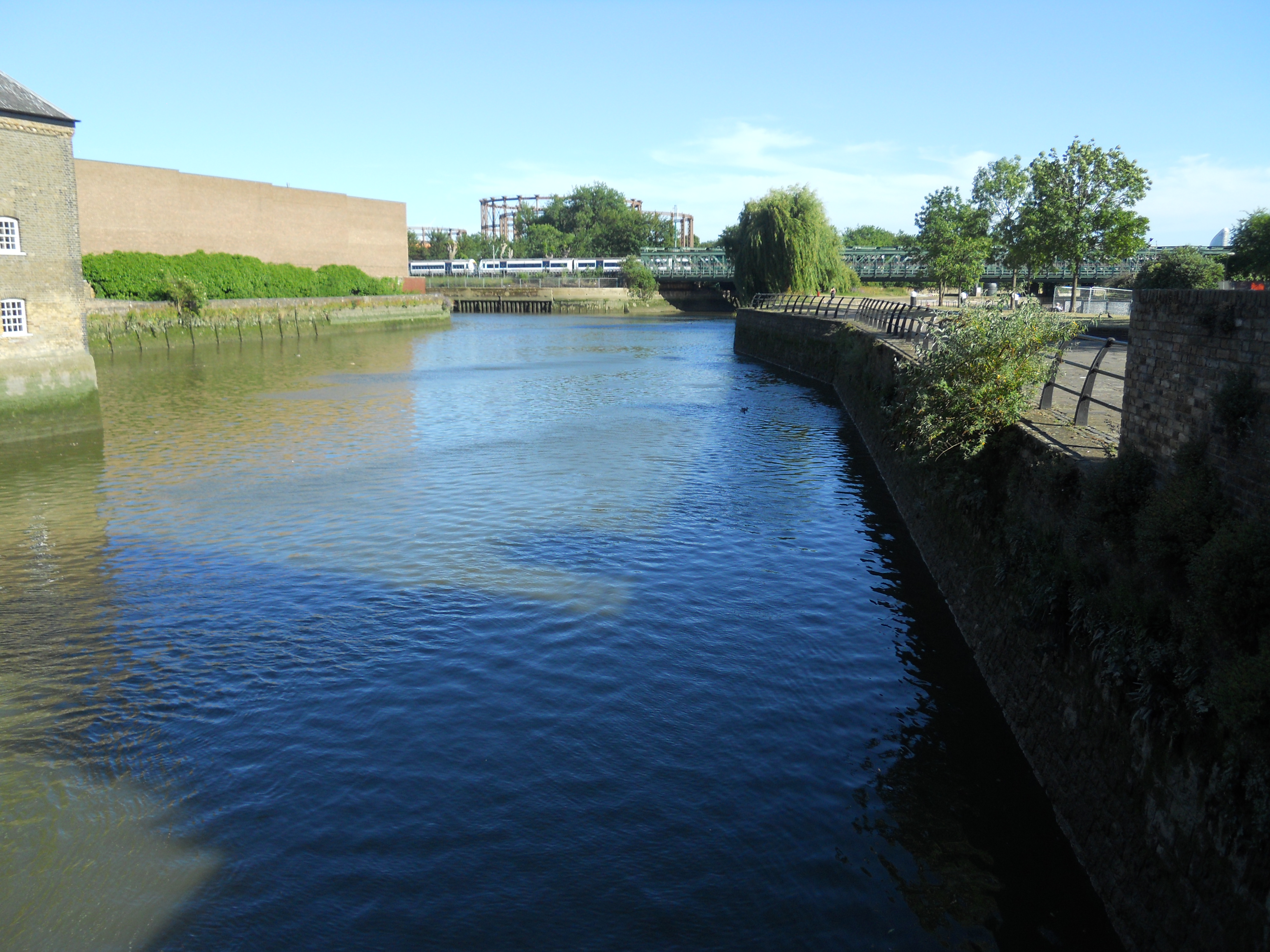
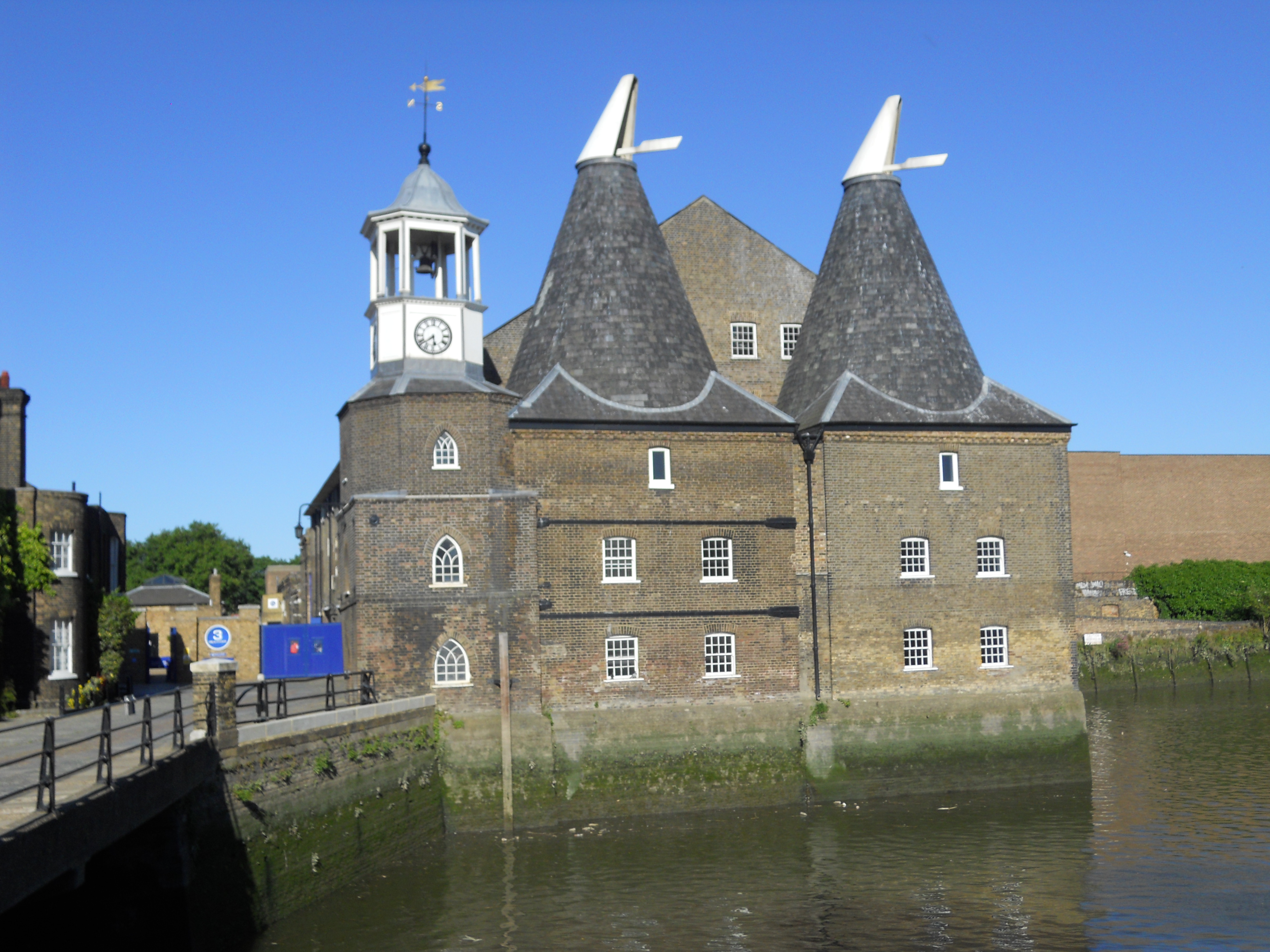
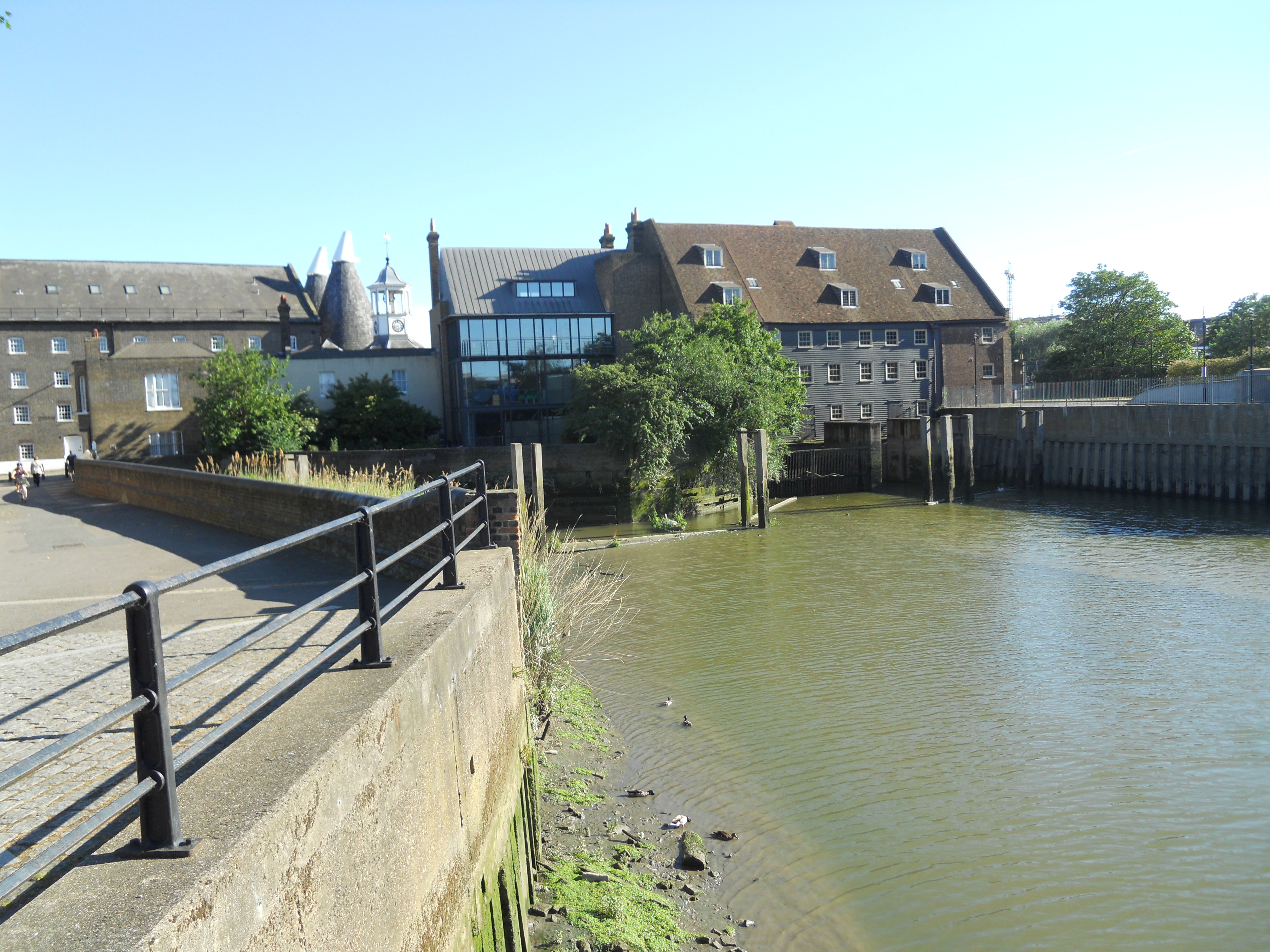
These pictures were taken in the area called Three Mills, which is now a studios.
It wasn’t what I’d expected. Especially, as one of the mills is the largest tidal mill in the world.
I have a feeling that Bass Charrington, who owned the site in the 1970s, used these buildings from where they marketed the infamous, Hirondelle wine. It was a success and the company was a customer of Time Sharing Ltd.
Etchings in the Evening Sun
This picture shows the decoration on the new sewage pumping station at the Olympic Park, highlighted by the evening sun.
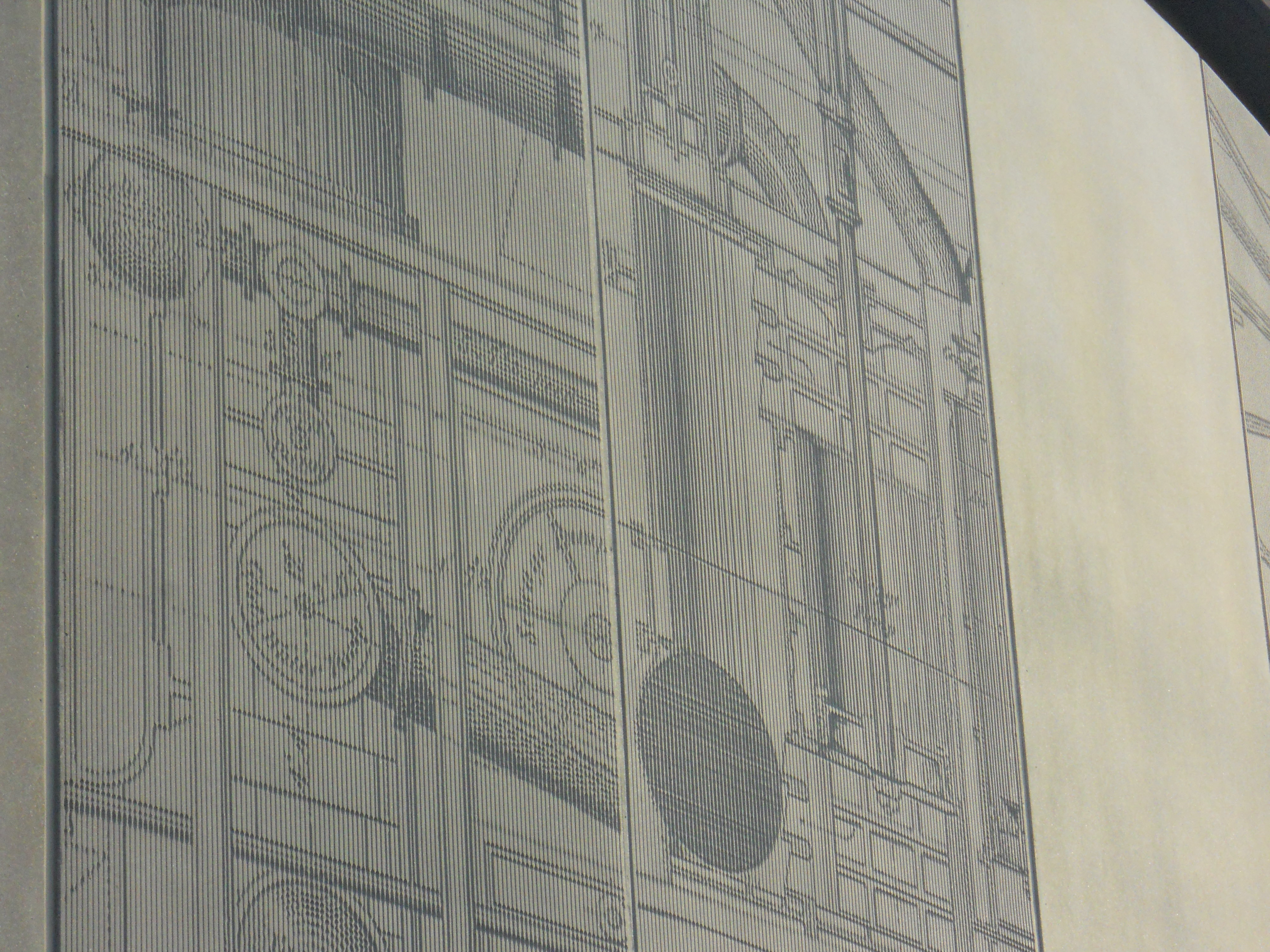
Decoration on the Olympic Park Sewage Pumping Station
The images are taken from the original drawings from Joseph Bazalgette’s Abbey Mills pumping station.
I hope that when the Olympic Park is fully open, buildings like this won’t be hidden behind excessive security fences.
The Other Side of the Olympics
Tonight, I went to a preview day of an art exhibition at the ViewTube.
It was a series of drawings about the building of the various Olympic stadia by Jeanette Barnes, who lives close to the main Olympic Park.
In this picture the artist is shown with some of her art.
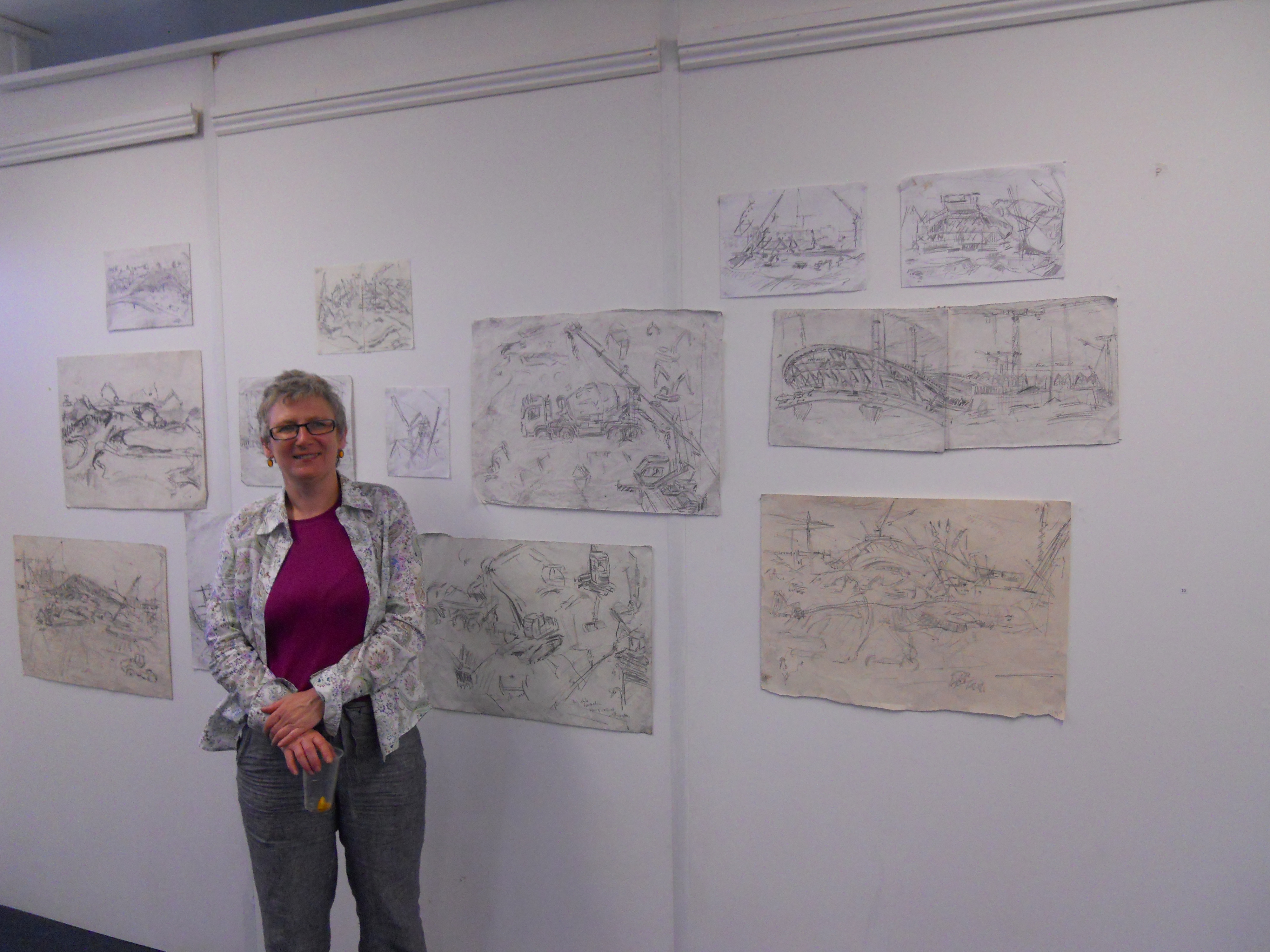
Jeanette Barnes and Some of Her Olympic Drawings
Here is a larger image of one of drawings.
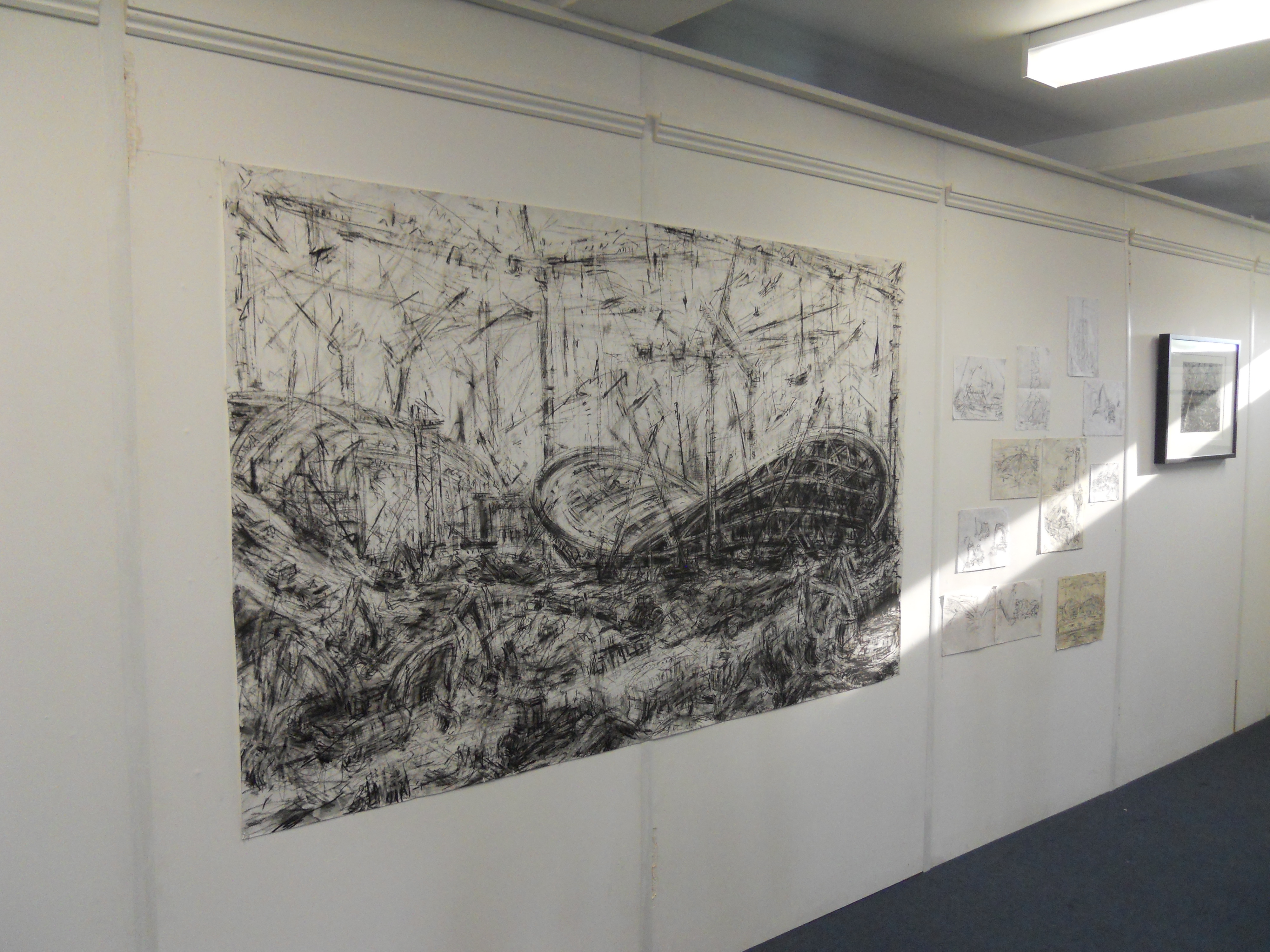
The Aquatic Centre by Jeanette Barnes
And a collection of smaller ones.
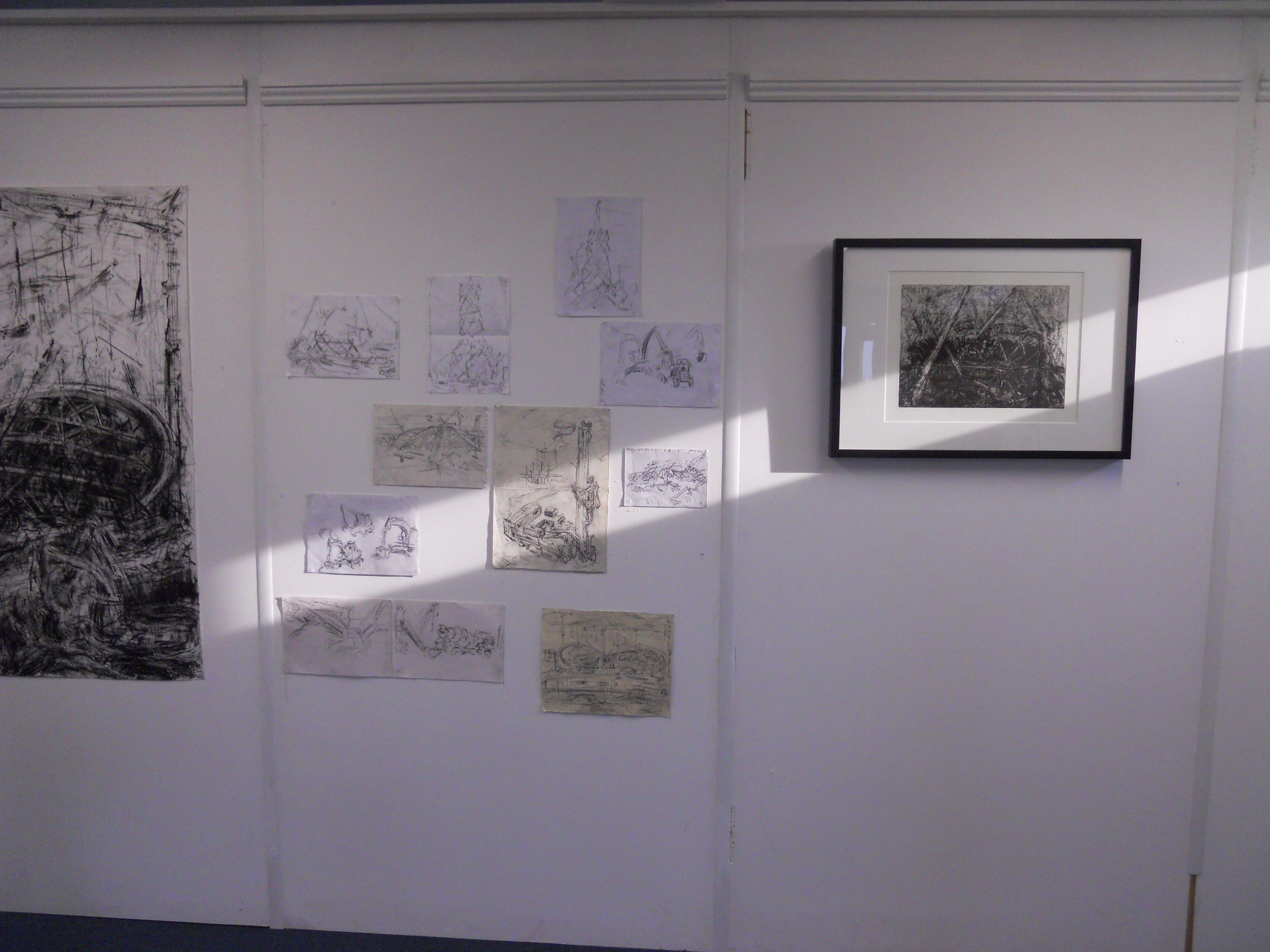
More Drawings by Jeanette Barnes
I like her work and hope the exhibition goes well. Certainly, the Pimms they were serving was excellent.
Her work wasn’t the only art on show tonight.
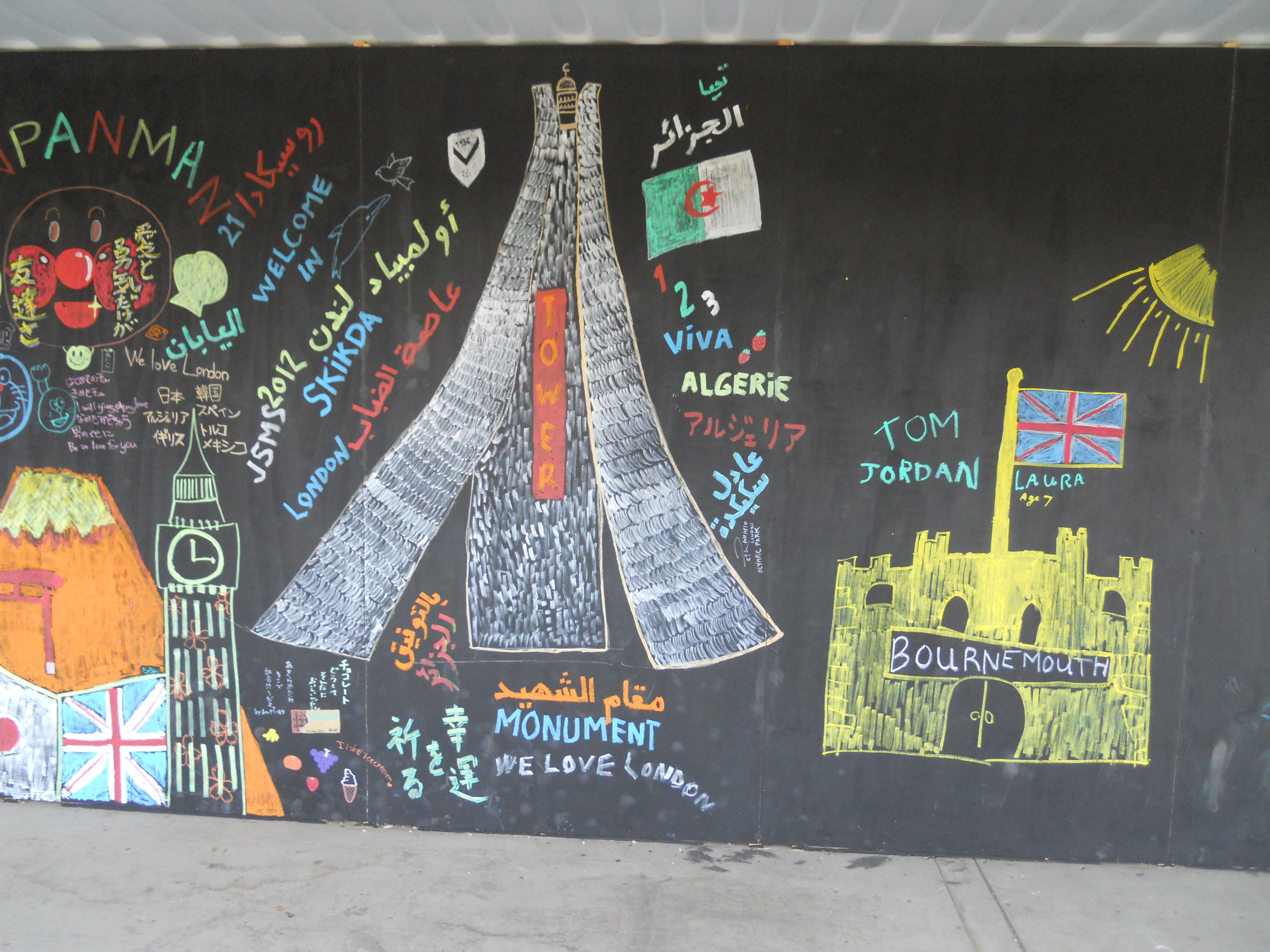
Children's Art at the ViewTube
This was created by the local kids.
And of course starting to tower above it all is the ArcelorMittal Orbit.
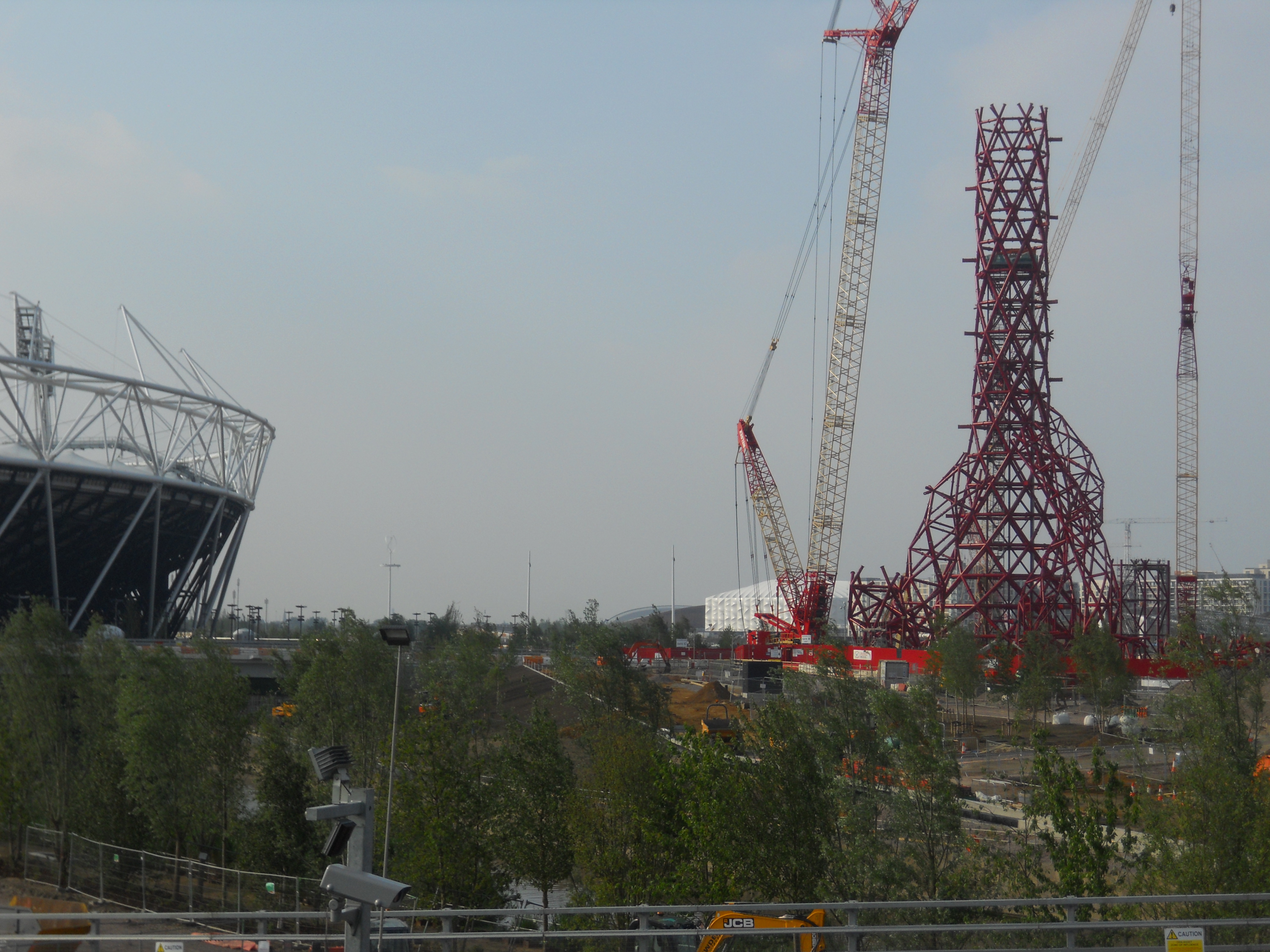
ArcelorMittal Orbit
It’s rising fast.

