Clapham High Street Could Gain Direct Overground Routes To Victoria Station
The title of this post, is the same as that of this article on the Clapham Nub News.
These two paragraphs introduce the article.
Local councillors and the Clapham Transport Users Group have been in discussions with Network Rail about the direct route once the current ‘Networker’ trains are replaced.
Clapham High Street lost its direct services to Victoria in December 2012 when the South London Line was withdrawn in favour of the London Overground to Clapham Junction.
This forces passengers onto the Northern Line, which through Clapham has two dangerous-looking stations; Clapham Common and Clapham North.
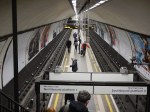
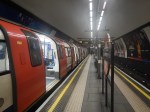
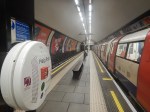
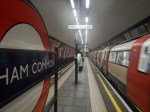

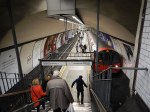
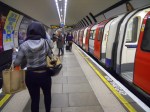
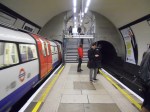
I have a few thoughts and observations.
Clapham High Street Station
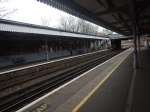
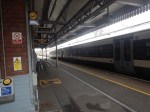
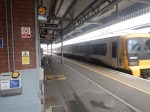
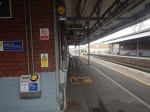
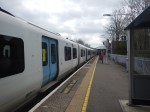
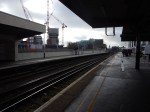
These pictures show Clapham High Street station.
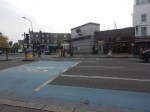
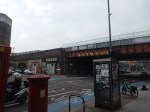
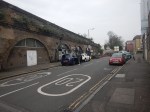
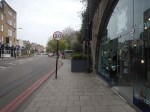
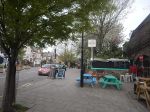
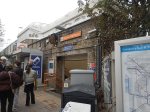
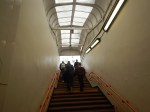
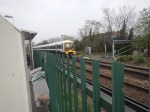
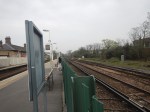
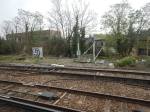
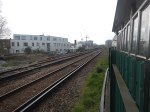
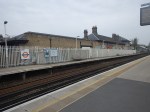
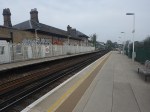
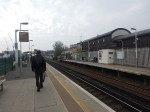
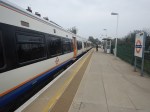
Note.
- The station is Grade II Listed.
- There are four tracks through Clapham High Street station.
- Only the lines used by the London Underground have platforms.
- I don’t think it will be difficult to add platforms to the other two tracks.
- The platforms will probably take five-car trains.
- Access to the platforms is by a subway, which could probably be extended to the other side of the tracks.
- A second entrance would be closer to Clapham North station.
- I suspect step-free access would not be too difficult to install.
- The tracks are over railway arches, which could be developed to add to the quality businesses in the area.
This Google Map shows the station.
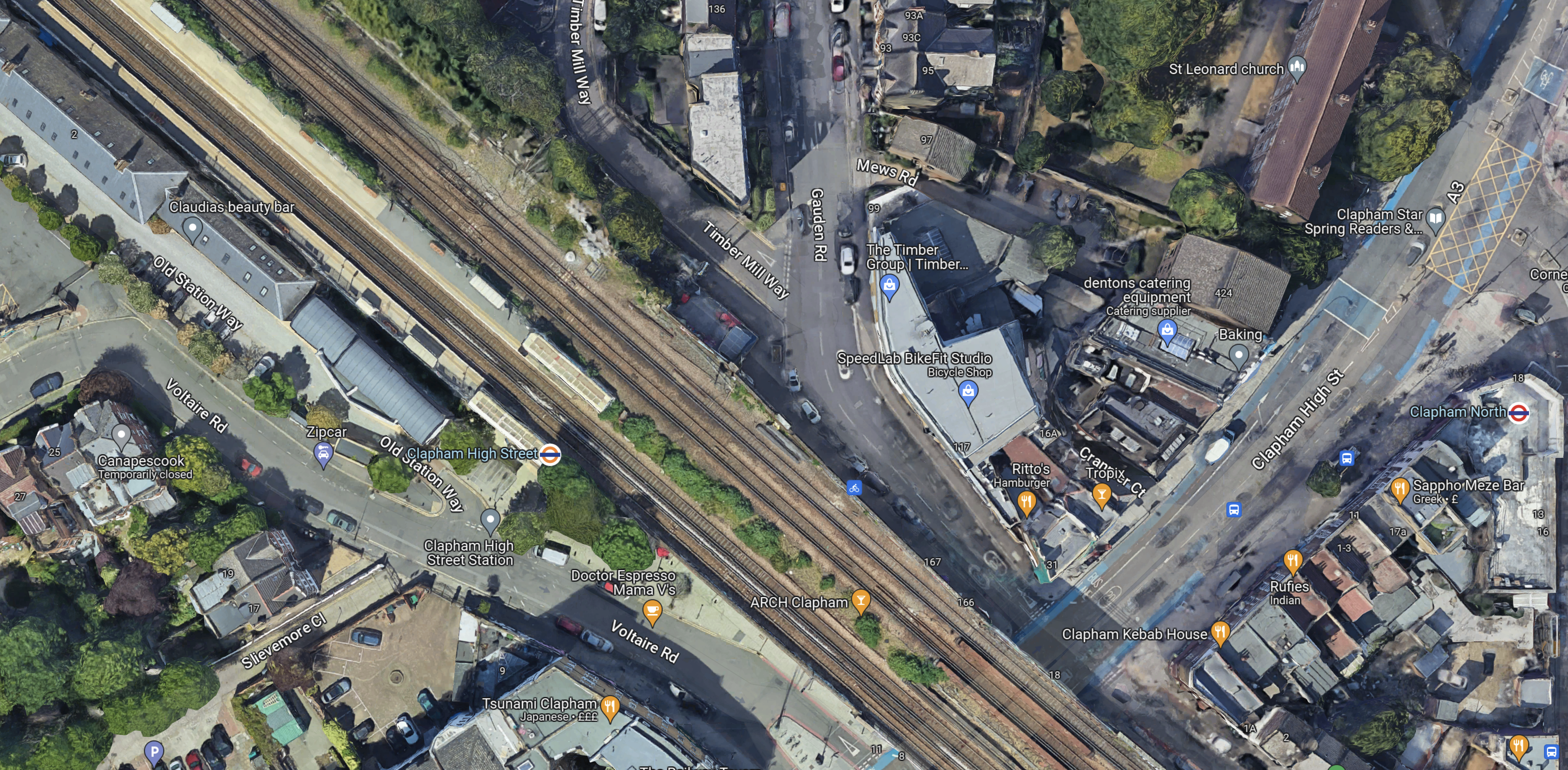
Note.
- Clapham High Street station is in the North-West corner of the map.
- Clapham North station is at the Eastern edge of the map in the middle.
- There seems plenty of space for two more platforms.
I think there is a lot of scope to improve this station.
Tracks Through Clapham High Street Station
This map from cartometro.com shows the tracks through Clapham High Street station.

Note.
- The Overground tracks are shown in orange and black.
- The fast lines, which are to the North of the Overground lines are shown in black.
- Shepherds Lane and Voltaire Road junctions allow trains on the fast lines to call in Clapham High Street station.
I suspect full digital signalling will be employed for efficiency of handling the junctions.
Services Through Clapham High Street Station
These services run through Clapham High Street station.
- London Overground – Dalston Junction and Clapham Junction – four tph – Goes via Denmark Hill and Peckham Rye
- Southeastern – London Victoria and Ashford International – one tph – Goes via Brixton, Herne Hill and West Dulwich
- Southeastern – London Victoria and Dartford – two tph – Goes via Denmark Hill, Peckham Rye, Nunhead and Lewisham
- Southeastern – London Victoria and Dover Priory – one tph – Goes via Brixton, Herne Hill and West Dulwich
- Southeastern – London Victoria and Gillingham – one tph – Goes via Denmark Hill, Peckham Rye, Nunhead and Bromley South
- Southeastern – London Victoria and Orpington – two tph – Goes via Brixton, Herne Hill and West Dulwich
- Southeastern – London Victoria and Ramsgate – one tph – Goes via Brixton, Herne Hill and West Dulwich
Note.
- tph means trains per hour.
- The London Overground services could be increased to 6 tph.
- Only the London Overground services stop in Clapham High Street station.
- The Dartford, Gillingham and Orpington trains are pathed for 90 mph trains.
- The Ashford International, Dover Priory and Ramsgate trains are pathed for 100 mph trains.
It is a comprehensive timetable.
Southeastern’s New Trains
In Battery EMUs Envisaged In Southeastern Fleet Procurement, I wrote about Southeastern’s proposed new trains.
Full details haven’t been announced yet, but I think we can be sure of the following.
- The first trains to be replaced will be the Networker trains, because they are the oldest and slowest.
- The new trains will have selected door opening (SDO), as this a feature of nearly all modern trains.
- I also suspect the trains will be capable of running at 100 mph and will be five cars long, with the ability to run in pairs.
This will enable the new trains to cross over from the fast lines to the Overground lines to stop in Clapham High Street station.
How Many Trains Would Stop At Clapham High Street Station?
Currently trains passing through the station are as follows.
- London Overground – 4 tph – Stopping
- Southeastern – 3 tph – 100 mph services to Ashford International, Dover Priory and Ramsgate – Non-stop
- Southeastern – 5 tph – 90 mph services to Dartford, Gillingham and Orpington – Non-stop
Note.
- It is likely that the London Overground service will go to 6 tph.
- Would 100 mph services always go through without stopping?
- In an ideal world would it be best if services alternated?
I suspect that a better service could be provided between Clapham High Street and Victoria with very little expenditure on infrastructure.
High Speed One Issues
An article in the July 2017 Edition of Modern Railways is entitled Kent On The Cusp Of Change.
The article suggests that Fawkham junction, could be used to allow Southeastern Highspeed services to access Victoria as a second London terminal, to increase capacity on High Speed One.
The route could be via Clapham High Street, Denmark Hill, Bromley South, St. Mary Cray, Swanley and Farningham Road.
The Arches Underneath
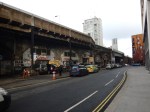
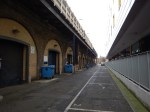
There are several railway arches underneath the tracks at Clapham High Street station.
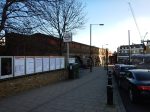
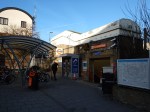
Some of the businesses look good and there are several other arches that are boarded up.
Railway arches are now generally owned by The Arch Co.
In Findlater’s Corner At London Bridge – 11th February 2023, I wrote about the company’s restoration of some arches at London Bridge station, which included these pictures.
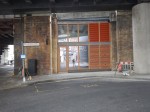
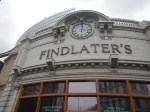

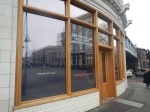
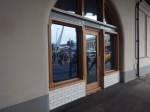
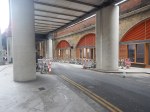
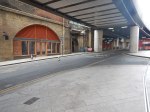
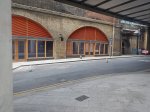
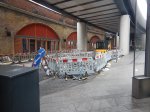
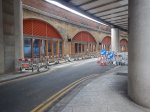
I suspect that a similar restoration in up-market Clapham could be a good investment for The Arch Co.
A Four-Platform Clapham High Street Station
Consider.
- There is space for two new platforms alongside the fast lines.
- The station entrance is in an arch, that goes right under the tracks.
- Putting lifts in an arch would not be the most challenging of tasks.
- A second entrance in Gauden Road would be nearer Clapham North Underground station.
- It should also be remembered that the Government is giving out levelling up funding.
- Hackney is to receive this type of funding and I wrote about it in Hackney Central Before Levelling Up.
I can see a fully-accessible four-platform station being built at Clapham High Street station.
Denmark Hill Station
Denmark Hill station is the next station to the East of Clapham High Street station and after a rebuild is now a high quality station, with these features.
- Four tracks and platforms.
- Frequent trains to Ashford International, Clapham Junction, St. Pancras, Victoria and Whitechapel.
- Full step-free access with lifts.
- A solar roof.
- A Grade II listing.
- King’s College and Maudsley Hospitals are next door.
- A pub.
I wrote about the station in Denmark Hill Station – 4th September 2021.
These are a few pictures.

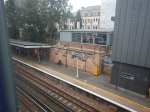


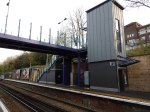
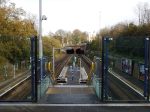
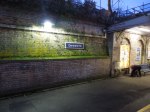
Note the solar roof. There’s more about the roof on this page of the BiPVco web site.
On the About page, there is a section called Our Story, where this is said.
BIPVco was established in April 2015 following five years of collaborative research between Tata Steel LCRI (Low Carbon Research Institute) and Swansea University with support from the Welsh government.
The research program developed ways of integrating thin-film CIGS PV cells directly onto the same substrates that make roofs and walls so that true BIPV functionality would become integral to the building envelope and could be achieved without having to resort to heavy on site mounting systems.
Our manufacturing processes were further enhanced to suit commercial production, and the products and procedures were tested and accredited before commercial launch.
Working with select partners, we designed and built many pilot PV integrated roofs between 2015 and 2017 in varying climates, including Nigeria, Canada, UAE and the UK, to demonstrate product suitability in all environments. The full commercial launch was effected in June of 2017.
They certainly seem to have taken solar panels to a new level.
I would also rate Denmark Hill station one of the finest suburban railway stations in the world!
Peckham Rye Station
The next station to the East of Denmark Hill station is Peckham Rye station.
Like many other stations and buildings in London, including the original Denmark Hill station, Peckham Rye station was designed by Charles Henry Driver.
These are some pictures, I’ve taken over the years at Peckham Rye station.
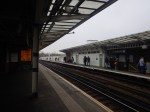
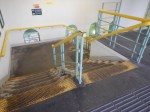
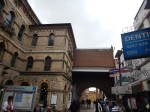
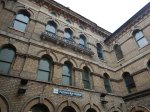
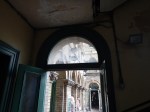
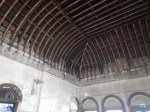
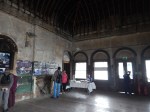
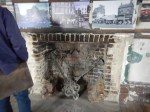
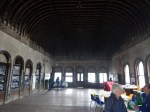
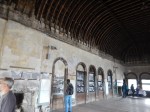
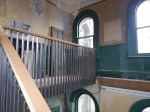
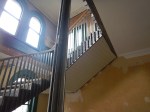
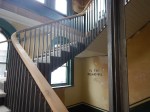
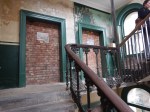
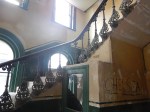
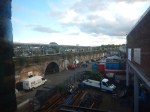
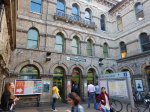
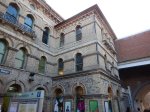
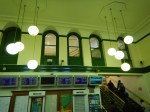
Note.
- It is a very busy station.
- I’ve read somewhere, that it is the busiest station in the UK, without any step-free access.
- It could be a magnificent station.
- One of the people driving this project is the architect; Benedict O’Looney.
This page on the Network Rail web site is entitled Peckham Rye Station Upgrade and it starts with this statement.
On 7th March 2022, we submitted Planning Permission and Listed Building Consent applications to upgrade Peckham Rye station to make it fully accessible with more capacity and better facilities for passengers.
It’s all a bit out of date, but these pictures, that I took this morning, indicate that something is progressing.
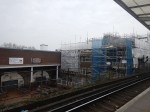
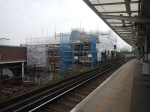
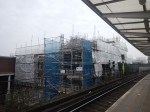
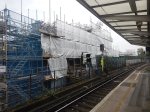
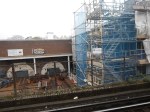

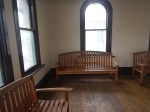
This article on IanVisits gives a few more details.
South London Crosslink
The South London Crosslink, doesn’t seem to have a website or a Wikipedia entry.
But it is mentioned in a question and answer to the London Mayor.
In response to this question.
Will you consider bringing the Victoria rail service back to Clapham High Street station and providing direct trains to Brixton, Herne Hill, and Bromley South?
The Mayor gave this answer.
The Department for Transport (DfT) is responsible for these services, as they run Southeastern railway as operator of last resort. Transport for London (TfL) is not opposed to the existing Southeastern services to and from Victoria making additional calls at Clapham High Street should the DfT, wish to take the idea forward.
There are however several practical issues that would need to be taken into consideration, and any changes to the service would be subject to cost-effective solutions being found to these.
The Clapham High Street platforms are too short for the eight-car trains used on the Victoria to Dartford and Orpington metro routes, and the existing rolling stock lacks a safety intervention called “Selective Door Opening” that enables trains to call at a station where the platform is shorter than the train. There are also technical restrictions, such as the frequent routing of these services along an adjacent pair of tracks which do not have any platforms, which would make implementation difficult using the existing railway infrastructure. Finally, there would need to be clear consideration on the wider capacity of the rail network and the robustness of the timetable. All of these concerns could affect the value for money of any proposal for these services to call at Clapham High Street station.
As I showed earlier, it looks like new trains will solve most of these problems. If they don’t, then the wrong trains have been ordered.
But there’s still not much about where the route will go after Peckham Rye, except for vague mentions of Dartford and Orpington.
I asked a friend and they said the South London Crosslink could possibly go to Bellingham.
This map from cartometro, shows the route between Denmark Hill and Crofton Park stations.
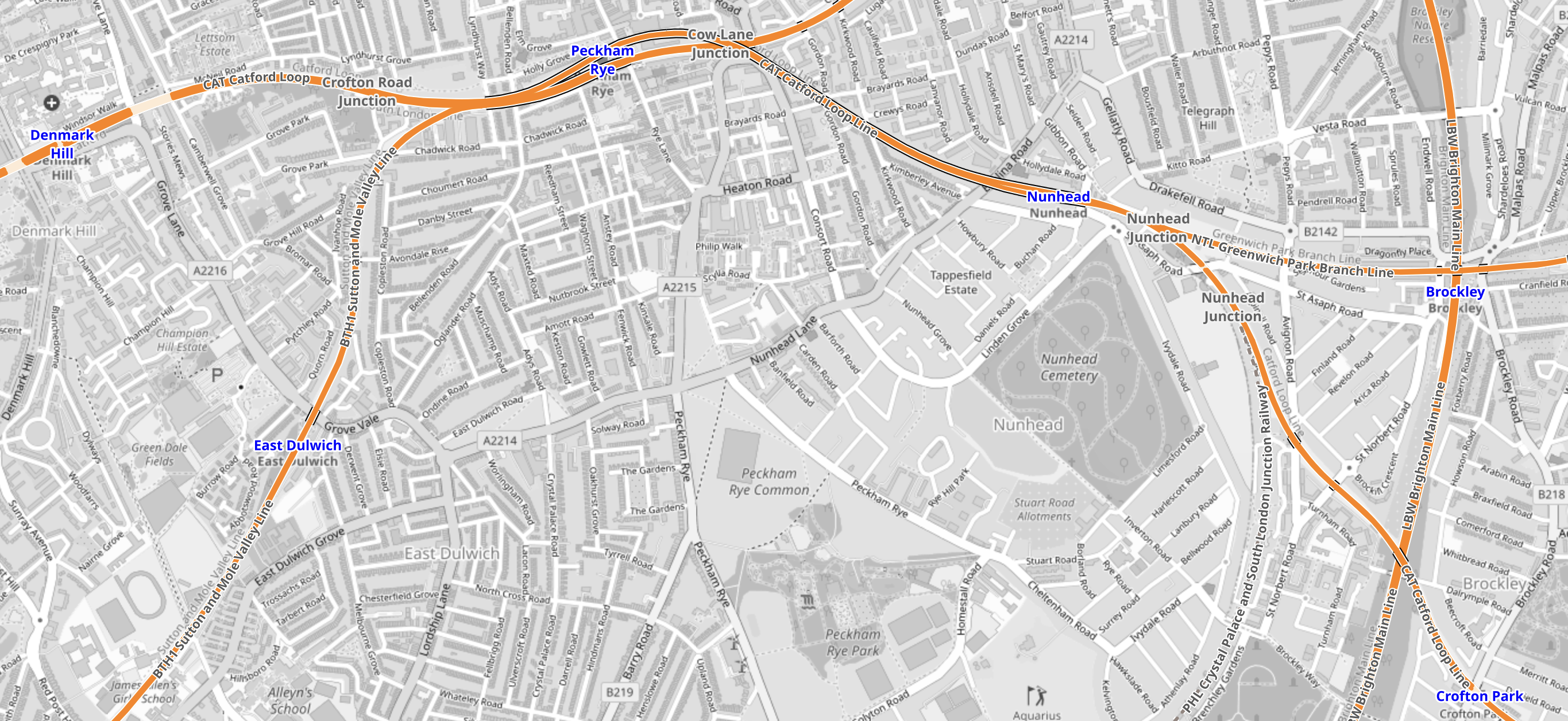
Note.
- Denmark Hill station is in the North-West corner of the map.
- Crofton Park station is in the South-East corner of the map.
- The route would be via Peckham Rye and Nunhead stations.
- It is not a very fast route with an operating speed of 50-60 mph.
- In Nunhead Junction Improvement, I wrote about improvements needed at Nunhead junction to the East of Nunhead station to improve capacity for freight trains.
This second map from cartometro, shows the route between Crofton Park and Bellingham stations.
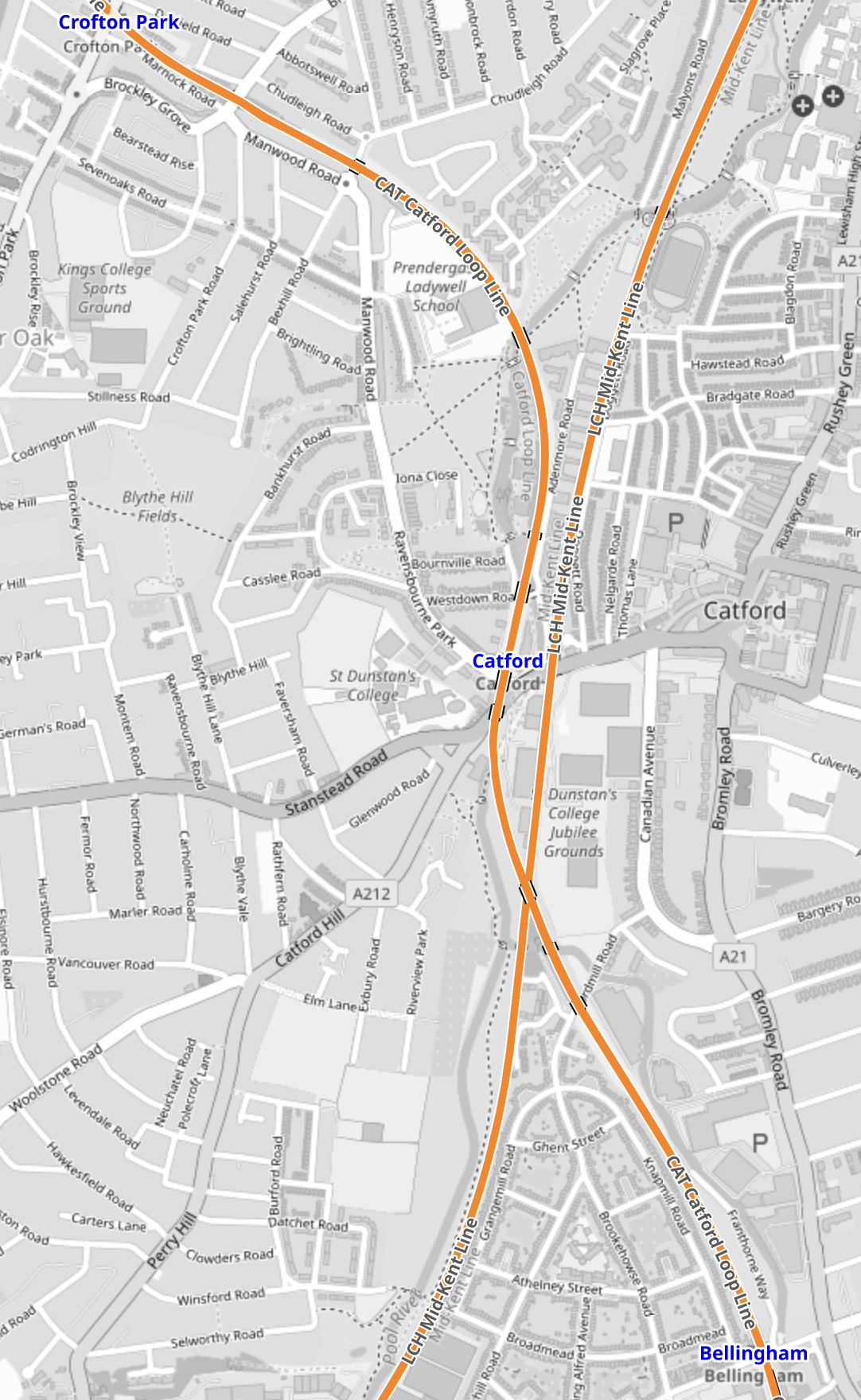
Note.
- Crofton Park station is in the North-West corner of the map.
- Bellingham station is in the South-East corner of the map.
- The line going diagonally across the map from North-East to South-West is the Hayes Line to Hayes.
- There are plans to create an interchange station at Catford.
This Google Map shows Bellingham station.
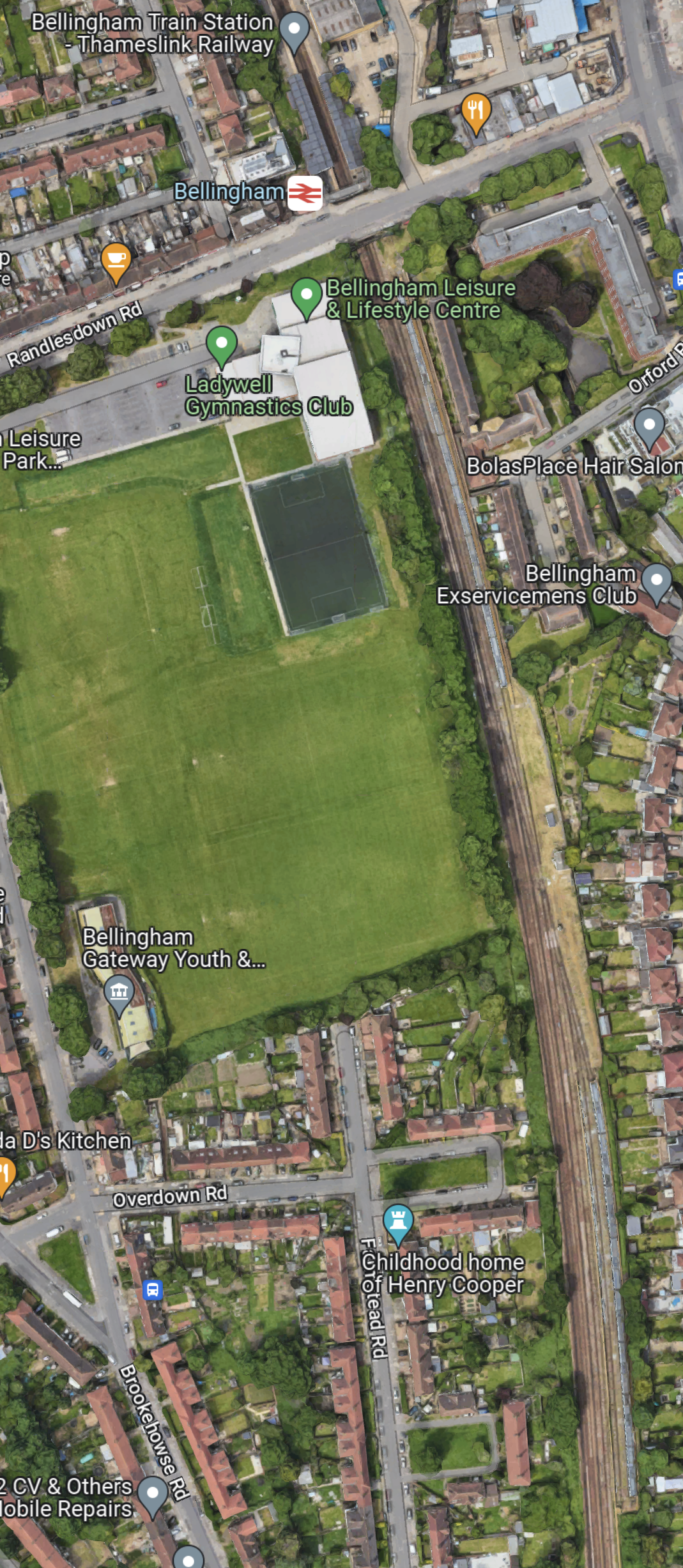
Note.
- Bellingham station is at the top of the map.
- Bellingham station is on the Catford Loop Line.
- South of Bellingham station are a series of sidings.
Is the reason, that Bellingham station was proposed as a terminus, that with a proper interchange at Catford, it creates a very efficient operational railway with some convenient sidings thrown in?
This map from cartometro, show the track layout at Bellingham station.
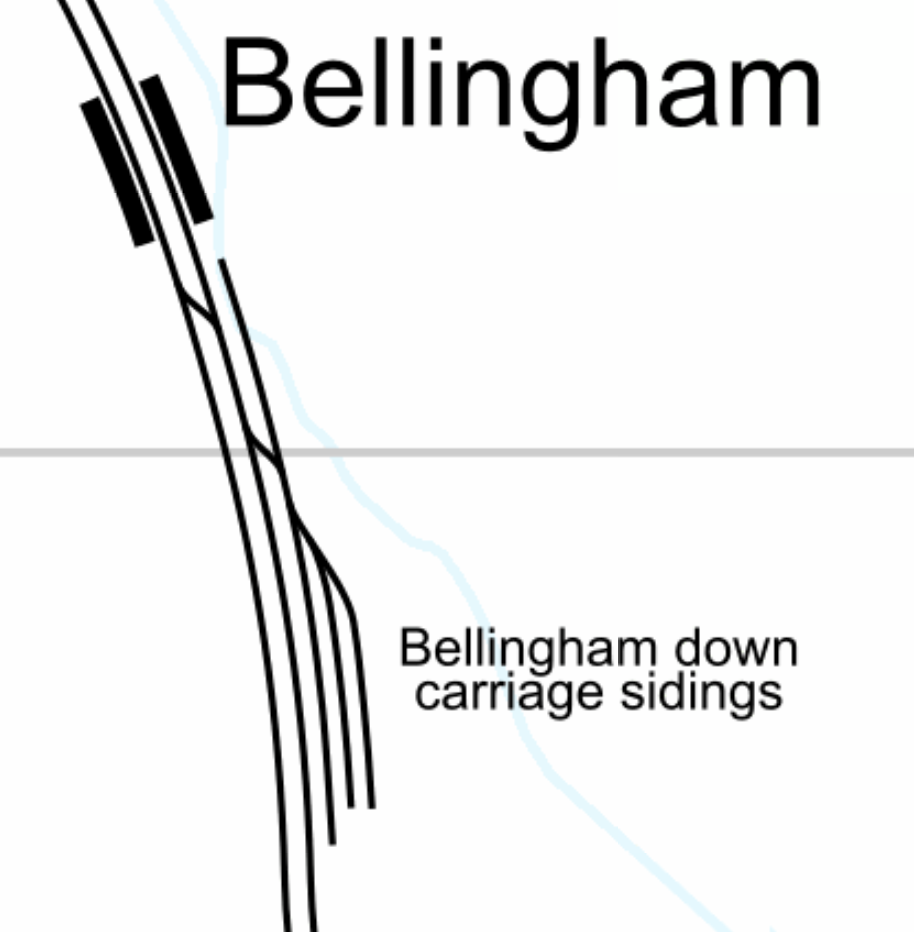
I believe that the sidings could be used as a turnback siding for trains from both directions.
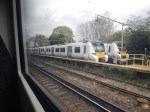
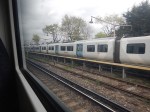
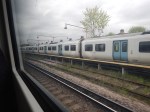
These pictures show trains in the sidings.
And these are of the station.
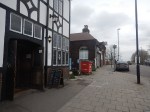
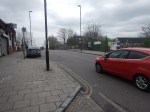
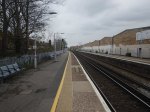
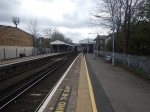
Note.
Findlater’s Corner At London Bridge – 11th February 2023
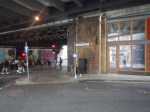
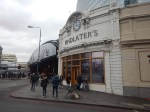
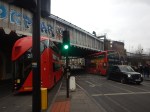
This restoration was shown on the BBC London news in a story, which was entitled London Bridge: Derelict Railway Arches Restored To Past Glory, and I thought it was worth a visit.
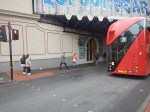
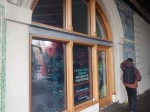
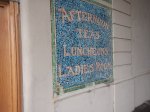

Note.
- It is a fine restoration.
- I shall be interested to see, the tenants it attracts.
- The railway bridge needs an appropriate repainting, to eliminate the graffiti.
I think, that with the right tenants, the tea room could be a gem.
The BBC article says this about the tea room.
The project team also made a surprise discovery when removing a section of plaster from a wall to another of the arches; a glass mosaic for an Express Dairy Tea Room dating back to the early 1900s.
Railway stations were a popular location for tea rooms because at the time they had access to the freshest milk, often transported from farms on trains before being sent to urban milk dairies.
“The tea rooms were one of the first places that ladies, who couldn’t necessarily go and eat in bars or eat in chop houses, could come, get together as single women and meet their friends, so this is perhaps an important part of the emancipation of urban woman in London”, said Mr O’Looney.
Mr. O’Looney is the architect of this project, who is the gloriously named; Benedict O’Looney.
He featured in this blog before in It’s Not April The First, where I wrote about his restoration of the waiting room at Pekham Rye station.
Design Contract Awarded To Extend Railway Arches Low Line Concept
The title of this post is the same as that of this article on Ian Visits.
These are the first two paragraphs.
Plans to revamp the railway arches running through Wandsworth and Lambeth to create an extension of Southwark’s “low line” have taken a step forward after a contract was awarded to a design agency.
The extension would create a continuous walking and cycling route from Battersea to London Bridge, to connect communities with the creation of new spaces alongside the viaduct.
It looks to be an interesting concept with lots of possibilities.
New Private Cinema Hidden Under A London Overground Line Where Drinks, Pizza And Nachos Are Brought To Your Seat
The title of this post, is the same as that of this article on MyLondon.
There has been some disquiet over the sale of railway arches by Network Rail to private equity.
Is this an example of what is going to happen?
If so, I like it.
Beeching Reversal – Re-Opening of Camberwell Station
This is one of the Beeching Reversal projects that the Government and Network Rail are proposing to reverse some of the Beeching cuts.
Some of Lord Beeching’s relatives and friends, may consider it a bit of a cheek to add this project to a list of Beeching Reversals, as the station closed in 1916.
This station re-opening project has been around for donkeys years and endless studies have analyse, whether Camberwell station should be re-opened.
Under Possible Re-opening, Wikipedia says this about a possible Thameslink service and costs.
Steer Davies Gleave produced a TfL-commissioned report discussing the possibility of the station’s re-opening in 2026 in three future land use densities across three levels of operational use (four 8-car trains per hour, six 8-car trains per hour and six 12-car trains per hour) to give a total of nine scenarios. It estimated the capital cost of an 8-car station at £36.74m and a 12-car station at £38.50m.
It also says this about the business case.
In September 2018, TfL published a strategic business case to explore the station’s reinstatement. It acknowledged the area’s poor transport connectivity and that the reopening of the National Rail station was the best of eight option examined. While it concluded the local area would benefit from the station’s re-opening, its conclusions were similar to Steer Davies Gleave’s 2017 report.
This map from carto.metro.free.fr shows the various lines in the area of Camberwell station.
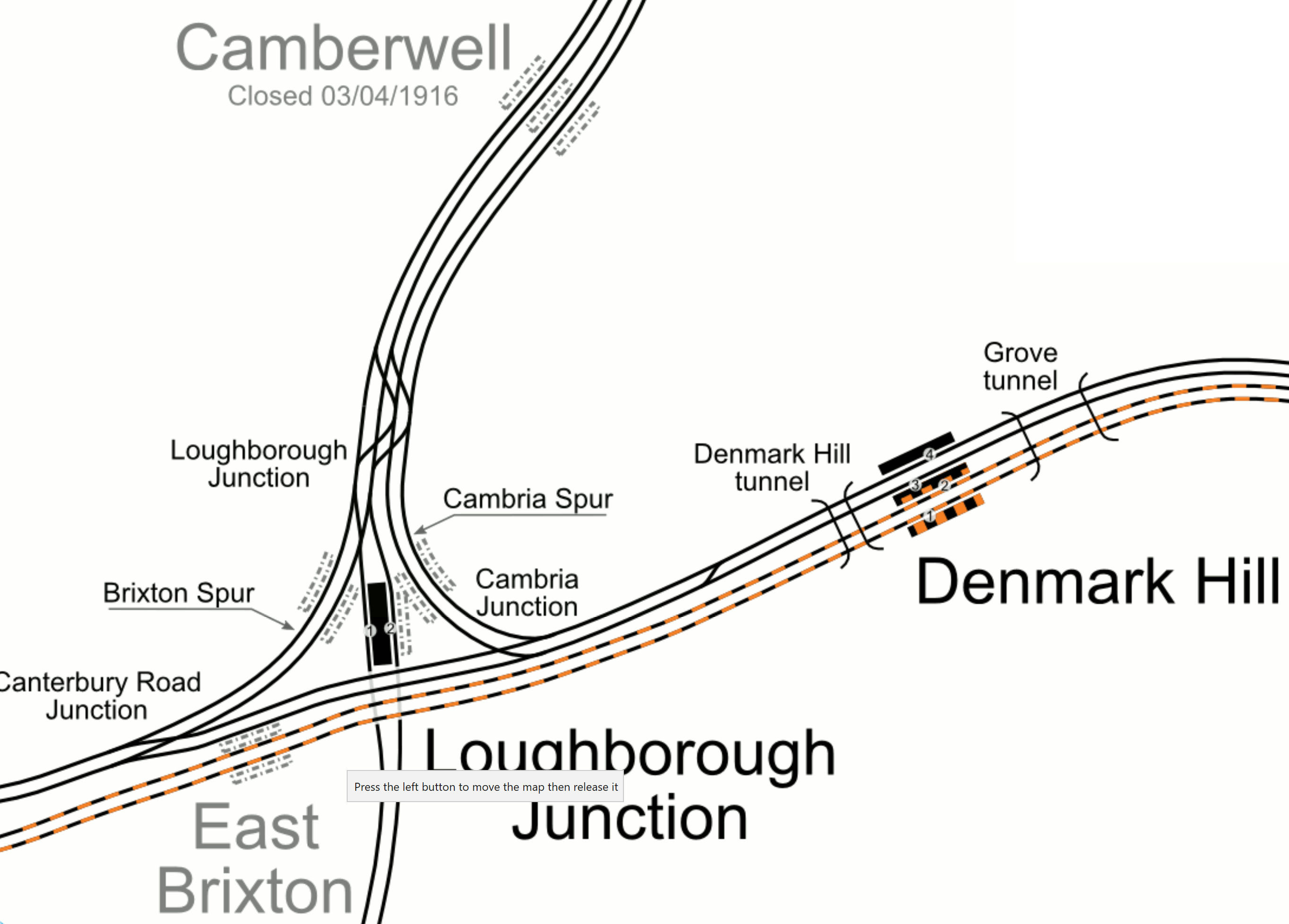
Note.
- The station had four platforms, which if they followed the pattern of Elephant & Castle station to the North would be numbered from the West.
- Trains would appear to use all four lines at Elephant & Castle, but only stop in Platforms 1, 2 and 4.
- Thameslink services go through Platforms 1 & 2 at Loughborough Junction station and Platforms 3 & 4 at Denmark Hill station.
This Google Map shows the area.
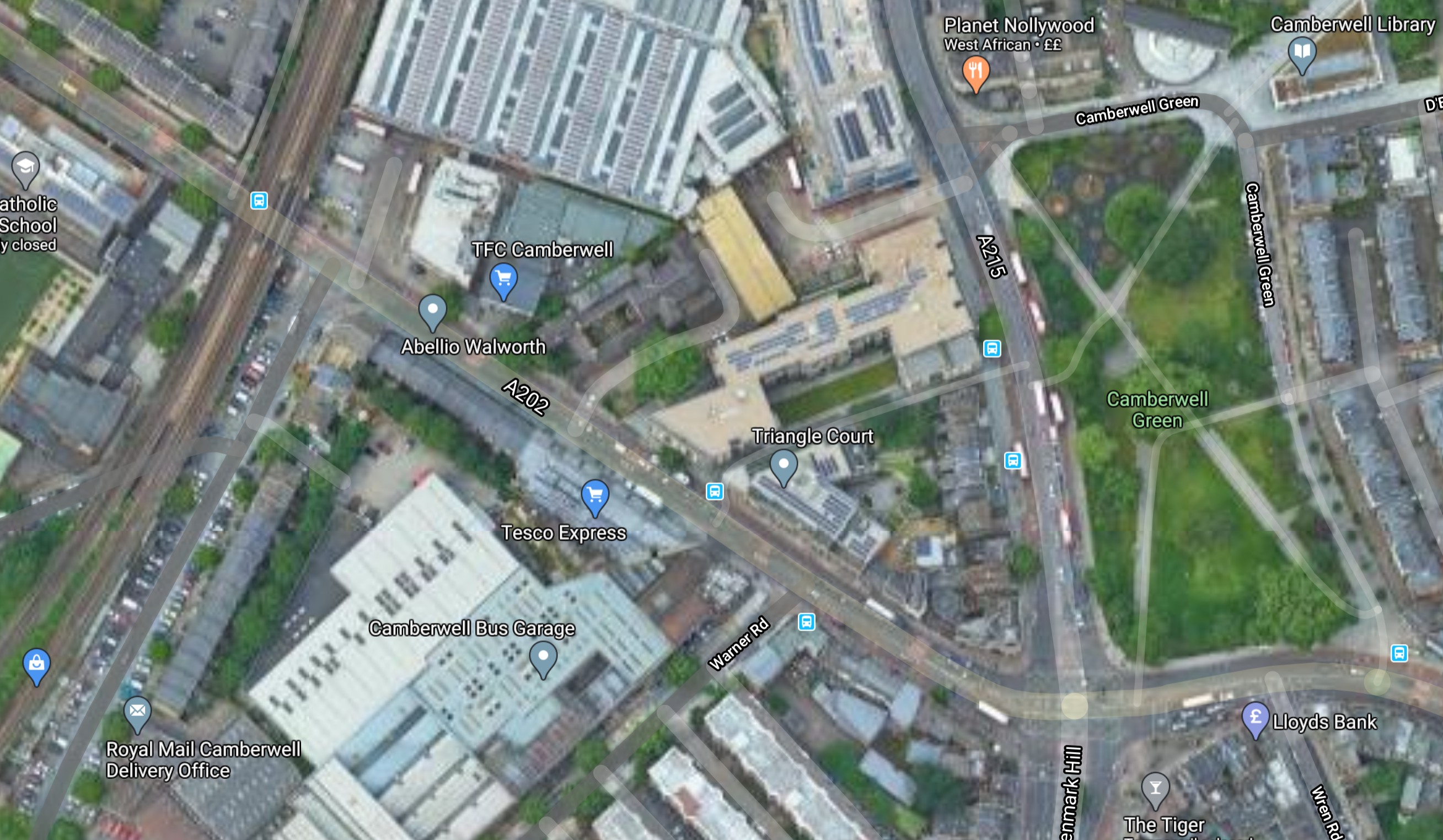
Note.
- The railway cuts across the North-West corner of the map.
- There is a bridge over the busy A202 road.
- The original station appears to have been close to where the railway and the A202 road cross.
- The area is well served by buses and even has a bus garage close to where the station will probably be built.
It would appear that it is a good location for a new station.
Redevelopment Of Elephant & Castle Station
Two big projects and a smaller one may affect Elephant & Castle station in the next few years.
- The whole area is to be redeveloped, with probably better connections between the three different Elephant & Castle stations.
- The Bakerloo Line may be extended from Elephant & Castle to Lewisham.
- Elephant & Castle station will get step-free access.
Would a functioning Camberwell station help, if Elephant & Castle station needed to be closed at times during all the construction work?
Thameslink And Elephant & Castle And Camberwell Stations
Thameslink run four services through Elephant & Castle station and the site of the proposed Camberwell station.
- St. Albans City and Sutton via Loughborough Junction and Mitcham Junction
- St. Albans City and Sutton via Loughborough Junction and Wimbledon
- Luton or Catford and Orpington via Denmark Hill and Catford
- Welwyn Garden City or Blackfriars and Sevenoaks via Denmark Hill and Catford
Note.
- All services are run by eight-car trains.
- All services have a frequency of two trains per house (tph)
This means that Camberwell station would only need to be able to handle eight-car trains. I would suspect that it would be built, so that platforms could be extended in the future, but certainly only short platforms would be needed with the present Thameslink service.
Could costs be saved, by ensuring that all services went through Camberwell station in the pair of Eastern platforms; 3 and 4? I suspect from looking at the pattern of trains, that both Elephant & Castle and Camberwell stations could work as two-platform stations.
Both stations would be built, so that access to the other lines could be added in the future, if needed.
There is certainly scope for cutting the cost of building the station, through good design.
The Current State Of The Station Site
These pictures show the current state of the station site.
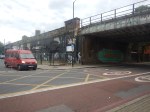
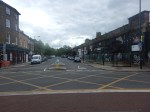
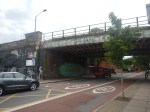
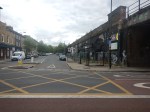
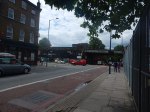
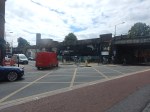
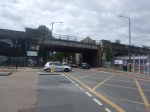
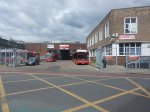
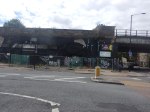
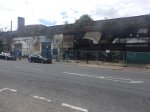


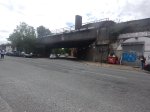


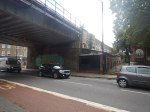
It’s not very tidy, but it did appear to be in a similar state, than when I last saw it.
It almost looks to me, to be in a state of partial demolition.
- All these railway arches have been taken over in a massive £1.5 billion deal from Network Rail by Blackstone and Telereal Trillium.
- On looking at these properties, did they take a look and see them as development potential.
- In fact, the whole area could do with a makeover and there are two bus garages nearby, which might also be rebuilt with towers on top.
So is there a plan from Blackstone behind this reopening of the station?
These viaducts are often very sound and can scrub up well, as these [pictures show.
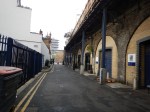
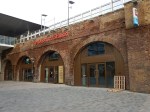


I wonder if a good architect could squeeze in, a quality modern step-free station and half-a-dozen business units, that would enhance the area.
Conclusion
I very much feel, that money for this project to sort out the various design, building and project management issues would be money well spent.
I wonder if this is a project promoted by Sir Peter Hendy, of which he has experience of his time in London.
As I said, Blackstone and their partners might want to turn an underperforming asset into something that all stakeholders would be proud of.
Could it be one of those projects, where the sums don’t add up, but Sir Peter and others with a nose for these projects, feel that if the station is re-opened, the passengers will use it in droves?
Hackney Does A Bicester
Hackney is developing a name for being a centre of designer outlet stores.
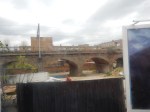


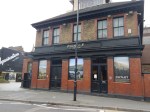
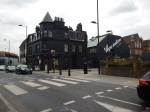


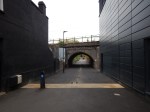
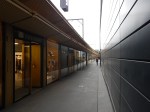

It’s certainly a lot closer than Bicester Village.
There’s also quite a few railway arches leading towards Hackney Central/Hackney Downs station complex, which could make a whole lot more designer outlets or fashion workshops.
But at least the Council has its finger on the pulse and are consulting about what to do with the area.
Let’s hope they get it right!
From Salford Central To Deansgate
I took these pictures as I walked from Salford Central station to the Deansgate-Castlefield tram-stop.
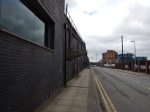
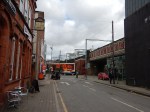

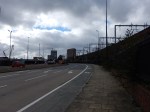

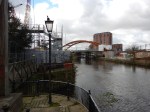


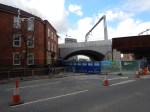
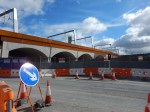
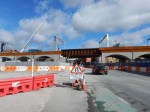
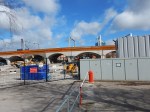
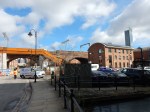
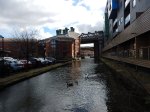


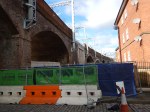
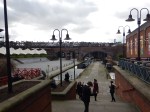
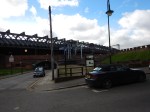

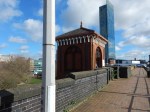

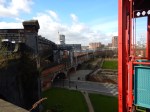
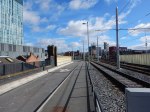
Despite the fact, that it was not raining and is very sunny, it is Manchester! Although probably, some parts are Salford!
It is certainly, an impressive bridge over the Irwell and a reconstructed viaduct to Deansgate.
Elephant And Castle Station
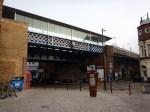
Elephant and Castle station couldn’t be called a well-preserved architectural gem.



But it certainly could be improved.
It looks like it’s another of those stations, where the arches could be opened up underneath the railway.
In Praise Of Ancient And Modern
I last visited Deptford station nearly three years ago and wrote about the station in Deptford Station Is Almost Finished.
Today, it certainly was finished, as the pictures show.

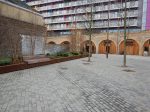
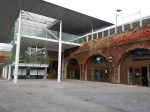
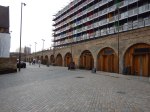
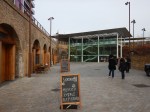
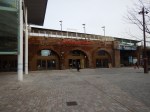
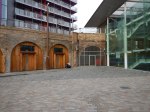
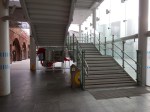
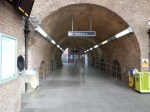
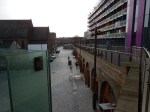
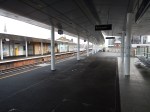

It certainly is a good mix of Ancient (Actually 1836!) and Modern!
I wouldn’t be surprised if White Hart Lane and Hackney Central stations amongst others,develop the arches in the same way.
I suspect a few decades ago, British Rail used to despair at the number of brick arches and bridges they were responsible for.
Now, they have realised that they are an asset to exploit!
In The Brick Caverns Under London
I took these pictures as I walked through London Bridge station to the Underground.
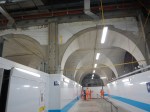
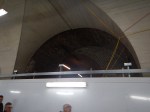

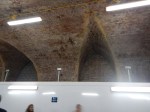

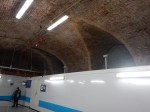

I do like well-executed brickwork! I hope they don’t cover it with plaster or concrete.
I certainly don’t think they’re finished yet! The lights are for light rather than to a design that fits.
This set of brick arches will form a level passageway between the inner concourse of the station and the exits towards the City and the Underground.
London Bridge looks like it could take the mantle of London’s best railway station from Kings Cross.
 The Anonymous Widower