A Dangerous Staircase
If people complain about the London Underground not being step free, they may be missing an easier target. This is the exit from London Fields station.
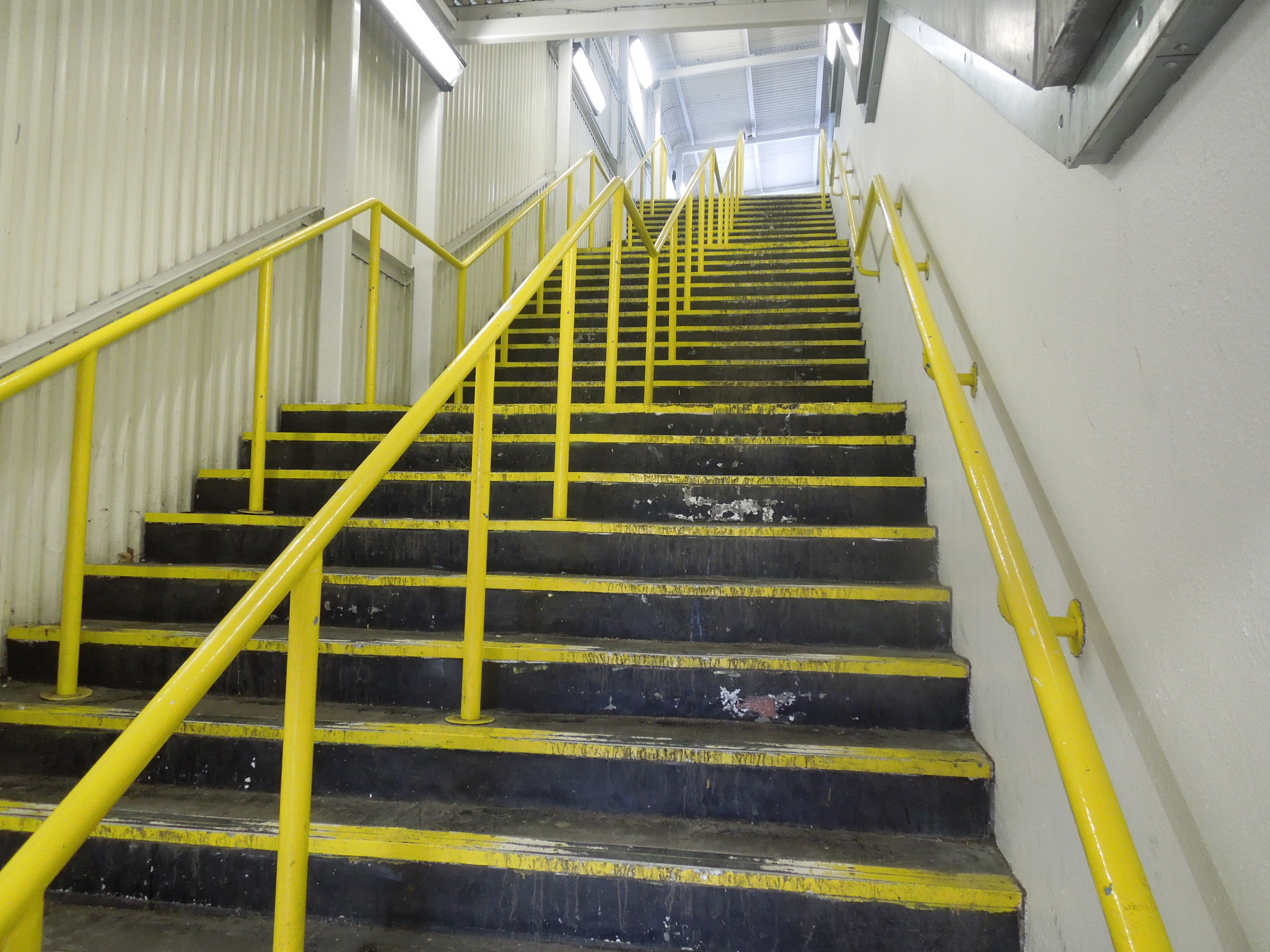
A Dangerous Staircase
It is not as dangerous as some, but it is not what we expect in the twenty-first century.
London has plenty of stations like this and really needs to find an innovative solution to make them more accessible to all. I’ve flagged a few up in the past at places like Stoke Newington and White Hart Lane.
Step-Free Access To The Underground
Coming back from Kings Cross station tonight, I took the indirect route using the Circle line to Moorgate station and then getting a 141 bus from just outside the station to just round the corner from my house.
The reason was that I had a heavy parcel of bedding, I’d bought in John Lewis and my normal change to the bus home at either Angel or Highbury and Islington stations would have meant crossing a major road.
Although I’m not in any way disabled, sometimes I do find that my left hand is a bit gammy and it is better to take an easier route, with escalators, lifts or right-handed staircases. For this reason, I know a lot of the best routes to get around London.
As I went through the gate at Kings Cross, the staff were chatting about step-free access and how difficult it will be to put in at some stations. I said that I think we’ll be finding some innovative engineering solutions used in some stations.
I know that inclined lifts are going to be used on Crossrail, but when I got home I found that at Greenford station, London Underground is going to get its first inclined lift. There’s more here on the Crossrail web site.
I think we’ll see a lot more of these, especially at stations, where there are three escalator positions, but the middle one has never been installed to save money.
The great advantage of inclined lifts is that in these stations, they can be installed without any digging or disruption to the station during the installation process.
I also think that buses have a large part to play in step free access.
As I said, I often plot my routes around London to avoid difficult stations or interchanges. For instance, I don’t change at Green Park station, as although it has lifts and is step free, you can walk miles between trains. Kings Cross too, is a bit of an Underground maze. Often though, the best route is to go to an easier station and then get a bus.
But not all stations have easy access from the trains to the buses and vice-versa like London Bridge, Euston and Victoria.
It may improve the lot of passengers and especially those who are disabled to improve the bus/Tube interface, as it will mean that some difficult stations can be bypassed.
I want lots more step free access to stations, but lets see if we can have innovative and more affordable solutions, that allow more stations to be given the full treatment.
Changing At Clapham Junction On The Overground
Yesterday, when I returned from the New Kings Road, I didn’t come the obvious way of taking a bus to somewhere like Sloane Square or Piccadlly from where I would get the Underground. after all, the last time I did this journey, it took forever. As it was sunny, I decided to walk to Imperial Wharf station on the Overground.
I had three choices there.
- I could go north to Willesden Junction station and then get the North London line to either Dalston Kingsland or Highbury and Islington stations.
- I could also go north on a direct train that eventually ended up at Stratford.
- I could go south to Clapham Junction station and then get the extended East London line to Dalston Junction station.
Dalston Junction station is my preferred destination, as I can walk out of the front and get any of a number of buses to close to my house.
In the end, I let the trains make my decision for me and after looking at the indicators I got on the first one to arrive.
It was a southbound one to Clapham Junction station.
It was the first time I’d done this west to east transfer at the station and it was simple, in that I just walked up the platform and got in the train to Dalston Junction. There was a staff member on the train, so I was able to know what was the front. But on these trains it doesn’t matter as they are walk-through from head to tail.
In some ways it was a surprising way to go from Chelsea to Dalston, but it was painless and probably quicker than the alternative. The view was a lot better too!
The step-free train change at Clapham Junction station was so much better, than those where you have to walk miles between platforms. The decision to split a platform and have one destination at each end, seems to have been an excellent one.
I suspect the only improvement is to have more and longer trains on the Overground. But that will happen!
Custom House Station On CrossRail
The construction of Custom House station on CrossRail is due to start soon. Read all about it here in the East London Advertiser. From this paragraph in the article, it seems someone has thought out their design.
The station is being manufactured in sections in Sheffield, then transported 200 miles to Custom House and re-assembled on the construction site in Victoria Dock Road, next to the ExCel complex, to save time and keep disruption to residents and the DLR to a minimum. The roof is being made from transparent plastic, similar to the Eden Project in Cornwall.
After the cable-car trip, I took a few photos, from the overbridges at the DLR stations.

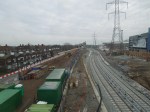
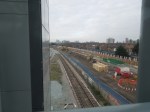
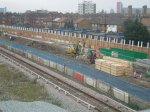
It will be enlightening to watch as the station is constructed over the next few years.
Wi-Fi In London Stations
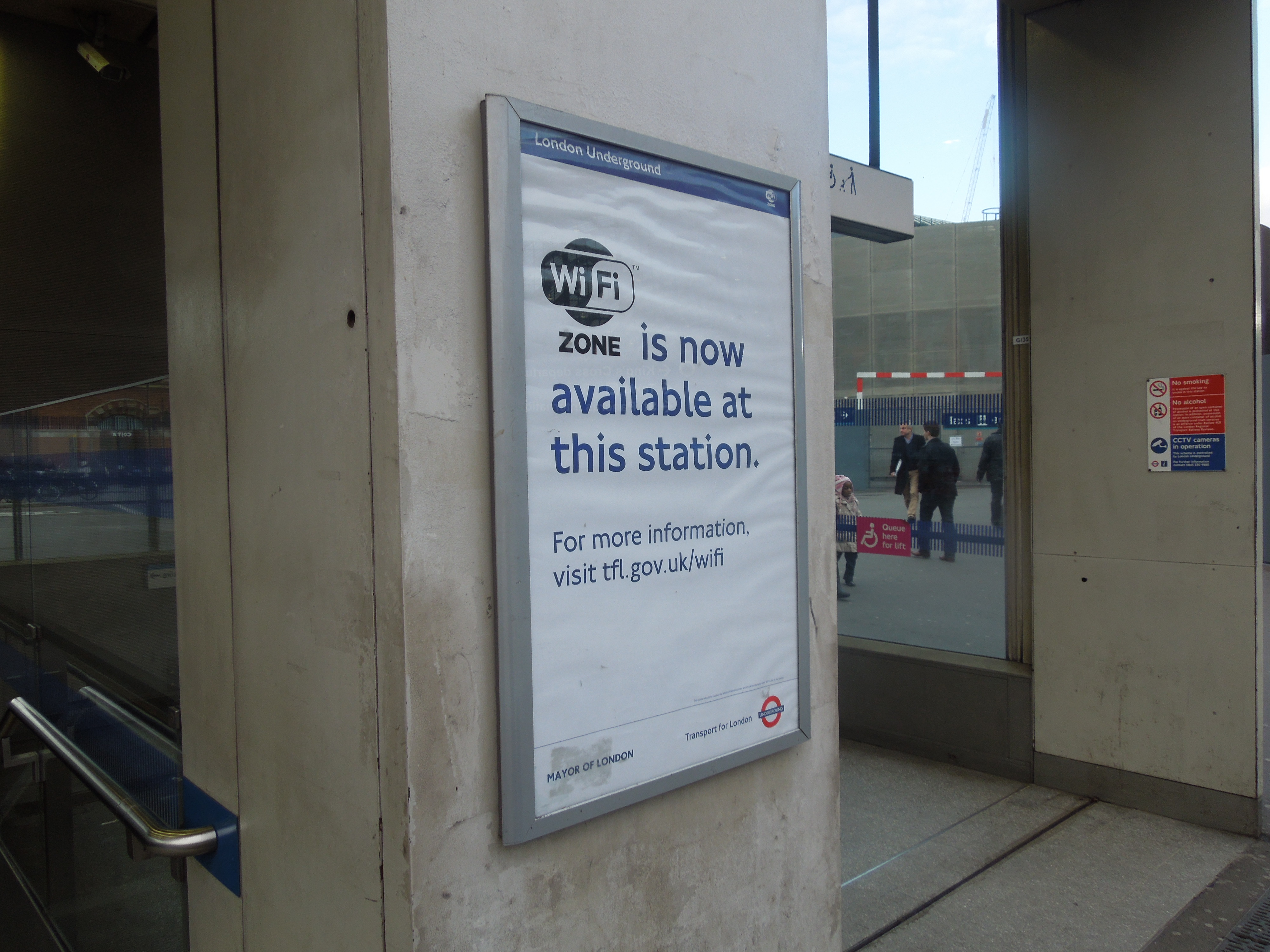
Wi-fi is available on several tube stations through Virgin Media.
Wi-Fi In London Stations
You can read about it here.
It would appear that if you’re not a customer of Virgin Media, EE or Vodafone, you’ll have to pay. I’m not, but then I don’t think connecting will give me much advantage.
Breakfast At Kings Cross Station
This morning, I went to Leon’s in Kings Cross Station for breakfast.



As the pictures show, I just had an orange juice and a small pot with a poached egg in the bottom and beans and chorizo on the top.
Some belabour the passing of the gluten and fat rich British Rail breakfast. I don’t!
The two items cost under a fiver and the meal was delicious. On as cold a day as today is, the restaurant was also nicely warm.
The Old Kings Cross Station Is Nearly Down
The dreaded 1973 extension to Kings Cross station is being finally demolished this Christmas, as there are no trains and passengers.

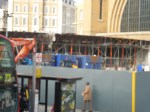
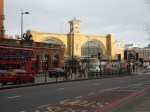
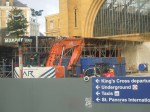
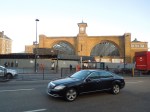
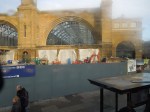
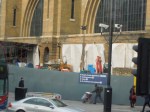
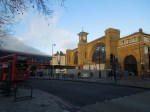
There are some good pictures here on the BBC of the history of the front of the station.
It is intended that the new public square in front of the station will open in August 2013.
A Plea For Peckham Rye
Tristram Hunt wrote a thoughtful article for the Standard yesterday about Peckham Rye station. He says this of the station.
Sadly, British Rail didn’t care for this station as it should have done. Its features rotted and beauty ebbed. The Old Waiting Room closed and the windows were bricked up.
It’s not just Peckham Rye station, that has been treated like this.
Some have been treated badly, whilst others have even been built as eyesores or impractical buildings like Brixton. Those architects of the 1960s, who worked for British Rail and London Underground should hang their heads in shame.
The saviour for these buildings could be proper property development in conjunction with good architecture. I have seen what is proposed for some sites and liked what I have seen. Surely similar schemes should be proposed for other stations to both improve the lot of both passengers and local residents.
Manchester Piccadilly To Horwich Parkway And Return
Going from Manchester Piccadilly station to Horwich Parkway station for the Reebok Stadium is a journey that should be easy.
For a start, the platforms are at the back of the station and not logically on the concourse.

Walkway To Platform 14
As the picture shows there is a moving walkway, but I do wonder how many people get lost trying to find it. I know the station fairly well, so when I see Platform 13 or 14, I know where they are. There is also a bridge to Platform 13-14.
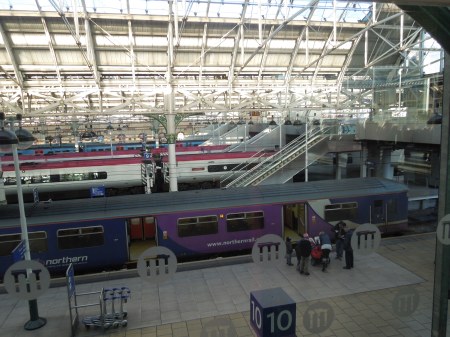
Bridge To Platforms 13-14
But then unless you know your connection, you probably wouldn’t use it. I did use it, when I returned after the match and the signage on the bridge is very poor. The arrangements at Birmingham New Street station are much better.
When you get to Platform 13 or 14, things don’t get better, as there is just a small waiting area. The actual platforms are usually teeming with passengers waiting to get on the trains.
Manchester Piccadilly is a classic case of bad design. And bad design probably fifty years too late. It did have a big makeover in 2002, but they are really dealing with the immense problems that date from the 1960s, when the station was built out of the old London Road station. To say British Rail did a bad job, would have been giving them more credit than they deserve.
The station probably needs a decking built over the platforms to give access to the trains. This is the sort of thing that is happening at many stations around the world. The alternative as at St. Pancras of a large space underneath is probably not possible.
In spite of all this, Wikipedia says this about the station.
According to an independent poll carried out in 2007, Manchester Piccadilly has the highest customer satisfaction level of any UK station, with 92% of passengers satisfied compared with the national average of 60%
I would assume that they interviewed passengers going to Euston. Now that and its Underground station is a total disgrace! But Manchester deserves a station to the same standard as Leeds or Liverpool.
The train when it arrived to go to Horwich was the usual totally inadequate Transpennine Express three-coach Class 185 diesel multiple unit. If ever there was a train designed by civil servants it is this one. They do their best, but they are just too small. Wikipedia says this.
The loss of seats relative to an equivalent three-coach 158 means that more passengers have to stand at peak times. An increase in passenger numbers since the trains were brought in to operation has meant that some passengers are unable to board 185s at peak times due to them being seriously overcrowded.
They also have a serious lack of handholds for those who have to stand.
The route between the two stations is the Manchester to Preston line, which is slated to be electrified. So hopefully as many of the other lines in the area will also be electrified, this will solve the train problems as new electric ones will be needed and hopefully the Class 185s will be lengthened.
But like Picadilly station, which is totally inadequate, this line should have been electrified in the 1960s as a follow on to the electrification of the West Coast Main Line. After all, when linked to the electrified Manchester to Crewe line, it serves as a diversion for trains when the West Coast Main Line has to be closed.
The whole area, shows how when you don’t invest in infrastructure, it all comes back and bites you a few years later.
I Thought Network SouthEast Had Died
This sign lives on at Essex Road station.
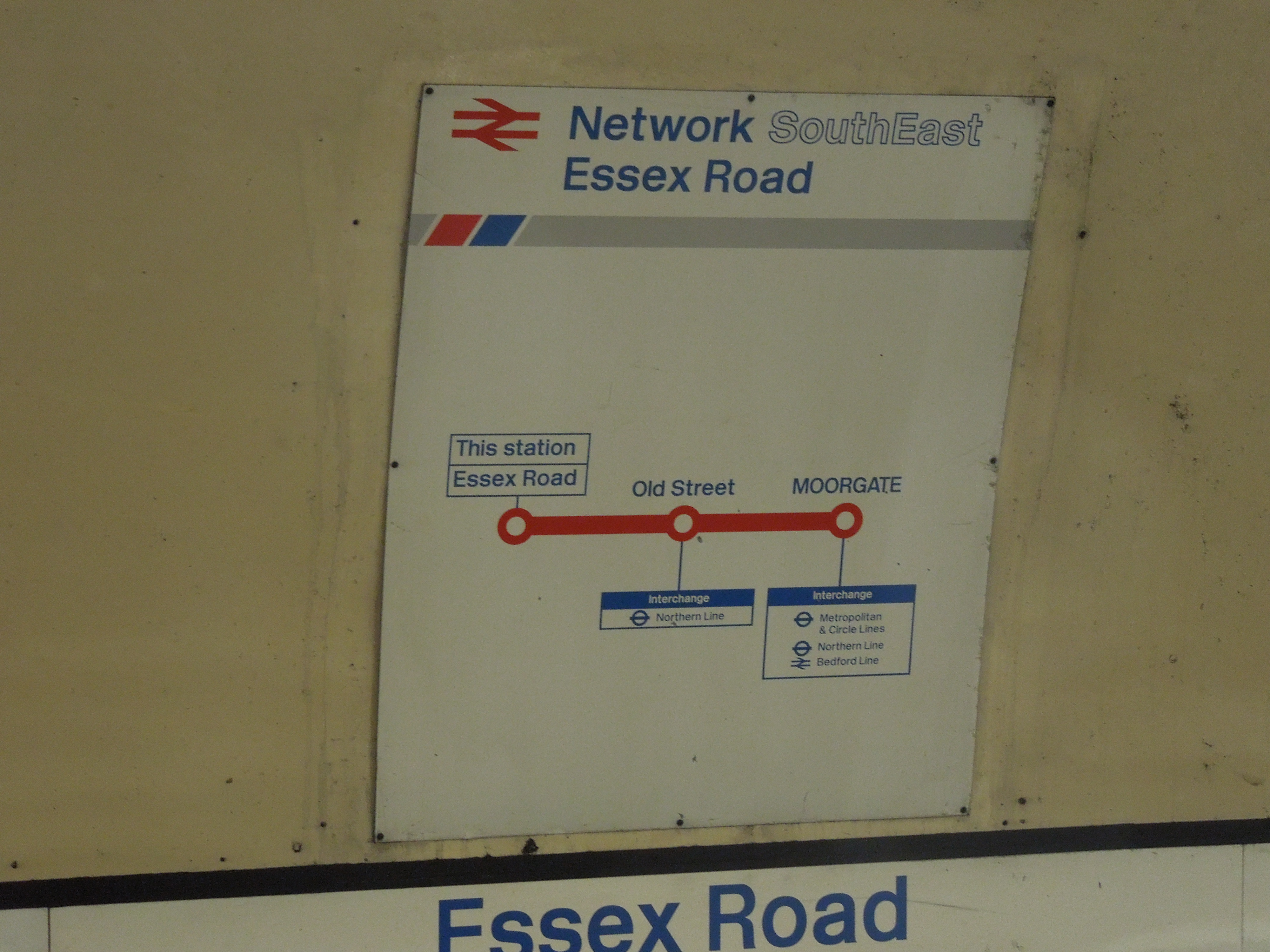
I Thought Network SouthEast Had Died
Network SouthEast officially ceased to exist when the running of trains were privatised in the early 1980s.
Although the dirt on this rail, was probably of an earlier vintage.
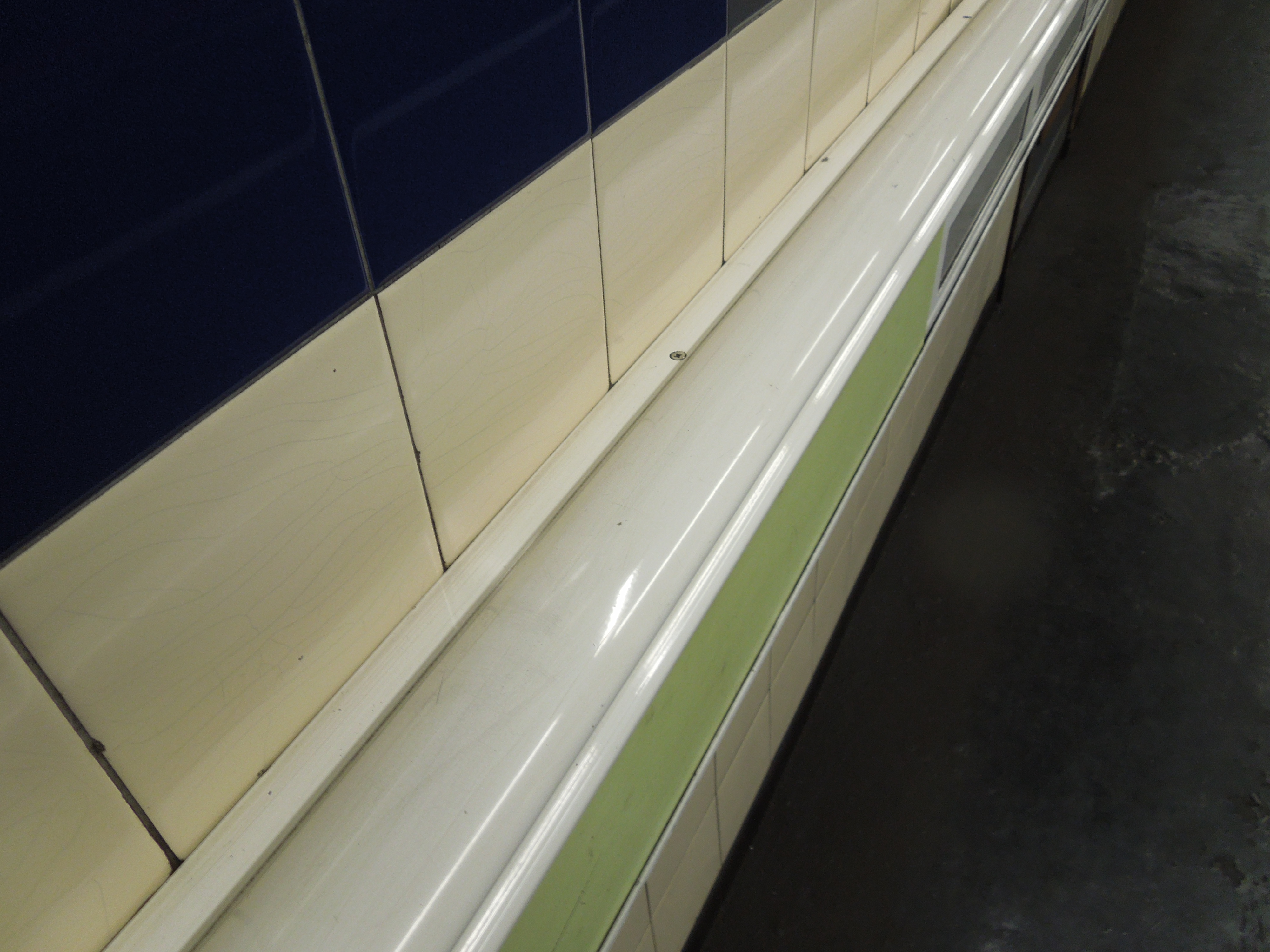
The Dirtiest Hand-Rail In London
It certainly needed a good wash.
 The Anonymous Widower