Comings and Goings at Derby Station
I took these pictures at Derby station on Wednesday.
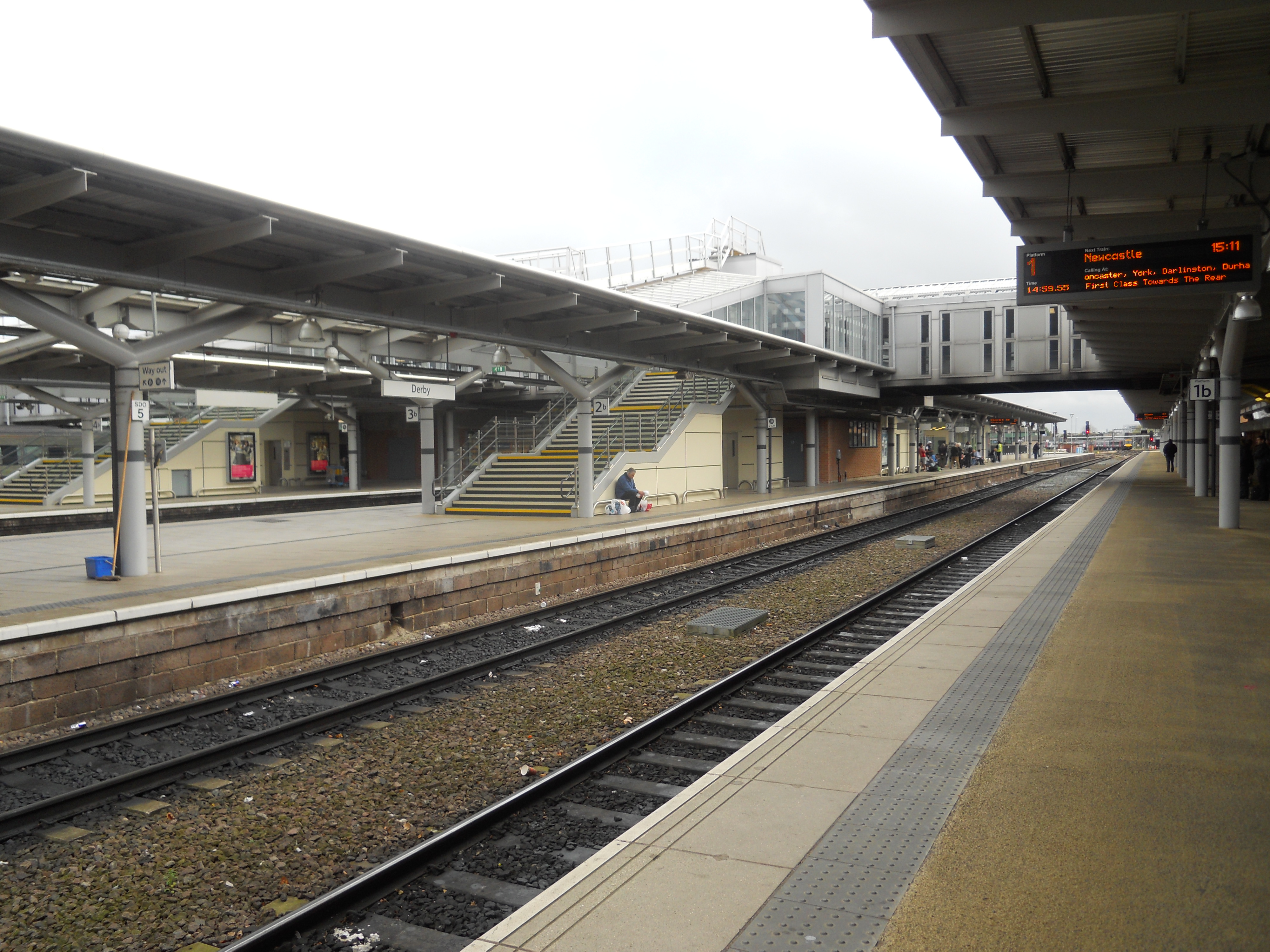
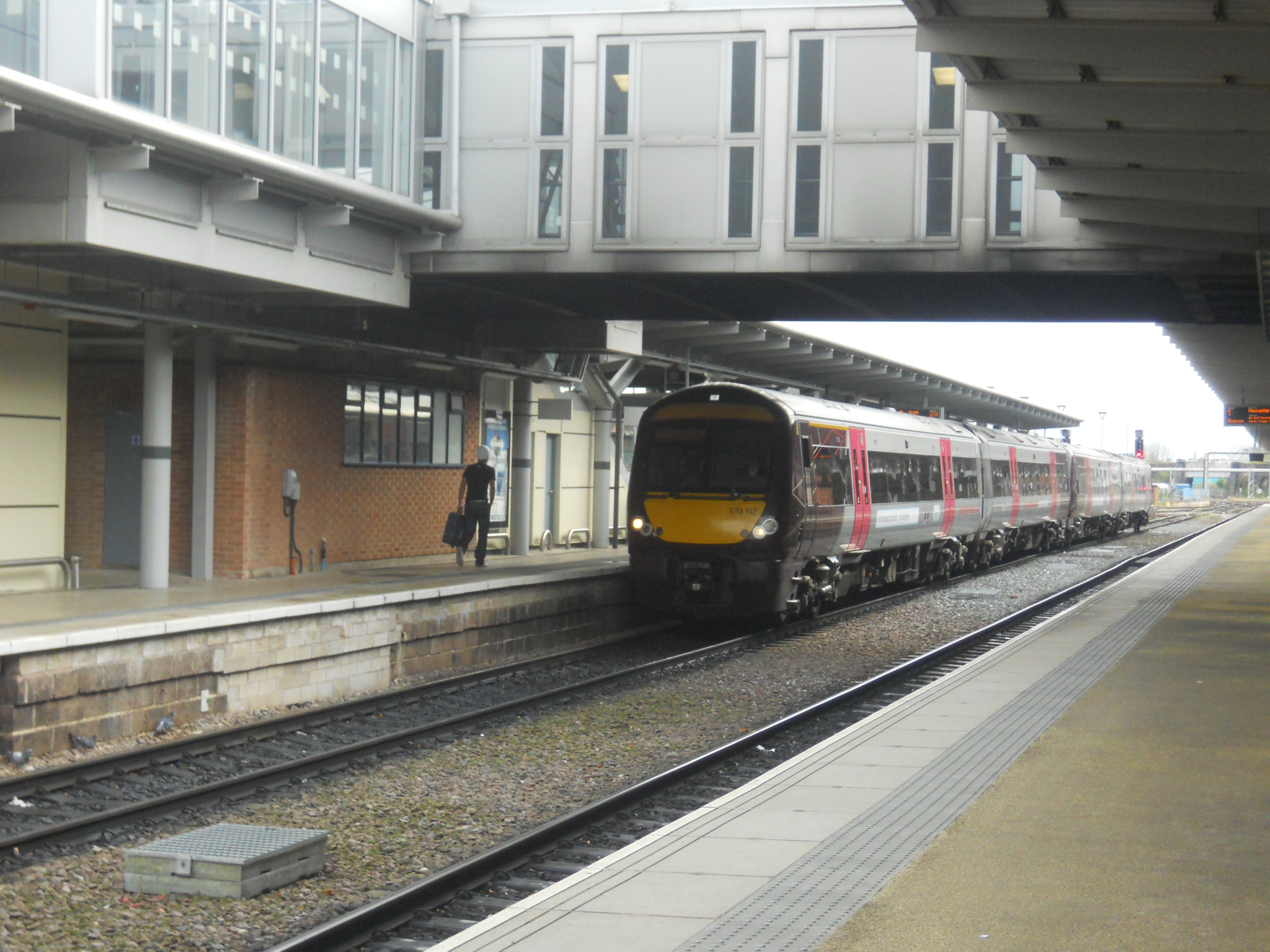
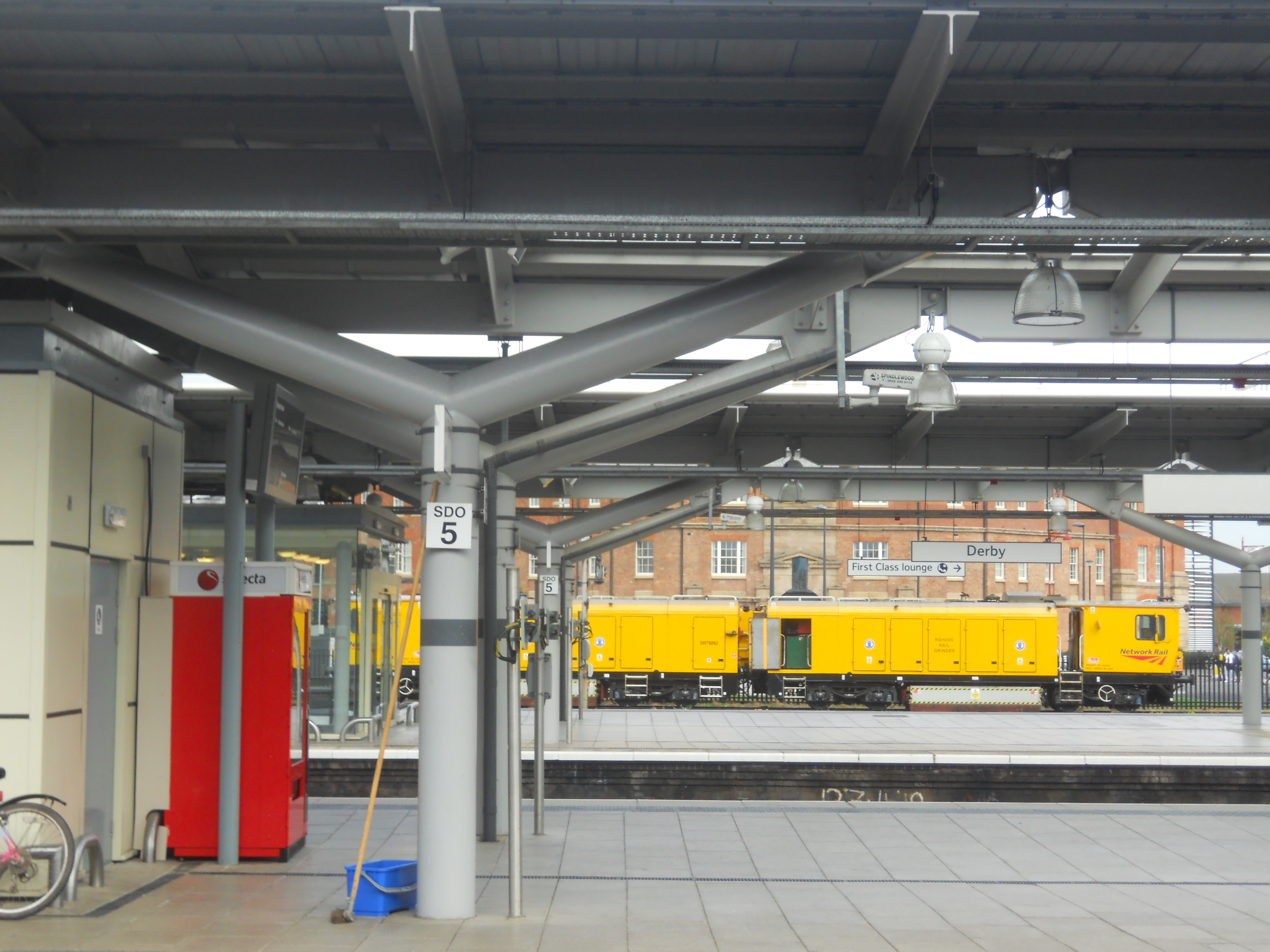

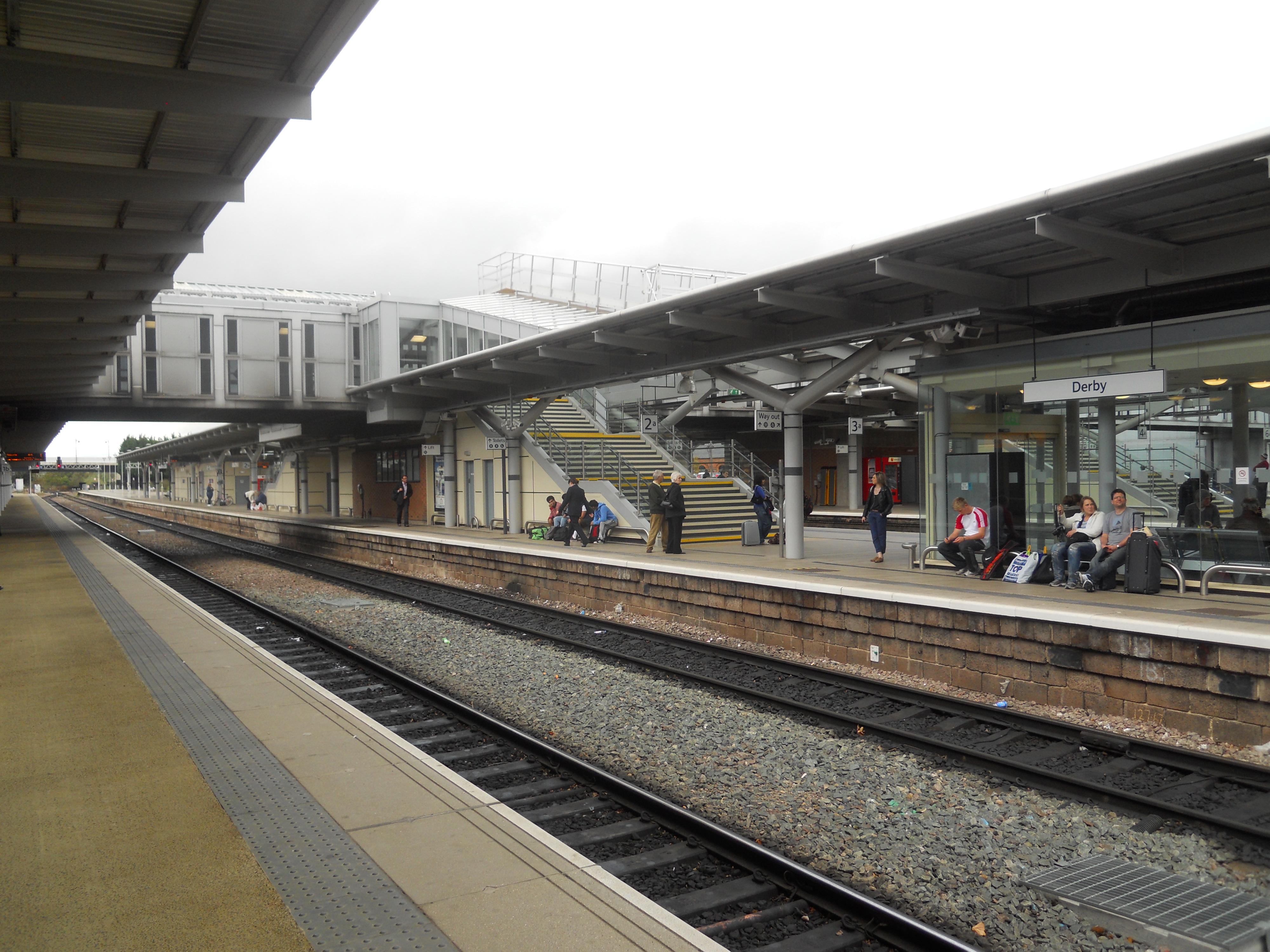
It just shows how good design can create a proper transport interface. I only walked out the back to see Pride Park and I was back a few minutes later to take a train to Doncaster.
Getting Between Kings Cross/St. Pancras and Euston
London’s three major stations that serve the North and of course the Continent; Kings Cross, St. Pancras and Euston, are all close together on the Euston Road.
The first has been superbly rebuilt, the second is approaching the end of a major redevelopment and they now share probably the best Underground station in London. But Euston is rather isolated from the other two, with several ways to get between them.
- You can take a rather unpleasant walk along the busy Euston Road.
- You can use the Metropolitan or Circle lines, but this means a walk to or from Euston Square at the Euston end.
- You can dive into the Underground and take the Victoria or Northern lines, but it is not step free at the Euston end, and not recommended with a heavy case. Both deep stations are also easy places to get lost or confused.
- Going from Euston to Kings Cross or St. Pancras is quite easy by bus 30, 73, 205 or 476, which you catch in front of Euston station, but the reverse journey means you have to cross Euston Road twice.
- There are of course taxis. But not everyone can afford them.
As I had time to spare at Kings Cross, before I caught my train to Hartlepool, I decided to investigate and found a map which showed there was a fairly simple direct walking route that avoided the pollution and traffic of the Euston Road.
I started by walking through St. Pancras station and exited by the cab rank onto Midland Road, with the intention of going down Brill Place.
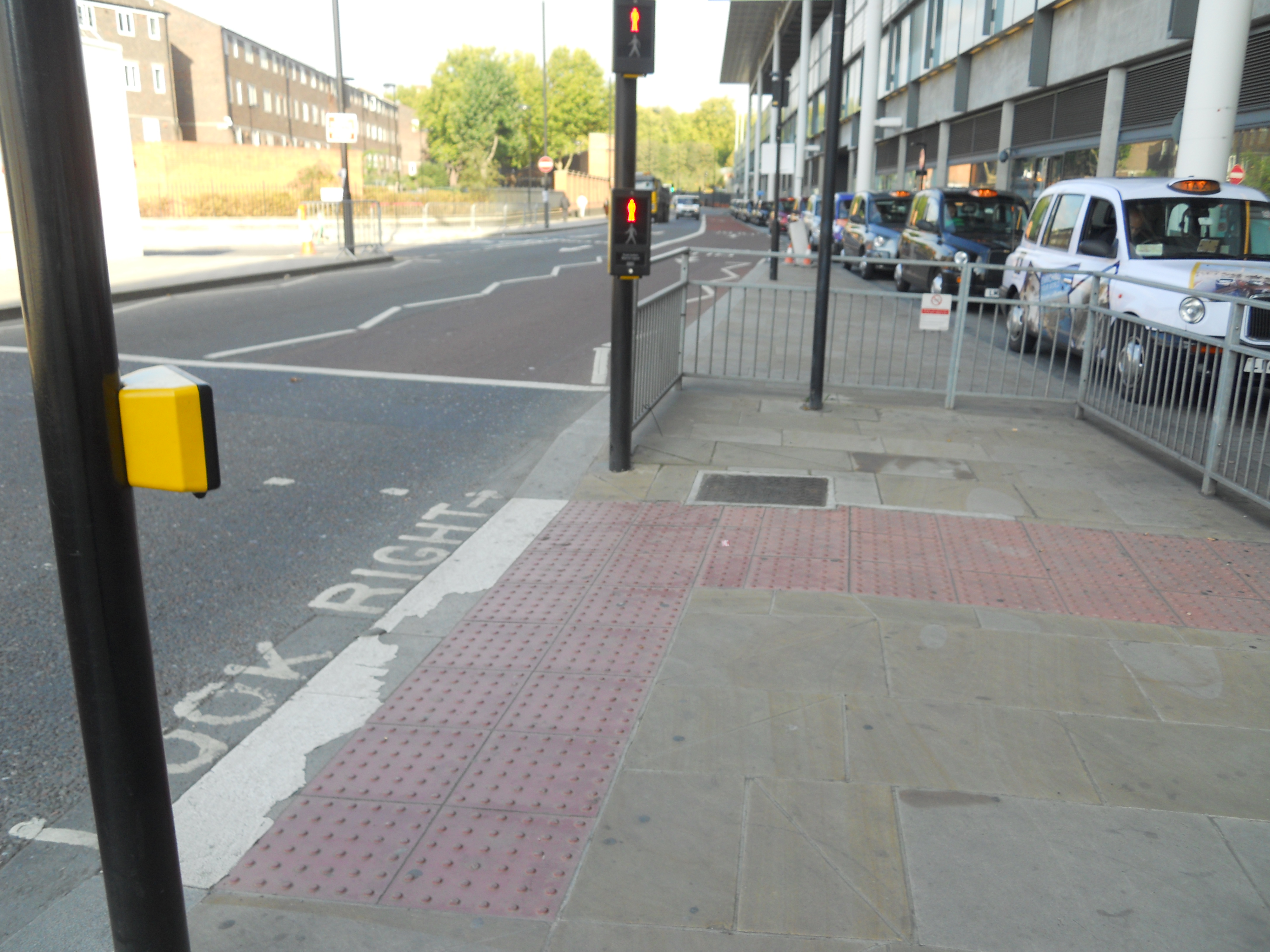
Crossing Midland Road
There is a light controlled crossing, but it is rather blocked by badly placed railings and the cab rank. Brill Place, which is the start of the road to Euston is on the left.
Brill Place is flanked on one side by the new Francis Crick Institute and on the right, there is a small pleasant park, which could provide an oasis from the crowds in the stations.
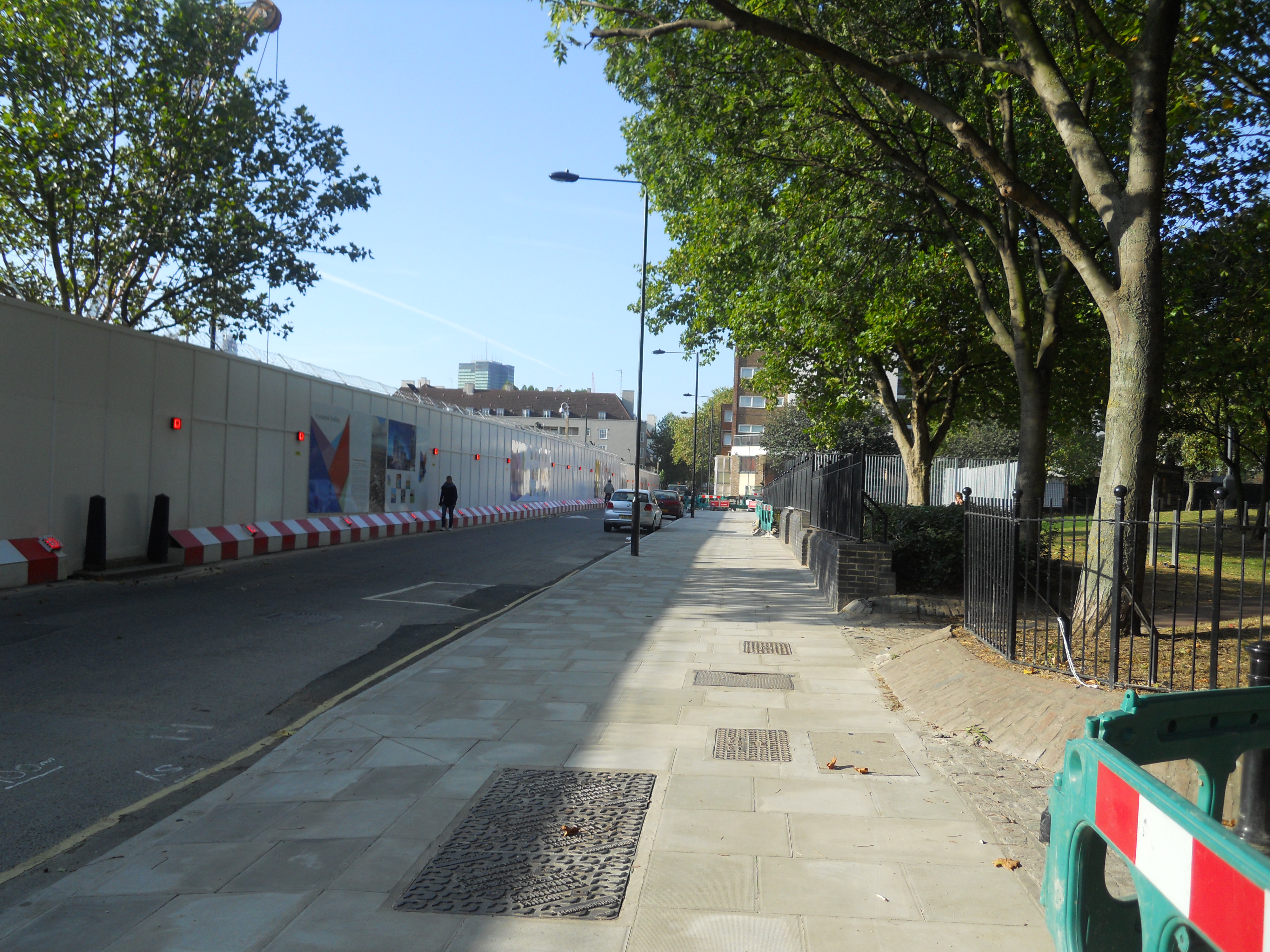
Brill Place
Brill Place itself, is not a grotty dusty road lined by parked cars, but a wide tree-lined avenue that leads on to Phoenix Road.
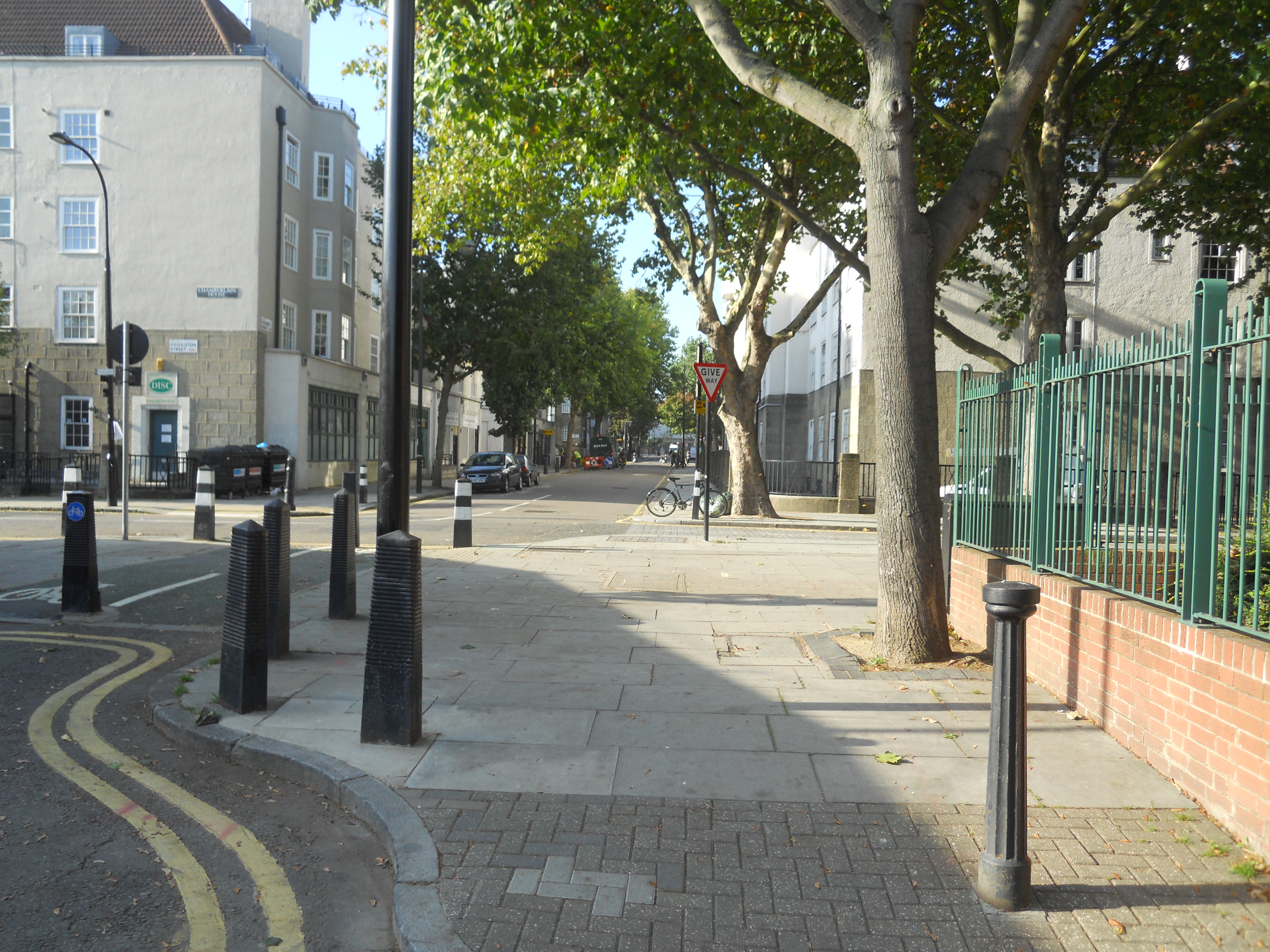
Towards Pheonix Road
At the end of Phoenix Road, you just cross Eversholt Street on one of the two pedestrian crossings and you walk down the road to Euston station.
The advantages of the route are as follows.
- The route is virtually flat.
- It would be easy trailing quite a large case.
- There are only two major roads to cross and both have light-controlled pedestrian crossings.
- There is the park, which would as I said before, be a better place to eat a packed meal than the station.
- You do pass a few shops and a reasonable-looking pub.
But there are disadvantages.
- The route is not signposted.
- The barriers at the St. Pancras end are wrongly placed.
- The side entrance to Euston station could be better.
So how would I make it better, so that in effect we had one super station for the north.
- I’d start with sign-posting. The posts are there at the St. Pancras end already.
- Perhaps, it should be marked on the ground, as a Kings Cross/St. Pancras to Euston walking route.
- You might even provide some eco-friendly transport along the route, like an electric shuttle bus or bicycle rickshaws.
- A couple of suitably placed Boris bike stations would help too.
- Shops and cafes should be developed along the road. There are some already.
To me though, this is one of those things that will happen. But probably first in a very unofficial way, as how many of those that work in the Francis Crick Institute will commute into Euston and walk there? It won’t be a small number.
It took me about fifteen minutes to do the walk and I just got a 205 bus back to Kings Cross for my train from the front of Euston station.
Station Transfers at Kings Cross
I asked at the infornation desk how you get to Marylebone. I got a very unprofessional answer. Surely, when the new Kings Cross is finished, there should be information on how to get to the various other stations in London. I know all the links across London, and especially some that are not obvious, like Waterloo to Liverpool Street. It’s a 26 bus by the way.
I also hope when the new station is complete, that they sort out the buses as well. I use a 30 or 73 to get home from Kings Cross and there is a rather windy, unprotected stop in front of the station. Marylebone is also a station best got to from Kings Cross by a 205 bus. some of the buses are also good for getting to Euston, which has a rather terrible Underground station.
Perhaps though, Euston needs a properly designed pedestrian route from Kings Cross/St. Pancras, lined with cafes and shops and perhaps some form of light public transport, like bicycle rickshaws or small electric vehicles.
I’d possibly ban cars and trucks from Euston Road and run a low-floor bendy bus or tram from Paddington to Kings Cross and possibly all the way to Liverpool Street.
Network Rail Do the PR at Kings Cross
Kings Cross station is very much a building site at the moment, as the station is remodelled in time for the 2012 Olympics. The access to the five Underground lines that meet at the station and its more illustrious sister, St. Pancras, is now more or less complete, although some of the underground walks are a bit longer than they used to be. But access is better on the whole, especially for those with heavy luggage or short on mobility. As an example, when I met my friend from the Edinburgh train, we were able to use the lift to get to the subway to St. Pancras and then another lift up to Carluccio’s for a coffee. As she was going to Marylebone, we then descended back into the crypt at St. Pancras by lift and walked to the west side of the station to get a black cab for the trip up Euston Road.
Network Rail, East Coast and First Capital Connect had set up a model of the new station in the forecourt of Kings Cross.
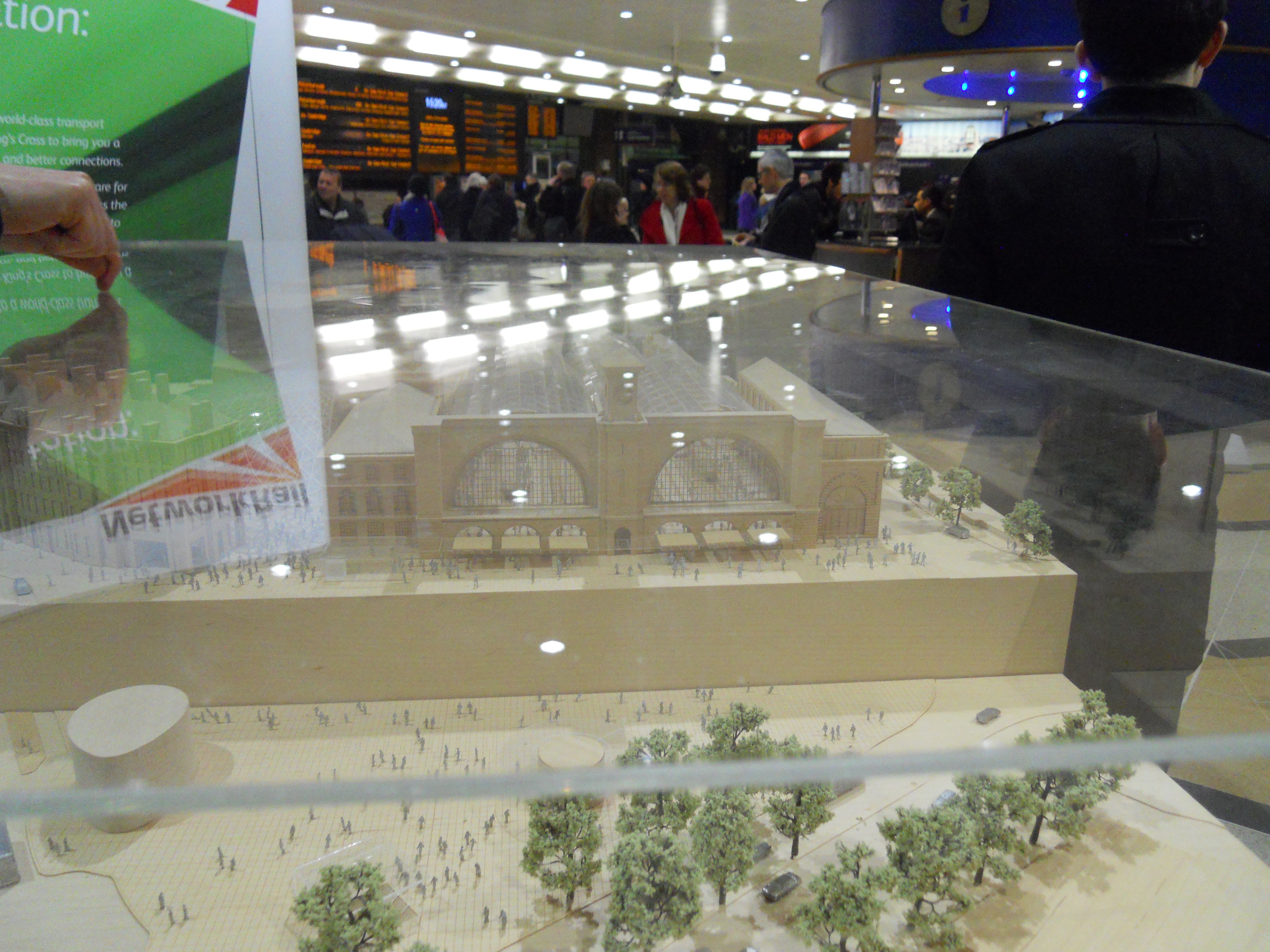
A Model of the New Kings Cross Station
Note how the awful 1960s extension at the front has gone and there is a new public square in front of the station. You can also just see the new western extension to the station, which will contain customer services, shops and cafes. There will also be covered links to the Great Northern Hotel and St. Pancras. Effectively, the two stations will almost become one. In fact, there has been talk about numbering the platforms together.
I spent ten mintes talking to one of the Thameslink project managers and was impressed at the whole PR exercise. Developers, and especially those where large sums of public money are involved, should always explain what they are doing to those who use the area. Both sides might actually learn something to their future advantage. I visited London Bridge on Saturday and the whole station was a shambles because of the rebuilding, with little information to be found.
A Neat Station Design
I said in an earlier post that yesterday I took the train from Thirsk into York. I actually took a Grand Central train for just £2, so as they seem very affordable, if I go to York from London, I might consider them as an alternative to East Coast.
Thirsk station was a rather neat design, as this picture shows.
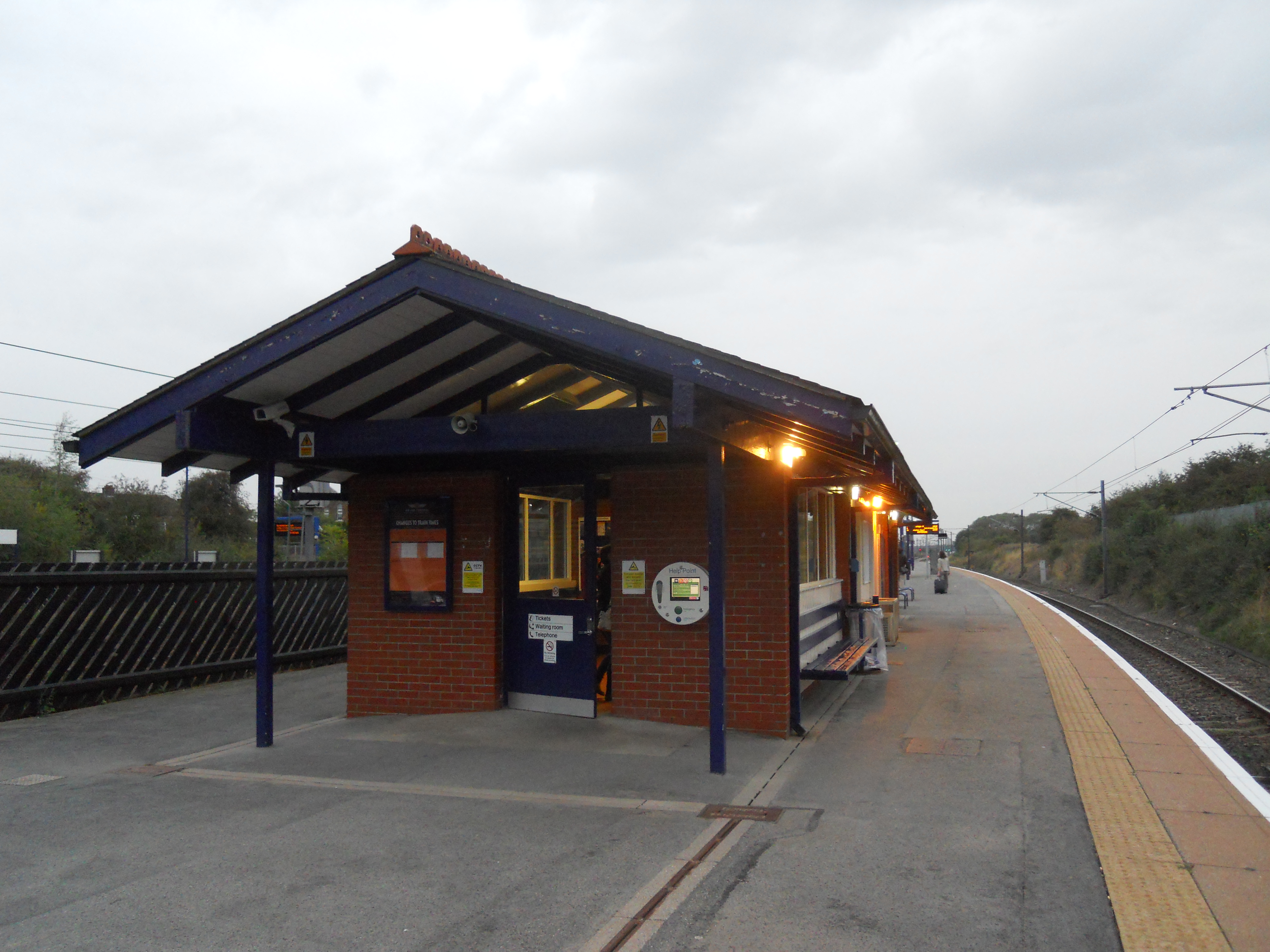
Thirsk Station
It is reached by an overbridge and the combined ticket office, waiting room and other sevices are all on one platform in a chalet style wood and steel building.
It seemed to be a rather practical design, as the ticket office was built into one end of the waiting room. I suspect that this would mean that security and safety is very good. Note too the wooden safety fence to the left of the building, which separates the two high speed lines in the middle of the station from passengers on this platform.
I would suspect that the concept could be used in many places to renew old station buildings at an affordable cost.
It was good to see the station and it goes to show that good design and safety can probably be achieved without throwing vast amounts of money at the problem.
Roof Details at St. Pancras
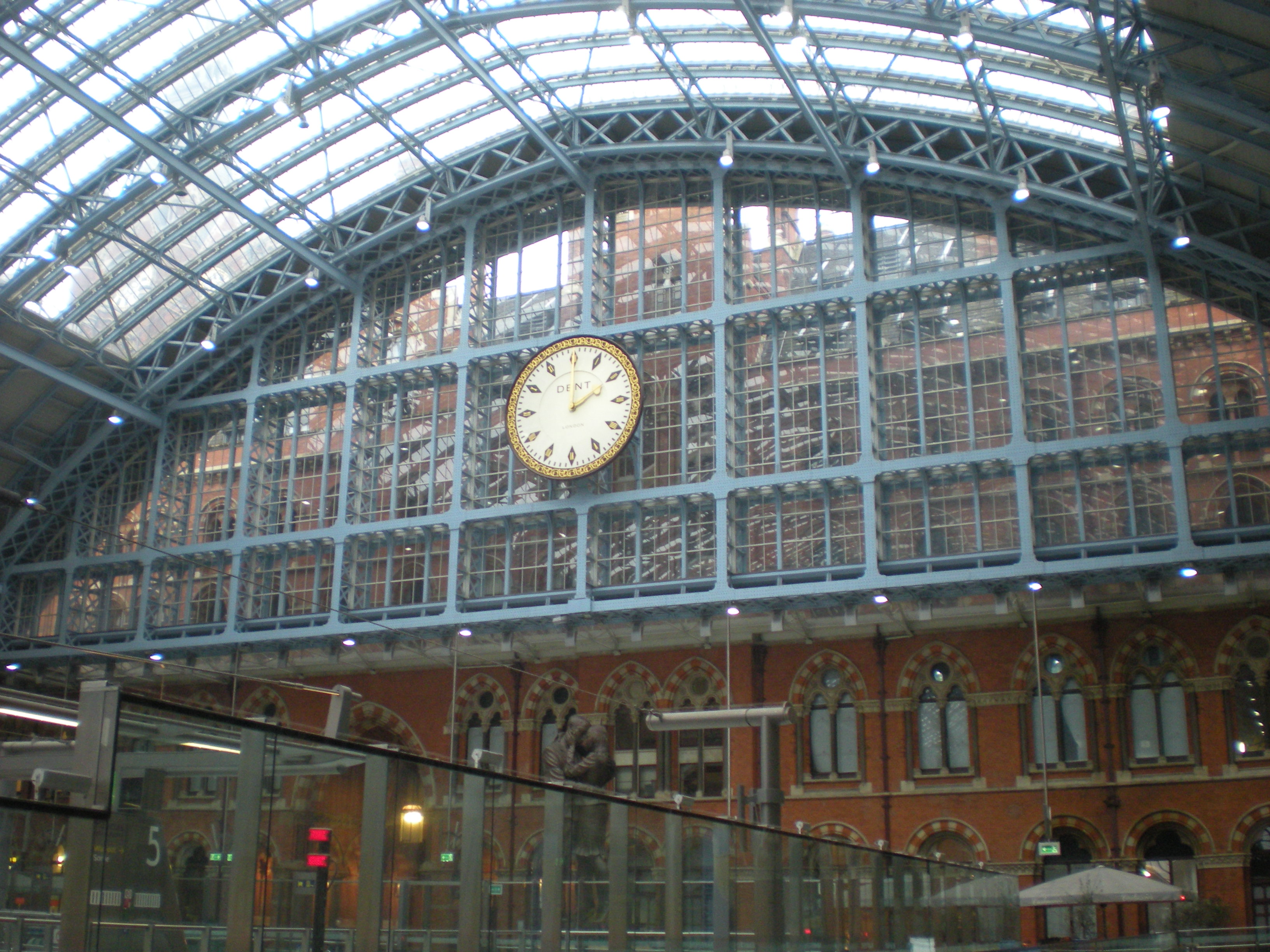
After the success of the post on Roof Trusses, here are a few details of the roof at St. Pancras.
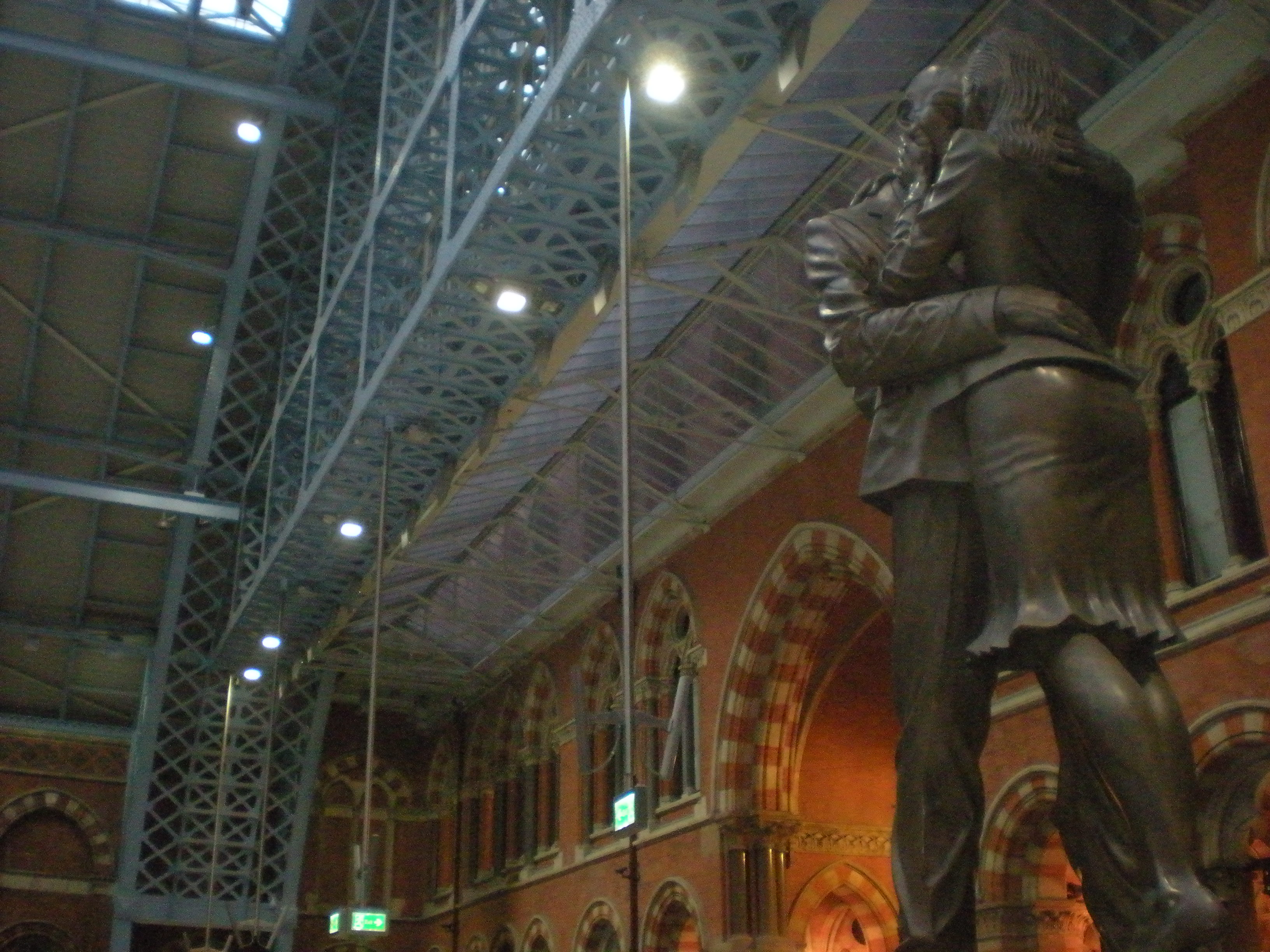

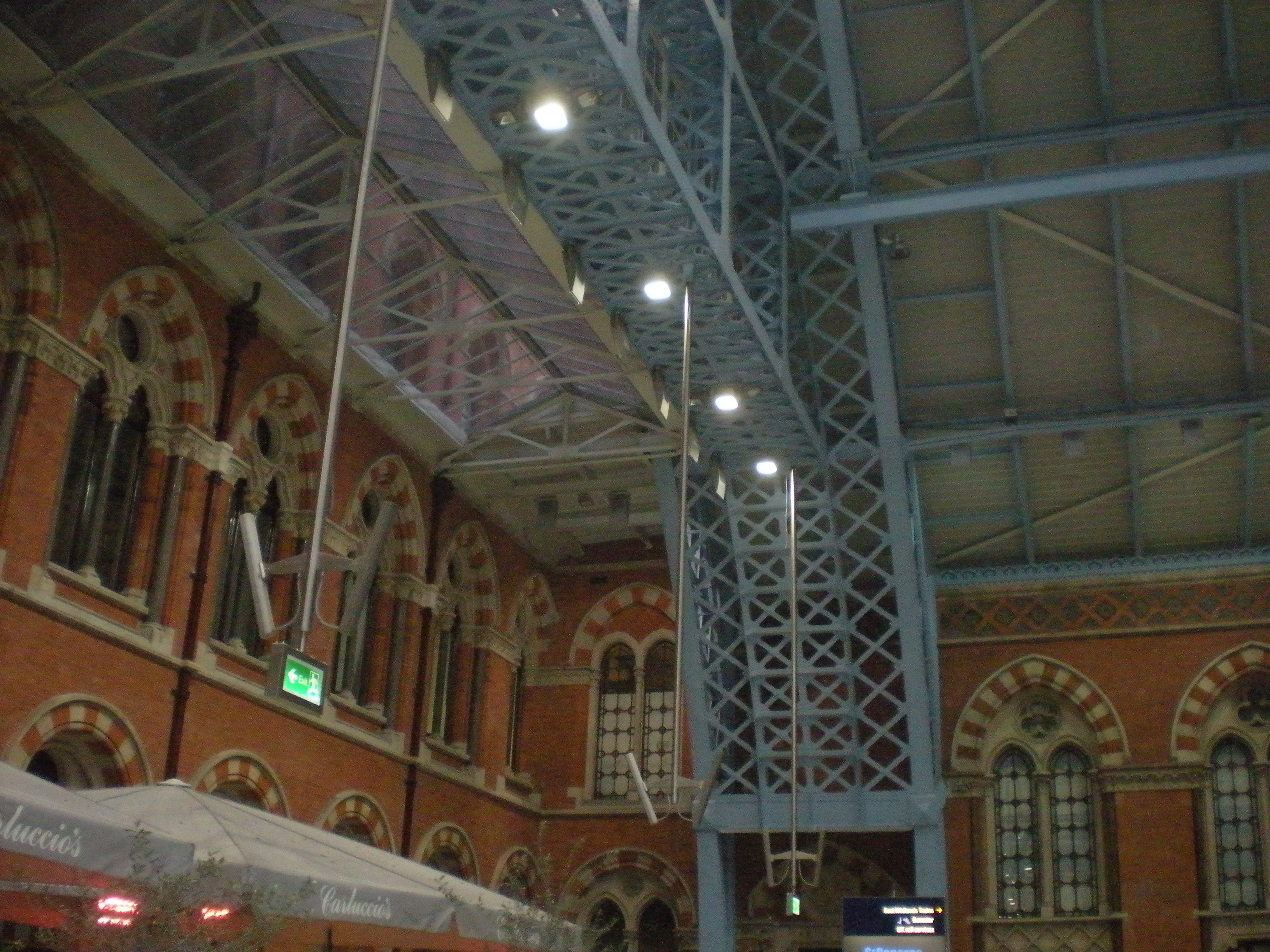
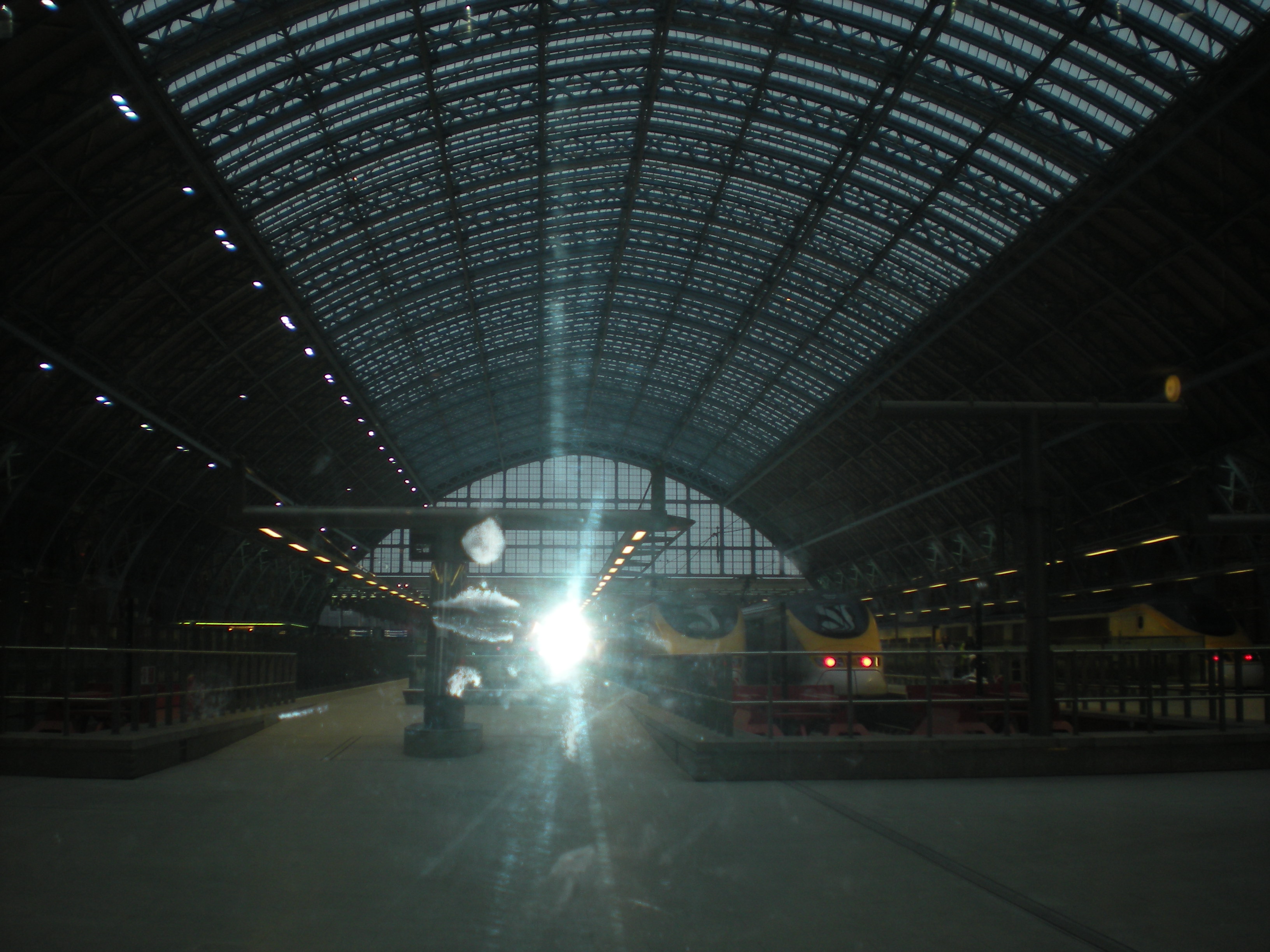
It really is the most spectacular example of Victorian engineering. Apparently, the blue colour is original, but the steam trains soon put paid to that!
John Betjeman at St. Pancras
There is also a charming status of John Betjeman, who did much to save the station from demolition in the 1960s.

John Betjeman
The Meeting Place at St. Pancras
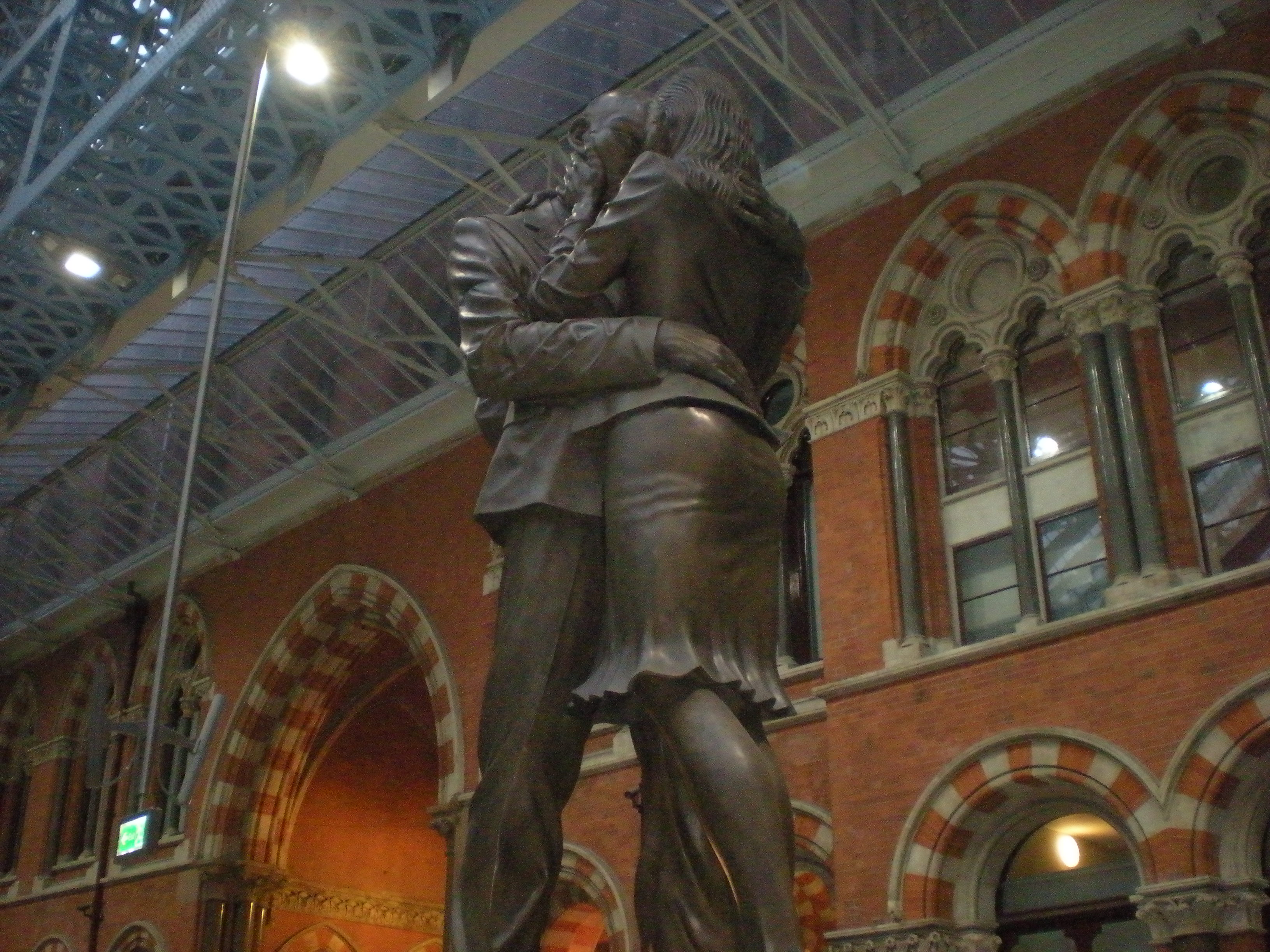
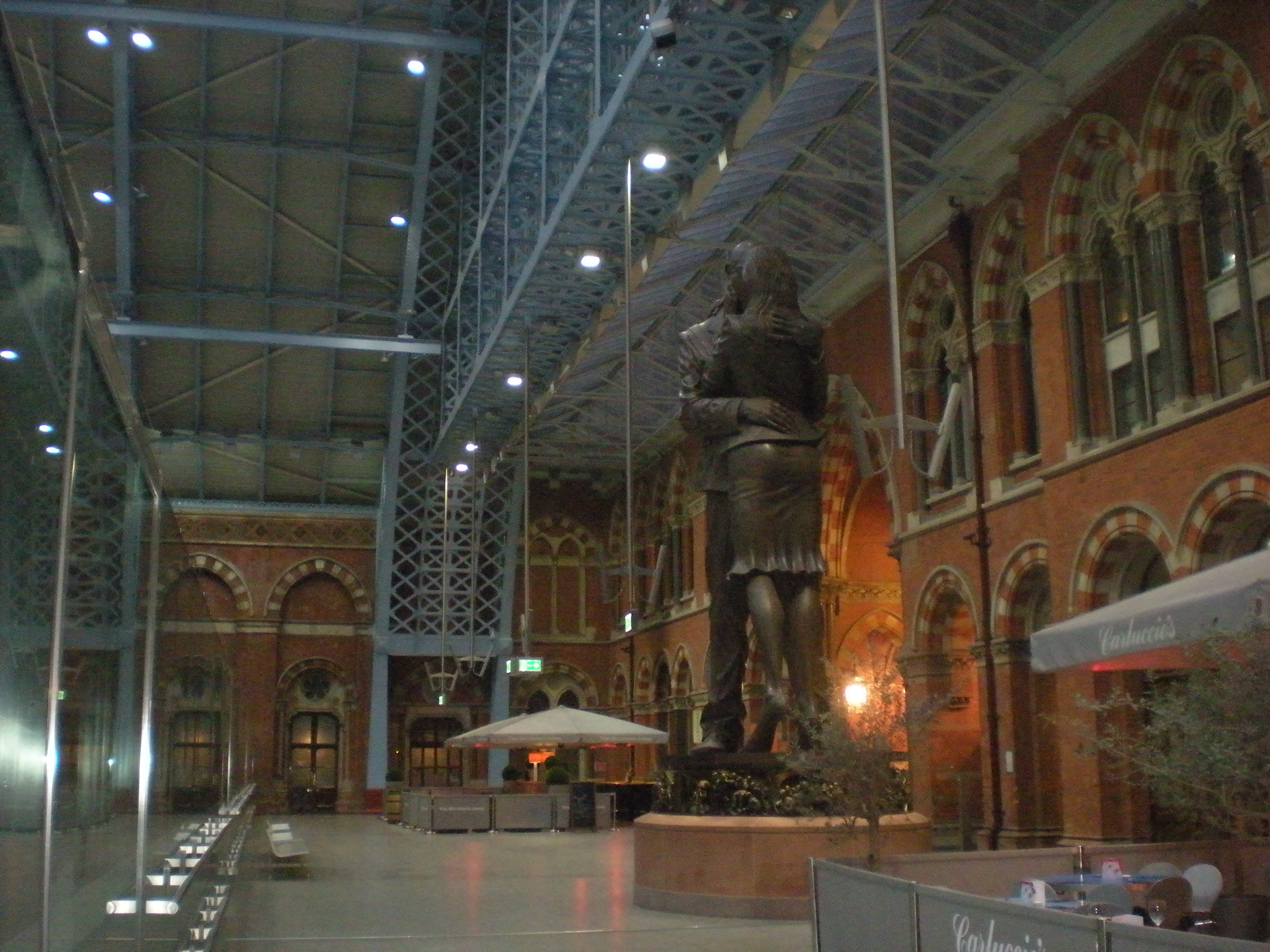
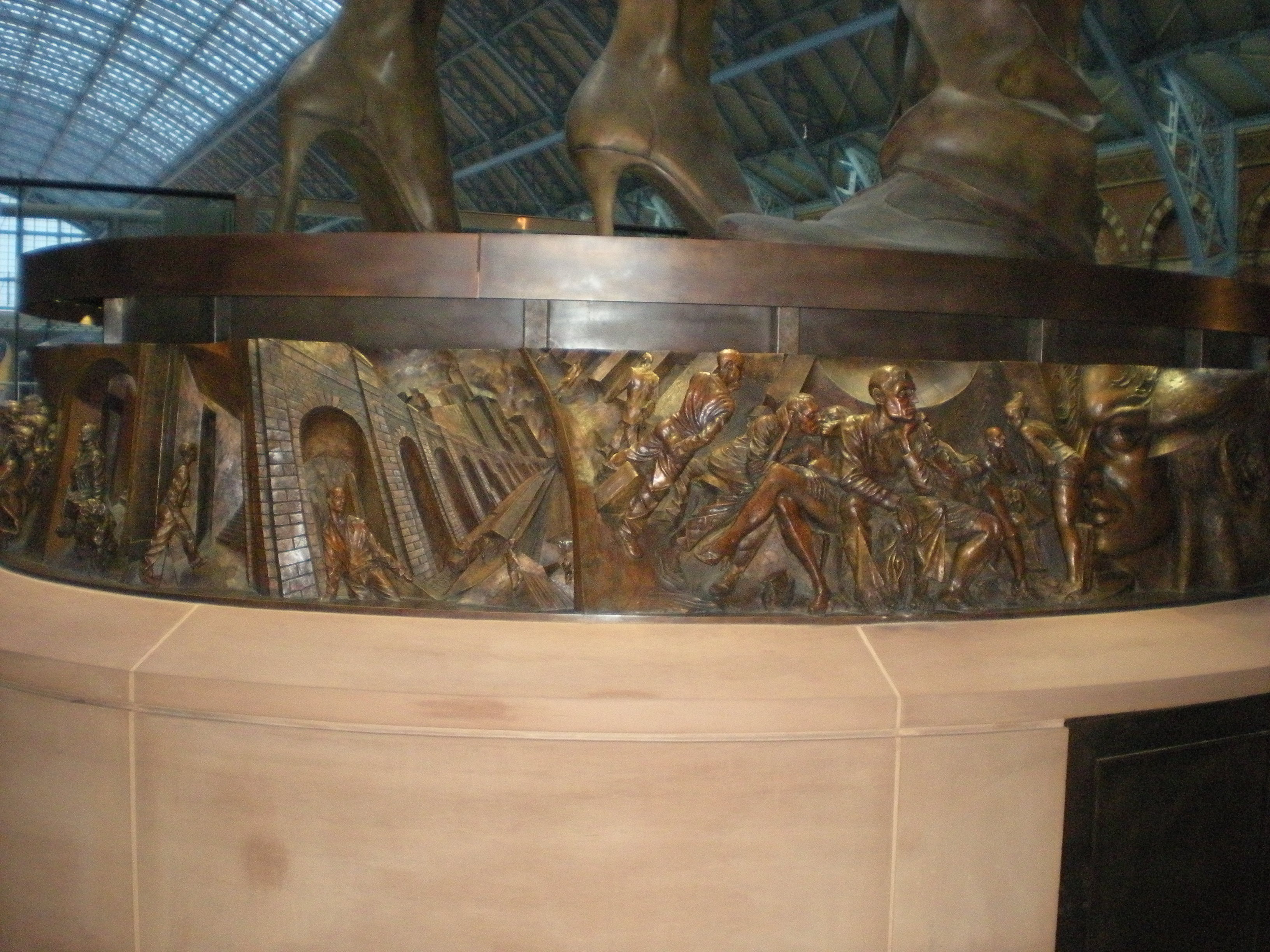
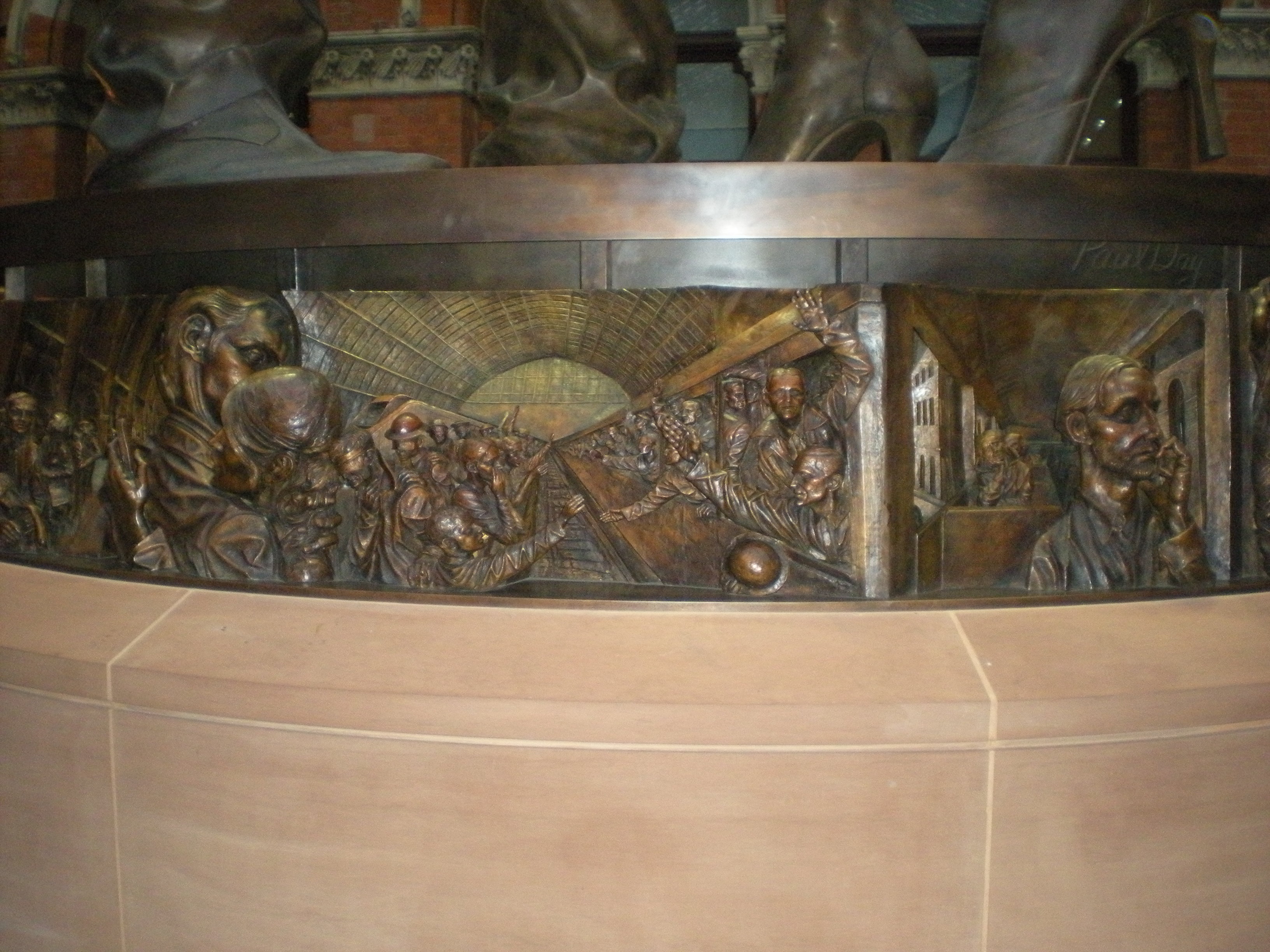
I like sculpture and I often think it is the dominant art form, as it can be placed in the open so that everyone can enjoy it. The Meeting Place is by Paul Day and it is in St. Pancras in London.
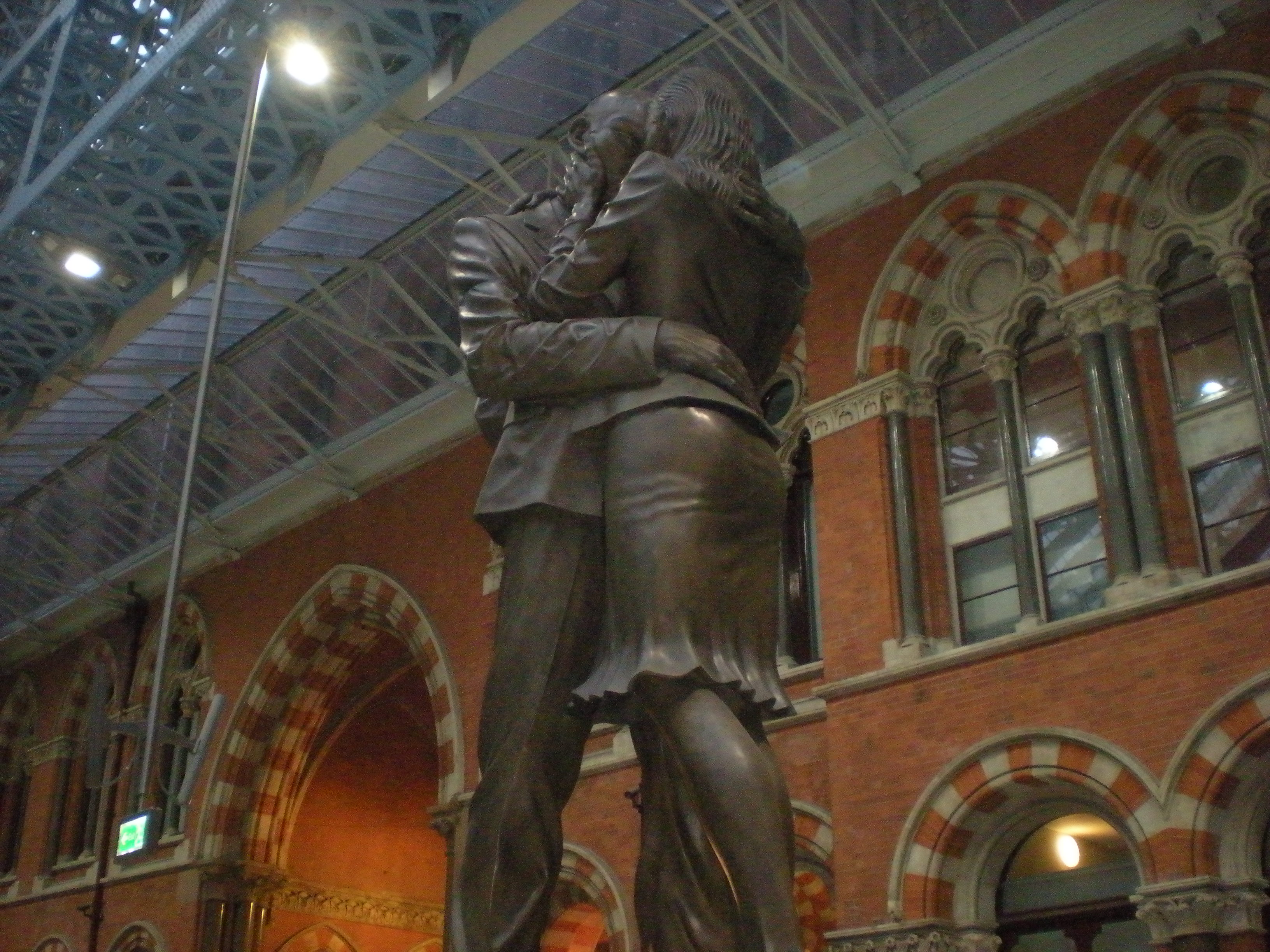
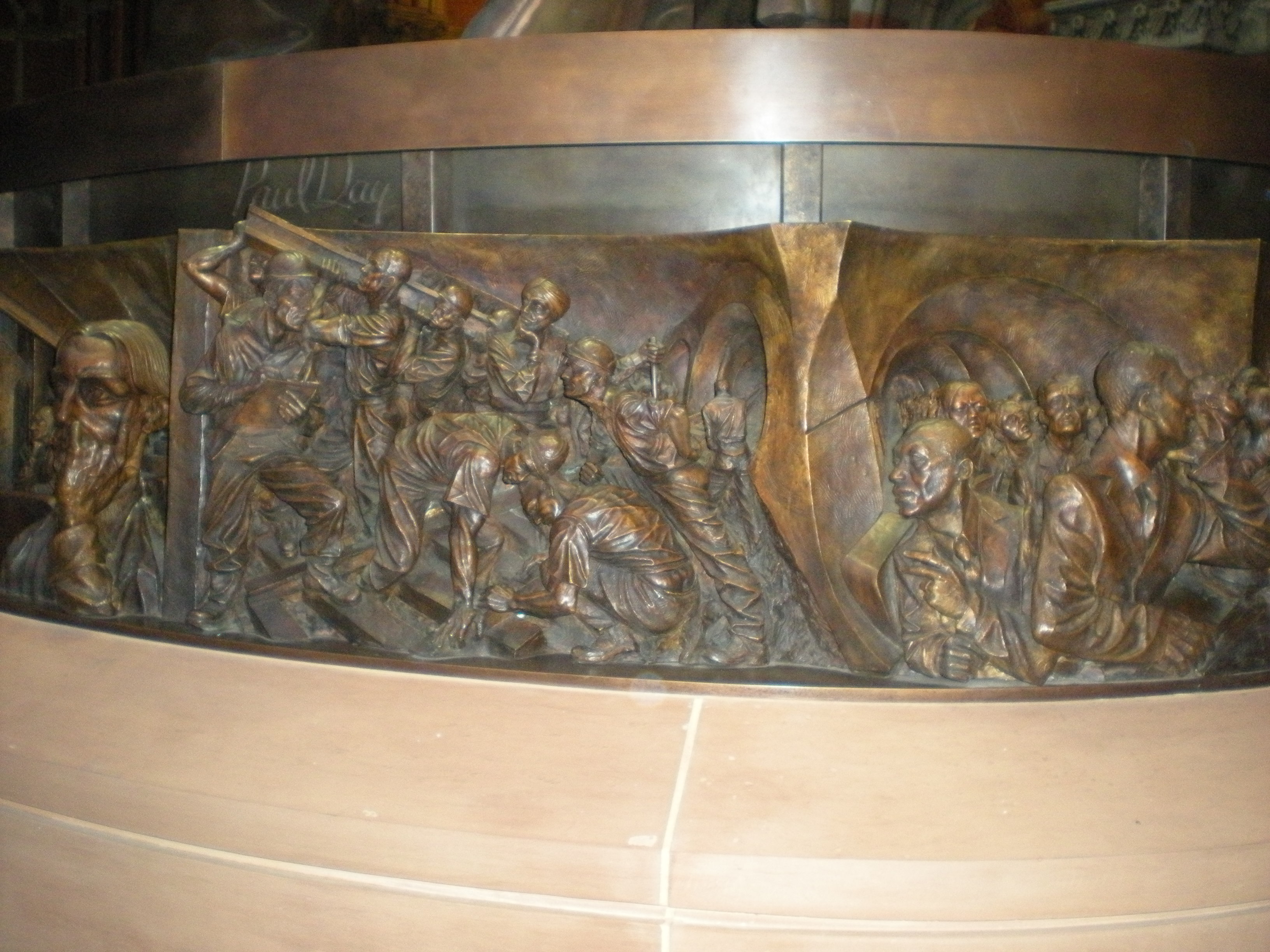
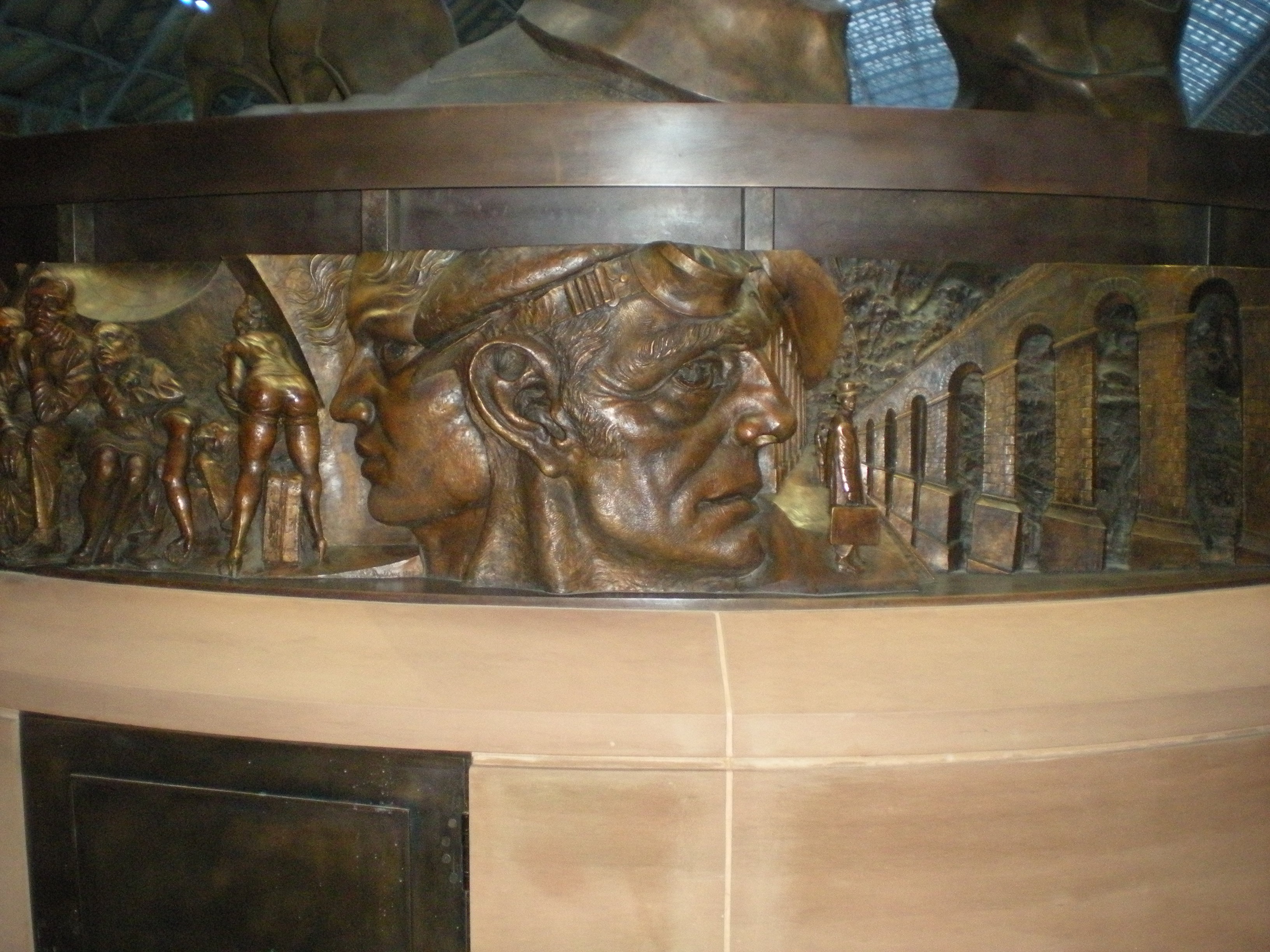
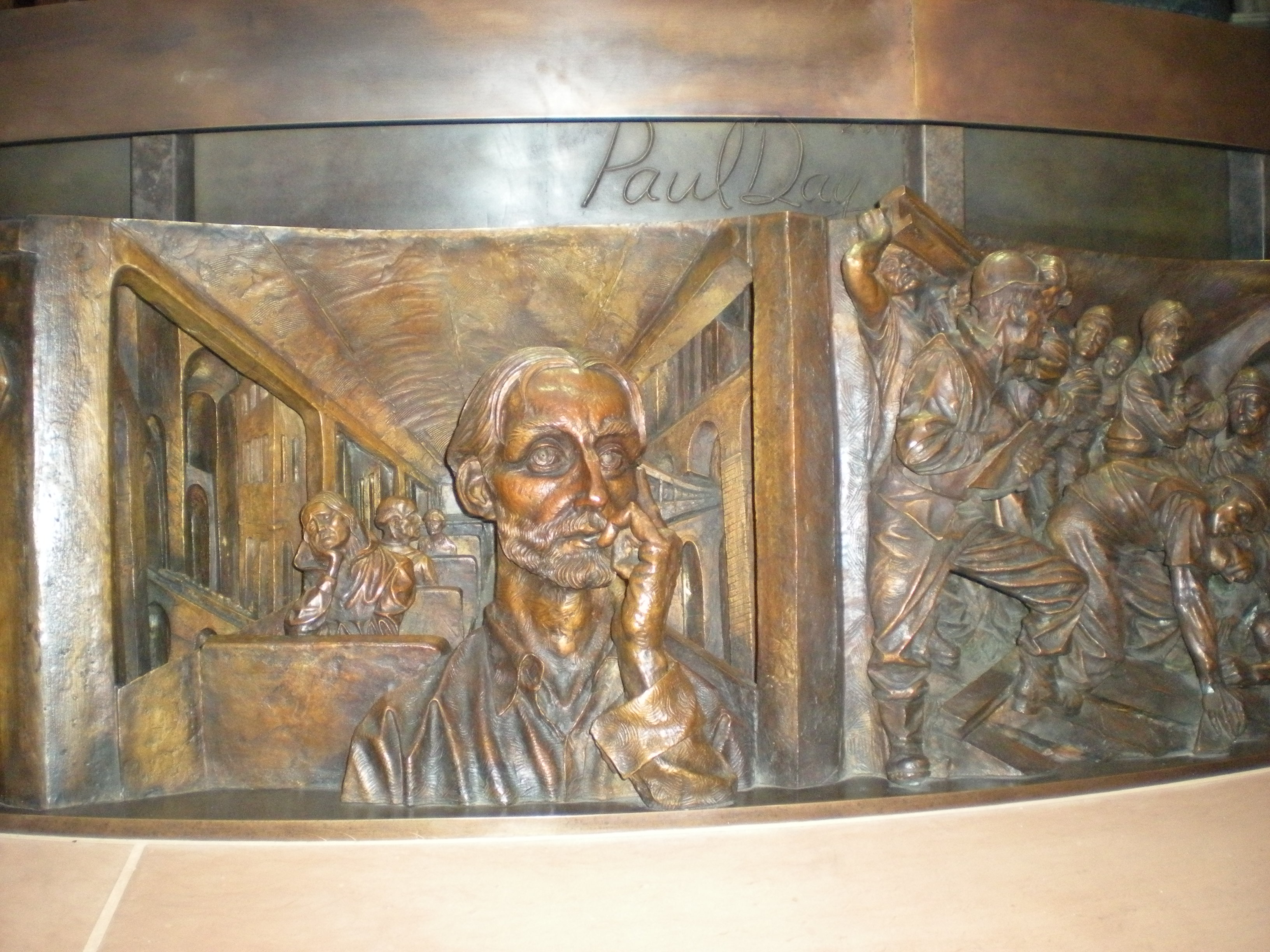
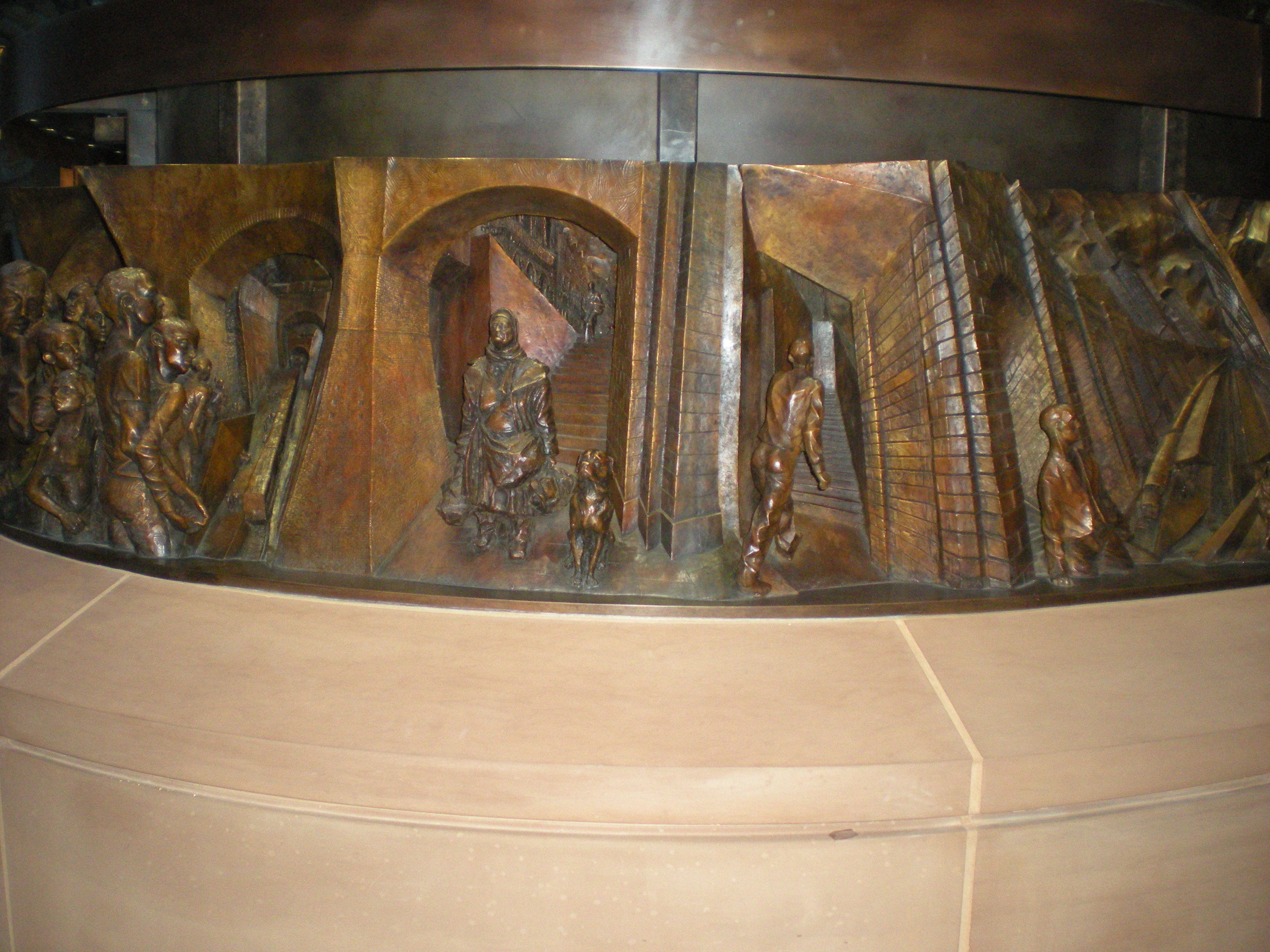
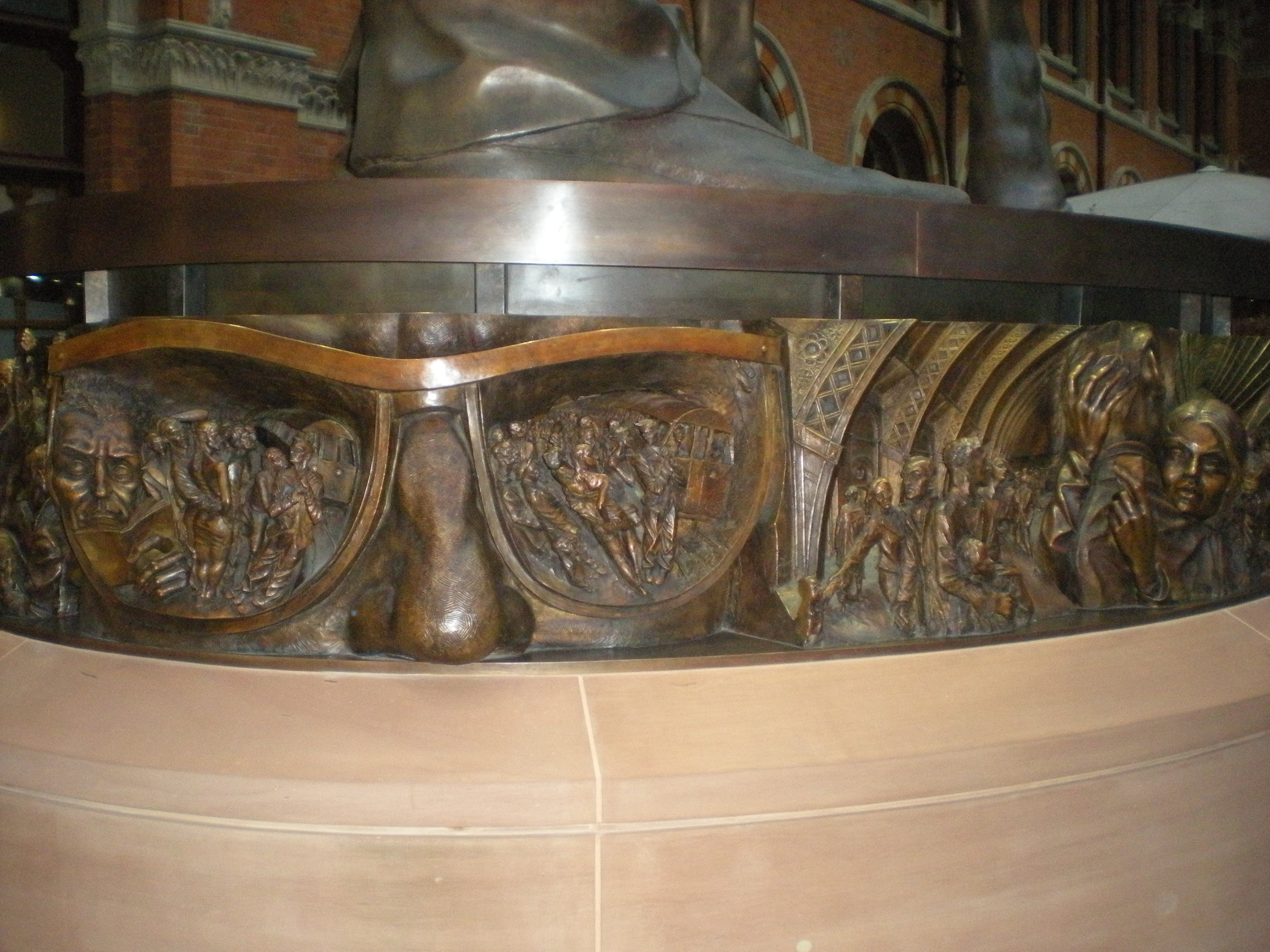
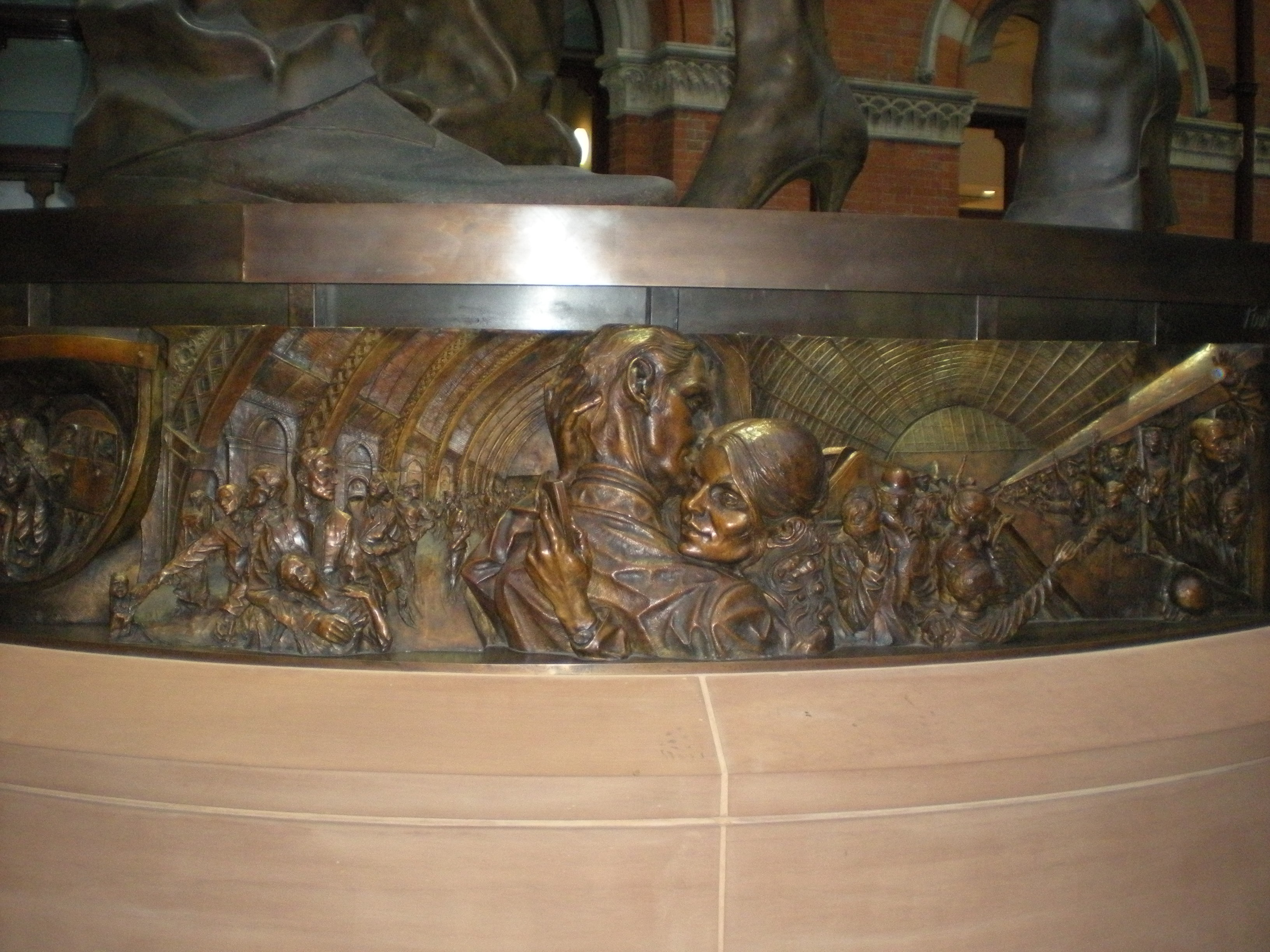
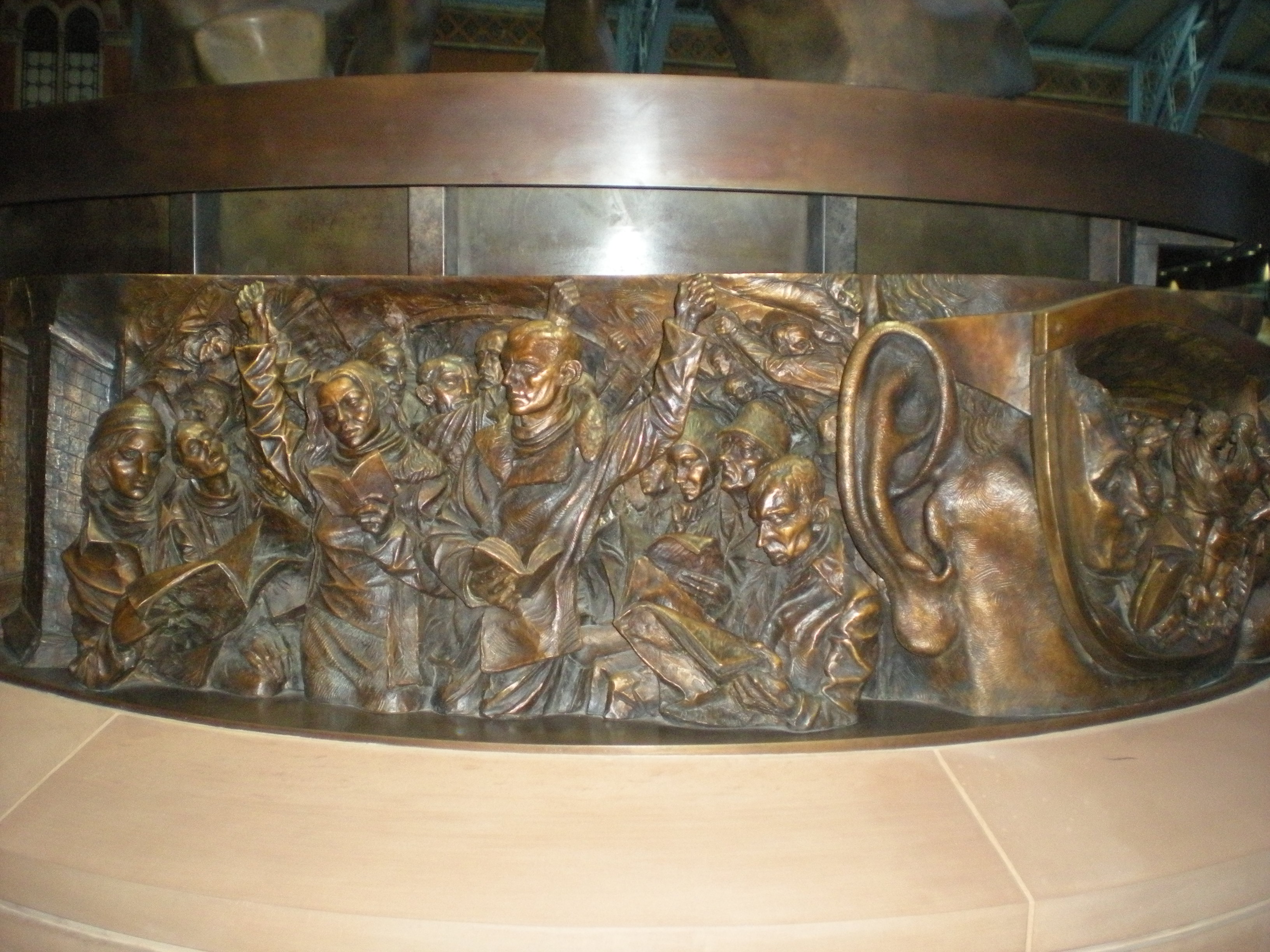
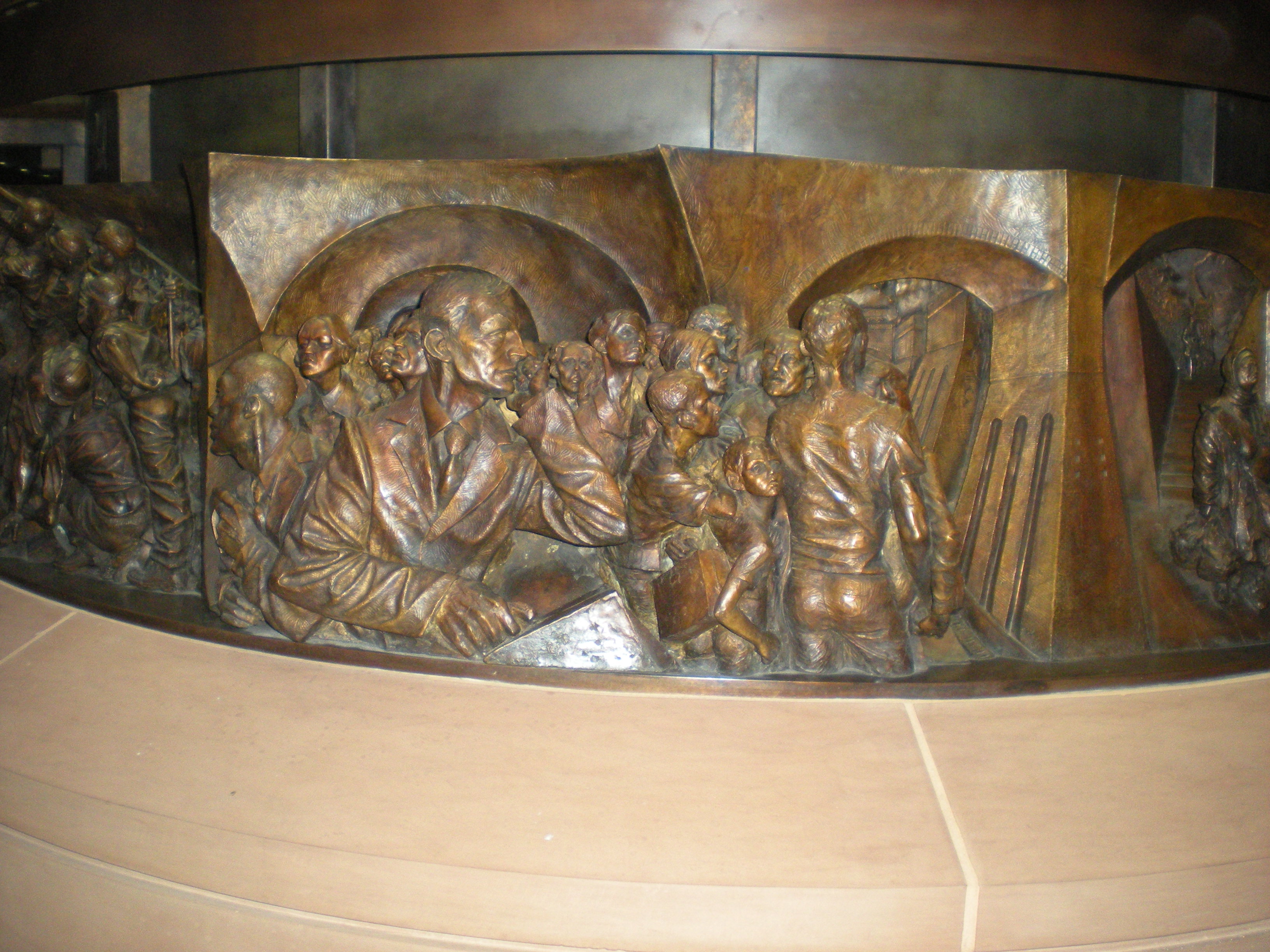
A Triple Decker Station
Antwerp Central railway station is considered one of best stations in the world.
In fact Newsweek called it the “4th most beautiful station in the world”. They rated Saint Pancras first, Grand Central in New York second, and in Chhatrapati Shivaji in Mumbai third. So I’ve now seen the top four!
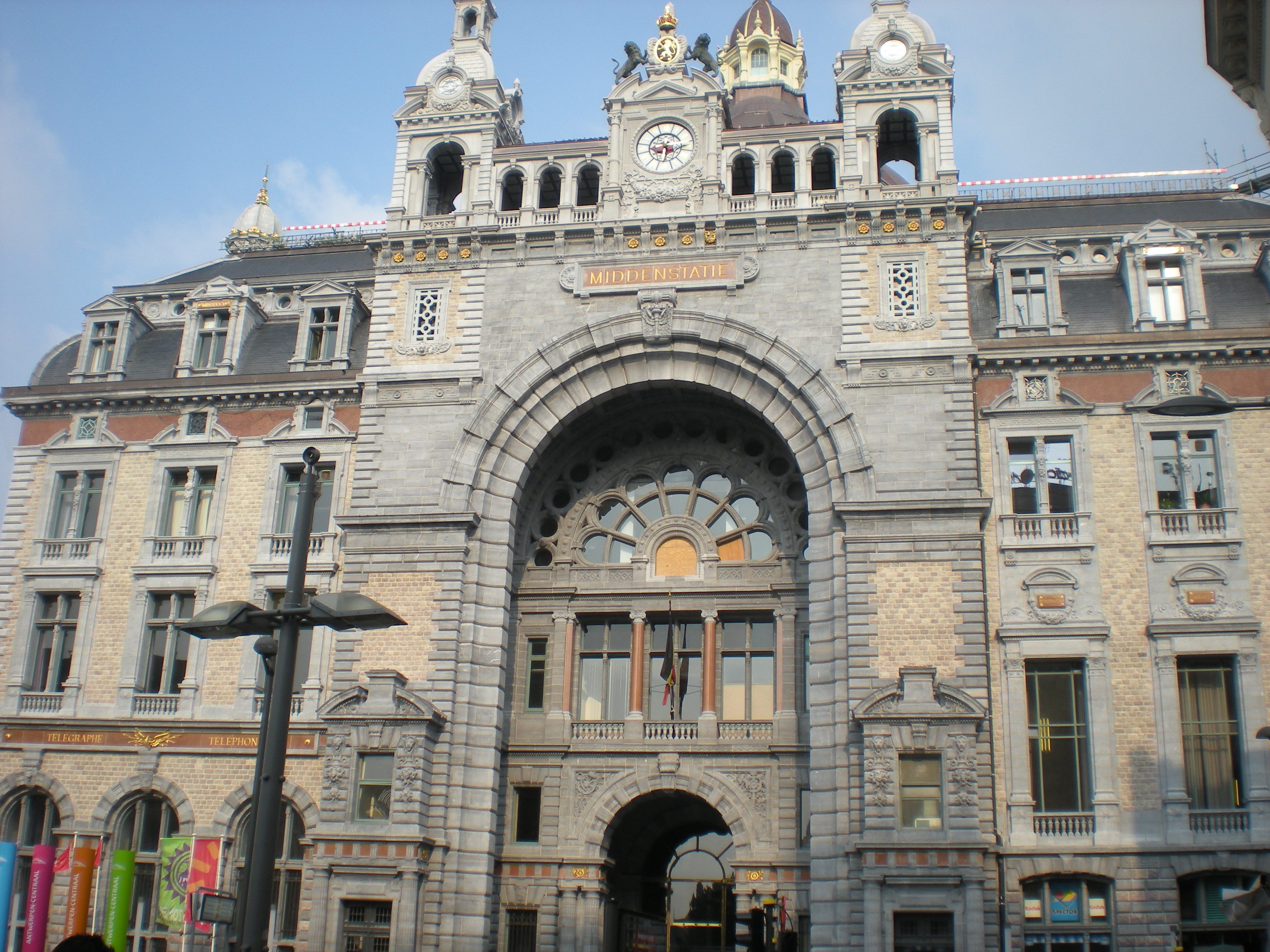
Antwerp Central Station
It isn’t as old as some stations having been built between 1895 and 1905 and it was originally a terminus.
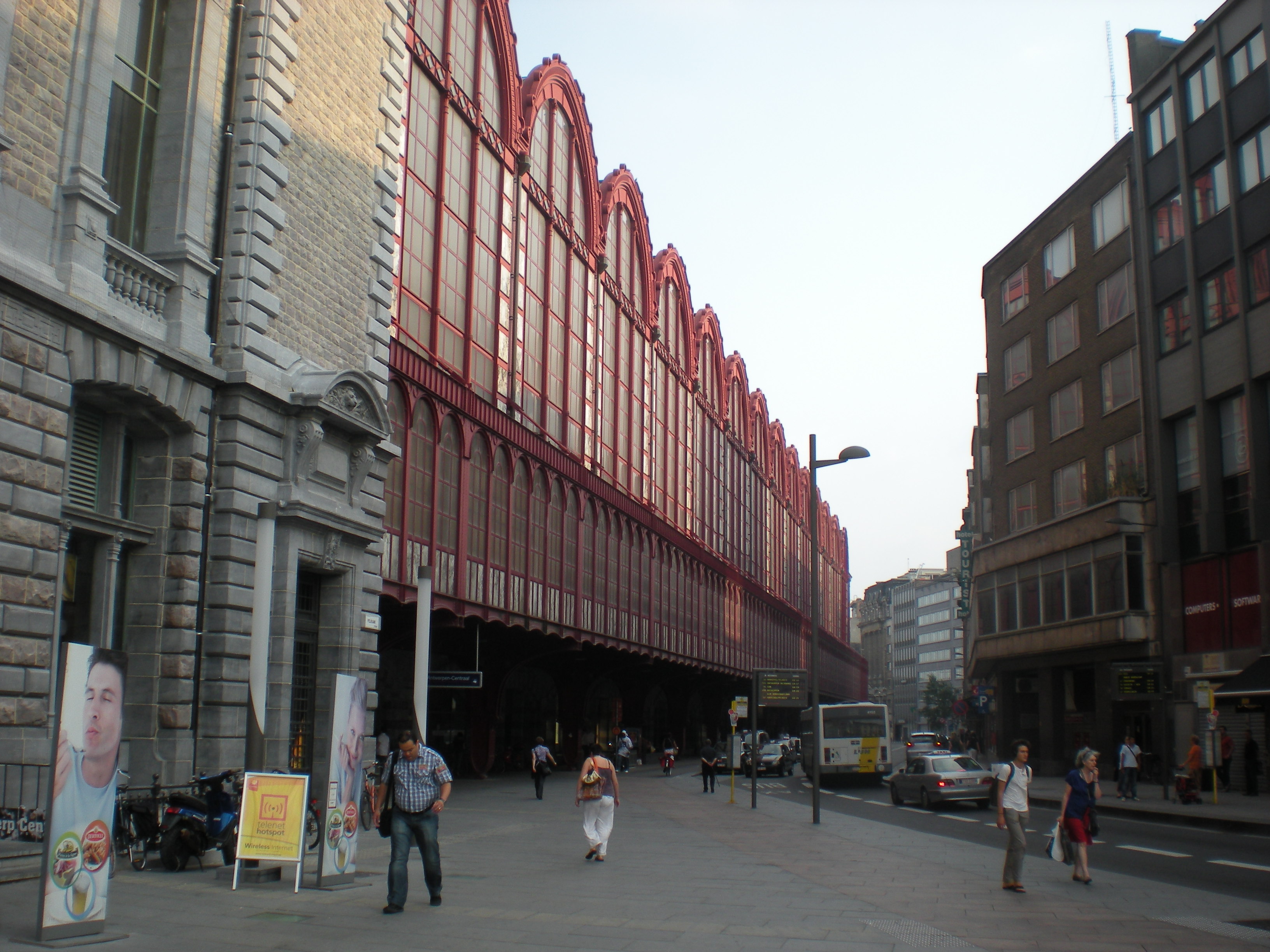
Antwerp Central Station – Trainshed
This view shows the outside of the enormous trainshed.
Inside it is no less spectacular and extremely unusual in that through trains between Brussels and Holland, now pass in a deep level station underneath the original.

Antwerp Central Station – Inside of the Trainshed
When you look down, you see all three levels of platforms.
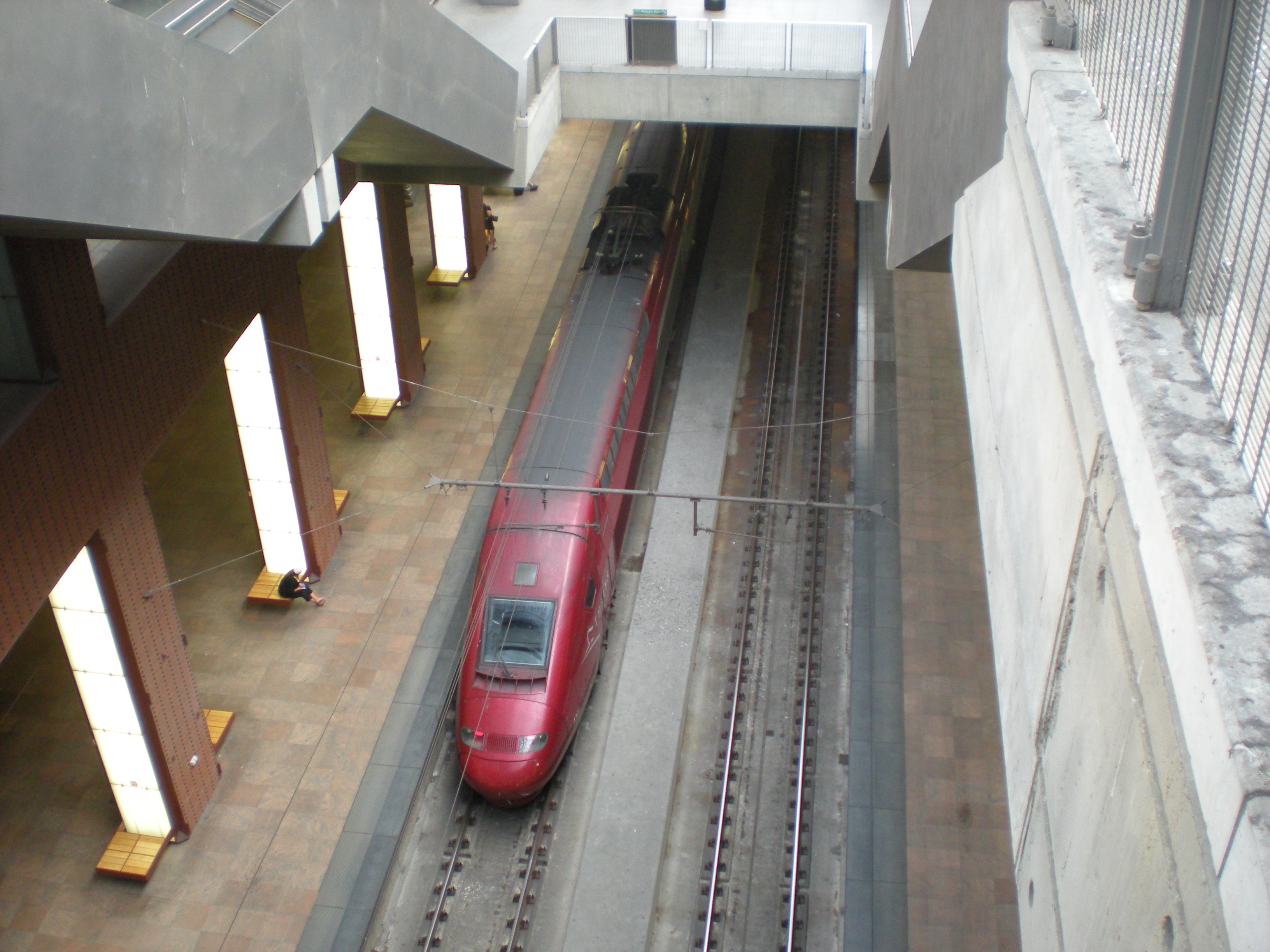
Antwerp Central Station – Three Levels
The train in the picture is a Thalys, one of the high-speed trains between Paris and Amsterdam. Unfortunately at present they dawdle from Brussels onwards.
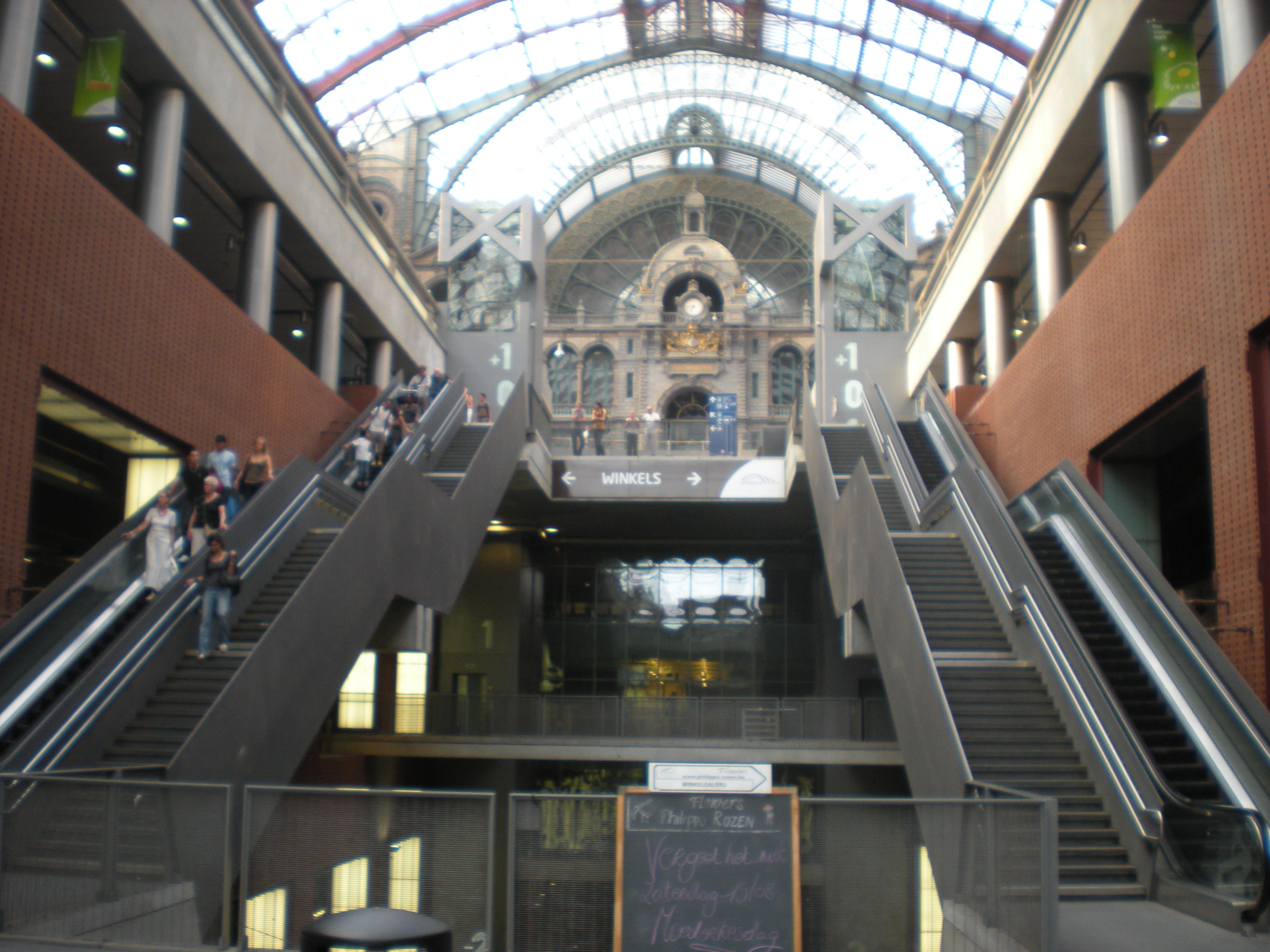
Antwerp Central Station – Looking Up
Note how it is good blend of traditional and modern.
 The Anonymous Widower