Quantum Tunnelling Telescope
This quantum tunelling telescope is on Southwold Pier
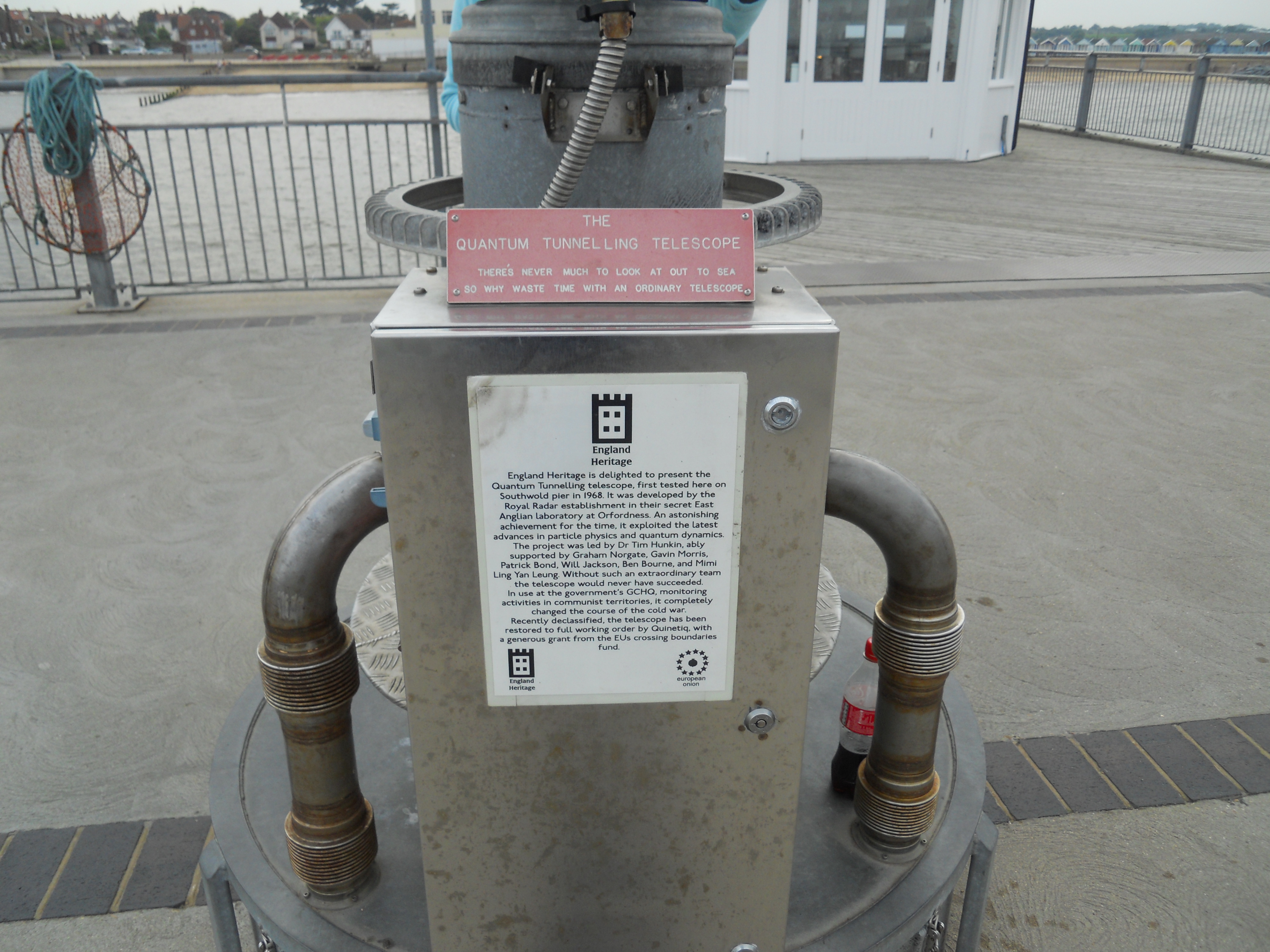
Quantum Tunnelling Telescope
Find out how it was made here.
The Brewing Capital of the World
Milwaukee in Wisconsin claims, this but they don’t produce beer, but some form of pasturised chemical fizz, that has about as much in common with real beer, as CAMRA would know it, as petrol has with the finest Scotch or Irish Whisky.
I should say though that a Suffolk friend, once claimed that the sign on the outskirts of Milwaukee, proclaiming the city to be the brewing capital of the world, had been painted with a Chad and the phrase “Wot About Southwold”. I suspect, if it had, he’d done it himself.
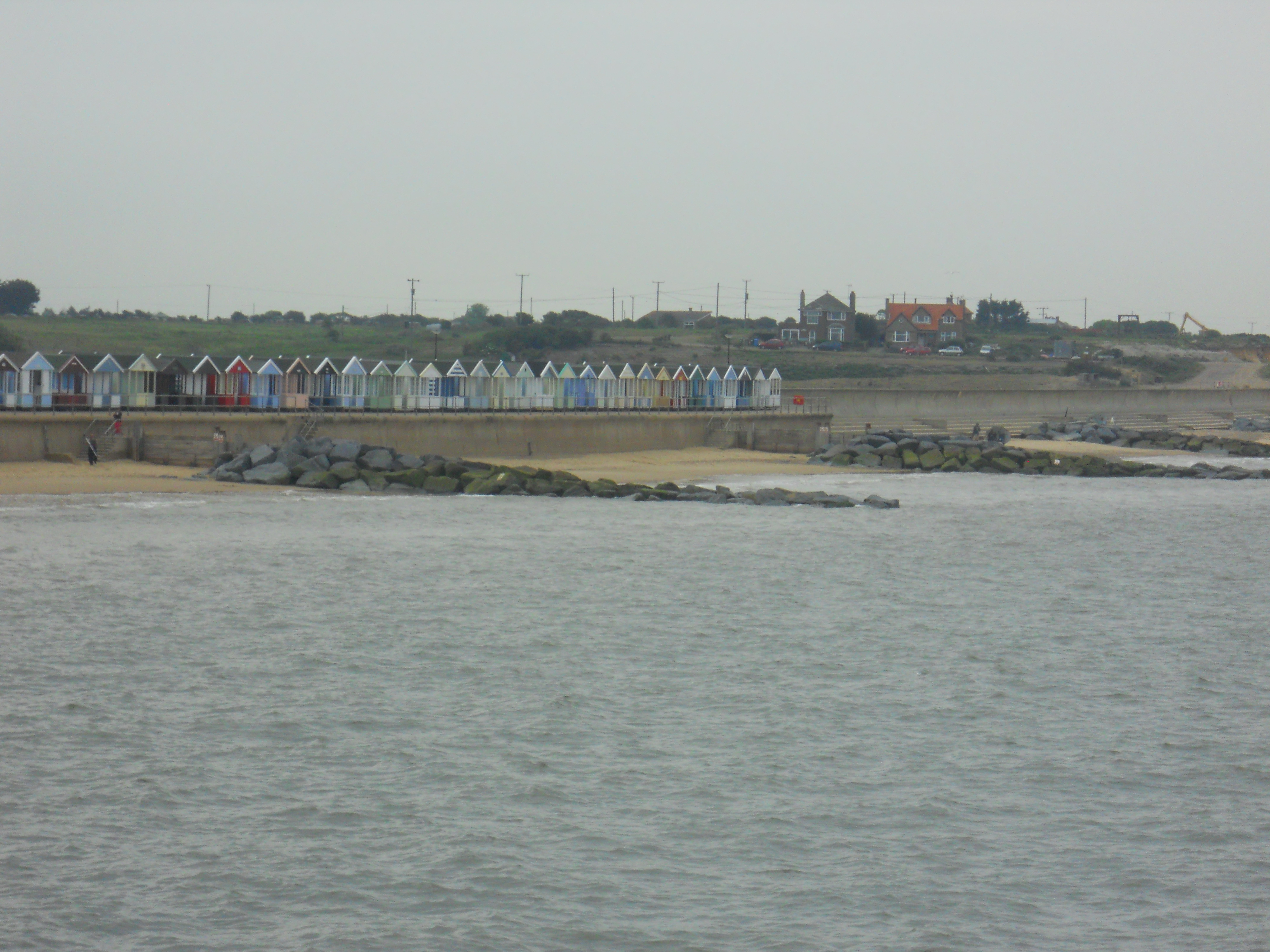
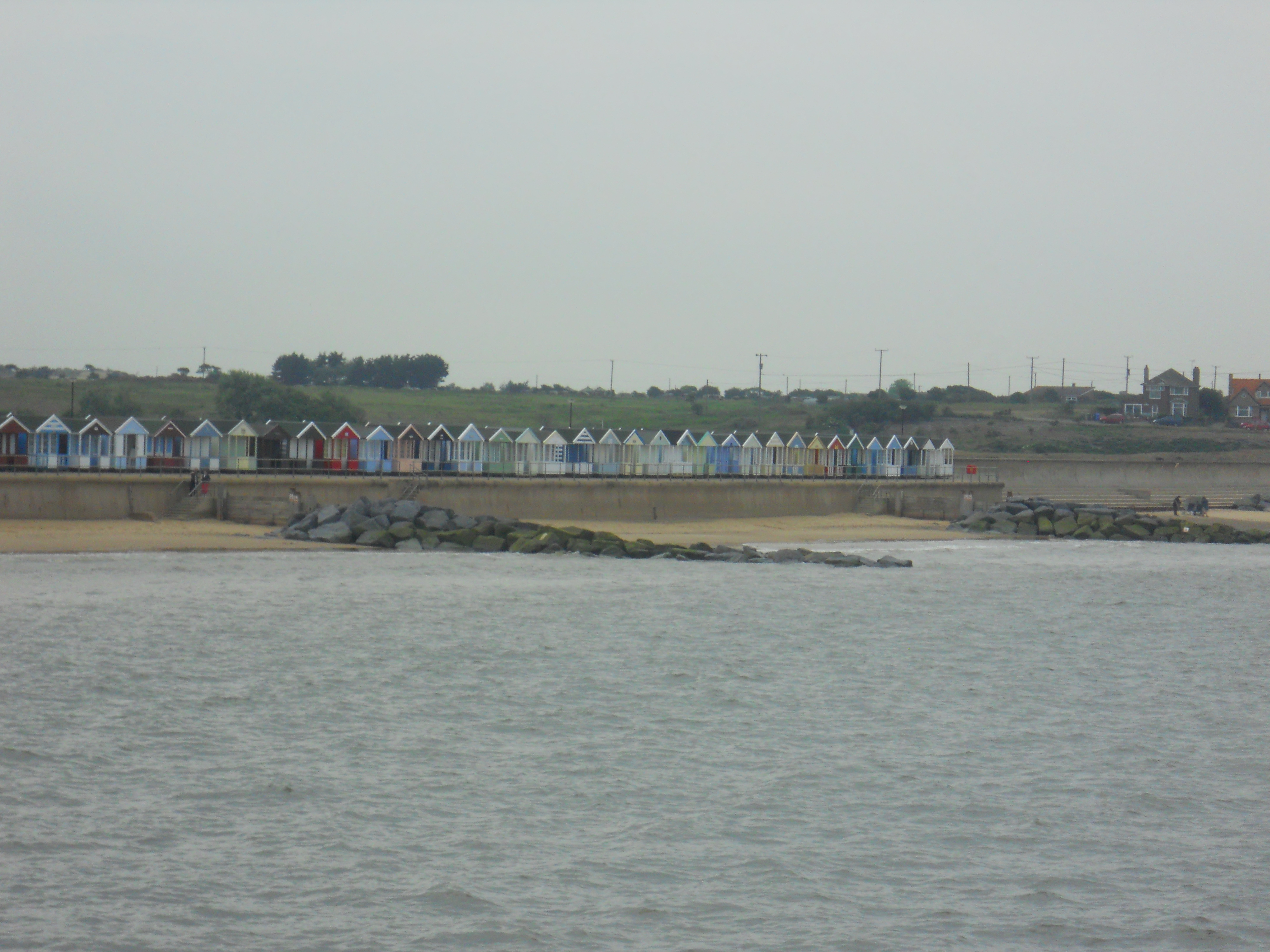
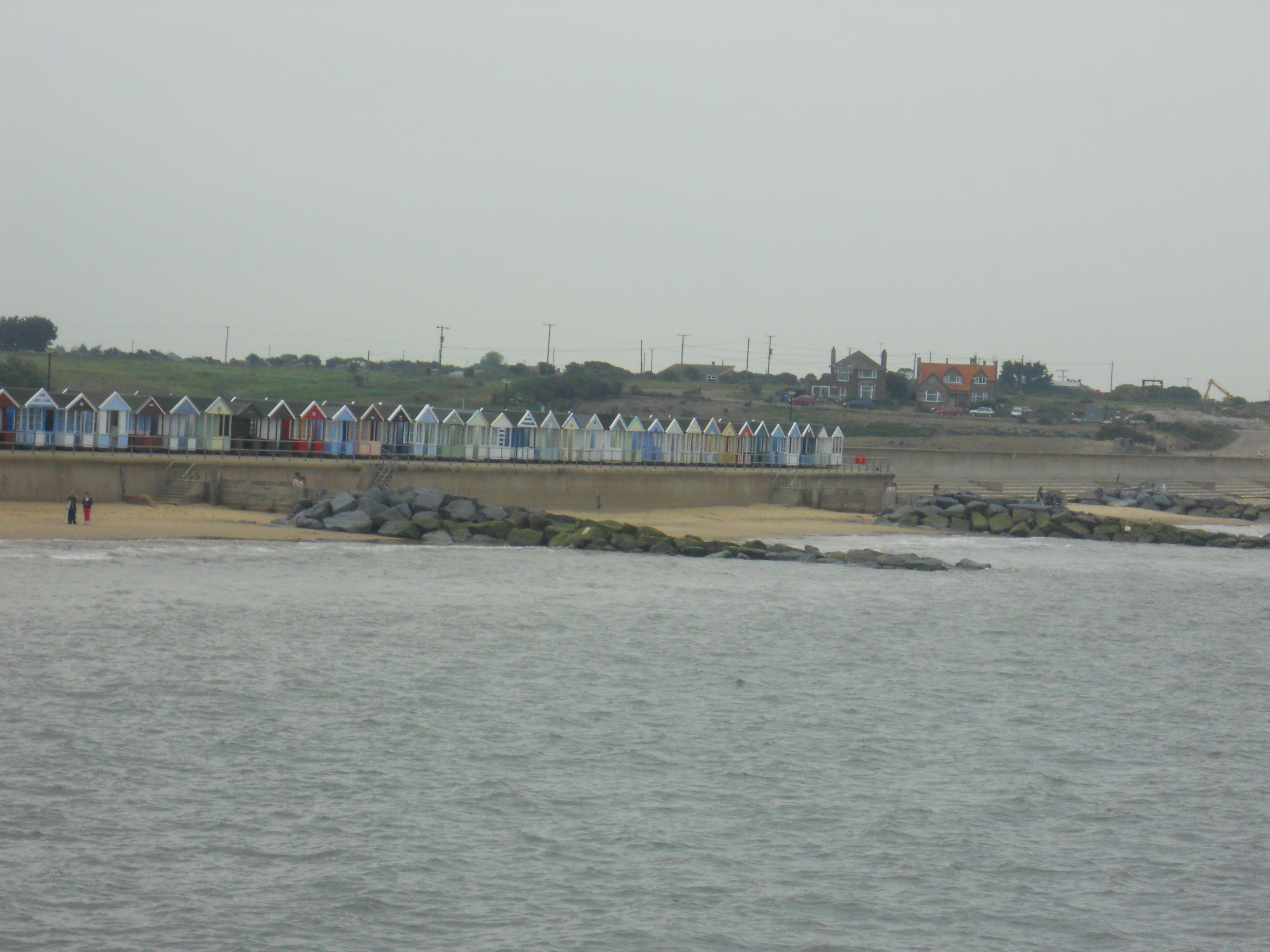
Southwold is a sleepy seaside resort on the Suffolk coast, with a pier, a nice beach,a lighthouse, proper beach huts, restaurants and pubs and of course Adnams brewery.
After Dunwich, we travelled a few kilometres up the coast and parked by the pier, before walking along the front and having a coffee.



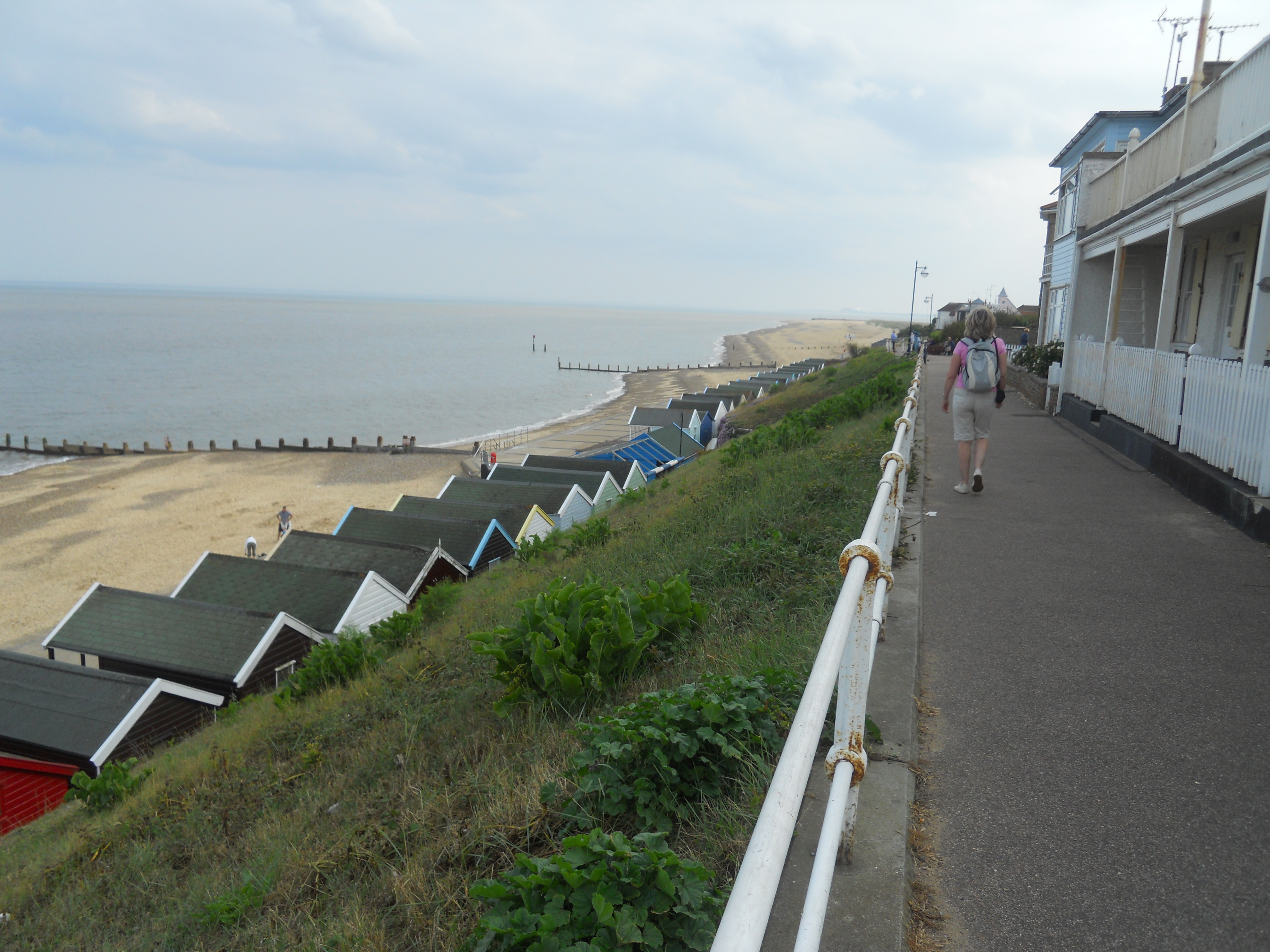

On To Dunwich
After Sizewell, we moved on to Dunwich, a city that disappeared into the North Sea. Read The Lost City of Dunwich by Nicholas Comfort for more details.
These days, Dunwich is just a beach, some ruins and one street with a good pub and a very good museum, that cost just a pound to enter. Surely, it must be one of the best little museums in East Anglia, if not in the whole of the UK. But then Suffolk people don’t do things by halves or wait for large amounts of Government subsidy. They just get on with it and use their own resources to do what is best.
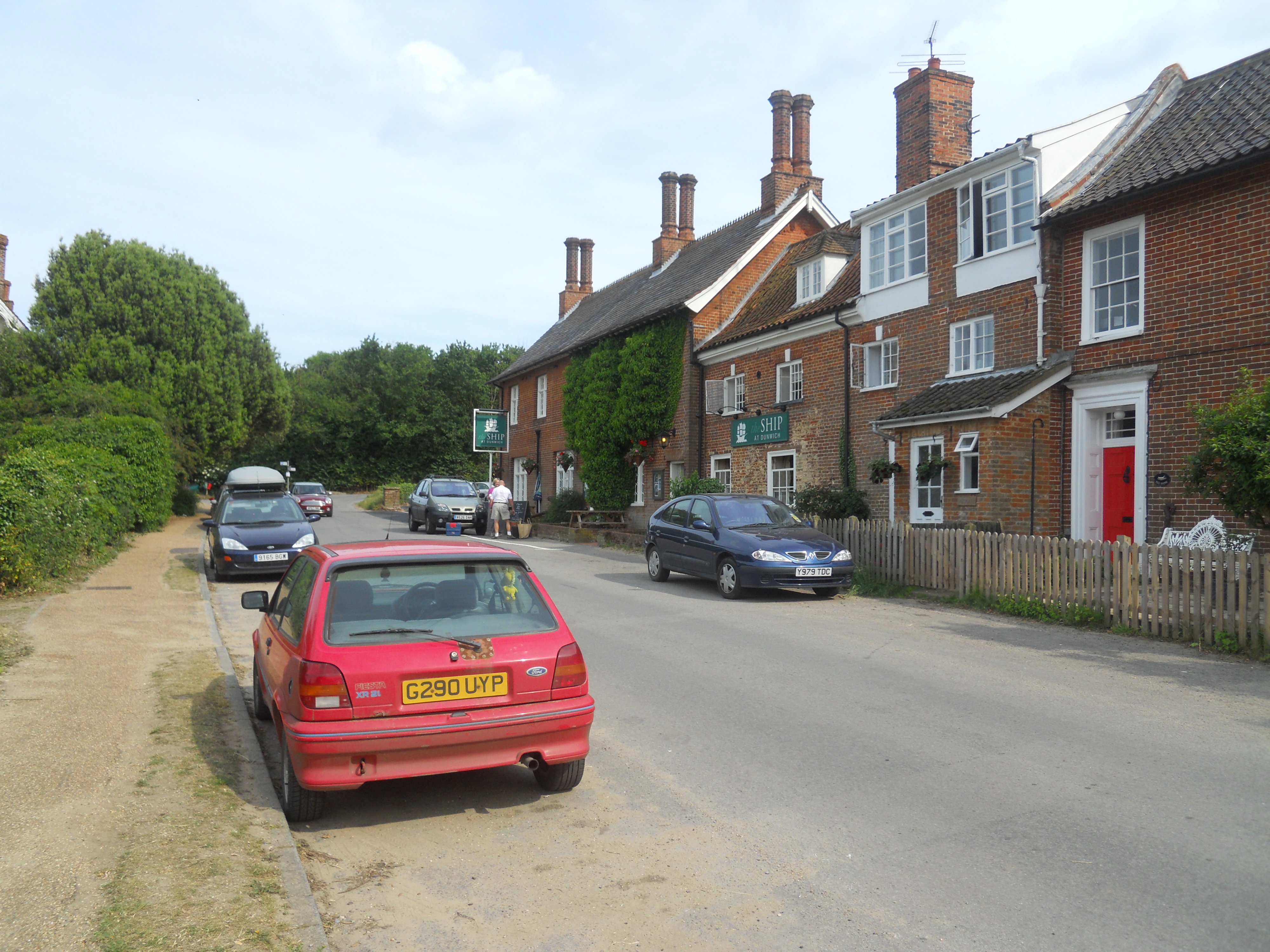
Main Street, Dunwich
The Car Park at the End of the World
Or should I say the end of Suffolk?
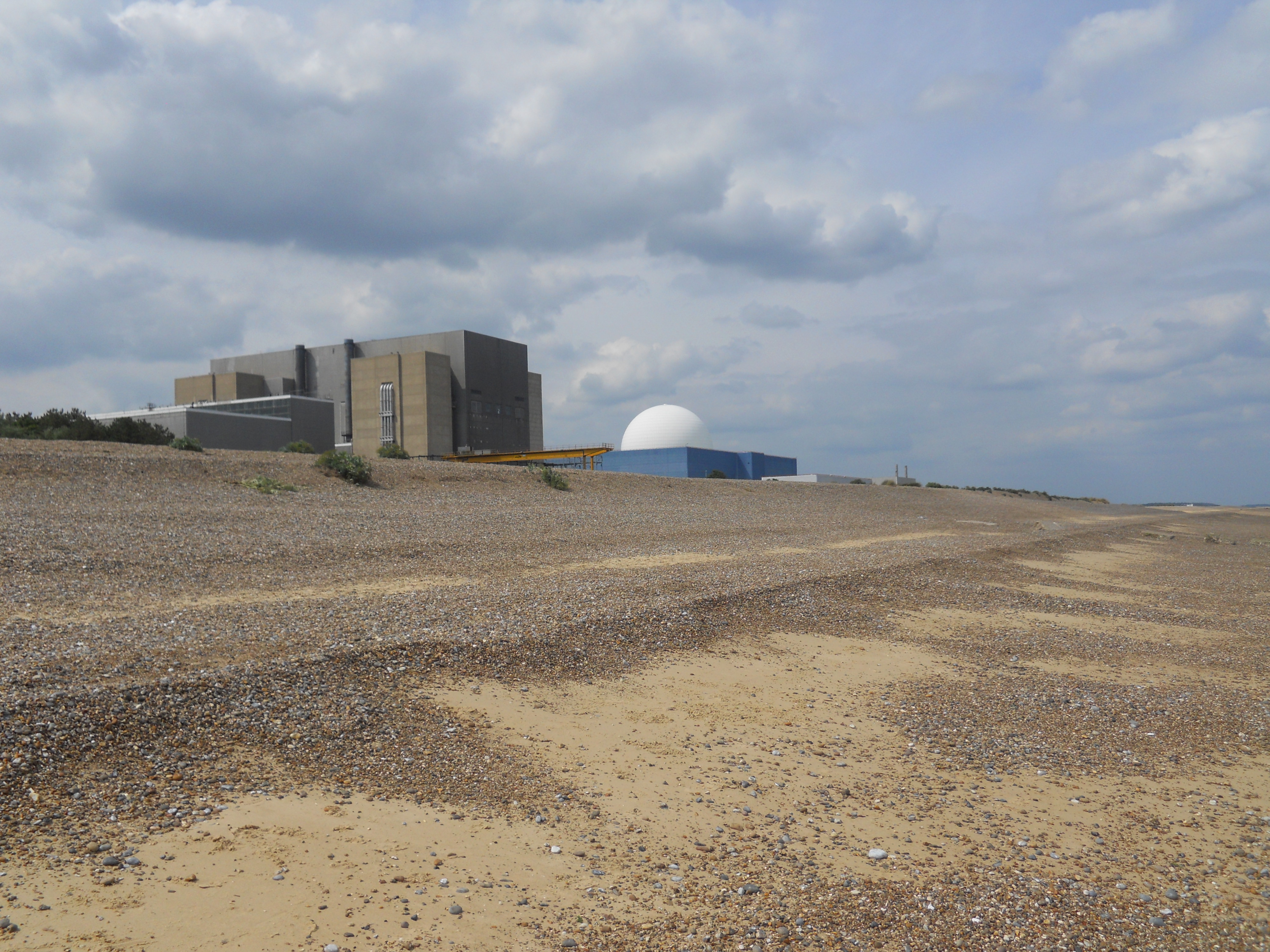
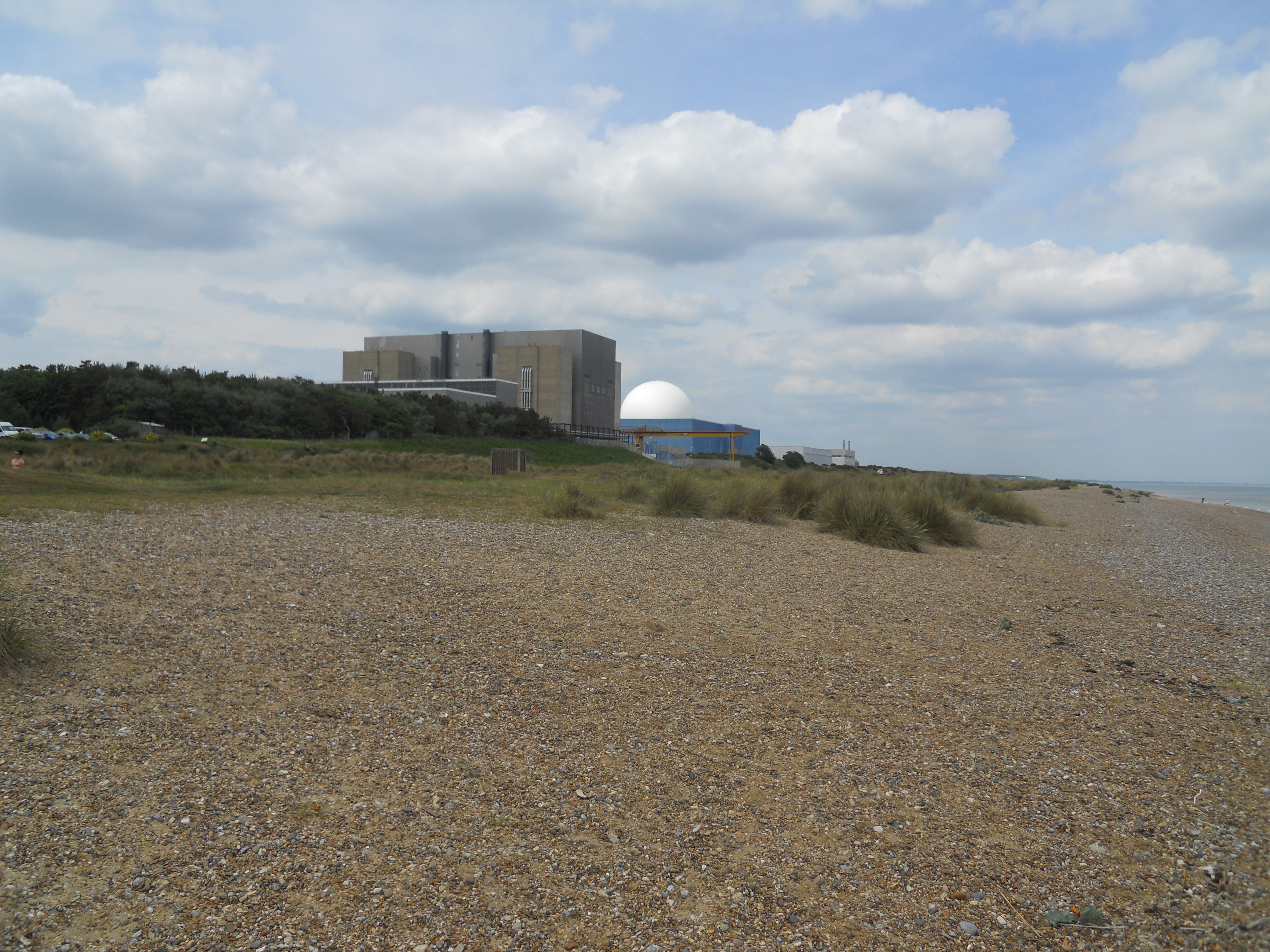


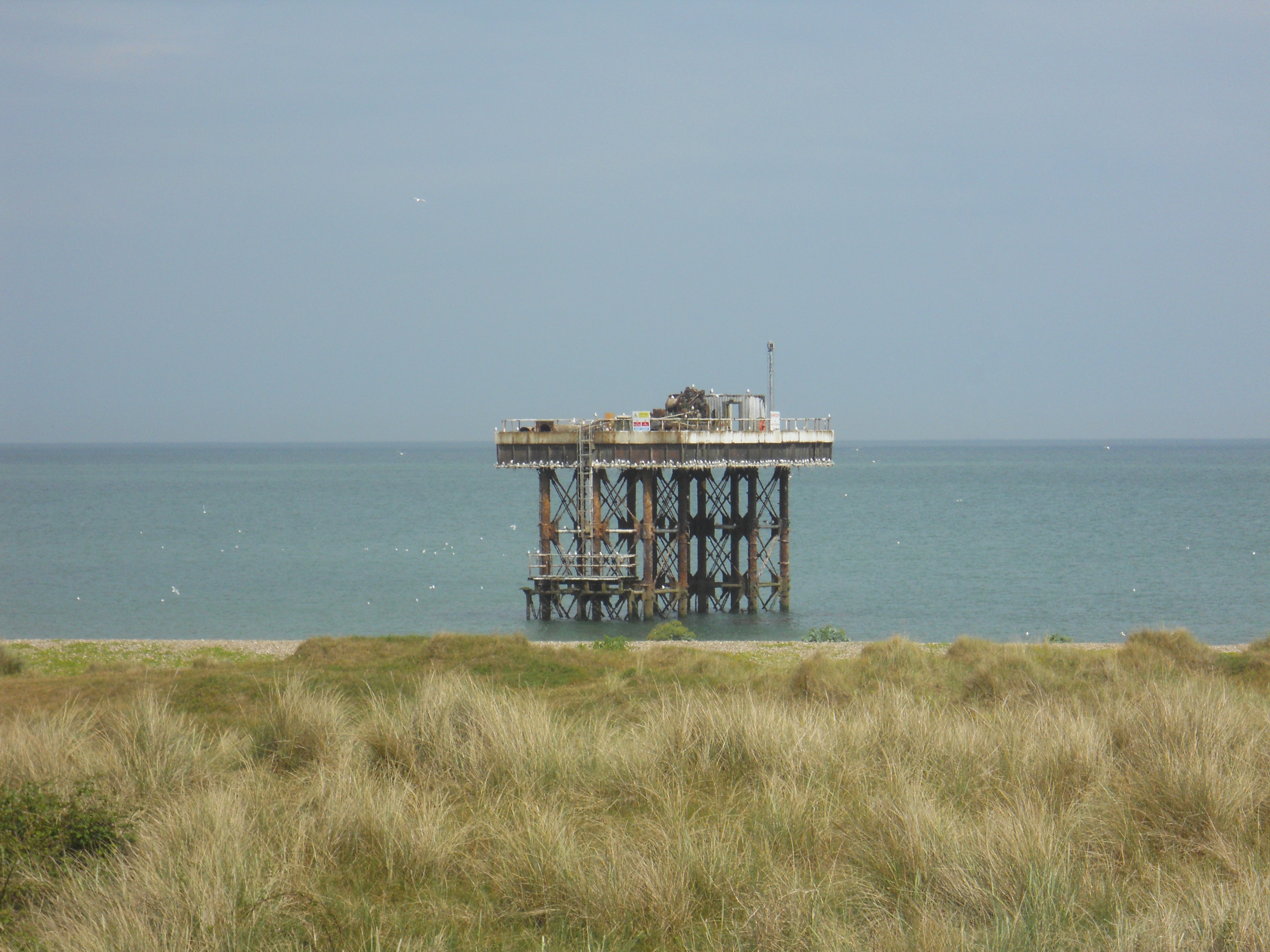
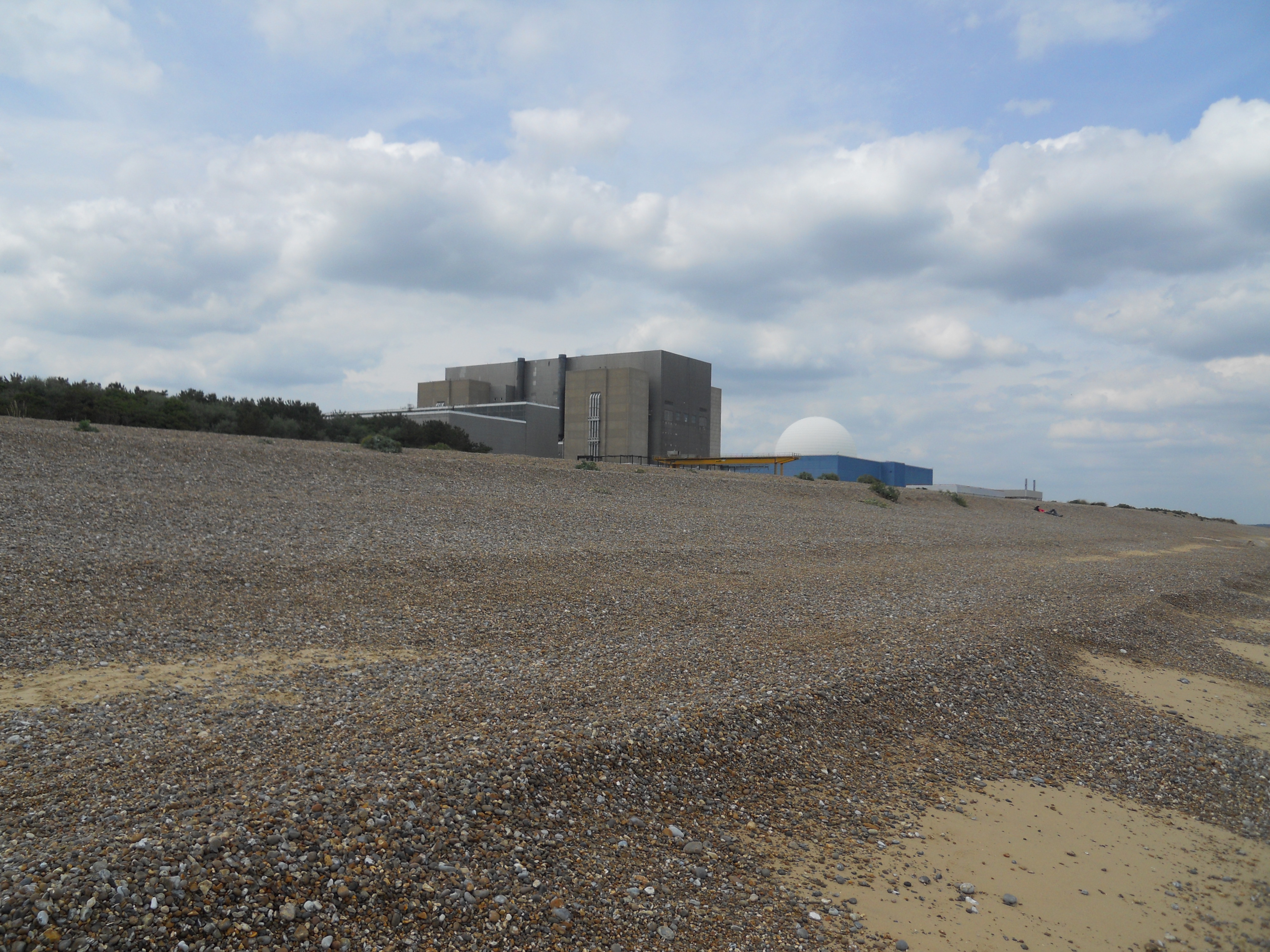
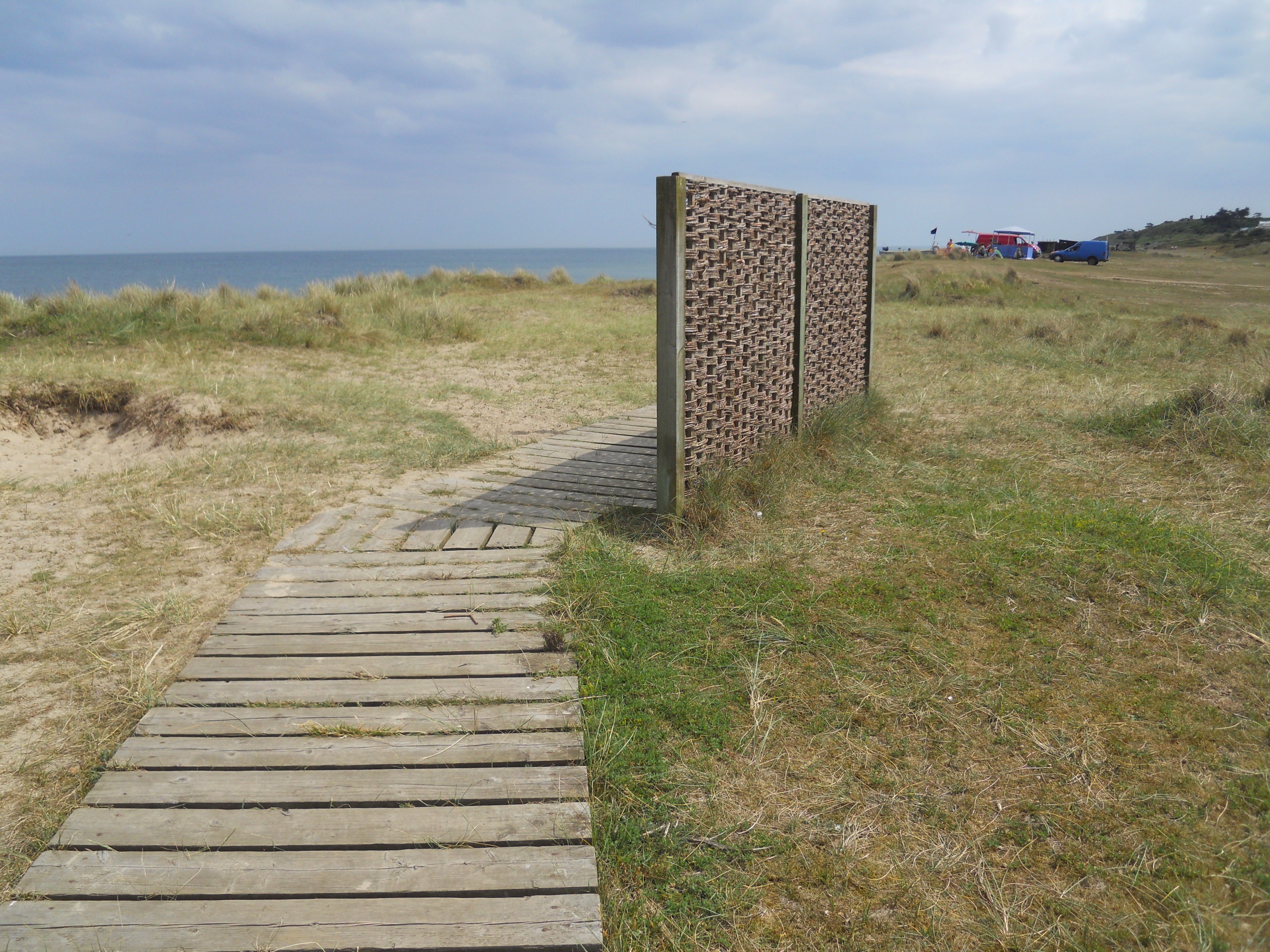
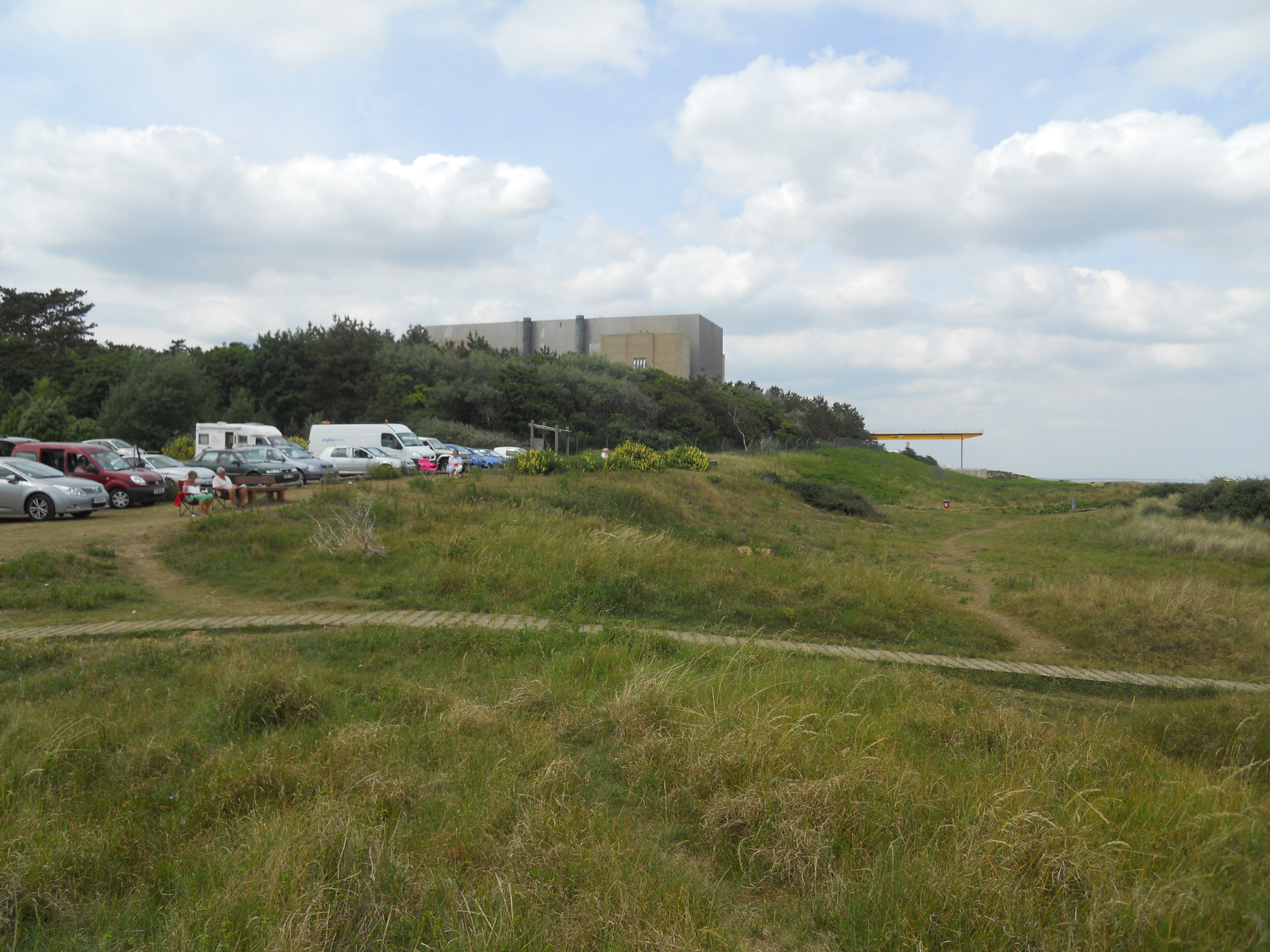
To many it would be an odd place to go for a walk. But the beach is pleasantly part-sand, you have lot of birds, including kittiwakes nesting on the rigs, interesting plants and protection from the wind because of the dunes. There is also a nice cafe and toilets.
Who would have expected it all, in the shadow of two nuclear power stations?
In the 1980s, I went over Sizewell A, which is the square station in the front. It is a Magnox station, was built in the 1960s and will soon be completely decommisioned. To plan their annual shutdown, they had one of the best planning systems, I have ever seen. It was a long white perspex wall, where the critical path network was drawn and updated. Different colours meant different things and through the months before the shutdown, all information was added in the correct place. Like everything I saw on that visit, it was all very professional.
I must relate a hunting story about Sizewell. We were hunting from Knodishall Butchers Arms and were about a couple of kilometres from the sea with Sizewell A in the distance. You might think that we were all against the station with its environmental implications. But being on the whole practical people we realised that you have to get electricity from somewhere and that the plant was a large local employer in an area of the country, that had suffered large job losses with the closure of Garretts of Leiston. But what really annoyed us, was the fact that the local farmer had grubbed out all of the trees and hedges. It was like riding in a lifeless desert.
I feel that we must build more nuclear power stations, but perhaps more importantly, we should be more economical with our energy use. Incidentally, as Sizewell is well connected to the electricity grid, from works we saw yesterday, it is being used as a ditribution point for the electricity generated by offshore wind farms. But I for one would not mind seeing Sizewell C and possibly D added to the Suffolk coast
The Kettleburgh Chequers
Yesterday, we went for a trip to East Suffolk, an area I know well, as I used to live at Debach. It was also an area, in which I followed hounds for seventeen seasons with The Easton Harriers. If you want to read more about those days in the 1970s and 1980s, read Tony Harvey’s book, Not a Penny in the Post. Hunting in that part of Suffolk, was as much about the community as it was about the hunting. Everybody, and I do mean everybody was totally welcome. It has to said that in those yeas, I learned more about the countryside, famring and wildlife, than at any other time in my life.
We passed the Kettleburgh Chequers.
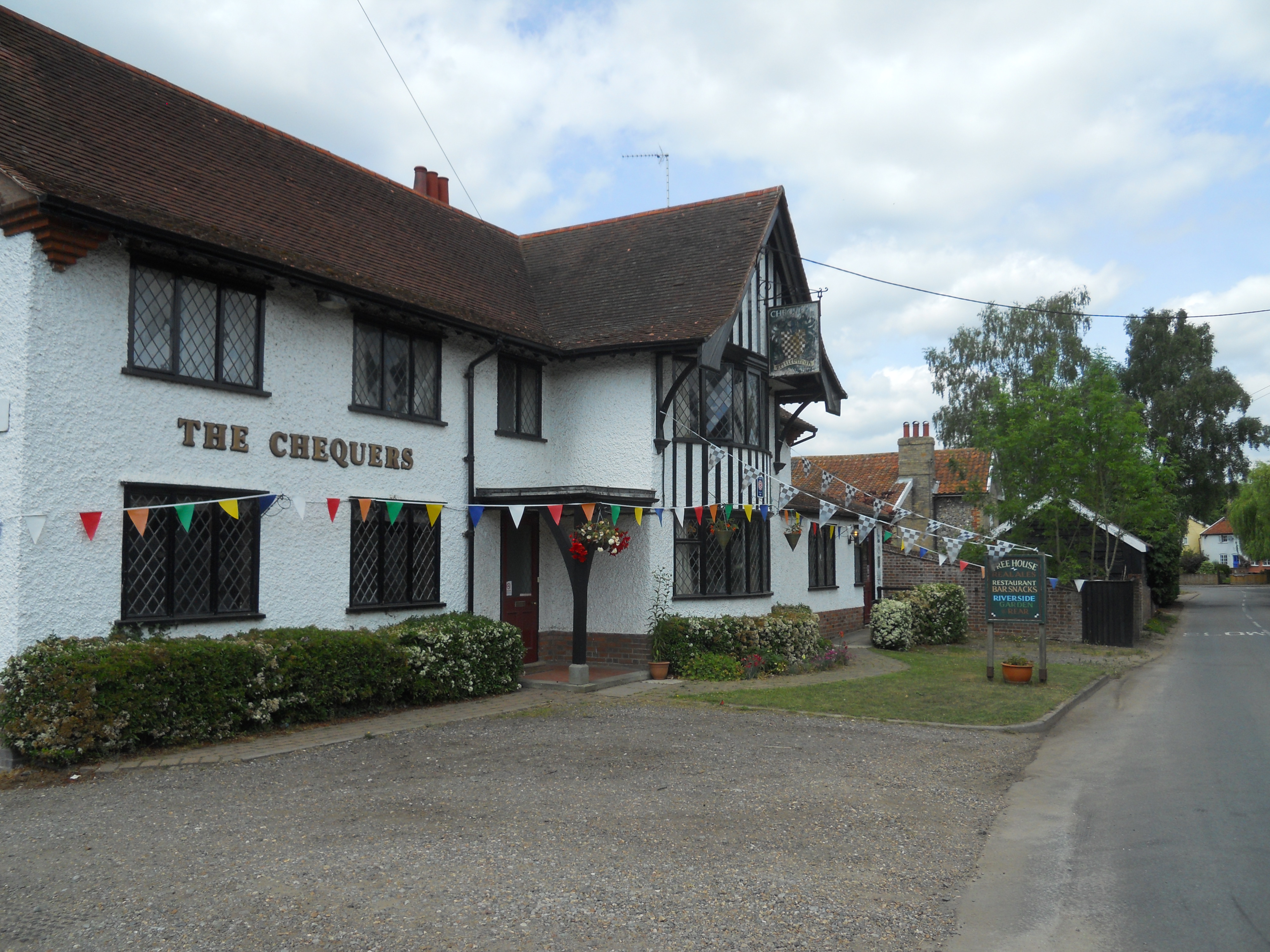
The Kettleburgh Chequers
On the 10th of February in 1981, we held a gentlemen’s day in this pub to raise money for hunt funds. We met at the Kettleburgh Chequers at eleven and started hunting at about three, after quite a few drinks. C had dropped me and my horse at the meet and in the end, I hacked home to Debach, so there was no danger of drinking and driving. But when you hunted, it wasn’t always like that, but I can’t ever remember anyone getting into trouble, except from falling off a horse.
That day for a bet before hunting, Jimmy Wickham, the kennel-huntsman, actually brought the hounds into the bar.
As Tony says in the book, it wasn’t the best days hunting, but after a meal at Snape in the evening, it will be one of those days I’ll always remember.
For those who criticise hunting remember this. The hunts in those days used to collect and often humanely destroy all those animals that had died or needed to be put down in the countryside. We all come to our time in the end.
I always remember Tony Harvey once saying after a day, when we had hunted three packs of hare hounds in one day; harriers on horseback before breakfast, bassets in the morning on foot and beagles, again on foot, in the afternoon, the following. “We’ve had a very good day, but we haven’t caught anything. Ask a shooting man, if he’s had a good day, when he hasn’t shot anything.” That is the difference between hunting and shooting. I am passionately anti-anything to do with guns, as they kill people. It needs skill and in some cases courage to ride to hounds.
The last epitaph on hunting, is that on my stud since the hunting ban, I never see or even smell a fox. The ban has done nothing for the fox. All sorts of things can be postulated, but remember our foxes are rabies free, so have they been trapped by those who don’t value the countryside for their fur. I don’t know, but they have all disappeared. Or perhaps they’ve all gone to London, where they are a true menace.
Note that in Suffolk, you always name a pub with both the village and it’s actual name. This avoids mistakes, as there are numerous White Horses for example.
Anne Mustoe
I don’t think I ever met Anne Mustoe, but I may have done as I knew one of her three stepsons, Edward, quite well. My late wife and I used to eat in his restaurant in the 1970s and later he had a house near us in Debach. He used to affectionately tell tales of Anne.
Thinking about this a day later, I have a feeling that Anne did come to lunch with Edward. This would have probably been before she started on her adventures and was still the headmistress at St. Felix School in Southwold.
It was sad to hear today that she had died from one of Telegraph obituary writers, Nicholas Comfort.
Long live the British eccentrics.
The Terror Awaiting the United States
We’ve had a basketful of large volcanic explosions and earthquakes in recent years. These thoughts were also brought about by my reading bits of Simon Winchester‘s excellent book on Krakatoa, whilst visiting my friend in hospital.
If we look at volcanic eruptions and earthquakes in modern times, we can see that they are by no means uncommon, but as we get more densely packed on Spaceship Earth, they cause more damage and loss of life. Especially as many of the most active areas are highly populated.
The Year Without a Summer, 1816, is a classic example of what can happen when a large volcano erupts. In this case it was Mount Tambora in modern-day Indonesia. In the post on Mount Tambora there is a list of the big volcanic explosions and it would seem that we get one every twenty years or so. The last big one was in 1991 and that was Mount Pinatubo in the Philippines. It had a significant effect.
The effects of the eruption were felt worldwide. It ejected roughly 10 billion metric tonnes (10 cubic kilometres) of magma, and 20 million tons of SO2, bringing vast quantities of minerals and metals to the surface environment. It injected large amounts of aerosols into the stratosphere—more than any eruption since that of Krakatoa in 1883. Over the following months, the aerosols formed a global layer of sulfuric acid haze. Global temperatures dropped by about 0.5 °C (0.9 °F), and ozone depletion temporarily increased substantially.
This just shows how what we can do to the planet are pinpricks compared to nature. Luckily, nature doesn’t vent its spleen too often.
But one threat from a volcano seriously threatens the United States. That is the volcano of Cumbre Vieja on the Canary Islands. If it fractures how Day and Ward predict, then there will a mega-tsunami that will wreak havoc in Florida and the Caribbean.
Living 30 metres up in Suffolk and at least 70 kilometres from the coast has its compensations.
North-South Divide
They are discussing the North-South divide on BBC Breakfast this morning.
What about the East-West divide?
Here in East Anglia, we have an economy about the size of Scotland, but we rely on much less government subsidy, we export more and we have higher unemployment.
But what do we get in return for looking after our economy and contributing to the well-being of the whole of the UK?
Not a lot really!
We have some of the worst roads and transport systems in the UK.
- The A14 past Cambridge and Huntingdon is one of the most overcrowded roads in Europe.
- Norwich is isolated from the rest of the country, by the gap in dual-carriageway of the A11 at Elveden and no proper route along the A47 to the Midlands.
- Yarmouth is in desperate need to be connected to Norwich by a decent road.
- Ipswich-Norwich links are virtually non-existent, unless you go by train
- There is the missing link of the A120 from Braintree to Marks Tey.
- Most of the trains in East Anglia are cast-offs from other networks and trains from east to west and on to the Midlands and the North are poor to say the least.
- Very few stations anyway have adequate parking places.
Many of these problems have been down to be solved for years, but they always get delayed. But then there are few Labour MPs and votes in East Anglia.
But still we manage and expand. Today, Glaxo Smith Kline has announced a large expansion of research in Stevenage and Cambridge is still growing.
We need the investment on infrastructure here in East Anglia, so that can create wealth for others in the UK.
View From My Window
My house sits above the Stour Valley and I can look out of my bedroom window and see for several miles across it.

View From My Window
In front you will notice my lawn, which like most of the land is in desperate need of some rain. We had a splash last night, but the basset was outside enjoying a lamb bone and didn’t even get wet!
Rural Crime in Suffolk Still Falling
This was the headline in Saturday’s East Anglian Daily Times. The article doesn’t seem to have been posted.
I’ve only had a couple of incidents in the last twenty years and these involved people nicking stuff from outbuildings where I lived.
The figure shows that in the whole of Suffolk, just 68.8 crimes were reported per 1,000 of the population, making it one of the lowest levels in the country.
The Police put it down to the work of Safer Neighbourhood Teams, but I actually wonder if the low levels of crime are for deeper reasons.
Suffolk is a pretty prosperous county and it has fairly low unemployment, so there are probably a lot fewer people who need to turn to crime. It also hasn’t until recently had a large student population and according to various writers, a lot of crime is around students, who are not as careful with their accommodation and possessions than most of us.
I travel to London a lot and you notice a very different attitude on the part of the Police you meet on the street between the Met and the Suffolk Constabulary. The former tends to be remote and aggressive, whilst my local force tries to act as part of the community and be reasonably pleasant. So is it just that in Suffolk, we give the Police the information they need. Ipswich certainly did that with the murders of several women a couple of years ago.
So there might be a lesson here.
Keep the Police forces small and local. Co-operate on a higher level by all means and use compatible systems, but do people prefer to deal with an officer, who is not just a policeman, but part of the community as well?
I think they do!
 The Anonymous Widower