West Hampstead Station: A Tangle Of Property Development And People To Solve
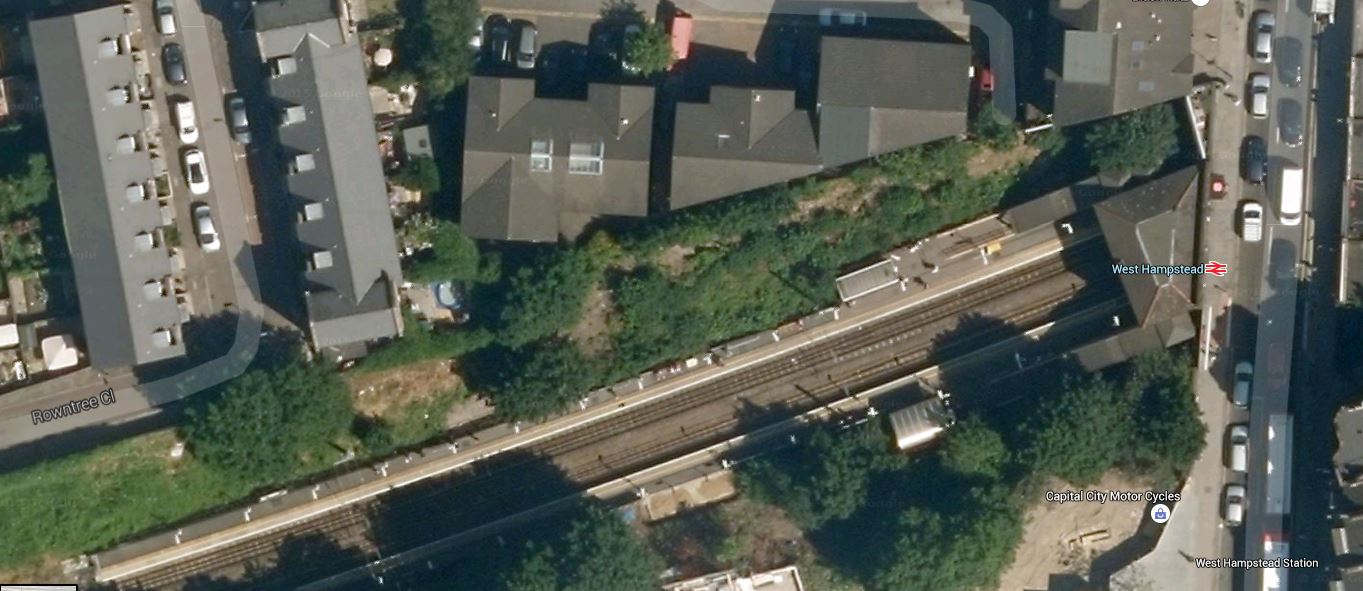
West Hampstead station is one of those North London Line stations, that has narrow platforms, which need lengthening and a cramped station building with no step-free access. The station also sits in the middle of a large property development. This Google Earth image shows the station.
West Hampstead Station
This was obviously taken before the development started. There were plans for a grand West Hampstead Interchange, drawing the four rail line in the area; Underground, Overground, Thameslink and Chiltern together in modern stations linked by a boulevard.
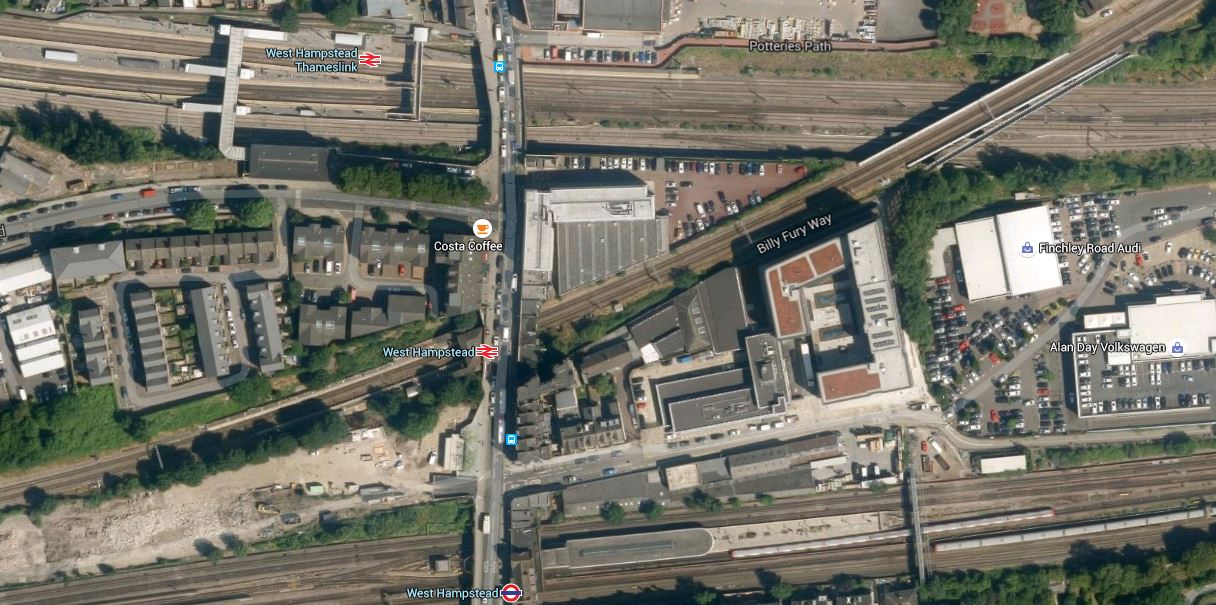
This page on the London Borough of Camden web site, is a pointer to some documents. This Google Earth image shows the various rail lines.
West Hampstead Lines
There is actually more lines than is obvious here. Starting from the top (north), the lines and stations are.
1. Thameslink passing through West Hampstead Thameslink station – From 2018 this will be a very much increased service.
2. Midland Main Line passing through West Hampstead Thameslink station – The number of services stopping here to places like Sheffield, Nottingham, Derby and Corby may well increase as the line to Sheffield is electrified.
3. North London Line passing through West Hampstead station – This is being upgraded to take five-car trains.
4. Jubilee Line passing through West Hampstead Tube station – A station not to the standard of the Jubilee Line Extension.
5. Metropolitan Line passing alongside West Hampstead Tube station, but without platforms.
6.Chiltern Main Line passing alongside West Hampstead Tube station, but without platforms.
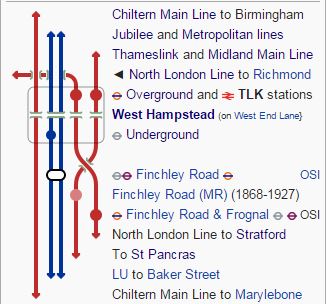
This is Wikipedia’s schematic of the lines.
West Hampstead Lines
I would say that the best way to sum up the area is using that old estate agent’s phrase of development potential.
So how is West Hampstead station getting on?
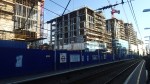
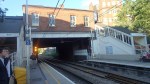
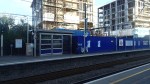
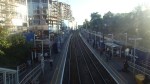

There certainly seems to be lots of flats growing up by the side of the railway and these seemed to have replaced the trees. There was a bit of fuss about the thirty-five trees being removed, which I can sympathise with, but surely a better plan would be to take away as much traffic as possible from West End Lane and make it a proper tree-lined boulevard. But any council that suggested that would be voted out by the 4×4 owners.
There’s a preview of the new West Hampstead station on West Hampstead Life.
I’m not impressed and it is rather a poor design compared to Hackney Wick.
Only time will tell, but rail developments will have a big effect on the number of people using the stations at West Hampstead.
1. The opening of the full Thameslink service in 2018.
2. More trains from West Hampstead Thameslink station to the North on full electrification to Sheffield.
3. The possible opening of Metropolitan and Chiltern Main Line platforms in a rebuilt Underground station.
4. Network Rail and Transport for London have stated that they will increase the capacity on the London Overground, by increasing the number of trains and running six-car trains. Certainly they will do this on the East London Line, which will get twenty-four trains an hour.
It is my view that all of this extra rail traffic, will necessitate the turning of West End Lane into a proper pedestrian boulevard with very much reduced traffic levels. The only alternative would be to create a pedestrian tunnel.
From New Cross To London Bridge
I took a train from New Cross to London Bridge to see if I could get any pictures of the Bermondsey dive-user works.
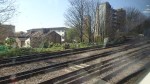
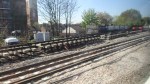
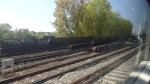
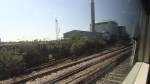
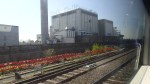

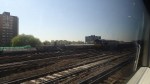
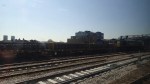
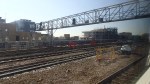
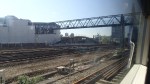
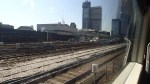
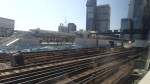

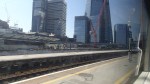
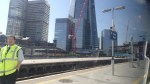
One think that is noticeable from the pictures, is the amount of space there is for the lines into London Bridge. At the present Thameslink isn’t running and it would appear there are two ready-ballasted tracks between the junction to New Cross Gate and London Bridge.
A Modern Take On Victorian Railway Arches
I took these pictures of the new viaduct that is being built as part of the works concerning the Bermondsey Dive-Under.


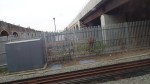
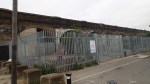

This artist’s impression is from Network Rail and shows the dive-under.
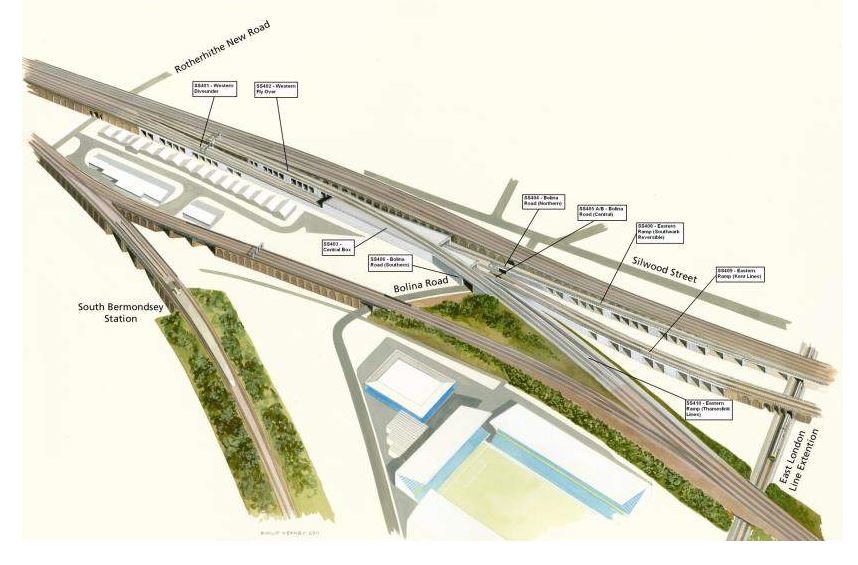
Bermondsey Dive-Under
I actually walked along the side of the East London Line Extension, which crosses under the three sets of railway lines running through the area, towards the right of the picture.
The two lines shown in my gallery are the two viaducts towards the top. Note how both are shown going into a concrete tunnel, with the other line, which will carry the Thameslink trains over the top. You can also see the viaduct being built in this Google Earth image.
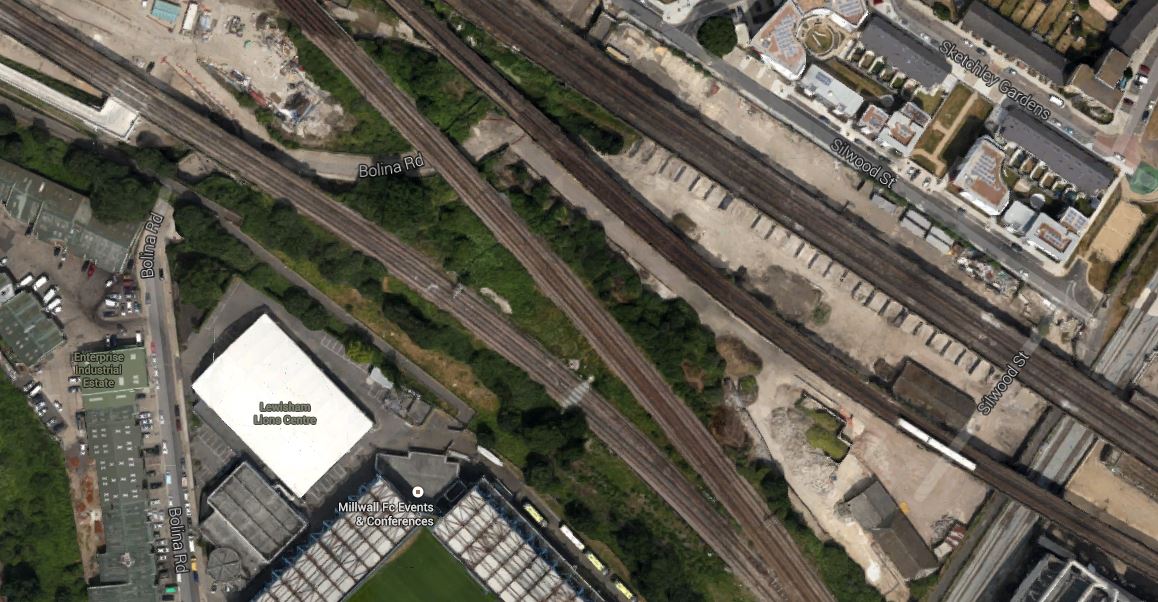
Bermondsey Dive-Under
I think the viaduct is being built alongside the rail line closest to the top-right of the image. Are the white shapes, the concrete shells of the arches shown in the gallery?
The sets of lines from top to bottom are as follows.
1. This set of lines along which I think the new arches have been built will take trains on the South Eastern Main Line between London Bridge and New Cross and on into Kent.
2. This set of lines also takes services between London Bridge and New Cross, although at the moment no trains are running on these lines.
3. This set of lines will take Thameslink services to New Cross Gate and beyond.
4. This set of lines links London Bridge and New Cross Gate.
It’s all very complicated and if anybody can correct anything or add more, please let me know.
I do think that untangling the spaghetti left by the Victorians, probably caused a lot of sleepless nights amongst Network Rail employees.
I also wonder, whether Network Rail will be creating small business units in the large number of new arches.
Exploring Around The Bermondsey Dive-Under
As the post entitled Uncovering The Past On Thameslink showed, the railway lines around South Bermondsey station are complicated to say the least and at the moment they are more so due to the construction of the Bermondsey Dive-Under. This Google Earth image shows the main viaduct out of London Bridge as it goes south east.
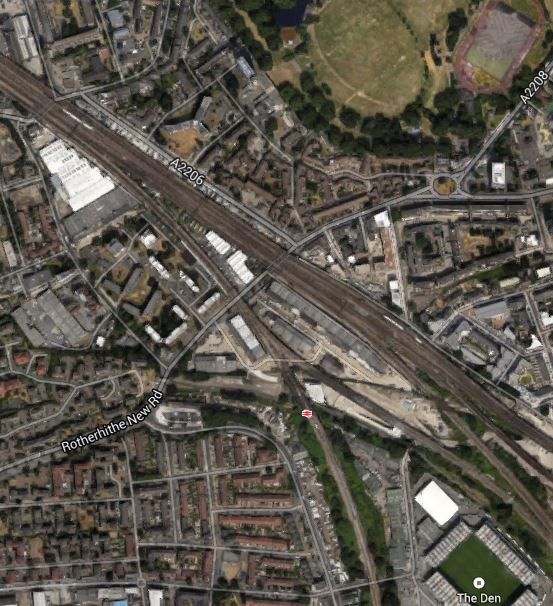
Exploring Around The Bermondsey Dive-Under
The top left corner of the image shows the old Peek Frean biscuit factory and at the bottom right there is Millwall’s ground. I took these pictures as I walked around.
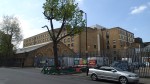
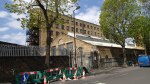
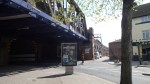

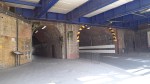
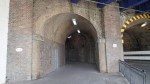
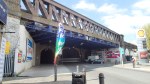
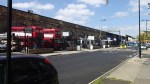

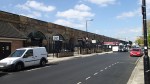
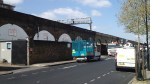
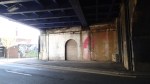
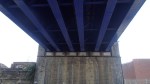
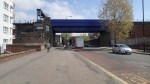
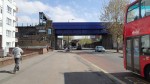


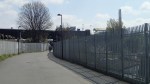
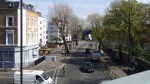
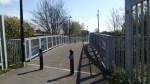
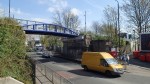

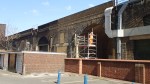
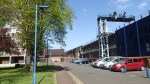
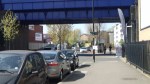
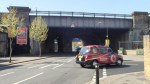
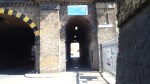
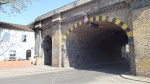
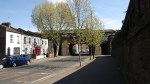
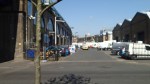

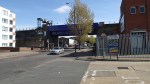
The arches are certainly a good example of Network Rail’s extensive collection of railway arches used for non-rail commercial pyrposes.
Uncovering The Past On Thameslink
The definition of archaeology according to the Oxford English Dictionary is.
The study of human history and prehistory through the excavation of sites and the analysis of artefacts and other physical remains.
So perhaps calling digging up an old nineteenth century station is stretching the definition a bit far.
But this report on the BBC web site about the uncovering of the disused Southwark Park station is fascinating none-the-less. This is an extract from the report.
The station was discovered as engineers constructed the Bermondsey Dive Under, which will see two Victorian viaducts partially-demolished and rebuilt to allow trains from south east London and Kent to dive down, under a new route carrying Thameslink services from Croydon.
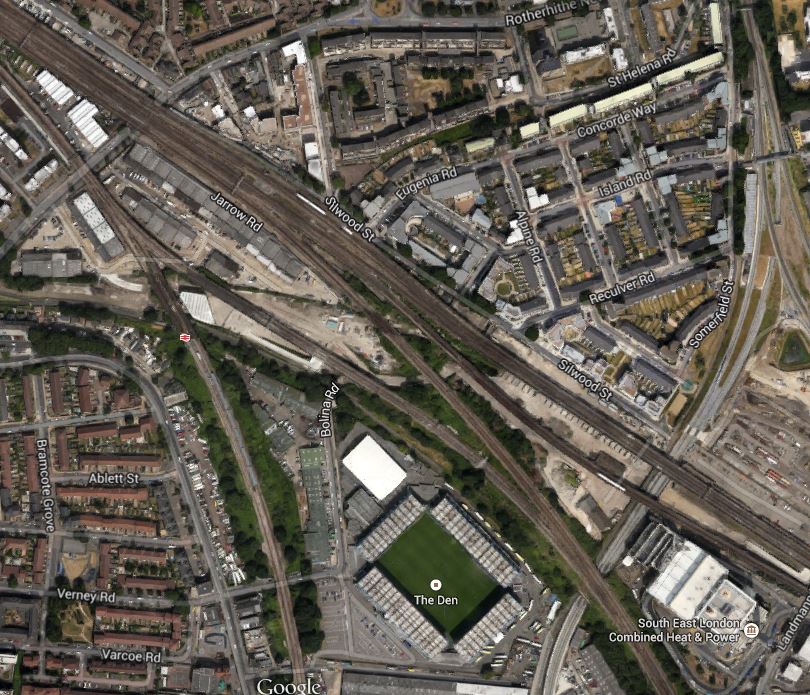
There’s more here on the Ian Visits site and here on the Thameslink web site. This is a Google Earth image of the area.
Bermondsey Dive-Under
Note The New Den, which is Millwall’s ground and SELCHP incinerator to its right. The image highlights the complicated nature of the lines into London Bridge station. The line that runs between the football ground and the incinerator in a south-easterly direction is the Thameslink line between London Bridge and New Cross Gate. The smaller line that crosses this line at right angles is the Overground line between Surrey Quays and Clapham Junction.
Where this Overground line crosses Surrey Canal Road just off the bottom of this image, construction should start on the new New Bermondsey station later this year.
Southwark Park station was under the tracks , where Rotherhithe New Road crosses underneath.
No Wi-Fi On New Thameslink Class 700 Trains
Modern Railways in February is stating that the new Class 700 trains for Thameslink won’t have wi-fi.
I was told by a Furst Great Western employee that wi-fi will be important in the future to attract passengers onto the railway.
Some companies like Chiltern now offer free wi-fi to all passengers and this will become a norm in the next few years over much of the network.
The omission of wi-fi on the Class 700 trains will have to be rectified.
I did find this link, where someone is trying to get the notes from the Department for Transport on why the trains were specified this way.
Perhaps the reason is that free wi-fi would attract too many commuters onto the trains and they’d have to buy more trains to reduce the overcrowding.
Energy Saving In Thameslink Stations
Thameslink have made a lot of fuss about the solar panels on the roof of Blackfriars station, which is on a bridge across the Thames. Read this article in The Guardian.
It’s certainly impressive and good PR, but I changed trains on the bridge platforms a couple of weeks ago and it was rather cold and draughty. A station guy felt it was an awful place to work.
At the new London Bridge station, they are not using solar panels, as the dreaded Shard puts the station in the shade for a lot of the day. But they are going to use a ground source heat pump and possibly footfall tiles that generate electricity.
I think we should think very hard about how we design stations and other large buildings, so that they don’t need the energy in the first place.
I suspect we all have our least-favourite cold and draughty station.
I think is is probably true to say that designing the perfect station is an impossible task. In some ways one of the best in London is Liverpool Street, which was the second major terminus (after Euston) to be rebuilt in the modern era. Of the stations serving the South, Waterloo is an order of magnitude better than the others, since the latest updating. But generally, it is still a 1920s station. But both Liverpool Street and Waterloo aren’t high up in the cold and draughty league.
Wires In The Canal Tunnels
It would appear that the Canal Tunnels have now got overhead wires to connect it to the East Coast Main Line. If you want to know more about this important but forgotten part of London’s rail infastructure, read this page on Network Rail’s web site.
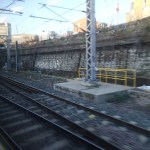

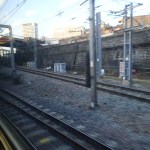
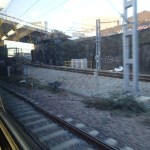
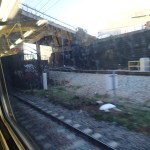
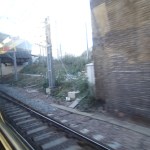
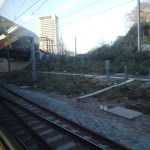
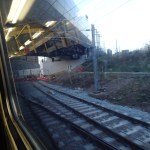
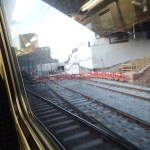
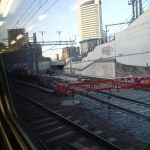
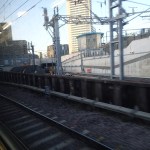
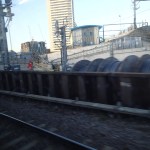
So it looks like the work that caused the chaos at Christmas is substantially complete. In a document on the Carillion web site, it says that the work will be complete by May 2015.
I took this series of pictures early today, which is looking to be a clear sunny one, from a rather dirty Class 313 train going from Finsbury Park to Kings Cross Stations.
The Problems At London Bridge
There have been lots of problems in the evening peak at London Bridge and the Thameslink Program has issued this apology.
On this page on the Thameslink Program web site, this is said.
From 5 January 2015, for three years until January 2018, no Bedford to Brighton Thameslink trains will call at London Bridge station. A reduced service will run between Brighton and London Bridge in the off-peak and a very limited service will run in the peak.
Effectively, whilst London Bridge is rebuilt, these trains will not go through the station.
One of the solutions being applied to the current trouble is to reduce the number of trains between London Bridge and West Croydon in the evening peak times.
So you need another route to get the passengers home to West Croydon. The obvious one is to avoid London Bridge entirely and take the Jubilee Line to Canada Water or the District/Metropolitan Line to Whitechapel, where from both stations you get an Overground train to West Croydon.
But the problem with this is the lack of capacity on the East London Line. This is being cured by delivering a fifth carriage for the Class 378 trains. But not many seem to have turned up yet. I’ve only seen one 5-car train twice and I travel on the line regularly.
With my project management hat on, it strikes me that the capacity upgrade on the London Overground and particularly the East London Line should have been completed before the major interim changes and capacity reductions at London Bridge. In fact according to this Transport for London document, the East London Line should have been running five car services by December 2014.
So what has delayed the arrival of the fifth carriages?
Could it be that the delivery of the new Class 387 for Thameslink jumped the queue for building by Bombardier in front of the fifth carriages for the Class 378?
 The Anonymous Widower