From Victoria to Wandsworth Road
Wandsworth Road station is the station on the new South London line closest to the terminus of line at Clapham Junction station.
These pictures were taken on the short route from Victoria to Wandsworth Road.
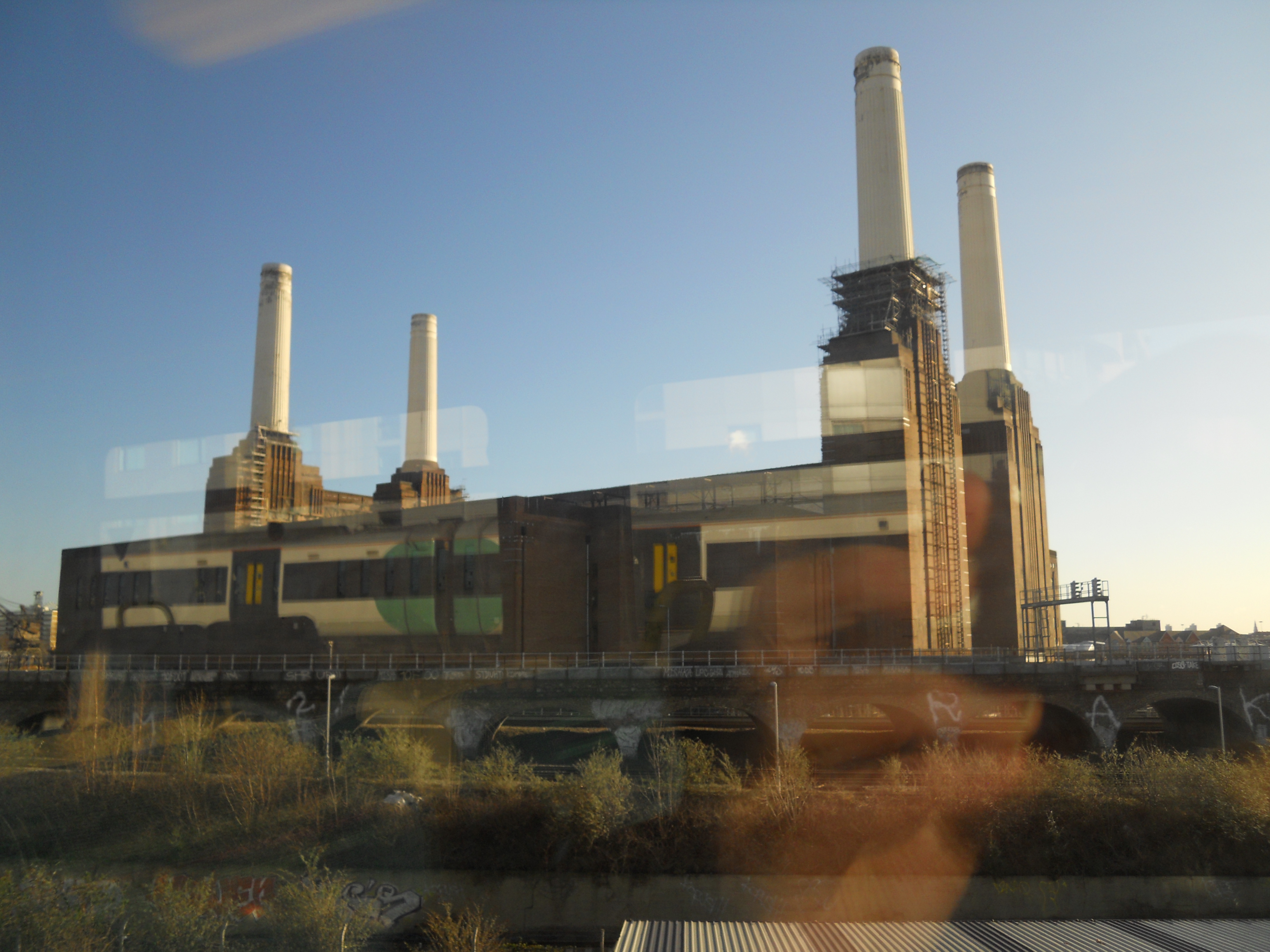
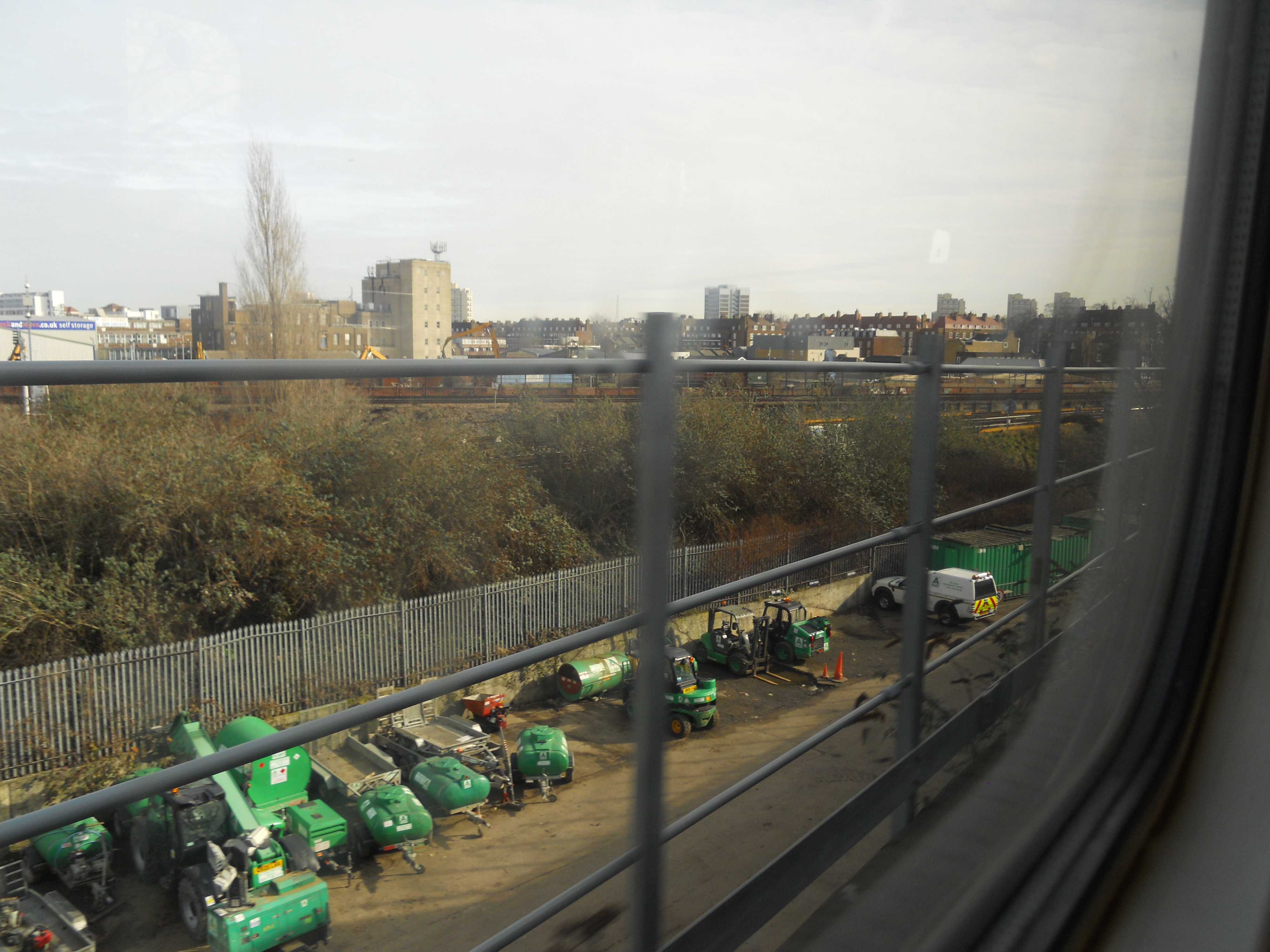
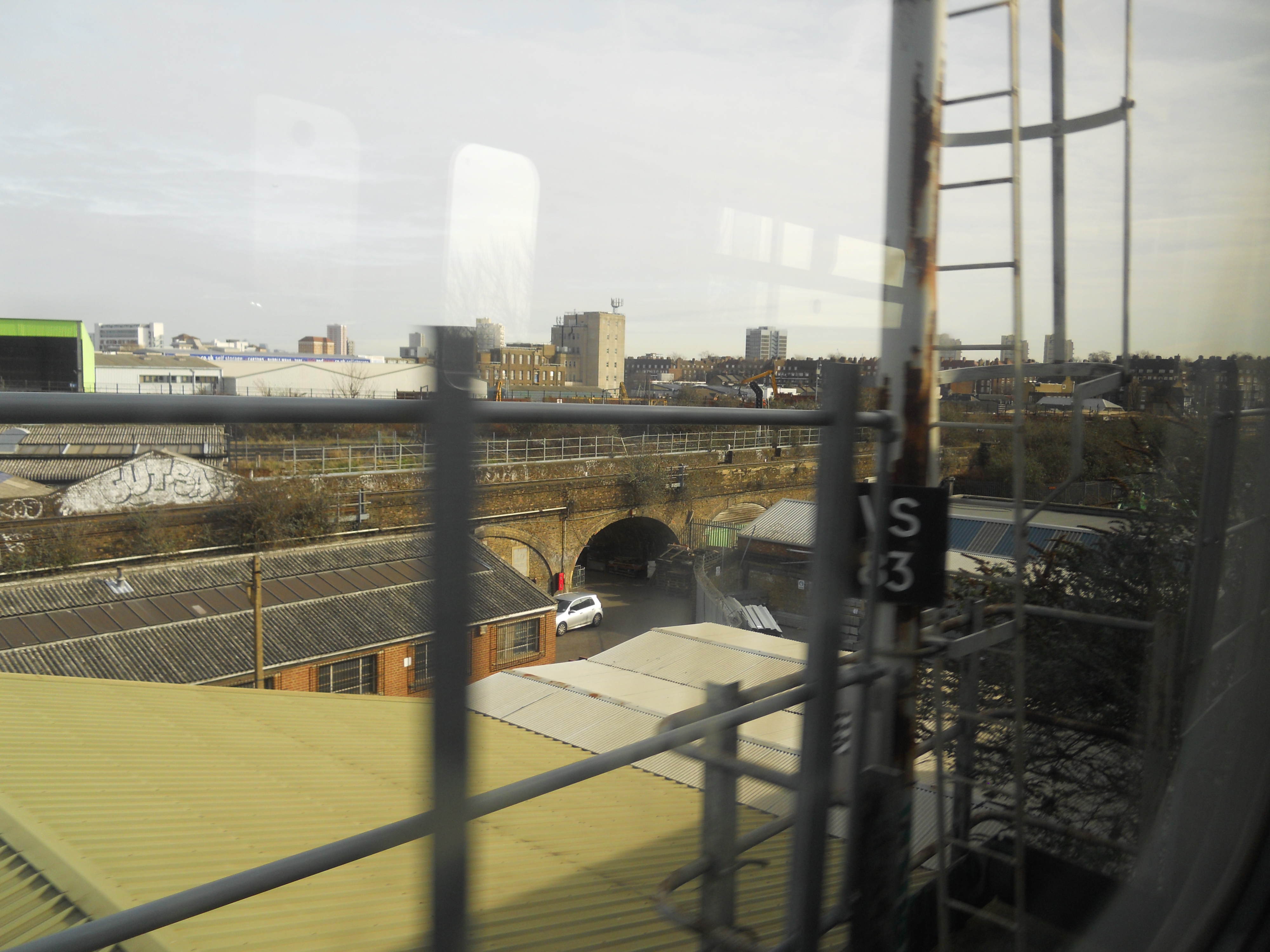

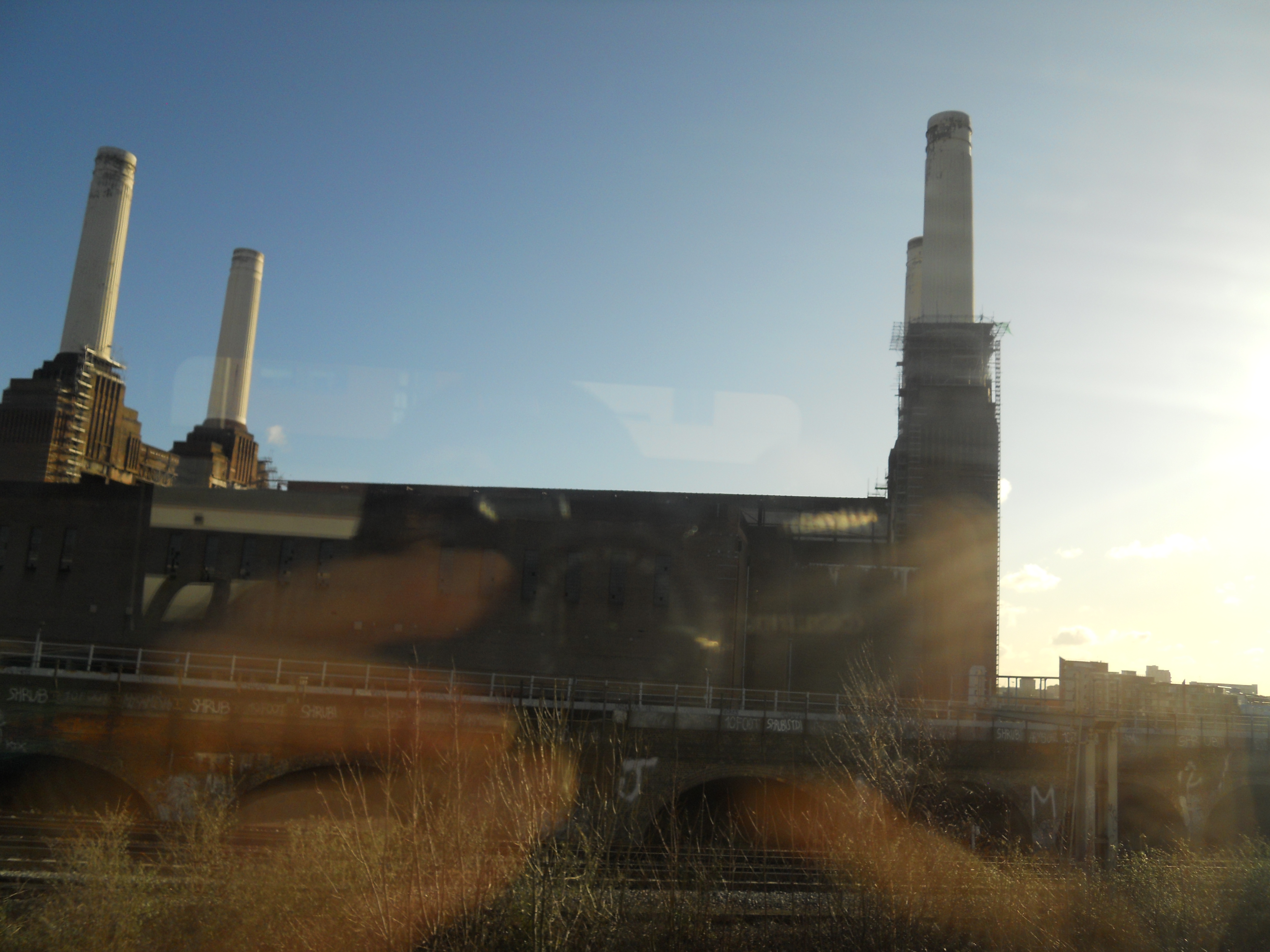
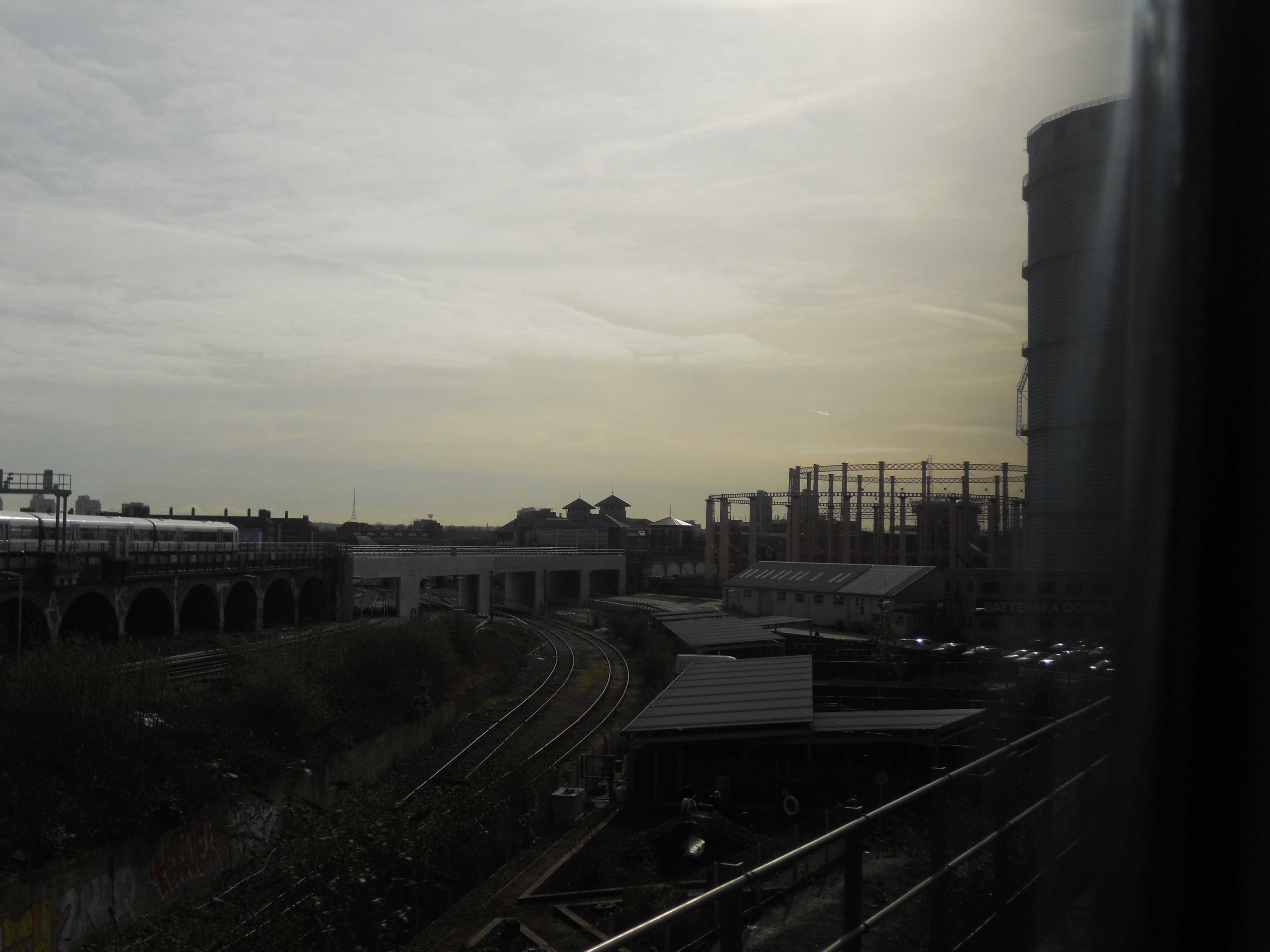
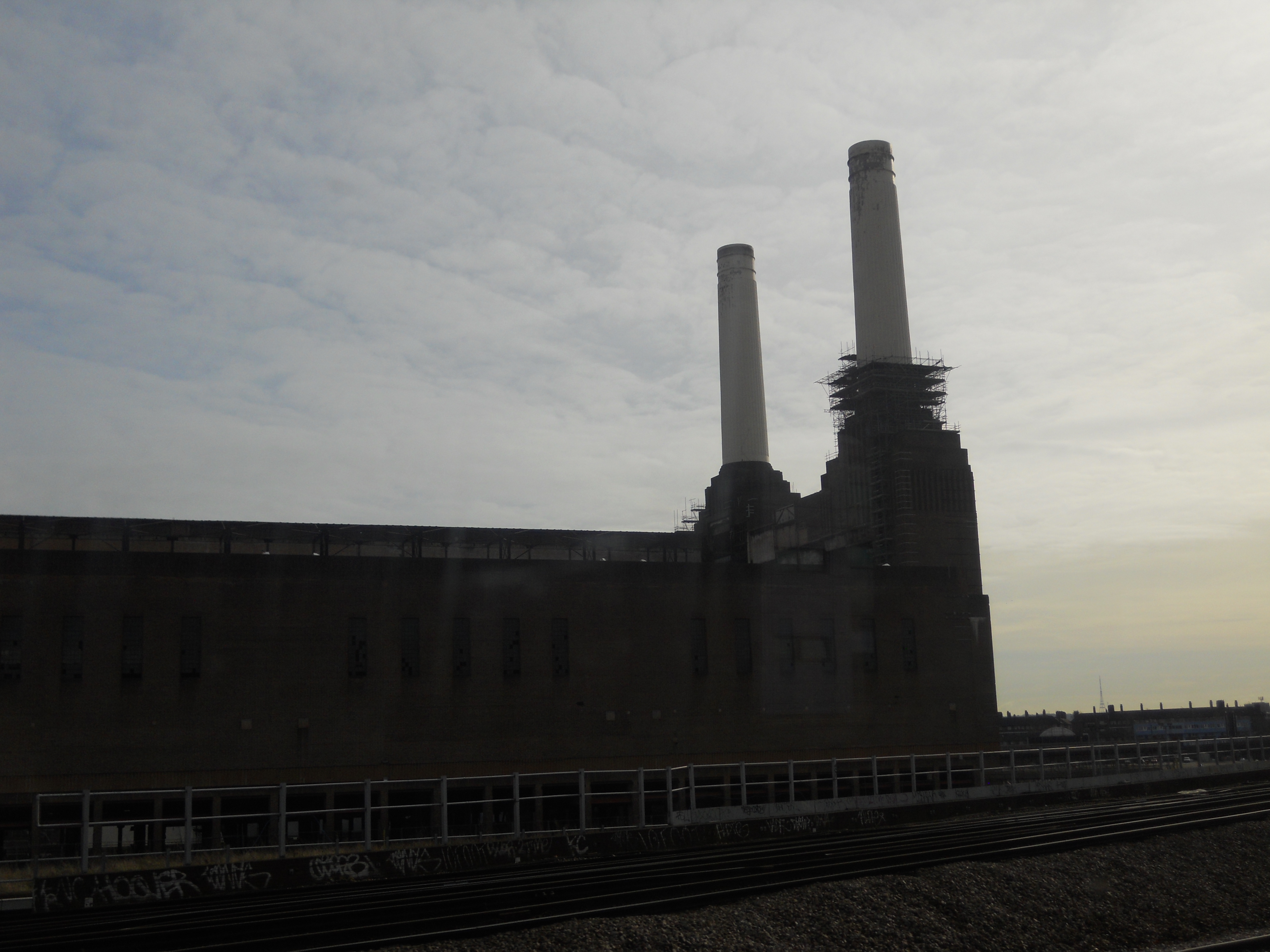
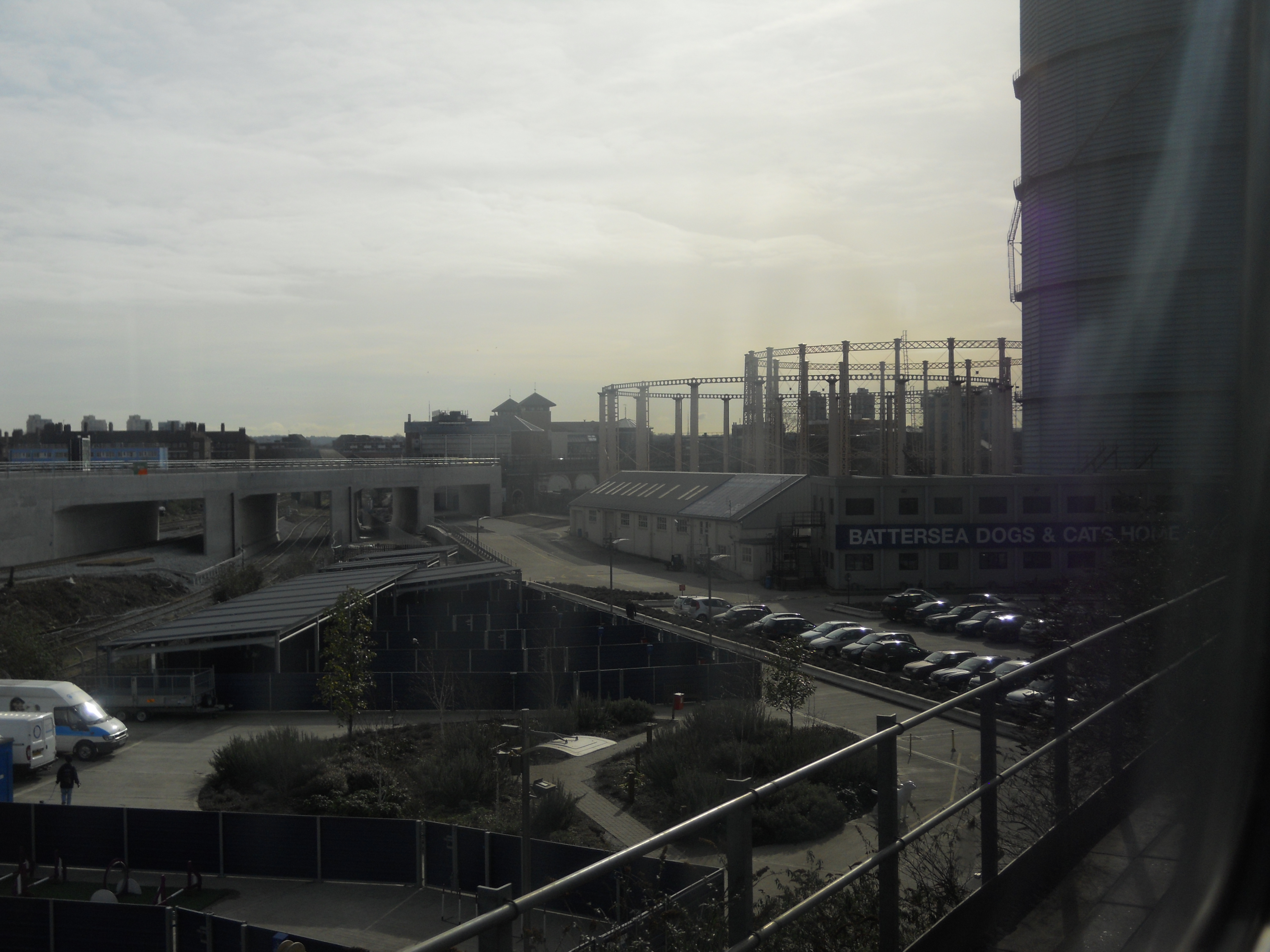
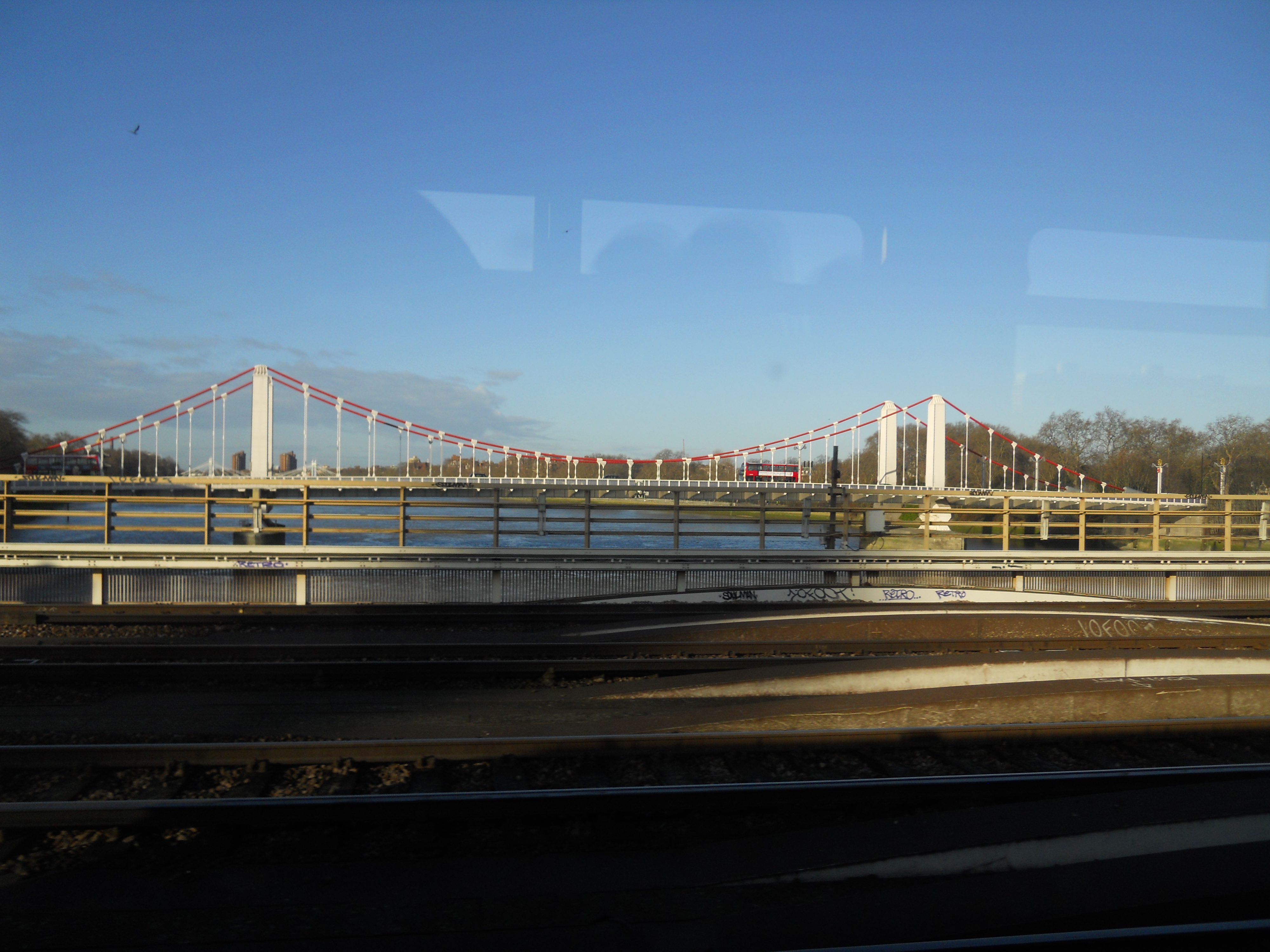
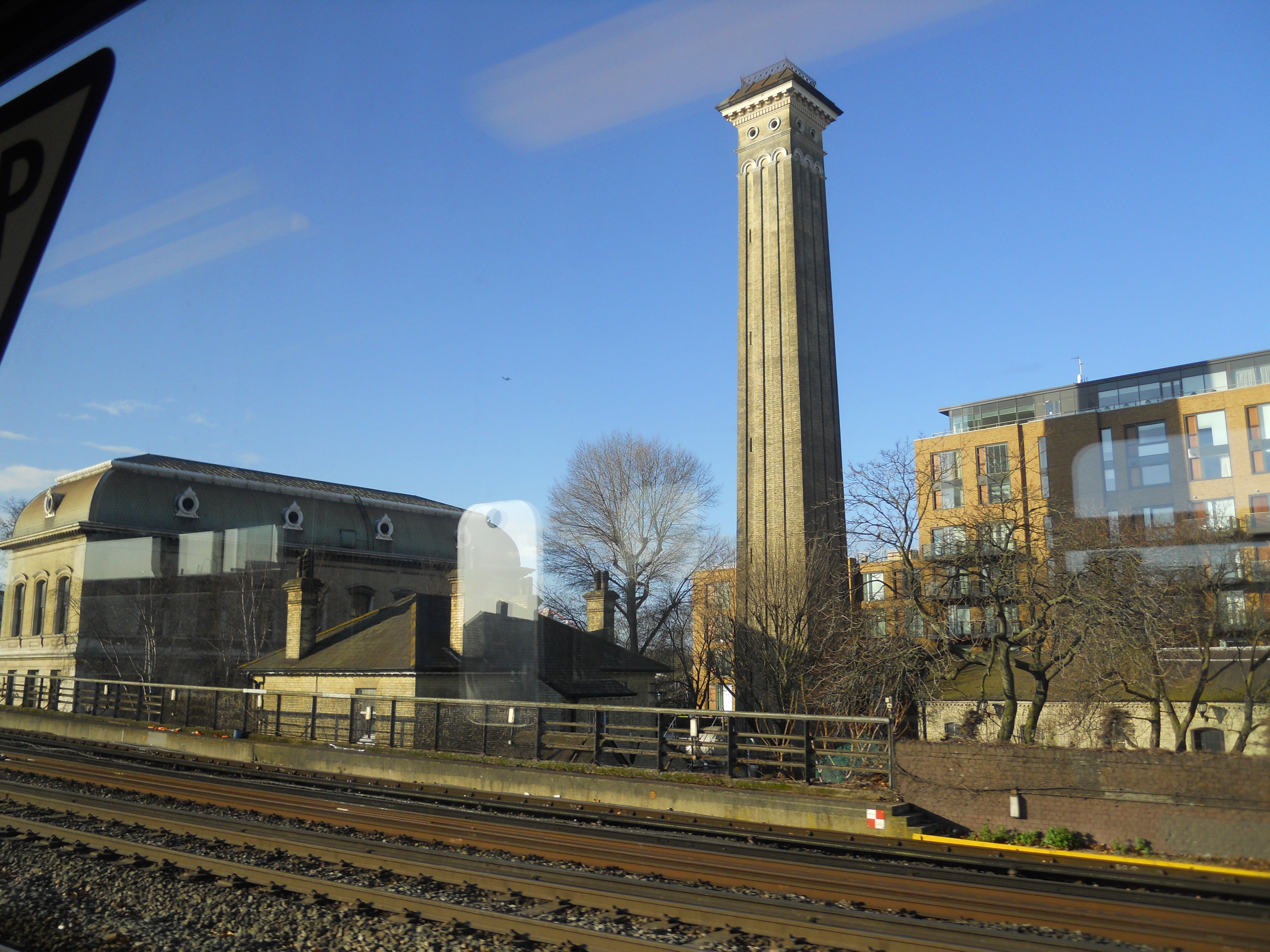
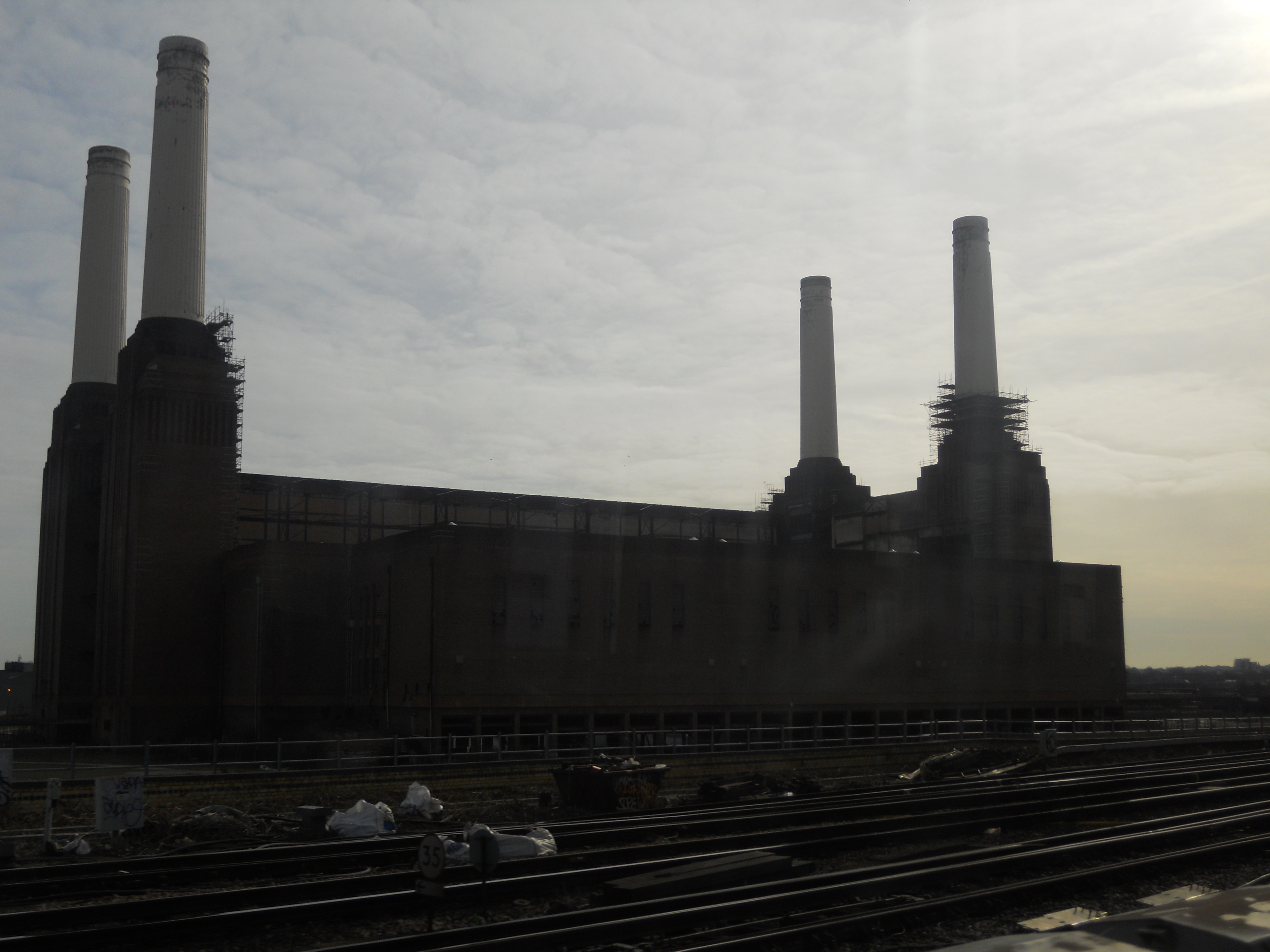
It is not the best area architecturally of the capital and is dominated by the disused and falling down Battersea Power Station. Whether and how the Northern Line Extension to Battersea is built, should make a difference to the area.
I’m tending to think though that the best thing to do, would be to demolish the Battersea Power Station first. All it seems to do is bankrupt developers these days. You have to remember that power stations built in the early part of the twentieth century were built for a short life span, after which they were demolished. Battersea Power station is proving that rule by falling down on its own.
Searching For The South London Line
The new South London Line from Clapham Junction to Surrey Quays is the last piece needed so that the London Overground does a complete circle of central London. The original plan was for it to be completed by the time of the Olympics, but it now looks to be late this year. It will pass through Clapham High Street, Denmark Hill, Peckham Rye and Peckham Queen’s Road stations.
So this morning, I traced the route using the 09:11 from Victoria to London Bridge, taking a few pictures as I progressed.
Looking at the New Junctions South of Surrey Quays
At present two lines meet south of Surrey Quays station on the East London line of the London Overground.
- The New Cross Gate/Crystal Palace/Croydon branch.
- The New Cross branch.
These pictures show how the new extension to Clapham Junction station is being threaded through.
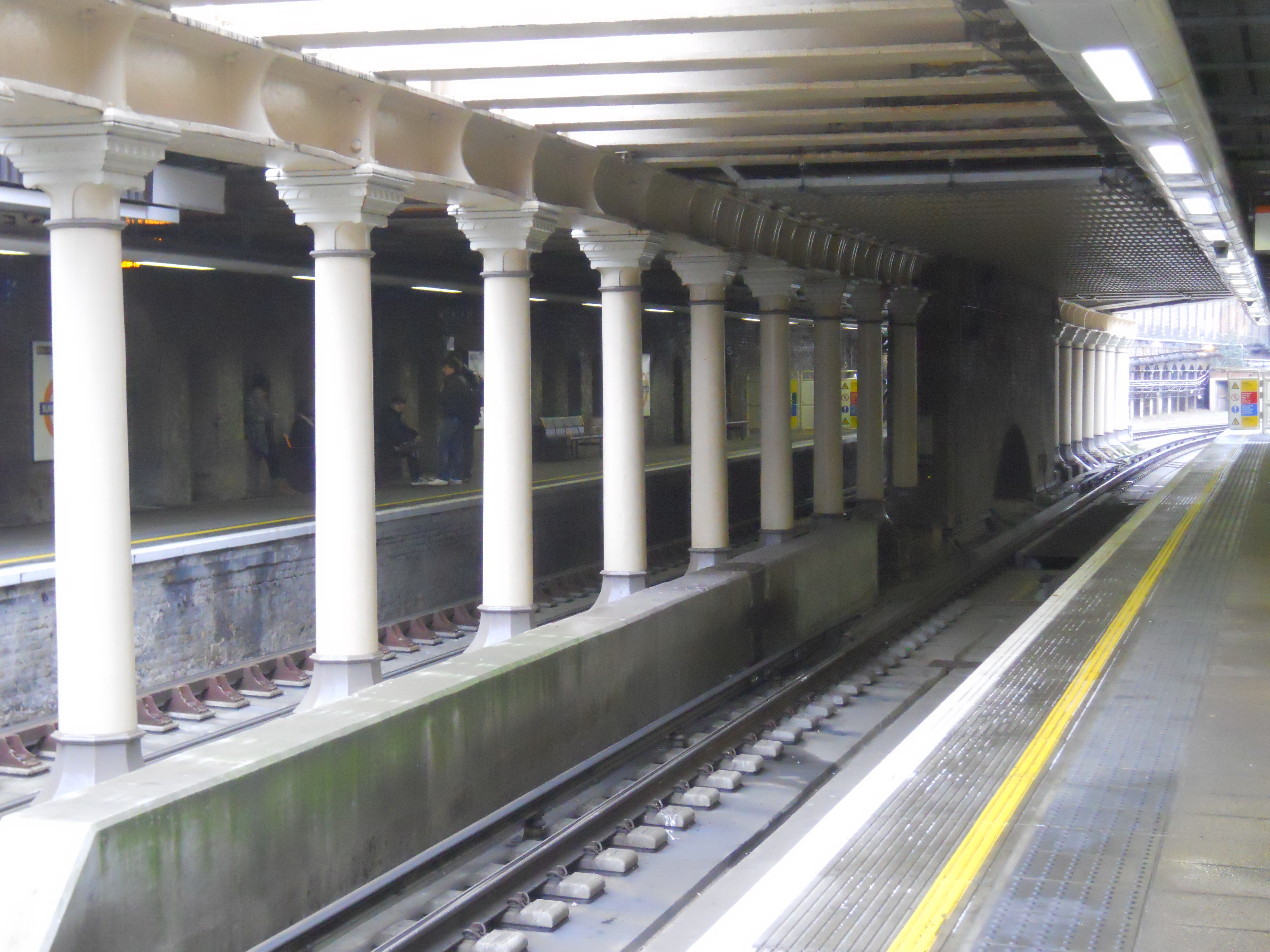
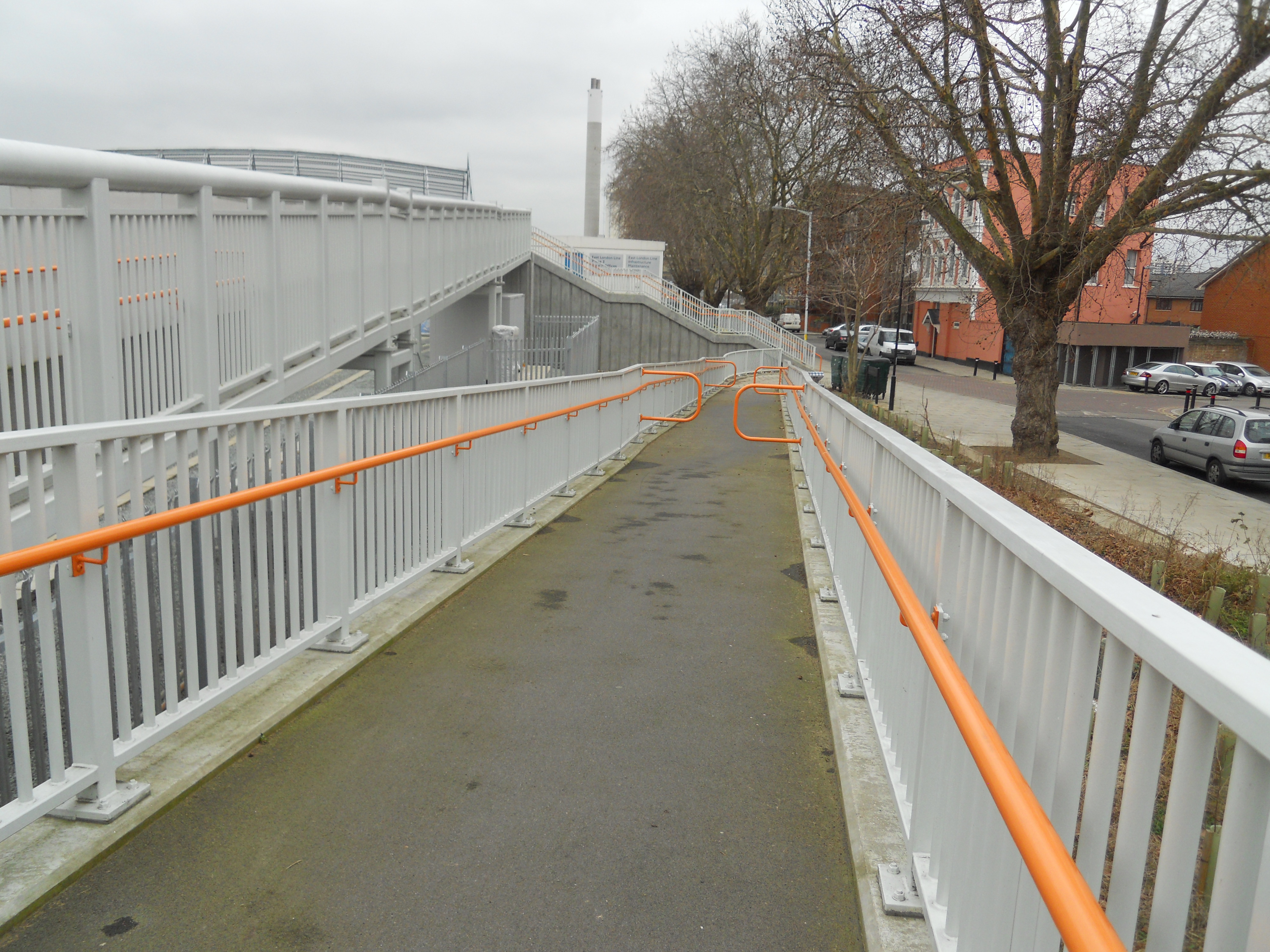
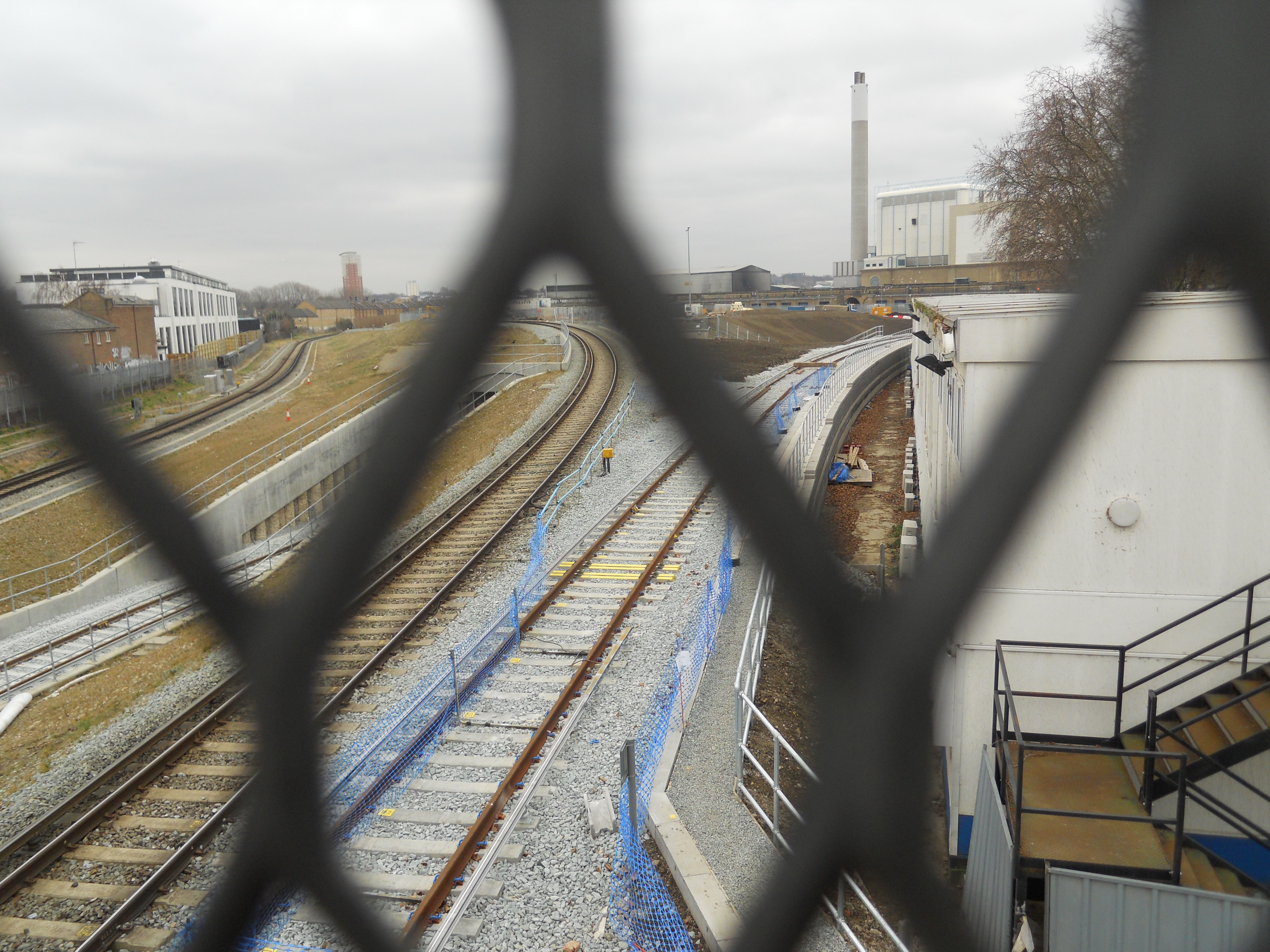
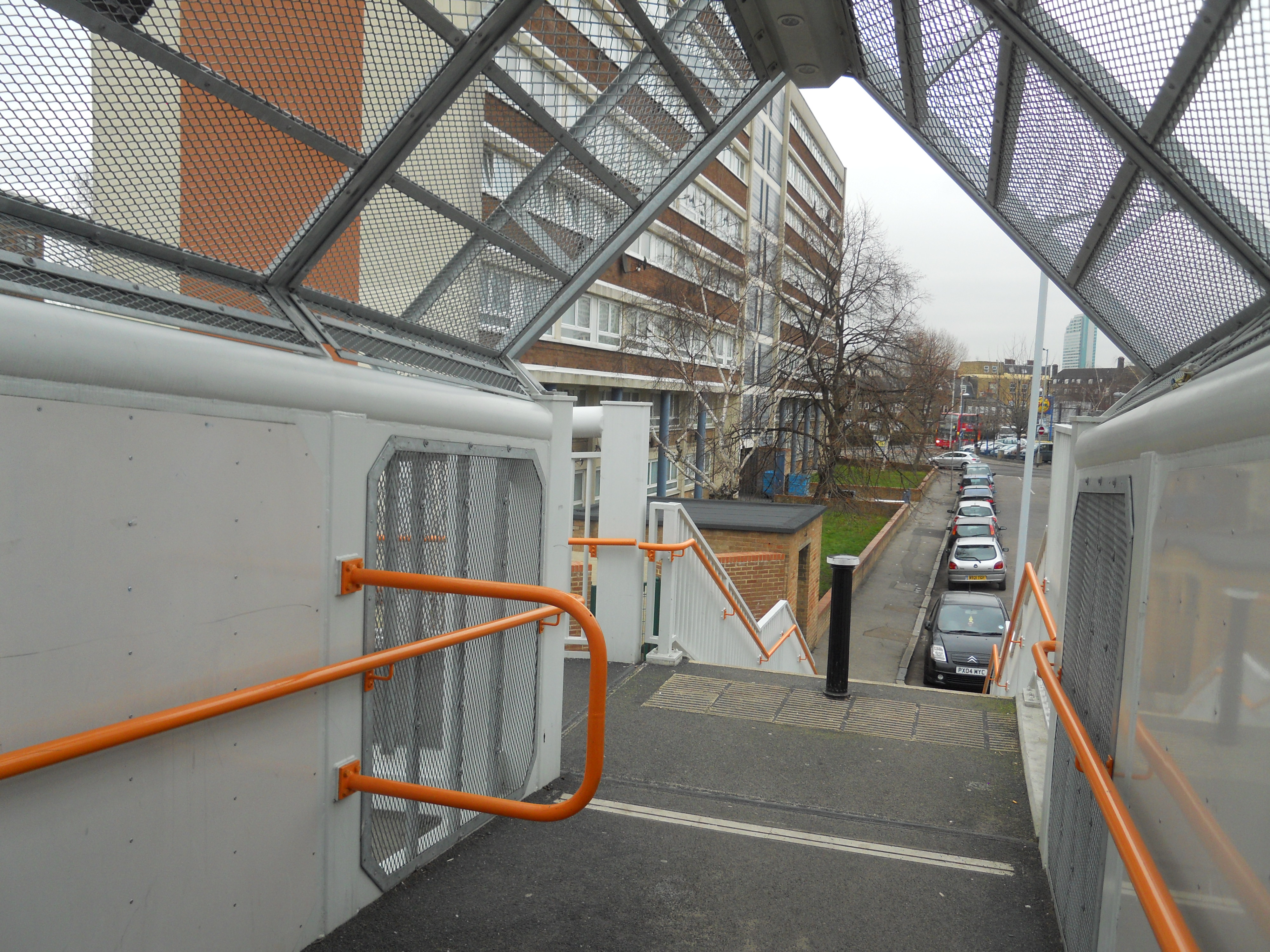
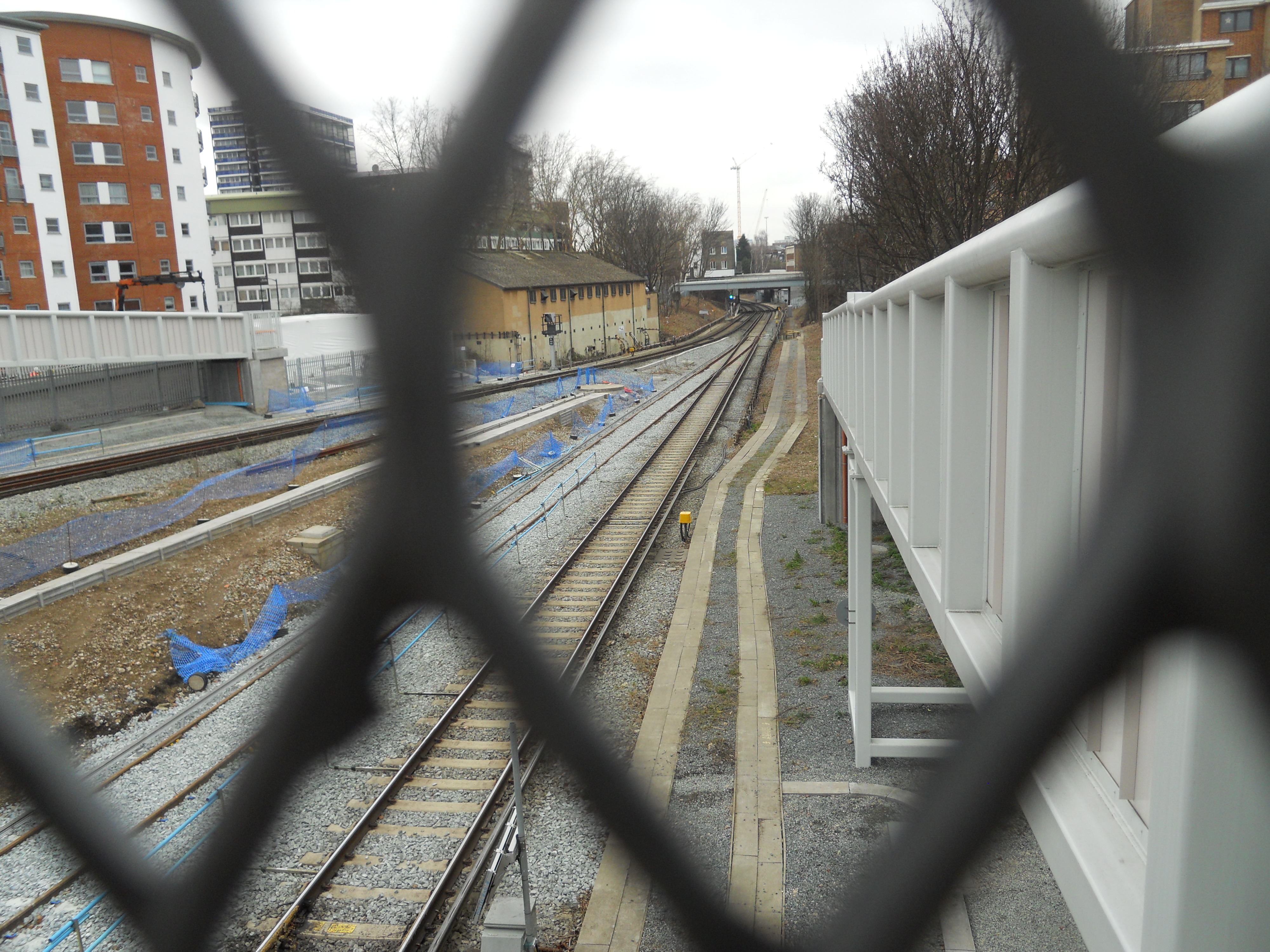
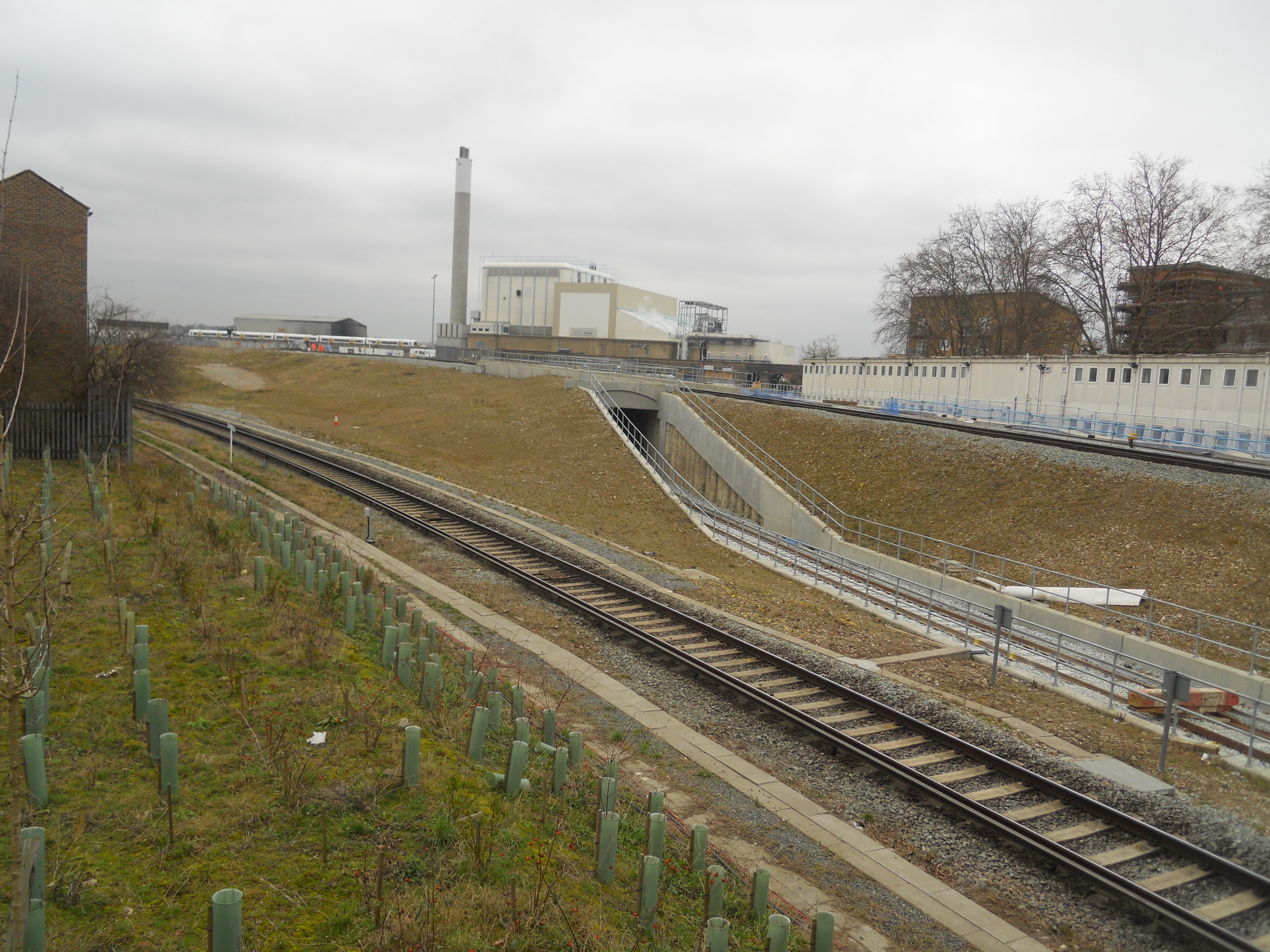
It has been reported that all the track has now been laid to connect from Surrey Quays to the southern part of the East London line.
This engineering has all been accomplished in a few months, which just shows how much better we art at this type of work, than a few years ago.
Although the bridge over the line, shown in the pictures, is rather simple, it has been designed so that no-one can throw anything onto the track, get access onto it, without completely stopping pedestrians watching the trains. Perhaps, the man who designed it, was a train spotter in his youth. It was certainly well-used in the ten minutes or so, I was there.
More Idiot Train Reporting
Ben Ando on the BBC this morning, made the mistake in thinking that the A14 carries a lot of trucks with containers from Felixstowe to the North and back. Nowadays a high proportion of containers go by train via Peterborough and Nuneaton. In fact, I reported here, that they seemed to have decreased in number significantly.
But of course there might be more on the roads this weekend, as that idiot went too fast over the points at Bletchley.
The Correct Term is a Light Engine
When you have just a railway engine travelling by itself, it is called a light engine!
One has caused chaos on the West Coast Main Line by getting itself derailed at Bletchley, as reported here on the BBC. But few reports have called it a light engine, most have called it a freight train, as it is owned by a company called Freightliner, although it is at present leased to Virgin Trains. So at least they can read, even if they don’t know the correct railway term.
The BBC report says this.
A spokesman for Network Rail said the Freightliner locomotive appeared to have approached a set of points at Bletchley south junction too fast.
This caused the tracks to buckle, damaged wooden sleepers and brought down some overhead cables.
There is as yet “no estimate for the completion of repairs and therefore it is not yet known whether services will continue to be affected on Sunday”, according to the National Rail Enquiries website.
As no-one seems to have been seriously hurt, but many have been seriously delayed and inconvenienced, this will turn out to be one of those stories that will run and run all the way to the Supreme Court. After all the engine wasn’t owned by Virgin Trains, but it was being run on their behalf.
So will Virgin Trains be suing themselves for all the compensation, they’ve paid out to passengers?
Incidentally, I usually go to see Ipswich at Coventry, but won’t be going today. I was going to go and get in by buying a ticket on the gate. But because of this light engine crash, I wouldn’t have been able to get to Coventry.
So should I add my case for compensation to the rest?
No! But, if I’d bought a ticket you could be rest ensured, I wouldn’t be a happy bunny, aif I’d been unable to get to Coventry!
Hitler’s Possible Legacy for CrossRail
It is being reported that they are searching the Connaught Tunnel for any legacy of unexploded bombs from the Second World War, before they rebuild the tunnel for CrossRail.
Suppose they did miss a small one and it did a little bit of damage to one of CrossRail’s German-built TBMs.
It would be embarrassment all round!
The Elsenham Level Crossing
NetworkRail has pleaded guilty to causing the death of two girls at the Elsenham level crossing in Essex.
There is now an immense footbridge there, so you don’t have to walk over the level crossing. It would be a difficult climb for someone like me at 64 with a dodgy heart valve. So does everybody use it? Sometimes level crossings with proper warning systems are much better for most people, except the stupid and impulsive. At a similar level crossing at Foxton, pedestrian access across the tracks is controlled by locks on the gates controlled by the signalling system. That system has been at Foxton for years, so why wasn’t it installed Elsenham?
Further north, just south of Newmarket there is a level crossing on the Ipswich to Cambridge line at Six Mile Bottom. It is on a long straight road with a thirty miles per hour limit and the crossing has barriers and flashing lights. But it still manages to have had a couple of cars hit trains in the last twenty years.
My view has always been that all level crossings should be eliminated on railways, as they have always been a major place for tragic accidents. And also for suicides, as at Ufton Nervet, where several people died. But to eliminate some level crossings, like say the one at Six Mile Bottom would cost several million pounds.
Under The New Roof at Kings Cross
I popped into Kings Cross today and took these pictures of the new roof over the Western Extension to the station.

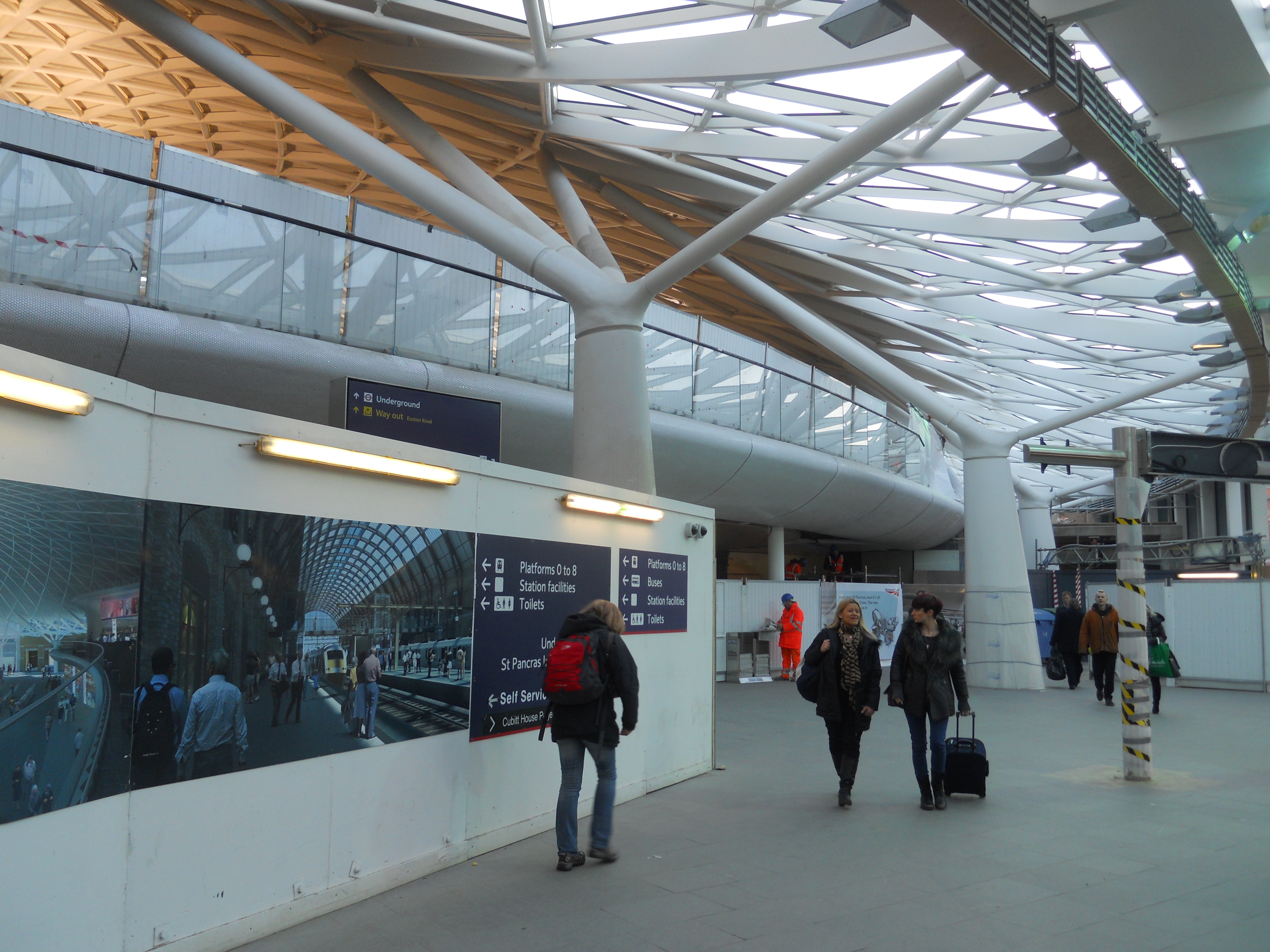
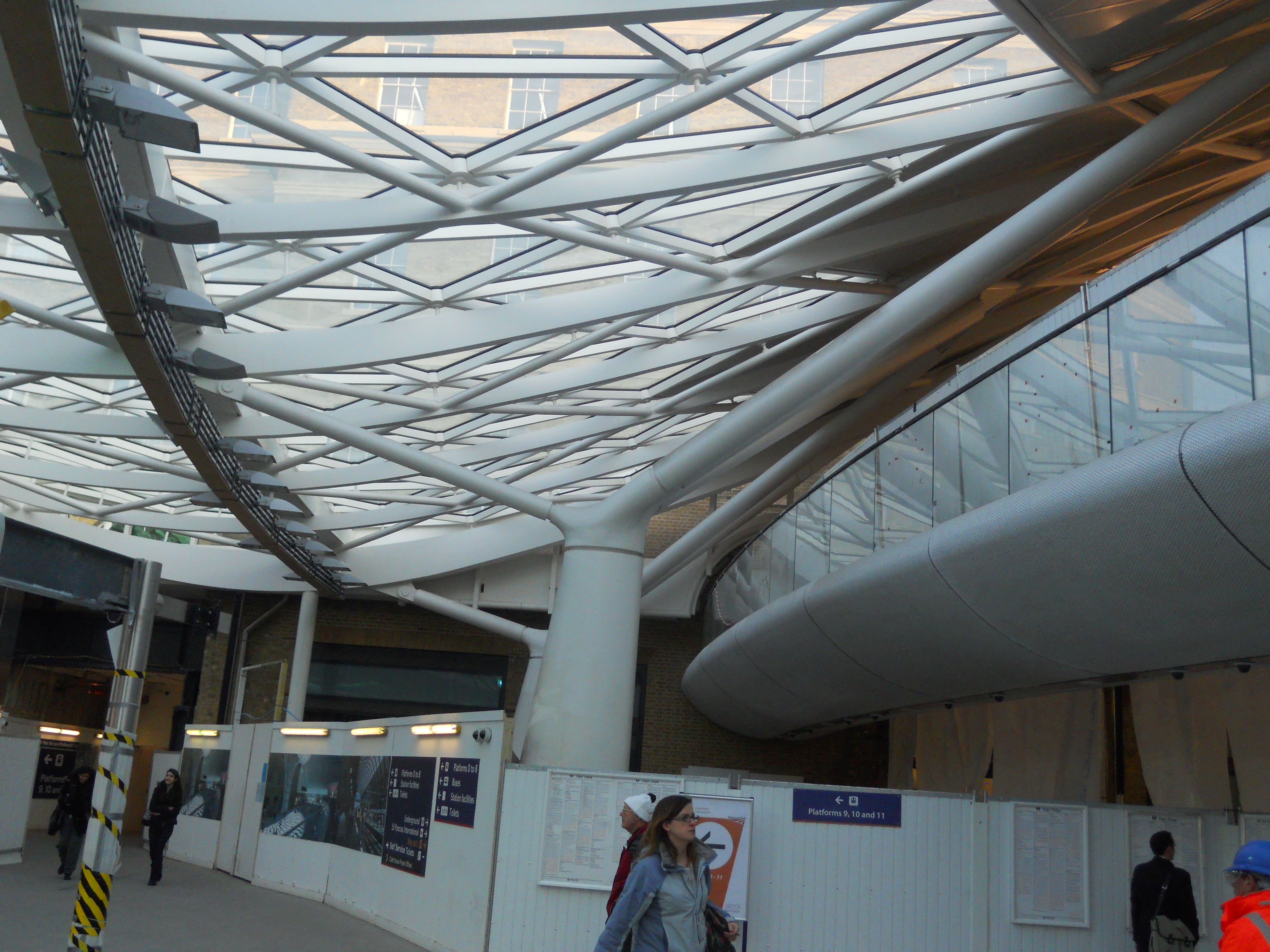
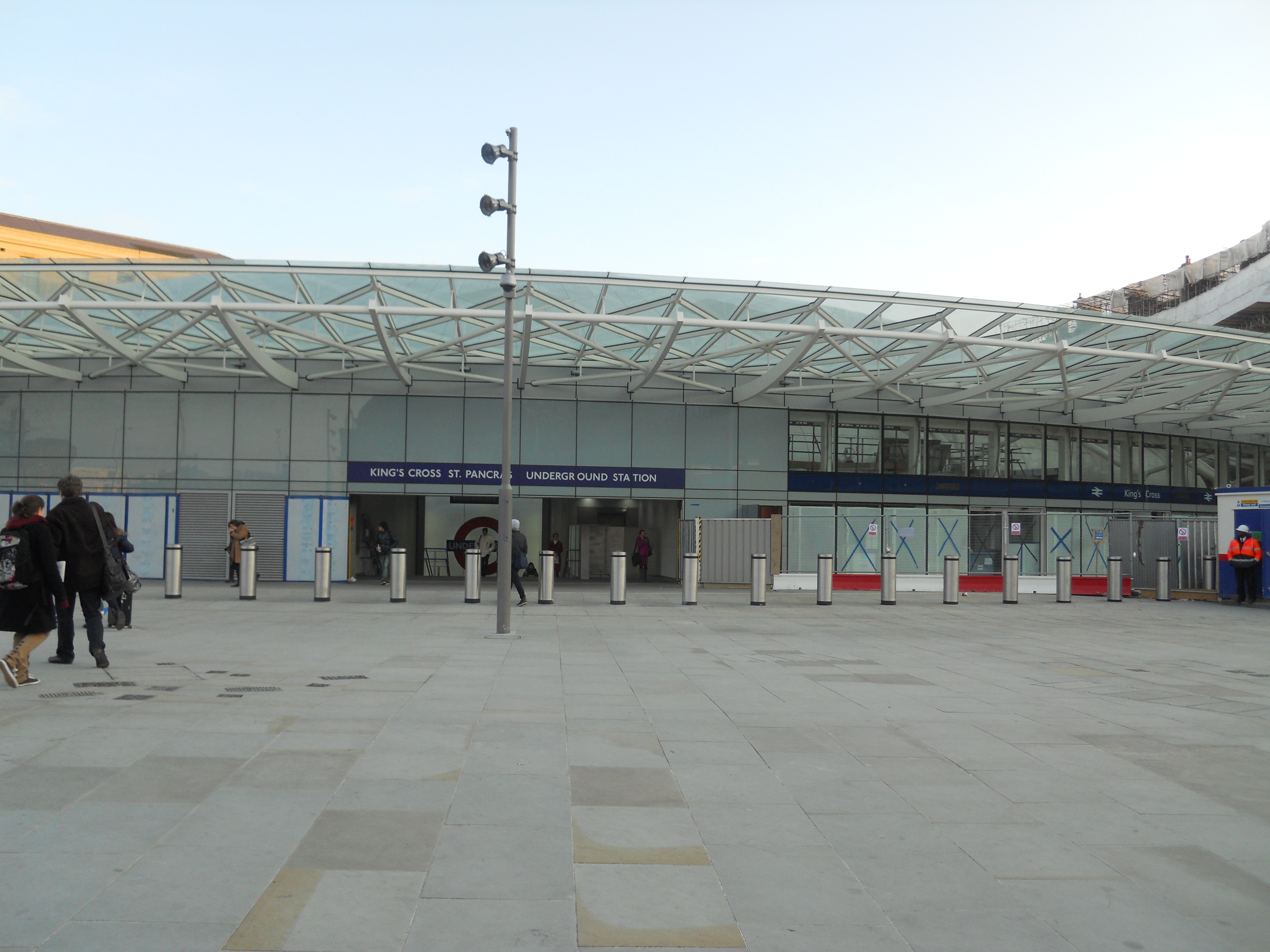
Note that a poster says it will open in March 2012.
I didn’t show the most disgusting part of the new station; the smokers surrounding the entrance to the area.
Pudding Mill Lane Portal – 29th January 2012
These pictures taken on Friday, show that it’s progressing compared to the last time I visited.
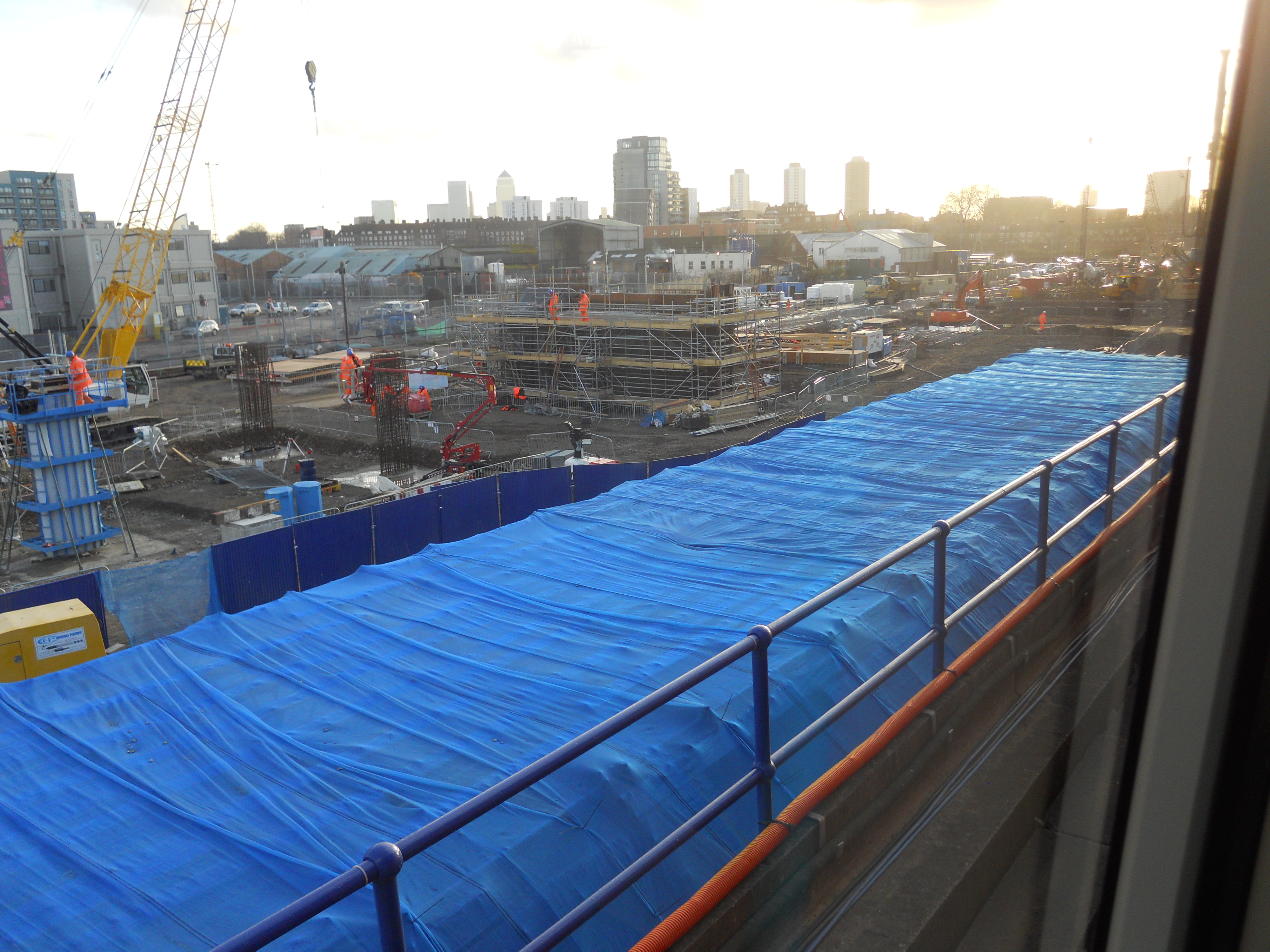
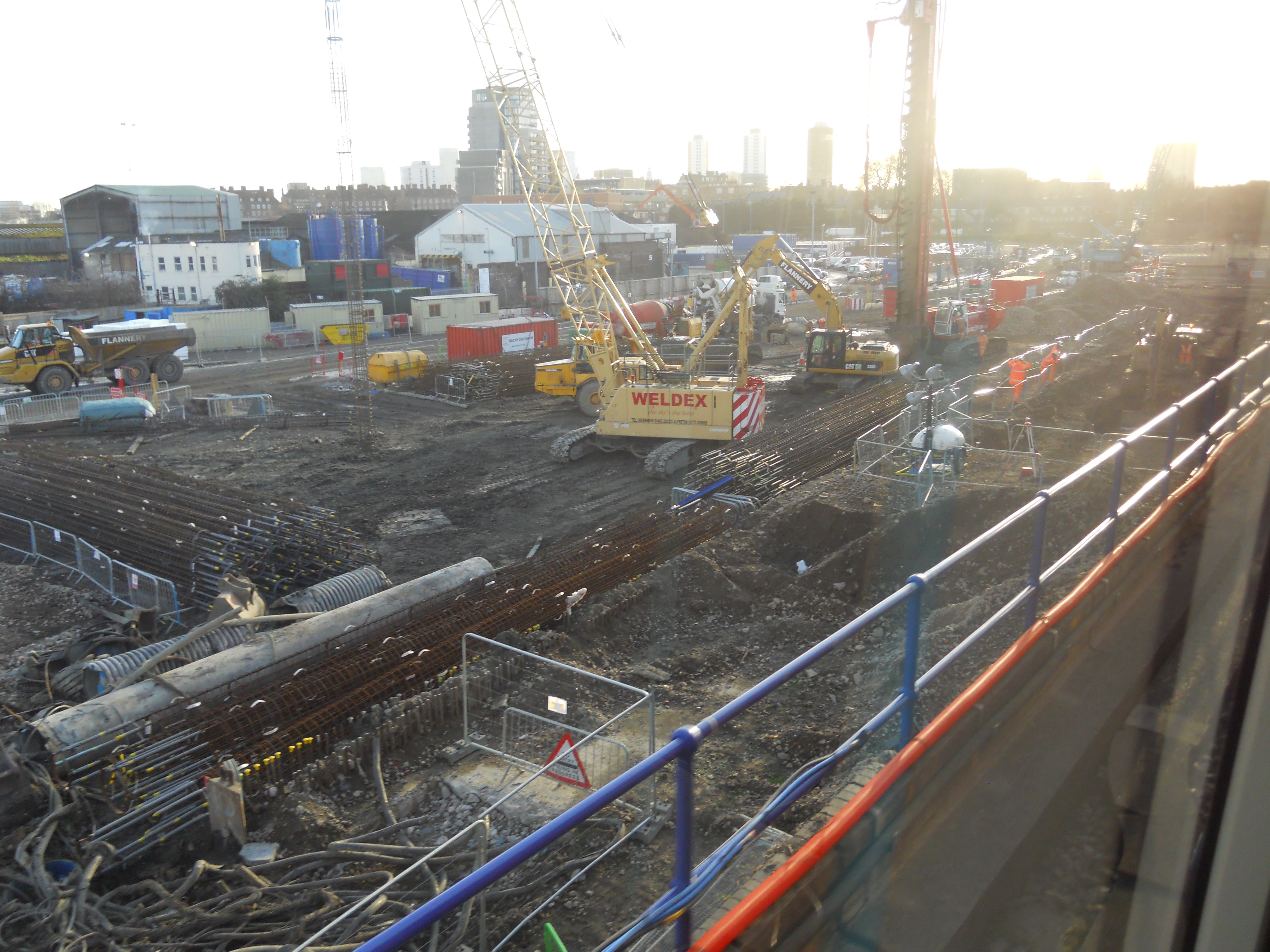
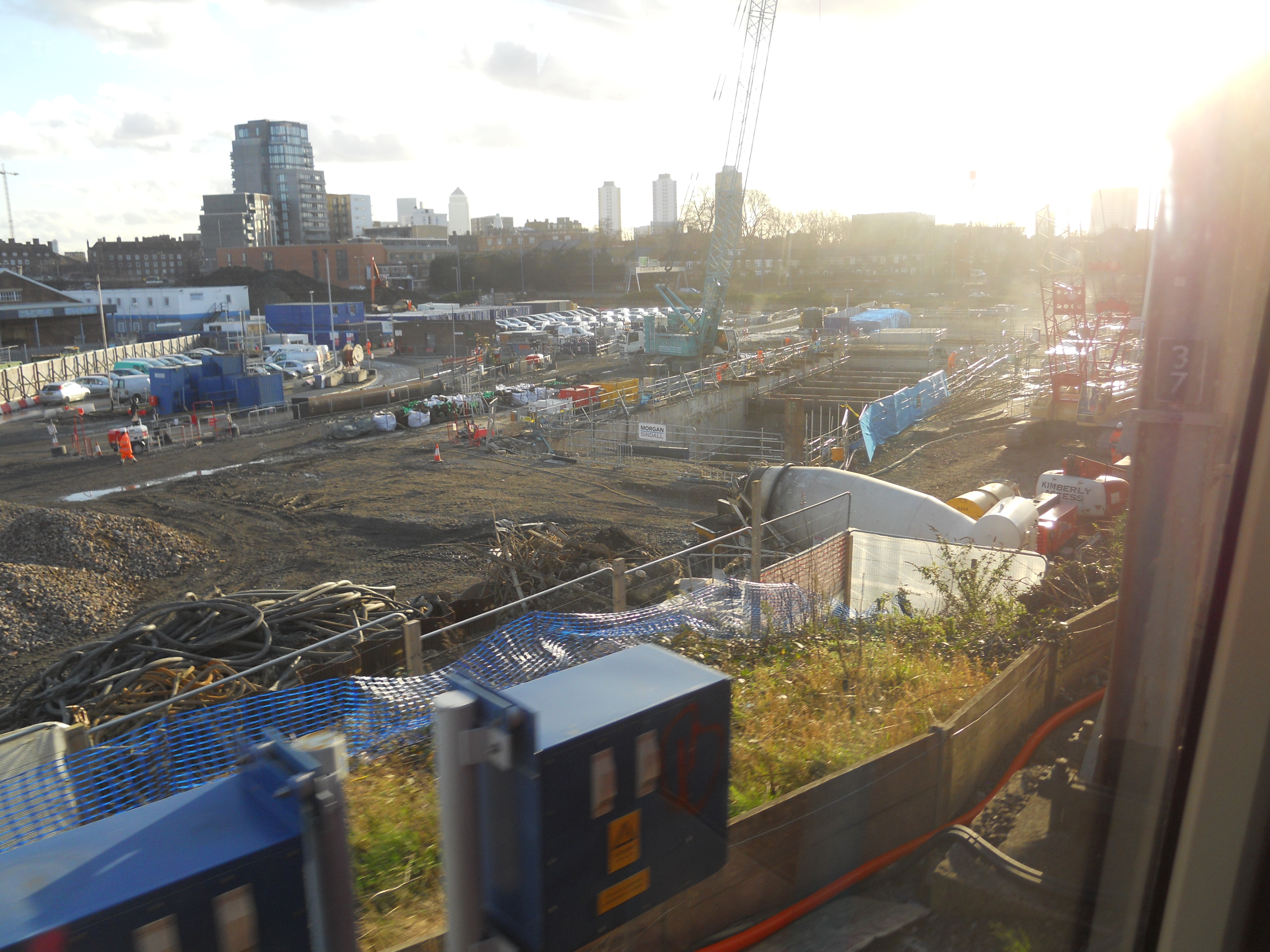
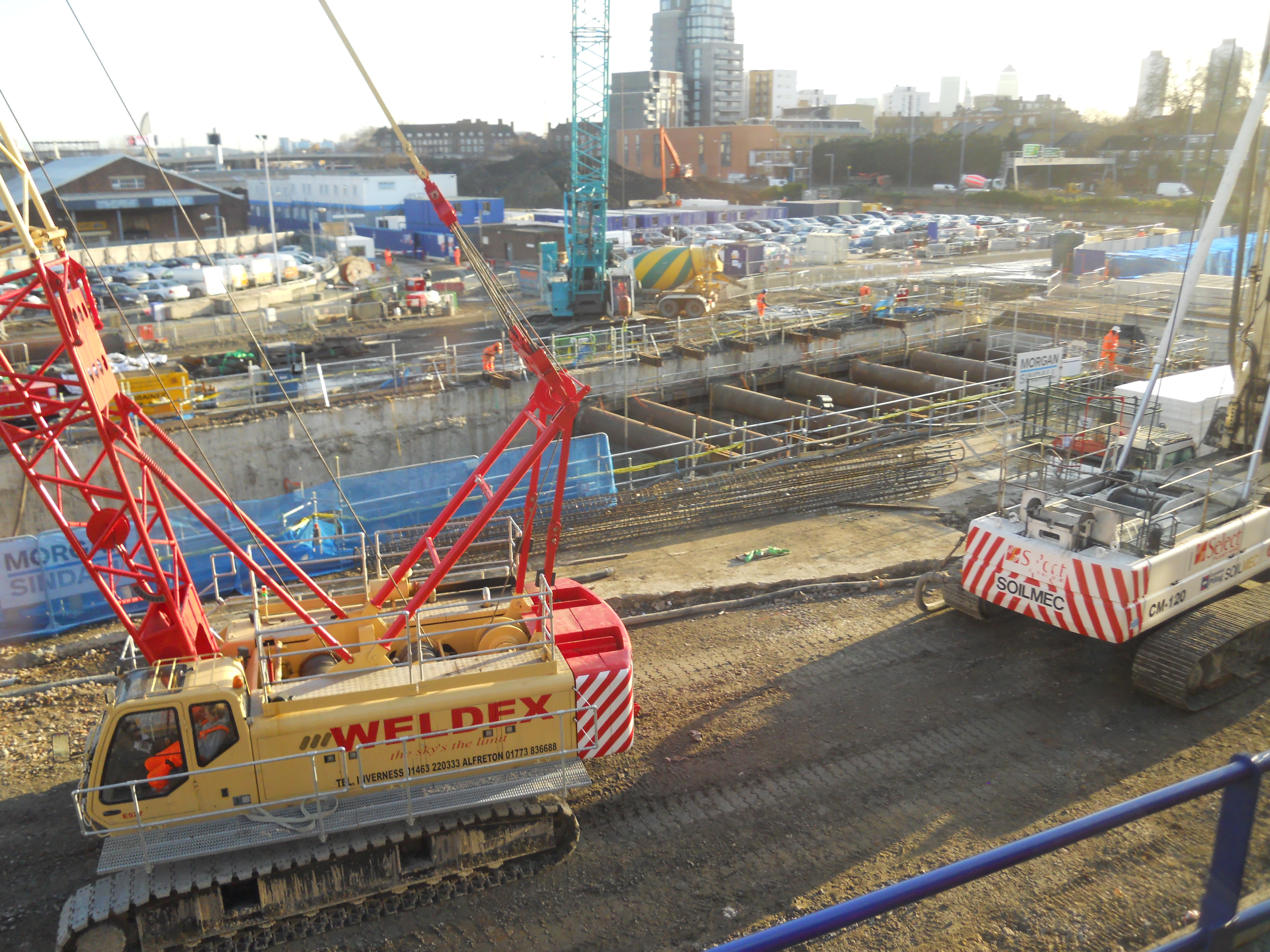
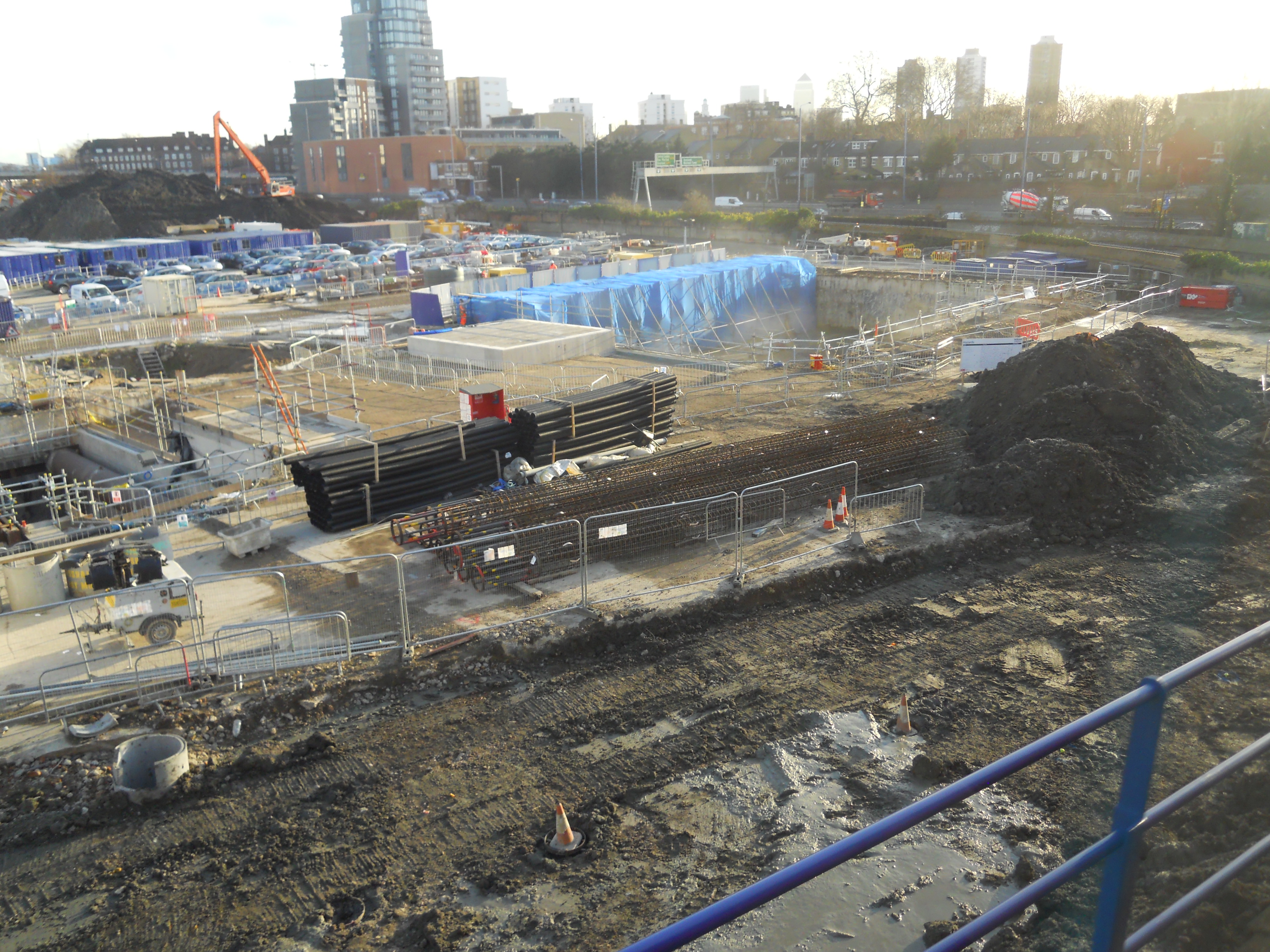
The pictures were actually taken through the door window of a DLR train. as it left Pudding Mill Lane station in the direction of Bow Church station.
What Do You Get When You Cross Good Engineering With Good Financial Skills?
February’s Modern Railways magazine has an interesting article about how a whole new lengthened set of trains are being created to work the South West London services for South West Trains.
Currently these services are worked by 4-car Class 458 and Class 450 trains.
For various reasons South West Trains want to go to a 10-car railway, which would mean the simplest solution would be to lengthen the Class 450s to 5-cars and run them in pairs as required. But this would require upwards of about a hundred new carriages and typically these cost about a million pounds each.
But then Porterbrook’s engineers and managers got involved and suggested using the redundant purpose built fleet of 8-car Gatwick Express Class 460 that were surplus to requirements to lengthen the Class 458’s to 5-car trains. This is possible as both sets of trains were built by Alstom to a common design.
So South West Trains will get what they want at a lesser cost and probably earlier too.
The irony is that Porterbrook, is basically a train leasing company and not an engineering one.
So next time you ask, what have bankers done for us, look at a clever piece of work like this. But then it was probably led by engineers who understood money, rather than bankers who understood engineering.
All of the best engineers I’ve worked with always understood the monetary implications of what they did! Some also understood marketing too!
 The Anonymous Widower