Is This French Punishment For Brexiters?
This article on the BBC web site is entitled Dover ferry port passengers hit by traffic chaos. This is said.
Holidaymakers have been hit by delays of up to 12 hours through Kent to get to the Port of Dover, with many being stuck in traffic overnight.
Port authorities said delays built up due to French border checkpoints being understaffed overnight during heightened security levels.
There’s always some problem with the French and the Channel every summer.
But this summer it appears to be worse!
Could it be that the French are showing Brexiters, that they control the border?
After all, we never seem to get a problem with the Belgians!
The strange thing last night, as I came in from Brussels on Eurostar, was that there was some form of overcrowding in the terminal at St. Pancras.
Are The Railways Of Saxony A Benefit Of Communism?
Saxony is a German State with a lot of railways. This page is a list from Wikipedia.
In the UK, after the Second World War, we needed to modernise our railways and what we did was rather patchy and haphazard.
It finally, led to a lot of costs to no great benefit.
- I can remember taking over five hours on a journey to Liverpool in the 1960s.
- I always in the 1960s and 1970s, used to look at a heavy rail train and say how inferior they were to what the London Underground offered.
- Electrification was very slow to come in. I can remember Trains Illustrated saying Felixstowe will be electrified soon in the 1960s.
- Schemes like the Picc-Vic Tunnel in Manchester never saw the light of day.
Finally, the Beeching Report put a can on it.
But in the former East Germany, there were no such cost pressures in a centralised communist economy, where maintaining employment was a priority.
One thing you notice in the are is lots of signal boxes, often with an associated level crossing. Do they need them?
Whereas we would shut railways enthusiastically to cut costs, the East Germans didn’t, as it was against their politics.
So a lot of railways got preserved, where other countries would have closed them!
Now you can see a lot of railway development, as like the UK, Germany is coming round to the view that railways are what people want and they’re good for the economy.
Vivarail D-Trains Are Being Sent To Coventry
In A Video About The Vivarail D-Train, I said this.
I am sceptical about the Vivarail D-Train, but I do admire companies and organisations that think out of the box.
So after this report on Global Rail News, which is entitled Recycled Tube trains to re-enter passenger service this year, I am beginning to think that the Vivarail D-Train or the Class 230 train, might prove that engineering is the science of the possible. This is said.
Vivarail’s D-Train has its first customer and will enter passenger service between Coventry and Nuneaton later this year.
A Class 230 prototype, which started life as a London Underground D-Stock unit, is to be leased by the West Midlands Combined Authority (WMCA) for London Midland for an initial 12-month period.
The three-car train will act as a demonstrator, gathering feedback from passengers to inform the production of future trains.
I suppose there’s no better way to shut up the critics of a vehicle or transport system, than allow them to ride in it!
I don’t believe that the straight-talking inhabitants of the West Midlands will hold their tongue, if the train has shortcomings.
Could Beckenham Junction To Birkbeck Be Run On The Zwickau Model?
Look at this map from carto.metro.free.fr, which shows the lines to the west of Beckenham Junction station.
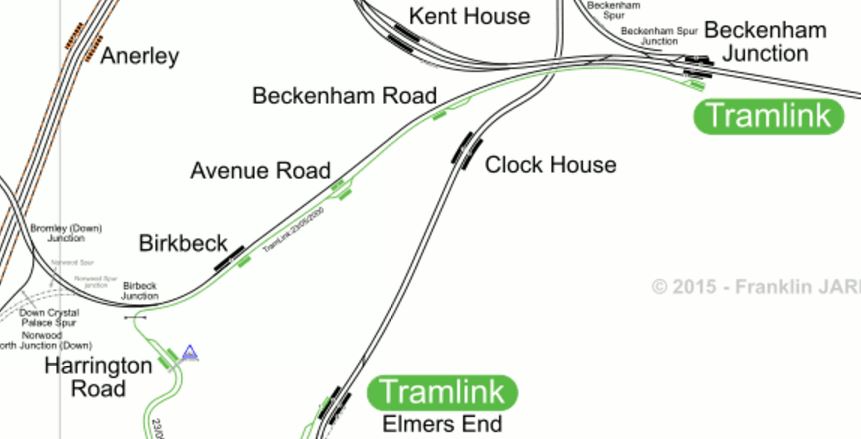
Lines To The West Of Beckhenham Junction Station
At Beckenham Junction station, there are the following platforms.
- Two through platforms.
- Two Westward-facing bay platforms for trains.
- Two Westward-facing bay platforms for the Tramlink.
But the real problem of operation of the section of line through Beckenham Junction station is that, both the main line and tram line to Birkbeck station are bi-directional, which must limit capacity.
Running Under The Zwickau Model
After what I saw at Zwickau and wrote about in Riding The Vogtlandbahn, I feel that a similar solution could be applied to this section of line.
The following would be done.
- The current Tramlink line would be for all Westbound trams and trains.
- The current heavy rail line would be for all Eastbound trams and trains.
- Both lines would have no third rail electrification and would be electrified for trams only.
- All trams using the line would be identical to now.
- All trains using the line would need to have onboard energy storage. I suspect some Class 377 trains could be modified to work the required services.
- All platforms would need to be adjusted to give step-free access to the two type of vehicles.
- There would need to be adjustment to the crossings and tram electrification at Beckenham Junction.
The whole plan is very similar to that carried out and working successfully between Zwickau Hbf and Zwickau Zentrum, except that the Germans have the problems of different tram and train gauges and use diesel multiple units.
The Current Services
The typical off-peak service frequency is:
- 4tph (trains per hour) to London Victoria (Southeastern)
- 2tph to London Bridge via Crystal Palace (Southern)
- 4tph to Orpington (Southeastern)
The Orpington to Victoria trains would be unaffected, as they don’t use the changed section of line.
The London Bridge to Beckenham Junction stations would need to be operated by an IPEMU or a train with onboard energy storage, as they’d need the power between Beckenham Junction and Birkbeck stations.
The tram services would be generally unaffected, although they would need to cross over from the Eastbound line into Beckenham Junction, as trains do now.
Advantages
I can’t believe that creating a double-track railway, that can be used by both the current trams and say Class 377 trains with an IPEMU capability, doesn’t have advantages.
The passing loops on the tram line would not be needed, as Eastbound and Westbound trams would be on different lines.
The double-tracking should reduce train delays.
It would allow the tram frequency to Beckenham Junction to be increased., which might enable a whole lot of possibilities.
I do feel though that the biggest advantages might be enabled, if Birkbeck, Avenue Road and Beckenham Road became single island platforms between the tracks. This would enable.
- Same platform interchange.
- Train passengers going East could change to a tram going West and vice-versa.
- A single lift could be installed at Birkbeck, Avenue Road and Beckenham Road stations for step-free access.
Riding The Vogtlandbahn
The Vogtlandbahn is one of the more unusual railways I have ridden. This is a basic description from Wikipedia.
The Vogtlandbahn is a private railway company in Germany, which runs diesel trains on regional lines in the states of Saxony, Thuringia, Bavaria, Brandenburg, and Berlin and as well as routes into the Czech Republic.
And this paragraph describes its origins.
After German Reunification in 1990, there was a sharp drop in passenger numbers on the rail network in all the new Bundesländer. Saxony, and thus Vogtland was no exception. The railways had old locomotives rolling stock and couldn’t compete with the rapidly improving roads. The Saxony government invested in an attempt to improve the attractiveness of the Zwickau–Falkenstein–Klingenthal line and the Herlasgrün–Falkenstein–Adorf (Kursbuchstrecke 539). The track was relaid to an 80 km/h standard, disabled access was facilitated at all stations and new stations opened. Maintenance and tracks were rationalised. Some platforms were removed, some stations such as Schöneck were restyled as simple halts.
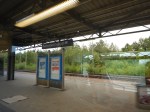
It is a properly engineered system,which uses standard trains, as these pictures show.



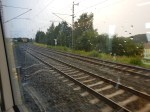


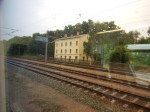


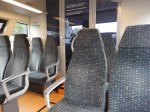





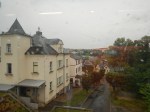
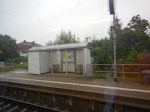


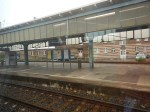

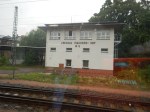



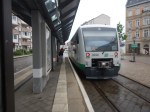
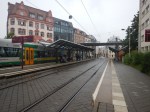
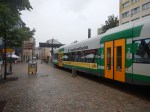
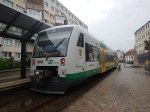
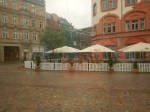


The route I took started at Zwickau Hauptbahnhof, which is shown in this Google Map.
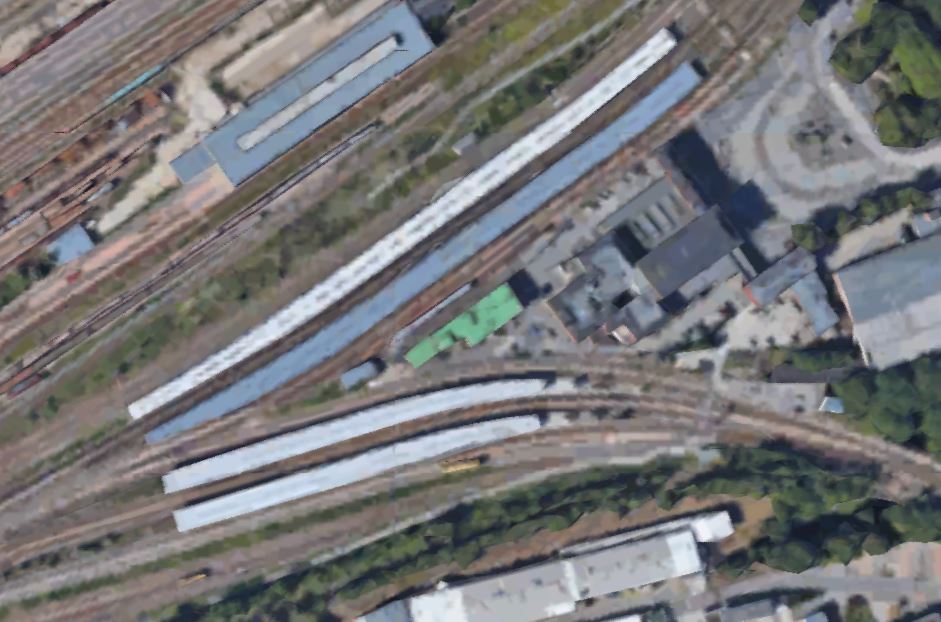
Zwickau Station
Note how there are two sets of platforms.
- The Northern set are numbered 5-8 and handle the main trains to Leipzig and Dresden.
- The southern set are numbered 1-4 and handle the Vogtlandbahn trains, which continue South-Eastwards to Zwickau Zentrum tram stop.
The two sets of lines join to the West of the station and share tracks to the Leipzig-Hof Line, where trains can go either North and South.
I had chosen a train from Platform 4 at Zwickau that passed through Netzcschkau station, which is where I got off, waited half-an-hour and caught the train back to Zwickau.
The line is no semi-derelict line, but a rather charming line in some ways reminiscent of something like Calder Valley Line. It is fairly level, but it runs across the top of hills with high viaducts everywhere.
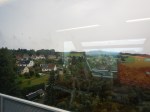
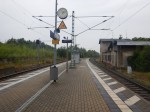
These stations and features are in the same order as the pictures.
- From Zwickau my train travelled West.
- The train was a modern two-car diesel-multiple-unit, as you see all over Germany. It’s a German equivalent of a Class 170/171172 train.
- There is a large freight line to the North of the line at Zwickau.
- There are high-viaducts looking over tidy villages. Think Marks Tey Station And The Sudbury Branch.
- We passed through Lichtentanne and Steinpleiß stations.
- The line to Leipzig goes North and we took the Southern route towards Hof, that eventually goes to Munich.
- We passed through Neumark.
- We passed through Reichenbach, which looks like a station to visit.
- We then passed over the Göltzsch Viaduct, which the largest brick-built bridge in the world. It is 574 metres long and 78 metres high, which means it is a lot bigger than the Digswell Viaduct at 475 metres long and 30 metres high.
- I then reversed by journey at Netschkau station.
- The train didn’t go the same way back to Zwickau, but after the viaduct, Reichenbach and Neumark, it went a few kiometres towards Leipzig before reversing at Werdau station and coming back to the starting point via Steinpleiß and Lichtentanne stations.
- Lichtentanne station appears to have platform roofs built like medieval barns in serious timber.
- The train said it was going to Zwickau Zentrum and after passing through the Vogtlandbahn platform at Zwickau HBf station, the train descended into the City on a tree-lined line.
- After a stop at Zwickau Stadthalle, the train rolled into the centre of the town at Zwickau Zentrum.
This Google Map shows the Centre of Zwickau.
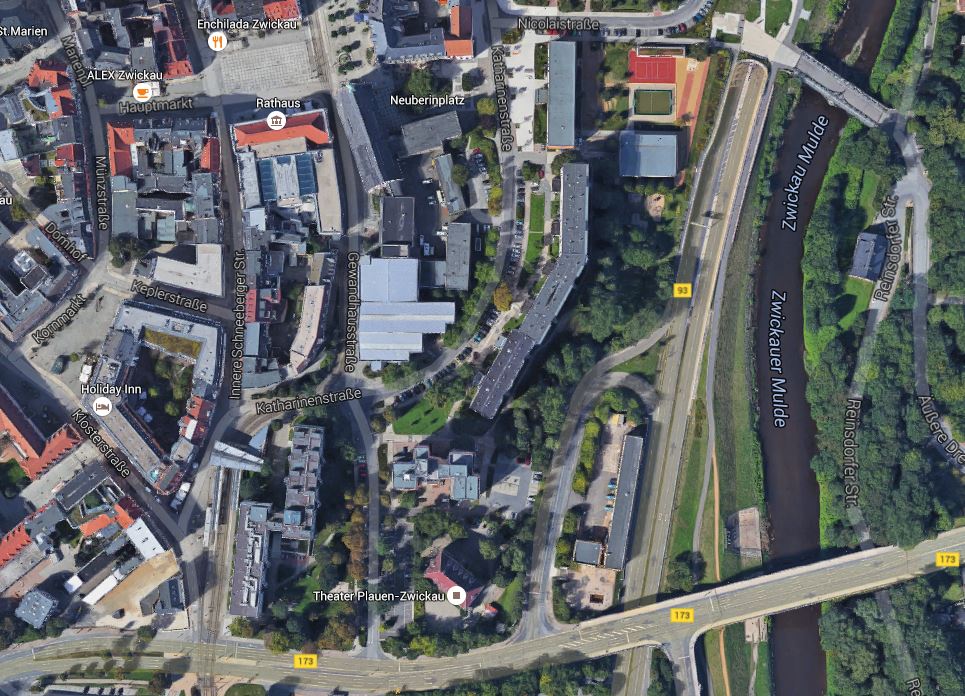
Zwickau Town Centre
The Town Square with the Rathaus (Town Hall) is at the top and Zwickau Zentrum train/tram stop is South of the square and just North of the maion road through the area. This Google Mwickau Stadthalle train/tram stop, shows the intricacy of what has been done.
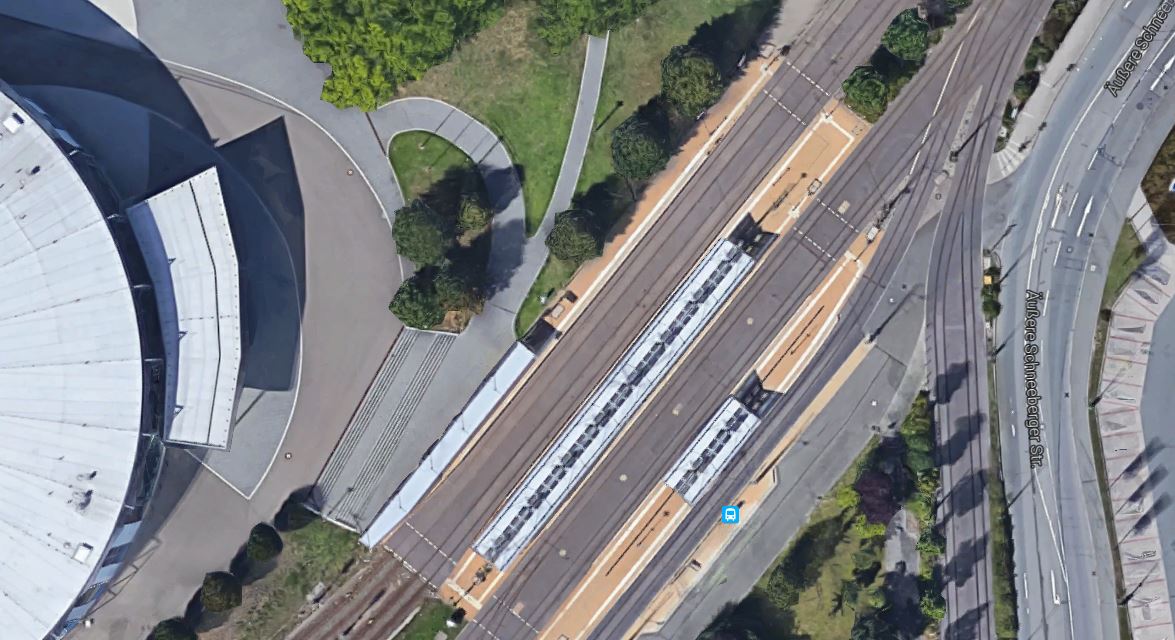
The trains of the Vogtlandbahn use the two platforms to the North-West. Note that some tracks in the area ,have three rails for the two different gauges. This Google Map of just North of Stadthalle station, shows the lines clearly.

Tracks North of Zwickau Stadthalle Station
Note the level crossing in the bottom left corner. I said in the pictures, that I saw another tram stop. This Google Map shows it.
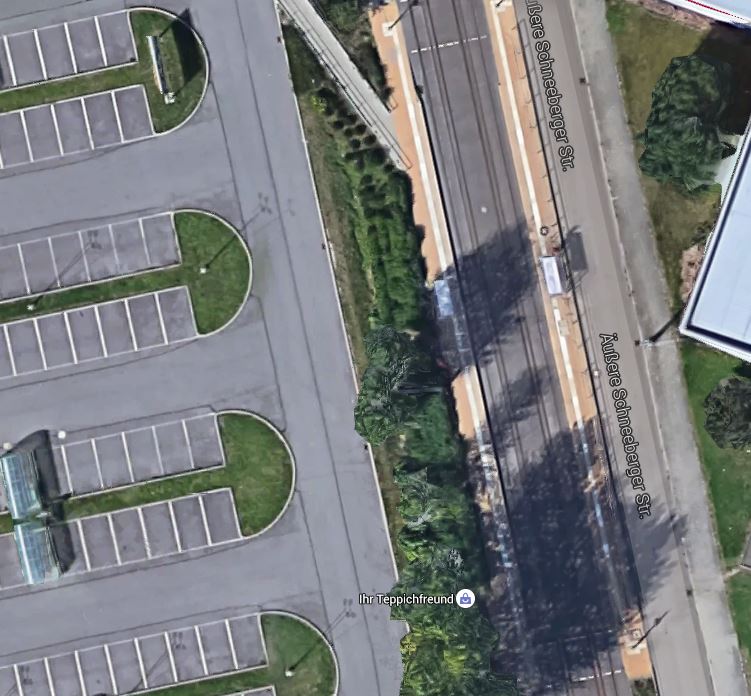
An Unnamed Tram Stop In Zwickau
You can clearly see the three rail track in this map.
Approaching Zwickau Zentrum train-station/tram stop, the tracks have to cross a dual-carriageway. This Google Map shows the crossing.
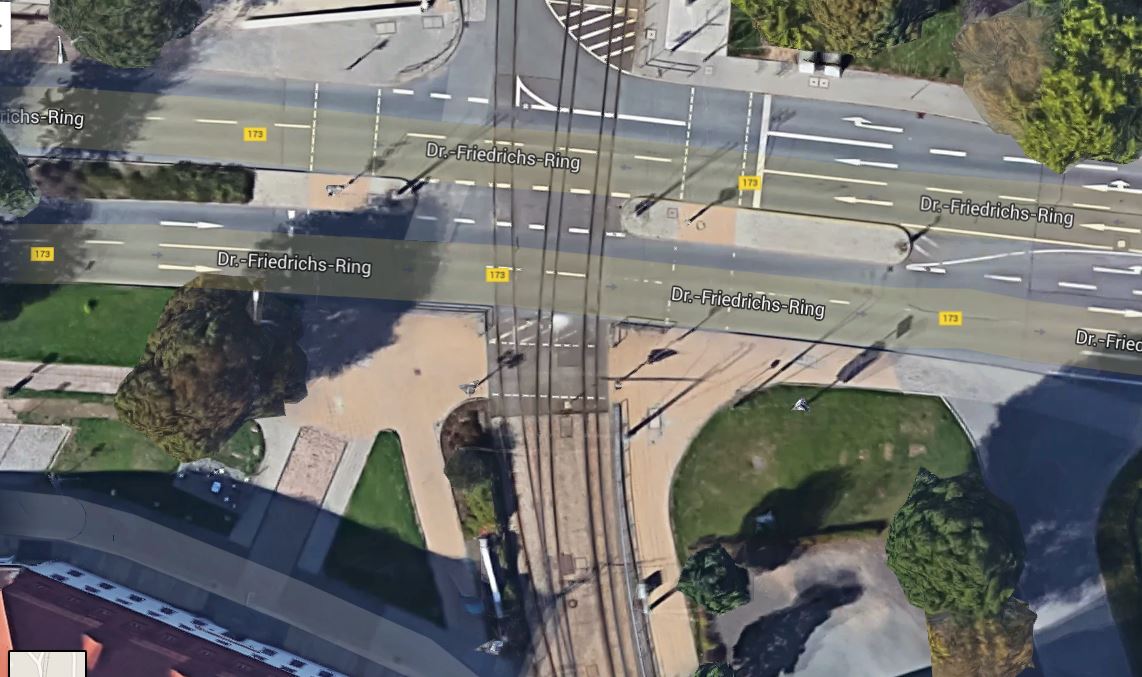
Trams And Trains Crossing A Dual Carriageway In Zwickau
Note how the trains use a single track without electrification at the left and the trams use the other two tracks. Judging by the full version of this map, it would appear that road traffic is controlled by traffic lights.
To complete the route, this Google Map shows Zwickau Zentrum train station/tram trop.
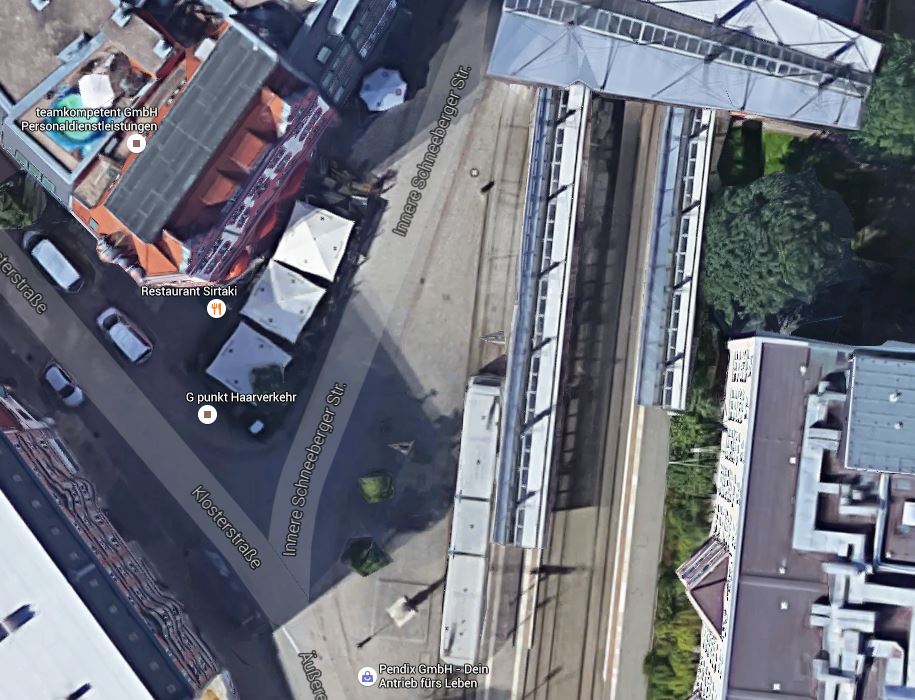
Zwickau Zentrum Station
There would appear to be a train in the station.
Unfortunately, I got my usual luck with the weather, otherwise I would have explored the area more on foot. The pictures would hopefully have been better too.
The link into Zwickau Zentrum is an interesting concept, where trains and trams share a common corridor through an urban area to a convenient station.
In Zwickau almost standard diesel trains are used, which might be slightly narrower than standard to fit the tram tracks.
As they are independently powered there is none of the problems of dual voltage operation, but they do have the problem of different gauges, which is solved by using three rails.
I think though, that on the shared line, trams and trains both run according to the same rules.
After my visit to Zwickau, I feel even stronger about what I wrote in When Is A Train Not A Train?
I believe that on separated track, trains can run through urban landscape under tram rules.
As our trams generally run on standard gauge track in the UK, I believe track could be shared between trams and trains, provided the following.
- A compatible rail profile was used.
- The line would be electrified for trams.
- Signalling and warning lights would be appropriate.
- The train has some form of independent power; diesel or on-board storage.
So say if somewhere in South London, the Tramlink and the trains needed to use the same stretch of line, a modern train like a Class 377 train with onboard energy storage would just raise its contact shoes and go.
There would be no complicated dual-voltage tram-trains.
ORR’s Annual Health and Safety Report of Performance on Britain’s Railways: 2015-16
This document on the Office of Rail Regulation will be dull reading for some.
But for anybody worried about rail safety and especially how perhaps the infrastructure is affecting their walking and driving, it is a hard but must read.
Some good points from this year’s report.
- No rail worker was killed on the rail network in 2015-2016.
- Britain’s railways are currently the safest they have ever been, but there is still room for improvement.
- For the ninth year in a row, we saw no passenger fatalities in train accidents.
- In 2008, in collaboration with us, Network Rail started closing high risk level crossings. With government support, over 1,000 crossings have been closed since 2009-10.
- This year saw a 12% reduction, to 252, in suicides and suspected suicides on Britain’s mainline railway.
Let’s hope the process continues.
The Natives Are Getting Restless
It would appear that Network Rail have stirred up a hornet’s nest in Suffolk over the tricky subject of level crossings.
Over the last couple of days, three letters have appeared in The Times either supporting or opposing the closures.
I’ve also had talks with old friends in the County and some are not happy.
This web page on Network Rail’s web site, which is entitled Anglia level crossings proposals, gives more details. This is said.
We have been working to reduce the risk that level crossings pose and have developed proposals to manage the possible closure or change of use of around 130 level crossings in Anglia across Cambridgeshire, Essex and Suffolk.
We believe it’s possible to close level crossings:
- with private rights only
- by diverting people to where a nearby alternative exists
- by providing a new public route to a nearby alternative
We will also look to downgrade level crossings to non-motorised users. None of the crossings in this proposal involve closing public A or B roads.
We recognise the importance of public rights of way and where possible we will maintain easy access to the countryside.
Having read the full document, I would say that Network Rail are trying to do there best to eliminate these hazards of a bygone age.
But try telling that to some of the locals.
What should bring it home to the locals is the Roudham train crash on April 10th, 2016, when a Class 170 train hit a tractor on a level crossing.
The train hasn’t been returned to service, so as I wrote in An Illustration Of East Anglia’s Rail Problems, the operator is scratching sround for trains.
So one place’s level crossing accident, is another area’s lack of trains.
There are rumours, that the Roudham crash was caused by human error, but the main cause of the crash, was the fact the level crossing existed.
All level crossings should be removed.
Up And Down The Crouch Valley Line
The Crouch Valley Line runs from Wickford station on the Liverpool Street to Southend Victoria Line and Southminster in deepest Essex via the sailing town of Burnham-on-Crouch.
This Google Map shows the route of the line.

The Crouch Valley Line
Stations on the line are at Wickford, Battlesbridge, South Woodham Ferrers, North Fambridge, Althorne, Burnham-on-Crouch and Southminster.
I took these pictures as I went from Wickford station to Southminster station on the Crouch Valley Line. On the way back, I stopped off at Burnham-on-Crouch station and found an excellent snack lunch at Cafe-Dairy in the town.



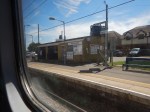

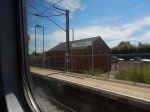


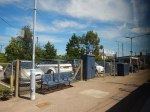
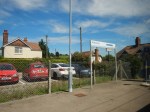
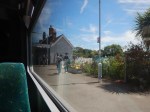
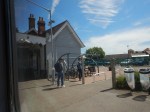
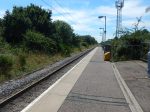


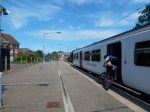
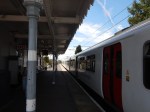
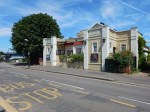

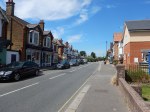

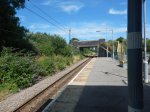

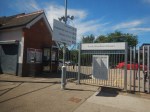
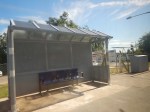
It certainly isn’t your average rural railway line.
- The six stations on the line are in pretty good condition.
- All except North Fambridge station are single platform stations, so are effectively step-free.
- The line goes through marshes and country with a lot of birds. Very Snow Goose!
- Most of the stations, seem to have adequate car parking.
- The electrification doesn’t appear to be in the best of health, but then that could be said for much of East Anglia’s railways.
If it has one major problem, it is that trains seem to run every forty minutes.
Growth In Passenger Numbers
Two factors will see the number of passengers using this line grow in the future.
Someone in Burnham told me, that they were building a lot of new housing along the line, which surely will generate traffic.
Also, the RSPB’s flagship reserve at Wallasea, that has been built with tunnel spoil from Crossrail, is just across the river at Burnham-on-Crouch.
This Google Map shows the area.
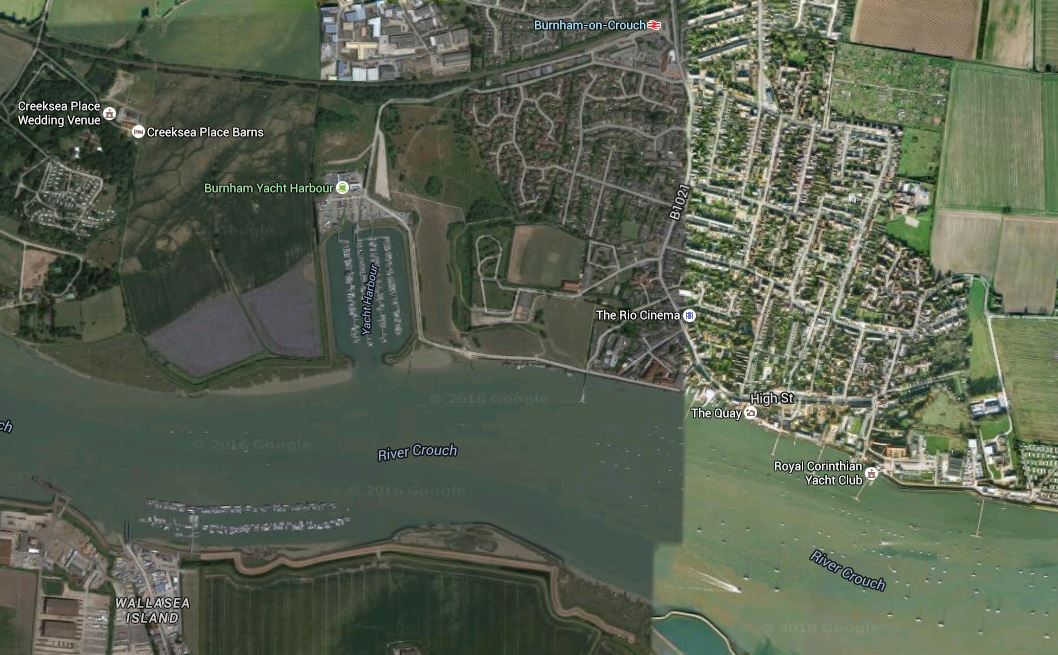
Burnham-on-Crouch, the River Crouch And Wallasea Island
The Crouch Valley Railway goes across the top of the map and stops at Burnham-on-Crouch station.
I walked down to the River, going past the cinema.
Will a proper route from the station to Wallasea Island on the other side of the River Crouch be created using a bus and a ferry?
There is also a very low possibility of a new nuclear power station at Bradwell, which could increase traffic to Southminster.
A Two Trains Per Hour Service
The current schedule meant I had a forty minute wait for a train after my lunch. I made a mistake calculating when the train would leave and I arrived back at the station a few minutes after the train had left.
Forty minutes is a long time to wait for a train in a station with few facilities on a sunny day.
If traffic does grow on the line, as I indicated in the previous section, two trains an hour will be a necessity.
The reason for the current weird interval is that if you look at the time-table, trains take thirty-one minutes to do the Journey.
If you add in the turn-round time, when train staff do what they have to do and that to run the service, the two trains must pass at the only passing loop at North Fambridge station, it becomes obvious, that the fastest sensible time for the journey adding in all the extras is forty minutes.
So it would seem that in order to get two trains per hour, you would need to get the time for the journey down to thirty minutes.
It would seem that it might be possible by using four trains to get a three trains per hour service, but this would probably need extra passing loops or full redoubling of the track with extra platforms in places.
So because of cost this will probably not be an option.
In other words, the only way to get two trains per hour on the branch, would be to speed up the time each journey takes.
New Trains On The Line
New trains on the line could be the key to achieving a thirty minute total journey time.
If something like a new Aventra train replaced the current Class 321 train, there would be certain features that would save time.
- The higher speed and better performance of the modern train would save some time.
- Modern trains are designed to stop, unload and pick up passengers and get back to line speed in a shorter time.
- Level access to platforms could be arranged to cut out loading delays of buggies, wheelchairs and bicycles.
- Helpful automation for the driver in the turn-round at each end of the line could save a few precious minutes.
- The precision driving needed would be easier in a modern train.
It might even be possible to do a faster speed in a Class 360 train.
Improving The track
I do wonder, if Network Rail have ideas to improve the line speed, which would mean more minutes saved.
I suspect Network Rail engineers wish that the conversion of this line to single-track in the 1960s shouldn’t have been carried out.
Conclusion
I think that within a couple of years, we’ll see new trains on this line providing a two trains per hour service.
Wickford Station
I took these pictures at Wickford station.
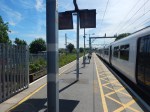
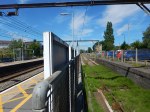
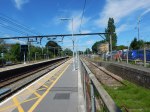
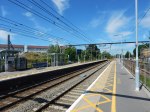
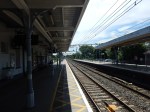
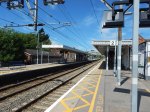
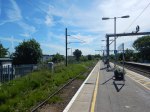
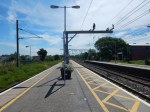
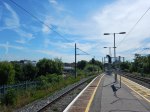
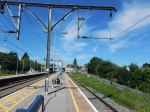
Note.
- There is a disused Platform 4 at the London End.
- The Crouch Valley Line service to Southminster station uses Platform 1 at the Southend End.
- The service between London and Southend is generally three trains per hour.
- The service on the Crouch Valley Line is for a lot of the time, one train evrry forty minutes.
- The station is not step-free.
As one of the station staff says, the station needs a drastic makeover.
But as the station handles over two million passengers a year, I think that it must be a fair way up the list of stations to be improved.
London To Southend Services
Wickford station is on the line route between London Liverpool Street and Southend Victoria station, which is run by Abellio Greater Anglia (AGA).
There is also a line between London Fenchurch Street and Southend Central station, which is run by c2c.
Comparing the two services gives the following.
- The c2c service has six trains per hour, whereas the AGA service has three.
- The c2c service is a few minutes faster.
- The trains on the c2c service are Class 357 trains, a couple of decades younger than AGA’s Class 321 trains.
- c2c are intending to bring in new trains in a few years.
- c2c’s stations seem to be in better state than AGA’s.
To add to the problems of the AGA service, in a couple of years time, Crossrail will be running new trains between Liverpool Street and Shenfield.
I also believe that slower trains like the Class 321 trains, are an operational problem to increase capacity and speed on the Great Eastern Main Line South of Shenfield.
Because of the competition from c2c and the problems with running alongside Crossrail into London, I suspect that the new East Anglia Franchise will have to invest in new trains on the Liverpool Street to Southend Victoria route.
As Crossrail will be running Class 345 trains based on the Aventra, I wouldn’t be surprised to see Aventras running to Southend Victoria.
But these will not be designed with a Metro interior, but probably with an interior like a Class 387 train, with lots of space and tables.
Southend will certainly have a much improved train service to London.
If the service on the AGA route through Wickford were to be four or six trains per hour, then this would interchange much better with a two trains per hour service on the Crouch Valley Line.
An Unusual Double-Headed Freight Train
I travel up and down the Great Eastern Main Line regularly and recently, there seems to have been a greater incidence of freight trains with two locomotives on the front.
I am pretty certain, I’ve seen several trains with two Class 66 diesel locomotives or two Class 90 electric locomotives on the front.
But today from a train at Shenfield I took this rather poor picture.
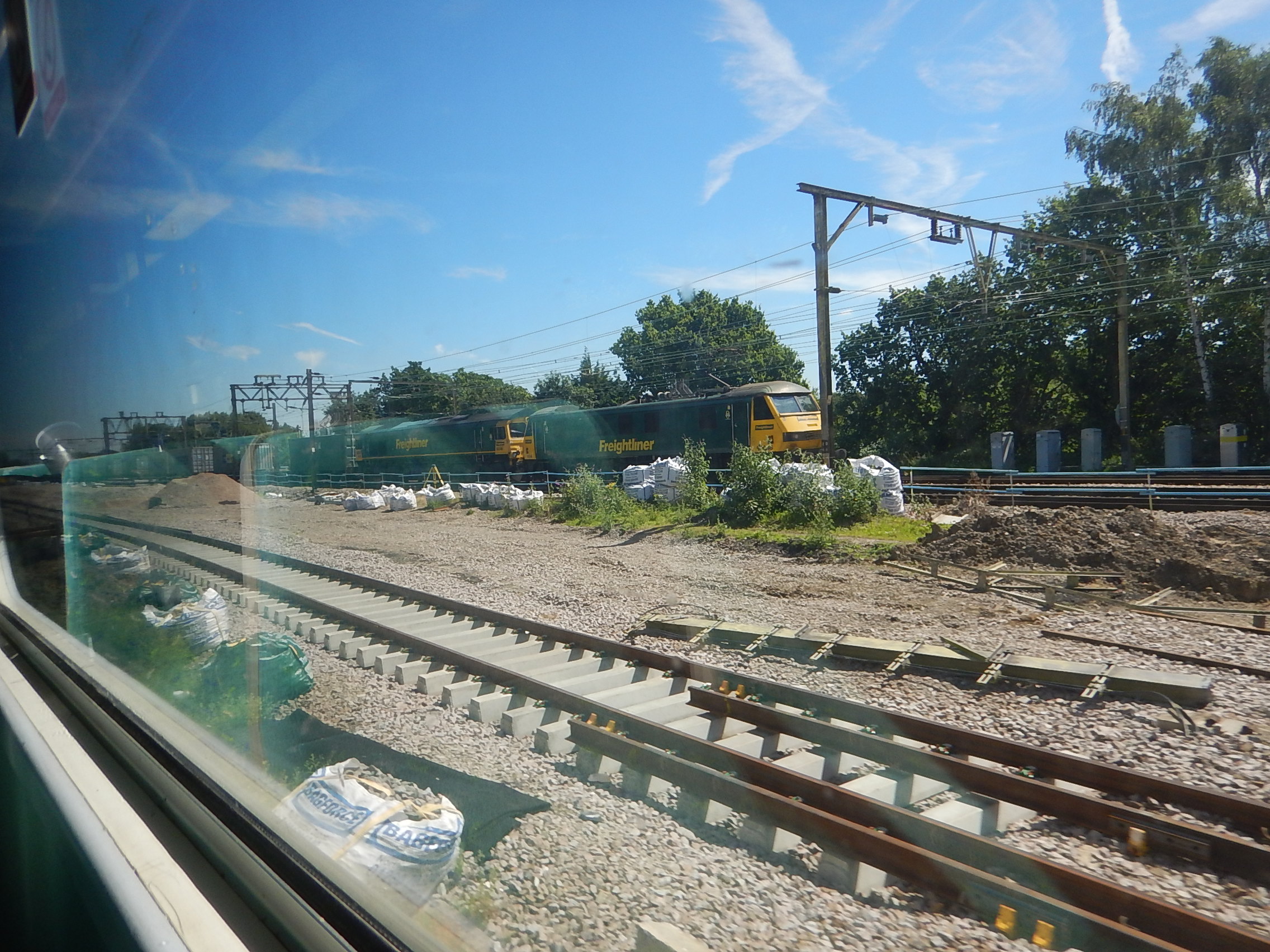
Is This A Class 90 And A Class 66 Working Together?
It would appear to show a Class 90 and a Class 66 working a freight train together.
Does this happen regularly? I can’t find any other pictures on the web.
I should get my camera out faster in future!
 The Anonymous Widower