Irish Rail Seeks Second-Hand DMUs To Boost Fleet Capacity
The title of this post is the same as that of this article on the Internation Railway Journal.
Ireland needs more capacity on its railways and the preferred solution appears to be some second-hand DMUs.
It is likely, they will come from Great Britain.
- We are replacing some DMUs with new fleets.
- The Irish have a similar restricted loading gauge.
- The trains will need to be converted from standard to Irish gauge.
The article mentions that Class 185 trains are likely candidates.
Yet again, the stupid decision of the British Government in the Railway Regulation (Gauge) Act 1846, is costing the Irish good money.
On The New Woolwich Ferry
These pictures show my crossing on the new Woolwich Ferry; Ben Woollacott.
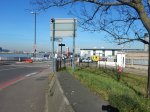

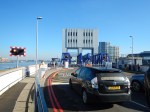
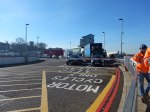

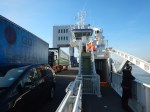
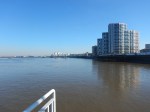
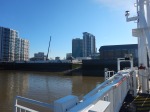

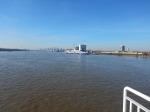


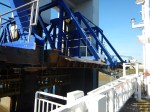
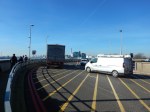

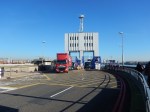
It was a nice sunny day to go for a cruise.
In The Woolwich Ferry By Foot, I went across on the old ferry.
The new ferry doesn’t have the same quality of passenger cabin, but it can transport a few more vehicles.
Nearly Half Of Institutional Investors To increase Interest In Renewables & Energy Storage
The title of this post is the same as that of this article on Windpower Engineering and Development.
To build a successful and ultimately profitable wind farm, you need the following.
- A good location and excellent engineering.
- A need for your electricity.
- Access to affordable finance.
The first is down to your surveyors, analysts and engineers and the second can probably be taken as read.
If as the article suggests, institutional investors are seeing renewables as a safe investment, it would appear that finance will be more readily available.
So provided the wind blows, I can see lots more wind farms and other renewable power sources being created.
International Institutional Investors
I will add one note of caution.
Some of our infrastructure in the UK, is owned by institutional investors from countries like Australia, Canada, Norway and other countries often rich in natural resources. I am not sure, but I seem to remember that some trains, were financed by money provided by Pension Funds of Canadian teachers.
So, we must be careful how we manage the country, as if the UK is seen to be a risky investment, then the institutional investors will use their money in other countries.
And Now There Are Two!
The second Class 378 train; 378206 is now in service on the Gospel Oak to Barking Line.
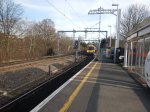


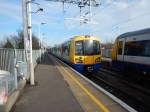
I have had a thought about these trains and also the Class 710 trains, which will have a similar interior.
At two in the afternoon on the short trip between Gospel Oak and Harringay Green Lanes stations about three-quarters of the seats were occupied.
I would estimate that there were perhaps 160 passengers on board.
As the Class 172 trains have only 124 seats, I feel that the electric trains and all the publicity are attracting passengers.
Mitsubishi Takes 20% Stake In Ovo Energy
The title of this post is the same as that of this article on Newscabal.
A few points from the article.
- The stake values Ovo at around a billion pounds.
- £216million will be injected to help fund international expansion.
- Ovo is now the seventh largest energy supplier in the UK.
- Ovo will be investing more in software to reduce domestic energy bills.
- Mitsuibishi are already involved in wind power in the UK and own Artemis Intelligent Power, who are devekloping their hydraulic technology for wind turbines.
The article is very much one that should be read.
How Many Stations Could Use This Step-Free Layout?
Greenford station has London Underground’s only inclined lift.
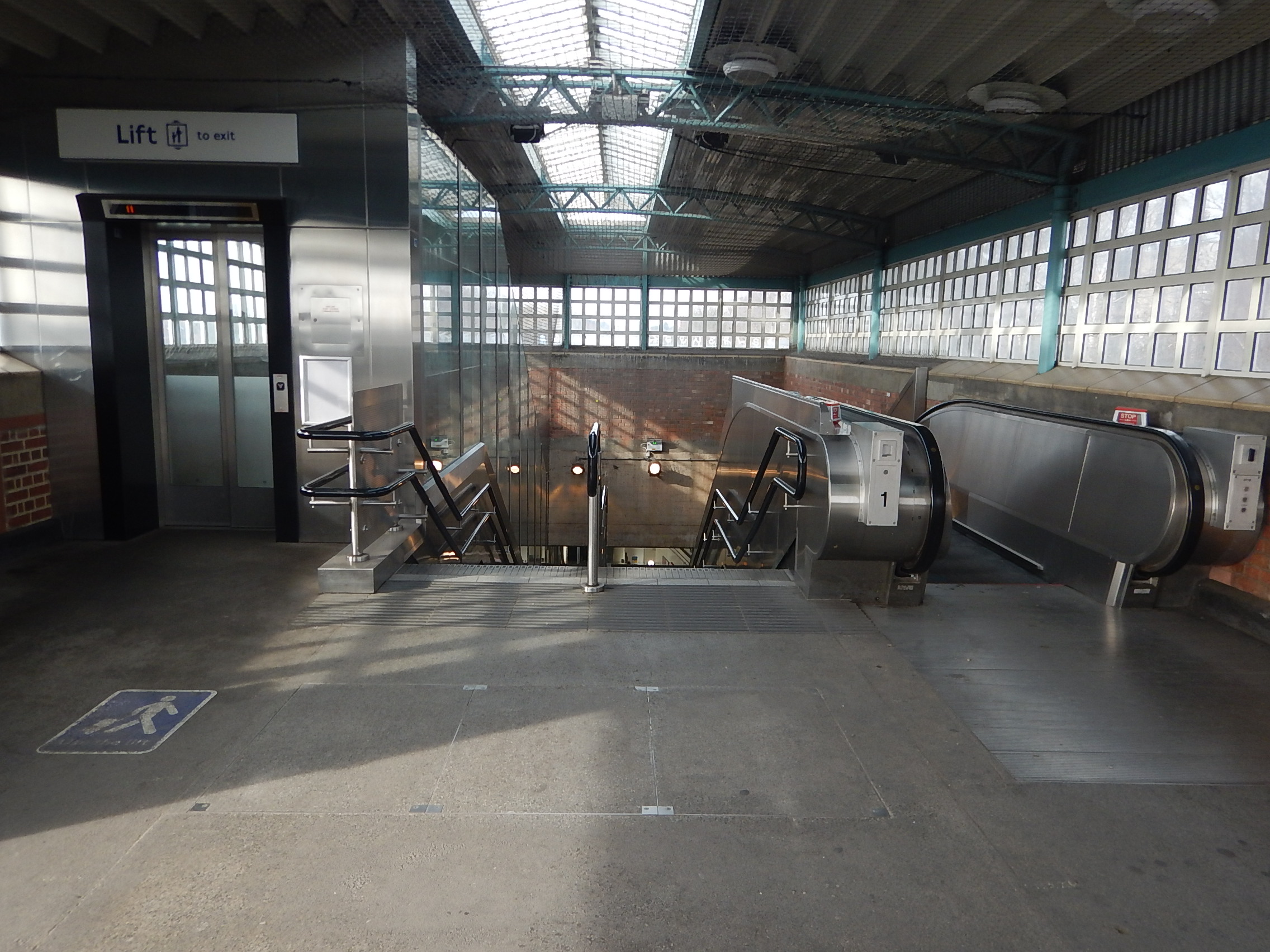
The inclined lift is installed with an escalator on the other side and double-width stairs with a central rail in between.
Searching the Internet, there doesn’t seem to have been any problems, since it was switched on in 2015.
The number of passengers using the station’s two Central Line and one National Rail platforms is around five million per year, which would appear fairly typical for many outer London tube stations.
So how many stations could use a layout like this?
These issues will need to be considered.
Height
Greenford station is not a great height difference and you wouldn’t want to have too much of a difference, as the stairs will get a heavy use.
Platform Layout
Greenford station has an island platform, which means that one set of inclinced/lift/escalator can serve all platforms.
Installation Width
The picture shows that the combined installation is quite wide, so this type of step-free access could be difficult to install.
Application To A Two-Escalator/Stairs System
There are lots of stations in the outer reaches of the Underground, which need step-free-access, where there are two escalators and a set of stairs.
Some might think, that an inclined lift could be put in the space and it would certainly the engineering wouldn’t be difficult.
But the problem would be long-term maintenance, where escalators are given a full strip-down every ten years or so and closed for several months.
The station would be left with just one working escalator and the inclined lift.
I would therefore feel that installing an inclined lift instead of the stairs is not a feasible proposition, unless the station has two entrances.
Application To A Three-Escalator System
Most deep-level stations on the London Underground have banks of three escalators, so that if one breaks down or is being maintained, there is a full service.
Application To A Station Footbridge
There are lots of stations, that need step-free footbridges.
I can envisage a prefabricated system, where an inclined lift is one of the components.
The lift and its frame would be assembled in a factory and just lifted into place on prepared foundations. Stairs and if needed, an escalator could also be handled in the same way, before the bridge deck was lifted on top.
Too many step-free footbridges, seem to require a lot of bespoke construction on site.
The system could also be used where the entrance to a station was a single set of stairs to an island platform from an existing overbridge.
Bowes Park, Rose Grove and Mill Hill come to mind. This picture shows Mill Hill station in Lancashire.
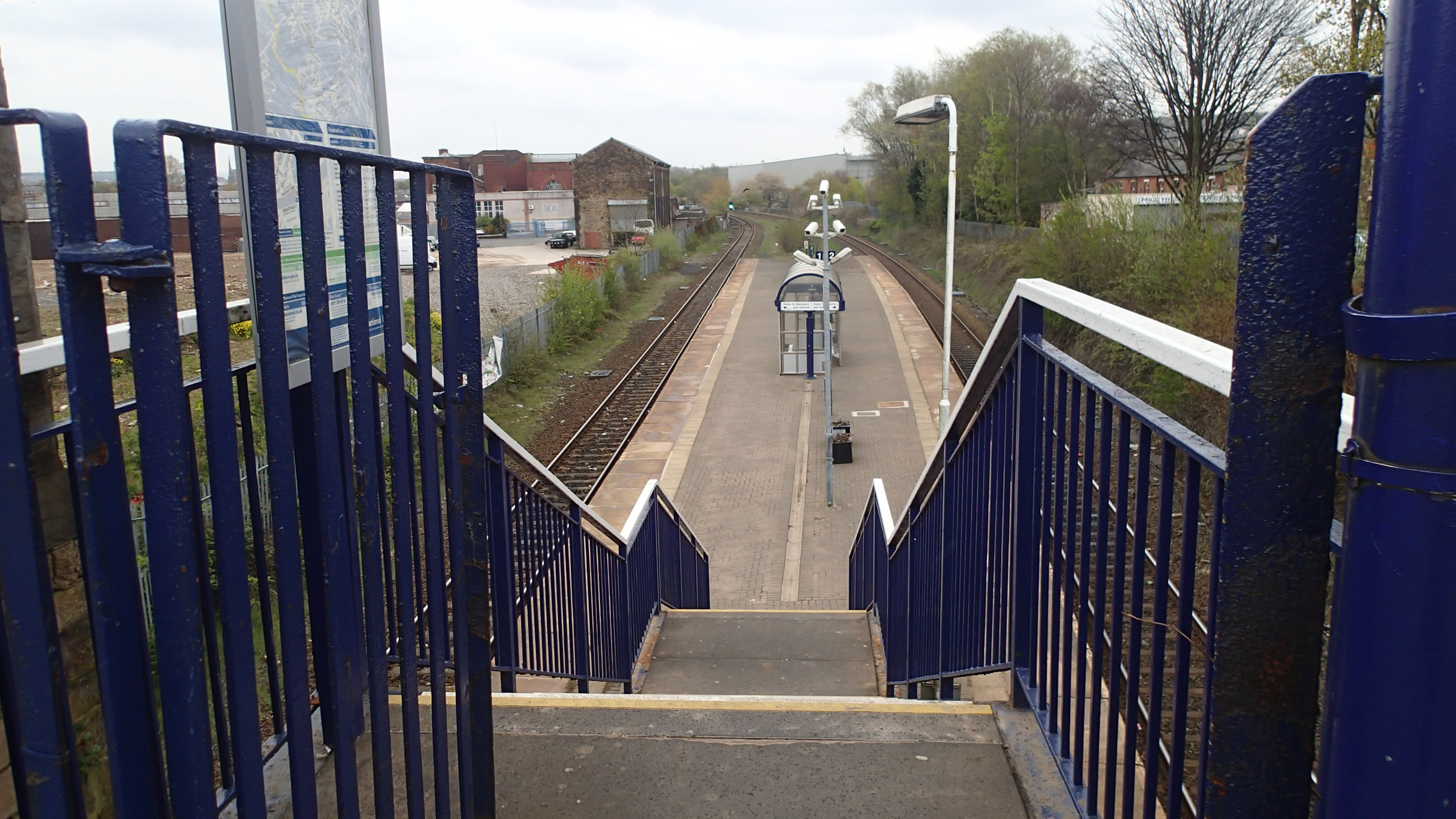
There must be others, where the existing stairs could be replaced with a wide staircase and an inclined lift.
Conclusion
I think it is likely, that given the success of the Greenford installation, we will see other inclined lifts on the UK’s railway network.
But places where they are used will have to be chosen with care and well-designed!
Grab Handles On The Bakerloo Line
These pictures show the grab handles for safe entry and exit on the Bakerloo Line.
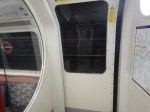


I do wonder, if the lack of handles, means a few more accidents, especially as there is a serious step-up at some stations.
SA Zinc Mine To Be Converted To Compressed Air Energy Storage Facility
The title of this post, is the same as that of this article on Energy News Biulletin.
This is the first paragraph.
The Australian Renewable Energy Agency has announced a $6 million spend for company Hydrostar Australia to progress the nation’s first energy storage project using compressed air, with another $3 million provided by the South Australian government’s renewable energy fund.
There are other articles about energy storage in Australia, but then I suppose the country, can create lots of solar energy during the day and storing some of it is important.Using compressed air to store energy underground, seems increasing to be mentioned in the media.
A406 North Circular Road ‘Most Congested’ In The UK
The title of this post is the same as that of this article on the BBC.
This is the first paragraph.
Motorists on the UK’s most congested road spend an average of two and a half days a year sitting in traffic.
The section of the A406 between the Hangar Lane Gyratory and Chiswick Roundabout has always been a dreadful road to drive on, as long as I can remember.
These pictures show typical traffic around eleven o’clock in the morning.
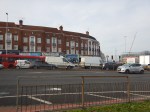

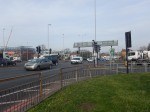

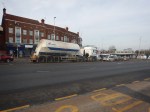


There does seem to be rather a lot of private cars and small commercial vehicles, with only a few HGVs and buses.
I would love to see an analysis of where these journeys start and finish.
Converting the road to a multi-lane dual carriageway wouldn’t be possible, as much of it is lined with private houses and even if it could be built it would just attract more traffic and would need to be widened even more.
There are circular routes further out of London like the M25 and the A412, but this road is an intractable problem.
Perhaps, it needs to be in a Congestion Charge Zone?
But is a solution at hand?
Crossrail
Crossrail, if and when it opens, will not be a direct solution, as it goes East-West and not North-South like the A406 through the area.
But it will give better access to Heathrow, which is a large traffic generator in West London.
Crossrail will link the following to the Airport.
- Canary Wharf
- The City of London
- East London and Essex
- South-East London and Kent
- West End and Paddington
It will do little to help those in North and South London to travel to and from the Airport.
Old Oak Common Station And High Speed Two
The connection of High Speed two and Crossrail could make a difference.
- Passengers using High Speed Two travelling to and from Heathrow, would have an easy route.
- North and North-East Londoners will be able to use the North London Line with a change at Old Oak Common.
- South Londoners will be able to use the West London Line with changes at Old Oak Common and Clapham Junction stations.
But Old Oak Common station won’t open under 2026 at the earliest.
It is needed now.
It also does nothing for those travellers in wide swathes of North-West London.
The West London Orbital Railway
If there is a trusty knight on an immaculate white charger, coming to the rescue, it could be the West London Orbital Railway, although as it would be stitched together from parts of existing and underused infrastructure, it has more of the Dirty Dozen about it.
There would be two routes.
- West Hampstead Thameslink and Hounslow via Cricklewood, Gldstone Park, Neasden, Harlesden, Old Oak Common, Acton Central, South Acton, Brentford, Syon Lane and Isleworth.
- Hendon and Kew Bridge via Brent Cross West, Gldstone Park, Neasden, Harlesden, Old Oak Common, Acton Central and South Acton.
The project has various advantages.
- No substantial amount of new track will be needed.
- It could be run using battery-powered trains.
- Costs would be well under half a billion pounds.
- It would connect to Thameslink and Bakerloo, Jubilee and North London Lines.
When Old Oak Common and High Speed Two open, it would have a direct connection.
I wrote about this railway in detail in New Railway Line For West London Proposed.
North Acton Station
As stated under Development in the Wikipedia entry for North Acton station, there may be reasons to rebuild the station to create a connection between the North London and Central Lines.
This Google Map shows the area around North Acton station.
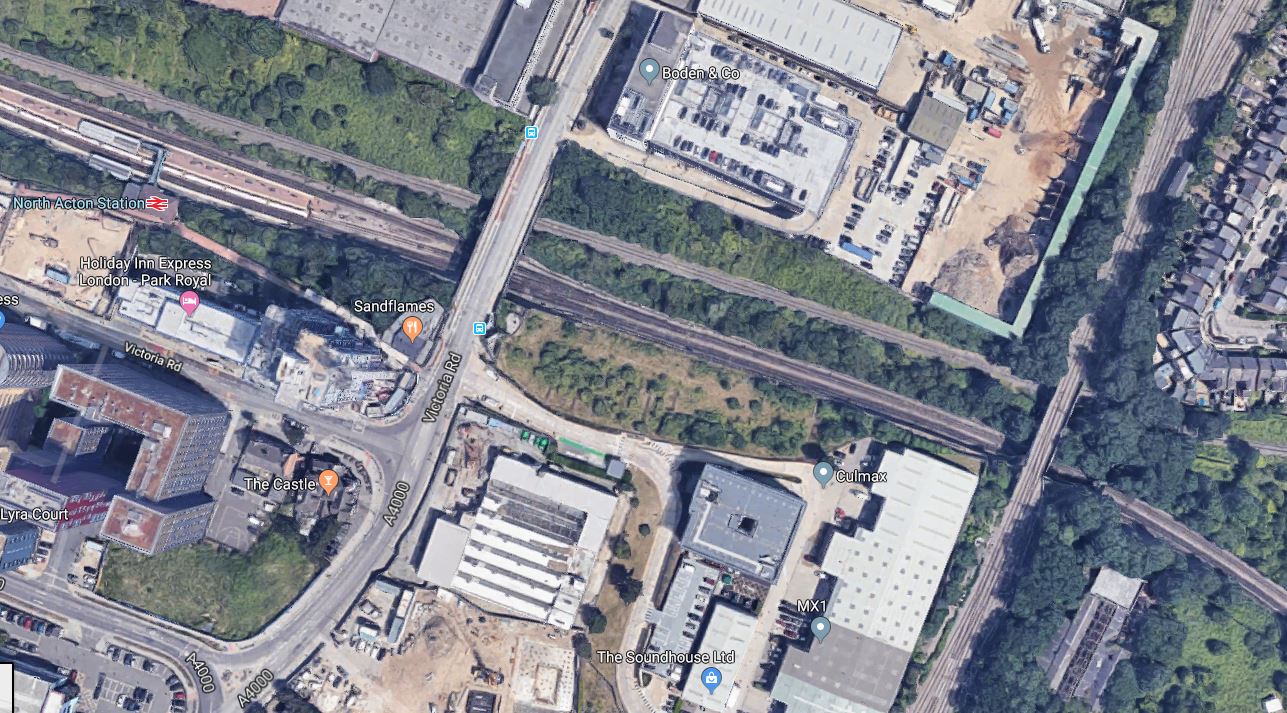
Note.
- North Acton station in the North-West corner of the map.
- The North London Line running North-South to the right of the map.
- The Dudding Hill Line branches off the North London Line at the top of the map.
- The Central Line running East-West through North Acton station and under the North London Line.
- Threading its way through North of the Central Line is the Acton-Northolt Line.
- The Acton-Northolt Line could be developed by Chiltern Railways to give access to a second London terminal at Old Oak Common.
To develop a successful station at North Acton, that tied everything together would be a hard ask.
- The bridge carrying the North London Line is very high.
- The height would make step-free access expensive.
- The frequency of trains on both the North London and Central Lines could be twelve trains per hour (tph).
- At least, there does appear to be plenty of space from the map.
On the other hand, an architect with vision might be able to create a station that was affordable and provided high benefits for passengers.
Conclusion
There’s certainly potential in West London to improve the rail routes, although I’m not sure whether rebuilding North Acton station would be viable.
But, we should start building the West London Orbital Railway immediately.
A Tale Of Two Cities
This article in the Evening Standard is entitled Traffic Will Be Banned From Three Roads Leading To Bank Junction Following Cyclists’s Death.
- Priority will be given to pedestrians and cyclists at Bank Junction in the City of London.
- The works will be completed before the works at Bank station are completed in 2022.
- There may be a street market in front of the Bank of England.
- The taxi drivers don’t like it.
Compare this to the attitude of London’s other city;Westminster, which has recently, gone against the pedestrianisation of part of Oxford Street and the extension of a Cycle Superhighway.
 The Anonymous Widower