Glasgow Queen Street Station – 18th June 2016
I took these pictures of Glasgow Queen Street station.

I suspect that when they have finished the station it will be rather different.
Are More Class 387 Trains On The Way?
In Sorting Out The Great Western Electrification, I said this, based on what I had read in the June 2016 Edition of Modern Railways, in an article entitled GWR To Order More ‘387s’.
So GWR have snapped up the other fourteen ordered by Porterbrook and supplemented this with an order for fifteen new build units.
This means they have got their required 29 trains to go with the eight they ordered some time ago.
Unfortunately, building more Class 387 trains, which would probably help the rolling stock shortage caused by the non-working Class 700 trains, especially as it appears Bombardier has spare capacity, is not on, as changes to crashworthiness regulations mean that these trains can’t be produced after September 2016.
So it’s probably very lucky, that the Great Western doesn’t have much working electrification.
In the July 2016 Edition of Modern Railways there is an article entitled GWR Confirms Order For More ‘387s’.
This confirms that GWR are taking Porterbrook’s fourteen trains and another twenty-three not fifteen trains.
Fleet Details in the Wikipedia entry for Class 387 trains confirms these numbers.
But the July 2016 article in Modern Railways also has this sentence.;
Previous concerns that the ‘387’ design could not be produced after September this year have proved to be unfounded, so Bombardier is not required to cease manufacturing the units after that time.
So does this mean we will be seeing more Class 387 trains coming off the production line at Derby?
Consider.
- Bombardier are building the new Aventras on a new production line at Derby.
- An airport version of the Class 387 train is available.
- The trains can run in four-, eight- and twelve-car formations.
- An IPEMU version of the train should be possible.
- How would the price on a Class 387 train compare to other trains of a similar capacity?
- Over fifty trains are in service on both lines with overhead or third-rail electrification.
- Many of the trains run under DOO rules.
So how could various operators use Class 387 trains.
GWR already have forty-five Class 387 trains on order for suburban services out of Paddington.
- If Bombardier get IPEMU technology to work, there are several places around the GWR network, where it might be possible to be used.
- GWR are thinking of obtaining more AT300 trains for Oxford services, but if wires could be erected or the IPEMU version could be used on battery power from Didcot, Class 387 trains could handle the route. Surely, more Class 387 trains would be preferable, as this would give a one-class suburban fleet.
- An airport version of a Class 387 train fitted with an IPEMU capability could handle the Reading to Gatwick route.
- The Marlow Branch and other routes away from the main line, could be handled by a Class 387 train with an IPEMU capability.
- Are there any other services in Wales and the West for which Class 387 trains would be ideal, once electrification gets to Bristol, Cardiff and Swansea.
c2c are an operator of seventy-four Class 357 trains, which are Electrostars like the Class 387s.
- c2c are taking six Class 387 trains before placing an order for sixty-eight new carriages to be delivered in 2019.
The new East Anglia Franchise will be awarded this month and requires a lot of changes to the rolling stock. Some are urgent.
- Three Class 387 trains running as a twelve-car unit with a high-class interior would probably be faster, more comfortable and spacious with an increased capacity compared to the ageing Class 90 locomotives and rakes of Mark 3 coaches. Would the Class 90/Mk 3 trains, be able to do Norwich in 90?
- Class 387 trains with an IPEMU capability could work various routes around East Anglia connecting Cambridge, Colchester, Ely, Great Yarmouth, Ipswich, Lowestoft, Norwich and Peterborough.
- There are several branch lines in East Anglia without electrification,which could be worked by Class 387 trains with an IPEMU capability.
- The Class 379 fleet working to Cambridge and Stansted Airport, may need expansion, due to the opening of Cambridge North station.
- According to Wikipedia, the invitation to tender for the france include this ” extra points will be awarded to bidders who include plans to trial new technologies in rolling stock”
Although some of the uses of Class 387 trains could obviously be filled by Aventras and other trains, as there is little development involved to build more Class 387 trains, I wouldn’t be surprised if more of these trains were built.
After all, if you are the CEO of a train operating company, currently running Electrostars, at speeds of up to 110 mph and you are offered the latest Class 387 train to your specification, with a sensible delivery date and at a price that is affordable, you must seriously consider signing the order.
You also have the example of the Class 387/2 trains that were built to an airport specification for Gatwick Express.
I wouldn’t underestimate the involvement of Porterbrook-Rent-A-Train in all this. Some of the franchises will need more rolling stock, as soon as possible.
Learning To Love Stations Again
The title of this post is that of an article on the Rail Staff web site.
This is the introductory paragraph.
The Great British public are learning to love railway stations again, says Rob Naybour, one of the founding partners of architects Weston Williamson. While so many buildings, which have for generations served as the hubs of their communities, are being repurposed, railway stations have endured and are rediscovering their role in our towns and cities.
The article is well worth reading.
After The Pop-Up Shop, Here’s The Pop-Up Depot
We’re all very familiar these days with pop-up shops.
I found this article on the web entitled DB Cargo UK and CEMEX introduce ‘pop-up’ rail depot.
It may not be for the general public, but this is said.
DB Cargo UK and CEMEX have opened a ‘pop up’ rail depot to serve the growing North West construction market and reduce the number of HGVs transporting materials from the picturesque High Peak countryside.
The ‘pop-up’ depot was installed in weeks on land adjacent to the West Coast Mainline using a ready-made weighbridge and office.
The temporary site, based in Warrington, Cheshire, will handle around 125,000 tonnes of aggregates each year.
I think we’ll see the concept used more often to get those truck-loads of heavy construction materials off the roads and onto the railways.
TransPennine Express To Edinburgh
In the July 2016 Edition of Modern Railways, there is an article entitled CAF to build new TPE trains.
This is said.
Once TPE extends its services via the East Coast Main Line to Edinburgh from December 2019, it intends to use pricing and frequency to encourage journeys on this route to mitigate crowding on its West Coast Main Line services.
I don’t think the Scots will object to this competition to Virgin.
It would also appear that because of the success of the Borders Railway, that there are suggestions to add new stations on the East Coast Main Line at Reston and East Linton. These would fit in well with an increased frequency of fast passenger trains up the East Coast Main Line.
A Design Crime – Milk In Plastic Tubes
i got my morning cup of tea on the Caledonia sleeper, with milk in plastic tubes.

A Design Crime – Milk In Plastic Tubes
I hope the young man, who first designed this abberation, is truly sorry for what he created.
I say young man, as nobody over fifty starting to feel the aches and pains of life would have created this design.
It was certainly a man, as any woman, who had worn nail polish, would probably have discarded the idea.
Years ago, when I chewed my nails, I certainly wouldn’t have been able to open these awful containers.
They should be consigned to the dustbin of history and I declare them a design crime.
Edinburgh Tram’s Elaborate Catenary
When I’m in Edinburgh, I always think that the overhead wires for the trams are over-elaborate and intrusive.

The picture was taken as I arrived. Compare that picture, with this one in the centre of Birmingham.
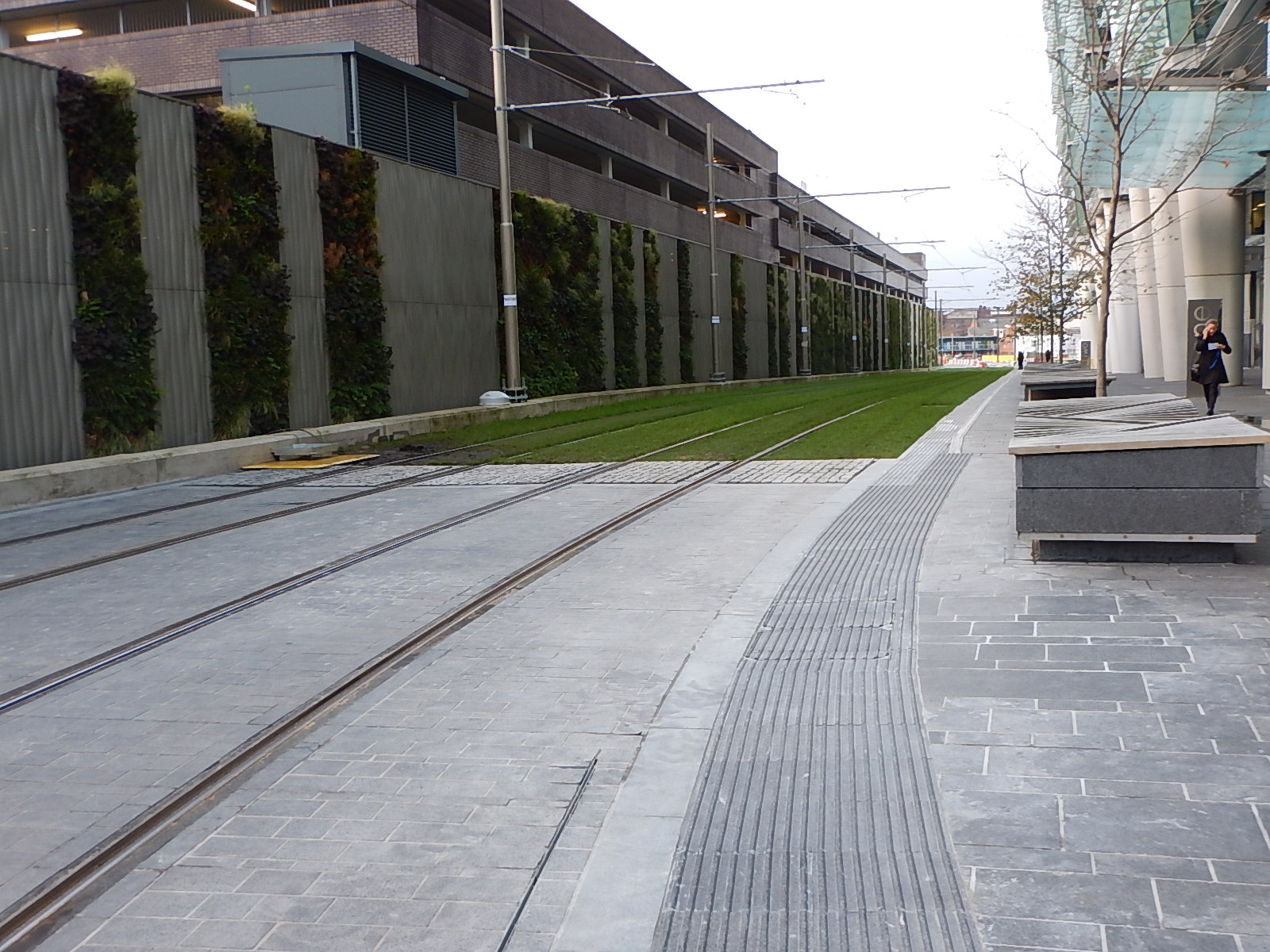
The Birmingham design is a lot simpler and as the trams are both from the same builder, you can’t say that the Midland Metro is designed to easier rules. This system could surely have been used on Princes Street, where I took this picture.
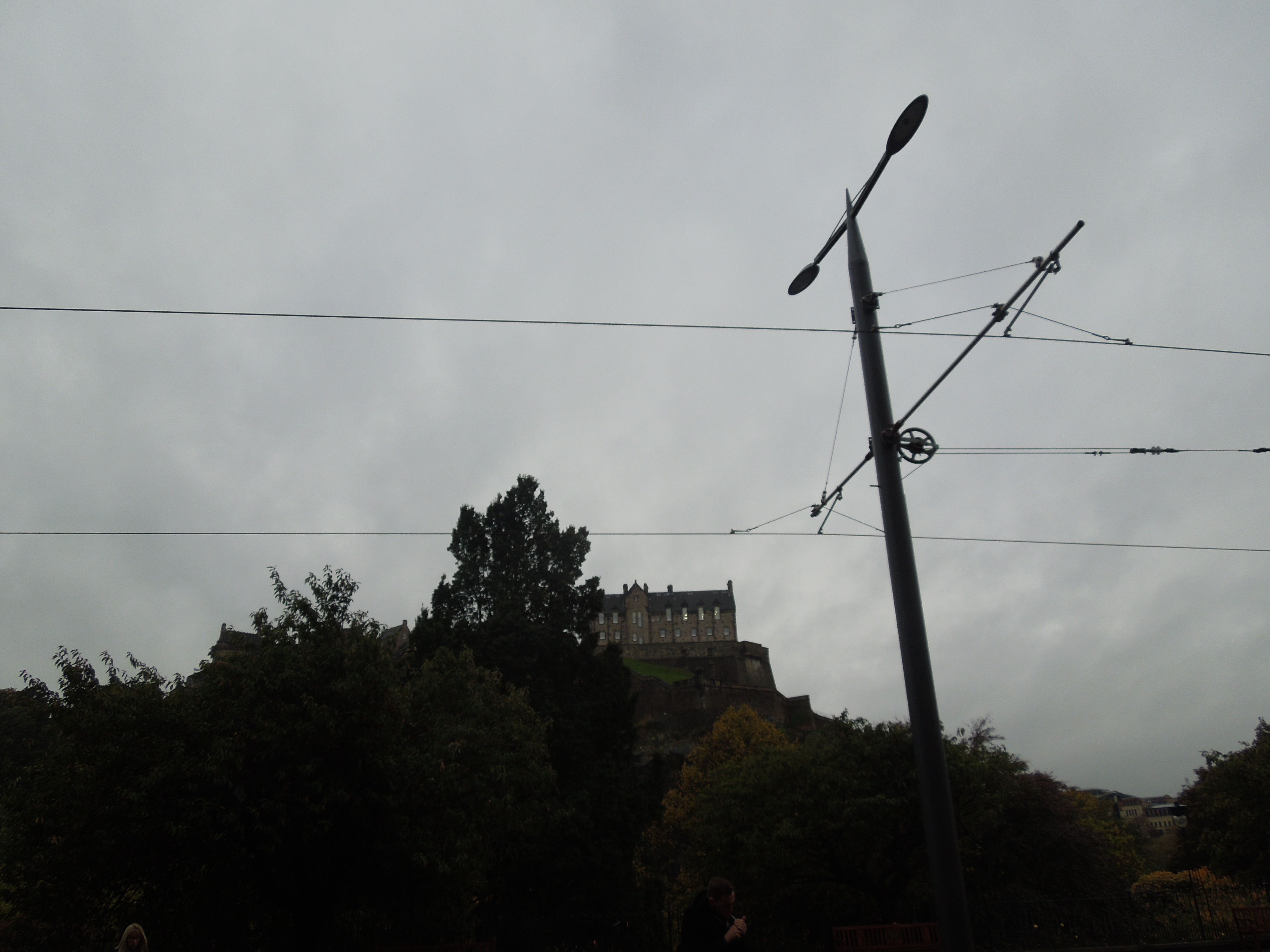
There is no excuse for bad design.
The Midland Metro is also showing the way for its extension, by using battery power through the historic centre.
Edinburgh Haymarket Station Gets It Right
Edinburgh Haymarket station is another example of Network Rail’s stations with a wide bridge over the tracks, like Leeds, Derby and most spectacularly Reading. London Bridge will join the club in the next couple of years.

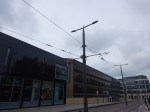
As most trains stop at both Waverley and Haymarket stations in Edinburgh, I think passengers will ask themselves, why they would ever use the truly dreadful Waverley station?
- Access to the trams at Waverley means using endless steps and escalators to get to Princes Street and then an uncovered walk to the tram.
- Trams at Haymarket are just a short level walk outside.
- Taxi drop at Waverley is difficult with more steps. It’s on the level at Haymarket.
- Tickets to Edinburgh allow you to go to either station.
- Coming from the West and needing the tram, will passengers increasingly change at Edinburgh Park station?
Don’t fall into the trap of getting off at Edinburgh Waverley, which now always seems to be called just Edinburgh.
My only reservation about Haymarket is the station’s size.
Is it big enough for an important rugby match at Murrayfield, where the savvy will arrive at Haymarket and take a tram?
And will it be big enough, when the trams are extended, as they surely will be?
A Design Crime – The Forthside Bridge In Stirling
I first wrote about the Forthside Bridge in Stirling in Stirling, when I thought it was impressive.
But on my second visit to the City, I realise that practically, it isn’t as good as you’d expect.


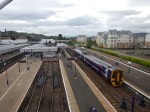

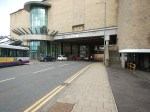


It’s biggest problem, is that it was not properly integrated with the station, the main road through the city and the shopping centre.
I was staying on the wrong side of the tracks and to get to my train, I needed to cross the bridge, enter the station and then walk back across the tracks on another bridge.
In a sensible station design the bridge in the station would lead to a second ticket gate on the other side. One guy told me, it used to and he thought about buying a flat on the other side, until the ticket gate was removed.
Note.
- When I arrived on Friday night, I went to the Shopping Centre to buy a jumper at the Marks and Spencer there! It closed at 18:00. On a Frioday night! Ridiculous!
- On Saturday, I went to Pizza Express at about 21:00. Staff probably outnumbered the patrons.
- It was certainly a lot busier on the other side of the tracks.
So was one guy about eighteen right, when he said the bridge was all bullshit.
I’m nominating the Forthside Bridge in Stirling as a design crime.
Mystery Tours Of Glasgow
On Saturday, I was staying at Stirling near to the station and wanted to get to Glasgow to have a look at the closure of Queen Street station, for upgrading Queen Street Tunnel, platform lengthening and electrification work.
This article on Network Rail’s web site, which is entitled Glasgow Queen Street Tunnel upgrade, says this.
The work is starting just before the Easter bank holiday weekend, and lasting much longer, with a 20-week closure of the high-level Glasgow Queen Street Tunnel from Sunday 20 March to Monday 8 August so that the concrete slab track inside the tunnel can be renewed safely.
It’s the largest piece of engineering on the Edinburgh to Glasgow line since the railway was built. Renewing more than 1,800 metres of slab will mean 10,000 tonnes of existing concrete slab will be removed, as well as 4,000 metres of new rails laid, and more than 150 staff will be working on the project every day during the 140-day period.
A lot of other work will also be done at the same time.
So Network Rail and Scotrail have called up the spirit of Baldrick, and devised a cunning plan. This map shows the rail lines in the Glasgow area.
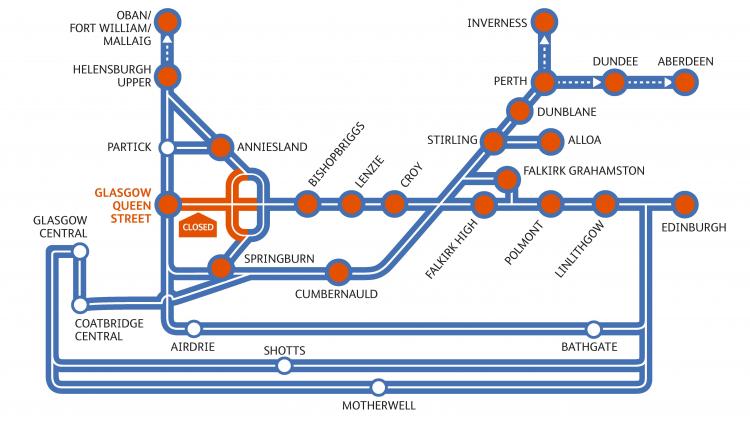
Glasgow Rail Lines
My route in from Stirling to the low-level platform at Queen Street was something like.
- Larbert
- Croy
- Lenzie
- Bishopbriggs
- Springburn
- Duke Street
- Belgrove
- High Street
Coming back from Glasgow Central, the route was something like.
- Mount Vernon
- Bargewddie
- Kirkwood
- Coatbridge Central
- Cumbernauld
Although the train didn’t stop until Stirling.
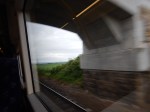
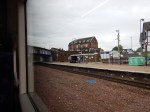
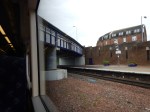
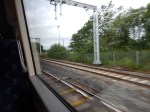
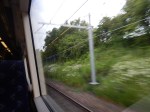
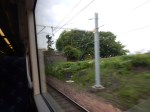
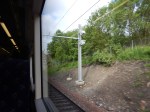
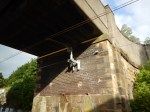
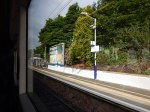
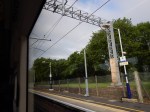
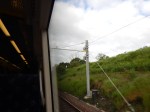
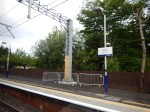
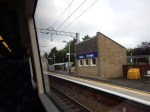
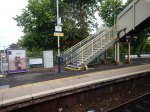
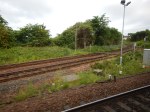
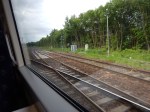
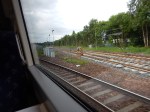
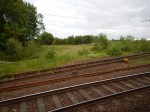
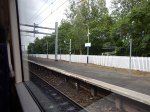
These are some pictures taken on the Jouney into Glasgow



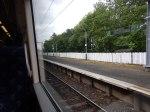
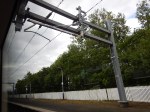
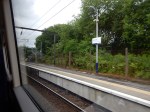

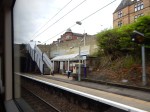
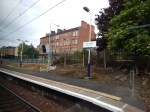

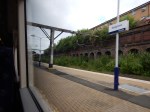
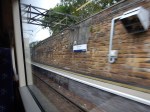
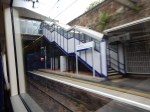
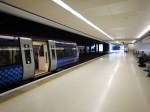

And these were taken on the way out.
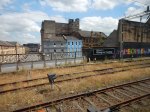



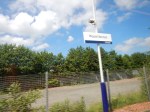
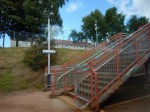
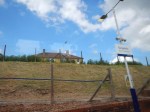
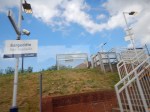


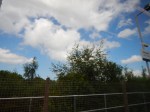


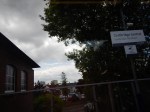
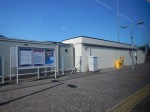
It certainly seems there are more wayus of moving trains through Glasgow, than most other cities.
You almost wonder looking at these pictures and the routes that I took, that Network Rail and Scotrail have an alternative philosophy.
- Most platforms seem to have been lengthened to at least eight cars, which mean they’ll handle two Class 385 trains coupled together.
- Most of the lines through Glasgow seem to either be electrified or seem to be having wires installed.
- It should be noted that the route I took back to Stirling, would also enable a service to be run from Carlisle to Perth via Motherwell, Coatbridge, Cumbernauld and Stirling.
- Once, the TransPennine routes are electrified, Manchester to Edinburgh can go up the East Coast.
- Are Network Rail going to apply some of the innovative interchange philosophy I wrote about in Better East-West Train Services Across Suffolk?
If electric trains can get everywhere and they are twice the capacity of the current diesel trains, then mathematics and scheduling rules, says you can get more trains through the system.
So could they be looking to increase the capacity of the two Glasgow stations and open up circular routes between them?
I don’t know the answer, but I do believe that when the EGIP program is complete, it will be interesting to see if more passengers are able to use the trains. What is being done is very different to previous proposals.
 The Anonymous Widower