Improvements To Oakwood Station
This post on IanVisits is entitled Enfield Council Outlines Possible Rail Station Upgrades.
By reading Enfield Council documents, Ian has found possible station improvements that might happen.
Ian says this about Oakwood station.
Building around 50 homes on the station car park should contribute to street improvements around the station.
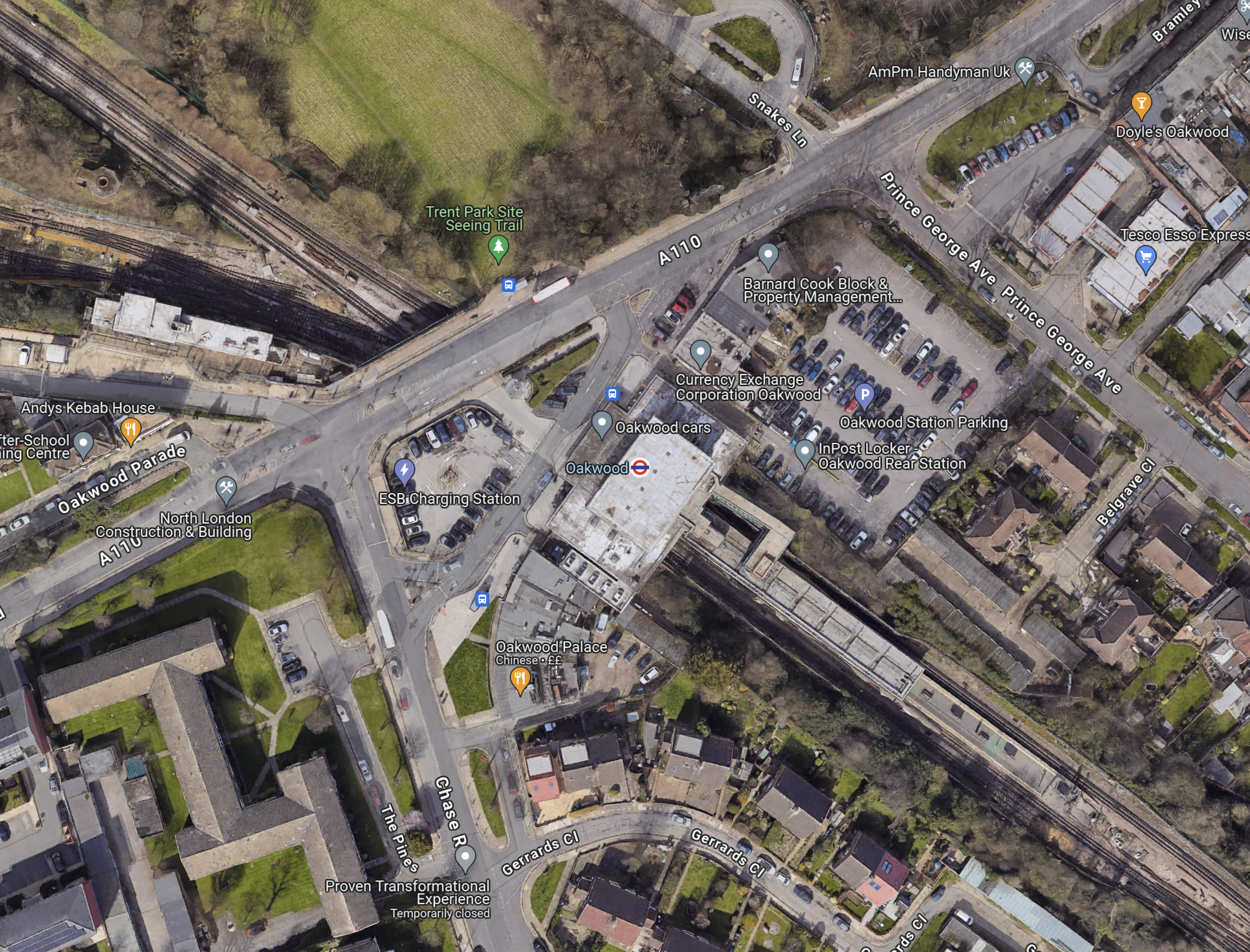
This Google Map shows the station and its two car parks.
Note.
- The Piccadilly Line runs North-West-South-East diagonally across the map.
- Cockfosters station is to the North-West.
- Southgate station is to the South-East.
- Oakwood station is in the middle of the map and marked by a London Underground roundel.
- The car park to be developed is to the North-East of the station.
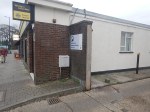
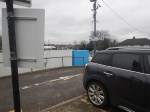
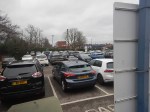
I took these pictures.

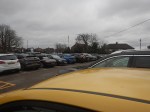
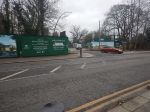
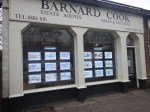
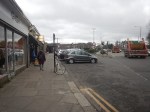

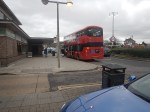
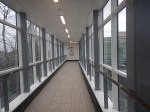
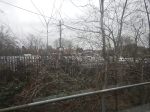
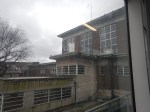
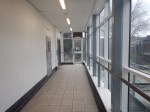
Note.
- The car-park was full.
- The station is step-free.
- Barnard Cook was there, when I lived in Oakwood in the early 1960s.
I can’t see any problems building a few houses on the car-park, but what will happen to the cars?
To me though Oakwood station is defined by this post; The Place Where The Bottom Fell Out Of A Drawer.
Residents Invited For A Bird’s Eye View Of How Mid Cornwall Metro Will Transform Transport Links In Cornwall
The title of this post, is the same as that of this article on RailUK.
This is the first paragraph.
Residents have been encouraged to attend an event at the Hotel Victoria in Newquay on Friday 9 February (10am – 7pm) and Saturday 10 February (10am – 4pm) when they’ll be able to see for themselves how the Mid Cornwall Metro, funded by Cornwall Council and £50 million of government Levelling Up Funding, will create a sustainable transport corridor through central Cornwall.
This is the last paragraph.
Another engagement event will take place at the Stannary on the University campus at Tremough on Friday 1 March from 10am to 5pm, and the Temperance Hall, Lower Market Street, Penryn TR10 8BH on Saturday 2 March from 10am to 4pm.
If the weather looks good, then I might go.
This page, with an excellent graphic, explains the Mid Cornwall Metro.
New £24m Platform To Boost City Train Services
The title of this post is the same as that of this article on the BBC.
These are the first three paragraphs.
Bradford’s Forster Square station is to get a new £24m platform to boost rail services in the city.
Rail Minister Huw Merriman said the government-funded scheme would futureproof the station for generations to come.
It could lead to five more trains to London each day, the Department for Transport said.
There are positive comments from Bradford Council leader Susan Hinchcliffe and LNER.
These are my thoughts.
Where Will The New Platform Be Built?
This OpenRailway Map sows the layout of the current three platforms at Bradford Forster Square station.
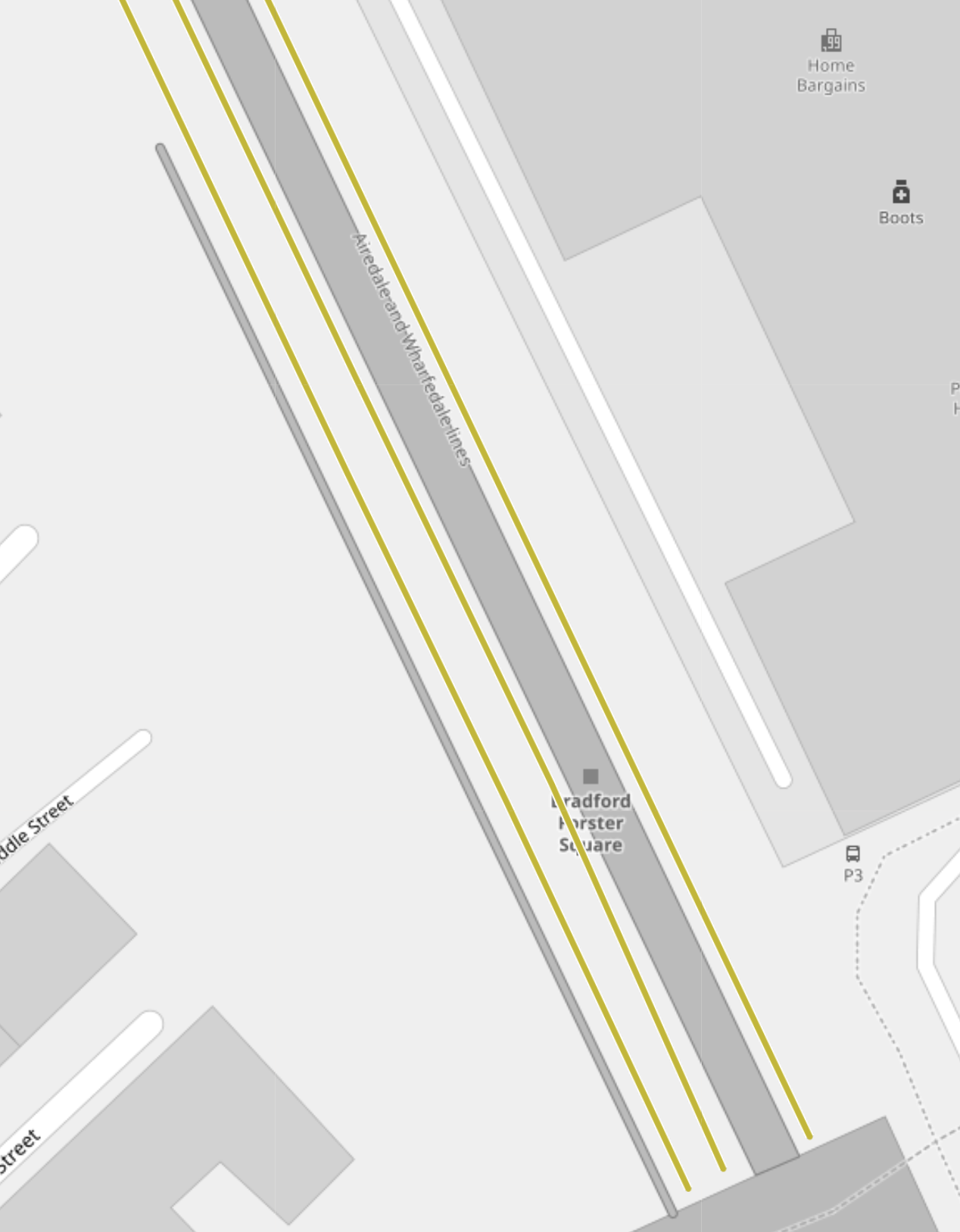
The Wikipedia entry for Bradford Forster Square station, says this about platform usage.
During off-peak hours most trains use platforms 1 (for Skipton) and 2 (Leeds and Ilkley) – platform 3 is mainly used during weekday peak periods and in the evening, though a spare set is usually stabled here between 09.00 and 16.00 each weekday.
This picture was taken on the only time I visited the station in 2017.

Note.
- The middle platform is numbered 2b.
- As Bradford Forster Square station is a terminal station, I must have taken this picture from the Southern end of the station.
- From Network Rail’s plan of the station, it looks like Platform 1 is on the right or East and Platform 3 is on the left or West.
This page on the EnglandRover web site confirms that Platform 3 is the Western platform.
This article on the Bradford Argus is entitled Work On New Platform To Begin In Spring After £24m Boost.
This is a paragraph.
The extra platform will be built at the side of the station closest to Forster Square Retail Park. It means the station will expand outwards by a few metres, and the platform construction will require Network Rail to purchase a strip of land from retail park owners British Land.
This Google Map shows where the platform will be placed.
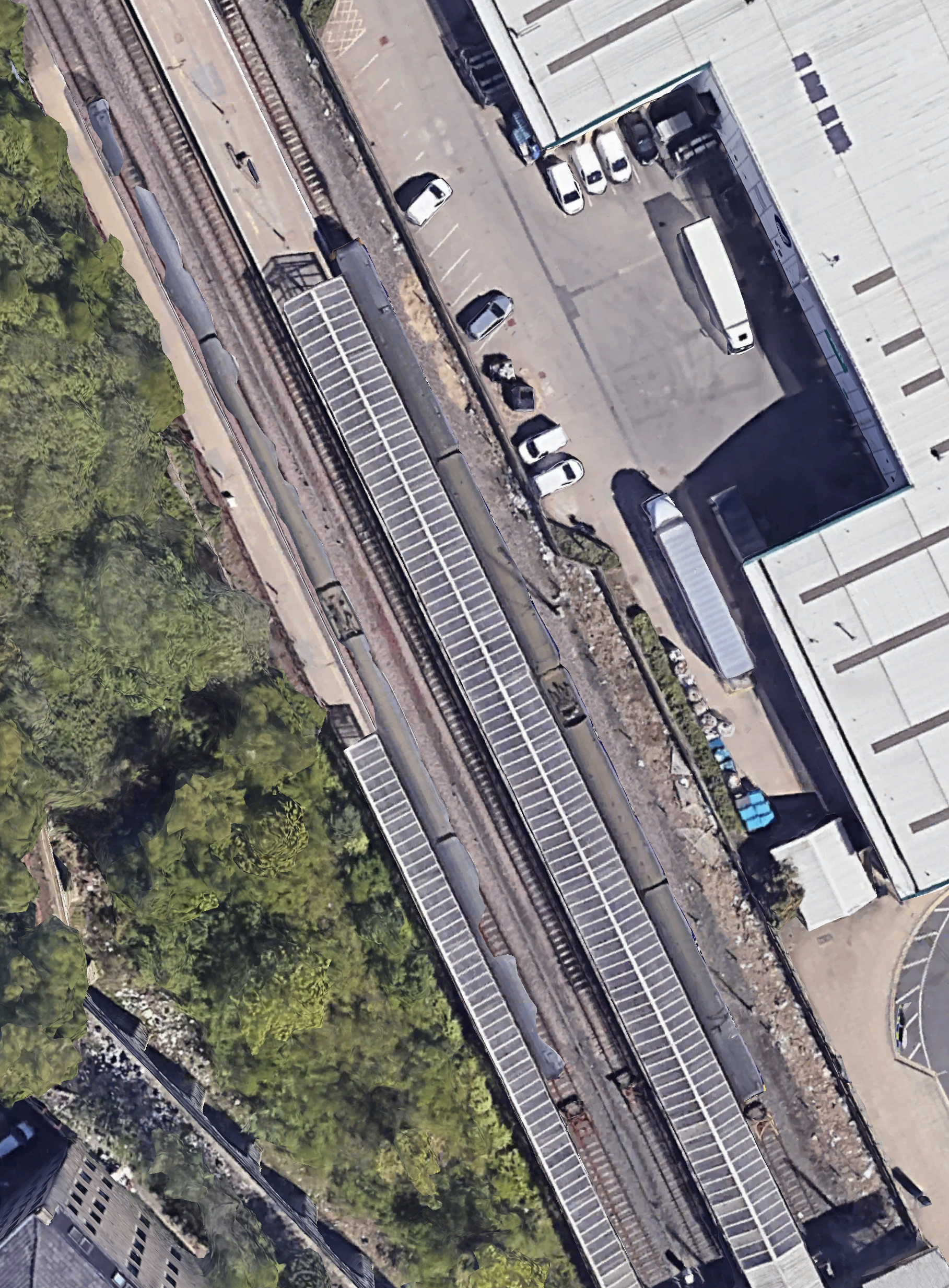
Note.
- The Forster Square Retail Park is in the North-East corner of the map.
- The glazed roof covers Platforms 1 and 2.
- There are trains in Platforms 1 and 3.
- Fitting in the new platform could be a bit tight.
Will the platforms be renumbered or will the new platform be called Platform 0?
Project Management Considerations
Consider.
- Bradford will be the UK City of Culture in 2025.
- British Land will want to have minimal disruption to the operation of their retail park.
For these reasons, all parties will want an early completion.
But as the site should have good access through the retail park, I could envisage that an early completion can be delivered by good project management.
How Many Platforms Will LNER Need?
Consider on the 1st of February 2024, four LNER trains visited the station.
- All trains were Class 801 trains.
- One train was a nine-car train and the others were a pair of five-car trains.
- Two trains used each of Platforms 1 and 2.
- LNER are planning to add five more trains per day (tpd), which will be a total of fourteen movements per day.
I suspect under normal operation, LNER could manage with one platform, as LNER’s movements are less than one per hour.
Conclusion
This new platform seems to be a good plan, that adds much-needed capacity for the short term and provides capacity for more services in the future.
Striking Train Drivers Want Extra Pay For Using Tablets
The title of this post, is the same as that of this article on The Times.
These four paragraphs explain the impasse.
Striking train drivers are demanding extra pay for using tablet devices at work.
The tablets, which are similar to iPads, are designed to send announcements to drivers and notify them of temporary speed limits on routes.
However, union chiefs are demanding so-called “technology payments” for members expected to use such devices.
Train companies usually have to rely on noticeboards to communicate with drivers. Messages, including safety instructions, are still placed at the end of platforms for drivers to see from their cabs.
Mark Harper, the transport secretary, i quoted as saying: “Aslef continues to stand in the way of vital reforms needed to safeguard the future of the railways.”
Are we in the 21st or the 19th centuries?
But the article leaves the best to last.
It has previously been reported that rail workers were given paid time off if they had to use a microwave at work. The rule from 1980 states:
All staff working with microwave ovens shall be permitted to take time off from work, with pay, for a medical check of any effects on them from the microwave ovens. Such checks shall be made at not less than six monthly intervals on request.
Does your partner demand similar rewards for putting your ready meal in the microwave?
There is also this comment from a reader.
I did 19 years as a driver, mainly with Southern. I remember when we were issued with mobile phones and later iPads there was a few dinosaurs who refused to charge them at home. Pathetic really. The iPad was great but only got 1 GB of mobile data. I destroyed that watching Tour du France when ‘spare’ and didn’t have any work allocated.
The worst Spanish practices mainly revolve around the facility time ASLEF reps get, and routinely abuse. At my depot 2 reps were released all day to scrutinise bank holiday diagrams. There were 7 diagrams to check. These diagrams are produced by software to make sure comply with regulations but need reps to sign off. No more than 5 minutes work but off all day. That’s 2 drivers, 8 or 9 times a year. These are the T&Cs changes that ASLEF won’t accept, under RDG offer diagram scrutiny would be taken away from reps.
Priceless! And all passengers and taxpayers are paying.
Improvements To Enfield Town Station
This post on IanVisits is entitled Enfield Council Outlines Possible Rail Station Upgrades.
By reading Enfield Council documents, Ian has found possible station improvements that might happen.
Ian says this about Enfield Town station.
There’s an empty plot of land next to Enfield Town station which used to be the Enfield Arms pub until it was demolished in 2005. The council wants that site to be used for housing, and to fund improvements to the pedestrian space outside the station.
They also suggest it may also contribute to increased peak hour trains on the London Overground, which would likely need a far bigger development than could be achieved in the site.
This Google Map shows the station.
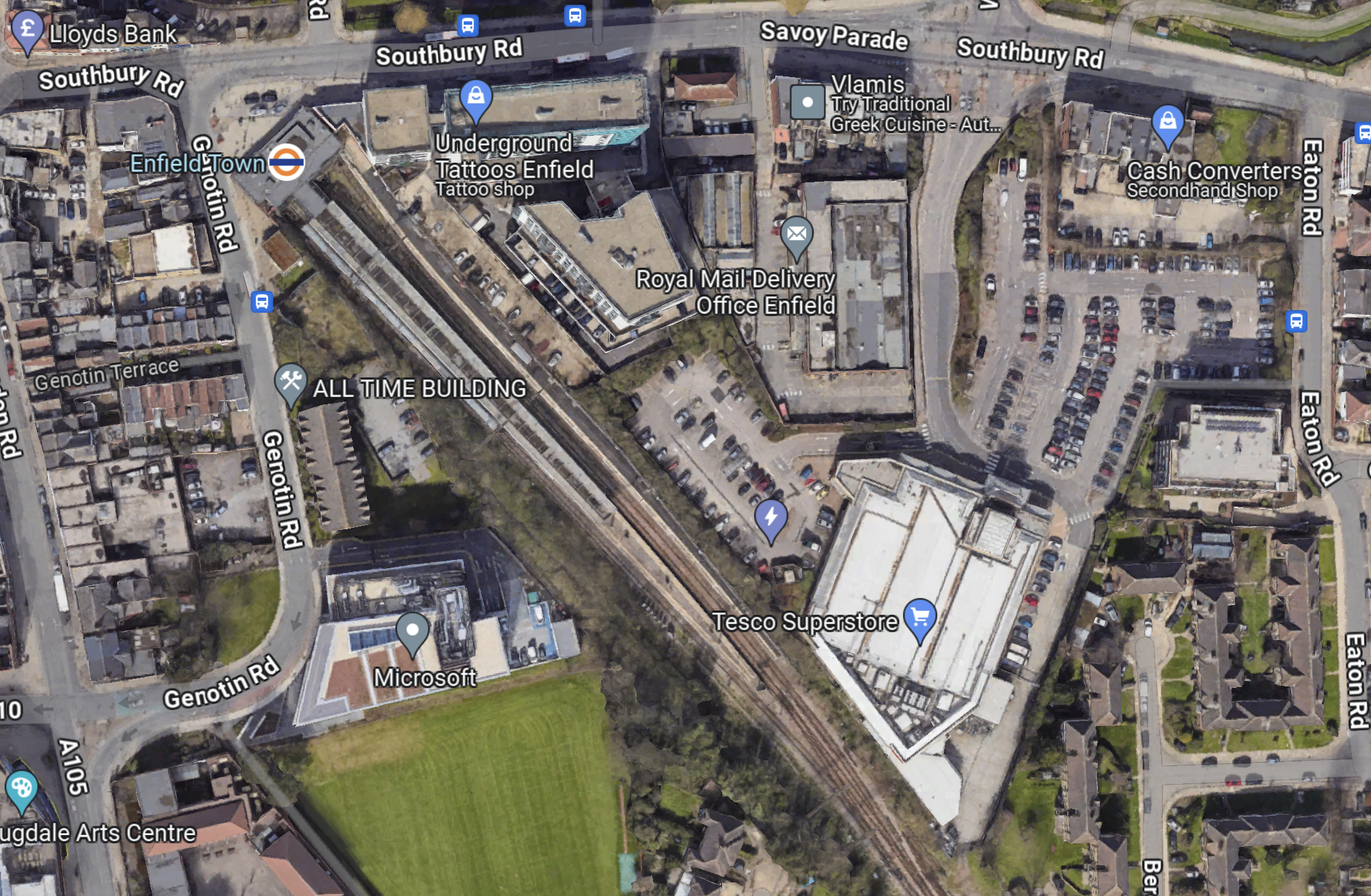
Note.
- The station has three platforms.
- The Enfield Arms pub was at the North end of Genotin Road.
- There is a Tesco Superstore on the other side of the railway.
I took these pictures of the station.


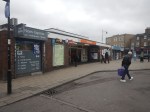
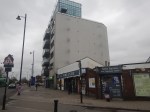

It looks like there is building being carried out on the Royal Mail site.
Improvements To Southbury Station
This post on IanVisits is entitled Enfield Council Outlines Possible Rail Station Upgrades.
By reading Enfield Council documents, Ian has found possible station improvements that might happen.
Ian says this about Southbury station.
A mixed-use redevelopment of the Morrisons and Tesco supermarkets on either side of the station which could add about 820 new homes would also be expected to contribute to improvements at the railway station.
The redevelopment of the Crown Road lorry park would be expected to improve cycle and pedestrian routes to the station.
This Google Map shows the station.
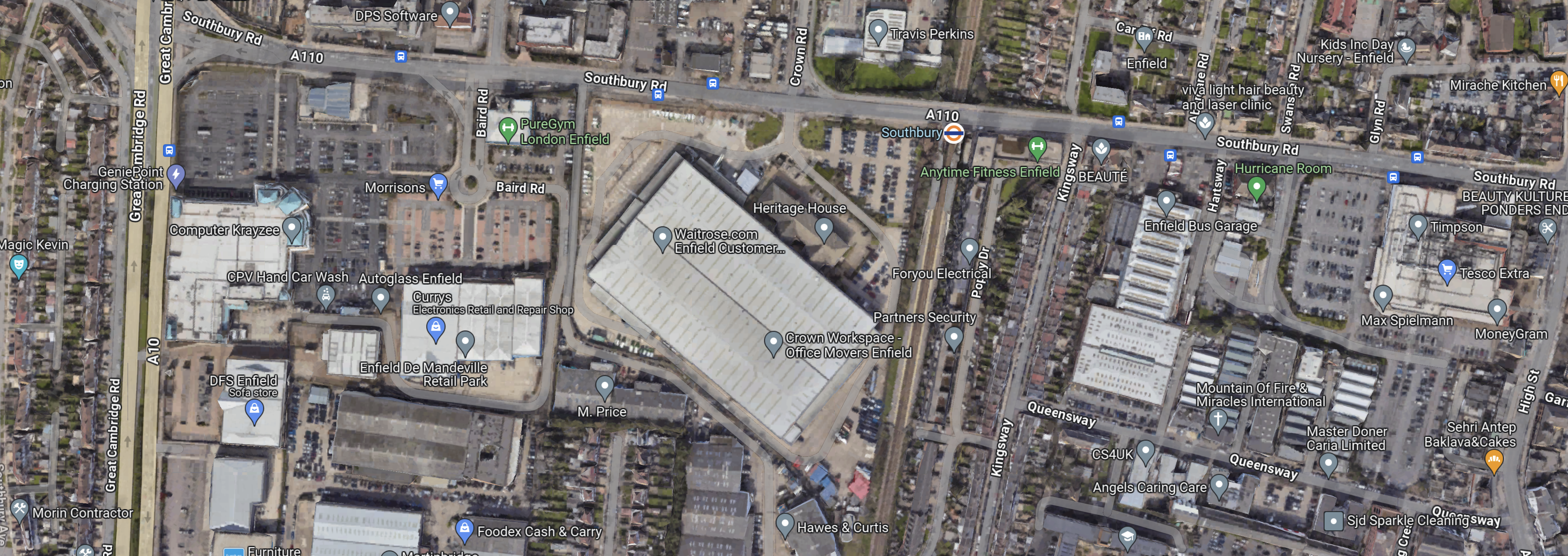
Note.
- The London Overground orange roundel indicates the station.
- The station is on Southbury Road, which runs East-West across the map.
- At the Western edge of the map, the dual-carriageway is the A10.
- Morrisons is to the South-East of the junction.
- Tesco is at the Eastern edge of the map.
This Google Map shows the Morrison’s site.
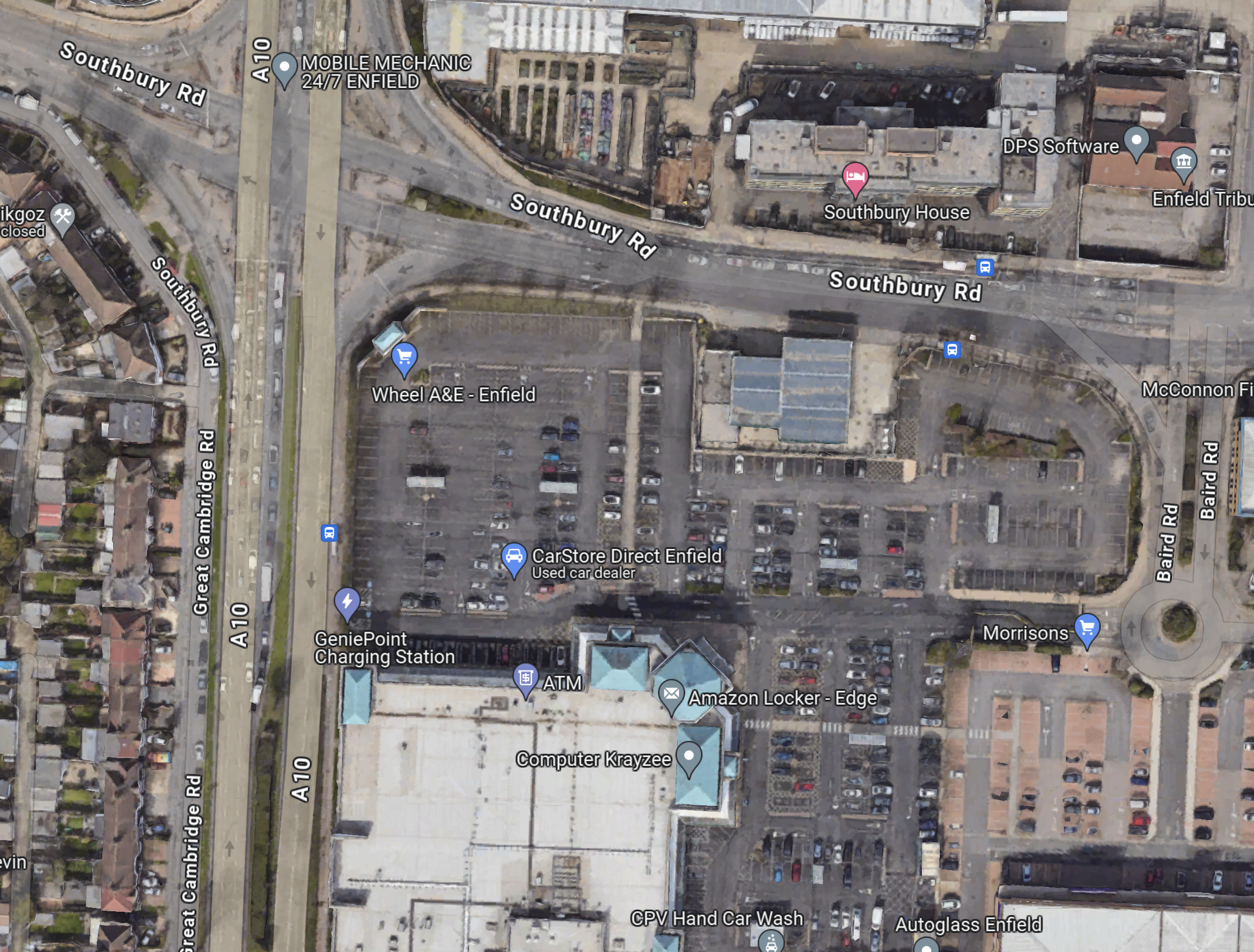
Today, there is an article in The Times, which is entitled Morrisons To Sell Petrol Forecourts.
Perhaps, Morrisons have told Enfield Council, that they wouldn’t be against a mixed development.
This Google Map shows the Tesco site.
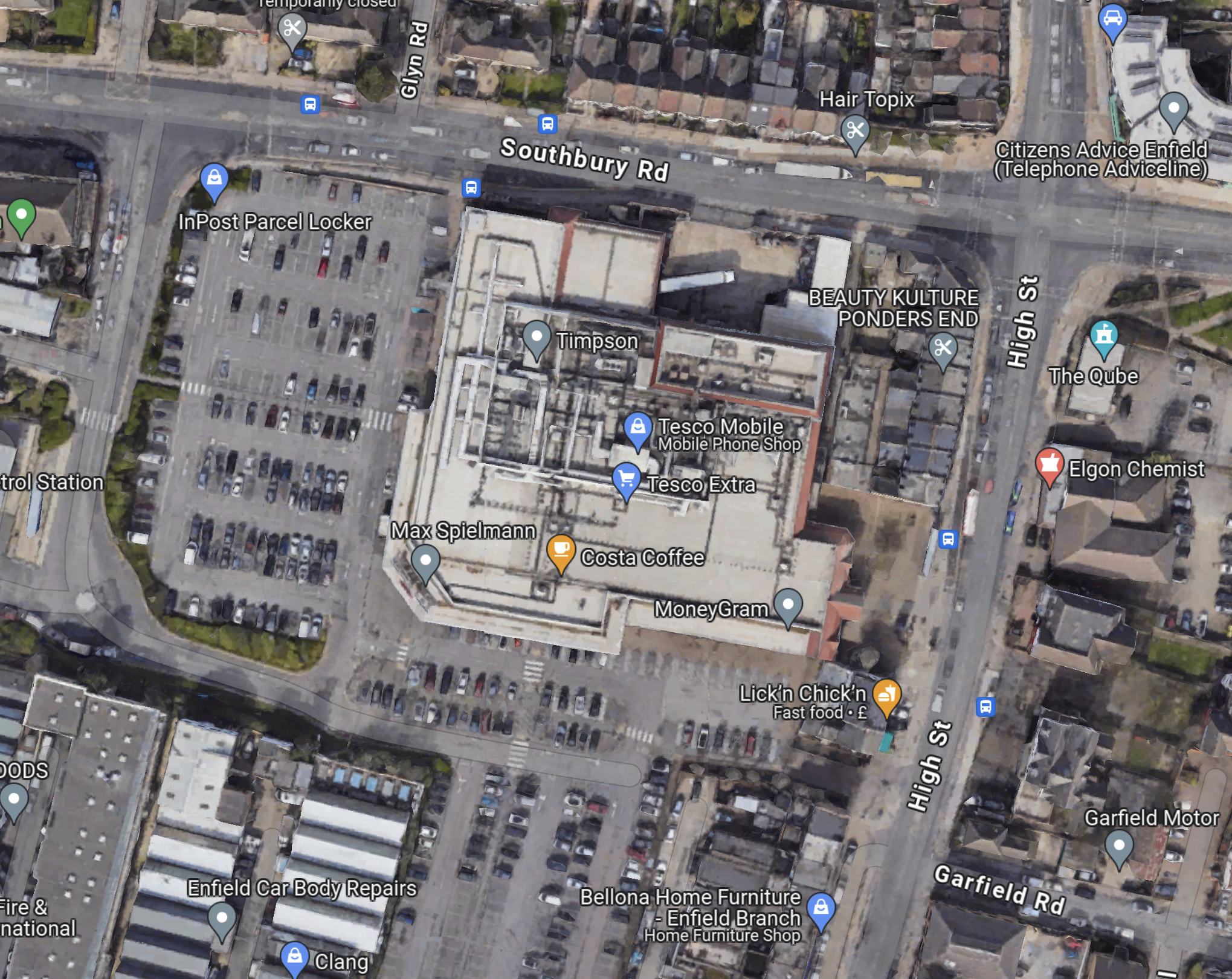
The two sites, if they were rebuilt with flats on top of new supermarkets could yield a lot of new housing.
I took these pictures of the station.
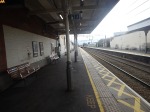
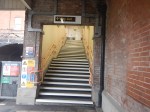

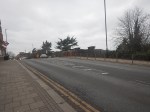
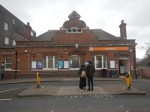

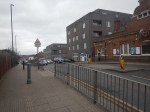
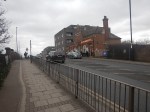
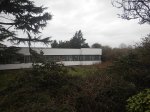

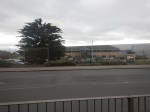
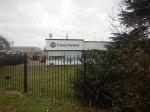
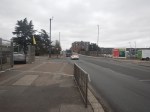
Note.
- The station has an attractive building.
- The station sits on a bridge over the railway.
- The station needs lifts, a light-controlled crossing across the busy road and a professional makeover.
- The two supermarkets are about 500 metres from the station.
- The bus stops are badly-placed for the station entrance.
- The art-deco building is the former Ripaults factory and is Grade II Listed.
But by spending a bit of money, it could be a much better station.
A New Future Beckons For Scotland’s Historic Canals
The title of this post is the same as that as this article on The Herald.
This is the sub-heading.
Scotland’s canals, created for the industrial revolution but in recent times focused more on leisure than industry, are finding a new purpose as a different revolution, this time a green one, gets underway
The article was found by my Google Alert for the Coire Glas project, which is one of the UK’s largest green projects.
The article describes how Scotland’s canals are helping a green revolution and is well worth a read.
Improvements To Turkey Street Station
This post on IanVisits is entitled Enfield Council Outlines Possible Rail Station Upgrades.
By reading Enfield Council documents, Ian has found possible station improvements that might happen.
Ian says this about Turkey Street station.
Redevelopment of the Exeter Road estate could contribute to public realm improvements to Turkey Street station.
I took these pictures of the station.
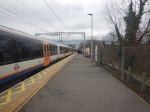
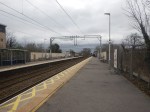
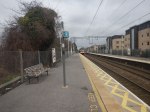
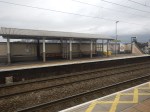
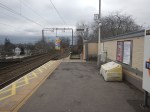

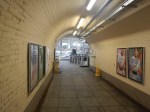
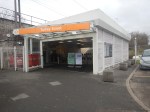
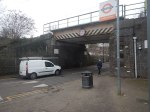
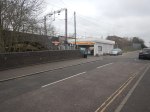
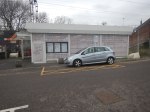
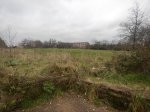
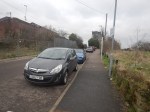

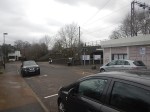
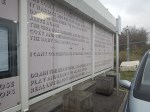
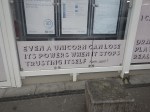
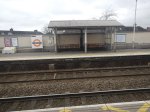
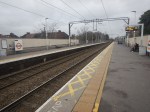
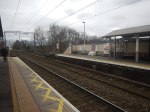
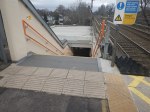
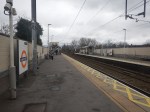
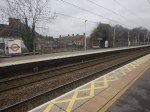
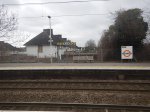
Note.
- The station has improved since I visited in 2014 and wrote Before Overground – Turkey Street.
- The station is rather a windy place and could do with some better shelters.
- It could also do with some lifts.
Let’s hope the station improves by a similar amount by the next time I visit.
Are Londoners The Tunnel Kings?
I was born in 1947 and it was in the early 1960s, that I started to develop an interest in engineering, which eventually led me to study Electrical Engineering and Electronics at Liverpool University.
Like most Londoners, I was a frequent user of the Underground and for six or seven years, I took the Piccadilly Line many days between Oakwood and Southgate to go to Minchenden Grammar School. Often, after school, I would go on to my father’s print works near Word Green tube station.
But not memories of London’s tunnels were so memorable at that time. One day, we were driving to see my Uncle Bert in Broadstairs and we were held in the Blackwall Tunnel for an hour or so because of an accident.
Perhaps, this is why I can remember a black-and-white video of digging the Western Tunnel of the Dartford Crossing so vividly. But as Raymond Baxter probably explained to BBC viewers at the time, it dug using a Greathead shield under pressure to keep the water out. It was probably the last tunnel dug under the Thames using methods, that would have been familiar to Victorian engineers.
This British Pathe video shows some of the construction of the Western tunnel.
This paragraph from the Wikipedia entry for the Eastern Tunnel describes its construction.
Construction was approved in April 1971, with an initial expected opening date in 1976. Work was delayed due to a lack of funds, which was resolved by EEC funding granted in 1974. The second tunnel opened in May 1980, allowing each tunnel to handle one direction of traffic, by which time the joint capacity of the two tunnels had increased to 65,000 vehicles per day. Connection of the crossing to the M25 was completed on the northerly Essex side in September 1982 (Junction 31), and to the southerly Kent side in September 1986 (Junction 1a)
The tunnels may be inadequate in terms of capacity, but they have certainly done a reliable job for sixty and forty-three years respectively.
There are other tunnels under the Thames, that have been built in my lifetime.
- Thames Cable Tunnel – 1970 – National Grid’s 400 kV cable.
- High Speed One – 2007
- Dartford Tunnel (East) – 1980
- Dartford Tunnel (West) – 1963
- Dartford Cable Tunnel – 2004
- Docklands Light Railway Tunnel – 2009
- Elizabeth Line Tunnel – 2014
- Millennium Dome Cable Tunnel – 1999
- Jubilee Line Tunnels – 1999 – Planned by Artemis
- Blackwall Runnel (East) – 1967
- Isle of Dogs Jubilee Line Tunnels – 1999 – Planned by Artemis
- Docklands Light Railway Tunnel – 1999 – Planned by Artemis
- Deptford Cable Tunnel –
- Jubilee Line Tunnels – 1999 – Planned by Artemis
- Victoria Line Tunnel – 1971
- New Cross to Finsbury Market Cable Tunnel – 2017
- Wimbledon to Pimlico Cable Tunnel – 1996
- London Power Tunnels – 2018, 2011
There are also these tunnels, which don’t go under the Thames
Bank Station Expansion And New Southbound Northern Line Tunnel – 2022
- Elstree to St. John’s Wood Cable Tunnel – 2005
- Heathrow Rail Tunnels – 1998
- Lee Tunnel – 2016
- Limehouse Link Tunnel – 1993
- Lower Lea Valley Cable Tunnels – 2008
- Northern Line Extension To Battersea – 2021
- Piccadilly Line Extension To Heathrow – 1975-2008
- Thames Tideway Tunnel – Estimated completion in 2025 – Tunnelling ended in 2022.
- Thames Water Ring Main – 2010
Note.
- The date is the opening date.
- I am pleased to see that at least some projects were planned, with the software, I wrote in a Suffolk attic.
In my lifetime, at least 27 substantial tunnels have been completed, a very large proportion of which have been on time and on budget, with the possible exception of the Heathrow Rail Tunnels, which collapsed.
So Why Has London Got A Good Record On Tunnelling?
In Millicent And Ursula Prepare To Go Tunnelling, I describe my visit to the Tideway Open Day today to see the tunnel boring machines; Millicent and Ursula before they went tunnelling.
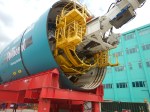
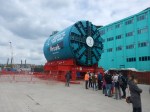
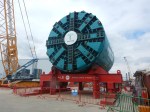
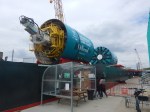
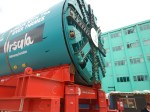
On that Sunday morning, I also chatted with the engineers and tunnelers.
- All had worked on at least one of London’s previous tunnels.
- One had worked on the Second Dartford Tunnel, the Channel Tunnel and Crossrail.
- A couple said, that after the Tideway finished, they would be off to High Speed Two.
Is London’s good record on delivering tunnels safely and on time and on budget, a case of lots of experience and practice makes perfect?
If it is, we should definitely think hard about how we handle large projects.
Wind Farms
Many have been constructed this way.
- The grid substation and connection to the grid is built.
- The foundations of the turbines are installed.
- The turbines are erected.
- All the turbines are commissioned.
This sequence or something like it can be applied to onshore and offshore wind farms.
- Most jobs are repeated many times by specialist teams using purpose-built cranes, ships and other equipment.
- Bigger wind farms, just need more repeated operations.
- All operations are generally in a small geographical area.
- I suspect specialist software has been built to project manage, the building of wind farms. If it hasn’t, I have my ideas.
Project management should be relatively easy.
Improvements To Edmonton Green Station
This post on IanVisits is entitled Enfield Council Outlines Possible Rail Station Upgrades.
By reading Enfield Council documents, Ian has found possible station improvements that might happen.
Ian says this about Edmonton Green station.
A proposed redevelopment of the shopping centre could add upwards of 1,000 new homes in time, and fund improvements to both the railway station and the bus station.
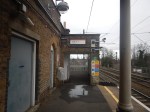
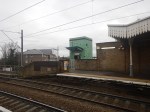
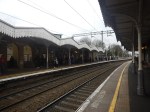
I took these pictures of the station.
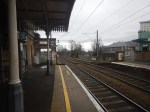
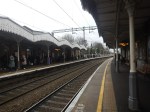
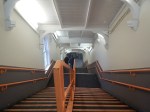
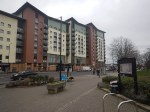
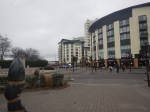

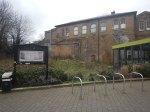
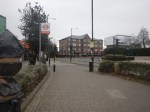
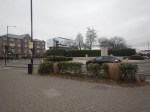
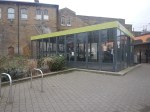
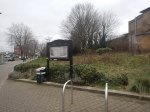
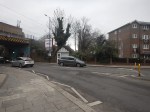
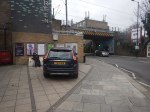
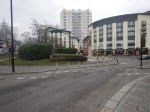
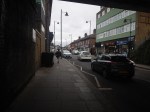
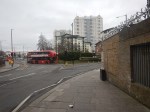
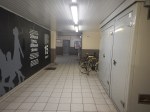
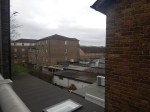
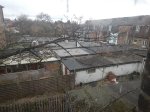
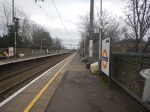
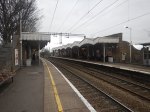
Note.
- The station has lifts to both platforms.
- The station has some excellent period features.
- I have indicated a couple of possible development sites.
- The station does not appear to be listed.
A good architect and some good craftsmen could improve this station substantially.
 The Anonymous Widower