Bye-Bye Virgin
I’ve now been without my landline for a couple of weeks now. Although, I didn’t realise it for some days, as I was away and also because most of my friends phone me on my mobile number.
So on Friday, I did what I should have done when I moved in; I signed up with BT.
Today after a very long phone call, I cancelled Virgin. I did eventually get someone sensible, but as I had to ring on my mobile and I phoned them for perhaps twenty minutes, I suspect it wasn’t cheap.
It did however cost me over seventy pounds to get rid of them.
Hackney council today wrote to me saying that I could get rid of five heavy items a year by just giving them a call. If disposing of Virgin and their useless service were so easy.
Incidentally, all of their cabinets round here have had their doors stolen.
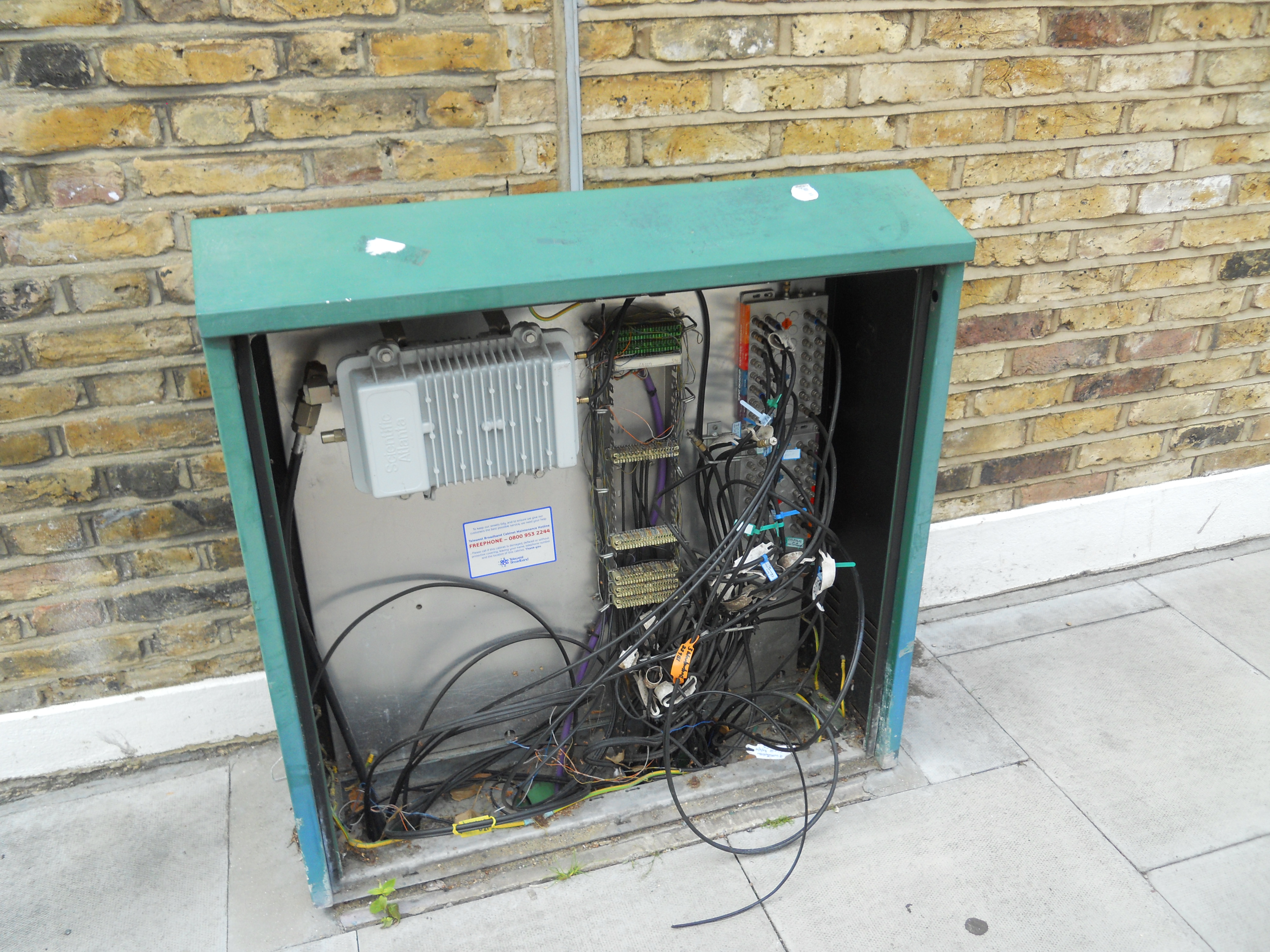
A Typical Virgin Cabinet in Hackney
In my experience, electrical equipment doesn’t like working in exposed conditions.
I shall now be using BT for phone and broadband, Freeview for television and the pub for watching football on Sky.
A Saturday Morning Routine
There are two radio programmes, I like to listen to on Saturday morning; Danny Baker and the unsporting quiz, Fighting Talk, as they appeal to my unusual sense of humour.
The trouble is that if I’m going to football, as I am today, it doesn’t really leave much time for me to get to the shops, as I have to leave by about midday to get the train.
So this morning, I got to the Angel, by bus at just after 8:30. I actually took a seventy-free, as if you sit at the back and get out of the rearmost door, it’s much easier to walk to the four shops, Carluccio’s and the physio, that I visit at the Angel.
Today, it was just Boots for some rat poison, Marks and Spencer for some gluten-free sarnies for the train and a beef Stroganoff for tonight and Waitrose for two large carriers of heavy stuff like alcohol and Coke. I went to Waitrose first and found that if I shopped immediately, could get it delivered before the start of Fighting Talk at 11:00. I think I rather caught them on the hop, but hopefully it’ll come on time. But I do have two hours of total float in my critical path, so if they come by one I’m OK.
The only problem, was that Marks didn’t have the gluten-free sandwiches, but then I’ll pass three of their shops that stock them on the way to Liverpool Street. If they don’t have any, then I shall complain. If there aren’t any, it’s probably because they are too good and all those food fadists on a gluten-free kick have snaffled them!
I was back home listening to Danny Baker by ten o’clock.
It sounds like I’ll be repeating this on Saturdays in the future.
The routine could be even better, if Carluccio’s opened at 8:00 for breakfast on Saturday, as they do in the week.
Update at 11:20 – Waitrose have just delivered, so I have plenty of time to catch the train to Ipswich, after scouring Marks for some gluten-free sandwiches.
Thinking about this post. When C and I lived near Newmarket we would go shopping early, often visit one of our horses in traing and then we’d generally be back home around eleven.
I suppose, I’m only repeating what we did together by myself. In some ways, it was easier in Suffolk, as Waitrose opened earlier. But then I had to carry the shopping from the car to the hall. Here, that is all done by the van driver from Waitrose.
Who said manners and service are dead.
Fuel Prices
After my stroke, I gave up driving and moved to a highly-insulated house in Dalston.
If you don’t like fuel costs, then move somewhere, where you don’t need a car and your house has affordable and efficient central heating.
I do all my shopping either on the Internet or by bus. I even go to IKEA on a bus and that is real fun!
The Real Safety Issue
At present I’ve got roadworks outside my house, as they replace the pavements. Safety is paramount on the site and we have plastic barriers everywhere, so no-one trips up. Unfortunately, last night one had probably fallen over and it tripped me over as I came in last night. Luckily I fell backwards with my bottom on the soft plastic barrier and only made myself look rather silly for a few moments.
This morning it’s raining hard and one of the workmen, is standing there unable to do anything, having a quick cough and a drag. He’s still got his high-visibility jacket, boots and hard hat on though.
He’s much more likely to die of cancer than in any accident on the site.
Perhaps as with many issues, we get our priorities wrong.
Sandwiches, Juice and a Bottle of Wine
As you can see, all are neatly stowed in my new bag.
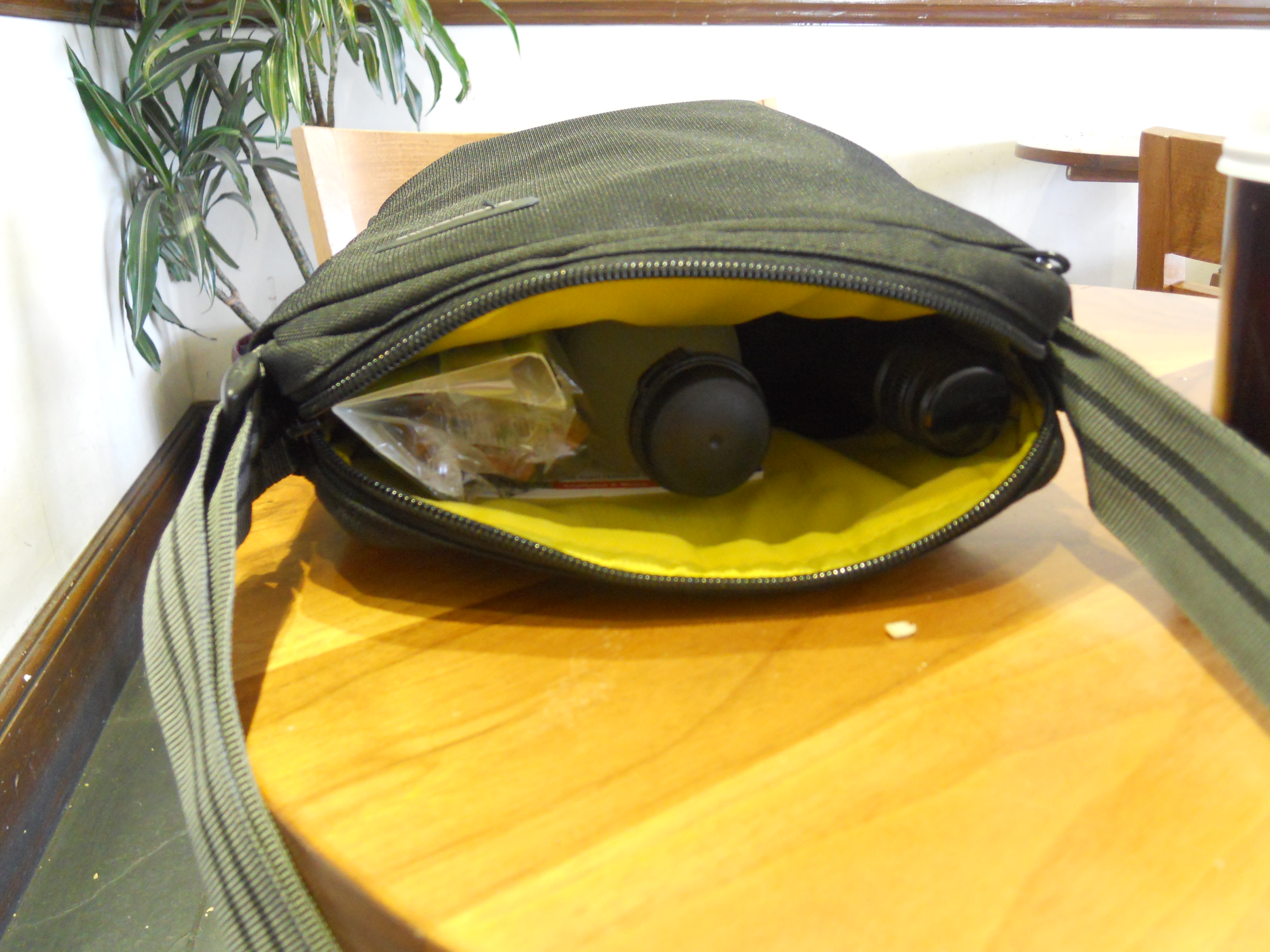
Sandwiches, Juice and a Bottle of Wine
It really is proving a good buy. As are the Marks and Spencer Gluten free sandwiches.
Save The Children and NSPCC Strike Themselves Off My Charity List
Last week Save the Children were chugging at the Angel.
Today it was the NSPCC.
Both charities are too arrogant to have an e-mail address on their web site, to where I can voice my disgust at their behaviour.
And Now I’ve Got No Hot Water
This is only a small thing in the major scheme of things. But my hot water failed last week!
It appeared that my clothes washer had failed and had somehow buggered the main fuse box or at least the part of it that controlled the gas water heater.
It didn’t matter too much, as I only use hot water for showers and I could have them at my physio or as I did at the weekend at the hotel I stayed in at Plymouth.
The electrician came yesterday and found that Jerry had struck again, in that he’d not connected the electrics properly.
Once that had been sorted, it now appeared that that the cause of the failure wasn’t the washing machine, but the control system of the boiler had shorted. Obviously, at the moment, it was only set to provide hot water, but it does explain how sometimes in the winter, the house could never seem to get the temperature right.
And then guess what! The stand-by immersion heater doesn’t work. It must have failed some years ago, and the tenant and/or the landlord never got round to replacing it.
So never buy a house that has been rented without a full survey on all the electrics too!
From the SS Great Britain to Ashton Gate
As I said before it takes about twenty minutes. You start at the side of the museum and walk away from the dock until you come to the New Cut of the River Avon. You go past Spike Island and then over a bridge to cross the River Avon.


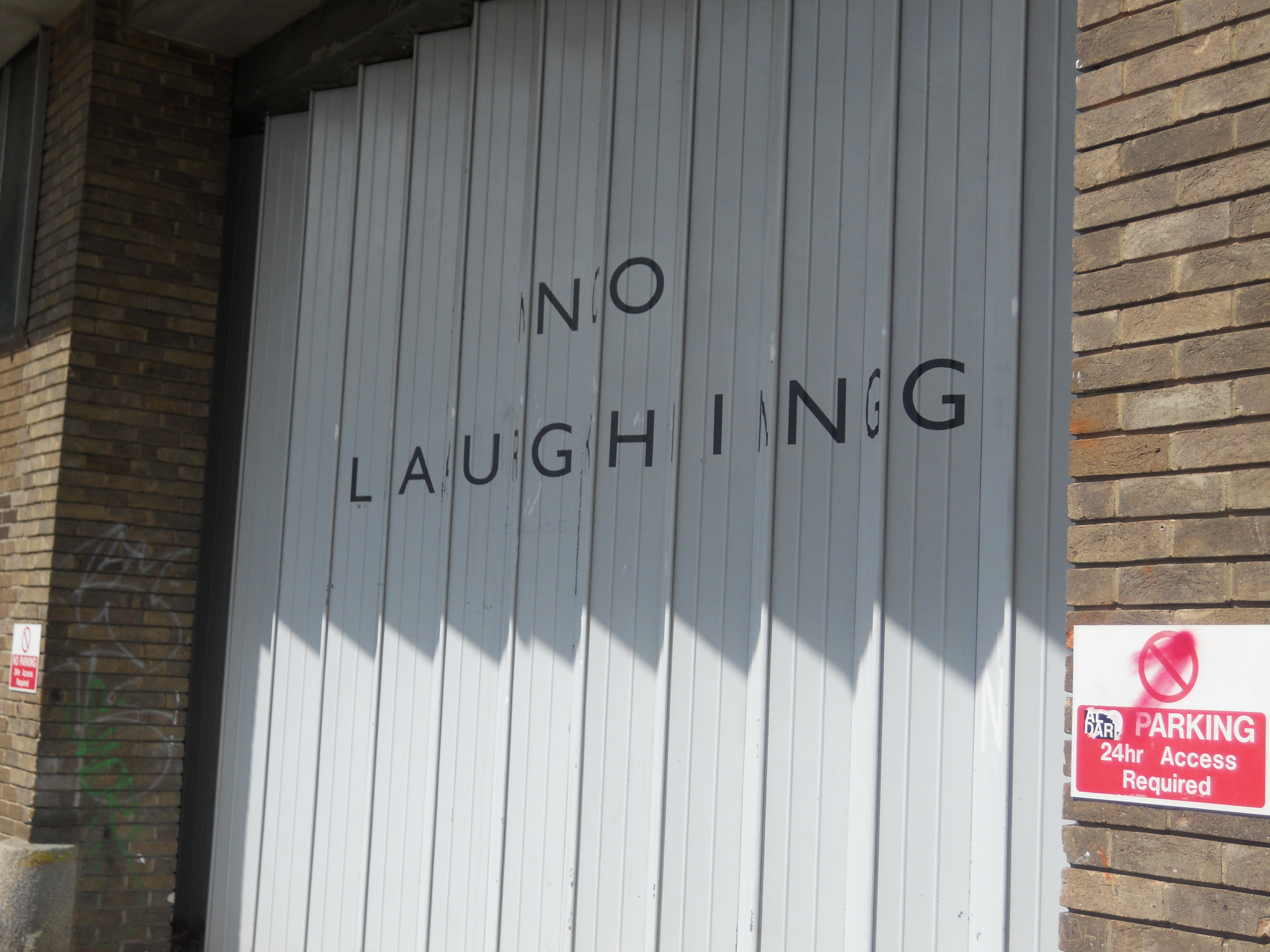
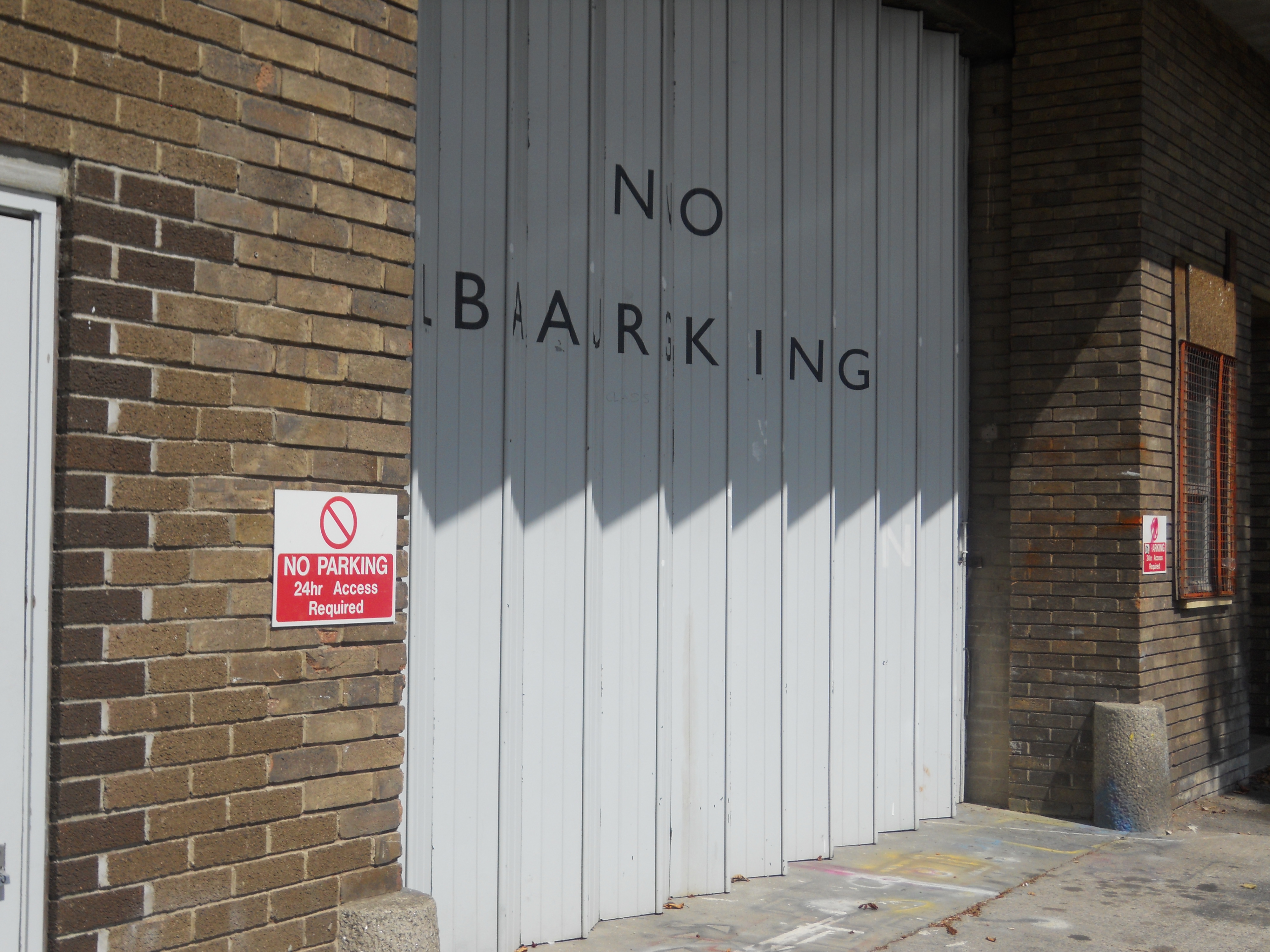

The pictures show the industrial doors of the Arts Centre on Spike Island painted by someone with a sense of humour.
Once across the footbridge it is a brisk downhill walk to the ground.
Visiting The SS Great Britain
Before kick-off I also had time to visit the SS Great Britain.
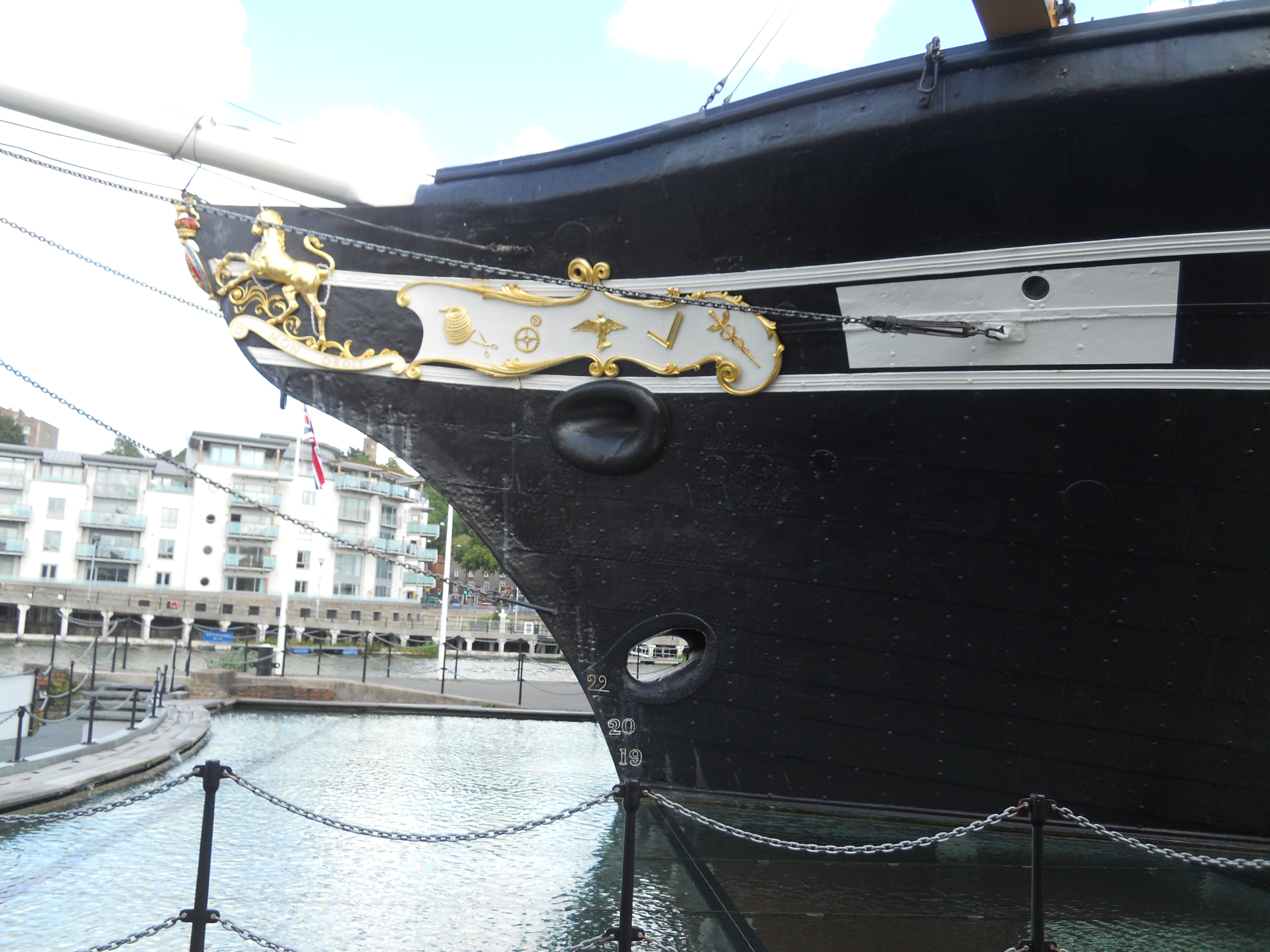
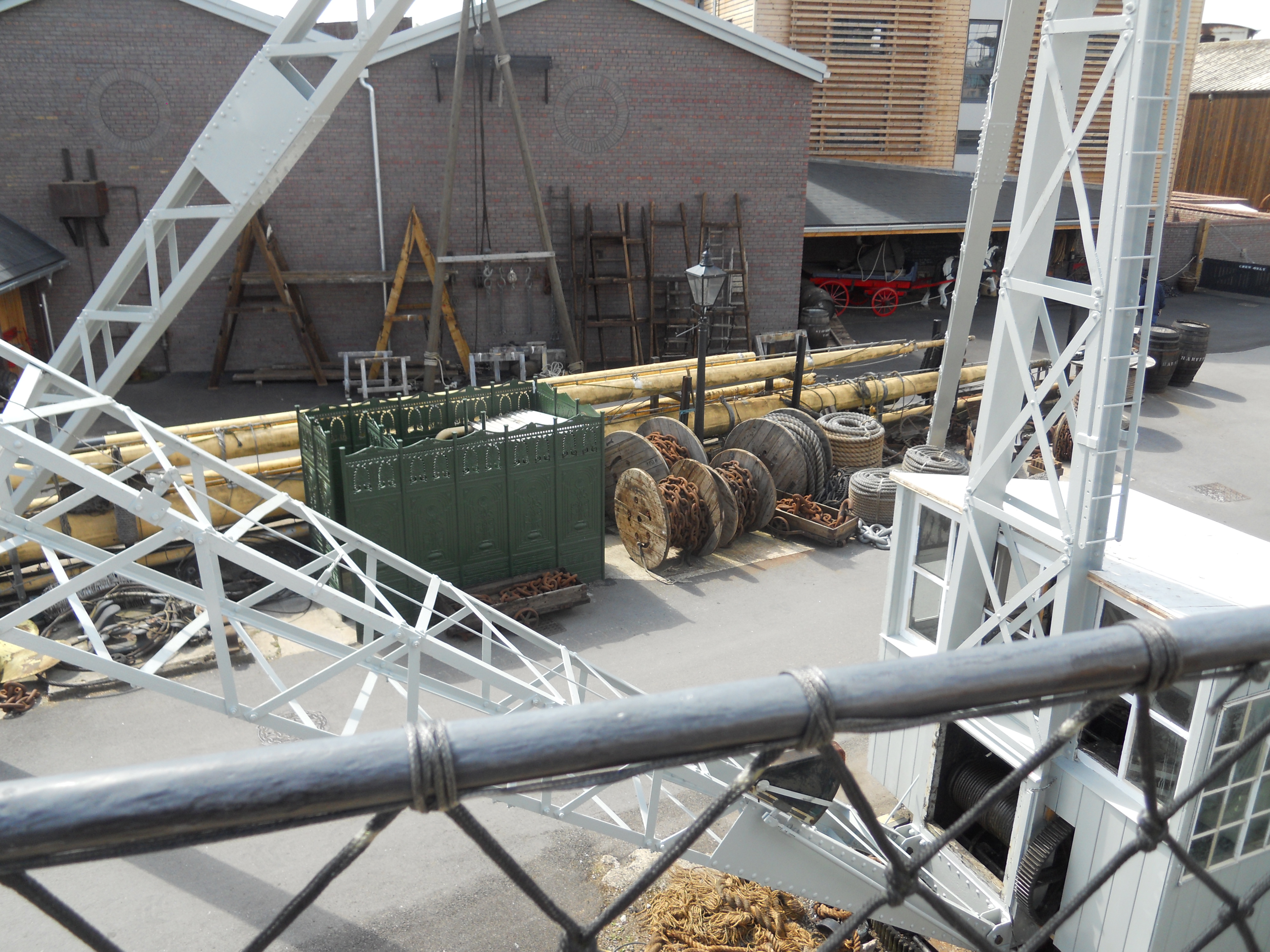
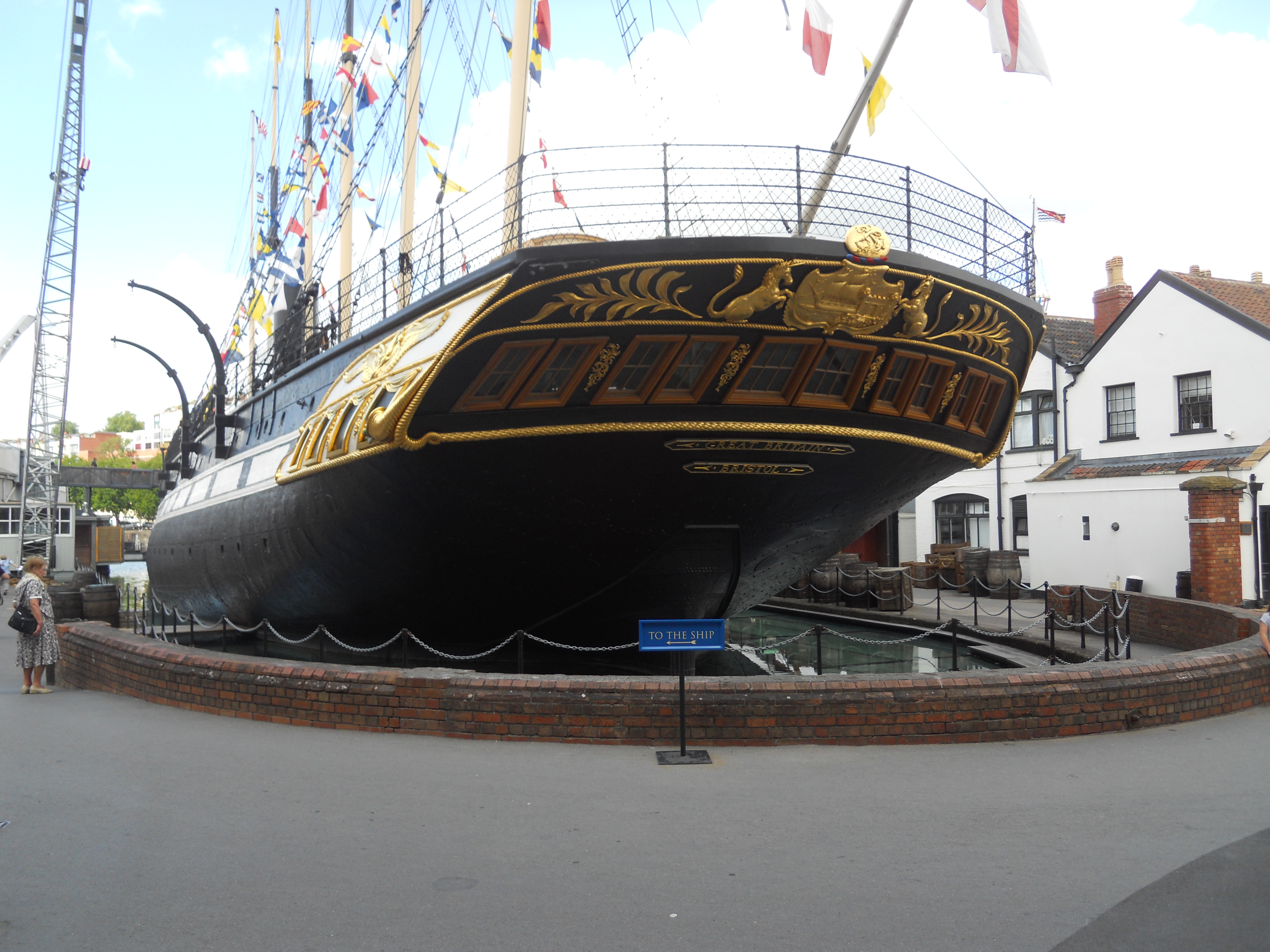
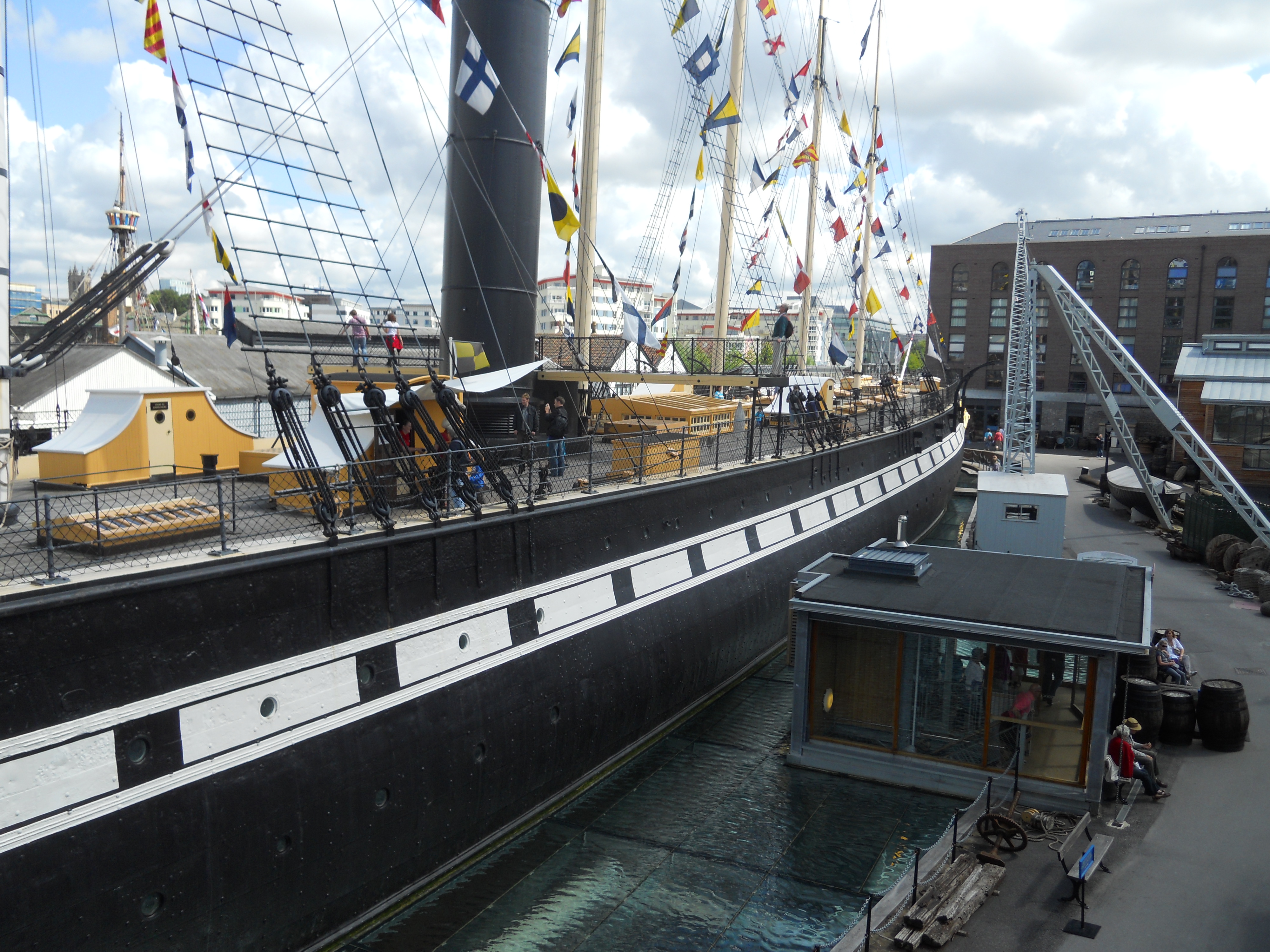
The attached museum is pretty good too. It took me about ninety minutes to tour both. I was also surprised to see a lady in a wheelchair on the ship with an assistance dog. So the disabled access must be pretty easy as well.
I would recommend if you’re going to the football at Ashton Gate, that if you get into Bristol before about 11:00, as I did, you have time for lunch, a walk and a visit to the Great Britain. From there it’s a fairly simple twenty minutes or so walk to the ground.
How To Show Off Technology
On the dockside they were showing off an old electric crane.
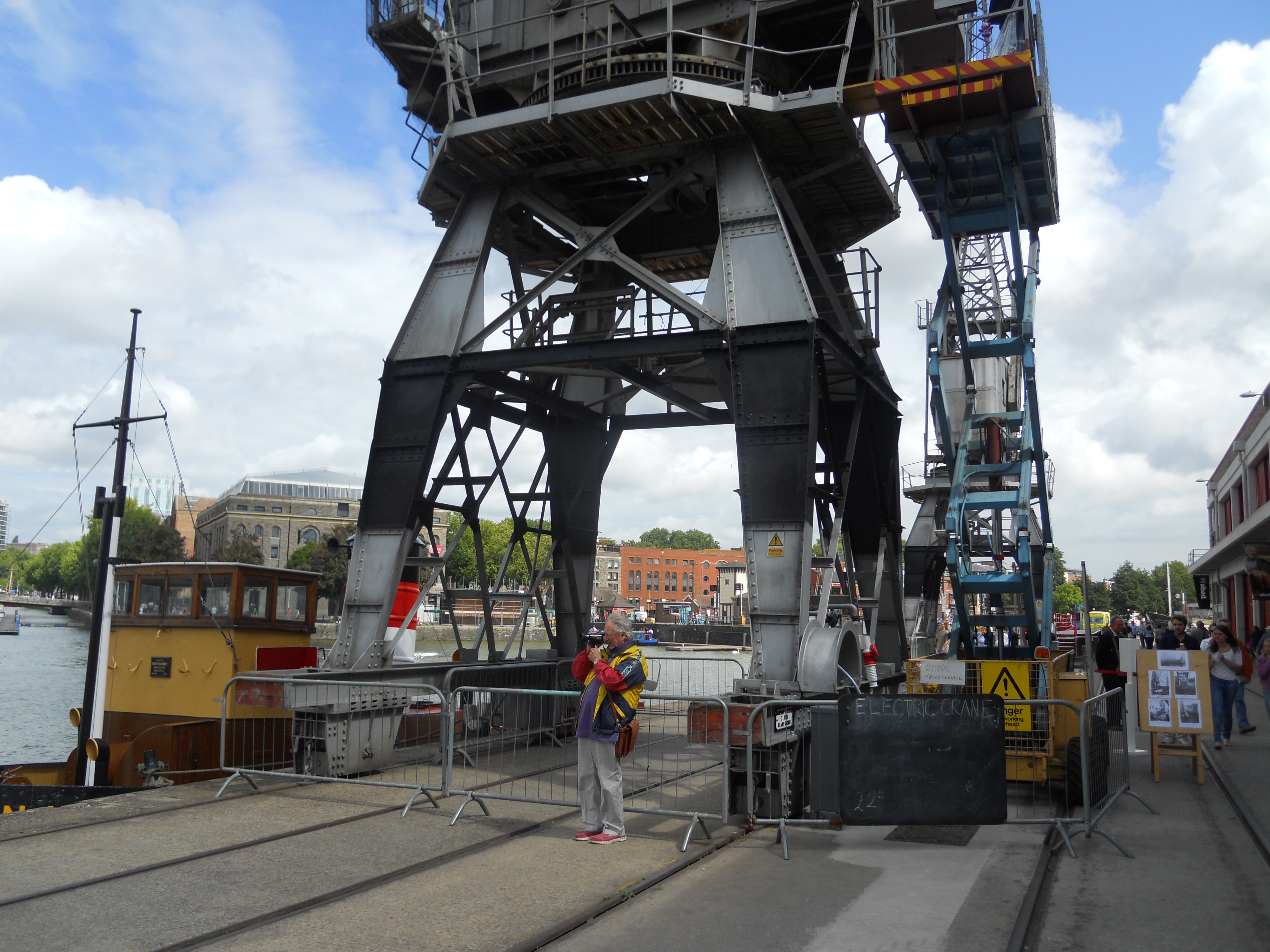
Electric Crane on Bristol Docks
Note the scissor lift at the right to give access to visitors.
And here’s a steam one too!
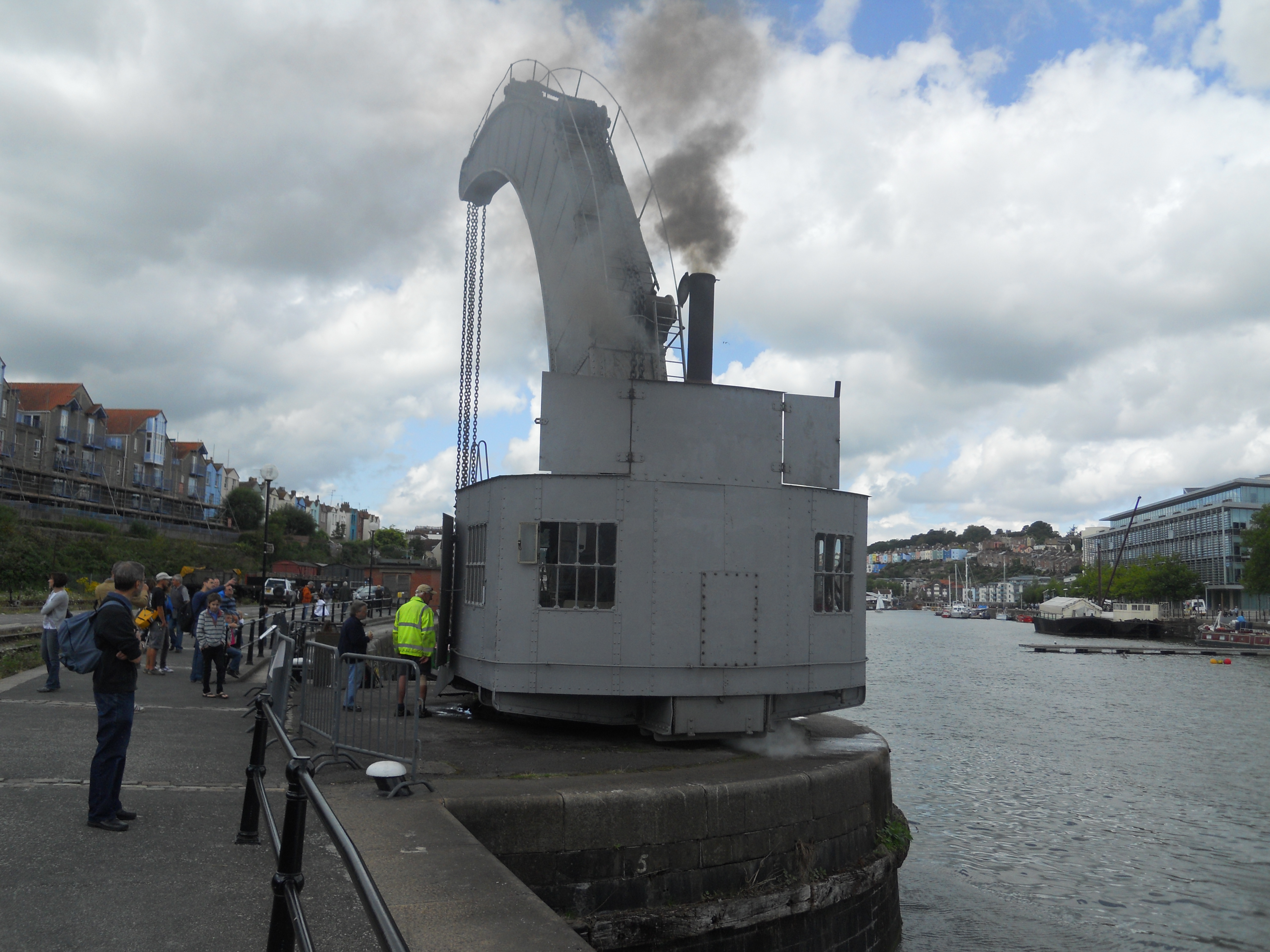
Steam Crane on Bristol Docks
I suppose some might think the smoke was a bit excessive.
Where are London’s working cranes?

