Forest Gate Station Is Almost Ready For Crossrail
These pictures show the almost complete Forest Gate station.
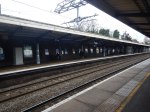
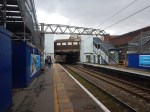
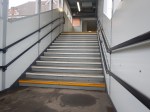
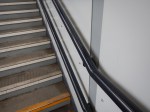
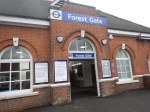


Compare them with these from 2014 in Before Crossrail – Forest Gate.
I wonder what wil happen to the pepper pot. I think it used to be a coffee kiosk.
The staff said, that one is needed.
Maryland Station Is Almost Ready For Crossrail
These pictures show the almost complete Maryland station.
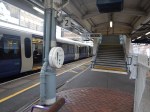


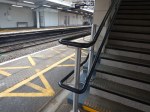

Compare them with these from 2014 in Before Crossrail – Maryland.
A sow’s ear has been turned into a silk purse.
More Than A Thousand People In This Town Want A Rail Service To Cambridge
The title of this post is the same as that of this article on Cambridgeshire Live.
This is the first three paragraphs.
t’s a town talked about more for its struggling market than its booming businesses.
But more than a thousand people in St Neots have signed a petition wanting to see that end.
The petition, which was started by Michelle Woodbridge, a resident from the town, wants the ‘forgotten’ area to be part of a new rail connection between Oxford and Cambridge – which people believe may revitalise the area.
St. Neots station is on the East Coast Main
- It is to the East of the town.
- The station has a new footbridge with lifts.
- It has an half-hourly Thameslink service between Peterborough and Horsham, with extra services in the Peak.
- There is a bus connection to Cambridge
This Google Map shows the Eastern area of the town around the railway station.
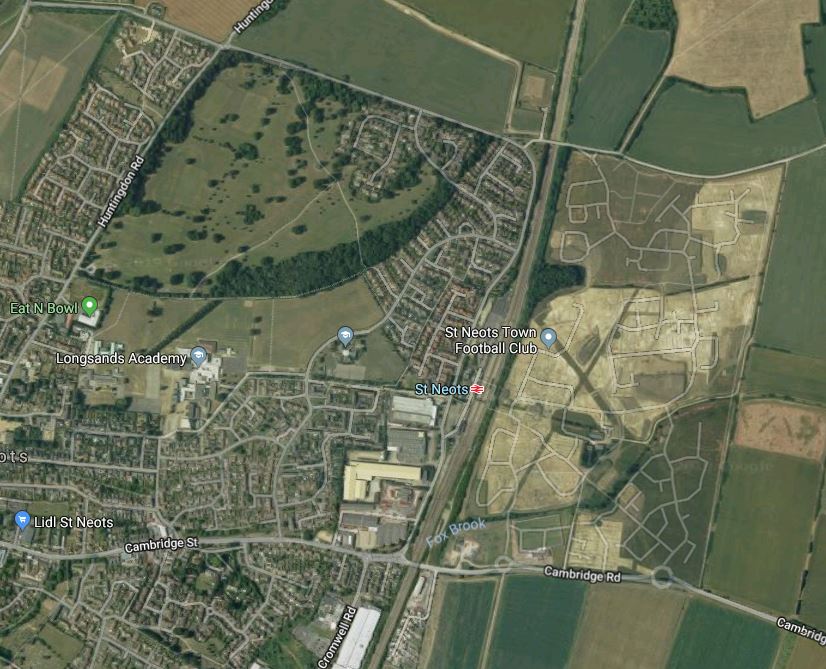
Note.
- The large area of development to the East of the station.
- The A428 road running across the bottom half of the map.
- The A428 is being upgraded and could become a dual-carriageway route to Cambridge via Caxton Gibbet, Cambourne and Madingley.
The East-West Rail Link between Oxford and Cambridge is planned to cross the East Coast Main Line at Sandy and then take a Southerly route to Cambridge South station.
The Route Option B is described like this in Wikipedia.
Route B involves running from the Marston Vale line to a new Bedford South station before then running to a relocated Sandy (to the north Tempsford area or south of St. Neots). The route heads east to a new station in Cambourne before swinging south to join the existing line northbound to Cambridge.
It does seem a bit of a roundabout route, but the new station at Tempsford could be a well-placed Park-and-Ride station for Cambridge.
I don’t think that the choice of route between Bedford and Cambridge will be easy.
However, certain factors may help in the design of the route.
An Improved A1 Road
The A1 road runs North-South to the West of the East Coast Main Line.
The road is only a two lanes in each direction and probably needs improvement.
So the improvements could be done in conjunction with the building of the East-West Rail Link.
The East Coast Main Line Is Four Tracks
Much of the East Coast Main Line is four tracks or could be made so, through St. Neots and Sandy stations.
Both stations have four platforms.
Sandy Station Could Be An Interchange Between The East-West Rail Link And The East Coast Main Line
I wouldn’t be surprised to see Sandy station developed into a comprehensiove interchange station, either in its present position or slightly closer to St. Neots.
It would be served by the following services.
- East Coast Main Line services between Kings Cross, the North of England and the East of Scotland.
- Tramslink services between London and Peterborough.
- East-West services between Cambridge and Oxford via Bedford and Milton Keynes.
It would also be a Park-and Ride station for London, Bedford and Cambridge.
The East Coast Main Line Will Be Digitally Signalled
This must help increase the numbers of trains on the Route.
Greater Anglia Are Ambitious
I just wonder if there was a flyover at Sandy station, if trains could use the East Coast Main Line and the East West Rail Link to create a new service from Cambridge to Peterborough via Cambridge South, Sandy, St. Neots, and Huntingdon.
It would suit Greater Anglia’s ambitions and the 100 mph Class 755 trains could handle the partially-electrified route with ease.
There could even be a circular service, where trains returned from Peterborough via March, Ely, Waterbeach and Cambridge North.
- The trains would not terminate at Cambridge, but would go through the three Cambridge stations in order.
- Four trains per hour (tph), with two going via Sandy and two via Ely could be handled in a single platform at Peterborough.
I estimate the following times are possible
- Cambridge and Peterborough via Sandy – 60 minutes
- Cambridge and Peterborough via Ely – 50 minutes
Two tph doing the circular route in both directions would need eight trains. All stations would get at least two tph service to Cambridge and Peterborough.
Conclusion
I can see a time when there is a direct service between Peterborough and Cambridge via Cambridge South, Sandy, St. Neots, and Huntingdon.
St. Neots would have a two tph service to Cambridge South, Cambridge, Cambridge North, Ely and Peterborough.
Northern Connect Between Chester And Leeds To Start In May
This article on the BBC is entitled New Rail Services Aim To Ease Overcrowding.
This is an extract.
Northern will be adding direct services between Chester and Leeds.
I think this will be the proposed Northern Connect service.
- The route is via Warrington Bank Quay, Manchester Victoria, Rochdale, Halifax and Bradford Interchange stations.
- Only the twenty-two miles between Warrington Bank Quay and Manchester Victoria stations is electrified.
- Wikipedia says that the service will be run using a Class 195 train.
Looking at the current timetable, these times are achieved.
- Chester and Newton-le-Willows – 38 minutes
- Newton-le-Willows and Manchester Victoria – 18 minutes
- Manchester Victoria and Leeds – 75 minutes
This totals up to two hours and eleven minutes.
The Class 195 train is a 100 mph diesel multiple unit and may knock a few minutes from this time.
On my trip to Wigan last month, I heard a rumour from a driver, that the Chester and Leeds service would be run by Class 769 trains.
- These trains could use electrification between Warrington Bank Quay and Manchester Victoria stations.
- They would be slightly slower, than the new Spanish trains on diesel.
It will be interesting to see, which trains Northern use for the service.
Government Turns Up Power On Offshore Wind
The title of this post, is the same as that of an article in yesterday’s copy of The Times.
This is the first paragraph.
A third of British electricity will be generated by offshore wind farms by 2030 under government plans.
Although Jeremy Corbyn said he would reopen coal mines a couple of years ago, I can’t see a change of Government stopping this.
A few other points from the article.
- Last year offshore wind produced about eight percent of our electricity needs.
- The offshore wind energy industry has said it will raise UK content from 48 to 60 percent.
- The industry has promised to invest £250million in the supply chain.
- There are 1,900 turbines in British waters, which can generate 8GW.
- Another 6GW will come on stream by 2022-23.
- Another 16GW are in the planning stage.
The author feels that as costs are reducing, this is driving the investment.
Conclusion
We have a very windy future.
Manor Park Station Is Almost Ready For Crossrail
These pictures show the almost complete Manor Park station.
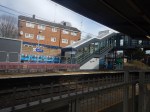


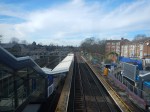


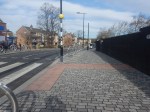
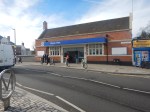
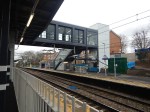


Compare them with these from 2014 in Before Crossrail – Manor Park.
The station has been through an amazing transfomation.
Roaming Around East Anglia – Reedham Station
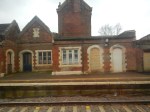
If you have to travel between Lowestoft and Great Yarmouth stations by train, you have to change at Reedham station. Or you should be able to!
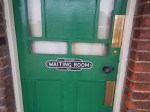
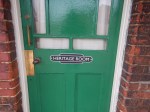
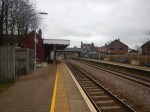
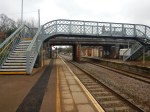
These pictures show the station.
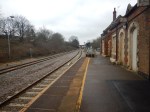
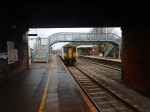
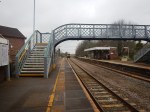
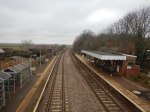
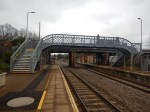
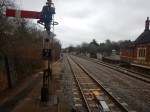
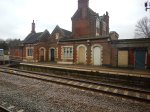
You can’t do the direct journey between East Anglia’s two largest Eastern towns at present, as Network Rail have got their special Project Management knickers on. You know the ones with a twist!
So passengers between Lowestoft and Great Yarmouth have three options.
- Take an hour and a half jurney via Norwich.
- Take a bus, which probably visits half of the villages in the local area.
- Drive.
Hopefully, the Reedham to Great Yarmouth service will be restored sometime in the near (?) future.
This will allow two ways to travel by rail between Lowestoft and Great Yarmouth.
Changing Trains At Reedham Station
Theoretically, this should work, especially, if trains were timetabled so that passengers waited perhaps a couple of minutes on what I suspect in winter can be a very pleasant station.
Look at the footbridge. Do Greater Anglia really expect elderly travellers or those with bikes, buggies and baggage to use the Victorian footbridge?
I suspect Greater Anglia don’t see this as a feasible way of attracting more passengers out of their cars and from the buses.
But Network Rail haven’t got the millions of pounds needed to bring the station into the Twentieth Century!
A Shuttle Train Reversing At Reedham
It would be possible for a train to shuttle between Lowestoft and Great Yarmouth, which could reverse in Reedham station.
In Norfolk Rail Line To Remain Closed As £68m Upgrade Project Overruns, I asked if the new Class 755 trains had a fast reverse procedure, as Greater Anglia’s services are full of stations, where a train must arrive and leave a few minutes later.
I wrote the following.
A simple system could be as follows.
- On arrival in a station, the driver would put the train into a standby mode, when it was safely stopped.
- The driver would then walk through the train to the second cab.
- Whilst the driver is changing ends, the conductor is opening and closing the train doors and supervising the loading and unloading of passengers.
- On arrival in the second cab, the driver would wake up the train and check everything.
- After the doors are closed and having received the all clear from the conductor and a green light from the signals, the driver would proceed.
At all times, the driver and conductor, would have emergency remote controls to immobilise the train, if something is not what it should be.
Modern automation is certainly able to design a very safe system, that would save time at every reverse.
The stop ar Reedham station would become an almost normal stop and I would expect that a train could reverse in about two or three minutes.
Use Only One Platform At Reedham
Could this be the most affordable solution?
- The track layout at Reedham station would be modified, so that all trains would use the Norwich-bound Platform 1.
- Platform 1 is improved with a quality waiting room and a coffee kiosk, to make a short wait between trains more pleasant.
If there were two trains per hour on both the Lowestoft and Great Yarmouth routes, I’m sure that with the new signalling and good driving, a single-platform at Reedham station would work.
Trains from Norwich could call at XX00, XX15, XX30 and XX45, with trains to Norwich calling at XX07, XX22, XX37 and XX52.
If trains stopped in the right order, then there would be a maximum wait of eight minutes in a comfortable waiting room at Reedham station.
Even with only one train per hour between Norwich and Yarmouth via Reedham, I’m certain an acceptable timetable could be devised.
Greater Anglia’s Class 755 trains
Greater Anglia have ordered thirty-eight Class 755 trains, which have a total of 138 cars.
These will replace twenty-six assorted trains, which have a total of 55 cars.
This is a increase of 46% in the number of trains and 150% in the number of cars.
Greater Anglia didn’t increase the fleet so that could sit in sidings, so I think we can expect some new services and higher frequencies.
Conclusion
I’m certain that a sensible hourly service between Lowestoft and Great Yarmouth stations can be devised.
Roaming Around East Anglia – The Future Of Ipswich Station
Ipswich station is going to get a lot of extra services over the next few years and may need extra platforms.
In a few years the services at the station could include.
- Greater Anglia – London and Norwich – Three trains per hour (tph)
- Greater Anglia – Ipswich and Lowestoft – One tph (Three trains per day are London and Lowestoft)
- Greater Anglia – Colchester and Peterborough – One tph
- Greater Anglia – Ipswich and Felixstowe – Four tph (tram-trains)
- East West Rail – Manningtree and Oxford/Reading – One tph
In a typical hour there will be five tph going through the station, with some hours having an extra train between London and Lowestoft.
So in this timetable that means that Ipswich station will only be handling one through train every 10-12 minutes in each direction, three of which will be twelve cars long.
Only one Lowestoft trains and four Felixstowe tram-trains will terminate at Ipswich station There is a long-enough convenient platform 1 for the Lowestoft trains, but where would the Felixstowe service be turned round?
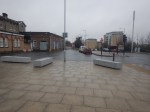
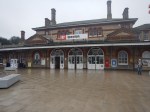
I took these pictures as I passed through Ipswich station.
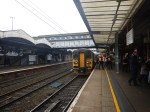


As often happens, the Felixstowe train had to be turned back in the vSouthbound through Platform 2. Not a particularly good procedure!
Building a new platform at Ipswich station will be difficult.
- To build it next to Platform 1 will mean that there will be a lot of reorganisation of the station behind Platform 1.
- Building it on the far side of the station will be expensive and also mean Felixstowe services will have to cross the main lines, which will cause disruption.
I would expect that sorting Ipswich station could be a sum of at least £5million and possibly a lot more. There would also be a lot of disruption during the rebuilding.
As the pictures show, there would be space outside the station to put a tram stop, that would be capable of handling four tram-trains per hour to Felixstowe.
Conclusion
If this happens and the Ipswich and Felixstowe service is replaced with a frequent tram-train, it will be a big boost to the economy for both Ipswich and Felixstowe.
Roaming Around East Anglia – Could A Tram/Train Run Through Felixstowe?
This report on the East-West Rail web site is entitled Eastern Section Prospectus and gives full details of their proposals for the Eastern section of the East-West Rail Link.
This is said in the report.
Introduction of a tram-train service on the Felixstowe branch, with doubling between Derby Road and Felixstowe and street running through
Ipswich.
It is also said, that there will be a frequency of four trains per hour (tph) between Ipswich and Felixstowe.
On my trip round East Anglia, I deliberately walked from the sea-front to Felixstowe station, taking these pictures.

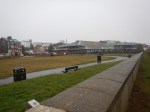
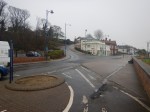

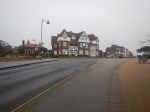
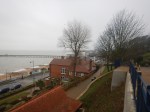
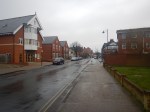
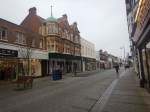
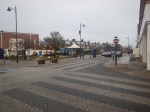

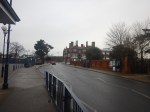
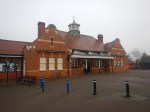
Would it be possible to run a tram-train through the town?
To my mind there are three places for the tram-train to Felixstowe to terminate.
The Current Platform In Felixstowe Station
This picture shows a Class 153 train in the current platform.
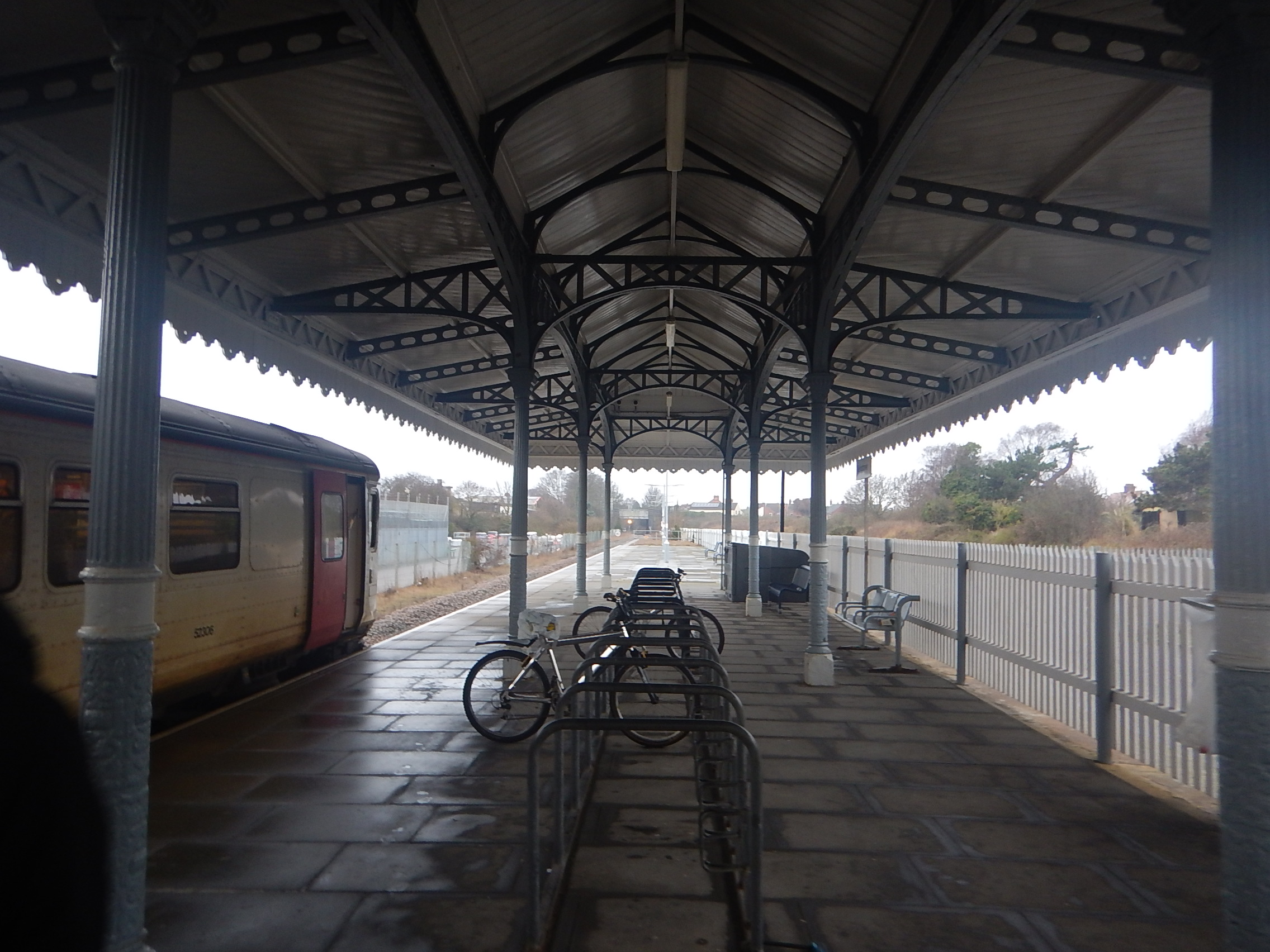
To say that it is safe and boring would be an understatement.
The Tram-Train Breakout
If the operator is running four tram-trains per hour to Felixstowe, then surely they should be taken to somewhere more interesting.
So would it be possible for the tram-trains to go through the station and perhaps use a single track railway to the Town Centre?
This Google Map shows the station and the old station buildings, which are now a Shopping Centre.
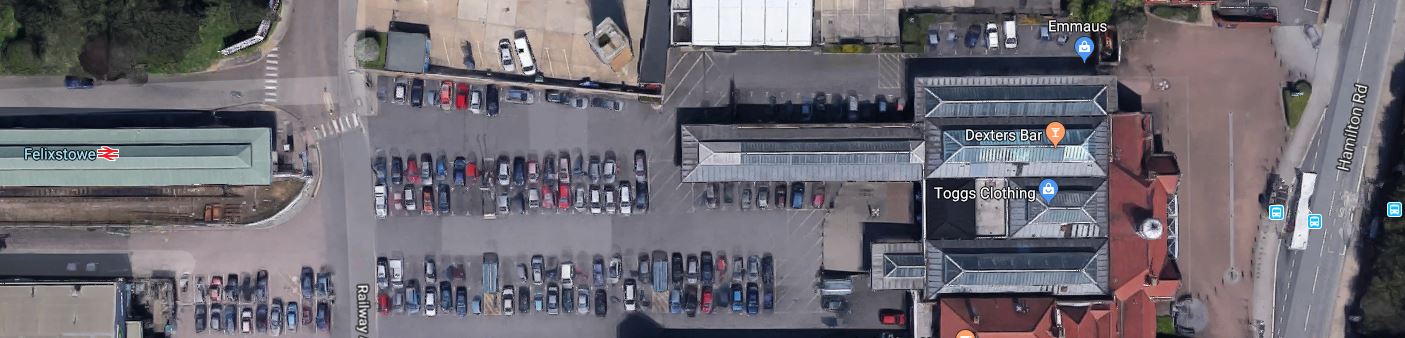
Would it be possible for a tram-train, running as a tram to run North of the Shopping Centre and turn onto the station forecourt, from where it would go walkabout?
These pictures show where the tram would run.
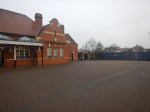
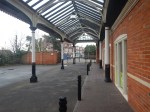
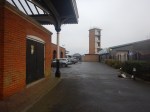

These pictures show the station buildings, which have been turned into a a Shopping Centre.
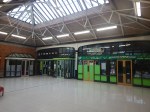


It looks very much like the shops would not need to be disturbed.
How Far Could The Tram-Train Go?
If a single-track extension were to be built through the station, the time-table could be arranged so that the outgoing and the incoming passed in the current island platform at Felixstowe station.
The simplest system would be for the tram-trains to go to the shops in the Town Centre and reverse outside by the shared space.
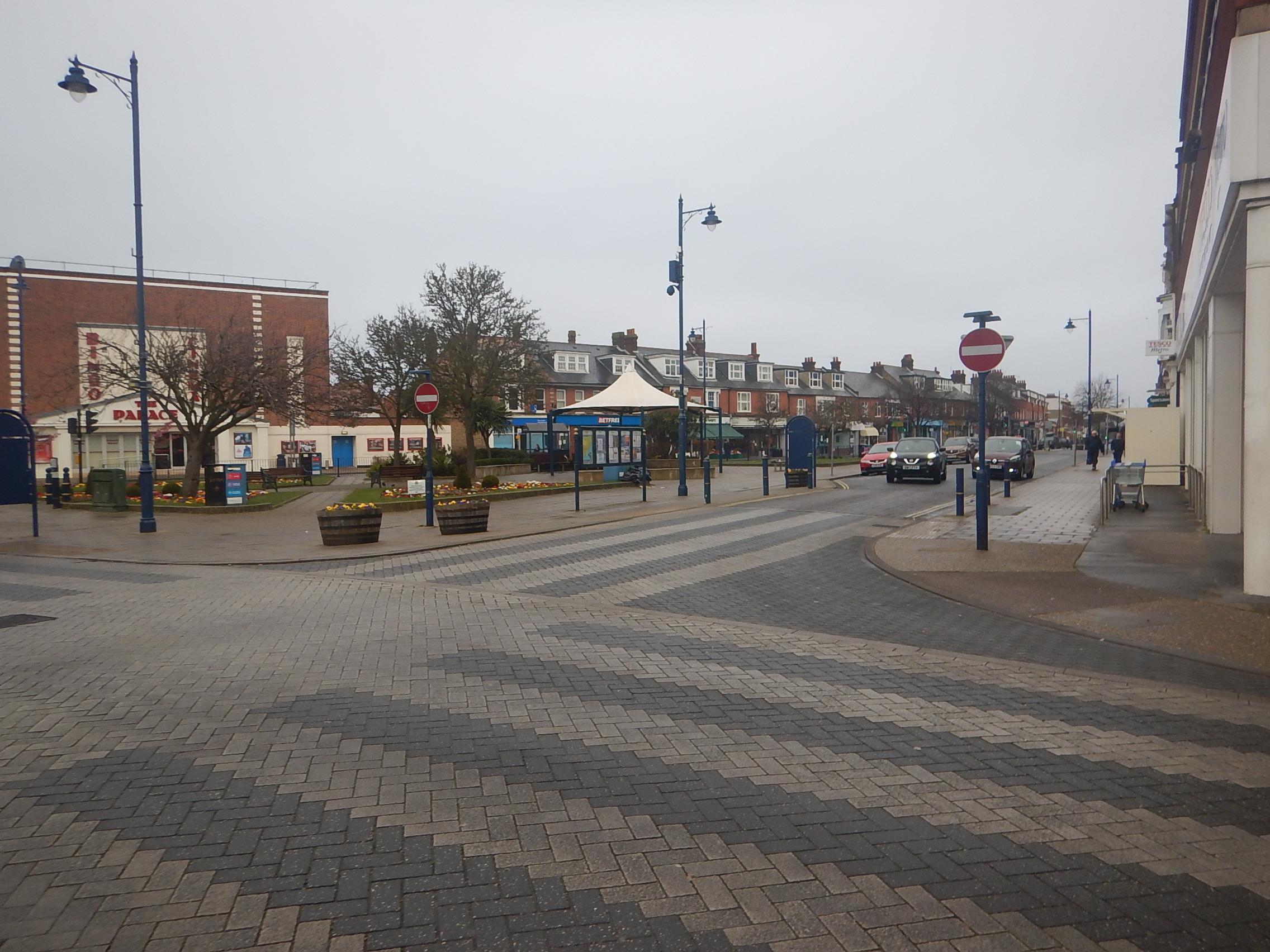
The picture shows the location. Trams would be timed to take fifteen minutes for the trip from Felixstowe station and the return.
- Only one tram-train would be on the single-track route at any time.
- Tram-trains would work on battery power.
It would be a very simple use of a tram-train to move a terminus of a branch line to a better place.
According to a tram driver in Sheffield, the Class 399 tram-trains as used in the City have bags of grunt and handle hills with ease.
So why not run a single tram line through the Town Centre and then take the route via Convalescent Hill to the sea-front, where a terminus could be by the Pier and the Leisure Centre?
The Pier stop would have the following.
- Two platforms, so that two tram-trains could pass.
- A charging facility.
So that the single-track through the Town Centre would work, tram-trains would need to go between Felixstowe station in perhaps ten minutes.
This would give ten minutes for a turnround with a charge at the Pier stop.
The Number of Tram-Trains Needed
Four tram-trains per hour between Ipswich and Felixstowe stations would need four vehicles.
Extending it to Felixstowe Pier would need another two tram-trains for a similar service.
Conclusion
A tram-train serving Felixstowe sea-front running on battery power through the Town Centre., looks to be feasible.
 The Anonymous Widower