Will The Extended Bakerloo Line Be Twenty-Seven Trains Per Hour All The Way?
There are two major projects that will be implemented on the Bakerloo Line in the next decade or two.
- The replacement of the current 1972 Stock trains with the New Tubes for London.
- The extension of the line to Lewisham station.
I certainly feel, that the two projects will bring the Bakerloo Line into the twenty-first century
The Planned Train Frequency
Under Current And Future Infrastructure, the Wikipedia entry for the Bakerloo Line says this.
Transport for London proposes to upgrade the line eventually, but not until other deep-level lines have been dealt with. This will include new signalling and new trains, enabling a maximum frequency of 27 trains per hour. TfL currently expects these to be in place by 2033.
Twenty-seven trains per hour (tph) seems very much in line with other deep-level Underground Lines.
- Central Line – 35 tph
- Jubilee Line – 30 tph
- Northern Line – 24 tph for each branch
- Piccadilly Line – 33 tph after upgrade.
- Victoria Line – 36 tph
Perhaps, it is a bit lower, but the engineers usually manage to squeeze more out of a line.
The Bakerloo Line Extension To Lewisham
The planning is underway to extend the Bakerloo Line to Lewisham station.
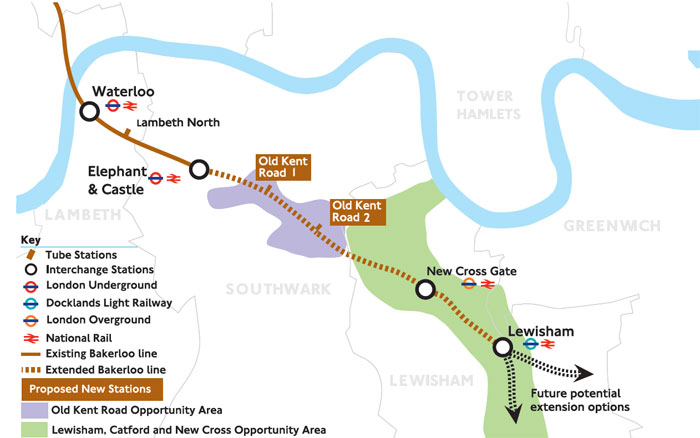
The Bakerloo Line Extension looks like it will be a four-station extension, with interchanges at Elephant & Castle, New Cross and Lewisham.
This map from Transport for London, shows the extension.
I think it will be highly likely, that the extension will be built using a similar design and techniques to that of the Northern Line Extension to Battersea.
- It will be double-track.
- There are unlikely to be any junctions.
- The Lewisham station will have two platforms with overrun tunnels.
- There appears to be no depot planned.
I have come to some conclusions about the design.
Planned Frequency
If the track layout of the extension and particularly at Lewisham follows the layouts of the Victoria Line termini, I can see no reason, why the proposed frequency of twenty-seven tph can’t be achieved.
I also suspect that provision will be made, so that the frequency can be increased.
A higher frequency would also be expected if the Bakerloo line, were to be further extended to two separate branches, as the map indicates.
Number Of Trains
I suspect that for the extension to work in an optimum manner new trains will be needed.
Project Timescale And Cost
The Northern Line Extension to Battersea appears to be taking about six years from sign-off to completion.
This extension is twice as long and has double the number of stations, but is probably not as grand.
I would put my money on a seven year project and a couple of billion.
As it is unlikely, that the required new trains will not be available until 2033, the project probably has a sign-off date of around 2025.
The project could be pulled forward.
- The trains could be built after those for the Piccadilly Line.
- An early decision could be made.
Saying go in 2022 would enable a finish in 2029.
The Northern Section Between Queens Park And Watford Junction
North of Queens Park station, the line is double-track all the way to Watford Junction station.
Queens Park Station
At Queens Park station itself, it’s a lot more complicated.
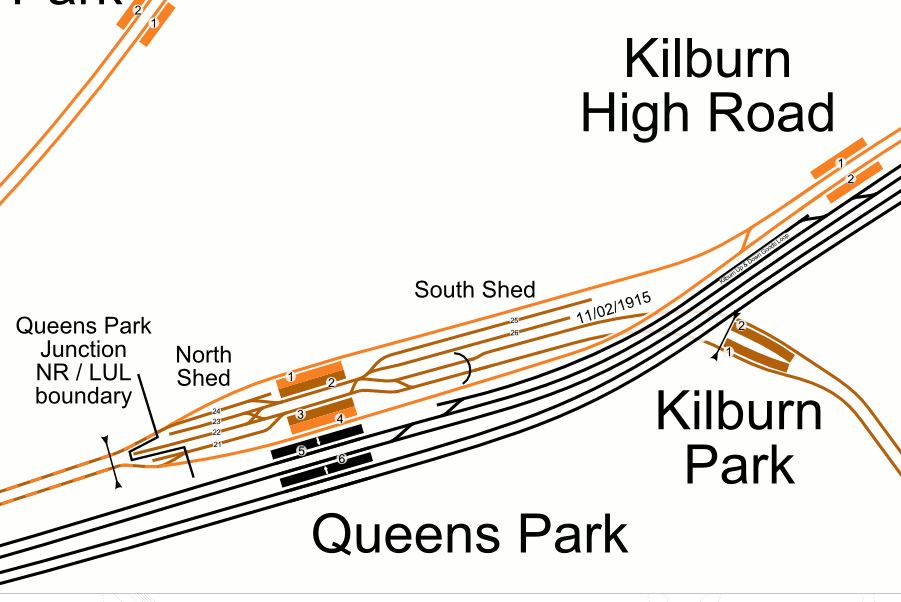
This map from carto.metro.free.fr shows the track layout at Queens Park station.
Note.
- The Watford DC Line of the Overground is shown in orange and runs through Kilburn High Road and Queens Park stations.
- The Bakerloo Line is shown in brown and runs through Kilburn Park and Queens Park stations.
- There are reversing sidings to the West of Queens Park station for the Bakerloo Line.
The following services go through or terminate at Queens Park station.
- Three tph between Euston and Watford Junction on the London Overground.
- Six tph between Harrow & Wealdstone and Elephant & Castle on the Bakerloo Line.
- Three tph between Stonebridge Park and Elephant & Castle on the Bakerloo Line.
- Eleven tph between Queens Park and Elephant & Castle on the Bakerloo Line.
It is also likely that the Overground service will go to four tph.
So this means that services will be as follows.
- Four tph on the Watford DC Line run through Kilburn High Road station.
- Twenty tph on the Bakerloo Line run through Kilburn Park station.
- Nine tph on the Bakerloo Line run through Queens Park station.
- Four tph on the Watford DC Line run through Queens Park station.
- Eleven tph on the Bakerloo Line terminate at Queens Park station.
Thirteen tph will continue to various destinations towards Watford Junction.
What Is The Capacity North Of Queens Park Station?
So how many trains could the double-track line between Queens Park and Wartford Junction stations handle?
Consider.
- All services on the line are london Overground or London Underground.
- There are no junctions, where services divide and join.
- There is a turnback facility at Harrow & Wealdstone station, that can handle six tph.
- The Overground trains are being replaced with Class 710 trains, which must be able to be made compatible with digital signalling.
- Watford Junction station has four platforms connected to the Watford DC Line.
- Good design should be able to make the stations step-free for both Class 710 trains and New Tube for London.
- The Watford DC Line service, always seems to terminate in platform 9 at Euston.
- London Underground have run thirty-six tph on the Victoria Line for about a year now.
I suspect that if the trains are digitally signalled, with a degree of Automatic Train Control, that there could be as many as thirty-six tph between Queens Park and Watford Junction stations.
I also think it is significant that the New Tube for London, specifies that the Bakerloo Line will run at twenty-seven tph. Why not more, if the theoretical capacity North of Queens Park is thirty-six tph?
But a single platform at Euston can probably handle six tph, so add 27 and 6 and you get thirty-three tph, which is the proposed core frequency of the Piccadilly Line.
Will The Bakerloo Line Run All The Way To Watford Junction?
Suppose too, that all Bakerloo services ran all the way to Watford Junction, as has been proposed in the past.
- This would simplify operation and especially at Queens Park, Stonebridge Park and Harrow & Wealdstone stations.
- Digital signalling would easily handle the frequency.
- The platform arrangement at Queens Park would be unchanged, with Euston services on the outside and Bakerloo services in the middle.
Watford Junction would have superb thirty-three tph service to two destinations in London.
Will The New Tube for London Run The Euston Service?
I will speculate, that the Watford DC Line service could be run by New Tubes for London..
- One type of train would be easier to handle for staff and passengers.
- All platform heights could be the same.
- All services would be step-free between train and platform.
- Digital signalling could easily handle thirty-three tph along the shared route.
In Thoughts On The Power System For The New Tube for London, I proposed that the New Tube for London could run on a conventional third-rail system.
This would further mean the following for the Bakerloo Line.
- New Tubes for London could use the existing track to access Euston, without serious modification.
- If the Bakerloo Line is extended to Hayes, Beckenham Junction or Bromley North stations, the existing tracks could continue to handle existing third-rail trains to provide other services.
- Only one type of train would be needed to run all services on the Bakerloo Line to its various destinations.
Use of New Tubes for London on all routes may be possible to create a service on the Northern section of the Bakerloo Line with the following characteristics.
- Twenty-seven tph between Watford Junction and Elephant & Castle stations.
- Six tph between Watford Junction and Euston stations.
- All stations would be step-free between platform and train.
- All trains would be identical New Tubes for London.
- All trains would run under Automatic Train Control, as does the Victoria Line.
All passengers on the existing Bakerloo and Watford DC Lines would see a better service.
The Bakerloo Line Extension to Lewisham
Note, that I have said nothing about the Bakerloo Extension to Lewisham.
In my view, that extension does what it says on the tin and creates a new twenty-seven tph service between Elephant & Castle and Lewisham stations, which brings new services to an area of South-East London, where they are much needed.
Effectively, the Bakerloo Line would become two twenty-seven tph lines, that happen to connect back-to-back at Elephant & Castle station to enable cross-London journeys.
Could Bakerloo Line Services Still Be Turned Back At Harrow & Wealdstone?
The following could be argued.
- Watford Junction doesn’t need twenty-seven tph on the Bakerloo Line and six tph to Euston.
- Watford needs a cross-Watford service like the in-limbo Croxley Rail Link.
So could a few trains be turned back using the existing facility at Harrow & Wealdston station to create paths to allow an appropriate service between say Watford Junction and Amersham stations?
More Frequent Services
If we look at the Victoria Line, where the frequency has increased over the last few years by the addition of various improvements, I would not be surprised to see the frequency of twenty-seven tph increased.
After all London Underground’s engineers have been squeezing Dear Old Vicky for half a century, so they must know more tricks, than Paul Daniels knew at the peak of his success.
Conclusion
Undoubtedly, the New Tube for London could run at twenty-seven tph all the way between Watford Junction to Lewisham stations.
Whether that frequency is needed all the way is another matter.
Thoughts On The Power System For The New Tube for London
Obviously, very little has been said about the power system of the New Tube for London.
London Underground Electrification
This description of Lundon Underground electrification comes from Electrification in the Wikipedia entry for London Underground Infrastructure.
The lines are electrified with a four-rail DC system: a conductor rail between the rails is energised at −210 V and a rail outside the running rails at +420 V, giving a potential difference of 630 V. On the sections of line shared with main line trains, such as the District line from East Putney to Wimbledon and Gunnersbury to Richmond, and the Bakerloo line north of Queen’s Park, the centre rail is bonded to the running rails, as the electrical return from National Rail trains is via the wheels. This was first used in the early 20th century, the isolated traction current return allowing a train’s position to be detected using DC track circuits, and reduced any earth leakage currents that could affect service pipes and telephone cables.
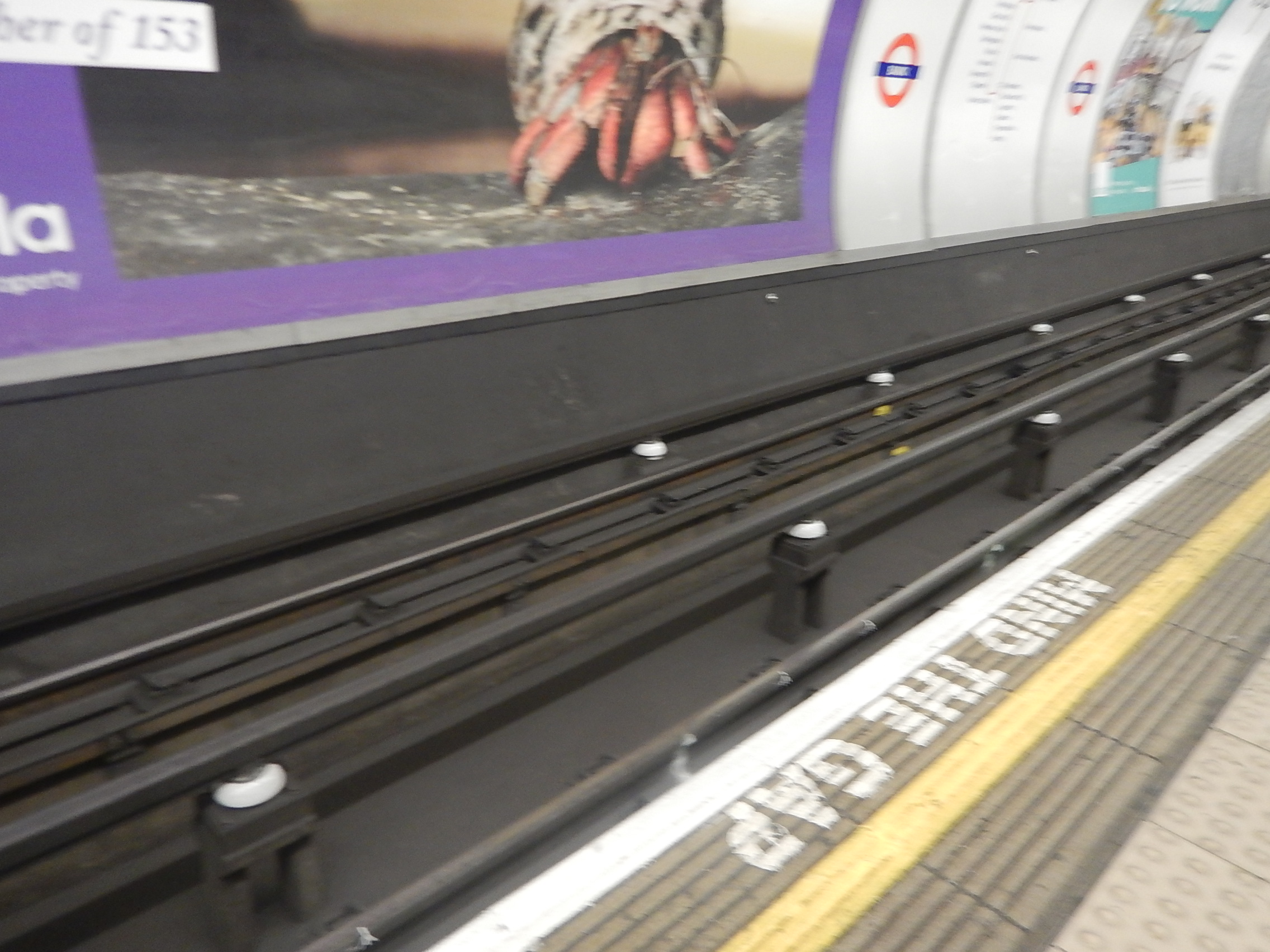
This picture shows a typical London Underground track on the Central Line at Bank station.

Note the suicide pit under the rails.
This layout is rather unusual and different to the third rail system used by National Rail services in London and the South East and on Merseyrail.
Battery Power
This article on Rail Engineer is entitled London Underground Deep Tube Upgrade.
This is an extract.
More speculatively, there might be a means to independently power a train to the next station, possibly using the auxiliary battery, in the event of traction power loss.
Batteries in the New Tube for London would have other applications.
- Handling regenerative braking.
- Moving trains in sidings and depots with no electrification.
It should be born in mind, that battery capacity for a given weight of battery will increase before the first New Tube for London runs on the Piccadilly line around 2023.
Conversion To A Conventional Third-Rail System
Given, that space in the deep tunnels is limited, I wonder if removing the third rail in the middle and going to a third-rail 630 V DC system will give more space under the train, that could be used for equipment and a lower floor.
The following lines could eventually be converted to the New Tube for London.
- Bakerloo – Shared running with the Watford DC Line to the North of Queens Park station.
- Central – No shared running
- Jubilee – No shared running
- Northern – No shared running
- Piccadilly – Shared running with the Metropolitan Line to the West of Rayners Lane station and the District Line to the West of Acton Town station.
- Victoria – No shared running
- Waterloo & City – No shared running
So could the shared running be eliminated to make conversion easier.
The Bakerloo Line North of Queens Park Station
The New Tube for London must be able to share the track with the Class 710 trains working the Watford DC Line.
There would be no problem with traction, as both types of trains could use conventional third-rail track.
But there would be a problem with platform height.
Between Rayners Lane and Uxbridge Stations
In Can Between Rayners Lane And Uxbridge Stations Be Step-Free?, I investigated the line between these two stations, including these possibilities.
- Unattended Train Operation (UTO) on the Piccadilly Line, which may mean platform edge doors.
- Terminating The Piccadilly Line At Rayners Lane Station
- Terminating The Metropolitan Line At Rayners Lane Station
- A Piccadilly Line Service Be Run Between Uxbridge and Ealing Broadway Stations
- Extending The Central Line To Uxbridge
I came to this conclusion.
There are a lot of possible improvements that can be done to the train service to Uxbridge.
That is probably a bit of a cop-out, but then there are a lot of possibilities, some of which eliminate the Piccadilly and Metropolitan Lines sharing the track to Uxbridge.
Between Acton Town And Ealing Broadway Stations
This map from carto.metro.free.fr shows the lines Between Acton Town and Ealing Broadway stations.
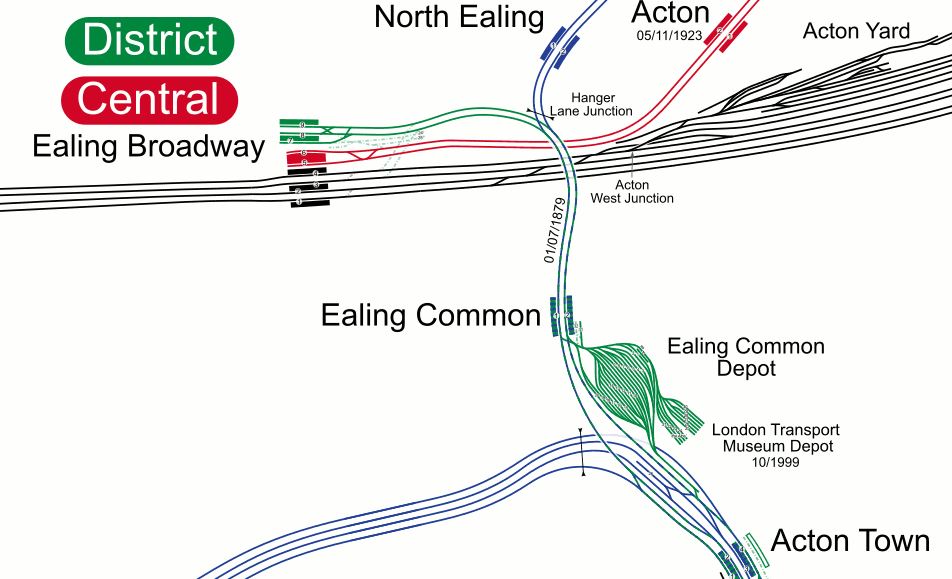
Note how the Piccadilly and District Lines share tracks from Ealing Common station, which then split with District Line trains going to Ealing Broadway station and Piccadilly Line trains going to Rayners Lane and Uxbridge stations.
Transport for London are suggesting the following.
- Ealing Broadway is served by the Piccadilly Line, rather than the District Line.
- District Line trains would terminate at Richmond and Wimbledon stations instead of Ealing Broadway.
- East of Acton Town, Piccadilly Line trains would call at Turnham Green, Ravenscroft Park and Hammersmith
- District Line trains would call at a relocated Chiswick Park, Turnham Green, Stamford Brook, , Ravenscroft Park and Hammersmith.
- East of Hammersmith, both District and Piccadilly Line routes would be unchanged.
Passengers needing to travel between Ealing Broadway and stations between Victoria and Whitechapel, would change at Turnham Geen, Ravenscroft Park or Hammersmith, by walking across the platform.
If this change is implemented, there will be no shared running between the Piccadilly and District Lines.
National Rail Shares Tracks With The Metropolitan And District Lines
There is some shared running on the Metropolitan and District Lines but that would be unaffected.
Conclusions On Conversion To A Conventional Third-Rail System
It looks to me, that it would be possible to convert the deep-level Underground Lines to conventional third-rail, by eliminating sharing with other lines.
But would such a radical change to the electrification of London’s deep-level Underground lines be feasible and economic?
Conversion From Four Rails To Three
I suspect that when the New Tube for London is introduced on a line, the track will be renewed or at the least given a good refurbishment.
Some years ago, I obtained a database of all the faults on the London Underground for a year. Very few of the faults were down to track faults and the only problems in tunnels seemed to be water ingress.
So I think we can assume, that the track foundations are probably in good condition. If they aren’t I suspect London Underground know all about the problems.
My project management knowledge leads me to believe that a well-planned series of track closures should be possible to convert the track.
Safety
At all stations, the rail in the centre of the track would not be there anymore and the only electrified rail could be placed on the far side from the platform in deep-level stations.
This is another picture from Bank station.
Note.
- The +420 VDC power rail sitting on insulators close to the wall
- The -210 VDC power rail sitting on insulators on posts in the suicide pit.
- How the two running rails neatly fit on ledges on either side of the suicide pit.
Imagine how it would look with the negative power rail removed.
The single rail could also be shielded, by perhaps an insulating board on both sides of the rail.
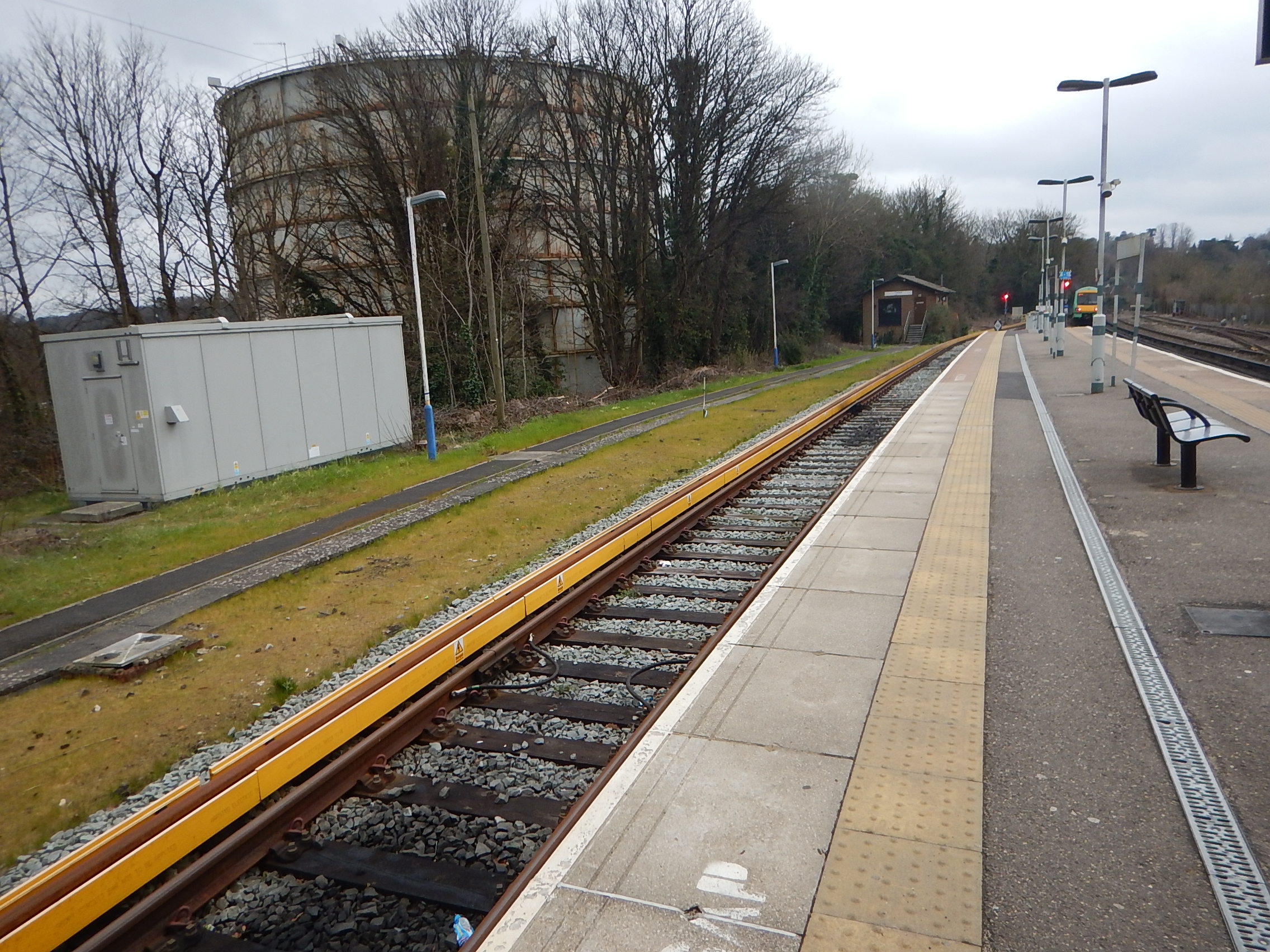
This picture shows an insulated third rail at Oxted station. The yellow insulator is wood, that has been painted.
I would extrude the insulator using recycled plastic. After all polythene’s first major use was as an insulator in radar during World War II.
I believe that a three-rail track could be designed, that would surely be much safer than the current track, should anybody fall or be pushed off the platform.
There is also the possibility of using battery power in some or even all stations. Power would only be supplied to the trains between stations, where batteries would be charged.
The third rail would stop perhaps forty metres at either side of a station and the gaps would be bridged by battery power.
It might be possible to make stations, with no electrified rails visible or accessible.
Eliminating The Gap
I would imagine that the design of the New Tube for London will make sure that the doors are aligned with the platform, as these doors on a Class 378 train are with the platform on the London Overground.
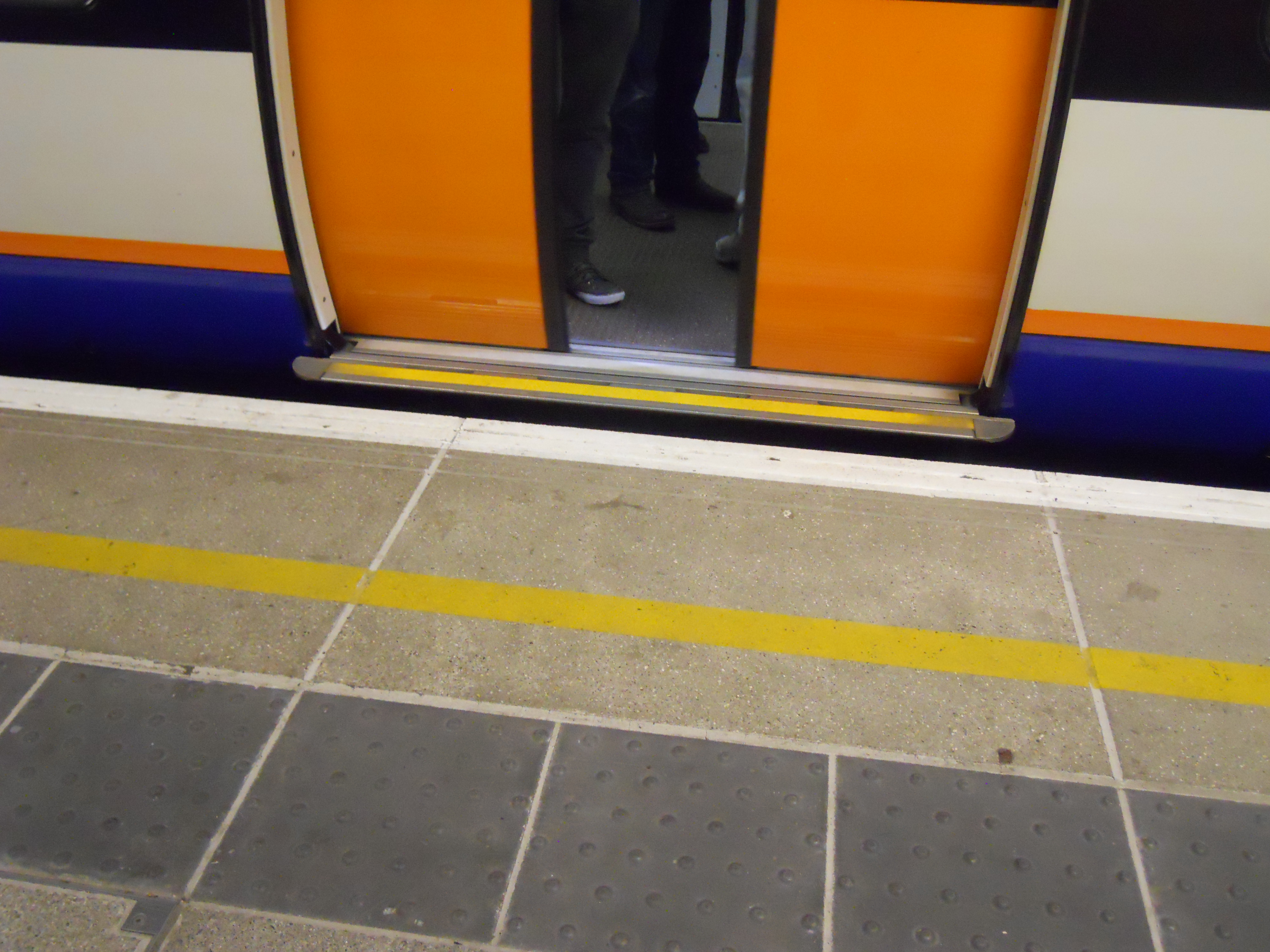
I would imagine, that by making certain that the running rails are correctly adjusted, then step-free access between train and platform can be achieved.
I’ve certainly seen passengers in wheel-chairs push themselves in and out of trains at Dalston Junction station.
Electrolytic Corrosion
Mark said this in a comment.
There is a very important reason why the tube uses two power rails. It was quickly discovered that using a ground return on a DC circuit lead to the return current actually coming back via te cast iron tunnel lining rings and electrolysis and electrolytic corrosion of the lining.
Transport for London’s engineers would be very aware of any problems, and I suspect that they have a viable solution.
This article on Rail Engineer is entitled New London Underground Slab Track Cast In-Situ.
It describes how they are using slab track cast in the tunnel to fit problems in short tunnels. They also expect the solution to last a hundred years.
Such a solution would surely work in the cast-iron deep-level tunnels to allow new track to be installed in whatever format was desired.
There Is One Major Problem
The New Tube for London won’t be able to run on the existing track and the current 1973 Stock won’t be able to run on the future track.
So London Underground sensible policy of phasing in the new trains alongside the old ones, as was done on the Victoria Line would not be possible.
The first line to be equipped with New Tube for London trains will be the Piccadilly Line, which has the following characteristics.
- There are two depots; Cockfosters and Northfields, which are conveniently at each end of the line.
- There are sidings at Arnos Grove, South Harrow and Uxbridge.
- Trains can be turned back to the West at Acton Town, Arnos Grove and Wood Green
- Trains can be turned back to the North at Acton Town, Barons Court, Green Park and Rayner’s Lane.
- There are crossovers at Hatton Cross, Hounslow Central and Kings Cross St. Pancras.
There are many more sidings, turnbacks and crossovers than most other lines.
These may enable a phased conversion of the line to the new track design, signalling and trains.
Conclusion
I believe it is feasible to convert London’s deep-level Underground lines to a conventional third-rail system, as used in the rest of London, the South East and Merseyrail.
This would give these advantages.
Running On Coventional Third-Rail Tracks
New Tube for London trains could run on the following lines and share with trains like Aventras, Desiro Cities, Electrostars and Networkers equipped for third-rail operation.
Routes where this might be useful include.
- Extending the Bakerloo Line along the Watford DC Line, to the North of Queens Park station.
- Extending the Bakerloo Line Extension to the South of Lewisham station to Beckenham Junction, Bromley North and Hayes stations.
Route 2 would release paths into an overcrowded London Bridge station.
Look at this map from carto.metro.free.fr, which shows the new terminus of the Northern Line at Battersea Power Station station.
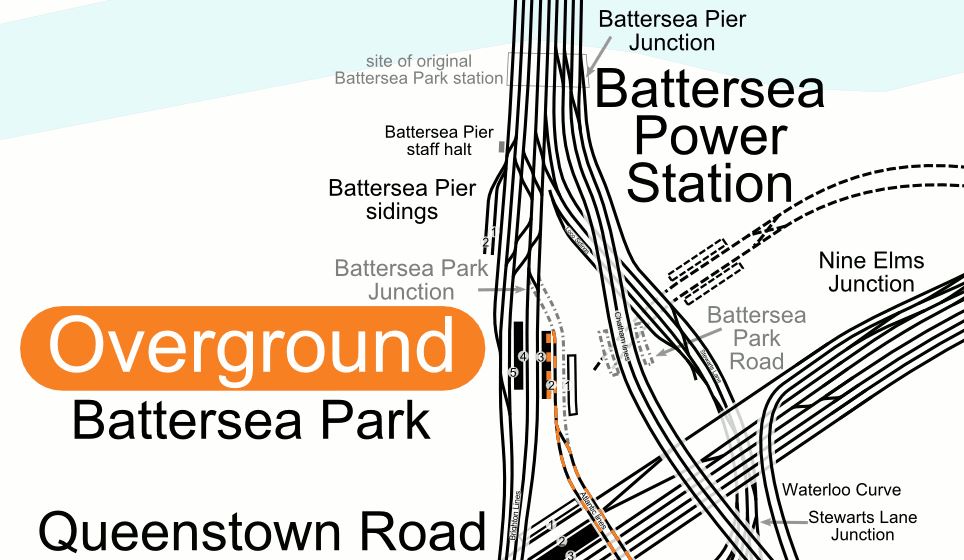
The under-construction Northern Line Extension is shown dotted.
Could Northern Line services come to the surface, join the surface lines and run to Clapham Junction station and possibly beyond?
Creating More Space And A Level Floor In The New Trains
Removing the centre rail will give more space in the limited tunnels of the deep-level Underground lines and must make it easier to squeeze in all the equipment that has been specified for the new trains.
Increasing Safety
It is my view, that the suicide pit under the train will be wider and will not be guarded by an electric rail.
The main power supply will be right out of the way in stations and could even be eliminated from stations by the use of batteries.
Capacity Of Cross London Rail Routes
I shall start by looking at the current and future capacity of various rail routes across London.
Bakerloo
The Bakerloo Line has a frequency of twenty trains per hour (tph) between Queen’s Park and Elephant & Castle stations.
The current 1972 Stock trains have a capacity of 700 passengers.
This gives a capacity a 14,000 passengers per hour (pph) in each direction.
In the Wikipedia entry for the New Tube for London, this is said.
Bakerloo line capacity could be increased by 25% with 27 trains per hour at peak times by 2033.
This gives a future capacity of 17,500 pph in each direction.
Central
The Central Line has a frequency of thirty-five tph between White City and Leytonstone stations.
The current 1992 Stock trains have a capacity of 930 passengers.
This gives a capacity a 32,550 pph in each direction.
In the Wikipedia entry for the New Tube for London, this is said.
Central line capacity increased by 25% with 33 trains per hour at peak times by 2030.
This gives a future capacity of 40,687 pph in each direction.
Crossrail
Crossrail is planned at present to have twenty-four tph between Paddington and Whitechapel stations.
Each of Crossrail’s Class 345 trains can hold 1,500 passengers.
This gives a capacity a 36,000 pph in each direction.
It has been said in several places that Crossrail has a future frequency of thirty tph.
If this could be achieved this would increase capacity to 45,000 pph in each direction.
District
The District Line has a combined frequency with the Circle Line of twenty-four tph between Gloucester Road and Tower Hill stations.
The current S7 Stock trains have a capacity of 865 passengers.
This gives a combined capacity a 20,760 pph in each direction.
The Wikipedia entry for the District Line talks about a future frequency of thirty-two tph.
This could increase the future capacity to 27,680 pph in each direction.
East London
The East London Line has a frequency of sixteen tph between Dalston Junction and Surrey Quays stations.
The current Class 378 trains have a capacity of 840 passengers.
This gives a capacity of 13,440 pph in each direction.
London Overground are planning to increase the frequency to twenty tph in the next couple of years.
This would give an increased capacity if 16,800 pph in each direction.
Gospel Oak To Barking
The Gospel Oak To Barking Line has a frequency of four tph across North London,
The current Class 172 trains have a capacity of 120 seats, with perhaps a total capacity of 300.
This would give a capacity of 1,200 pph in each direction.
The new Class 710 trains have a capacity around 700, according to various reports.
This would give a future capacity if 2,800 pph in each direction.
Hammersmith & City
The Hammersmith & City Line has a combined frequency with the Circle Line of twelve tph between Paddington and Liverpool Street stations.
The current S7 Stock trains have a capacity of 865.
This gives a combined capacity of 10,380 pph in each direction.
Jubilee
The Jubilee Line has a frequency of thirty tph between North Greenwich and Willesden Green stations.
The current 1996 Stock trains have a capacity of 875 passengers.
This gives a capacity of 26,250 pph in each direction.
With Siemens new trains, I suspect that this value could be increased by perhaps fifteen percent to 30,187 pph in each direction.
Metropolitan
The Metropolitan Line has an Off Peak frequency of sixteen tph between Baker Street and Liverpool Street stations.
The current S8 Stock trains have a capacity of 1003.
This gives a combined capacity a 16.048 pph in each direction.
With the Metropolitan Line Upgrade, we can probably see some more capacity.
A not unreasonable twenty percent would raise the future capacity to 19,257 pph in each direction.
Northern
In the Peak both branches of the Northern Line have a frequency of twenty-four tph between Camden Town and Kennington stations.
This is reduced to twenty tph in the Off Peak.
With the addition of the Extension to Battersea, these figures are unlikely to get lower.
The current 1195 Stock trains have a capacity of 662 passengers.
This gives a capacity of 31,776 pph in each direction.
With Siemens new trains, I suspect that this value could be increased by perhaps fifteen percent to 36,542 pph in each direction.
North London
The North London Line has a frequency of eight tph between Willesden Junction and Stratford stations.
The current Class 378 trains have a capacity of 840 passengers.
This gives a capacity a 6,720 pph in each direction.
London Overground are possibly planning to increase the frequency to twelve tph in the next couple of years.
This would give an increased capacity if 10,080 pph in each direction.
Piccadilly
As we don’t know the capacity of the new Siemens trains, this is a best estimate, for when they are in service around 2023-2025.
Currently, the Piccadilly Line is running at a frequency of twenty-four tph between Barons Court and Arnos Grove stations.
The current 1973 Stock trains, each have a capacity of 684 passengers.
This gives a current capacity of 15,416 pph in each direction.
In the Wikipedia entry for the New Tube for London, this is said.
Piccadilly line capacity could be increased by 60% with 33 trains per hour at peak times by 2025.
This gives a 2025 capacity of 24,666 pph in each direction.
Dividing the 24,666 by 33 gives a train capacity of 750 passengers for a New Tube for London.
Thameslink
Thameslink will have a frequency of twenty-four tph between St. Pancras and Blackfriars stations.
Half of these will be twelve-car Class 700 trains with a capacity of 1754 and the other half will be eight-car trains with a capacity of 1146.
This gives a capacity of 34,800 pph in each direction.
It has been stated that Thameslink will be able to handle thirty tph in the future, which would raise the capacity to 43,500 pph in each direction.
Victoria
The Victoria Line is currently running at a frequency of thirty-six tph.
The current 2009 Stock trains, each have a capacity of 876 passengers.
This gives a capacity of 31,536 pph in each direction.
I think it is reasonable to assume that the Victoria Line is at capacity.
But I wouldn’t be surprised, that with station improvements, which would include a double-ended Walthamstow Central station, engineers on Dear Old Vicky managed to squeeze forty tph out of the old girl.
This would give a capacity of 35,040 pph in each direction.
I also wouldn’t rule out replacing the current trains with the New Tube for London, if the new trains have proved an outstanding success on all the other lines. But that probably wouldn’t be to well into the 2030s.
Current And Future Summary And Total Capacity
The current figures in passengers per hour can be summarised as follows.
- Bakerloo – 14,000
- Central – 32,550
- Crossrail – 36,000
- District – 20,760
- East London – 13,440
- Gospel Oak To Barking – 1,200
- Hammersmith & City – 10,380
- Jubilee – 26,250
- Metropolitan – 16,048
- Northern – 31,776
- North London – 6,720
- Piccadilly – 15,416
- Thameslink – 34,800
- Victoria – 31,536
This gives a total current capacity of 290,876
Reasonable projections for future figures can be summarised as follows.
- Bakerloo – 17,500 (25% Increase) – New Tube for London/New Signalling
- Central – 40,687 (25% Increase) – New Tube for London/New Signalling
- Crossrail – 45,000 (25% Increase) – 30 tph from 24 tph
- District – 27,680 (33% Increase) – New Signalling
- East London – 16,800 (25% Increase) – 20 tph from 16 tph
- Gospel Oak To Barking – 2,800 (133% Increase) – New larger trains
- Hammersmith & City – 10,380
- Jubilee – 30,187 (15% Increase) – New Tube for London
- Metropolitan – 19257 (20% Increase) – New Signalling
- Northern – 36,542 (15% Increase) – New Tube for London
- North London – 10,080 (50% Increase)
- Piccadilly – 24666 (60% Increase) – New Tube for London/New Signalling
- Thameslink – 43,500(25% Increase) – 30 tph from 24 tph
- Victoria – 31,536
This gives a total future capacity of 356615
Or a capacity increase of around twenty-three percent.
What Do These Figures Show?
My figures are very much rough estimates, based on what is proposed to happen.
New Tube for London
Five of the improvements in capacity require the replacement of the current trains with the New Tube for London. Three of these replacements will need new signalling and only the Piccadilly Line trains have actually been given the go-ahead.
If these train replacements and signalling are done sequentially, they would show these overall capacity improvements.
- Piccadilly – 3.2%
- Central – 2.6%
- Bakerloo – 1.1%
- Jubilee – 1.3%
- Northern – 1.5%
Overall, these five projects will increase capacity by 10.2%
Some of these figures may appear small, compared to the Piccadilly and Central, but then with the exception of the Bakerloo, the other lines already have Automatic Train Control and high-frequency services.
The great thing about the effects of the New Tube for London on capacity, is that it is a rolling program and as each line is converted, more capacity will continue to be added, benefiting many parts of London.
Digital Signalling
Increasingly, lines in London are digitally-signalled with a degree of Automatic Train Control.
In a few years time, these lines will be controlled this way in Central London.
- Central
- Circle
- Crossrail
- District
- Hamersmith & City
- Jubilee
- Metropolitan
- Northern
- Piccadilly
- Thameslink
- Victoria
All these lines are or will be carriers of high numbers of passengers.
In A North London Line With Digital Signalling, I looked at the benefits of installing digital signalling on the North London Line. This was my conclusion.
It looks to me, that they’ll come a time, when digital signalling to squeeze the required number of trains along the North London Line.
Digital signalling will have to be applied to all the other lines in my list to make the most of the train lines we have in London.
Bakerloo
These lines will be given new signalling
- Bakerloo – 17,500 (25% Increase)
- Central – 40,687 (25% Increase)
- District – 27,680 (33% Increase)
- Hammersmith & City – 10,380
- Metropolitan – 19257 (20% Increase)
- Piccadilly – 24666 (60% Increase)
Of the deep level Underground lines, the Bakerloo Line is well below the capacity in passengers per hour (pph) of the other lines, through Central London.
The easiest way to increase the capacity would be to increase the frequency of the trains, by the application of digital signalling.
Earlier in the section on the Piccadilly Line, I calculated the capacity of each New Tube for London on that line as 750.
So if the Bakerloo Line could handle the thirty-six tph currently running on the Victoria Line, this would give a capacity of 23,333 pph in each direction.
Like the Victoria Line, the Bakerloo is a simple double-track without junctions through Central London.
At the Southern end the line terminates in the two platforms at Elephant & Castle station. If Brixton and Walthamstow Central stations can handle thirty-six tph, then surely with modern trains and digital signalling, this number of trains can be handled at Elephant & Castle station.
But at Queen’s Park station, it’s more difficult.
This map from carto.metro.free.fr shows the track layou at Queens Park station.
Note.
- The Watford DC Line of the Overground is shown in orange and runs through Kilburn High Road and Queens Park stations.
- The Bakerloo Line is shown in brown and runs through Kilburn Park and Queens Park stations.
- There are reversing sidings to the West of Queens Park station for the Bakerloo Line.
The following services go through or terminate at Queens Park station.
- Three tph between Euston and Watford Junction on the London Overground.
- Six tph between Harrow & Wealdstone and Elephant & Castle on the Bakerloo Line.
- Three tph between Stonebridge Park and Elephant & Castle on the Bakerloo Line.
- Eleven tph between qQueens Park and Elephant & Castle on the Bakerloo Line.
It is also likely that the Overground service will go to four tph.
So this means that services will be as follows.
- Four tph on the Watford DC Line run through Kilburn High Road station.
- Twenty tph on the Bakerloo Line run through Kilburn Park station.
- Nine tph on the Bakerloo Line run through Queens Park station.
- Four tph on the Watford DC Line run through Queens Park station.
- Eleven tph on the Bakerloo Line terminate at Queens Park station.
Thirteen tph will continue to various destinations towards Watford.
So how many trains could the double-track line between Queens Park and Wartford Junction stations handle?
Consider.
- All services on the line are london Overground or London Underground.
- There are no junctions, where services divide and join.
- There is a turnback facility at Harrow & Wealdstone station, that can handle six tph.
- The Overground trains are being replaced with Class 710 trains, which must be able to be made compatible with digital signalling.
- Watford Junction station has four platforms connected to the Watford DC Line.
- Good design should be able to make the stations step-free for both Class 710 trains and New Tube for London.
- The Watford DC Line service, always seems to terminate in platform 9 at Euston.
- London Underground have run thirty-six tph on the Victoria Line for about a year now.
I suspect that if the trains are digitally signalled, with a degree of Automatic Train Control, that there could be as many as thirty-six tph between Queens Park and Watford Junction stations.
I also think it is significant that the New Tube for London, specifies that the Bakerloo Line will run at twenty-seven tph. Why not more, if the theoretical capacity North of Queens Park is thirty-six tph?
But a single platform at Euston can probably handle six tph, so add 27 and 6 and you get 33 tph, which is the proposed core frequency of the Piccadilly Line.
Suppose too, that all Bakerloo services ran all the way to Watford Junction.
- This would simplify operation at Queens Park, Stonebridge Park and Harrow & Waldstone.
- Digital signalling would easily handle the frequency.
- The platform arrangement at Queens Park would be unchanged, with Euston services on the outside and Bakerloo services in the middle.
Suppose too, that the Watford DC Line service were to be run by New Tube for London trains.
- All platform heights could be the same.
- All services would be step-free between train and platform.
- Digital signalling could easily handle 33 tph along the route.
This last section has very much been speculation on my part, but it shows how it may be possible to create a service on the Bakerloo Line with the following characteristics.
- Twenty-seven tph between Watford Junction and Elephant & Castle stations.
- Six tph between Watford Junction and Euston stations.
- All stations would be step-free between platform and train.
- All trains would be identical New Tube for London trains.
- All trains would run under Automatic Train Control, as does the Victoria Line.
Note, that I have said nothing about the Bakerloo Extension to Lewisham.
In my view, that extension does what it says on the tin and creates a new twenty-seven tph service between Elephant & Castle and Lewisham, which brings new services to an area of South-East London, where they are much needed.
Effectively, the Bakerloo Line could become two twenty-seven tph lines, that happen to connect back-to-back at Elephant & Castle station to enable cross-London journeys.
If we look at the Victoria Line, where the frequency has increased over the last few years by the addition of various improvements, I would not be surprised to see the frequency of twenty-seven tph increased.
After all London Underground’s engineers have been squeezing Dear Old Vicky for half a century, so they must know more tricks, than Paul Daniels knew at the peak of his success.
Crossrail
Taking the figures in the current table, Crossrail will add 36,000 pph in both directions across London, to a current capacity of 254,876.
This is a increase of fourteen percent on the current total capacity.
Increasing the frequency from twenty-four to thirty tph, adds another 9,000 pph in each direction, which is an increase of seventeen percent on the current total capacity.
It is very likely, that Crossrail has been designed, so that the train length can be changed as required.
The initial trains have been supplied as seven-car trains and when the line opens nine-car trains will be used.
I have read somewhere that the trains could be extended to ten cars, but eleven might be a bit difficult.
So what would be the effect on capacity of ten-car trains.
I will assume each ten-car train has a capacity of 1500 *10 / 9 = 1667.
This means that Crossrail capacity is increased as follows with ten-car trains.
- 24 tph gives a capacity of 40,000 pph in each direction. Or sixteen percent on the total current capacity!
- 30 tph gives a capacity of 50,000 pph in each direction. Or twenty percent on the total current capacity!
It looks like Crossrail might have been built to be expanded.
East London Line
It is my view that the East London Line will eventually be digitally signalled and there could be an increase in frequency from the proposed twenty tph.
It has been stated in the past, that the East London Line will eventually have a service based on six-car trains, running at a frequency of twenty-four tph.
Six-car trains could be a problem, as some of the stations like Canada Water, Shadwell, Wapping and Rotherhithe are a bit short for five-car trains and use selective door opening.
The hopefully high-capacity connection to Crossrail at Whitechapel station will surely drive more passengers to use the East London Line.
So increasing the frequency to twenty-four tph using digital signalling would be an option to increase the capacity.
There are four separate services on the East London Line.
- Dalston Junction and New Cross
- Dalston Junction and Clapham Junction
- Highbury & Islington and Crystal Palace
- Highbury & Islington and West Croydon
Each currently has a srvice of four tph, but it is planned that six tph will run to Crystal Palace and Clapham Junction before 2020.
Note that all services terminate in a dedicated platform, that is not shared with other services.
With modern signalling and good driving, these platforms should be able to handle six tph.
If all services went to six tph, that would mean twenty-four tph, through the core of the East London Line.
This would mean that the capacity of the line would be 20,160 pph in each direction, which would be a fifty percent increase on current capacity.
There may even be space for more trains through the core, as thirty tph is certainly possible with digital signalling. But where would the trains terminate?
Extra tunnel-capable Class 378 trains to run the extra services shouldn’t be a problem, as new Class 710 trains, will displace the older units from the Watford DC and the North London Lines.
North London Line
It is my view that the North London Line will eventually be digitally signalled to allow a more intensive passenger service than eight tph, amongst all the freight trains.
I have said that twelve tph between Willesden Junction and Stratford will be possible, within a few years.
But this could be the limit for the following reasons.
- Terminating twelve tph in the two platforms at Stratford is probably possible but difficult.
- Clapham Junction with one platform can probably handle six tph but no more.
Only Richmond has enough capacity for extra trains.
Conclusion
It looks to me that digital signalling and well-designed new trains can improve the capacity across London. Or Liverpool, Newcastle or Berlin to name just three major cities.
Calls For London Overground Extension To Lewisham
The title of this post, is the same as that of this article on IanVisits.
This is the first paragraph.
Lewisham council has issued a call for the Overground to be extended to Lewisham town centre as part of a wider series of improvements to the local rail and DLR networks.
To extend the Overground from New Cross station, Overground trains would need to be able to cross over to the tracks through the station.
This map from carto.metro.free.fr shows the tracks at the station.
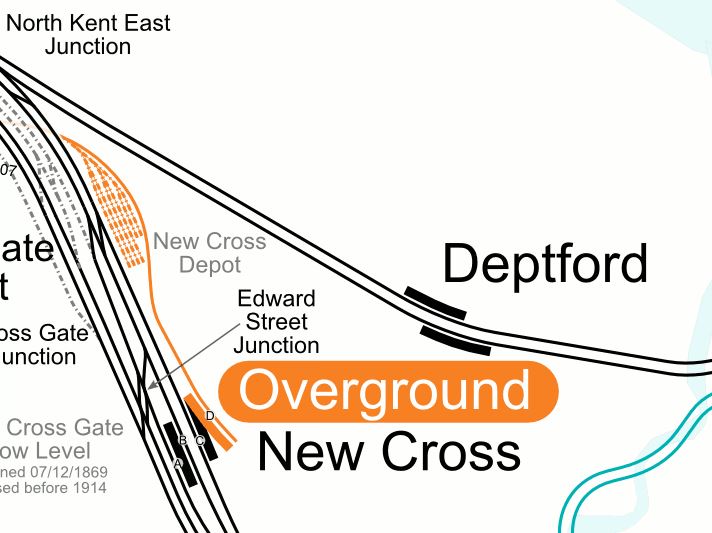
There are four Overground trains from Dalston Junction station and they terminate in the bay Platform D.
Note how the Overground skirts round New Cross Depot to get to the platform.
This Google Map shows the curve of the Overground Line and what lies between the lines out of London Bridge station and the Overground.
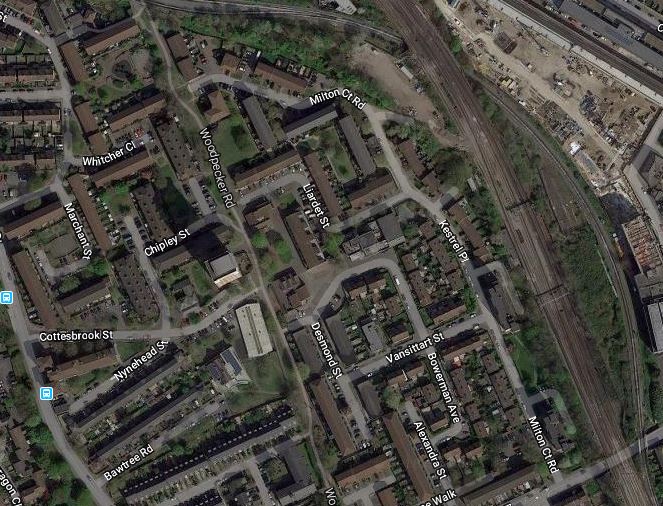
It looks to be the old New Cross depot and a green space surrounded by rail tracks, that is all inaccessible to the public.
I took these pictures as I passed.
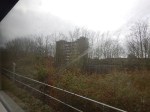

Note.
- The Lines out of London Bridge are much higher.
- It’s quite a big space.
- It might be possible to connect the Overground to the down slow line, that goes through Placform C at New Cross station.
- It would need a tunnel under the lines out of London Bridge to connect to the up slow line, which is goes through Platform A at New Cross station.
- I suspect this connection would be difficult and the lines would have to be slewed to the West, so that trains could dive under the down slow line.
- Do Network Rail want to cause all the grief at London Bridge, whilst they built the junction.
It could be a challenging and very expensive project.
It might even be impossible!
On the other hand, it might be possible using flat junctions, but this line is busy and building and operating them could be the stff of nightmares.
Trains Services At New Cross Station
Wikipedia says these are the service frequencies at New Cross station in trains per hour (tph)
- 10 northbound to Cannon Street
- 4 northbound to Dalston Junction or sometimes Highbury & Islington
- 2 southbound to Hayes
- 4 southbound to Cannon Street via Sidcup, or via Bexleyheath and then returning via Greenwich
- 2 southbound to Orpington, calling at all stations
- 2 southbound to Tunbridge Wells, non-stop to Orpington then all stations
Merging ten trains to and from Cannon Street with four trains to and from Dalston Junction could be extremely difficult.
It should be said that the interchange between Overground services arriving at New Cross and Southbound services on Southeastern is just a walk across between Platform D and C, which is shown in the picture below.

Note the Overground train in Platform D.
It appears that most Overground trains from Dalston Junction, connect to a Lewisham train after between five and ten minutes.
As there is a coffee stall on the station, on a cold day, you can buy a hot drink.
The problem is coming North, as you have to use the step-free foot bridge from Platform A.
Too many times, I’ve negotiated the bridge only to arrive on Platform D, to watch the Overground train disappearing.
Increasing Frequency On The Overground
Currently, the frequency of trains on the East London Line is as follows.
- 4 tph – Dalston Junction to New Cross
- 4 tph – Highbury and Islington West Croydon via New Cross Gate
- 4 tph – Highbury and Islington to Crystal Palace via New Cross Gate
- 4 tph – Dalston Junction to Clapham Junction
In the next couple of years, Crystal Palace and Clapham Junction services will be raised to six tph. I wrote about this in Increased Frequencies On The East London Line.
This will mean that New Cross Gate will have ten tph on the East London Line, as against four at New Cross.
I don’t know whether it’s possible to increase the Dalston Junction to New Cross service to six tph, but this would reduce the wait, when changing at New Cross to go North.
The Bakerloo Line
The Bakerloo Line is being extended to New Cross Gate and Lewisham, so perhaps in the future, East London Line passengers will go via New Cross Gate.
New Cross Interchange
I have read, that Transport for London would like to make it easier to change between New Cross and New Cross Gate stations.
Conclusion
Extension of the Overground to Lewisham will be extremely difficult and other developments will improve rail transport in South-East
London
Thoughts On The Bakerloo Line Extension
It is being proposed that the Bakerloo Line be extended to South East London.
- There will be two new stations on the Old Kent Road.
- There will be a connection to the existing New Cross Gate station.
- The extension will terminate at Lewisham station.
- The extension will be totally underground.
- Provision will be made to extend the line further.
Almost nothing has been said about the frequency of trains on the line, stabling arrangements for the trains or what happens in the North.
The Train Frequency
Wikipedia gives the current off-peak services on Bakerloo line as.
- 6 tph (trains per hour) from Harrow & Wealdstone to Elephant & Castle
- 3 tph from Stonebridge Park to Elephant & Castle
- 11 tph from Queen’s Park to Elephant & Castle
This forms a 20 tph service (or a train every 3 minutes) between Queen’s Park and Elephant & Castle.
New Trains And Signalling On The Bakerloo Line
As there will be new modern signalling and new trains on the Bakerloo Line in the future, are Transport for London relying on these to increase the frequency of trains.
Currently, there are thirty-three trains in service and according to the November 2017 Edition of Modern Railways, these will be replaced with forty new trains, which will give a twenty-five percent capacity increase.
As the Northern and Jubilee Lines run at 27 tph, with modern signalling and newer rolling stock, I suspect that at least this train frequency could be achievable.
Depots And Sidings
The Bakerloo Line has three depots.
London Road
London Road depot is located between Lambeth North and Elephant and Castle stations.
This Google Map shows the location of the depot.
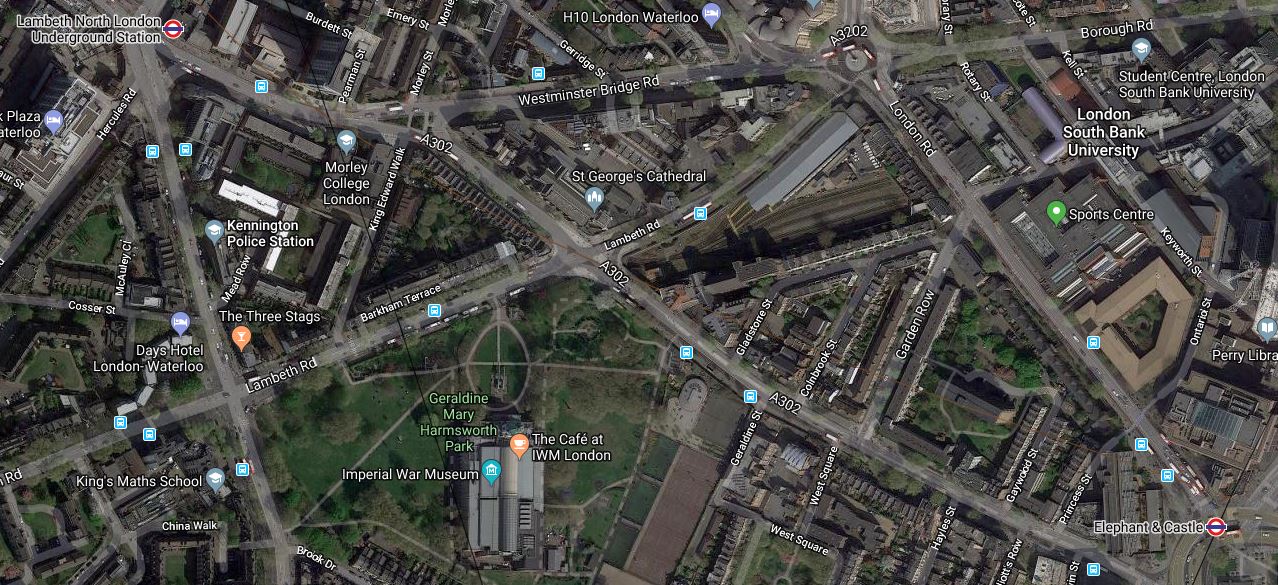
It is the V-shaped site, just below the roundabout, at the top of the map, where London Road, Westminster Bridge Road and Borough Road meet.
However good this depot is for servicing trains, it strikes me that it is in a location, where land is very expensive.
I think one of two things will happen.
- The depot will be closed and the land given over to development.
- The depot will be rebuilt and there will be housing or commercial development on top.
If the latter happens, it is probably an affordable way to get a modern depot. White City depot on the Central Line is already under property development.
Stonebridge Park
Stonebridge Park Depot is relatively modern and is located to the North of Stonebridge Park station.
This Google Map shows the location of the depot.
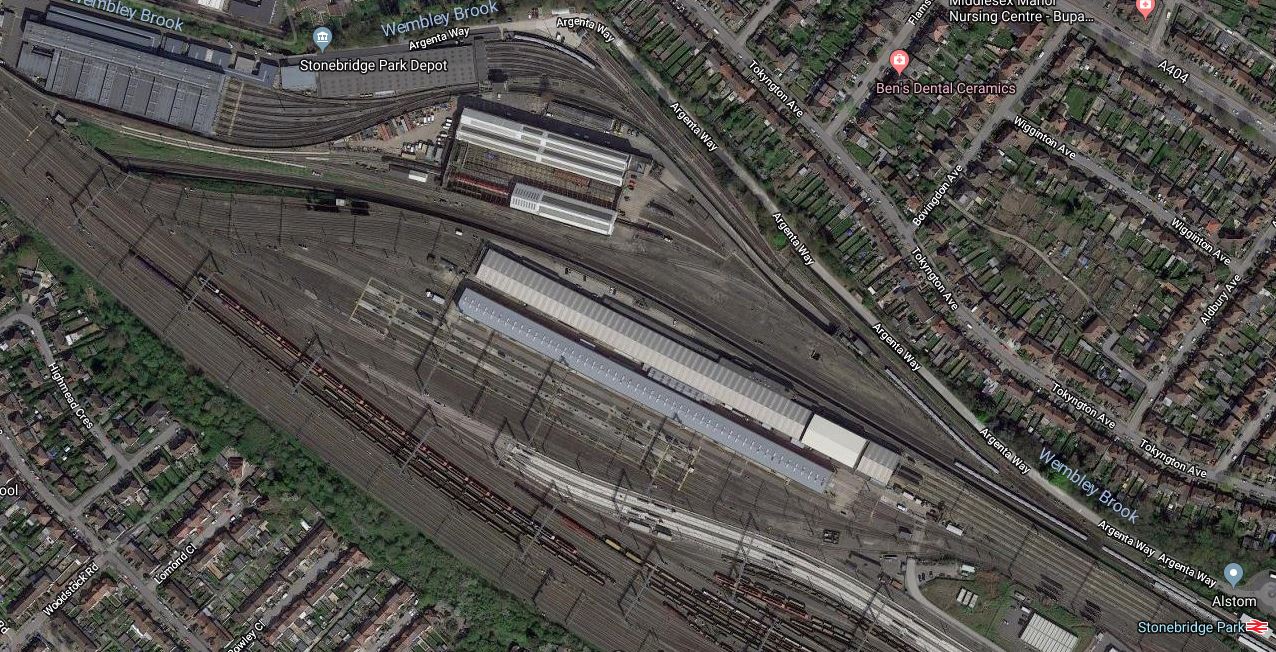
Because of its young age and size, the only thing likely to happen at Stonebridge Park would be some modernisation for the new trains and a possible appropriate increase in capacity.
Queen’s Park
Queens Park Depot is not large and is effectively two sheds either side of Queens Park station.
This map from carto.metro.free.fr shows the track layout at Queens Park station.
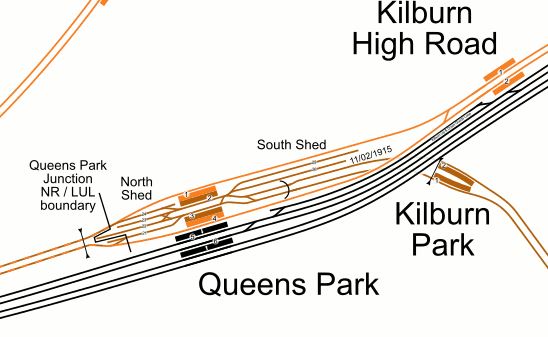
Note.
- The North and South Sheds.
- The cross-platform interchange between the Watford DC Line and the Bakerloo Line.
- The platforms on the main lines are not operational at present, but may be so in the future.
Compared to the other two depots, Queens Park would appear to be less important.
I suspect though, that Transport for London have plans to improve operations at Queens Park.
Conclusion
The following should be noted.
- The new trains will probably, be the same length as current trains.
- But as there are going to be 40 instead of 33, more space will be needed.
- A rebuilt London Road depot with housing and/or commercial development on top, could raise a substantial sum.
- There is space for extra sidings at Stonebridge Park depot.
- There will be turnround sidings on the extension to Lewisham in the overrun tunnels, which is standard London Underground practice.
- The new trains should need less maintenance than the current nearly fifty-year-old 1972 Stock trains.
I think by some clever design, that the extra seven extra new trains will be incorporated in the two major depots of Stonebridge Park and London Road, with some help from Lewisham and Queens Park.
North Of Queens Park
These are various points and issues.
Queens Park Station
Queens Park station is a six platform station.
- Two platforms for the Watford DC Line
- Two platforms for the Bakerloo Line
- Two unused platforms for the slow lines into Euston station.
There is an excellent cross-platform interchange between the Wstford DC and Bakerloo Lines, which is level between train and platform.
Wikipedia also says this about the station.
Queen’s Park is planned to become a step-free station and the project will be completed in 2019.
I visited the station this morning and saw no work in progress.
This picture shows the station’s rudimentary nature.
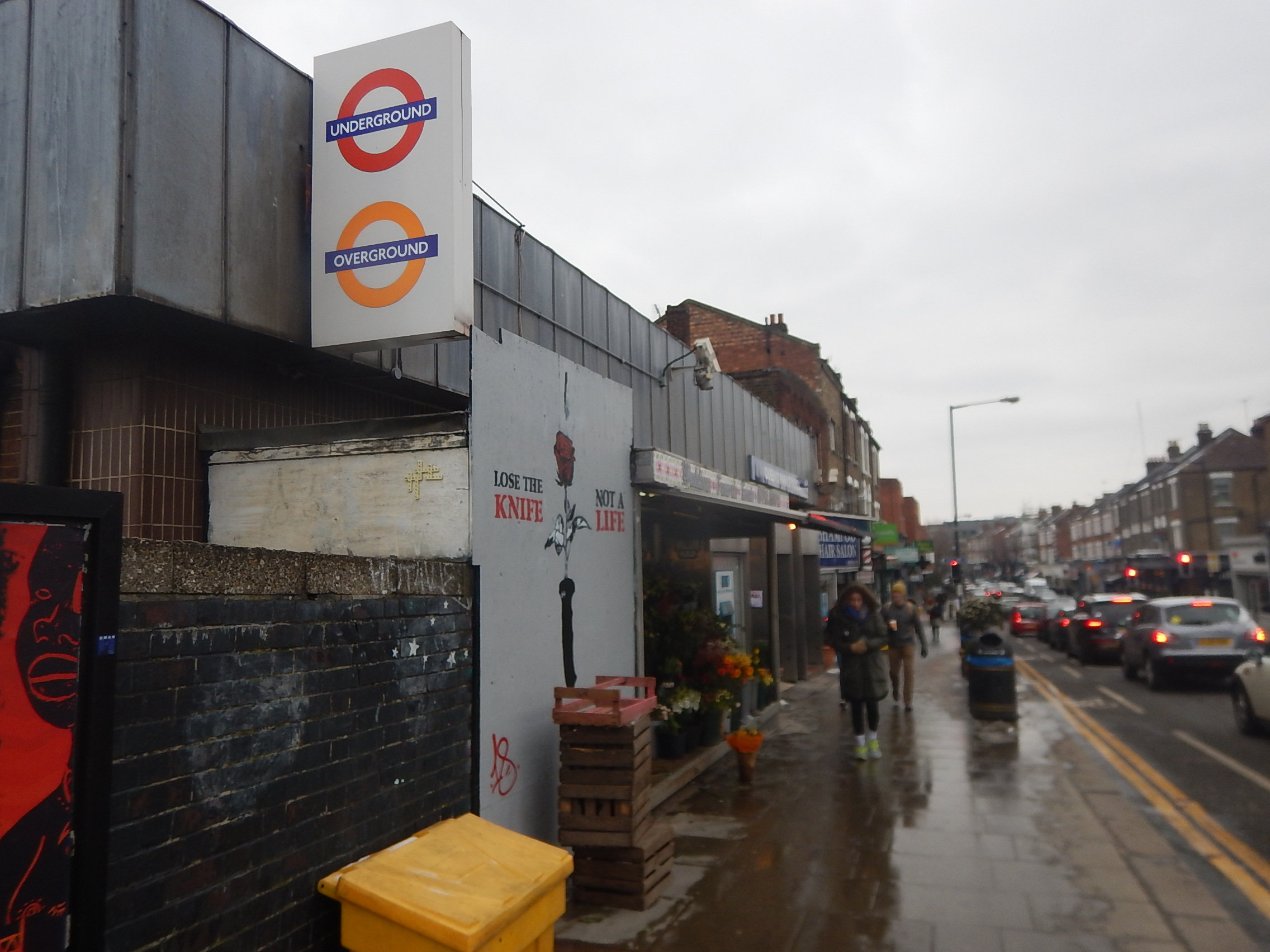
Opposite the station is a typical new block of housing, with a Marks and Spencer Simply Food store underneath.
So perhaps a developer will build some much needed housing.
- Underneath would be a much-improved station, with full step-free access.
- There could be some retail units.
- They might even rebuild the sheds of the depot, that I mentioned earlier to improve the operation of the trains.
- The two disused platforms could be refurbished.
These pictures show the platforms.



This project could be carried out independently of the Bakerloo Line Extension.
The Bakerloo And Watford DC Lines Share Tracks
Between Queens Park and Harrow and Wealdstone stations, the two lines share tracks, with trains calling at eight intermediate stations.
Current Bakerloo Line frequencies are.
- 9 tph between Stonebridge Park and Harrow and Wealdstone
- 12 tph between Queens Park and Stonebridge Park.
In addition, there are three tph on the London Overground between Queens Park and Watford Junction.
This arrangement means that passengers between Queens Park and Watford Junction stations have a flexible route to and from London, with a choice of Euston or Central London termini.
The Watford DC Line Fleet Is Being Changed
London Overground are replacing the current five-car Class 378 trains on the Watford DC Line with four-car Class 710 trains.
This might seem to be a reduction in capacity, but it is part of a cunning plan.
- The Class 378 trains will go to the East London Line, to enhance services.
- It means that London Overground can maintain all the dual-voltage Class 710 trains at Willesden TMD.
- Class 710 trains can’t work the East London Line, as they have no end doors for tunnels.
To compensate for the shorter trains, the frequency on the Watford DC Line will be raised from three to four tph.
The Watford DC Line will actually get a small capacity increase from fifteen carriages per hour to sixteen, with a much more passenger-friendly frequency of a new train, which may be slightly faster, every fifteen minutes.
But there is also a nugget in the tail.
The Watford DC Line currently handles five-car Class 387 trains. So if in a few years there is a need for more capacity, the Class 710 trains could be lengthened by adding a fifth carriage.
Given too, that there could be a lot of resignalling on this line, in conjunction with the Bakerloo Line extension and the new Bakerloo Line trains, I would not be surprised if train frequency and/or length on the Watford DC Line were to be increased again.
The Platform Height Problem On The Shared Platforms
These pictures show some of the platform height problems on the platforms shared by Bakerloo and Watford DC Line trains.
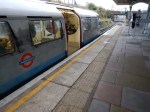
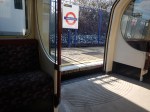
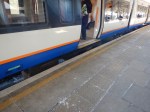
The interchange at Queens Park station is level between both trains and the platform.
Both the Class 710 trains and the new Bakerloo Line trains will be walk-through, which will ease the design of an acceptable dual-height platform, when both new trains are in service. Passengers will be able to walk up and down to find a seat or a convenient place to exit.
One solution to the height proble, would be to lower the platform, so that it is level with the height of the new Bakerloo Line trains.
A hump similar to a Harrington Hump could be added at a convenient point.
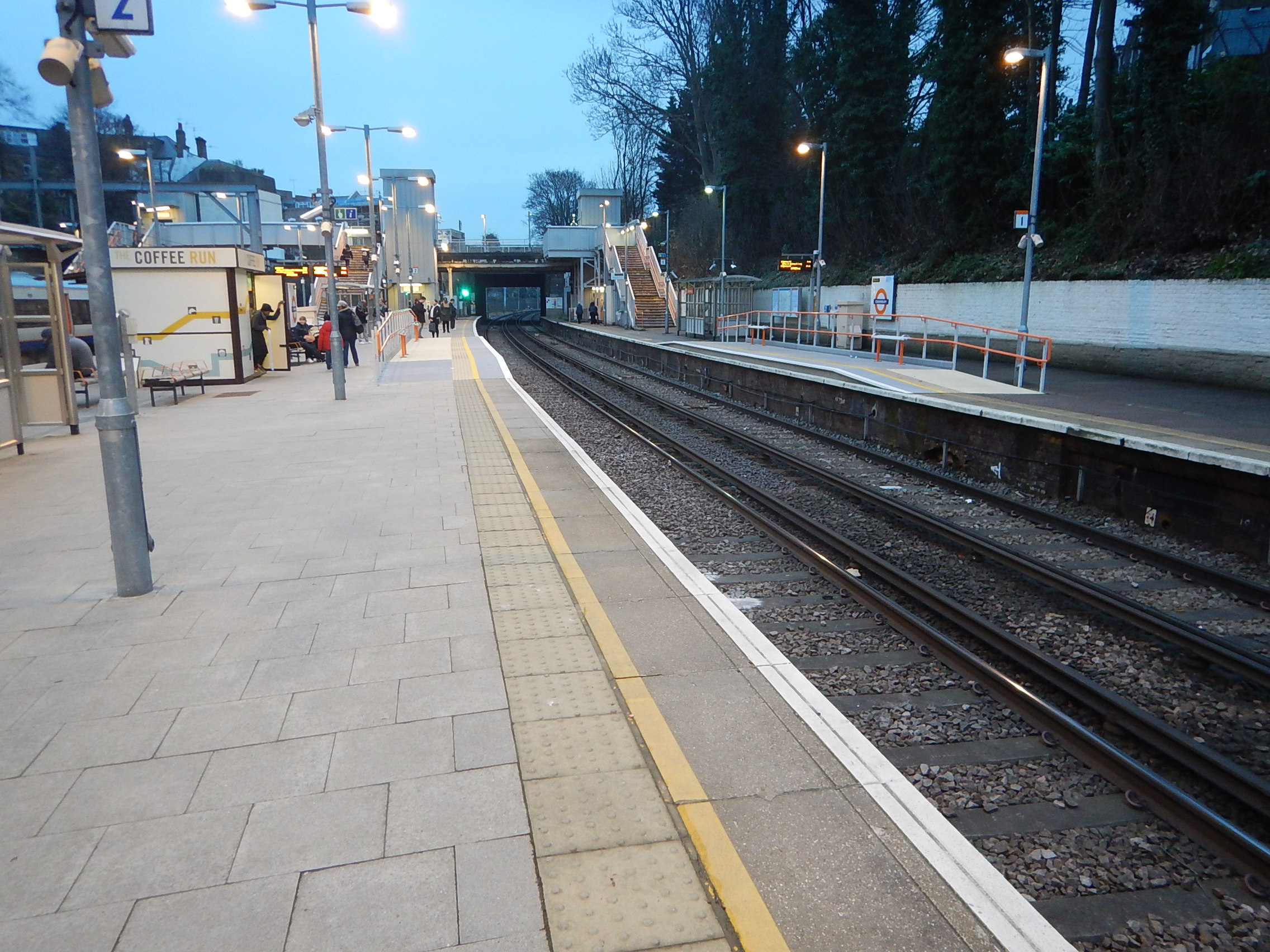
This picture shows two well-designed humps at Canonbury station.
The humps on the Watford DC Line, would be sized as follows.
- Height would allow level access to a Class 710 train.
- Width would be determined by safety.
- Length would probably be sized to fit two cars, which would be 40 metres.
The humps would be placed at an appropriate point on the platforms, which are long enough to take the current 113 metre long 72 Stock trains.
- Drivers of Class 710 trains, would stop, so that, cars 2 and 3 were aligned with the hump.
- Drivers of Bakerloo Line trains would stop, so they had the hump in the middle of the train.
Doors would then only open, where the access from train to platform was level.
All this would probably be handled automatically, with the driver monitoring everything.
It’s almost as if the trains had their own built-in platform-edge doors, which would ensure that safety was at least as good as it is now.
Will The New Class 710 Trains Reduce Timings On The Watford DC Line?
Conclusion
Everything published about the proposed Bakerloo Line Extension, does not mention the following.
- Trains and their frequency
- Depots
- What happens North of Queens Park station.
Until proven otherwise, there seems to be few difficult problems, that effect the building of the Bakerloo Line Extension.
Modernising the line and building the extension would appear to be a series of separate projects.
Gibb Report – East Croydon – Milton Keynes Route Should Be Transferred To London Overground
The Gibb Report, says that the East Croydon – Milton Keynes route should be transferred to the London Overground.
By 2020 London will have two high-capacity and two medium-capacity cross-London heavy rail routes, backed up by several cross-London Underground Lines.
- Central Line – 30+ trains per hour (tph)
- District Line – 20+ tph
- Crossrail – 24 tph
- East London Line – 20 tph
- Jubilee Line – 30+ tph
- Metropolitan Line – 20+ tph
- Northern Line – 30+ tph
- North London Line – 16+ tph
- Piccadilly Line – 30+ tph
- Thameslink – 24 tph
- Victoria Line – 30+ tph
One line is missing from this list; the West London Line, which has a rather pathetic four tph between Clapham Junction and Willesden Junction stations.
Until Southern got embroiled in their Driver Only Operation dispute, there used to be a very useful one tph service between East Croydon and Milton Keynes Central stations.
The Gibb Report says this about the service.
I believe there is an option to transfer the East Croydon – Milton Keynes operation to TfL and it’s London Overground concession in 2018.
TfL may decide to change the service, for example by not running it north of Watford Junction, or running it to an alternative southern destination other than East Croydon. They could also develop the combined West London line service to better match available capacity to demand.
They would have a number of crewing and rolling stock options, but should be able to operate the service more efficiently than GTR in the longer term, without the involvement of Selhurst.
Selhurst TMD is the depot in South London, where the current Class 377 trains are based.
I think that this is a good proposal for the following reasons.
- As was seen on the Chingford Branch Line, London Overground have a reputation for making a good fist of taking over services that need improvement.
- As the Gibbs Report says, the combined West London Line service could be developed.
- I have net quite a few people, who use this West London Line route to get to and from events at Wembley stadium.
- The service could call at Old Oak Common station to connect to Crossrail and HS2.
- A variant of London Overground’s new Class 710 trains, could probably work the shortened route, as either four or eight-car trains.
- The Class 710 trains could be based at the convenient Willesden TMD, along with the rest of the fleet.
Being practical, a service of just two tph would give a train every ten minutes on the West London Line.
The Current Service
The current service is supposed to stop at the following stations.
- Bletchley
- Leighton Buzzard
- Tring, Berkhamsted
- Hemel Hempstead
- Watford Junction
- Harrow & Wealdstone
- Wembley Central
- Shepherd’s Bush
- Kensington (Olympia)
- West Brompton
- Imperial Wharf
- Clapham Junction
- Wandsworth Common
- Balham
- Streatham Common
- Norbury
- Thornton Heath
- Selhurst
Note.
- Stations between Watford Junction and Clapham Junction, already have a substantial Overground presence.
- London Overground already run three tph on the Watford DC Line between Euston and Watford Junction stations.
But would this be the ideal route?
The Northern Terminal
The West Coast Main Line is very busy and stations between Watford Junction and Milton Keynes are well-served by London Midland and Virgin Trains.
So would it be sensible to continue a slower local service North of Watford Junction?
It should also be remembered, that Southern introduced the original service to give better access to Gatwick Airport. Surely, this need is now satisfied by services from Clapham Junction and East Croydon.
As Watford Junction station probably has platform capacity, surely Watford Junction should be the Northern terminal
Could The Service Use The Watford DC Line?
If this were possible, this must surely give advantages, especially if Watford Junctio is the Northern terminal.
- Dual-voltage Class 710 trains could work the route.
- The service level on the Watford DC Line would be increased.
- There would be no problem accessing the bay platforms at Watford Junction station.
- There would be no requirement for any paths on the West Coast Main Line.
I think the answer to whether the Watford DC Line could be used at the present time is that trains going from the West London Line to Watford Junction must use the West Coast Main Line.
This map from carto.metro.free.fr shows the lines around Willesden Junction..
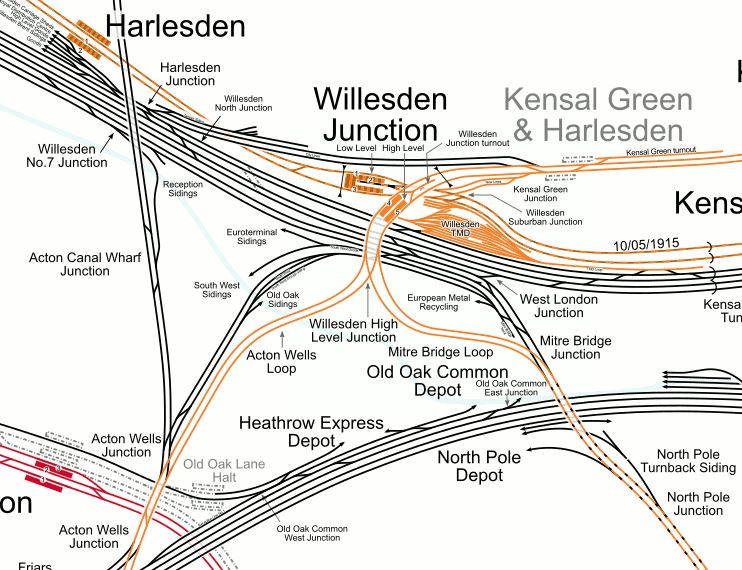
As it is all railway land, I suspect that the connection can be created.
The one problem, is that some of the Watford DC Line is shared with the Bakerloo Line.
But as the Bakerloo Line is being extended to the South and the Northern end will probably be improved, then surely creating an optimal solution to the Watford DC line, the Bakerloo Line and Overground services to Watford, makes a lot of sense.
The Southern Terminal
Various stations have merits and problems to be used as the Southern terminal for the service.
Clapham Junction
Clapham Junction would appear to have a strong case, but London Overground had enough problems squeezing in their current services.
As the station is now substantially step-free and has typically three tph to Gatwick Airport, Clapham Junction offers a good route to the airport.
Balham
Balham has been used as a terminal in the past and connects to the Northern Line. If redeveloped for Crossrail 2, it could be a possibility.
Steatham Common
Streatham Common could be developed as a major interchange and if this happens, then surely is is a possibility.
East Croydon
East Croydon would have a strong case, as it is a busy and well connected station, but there probably isn’t a suitable platform.
I think that any station South of East Croydon is probably too far.
My money would be on the new interchange station at Streatham Common, with Balham as an alternative.
Schedules And Trains
I estimate that a train doing a return journey between Watford Junction and Streatham Common would take under three hours, using the Watford DC Line. This would mean that three trains would be needed for an hourly service and six trains for a half-hourly service.
Conclusion
Transferring the East Croydon – Milton Keynes route to the London Overground looks feasible.
A Facelift For Lambeth North Station
Lambeth North station has been given new lifts, a good clean and some repainting.


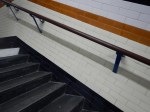


The only thing that hasn’t been updated are the adverts, which relate very much to films and concerts from when the station closed for the refurbishment.
I think that this facelift shows that unlike many buildings dating from the early twentieth century, it was well-designed and well-built. It’s certainly much better than the dreadful Essex Road station, which is near to where I live.
The Worksites Of The Bakerloo Site Extension
Building the Bakerloo Line Extension will hopefully finish around 2028/29.
So I’m publishing these maps of the areas, that could be affected by works, so if perhaps you’re thinking of moving house, you can take an appropriate decision.
The Route
This is TfL’s latest route map between Elephant and Castle and Lewisham stations.
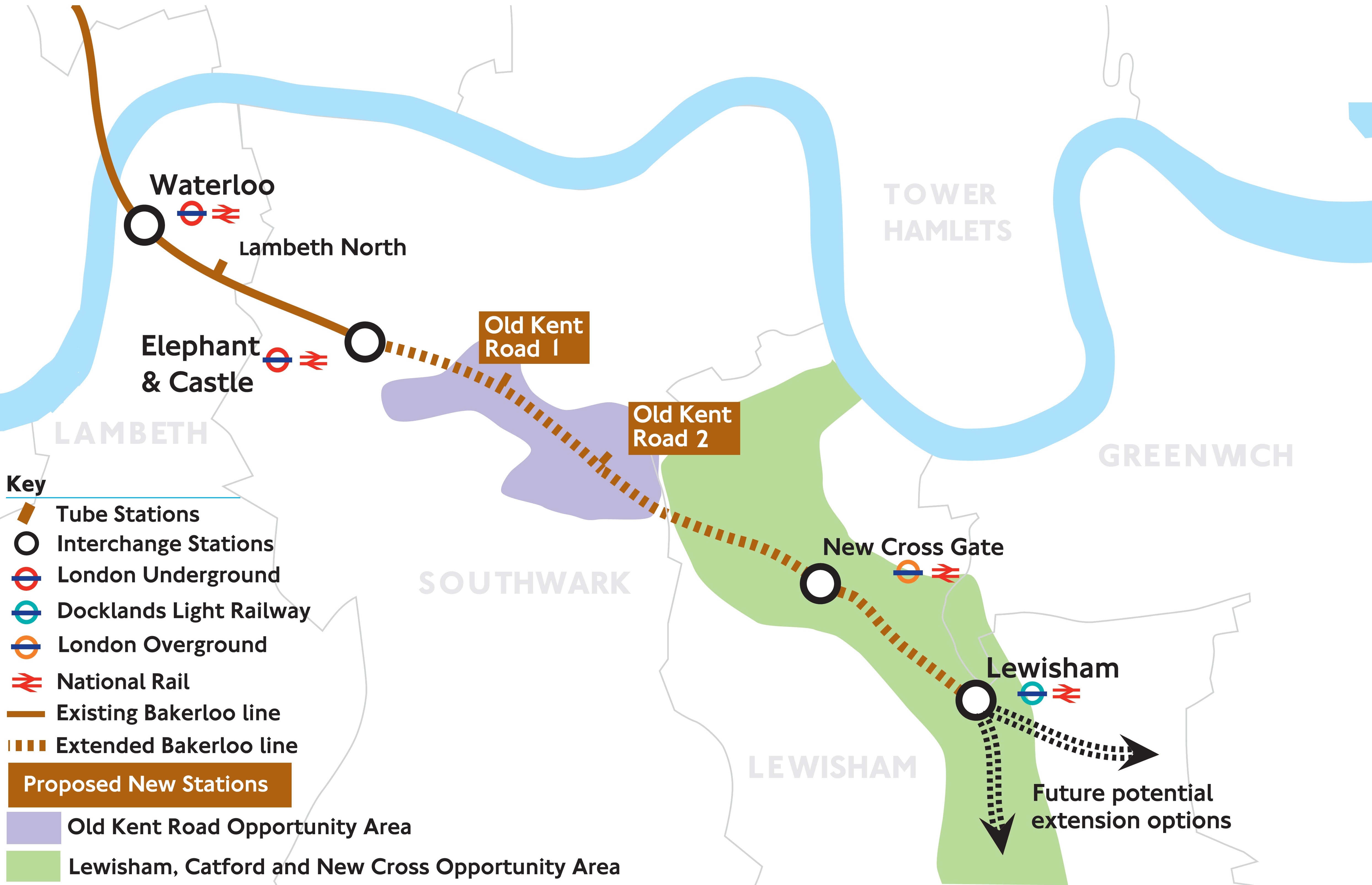
Note the two completely new stations with the imaginative names of Old Kent Road 1 and Old Kent Road 2.
The full document is here on the Transport for London web site.
The Worksites
The sites are given in route order from the North.
Elephant And Castle
The map from carto.metro.free.fr shows the lines through the station.
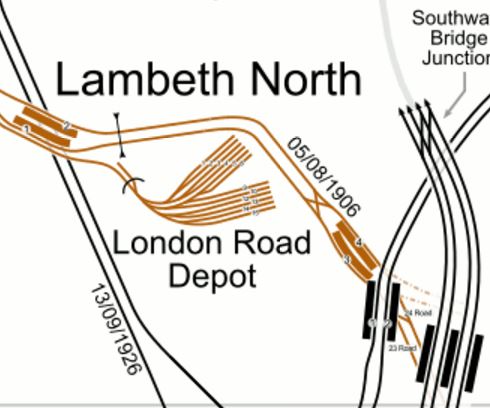
The North-South lines across the map are from West to East.
- The Charing Cross Branch of the Northern Line – Dated 13/09/1926
- The Bakerloo Line – Dated 05/08/1906
- The Bank Branch of the Northern Line.
- Thameslink to Blackfriars and Orpington, Rainham, Sevenoaks, Sutton and Wimbledon.
Just below this map is Kennington station, where the two branches of the Northern Line meet and will divide to Morden and Battersea Power Station stations.
Elephant and Castle is effectively two separate stations at present, with one for the Bakerloo Line and one for the Northern Line. Both stations have lifts and narrow, dingy platforms and passageways. Connections between the two stations underground is not good.
These pictures of Elephant and Castle station were taken on February 12th, 2017
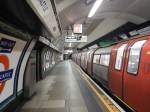
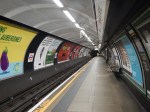
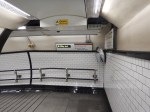
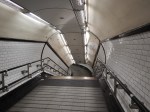
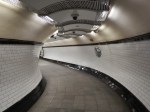

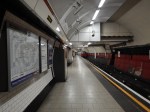
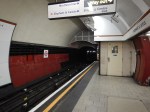

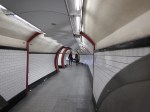
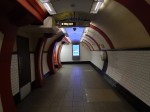
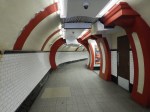
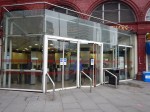
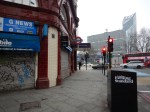
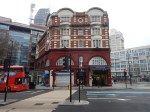
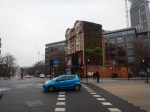

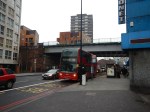
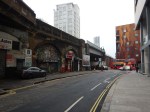
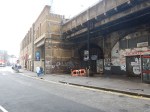
Works envisaged at Elephant and Castle station include.
- A new larger ticket hall for the Bakerloo Line
- Wider platforms for the Bakerloo Line
- Escalators aren’t mentioned, but would probably be included for the Bakerloo Line
- New ticket hall for the Northern Line
- Three escalators and more lifts for the Northern Line to provide step-free access.
- Better connections between the two lines.
I would hope that a comprehensive design would include a step-free link to the Thameslink station.
I suspect, that the two stations could be rebuilt as two separate projects, with the Northern Line station being updated before the Bakerloo Line station.
If the two projects were properly planned, I believe that trains could continue to run on the Northern Line throughout the works, with trains running to the Bakerloo Line platforms until they needed to be closed for updating and connection to the new tunnels.
I wouldn’t be surprised to see an updated pedestrian connection between the Bakerloo and Northern Line platforms created first, so that at least one entrance to the platforms is available throughout the works.
This Google Map shows the area around Elephant and Castle.
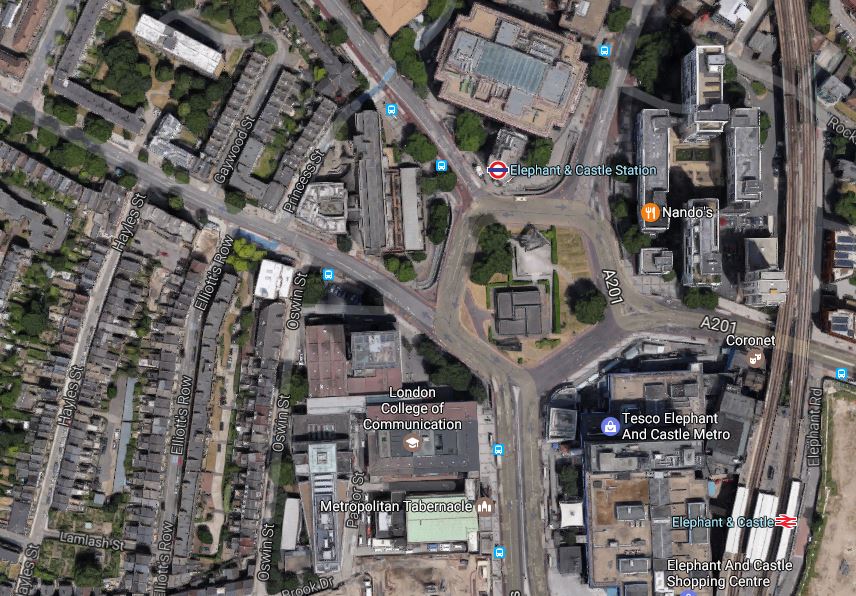
Eephant And Castle
Transport for London have said they need a worksite in the area.
Bricklayers Arms
Bricklayers Arms is known to many as a roundabout and flyover on the A2 into London.
This Google Map shows the roundabout.
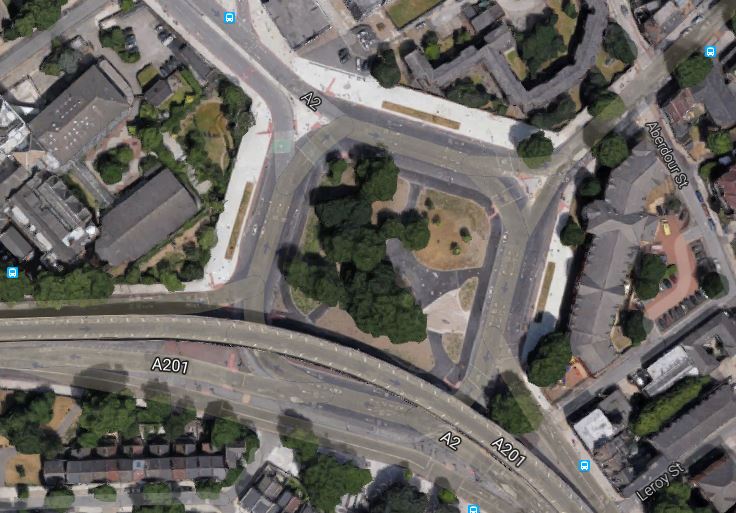
Bricklayers Arms
It is one of two possible locations for a shaft that will be needed between Elephant and Castle and Old Kent Road 1 stations.
These pictures of Bricklayers Arms were taken on February 12th, 2017.
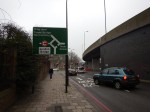

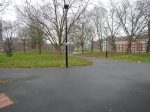


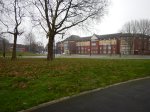

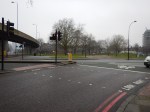
The worksite could be in the middle of the roundabout.
Faraday Gardens
This Google Map shows the South-East corner of Faraday Gardens.
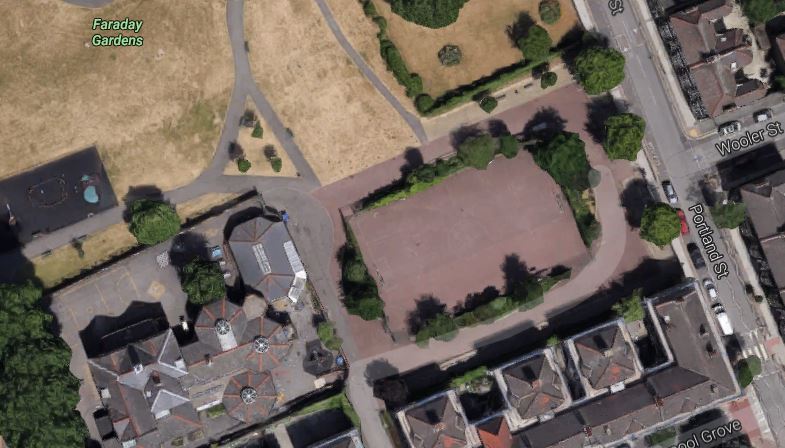
Faraday Gardens
It is one of two possible locations for a shaft that will be needed between Elephant and Castle and Old Kent Road 1 stations.
These pictures of Faraday Gardens were taken on February 13th, 2017


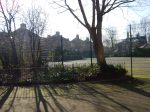



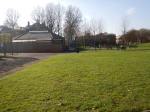

The worksite could be in the a hard playground.
My personal view is that the Bricklayers Arms site is the better from a working point of view, but is it in the best position?
Old Kent Road 1 Station
This Google Map shows the area, where Old Kent Road 1 station will be located.
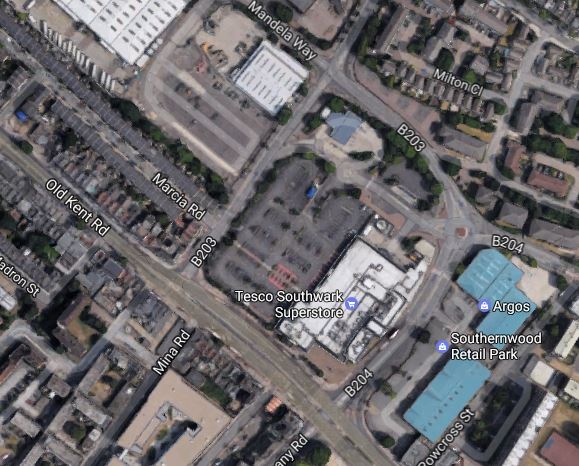
Old Kent Road 1 Station
There are two options given for the location of the station.
Note the Tesco Southwark Superstore in the middle of the map, with its car park alongside.
- Option A for the station is on the other side of Dunton Road and slightly to the North West of the car park.
- The other Option B is on the Old Kent Road on the site of the store itself.
These pictures of the area around the Tesco store were taken on February 12th, 2017.
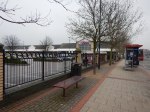

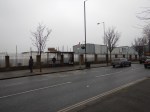
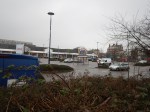
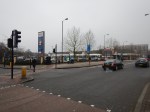
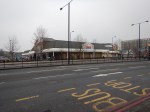
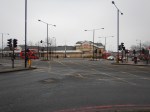

The group of people most affected by the construction of the station will be those who shop at this Tesco.
I suspect that given the company’s current position, Tesco would be happy to co-operate with TfL. After all there must be advasntages in having a superstore on top of an Underground station.
If the Tesco Superstore had to be knocked down, there are lots more anonymous architectural gems like this one.
So I wouldn’t be surprised to see Option B implemented, with a brand new station alongside the Old Kent Road.
Old Kent Road 2 Station
There are two options for this station.
This Google Map shows the location of Option A opposite B & Q.
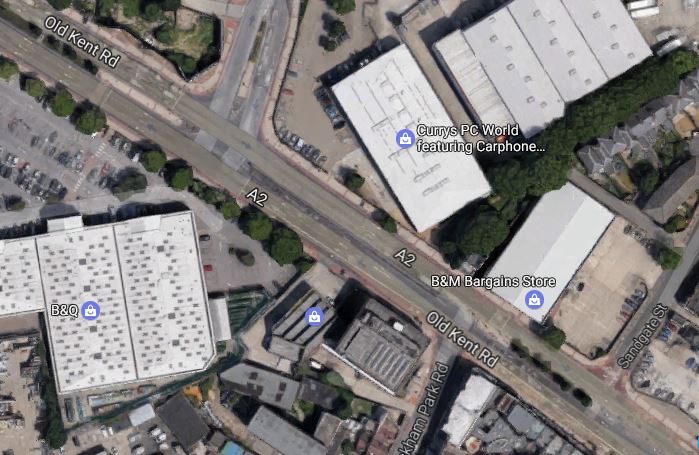
Option A For Old Kent Road 2 Station
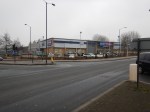
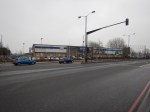
The station will be on the the Currys PCWorld site along the road.
These pictures of the area around the Currys PCWorld store were taken on February 12th, 2017.
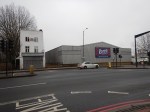
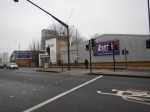
This Google Map shows the location of Option B on the Toys R Us site on the other side of the Old Kent Road.
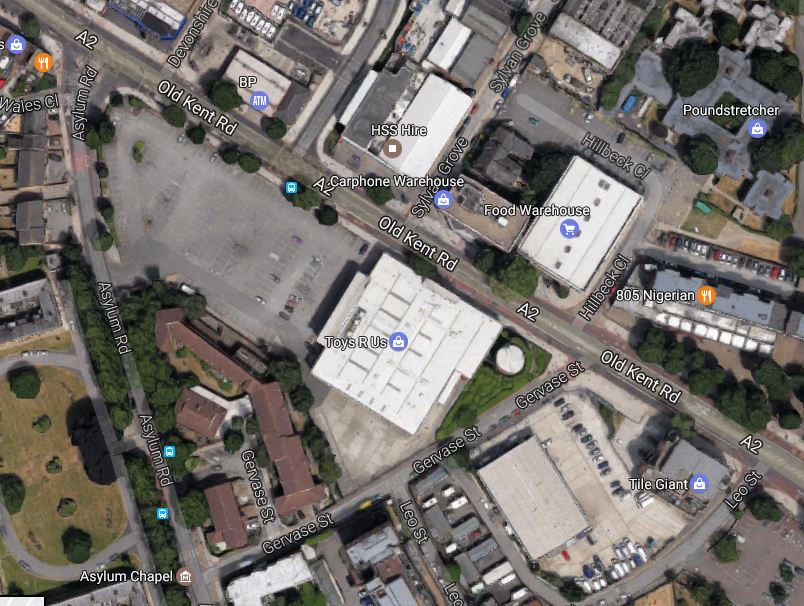
Option B For Old Kent Road 2 Station
These pictures of the area around the Toys R Us store were taken on February 12th, 2017.
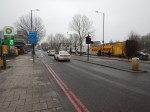
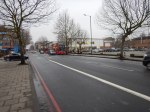
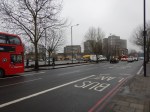
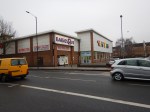
Both chosen sites would appear to have plenty of space and wouldn’t require the demolishing of any housing.
Note that the Toys R Us stored was closed in April 2018. Did Transport for London rewrite their plans and are they in negotiation for the now-vacant site?
New Cross Gate Station
New Cross Gate station is an existing Overground and National Rail station.
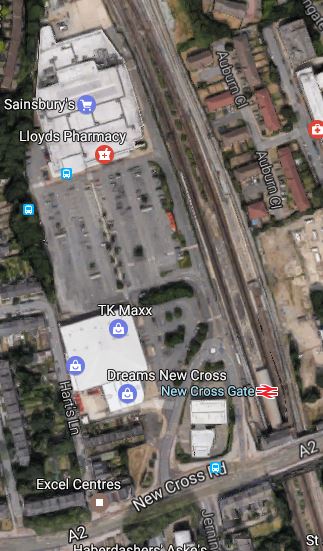
This Google Map shows the station and the Retail Park, that is alongside the station to the West.
New Cross Gate Station
These pictures of the area around the Sainsburys store were taken on February 12th, 2017.
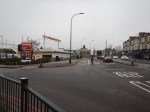
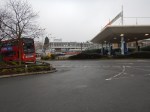
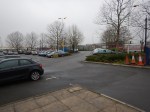

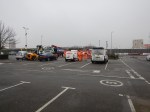
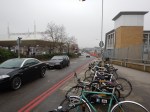

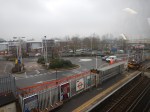
The worksite would take over the car park, with the station being built underneath.
This worksite is very much the most important site of the extension. The consultation says this.
The size of the proposed site provides several opportunities for the project. It could allow soil to be taken away by train rather than using local roads. We could also start the tunnel machinery from this site.
When the station is completed, I can envisage New Cross Gate becoming an important transport hub, with a quality shopping experience.
Alexandra Cottages
Alexandra Cottages, a short road off Lewisham Way has been proposed as the location of a shaft between New Cross Gate and Lewisham stations.
This Google Map shows the location.
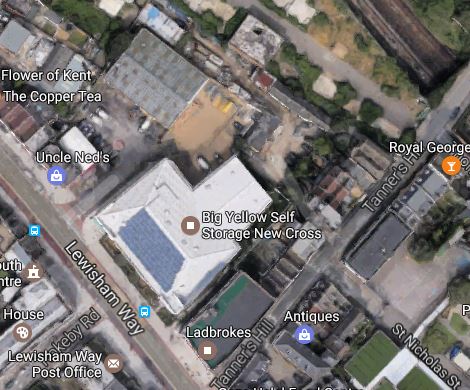
Alexandra Cottages
I suppose the site has been chosen, as the site contains a Big Yellow Self Storage facility and a Ladbrokes betting shop.
These pictures of the area around the storage facility were taken on February 13th, 2017.
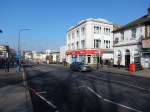
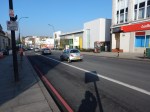
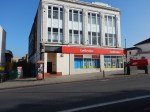
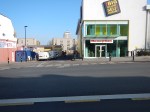

Will the shaft be buried in the basement of a development suitable for the area?
Lewisham Station
This Google Map shows the current Lewisham station.
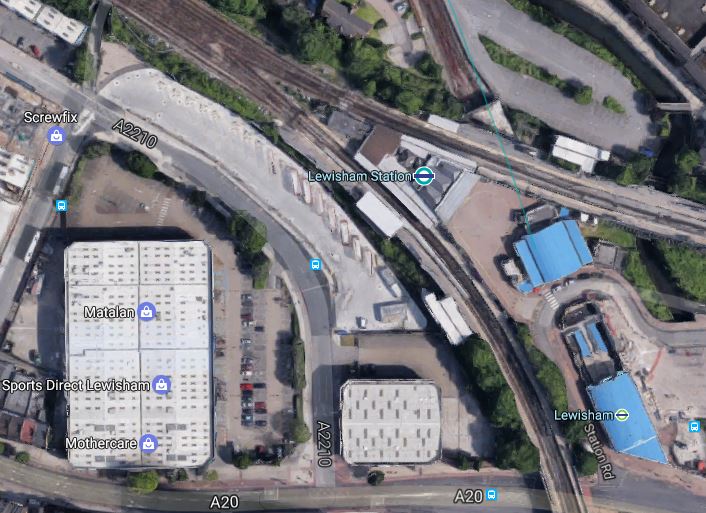
These pictures of the area around the Lewisham station were taken on February 13th, 2017.
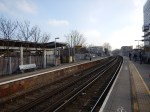
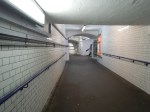
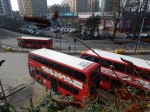
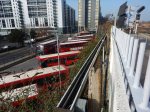
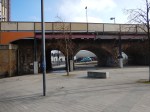
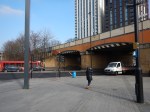
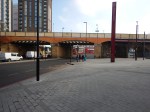
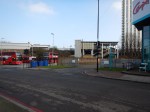
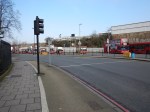
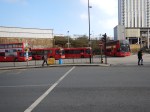
The new Bakerloo Line station will be underground between the station and Matalan. The area is currently bus parking.
Because of the different levels and tunnels and some railway arches in good condition, the addition of the Bakerloo Line station could be a challenging one, but also one that could be architecturally worthwhile.
Consider.
- Is the current station built on arches, that could allow passengers to circulate underneath?
- Could escalators and lifts connect the main line and ?Underground stations?
- Could there be significant oversite development on top of the station?
- Could the Bakerloo Line station be built without a blockade of the current station?
- Will Lewisham station be reorganised to be less of a bootleneck?
It will be interesting to see the final design.
Wearside Road
This Google Map shows the worksite in Wearside Road, which will be used to create a shaft to the overrun tunnels.
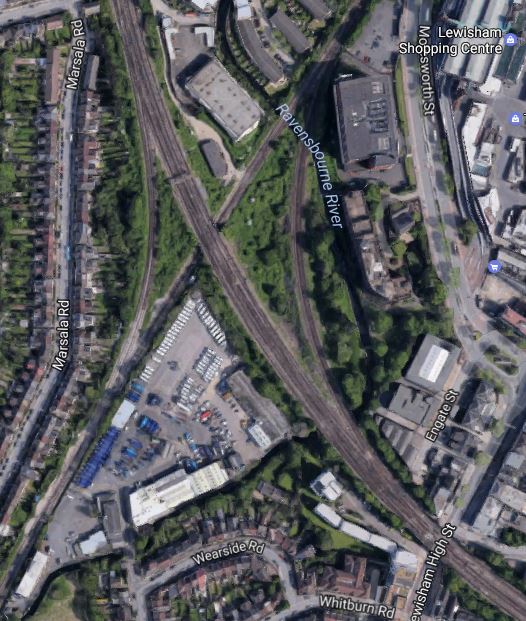
The multi-track line going North-West to South-East is the South Eastern Main Line, whilst the line going South-West to North-East is the Hayes Line.
The worksite will go at the Northern end of the light-coloured area South of where the two lines cross.
This map from carto.metro.free.fr shows the lines in the area.
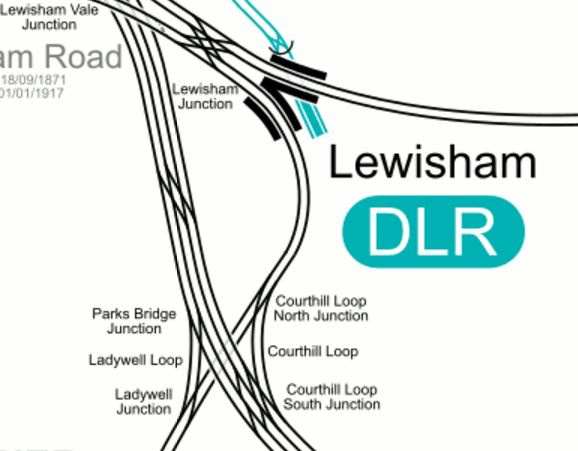
I think it is quite likely that the overrun tunnels will be under the Hayes Line.
Extension To Hayes
This document on the Lewisham Borough Council web site is a must-read document, as it gives the view of the Council and their consultants; Parsons Brinckerhoff about the Bakerloo Line Extension.
The report is very much in favour of the Extension being built and it hopes that it can be extended using the Hayes Line, where the trains would terminate at either at Hayes or Beckenham Junction stations.
Currently, Elephant and Castle station handles 14 tph, so as there would appear to be no terminal platform at that station, at least this number of trains will connect between the Bakerloo Line at Lewisham station and the Hayes Line..
But as other deep-level tube lines handle more trains, with the Victoria Line handling 36 tph by the end of this year, I don’t think it unreasonable to expect a service frequency in excess of 20 tph.
The Wikipedia entry for the New Tube for London is quoting 27 tph.
So could this give at least 10 tph to both Southern terminals?
To handle 10 tph, I think it reasonable to assume that two terminal platforms are needed.
Hayes has two platforms, but Beckenham Junction has only one spare platform, as this Google Map shows.
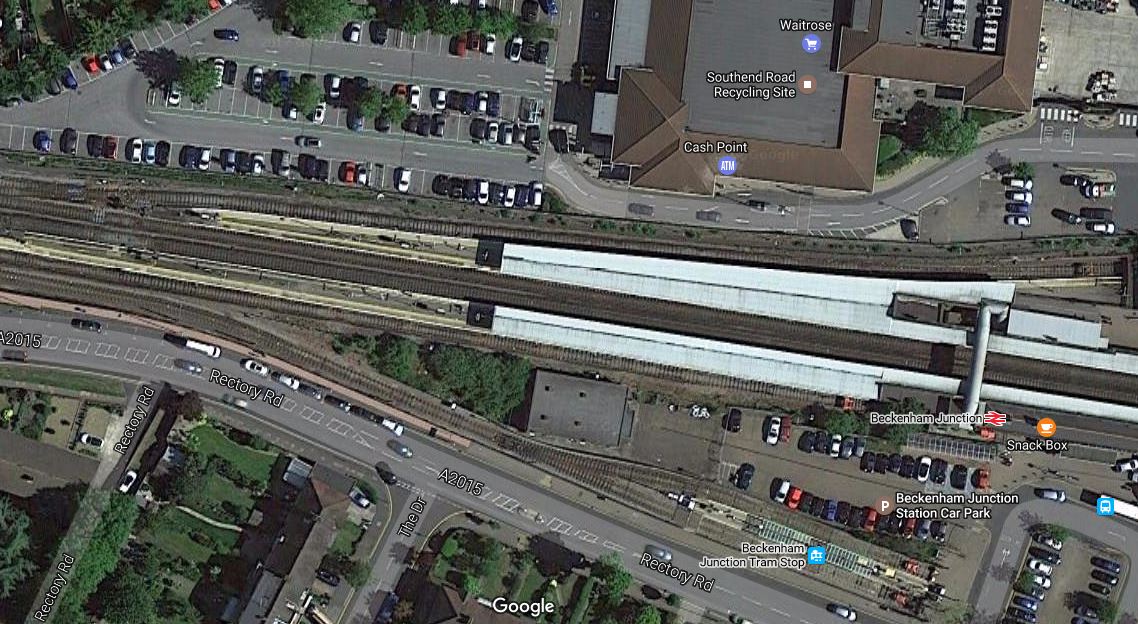
But I suspect if Waitrose are reasonable, a deal can be done.
If the overrun tunnels at Lewisham station,are more-or-less under the Hayes Line, these tunnels would be easily connected to the Hayes Line in the following manner.
, with all other services using the Courthill Loop to go on their way.
Hayes station would swap its two tph services to both Cannon Street and Charing Cross stations for at least a 10 tph service on the Bakerloo Line.
I also think, that services could go direct between Hayes and London Bridge, Cannon Street or Charing Cross using the Ladywell Loop.
Beckenham Junction would have a similar service and I’m sure this would please Lewisham Borough Council.
Network Rail would gain four paths per hour through Lewisham station to use for other services.
Lewisham Borough Council also suggests the following for the Hayes Line.
- Move Lower Sydenham station further to the North.
- Create an interchange between Catford and Catford Bridge stations.
- Look seriously at the zones of stations on the Hayes Line.
They are certainly forcible in what they want.
Conclusion
This extension, looks like it is a railway designed to be built without too much fuss and objections.
Most of the worksites seem to have good access and it would appear that few residential properties will be affected.
TfL Seeks New Procurement Plan For Metropolitan Line Extension
This is the title of an article in Construction News.
With money tight because of several factors, including Brexit and the Mayor’s fare freeze, the article states that Transport for London is looking for ways to save money on the Metropolitan Line Extension or as it was formerly known, the Croxley Rail Link.
I looked at this project recently in Is The Croxley Rail Link To Be Given Lower Priority?, and came to the following conclusion.
I believe that Watford will get a better train service, whether the Croxley Rail Link is built or not.
Politics will decide the priority of the Croxley Rail Link, with the left-leaning South Londoner Sadiq Khan on one side and right-leaning Bucks-raised Chris Grayling on the other. In some ways, Watford is a piggy-in-the-middle.
My feeling is that on a Londonwide basis, that the Bakerloo Line Extension to Watford, solves or enables the solution of a lot of wider problems and the Croxley Rail Link is much more a local solution.
This leads me to the further conclusion, that the Croxley Rail Link should return to its roots and become a more Hertfordshire-centric project.
Objectives Of The Project
The objectives of the project could be something like.
- Provide better links between Watford Junction across Watford to Rickmansworth and/or Amersham, serving the High Street, Watford Hospital and Vicarage Road Stadium.
- Keep the project as simple as possible.
- Build the link very much on existing infrastructure.
A subsidiary objective is that it should enable better links to London, for areas in Watford, where they need improvement.
There are various projects in the pipeline, that could substantially increase capacity to Watford.
- The Metropolitan Line is being upgraded in the Four Lines Modernisation.
- Watford station is a sizeable two-platform station that could probably handle more trains to London on the current route
- The Watford DC Line is receiving new four-car Class 710 trains.
- Will these trains work as eight-car trains to increase capacity?
- The Bakerloo Line is being extended to Lewisham and all those trains will have to go somewhere at the Northen end; Haarow and Wealdstone or Watford Junction?
- Crossrail, the new London Midland Franchise and HS2 will have positive effects on services from Watford Junction station.
Transport for London’s passenger figures will show which is the capacity increase most needed.
Issues And Questions
I will ask a few questions first.
What Are The Current Passenger Numbers At Metropolitan Line Stations?
These are 2015 figures.
- Croxley – 1.06 million
- Moor Park – 0.89 million
- Rickmansworth – 2.44 million
- Watford – 1.85 million
For comparison, I’ll add these nearby Metropolitan Line stations.
- Amersham – 2.29 million
- Chalfont & Latimer – 1.44 million
- Chesham – 0.88 million
- Chorleywood – 1.14 million
- Harrow-on-the-Hill – 10.26 million
- Pinner – 3.08 million
And then there’s Watford High Street station on the Watford DC Line, which managed 1.15 million in 23014/15.
How will Passenger Numbers Change, If The Croxley Rail Link Is Built?
I’ve seen no projections!
Why Shut Watford Station?
There has been considerable protests about the shutting of Watford station. This is an extract from the station’s Wikipedia entry under Future.
The plan to close the station has been the subject of some local opposition, and campaigners have argued for the station to remain open with a reduced shuttle service operating on the branch. In 2012 the transport watchdog London TravelWatch compiled a report on the closure plans which concluded that inconvenience to passengers would be alleviated by the new stations being opened in the area, and that a small number of existing passengers would experience an increase in journey times of more than 15 minutes. It recommended that a shuttle train service should be trialled, and that in the event of closure a bus service should be provided from Cassiobury to one of the new stations to mitigate any inconvenience.
Consider.
- Currently Watford station has a four trains per hour (tph) service to Baker Street station in the Off Peak.
- It handles more trains in the Peak.
- It is also a two-platform terminal station, so it could probably handle at least 5-6 tph, if they were needed.
- Watford services use the four-track London to Aylesbury Line to get to and from London.
- Watford station seems to attract similar levels of traffic to other stations in the area.
On the other hand, closing the station could release a valuable site for development.
At a rough look, there would have to be some very pressing reasons to close Watford station.
Will The Bakerloo Line Be Extended To Watford?
I’m asking this question first, as it does have an affect on both the Watford DC Line and the Croxley Rail Link.
There are some handy platforms at Watford Junction, but is it the best way to increase capacity between Queen’s Park station and Watford?
I think that the platform height issue of mixing deep-level Underground and Overground trains will become increasingly important.
- The rebuilt centre section and the Southern extension of the Bakerloo Line will be substantially step free to modern standards.
- Passengers in wheelchairs and buggy pushers will rightly expect easy roll-across access to the trains.
- The Northern platforms could possibly be rebuilt, but they would probably be operationally complicated and would still need ramps to be used.
The most Northerly station on the Bakerloo Line, where full step-free access is possible is Queen’s Park station.
- The station is a major terminus for Bakerloo Line trains, where 11 tph out of 20 tph in the Off Peak change direction.
- There is step-across access between Bakerloo and Watford DC Line services at the station.
- If Bakerloo Line frequencies were increased to say 25-30 tph, it would probably be easier if extra services were terminated at Queen’s Park.
So could we see the Bakerloo Line cut back to Queen’s Park and services North of the station handled to a greater extent by the London Overground?
- The Watford DC Line service could go to at least the preferred 4 tph all day.
- If more capacity is needed in the Peak , would it be better to run some of the new Class 710 trains as eight-car trains.
- Bakerloo Line trains could still run on the line to access the depot at Stonebridge Park and to provide services for grumpy old die-hards, who won’t change at Queen’s Park.
- Passengers needing step-free access would change to the Overground at Queen’s Park.
North of Stonebridge Park station, the line would be served exclusively by the new Class 710 trains.
- One train type on a line must be more efficient.
- Is a mix of four- and eight-car Class 710 trains better than the current five-car Class 378 trains?
- As there are nine stops between Stonebridge Park and as the Class 710 trains are optimised for fast stops, would a reduction in journey time be possible?
- Staff would only be dealing with one type of train.
- Passengers would have a Turn-Up-And-Go 4 tph service.
It might also make it a lot easier to introduce other services like Barking, New Cross or Stratford to Watford, if such services were needed.
A Personal Note – I regularly change at Willesden Junction stations to go to places on the Watford DC Line. A direct train from Canonbury or one of the Dalston stations would be welcomed by myself and the many others who seem to change at Willesden Junction.
Because of these and other issues, I would be very surprised to see the Bakerloo Line extended to Watford.
A Simpler Proposal
I think it would be possible to design a simpler link with the following characteristics.
- Watford station would remain open.
- A four tph link would run all day between Watford Junction and Amersham stations.
- Stops would be at Watford High Street, Vicarage Road, Cassiobridge, Croxley, Rickmansworth, Chorleywood and Chalfont & Latimer.
No-one would get a worse service than currently and the new stations of Cassiobridge and Vicarage Road, would make rail an alternative for many travellers.
The cross-Watford service would give access to these London services.
- Chiltern at all stations between Croxley and Amersham.
- London Midland at Watford Junction,
- Metropolitan Line at Croxley, Rickmansworth and Amersham.
- Virgin Trains at Watford Junction,
- Watford DC Line at Watford High Street and Watford Junction
The Bakerloo Line at Watford Junction and Watford High Street, could possibly be added, if the line is extended. Which I doubt, it will be!
I will cover issues in the next few sections.
How Long Will A Journey Take From Amersham To Watford Junction?
Consider.
- Amersham to Croxley takes about 30 minutes, but it does involve a change to a bus.
- The Overground takes three minutes between Watford Junction and Watford High Street stations.
- Chiltern Railways achieve a twelve minute time between Amersham and Rickmansworth.
I suspect that a modern train like one of London Overground’s Class 378 trains could do the journey in a few minutes under half-an-hour.
Why Four Trains Per Hour?
Four tph is becoming a standard, as it encourages Turn-Up-And-Go behaviour from travellers.
It also fits well with keeping the four tph service to Watford station, as this could give a same platform interchange at Croxley stastion.
What Class Of Train Could Be Used?
Four-car Class 378 trains or the new Class 710 trains would be ideal.
They could even use the redundant two-car Class 172 trains from the Gospel Oak to Barking Line.
I would suspect that the length of the Metropolitan Line’s S Stock trains, might cause problems at Watford Junction station. The manufacture of these trains has also finished. So could a few more be ordered?
How Many Trains Would Be Needed?
If the trains could do an Out-and-Back journey in an hour, then four trains would be needed to provide a four tph service.
Will The Link Have Any Other Services?
I have seen to plans to use the line for any other passenger or freight services.
Will There Be Infrastructure Issues At Existing Stations?
As all of the trains, I’ve mentioned and the London Underground S Stock trains, share platforms all over North West London, the answer is probably no, with the exception of a few minor adjustments to signs and platforms.
Would The New Track Be Electrified?
The only part of the route that is not electrified is the about three miles of new track between the Watford Branch and the Watford DC Line.
All current electrification is either third-rail or to the London Underground standard. and any future electrification would probably be to the London Underground standard, so that S Stock can work the route.
But if the route were to be worked using Class 172 trains, the new track could be built without electrification.
In addition, I believe that the Class 710 trains will have a limited onboard energy storage capability, which could enable the trains to bridge the cap in the electrification between Watford High Street and Croxley stations.
How much would not electrifying the new track save?
Will The New Stations Have Two Platforms?
I believe that money can be saved by creating simple stations at Cassiobridge and Vicarage Road.
- Only one platform, but probably an island platform with two faces like Watford High Street station.
- No expensive footbridge if possible.
- Only one lift.
Cassiobridge would be more complicated because of the viaduct connecting the line towards Croxley station.
This visualisation shows the viaduct and the location of Cassiobridge station.
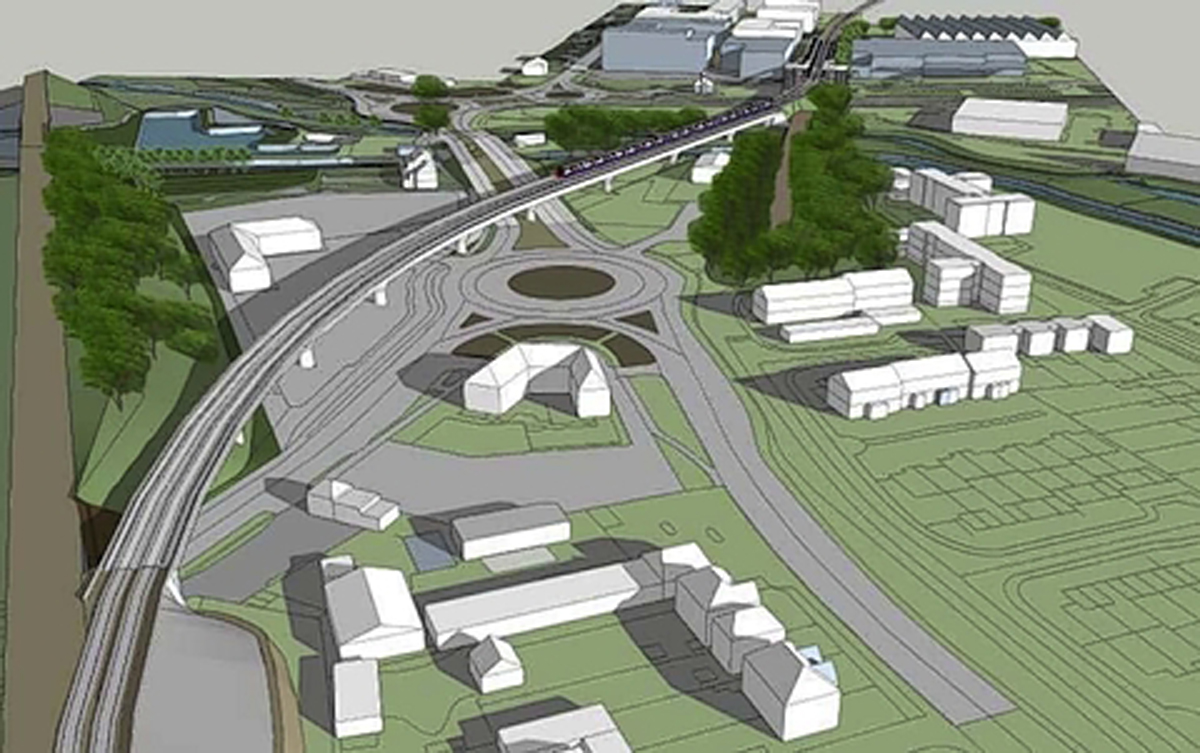
Cassiobridge station will be behind the trees towards the top-right of the image.
Would The New Track Be Single Or Double-Track?
There is space for double-track and the two ends of the route are already electrified double-track.
But surely the viaduct shown above would be much more affordable, if it were to be built for only one track!
Trains would need to pass at places East of Croxley station, but then if the line was double-track through and to the East of Cassiobridge station, trains could pass with impunity.
On the other hand, too much single-track is often regretted.
Croxley Station
Croxley station would be unchanged.
But in addition to the 4 tph between Baker Street and Watford, there would be 4 tph between Watford Junction and Amersham.
Platform 1 would handle.
- Baker Street to Watford
- Amersham to Watford Junction
Platform 2 would handle.
- Watford to Baker Street
- Watford Junction to Amersham
This would mean that if the trains alternated, the maximum wait for a connection would be about 7.5 minutes.
What I feel would be the two most common connections, would just involve a wait on the same platform.
I suspect that those, who timetable trains, would come up with a very passenger-friendly solution.
Watford Station
A property developer once told me, that the most profitable developments, are those where a railway station is involved.
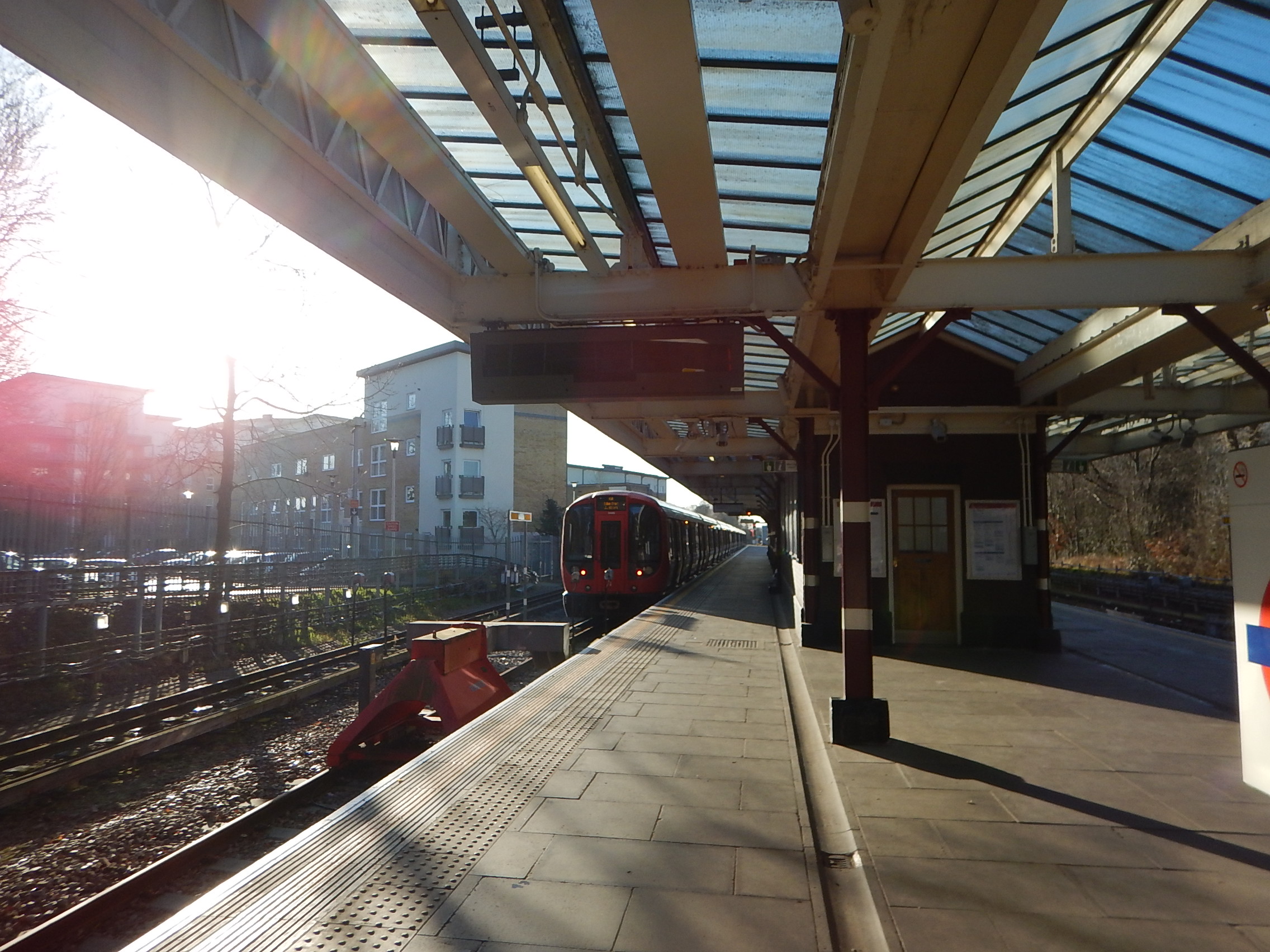
The Platforms At Watford Station
So would the development of the extension involve a rebuild of Watford station to provide the following?
- A modern future-proofed station, with all the capacity that might be needed in the next forty years or so.
- Appropriate housing or commercial development on top of the new station.
- Sensible amounts of parking for travellers.
With four tph to and from London in the basement, it would surely be a profitable development.
Watford Junction Station
Watford Junction station has four bay platforms 1-4, that handle the three tph service on the Watford DC Line.
At stations like Clapham Junction, Crystal Palace, Dalston Junction, Highbury and Islington and New Cross, single platforms handle four tph with ease for London Overground services.
This means that handling four tph to Amersham in addition to current services would not be difficult.
The only work, that I think should be done, is make sure that these platforms are long enough to take two of the future Class 710 trains working as an eight-car train.
There could even be two platforms left for Bakerloo Line services, if it were to be decided, that these services would go to Watford Junction.
Elton John Plays Vicarage Road Stadium
This or some football matches at Vicarage Road Stadium, would be the biggest test of the Link.
Note the following.
- Some stations like Watford High Street can already handle longer trains than the hundred metre long, five-car Class 378 trains they currently do.
- Some stations like Croxley can handle the 133 metre long S Stock trains used on the Metropolitan Line.
So to future-proof the Link for massive one-off events would it be sensible to make the platforms long enough for eight-car trains or two Class 710 trains working as a pair?
Benefits
The benefits of this approach are as follows.
- Watford station keeps its current service to London.
- Watford gets a four tph link across the South of the town, serving the Shopping Centre, the Hospital and the Stadium.
- Amersham to Croxley stations get a link to the West Coast Main Line.
- It could be built as a single track line without electrification.
- Trains to run the services could be more easily available.
- Simple island platform-based stations could be built at Cassiobridge and Vicarage Road.
In addition, Chiltern Railways, London Midland, London Overground and Underground, all gain a feeder railway bringing travellers to their services to and from London.
Cost Savings
Note.
- Transport for London needs cost savings on this project.
- Redevelopment of Watford station as a station with oversite development could raise a lot of money.
- The Croxley Link could be built as a single-track link without electrification and run initially run using Class 172 trains.
I also feel, that building the line this way would deliver it earlier, thus improving cash-flow.
The simple link would need at the minimum.
- A single- or double-track railway without electrification between Croxley and Watford High Street stations.
- Two stations with island platforms at Cassiobridge and Vicarage Road
- A viaduct to connect Cassiobridge station to the Watford Branch.
Four Class 172 trains would work the service, after being released by the arrival of Class 710 trains on the Gospel Oak to Barking Line.
If skates were worn, the link could probably open in 2020.
Conclusion
A simpler and more affordable design for the Metropolitan Line Extension is surely possibly.
Is The Croxley Rail Link To Be Given Lower Priority?
Although, I have covered the Croxley Rail Link or Metropolitan Line Extension, on this blog, including in Looking For The Croxley Rail Link, which I wrote after walking the route in November 2014, it is not a project that will have a great deal of affect on my life.
In the last few days, after the publication of the London Mayor’s transport strategy, two newspaper reports have been published.
- This article in the Watford Observer entitled Have plans to extend the Metropolitan Line derailed?
- This article in Rail Technology Magazine entitled DfT refuses to provide extra funding for over-budget Croxley rail link
So is everybody getting more lukewarm about the project?
The Watford Observer article also contains these paragraphs.
Save Watford Met campaign group opposes the plans, which would see Watford underground close.
Speaking on their behalf, Lester Wagman said: “While it would be a shame if the [unconfirmed] inference that the Metropolitan Line Extension to Watford Junction may have been dropped as a business plan priority for TfL, we would not really be surprised if this is not such a priority for London and that its Mayor, Sadiq Khan, may have concluded this from reviewing the somewhat contrived and shaky business case.
So perhaps, there is a problem with finances and the people of Watford are not all in favour.
I think that it is time to take a short time of reflection to look at this project and see, if other developments in the future, can improve rail links to Watford sufficiently.
Maps Of The Croxley Rail Link
This map from carto.metro.free.fr shows the link.

The Croxley Rail Link
I don’t think that they are able to show anything more definitive.
This first Google Map shows the Western End of the Croxley Rail Link.

The Western End Of The Croxley Rail Link
Note.
- Croxley station in the bottom left corner and Watford station in the top right, with the Metropolitan Line between them.
- In the middle is the A412 with its two roundabouts.
- The scar of the old railway can be seen above the green space in the bottom right corner.
This second Google Map shows the Eastern End of the Croxley Rail Link.

The Eastern End Of The Croxley Rail Link
Note.
- Watford High Street station, where the Croxley Rail Link joins the Watford DC Line is in the top right corner of the map.
- The line goes in a wide curve South of Vicarage Road Stadium and the large Watford Hospital site.
This Google Map shows the area, where the Croxley Rail Link joins the Watford DC Line.

Croxley Rail Link And The Watford DC Line
Note.
- Watford High Street station is at the top right.
- It looks like the original junction was a full triangular one.
- The road being built is Thomas Sawyer Way, which is a link to open up the area. It opened on the 16th November 2016, as this article on the Watford Council web site announces.
This map shows the site of the proposed Watford Vicarage Road station.
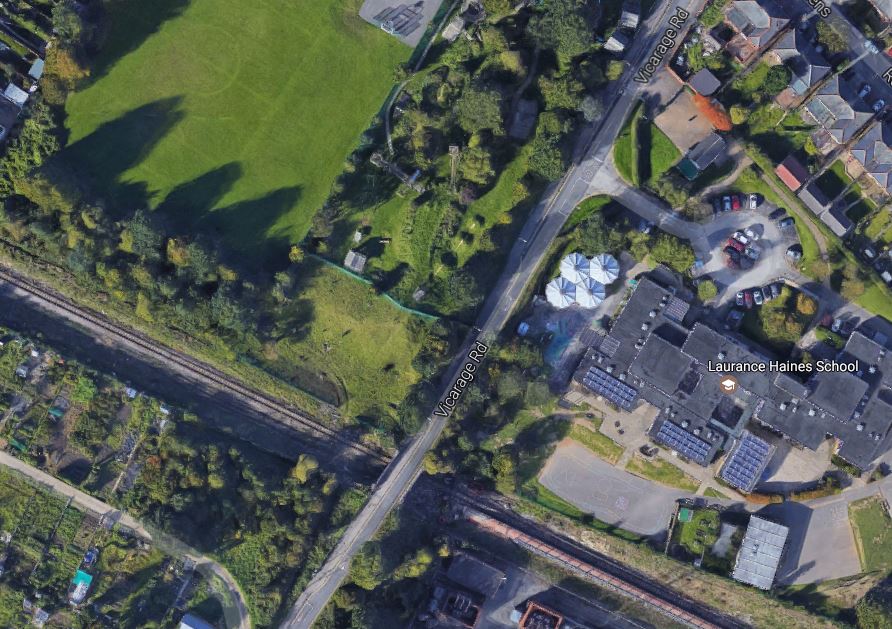
The Site Of Watford Vicarage Road Station
This description of the station is from Wikipedia.
Watford Vicarage Road is to be a newly constructed station on a re-opened section of the former LNWR Watford and Rickmansworth Railway line which was closed by British Rail in 1996. The station is to be located to the west of Vicarage Road, adjacent to Holywell allotments, with the platforms in the railway cutting below the road
The hospital and stadium are to the North on Vicarage Road.
This Google Map shows the site of the proposed Cassiobridge station.
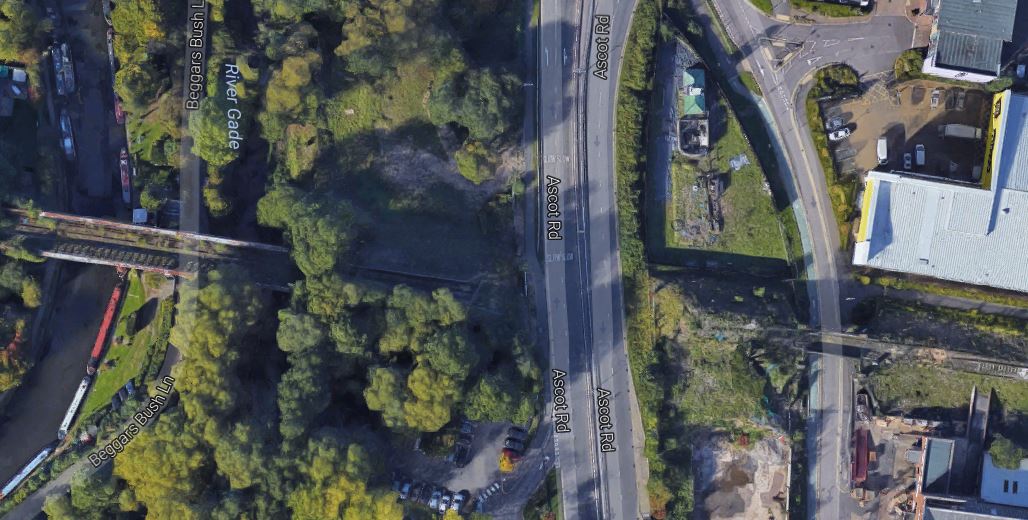
The Site Of Cassiobridge Station
Note.
- The Grand Union Canal running down the left hand side of the map, with the route of the old railway across it clearly visible.
- The station is on the single-carriageway branch of Ascot Road.
Wikipedia says it will be a fairly simple station.
Reasons For The Croxley Rail Link.
The Croxley Rail Link or the Metropolitan line Extension has a page on the Transport for London web site.
This is their summary.
The Metropolitan Line extension will re-route and extend the Metropolitan line to Watford Junction. The aim is for the project (formerly the Croxley Rail Link) to be completed in 2020.
The extension will divert Metropolitan line trains to serve the existing Watford Junction and Watford High Street stations.Two new stations will be created at Cassiobridge and Watford Vicarage Road. The existing Watford station will close after the new stations open.
TfL list the benefits as follows.
- Improve access to public transport for local residents
- Create new links to Watford General Hospital, Croxley Business Park and Cardiff Road Industrial Estate, increasing employment opportunities
- Provide access for Metropolitan line passengers to West Coast mainline National Rail links from Watford Junction station
The case for the line was obviously good enough to raise the finance for the line, but now it appears that the Department for Transport are having second thoughts.
Perhaps some of the other projects are influencing their decision.
The Bakerloo Line Extension
The Bakerloo Line Extension is mainly about South of the Thames, but if the line is running the proposed 27 trains per hour (tph) , these trains will have to terminate somewhere in the North.
There have been various proposals for the Bakerloo Line to take over the Watford DC Line and trains to terminate at Watford Junction station.
Some trains would probably terminate at Queen’s Park, Stonebridge Park and Harrow and Wealdstone stations, but perhaps eight to ten tph might go all the way, calling at both Watford High Street and Watford Junction stations.
The London Overground
Currently, the London Overground runs three tph to Watford Junction from Euston via the Watford DC Line.
The trains are currently five-car Class 378 trains and in a couple of years, they will be replaced by four-car Class 710 trains.
It is rare that the capacity of a route is ever decreased.
So do Transport for London have a cunning plan?
In Platform Height Issues On The Watford DC Line I suggested that the shorter Class 710 trains, might fit better with the 1972 Stock of the Bakerloo Line, thus allowing the current stations on the line to be converted to very customer-friendly step-free stations.
So working an extended Bakerloo Line to Watford Junction station with an appropriate number of Euston to Watford Junction services on the Watford DC Line could be an easier way of increasing capacity to Watford’s main station, without degrading the service of any other passengers.
Crossrail
It has been suggested that Crossrail with its herds of jumbo Class 345 trains should be extended to the West Coast Main Line. Wikipedia says this.
In August 2014, a statement by the transport secretary Patrick McLoughlin indicated that the government was actively evaluating the extension of Crossrail as far as Tring, with potential Crossrail stops at Wembley Central, Harrow & Wealdstone, Bushey, Watford Junction, Kings Langley, Apsley, Hemel Hempstead and Berkhamsted.
Plans change, but if Crossrail goes up the West Coast Main Line, it would surely stop at Watford Junction station.
If it stopped at the stations listed above, it would have good connections to the Bakerloo Line and London Overground, in addition to all the connections at Old Oak Common.
Southern
With all Southern‘s current troubles, I don’t think that their Milton Keynes to East Croydon service is a priority.
It is also a route that in a few years time will be a route, where there could be better alternatives.
Once Old Oak Common station is a reality, passengers from Milton Keynes to South London, would possibly use this type of route.
- London Midland to Old Oak Common
- Crossrail to Farringdon
- Thameslink to East Croydon, Gatwick Airport, Kent, Surrey, Sussex and Wimbledon.
As an alternative, they could also take the West London Line from Old Oak Common to Clapham Junction for all the connections there.
If Crossrail extends up the West Coast Main Line from a fully-developed Old Oak Common station, the reasons for Southern’s service will diminish.
It might be a good idea to replace this service with more London Overground services between Stratford and Clapham Junction via the North and West London Lines!
After all, London Overground will have several five-car Class 378 trains from the Watford DC Line.
London Midland
London Midland‘s franchise comes to an end soon and what goodies will companies propose to keep it?
I think the only new service we will see from London Midland or its successor, is trains calling at the new hub at Old Oak Common.
Metropolitan Line Upgrade
Transport for London are implementing, what they call the Four Lines Modernisation, on the Circle, District, Hammersmith and City and Metropolitan Lines.
TfL give these benefits.
- A new fleet of air-conditioned trains, with brighter more spacious interiors, low floors and dedicated spaces for wheelchair users, CCTV and other improved features
- Space for more customers
- Faster journeys and reduced waiting times
- Fewer delays as safe but obsolete equipment – dating back to the 1920s in some places – is replaced with modern, computerised signalling and control systems
- Better live customer information on platforms and to smart devices
It will all be finished by 2023, when 32 tph could be running in the Peak.
The Croxley Rail Link is not mentioned in connection with this modernisation.
This upgrade must benefit services to and from existing Metropolitan Line stations to the West of Watford, but it does nothing to meet the benefits stated for the Croxley Rail Link.
- Improve access to public transport for local residents
- Create new links to Watford General Hospital, Croxley Business Park and Cardiff Road Industrial Estate, increasing employment opportunities
- Provide access for Metropolitan line passengers to West Coast mainline National Rail links from Watford Junction station.
Two additional benefits could be added.
- Access to the upgraded Vicarage Road Stadium
- The possibility of services between Amersham and Watford Junction.
Others could also surface, if say a substantial housing or commercial development is proposed.
Chiltern Railways
Never underestimate Chiltern Railways!
The Croxley Rail Link would connect to their Aylesbury Line, which is going to be extended to Milton Keynes.
Once the link is a reality, I’m sure Chiltern will find a way to make use of the line.
Even a well-thought out two tph shuttle to Amersham could probably provide valuable connectivity.
Chiltern will also have an effect on thinking, in that they have opened a similar railway to the Croxley Rail Link, in their extension to Bicester and Oxford.
The Opening Of HS2
HS2 will have one major effect on Watford, in that it will free up paths on the West Coast Main Line.
These could be used to improve services between Watford Junction and Euston.
Could A Lower-Cost Link Be Built?
I ask this question, specifically because of the report that TfL had said no, because the project is over-budget.
Ideally, the link would be built as a double track line from Watford High Street station, to where it joins the double-track branch to the current Watford station.
I have flown my helicopter over the route and there would appear to be a fair bit of space for a double -track line.
But there might be a couple of problems.
This picture, which I took going South, shows the bridge, where the Croxley Rail Link will join the Watford DC Line.

The A4178 Goes Over The Croxley Rail Link
It looks fairly sound, but is it large enough for two tracks? I could see the next bridge and that was a modern structure with a lot more space.
Note too, the evidence of clearing up decades of tree growth.
But look at this Google Map of where the Croxley Rail Link will connect to the branch to Watford station.
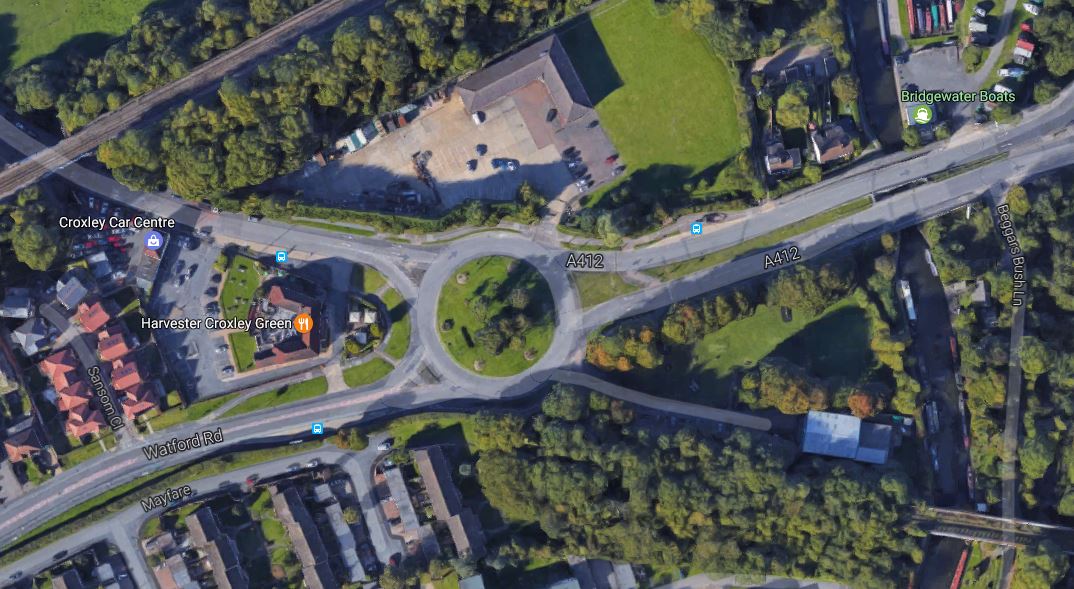
Over The A412 At Croxley Green
Note the branch to Watford station at the top left of the map and the remains of the old railway in the bottom-right, which can also be seen in the map of Cassiobridge station.
It could be difficult to thread a double-track viaduct through the area.
This visualisation from the Watford Observer shows current thinking.
Croxley Link Viaduct
So would money be saved and perhaps a better design be possible?
- Could the viaduct be built with only a single-track between its junction with the branch to Watford station and the proposed Cassiobridge station? The route could revert to double track just to the East of Cassiobridge station.
- A single-track design of Cassiobridge station could also save money, but it would probably rule out too many future options.
As most of the route will be double-track, I doubt that a few hundred metres of single-track would have much impact on the operation of the link. It’s not as if, the Croxley Rail Link will be handling 24 tph.
I suspect that engineers and architects are working hard both to cut costs and make the link better.
A Watford Junction To Amersham Service
I think that if there is a good service between Watford Junction and Amersham, this might offer an alternative solution.
It would connect to London trains as follows.
- Watford Junction – Bakerloo, London Midland, Southewrn, Watford DC and possible West Coast Main Line services.
- Watford High Street – Cross-platform connection to Watford DC services.
- Croxley – Same platform connection to Metropolitan services to the existing Watford station.
- Rickmanswoth – Chiltern for both London and all stations to Milton Keynes.
I believe that a train like London Overground’s new Class 710 train, which will be running on the Watford DC Line might be able to run the service without any new electrification, it it were to use onboard energy storage between say Watford High Street and Croxley stations.
Conclusion
I believe that Watford will get a better train service, whether the Croxley Rail Link is built or not.
Politics will decide the priority of the Croxley Rail Link, with the left-leaning South Londoner Sadiq Khan on one side and right-leaning Bucks-raised Chris Grayling on the other. In some ways, Watford is a piggy-in-the-middle.
My feeling is that on a Londonwide basis, that the Bakerloo Line Extension to Watford, solves or enables the solution of a lot of wider problems and the Croxley Rail Link is much more a local solution.
I think it could turn out to be.
- A mainly double-track route from Watford Junction to Amersham, but with portions of single track.
- No new electrification.
- Stations at Watford High Street, Watford Vicarage Road, Cassiobridge, Croxley and then all stations to Amersham.
- Four Class 710 trains per hour (tph), running on existing electrification and batteries between Watford Junction and Amersham.
- A redeveloped Watford station keeps its four tph to London.
It might even be simpler.
 The Anonymous Widower