Vuvuzelas and Parrots
Apparently, some parrots have learned to mimic the sound of a vuvuzela.
The Car Park at the End of the World
Or should I say the end of Suffolk?

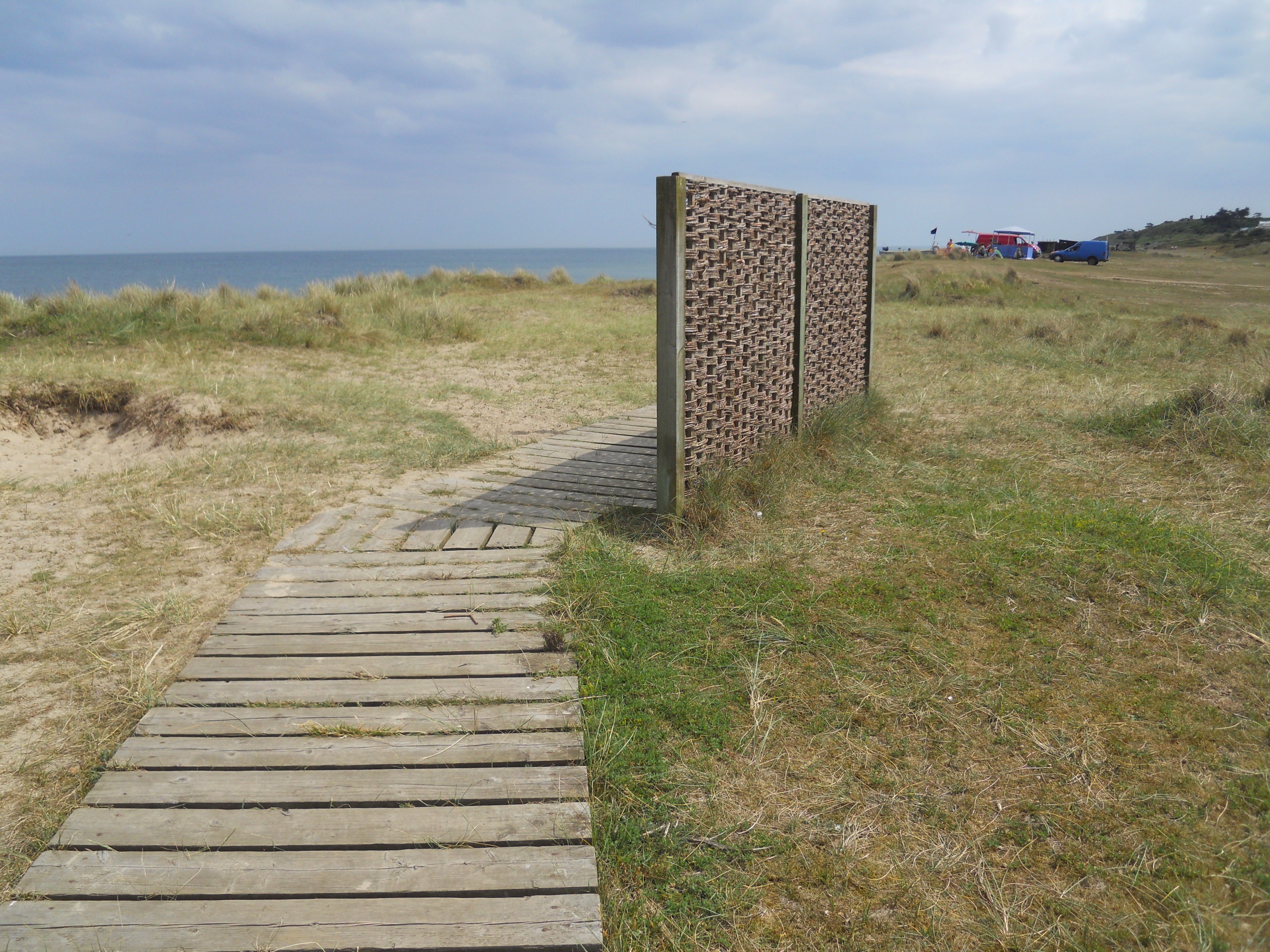
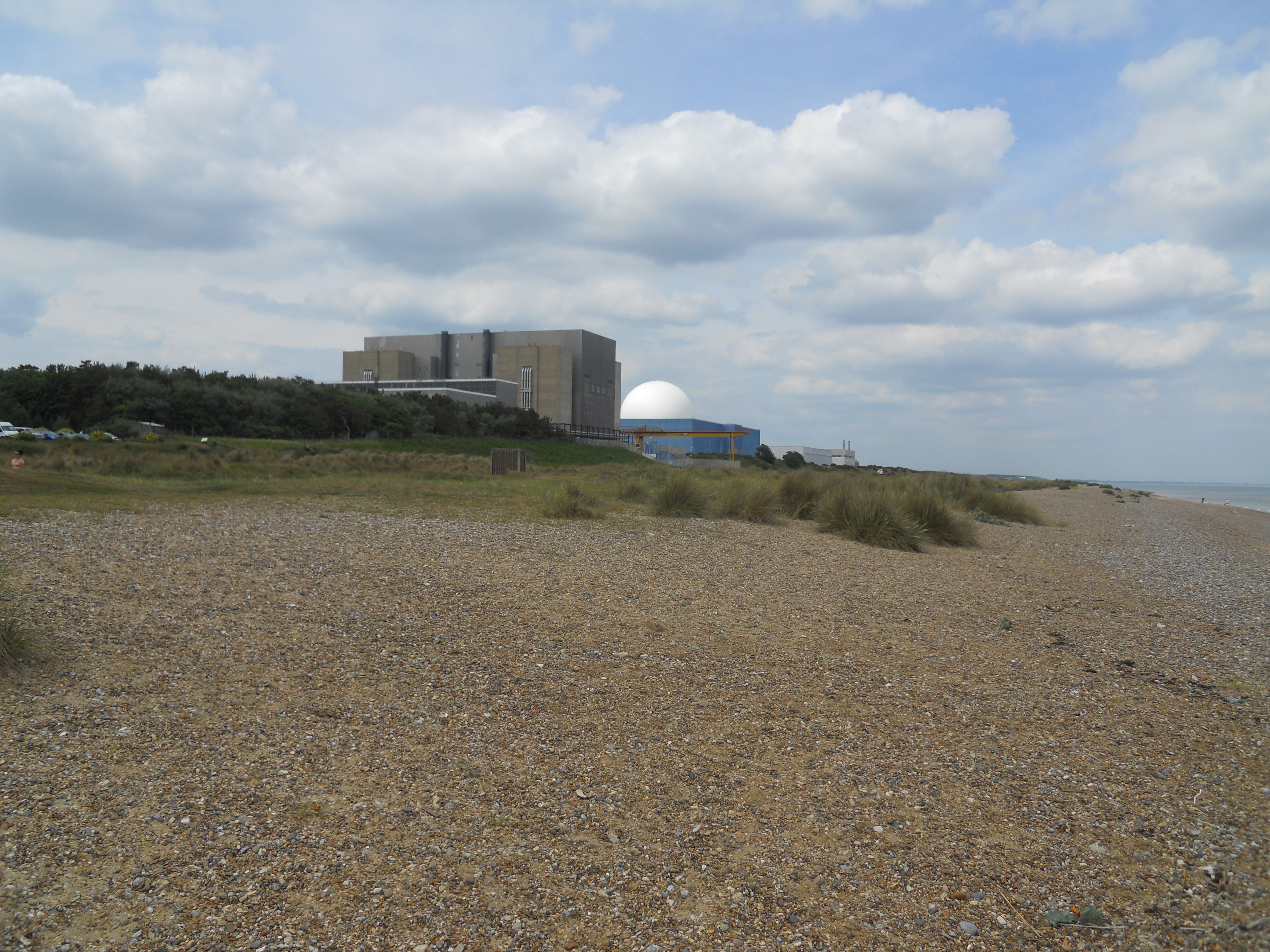

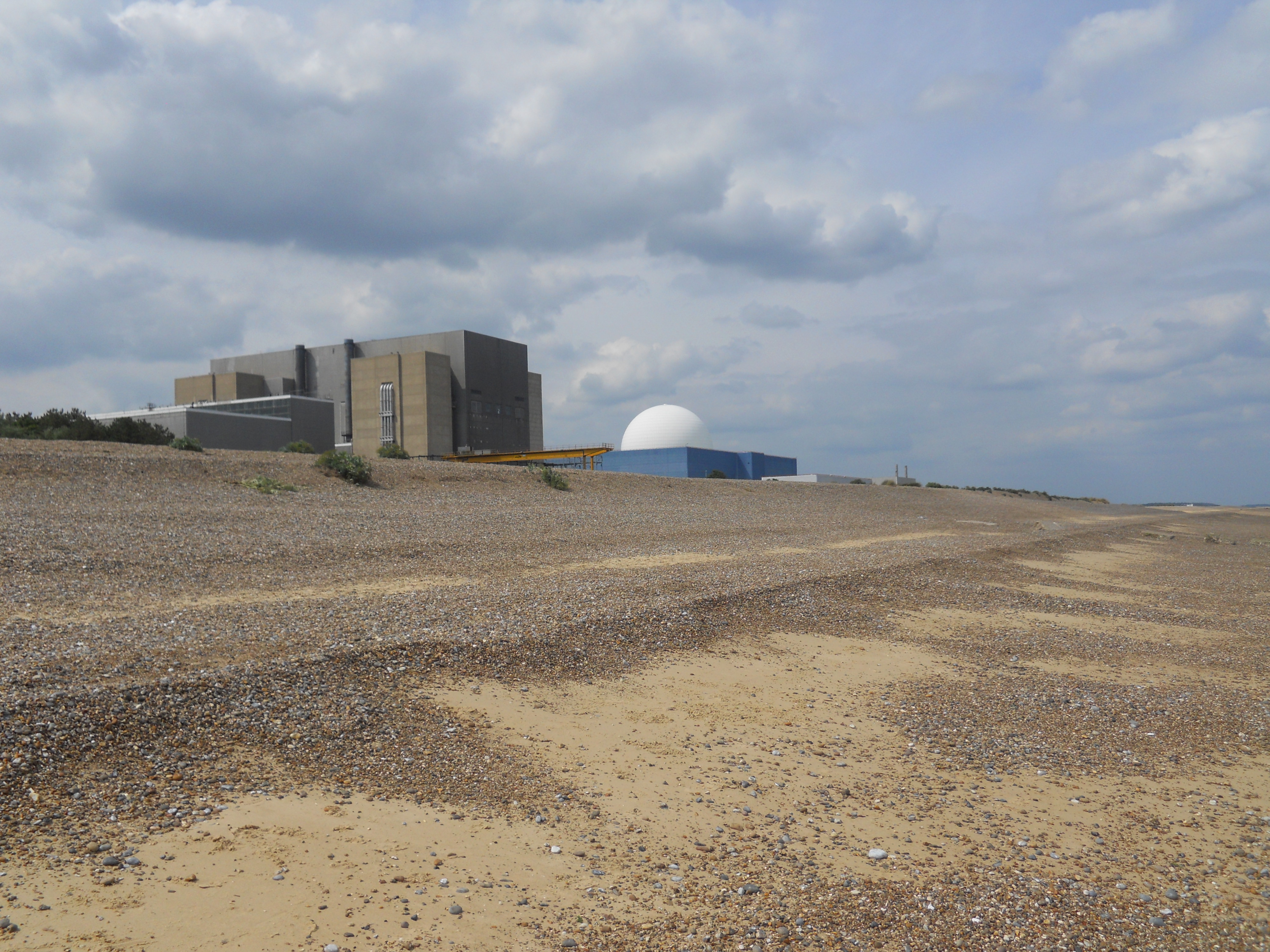
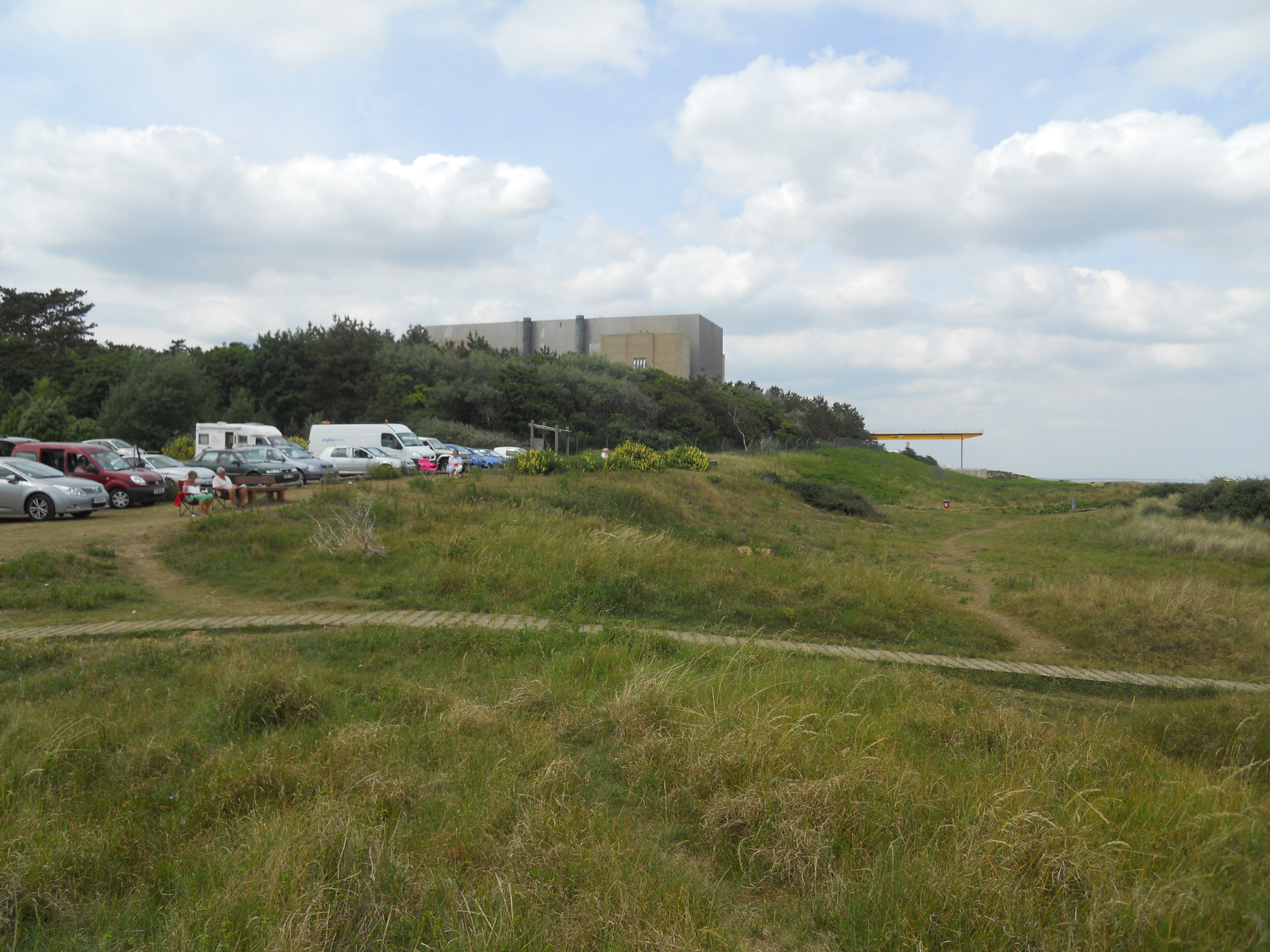
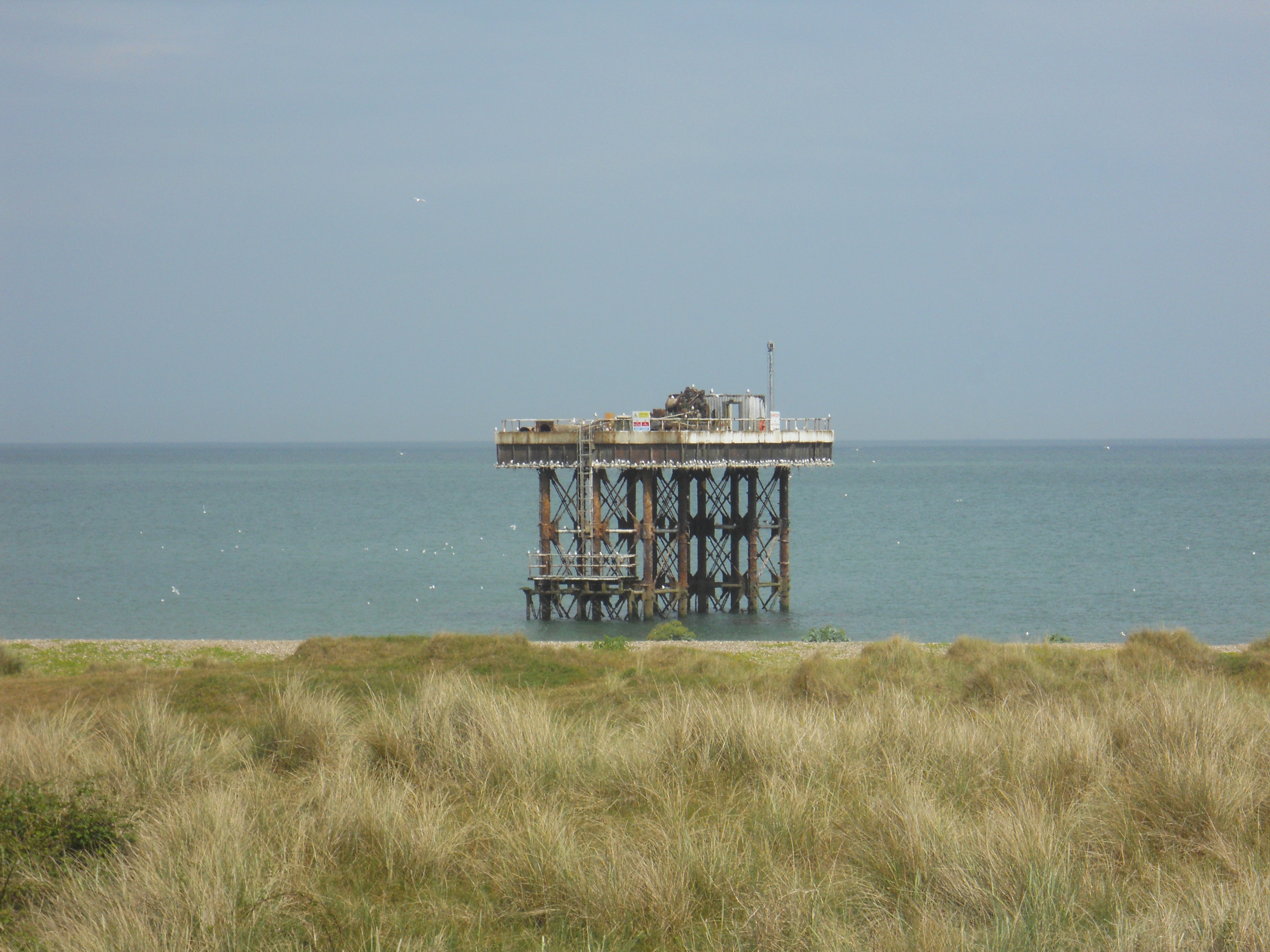
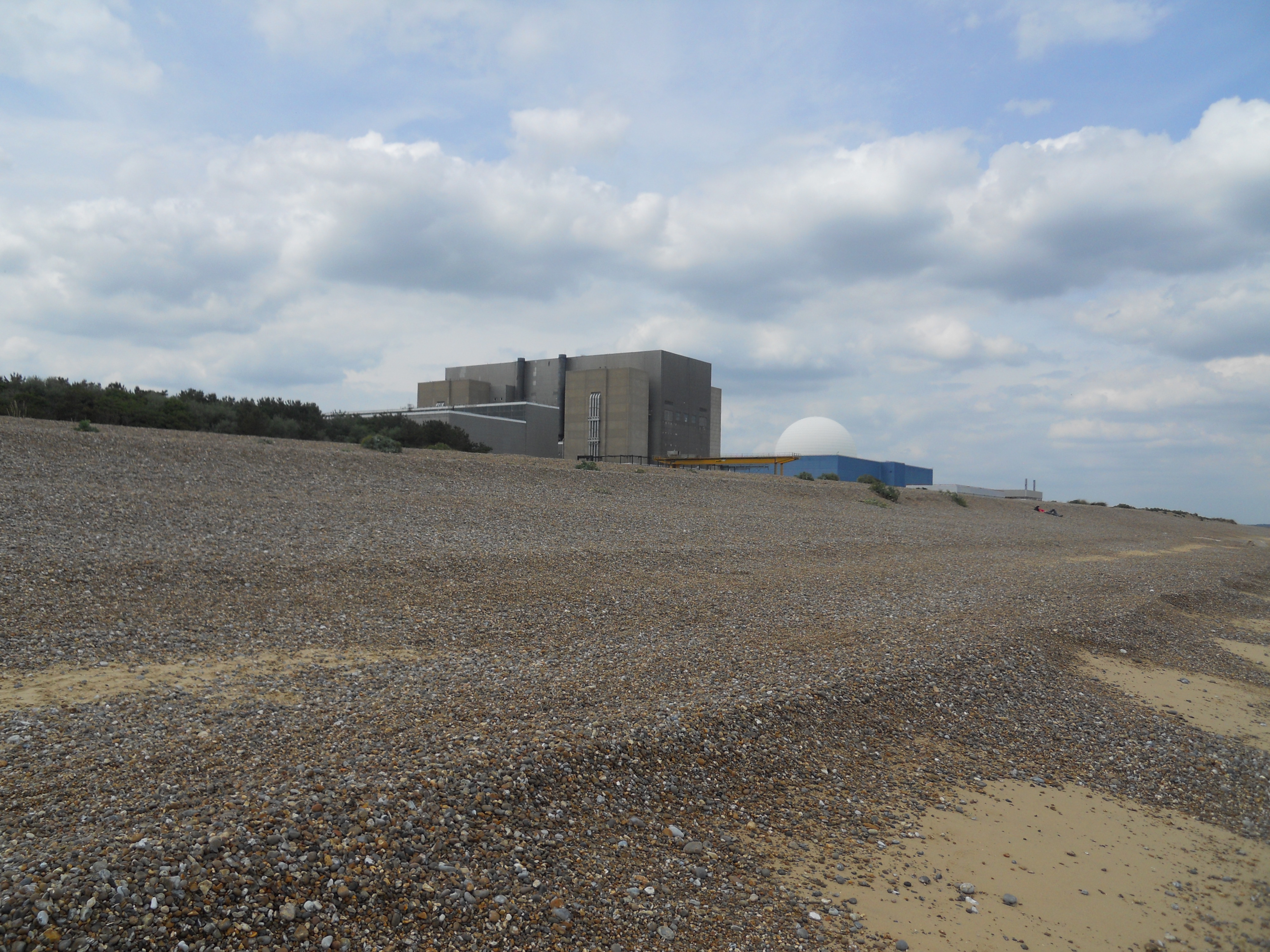
To many it would be an odd place to go for a walk. But the beach is pleasantly part-sand, you have lot of birds, including kittiwakes nesting on the rigs, interesting plants and protection from the wind because of the dunes. There is also a nice cafe and toilets.
Who would have expected it all, in the shadow of two nuclear power stations?
In the 1980s, I went over Sizewell A, which is the square station in the front. It is a Magnox station, was built in the 1960s and will soon be completely decommisioned. To plan their annual shutdown, they had one of the best planning systems, I have ever seen. It was a long white perspex wall, where the critical path network was drawn and updated. Different colours meant different things and through the months before the shutdown, all information was added in the correct place. Like everything I saw on that visit, it was all very professional.
I must relate a hunting story about Sizewell. We were hunting from Knodishall Butchers Arms and were about a couple of kilometres from the sea with Sizewell A in the distance. You might think that we were all against the station with its environmental implications. But being on the whole practical people we realised that you have to get electricity from somewhere and that the plant was a large local employer in an area of the country, that had suffered large job losses with the closure of Garretts of Leiston. But what really annoyed us, was the fact that the local farmer had grubbed out all of the trees and hedges. It was like riding in a lifeless desert.
I feel that we must build more nuclear power stations, but perhaps more importantly, we should be more economical with our energy use. Incidentally, as Sizewell is well connected to the electricity grid, from works we saw yesterday, it is being used as a ditribution point for the electricity generated by offshore wind farms. But I for one would not mind seeing Sizewell C and possibly D added to the Suffolk coast
Wildlife Therapy
I went for a lovely walk this afternoon at Fen Drayton Lakes. Is trying to spot and identify birds with my perhaps less than perfect eye-sight, good therapy after a stroke? It won’t hurt, that is for sure. But I did see a common tern, lots of swans and lots of dragonflies.
I also spent an hour walking the stud. Sad to say that there is now only one baby duck, as the moorhens or something else has killed or eaten the other eleven. Saw quite a few hares too!
I’ve also taken to walking around the stud carrying a 2 kilo dumbell, throwing it sometimes from hand-to-hand to try to improve my left hand. Is this a good idea?
Is This A Greater or Lesser Spotted Woodpecker?
I can’t tell, as I’m no expert and my hand wasn’t steady enough to get a clear picture.
Here is a quick video. I’m afraid I couldn’t get close enough and the woodpecker didn’t co-operate.
Commotion in the Night
The ducks are in two ponds outside my bedroom window. There was an awful lot of irate quacking in the middle of the night as the duck was probably protecting her young.
This morning I could only see four ducklings.
It would appear it could be the moorhens.
A Mallard with Twelve Ducklings
Mallards can have up to 13 ducklings, but I’ve never seen this many where I live.

There is no cat around here, but I hope the foxes don’t find them!
Sea Eagles in Suffolk
Plans to reintroduce sea eagles to the Suffolk coast have been put on hold due to the economic conditions.
It would have been nice to see them, but the pig and poultry famers opposed to the plan have realistic fears. Many animals run for cover when they perceive danger and who knows what will happen.
But if the Suffolk coast is so suitable from sea eagles, I suspect that in perhaps the next century nature will take its course and they’ll be back. Look how falcons have come to live in Brussels Cathedral. Remember sea eagles live on carrion, so perhaps their niche is now filled by the countless crows and magpies, we seem to have everywhere. Are these birds partly responsible for the decline in small birds?
Cynicism About Organic Foods
I should say before I continue, that I do buy organic foods.
But!
I am always suspicious that they don’t live up to the hype.
Take my supper yesterday. I ate several Jersey Royal potatoes, which were not organic. But they are produced by farmers who care about the quality of their product. They were exquisite.
Take just before Christmas. A farmer brought me some washed supermarket parsnips round, as a favour for his wife using a stable for a pony. They were much better than those you get from Waitrose or Sainbury’s, but that is where they would have ended up. However, that takes a couple of days, whereas they arrived from his field in a couple of hours.
So it seems that how the product is handled after picking is perhaps as important than what goes on before.
I suspect that it is more true with something like meat. After all I’ve kept animals for years and know that the better you treat them the better they perform. Or in the case of food animals, does that mean taste?
So where you know about the provenance of the animal and can trust the farmer are you getting a better and perhaps a more humanely kept product. After all organic means that some drugs used for medicinal purposes are banned. Is that humane?
So when I read this report in The Times yesterday, my cynicism was increased.
This says that a study by Professor Benton of Leeds University has shown that organic farms are not necessarily the best for wildlife.
The research found that organic farms had, on average, 12 per cent more biodiversity in terms of the number and variety of plants, birds, earthworms and insects. But the yield from organic fields was 55 per cent lower than from conventional fields growing similar crops in the same areas. While there were more plants and butterflies on organic farms, there was no difference in the number of bees and there were 30 per cent more hoverflies on conventional farms.
Organic fields contained more magpies and jays but 10 per cent fewer small birds such as yellowhammers, corn buntings, linnets, skylarks and lapwings. The researchers found that the larger birds, which were attracted to organic farms by their denser patches of woodland, were scaring away the smaller birds and preying on their nests.
It is all very interesting.
One point Professor Benton said was that greater benefits were detected where there were clusters of organic farms. That I would understand as in the studlands of Newmarket, there appears to be a much greater diversity than on ordinary agricultural land. That is also because horses are such inefficient grazers and leave lots for hares and deer.
Falcons in the Cathedral
Brussels cathedral has a nest of peregrine falcons in the tower.
They also have a viewing cabin in front of the building.
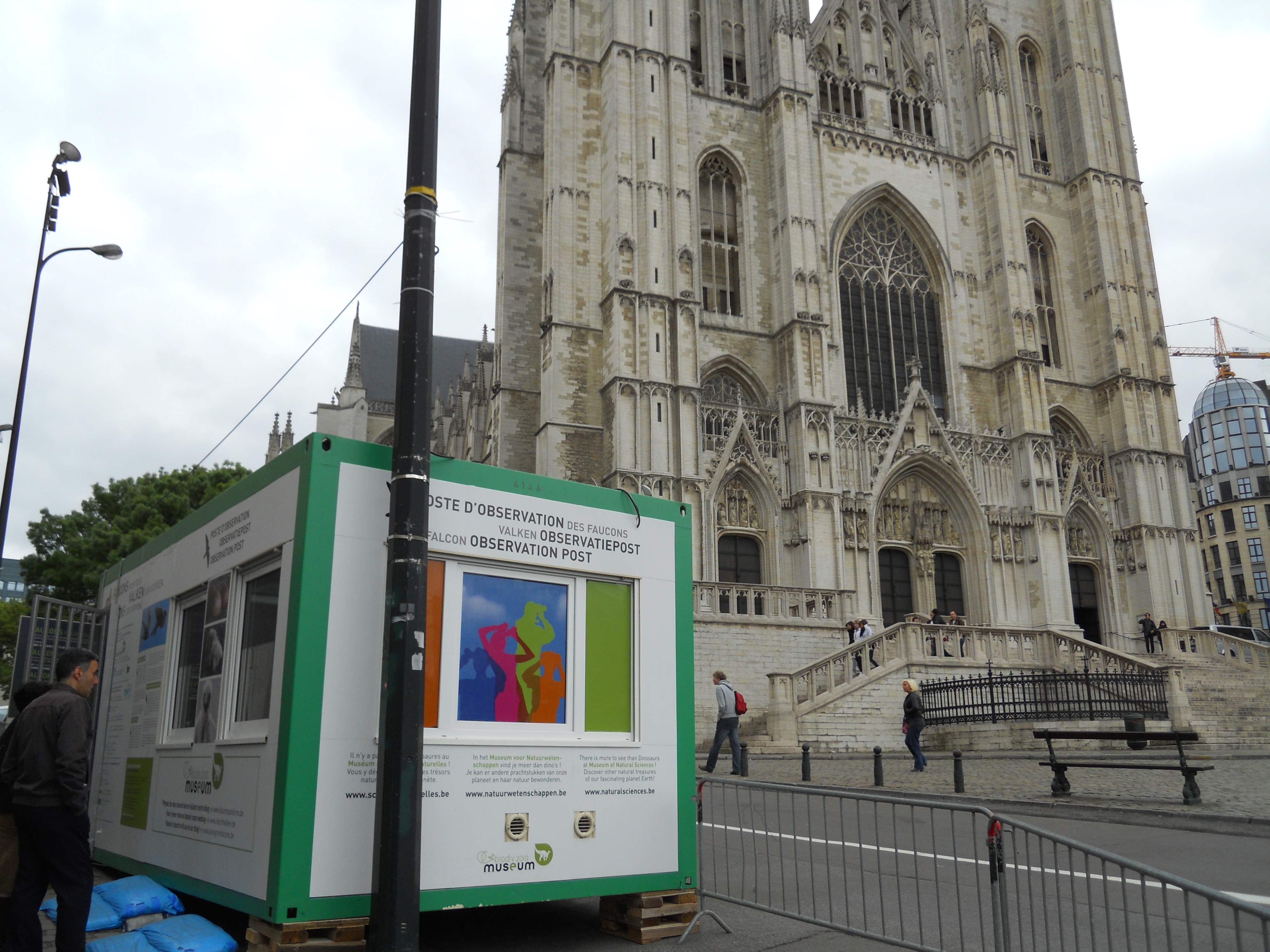
Falcon Viewing Cabin by Brussels Cathedral
You can also see the webcam from this link, so you don’t need to go to Brussels.
The Demise of the Nightingale
This article in The Independent blames deer for the demise of the nightingale.
Nightingales are disappearing from Britain because deer are eating the woodland undergrowth the birds need for nesting, a new study has shown. It is a significant breakthrough in understanding why numbers of the renowned songbird are rapidly falling.
It just shows that we must get a balanced view on conservation. Deer numbers have increased greatly in recent years and as they have no natural predators, this will continue unless culling is introduced.
 The Anonymous Widower