Whitechapel Station Now Has Full Length Platforms
The East London Line platforms at Whitechapwl station are now full length.


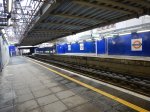

The roof is coming on too!
I still think that Whitechapel Will Be The Jewel In The East.
The station will open to Crossrail in December 2018. This document on the Crossrail web site gives details of the schedule of works in 2017.
Greater Anglia’s Ten Point Wish List
This article in Rail Technology Magazine is entitled Greater Anglia to lobby government for investment in 10-point upgrade plea.
So what do they want?
- Haughley Junction upgrade.
- Ely area upgrade.
- Ely to Soham track doubling
- Trowse swing bridge replacement with a double track fixed link.
- Long loops at Colchester and Witham to allow fast trains to pass slow ones.
- Digital re-signalling between Colchester and London.
- Capacity upgrade to allow four trains between Angel Road and Stratford.
- Four-tracking between Coppermill Junction and Broxbourne.
- Wider level-crossing upgrade program.
- Platform and concourse upgrade at Liverspool Street station.
Should we call it ambitious, greedy or sensible?
1. Haughley Junction Upgrade
This has been requested for years, so I suspect it has been thought about for a long time.
But the new East Anglia Franchise has plans that will affect the traffic through Haughley Junction.
- Three express trains per hour (tph) between Ipswich and Norwich – Up from 2 tph.
- Two tph between Ipswich and Bury St. Edmunds – Up from three trains per two hours.
To make matters worse, an increasing number of freight trains between Felixstowe and Peterborough will be going through the junction.
This Google Map shows the junction.
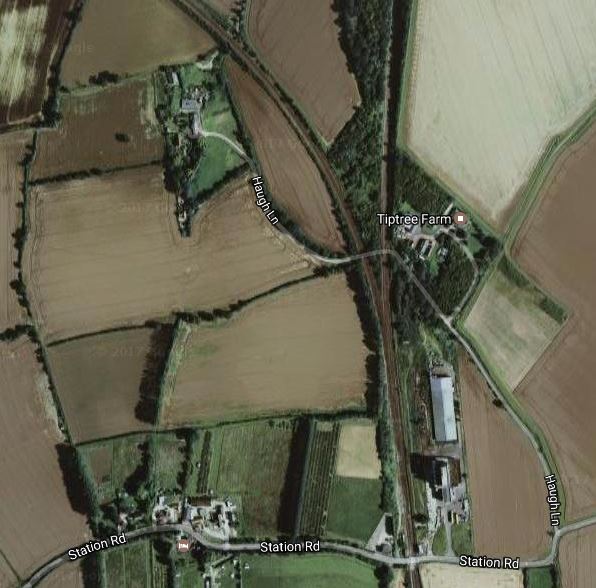
Note.
- Stowmarket, Felixstowe and Ipswich are to the South.
- There is a handy level crossing where station road crosses the tracks.
- Diss and Norwich is to the North.
- Bury St. Edmunds, Cambridge and Peterborough are to the North West.
You could naively think, that around the junction is nothing but farmland and a few trees, but the owners of |Tiptree Fram probably have lived three for decades.
You are the driver of one of Greater Anglia’s new crack Stadler express electric multiple units scheduled to reach Norwich in ninety minutes from London
Going North, you have just stopped at Stowmarket station. But you can’t leave as Haughley Junction is blocked by one of the many long freight trains crossing the flat junction from the line to Peterborough to go South to Felixstowe.
So bang goes your schedule!
Going South, you have a similar problem, in that freight trains could delay progress, whilst they cross from the Peterborough Line.
Freight trains and passenger trains joining the Peterborough line from the South, would appear to not cause such a large problem, as they just turn left without crossing any lines.
In an ideal world, there probably needs to be a single-track flyover, so that trains from Peterborough to Stowmarket can cross the Norwich lines without delaying trains. A similar flyover at Hitchin cost £47million.
So it wouldn’t be cheap and would the locals fight the construction of such a structure in the midst of Suffolk countryside to benefit commuters from Norfolk?
A complete scheme would also add a loop line just to the West of Haugthley Junction, so that long freight trains could wait without getting in the way, until there was a suitable time to cross.
I suspect, that to keep costs down and avoid annoying the natives, all that will happen at Haughley Junction is a limited scheme so that trains can wait before crossing.
Over the last few years, Network Rail have developed some innovative junctions and crossings, so let’s hope that they come up with a scheme that’s efficient, affordable and can be built without closing either of the important routes through the area.
But whatever is done here will certainlt help Greater Anglia achieve their objective of three tph between London and Norwich in ninety minutes.
Knowing the area well, I suspect that there will also be an enormous fight over if Network Rail decided to close the level crossing shown on the map.
2. Ely Area Upgrade
I looked at this in Are The Trains In Ely Finally To Be Sorted?
Whatever is proposed here will not be just a few millions and probably very disruptive to implement, but it is essential to acommodate the planned extra services through the area.
3. Ely To Soham Track Doubling
Upgrading this six miles of single track might appear to be easy across the flat lands of Cambridgeshire, but the line does include a couple of level crossings and a couple of bridges.
This Google Map shows the ely end of the route at Ely Dock Junction.
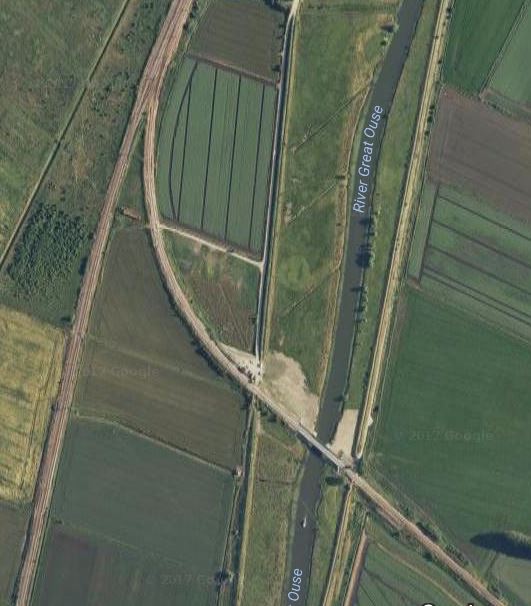
Ely Dock Junction And Hawk Bridge
Note the single-track Hawk Bridge over the Great Ouse.
Luckily, a freight train derailed on the original single-track bridge and virtually demolished it. The new bridge may be only single-track, but provision was made for a second track.
A few times, I’ve passed Ely Dock Junction on a train or stood on the platform at Ely and seen a freight train waiting at the Dock Junction to pass through the spaghetti at Ely.
Double-tracking would mean waiting freight trains wouldn’t delay Eastbound services on the Ipswich to Ely Line.
But will a chord be built so services can go directly between Cambridge North station and the Ipswich line?
This could enable Colchester Peterborough services to take a route of Bury St. Edmunds-Cambridge North
The Google Map shows the site of the original Soham station.

The Site Of The Former Soham Station
Note that the line reverts back to double-track, just South of the former station site.
So will doubling of line include provision for building a new station at Soham, as Cambridgeshire Council have proposed?
You can certainly see, why Greater Anglia want this section of line to be doubled.
4. Trowse Swing Bridge Replacement
The Trowse Swing Bridge is a major bottleneck on the Great vEastern Main Line, as not only does it restrict operations into Norwich station, but it makes access to Crown Point Depot difficult.
It’s definitely the railway equivalent of having a single-lane section for both directions on a motorway.
In Is This The Worst Bottleneck On The UK Rail Network?, I proposed the following under An Affordable Alternative.
It has to be said, that perhaps the most affordable solution would be to build a stylish fixed link, probably with a double-track railway and foot and cycle bridges.
As to the boat users, all boats that need to go under the bridge regularly would be modified so their masts could be lowered at no cost to their owners.
Other bribes could be given to occasional users.
There will be many bridges to cross, before Trowse bridge is replaced with a modern structure, more suited to a modern railway.
Unless of course, the rusting and decrepit bridge decides to do the honourable thing and falls down of its own volition.
It’s probably too much to hope, that a freight train derails on the bridge, as one fortunately did on the Hawk Bridge at Ely.
5. Long Loops At Colchester And Witham
Colchester station is not a station that would win awards for efficiency.
This description of the platforms is from Wikipedia.
The “up” (London-bound) side comprises two platforms, numbers 3 and 4, which have an unusual layout: 3 is on the up main line and is served by intercity trains from Norwich, while 4 is on the up branch line which merges with the up main line where the two platforms join end-to-end. The junction is protected by a trap leading to friction buffer stops. There are also bay platforms at both ends of the up main platform. The London-end bay (platform 6) is used for peak trains to and from London. Previously this platform was used for frequent services for the Sudbury Branch Line. However, most of these services were truncated to terminate at Marks Tey from the mid-1990s. The other bay platform (platform 5) is used for services to Colchester Town and Walton-on-the-Naze. The “down” side platform is an island platform with two faces, one on the down main, and one on the down branch line. Platform 1 is mainly used for Clacton-on-Sea trains and occasionally for Norwich trains.
The new franchise has plans, that should make the station more efficient, but much busier.
- Norwich to London trains will have a frequency of three tph.
- A new one tph service will link Colchester and Peterborough, which would mean that Colchester to Stowmarket via Manningree and Ipswich would have a frequency of four tph.
But the interesting idea is to extend the service between Sudbury and Marks Tey stations to Colchester Town station via Colchester.
The service between Sudbury and Colchester Town could be two tph, as the trains could pass each other between Colchester and Marks Tey, if the track allowed.
This Press Release from Network Rail is entitled More Reliable Railway For Essex As £100M+ Upgrade Is Completed.
This is said.
The last piece of the jigsaw included the commissioning of new ‘bi-directional’ signalling on the Great Eastern main line between Colchester and Marks Tey – meaning trains can now travel in both directions on both lines. This allows them to bypass problems should they occur and will improve flexibility and help reduce delays.
I have just flown my helicopter over the junction at Marks Tey and it looks like there is a short loop line of about a kilometre on the South side of the main line, which is connected by a series of crossovers to the \Gainsborough Line. On the other side of the main line, there would also appear to be a connection between the two lines.
So a train from Colchester Town could do the following.
- Travel to Colchester station on the Sunshine Coast Line.
- Stop in Platform 4 at Colchester station.
- Travel on the main line towards Marks Tey.
- Switch to the loop North of Marks Tey.
- Cross over the main lines and enter the Gainsborough Line to stop in Marks Tey station.
- Travel to Sudbury and back.
- After stopping at Marks Tey station return via the main line to Colchester and then on to Colchester Town.
Currently, a train is scheduled to go from Colchester Town to Marks Tey in 13 minutes, with the round trip from Marks Tey to Sudbury taking about 45 minutes.
If the service between Colchester Town and Sudbury was to be two tph, the Marks Tey to Sudbury round trip must be under thirty minutes, so that only one train is on the branch line at a time.
The service is currently run using various trains like a Class 153 train, which have a top speed of 75 mph and acceleration to match, whereas the mosdern Class 170 train has a 100 mph capability. The Gainsborough Line also has a speed limit of just 50 mph.
So I suspect, that with some judicious engineering on the branch and modern trains, that a thirty minute round trip is possible, thus making two tph on the Gainsborough Line a distinct possibility.
All these service changes could simplify the pattern of trains through Colchester station.
- Most trains stop in the station and continue on their journey.
- Peterborough trains could use the bay platform 5 or a reversing siding to turn back.
- The bay platform 6 could be used as a terminus for trains from London as now.
So will the tracks be arranged so that there is an avoiding line between the platforms just as there is at Ipswich station and used to be at Chelmsford station?
The certainly would appear to be enough space.
This picture illustrates the problems at Witham station.
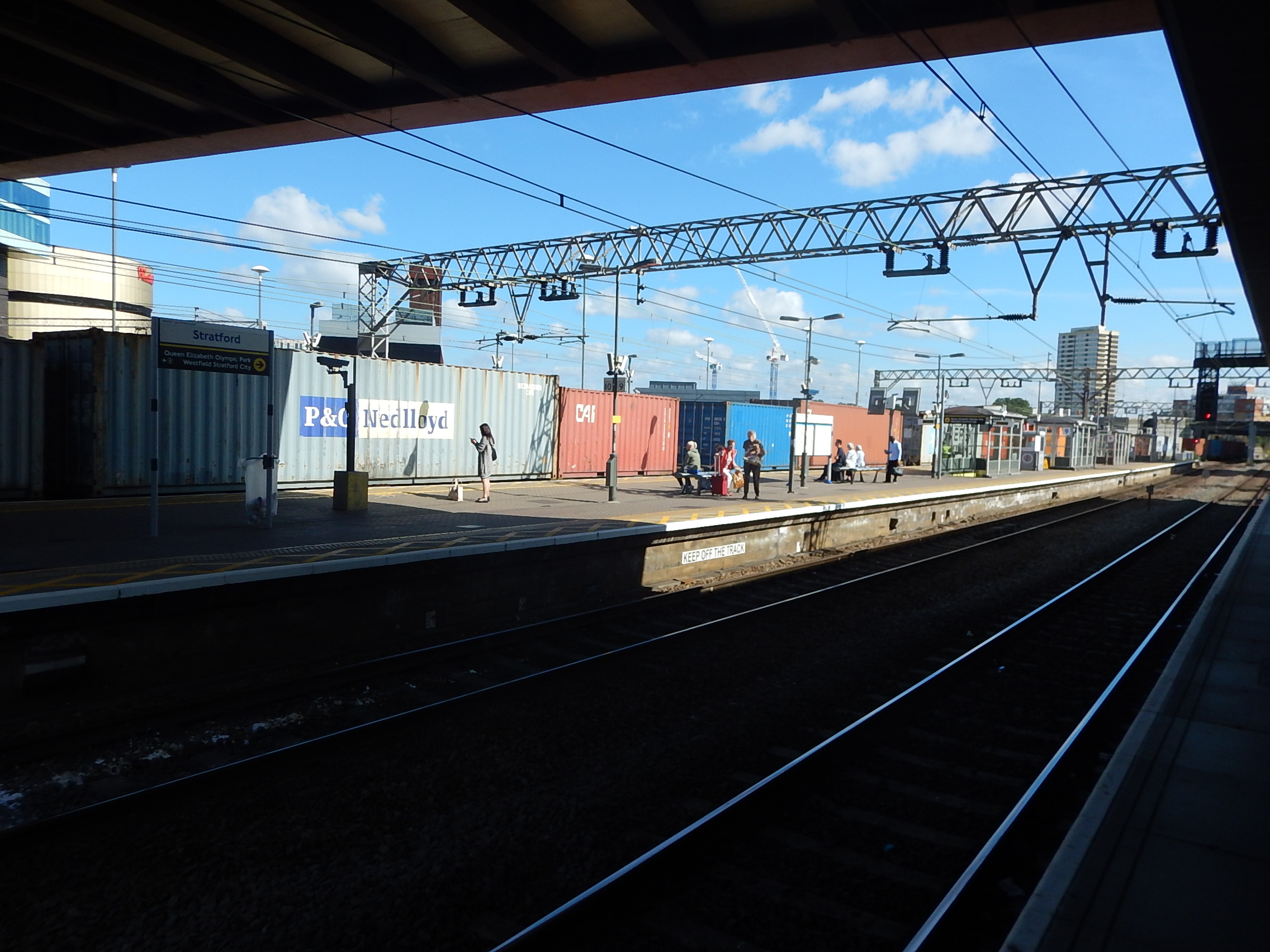
Note.
- The freight train was going towards London and was slowly going through the station.
- The two lines in the middle are the two main lines, where trains generally stop.
- When the new Stadler and Aventra trains enter service in a couple of years, there will be more trains going through the station.
- At times, trains could be separated by just a few minutes.
- As these trains are designed expedite stops, I wouldn’t be surprised to see more trains doing a Touch-and-Go.
This article on the EssexLive web site is entitled Witham loop could happen by 2024 with added faster trains to Liverpool Street.
It says that the loop will be built North of Witham station and would allow faster trains to pass slower ones by 2024, but that Simon Burns MP will be pushing to have it built sooner.
This Google Map shows Witham station and the line to the North.

Note the Braintree Branch Line going off to the North-West.
It does appear that there would be space for the necessary extra tracks to create passing loops North of Witham station.
These would mean that passing wouldn’t have to be dome with the slower train blocking a slow platform.
It certainly looks as if that both loops will be beneficial to all train operators and passengers.
6. Digital re-signalling between Colchester and London
Given the following on the Great Eastern Main Line South of Colchester.
- Increased numbers of trains.
- Speeds of 100 mph and possibly more.
- The need to do very fast stops and maintain headway of a few minutes.
- The trains will be new.
I suspect that digital signalling will be a necessity to maintain the required service frequency.
7. Capacity upgrade to allow four trains between Angel Road and Stratford
There is certainly pressure for this service from the local Councils in the area.
Would it include the preliminary works from the upgrade of Angel Road station?
8. Four-tracking between Coppermill Junction and Broxbourne
This is important both for Greater Anglia services to Stansted Airport and Cambridge and Crossrail 2.
I wrote about this in Crossrail 2 ‘Cannot Go Ahead’ Without Four-Tracking Of West Anglia Line.
But it will be a large and very disruptive project.
9. Wider level-crossing upgrade program
I have been held up so many times by level crossing incidents, this can’t happen to soon.
10. Platform and concourse upgrade at Liverpool Street station
I thought that this was going to happen, as soon as the Crossrail trains go into the tunnels.
Conclusion
Greater Anglia are not asking for the stars and it is a generally sensible wish list.
Possibly the most expensive projects are the following.
- Ely area upgrade.
- Trowse swing bridge replacement with a double track fixed link.
- Digital re-signalling between Colchester and London.
- Four-tracking between Coppermill Junction and Broxbourne.
But some like the four-tracking of the West Anglia Main Line are not urgent, until Crossrail 2 gets an opening date.
Eduardo Paolozzi At Tottenham Court Road Tube Station
Eduardo Paolozzi‘s mosaics are now back in Tottenham Court Road tube station.

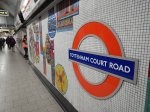
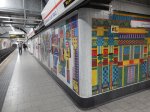
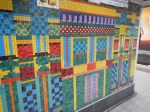
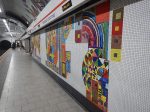
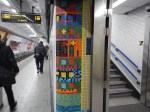
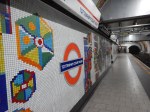


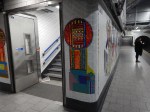

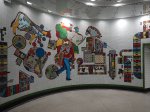
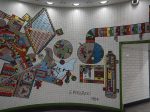

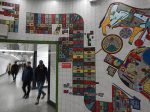

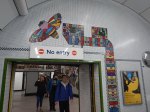
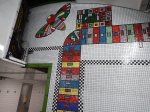

This article on Global Rail News describes how they were installed.
It’s a pity, that there are not more to cover the new white walls, which are there because the station has been expanded for Crossrail.
Crossrail Release Aerial Views Of Stations
This page on the Crossrail web site has several up-to-date aerial views of stations.
This image shows the Crossrail station at Paddington station.
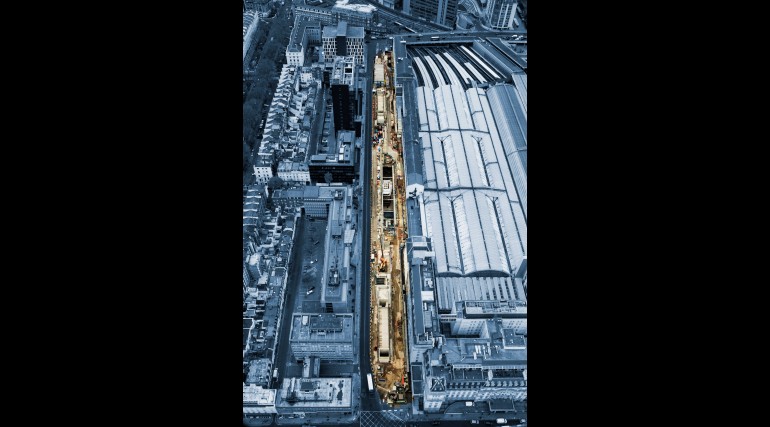
Crossrail have said this about the station.
The Elizabeth line station runs along the full length of the existing Paddington Main Line station. A 90 metre clear opening – a unique feature for an urban underground station design – will be covered by a dramatic steel and glass canopy eight metres above the ground that will allow natural light to flood down to the station platforms.
This Google Map shows Paddington station and where Crossrail comes to the surface to the West of Royal Oak station.
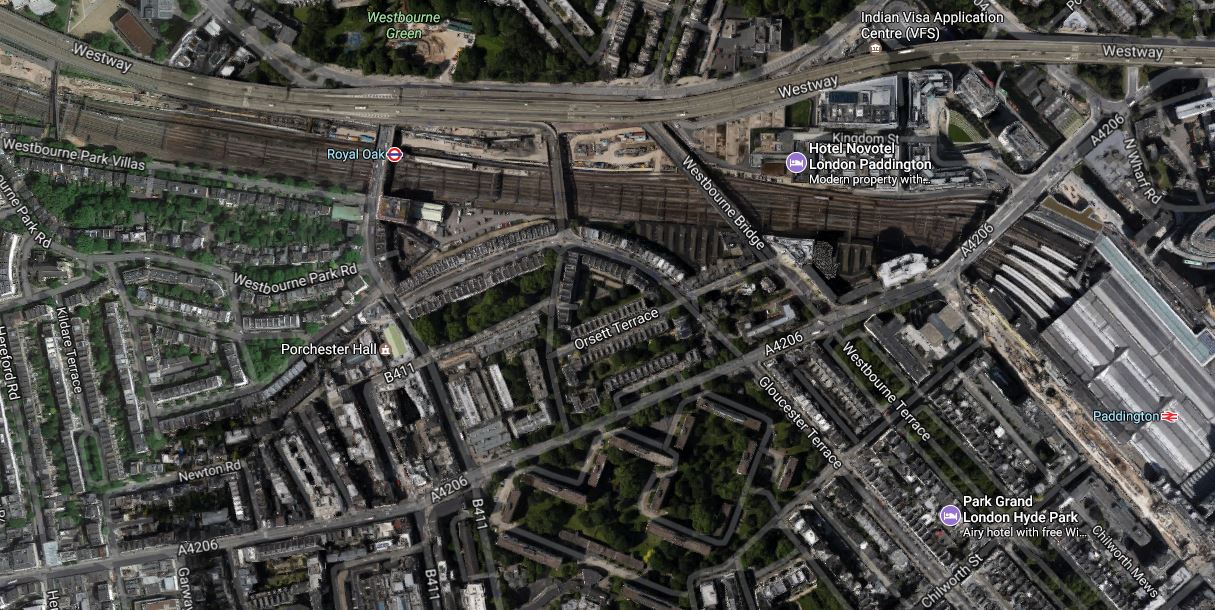
If you look in the top-left corner of the map, you can see a road named as Westbourne Park Villas. The foot-bridge across the railway from this road is the one in The Footbridge At Westbourne Park, from which I took pictures of the Crossrail tunnel portal at Royal Oak.
This map from carto.metro.free.fr shows the layout of Crossrail and the Underground Lines at Paddington station.
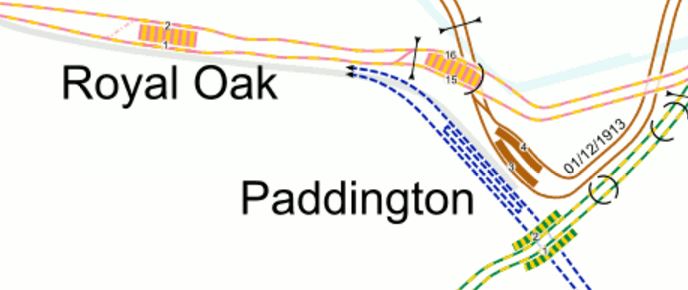
So it looks like the Crossrail lines go under all the lines into Paddington and then they surface by the Westway, before going under the footbridge and linking with the main line out of Paddington.
A link between the Bakerloo Line and Crossrail is being constructed, which I wrote about in Paddington Is Operational Again, but is there going to be a link between the Circle/District Lines and Crossrail?
Custom House Station – 26th January 2017
Custom House station will close on the DLR on February 3rd until late December 2017, so I went to take some pictures to see how far the builders have got.


It would appear that not to much has changed since I last visited and wrote this post called Custom House Station – 24th July 2016.
Platforms 13 And 14 At Paddington Station
These pictures show work at Platform 13 and 14 at Paddington station.



It looks like they’re being tidied up and lengthened, so that when in 2018 Heathrow Connect is transferred to Crossrail, the platforms can be used by the 200-metre long Class 345 trains.
It will only be a temporary arrangement as in 2019, Heathrow Connect trains will use the core tunnel under London.
- 4 tph between Abbey Wood and Heathrow Terminal 4.
There will also be 4 tph on Heathrowc Express from Psaddington to Hrathrow Terminal 5.
So it looks Heathrow will be trying to con passengers to use the expensive Heathrow Express. Edpecially from Terminal 5!
It is only continuing to fleece passengers, as it is totally pointless for savvy travellers.
Quite frankly, if you’re anywhere to the East of Paddington, would you change at Paddington to waste money, when a change at Heathrow Central will be free?
It would be far better to run 8 tph to the Airport, with four tph going to each of Terminal 4 and Terminal 5. Four tph could start at Shenfield and four tph at Abbey Wood.
And then there’s the problem of vFreedom Passes. Will I be able to use my pass on Crossrail to get to Heathrow?
Track Layout At West Ealing For The Greenford Branch Line
These pictures show the track layout, where the Greenford Branch Line leaves the Great Western Main Line.
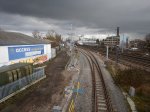

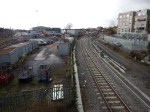
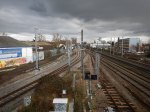
The basic track layout is simple.
The track from the bay platform 5 in West Ealing station and a track that joins to the Up Slow Line through platform 4 come together in a short length of single track, that then splits again to form the double track of the Greenford Branch Line.
Whilst I was waiting on West Ealing station, a freight train came down the Down Slow Line and then through Platform 3 of the station, before going down the branch line. So there must be another crossover to allow trains to change tracks.
The pictures are described in detail as follows.
- The Greenford Branch Splits/Joins Outside West Ealing Station – The track to the left, goes to the bay platform 5.
- The Greenford Branch Changes From Single To Double Track At The Start Of The Branch – The branch is double-track until outside Greenford station.
- West Ealing Sidings To The Top-Left And The Greenford Branch To The Right – The Plasser site is in the middle.
- The Greenford Branch Joins The Great Western Main Line – The bay platform 5 is straight ahead.
I suspect that when the timetable changes in May, the track layout will be in its final form.
Passing The Completed Acton Dive-Under
I took these pictures as I passed the Acton Dive-Under going towards Paddington.
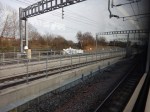
It looks substantially complete.
The dive-under is on the Slow Line into Paddington, soon after Ealing Broadway station.
It was a very clever piece of engineering to create the Acton Dive-Under in the middle of a working railway with trains passing on either side.
I’m certain, there are other places on the UK’s rail network, where a similar technique can be used to sort out places, where two rail lines need to cross each other.
Shuttling Between Greenford And West Ealing Stations
T took these pictures as my Class 165 train shuttled between Greenford station and the new bay platform at West Ealing station on the Greenford Branch Line.

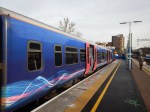
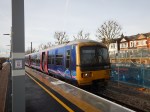

It seemed to work very well, except for the signalling, which was generally on the blink on the Great Western Main Line, this morning.
I don’t think that GWR had been giving out their information well, about what was happening on the branch.
I met two passengers, who hadn’t heard it was a shuttle and one was surprised that she had to change to get to Paddington.
There was no-one to ask either and another passenger and myself gave the best information we knew or couple find.
The Future Of The Branch
It will be interesting to see what happens to the service on this branch.
This page from AlwaysTouchOut includes this.
The Greenford – Paddington half-hourly branch line service would be cut back to West Ealing to avoid conflicts with Crossrail services; however, to compensate for this, the frequency will be doubled to every 15 minutes with connections to Crossrail trains at West Ealing.
As each trip takes about twelve minutes, one train can do two out-and-back trips in an hour which explains the two trains per hour (tph) frequency for the shuttle.
To run four tph would require a second train.
- One train would start at Greenford and the other at West Ealing on the hour, at say XX:00.
- They would arrive at the other end at XX:12, before returning at XX:15.
- They would arrive at their start station at XX:27, before returning at XX:30..
- They would arrive at the other end at XX:42, before returning at XX:45.
- Finally, the trains would return to their start station at XX:57.
The process would go on all day.
There could be problems with such a service.
- Freight trains share use of the line and could sufficient paths be created in the timetable?
- The Class 165 trains are not of a modern design and would need to be updated with wi-fi and poossibly other features.
- Running longer than two-car trains could need platform lengthening at the intermediate stations.
One plan that has been mentioned on the Internet could be to handover the branch to London Overground, who would use two of their four-car Class 710 trains.
Consider.
- They are electric trains, but Bombardier have confirmed to me, that the trains are wired to be fitted with onboard energy storage.
- So they could charge their storage, whilst waiting in the bay platform at West Ealing station and travel back and forth on stored energy.
- The Class 710 electric trains would probably be faster than the current Class 165 diesel trains.
- Four electric tph would be a true Turn-Up-And-Go service and a powerful passenger magnet.
- They are too long for the platforms at Drayton Green, Castle Bar Park and South Greenford station, but selective door opening could be used.
- As the trains will be walk-through, passengers would move to an appropriate place to enter and exit the train.
I suspect too, that as Network Rail and Chiltern Railways have plans to use the Acton-Northolt Line to access a second Chiltern terminal at Old Oak Common station, that some innovative uses of the Greenford Branch Line might be suggested.
If two Class 710 trains did work the branch, it would be a doubled frequency and a four-fold increase in hourly capacity.
Crowded Roads In West London
Today, I tried to get to West Drayton station to have a lunchtime drink with an old mate from Cambridge, who had called me up yesterday, as he might have needed a second person to help him with one of his robotic machines.
But it all went pear-shaped at Paddington, where trains to West Drayton were very much delayed and I was advised to take the Underground to Greenford station and then use a bus.
But at Greenford, there wasn’t a bus map or anybody to ask, so in the end I took a bus to Ealing Hospital, where I thought I knew I could get a bus to West Drayton. But there wasn’t! So I thought about giving up and instead, I got a bus to Ealing Broadway station, to get back to Paddington. But I arrived at Ealing Broadway station, just before a train to West Drayton arrived. I caught that, had a drink with my friend and then caught a train back to Paddington. He didn’t need me to help, as all he needed was a pair of eyes to tell him what was happening at the sharp end of his machine and the client had turned up with his glasses.
So I achieved my objective and also had a wander round the Boroughs of Ealing and Hillingdon on buses and trains.
I trundle round North and East London most of the time and sometimes I even cross the River and go to the Deep South.
But I do find West London the most crowded, with buses slowed by all the traffic on the roads and infrequent very busy trains.
The West of London needs improvement in public transport.
I sometimes think, the traffic has got worse over the forty-six years, I had a driving licence.
Rail And Underground Lines
There are several lines going West from Central London, which include.
- The Chiltern Line from Marylebone to West Ruislip
- The Central Line to West Ruislip
- The Metroplitan Line to Uxbridge
- The Piccadilly Line to Uxbridge
- The Great Western Main Line tfrom Paddington to Reading and Heathrow
- The Piccadilly Line to Heathrow
Going further round, there are several lines from Waterloo going to the South West.
Only one line; the West London Line goes North South, although there used to be others.
The network is probably more sparse than some other directions from London.
Reliance on Cars And Buses
I think this rather thin coverage, puts a heavy radiance on cars and buses, which might explain the crowded roads.
Crossrail
Crossrail will bring improvement with the following Off Peak services in trains per hour (tph), along the slow lines of the Great Western Main Line.
- 4 tph to Heathrow Terminal 4
- 2 tph to Reading
- 2 tph to Maidenhead
Note.
- The central core tunnel probably has a limit of 24 tph.
- The service has a good balance between the various destinations.
- There will also be Great Western Railway services.
- Looking at the Crossrail schedule, there is scope to adjust the schedule on each branch.
I think that as Crossrail develops and the line and its passengers learn more about each other, the service pattern of Crossrail will change.
If I have a worry about Crossrail, it is that few of the stations towards Central London have many parking spaces, so will walking, cycling and the buses be adequate for Crossrail to tap its full potential?
The West London Tram
The West London Tram was proposed by Ken Livingstone in 2002.
These paragraphs from Wikipedia describes the tram and its route.
The West London Tram was a proposed on-street light rail line that was to run along the Uxbridge Road (A4020) corridor in West London, England. The scheme is promoted by Transport for London (TfL) but opposed by the councils of all three London Boroughs through which it would run. It was postponed indefinitely on 2 August 2007
The tram route was planned to run between Uxbridge and Shepherd’s Bush, serving Hillingdon, Southall, Hanwell, West Ealing, Ealing and Acton en route and would have completely replaced a number of equivalent London Bus routes.
If it had been built it would have had good connectivity to Crossrail and the Central Line. But the view of those against the project prevailed.
In my trip today, you could see why probably every car driver in the area, would be against a scheme like the tram. Only at places on the route, where there was a wide island of grass dividing the carriageways, would the tram not have increased congestion.
It looks like the thirty million pounds spent was wasted.
Crossrail And/Or West London Tram?
This Google Map shows the area around the three stations of Hanwell, West Ealing And Ealing Broadway.
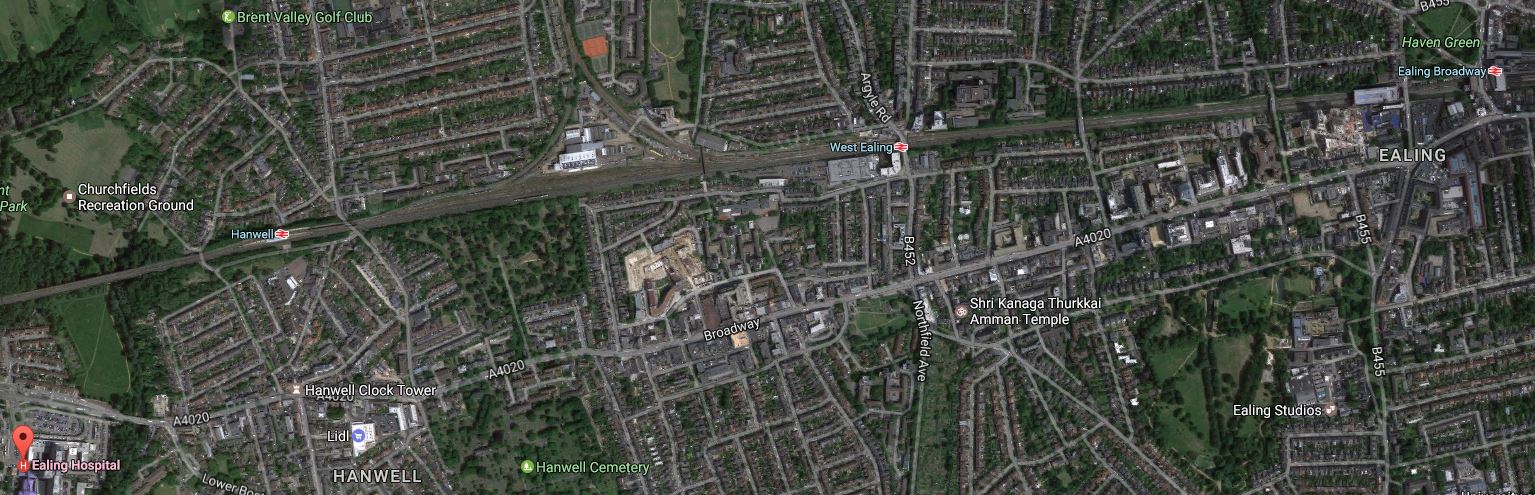
Great Western Main Line And The A4020 Through Ealing
Note.
- The Great Western Main Line across the middle.
- The A 4020 runs South of and parallel to the railway.
- Ealing Hospital is marked by the red arrow in the bottom left of the map.
I asked in the Header to this section if it should be And/Or between the projects.
Undoubtedly, it should be Or! Taxpayers can’t afford both!
In comparing the two, I believe the following points are valid.
- Trams stop about three or four more times than trains.
- The train is faster.
- The tram doesn’t serve Old Oak Common station or Heathrow.
- Trams annoy drivers in the same way that bendy buses do.
- Crossrail has a rich connection pattern compared to the tram.
- Pedestrians probably prefer trams, whilst drivers prefer trains.
The politicians decided and chose the trains.
Making More Of The Railways
If the streets are crowded can we use the existing railways to inject greater capacity into the existing railways in West London?
The key to this, as it sits in the middle of so many lines is the creation of a new station at Old Oak Common.
I will now summarise the possible rail projects that can be developed in West London
Chiltern Railways To Old Oak Common
Chiltern Railways have a capacity problem at Marylebone and one way to alleviate it would be for Chiltern to create a second terminal at Old Oak Common station, which could be accessed using an improved New North Main Line.
There is a real possibility of this project going forward and it could have many worthwhile features.
It would add another East-West route across West London, but with the comprehensive connectivity of Old Oak Common.
Chiltern Metro Creation
Wikipedia says this about a Chiltern Metro.
New Chiltern Metro Service that would operate 4+tph for Wembley Stadium, Sudbury & Harrow Road, Sudbury Hill Harrow, Northolt Park, South Ruislip and West Ruislip. This would require a reversing facility at West Ruislip, passing loops at Sudbury Hill Harrow, and a passing loop at Wembley Stadium (part of the old down fast line is in use as a central reversing siding, for stock movements and additionally for 8-car football shuttles to convey passengers to the stadium for events).[73] This ‘Chiltern Metro’ service was not programmed into the last round of franchising agreements.
When I wrote Could A Chiltern Metro Be Created? and came to the conclusion, that it might be possible, I got several positive responses.
Greenford Branch Improvements
The Greenford Branch Line connects the Great Western Main Line and the New North Line.
This map from carto.metro.free.fr shows the Northern end of the branch, where it joins the New North Line.
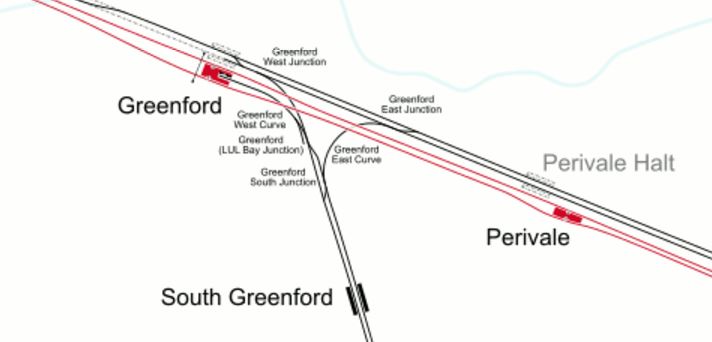
Northern End Of The Greenford Branch
Whilst this map from carto.metro.free.fr shows the Southern end of the branch, where it joins the Great Western Main Line.
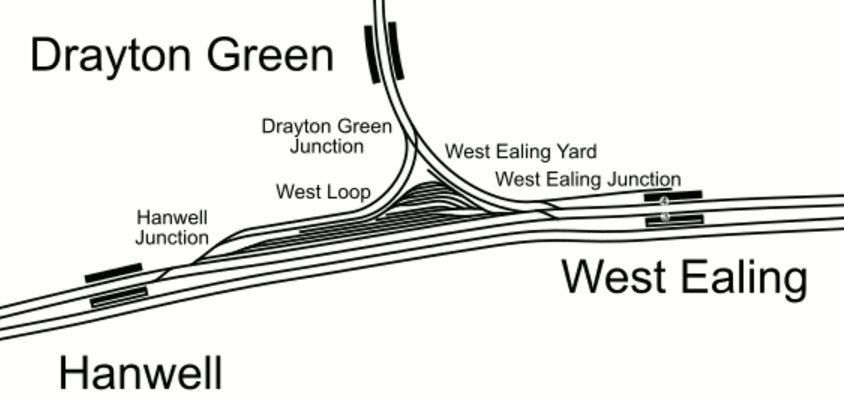
Southern End Of The Greenford Branch
What service the line will get after Crossrail opens has still to be decided,
- 4 tph between West Ealing and Greenford stations is certainly possible.
- There are those, including Ealing Council, who don’t like Greenford losing its direct connection to Paddington.
- A rebuilt Greenford station could incorporate Chiltern services.
As the connections at both ends of the branch allow trains to go in either an East or West direction, could this be useful in creating services between the two main lines?
Brentford Branch Reopening
I wrote about this in Could The Golden Mile In Houslow Get A Station?
The Brentford Branch could be a useful branch, worked by a shuttle train!
Hounslow Loop Line Improvements
The Hounslow Loop Line, which has a strong presence on both sides of the river and takes passengers to and from Waterloo, is being improved to increase capacity.
Could we see the Overground opening new services along the North London Line to perhaps Brentford, Hounslow and Feltham stations?
The route is used by freight trains, and Transport have suggested using the route to create an orbital Overground route.
Conclusions
The railways will take the strain in West London, after the abandonment of the West London Tram.
 The Anonymous Widower