Crystal Palace Subway – 1st December 2024
This is the sub-heading on the Crystal Palace Subway web site.
The Grade II* listed Crystal Palace Subway is a beautifully designed and crafted relic of Victorian construction, built to provide access to the Crystal Palace for first-class rail passengers. In September 2024 a major restoration project was completed, just in time for its 160th anniversary in 2025.
These two paragraphs outline the relationship of the two stations at Crystal Palace.
The Palace was originally served by two railway stations: Crystal Palace Low Level station (still in use), which opened in 1854, and the High Level Station, designed by Charles Barry Junior, which opened in 1865 on the western side of Crystal Palace Parade.
It was intended that first-class passengers should enter the Palace through groined arches of coloured brick and stone, leading to a vestibule roofed with glass and iron, the grandeur of which was considered a fitting approach to the Crystal Palace.
These pictures give a flavour of the current Crystal Palace station.
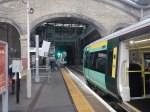
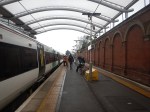
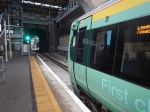
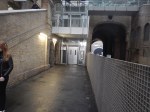
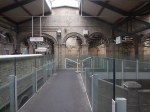
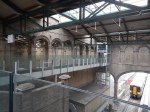
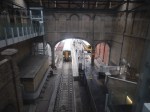
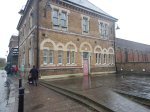
Note.
- It is served by both Southern and London Overground services.
- The station has several good lifts.
- There are toilets in the station by the gate line.
- The station is in excellent condition.
- The cafe in the station has a good reputation and I’ve used it several times.
If like me today, you are going up the hill to the bus station, Crystal Palace Parade or Crystal Palace Subway, there is a convenient bus stop on the other side of the road from the station. Any bus going to Crystal Palace should do.
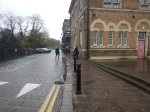
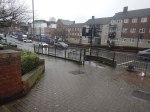
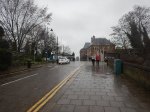
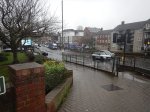
These pictures document my visit to the Crystal Palace Subway.
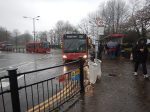
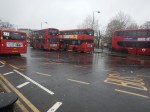
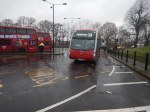
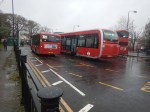
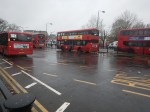
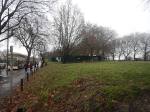


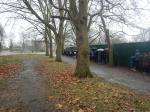



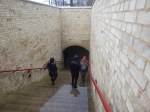

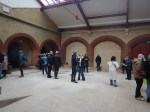
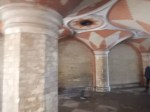

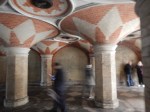

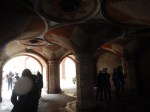

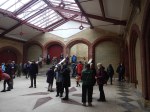
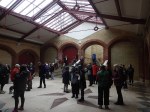
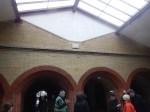



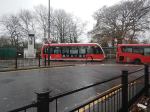
Note.
- Some of the ie Trams were running.
- The people were turning up.
- The restoration is top class.
And all despite the weather.
My First Ride In An Irizar ie tram
I took these pictures as we travelled from Orpington station to Crystal Palace.
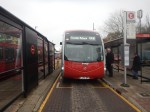
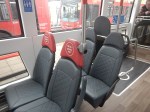
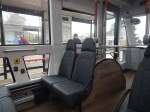
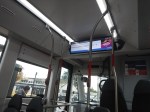



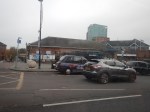





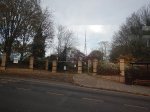
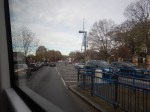
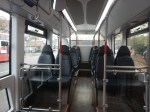
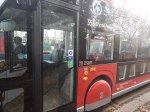
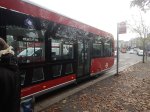
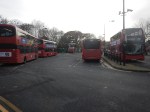
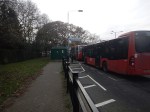
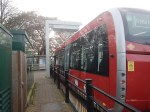

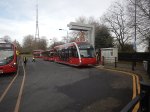
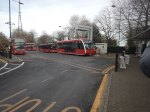
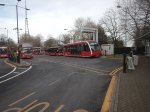
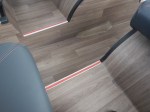
These are my thoughts. In My Second Ride In A Wrightbus Single-Decker Hydrogen Bus, I talk about the Wrightbus single-decker hydrogen bus. Both buses are going for the single-decker zero-carbon market.
Design And Build Quality
The design and build quality of both buses is excellent, but then I suspect Irizar and Wrightbus are giving the bus companies, what they feel they need, within the various regulations.
Both buses had USB charging for phones and I particularly liked the seats in the Spanish bus for being very comfortable.
Road Holding
None of my rides in these two buses were at a particularly fast speed, but both vehicles handled the roads in and South of South London with very little difficulty.
Both vehicles felt much more like mini-coaches, rather than small buses, which is probably a good thing.
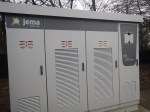
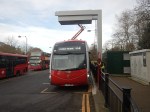
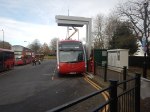
Battery Charging Of The ie Tram
I watched this at Crystal Palace. But for some reason my camera wasn’t recording the time. So I don’t know how long it took.
Hydrogen Or Battery Power
When you are in the bus, you don’t have any idea, what the fuel is. Both buses are mouse quiet, but I do feel that hydrgen’s longer range and greater power may mean it is better on some routes.
So some bus companies will go hydrogen and some will go battery.
London Overground Train Makes Rare Diversion To London Bridge Station
The title of this post, is the same as that of this article on Ian Visits.
This is the sub-heading.
On Sunday morning, a London Overground train paid a visit to London Bridge station — a station that the Overground doesn’t usually visit.
These were the first two paragraphs.
It was here for a test run ahead of a special service that will run on Easter Sunday, and the test was needed to ensure that what worked on paper also worked in practice.
The reason for the Easter Sunday special is weekend engineering works elsewhere which would mean no Southern trains between Victoria and London Bridge, while at the same time, the London Overground south of the river can’t go north.
Note.
- Judging by Ian’s pictures, it was a very thorough test of clearances and ramp functions.
- According to Real Time Trains, the two services used platform 5 at Crystal Palace and Platform 13 at London Bridge.
- The distance was 7.5 miles.
- Services took 23 minutes to London Bridge and 19 minutes for the return.
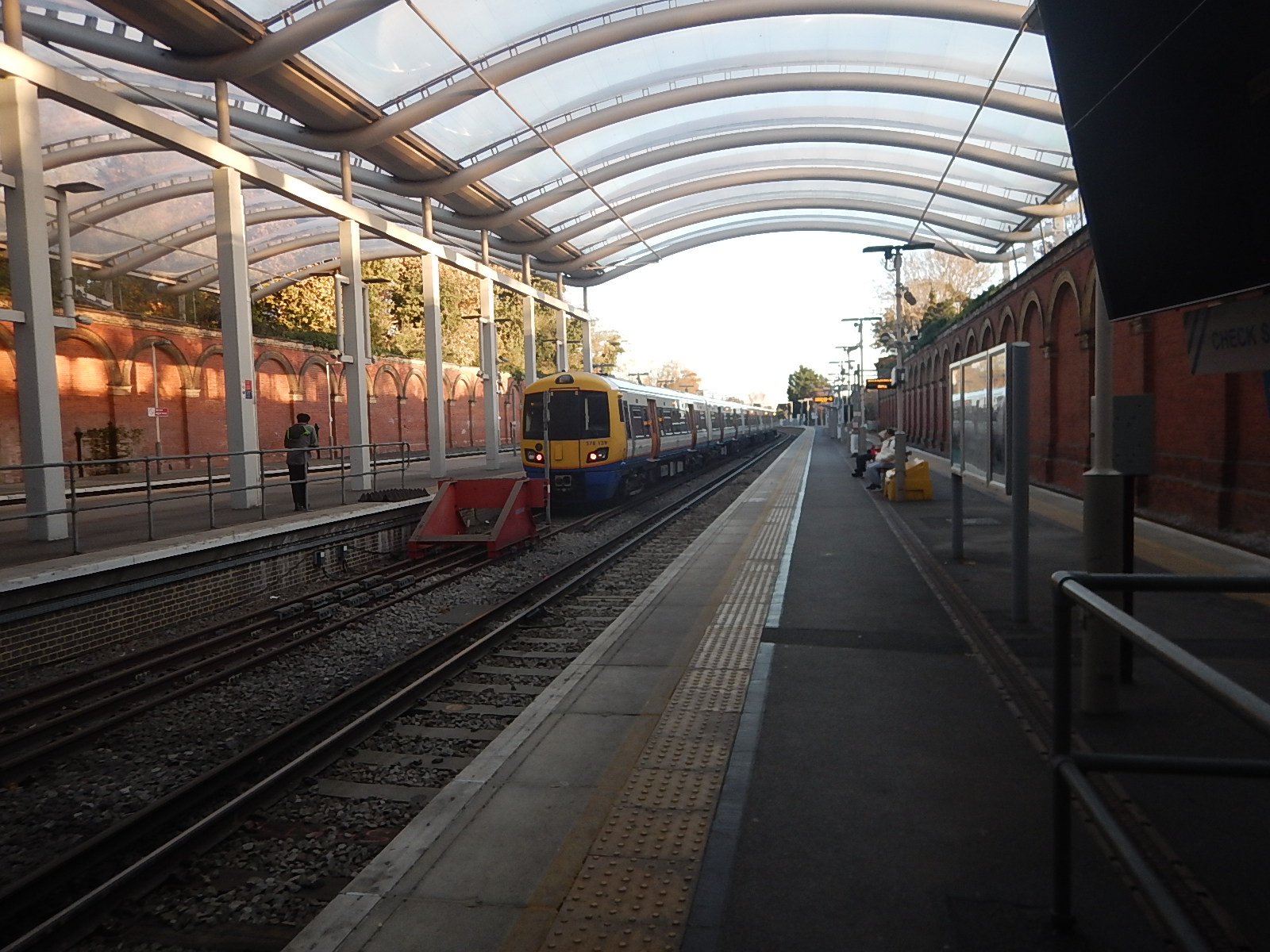
This image shows a London Overground train in Platform 5 at Crystal Palace station.
In Overground To London Bridge Under Consideration, I talked about how Transport for London were thinking about creating a new Overground service between London Bridge and Crystal Palace.
Sunday’s test also shows that if the paths are available, London Overground can run a service between London Bridge and Crystal Palace.
Given that the times for the out and return trips were 23 and 19 minutes on Sunday, it appears to me, that the following is possible.
- One train could run an hourly service.
- Two trains could run a two trains per hour (tph) service.
Trains could terminate in platform 3, which is on the right in the image and only has two trains per day.
There would be the following trains to London from Crystal Palace.
- London Overground – Four tph to Canada Water, Whitechapel and Highbury and Islington.
- London Overground – Two tph to London Bridge
- Southern – Two tph to London Bridge
- Southern – Four tph to London Victoria
These would total to.
- Canada Water – four tph for Jubilee Line
- Highbury & Islington – four tph for Victoria and North London Lines
- London Bridge – four tph for Thameslink, Jubilee and Northern Lines
- London Victoria – four tph for Victoria, Circle and District Lines
- Whitechapel – four tph for Elizabeth, Victoria, Circle, District and Hammersmith & City Lines
Note.
- The two extra tph to London Bridge even everything up to four tph.
- The London Bridge and Crystal Palace service could be run by any suitable train and I suspect it could be eight cars. What about using some of the spare Class 379 trains?
The London Bridge and Crystal Palace service wouldn’t need trains with a tunnel evacuation capability, so could use Class 378, 379, 387 or 710 trains.
Overground To London Bridge Under Consideration
The title of this post, is the same as that of a short article in the December 2023 Edition of Modern Railways.
This is the text of the article.
Transport for London is considering introducing London Overground services between Crystal Palace and London Bridge to help relieve overcrowding on the Sydenham corridor during the morning peak.
The move is one of two options outlined in a response to Lewisham’s Public Transport Liason Committee meeting on 4 October. The other is operating additional services on the existing route via the East London Line to Dalston Junction/Highbury & Islington. TfL acknowledges the London Bridge service would ‘represent a new routing for London Overground services that would necessitate significant changes to operational arrangements and driver testing’ and therefore further work is required ‘to establish the feasibility and business case for this change.’ There are no timescales for the implementation of either option.
The overcrowding follows the reduction by Govia Thameslink Railway of its Southern service to two trains per hour last September, when it replaced its East Croydon to London Bridge via Forest Hill stopping service with a Victoria to London Bridge via Forest Hill stopping service. In its response to the committee, GTR says the context to these changes is ‘the continued need to respond to the gap between our costs and revenues’, which it says is in the region of £15 million a year, with both demand and revenue having stabilised at around 80 % of pre-pandemic levels. It says its aim is to make ‘the most efficient use of the resources available to us,’ with the Victoria to London Bridge service designed to provide capacity for journeys to both stations’.
GTR says the current service has sufficient capacity and is lightly loaded outside peak times, and that while it will continue to keep passenger and feedback under review an increase from two to four trains per hour would require an increase in funding.
These are my thoughts.
Transport for London’s Long Term Plans
Plans exist to increase the frequency on various London Overground services and this graphic sums up what was planned a few years ago.
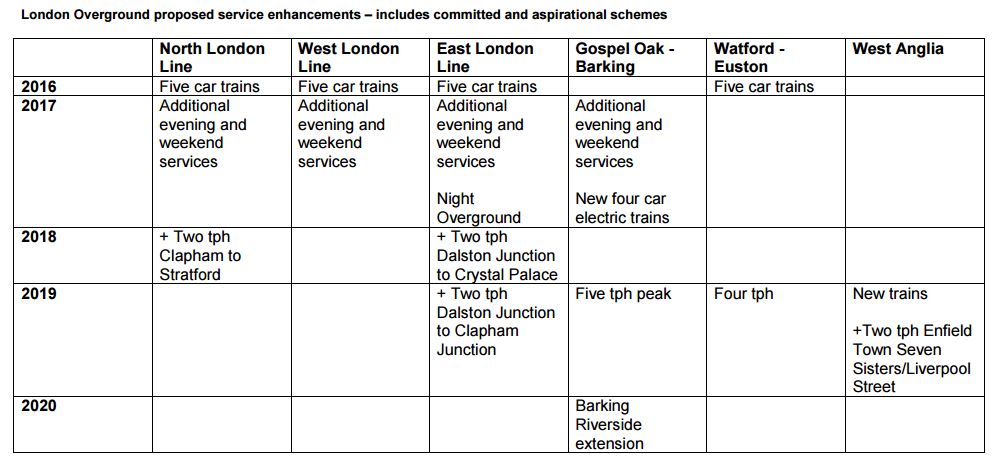
Note the extra two trains per hour (tph) between the following stations.
- Clapham Junction and Stratford
- Dalston Junction and Crystal Palace
- Dalston Junction and Clapham Junction
- Enfield Town and Liverpool St. via Seven Sisters
I think only Route 1 services have been increased.
I know signalling updates are holding up the extra trains on the East London Line, but are more trains needed to fully implement the extra services?
- Routes 2 and 3 services will need Class 378 trains because of the tunnel and these would be transferred from the North London Line.
- Route 4 would need Class 710 trains, as the service already uses them.
So there may be a need for more Class 710 trains.
This plan sees another two trains per hour (tph) running between Dalston Junction and Crystal Palace, which would help to reduce Lewisham’s overcrowding.
Would A London Bridge And Crystal Palace Service Be Easier To Implement?
It looks like the extra Dalston Junction and Crystal Palace services have been held up by two possible reasons.
- The required signalling update on the East London Line, that is needed to increase Crystal Palace and Clapham Junction services has not been performed.
- There are not a sufficient number of Class 378 trains to run the service through the Thames Tunnel. These will be released by running more Class 710 trains on the North London Line.
If two tph were to be run between London Bridge and Crystal Palace, this service would have these advantages.
- The train paths are available.
- The service would not be going through the Thames Tunnel, so the signalling upgrade would not be needed and the trains would not need to be able to evacuate passengers in the tunnel.
- The service could be run by any suitable third-rail trains.
- The service could be run by any length of train, that would fit all the platforms.
I believe the service could be run by eight-car trains to really get a hold on the current overcrowding.
How Many Trains Would Be Needed?
Looking at other services between London Bridge and Crystal Palace, I believe that the journey time would be about 24 minutes.
If the service were run efficiently, I suspect two trains would be needed to provide the required service of two tph.
An eight-car service would required four x four-car trains.
What Trains Could Be Used?
If the numbers are available, then third-rail versions of both London Overground’s Class 378 and Class 710 trains would be suitable.
But this would probably mean a number of Class 710 trains to be manufactured by Alstom. This would not be a short-term solution.
In Liverpool last week, I rode in a Class 319 train and these could be an interesting stop-gap.
- Several will soon be available as West Midlands Trains renews its fleet.
- They are already fitted with third-rail gear.
- They are 100 mph trains.
- Drivers seem to like them.
I believe they could fill in until more Class 710 trains were available.
Crystal Palace Station
This Open RailwayMap shows the platform layout at Crystal Palace station.
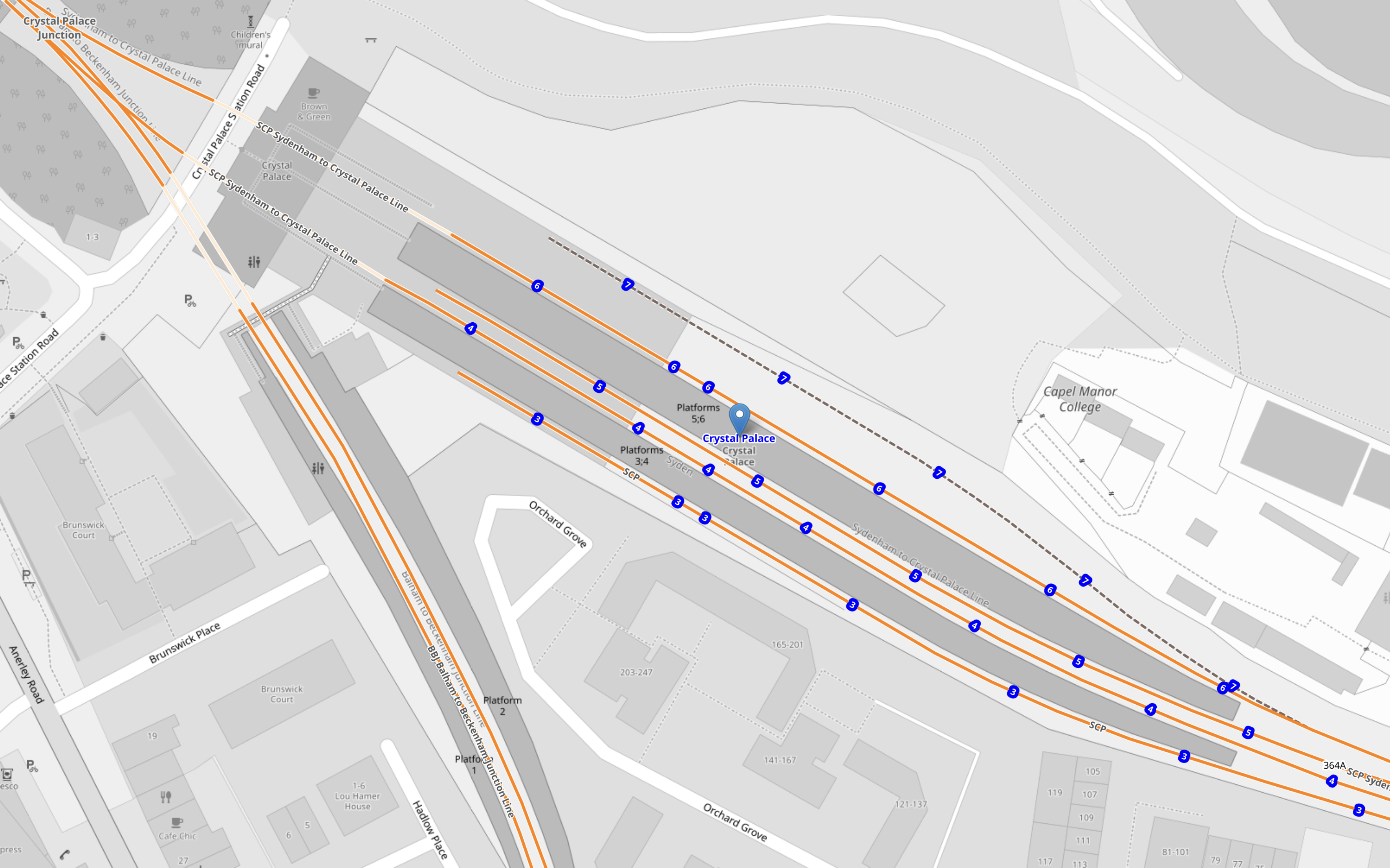
Note.
- Platforms 1 and 2 cross the South-West corner of the map and handle services like London Bridge and Beckenham Junction, London Bridge and London Victoria, and West Croydon services.
- Platform 3 is a little used bay platform, that can terminate trains from the East London Line or London Bridge.
- Platform 4 handles services between London Bridge and London Victoria.
- Platform 5 is a bay platform, that can terminate trains from the East London Line.
- Platform 6 handles services between London Victoria and London Bridge.
- Platform 7 is a disused bay platform.
These pictures show Crystal Palace station.
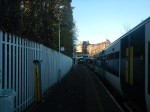
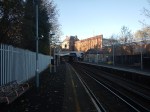
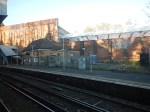
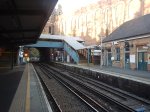
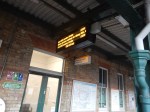
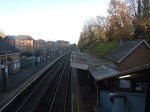
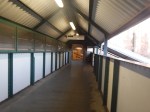
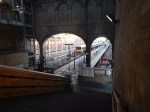
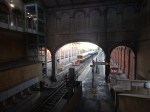
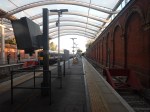
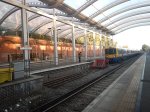
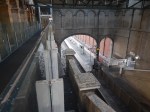
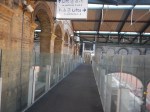
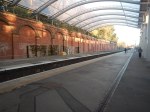
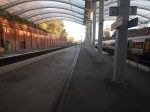
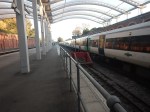

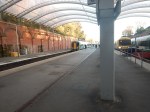
Crystal Palace station has an adequate number of platforms.
Conclusion
A service between London Bridge and Crystal Palace looks to be a sound plan.
Is Hackney Downs Station A Suitable Case For Treatment?
Some of the stations on the London Overground, are architectural gems.
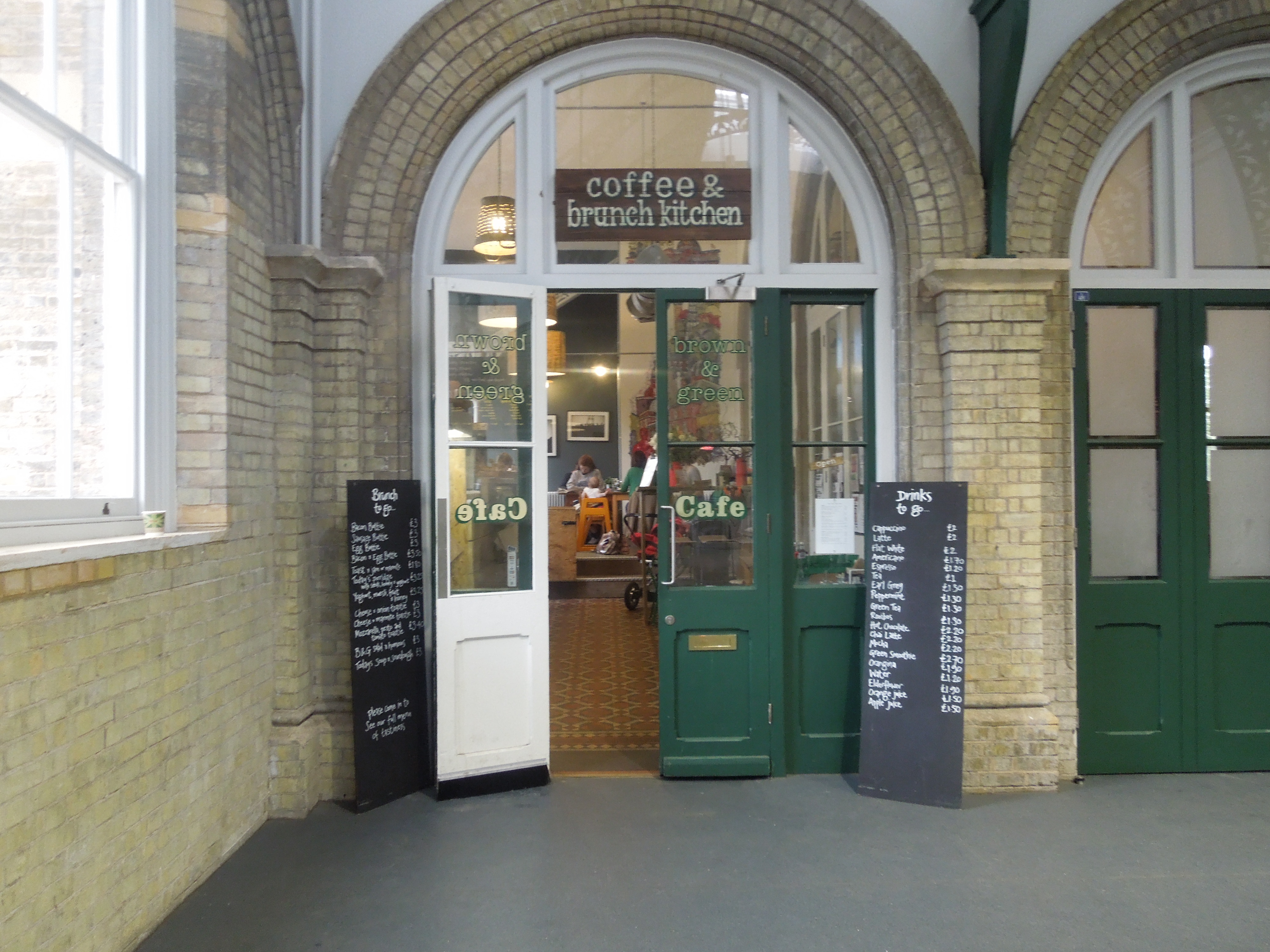
The picture shows some the internal detail of the refurbished Grade II Listed Crystal Palace station. The cafe was created in an area of the station, that few realised existed.
There is also work going on at Peckham Rye station, where an enormous Victorian waiting room has been discovered. An architect called Benedict O’Looney seems to be on a mission to restore the station to its former glory.
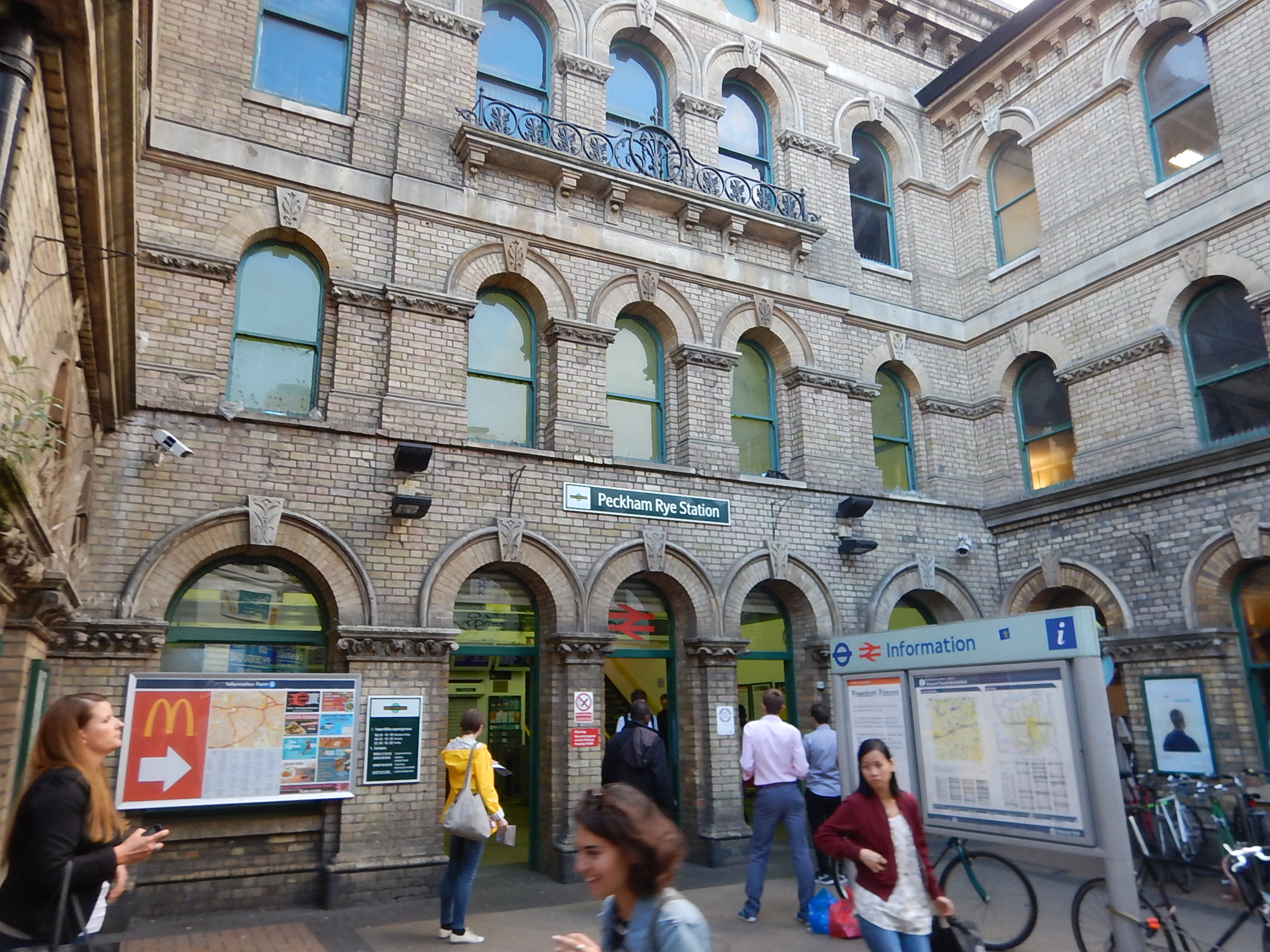
Peckham Rye station could be step-free as early as 2019, so I suspect that the station could become more important in the grand scheme of things.
What would Del Boy have thought?
There is also Camden Road station, which is in pretty-good nick.
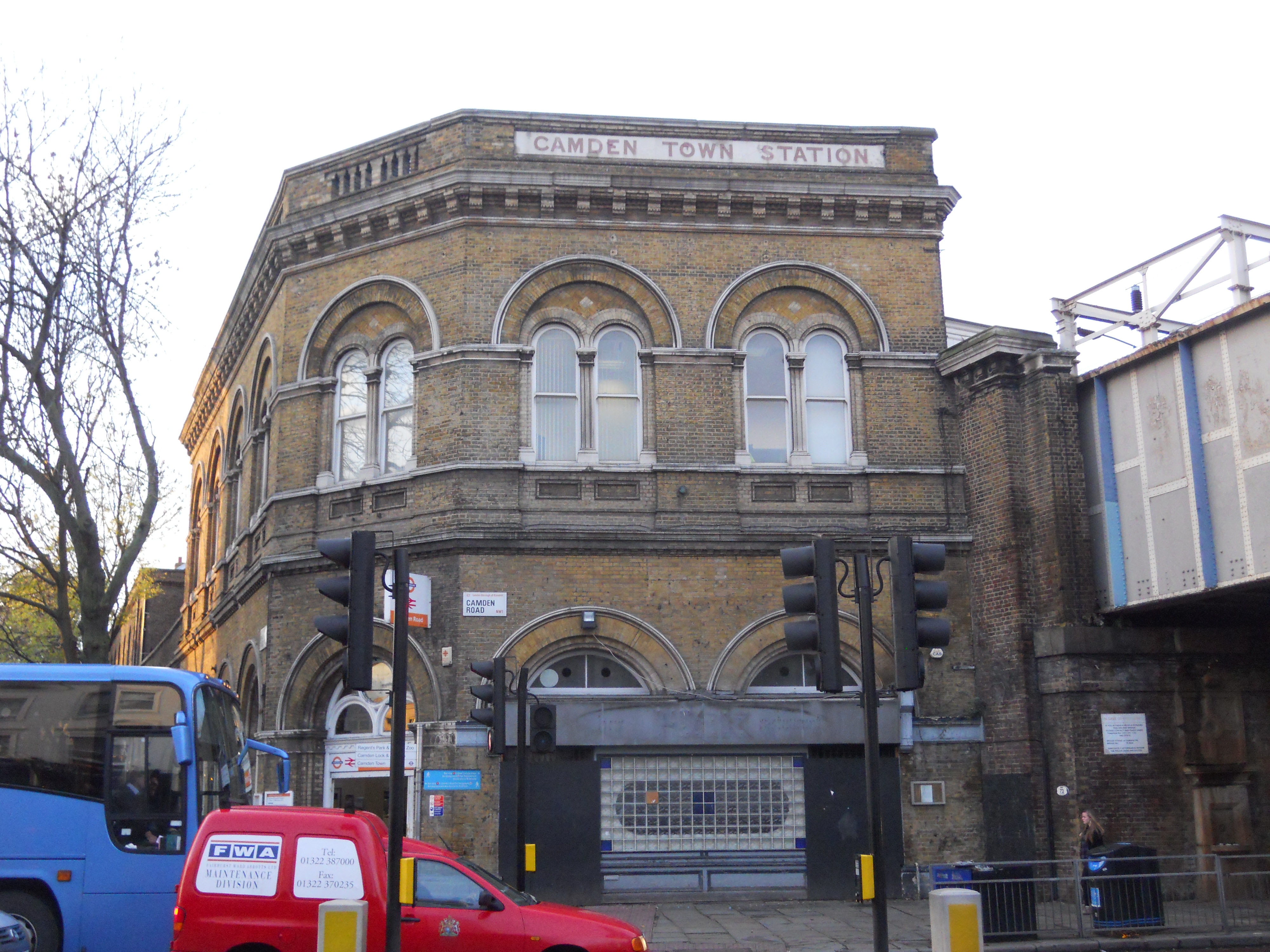
If Camden Road station has a problem, it is that the station possibly needs more passenger capacity and perhaps one of the closed platforms to be reopened.
I’d love to know what is behind those windows on the top floor.
Hackney Central station has a similar building to Camden Road station.
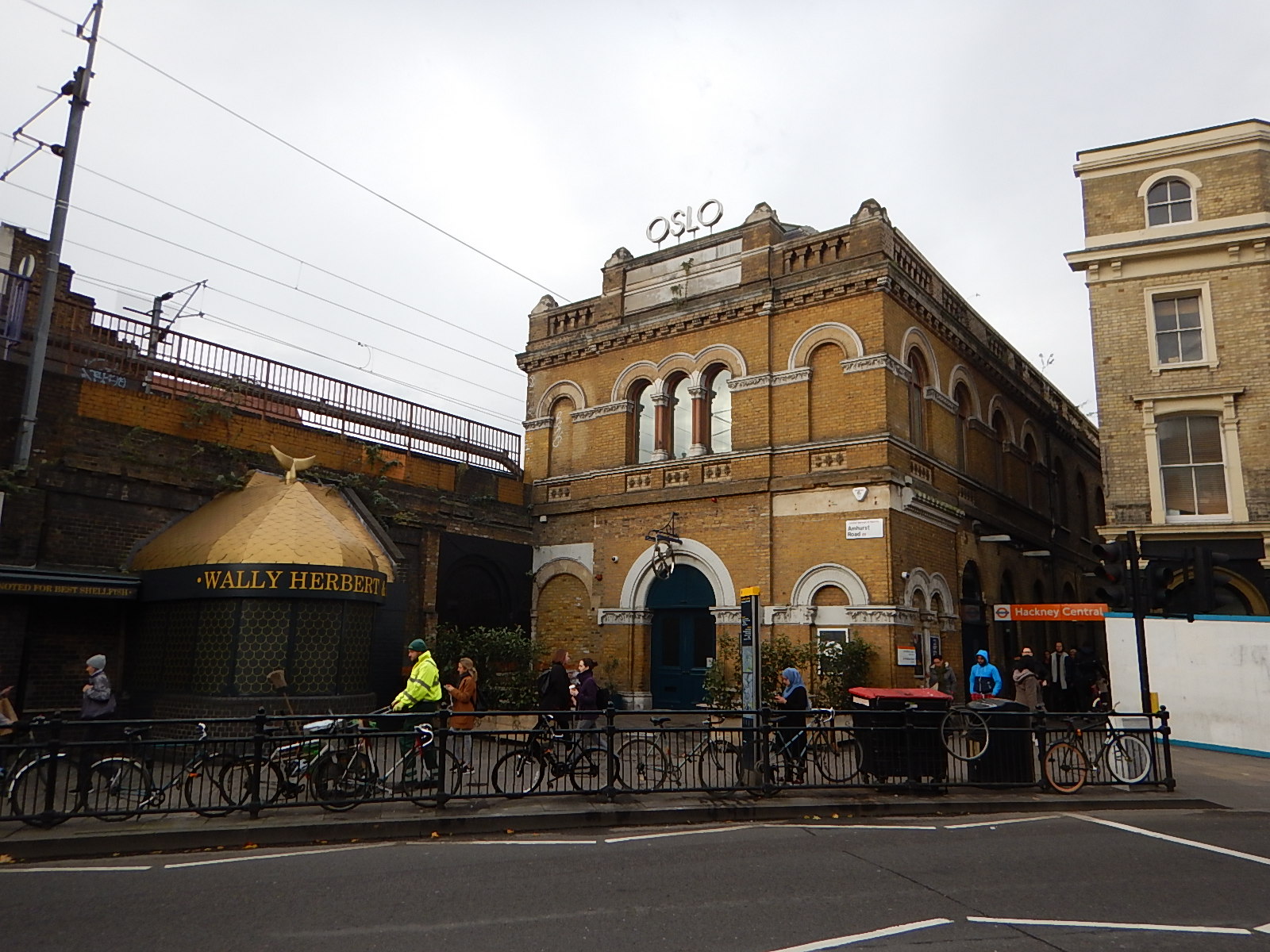
It looks like Hackney Central will get a modern station building to go with the step-free footbridge. But I suspect everything is on hold until the plan for Crossrail 2 is finally decided.
Yesterday, I was in Hackney Downs station and I was told that the bland station building abandoned by British Rail, might be worth restoring.

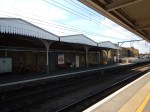
Who knows what lies behind the brick walls and lurks in the dark spaces under the tracks in the old station building?
Knowing the way, many of these railway stations were built, I wonder if London Overground could come up with an imaginative scheme to create a Victorian counterbalance to the more modern Hackney Central, in what will inevitably be Hackney Interchange.
Could Third-Rail Tram-Trains Be Used To Increase Services In South London?
I ask this question, as some of the frequencies on suburban lines in South London aren’t up to their equivalent in the North.
Sutton Loop Line
As an example, Sutton Common station on the Sutton Loop Line of Thameslink, has this Off Peak service according to Wikipedia.
The typical off-peak service from the station is 2 trains per hour to Wimbledon (clockwise around the loop) and 2 trains per hour to Sutton (anticlockwise).
Other stations on the loop with this level of service include Haydons Road, Morden South, St. Helier, South Merton, Tooting, West Sutton and Wimbledon Chase.
On the other side of the loop via Mitcham Junction station, the service is augmented by London Victoria to Epsom services, running at two trains per hour (tph).
People might say, that the solution to the poor service at stations on the Sutton Loop Line is just to run four tph in both directions round the loop.
But that would probably mean the Snow Hill Tunnel with its capacity of 24 tph, will become overloaded.
Thameslink’s Route To Sevenoaks
Crofton Park station on Thameslink’s route to Sevenoaks station has this Off Peak service according to Wikipedia.
Two trains per hour to West Hampstead Thameslink and Sevenoaks.
The passengers moan about it as I wrote in The Natives Are Getting Restless In Crofton Park.
They want four tph now!
But again they can’t have them, as it’s the capacity of the Snow Hill Tunnel.
Transport For London’s Philosophy
Transport for London, have released a report on the Bakerloo Line Extension that they call the Option Selection Summary Report.
It is one of those worthy documents, you get from analysing the data from consultations.
But it is full of several nuggets, which although not directly associated with the Bakerloo Line could be very important for passengers coming from or venturing to South London.
They have also provided this helpful map, which lays out possible actions and improvements.
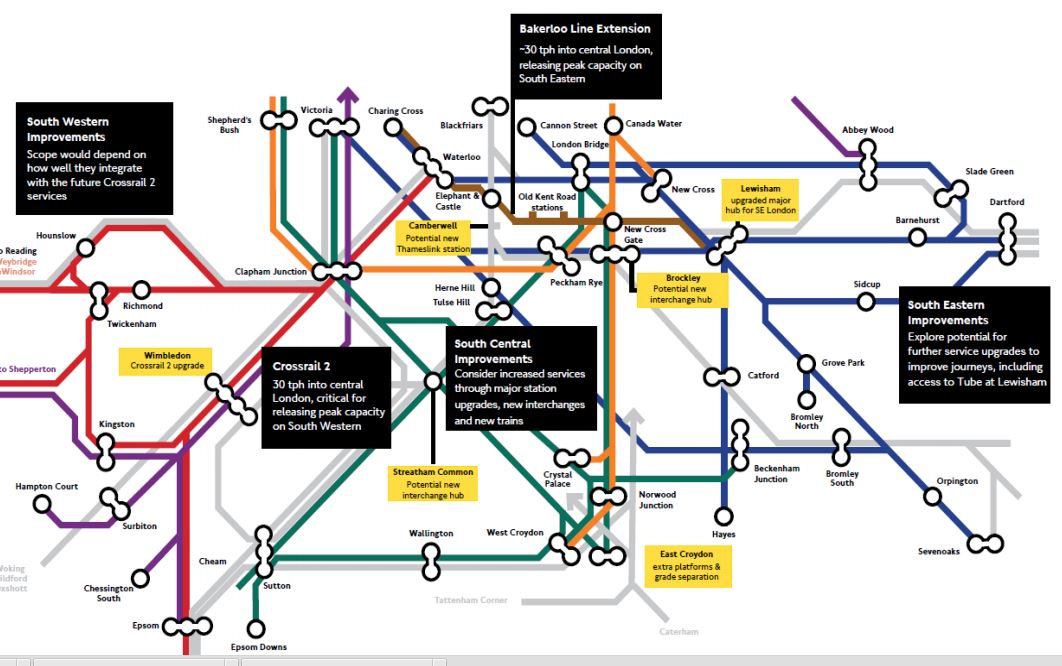
It seems to me that TfL are following a plan to add more transport hubs to their network South of the Thames.
Currently, the following are important interchanges between Underground, Overground, trains, Tramlink and buses.
- Bromley South
- Clapham Junction
- East Croydon
- Greenwich
- Lewisham
- Wimbledon
- Woolwich
Note.
- East Croydon will benefit in a large way from Thameslink, but so will Greenwich and Woolwich in a smaller way.
- Clamham Junction and Wimbledon will be stations on from Crossrail 2, if it’s ever built.
- Lewisham will become the terminus of the Bakerloo Line.
The map and other sources also show other stations becoming important transport hubs or connections.
- Brixton, where all the lines in the area are in a single station.
- Brockley
- Catford, where the current Catford and Catford Bridge stations become one station.
- Crystal Palace, which will soon get extra services from Whitechapel and Highbury and Islington stations.
- Orpington
- Penge
- Streatham Common
- Sutton
London Bridge station shouldn’t be ignored, as after Thameslink is completed, it will be an efficient interchange between the North-South Thameslink services and the Southeastern services between Charing Cross/Cannon Street and the wider South-East.
Put all of these proposals together and could third-rail tram-trains be a useful addition to transport in South London?
I will detail a few possible routes.
Onward From Beckenham Junction To Bromley South or Orpington
In Could Beckenham Junction To Birkbeck Be Run Using Third-Rail Tram-Trains?, I detailed how third-rail tram-trains could be used between Harrington Lane tram stop and Beckenham Junction station to create more capacity.
If run by tram-trains, this service could be extended to Bromley South or Orpington.
Orpington station has four bay platforms facing towards London and Beckenham Junction.
This map from carto.metro.free.fr shows the track layout at the station.
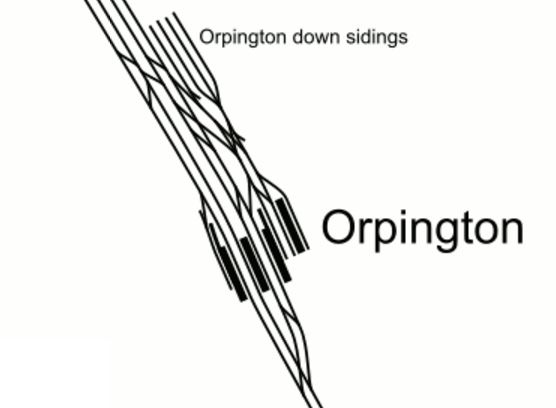
The tracks reduce from four to two at Orpington station, which probably means that tram-trains should probably not go further than Orpington station.
Bromley South station is another possibility for a terminus for tram-trains and this map from carto.metro.free.fr, shows the station layout.
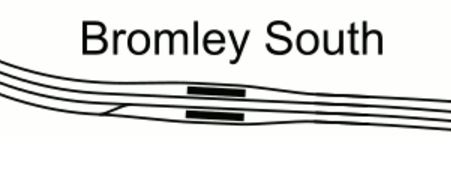
The tram-trains would probably use the two Northern tracks.
At present there are the following services between Birkbeck and Beckenham Junction stations.
- 2 trains per hour between London Bridge and Beckenham Junction
- 6 trams per hour between East Croydon and Beckenham Junction
Looking at the frequencies, I suspect that if two of the trams per hour, were tram-trains and ran to Bromley South and Orpington, this could be accommodated in the timetable.
I think that this route would have the following advantages.
- Bromley South and Orpington stations would be valuable interchanges to Southeastern’s and Thameslink’s Kentish destinations.
- Running tram-trains between Birkbeck and Beckenham Junction stations as tram-trains on a double-track line, must improve capacity and reliability.
- Bromley town centre has been touted as an extension to Tramlink.
Bromley South station, might not be Bromley town centre, but it is only a short walk.
However, if it were needed, I suspect that a single-track spur to serve the town centre could be created to the West of Bromley South station.
This Google Map shows the Southern end of Bromley High Street and Bromley South station.
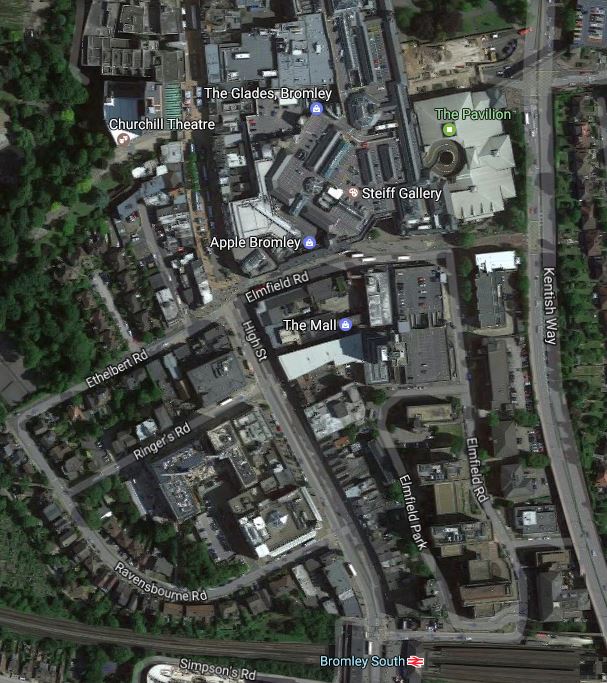
It could probably use battery power to pull up the short hill to Bromley town centre.
- The terminal tram stop could be at the South end of the pedestrianised area.
- The on-street route would be single-track, bi-directional and electrically dead.
- A second tram stop could be provided by Bromley South station.
- The maximum frequency to a single platform would probably be two trams per hour.
In some ways, the town centre tram stop is a bay platform for Bromley South station, that can only be used by tram-trains with a battery capability.
Onward From Harrington Road To Crystal Palace
It was always hoped that Tramlink could be extended to Crystal Palace station and this has been developed as Route 5.
The Wikipedia entry for Harrington Road tram-stop says this.
Transport for London once had plans to extend the Tramlink system to Crystal Palace. These plans were known as Extension D or Tramlink route 4, and would have involved a junction to the north of Harrington Road, with the extension joining the existing railway in the opposite direction to the current line 2.
The planned extension to Crystal Palace was formally dropped by Transport for London in 2008.
But using tram-trains could make this a more flexible low-cost option.
- Battery power could be used to go to the terminus at Crystal Palace Parade.
- Battery trams would be very easy to install in a park, if required.
- A charging station, like a Railbaar, could be provided at the terminus, if the battery running looked like needing assistance.
- Tram-trains could go past Crystal Palace to a station with a suitable bay platform.
This Google Map shows the route.
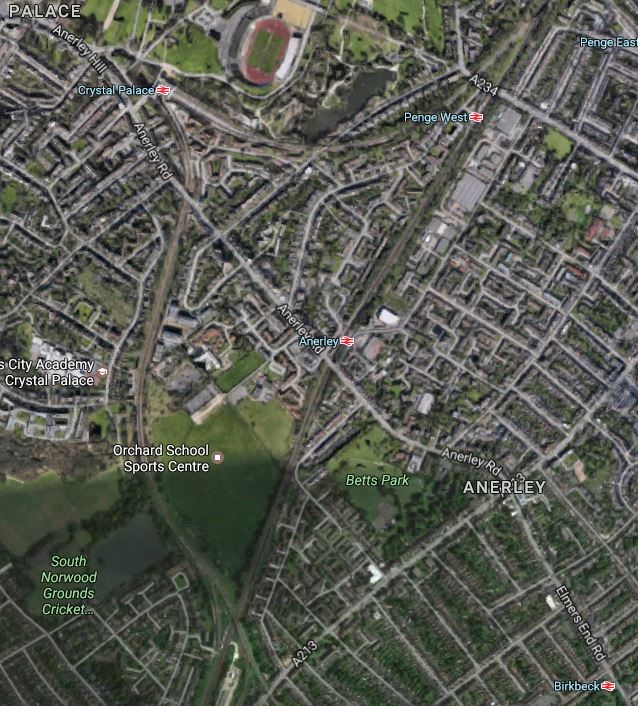
Note Crystal Palace in the North West corner, by the running track and Birkbeck station in the South East.
New tram stops have been proposed at Penge Road and Anerley Road and as the lroute will be run by tram-trains, I suspect that an innovative island station design could serve both tram-trains and trains.
Crystal Palace station, which in a couple of years will have six tph from the well-connected Whitechapel, would benefit from a Tramlink connection.
Onward From Elmers End To Catford
Elmers End station has six trams per house from East Croydon.
This Google Map shows the station.
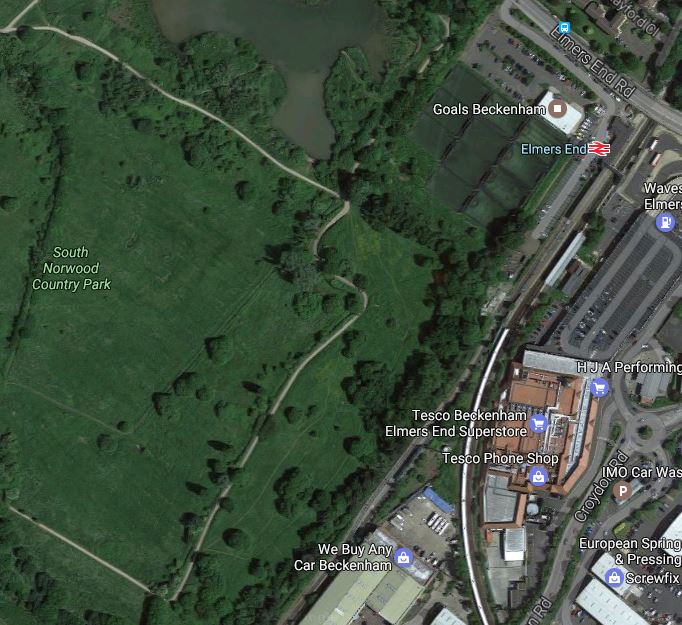
Note how it connects to the Hayes Line and I doubt if it would be difficult to allow through running of tram-trains between East Croydon and stations to the North on the Hayes Line.
The logical Northern terminus would probably be in a new Catford Interchange, which Transport for London have talked about to combine Catford and Catford Bridge stations.
This Google Map shows the two stations and Catford town centre.
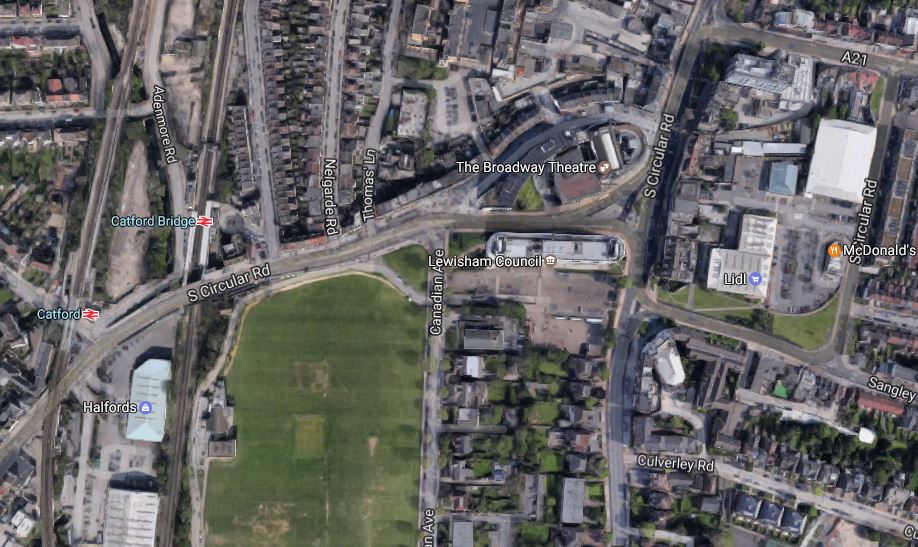
A tram-train could probably run on batteries to the town centre, perhaps with a terminus at Catford Broadway by Lewisham Town Hall and the Broadway Theatre.
But with the right design of the new interchange, the tram-train could go further North to a station with a handy bay platform, if that was deemed necessary.
Increasing The Frequency On The Sutton Loop Line
As I said earlier stations on the Western side of the loop, generally get about two tph in both directions, but those on the Eastern side get an extra two tph going between Victoria and Epsom.
The trains on the line are typically eight-car trains of a variety of types. Capacity may be a problem, but a line like this needs at least four tph all day.
There could also be a case for an extra station to serve St. George’s Hospital and perhaps another as part of the development at Hackbridge.
There is a Hackbridge Masterplan on Wikipedia. This is the first paragraph.
The London Borough of Sutton is working to make Hackbridge the ‘UK’s first truly sustainable suburb’. There has been a regeneration scheme in Hackbridge which has a number of developments on many sites. These are mentioned as part of the Hackbridge Regeneration. Detailed plans include proposals for new eco-friendly homes, more shops, leisure and community facilities, jobs, sustainable transport and pedestrian/ cycle initiatives, improved networks and open spaces.
It all sounds good to me. This is a Google Map of the area.
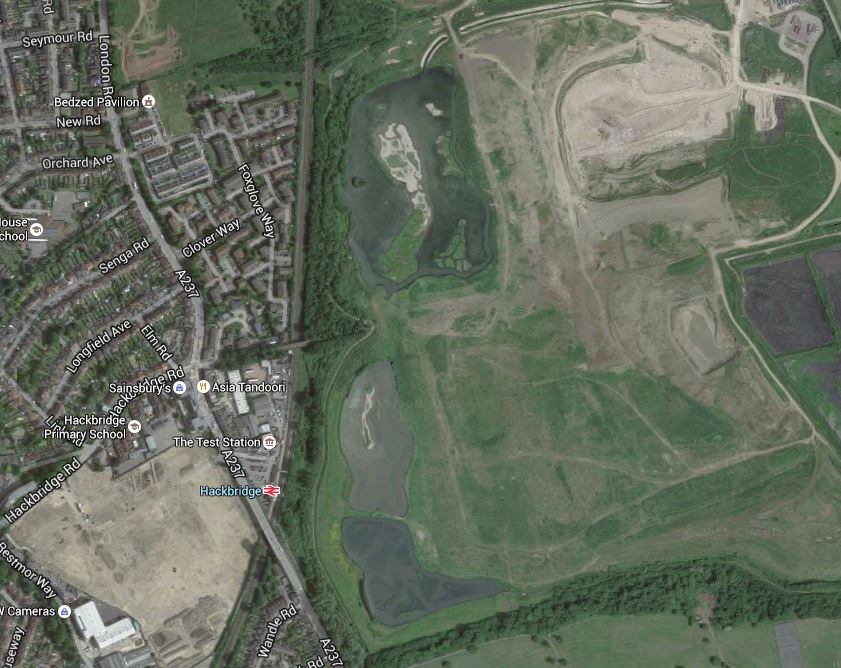
Hackbridge
Note the rail line going up the map with Hackbridge station about a quarter of the way up.At the top of the map, is an icon indicating the BedZed Pavilion.
If they are truly into green transport, it strikes me, that there needs to be another station between Hackbridge station and Mitcham Junction station, which is the next one to the North. As the Tramlink through Mitcham Junction runs down the eastern side of the site and has a stop at Beddington Lane on the north east corner, I would also feel that there scope for extensions to the through Hackbridge.
So for frequency and environmental reasons, I think there is a strong case to improve the Sutton Loop Line.
The obvious way to increase the service would be to have two tph start and finish in a bay platform, at the proposed Streatham Common transport interchange. Not only would it provide four tph on the whole loop, but if the trains were scheduled correctly, all stations on the loop would have the following services to Blackfriars.
- 2 tph direct.
- 2 tph with a change at Streatham Common.
- 2 tph direct via Sutton
- 2 tph via Sutton with a change at Streatham Common.
With good design the change at Streatham Common could be a walk across the platform.
I don’t think that the extra services would need to be eight-car trains, but why use tram-trains?
The tram-trains major advantage is that they could go walkabout to perhaps serve some of the new developments or hospitals like St. Helier or the Royal Marsden.
Using The Sutton Loop Line As A Reversing Loop For Trams From Croydon
This Google Map shows Mitcham Junction station.
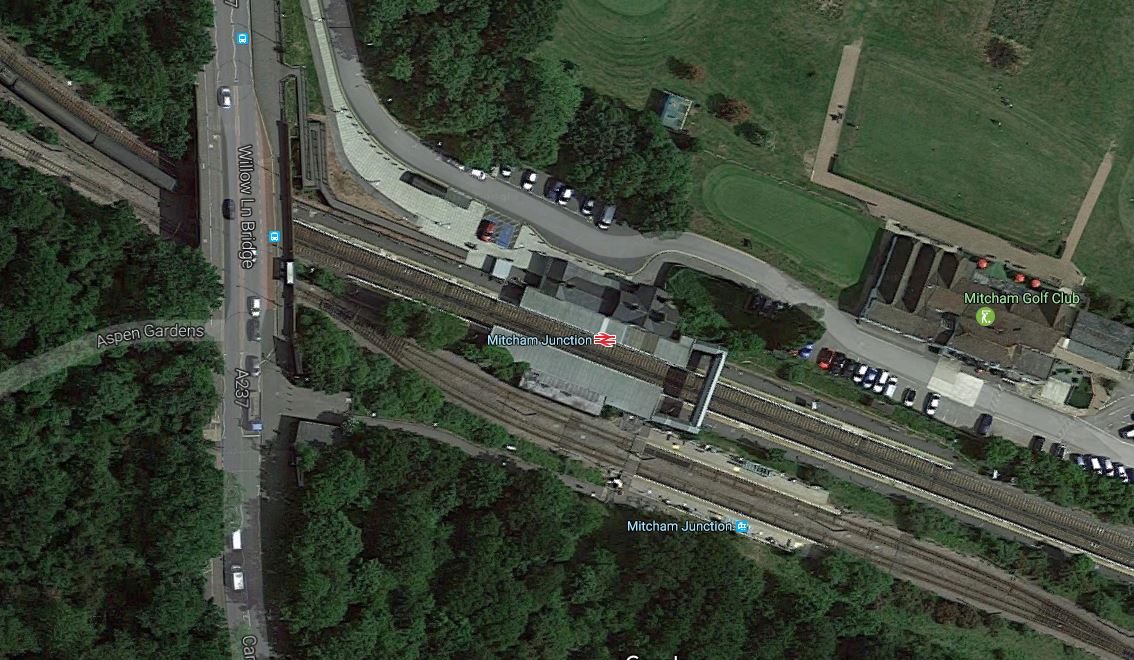
I don’t think it would be too difficult to add chords to the junction, so that a tram-train coming from Croydon could transfer from Tramlink to the Sutton Loop Line. The tram-train would then go round the loop including passing through Wimbledon station on the opposite face of the Tramlink platform.
After returning to Mitcham Junction, the tram-train would return to Croydon.
It may seem a long way round, but there’s probably only a couple of minutes in it.
But it would need a chord at Streatham Common for the tram-trains to by-pass the station.
This Google Map shows the location of the proposed Streatham Common interchange.
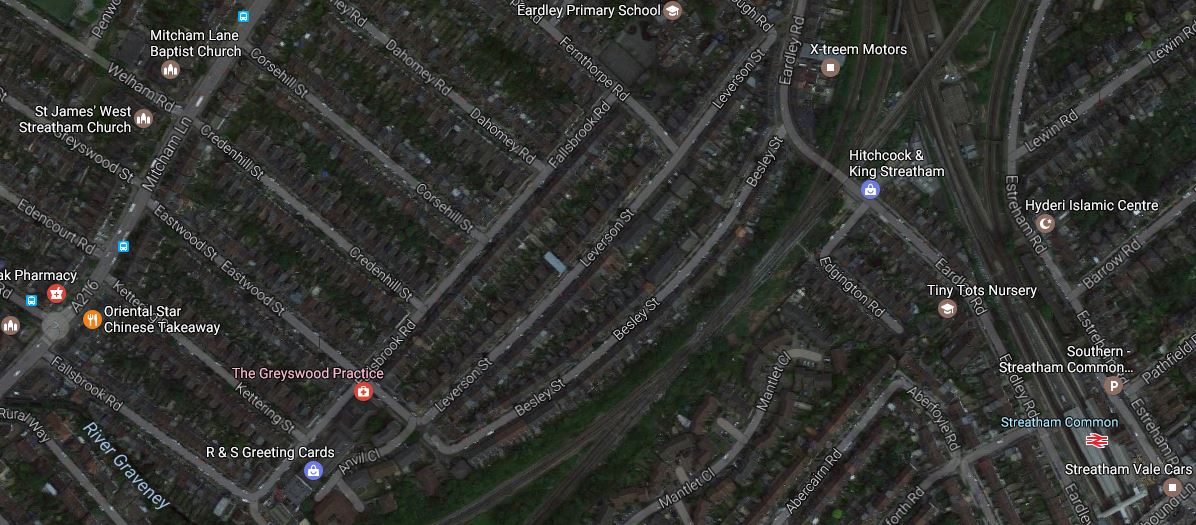
The current Streatham Common station is in the East, The interchange would be built, where the lines cross.
The chord would be built to the South of where the two lines of the Sutton Loop meet, at the bottom of the map.
The track could be adjusted, so that tram-trains could go round the loop both ways.
Will The Victoria-Epsom Service Call At Streatham Common Interchange?
Stops with modern trains are much quicker than they used to be only a few years ago.
So If the design of Streatham Common station and the timetable could allow a fast interchange, it might improve journey times for those living on the Wimbledon side of the Sutton Loop Line, which don’t get direct services from Victoria.
The Proposed Tramlink Extension To Sutton
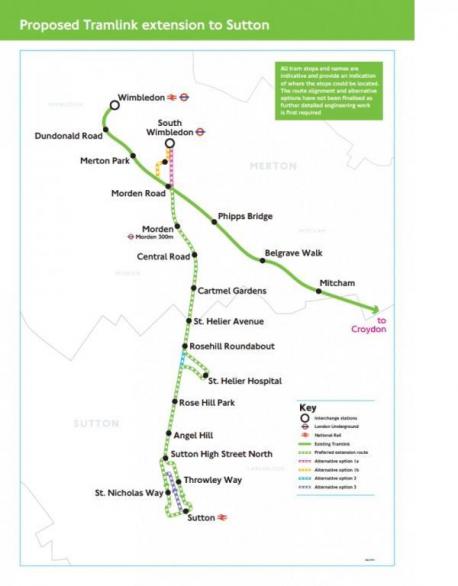
The proposed Tramlink route Between South Wimbledon And Sutton is possibly a worthwhile extra public transport link to throw into the mix. It is described under Extension A in the Wikipedia entry for Tramlink. This is said.
In July 2013, Mayor Boris Johnson affirmed that there is a reasonable business case for Tramlink to cover the Wimbledon – Sutton corridor. A map has been released showing the planned route. It would leave the existing route just to the east of Morden Road and head along the A24 and A297 to Rosehill Roundabout, then the B2230 through Sutton town centre, ending at the station. A loop via St Helier Hospital and a possible extension to Royal Marsden Hospital also are shown.
This is a map of the route.
So how would third-rail tram-trains using the Sutton Loop Line affect the proposed Tranlink Extension to Sutton?
- There are at least four tph in both directions on the Sutton Loop Line.
- The trams will reach Sutton, but only running as trains.
- St. Helier Hospital is not served.
- Tram-trains could possibly serve the Epsom Downs Branch, in addition to the direct services to Victoria.
I describe how third-rail tram-trains could serve the Epsom Downs Branch and the Royal Marsden Hospital in Could Third-Rail Tram-Trains Work The Epsom Downs Branch?
Do We Make The Assets Sweat At Crystal Palace Station?
Crystal Palace station is of a high standard, but given the amount of money spent, do we make the assets sweat?
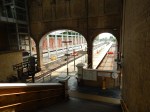
These pictures show the station.


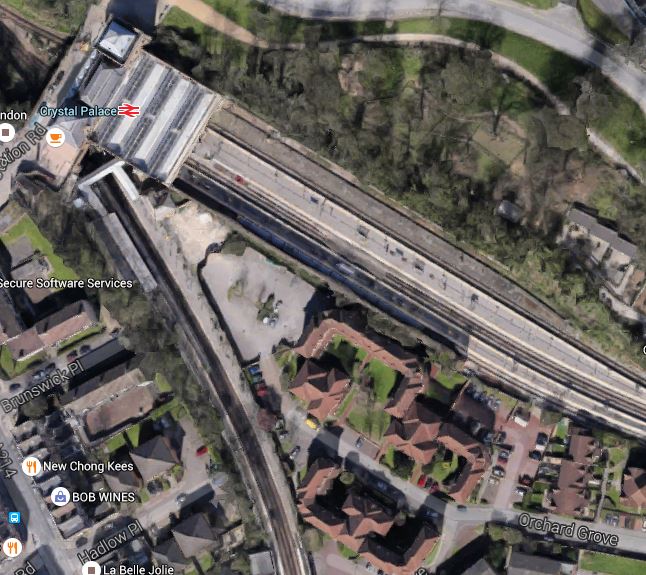
This is a Google Map of the station.
Crystal Palace Station
And this map from carto.metro.free.fr shows the platform and line layout.

Crystal Palace Platforms And Lines
Note.Platform 3, which is one of the terminating platforms for East London Line services is next to Platform 2, which is the platform for Beckenham Junction, West Croydon and Sutton.
- Unfortunately, the space between seems to have been used for new and expensive housing.
- At present most, if not all East London Line services seem to terminate in Platform 5 not Platform 3.
- Platform 3 would appear to have better walking connections to the two North-bound platforms 1 and 4.
So is this making the best use of the station?
In Increased Frequencies On The East London Line, I stated that from 2018, there will be two additional trains from Dalston Junction to Crystal Palace.
This will make 6 tph in total.
Let’s hope that these extra trains will connect to onward trains.
It would be so nice to go to Platform 3 at Crystal Palace every ten minutes, just walk across to Platform 2 and get a train a few minutes later to Beckenham Junction or even Bromley South and/or Orpington. In an ideal world, that would be followed a couple of minutes later by a train to West Croydon, Waddon, the new Bebbington station, Wallington and Sutton.
At the present time, only two tph from Dalston Junction give a reasonable connection, but you wait around fifteen minutes.
One point that the maps clear up, is that there would appear to be little space for a tram platform.
Was this why the proposal was dropped?
But if the frequency of trains between Crystal Palace and Beckenham Junction could be six tph, would a tram link be needed?
At present they are just 2 tph. But surely, once Thameslink is complete and there are more paths available to London Bridge, I’m certain that the frequency could be increased.
It needs to be at least 4 tph.
 The Anonymous Widower